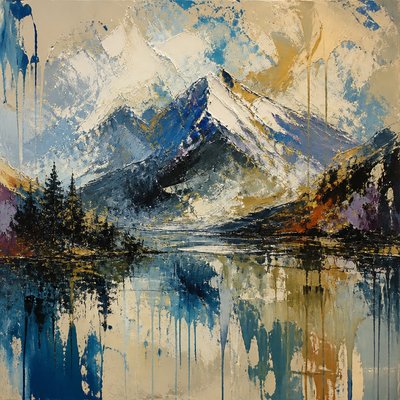
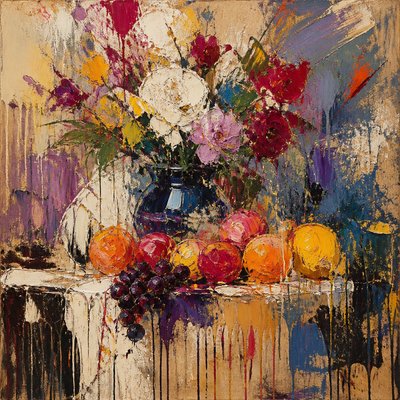
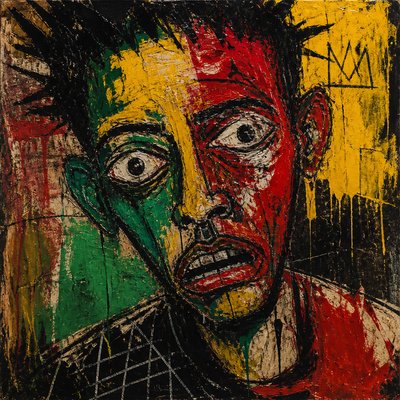
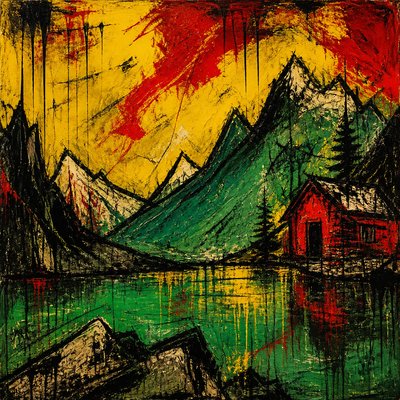
Expressionist Portrait Style
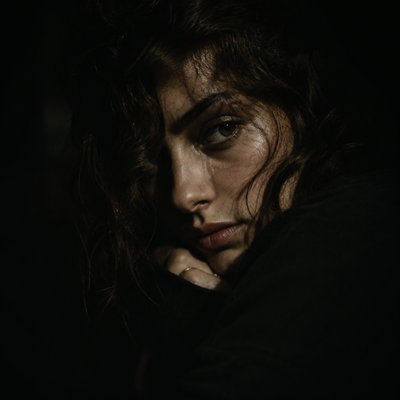
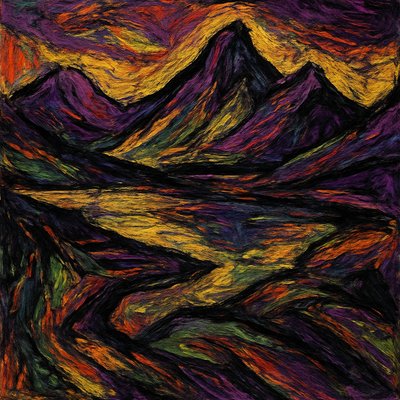
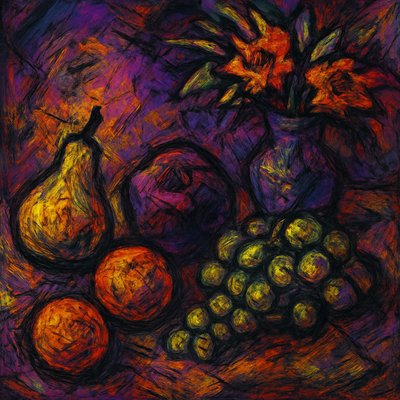
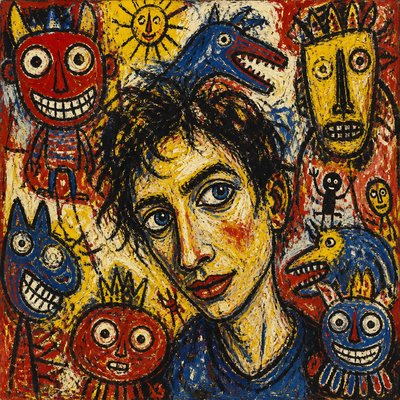
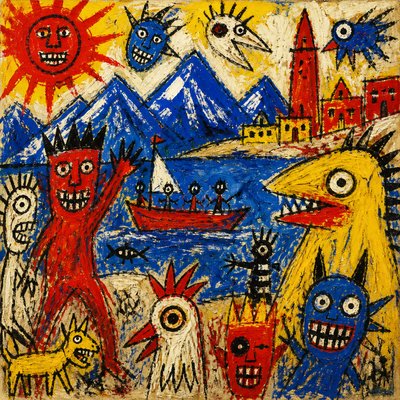
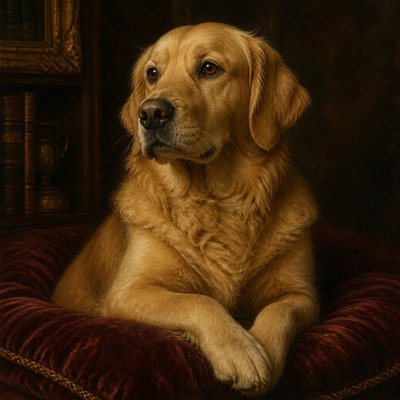
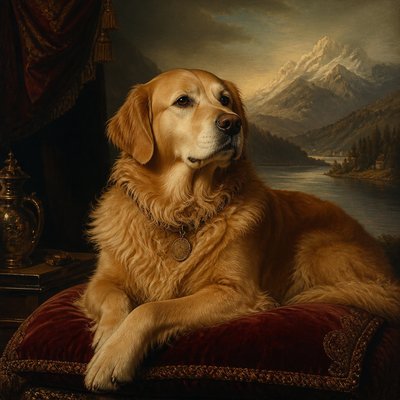
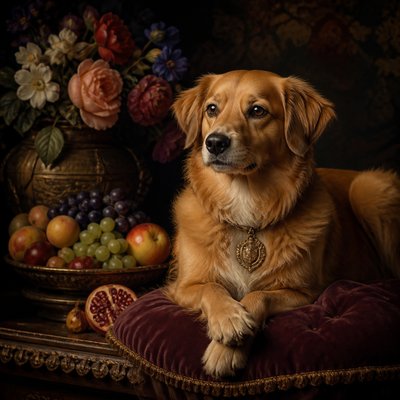
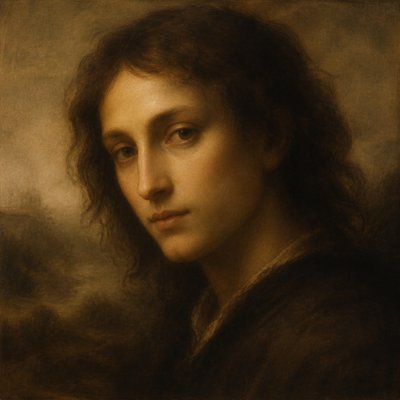
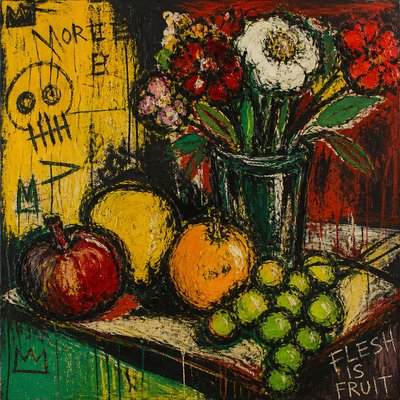
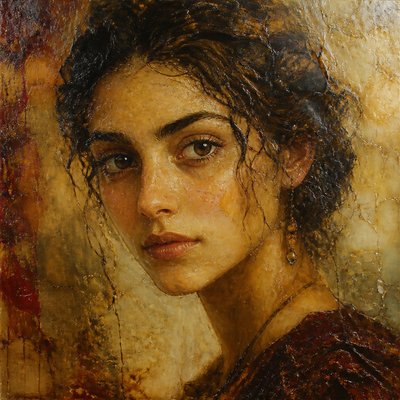
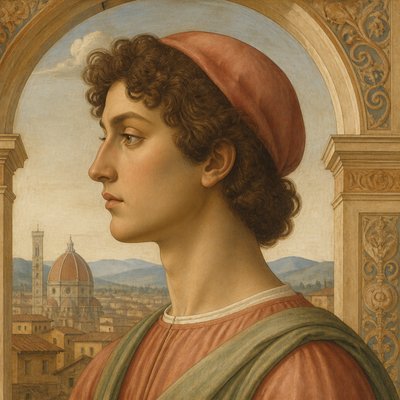
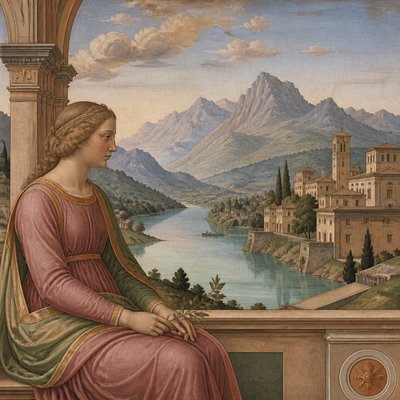
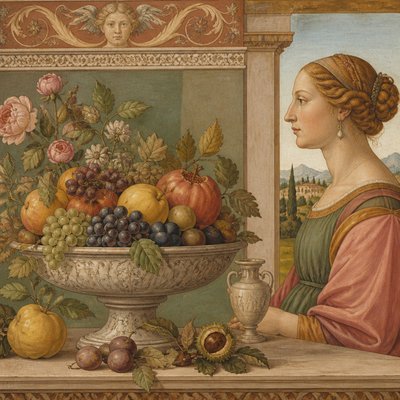
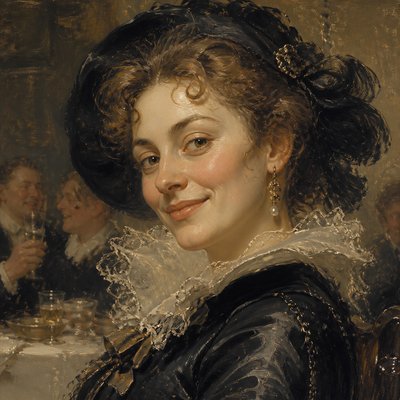
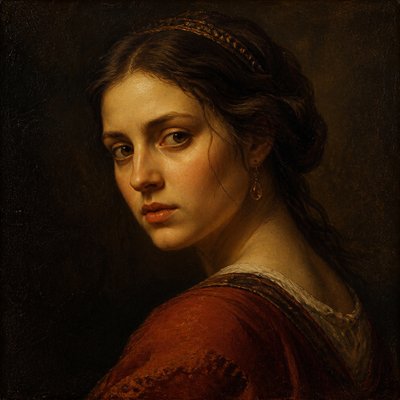
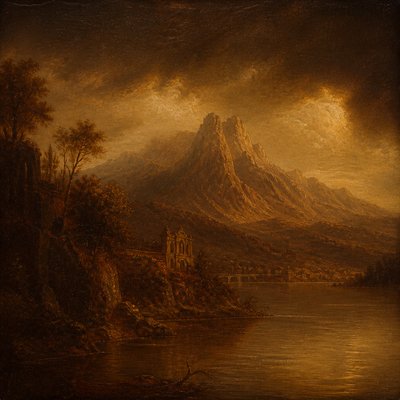
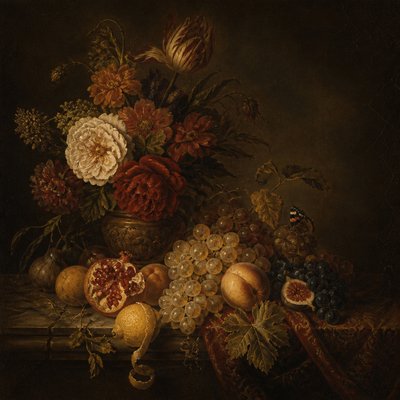
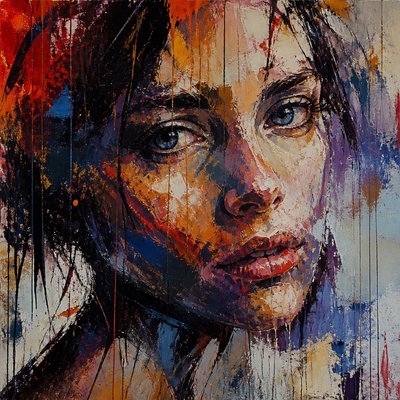
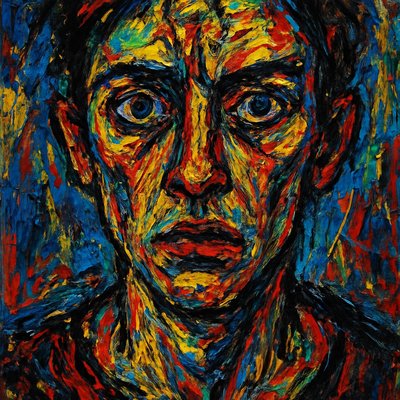
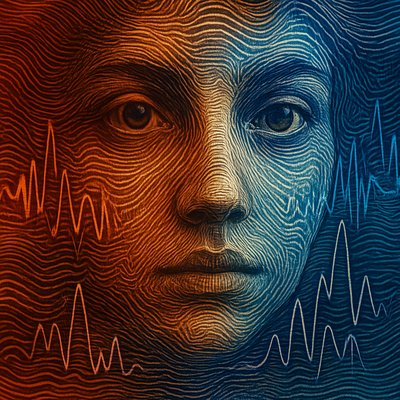
Expressionist portraiture distorts features and uses violent brushwork, clashing color, and emotional symbolism to reveal inner states.
Instantly rendered in Expressionist Portrait — or transform a photo
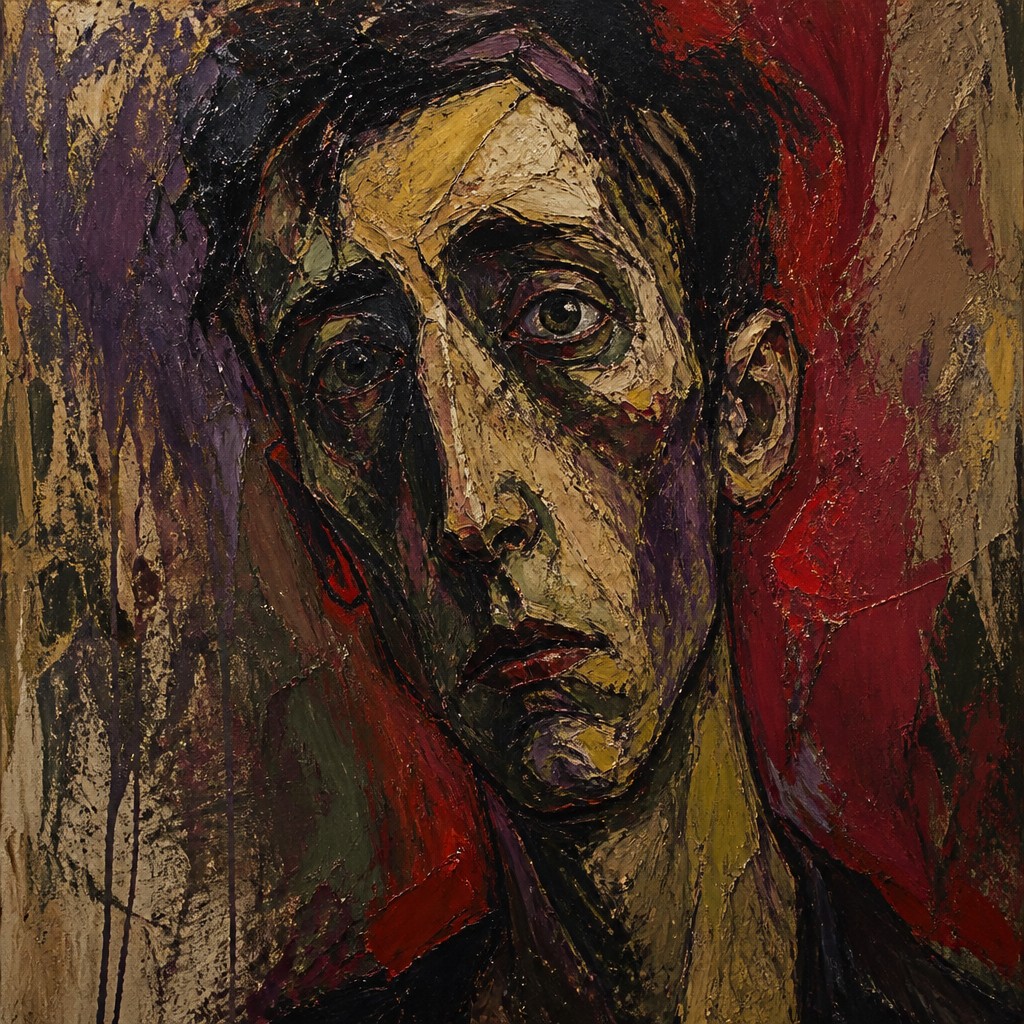
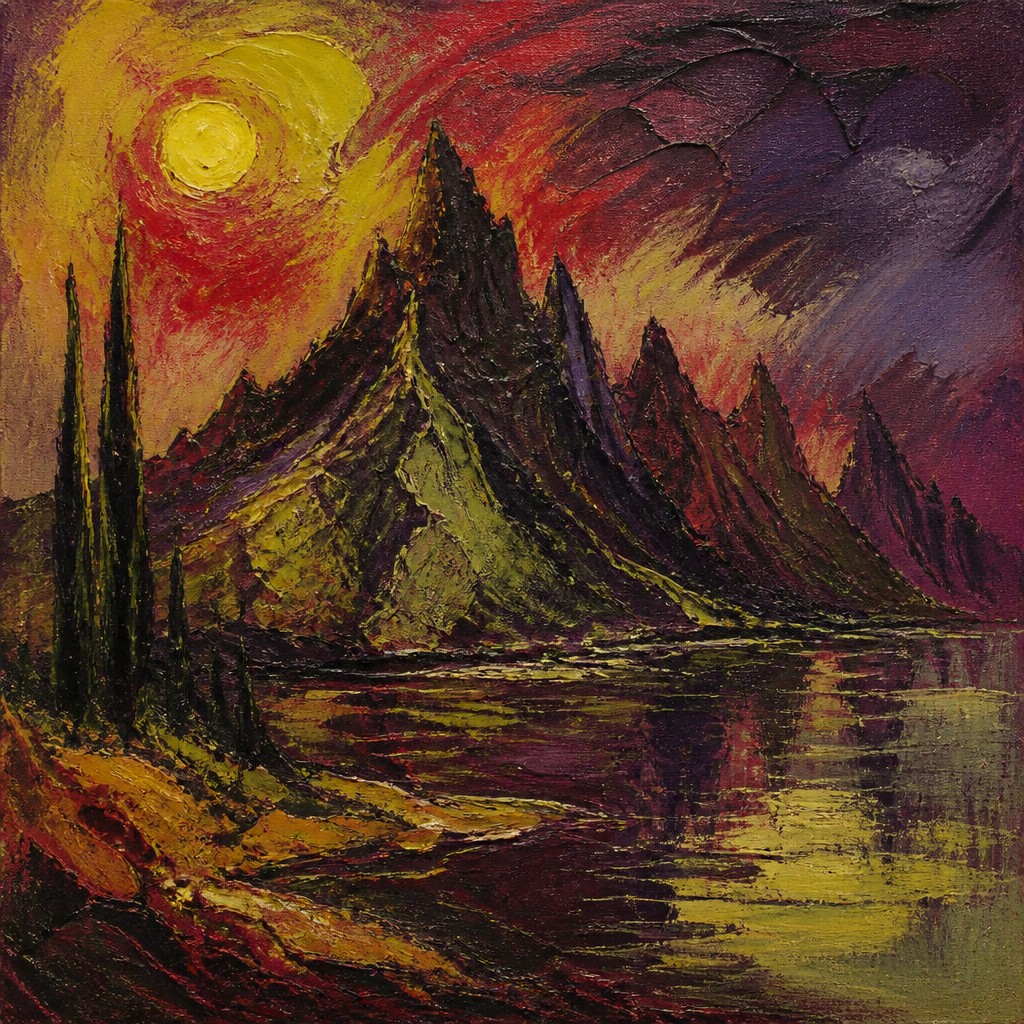
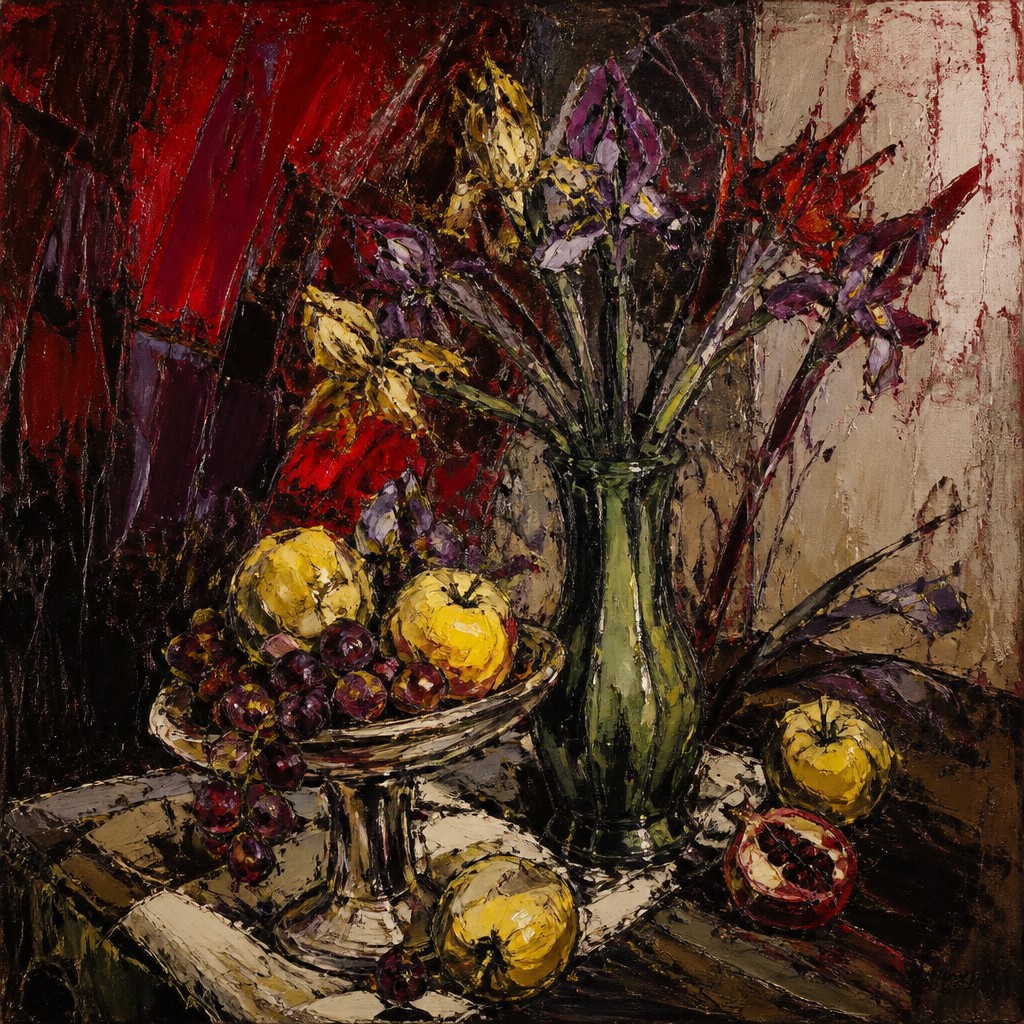
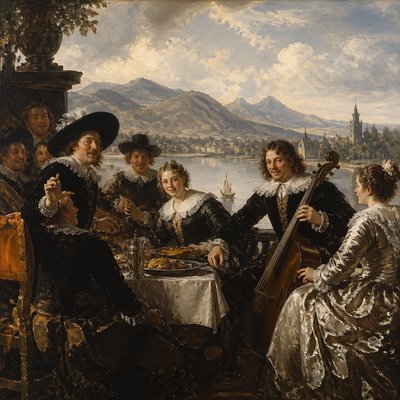
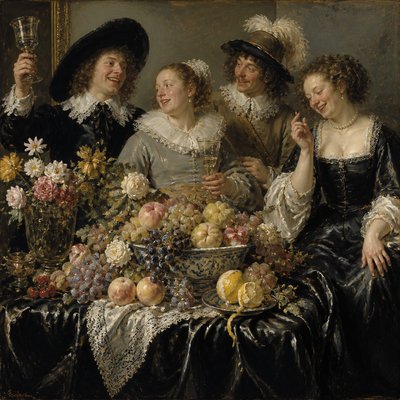
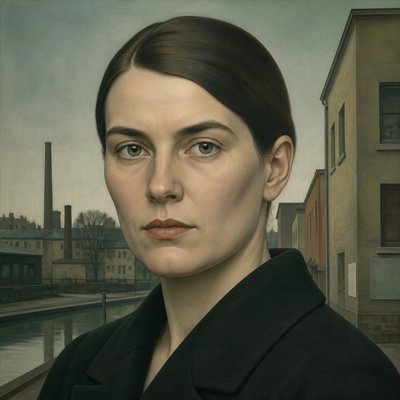
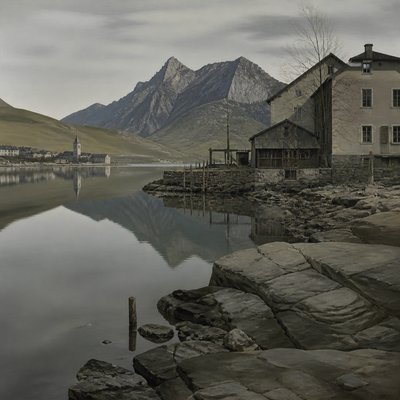
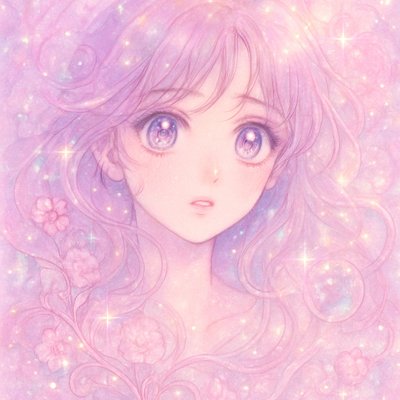
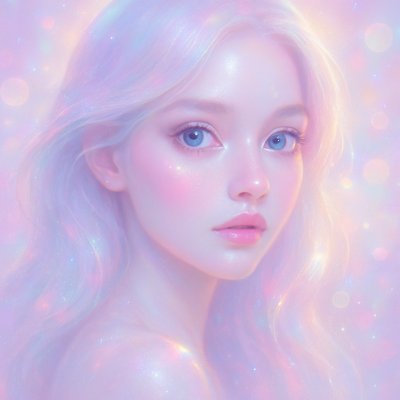
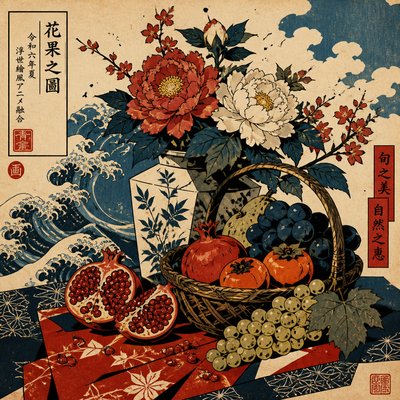
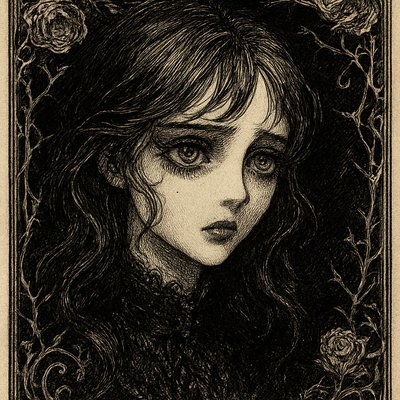
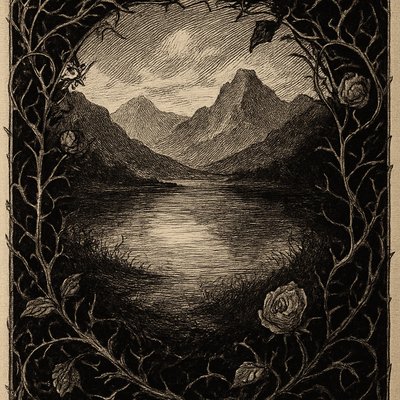
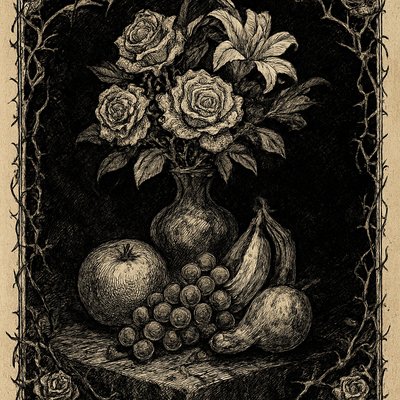
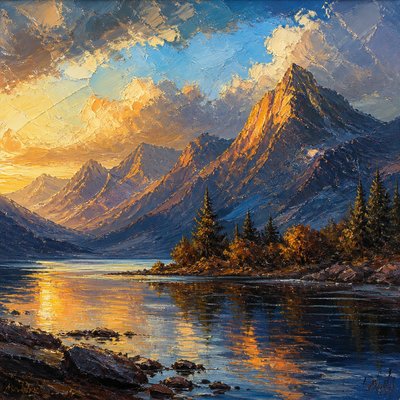
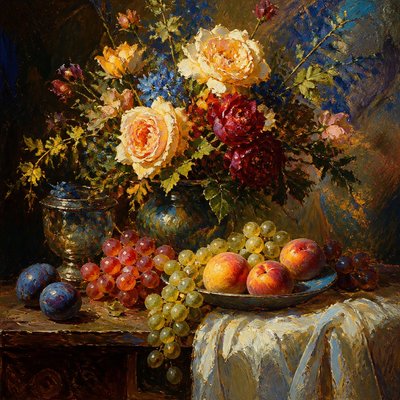
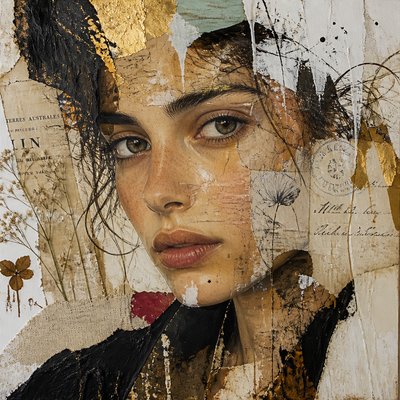
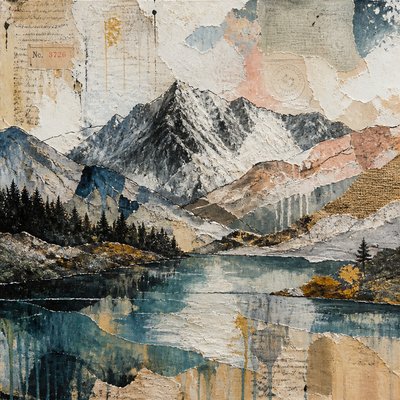
Expressionist Portrait Gallery
Tap any artwork to explore it
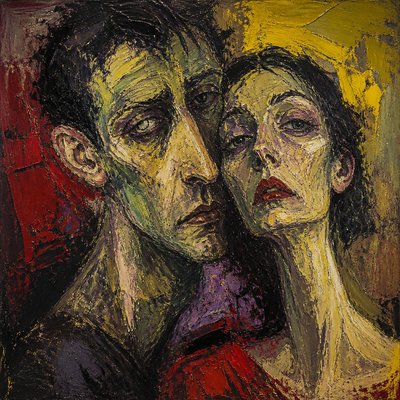
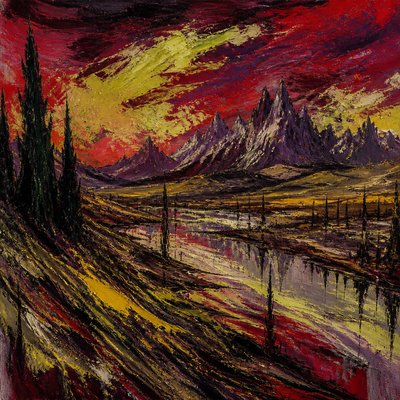
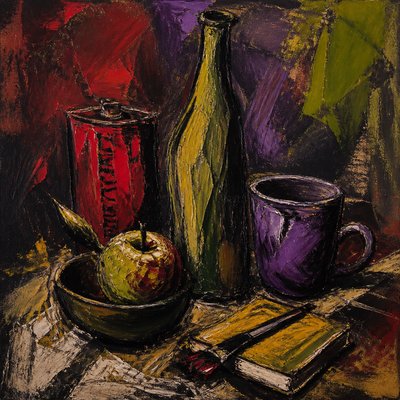
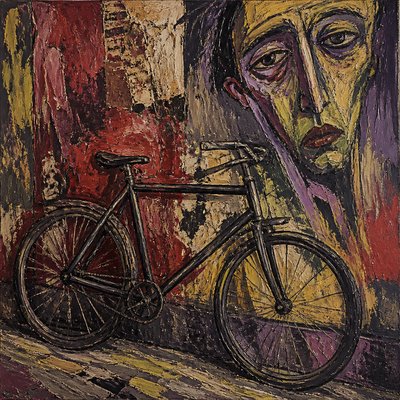
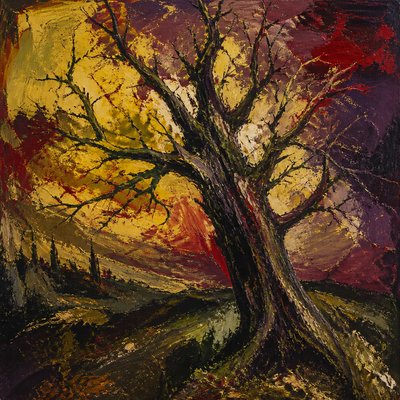
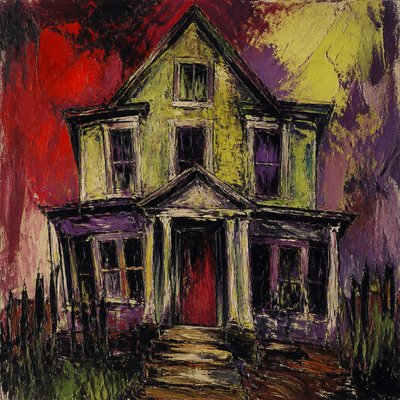
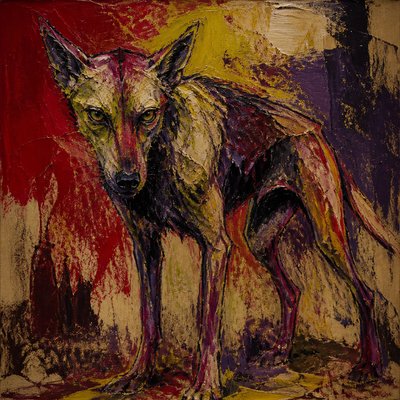
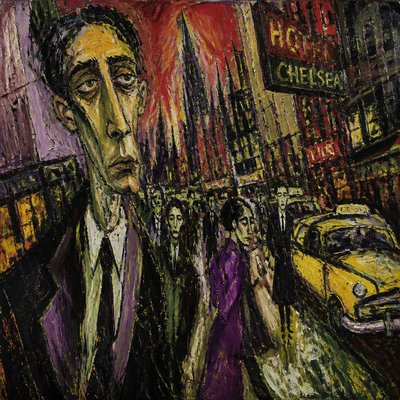
What is Expressionist Portrait Style?
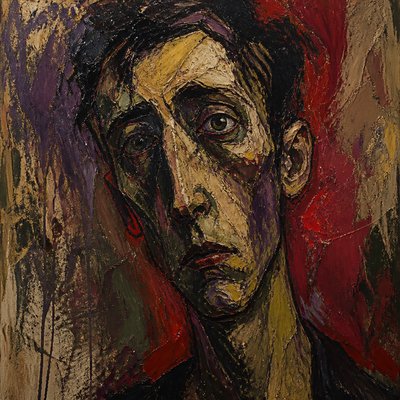
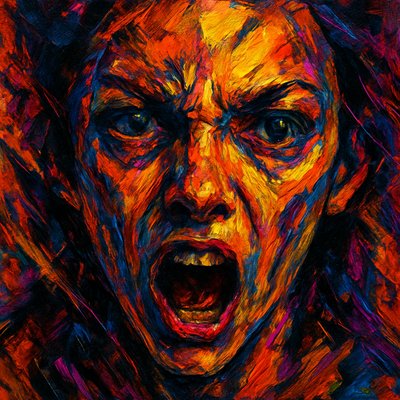
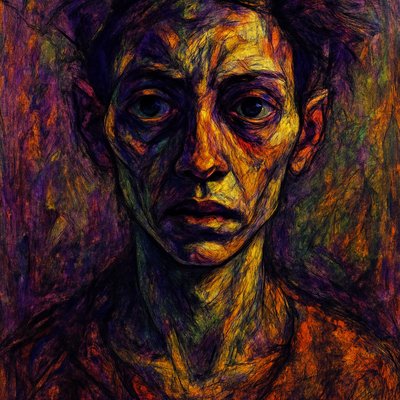
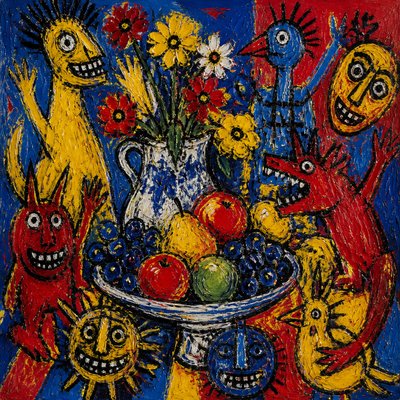
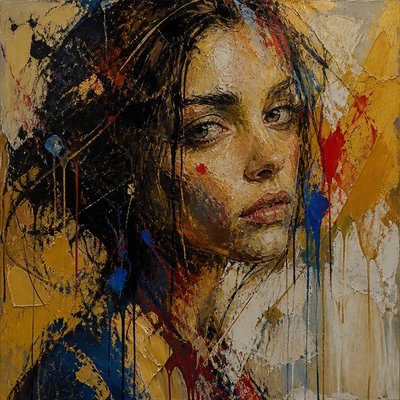
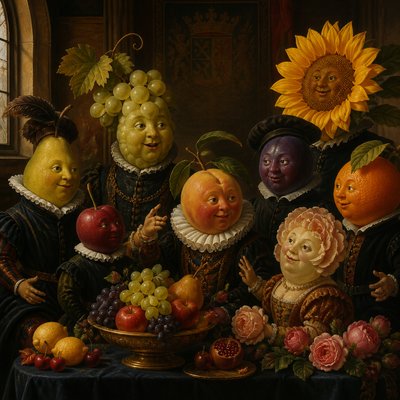
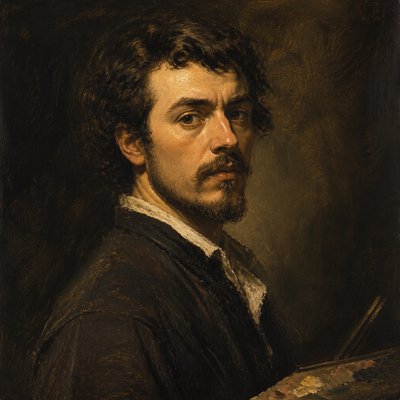
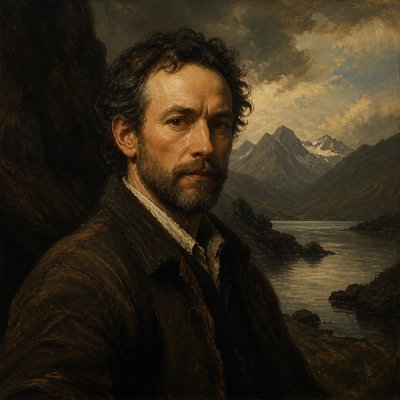
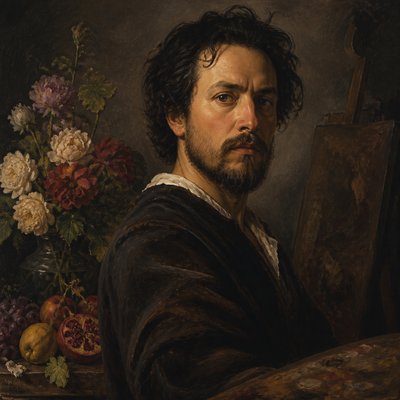
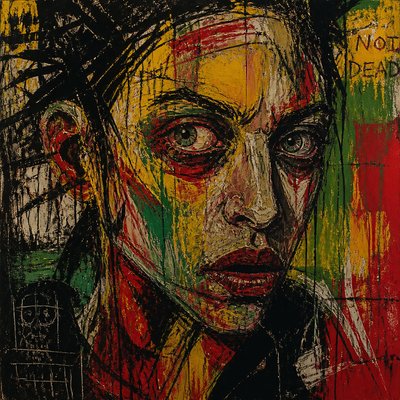
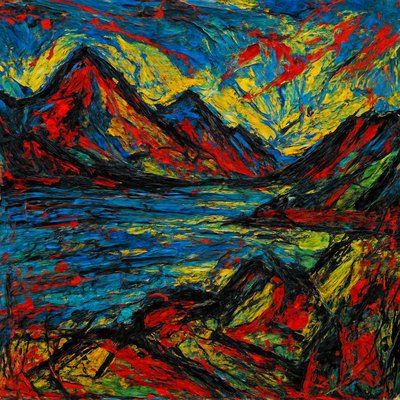
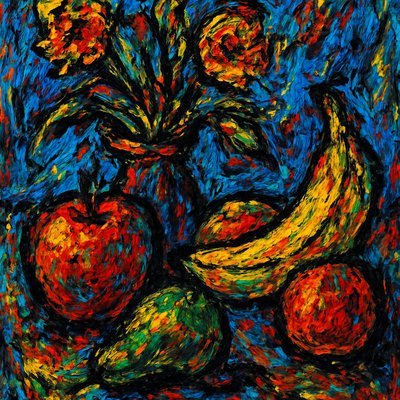
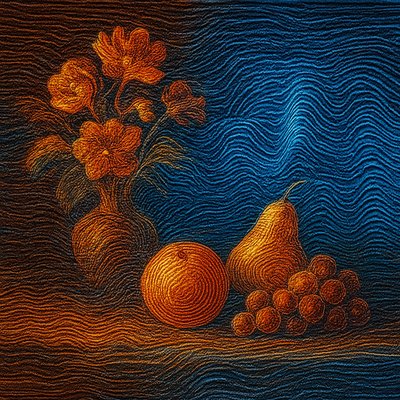
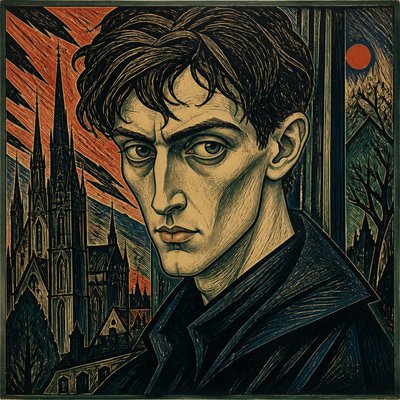
Expressionist portrait style is a portrait approach that values emotional intensity over anatomical accuracy. Faces, bodies, and backgrounds are often distorted, simplified, or pushed into exaggeration so the image communicates anxiety, tension, isolation, longing, or rage more directly than a literal likeness would.
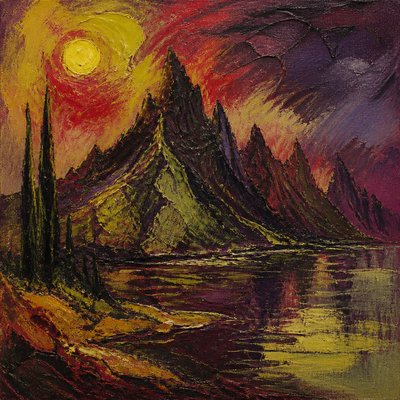
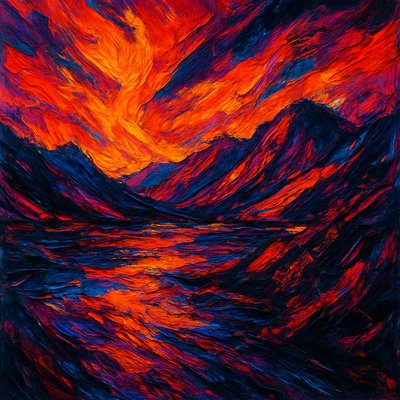
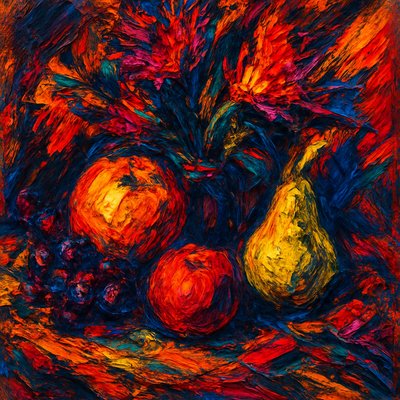
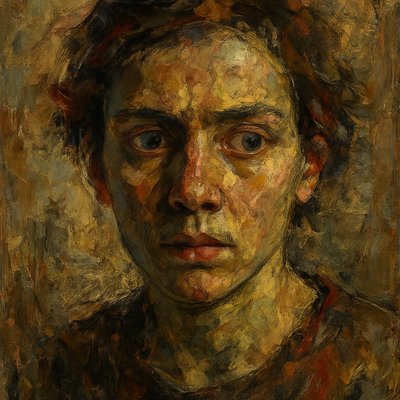
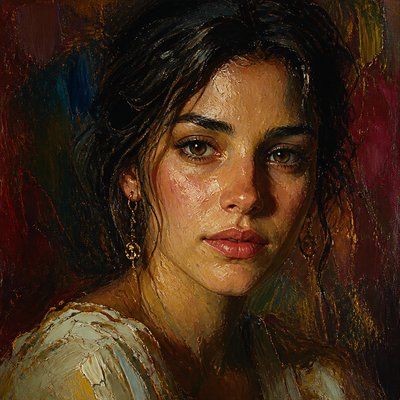
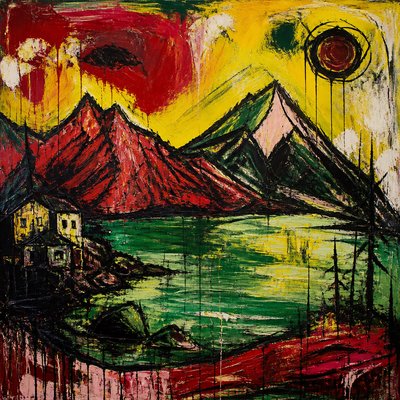
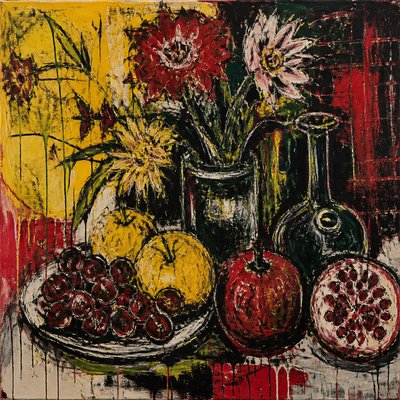
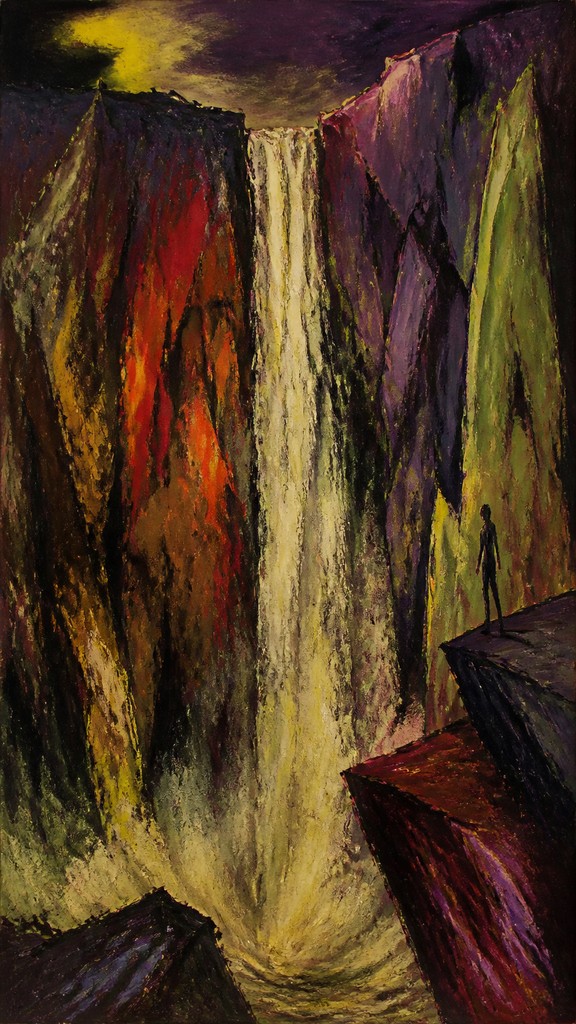
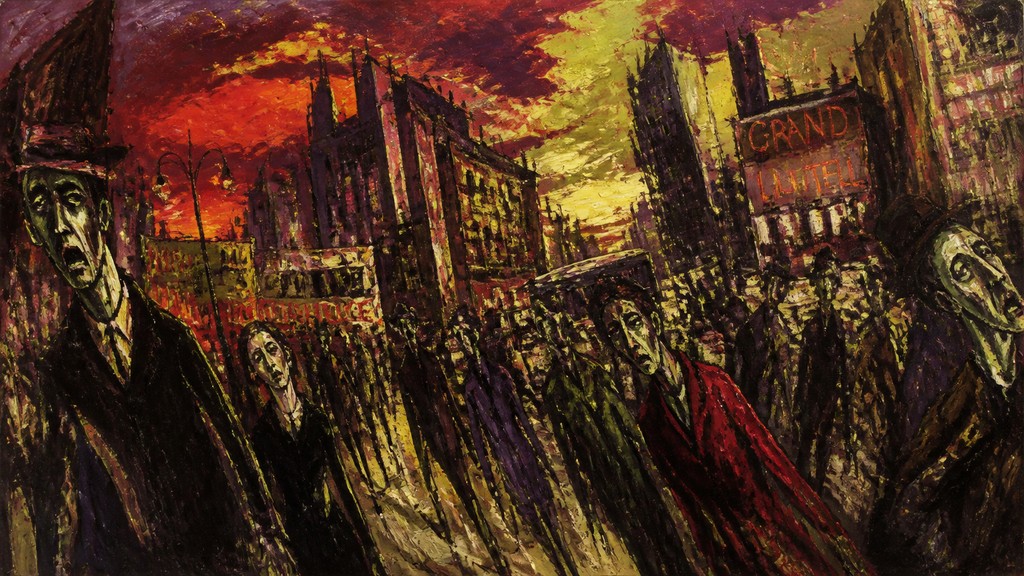
Its visual identity is built from aggressive brushwork, thick paint, rough handling of the surface, and highly expressive color. Deep reds, acidic yellows, bruised purples, sickly greens, and dark earth tones often clash rather than harmonize, creating a psychological effect in which color, mark, and distortion become the true subject of the portrait.
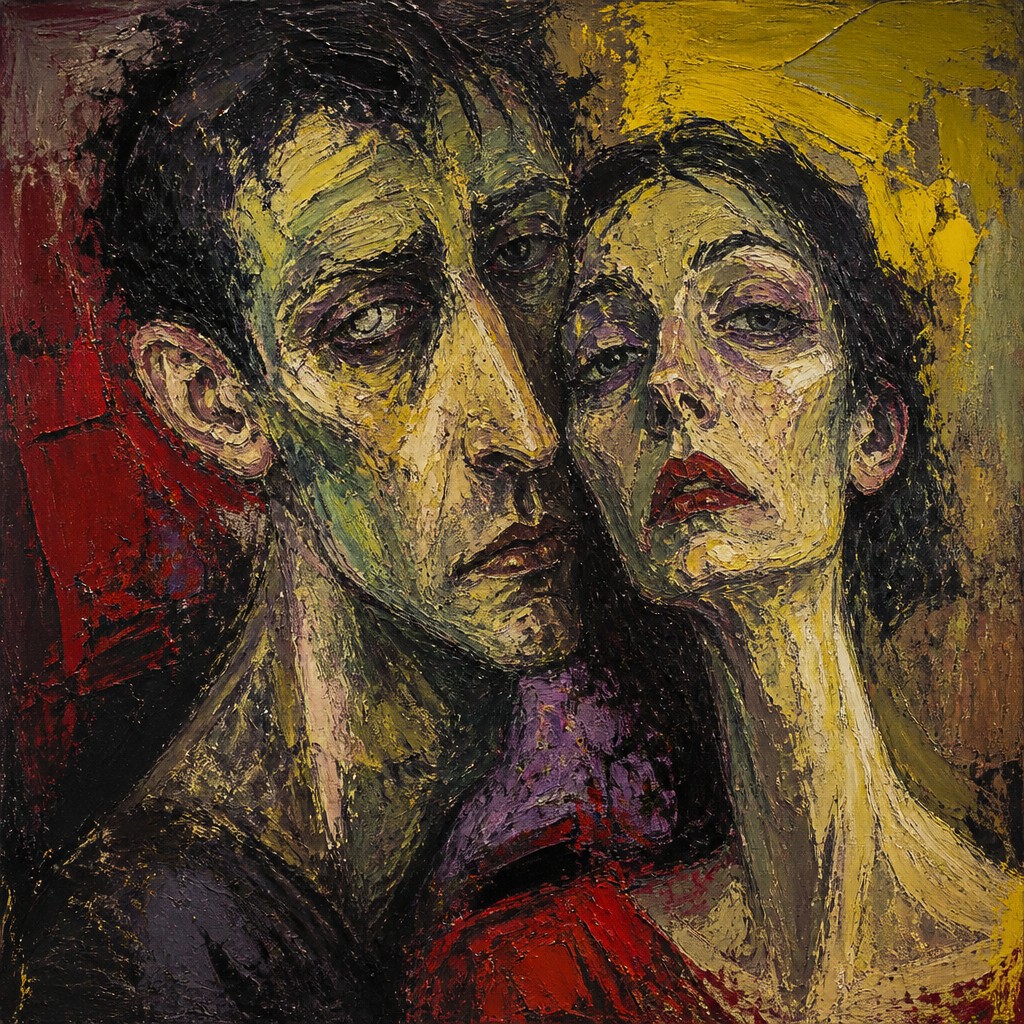
Try It On Your Photos
Upload any photo and convert it into Expressionist Portrait Style — drag the sliders to compare before and after.
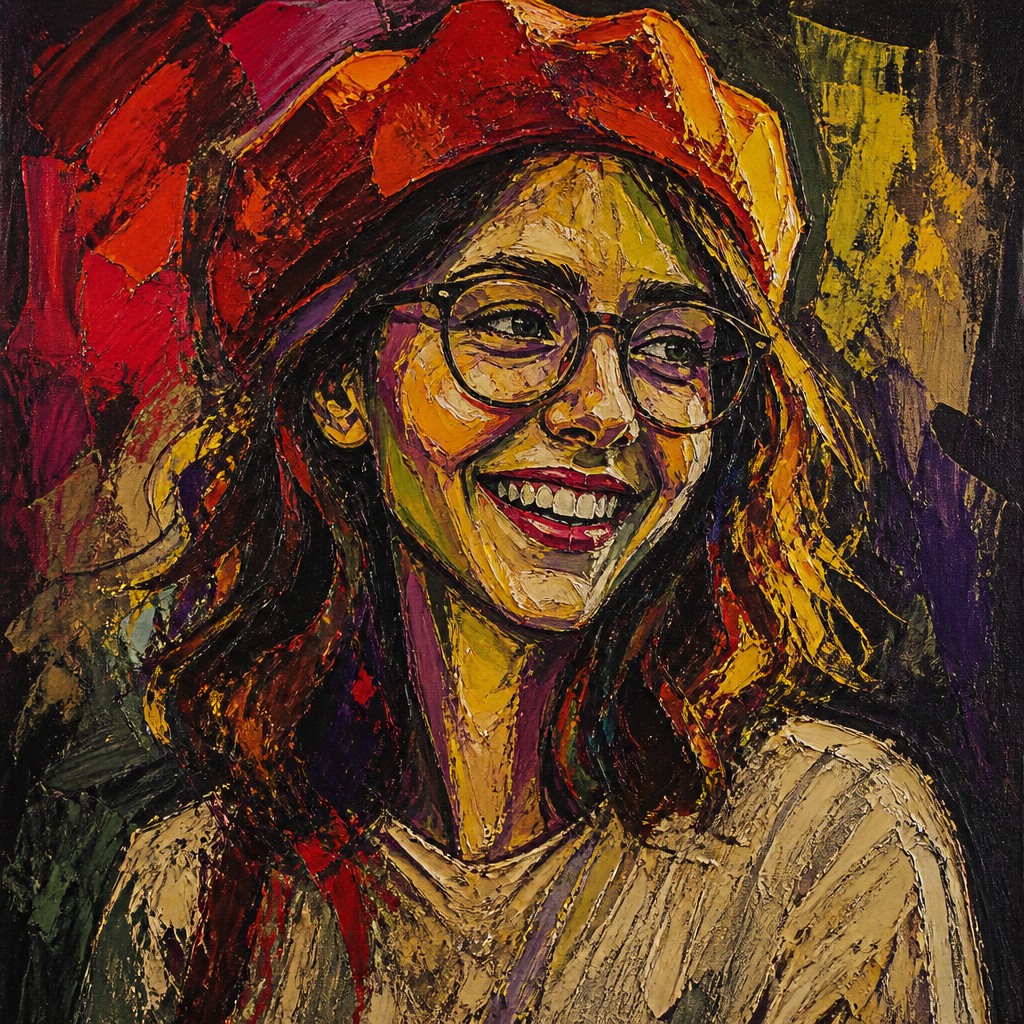

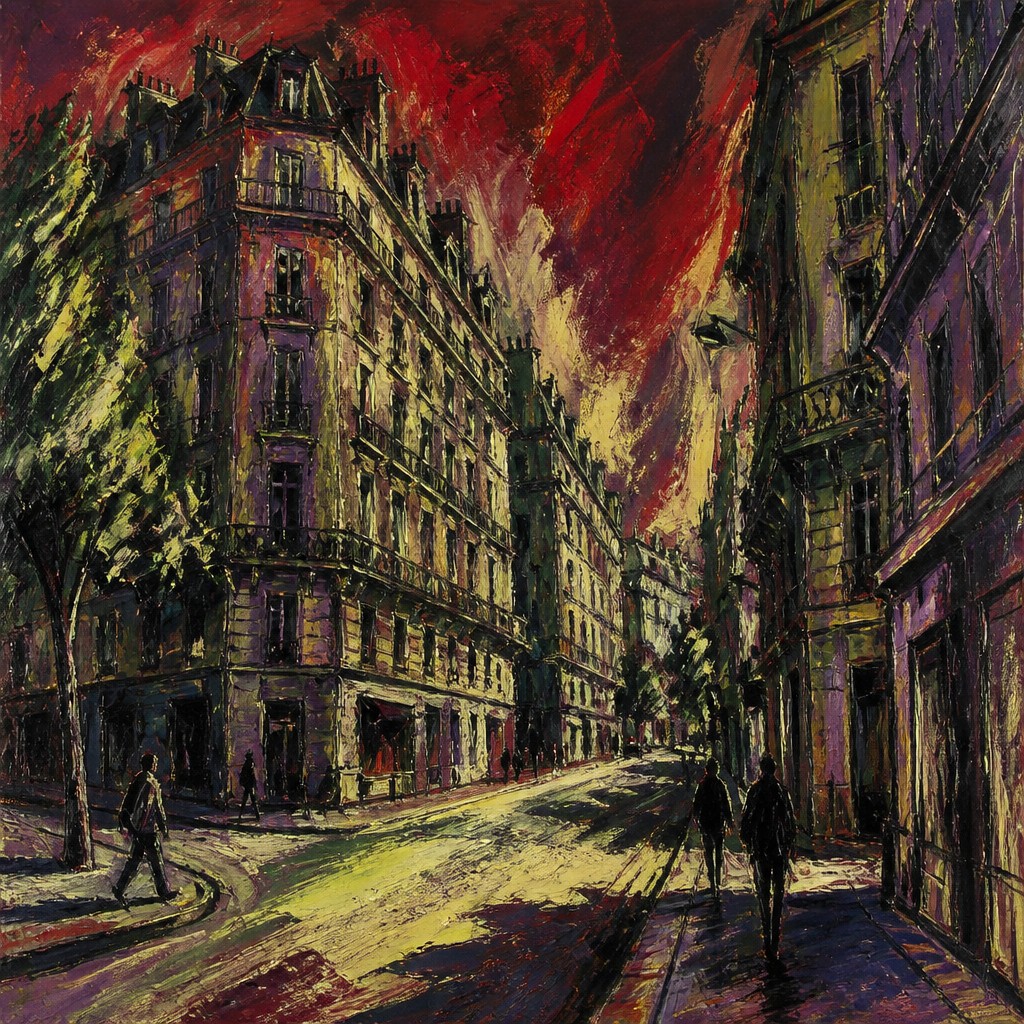

What Defines Expressionist Portrait Style
The signature details, up close
Distorted facial structure
Eyes, mouths, hands, and skull shapes are often exaggerated, elongated, or misaligned to suggest psychological strain. The likeness may be recognizable, but it is intentionally unstable.
Aggressive brushwork
Brushstrokes are visible, fast, and emotionally loaded, often sweeping across the face and background with little smoothing. The mark-making itself becomes part of the portrait's meaning.
Psychological color
Color is chosen for emotional effect rather than naturalism, with clashing hues used to intensify mood. Reds may signal heat or alarm, greens may feel sickly, and purples may suggest bruising or unease.
Heavy paint handling
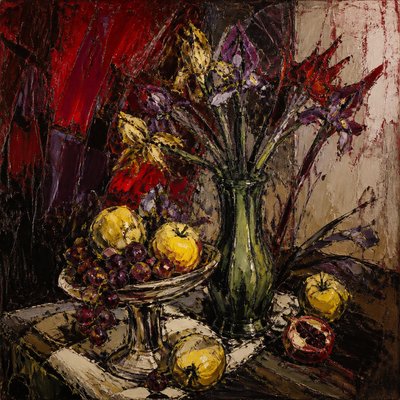
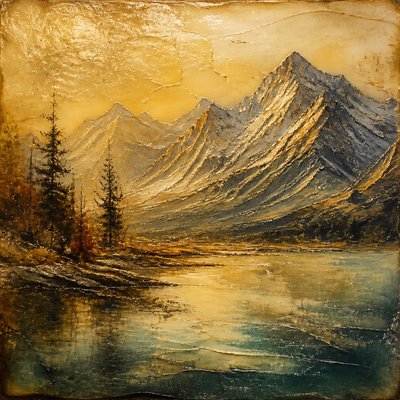
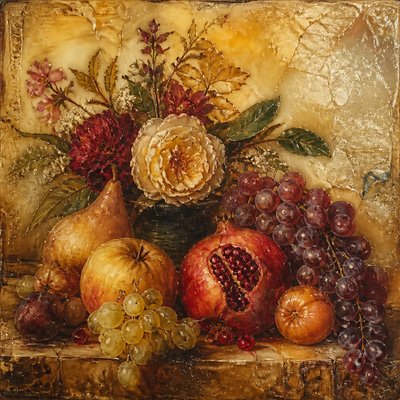
Impasto, palette-knife scraping, and layered paint surfaces create a tactile, physically intense image. Thick passages often sit beside thin, translucent washes for added tension.
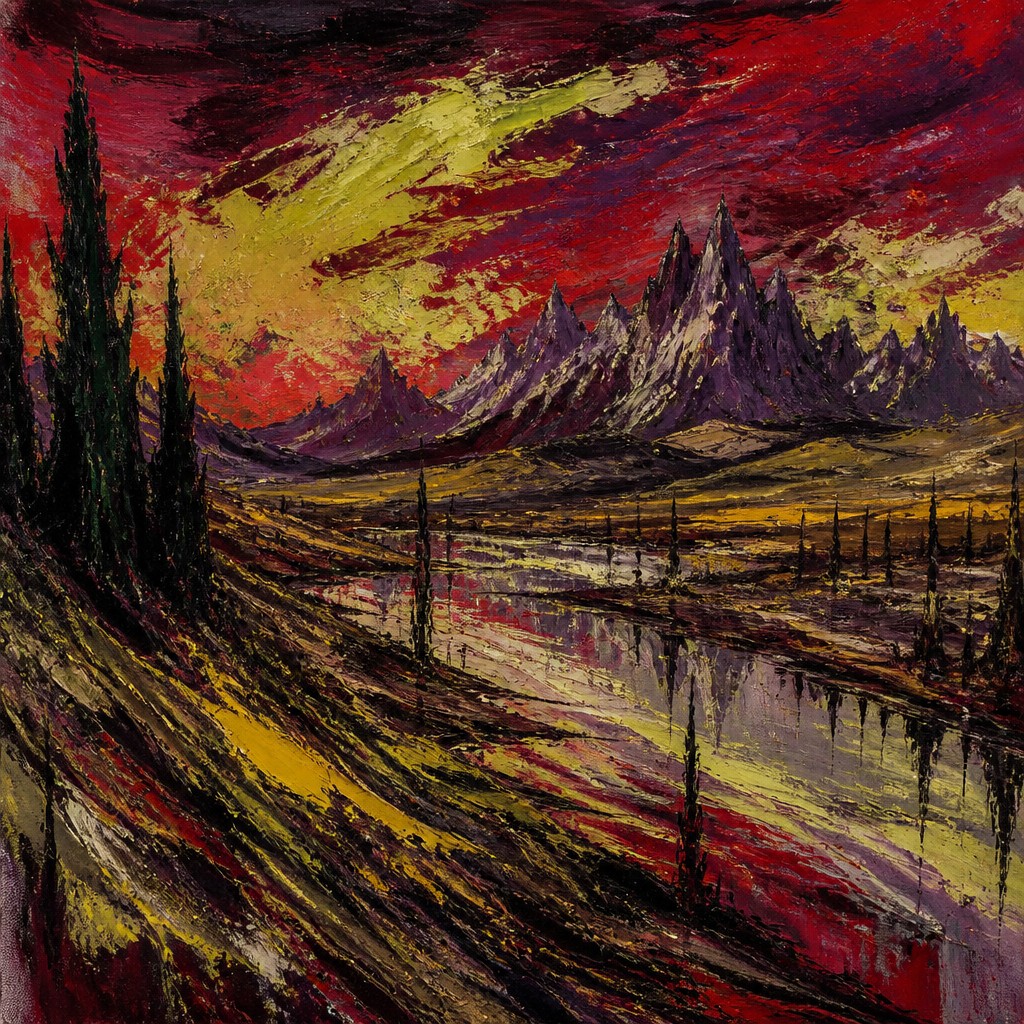
Rough tonal contrast
Light and dark areas are pushed into abrupt opposition, often flattening form or making features emerge from shadow. This sharp contrast heightens drama and psychological weight.
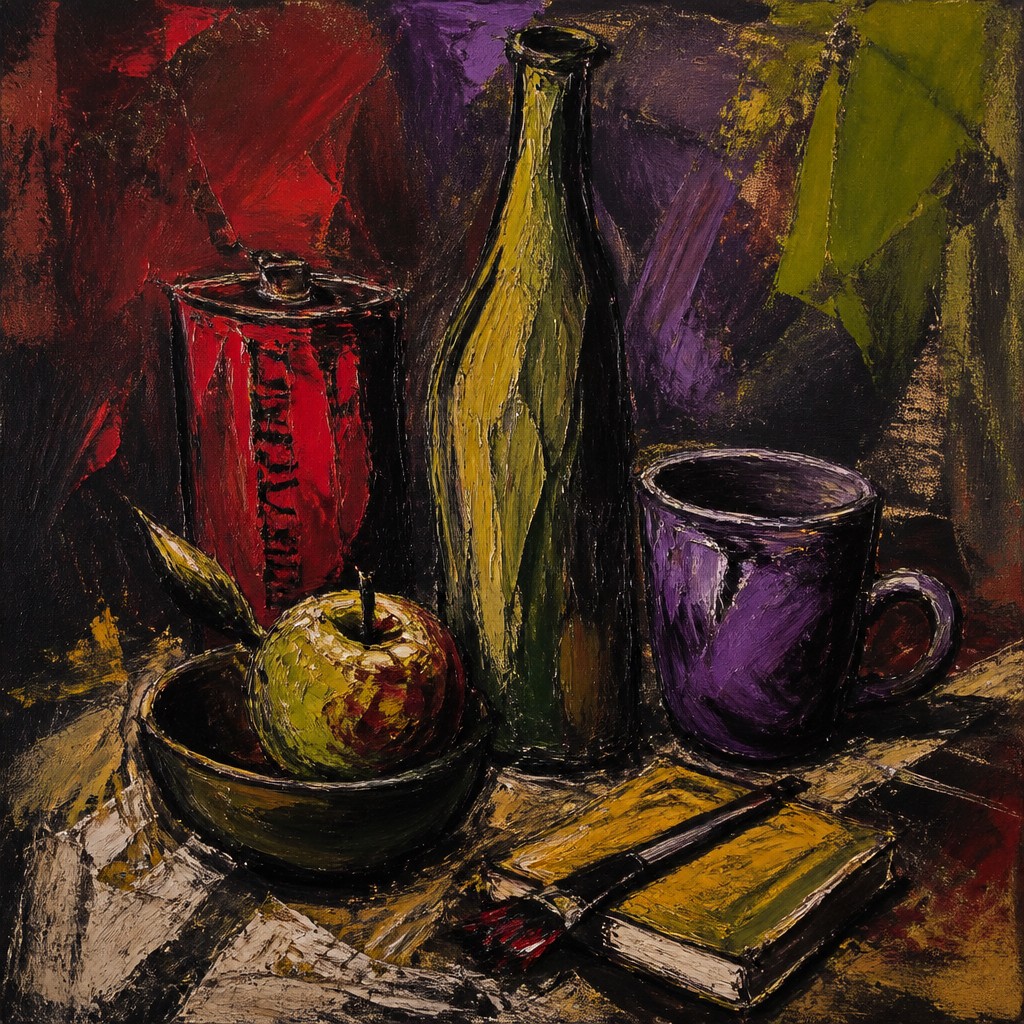
Visible surface texture
Canvas grain, dry-brush scratches, and uneven pigment application are usually left visible. The unfinished or rough surface is part of the style rather than a flaw.
Try It
Create Videos in Expressionist Portrait Style
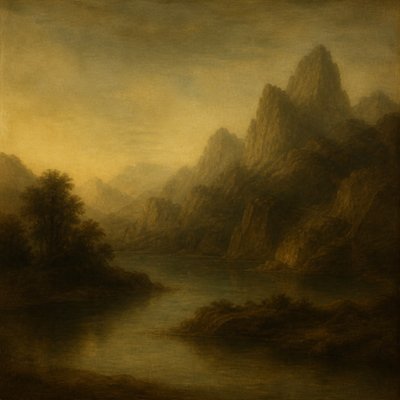
Styles aren't just for stills — describe a scene or animate an image and get a short video rendered in Expressionist Portrait. Press play to see this pond come to life.
Make a VideoExpressionist Portrait Prompt Ideas
Start from an idea — each one opens the generator with the style ready to go. See all 40 Expressionist Portrait prompts →
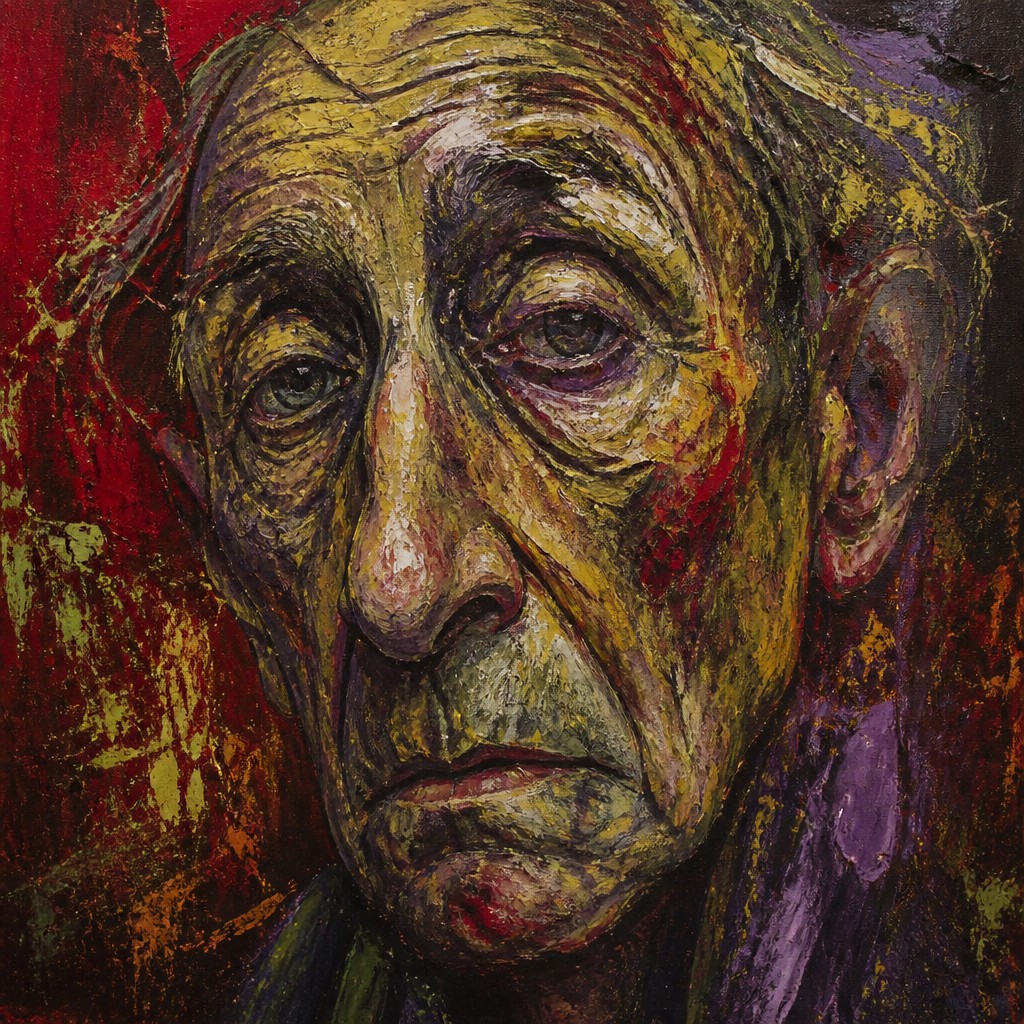
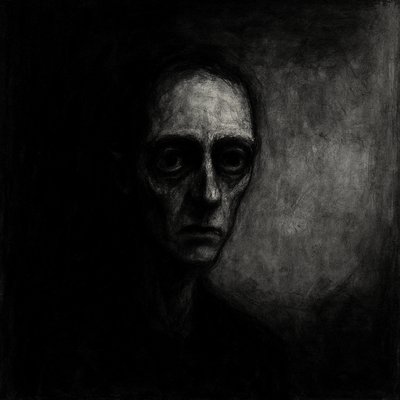
“close-up portrait of an elderly person with expressive weathered features”
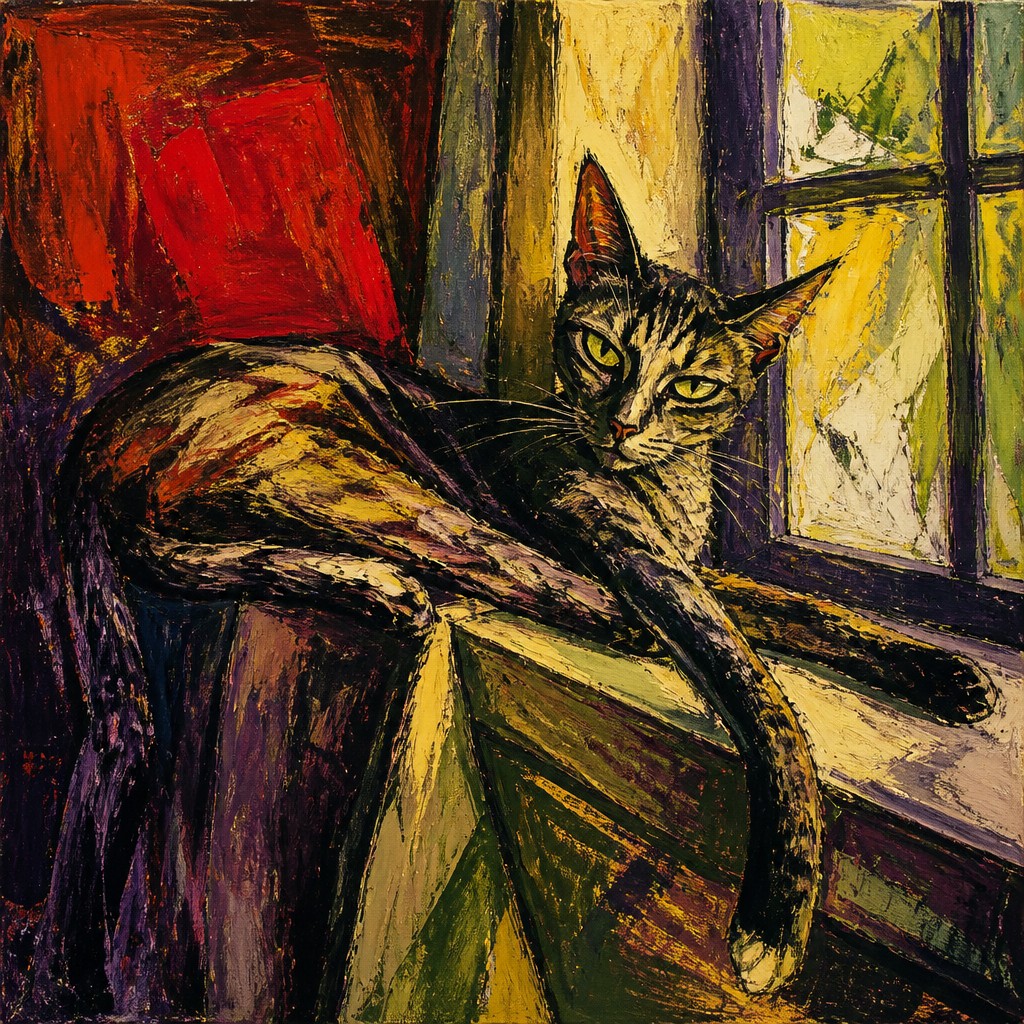
“a cat lounging in a sunlit window”
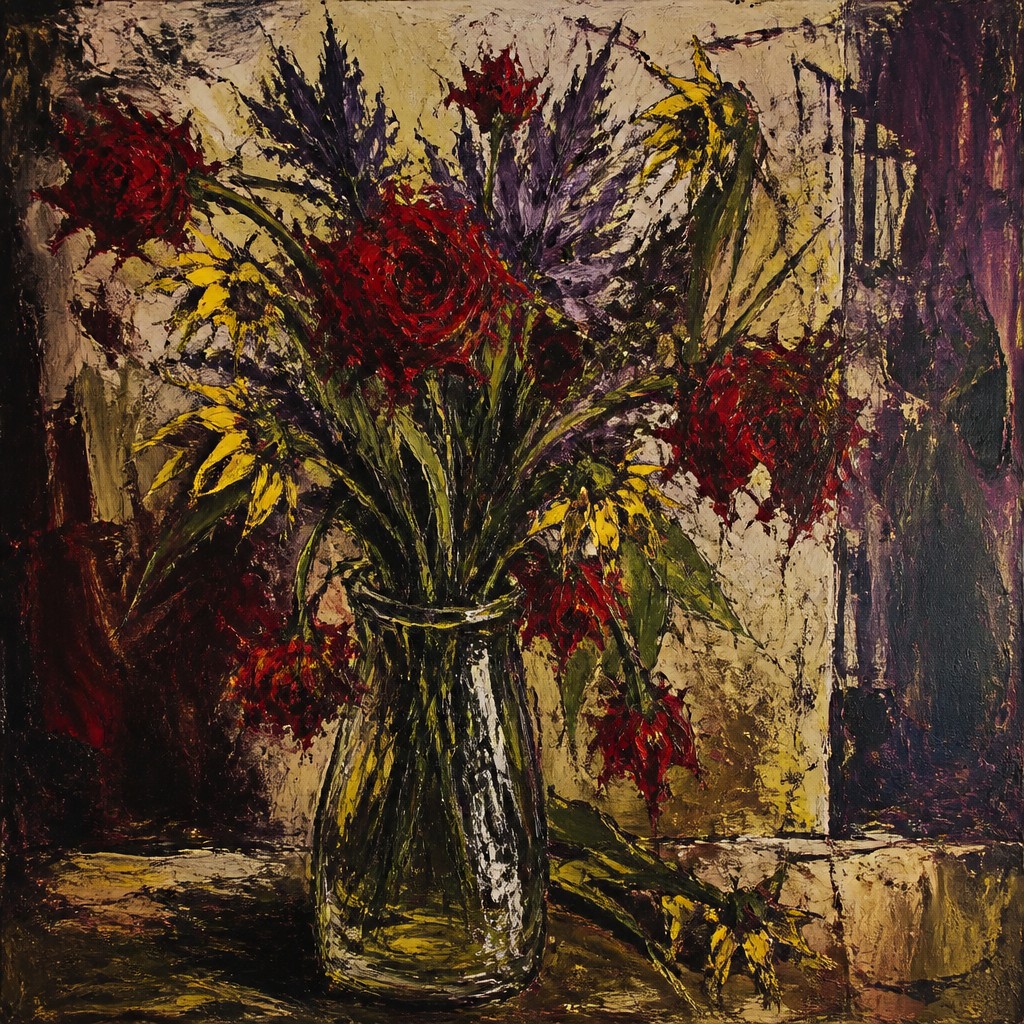
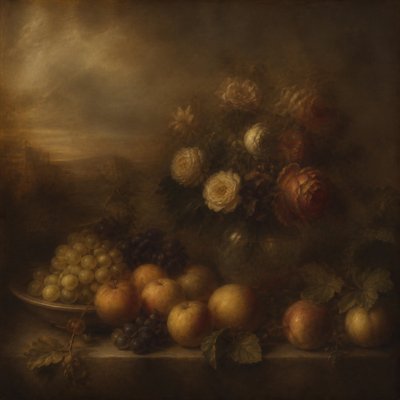
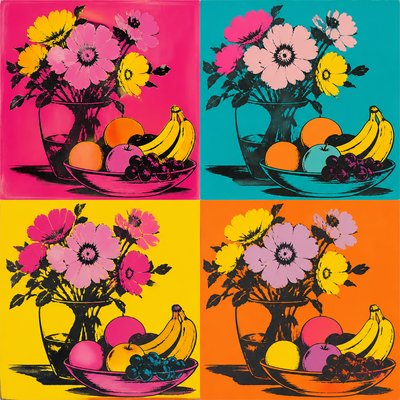
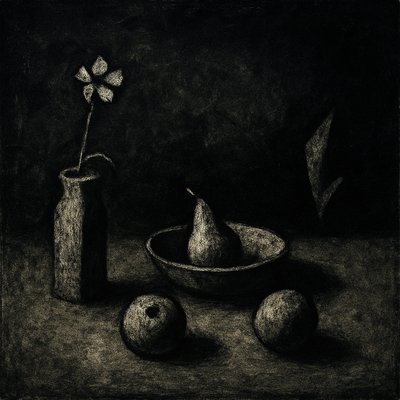
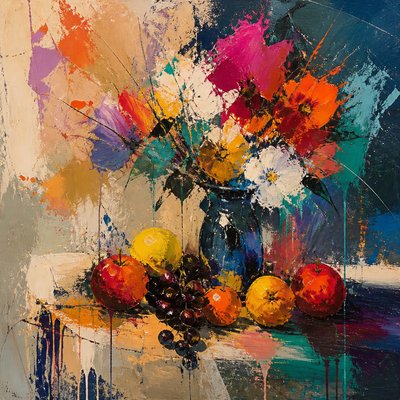
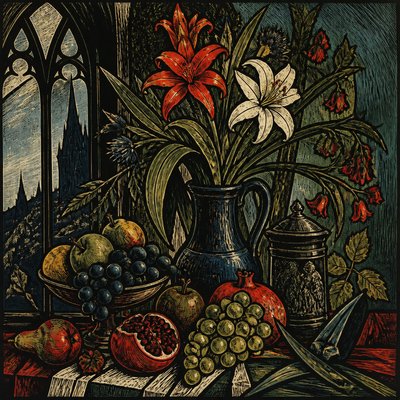
“bouquet of flowers in a glass vase”
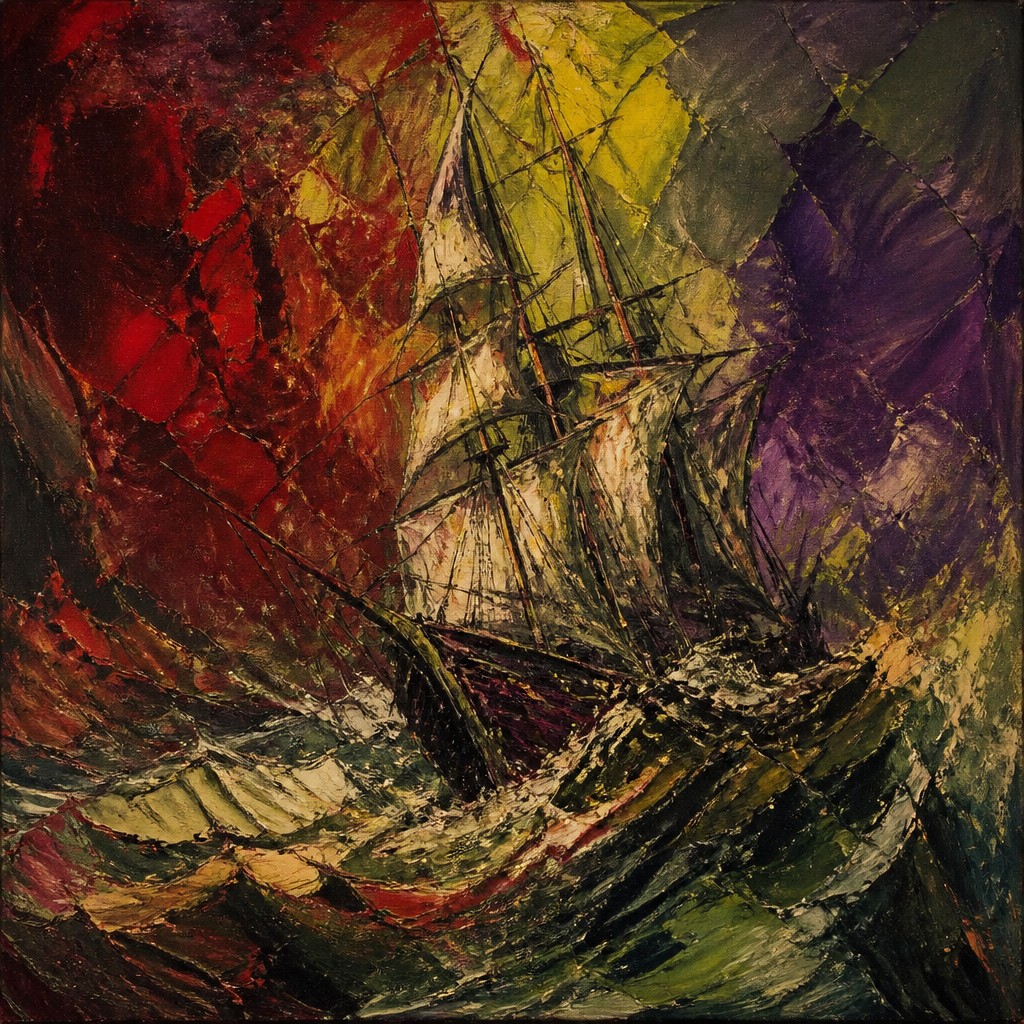
“sailing ship on a stormy sea”
How to Create Expressionist Portrait Art
Master the craft step by step — or skip straight to creating. Read the full guide →
- 1
Start from emotion, not resemblance
Choose a specific mood or inner state first, then let that determine the distortions in the face and body. In a traditional painting, sketch loosely and alter proportions early; in a digital workflow, avoid overly clean linework and preserve irregular forms.
- 2
Use a limited but conflicted palette
Build the portrait around clashing colors that carry psychological weight rather than natural skin tones. Try pairing crimson with greenish shadows, sulfurous yellows with violet undertones, or muddy neutrals with sudden bright accents.
- 3
Keep the brushwork visible
Use broad, directional strokes, broken edges, and passages that show speed and pressure. In digital tools, favor textured brushes, opacity variation, and rough blending rather than airbrushed transitions.
- 4
Contrast thick and thin paint passages
Combine heavy, sculptural areas in the face or hands with thin washes in the background or shadow zones. This creates a tactile hierarchy that makes the portrait feel physically and emotionally charged.
- 5
Push distortion with restraint
Exaggeration should feel purposeful, not random: stretch a neck, tilt the eyes, sharpen the jaw, or compress the mouth to reinforce the expression. When generating with text prompts, specify emotional intent, distorted proportions, rough paint, impasto, and strong color conflict.

The Story
History & Origins of Expressionist Portrait
Expressionist portraiture belongs to the broader historical current of Expressionism that developed in Europe in the early 20th century, especially in Germany and Austria. Rather than inventing a single fixed formula, it grew from the belief that art should externalize inner experience, a goal shared by artists working in painting, printmaking, and related modernist practices.
Its lineage also draws on earlier and adjacent traditions: Post-Impressionist color and structure, Fauvist chromatic freedom, and the emotionally charged self-portraiture of a major early Expressionist painter and a highly individual Austrian Expressionist artist. In the 20th century, painters including major figures of the German Expressionist movement and a prominent Russian-French modernist painter helped establish the distortive, psychologically charged portrait as a major modern form. Contemporary versions continue that lineage in both traditional painting and digital image-making.
Influences: This style is closely related to early 20th-century Expressionism, especially the work of leading Expressionist painters and emotionally intense portrait artists from Germany and Austria, as well as the deeply subjective figuration of a major early Expressionist painter known for anguished self-portraits. It also overlaps with Post-Impressionism, Fauvism, and aspects of modernist portraiture that prioritize subjective color and expressive distortion over optical realism.
Frequently Asked Questions
What defines expressionist portrait style?
It is defined by emotional distortion: faces and bodies are altered to communicate inner feeling rather than exact appearance. Strong color contrasts, visible brushwork, and a rough painted surface are central to the look.
How is it different from realistic portrait painting?
Realistic portraiture aims for accurate anatomy, proportions, and likeness, while expressionist portraiture willingly breaks those rules. The goal is not to show what someone looks like, but what they feel like or what their presence emotionally suggests.
Is expressionist portrait style the same as abstract art?
No. Expressionist portraits still usually retain a recognizable face or figure, even if distorted. Abstract art may remove representation entirely, while this style keeps the human subject visible and emotionally charged.
What colors are typical in this style?
Clashing, psychologically loaded colors are typical: deep reds, acidic yellows, bruised purples, sickly greens, and muddy browns. The palette usually avoids calm harmony in favor of tension and unease.
How can I paint in this style traditionally?
Work quickly with visible strokes, strong contrasts, and a limited but expressive palette. Use impasto, palette knives, dry brush, and layered washes so the surface feels raw and physically handled.
Where is this style commonly used today?
It appears in fine art portraiture, editorial illustration, album covers, theatrical imagery, and emotionally driven character art. It is especially effective when the subject's psychological state matters as much as their appearance.
Create your first Expressionist Portrait artwork
Describe anything — or upload a photo — and see it in Expressionist Portrait Style in seconds.
Make Something with Expressionist Portrait
Related Styles
Discover similar art styles