Expressionism Art Style
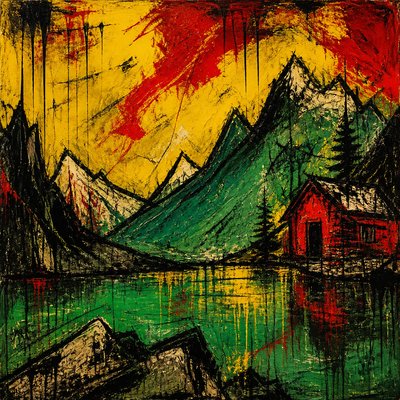
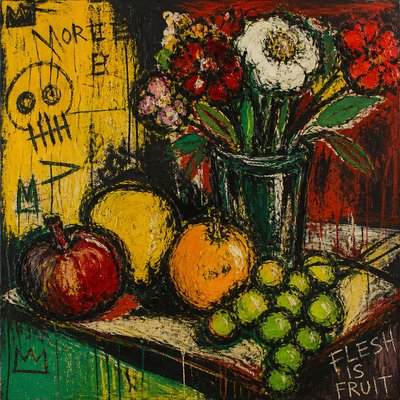
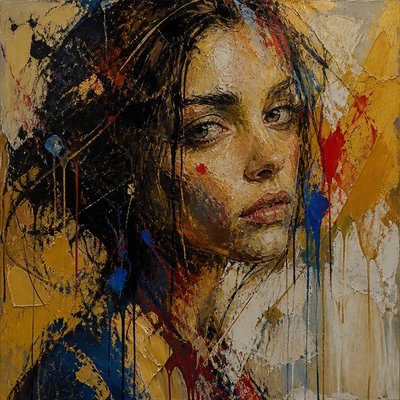
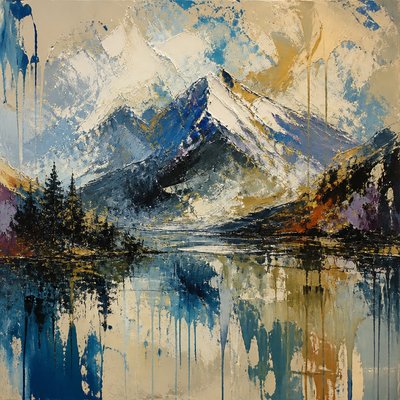
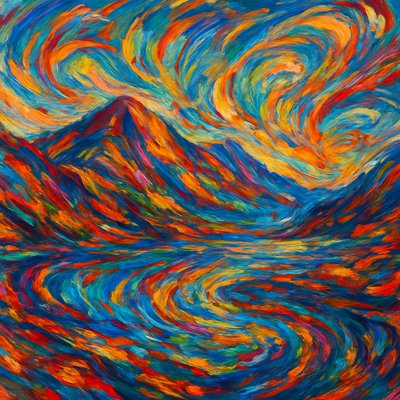
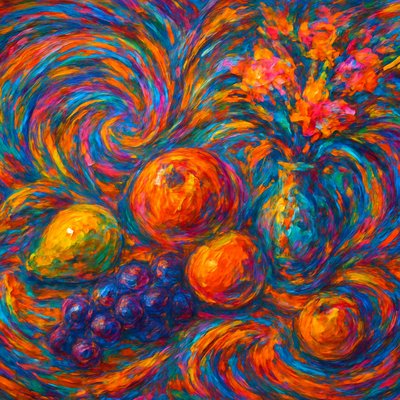
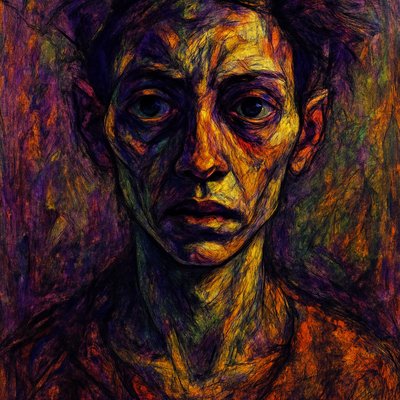
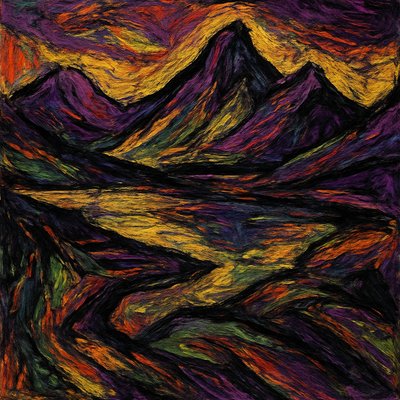
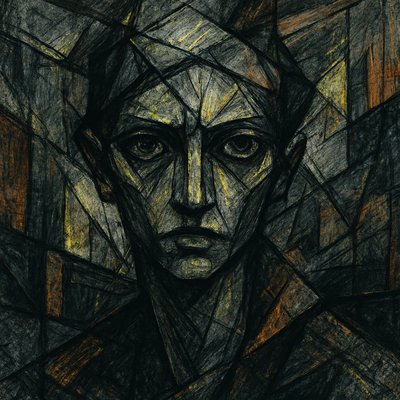
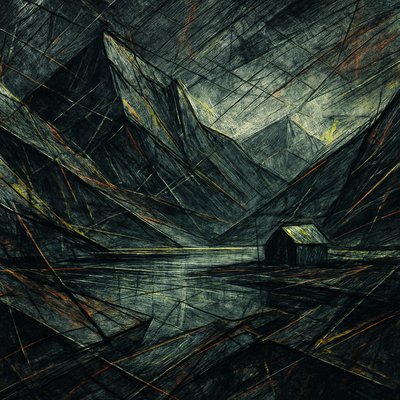
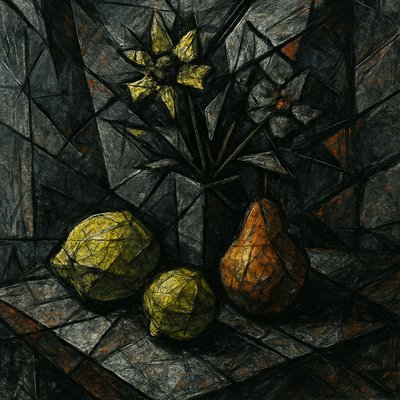
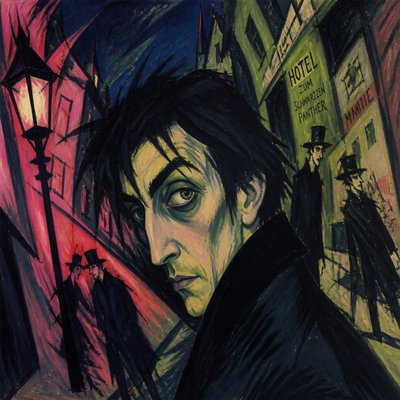
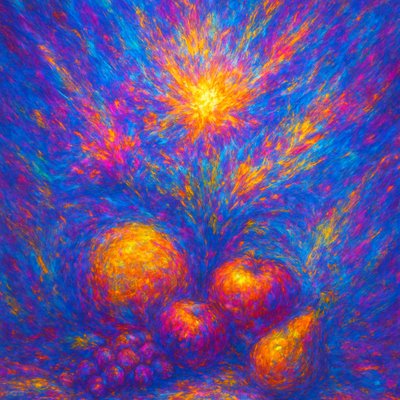
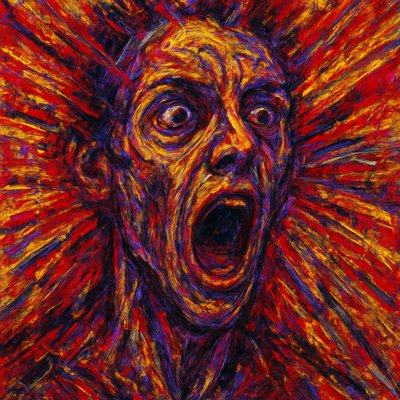
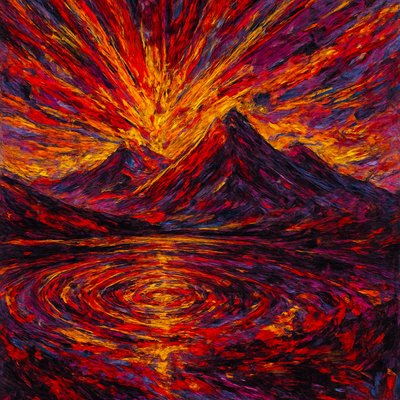
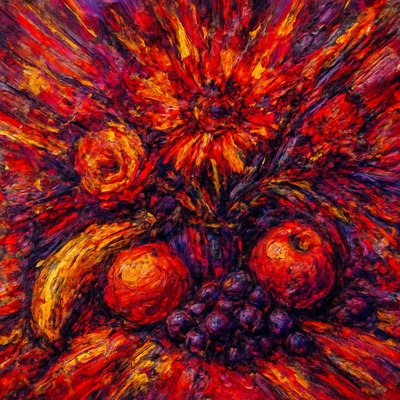
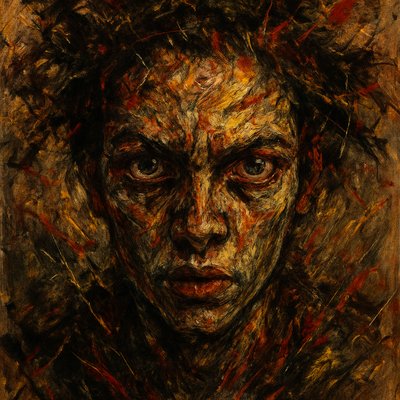
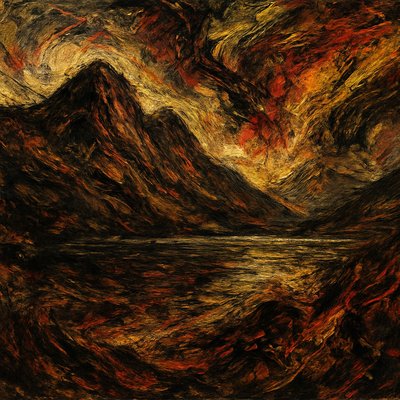
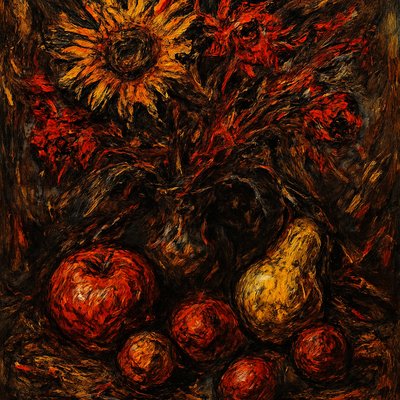
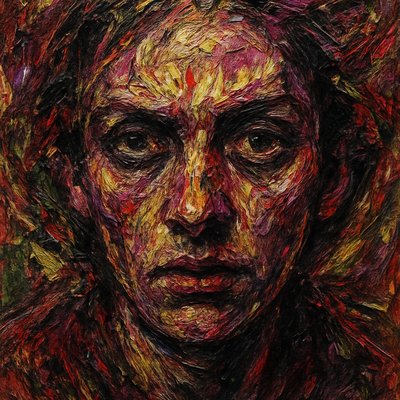
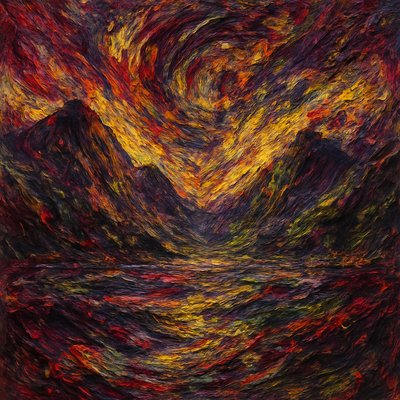
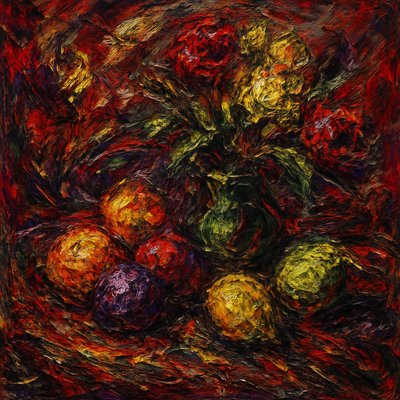
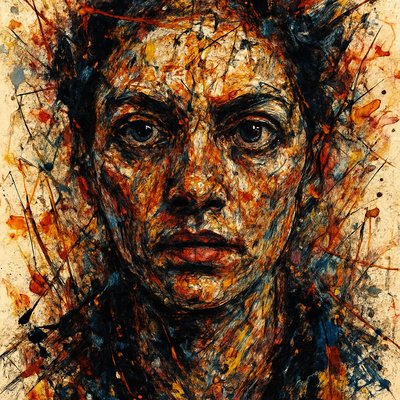
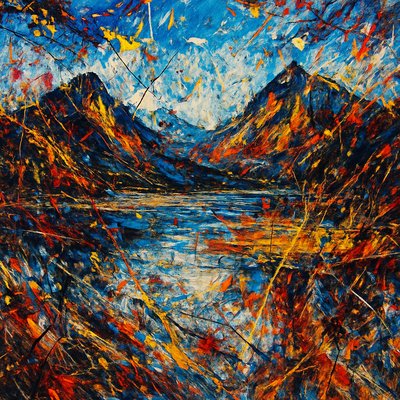
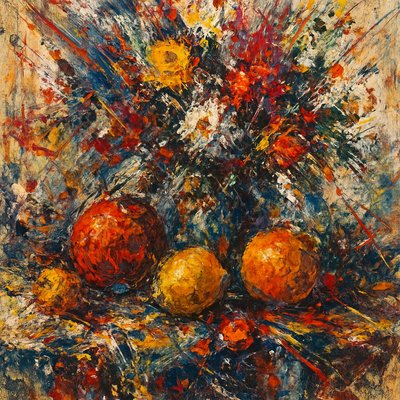
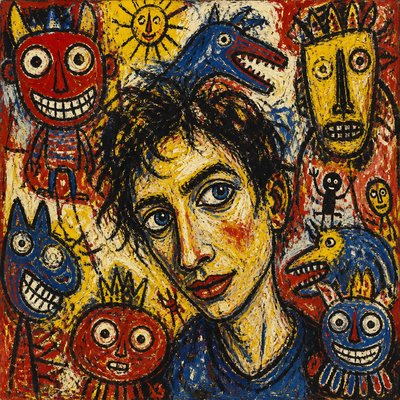
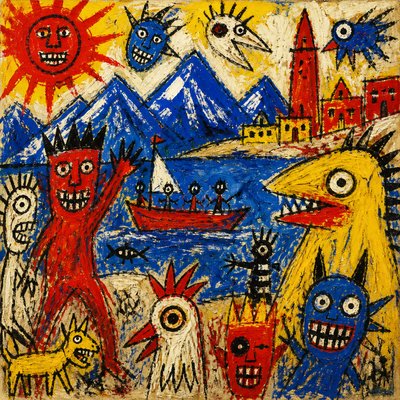
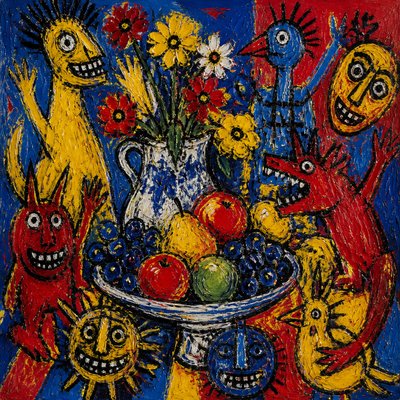
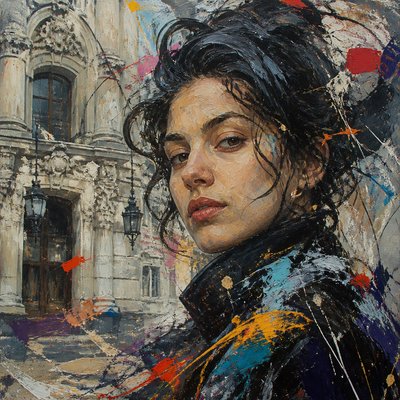
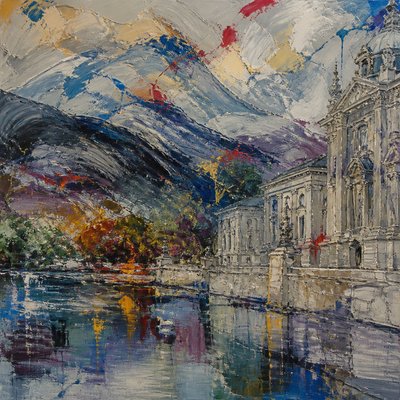
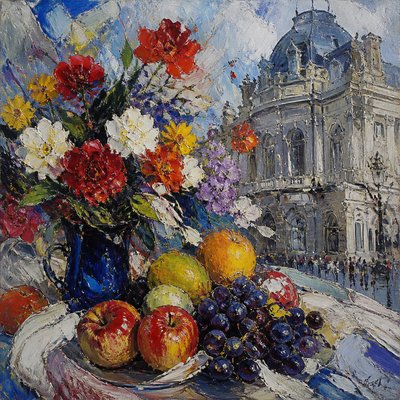
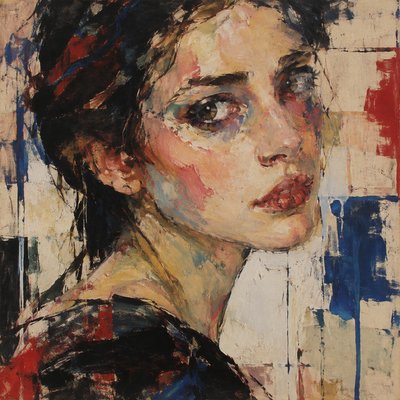
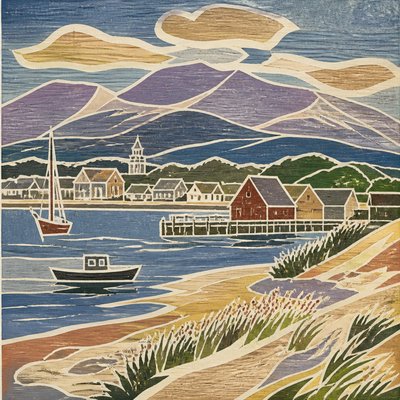
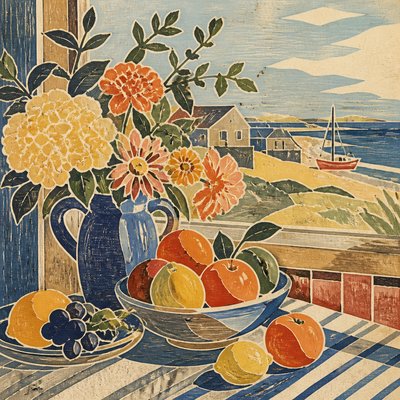
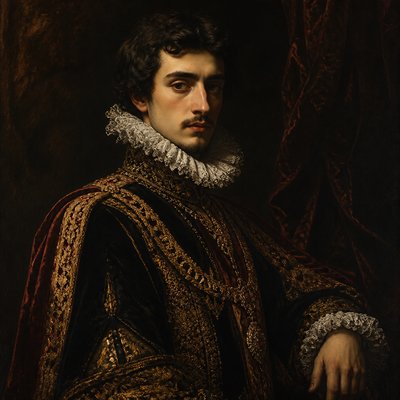
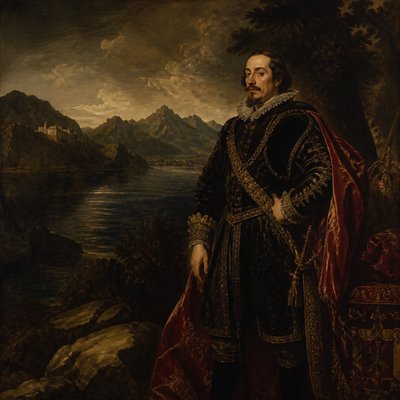
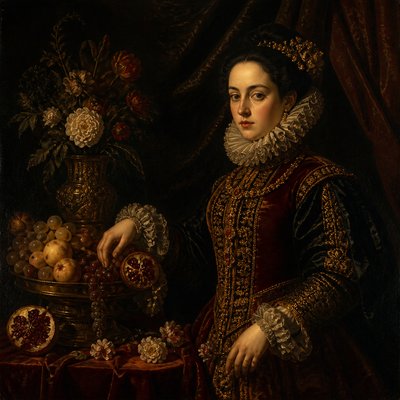
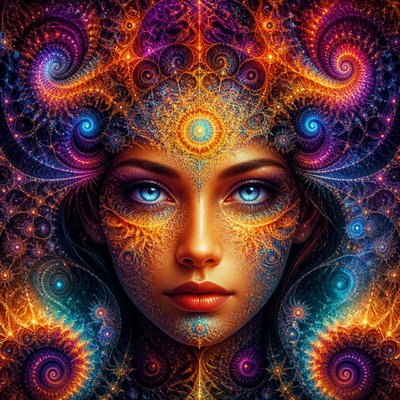
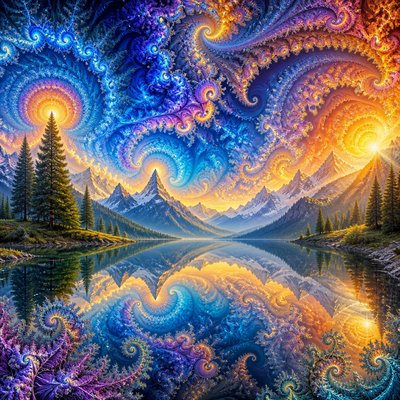
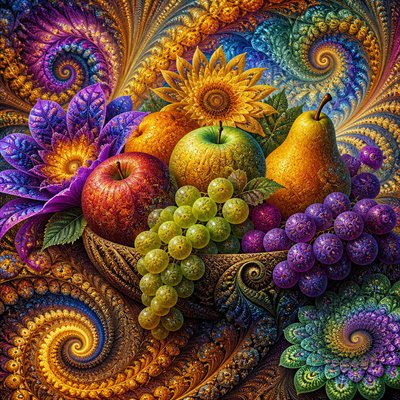
Expressionism uses bold color, distortion, and vigorous brushwork to convey emotion, anxiety, and psychological intensity.
Instantly rendered in Expressionism — or transform a photo
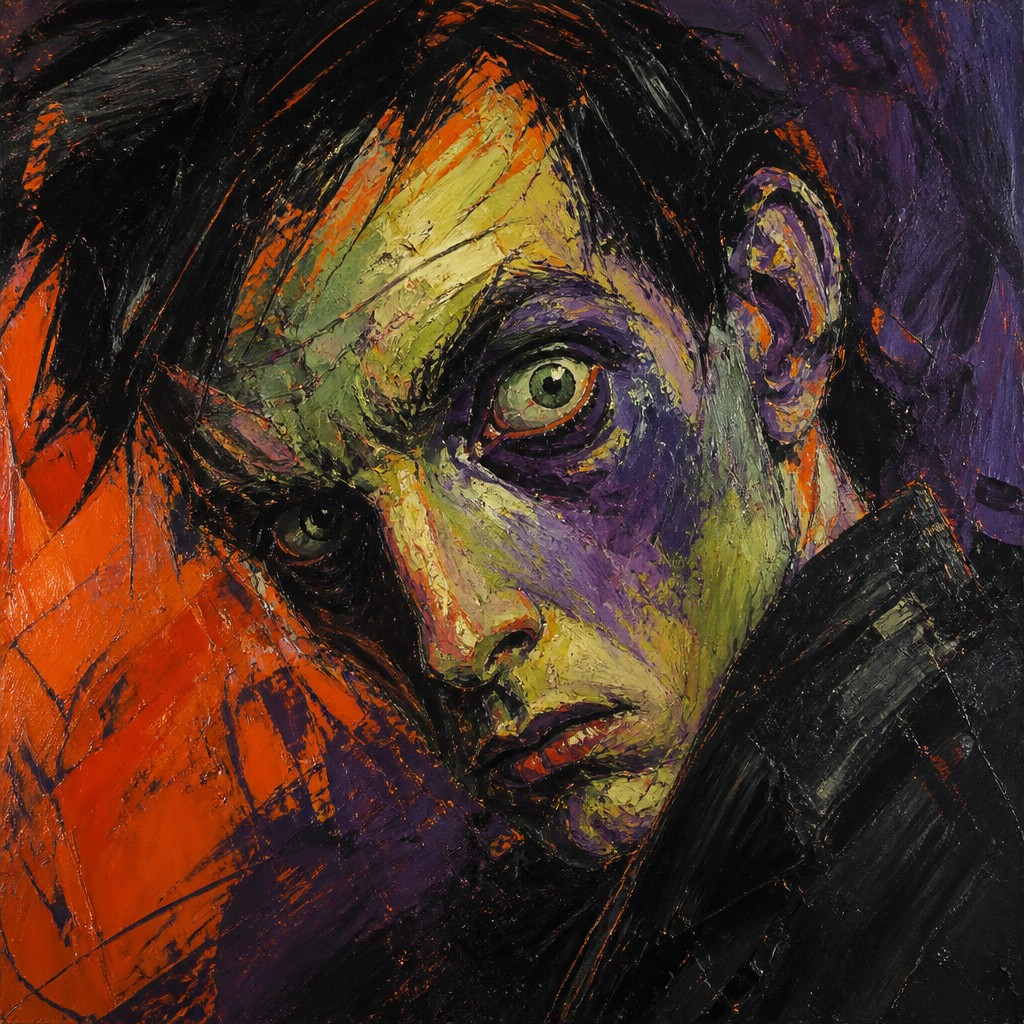
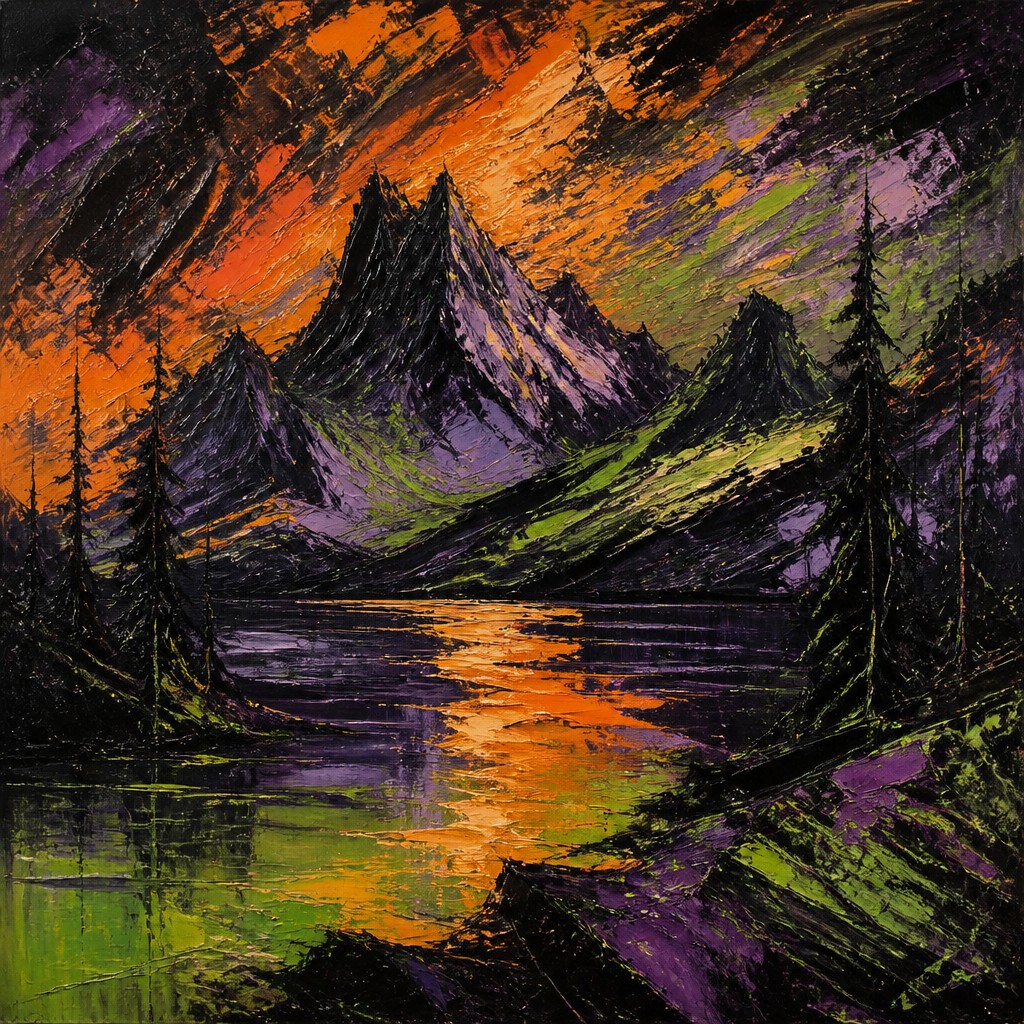
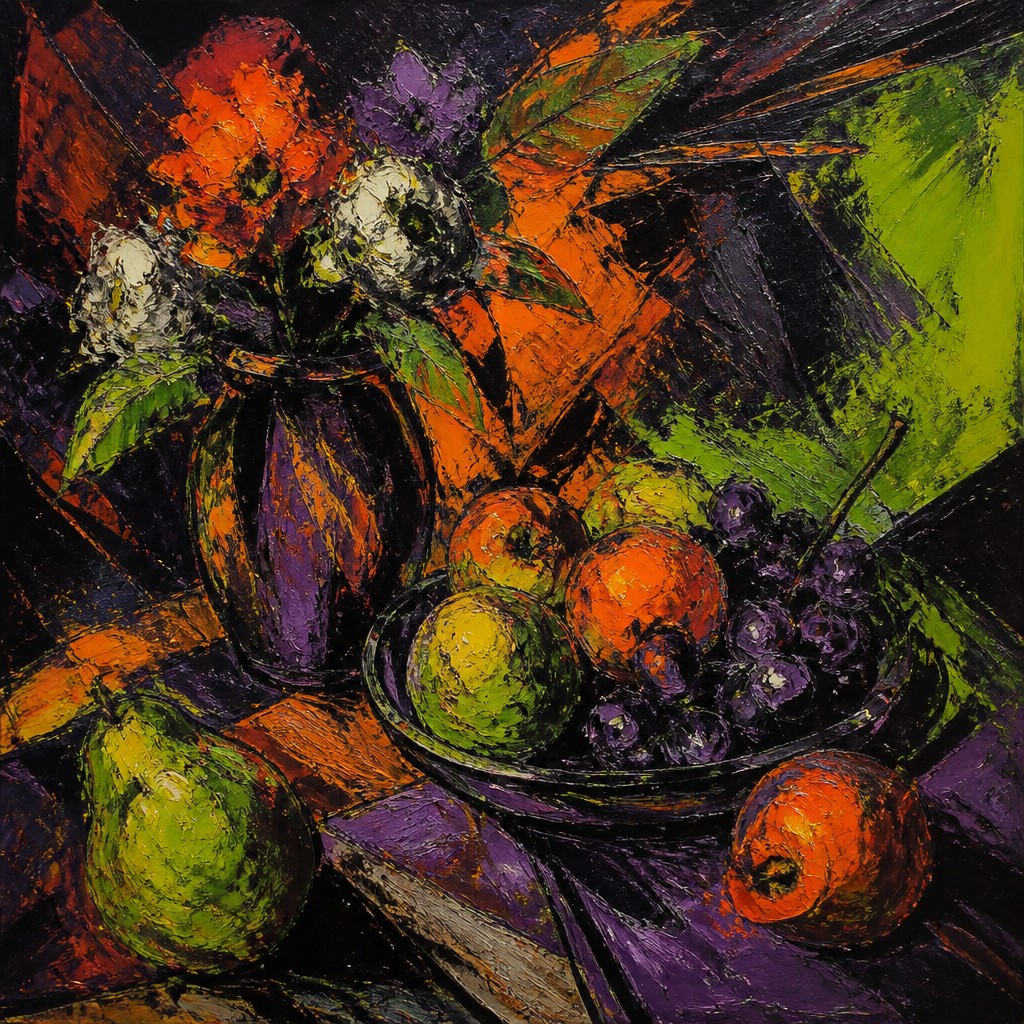
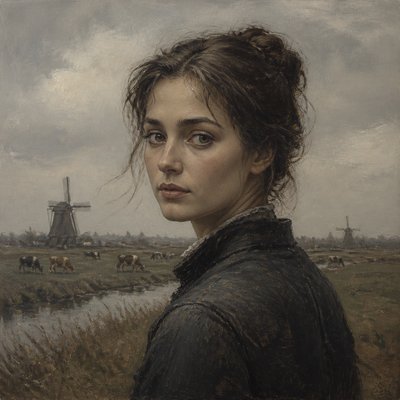
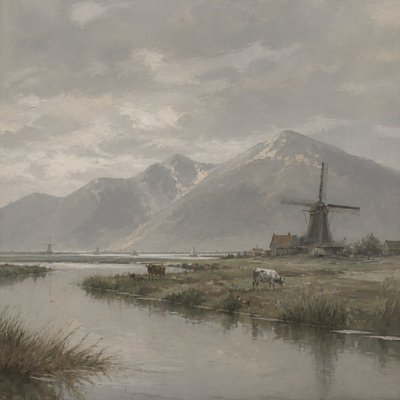
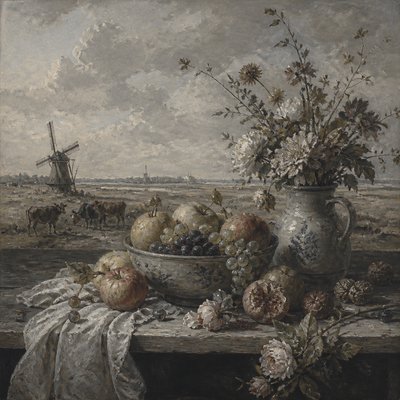
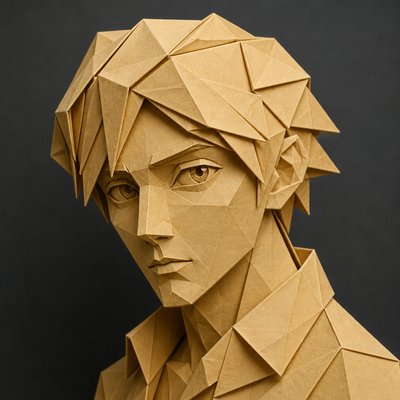
Expressionism Gallery
Tap any artwork to explore it
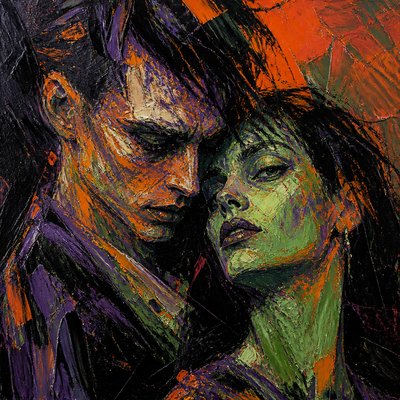
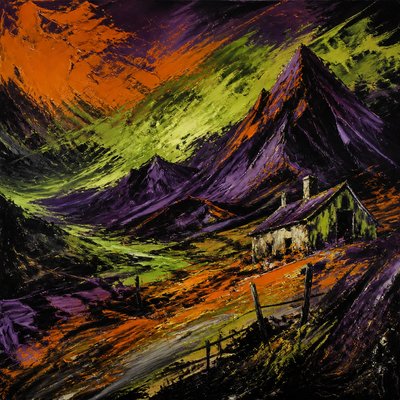
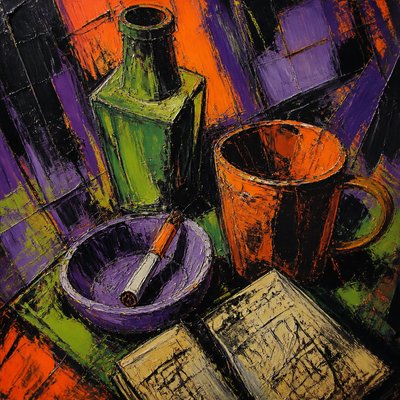
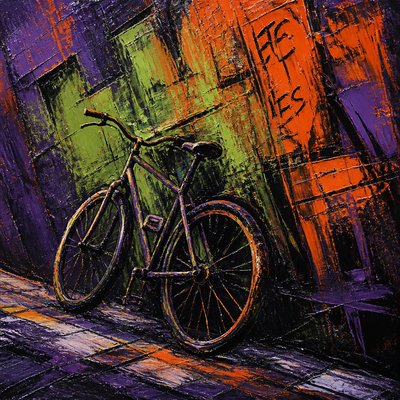
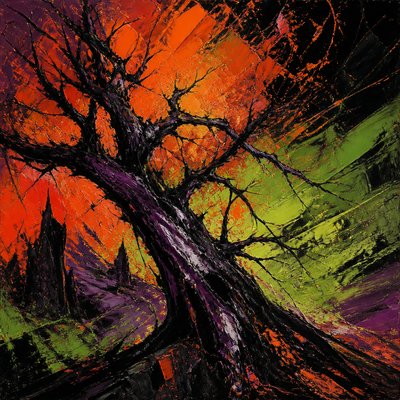
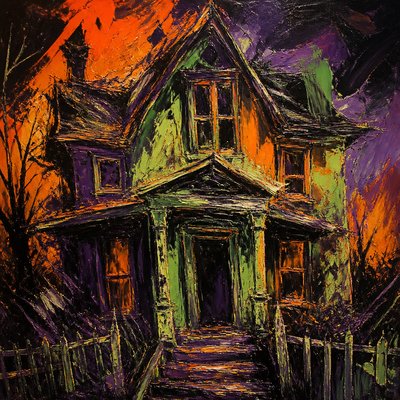
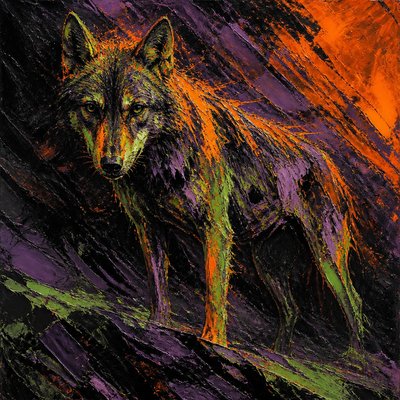
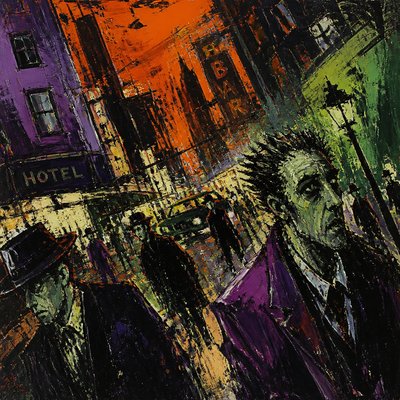
What is Expressionism Art Style?
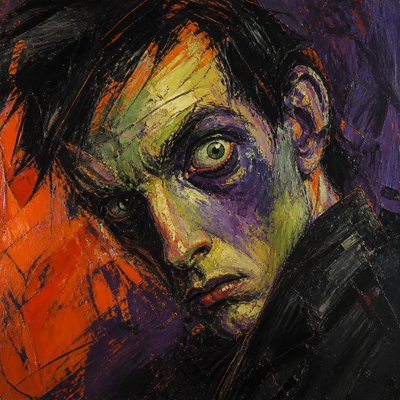
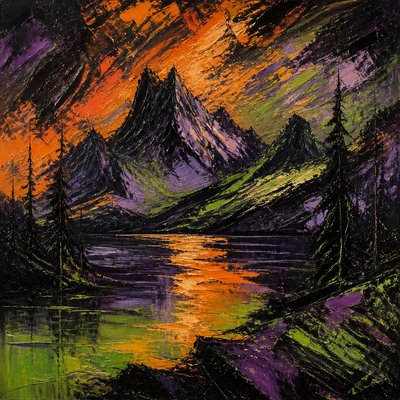
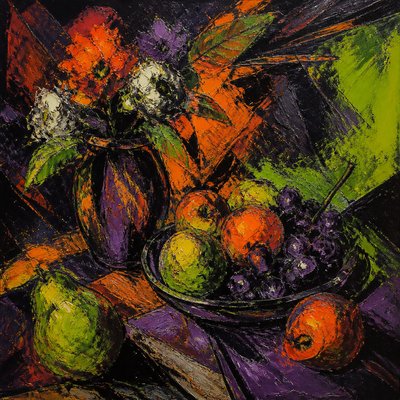
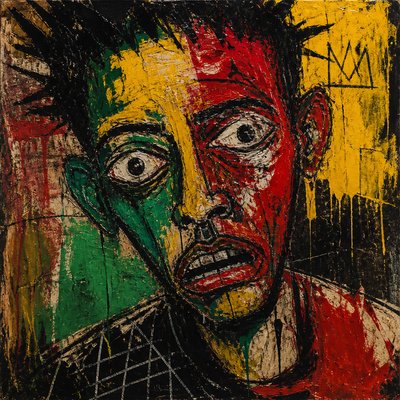
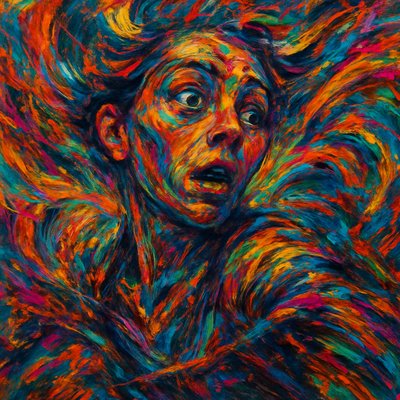
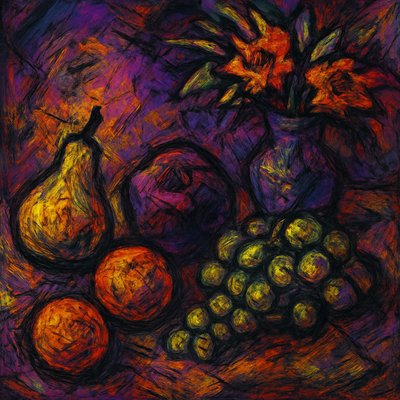
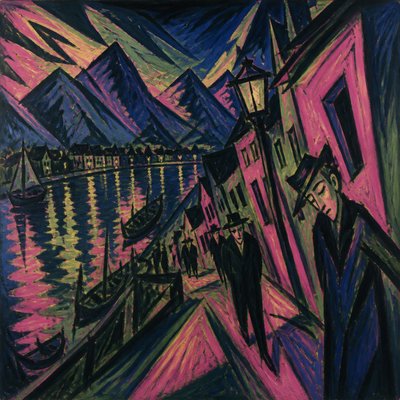
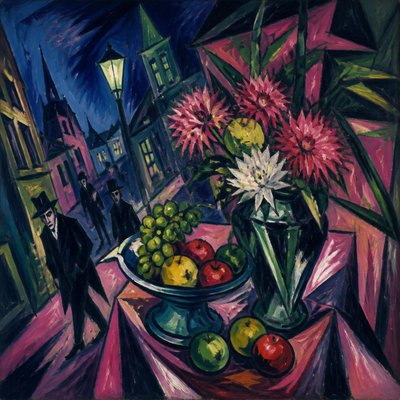
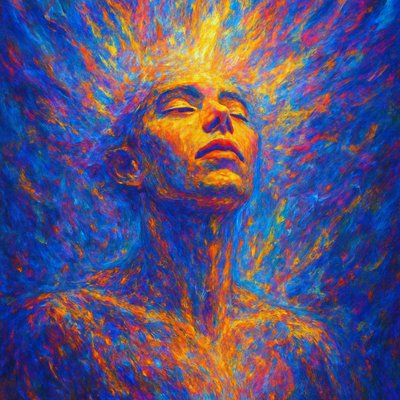
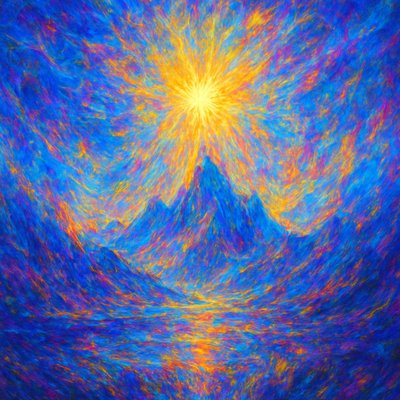
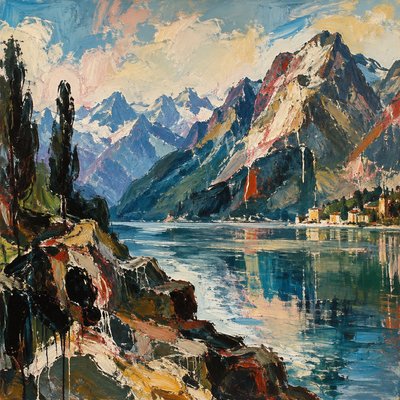
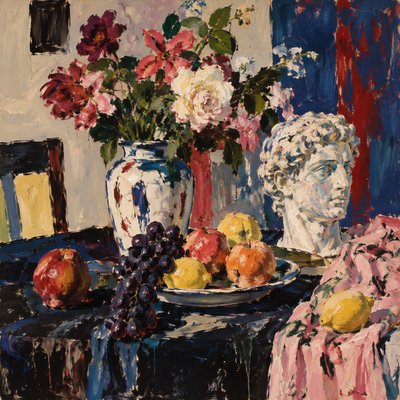
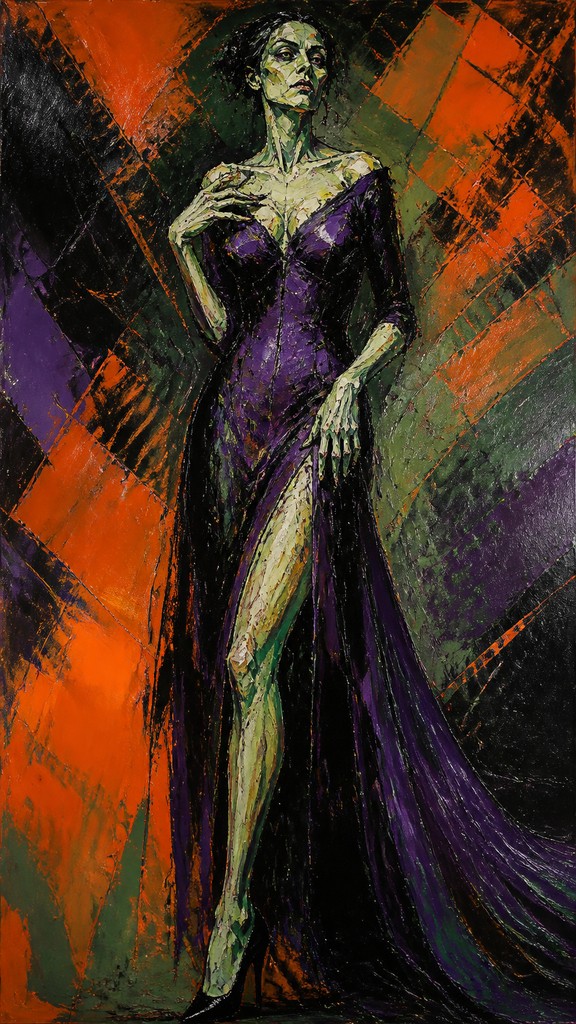
Expressionism is an art style that prioritizes emotional truth over optical realism. Instead of describing the world exactly as it looks, it reshapes figures, landscapes, and interiors to communicate fear, longing, agitation, alienation, or spiritual tension. Its visual language often includes distorted forms, exaggerated poses, intense or unnatural color, and visible, energetic mark-making.
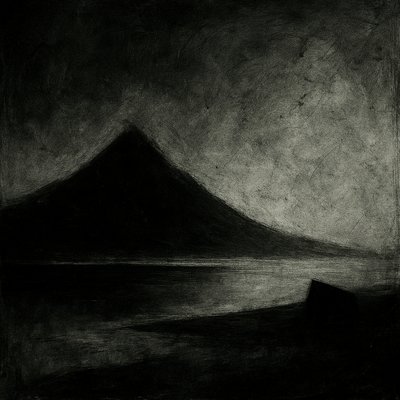
The result can feel urgent and deeply subjective. Composition is often unstable, with slashing diagonals, compressed space, and abrupt contrasts that heighten psychological pressure. Whether in painting, drawing, printmaking, or related media, Expressionism makes the artist’s inner response to a subject visible on the surface of the work.
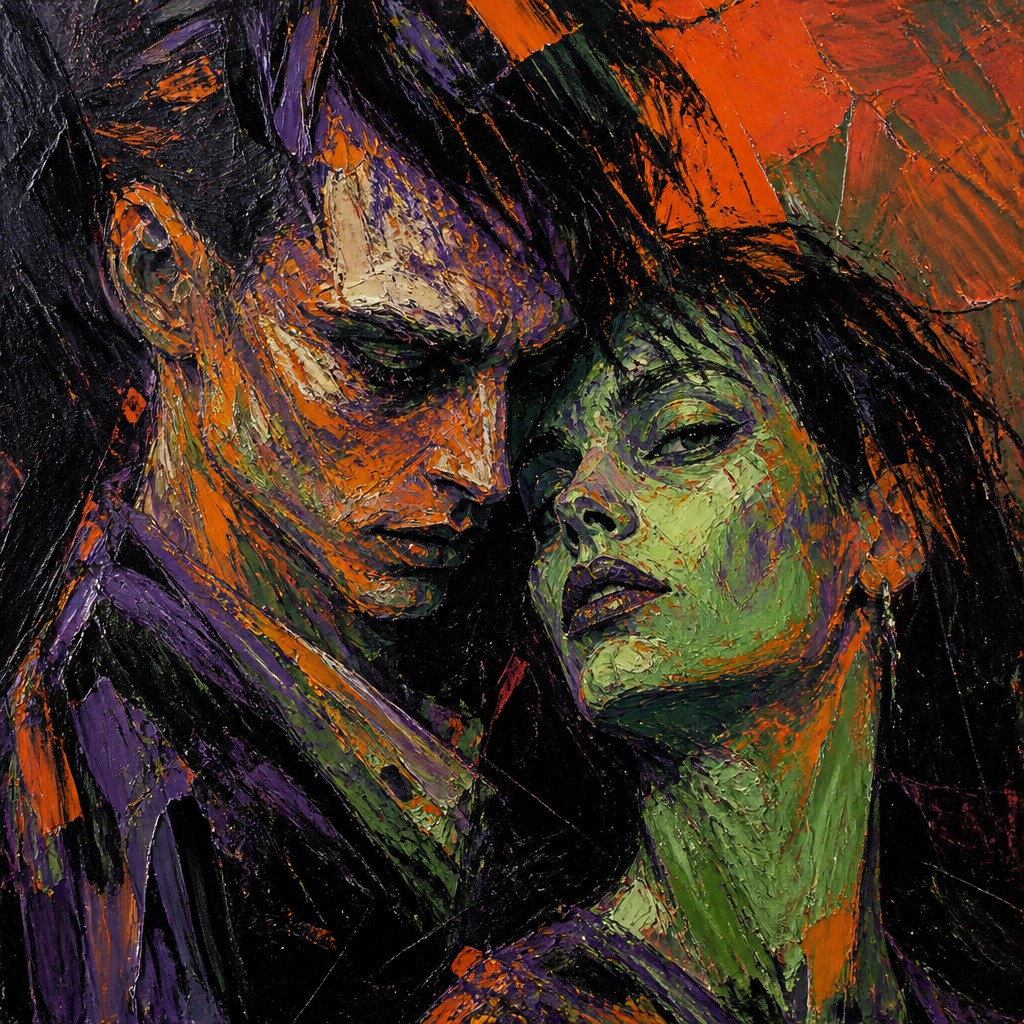
Try It On Your Photos
Upload any photo and convert it into Expressionism Art Style — drag the sliders to compare before and after.
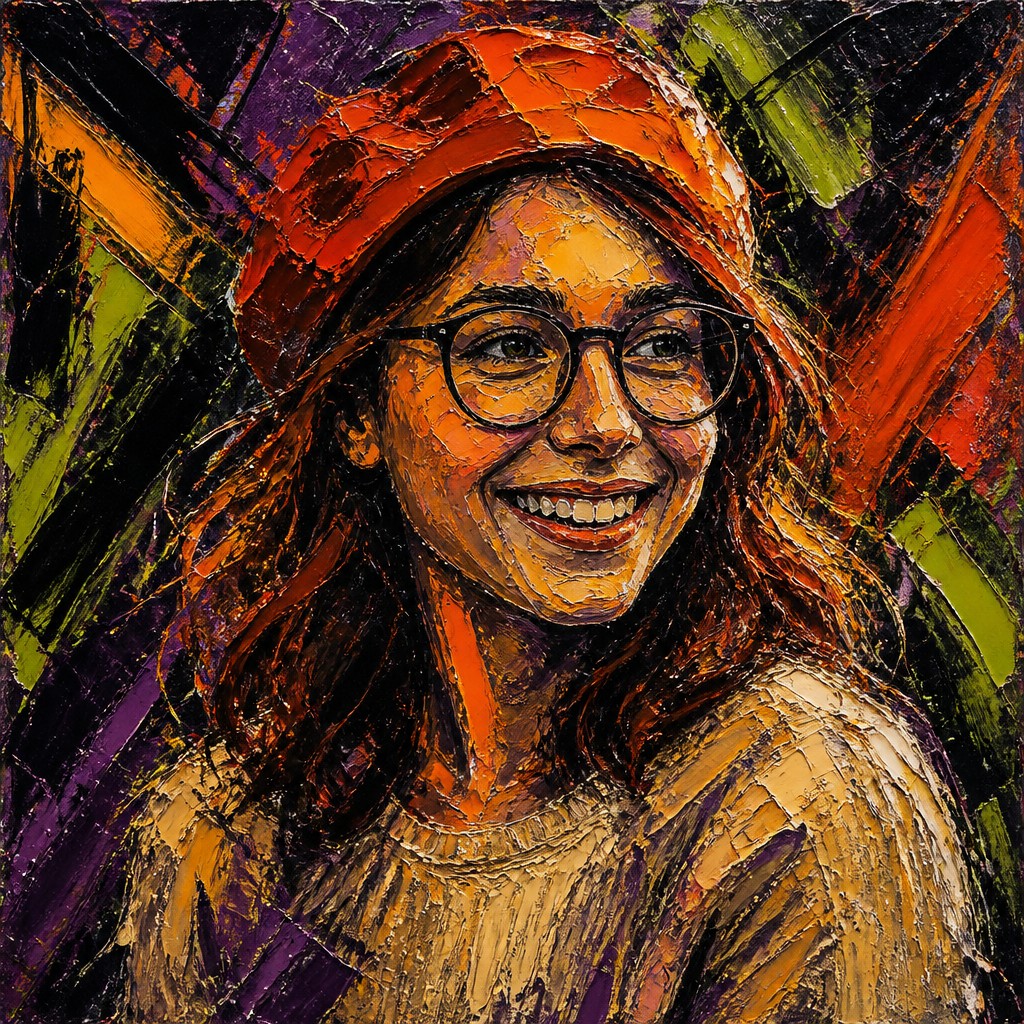

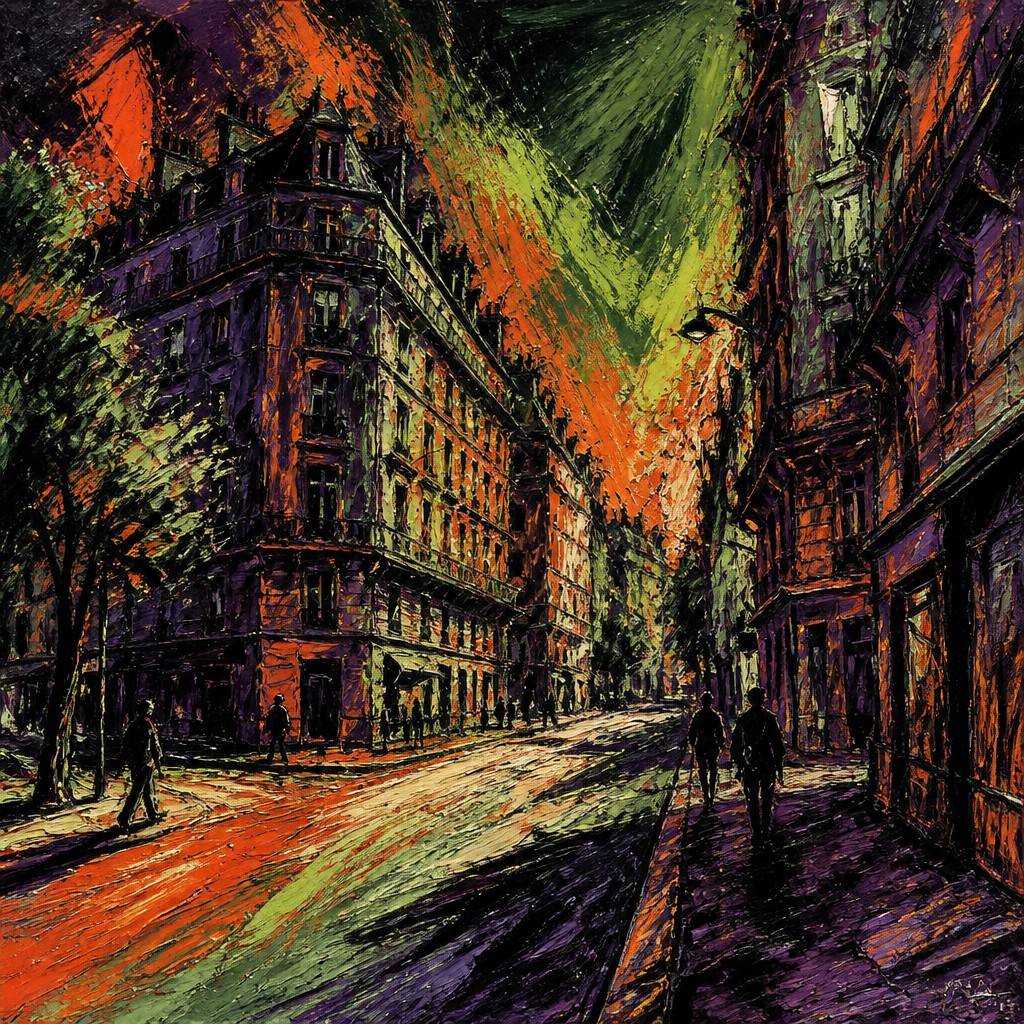

What Defines Expressionism Art Style
The signature details, up close
Distorted form
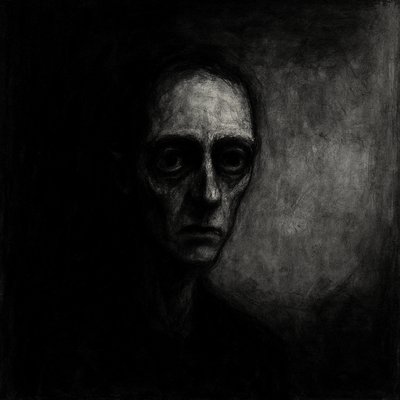
Figures, faces, buildings, and landscapes are often stretched, compressed, or warped to mirror emotional pressure rather than physical accuracy. The distortion is purposeful and usually carries psychological meaning.
High emotional temperature
The style commonly conveys anxiety, loneliness, dread, ecstasy, or defiance through visible tension in pose, composition, and mark-making. The subject matter may be ordinary, but it is rendered as emotionally unstable.
Bold, non-naturalistic color
Colors may be intensified, clashed, or detached from local reality, such as green skin, red skies, or violet shadows. Color is used symbolically and affectively rather than descriptively.
Aggressive brushwork and surface texture
Brushstrokes are often loose, jagged, or heavily loaded, leaving the painting process visible. In oil painting, impasto and scraping can create a tactile, unsettled surface.
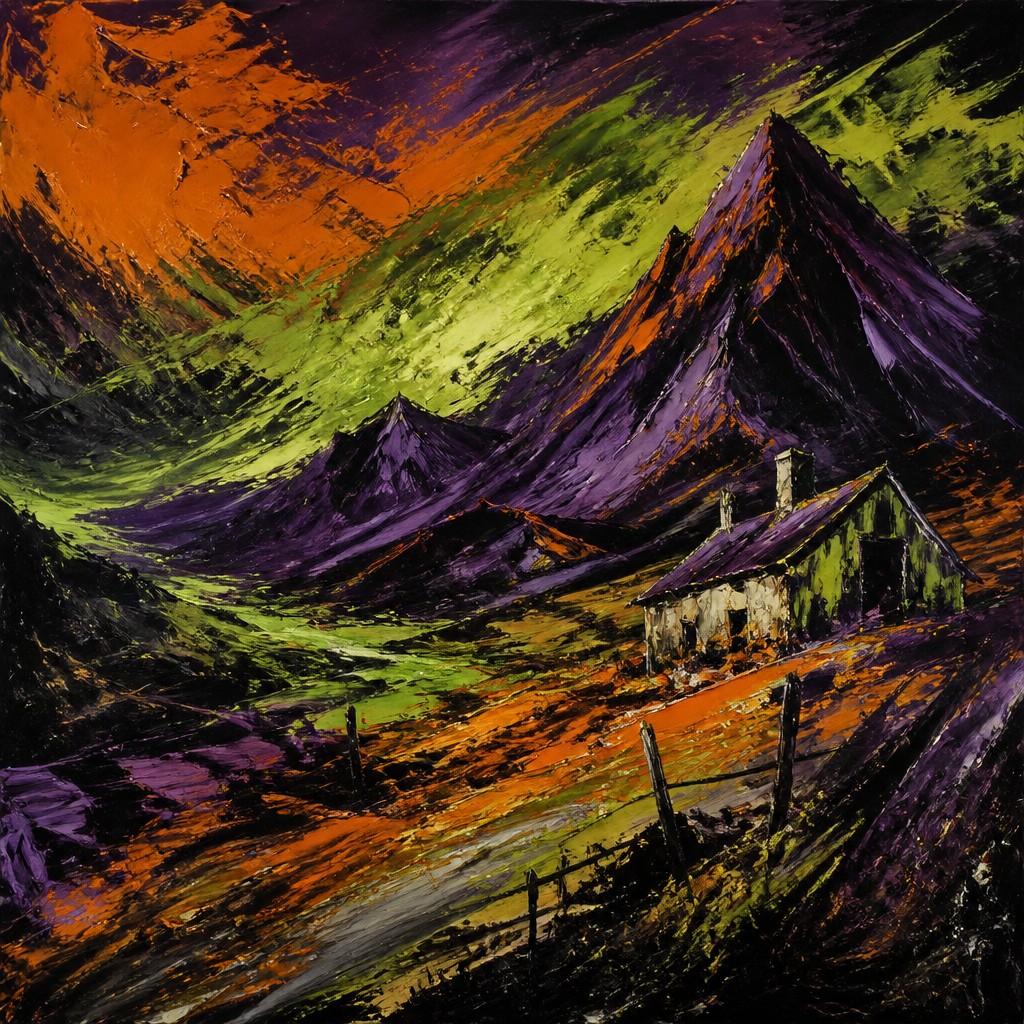
Dramatic composition
Diagonal thrusts, crowded framing, and asymmetry create instability and urgency. Empty space may feel oppressive, while dense arrangements can heighten claustrophobia.
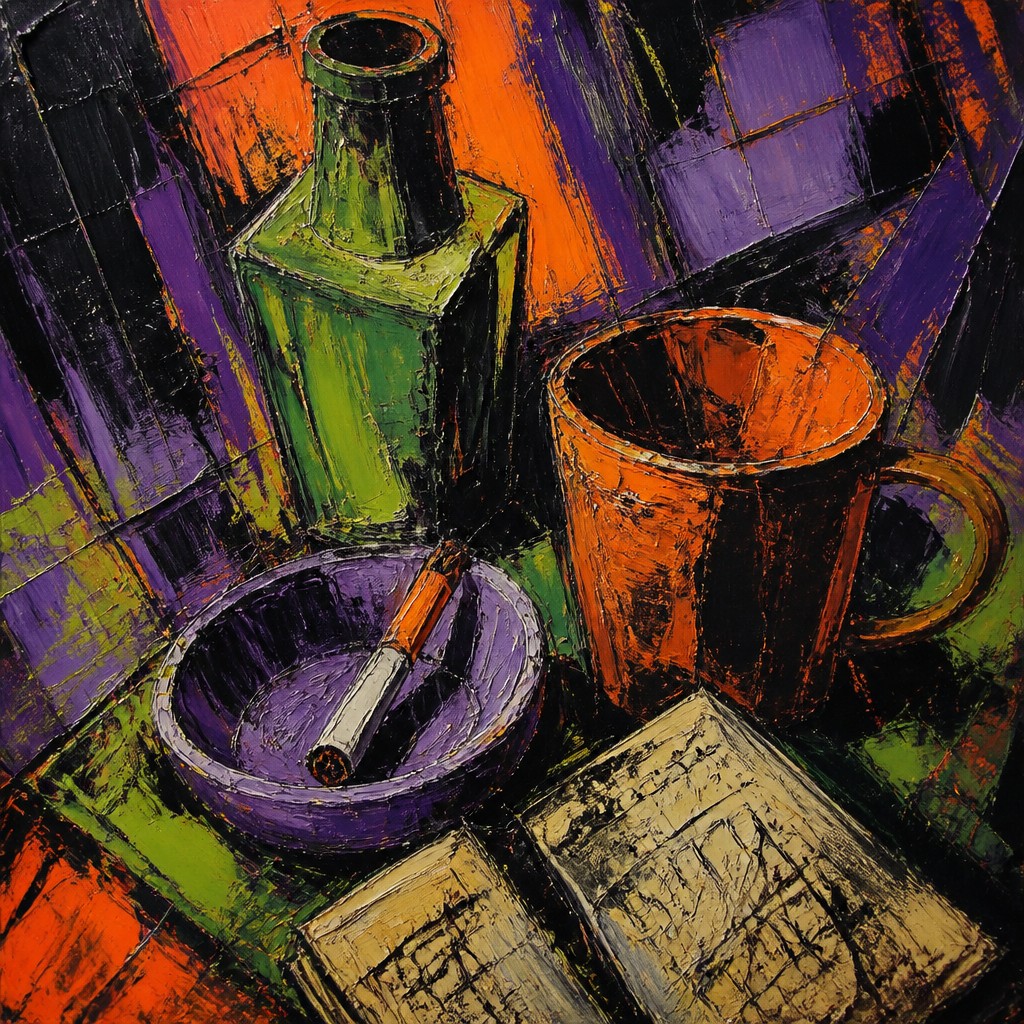
Psychological emphasis
The style is less concerned with external description than with internal states. Expressions, gestures, and spatial cues often suggest mental or emotional conflict.
Try It
Create Videos in Expressionism Art Style
Styles aren't just for stills — describe a scene or animate an image and get a short video rendered in Expressionism. Press play to see this pond come to life.
Make a VideoExpressionism Prompt Ideas
Start from an idea — each one opens the generator with the style ready to go. See all 40 Expressionism prompts →
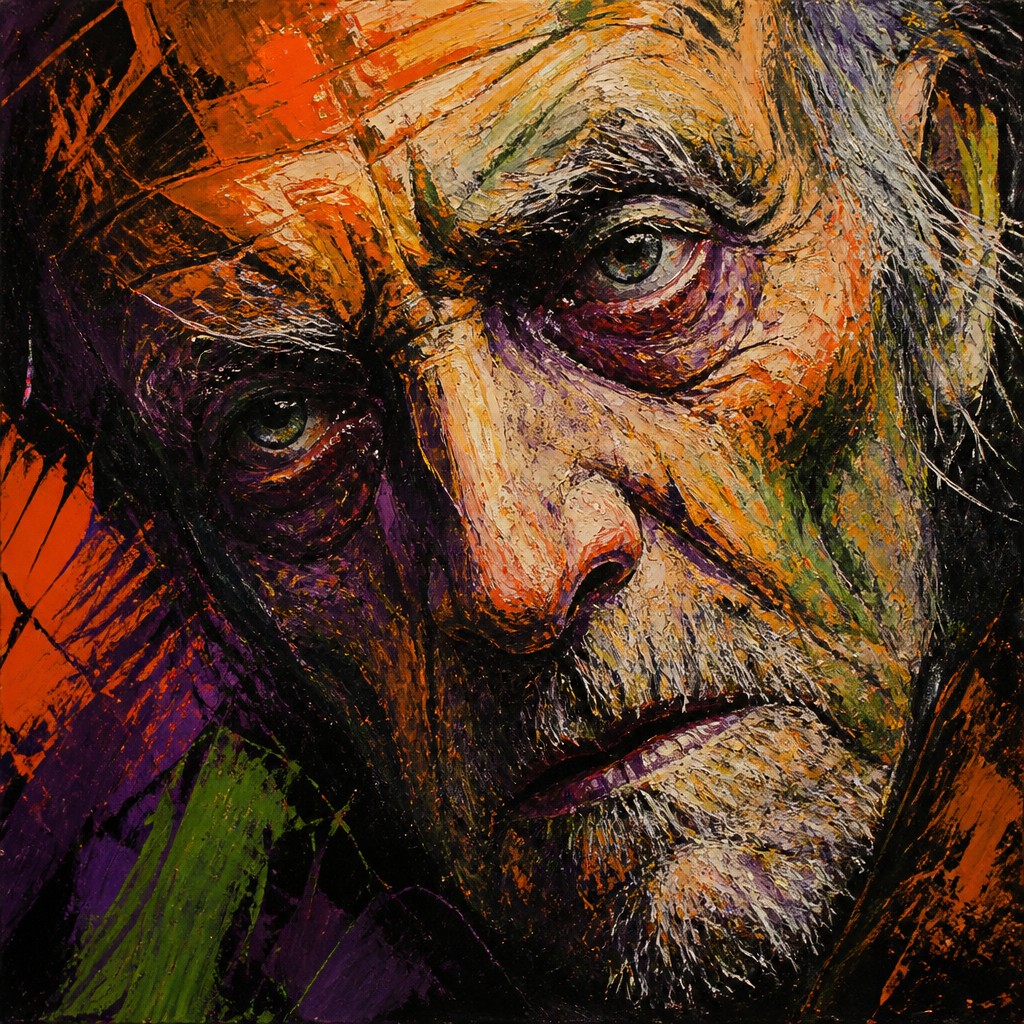
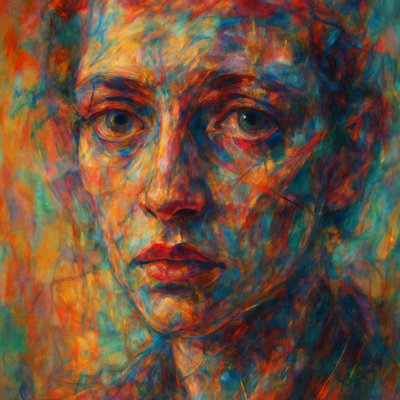
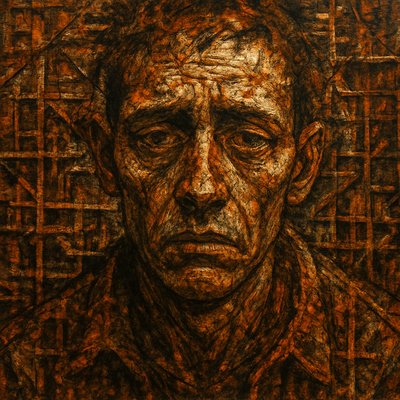
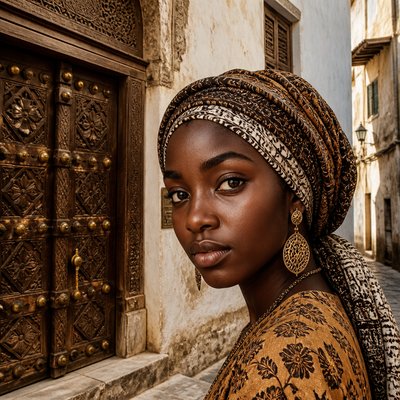
“close-up portrait of an elderly person with expressive weathered features”
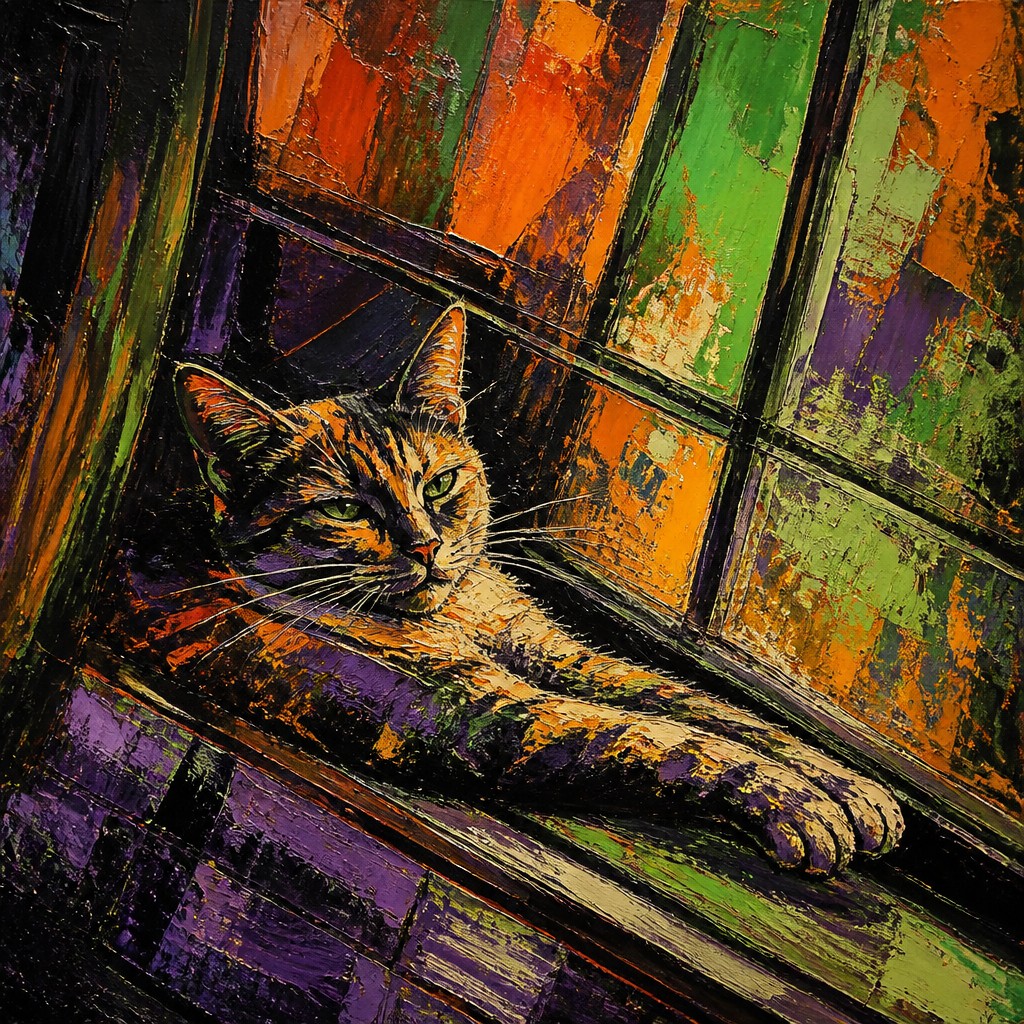
“a cat lounging in a sunlit window”
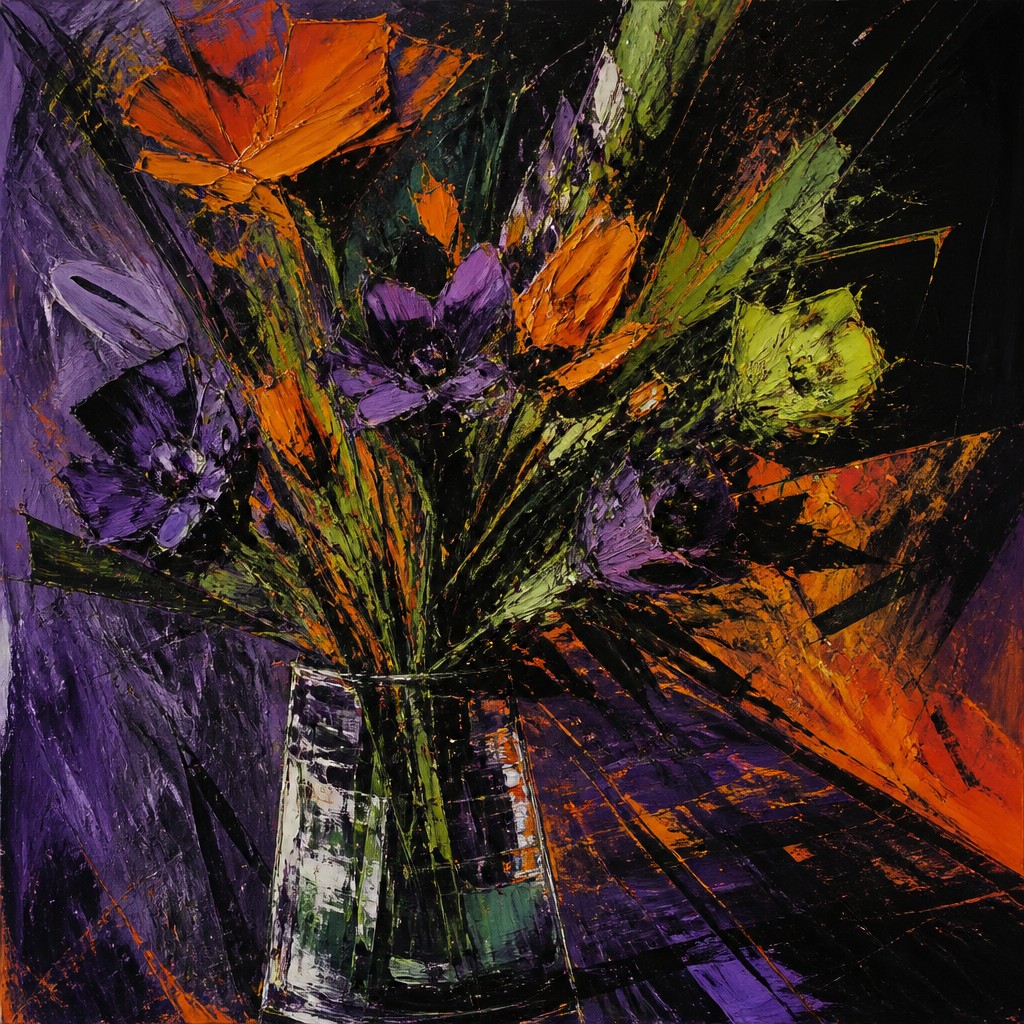
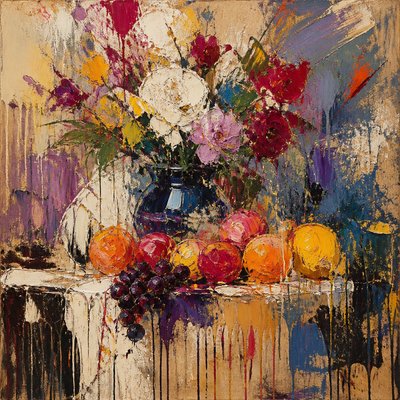
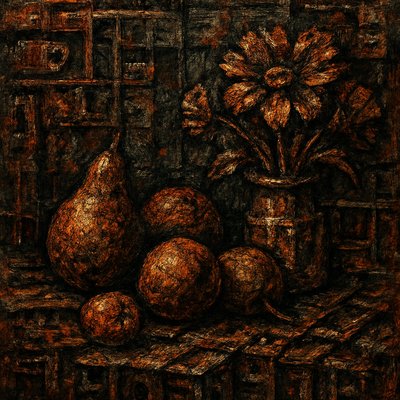
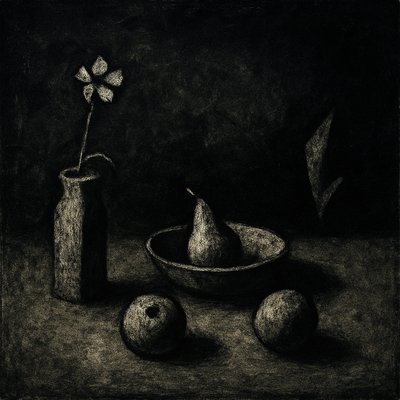
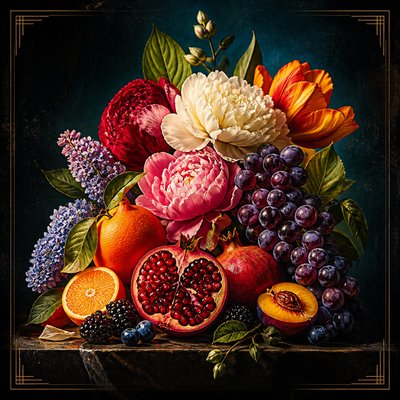
“bouquet of flowers in a glass vase”
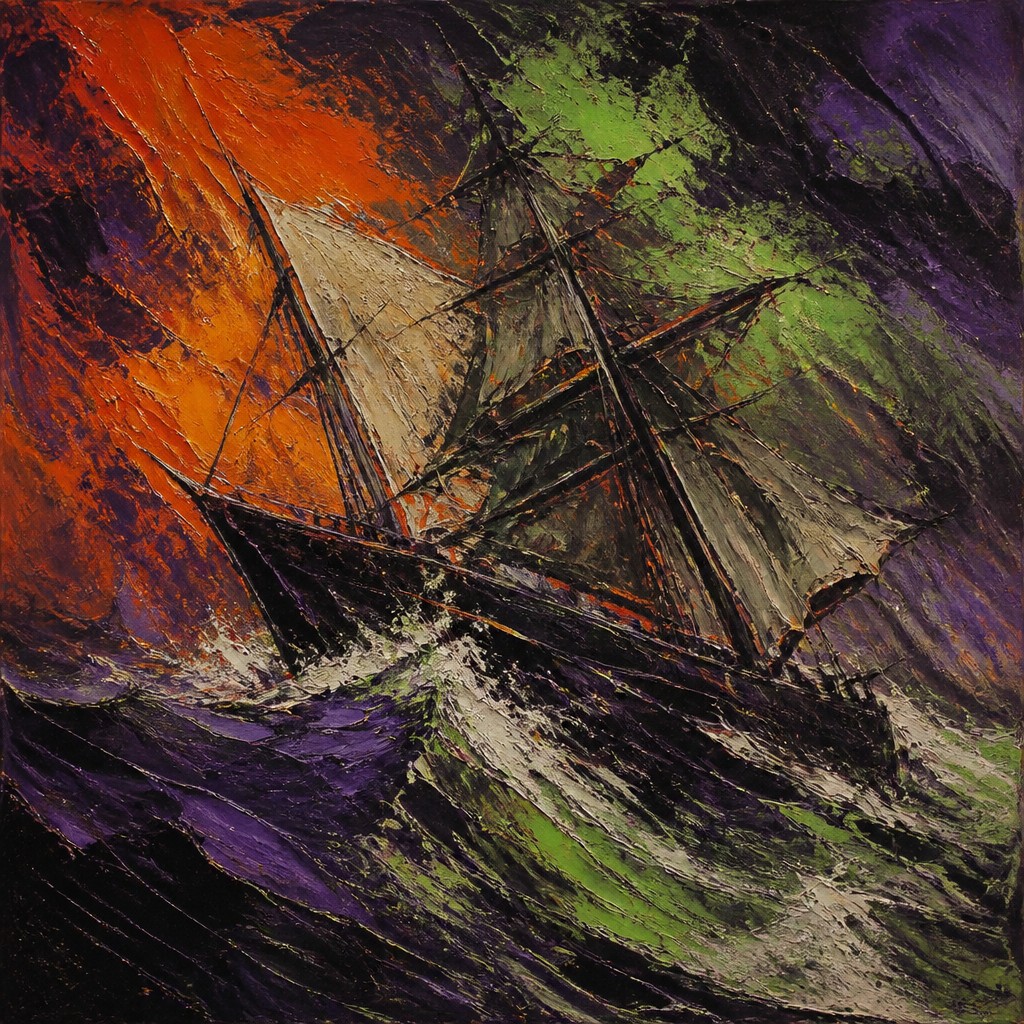
“sailing ship on a stormy sea”
How to Create Expressionism Art
Master the craft step by step — or skip straight to creating. Read the full guide →
- 1
Start from emotion, not accuracy
Choose a feeling first—fear, grief, rage, isolation, ecstasy—and let it guide distortions in shape, color, and composition. If the work remains too literal, exaggerate proportions, simplify details, and push the image toward expressive imbalance.
- 2
Use forceful drawing and visible paint handling
In traditional media, build with strong contour, energetic strokes, and layered paint that remains visibly worked. In digital painting, simulate dry brushing, palette-knife edges, rough opacity transitions, and textured overlays rather than smooth blending.
- 3
Break natural color rules deliberately
Replace realistic local color with emotional color: sickly greens, hot oranges, bruised purples, or deep blacks can intensify mood. Keep contrasts stark and avoid overly polished gradients unless they serve the emotional effect.
- 4
Stabilize nothing too neatly
Tilt the horizon, compress space, and allow awkward cropping or asymmetric balance. Unease often comes from compositional tension, so avoid centered, calm arrangements unless you want them to feel ominously still.
- 5
If generating from a prompt, specify surface and mood
Include subject, emotional tone, color conflict, brushwork, and spatial instability in the prompt. Strong prompts name material qualities like impasto, gestural strokes, scratched texture, and harsh tonal contrast so the image does not drift into generic abstraction.
The Story
History & Origins of Expressionism
Expressionism emerged in early 20th-century Europe, especially in Germany, as artists reacted against academic naturalism, industrial modernity, and the perceived flatness of Impressionism. It developed through groups such as Die Brücke and Der Blaue Reiter, which sought direct, emotionally charged forms of expression. Important early figures include leading German Expressionist painters and related early modern artists, though the broader tendency also extended into theatre, film, literature, and later postwar art.
Its lineage draws from sources beyond the immediate avant-garde: Gothic and medieval art, German Renaissance printmaking, Post-Impressionism, Symbolism, and the expressive simplification of folk and non-Western arts as they were understood in Europe at the time. Expressionist methods later influenced Abstract Expressionism, Neo-Expressionism, and many forms of emotionally driven illustration and digital art, while its emphasis on subjectivity continues to resonate in contemporary visual culture.
Influences: Expressionism is closely related to Post-Impressionism, Symbolism, and Fauvism, but it is more psychologically charged and often darker in mood. Its modern development is especially associated with leading German Expressionist painters and other early modern figures whose work helped define its tension between subjective emotion and visual distortion. Later descendants include Abstract Expressionism and Neo-Expressionism, both of which extend its commitment to intensity, gesture, and inward feeling.

Frequently Asked Questions
What defines Expressionism in art?
Expressionism is defined by the prioritizing of emotional or psychological truth over realistic depiction. Common traits include distortion, bold color, visible brushwork, and compositions that create tension or instability. The style often makes inner feeling visible in the image itself.
How is Expressionism different from Impressionism?
Impressionism focuses on light, atmosphere, and immediate visual sensation, usually with a relatively naturalistic view of the world. Expressionism is more subjective and emotionally forceful, often altering color and form to communicate inner states. Where Impressionism observes, Expressionism interprets and intensifies.
Is Expressionism always dark or sad?
No. Although it often conveys anxiety, alienation, or anguish, it can also express ecstasy, spiritual intensity, passion, or dramatic vitality. The key is not a specific mood but the forceful externalization of feeling.
What materials work best for Expressionist art?
Oil paint, gouache, ink, charcoal, woodcut, and mixed media are all well suited because they support bold marks and textured surfaces. In digital work, brushes that preserve edge variation, rough texture, and layered opacity are especially effective. Any medium that allows energetic gesture can work.
Can Expressionism be used for portraits and landscapes?
Yes. Portraits are especially common because facial distortion and gesture can communicate psychology directly. Landscapes and interiors also work well because color, space, and mark-making can transform an ordinary scene into an emotional environment.
What art movements are related to Expressionism?
Related movements include Fauvism, Symbolism, Abstract Expressionism, and Neo-Expressionism. In film and theatre, Expressionist ideas also influenced dramatic lighting, stylized sets, and subjective atmosphere. The shared concern is often emotional intensity rather than accurate representation.

Create your first Expressionism artwork
Describe anything — or upload a photo — and see it in Expressionism Art Style in seconds.
Make Something with Expressionism
Compare Expressionism
Related Styles
Discover similar art styles