Impressionism vs Expressionism: What's the Difference?
Impressionism is a light-filled painting style known for visible brushstrokes, broken color, and scenes that capture changing light and fleeting moments, often outdoors. It focuses on immediate visual experience, suggesting atmosphere, movement, and the sensation of looking at a scene in real time.
Expressionism is a more forceful style that uses bold color, distortion, and vigorous brushwork to express emotion, anxiety, and psychological intensity. People compare the two because both depart from strict realism, but they do so for different reasons: Impressionism prioritizes perception and light, while Expressionism prioritizes inner feeling and emotional impact.
Same Prompt, Both Styles
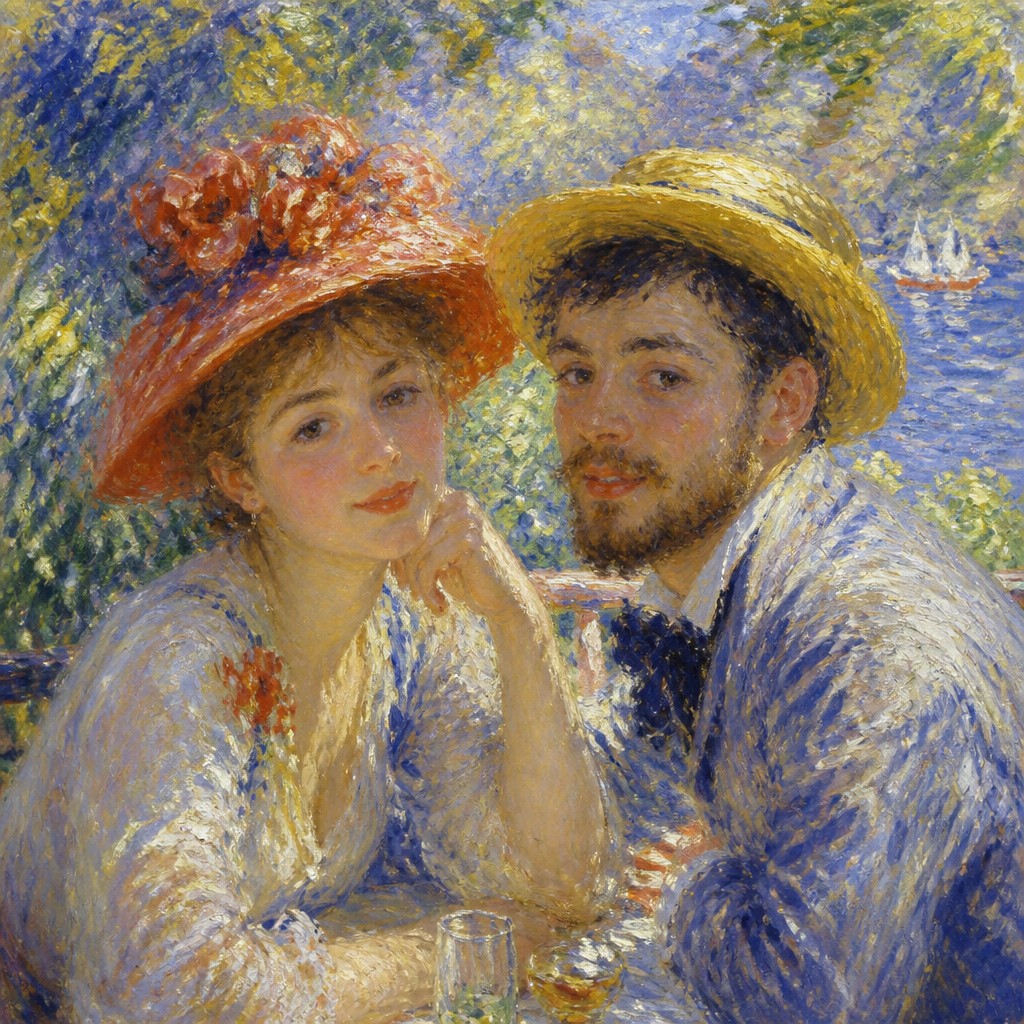
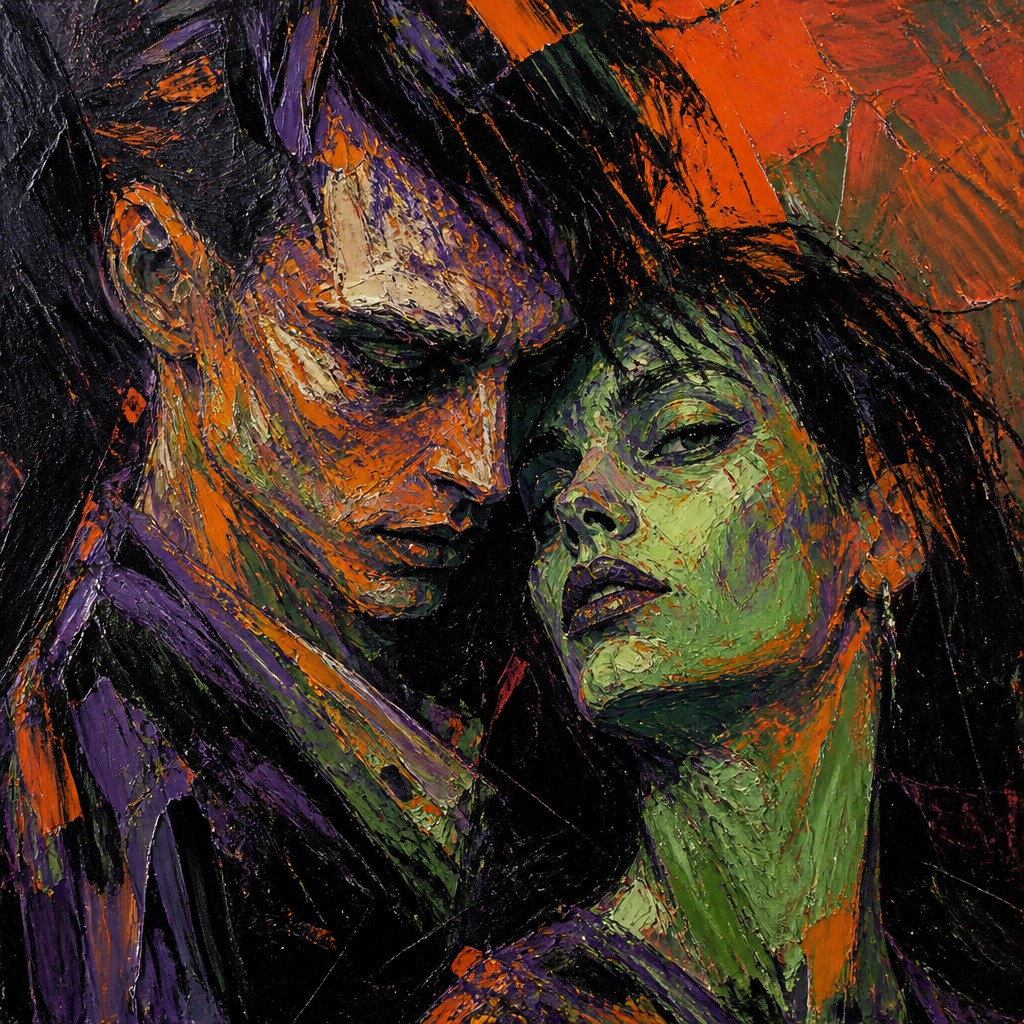
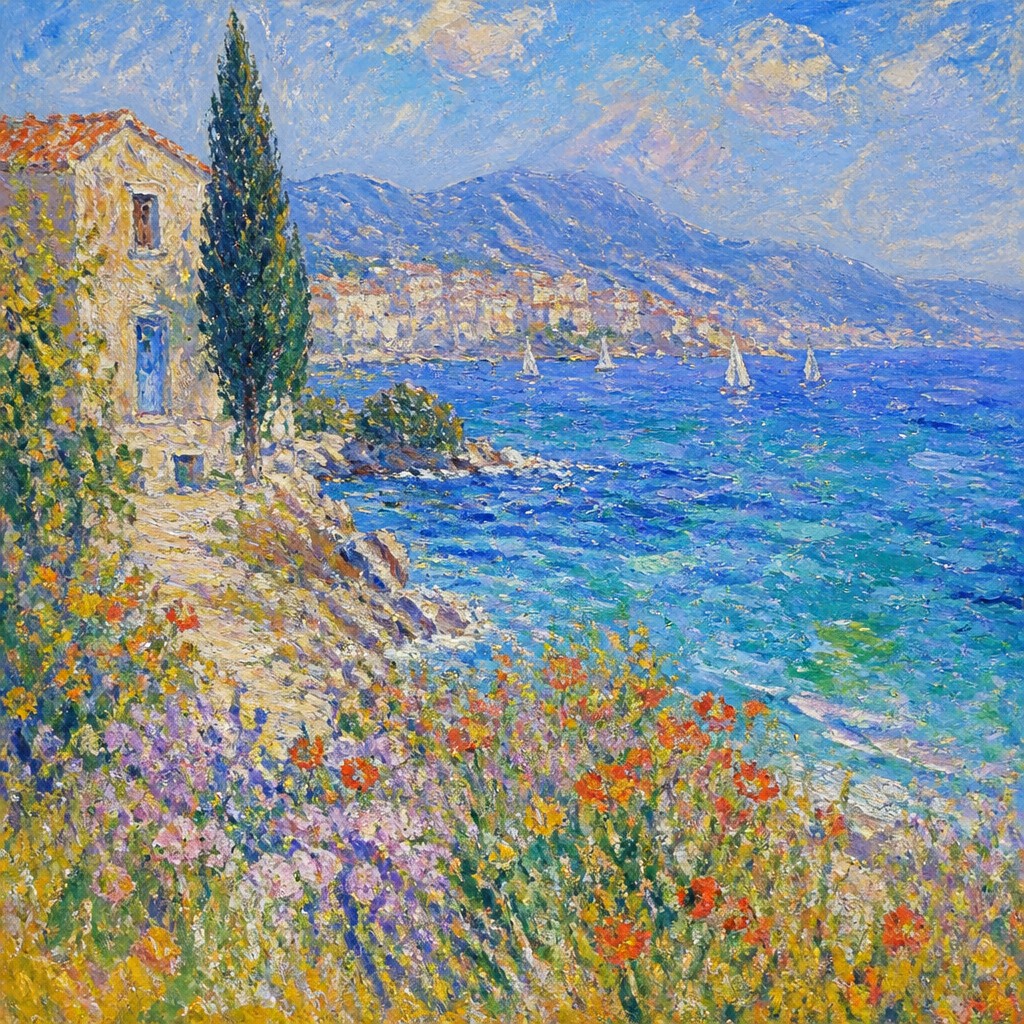
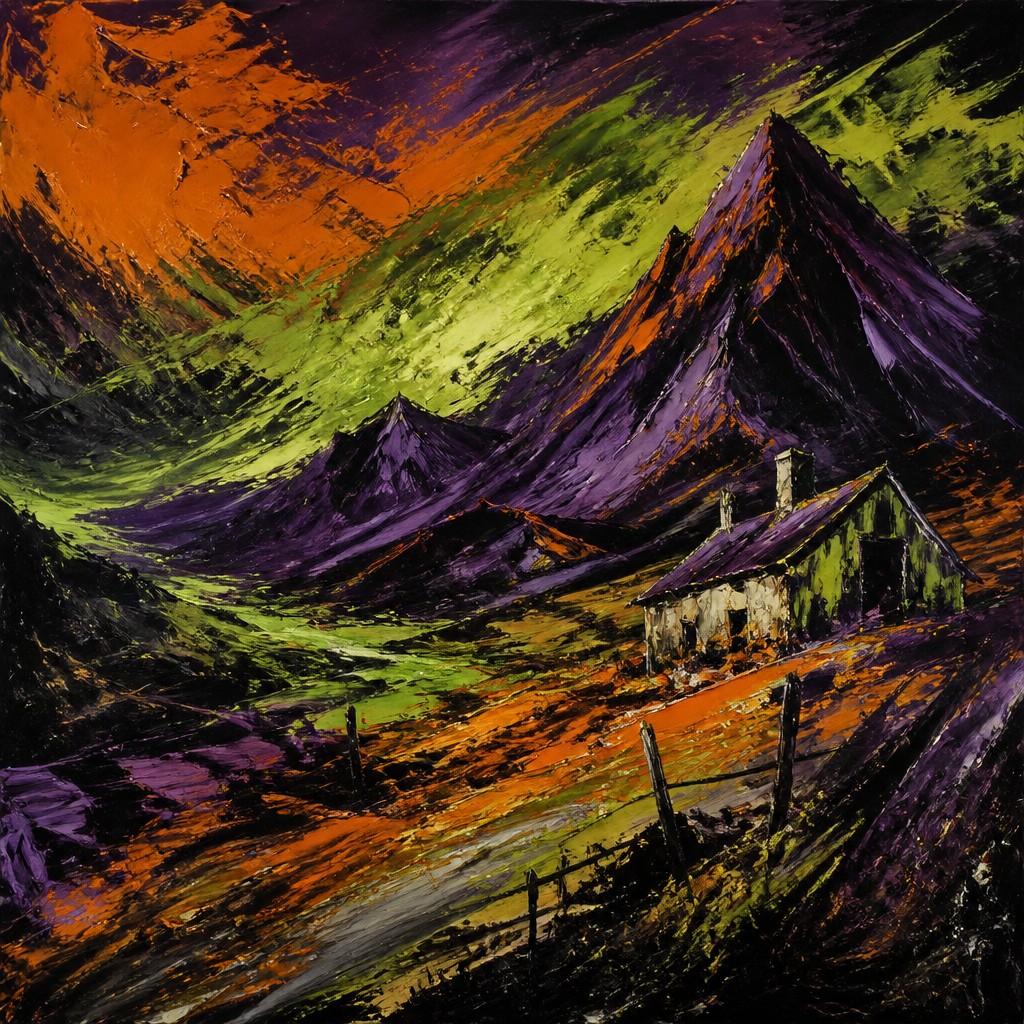
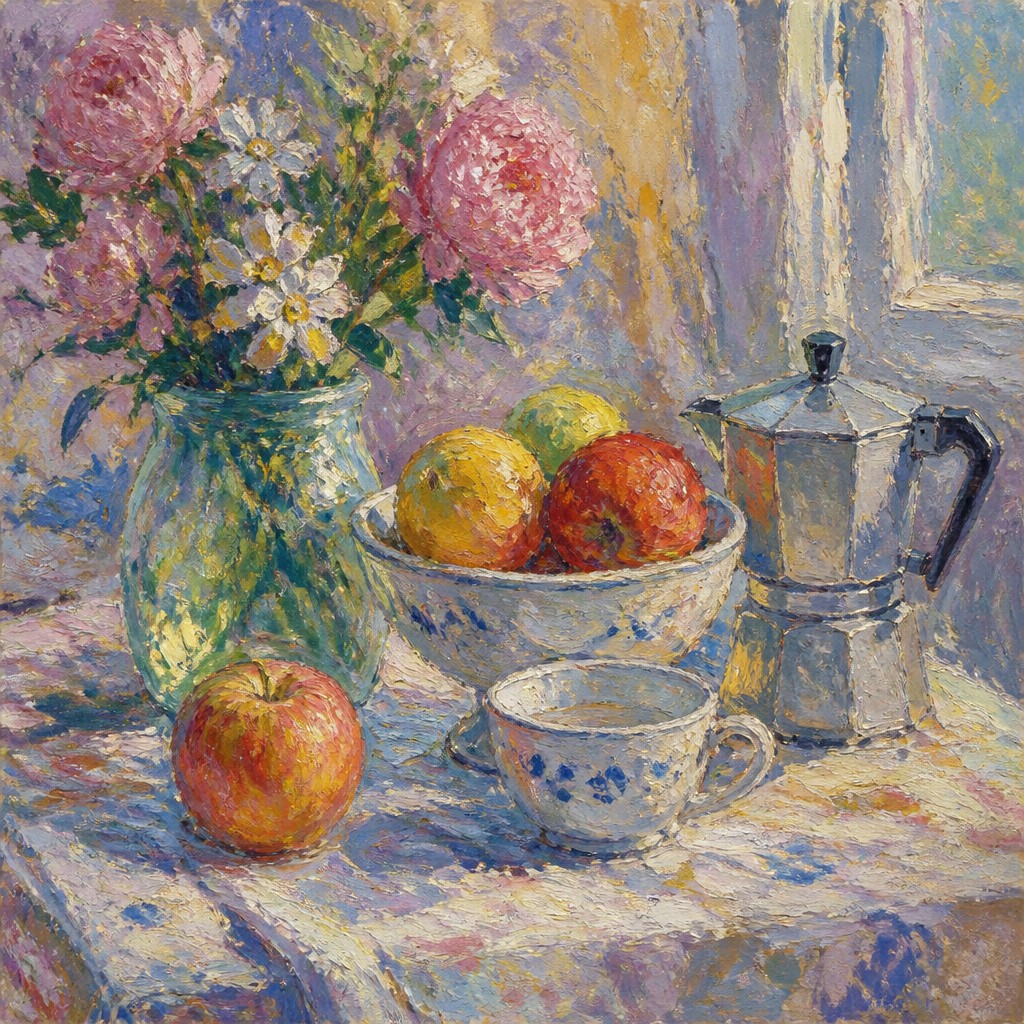
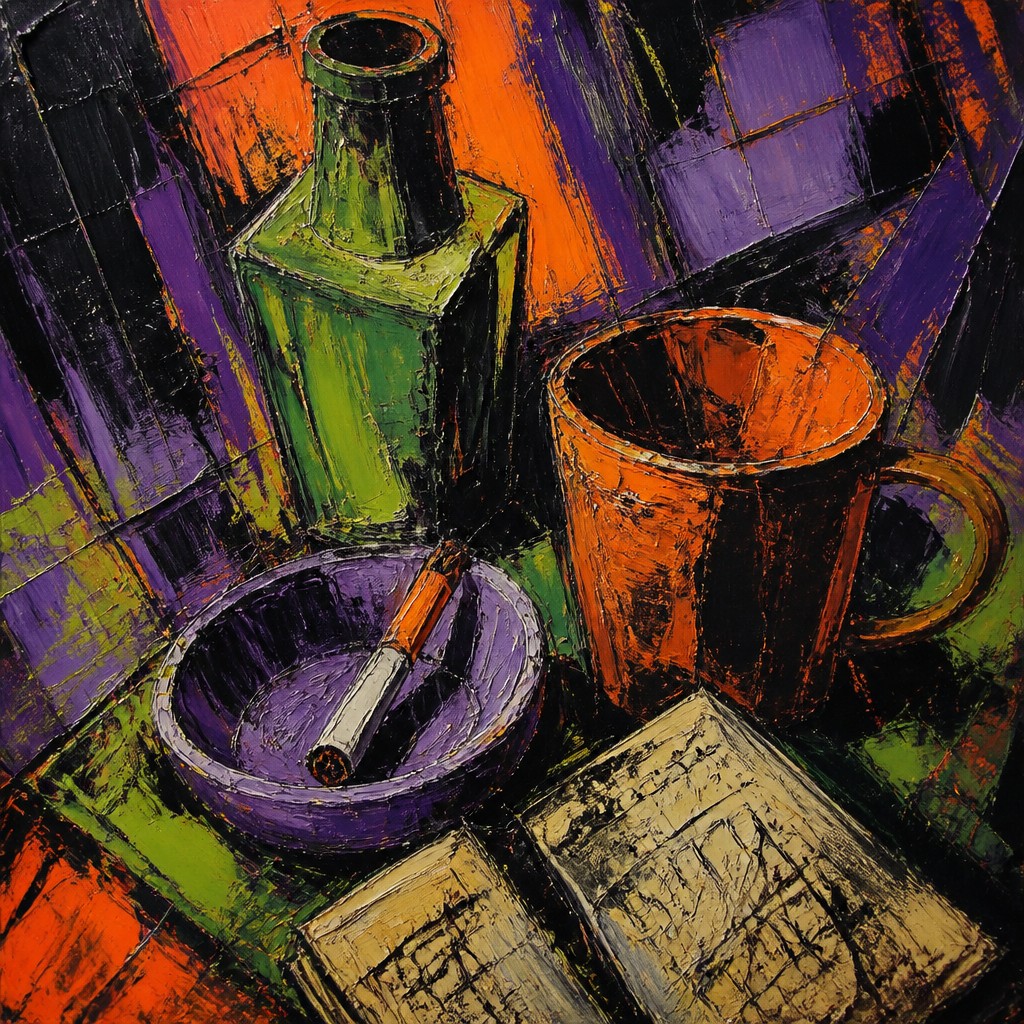
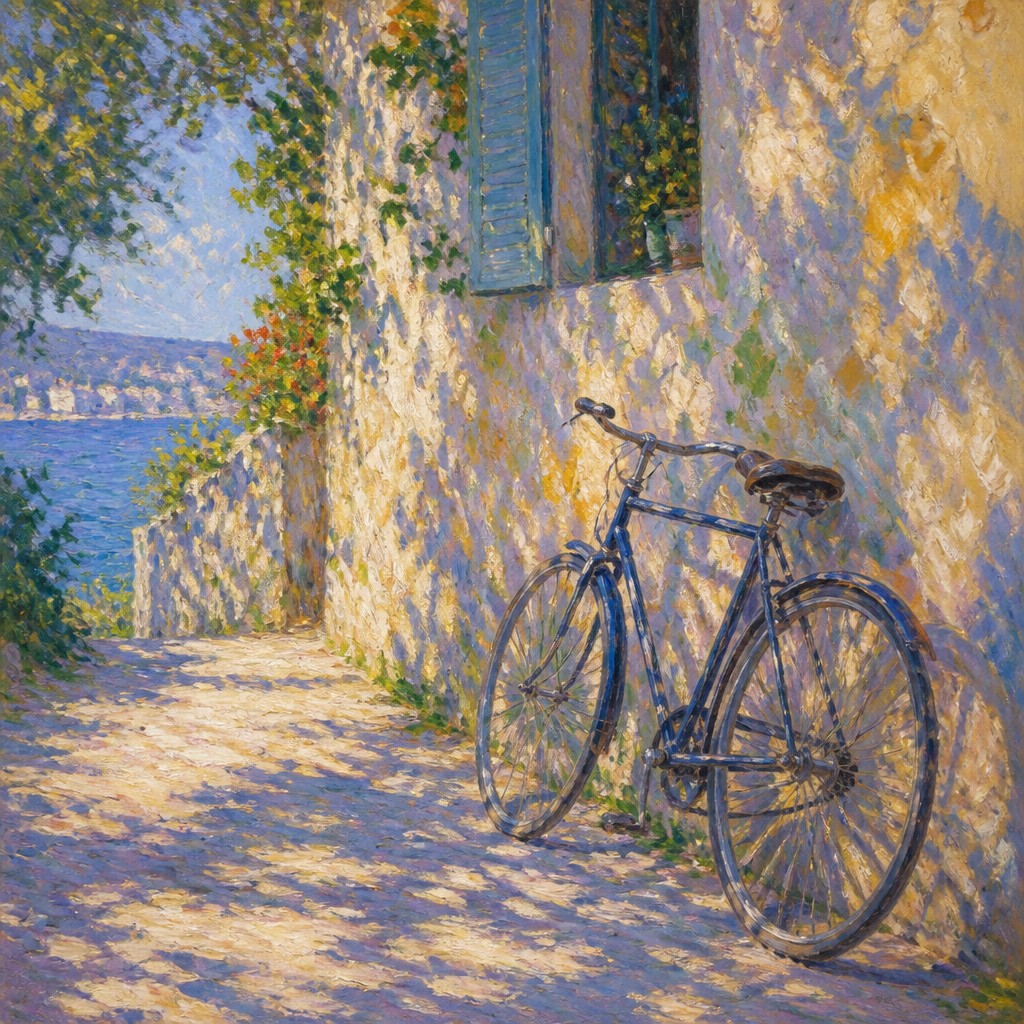
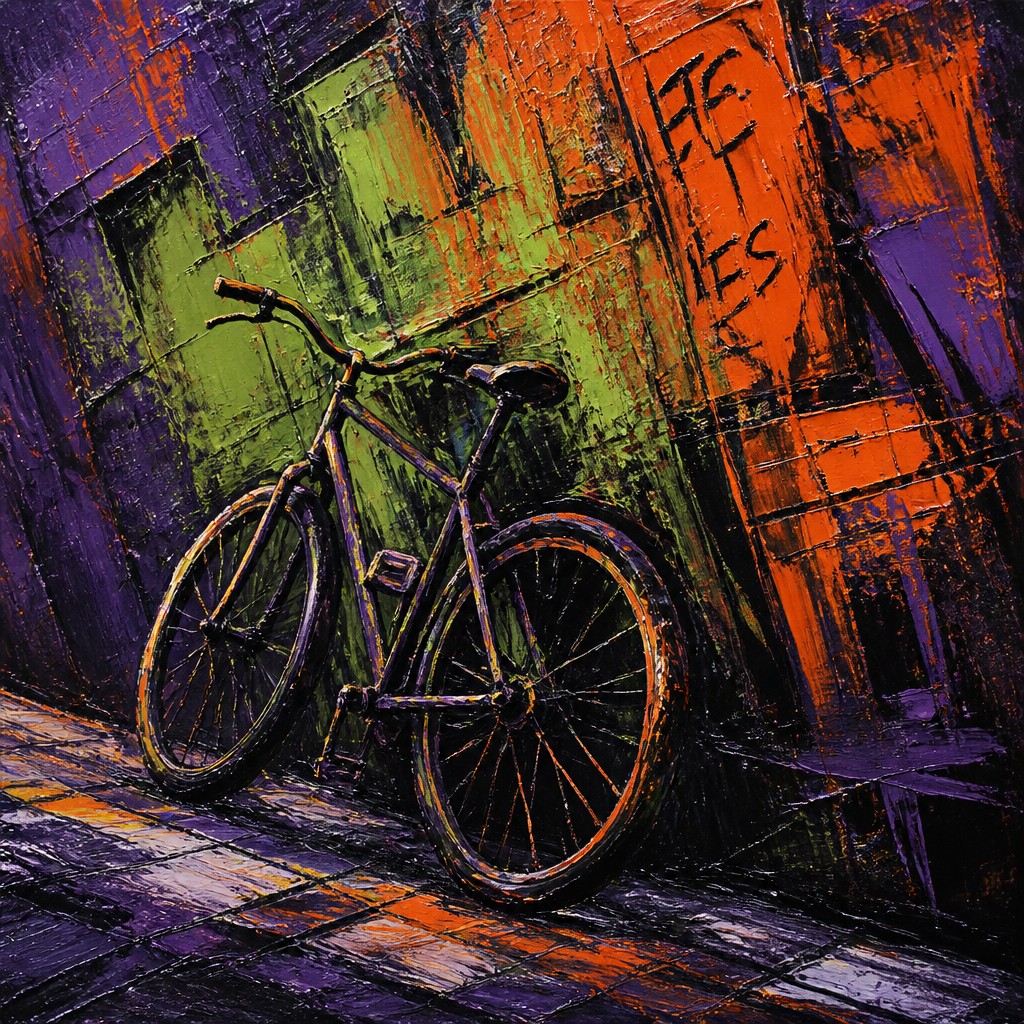
Each pair below was generated from the identical prompt — only the style changed.
“portrait of two people together”
“wide landscape with natural scenery”
“still life with everyday objects”
“bicyle resting against a wall”
Key Differences
| Impressionism | Expressionism | |
|---|---|---|
| Main goal | To capture light, atmosphere, and a passing visual moment. | To express strong emotion and inner psychological states. |
| Color use | Colors are often broken, luminous, and close to observed light effects. | Colors are often bold, heightened, and chosen for emotional force. |
| Brushwork | Brushstrokes stay visible but suggest movement and shimmering surfaces. | Brushwork is vigorous, urgent, and often more aggressively applied. |
| Form and distortion | Forms are usually recognizable, with soft edges and atmospheric effects. | Forms may be distorted or exaggerated to intensify feeling. |
| Subject matter | Commonly shows landscapes, streets, gardens, and everyday outdoor scenes. | Often focuses on figures, faces, and scenes charged with tension. |
| Mood | Light, airy, calm, and observational. | Emotional, unsettled, dramatic, or psychologically charged. |
| Mood | airy, luminous, fleeting, serene, evocative | anguished, agitated, introspective, intense |
| Energy | lively | intense |
| Detail level | moderate | moderate |
| Color | bright, pure, light-washed, atmospheric | bold, saturated, often unnatural hues |
| Texture | visible brushstrokes, painterly, soft-edged | visible, vigorous, rough brushwork |
| Origin | 19th-century France | early 20th-century Germany and Europe |
| Best for | landscapes, garden scenes, posters, editorial illustrations, album covers, wall art | posters, album covers, editorial illustrations, theater posters, book covers |
| Difficulty | moderate | moderate |
Which Should You Choose?
Choose Impressionism if you want to show how a scene looks in changing light, with a sense of freshness, movement, and everyday beauty. Choose Expressionism if you want to communicate emotion, tension, or inner experience more than accurate appearance. In short, pick A for visual atmosphere and B for emotional intensity.
Frequently Asked Questions
Which style is more realistic?
Impressionism is usually closer to visual reality because it observes light and color from the natural world, even though it simplifies forms. Expressionism is generally less realistic because it intentionally distorts appearance to heighten feeling.
Can both styles use visible brushstrokes?
Yes. Both styles often leave brushstrokes visible, but they use them differently. In Impressionism, brushstrokes help capture light and movement; in Expressionism, they often add emotional urgency.
Do both styles avoid fine detail?
Often, yes, but for different reasons. Impressionism softens detail to preserve a quick, atmospheric impression, while Expressionism may simplify or distort detail to strengthen emotional impact.
Which style is better for landscapes or portraits?
Impressionism is especially associated with landscapes and outdoor scenes, though it can also be used for portraits. Expressionism is often strong for portraits or figure-based images when the goal is to reveal mood, stress, or inner conflict.