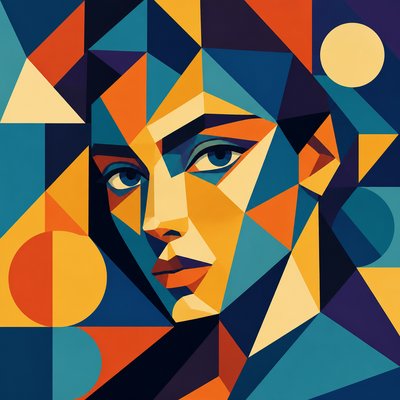
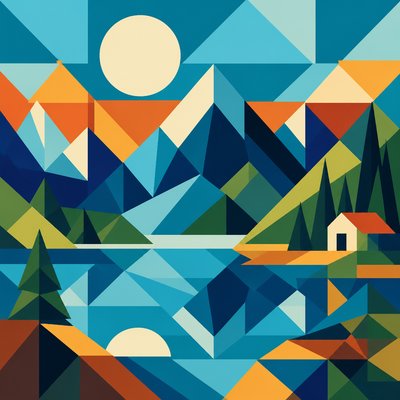
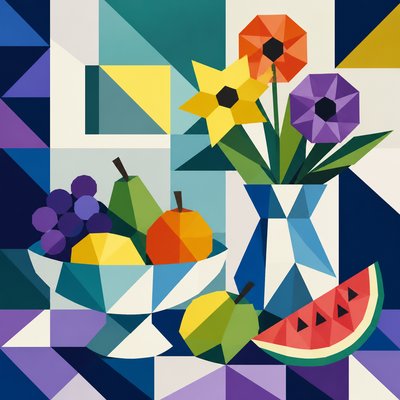
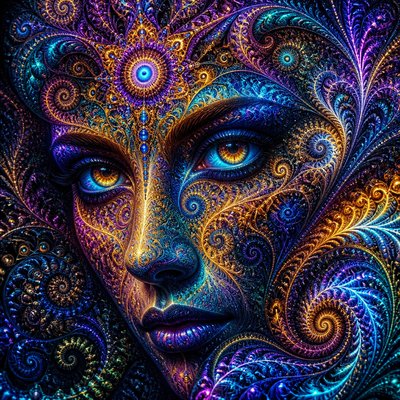
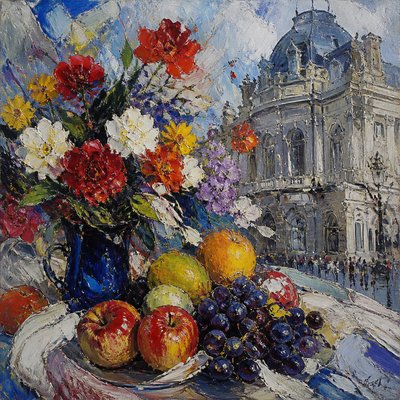
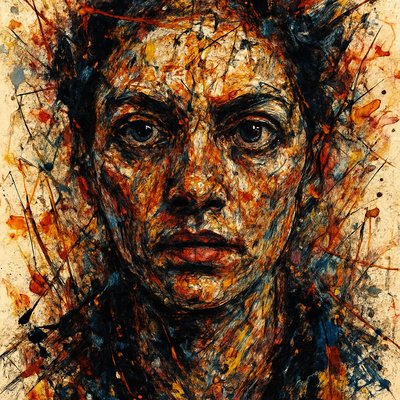
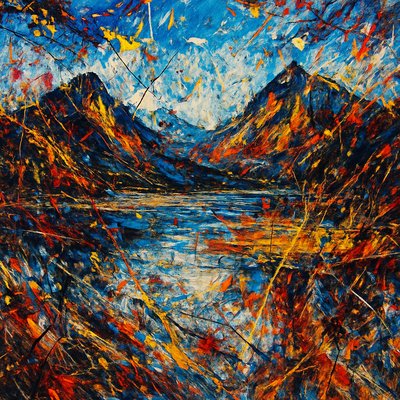
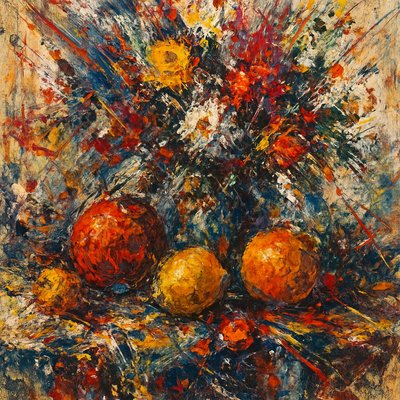
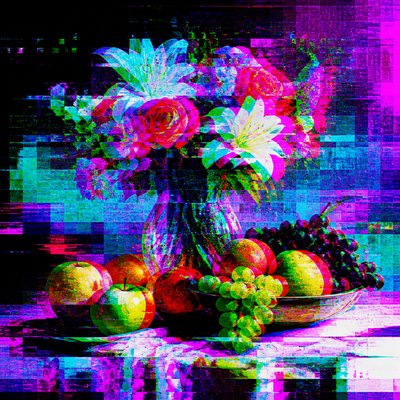
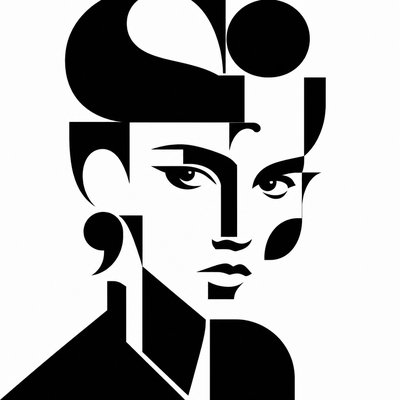
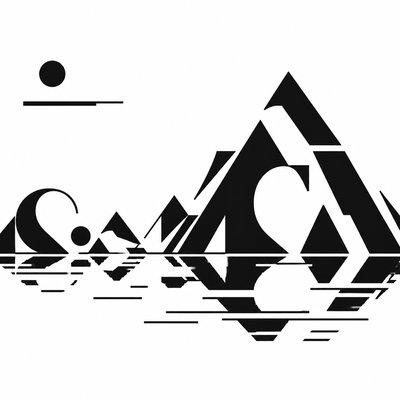
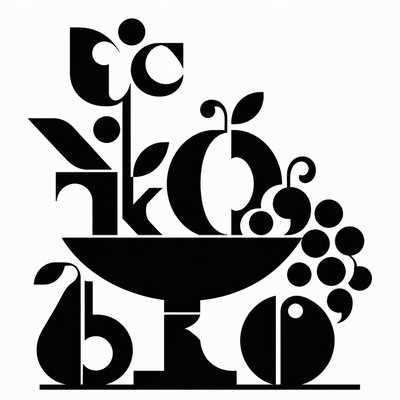
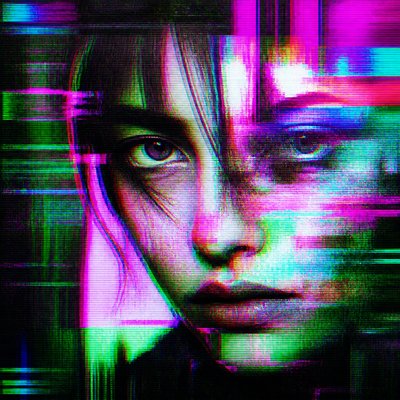
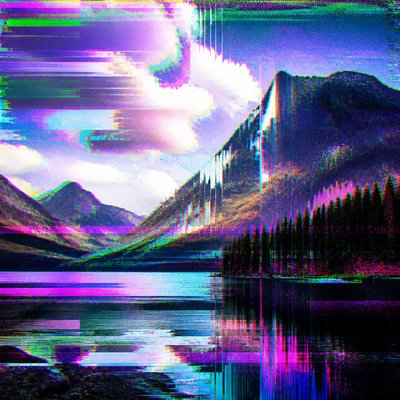
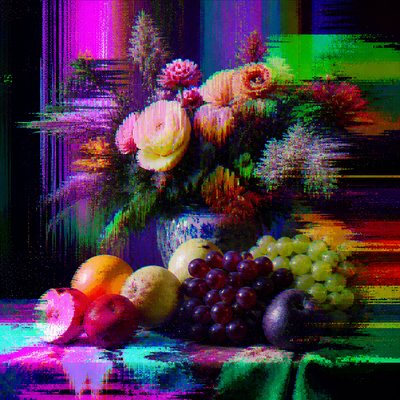
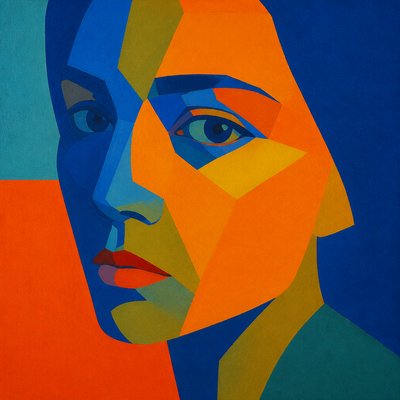
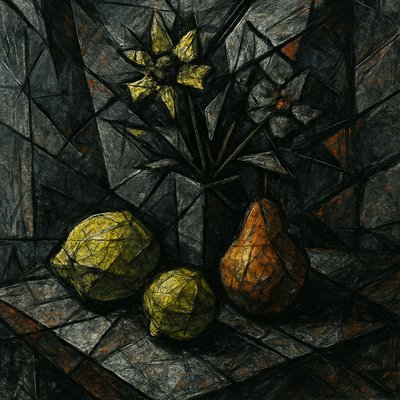
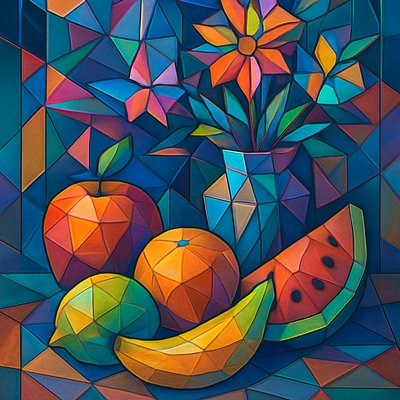
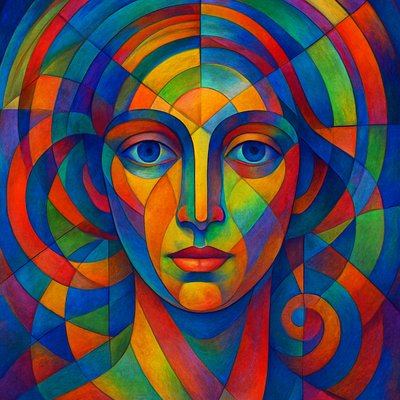
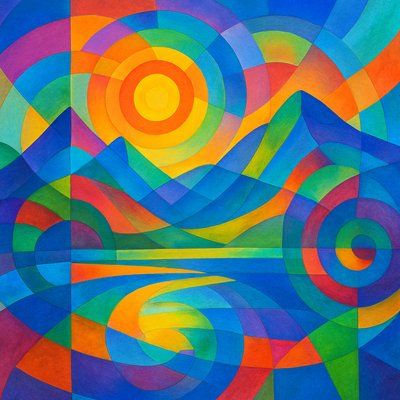
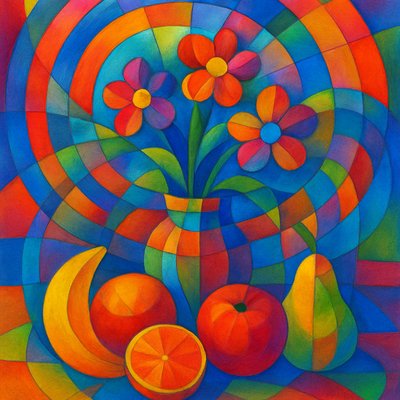
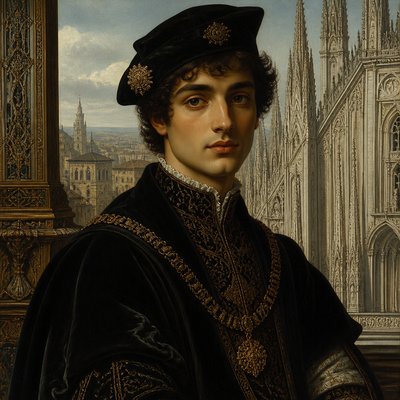
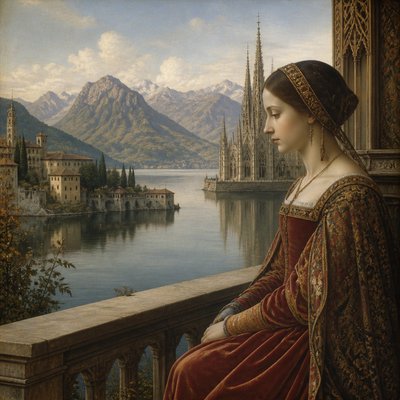
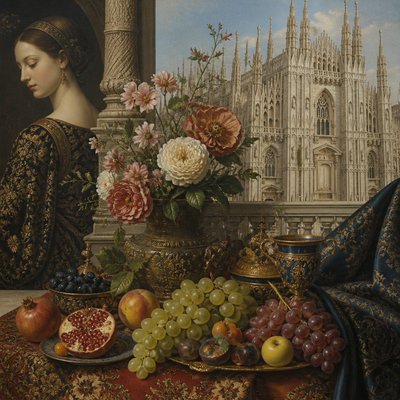
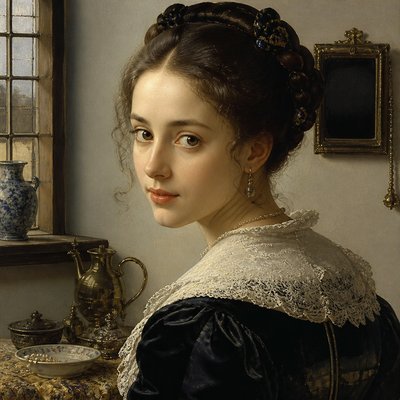
Abstract Expressionist Modern Art Style
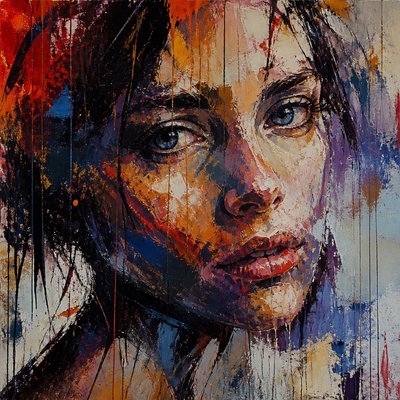
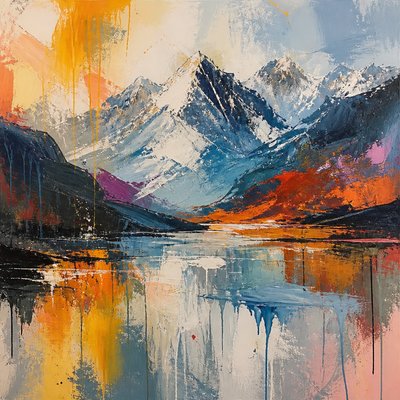
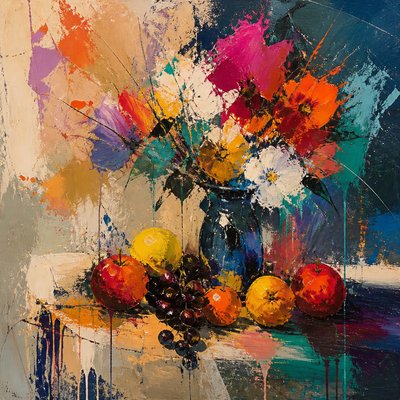
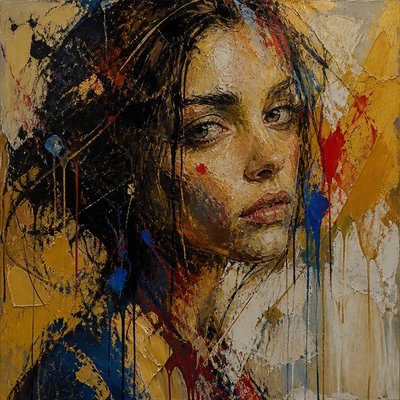
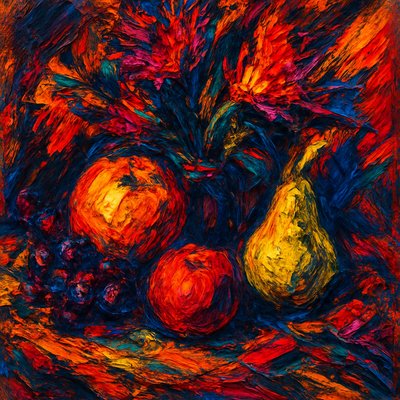
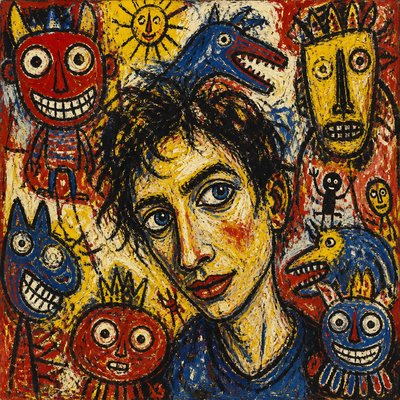
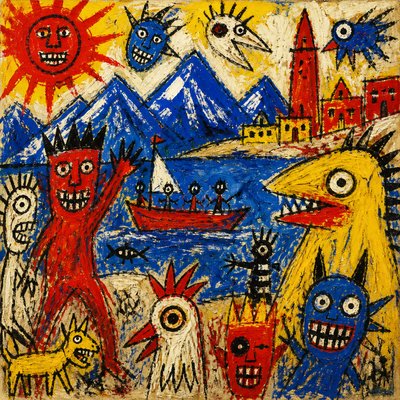
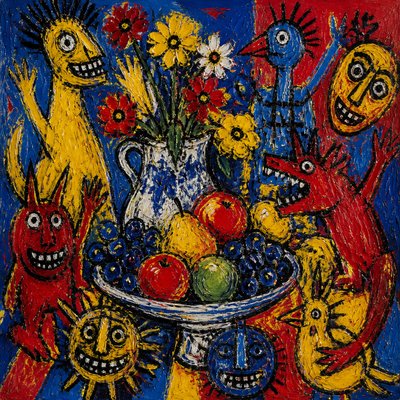
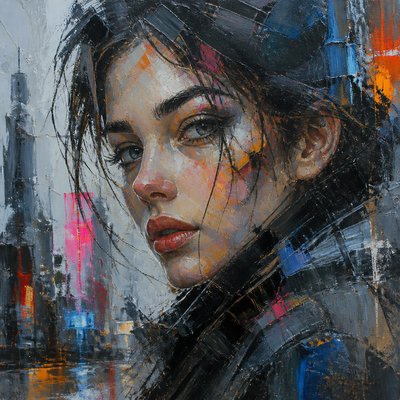
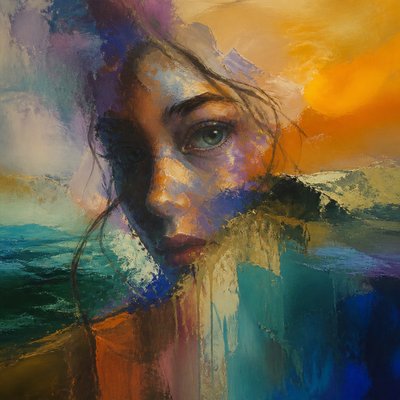
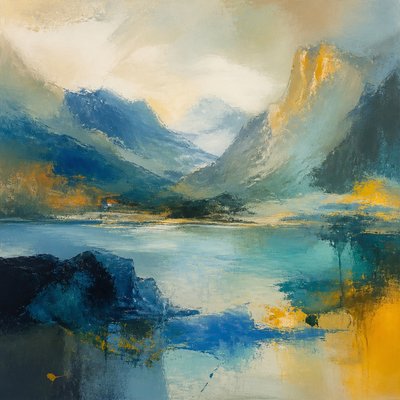
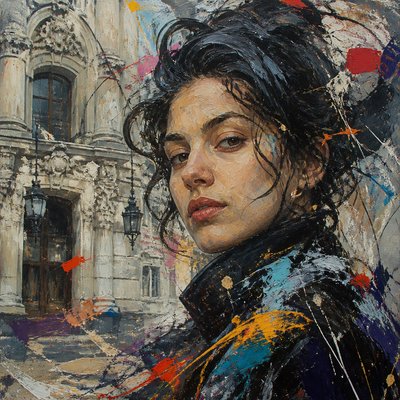
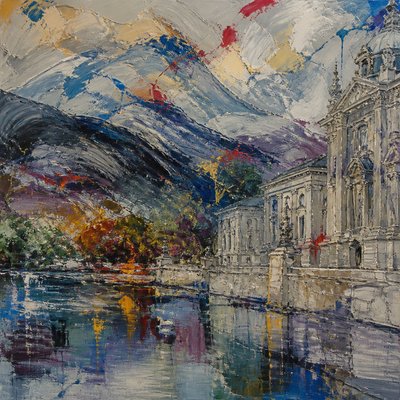
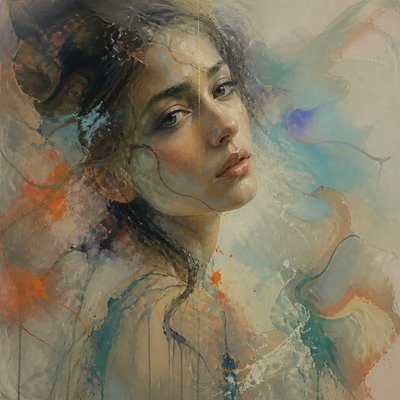
Abstract expressionist modern art: gestural brushwork, drips, layered paint, and emotional abstraction with vivid color and spontaneous energy.
Instantly rendered in Abstract Expressionist Modern — or transform a photo
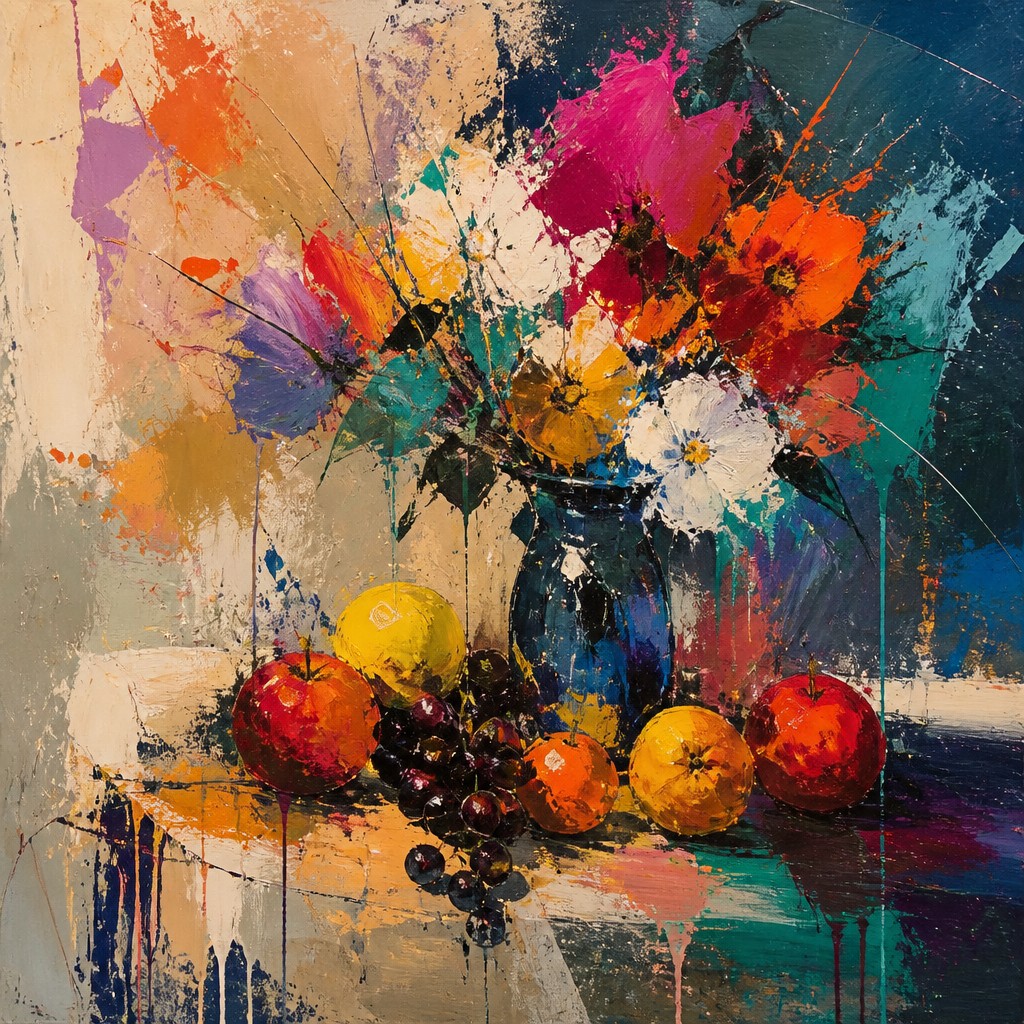
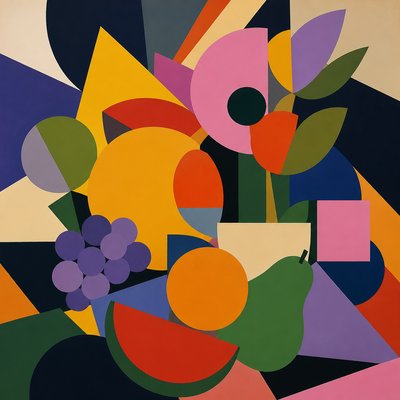
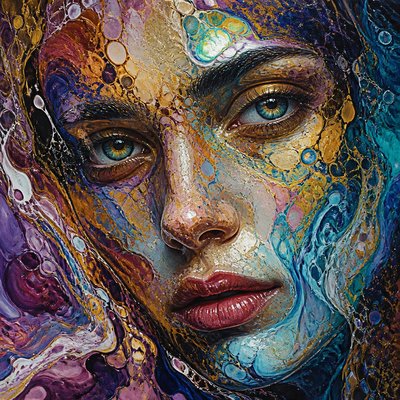
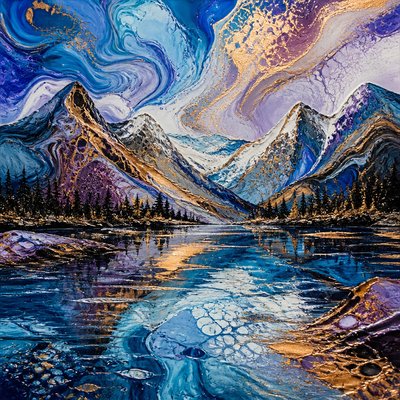
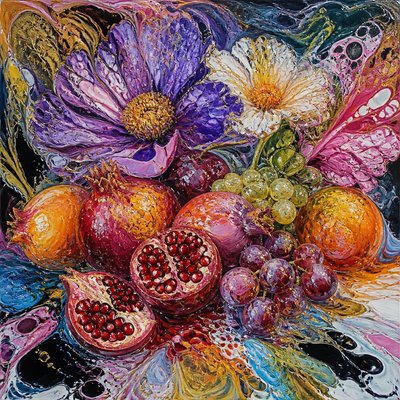
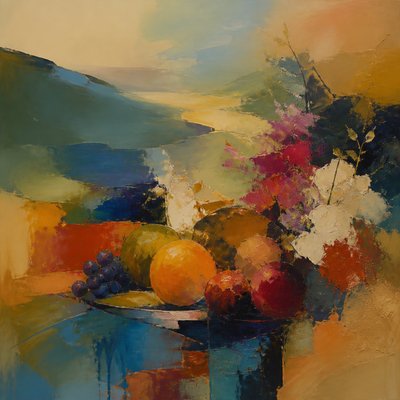
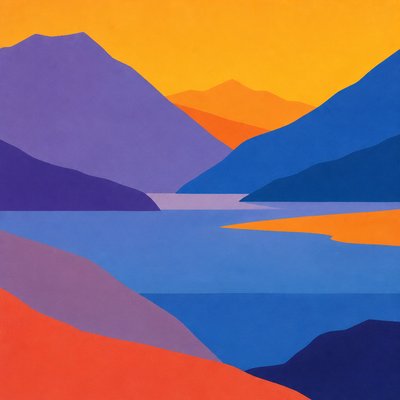
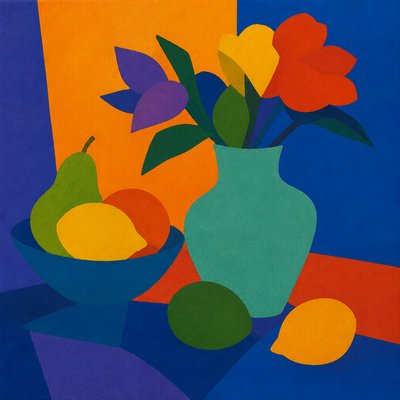
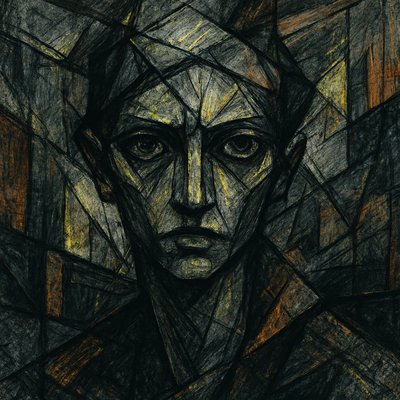
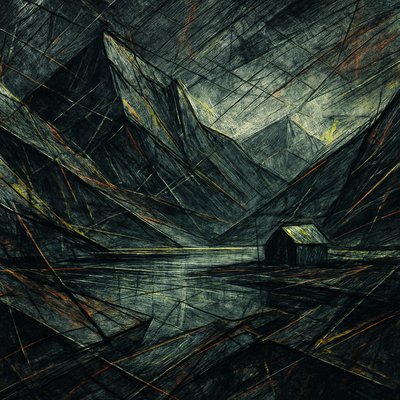
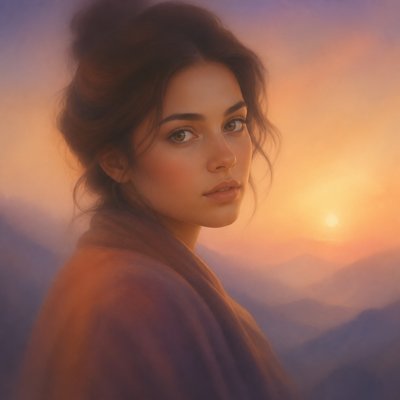
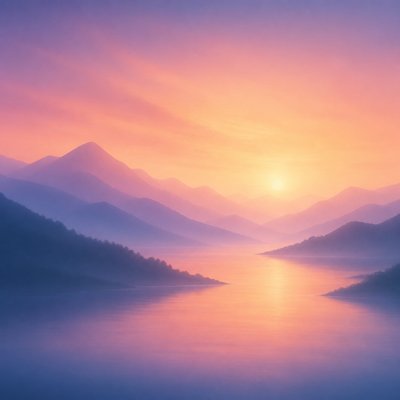
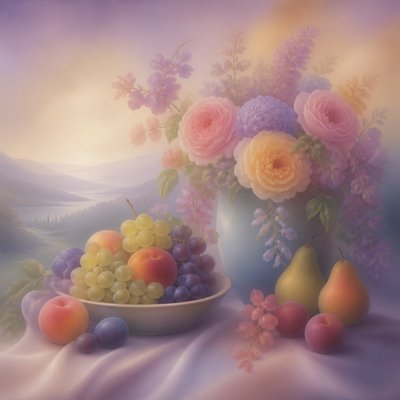
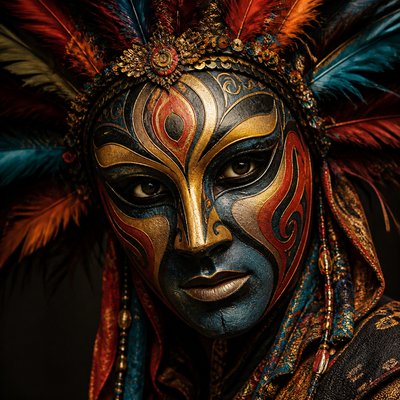
Abstract Expressionist Modern Gallery
Tap any artwork to explore it
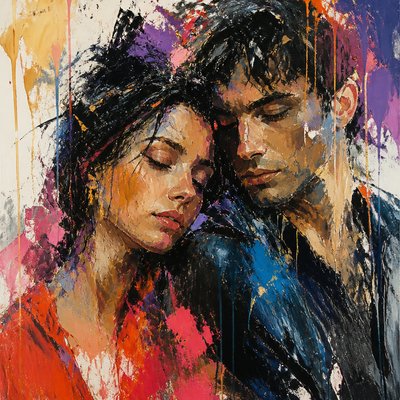
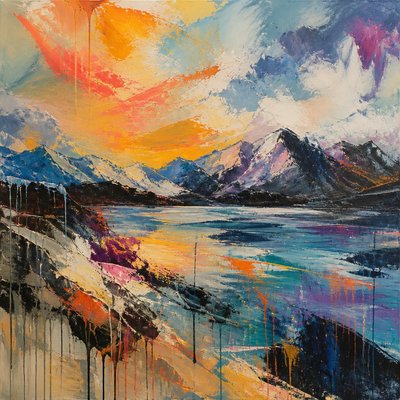
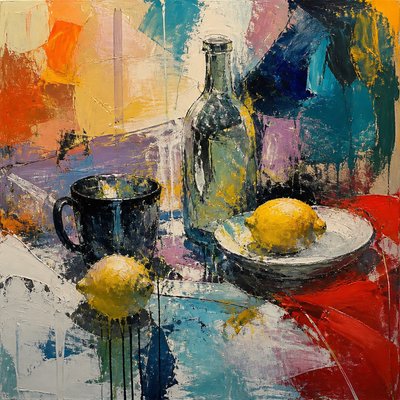
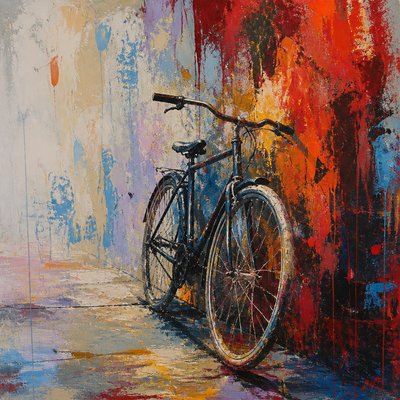
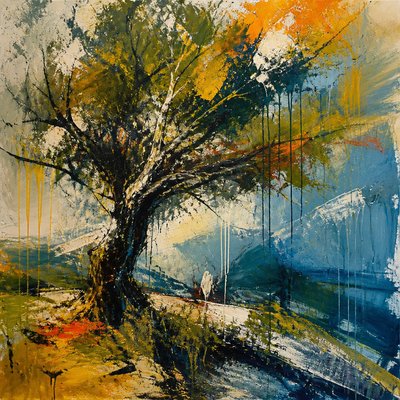
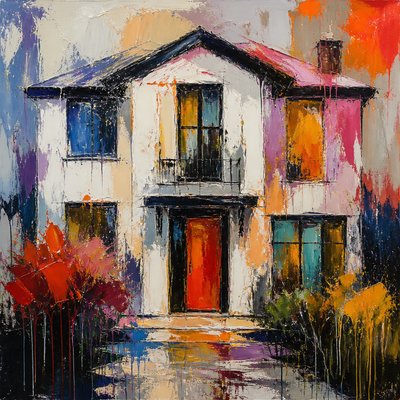
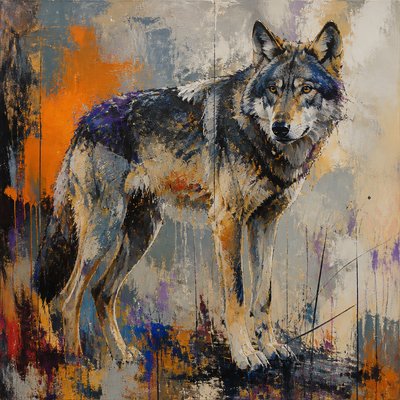
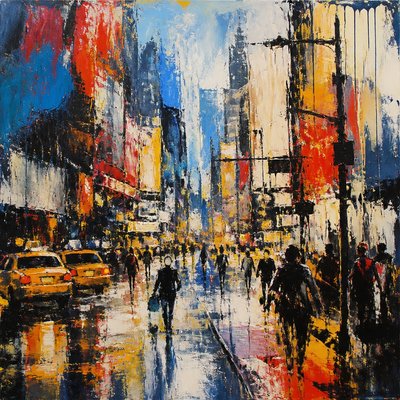
What is Abstract Expressionist Modern Art Style?
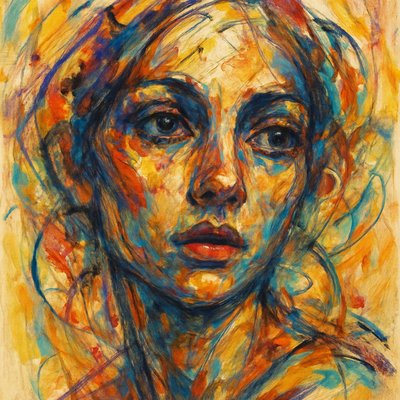
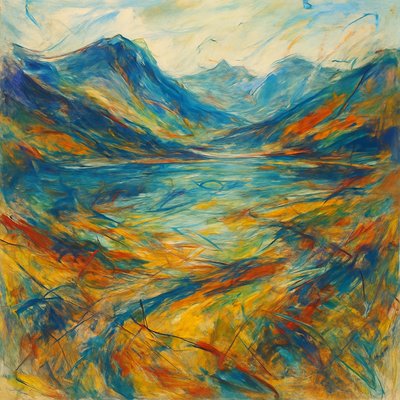
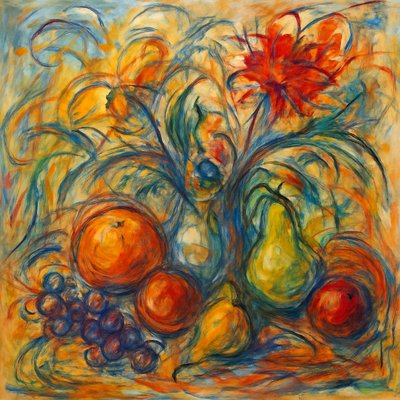
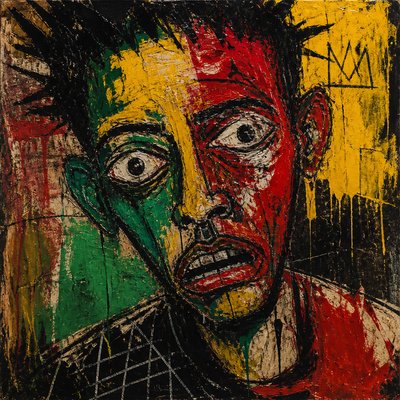
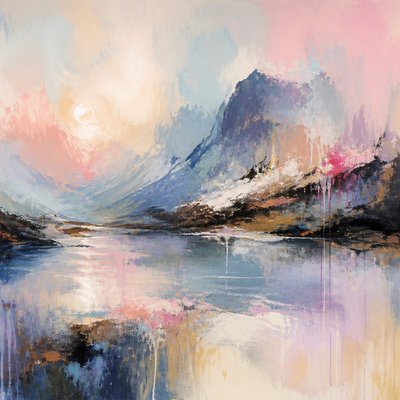
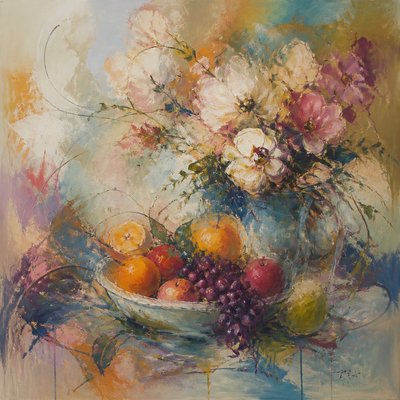
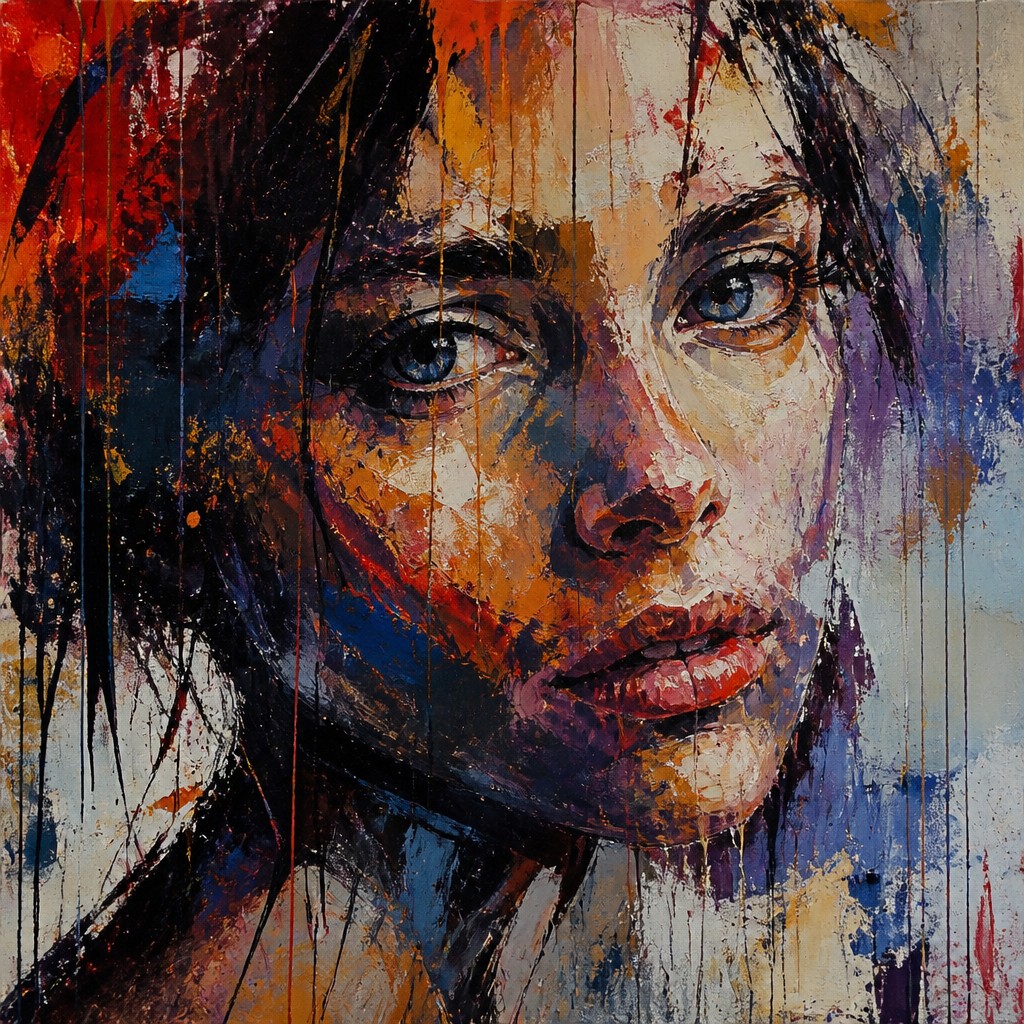
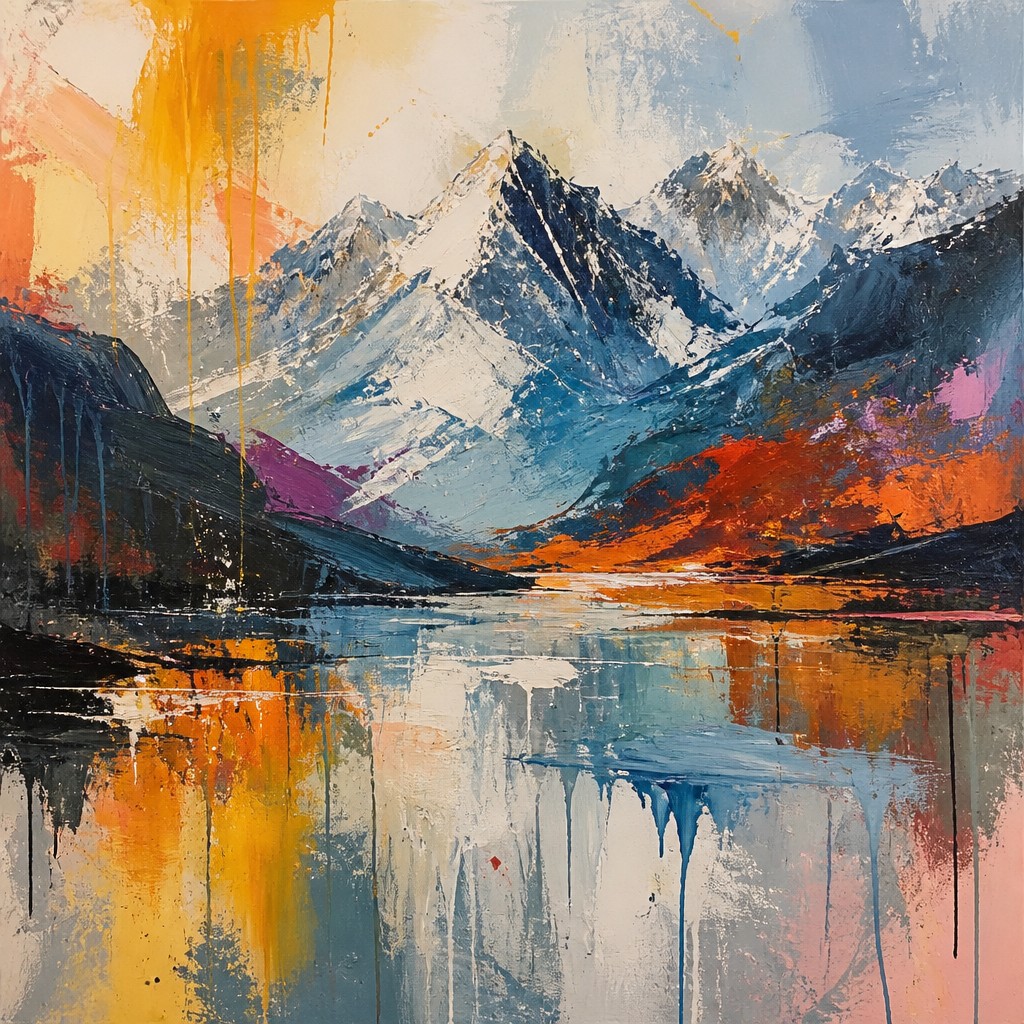
Abstract expressionist modern art is an emotionally driven approach to abstraction in which gesture, movement, and paint handling become the subject as much as the image itself. Instead of depicting recognizable scenes, it organizes color, line, texture, and rhythm into surfaces that feel immediate, physical, and often improvised.
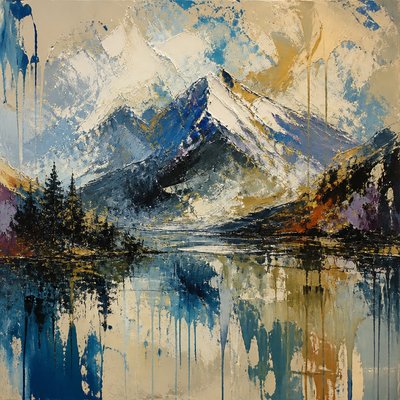
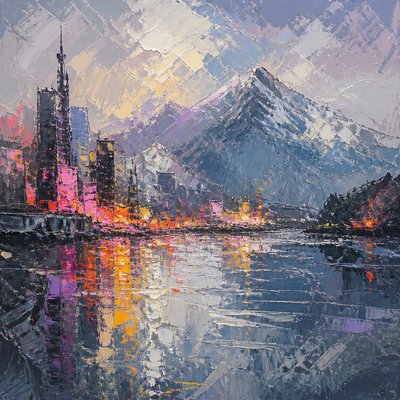
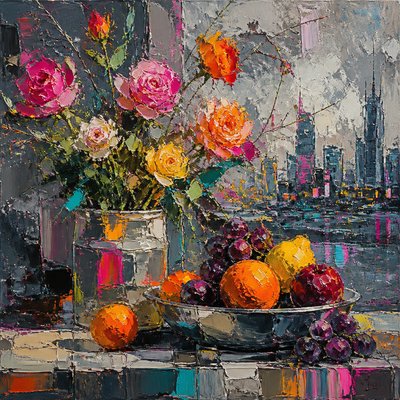
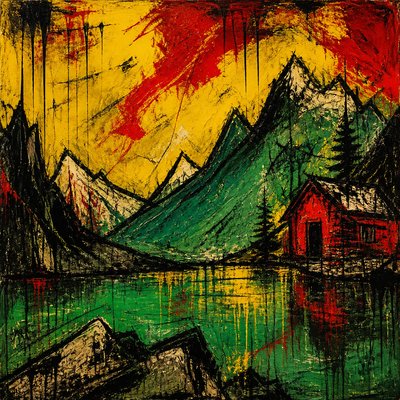
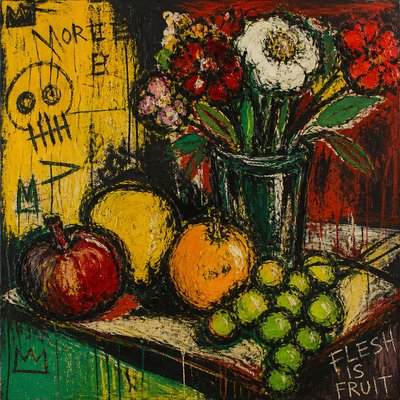
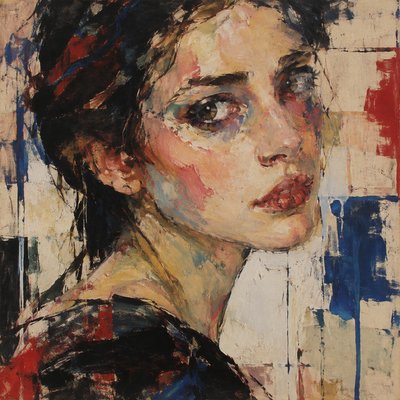
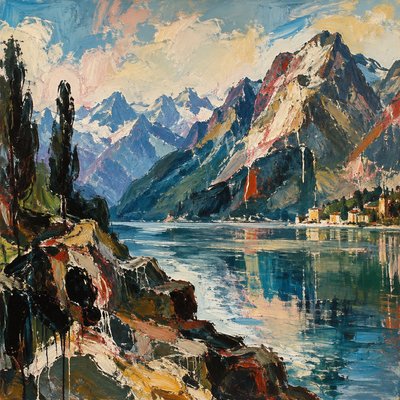
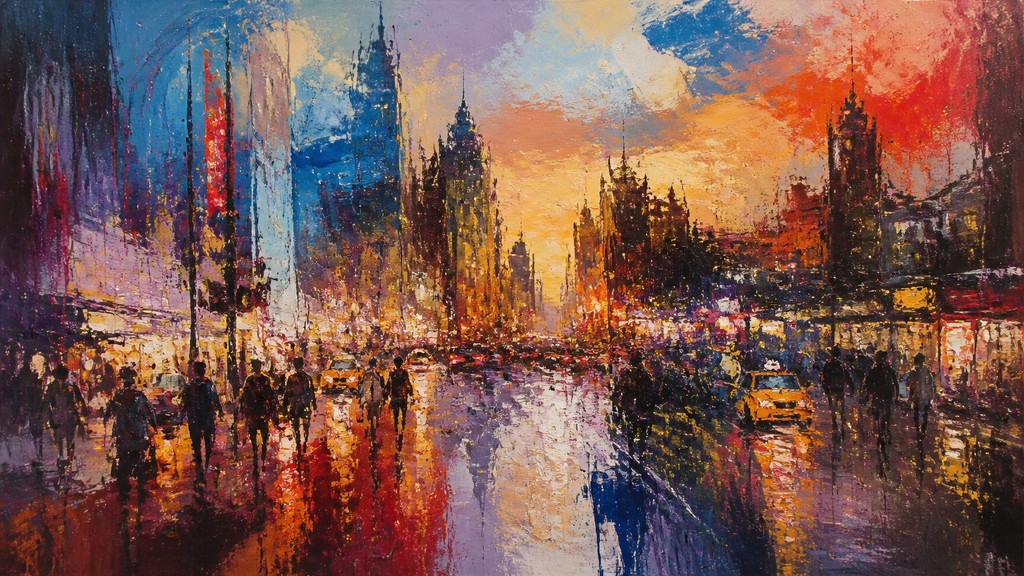
Its visual identity is built from bold brushstrokes, drips, splatters, scraped passages, and visible layering. The result can feel turbulent or meditative, densely worked or spacious, but it almost always emphasizes the artist’s hand and the process of making: pressure, speed, hesitation, revision, and release all remain visible in the final work.
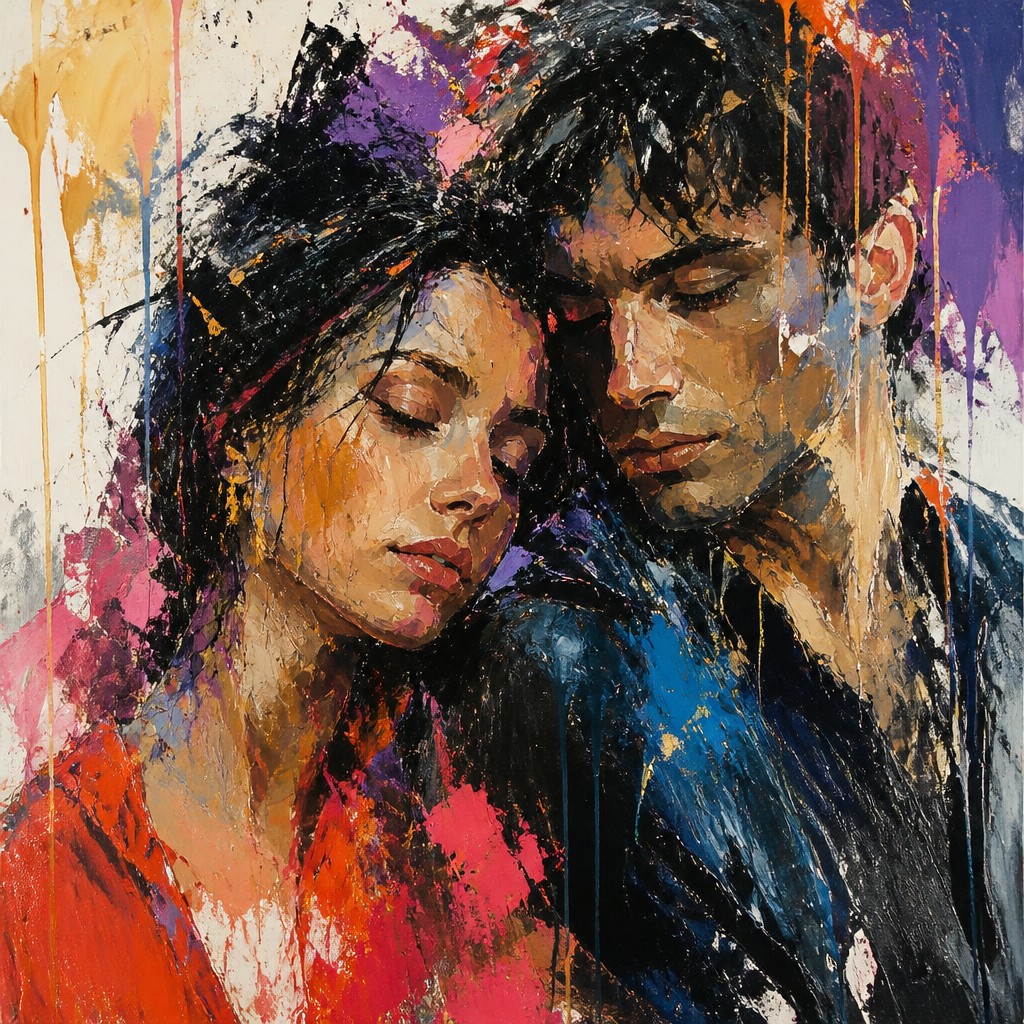
Try It On Your Photos
Upload any photo and convert it into Abstract Expressionist Modern Art Style — drag the sliders to compare before and after.
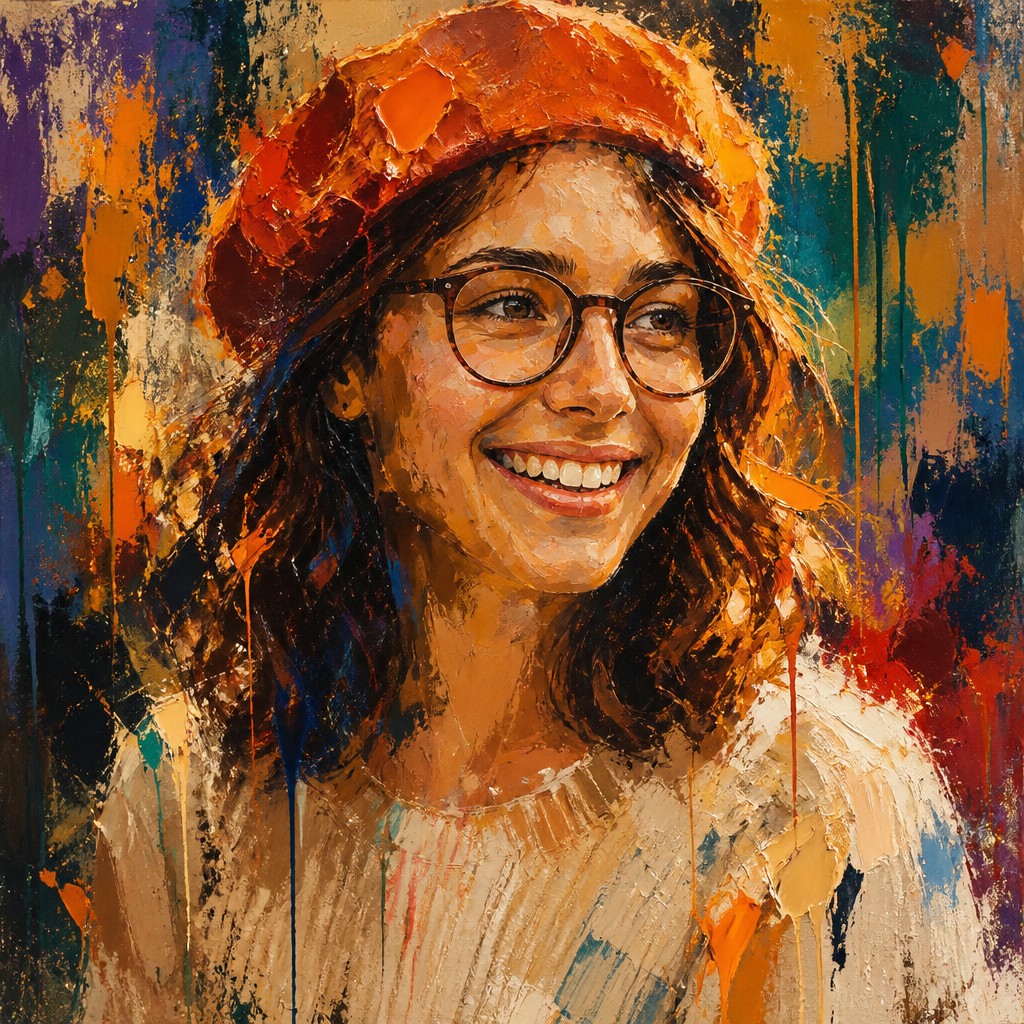

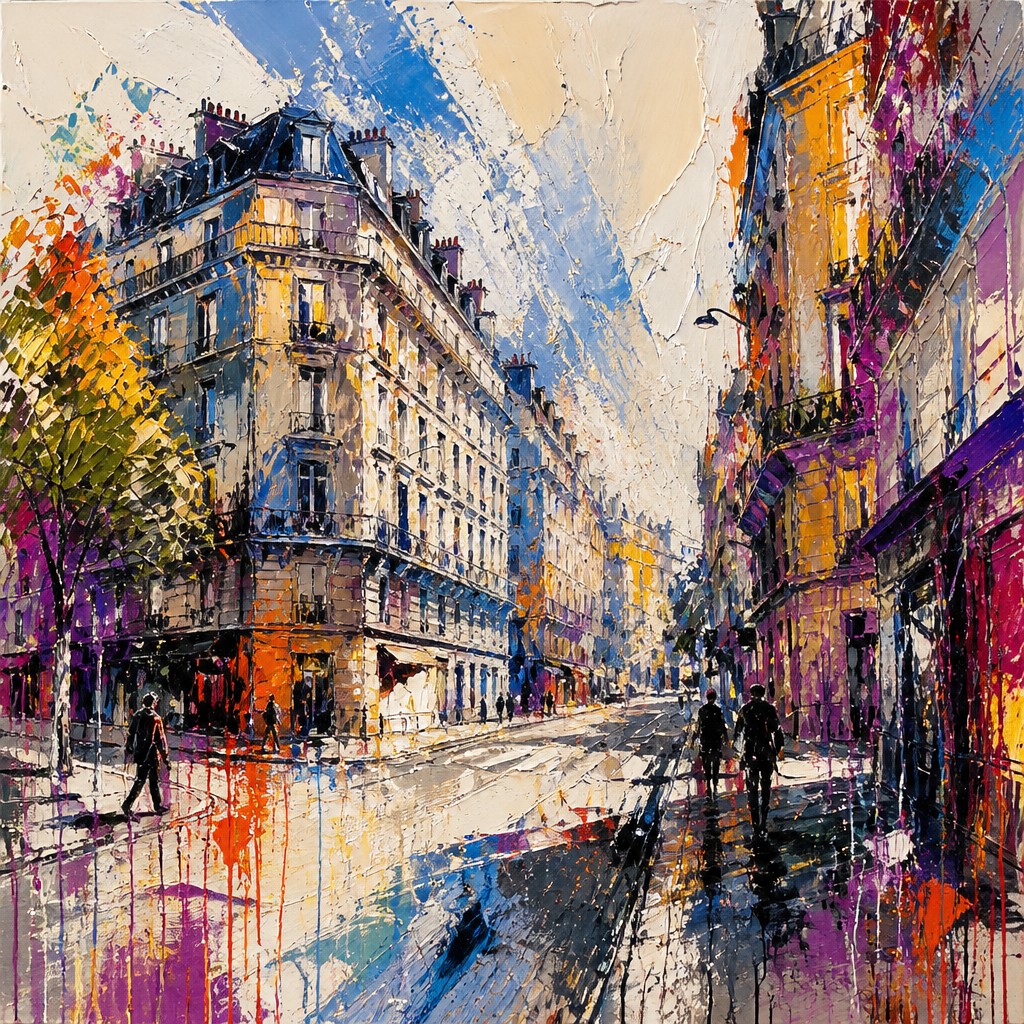

What Defines Abstract Expressionist Modern Art Style
The signature details, up close
Gestural mark-making
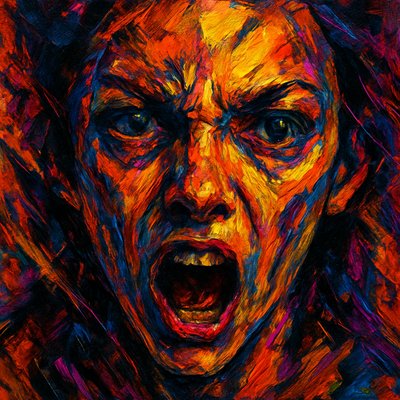
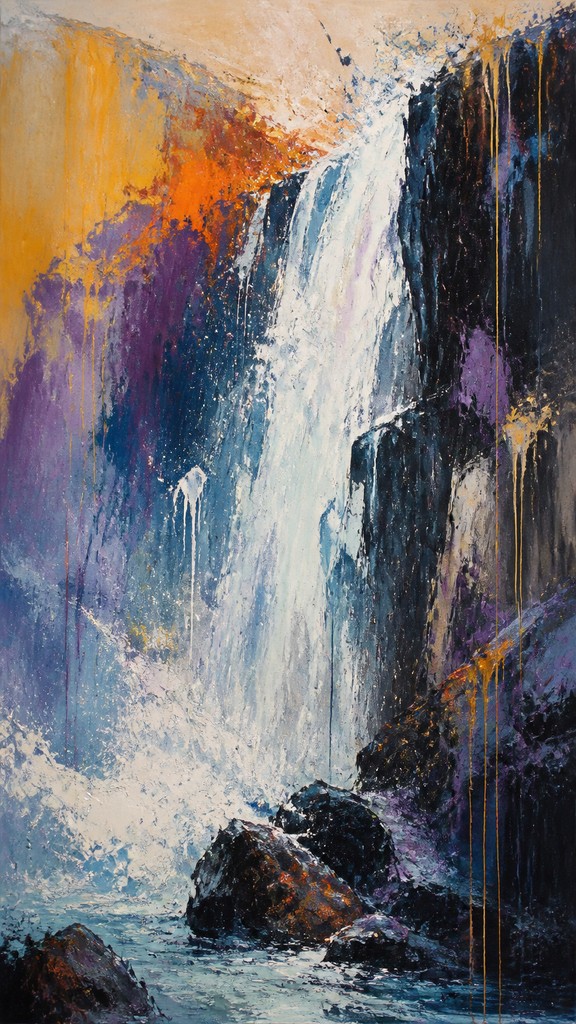
Brushstrokes are assertive, directional, and visibly made by hand. The movement of the arm or body is often readable in each mark.
Drips, splatters, and pours
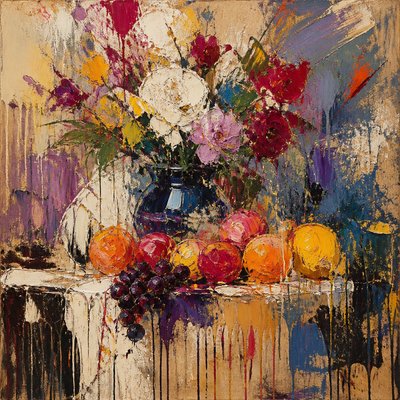
Paint may be allowed to fall, run, or be thrown across the surface. These accidents are not hidden; they are part of the composition.
Layered surface depth
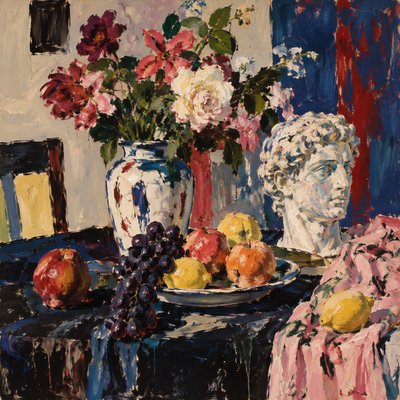
Multiple applications of paint create a dense, worked surface. Thick impasto can sit beside thin washes, creating tactile contrast.
Emotional color relationships
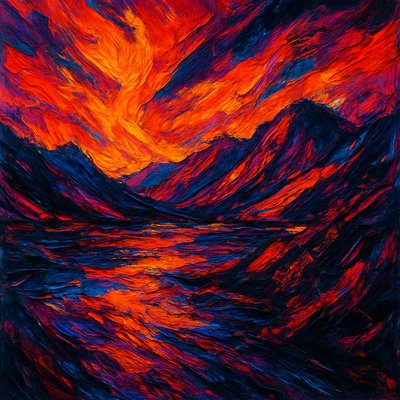
Color is used for tension, harmony, or intensity rather than naturalism. High contrast palettes and unexpected pairings are common.
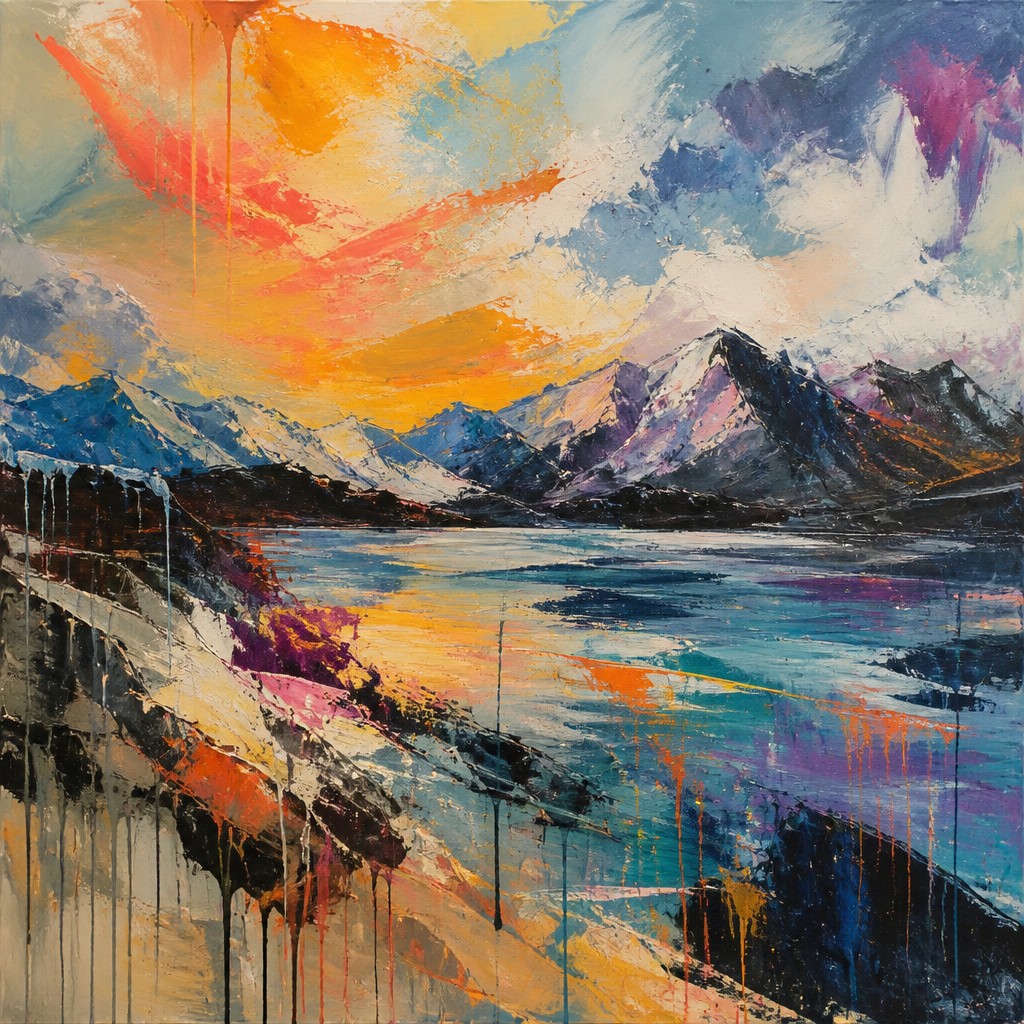
Balanced spontaneity
Compositions often feel improvised but not random. Areas of dense activity may be offset by quiet space that lets the image breathe.
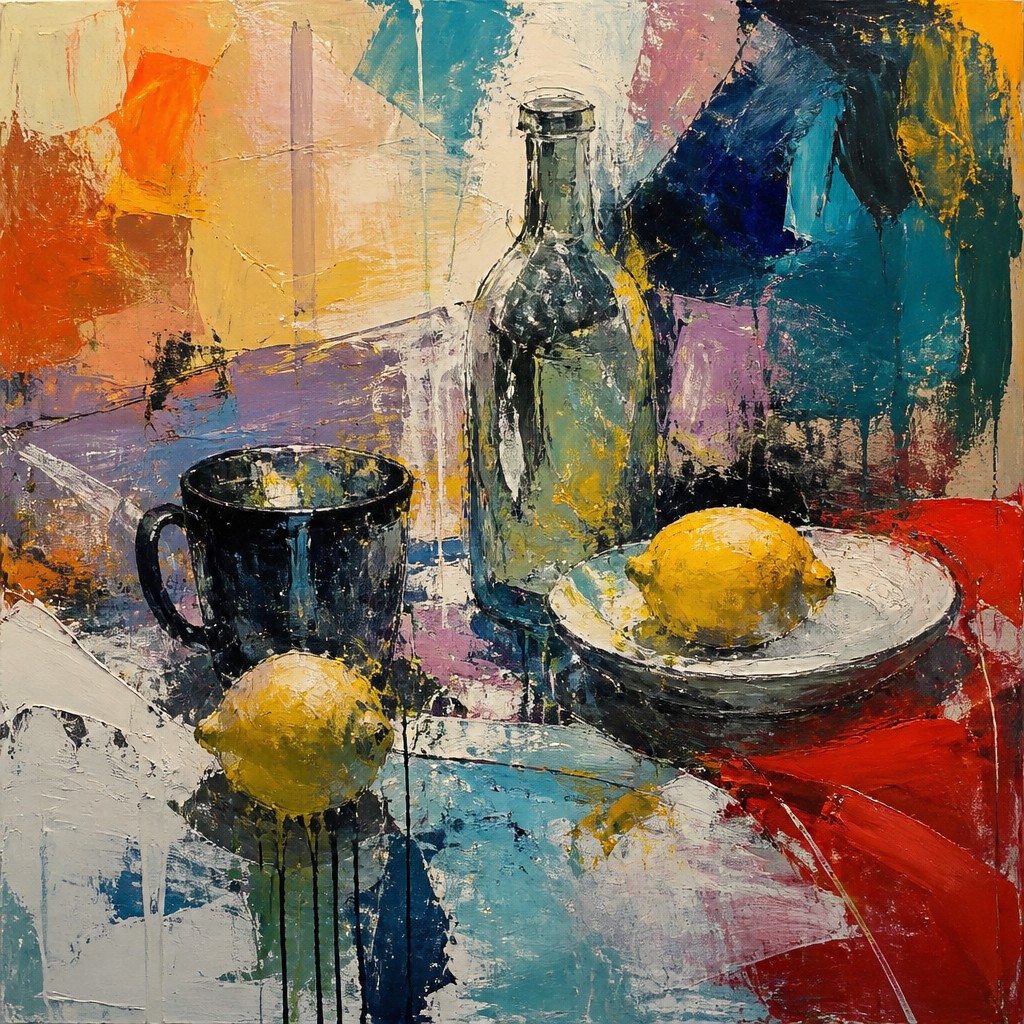
Evidence of process
Scraping, reworking, erasure, and overpainting remain visible. The finished work preserves traces of decisions and changes made along the way.
Try It
Create Videos in Abstract Expressionist Modern Art Style
Styles aren't just for stills — describe a scene or animate an image and get a short video rendered in Abstract Expressionist Modern. Press play to see this pond come to life.
Make a VideoAbstract Expressionist Modern Prompt Ideas
Start from an idea — each one opens the generator with the style ready to go. See all 40 Abstract Expressionist Modern prompts →
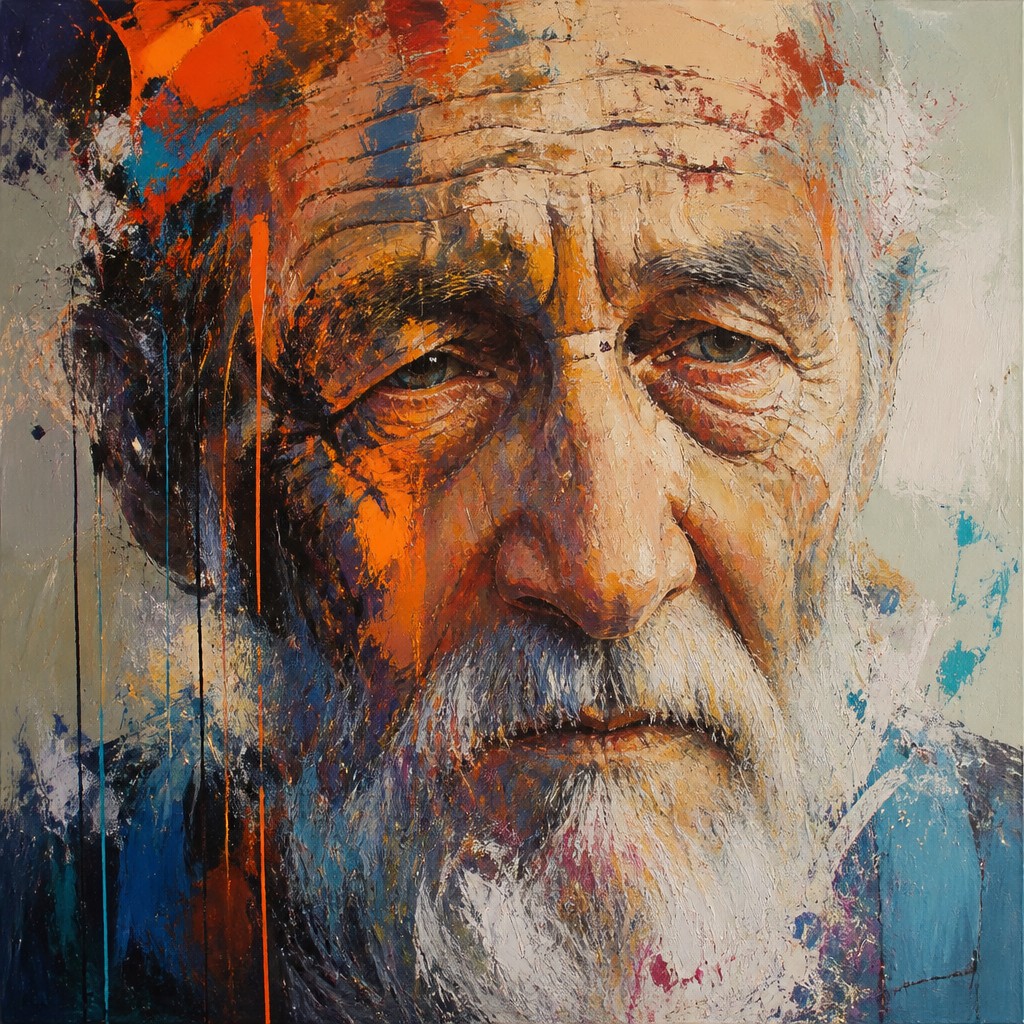
“close-up portrait of an elderly person with expressive weathered features”
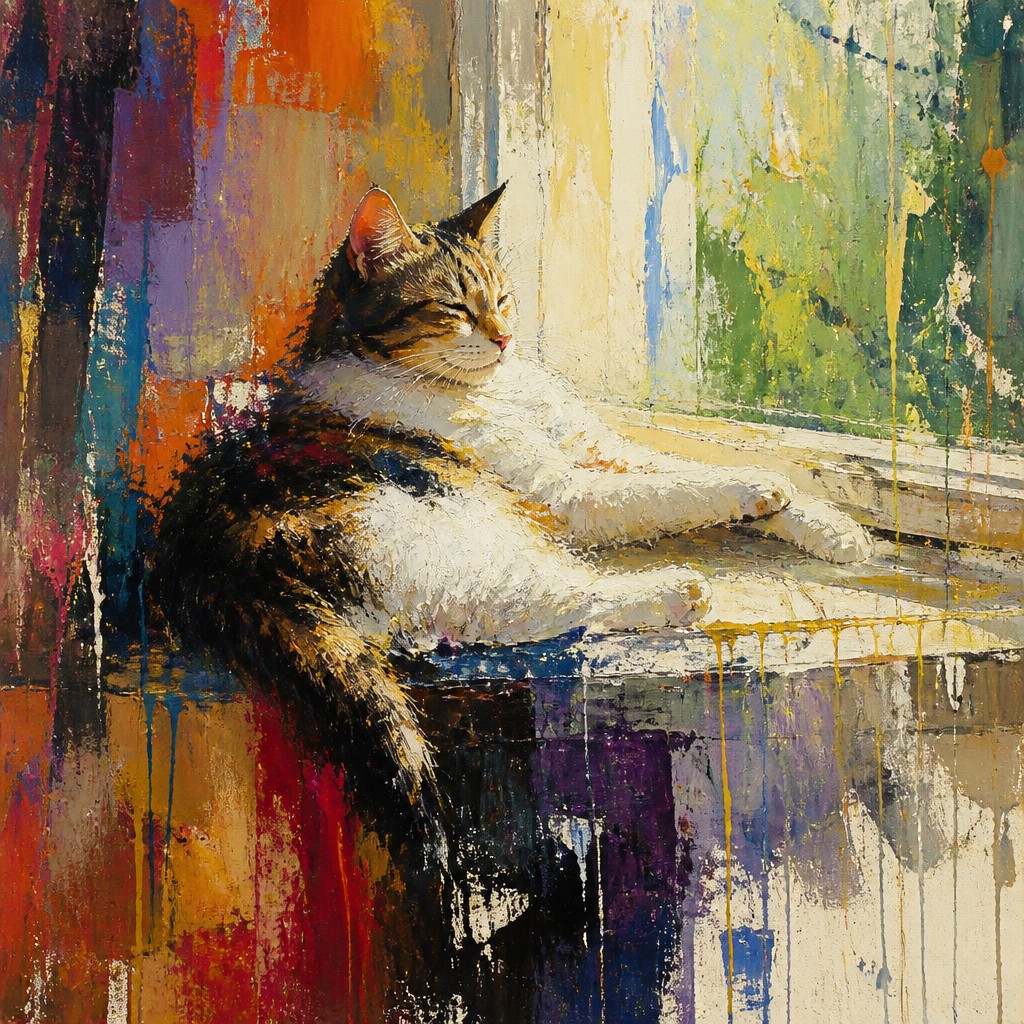
“a cat lounging in a sunlit window”
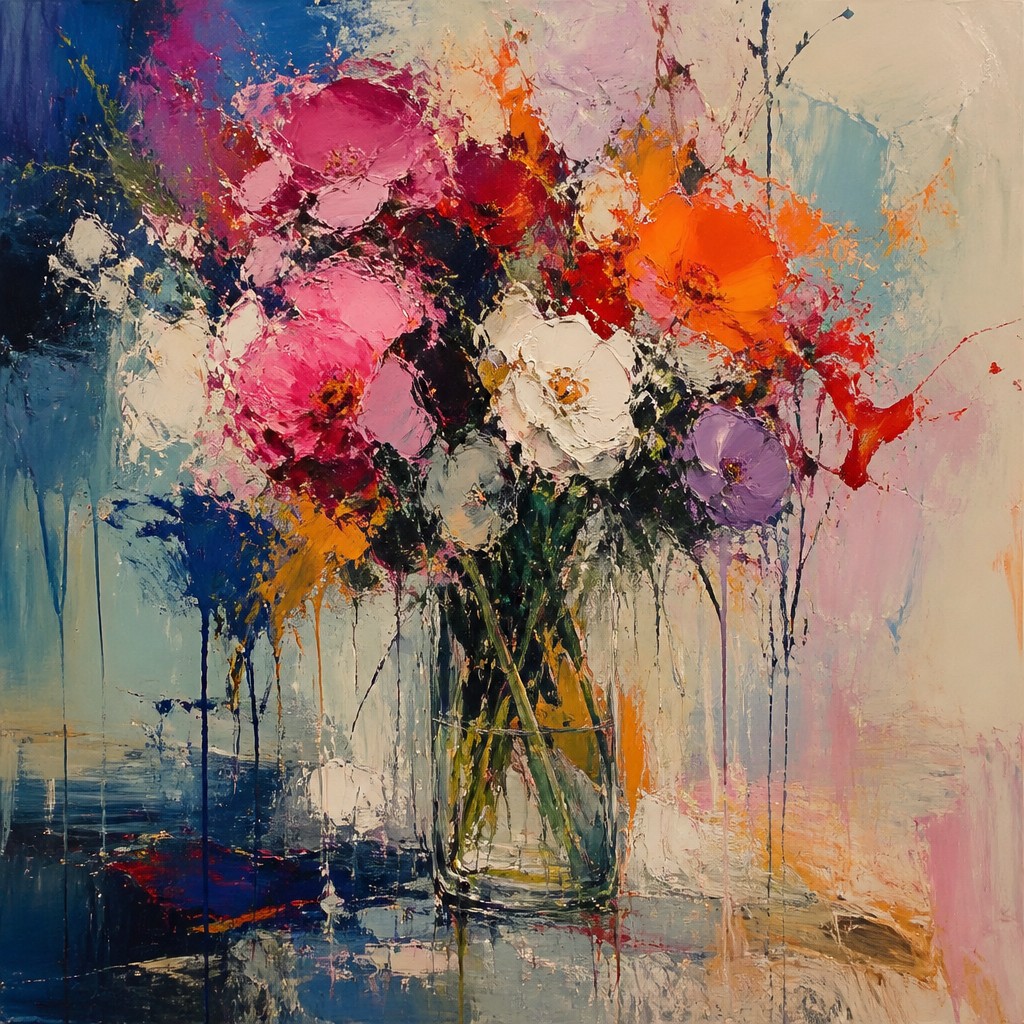
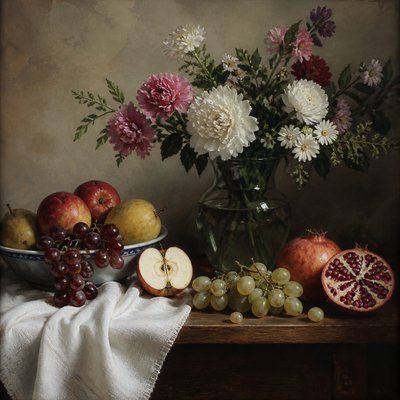
“bouquet of flowers in a glass vase”
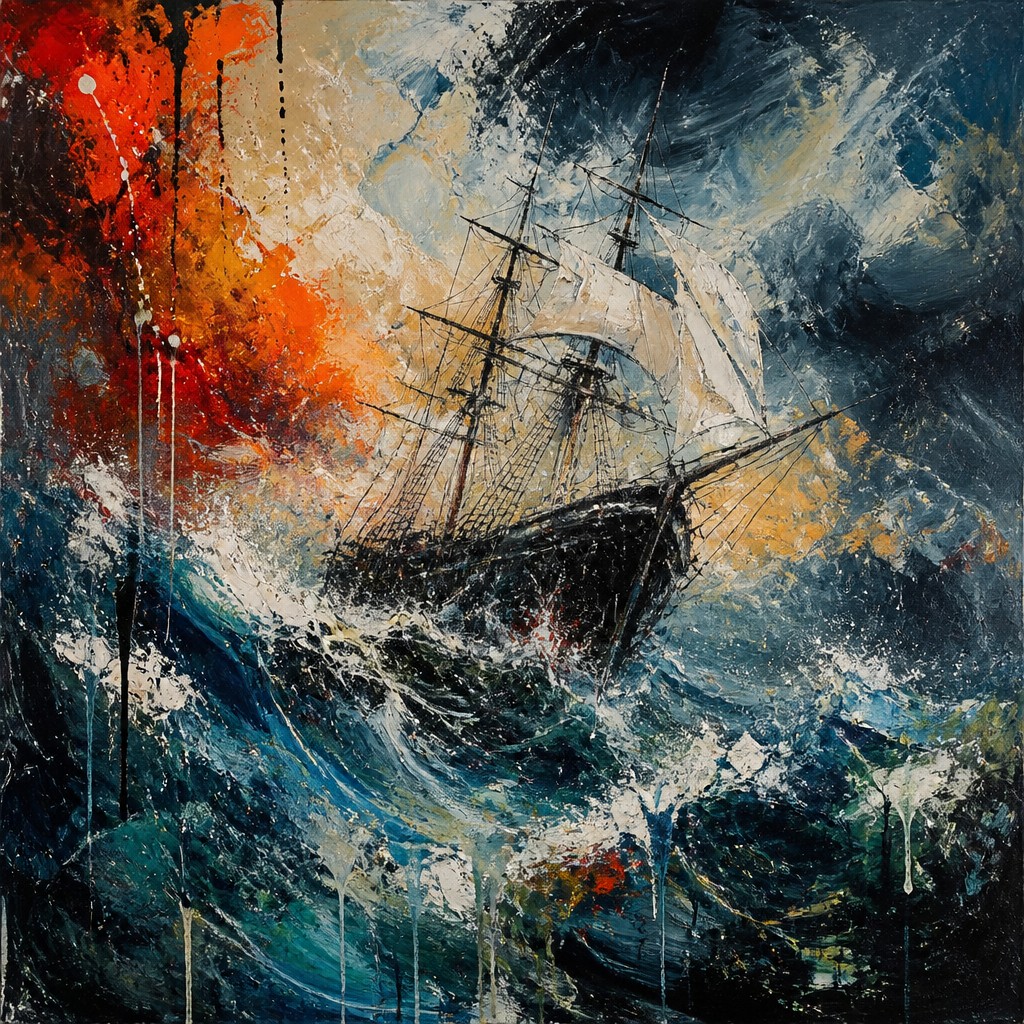
“sailing ship on a stormy sea”
How to Create Abstract Expressionist Modern Art
Master the craft step by step — or skip straight to creating. Read the full guide →
- 1
Work from movement, not outlines
Begin by laying in large, physical marks with a brush, palette knife, rag, or poured paint. Avoid detailed preliminary drawing; let the composition emerge from action and response.
- 2
Build contrast through layers
Combine thick impasto with diluted washes, then revisit areas with opaque strokes or scraping. This creates visual depth and keeps the surface active.
- 3
Use a controlled palette with one or two tensions
Choose a limited set of colors, then introduce a striking contrast such as warm against cool, saturated against muted, or dense pigment against translucent stain. Let the relationships carry emotion.
- 4
Preserve traces of revision
Do not overblend or clean up every edge. Let overlaps, drips, and partially buried forms remain visible so the viewer can read the painting process.
- 5
Translate subjects into gesture for digital or prompt-based creation
When generating or directing a piece, describe the subject only as a loose compositional anchor and emphasize sweeping brushwork, layered paint, drips, scraping, and emotional color. For digital painting, use textured brushes, layered blend modes, and rough masking to preserve painterly irregularity.

The Story
History & Origins of Abstract Expressionist Modern
Abstract expressionism emerged in New York in the 1940s and 1950s, becoming the first major American painting movement to gain international influence. It grew from a convergence of European modernism, Surrealist automatism, the aftermath of World War II, and the search for a large-scale painting language that could express inner states rather than external reality.
Within the movement, artists developed different but related approaches: action painting stressed physical gesture and paint application, while color-field painting pursued expansive planes of hue and atmosphere. Canonical figures include leading drip painters, dynamic gestural abstractionists, prominent broad-gesture painters, a leading color-field painter, a pioneering early abstractionist, a major female abstract expressionist painter, and another influential female abstract expressionist painter, among others. Contemporary uses of the term "abstract expressionist" often broaden this legacy into a modern aesthetic of energetic, expressive abstraction rather than a strict historical movement.
Influences: This style draws most directly from mid-20th-century abstract expressionism, especially the action painting of leading drip painters, dynamic gestural abstractionists, prominent broad-gesture painters, and major female abstract expressionist painters, as well as the more atmospheric color-field works of a leading color-field painter. It also inherits elements of Surrealist automatism, gestural calligraphy, and postwar modernist experimentation with the physical properties of paint.
Frequently Asked Questions
What defines abstract expressionist modern art?
Its defining traits are gestural brushwork, visible paint handling, and an emphasis on emotion and process over literal depiction. The composition usually feels spontaneous, layered, and physically made. Even when the image is controlled, it should retain a sense of immediacy and risk.
Is this the same as abstract art?
Not exactly. Abstract art is a broad category that includes many styles, while abstract expressionism is a specific historical and aesthetic approach centered on expressive gesture, energy, and the artist’s physical engagement with the surface. A minimalist abstraction, for example, would not usually be considered abstract expressionist.
How is it different from color-field painting?
Color-field painting tends to favor large, relatively unified zones of color and a quieter surface presence. Abstract expressionist painting can include that mood, but it more often emphasizes vigorous marks, visible motion, and textured layering. The distinction is often one of energy and handling.
What subjects work well in this style?
Almost any subject can be translated into it, but the best results usually come from subjects with strong emotional or rhythmic potential: landscapes, figures, storms, music, urban scenes, or memory-based imagery. The subject is often simplified or dissolved so the paint handling becomes the main event.
Can this style be made digitally?
Yes. Digital tools can simulate brush texture, transparency, drips, and layered repainting, especially if you work with rough edges and avoid overly smooth blending. The key is to preserve the sense of physical improvisation rather than making the image look polished or mechanically repeated.
Where is this style commonly used?
It appears in fine art painting, editorial illustration, album covers, posters, interior decor, and contemporary digital art. It is often chosen when a work needs to feel dramatic, expressive, or materially alive.
Create your first Abstract Expressionist Modern artwork
Describe anything — or upload a photo — and see it in Abstract Expressionist Modern Art Style in seconds.
Make Something with Abstract Expressionist Modern
Related Styles
Discover similar art styles