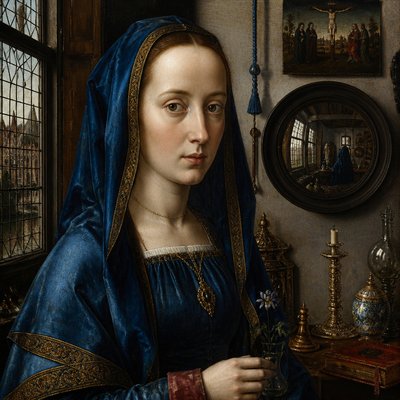
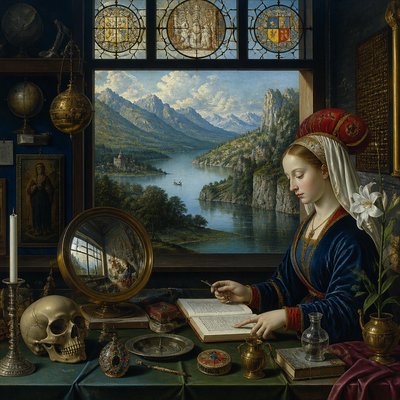
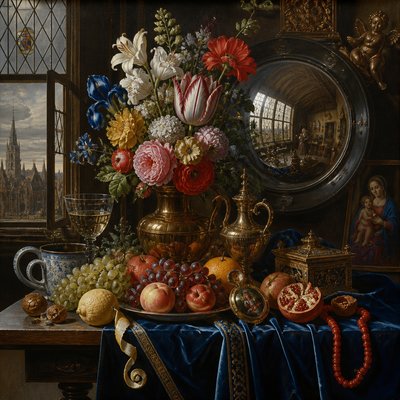
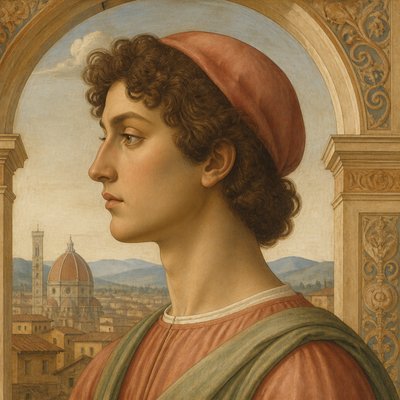
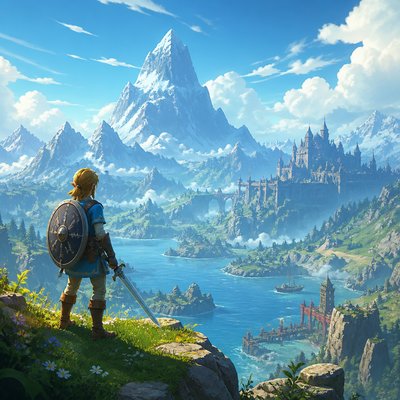
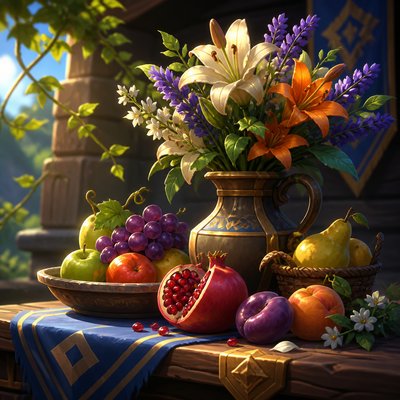
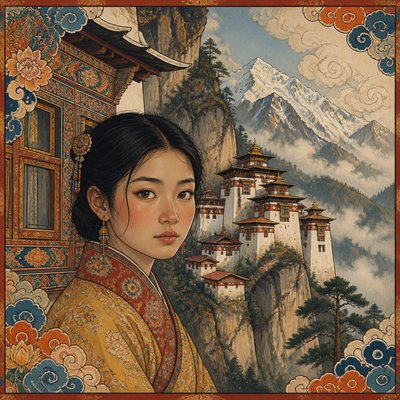
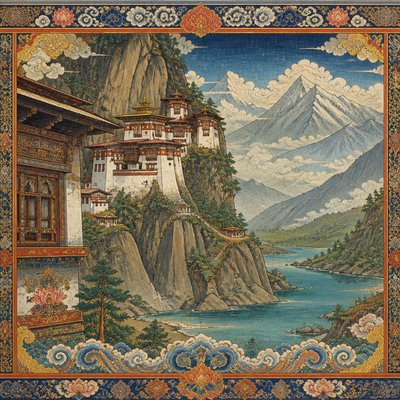
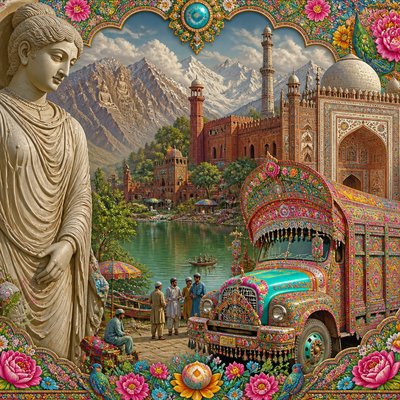
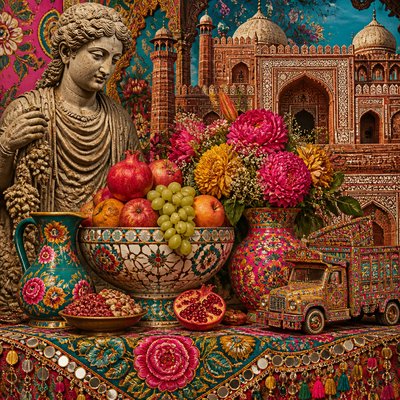
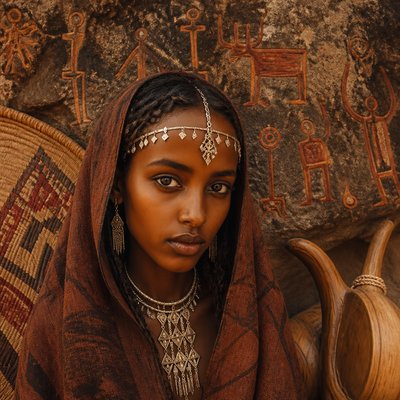
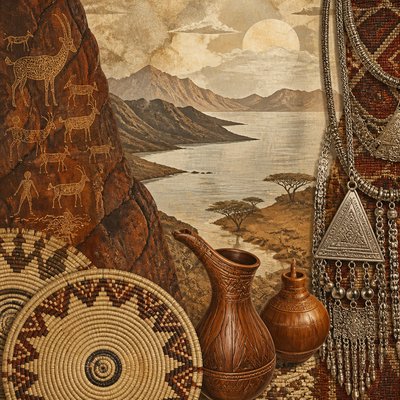
Oil Portrait Art Style
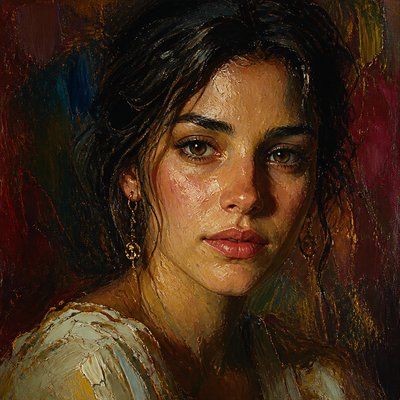
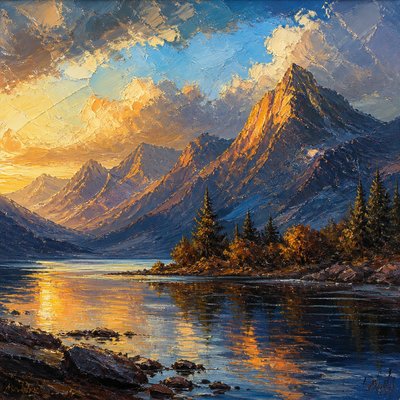
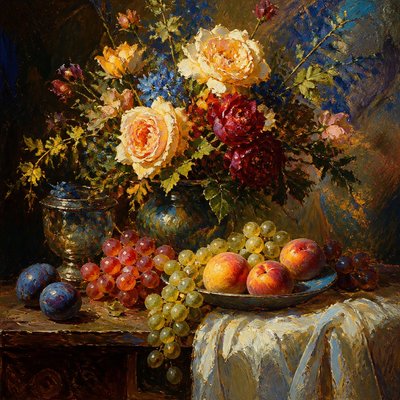
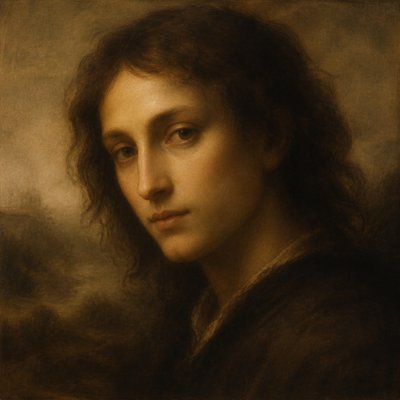
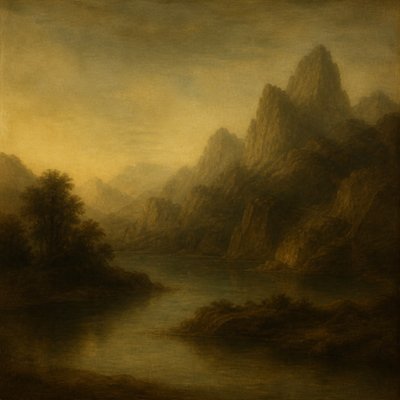
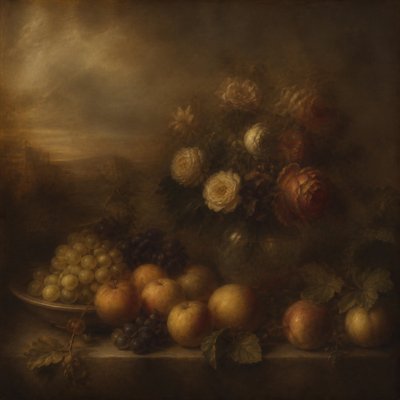
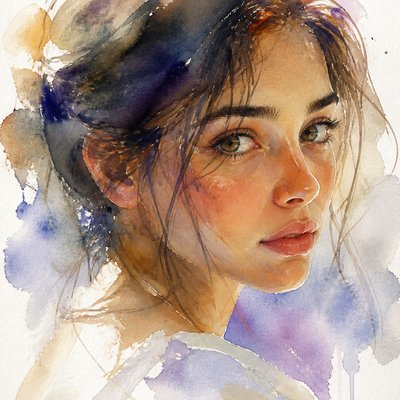
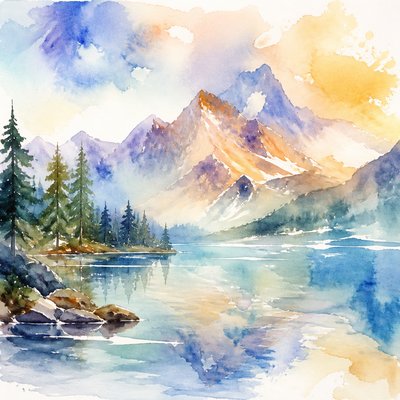
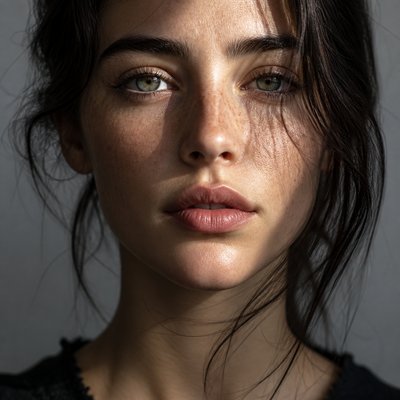
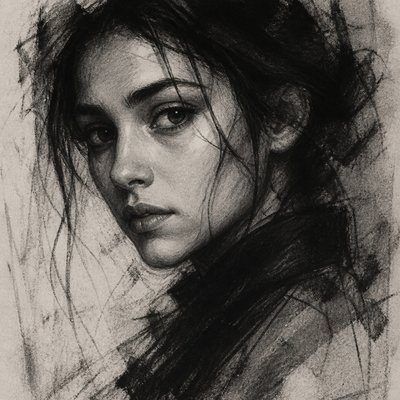
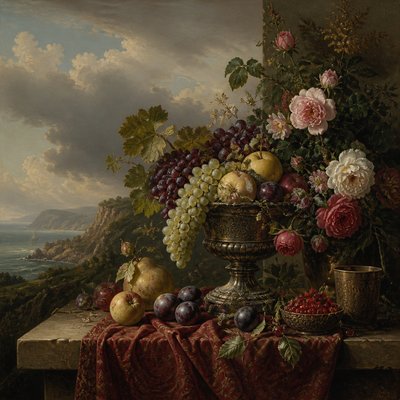
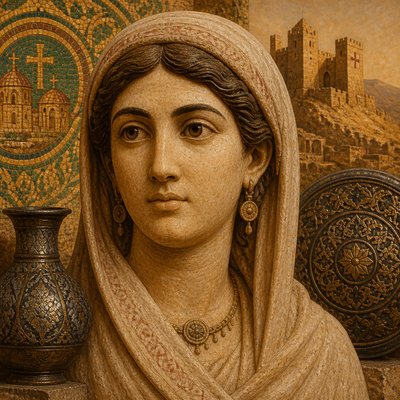
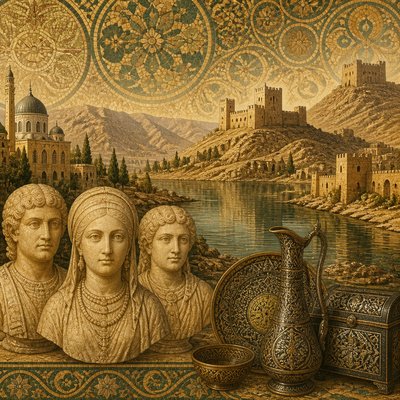
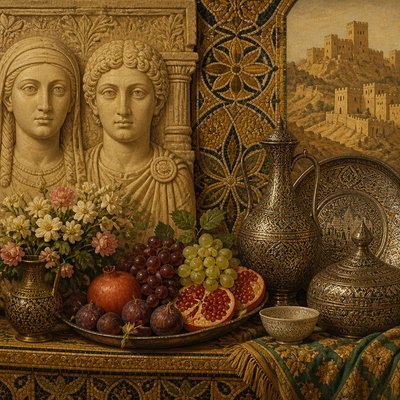
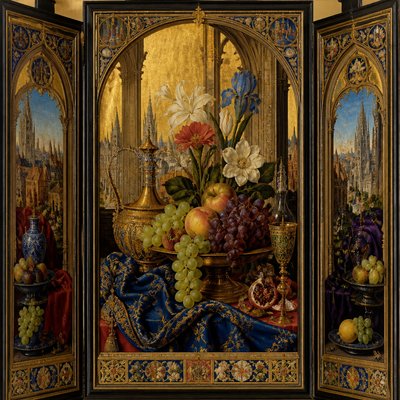
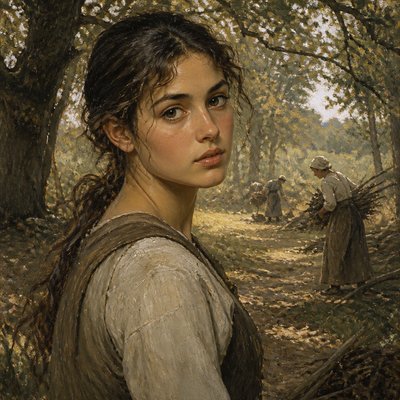
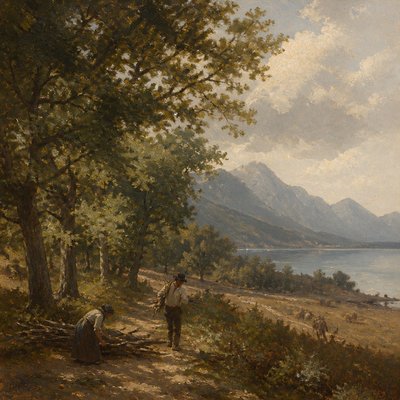
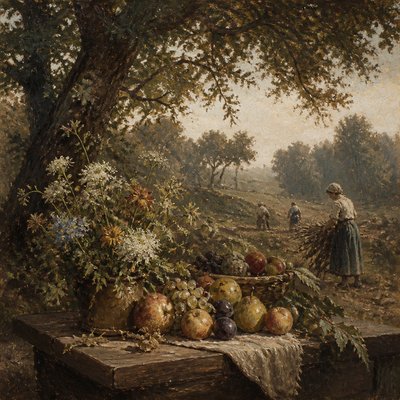
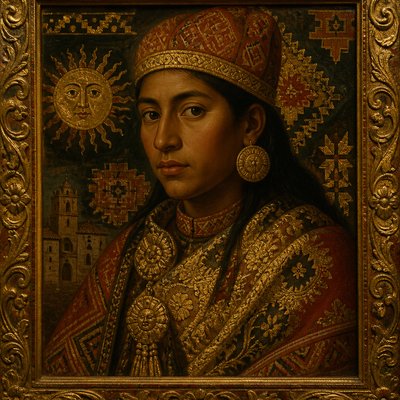
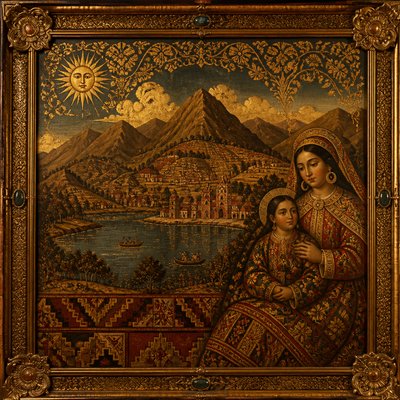
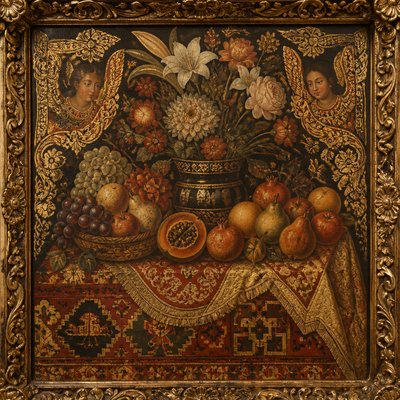
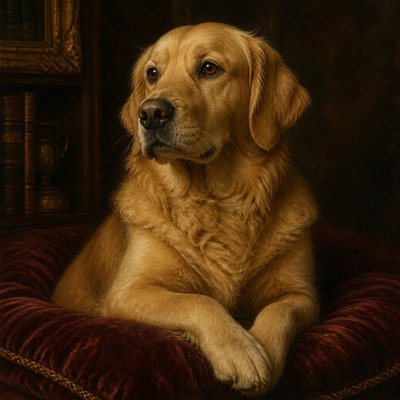
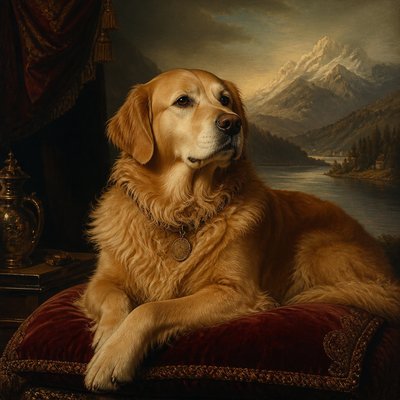
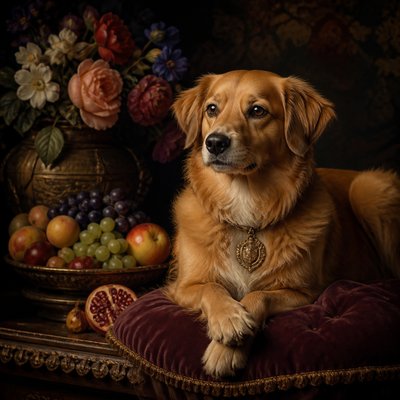
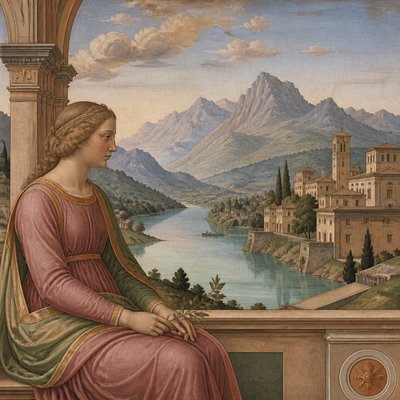
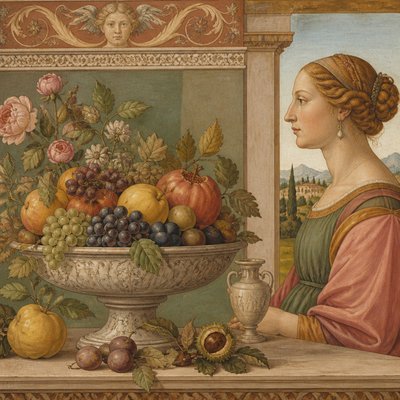
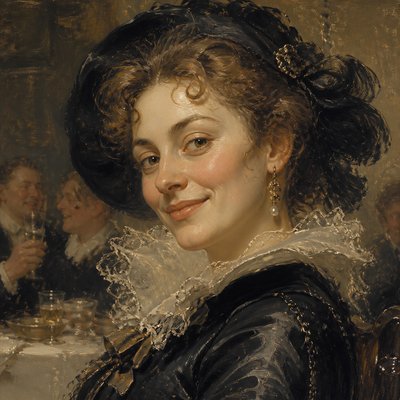
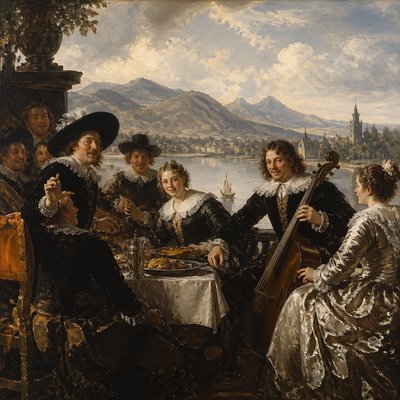
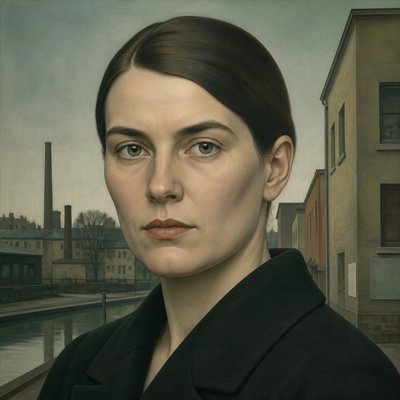
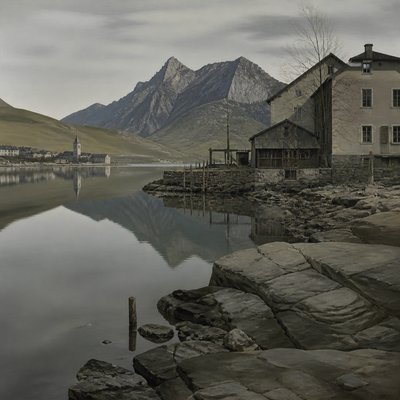
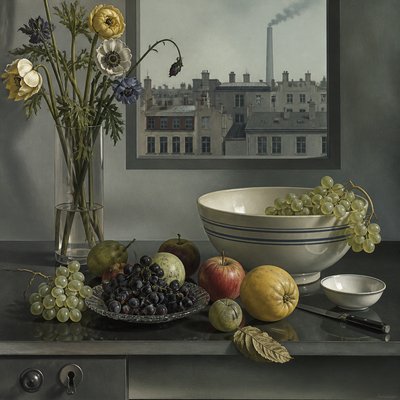
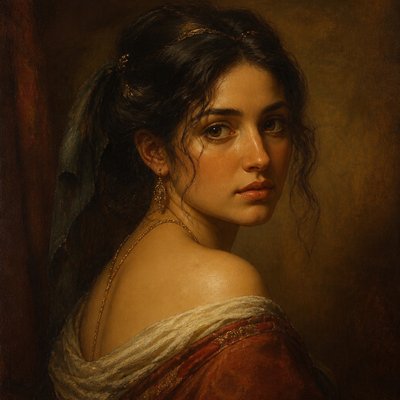
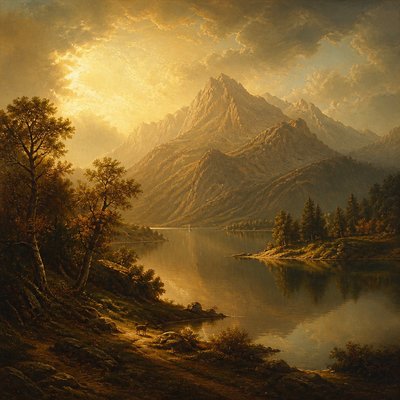
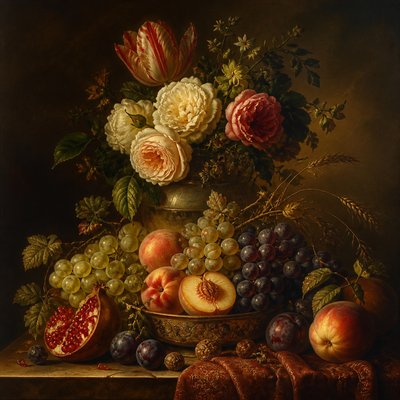
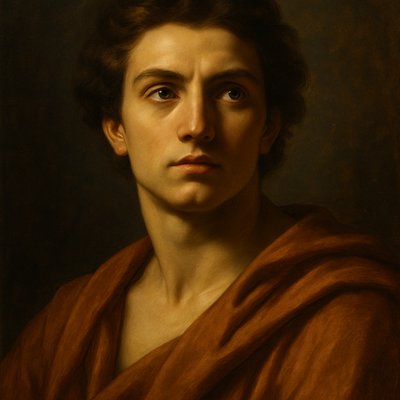
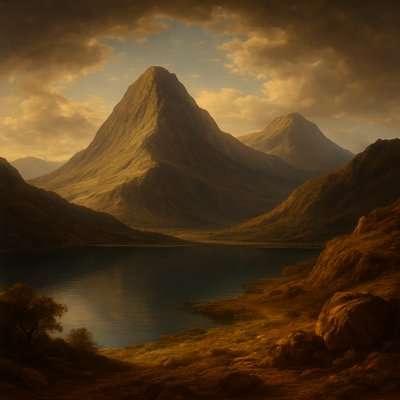
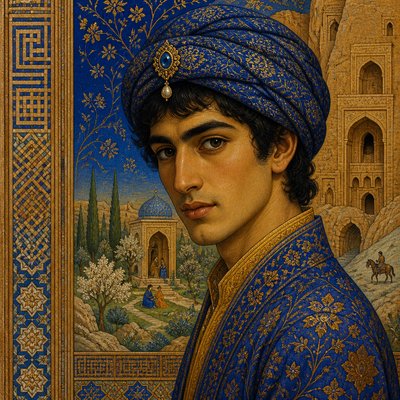
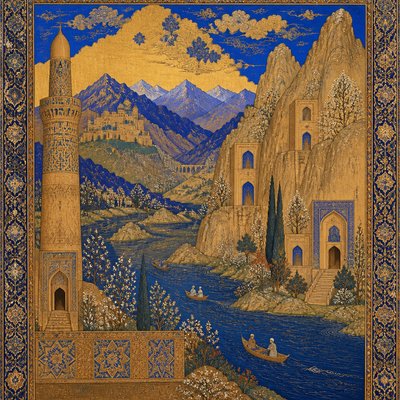
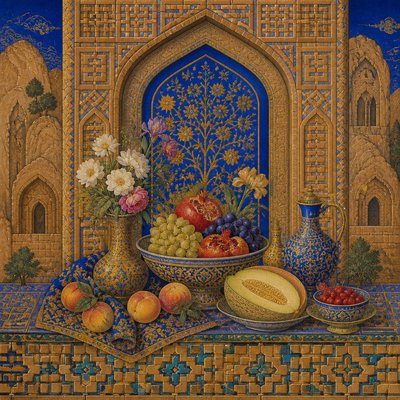
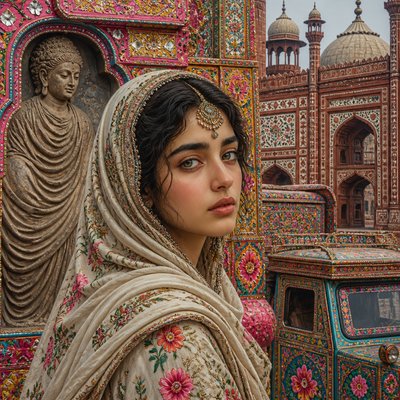
Layered oil portraits with impasto highlights, glazed shadows, and luminous brushwork for rich, dimensional painted faces.
Instantly rendered in Oil Portrait — or transform a photo
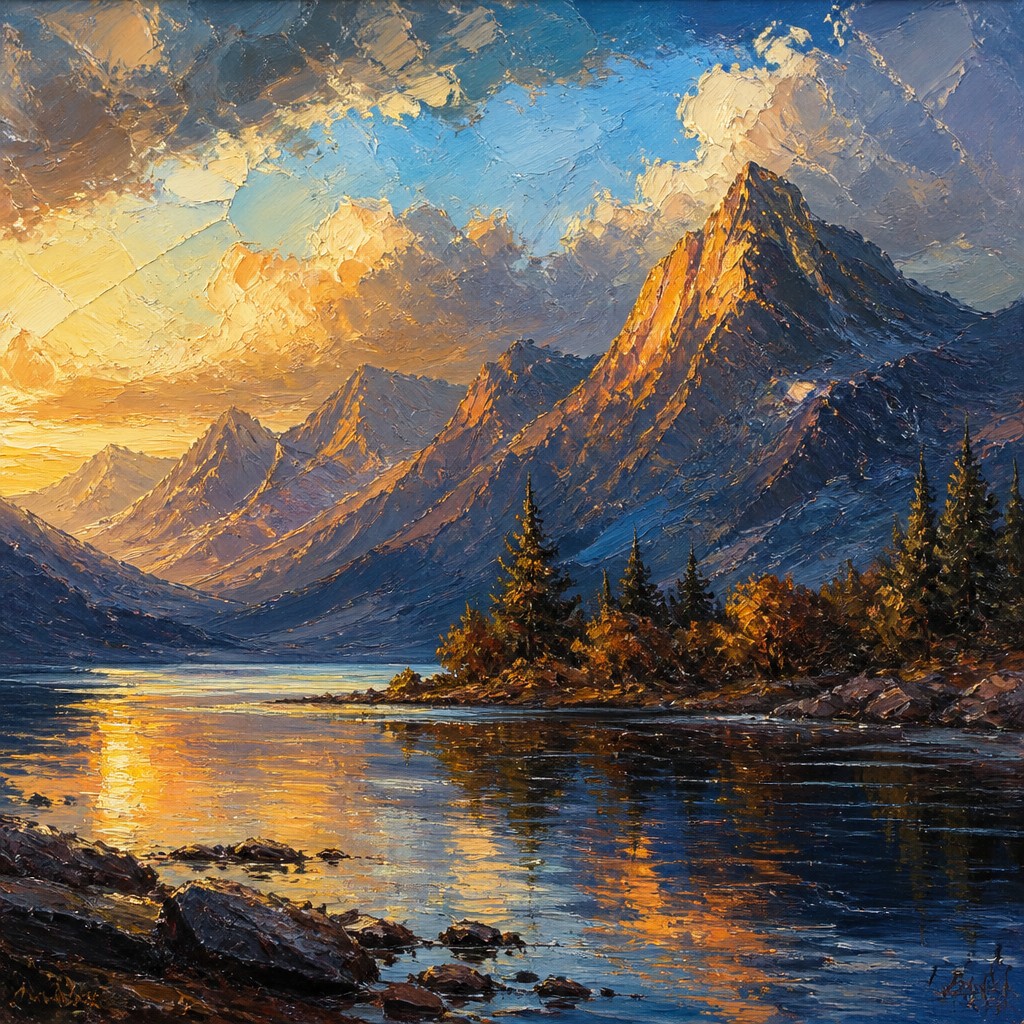
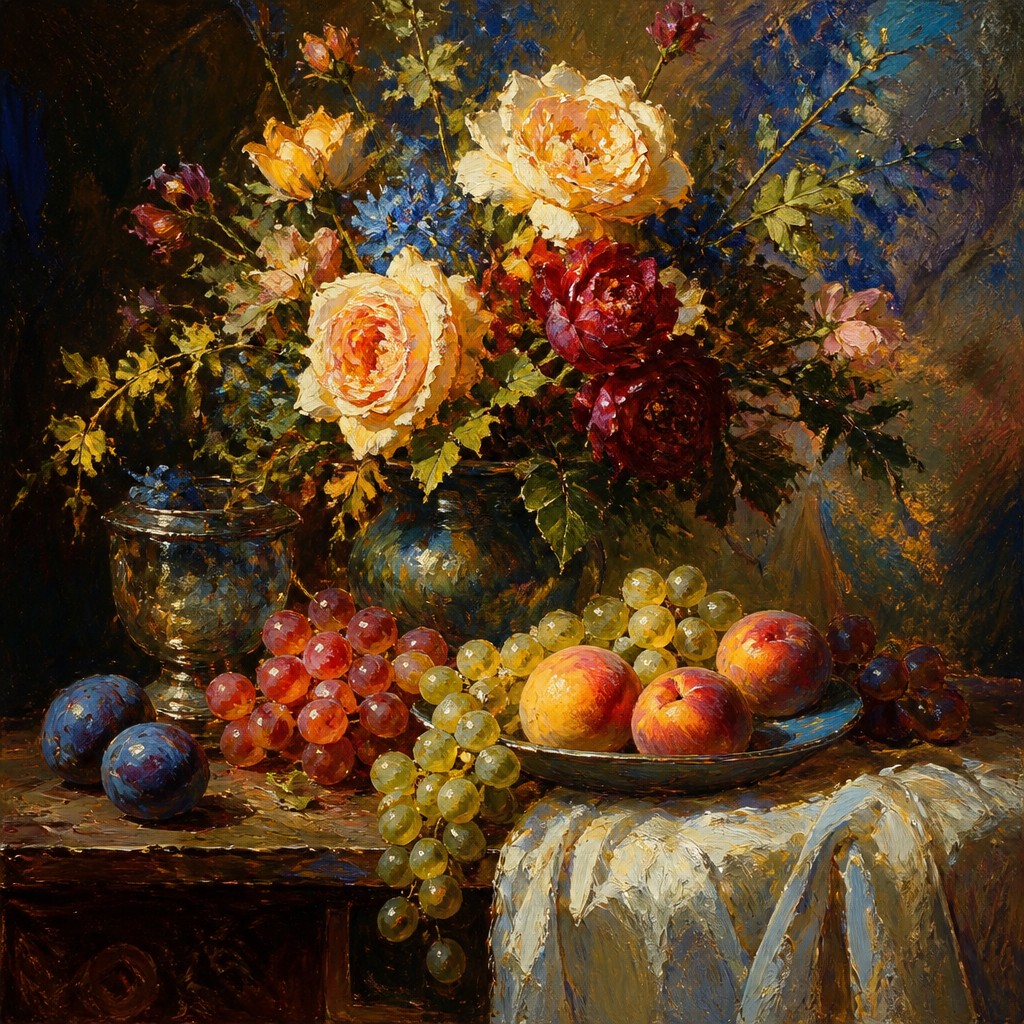
Oil Portrait Gallery
Tap any artwork to explore it
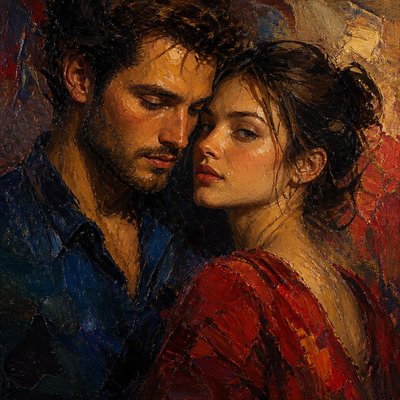
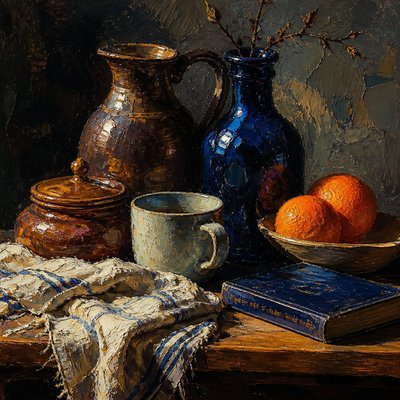
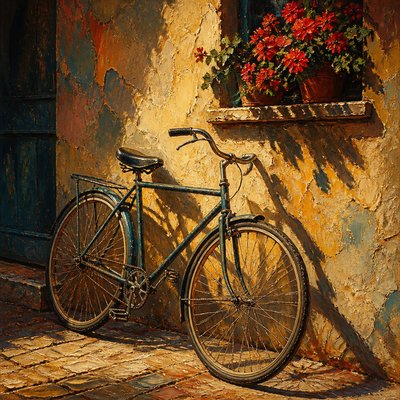
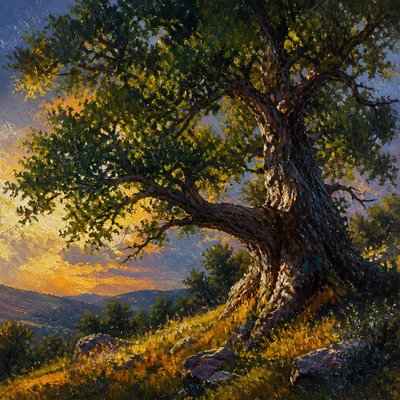
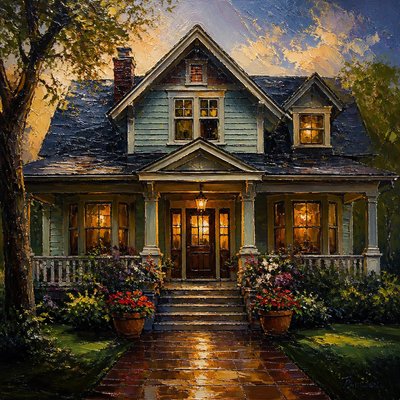
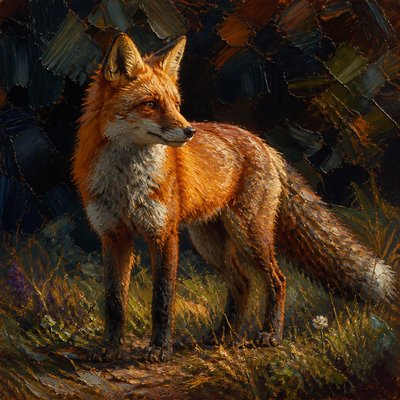
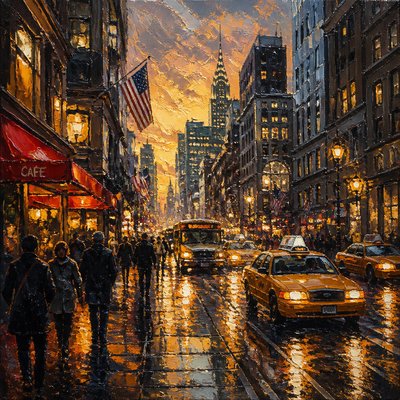
What is Oil Portrait Art Style?
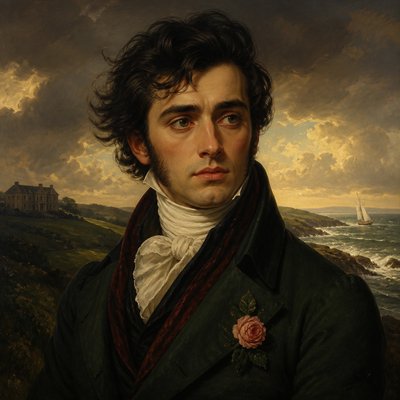
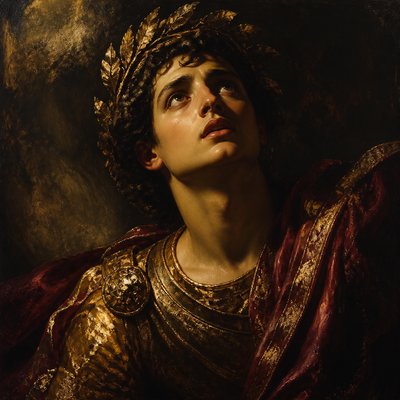
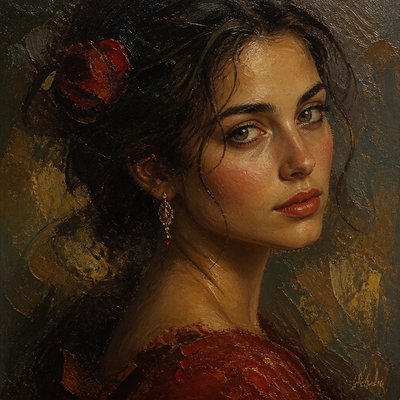
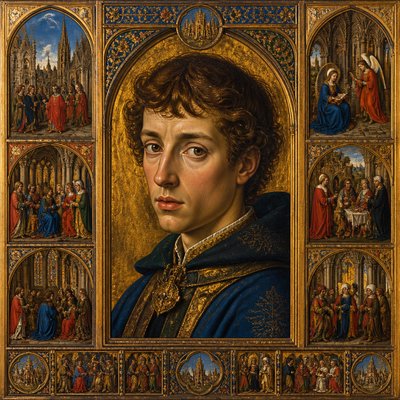
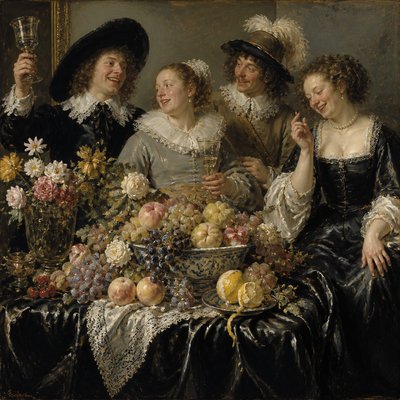
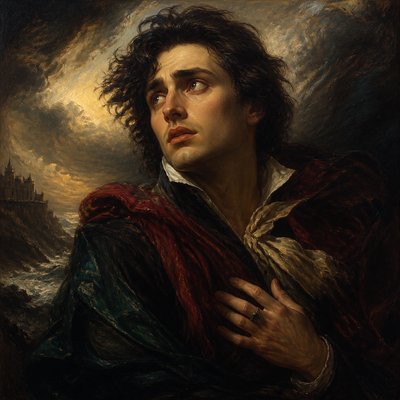
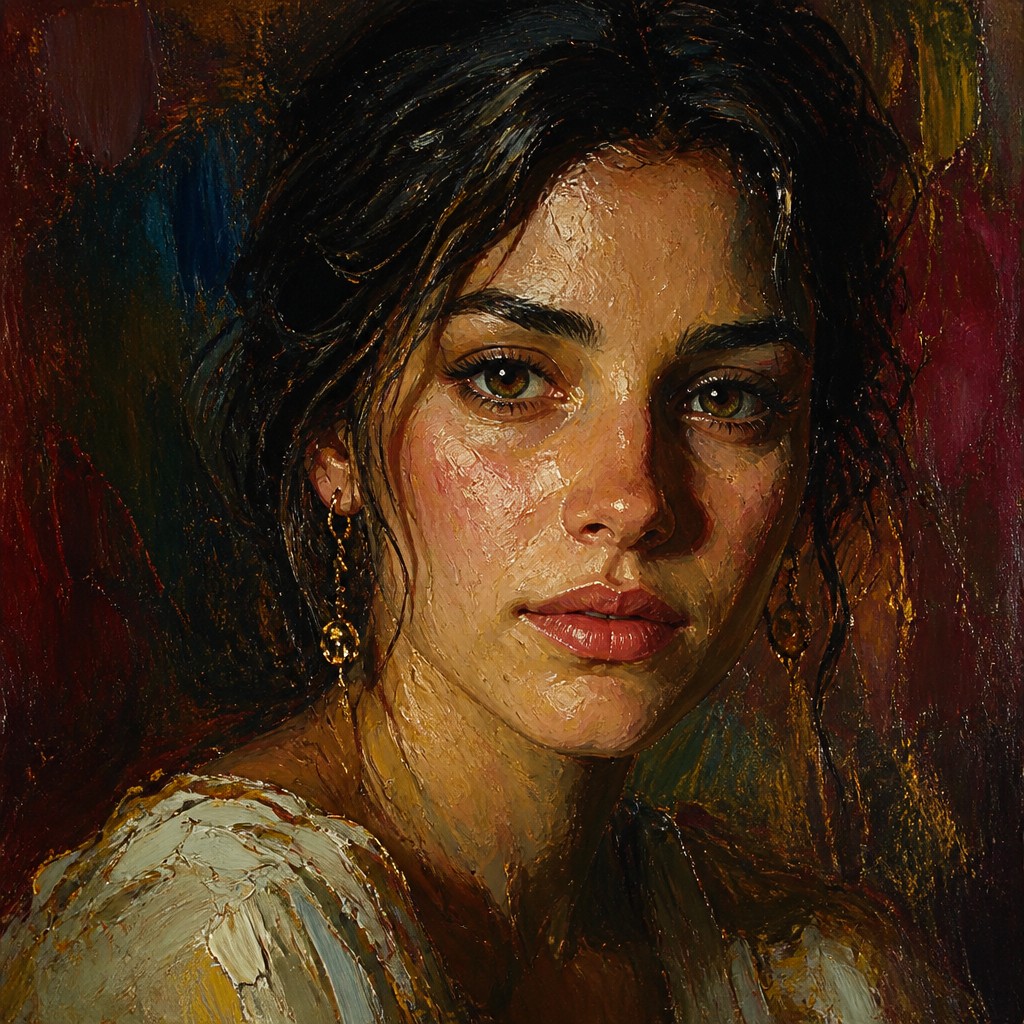
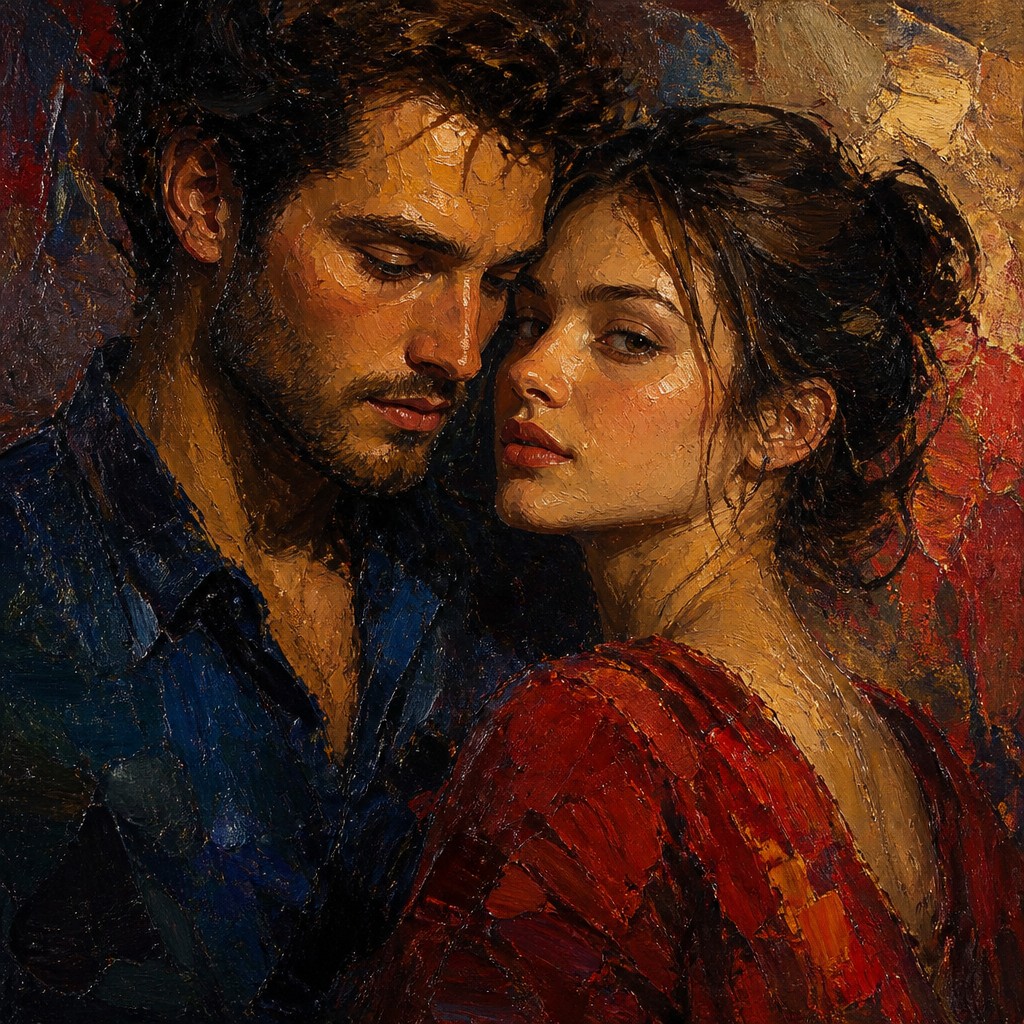
Oil portrait art centers on the human face and figure rendered through the distinctive physical qualities of oil paint: opaque body, slow drying time, and the capacity for both thick texture and transparent glazing. In this style, the portrait feels materially present, with light catching on raised highlights while deeper tones remain saturated and translucent. The result is a painted likeness that can appear classical, modern, intimate, or dramatic depending on the handling of edges, color temperature, and value contrast.
Its visual identity comes from layered construction. Artists often establish warm underpainting, build mid-tones with buttery brushwork, and reserve the final surface for impasto accents on the nose, cheekbones, fabric, or reflected light. Shadows are frequently glazed rather than simply filled in, allowing depth and color to accumulate optically. Because oil paint can be reworked, blended wet-on-wet, or left visibly brushed, oil portraits often combine soft transitions in flesh with assertive strokes that preserve the hand of the painter.
Try It On Your Photos
Upload any photo and convert it into Oil Portrait Art Style — drag the sliders to compare before and after.

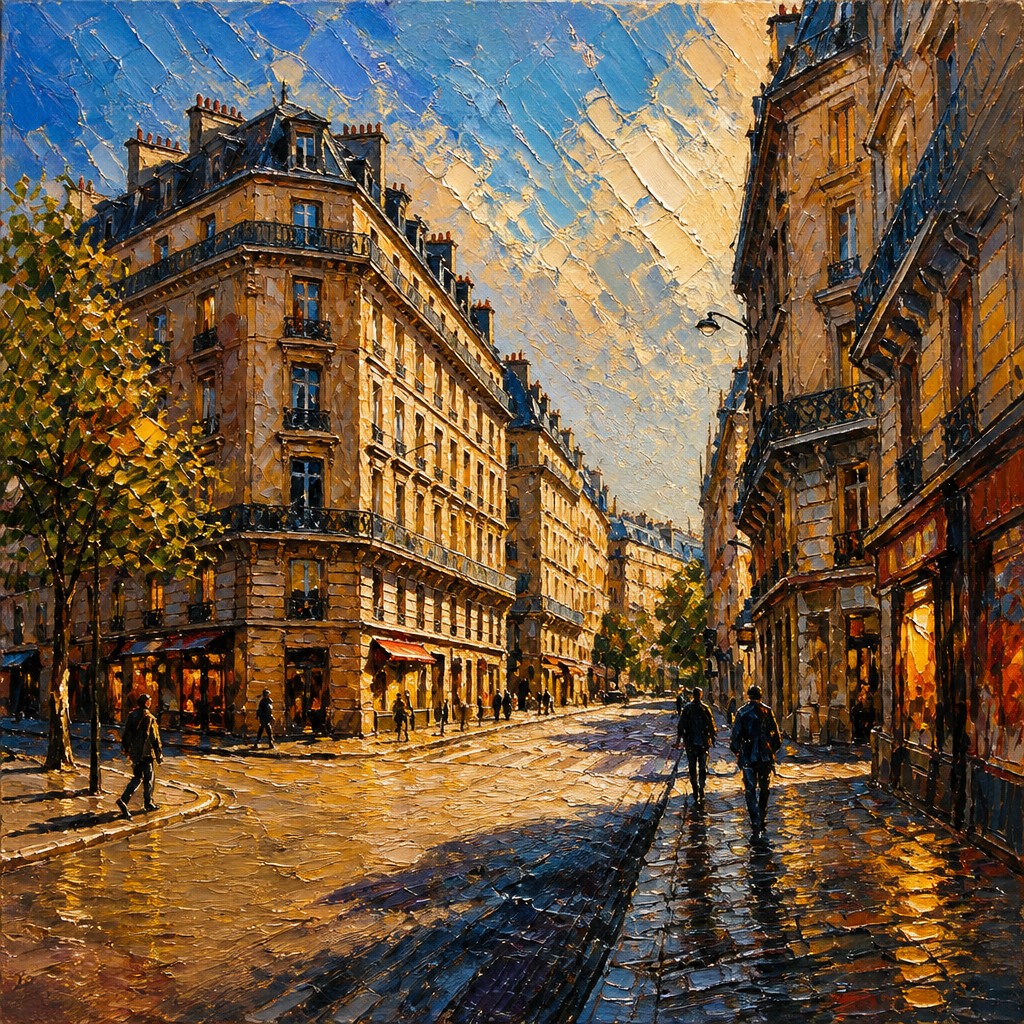

What Defines Oil Portrait Art Style
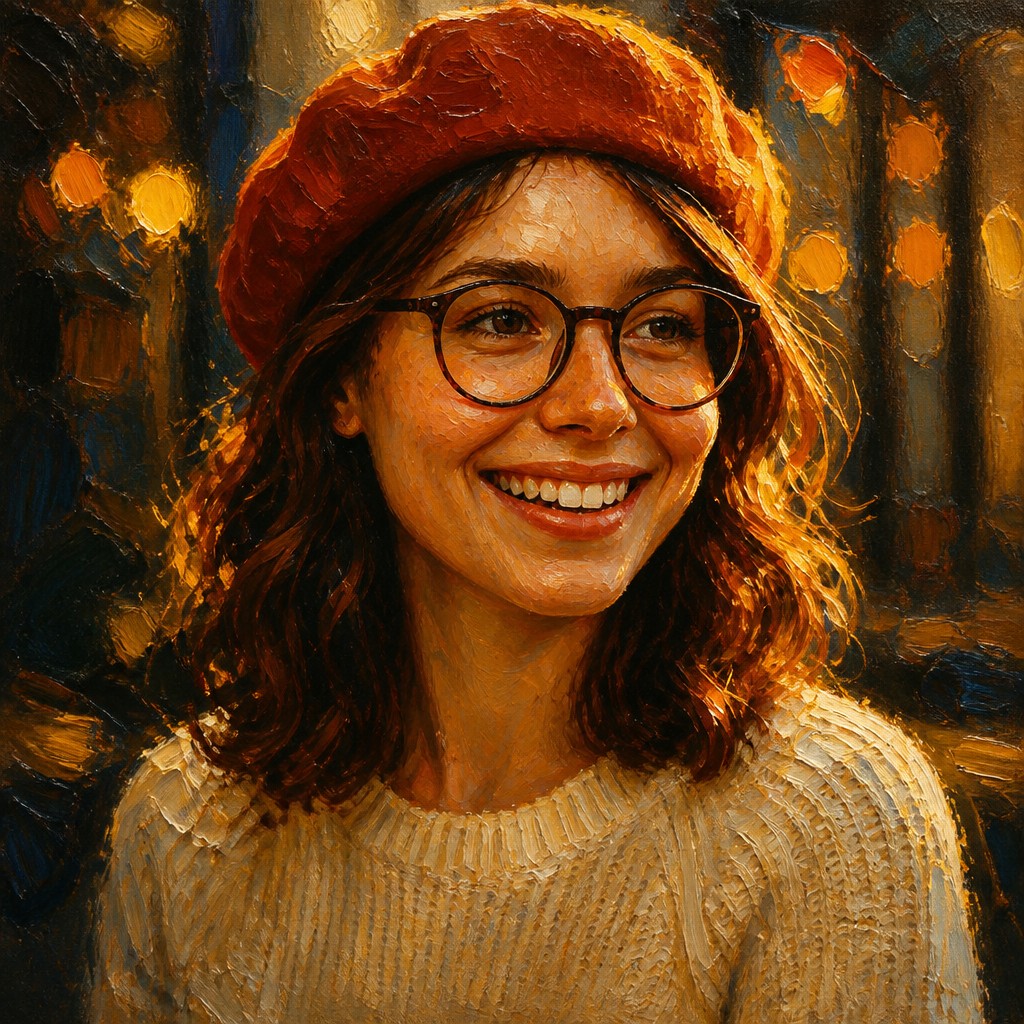
The signature details, up close
Impasto highlights
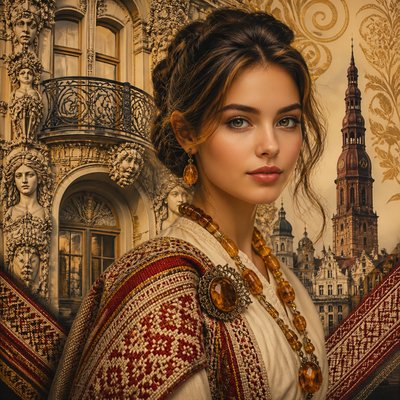
Light-catching paint is built up thickly on raised points such as the forehead, nose, lips, and jewelry. These accents give the portrait tactile dimension and make the surface feel physically sculpted.
Glazed shadows
Dark areas are often transparent and layered, allowing undertones to remain visible. This creates depth, color complexity, and a sense of air within the shadows.
Buttery brushwork
The paint handling is soft, creamy, and fluid in the mid-tones and flesh passages. Broad, confident strokes suggest the movement of the brush and help the face feel alive.
Visible underpainting and warmth
Warm base colors such as ochre, sienna, or umber may glow through cooler top layers. This gives skin a living, internally lit quality rather than a flat surface tone.
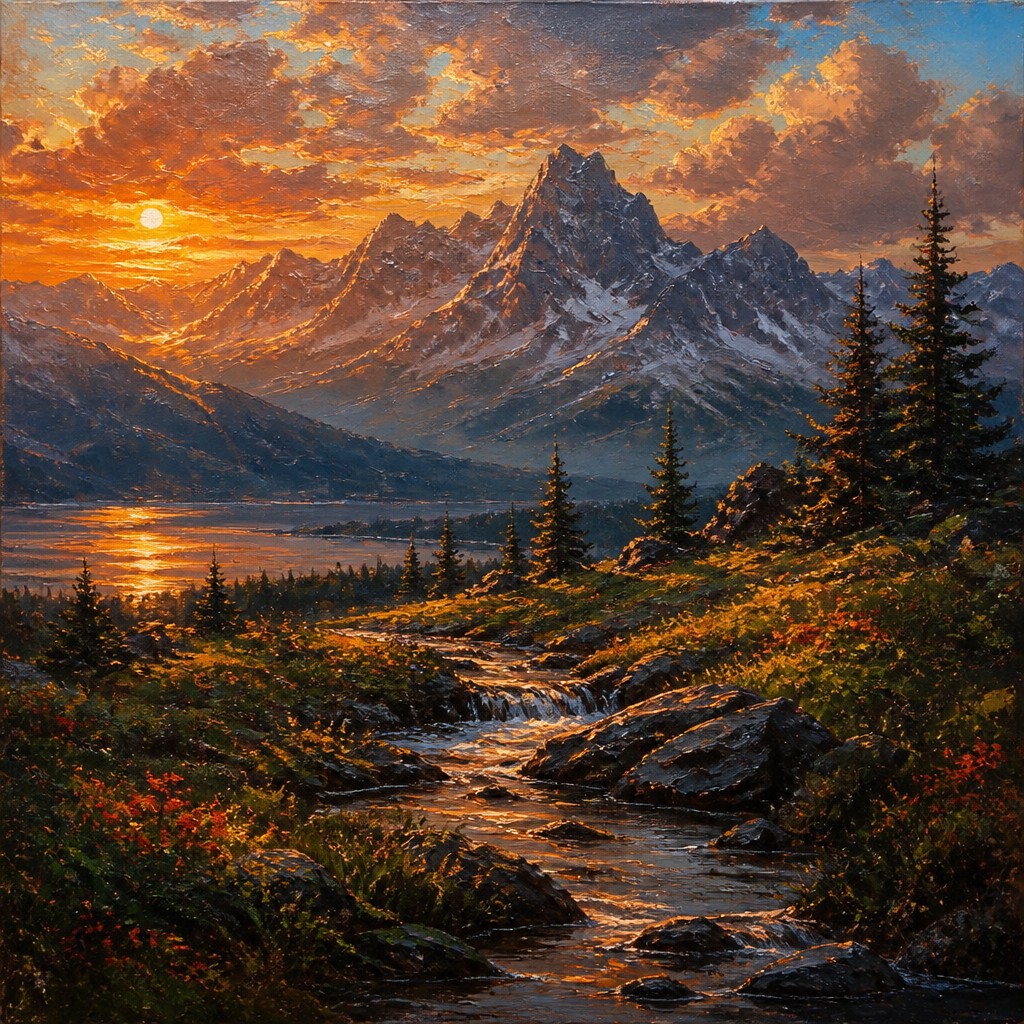
Chiaroscuro modeling
Strong value contrast shapes the head and features through light and shadow. The face often emerges from a darker field, emphasizing structure and mood.
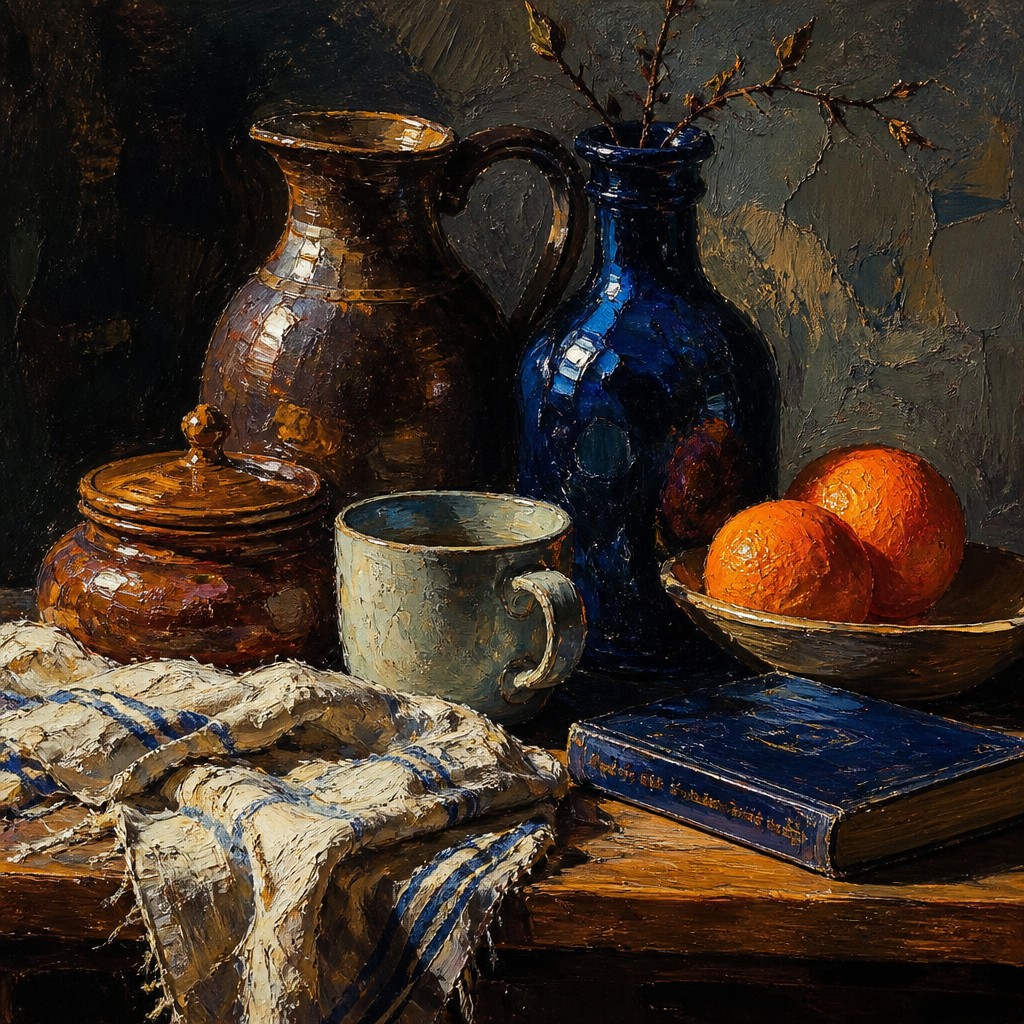
Feathered and hard edges
Soft transitions appear in cheeks and skin, while sharper edges are saved for eyelashes, lips, or silhouette breaks. This edge control directs attention and adds realism or painterly drama.
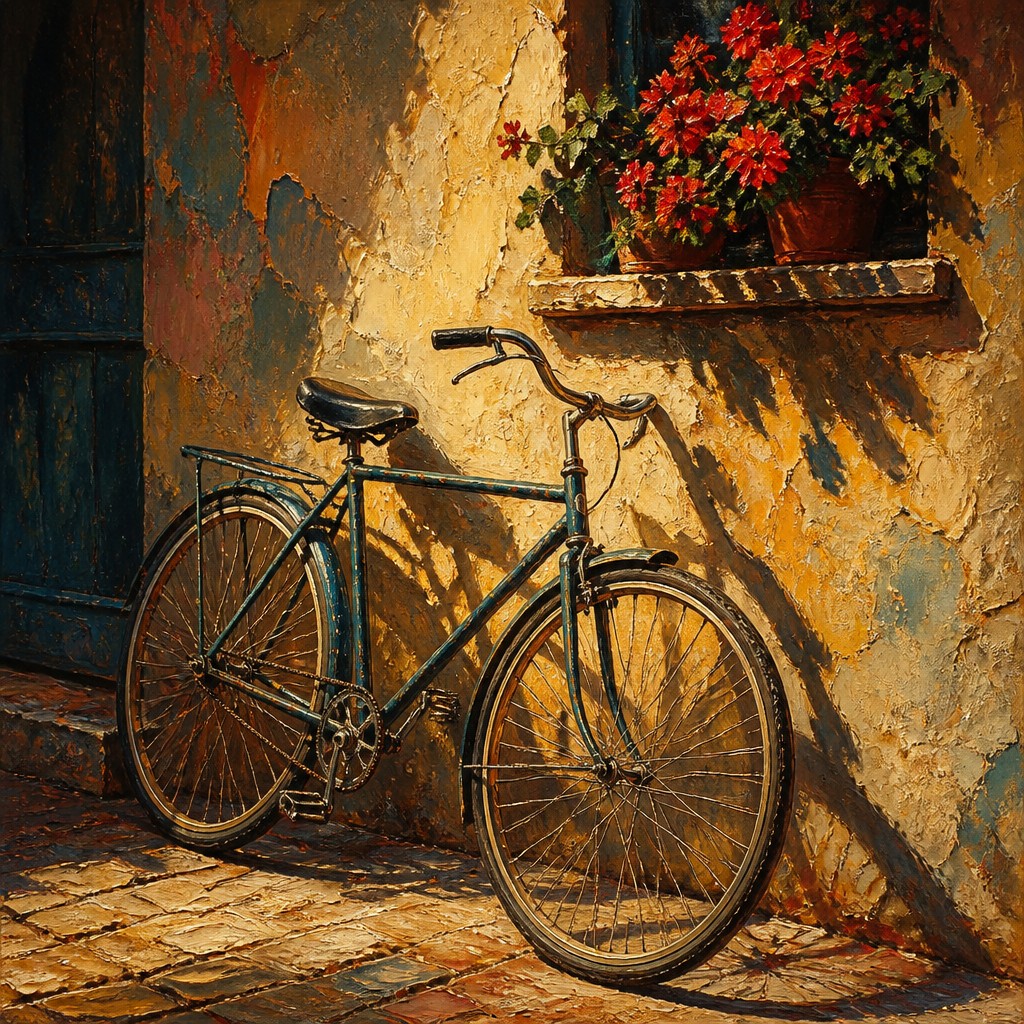
Rich pigment with tonal nuance
Colors are saturated but not flat, with subtle gradations across the face, fabric, and background. The portrait feels balanced between color richness and controlled realism.
Try It
Create Videos in Oil Portrait Art Style
Styles aren't just for stills — describe a scene or animate an image and get a short video rendered in Oil Portrait. Press play to see this pond come to life.
Make a VideoOil Portrait Prompt Ideas
Start from an idea — each one opens the generator with the style ready to go. See all 40 Oil Portrait prompts →
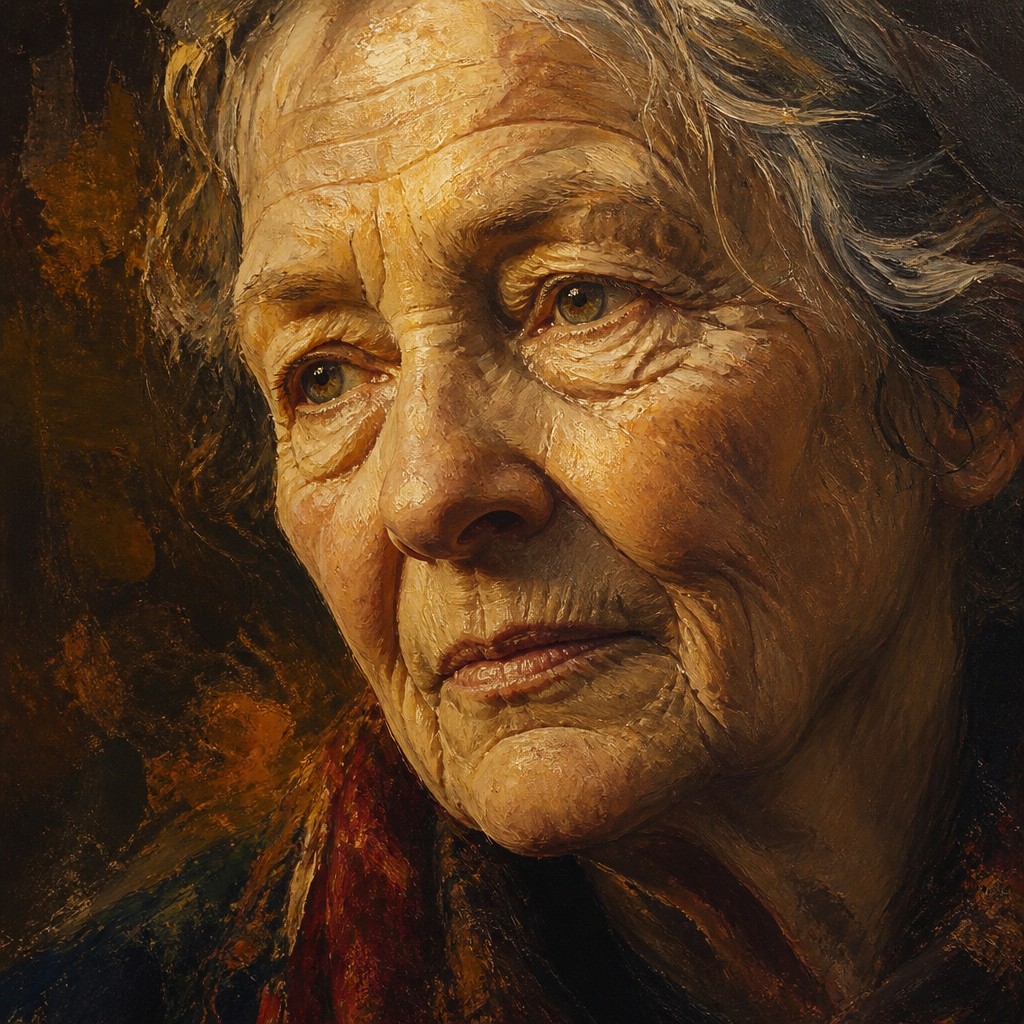
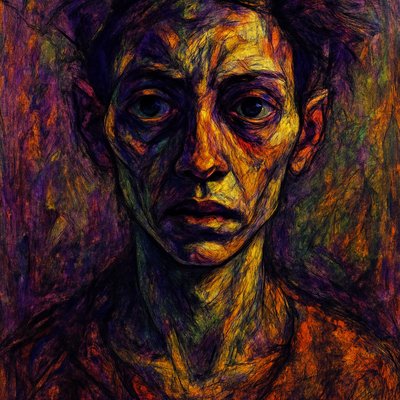
“close-up portrait of an elderly person with expressive weathered features”
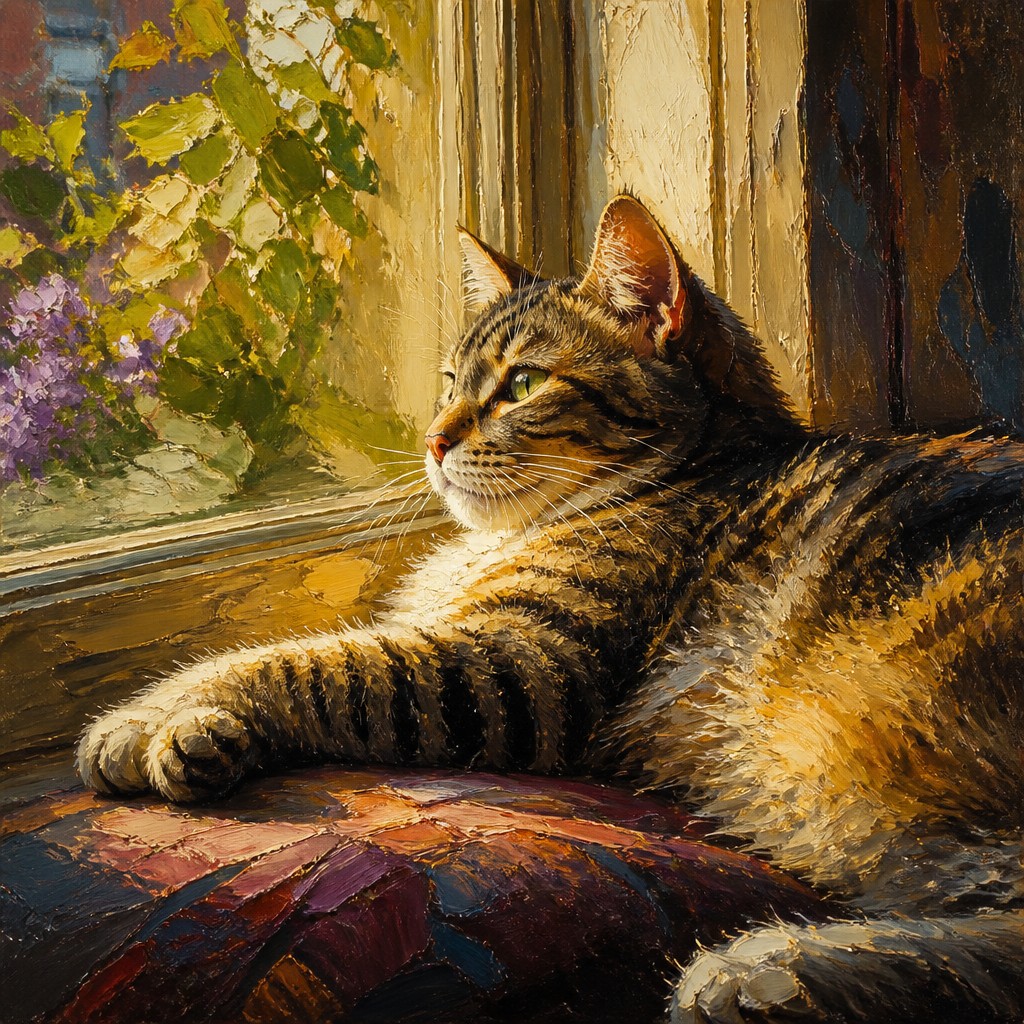
“a cat lounging in a sunlit window”
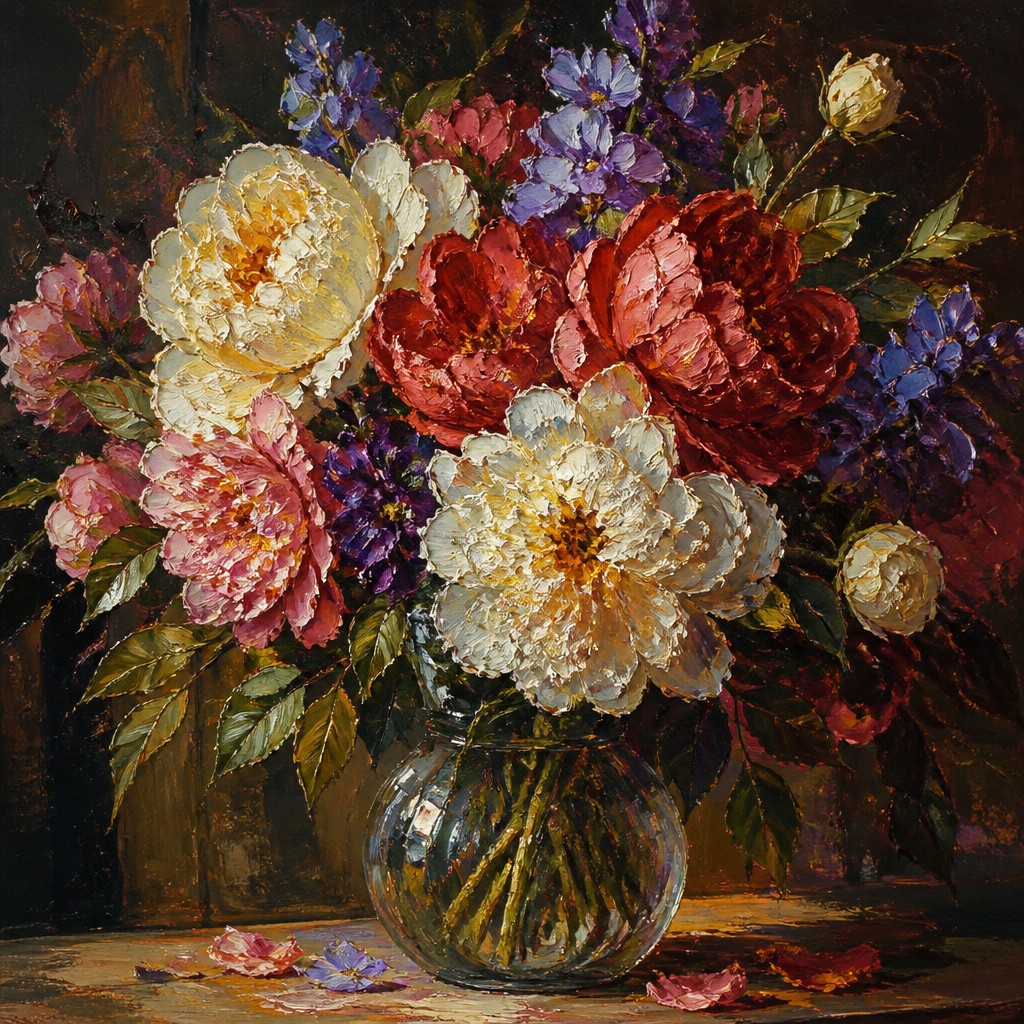
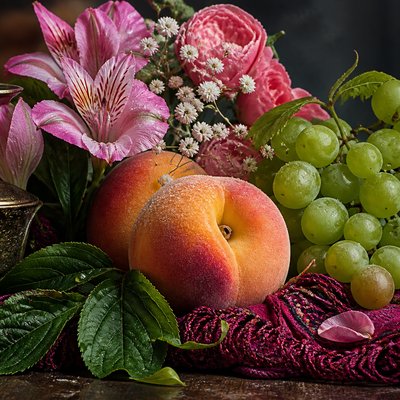
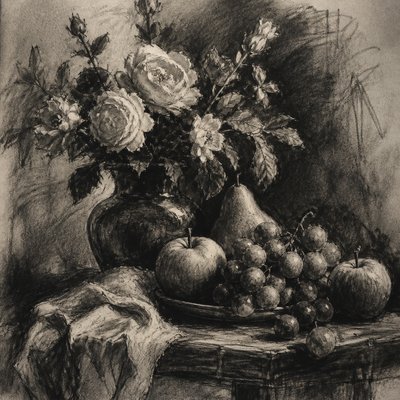
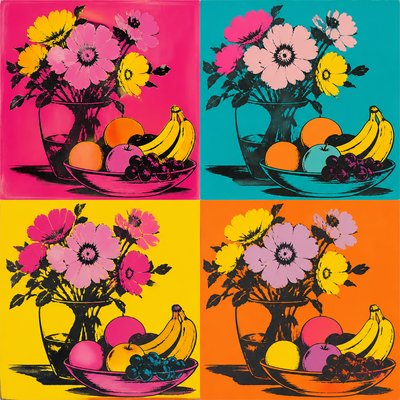
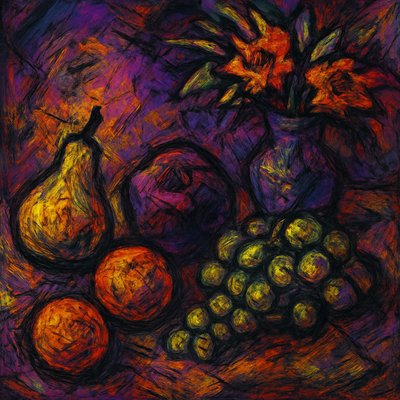
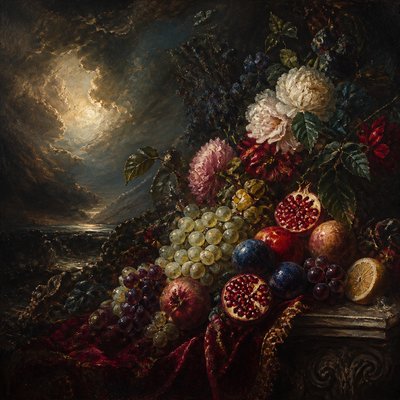
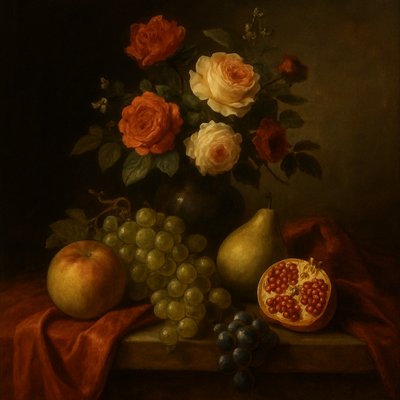
“bouquet of flowers in a glass vase”
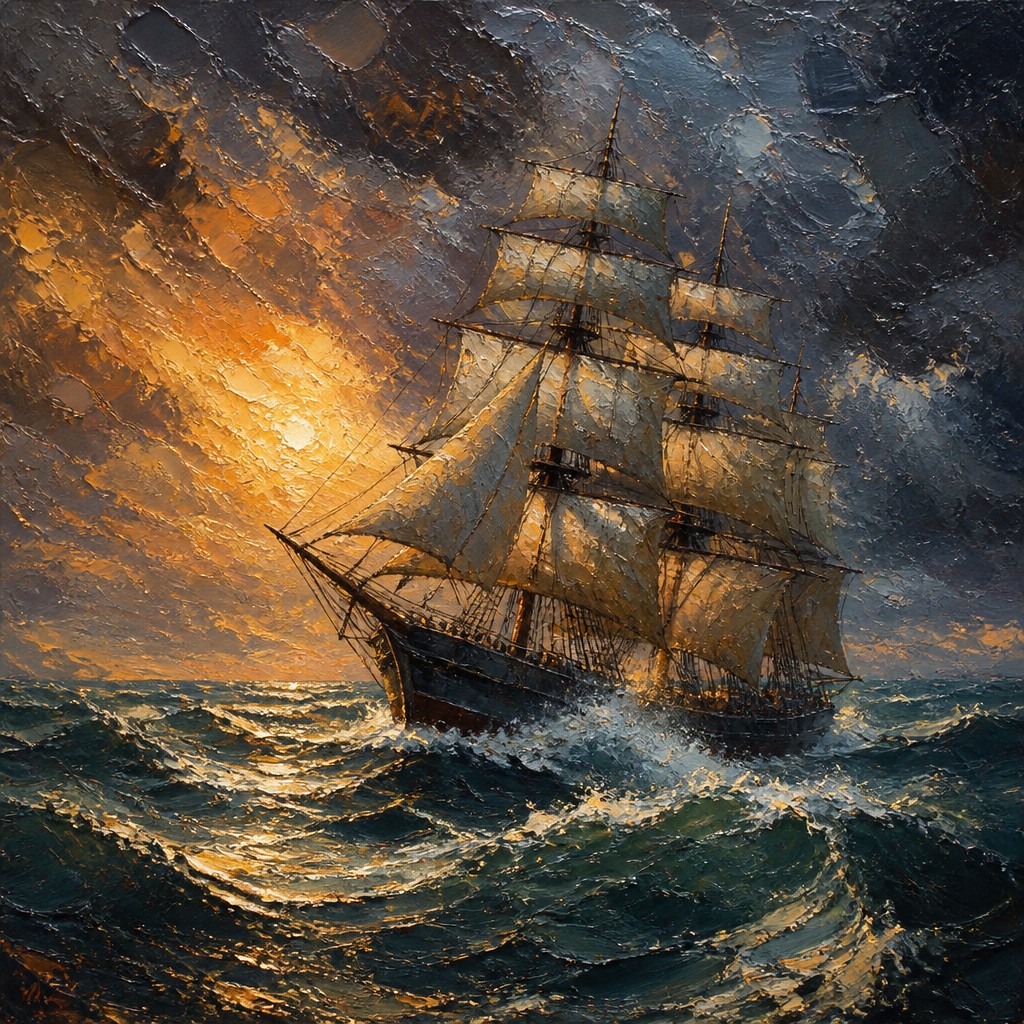
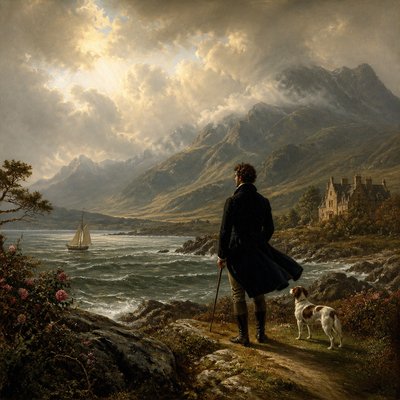
“sailing ship on a stormy sea”
How to Create Oil Portrait Art
Master the craft step by step — or skip straight to creating. Read the full guide →
- 1
Start with a toned ground
In traditional painting, begin on a warm or neutral-toned surface so the first layers influence the final atmosphere. In digital work, establish a muted underpainting layer before adding opaque highlights and translucent shadows.
- 2
Block in large values first
Build the portrait from shadow masses, mid-tones, and then highlights rather than outlining features too early. This keeps the likeness cohesive and helps the light feel embedded in the paint.
- 3
Use layered color logic
Glaze cool tones over warm passages and reserve opaque paint for the brightest accents. When prompting, ask for glazed shadows, warm underlayers, and luminous depth so the image reads as layered rather than flat.
- 4
Preserve brush evidence
Let some strokes remain visible, especially around hair, clothing, and background transitions. In digital media, mimic bristle texture, directional strokes, and slight color mixing at the stroke edges.
- 5
Control edges and texture
Blend facial planes softly but keep a few decisive edges to avoid an airbrushed look. For text-to-image prompts, specify bold confident strokes, delicately feathered edges, and creamy visible brushwork.
- 6
Prompt for medium-specific cues
Include terms such as impasto, glazing, wet-on-wet mixing, chiaroscuro, and luminous pigment to steer generation toward oil-paint logic. Focus the subject clearly, since strong portrait structure helps the painterly treatment read convincingly.

The Story
History & Origins of Oil Portrait
Portraiture in oil developed in Europe from the 15th century onward, especially in the Northern Renaissance and later in the Italian Renaissance, when oil paint replaced or supplemented tempera for its greater flexibility and depth. Early masters of the medium helped establish its reputation for luminous surfaces and minute description, while portrait painting became a major genre in the Baroque, Rococo, Neoclassical, and 19th-century academic traditions. Over time, oil portraiture expanded from court and patronage images into intimate studies, bourgeois likenesses, psychological portraits, and painterly modern interpretations.
The contemporary oil portrait look draws from these historical practices rather than from a single movement. Its impasto, glazing, and visible brushwork reflect classical atelier methods, later enhanced by modern painterly freedom associated with a range of master portraitists and modern figurative painters. In digital and AI-native contexts, the style is often simulated by imitating the layered logic of oil paint: luminous underlayers, textured highlights, and tonal richness that suggest physical pigment rather than a flat graphic finish.
Influences: This style is shaped by the long history of oil portraiture and the painterly traditions of the Northern Renaissance, Baroque, and 19th-century academic painting. Its luminous layering recalls early Flemish oil masters, while its dramatic chiaroscuro and psychological depth evoke leading Baroque portrait painters and major Spanish court portraitists; its elegant surface handling and refined likeness can also suggest a distinguished late 19th-century society portraitist, while more tactile modern finishes may nod to a major postwar figurative painter known for raw, thick surfaces. The style also overlaps with realist portraiture, tonal painting, and contemporary digital techniques that imitate physical brushwork.
Frequently Asked Questions
What defines oil portrait art?
It is portrait painting that emphasizes the visual properties of oil paint: layered color, soft blending, strong value structure, and textured highlights. The face usually feels dimensional and tactile rather than flat or graphic. The medium’s slow drying time makes glazing, reworking, and subtle transitions especially characteristic.
How is this different from watercolor or acrylic portraiture?
Watercolor tends to be lighter, more transparent overall, and less forgiving of reworking, while acrylic often dries faster and can look more matte or uniform unless specifically manipulated. Oil portrait art is distinguished by its creamy blending, deep shadows, and the ability to combine opaque and translucent passages on the same surface. That combination produces a more luminous, sculptural presence.
Why do oil portraits often look so lifelike?
Oil paint can model skin through many subtle layers of value and temperature, which helps reproduce the complexity of human flesh. Highlights can sit on top of the surface while shadows remain see-through and rich, creating a convincing illusion of depth. Careful edge control also makes features appear more natural.
Can this style be made digitally?
Yes. Digital painters often simulate oil portrait effects with textured brushes, layered blending, and controlled impasto or glaze-like passes. The key is to imitate the logic of oil paint rather than simply applying a filter, especially in the way light, shadow, and brushstroke structure are built up.
What subjects work best in this style?
Faces, bust portraits, family portraits, historical characters, and expressive character studies are especially effective because the style is rooted in likeness and surface presence. It can also work for figurative scenes where the portrait is central and the background remains subdued. Strong lighting helps the painterly depth read more clearly.
How can I prompt for a convincing oil-painted portrait?
Specify the subject, pose, and lighting first, then add medium cues such as layered oil paint, impasto highlights, glazed shadows, buttery brushwork, and visible brush texture. If you want a more classical result, include chiaroscuro and a dark neutral background; if you want a softer modern look, ask for muted tones and delicate feathered edges.
Create your first Oil Portrait artwork
Describe anything — or upload a photo — and see it in Oil Portrait Art Style in seconds.
Make Something with Oil Portrait
Related Styles
Discover similar art styles