Neo-Expressionist Figurative Art Style
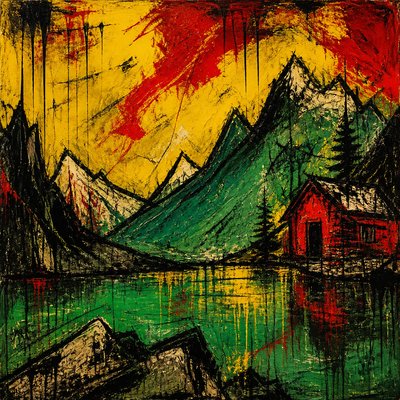
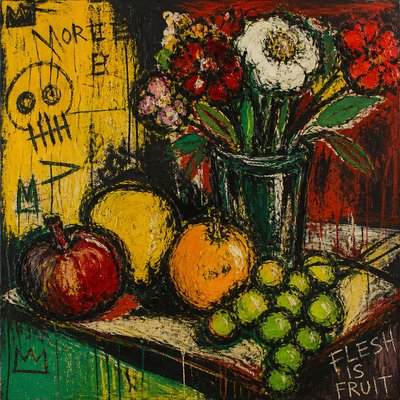
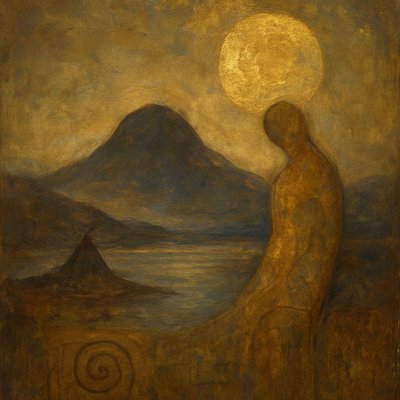
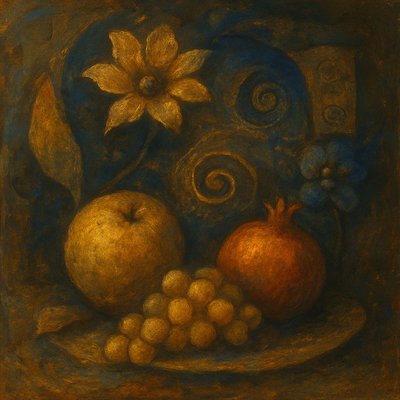
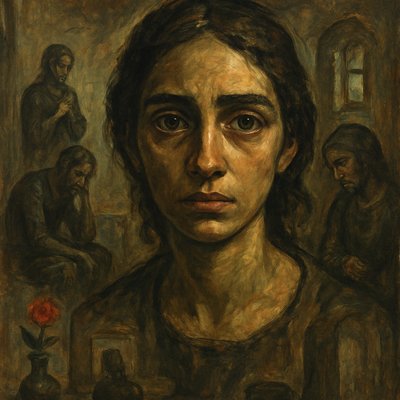
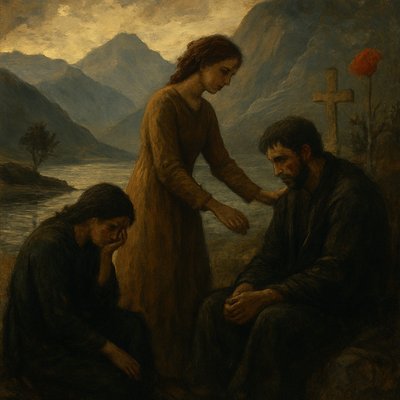
Aggressive figurative painting with raw brushwork, clashing color, and distorted forms expressing modern anxiety.
Instantly rendered in Neo-Expressionist Figurative — or transform a photo
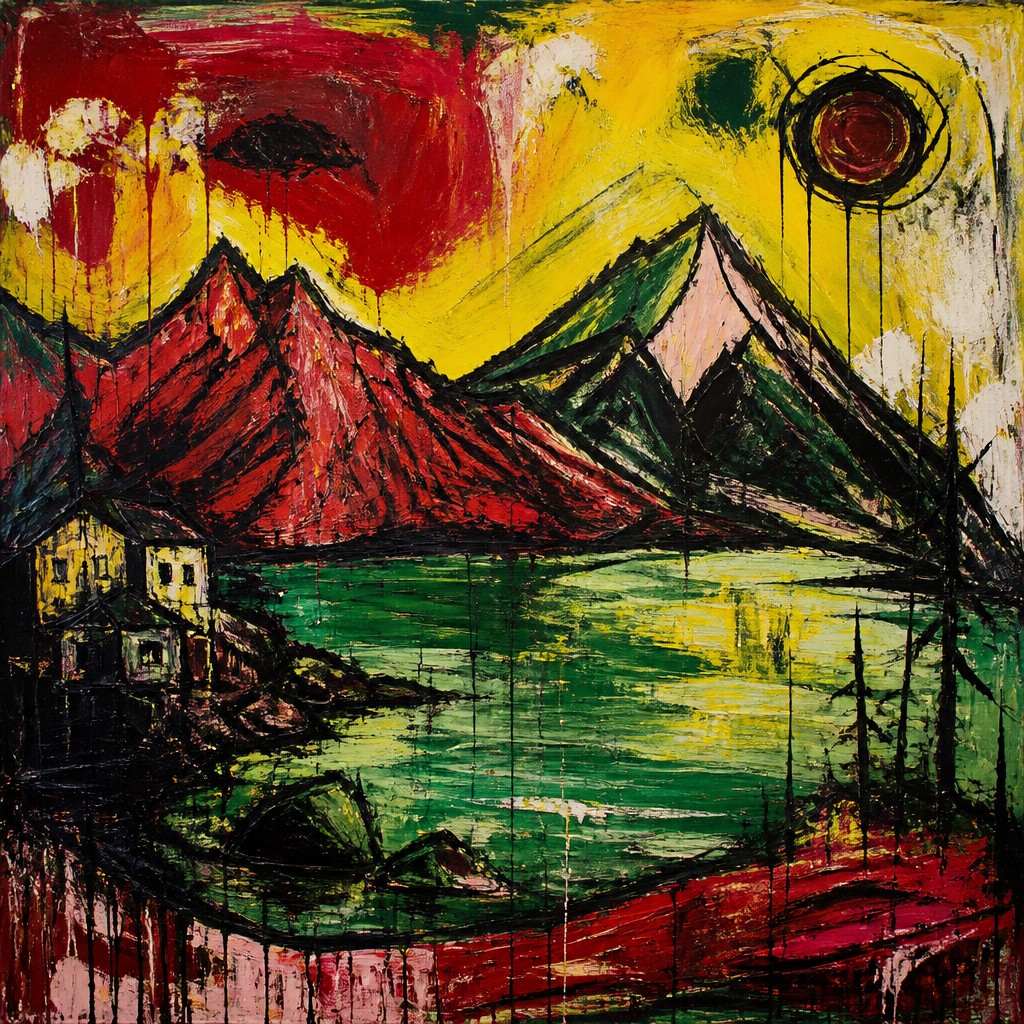
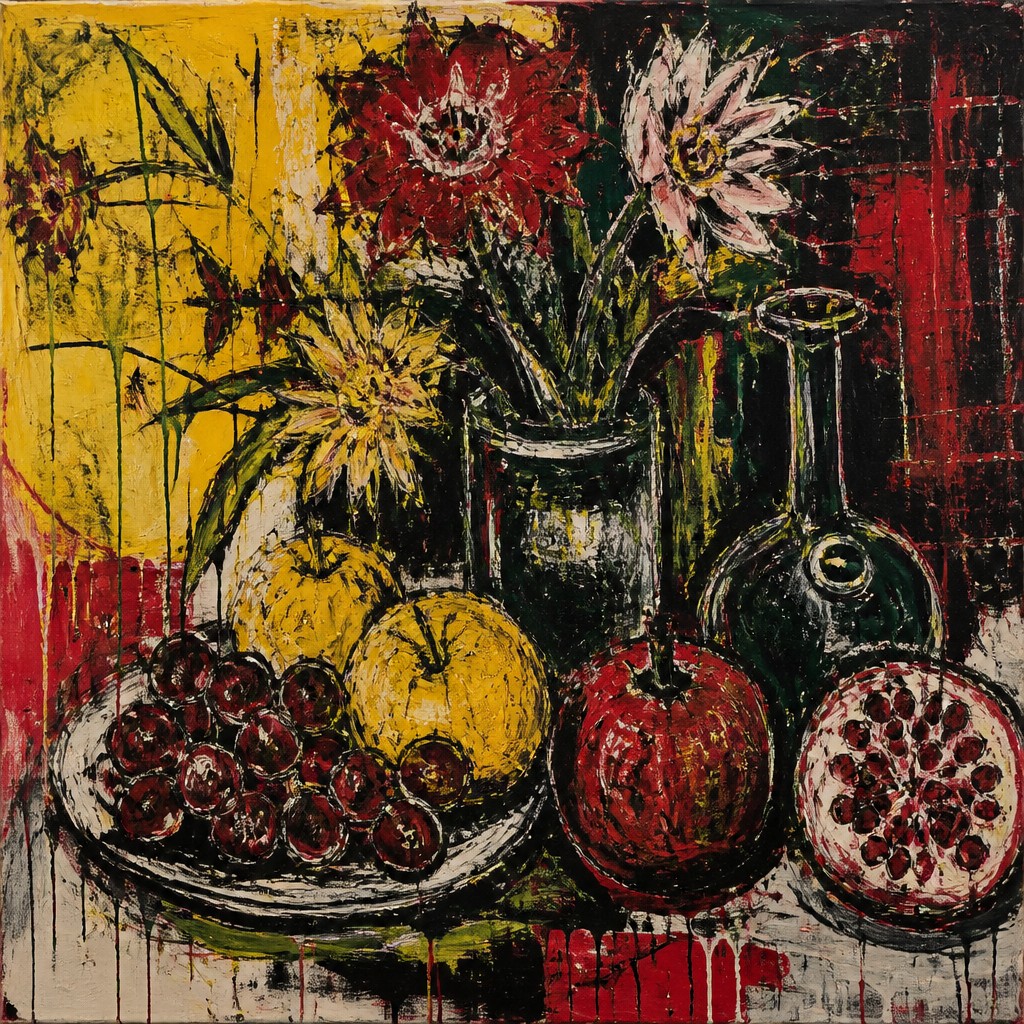
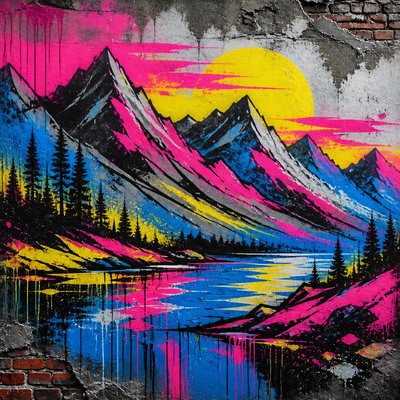
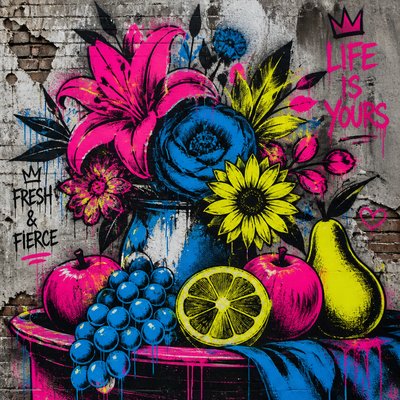
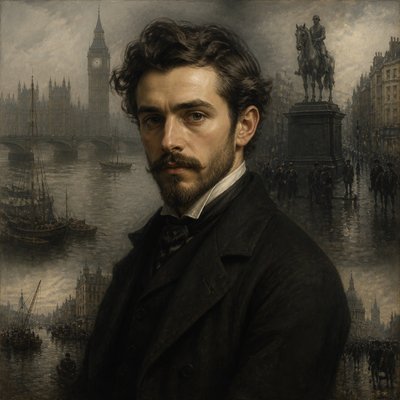
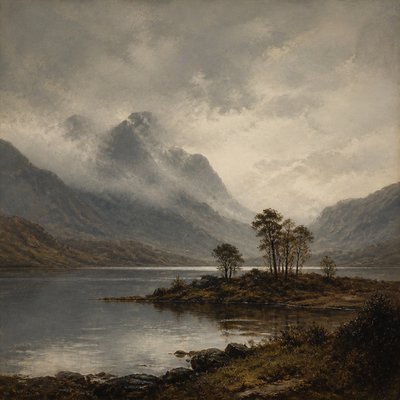
Neo-Expressionist Figurative Gallery
Tap any artwork to explore it
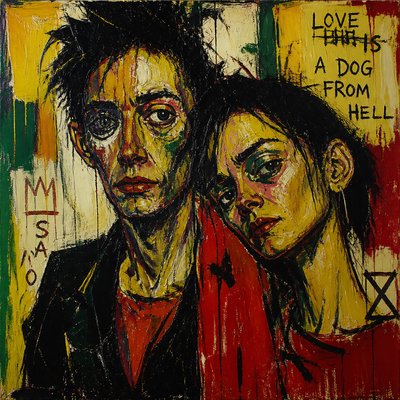
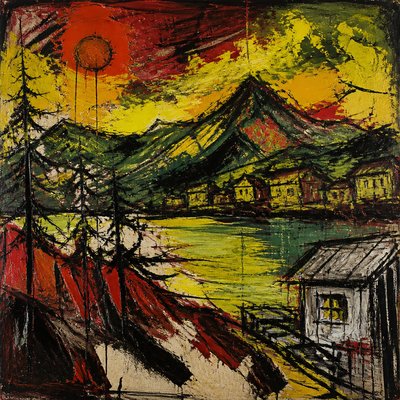
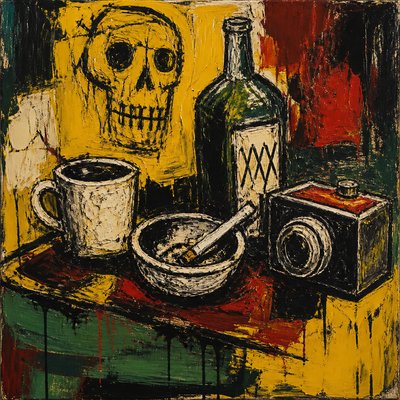
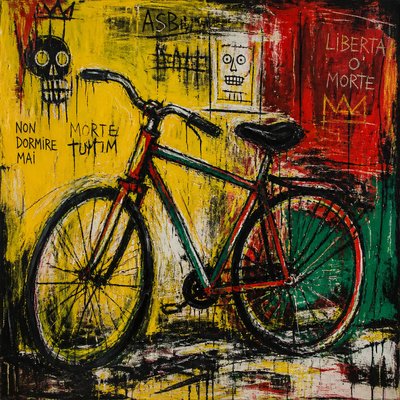
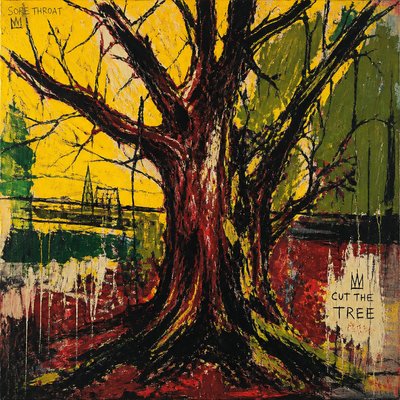
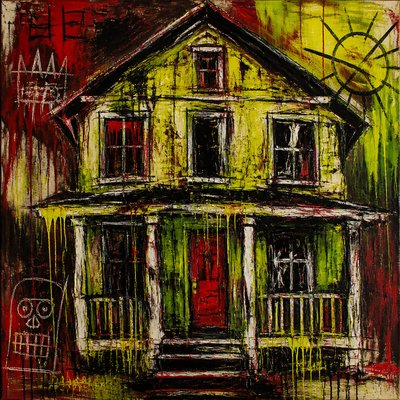
What is Neo-Expressionist Figurative Art Style?
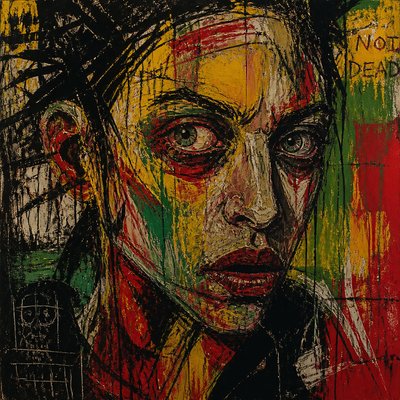
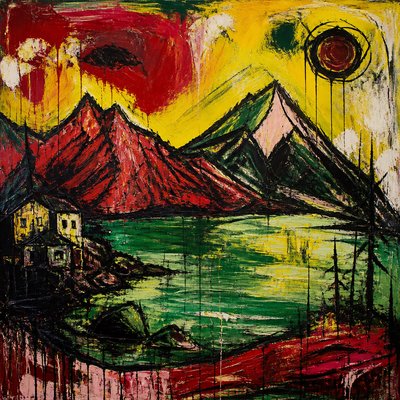
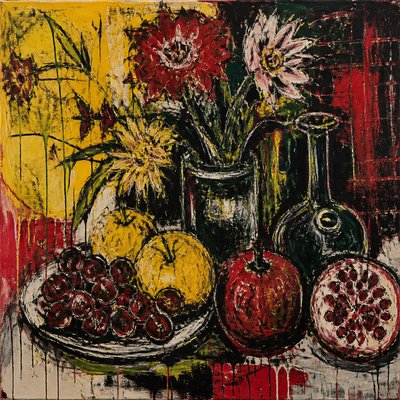
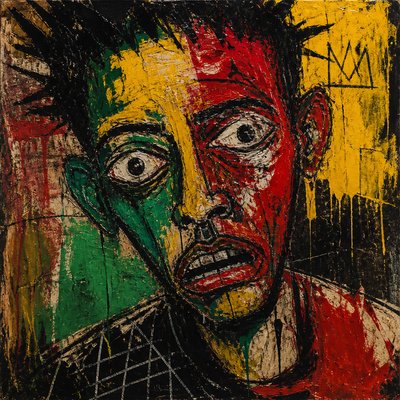
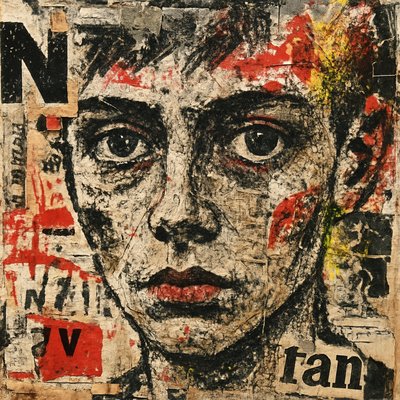
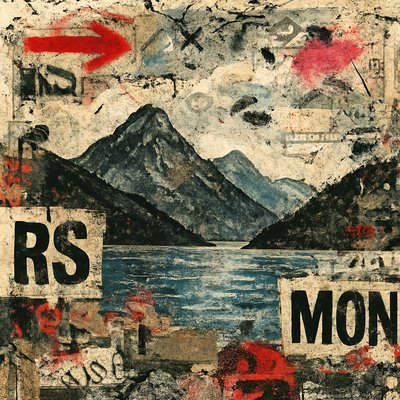
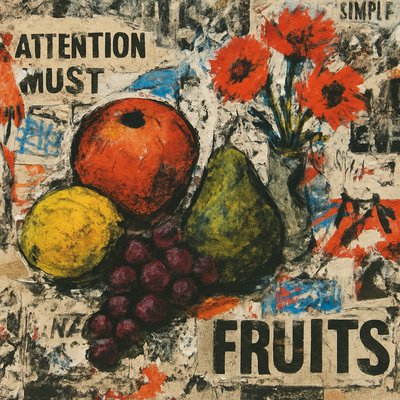
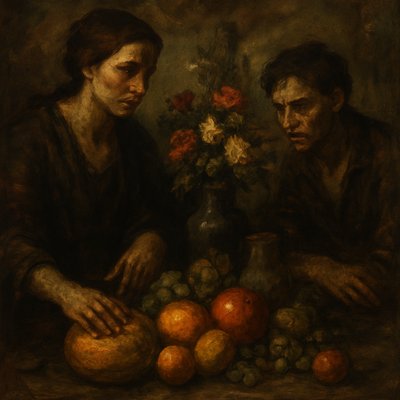
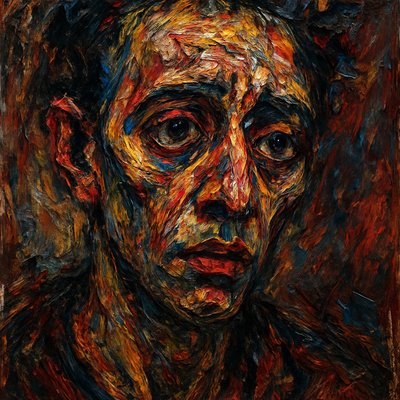
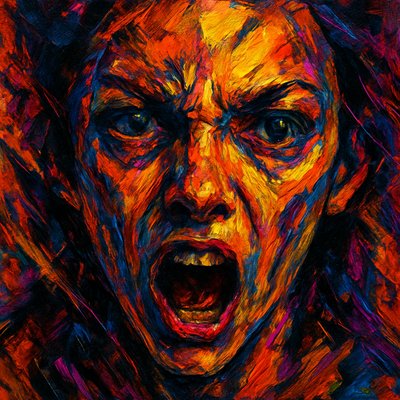
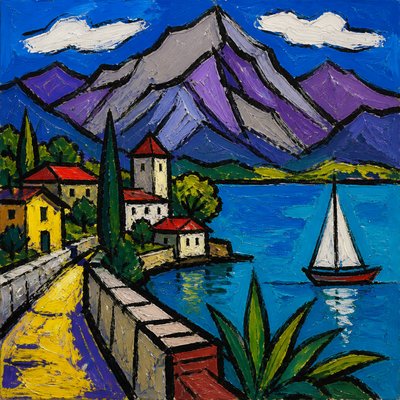
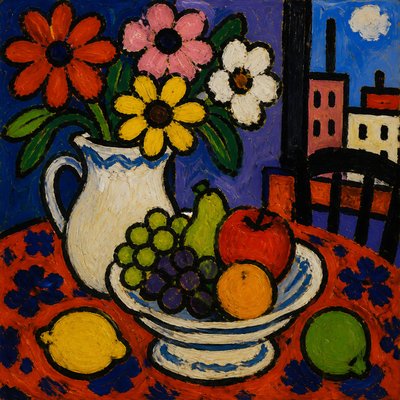
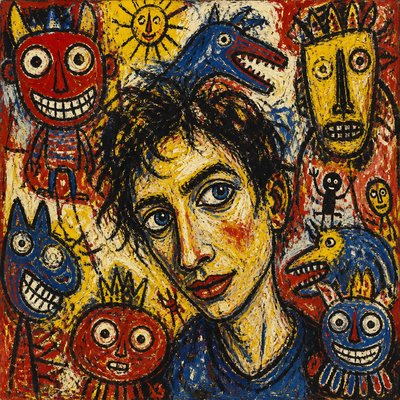
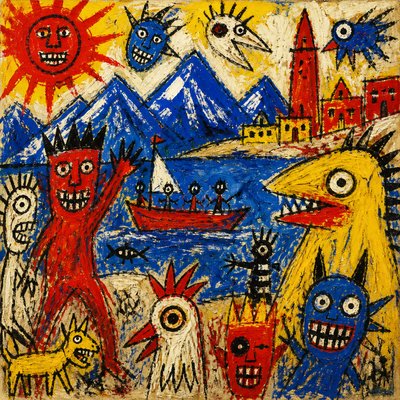
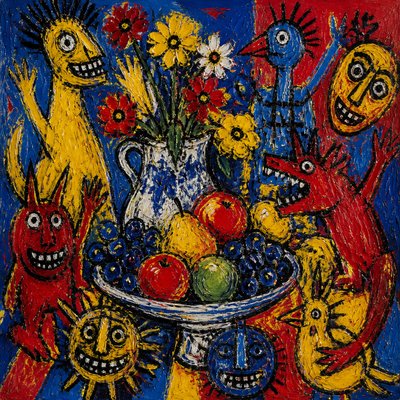
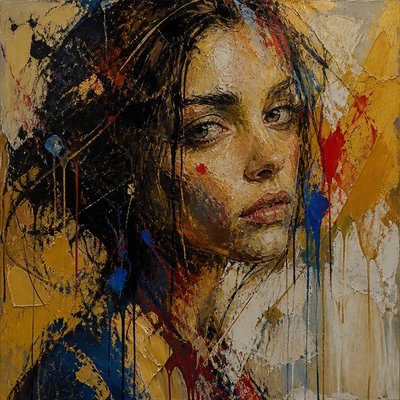
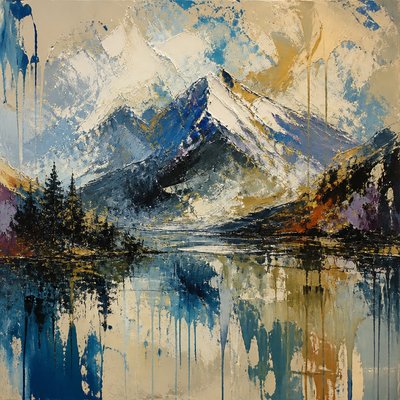
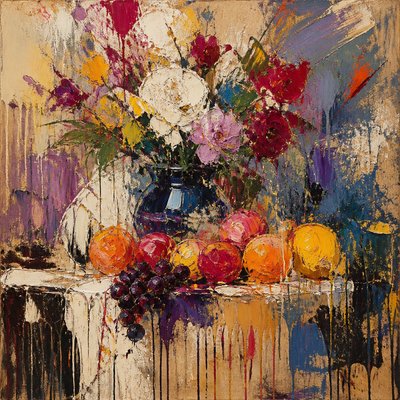
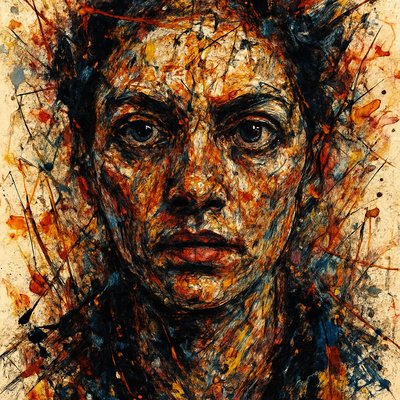
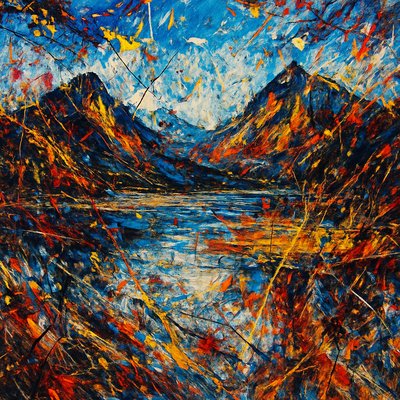
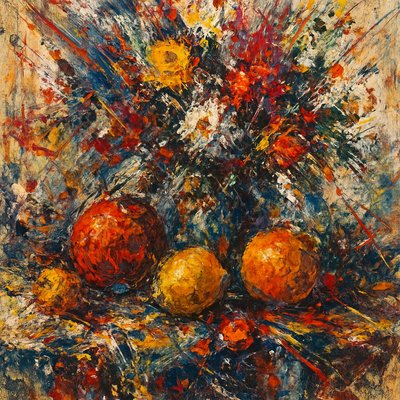
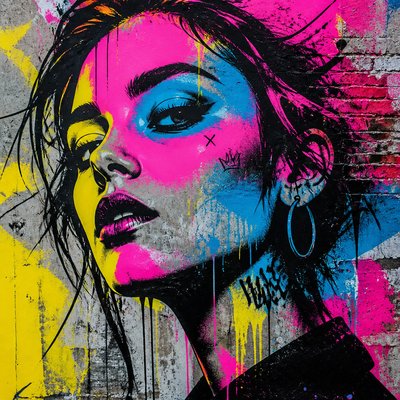
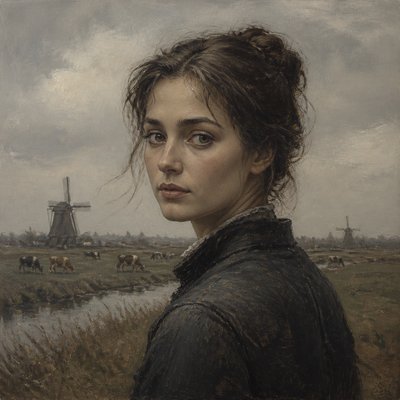
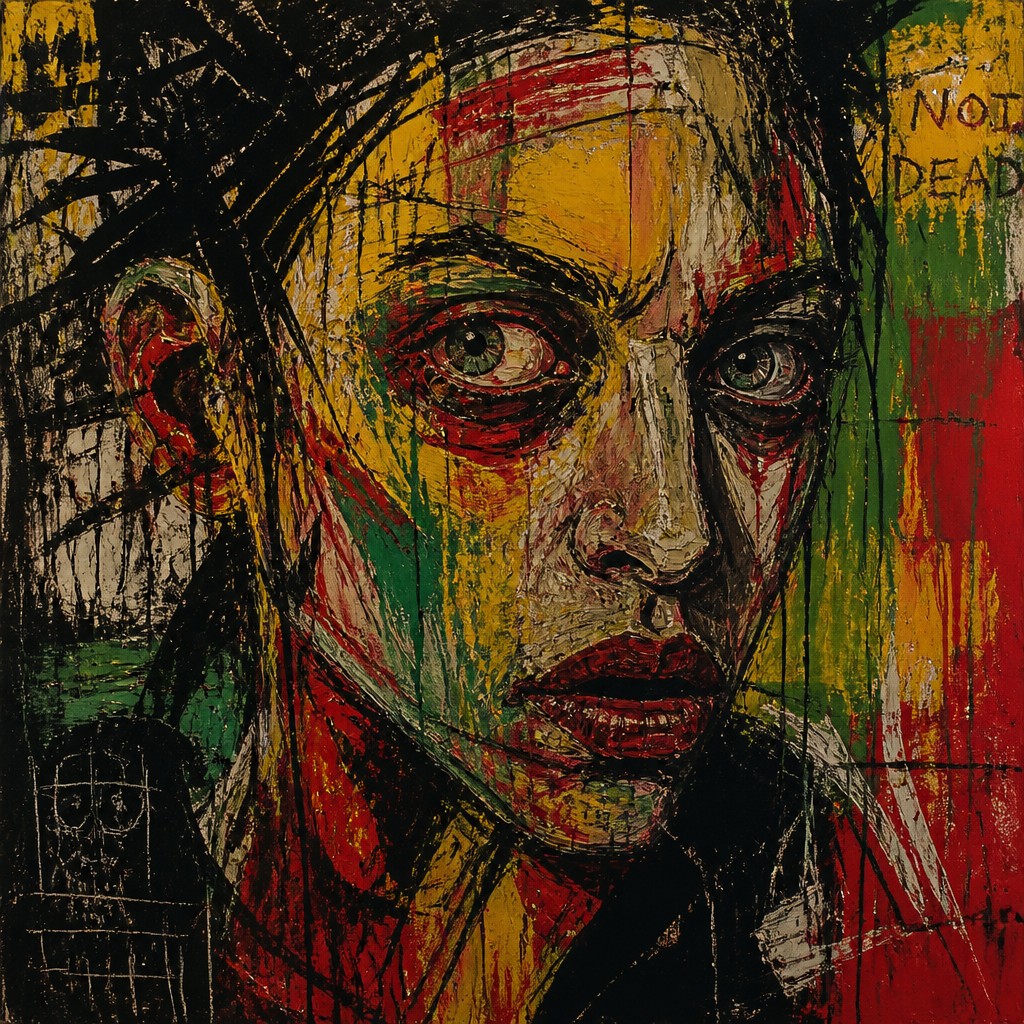
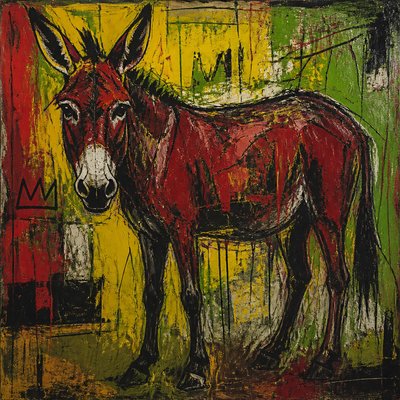
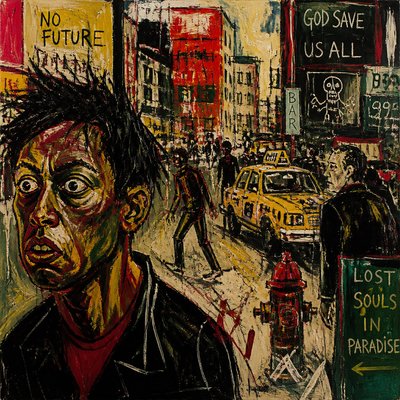
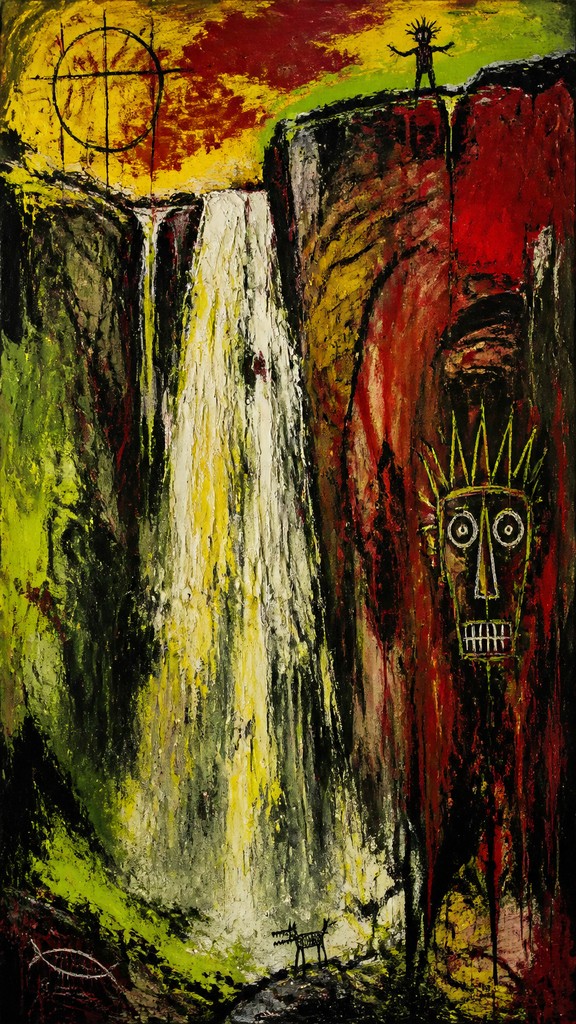
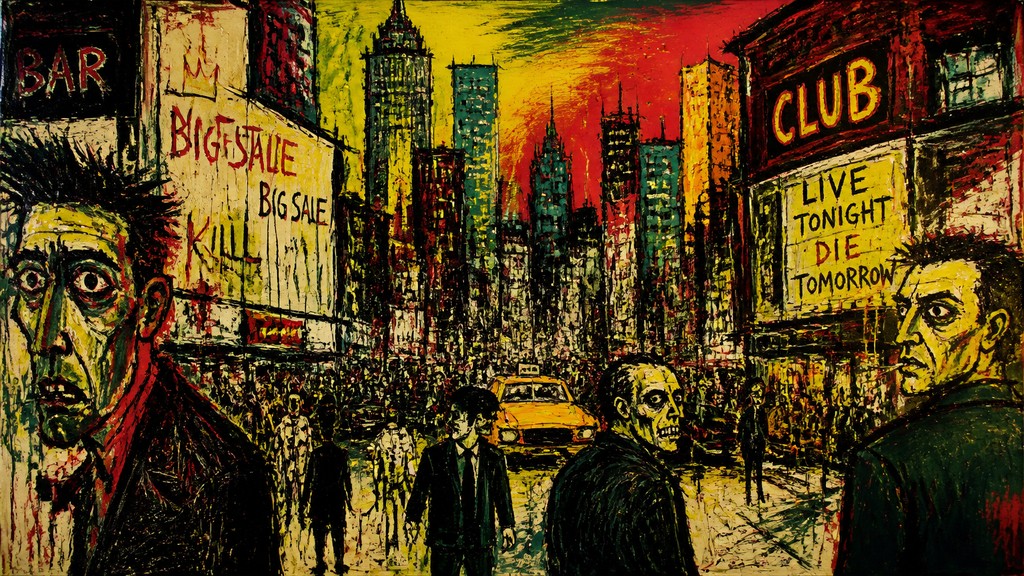
Neo-expressionist figurative art is a contemporary style of painting and image-making that fuses recognizable human or animal forms with intense emotional distortion. Its surfaces are typically rough, urgent, and physically animated: thick brushstrokes, scraped passages, drips, blunt contours, and color clashes create a sense of confrontation rather than polish.
The style’s visual identity comes from using figuration as a carrier for psychological pressure. Bodies may be stretched, fractured, crude, or symbolically simplified, but they remain legible enough to register pain, anger, fear, or instability. The result is an image that feels immediate and unstable, as if emotion has overridden realism and composition has been driven by instinct, violence, and nervous energy.
Try It On Your Photos
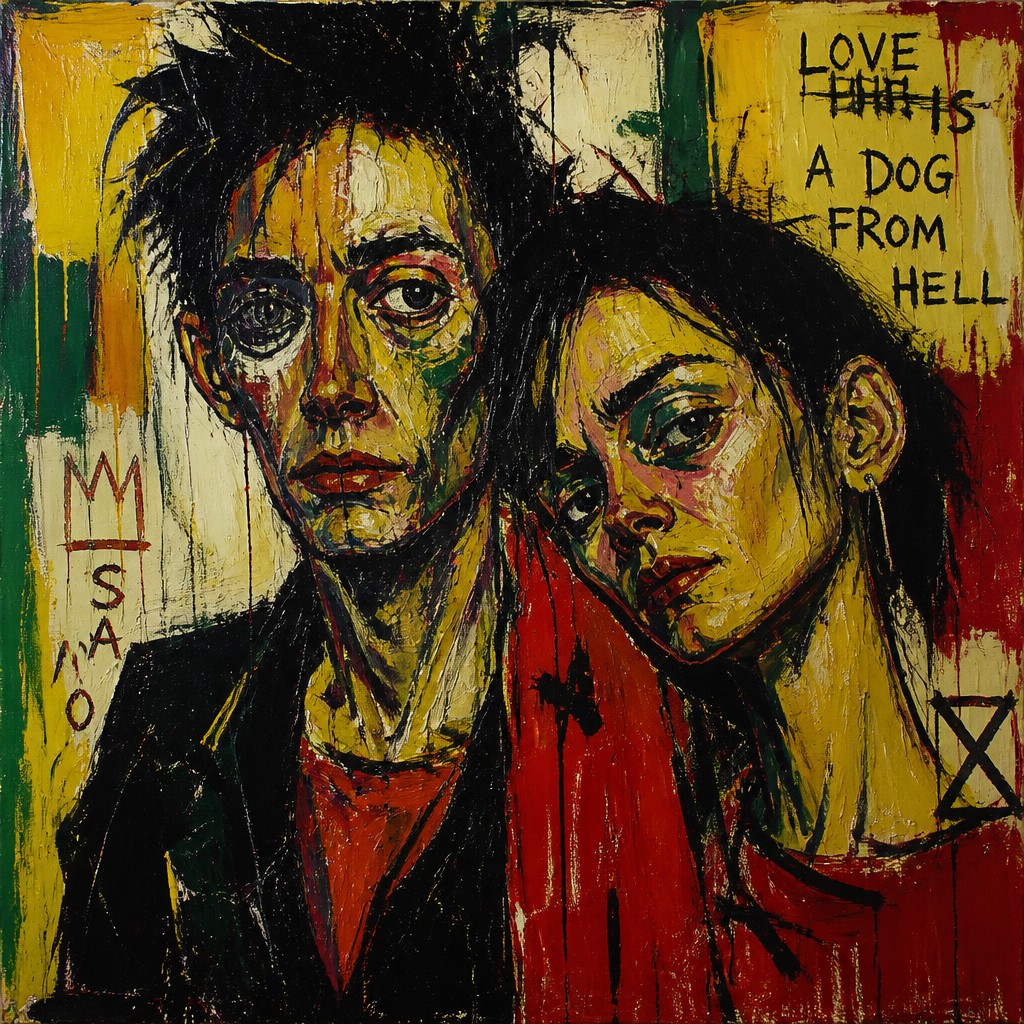
Upload any photo and convert it into Neo-Expressionist Figurative Art Style — drag the sliders to compare before and after.

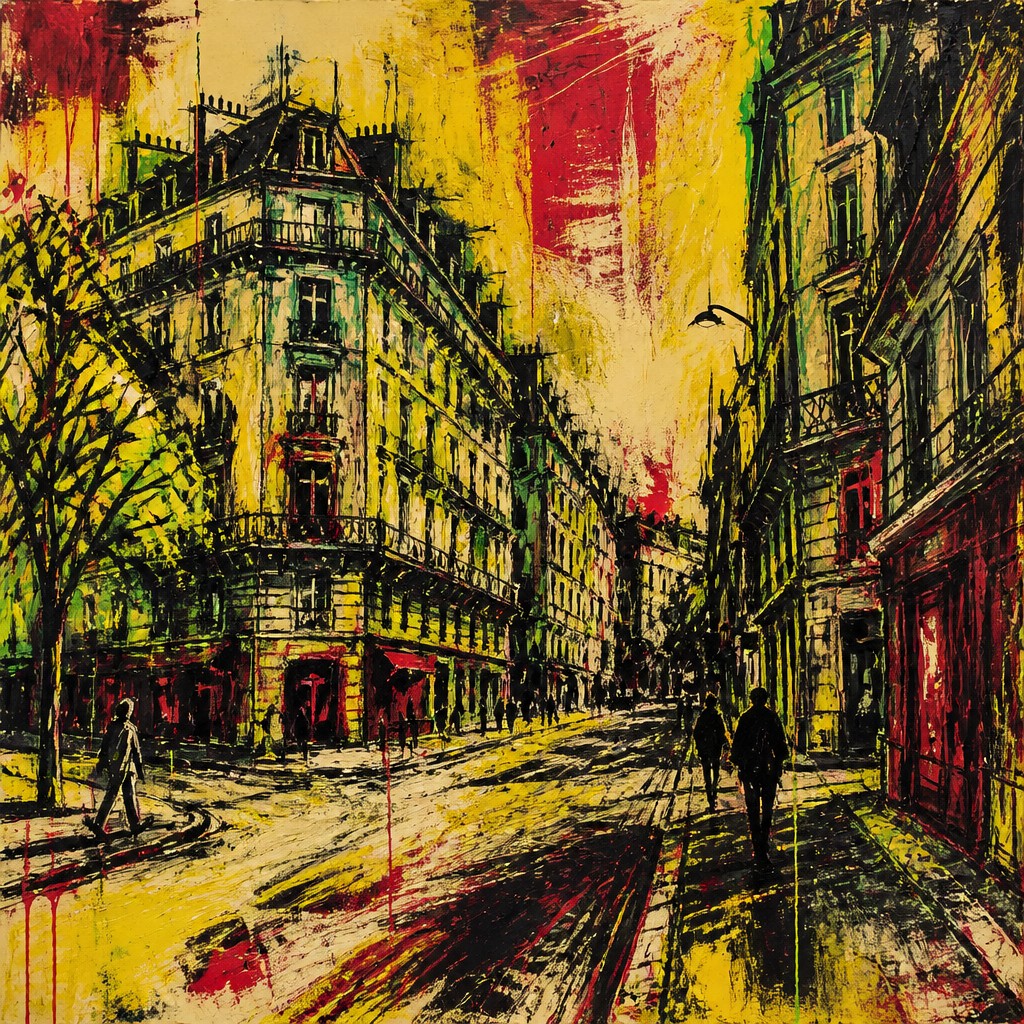

What Defines Neo-Expressionist Figurative Art Style
The signature details, up close
Distorted figuration
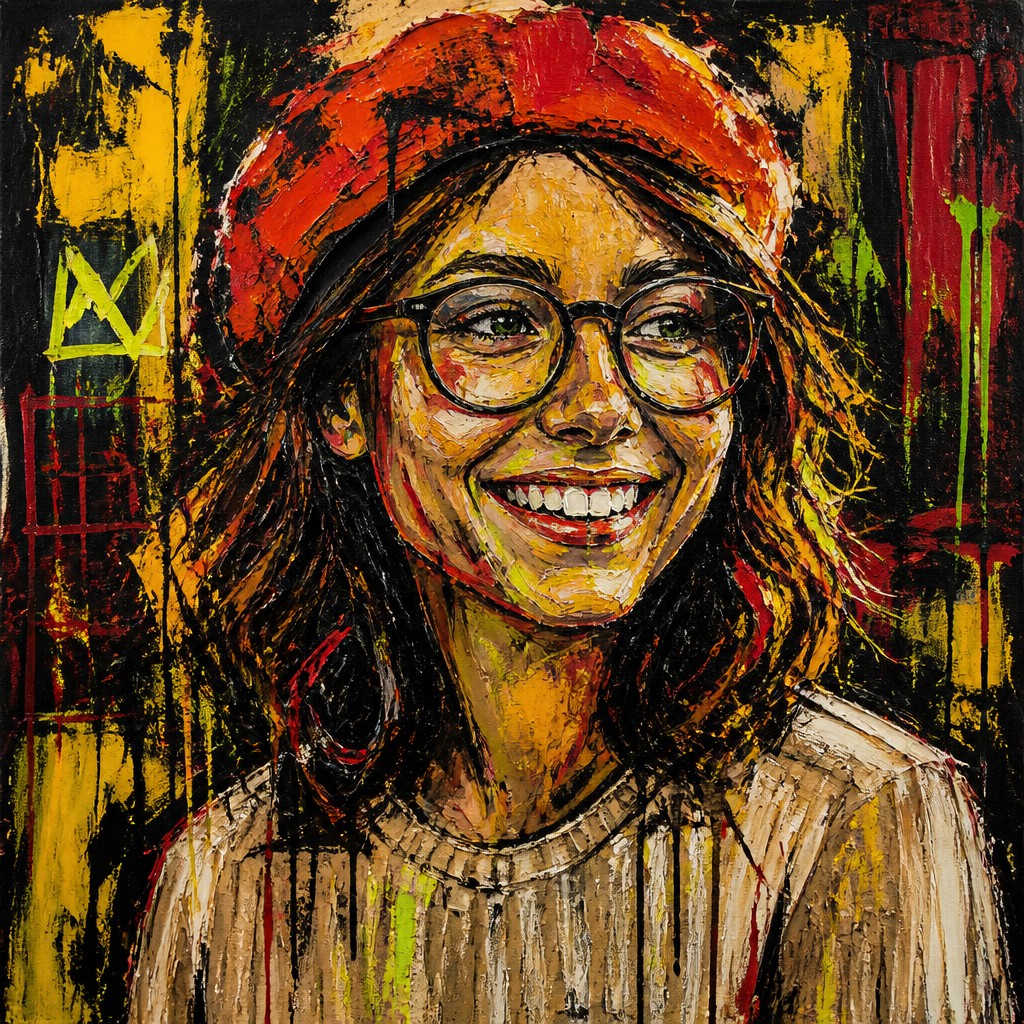
Bodies, faces, and limbs are exaggerated, compressed, or crudely simplified so the figure carries emotional tension instead of anatomical accuracy. The distortion is deliberate and expressive rather than decorative.
Violent brushwork
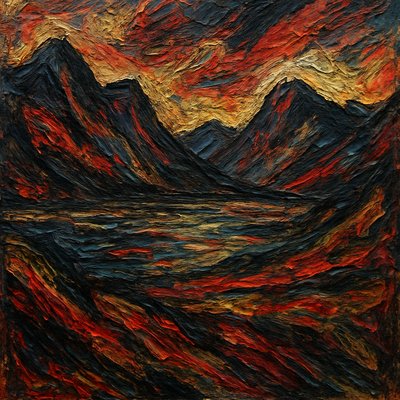
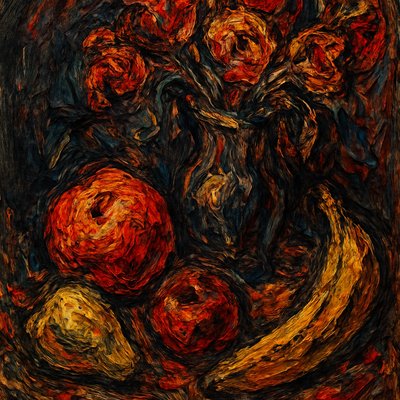
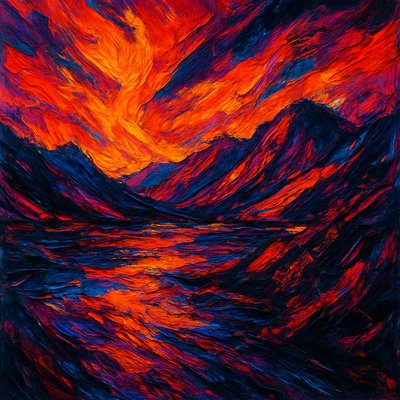
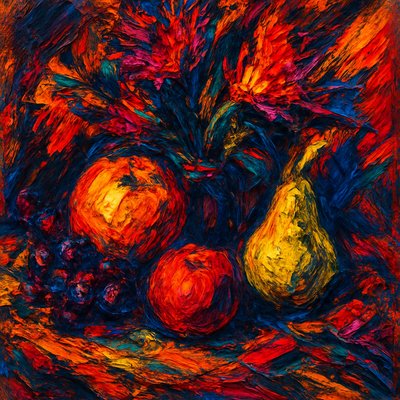
Brushstrokes are energetic, abrupt, and visibly physical, often leaving thick impasto ridges or dragged, broken marks. The paint surface is treated as an arena of conflict and urgency.
Clashing chroma
Acidic yellows, deep crimsons, toxic greens, and harsh blacks are often placed side by side without soft transitions. The color relationships are meant to jar, not harmonize.
Rough, unfinished surfaces
Scrapes, drips, exposed ground, pentimenti, and partially erased passages make the image feel in flux. The sense of incompletion is part of the emotional effect.
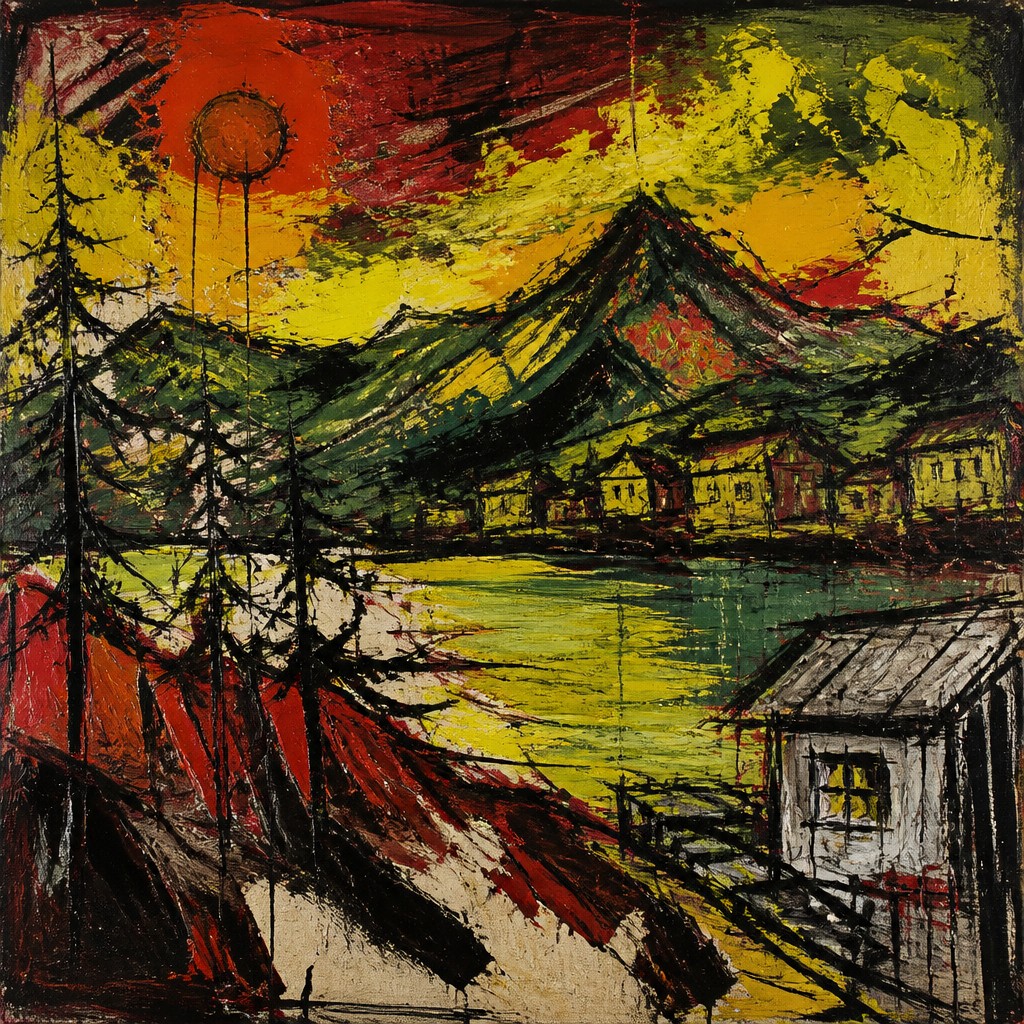
Bold contour and outline
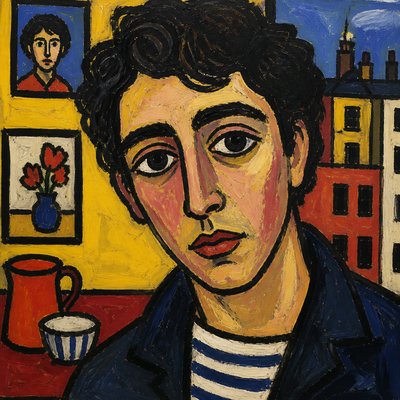
Heavy black lines or assertive edges cut through forms and anchor the composition. These contours intensify the graphic force of the image while heightening its bluntness.
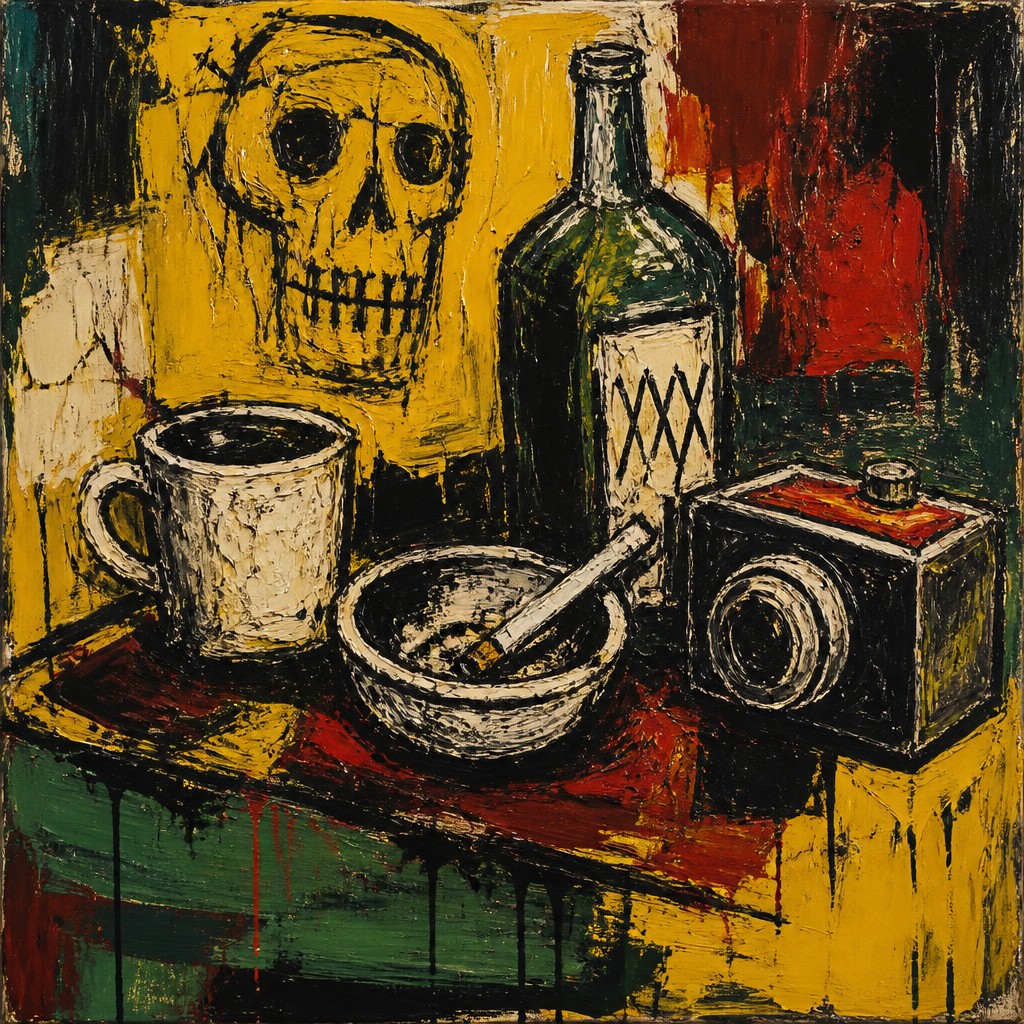
Psychological atmosphere
The subject matter often conveys anxiety, rage, alienation, vulnerability, or social unease. Even when the figure is central, the painting feels more like an emotional event than a portrait.
Try It
Create Videos in Neo-Expressionist Figurative Art Style
Styles aren't just for stills — describe a scene or animate an image and get a short video rendered in Neo-Expressionist Figurative. Press play to see this pond come to life.
Make a VideoNeo-Expressionist Figurative Prompt Ideas
Start from an idea — each one opens the generator with the style ready to go. See all 40 Neo-Expressionist Figurative prompts →
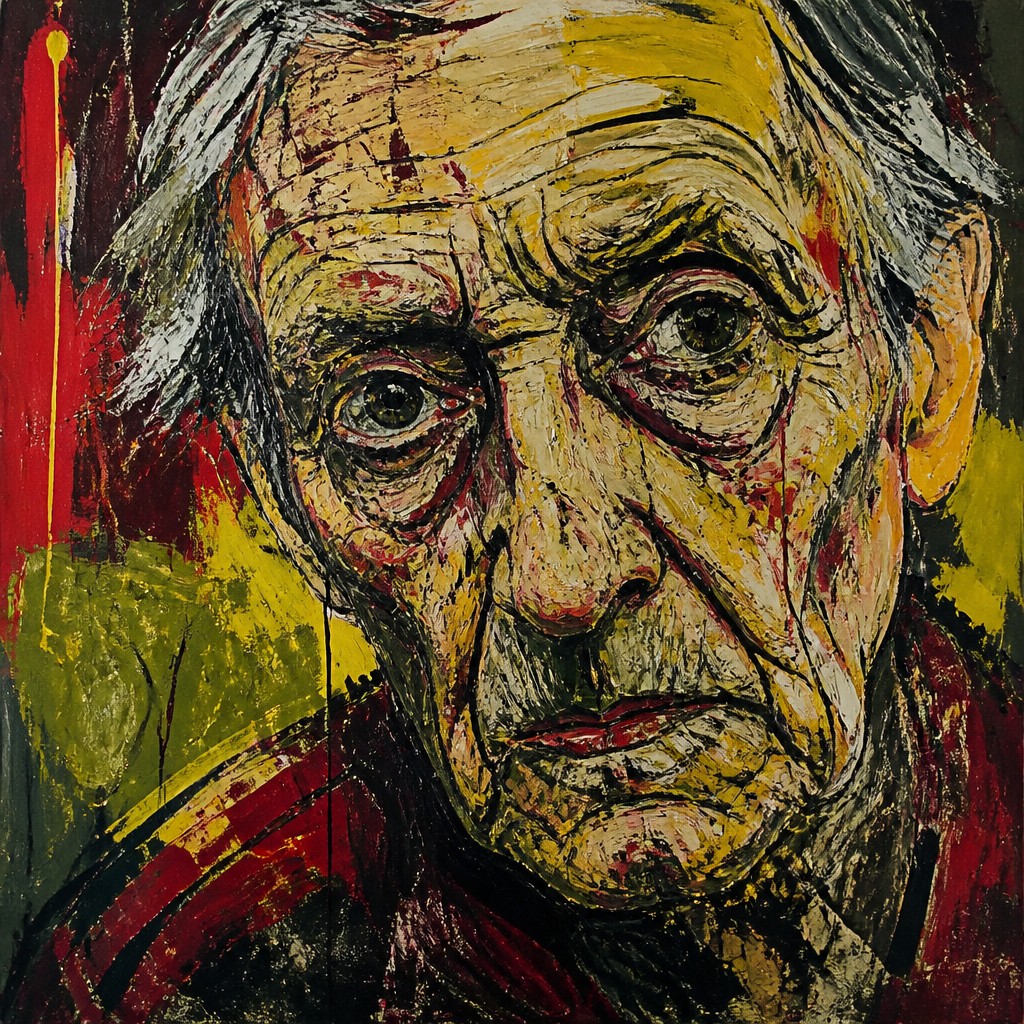
“close-up portrait of an elderly person with expressive weathered features”
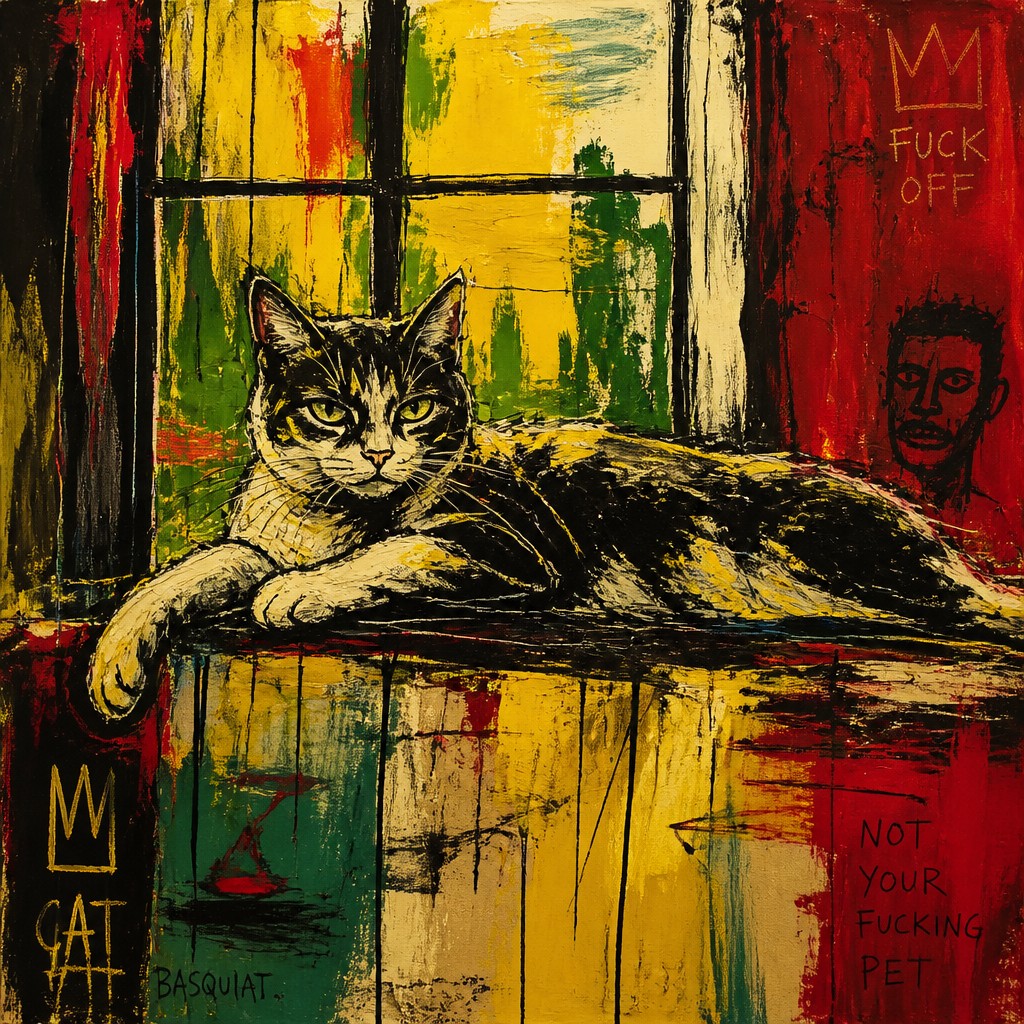
“a cat lounging in a sunlit window”
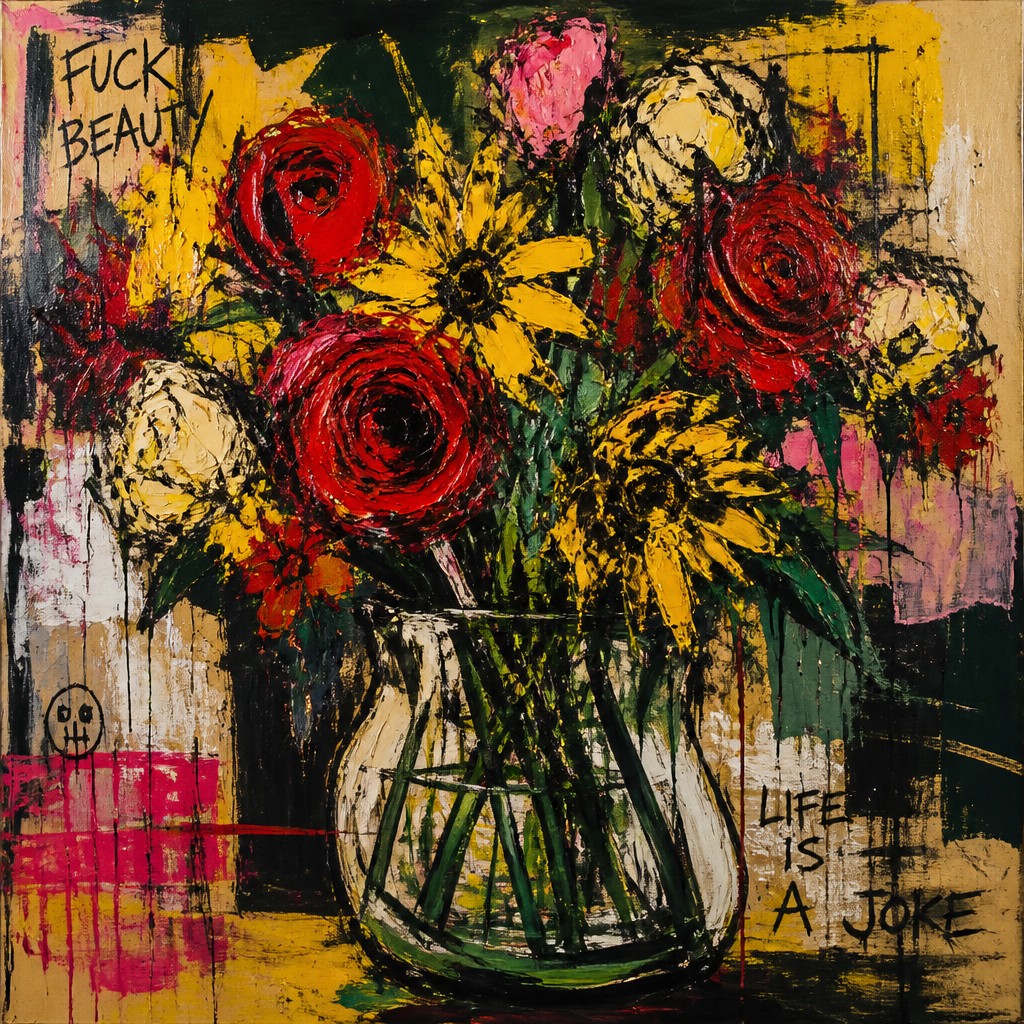
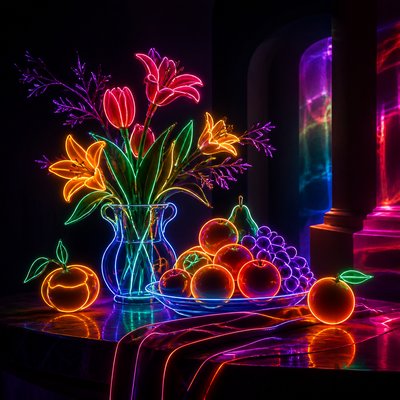
“bouquet of flowers in a glass vase”
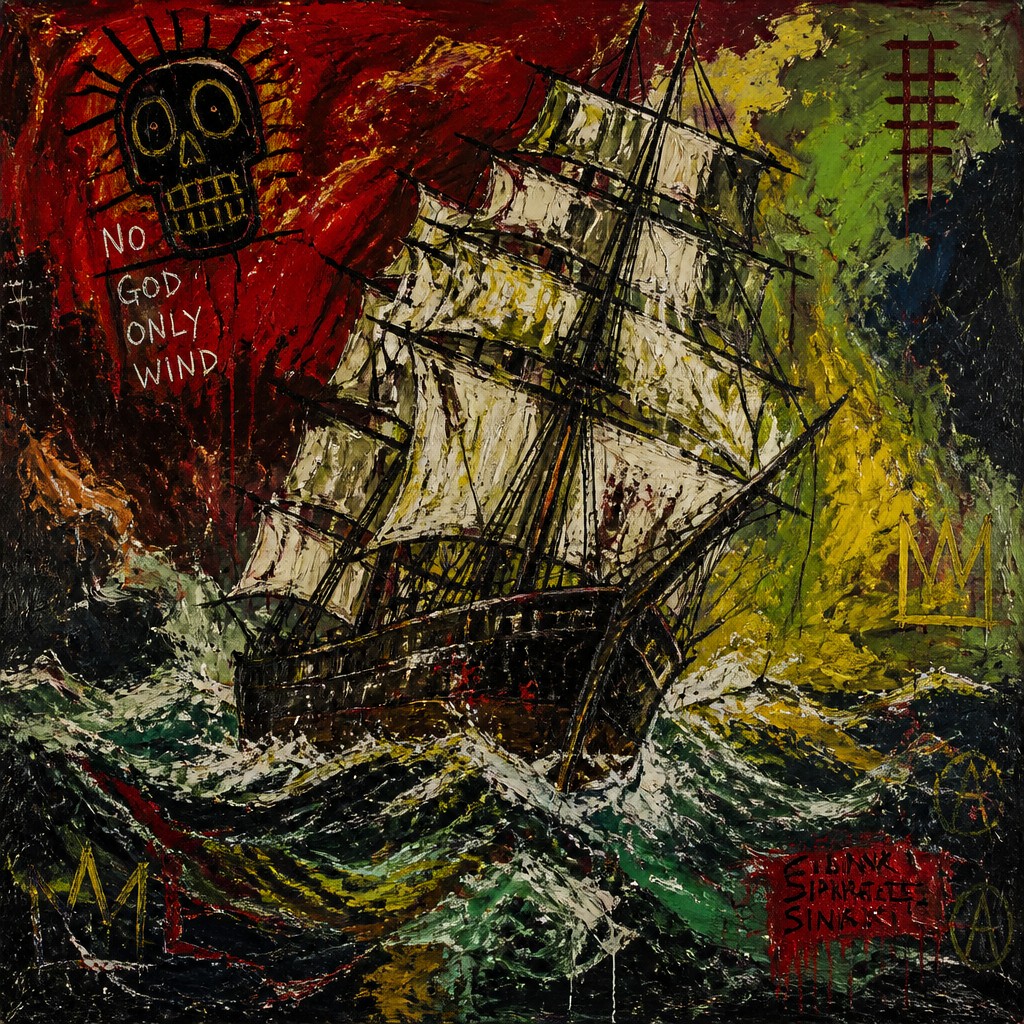
“sailing ship on a stormy sea”
How to Create Neo-Expressionist Figurative Art
Master the craft step by step — or skip straight to creating. Read the full guide →
- 1
Start with a charged figurative silhouette
Build the composition around a clear but unstable human or animal form, then deform proportions to amplify emotion. Keep enough structure for the subject to remain readable while letting anatomy become expressive and crude.
- 2
Use aggressive paint handling
Apply paint thickly in some areas and scrape it away in others to create friction and visible revision. Let brush direction, dry dragging, and accidental drips remain visible so the surface feels alive and unresolved.
- 3
Push color into tension
Choose a limited set of high-contrast hues and place them in abrupt collisions rather than blended harmony. A useful strategy is to pair sickly greens or yellows with deep reds, muddy neutrals, and hard black accents.
- 4
Emphasize line as force
Draw contours boldly and unevenly, as if they are cutting into the composition. In digital workflows, use textured brushes, layered masks, and rough edge breakup to mimic hand-painted contour and pentimenti.
- 5
Preserve evidence of process
Leave areas exposed, overpainted, or partially erased so the image carries its own history. In prompt-based generation, specify scraped layers, impasto, drips, urgent gestural marks, and visible pentimenti to steer the result toward this look.
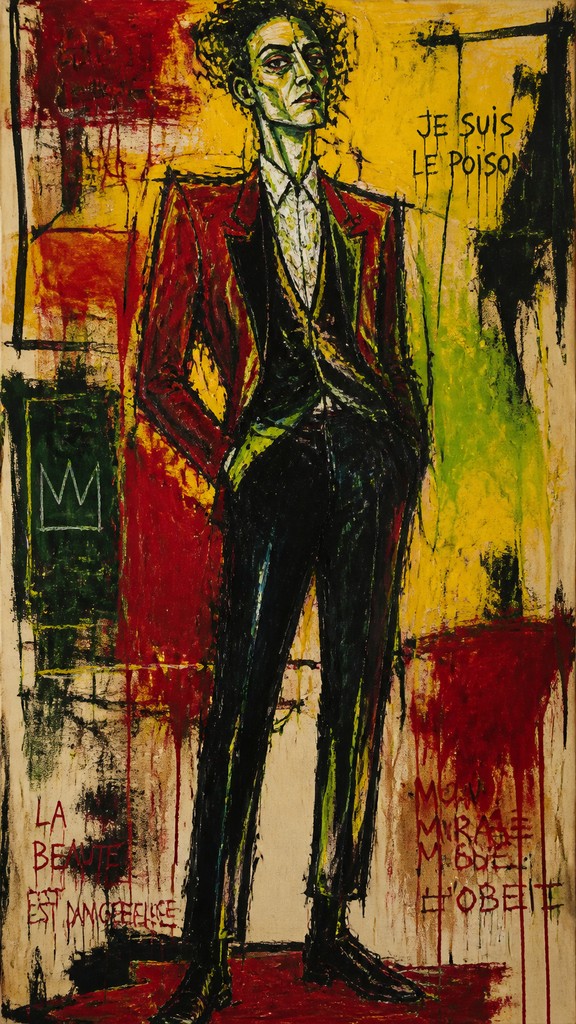
The Story
History & Origins of Neo-Expressionist Figurative
Neo-expressionist figurative art belongs to the broader neo-expressionist tendency that emerged in the late 1970s and 1980s as a reaction against cool conceptualism, minimalism, and detached formalism. In painting, it drew on earlier expressionist traditions, especially the emotional intensity and distorted figuration associated with German Expressionism and postwar art, while adapting those energies to contemporary urban, political, and psychological subjects.
Its aesthetic lineage also includes gestural abstraction, raw outsider art, graffiti, punk visual culture, and the immediacy of street-marking and poster art. Rather than forming a single historical school with a fixed manifesto, it describes a recurring approach in contemporary figurative painting: using aggressive mark-making, crude drawing, and volatile color to make the human figure feel unstable, wounded, or confrontational in a modern context.
Influences: This style is related to German Expressionism, especially the emotionally charged figurative work of leading early twentieth-century German Expressionist painters, as well as postwar figuration and the neo-expressionist revival of the late twentieth century. It also intersects with gestural abstraction, punk and graffiti aesthetics, and the raw directness of outsider art, all of which contribute to its emphasis on speed, abrasion, and psychological immediacy.
Frequently Asked Questions
What defines neo-expressionist figurative art?
It combines recognizable figures with emotionally forceful distortion, rough mark-making, and intense color conflict. The goal is not realism but psychological impact, so the painting often feels raw, urgent, and unstable.
How is it different from abstract expressionism?
Abstract expressionism usually abandons the figure or reduces it to near-absence, while neo-expressionist figurative art keeps the body, face, or object visible. The emotional energy may be similar, but this style uses figuration as the main vehicle for expression.
How is it different from expressionism?
Expressionism is the broader historical precursor, especially early twentieth-century art that distorted reality to express feeling. Neo-expressionist figurative art is a later revival and transformation of those ideas, often filtered through contemporary urban, political, and postmodern contexts.
Can this style be used for portraits?
Yes, portraits are one of the most effective subjects for it because facial distortion and rough surface treatment can communicate inner tension immediately. The likeness may be secondary to mood, gesture, and emotional charge.
What subjects work best in this style?
Human figures, self-portraits, animals, protest scenes, nightlife interiors, and scenes of social stress all work well. Subjects with built-in conflict or vulnerability tend to look especially convincing because the style amplifies psychological pressure.
How do I make it look authentic in digital or AI-based creation?
Specify physical paint qualities such as thick impasto, drips, scraped layers, bold black contours, and clashing acidic colors. Also ask for distorted anatomy, exposed canvas, and a confrontational rawness so the image avoids becoming merely stylized or cartoonish.
Create your first Neo-Expressionist Figurative artwork
Describe anything — or upload a photo — and see it in Neo-Expressionist Figurative Art Style in seconds.
Make Something with Neo-Expressionist Figurative
Related Styles
Discover similar art styles