Mixed Media Portrait vs Digital Illustration Portrait: What's the Difference?
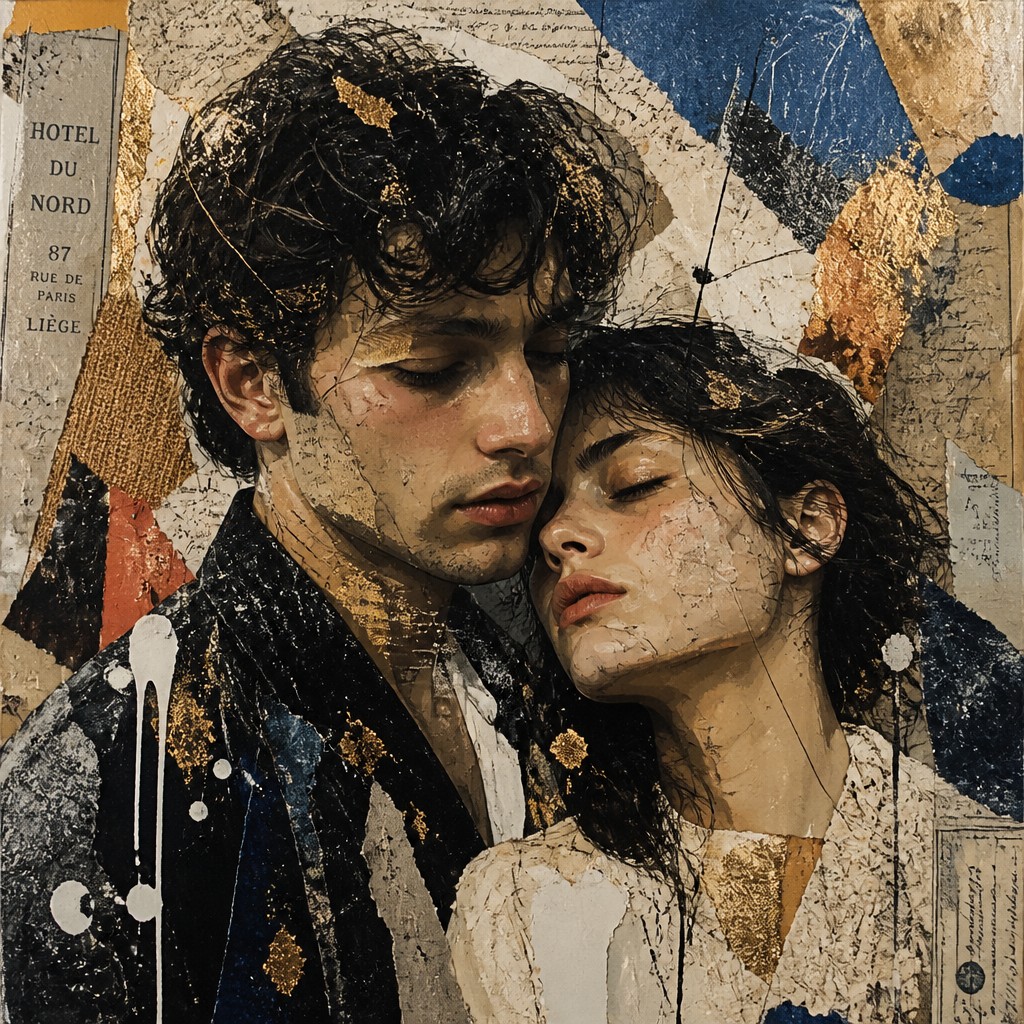
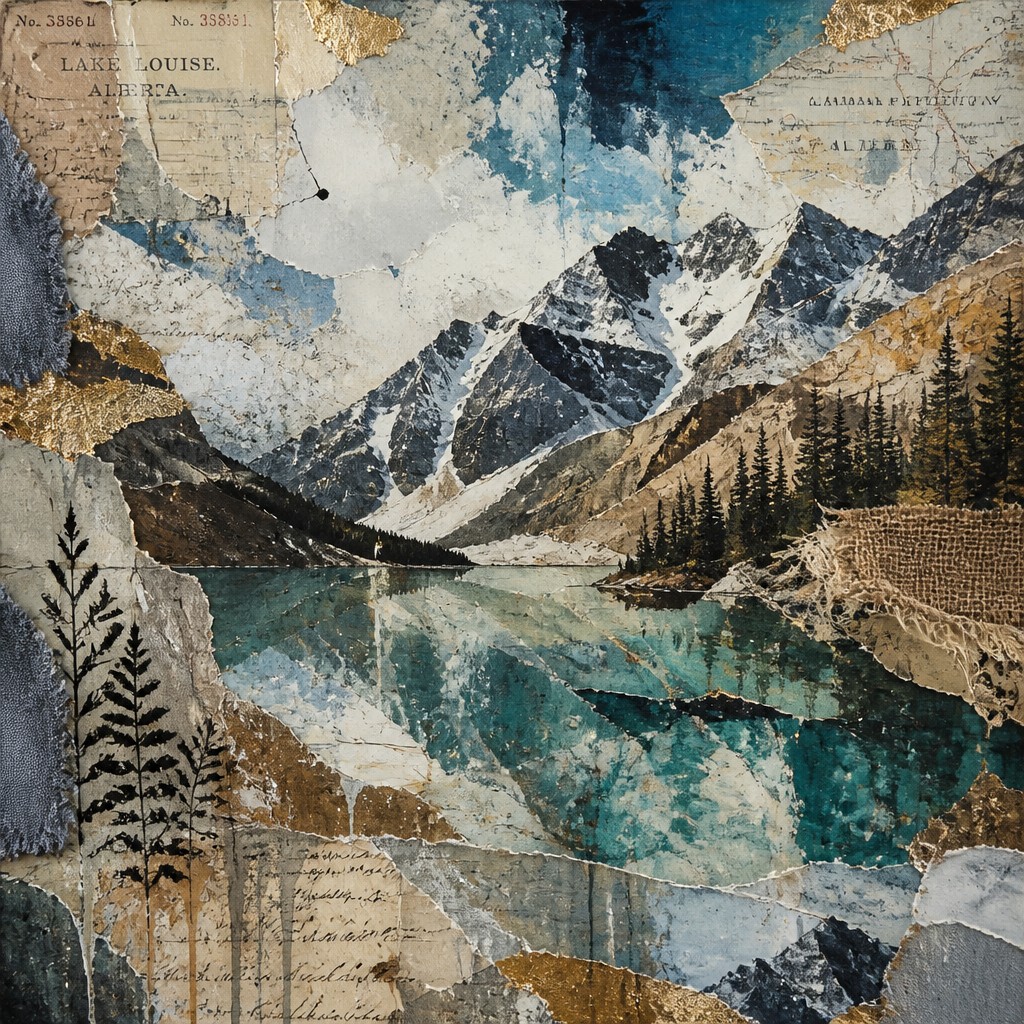
Mixed Media Portrait Style combines collage, paint, ink, and found materials to build portraits with visible layers, varied surfaces, and a handcrafted feel. It often emphasizes texture, depth, and the physical presence of materials, so the image can feel expressive, experimental, or emotionally complex.
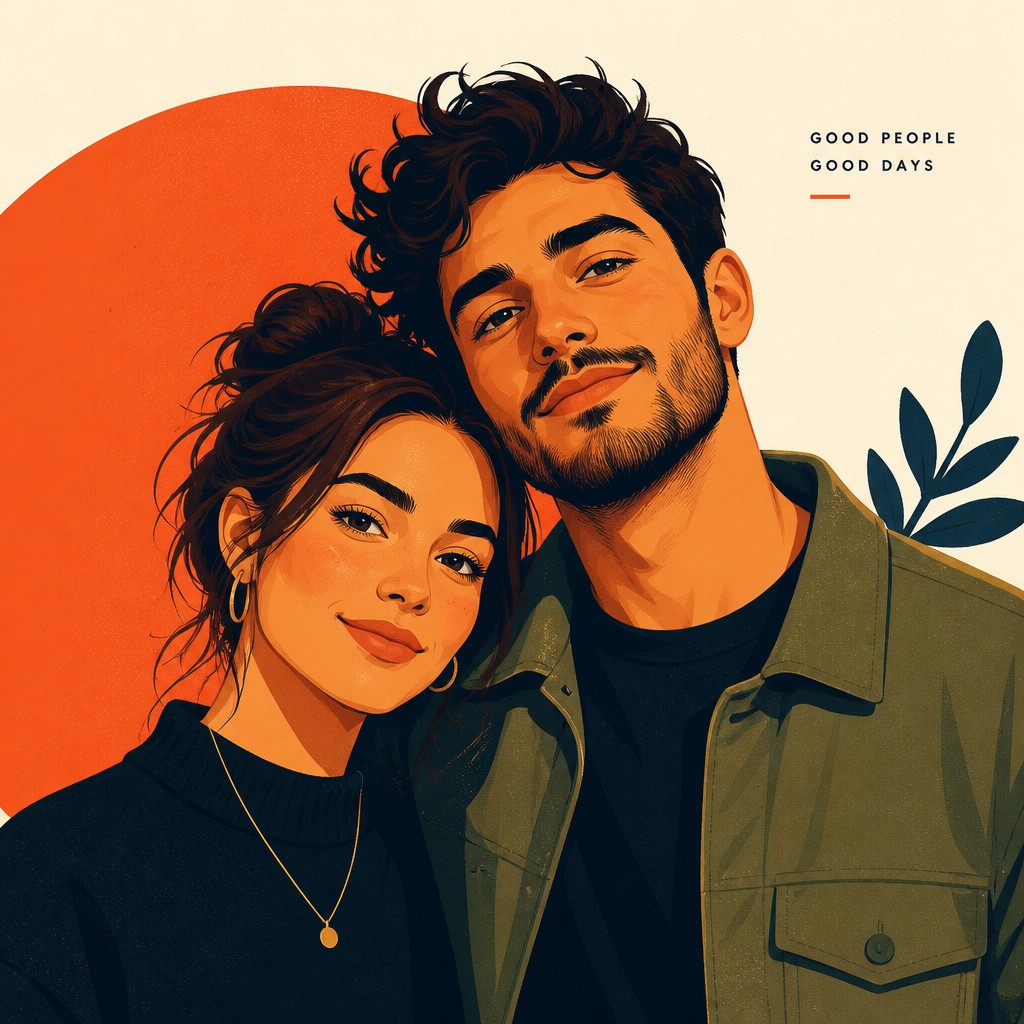
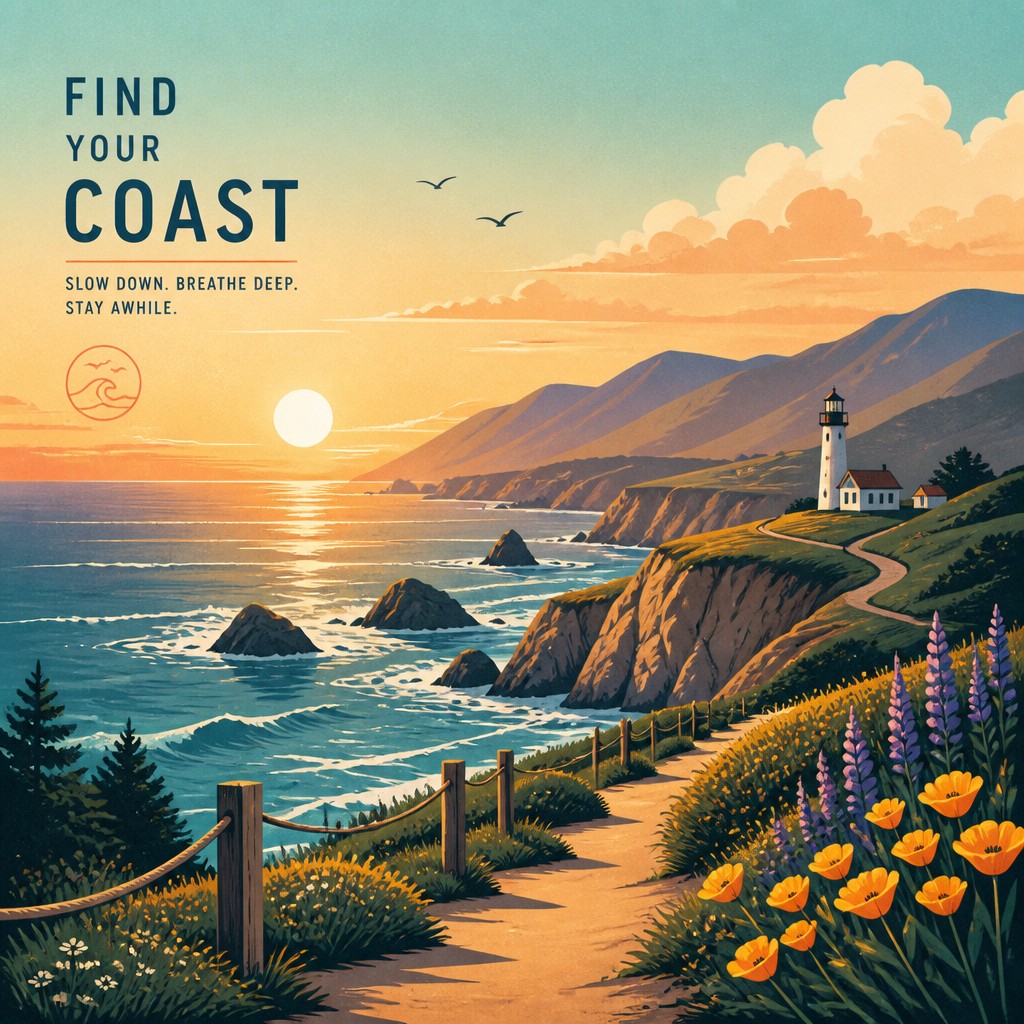
Digital Illustration Portrait Style uses clean lines, smooth gradients, saturated color, and polished rendering to create portraits with a modern, editorial finish. People compare the two because both can be highly stylized portrait forms, but they differ strongly in surface, workflow, and visual mood: one feels tactile and assembled, while the other feels sleek and controlled.
Same Prompt, Both Styles
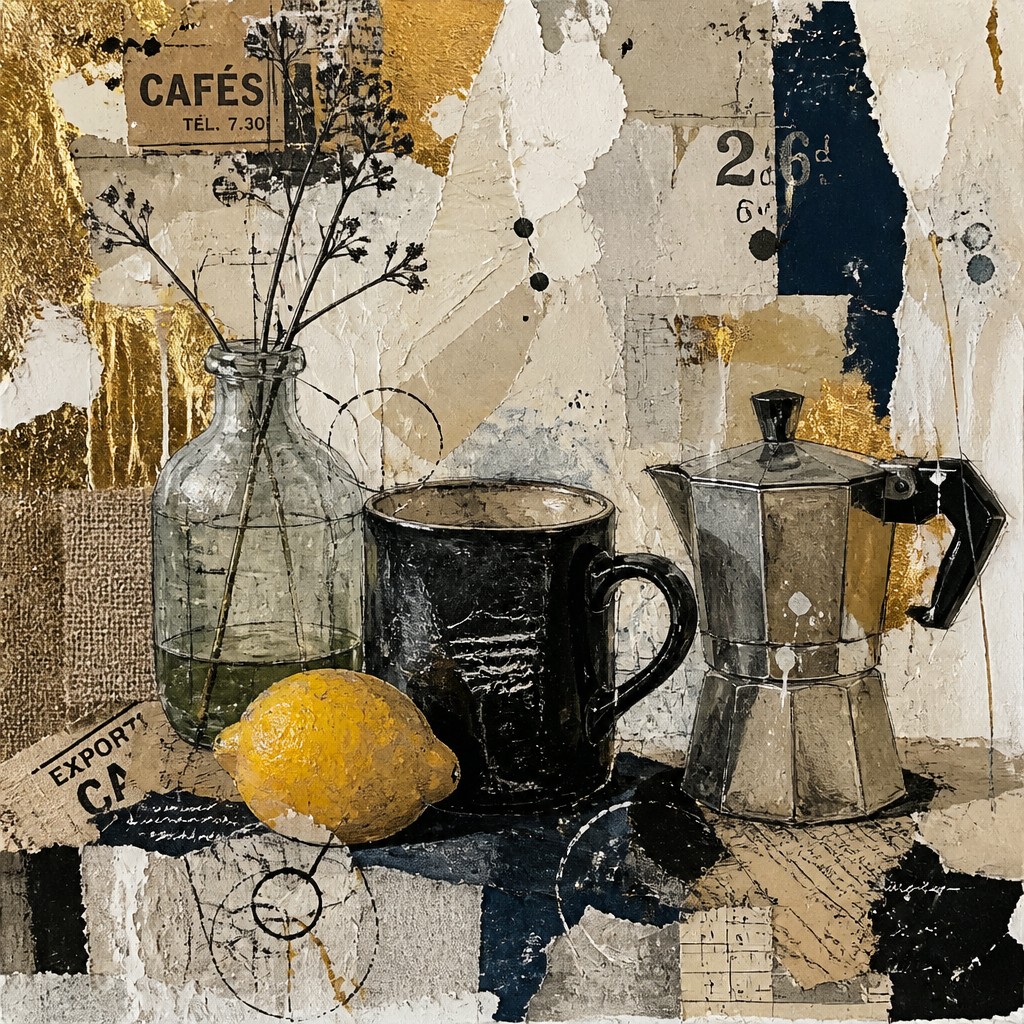
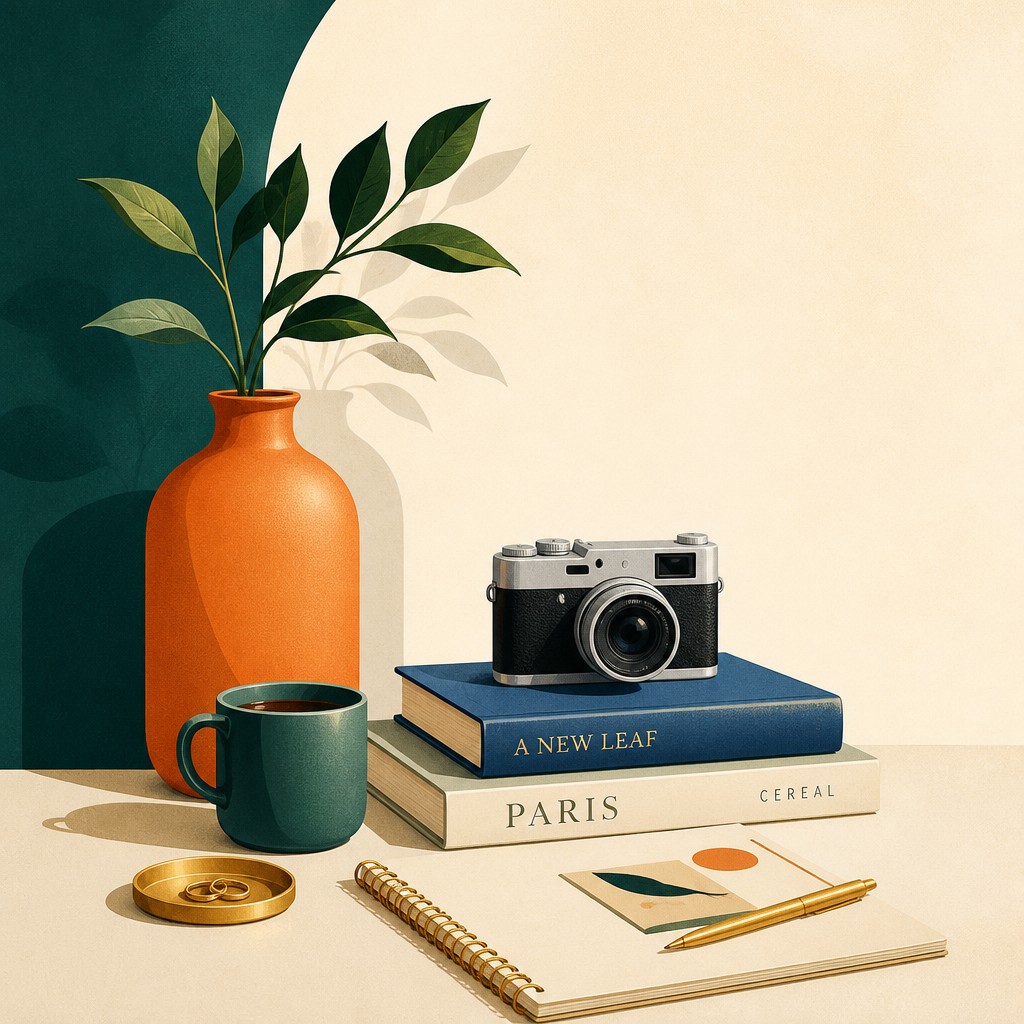
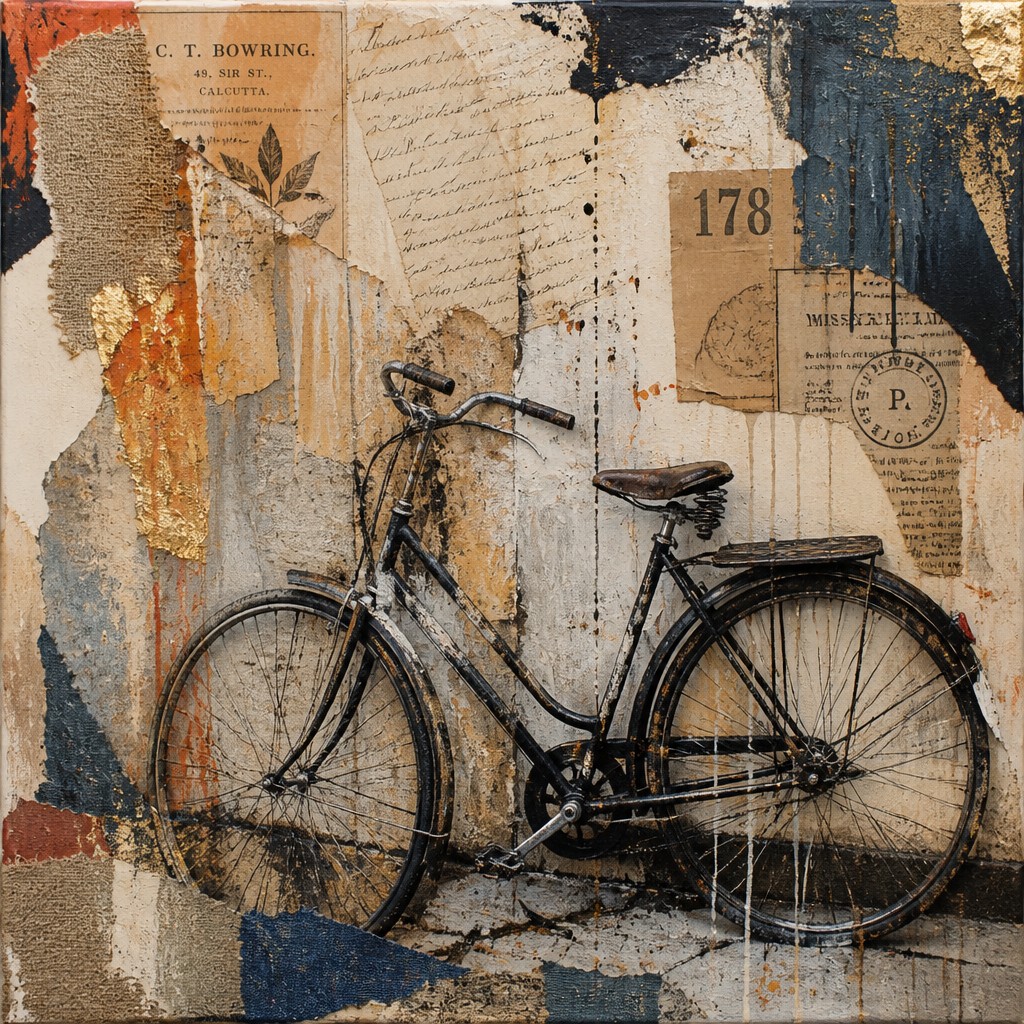
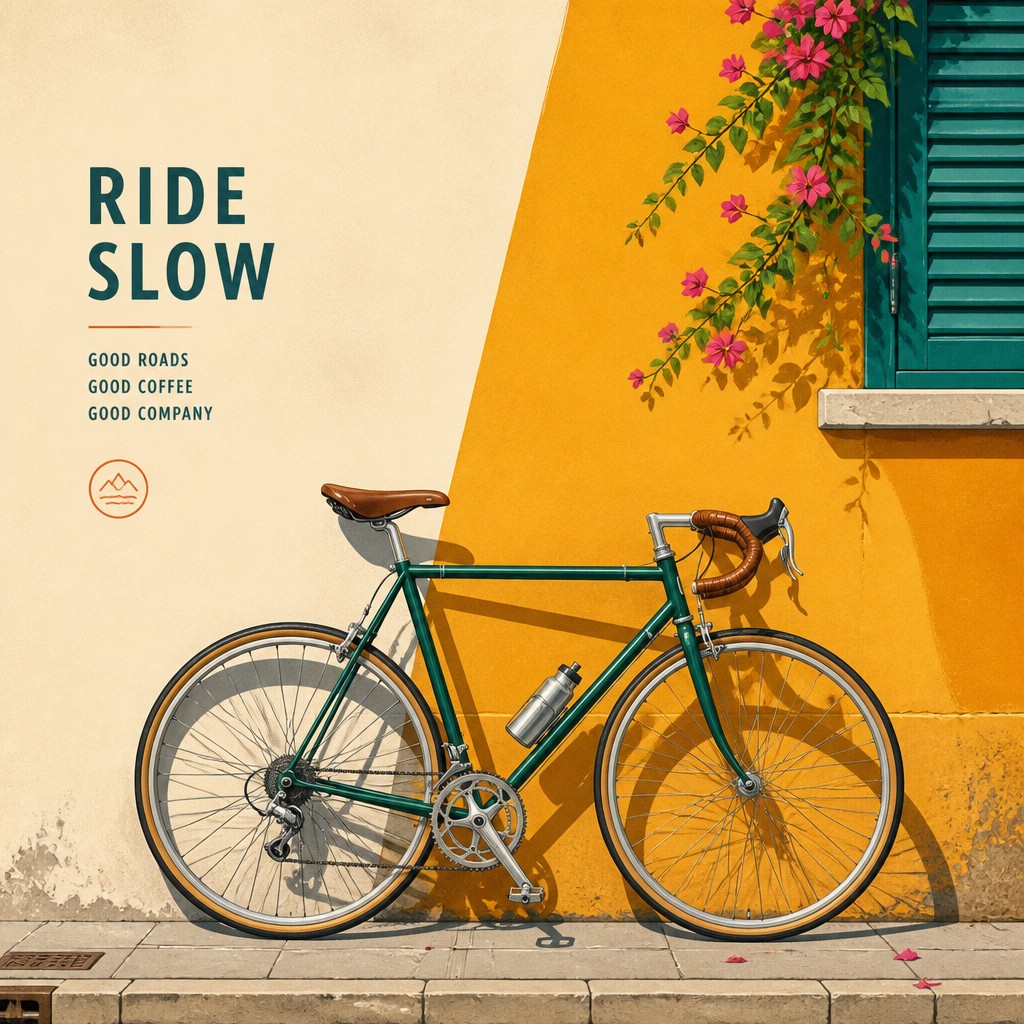
Each pair below was generated from the identical prompt — only the style changed.
“portrait of two people together”
“wide landscape with natural scenery”
“still life with everyday objects”
“bicyle resting against a wall”
Key Differences
| Mixed Media Portrait | Digital Illustration Portrait | |
|---|---|---|
| Surface & texture | Layered papers, brush marks, and material fragments create a tactile surface. | Smooth digital surfaces with minimal physical texture and a polished finish. |
| Line & form | Edges can be broken, irregular, or partially obscured by layered materials. | Outlines are usually crisp, consistent, and cleanly controlled. |
| Color handling | Color may be muted, mixed, or varied by overlapping physical media. | Color is often saturated, carefully balanced, and digitally refined. |
| Depth & dimension | Depth comes from actual layering and visible material overlap. | Depth is created with shading, gradients, and digital lighting effects. |
| Mood | Feels expressive, intimate, handmade, or conceptually experimental. | Feels modern, polished, accessible, and often commercially ready. |
| Process | Built through physical assembly, repainting, and mixed material decisions. | Built in software with editable layers, undoable changes, and precise control. |
| Mood | expressive, experimental, textured, inventive | modern, clean, polished, expressive |
| Energy | balanced | balanced |
| Detail level | detailed | detailed |
| Color | varied, layered, often muted with accents | vibrant gradients, controlled contrasts, broad palette |
| Texture | rough, tactile, layered surface effects | smooth, crisp, vector-like |
| Origin | 20th-century mixed-media and collage practices | digital-native aesthetic |
| Best for | editorial portraits, album covers, posters, book illustrations, gallery prints, fashion campaigns | editorial portraits, profile illustrations, posters, album covers, social media graphics, character art |
| Difficulty | advanced | moderate |
Which Should You Choose?
Choose Mixed Media Portrait Style when you want texture, visible process, and a portrait that feels unique, layered, and materially rich. Choose Digital Illustration Portrait Style when you need clean presentation, consistent reproduction, and a refined look suited to editorial, branding, or modern publishing. If the goal is emotional grit and hand-crafted complexity, pick A; if it is clarity, polish, and versatility across formats, pick B.
Frequently Asked Questions
Which style looks more handmade?
Mixed Media Portrait Style usually looks more handmade because the materials and layers remain visible. The irregular edges, overlaps, and surface variation make the process feel physically present.
Which style is better for print and web use?
Digital Illustration Portrait Style is often easier to adapt for print and web because it stays crisp at many sizes and can be edited quickly. Mixed media can also reproduce well, but texture details may need careful scanning or photography.
Can both styles feel realistic?
Yes, but they achieve realism differently. Mixed media may suggest realism through layered material and expressive mark-making, while digital illustration often uses precise proportion, shading, and color control.
Which style is easier to revise after the artwork is made?
Digital Illustration Portrait Style is usually easier to revise because layers, colors, and shapes can be adjusted non-destructively. Mixed media revisions are possible, but they often require physical reworking or rebuilding sections.