Minimalist Fashion Design
Clean, neutral clothing with precise silhouettes, quality fabrics, and understated elegance rooted in timeless modern design.
Instantly rendered in Minimalist Fashion Design — or transform a photo
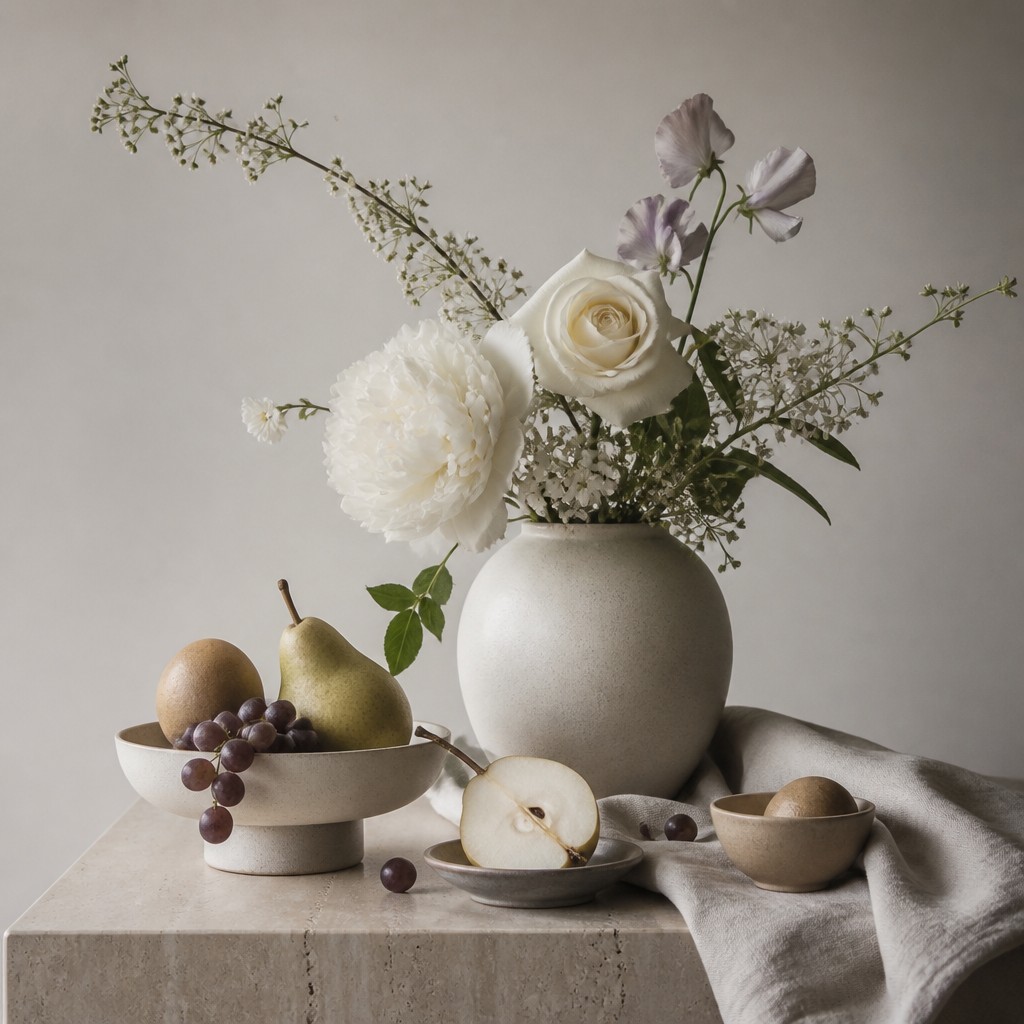
Minimalist Fashion Design Gallery
Tap any artwork to explore it
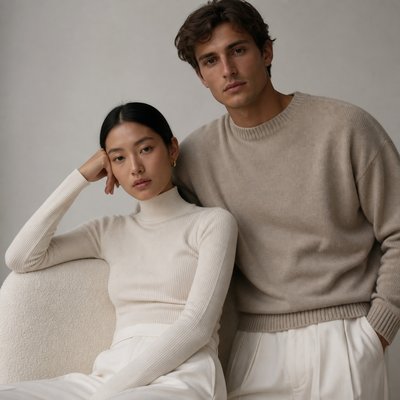
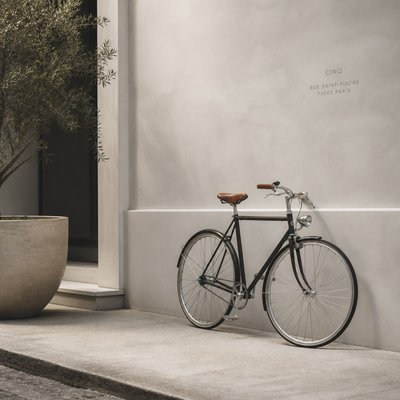
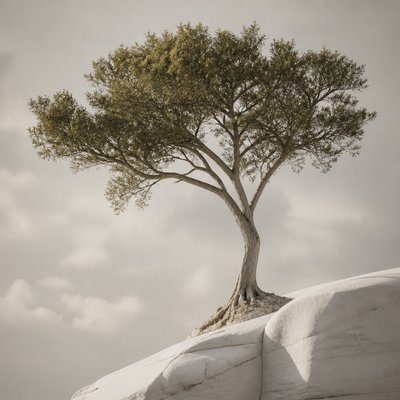
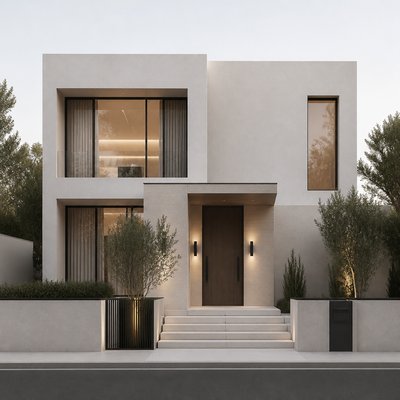
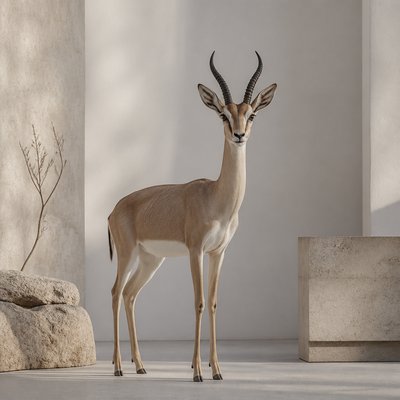
What is Minimalist Fashion Design?
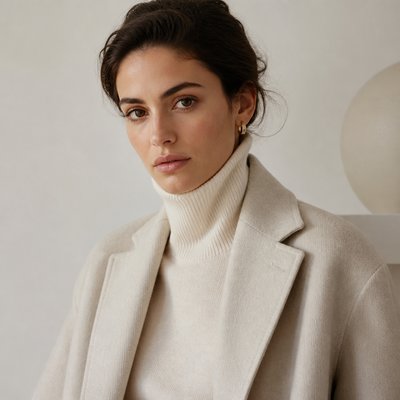
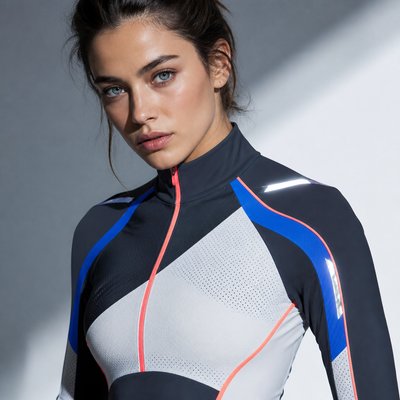
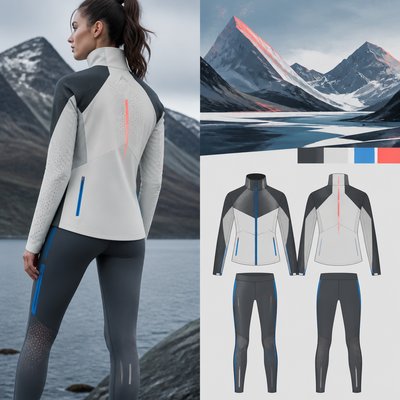
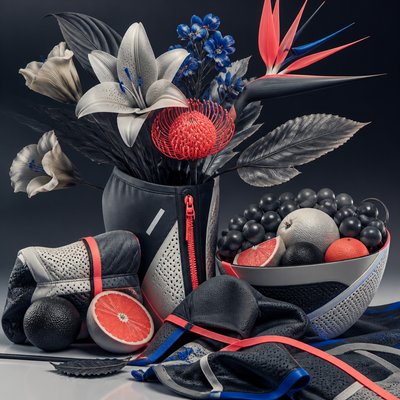
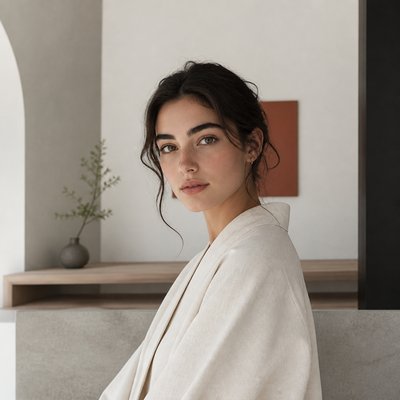
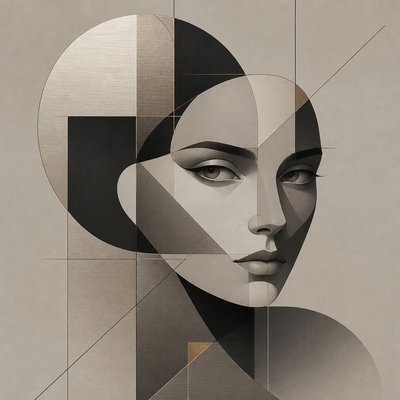
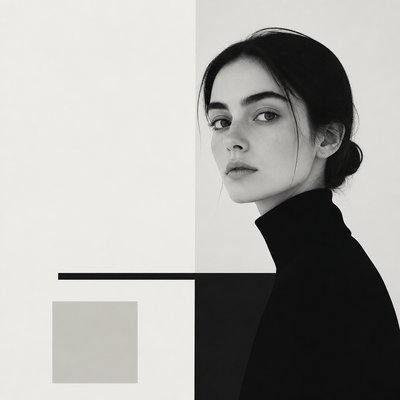
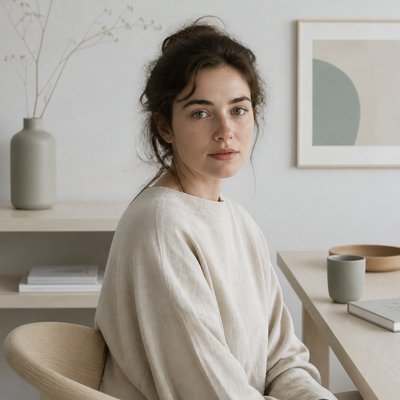
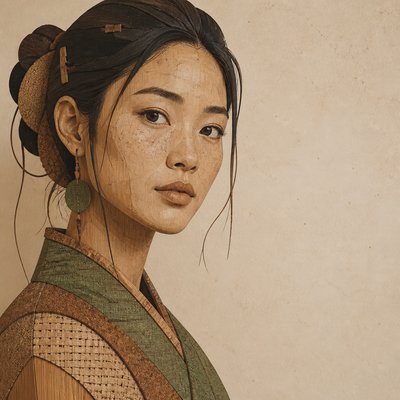
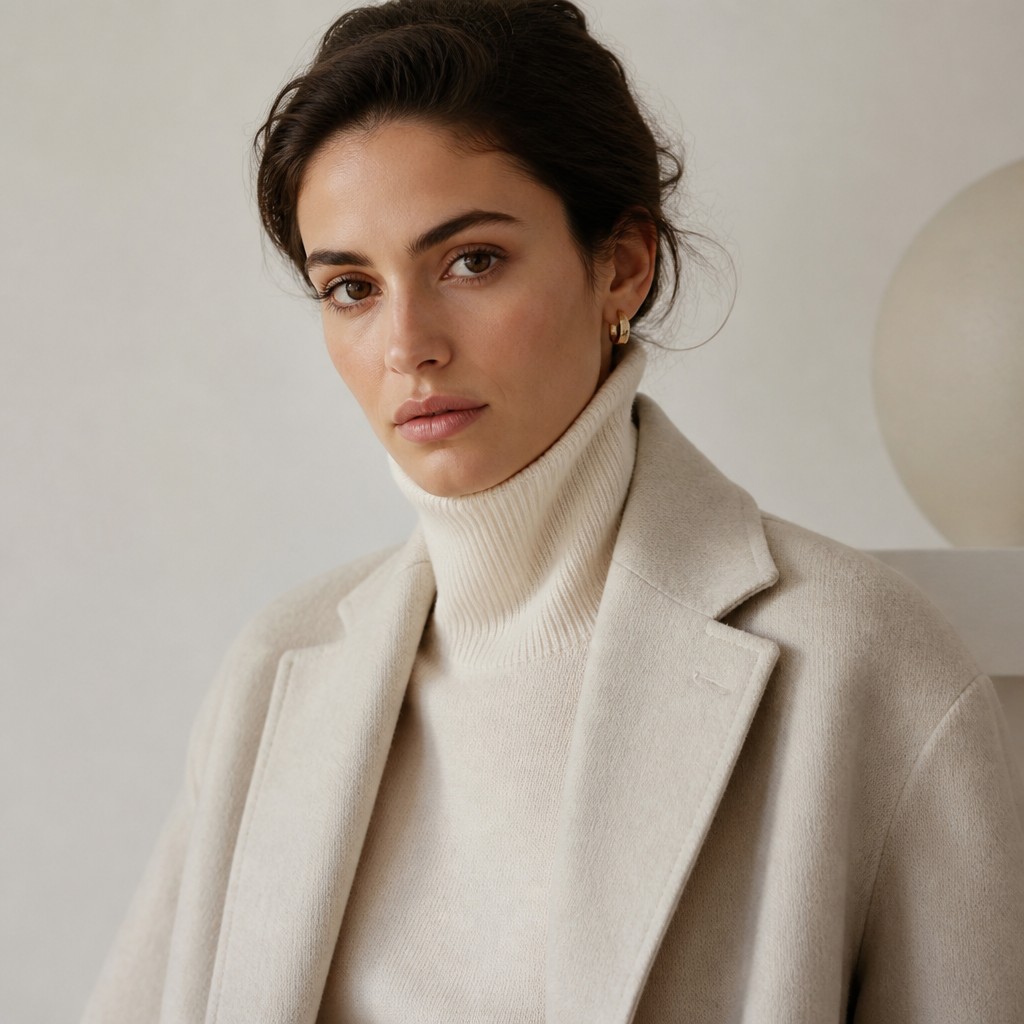
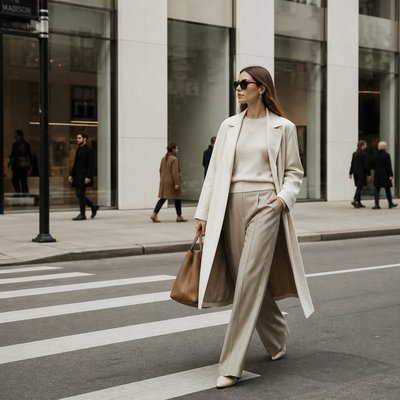
Minimalist fashion design is a clothing aesthetic built around clarity, restraint, and proportion. Garments typically use a neutral palette—white, black, gray, beige, navy, and muted earth tones—paired with simple silhouettes, sparse detailing, and careful tailoring. The result is a look that feels calm, refined, and deliberate rather than decorative or expressive in a loud way.
Its visual identity comes from the belief that form, fit, and fabric should carry the design. Instead of embellishment, the style emphasizes clean lines, balanced volume, tactile materials, and small but precise decisions such as seam placement, drape, collar shape, or the width of a cuff. This is why minimalist fashion often reads as timeless: it reduces visual noise and lets structure, texture, and cut define the garment.
Try It On Your Photos
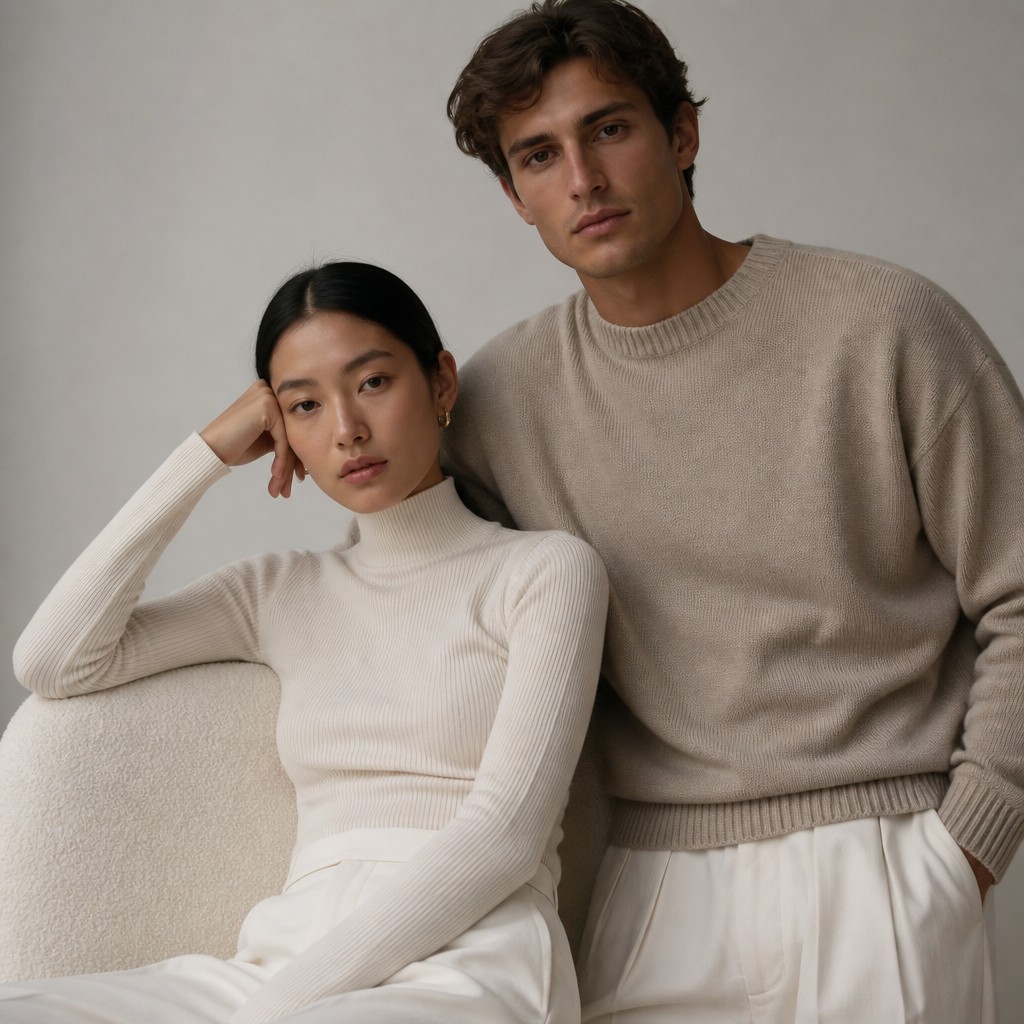
Upload any photo and convert it into Minimalist Fashion Design — drag the sliders to compare before and after.
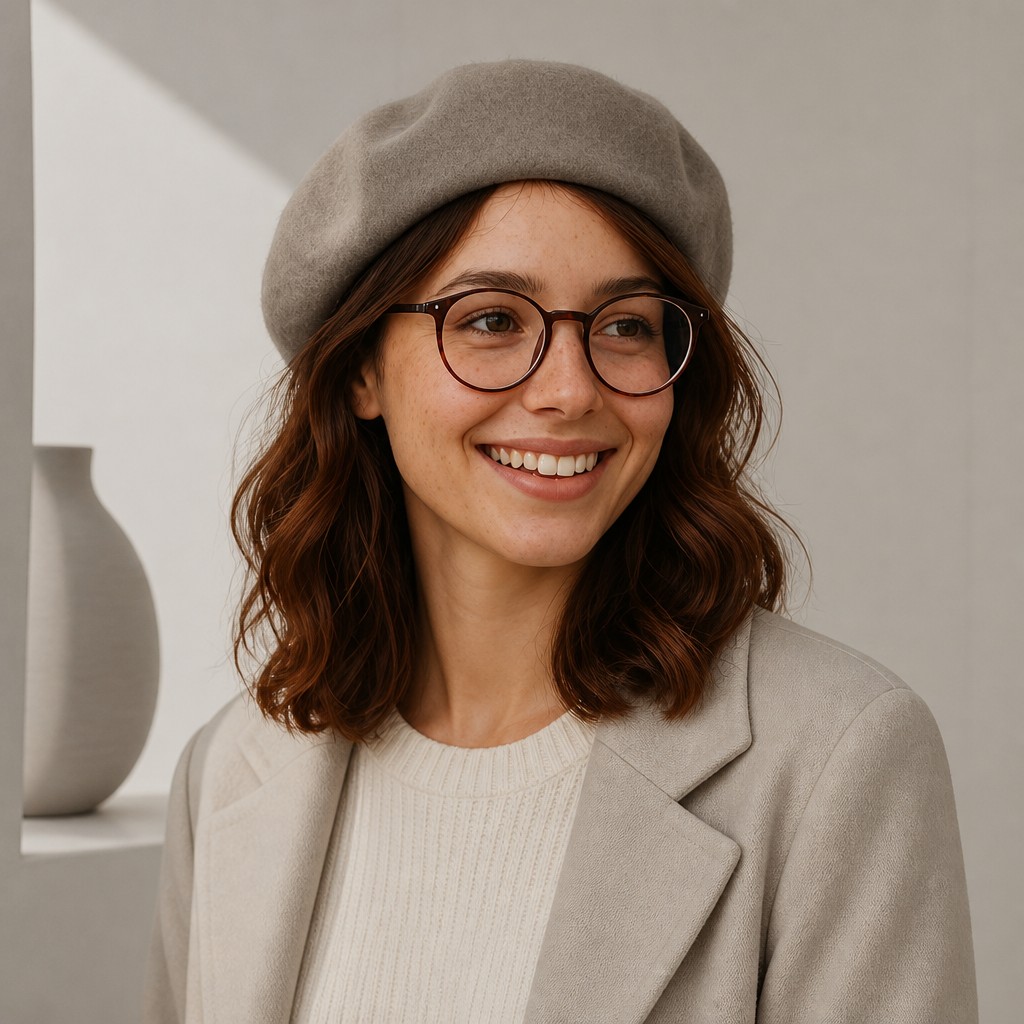

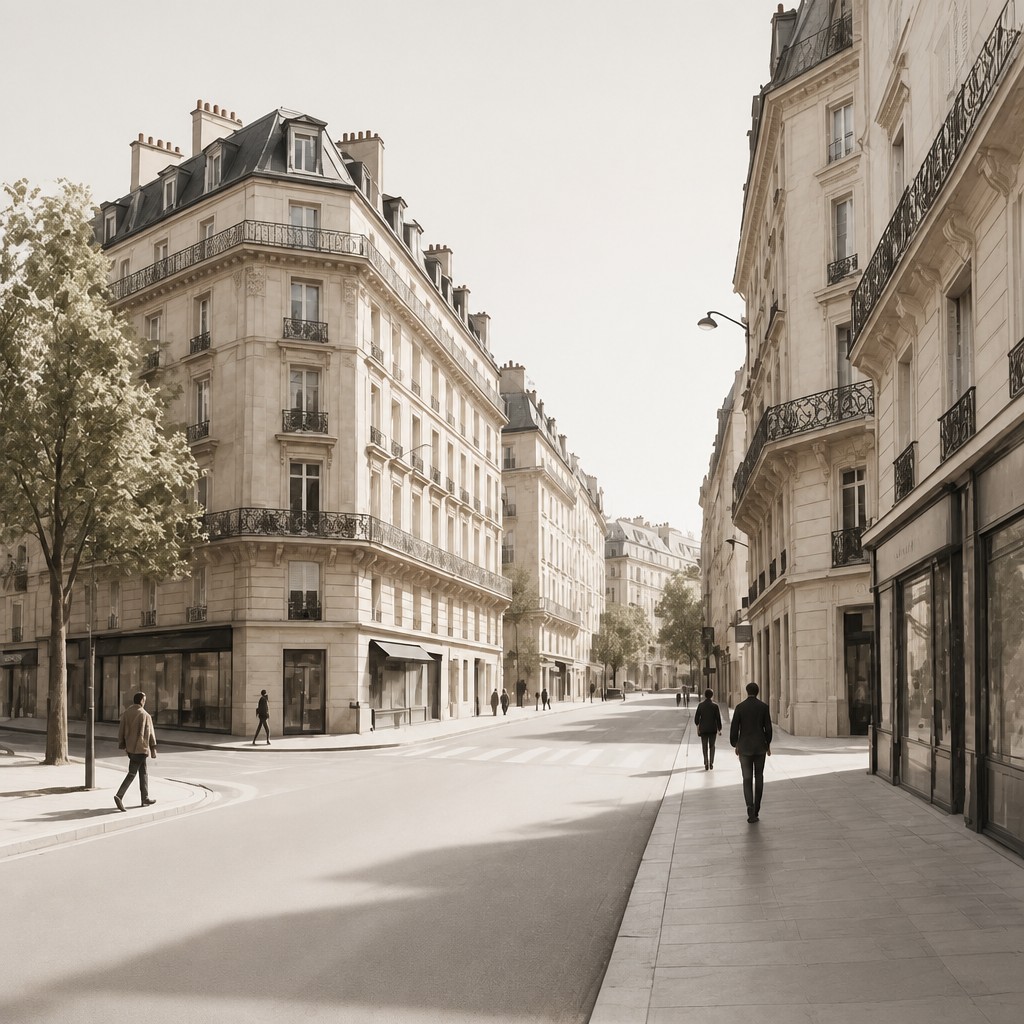

What Defines Minimalist Fashion Design
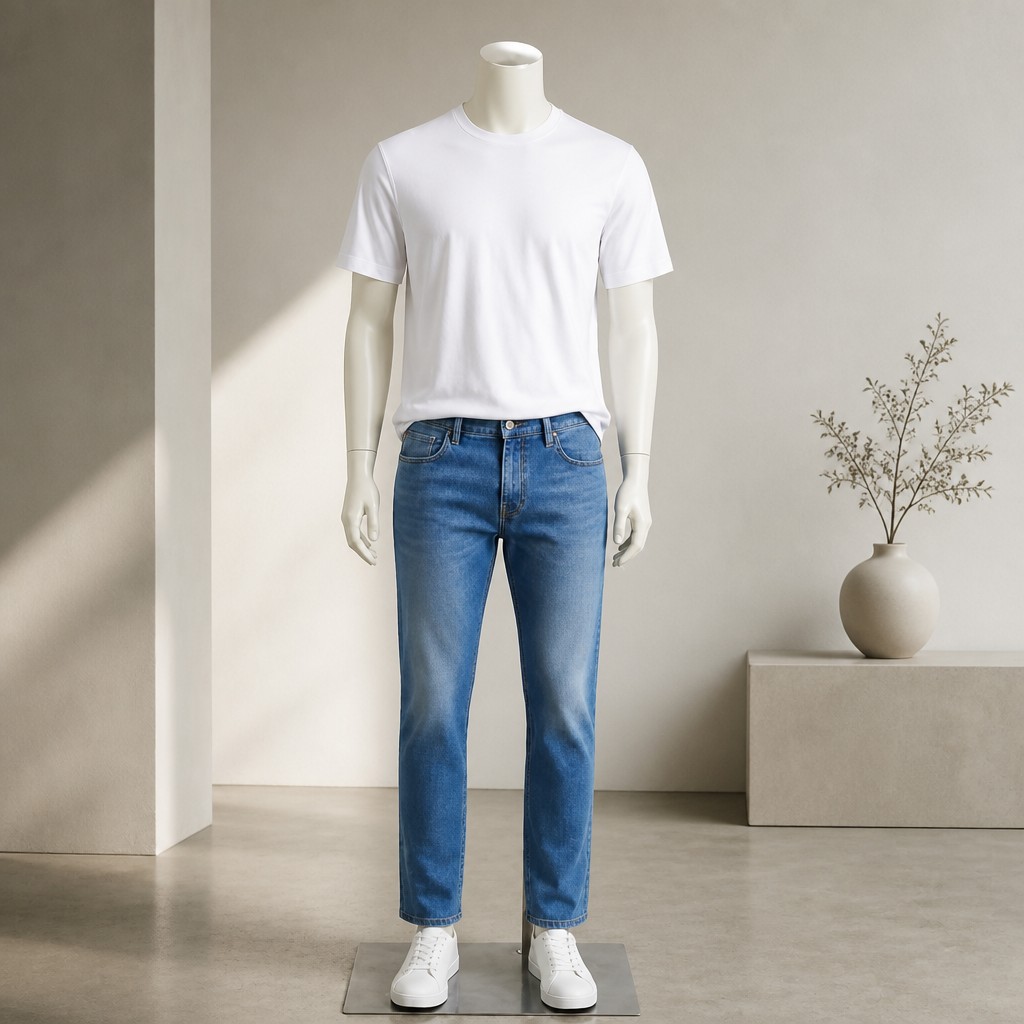
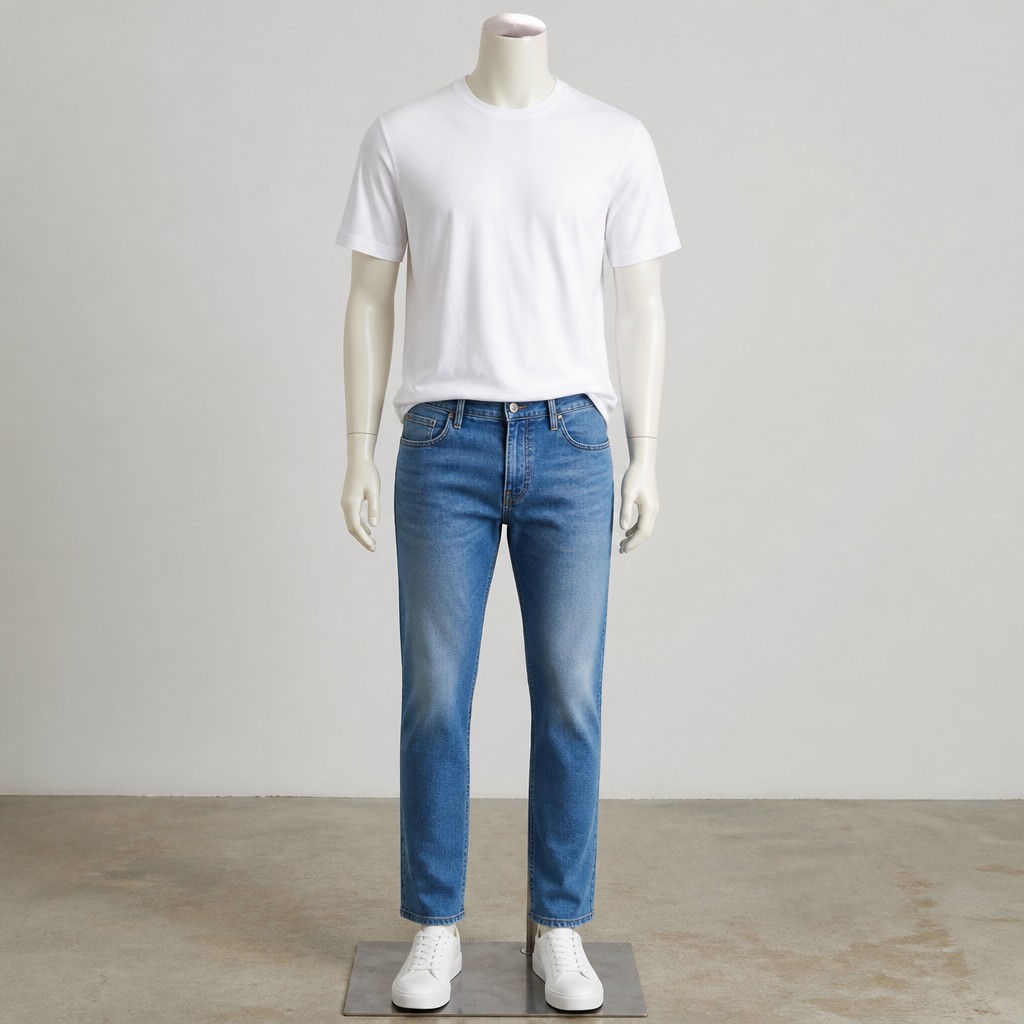
The signature details, up close
Neutral palette
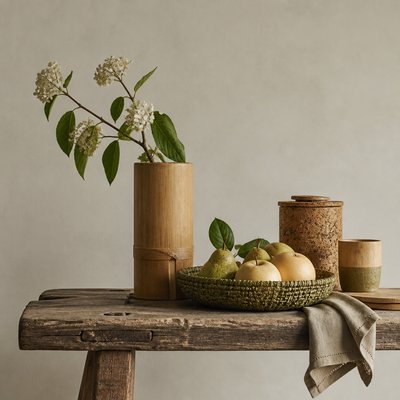
The color range is usually quiet and coordinated: off-white, stone, taupe, charcoal, black, soft navy, and muted browns. Color is used sparingly so that shape and texture stay visually dominant.
Simple silhouettes
Minimalist pieces often use clean, unbroken forms such as straight-leg trousers, column dresses, boxy jackets, slip skirts, or relaxed shirts. The silhouette is usually uncluttered and carefully proportioned.
Precise tailoring
Fit matters more than decoration. Shoulders, hems, seams, and volume are adjusted so that the garment looks intentional, balanced, and visually calm on the body.
Quality fabrics
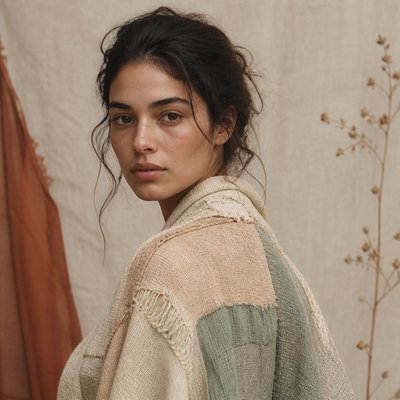
Because there are few decorative elements, the material itself becomes central. Wool, cotton poplin, silk, linen, cashmere, leather, and technical blends are chosen for drape, hand feel, and surface quality.
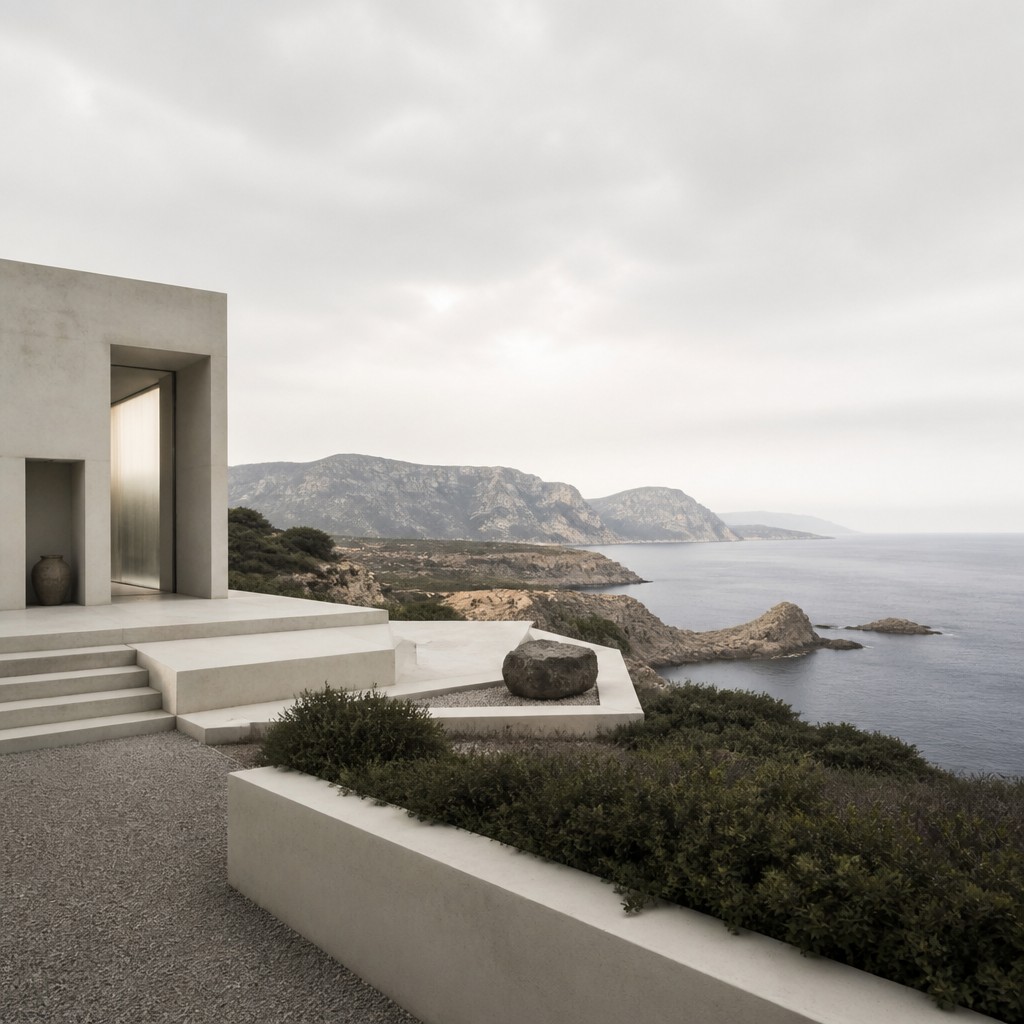
Subtle texture contrast
Minimalist outfits often combine matte and lustrous, crisp and soft, or smooth and tactile surfaces. These quiet contrasts create depth without breaking the restrained mood.
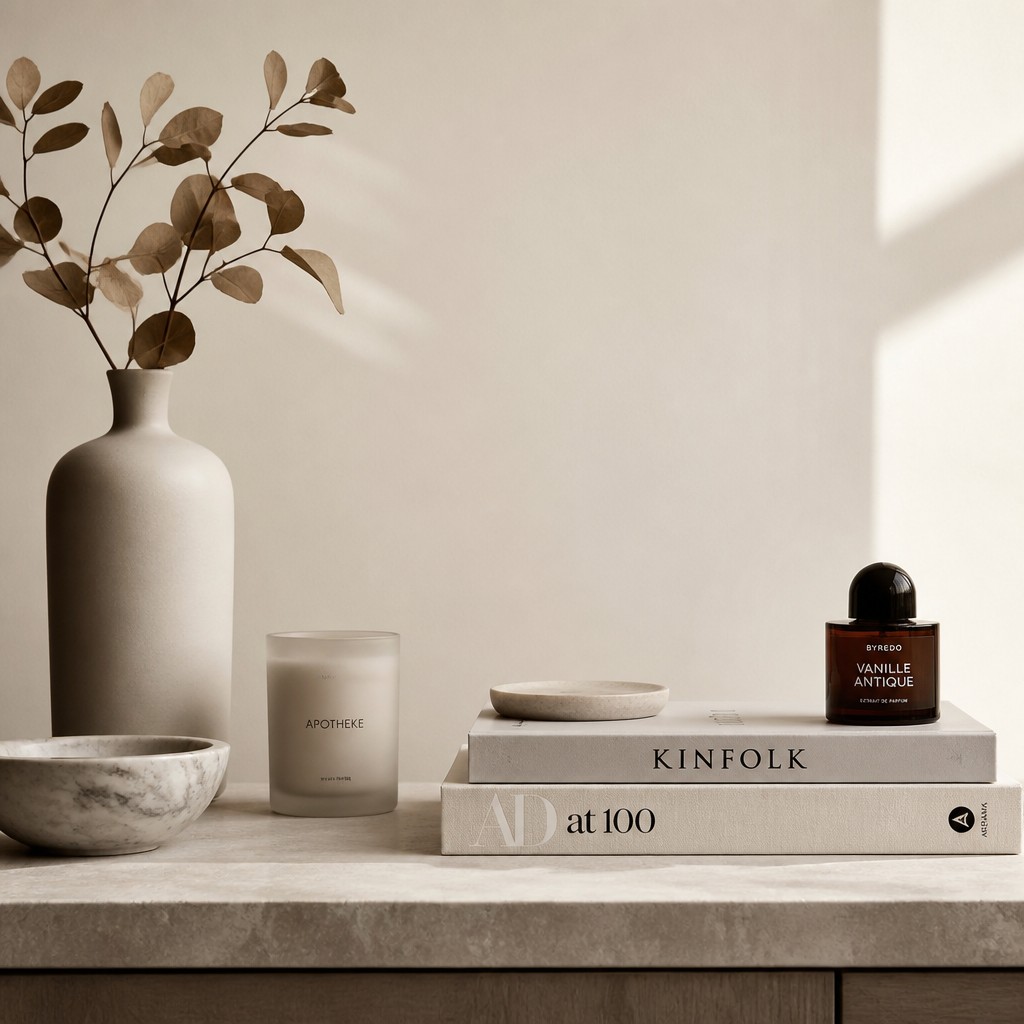
Hidden or reduced detailing
Closures, stitching, pockets, and trims are often minimized or integrated into the design. When details appear, they are precise and functional rather than ornamental.
Try It
Create Videos in Minimalist Fashion Design
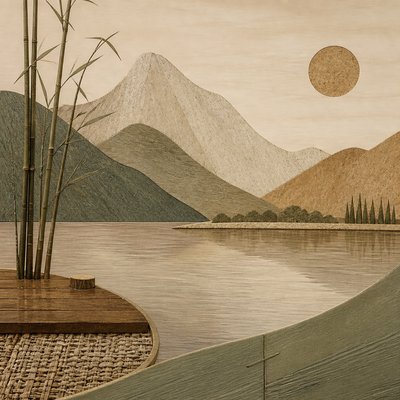
Styles aren't just for stills — describe a scene or animate an image and get a short video rendered in Minimalist Fashion Design. Press play to see this pond come to life.
Make a VideoMinimalist Fashion Design Prompt Ideas
Start from an idea — each one opens the generator with the style ready to go. See all 40 Minimalist Fashion Design prompts →
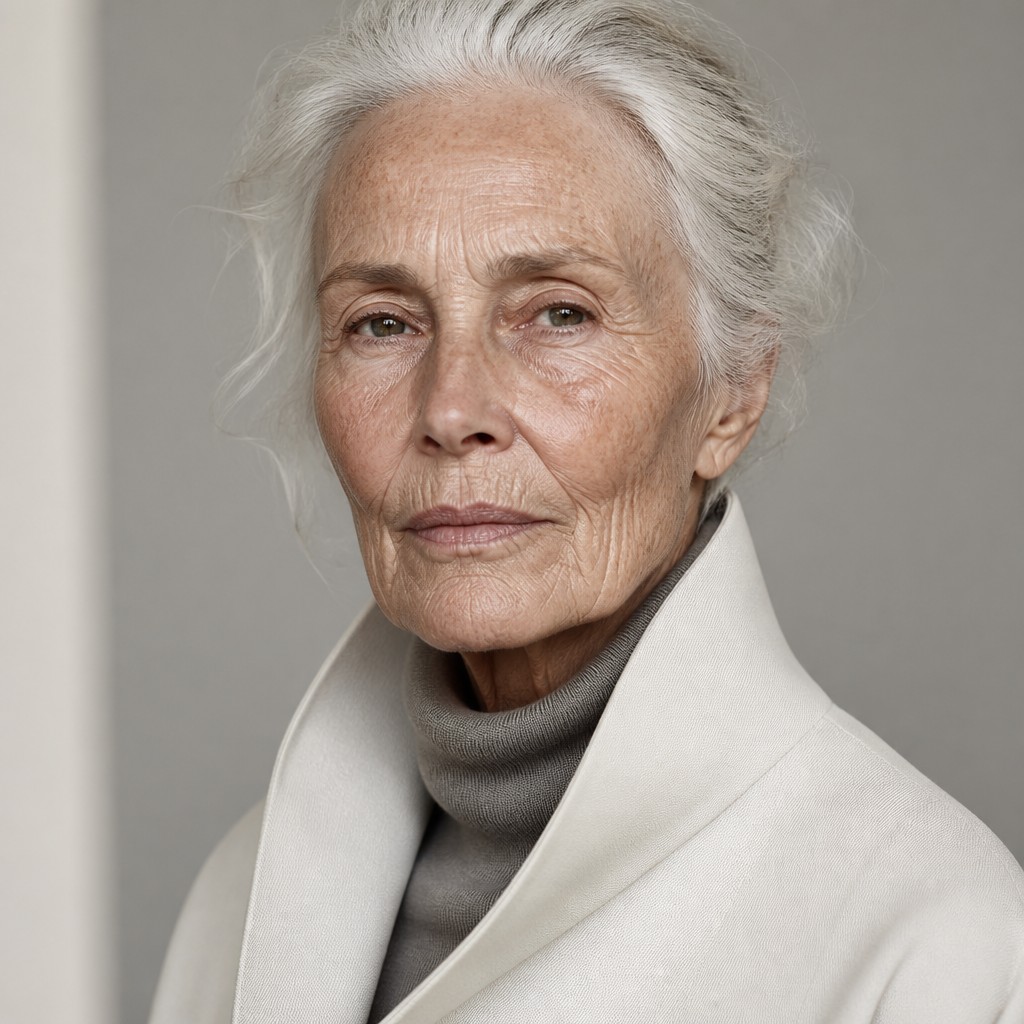
“close-up portrait of an elderly person with expressive weathered features”
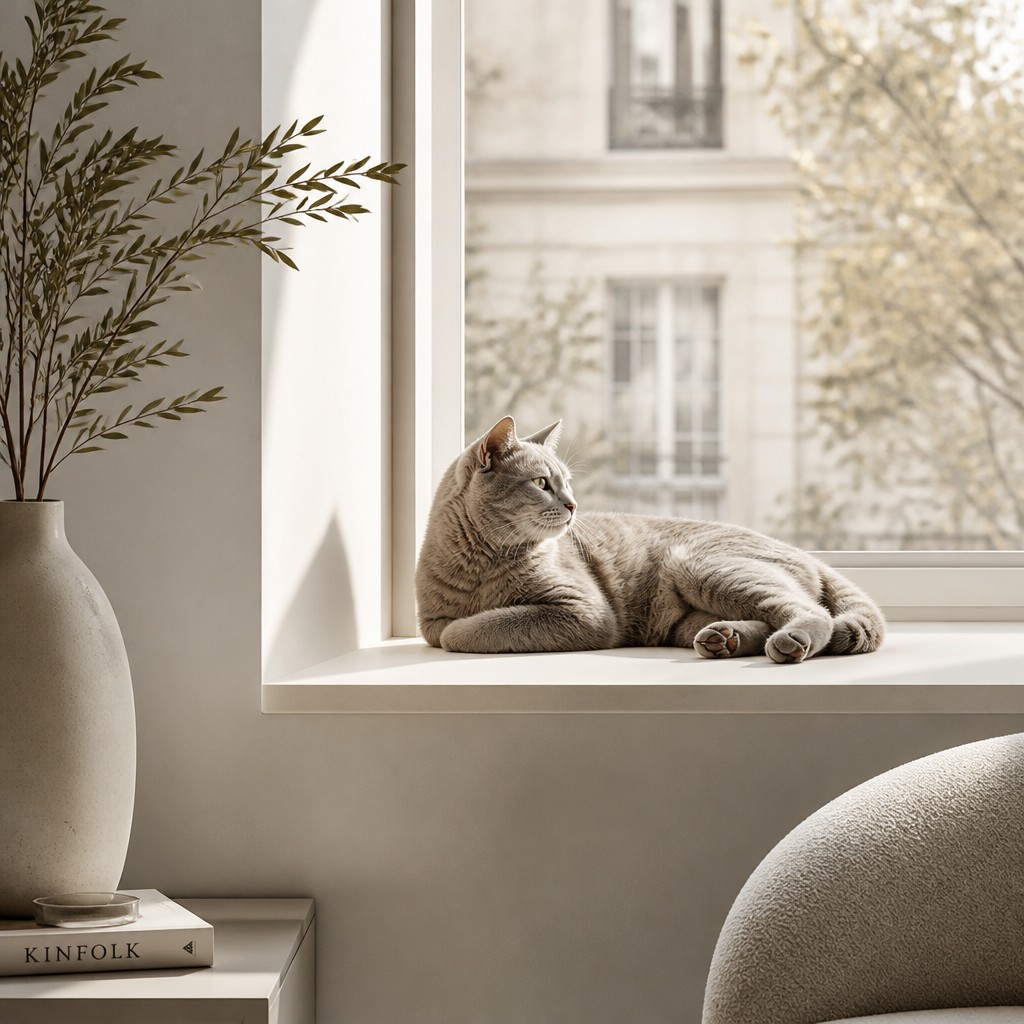
“a cat lounging in a sunlit window”
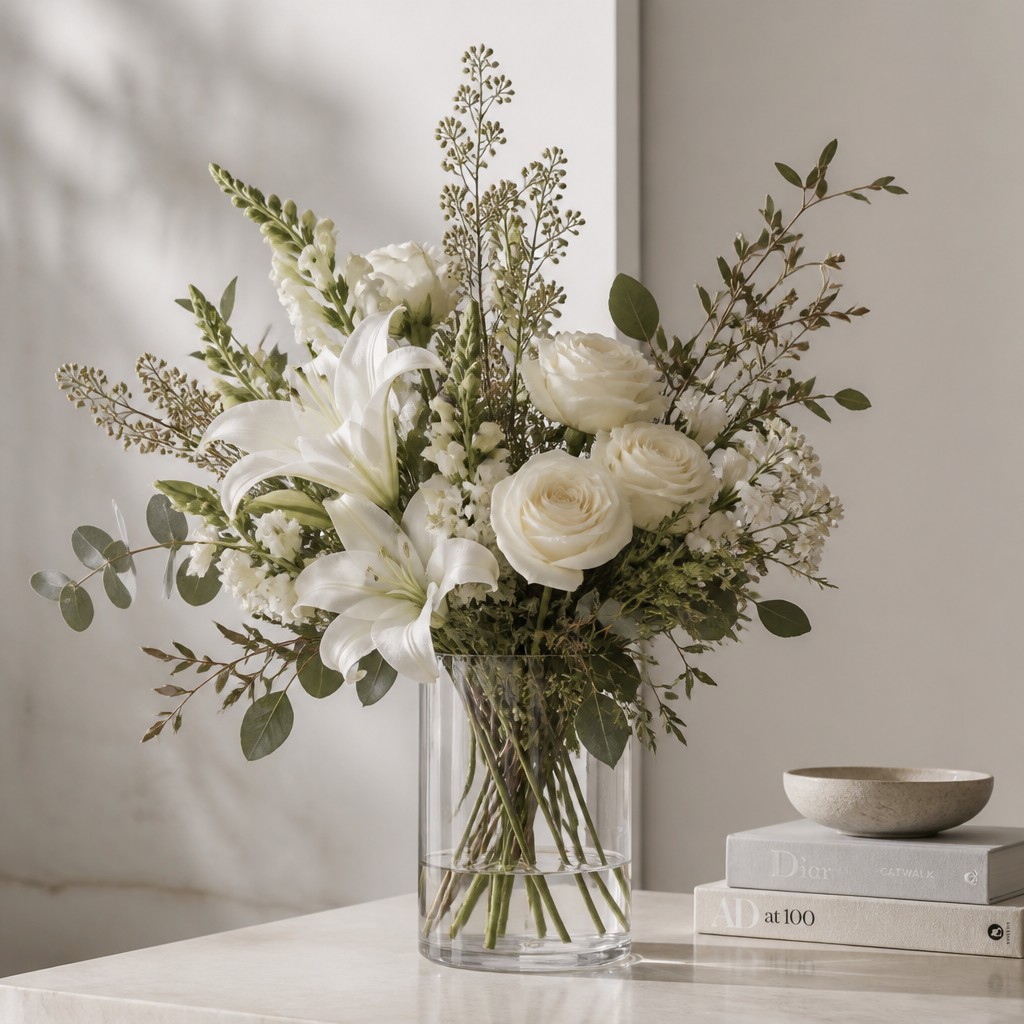
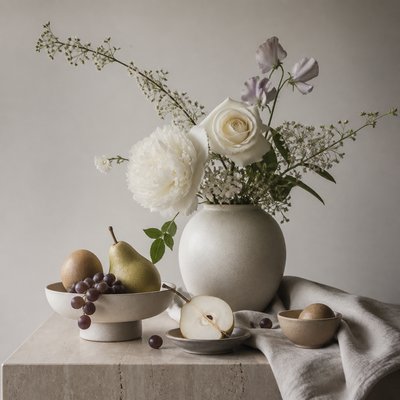
“bouquet of flowers in a glass vase”
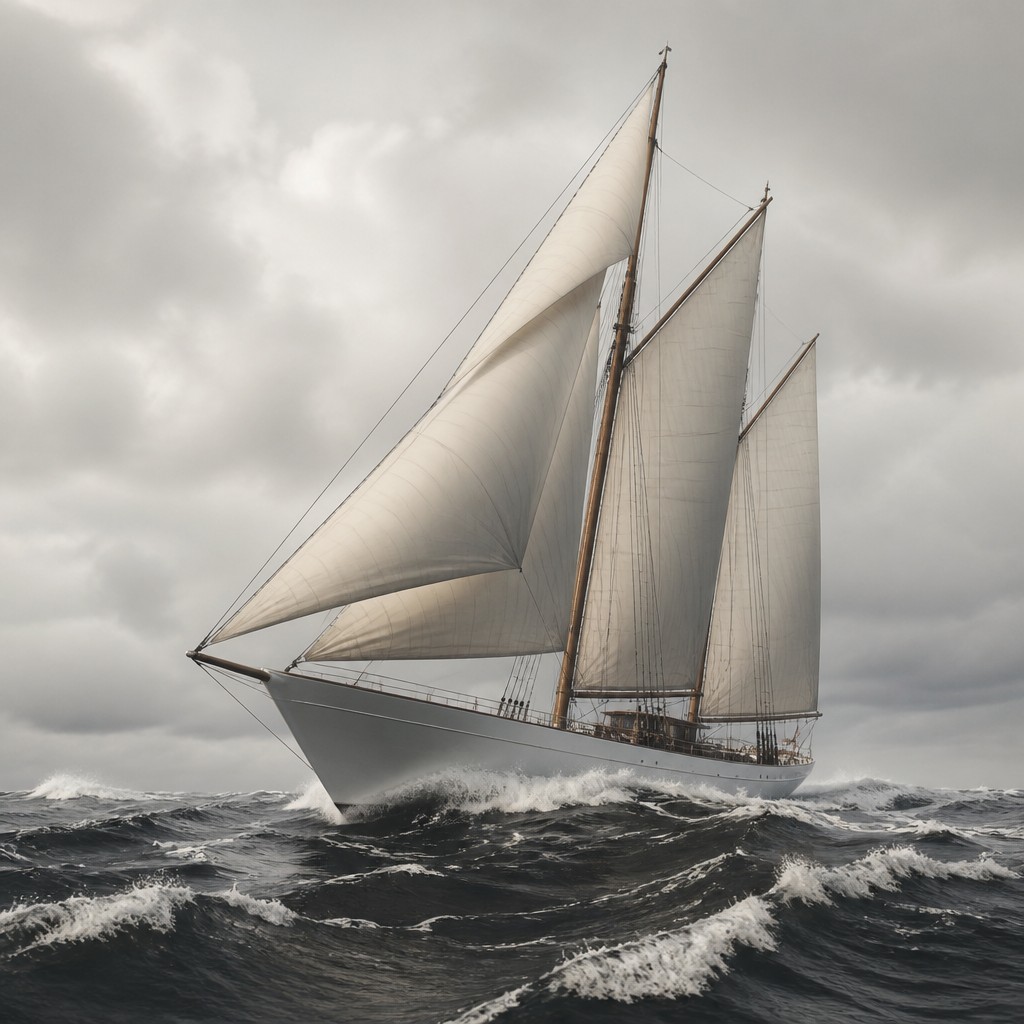
“sailing ship on a stormy sea”
How to Create Minimalist Fashion Design Art
Master the craft step by step — or skip straight to creating. Read the full guide →
- 1
Build from silhouette first
Start with a clear garment shape before adding any detail. In sketching or pattern work, focus on proportion, line, and drape so the design reads elegantly even in a single color.
- 2
Limit the palette
Use a restrained color scheme and keep contrasts controlled. In digital work, neutral backgrounds and soft tonal transitions help the clothing remain the focus rather than the environment.
- 3
Prioritize fabric behavior
Choose materials or render textures that show structure naturally: crisp cotton for sharp lines, wool for quiet volume, silk for fluidity, and knitwear for soft contour. In image creation, mention fabric quality and surface texture to steer the result toward realism and refinement.
- 4
Edit out excess detail
Remove unnecessary seams, logos, hardware, ruffles, and decorative fastenings. A minimalist design often becomes stronger when each remaining element has a clear purpose.
- 5
Use controlled lighting and composition
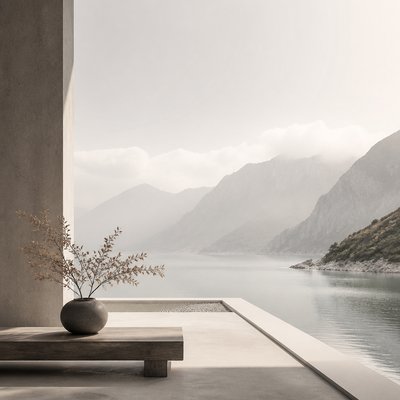
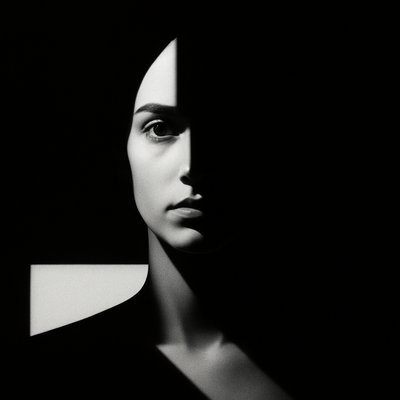
For photography or fashion illustration, soft diffused light and generous negative space reinforce the style’s calm, editorial character. In prompt-based generation, specify clean lines, neutral tones, and understated luxury to keep the image focused and coherent.

The Story
History & Origins of Minimalist Fashion Design
Minimalist fashion has no single origin point, but it developed from several twentieth-century design currents that valued simplicity and function. It draws strongly from modernism and from designers who reduced clothing to essential shapes, including the influence of Japanese design sensibilities, the clean geometric language of 1960s and 1970s fashion, and the pared-back luxury associated with late twentieth-century ready-to-wear.
By the 1990s, minimalism became especially visible in fashion through leading minimalist fashion designers and, in a different way, through a prominent Italian fashion house known for restrained intellectual tailoring. Since then, the style has remained a recurring reference in contemporary fashion because it adapts well to modern wardrobes, premium materials, and the broader preference for versatile, long-lasting clothing.
Influences: Minimalist fashion is closely related to modernism, Japanese design principles, and the stripped-down aesthetics of late twentieth-century fashion. It shares an emphasis on clarity and restraint with leading minimalist fashion designers, while also echoing the disciplined simplicity of Japanese dress and the architectural approach to form associated with influential Japanese fashion innovators, though their work often extends beyond strict minimalism into more sculptural or experimental territory.

Frequently Asked Questions
What defines minimalist fashion design?
It is defined by restraint: neutral colors, simple silhouettes, precise tailoring, and high-quality materials. The clothing is designed to look effortless and refined without relying on ornament or strong graphic embellishment.
Is minimalist fashion the same as plain or basic clothing?
No. Basic clothing can be simple, but minimalist fashion is intentional and highly considered. The difference is in proportion, cut, fabric choice, and the careful removal of anything unnecessary.
What colors are most common in minimalist fashion?
Neutral and subdued colors are most common, especially white, black, gray, beige, cream, navy, olive, and muted brown. The palette is usually coordinated and low-contrast so the garment’s form remains central.
How is minimalist fashion different from Scandinavian style?
They overlap a lot, especially in their clean lines and practical sensibility, but minimalist fashion is broader and more focused on reduction and refinement. Scandinavian style often adds a slightly more casual, functional, or cozy dimension, while minimalist fashion can feel more editorial or architectural.
Where is minimalist fashion commonly used?
It appears in everyday wardrobes, luxury ready-to-wear, fashion editorials, product styling, and brand identity systems. It is especially common in contexts where versatility, longevity, and a polished appearance matter.
How can I create minimalist fashion images effectively?
Keep the design language simple and specific: neutral palette, clean silhouettes, premium fabrics, and soft lighting. Whether drawing, photographing, or generating an image, avoid clutter and let proportion, texture, and negative space do the work.

Create your first Minimalist Fashion Design artwork
Describe anything — or upload a photo — and see it in Minimalist Fashion Design in seconds.
Make Something with Minimalist Fashion Design
Related Styles
Discover similar art styles