Athleisure Fashion Design
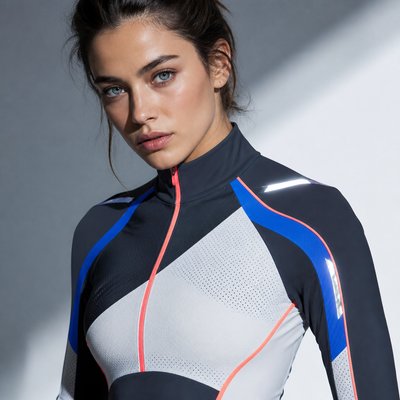
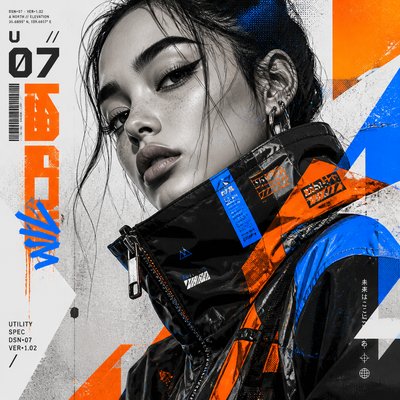
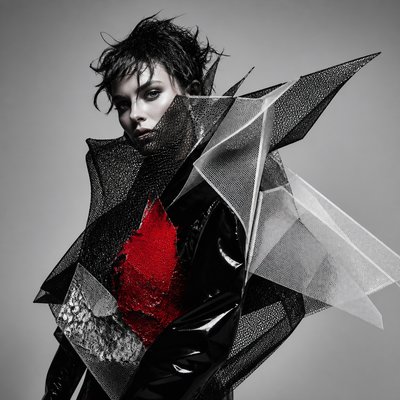
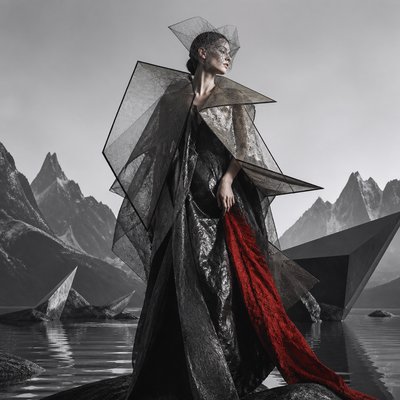
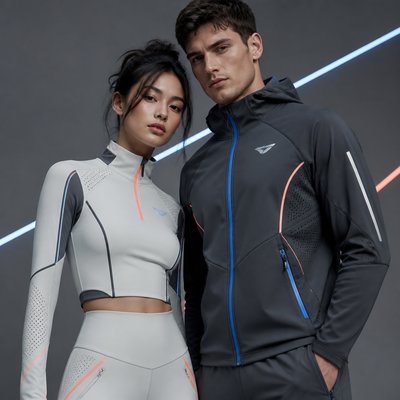
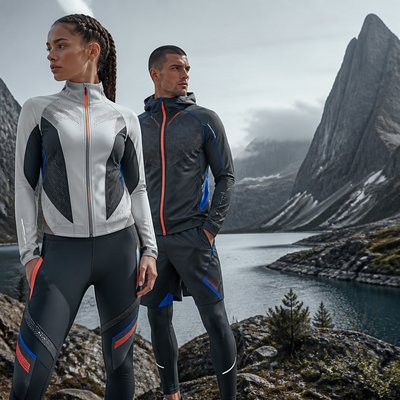
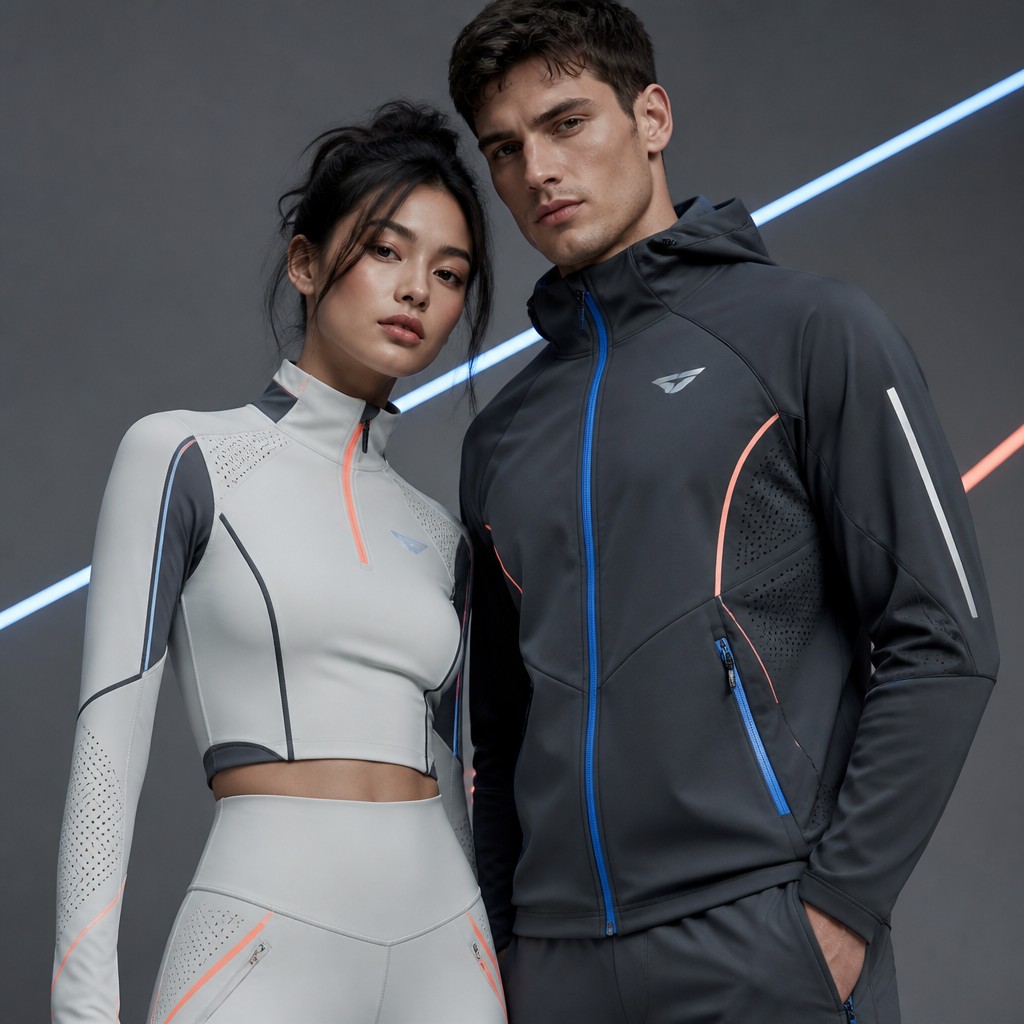
Athleisure fashion design blends athletic function with clean, modern style: technical fabrics, mesh, reflective accents, and sport-luxury silhouettes.
Instantly rendered in Athleisure Fashion Design — or transform a photo
Athleisure Fashion Design Gallery
Tap any artwork to explore it
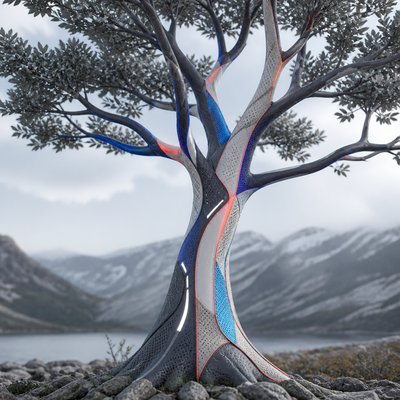
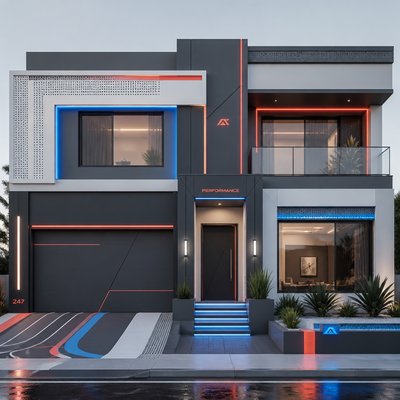
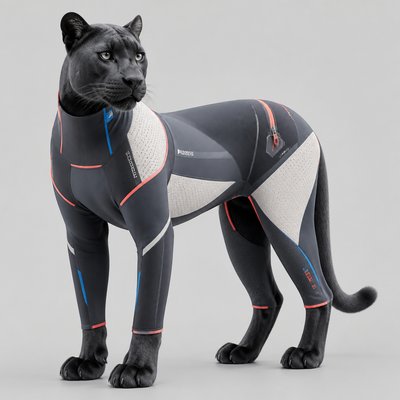
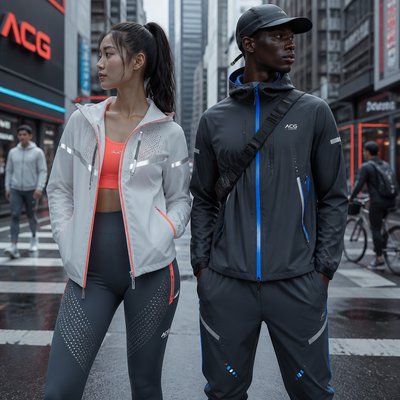
What is Athleisure Fashion Design?
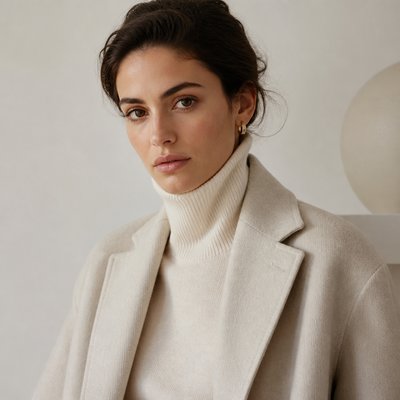
Athleisure fashion design is a contemporary clothing aesthetic that combines performance-oriented construction with everyday wearability. It is defined by streamlined silhouettes, technical textiles, and a polished, urban finish that allows garments to read as both functional sportswear and refined casual attire.
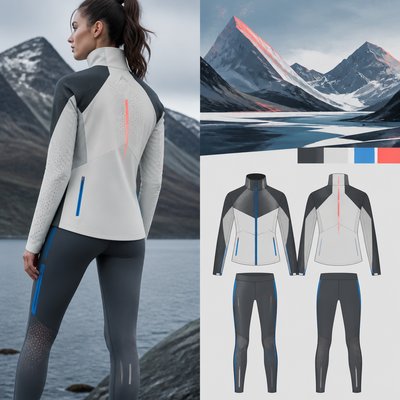
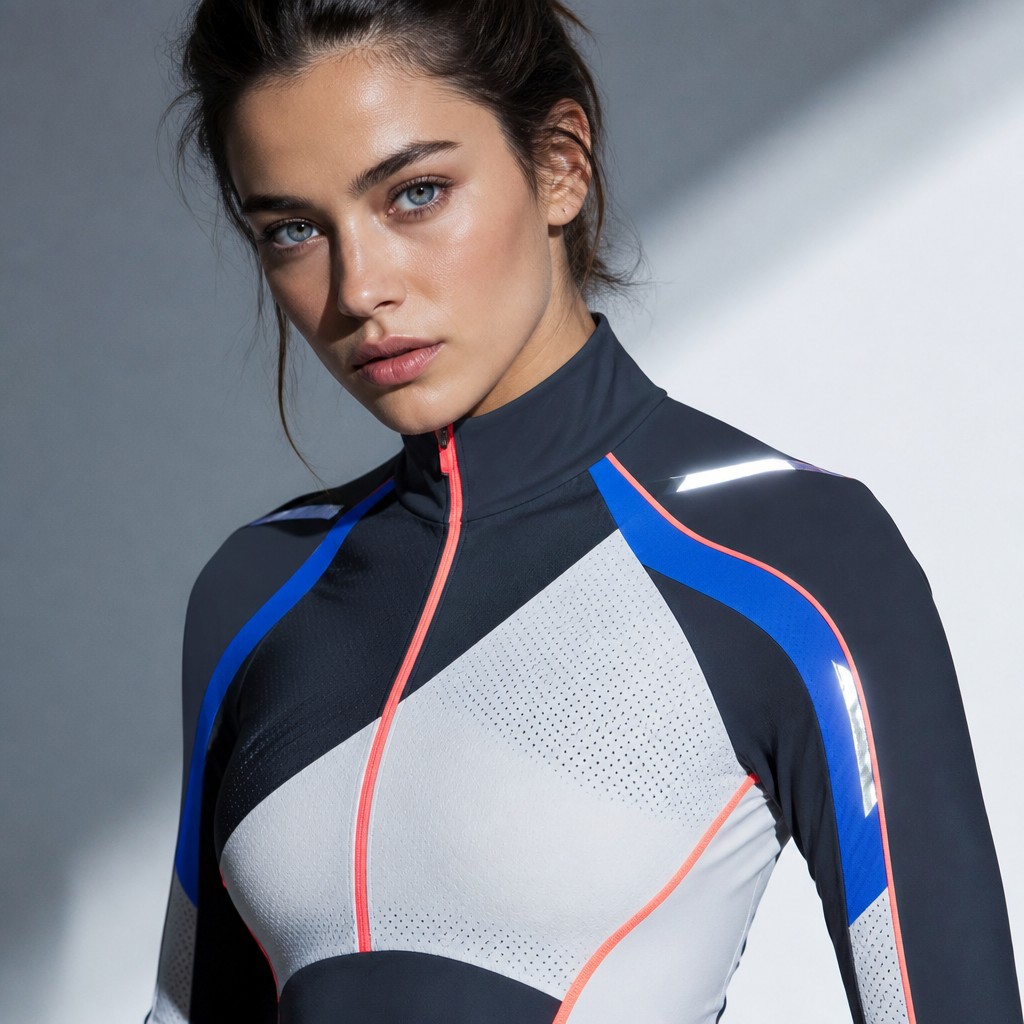
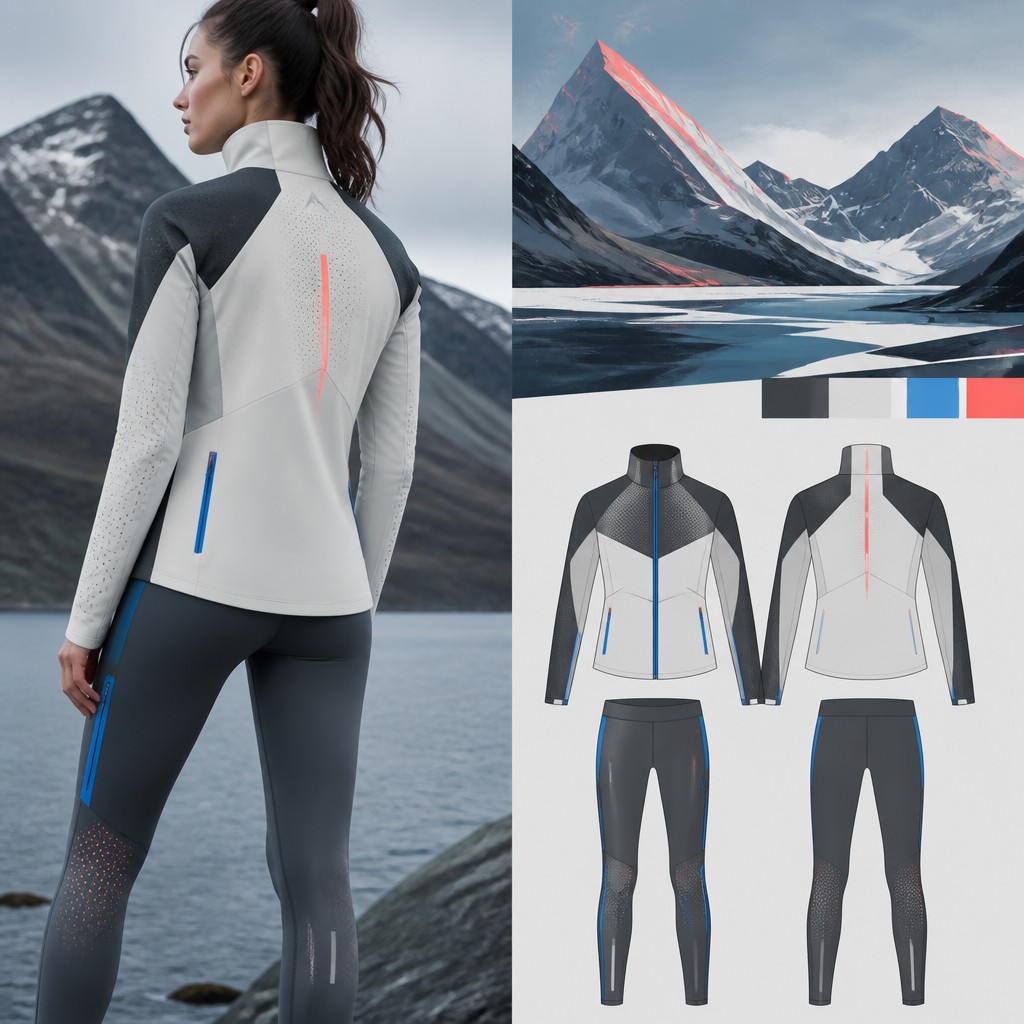
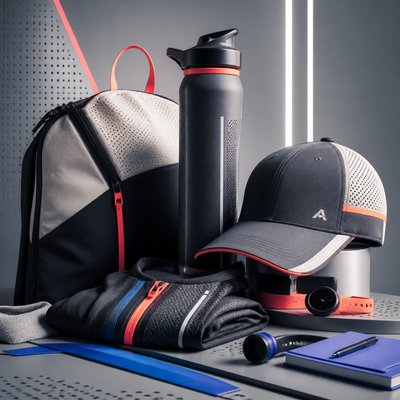
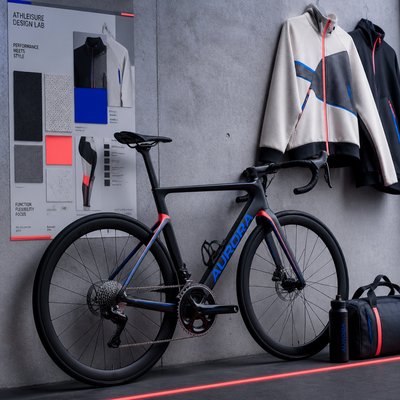
Its visual identity comes from the meeting of athletic gear and minimalist fashion design: matte stretch fabrics, breathable mesh, bonded seams, and reflective details are often paired with restrained color palettes and precise geometric paneling. The result is clothing that suggests motion, comfort, and readiness, while still appearing intentional, modern, and visually controlled.
The style looks the way it does because it is shaped by the demands of active contemporary life. Garments must move well, regulate heat, and withstand repeated wear, but they are also designed to photograph cleanly and integrate into streetwear, office-casual, and luxury-inspired wardrobes.
Try It On Your Photos
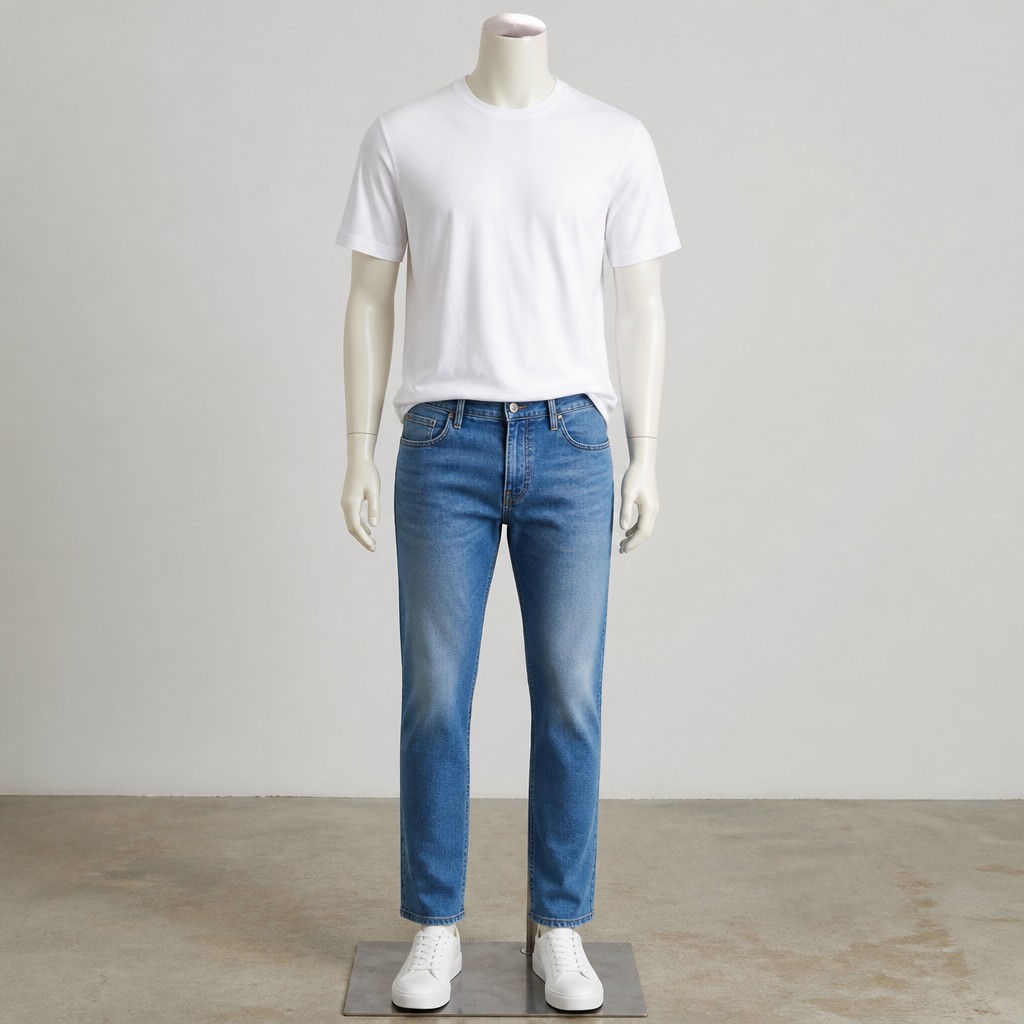
Upload any photo and convert it into Athleisure Fashion Design — drag the sliders to compare before and after.

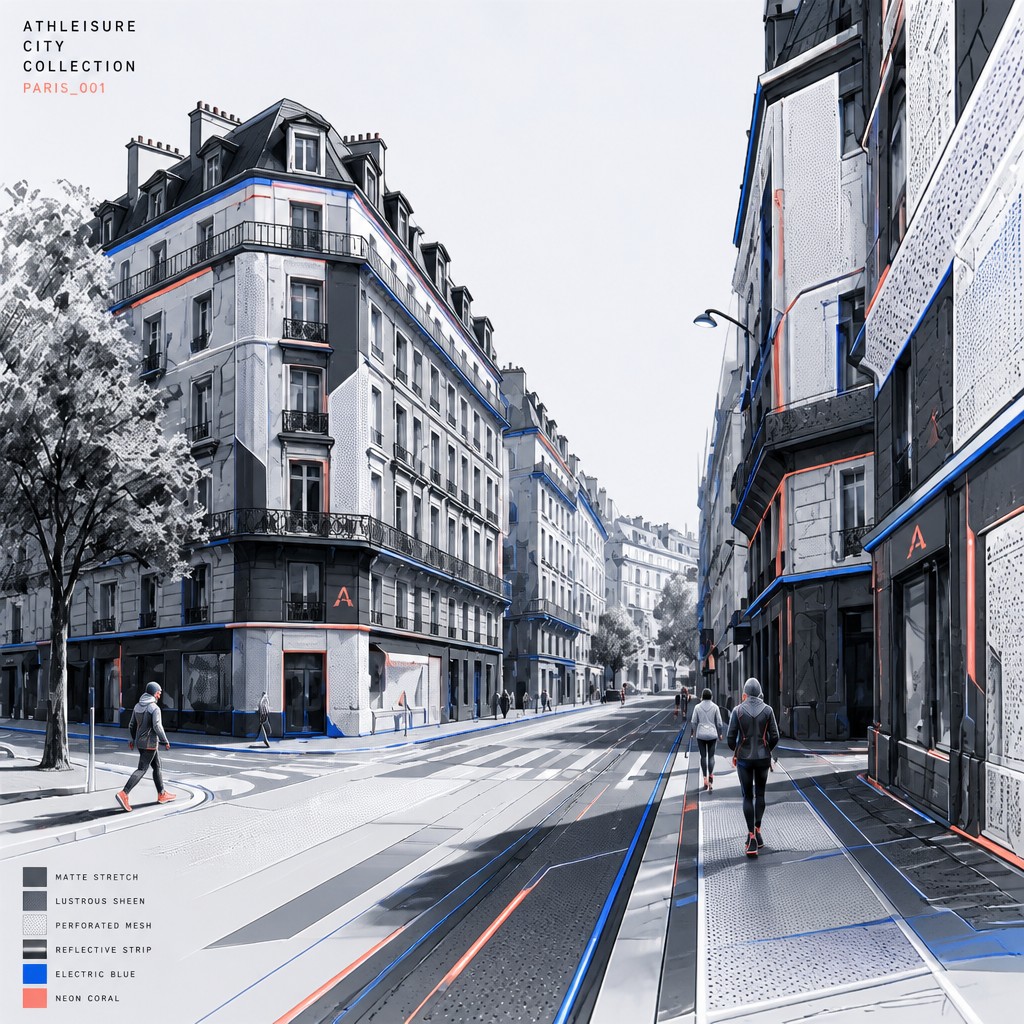

What Defines Athleisure Fashion Design
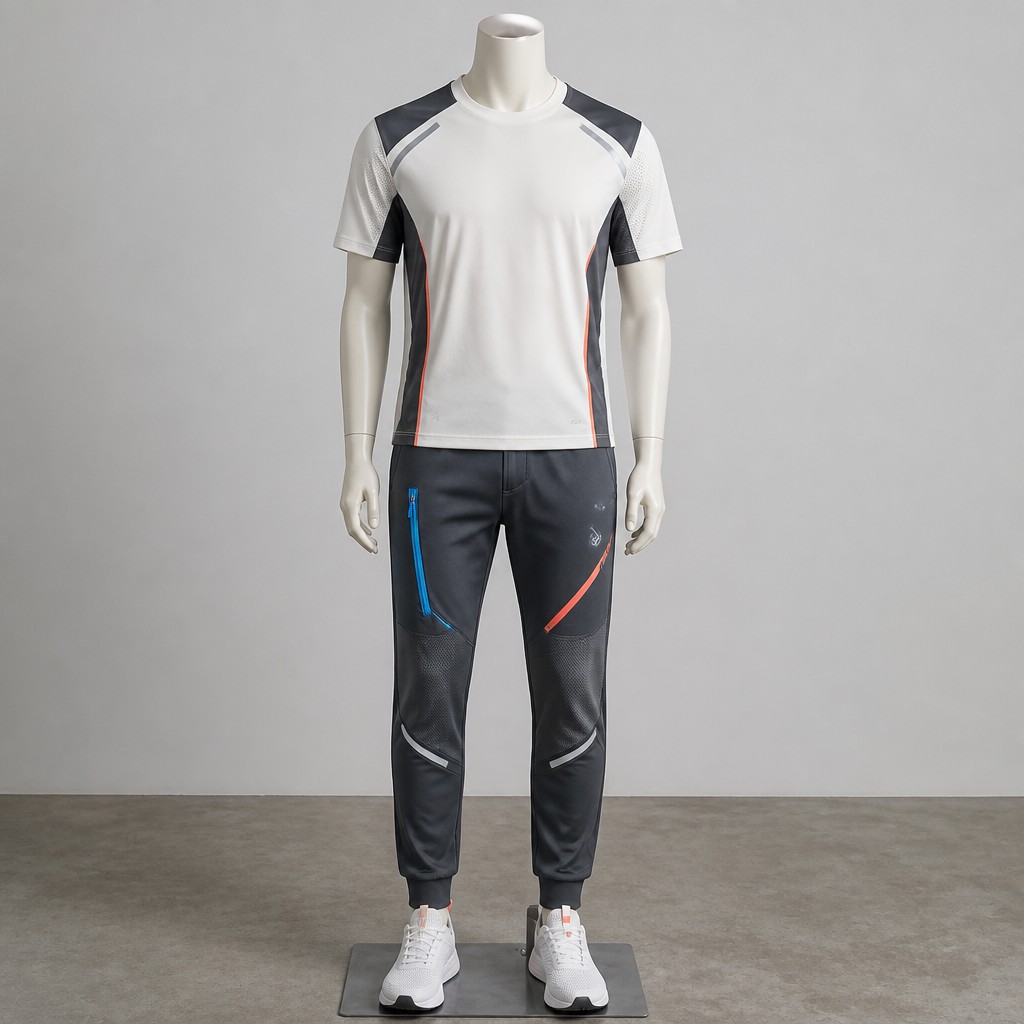
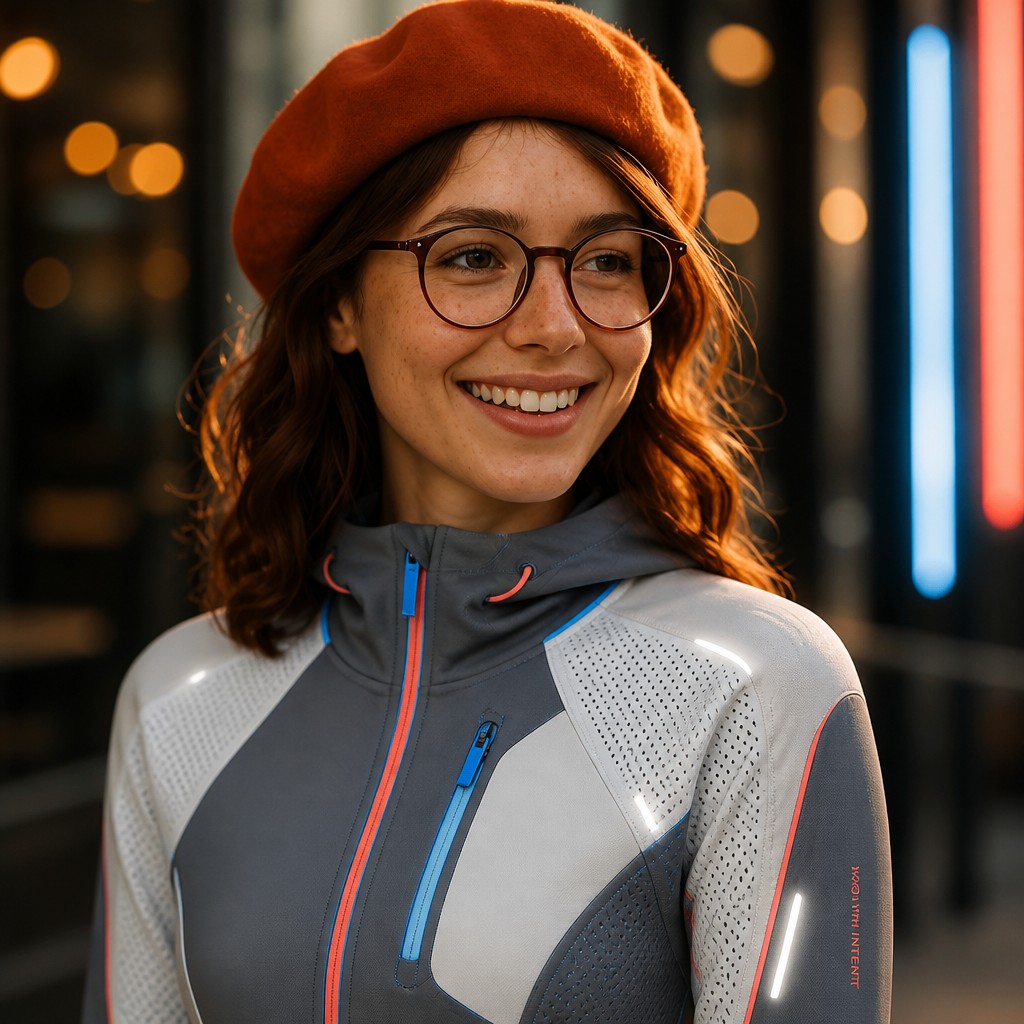
The signature details, up close
Technical fabrics
Athleisure design often uses materials associated with performance apparel, such as stretch knits, nylon blends, spandex, and moisture-managing textiles. These surfaces tend to look smooth, engineered, and slightly futuristic.
Streamlined silhouettes
Garments are cut to follow the body without excessive bulk, emphasizing movement and ease. The shapes are usually ergonomic, with tapered legs, fitted torsos, cropped layers, or relaxed-but-structured tops.
Panel construction
Seam placement, bonded lines, and geometric inserts are important visual features. They create a sense of structure and architecture while echoing the mapping of the body found in sportswear.
Breathable textures
Mesh inserts, perforations, and ventilating zones are used both practically and decoratively. These details break up solid surfaces and add rhythm to otherwise minimal garments.
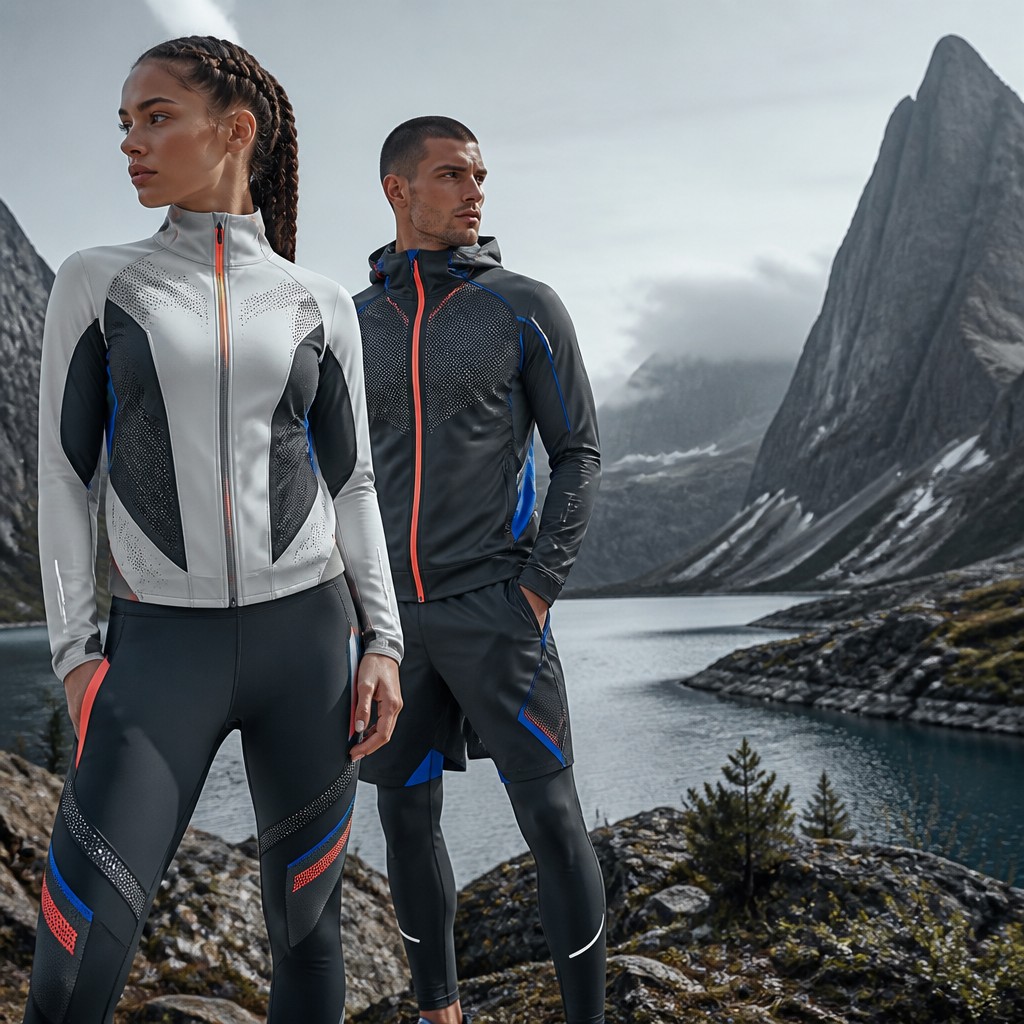
Reflective and synthetic accents
Glossy piping, reflective strips, and lustrous trim provide contrast against matte fabrics. They reinforce the performance identity of the style and catch studio or street light effectively.
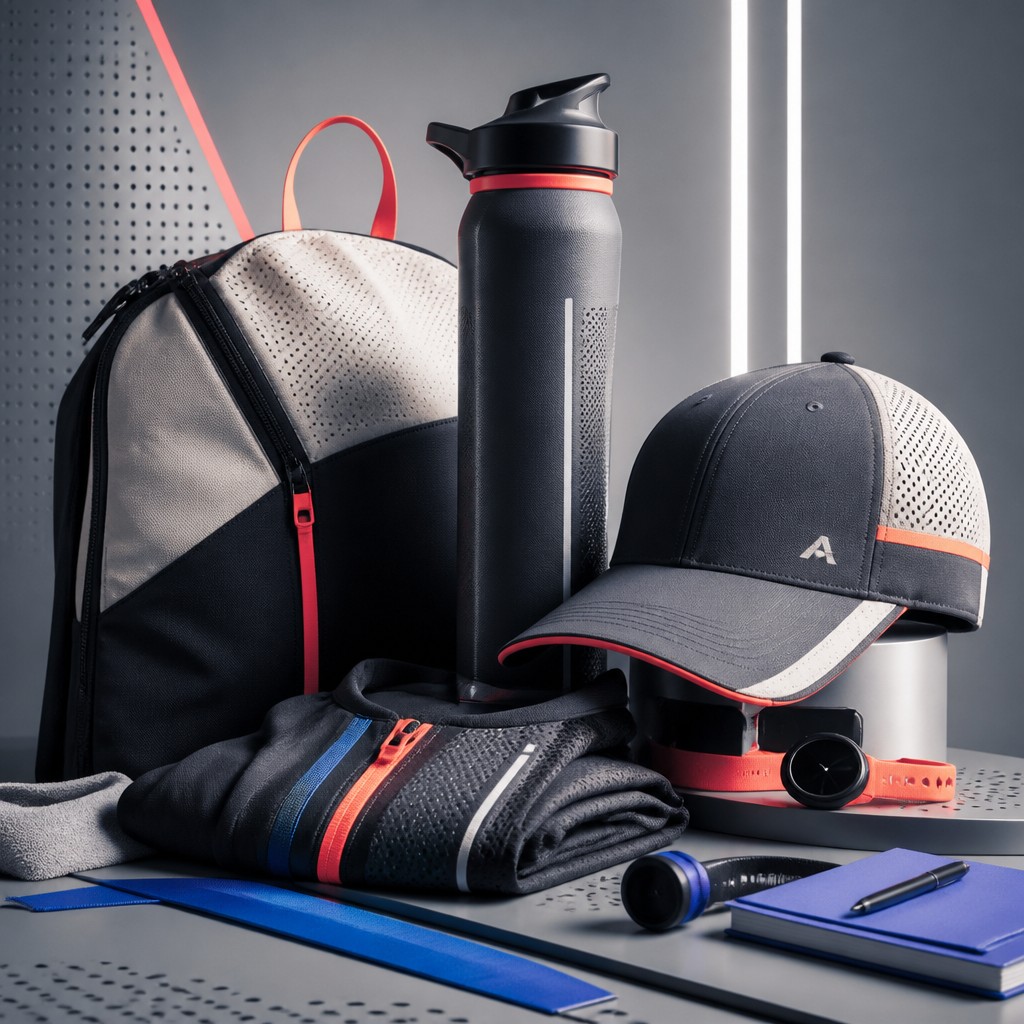
Controlled color palettes
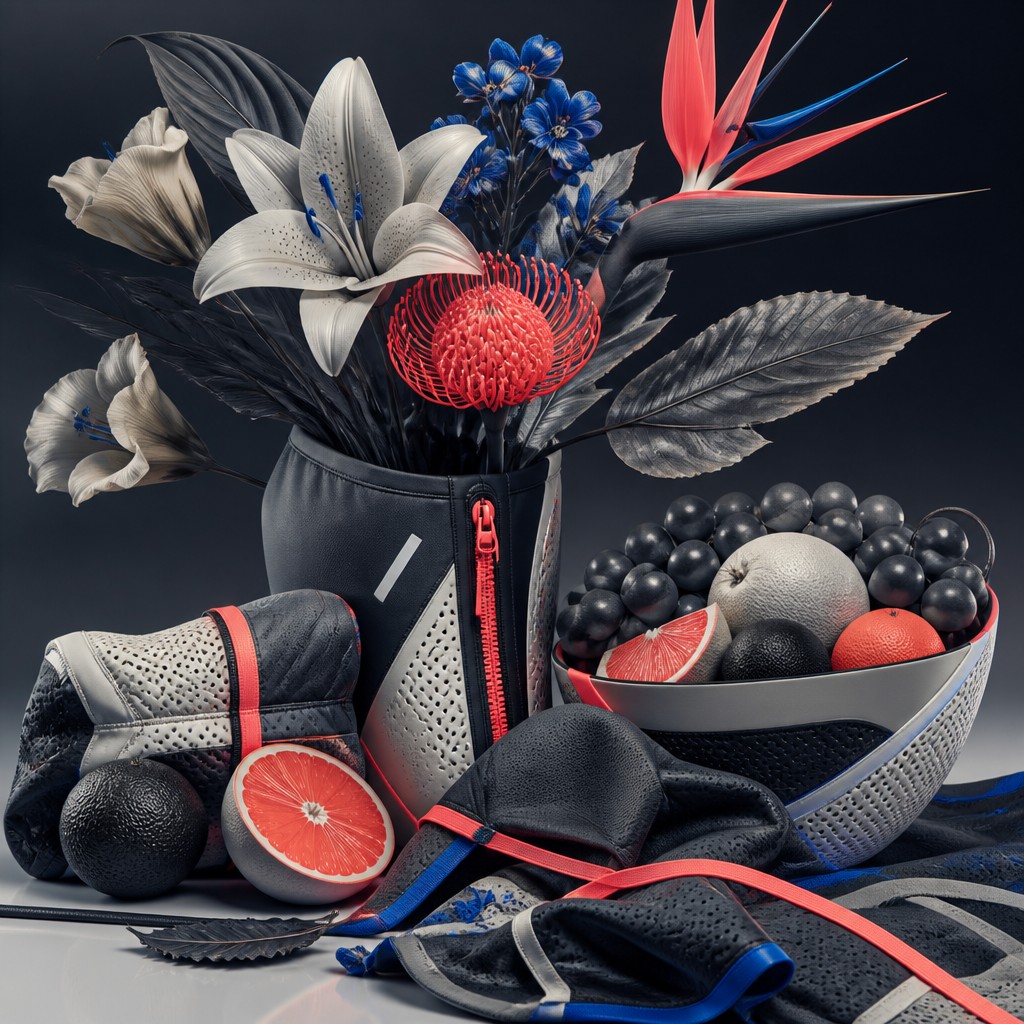
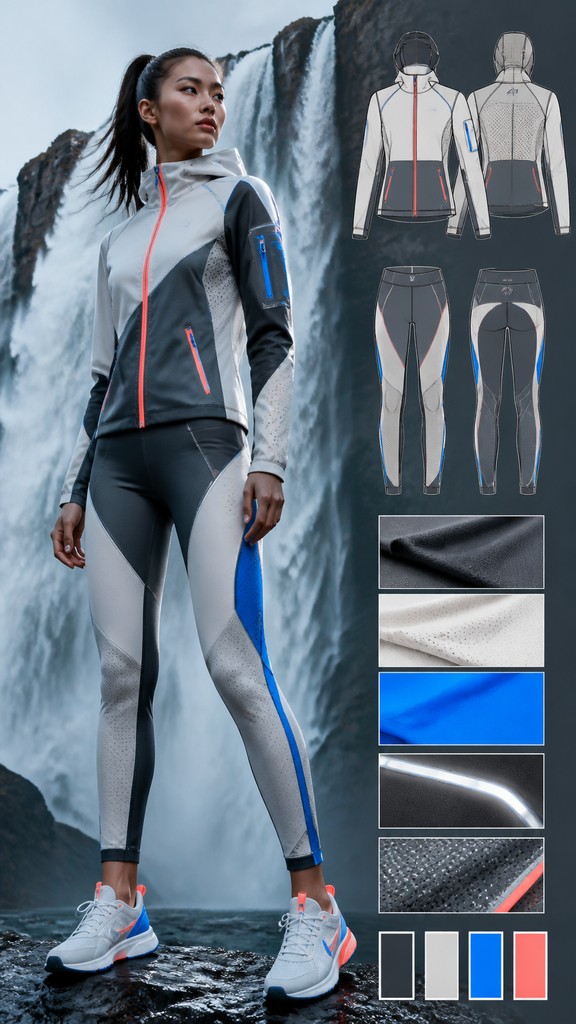
Common palettes include neutrals such as black, gray, white, and beige, often energized by one or two accent colors. Electric blue, neon coral, or lime green are frequently used to suggest energy and athletic vitality.
Try It
Create Videos in Athleisure Fashion Design
Styles aren't just for stills — describe a scene or animate an image and get a short video rendered in Athleisure Fashion Design. Press play to see this pond come to life.
Make a VideoAthleisure Fashion Design Prompt Ideas
Start from an idea — each one opens the generator with the style ready to go. See all 40 Athleisure Fashion Design prompts →
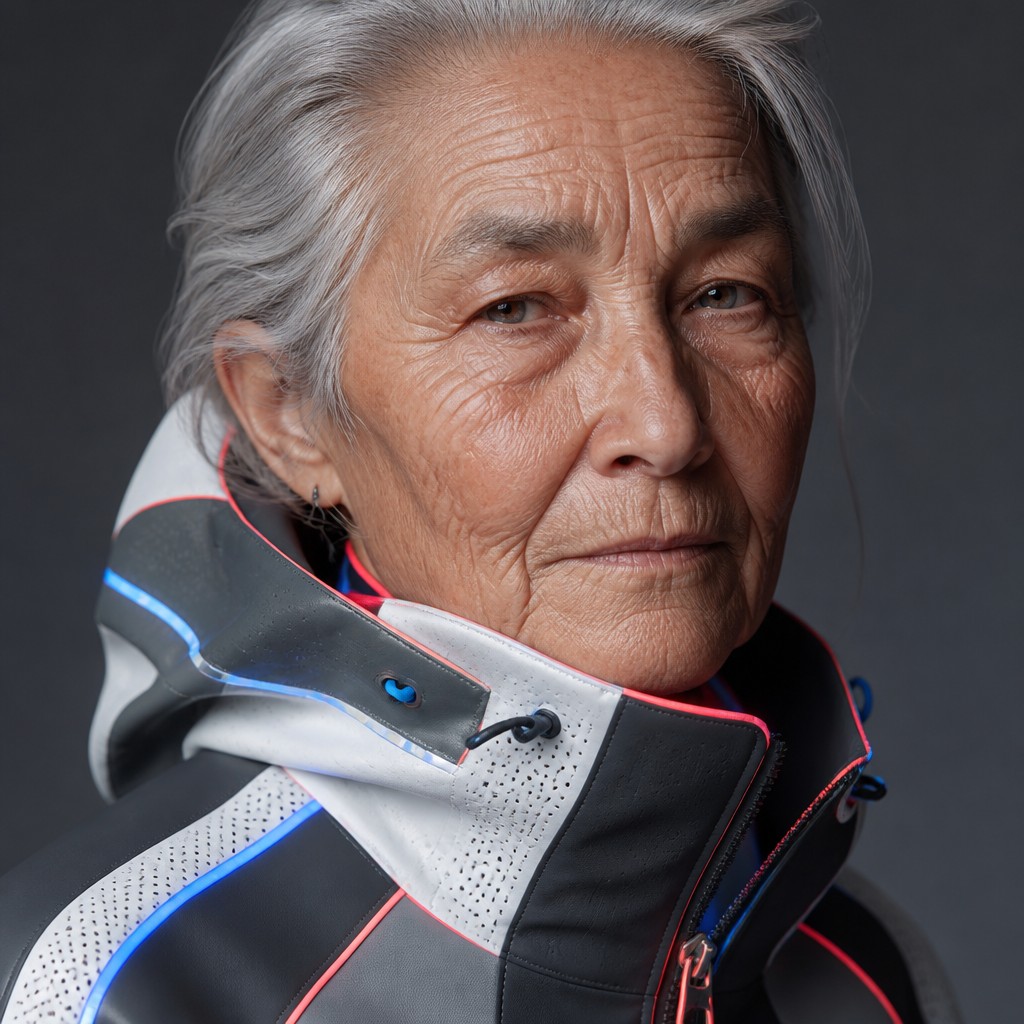
“close-up portrait of an elderly person with expressive weathered features”
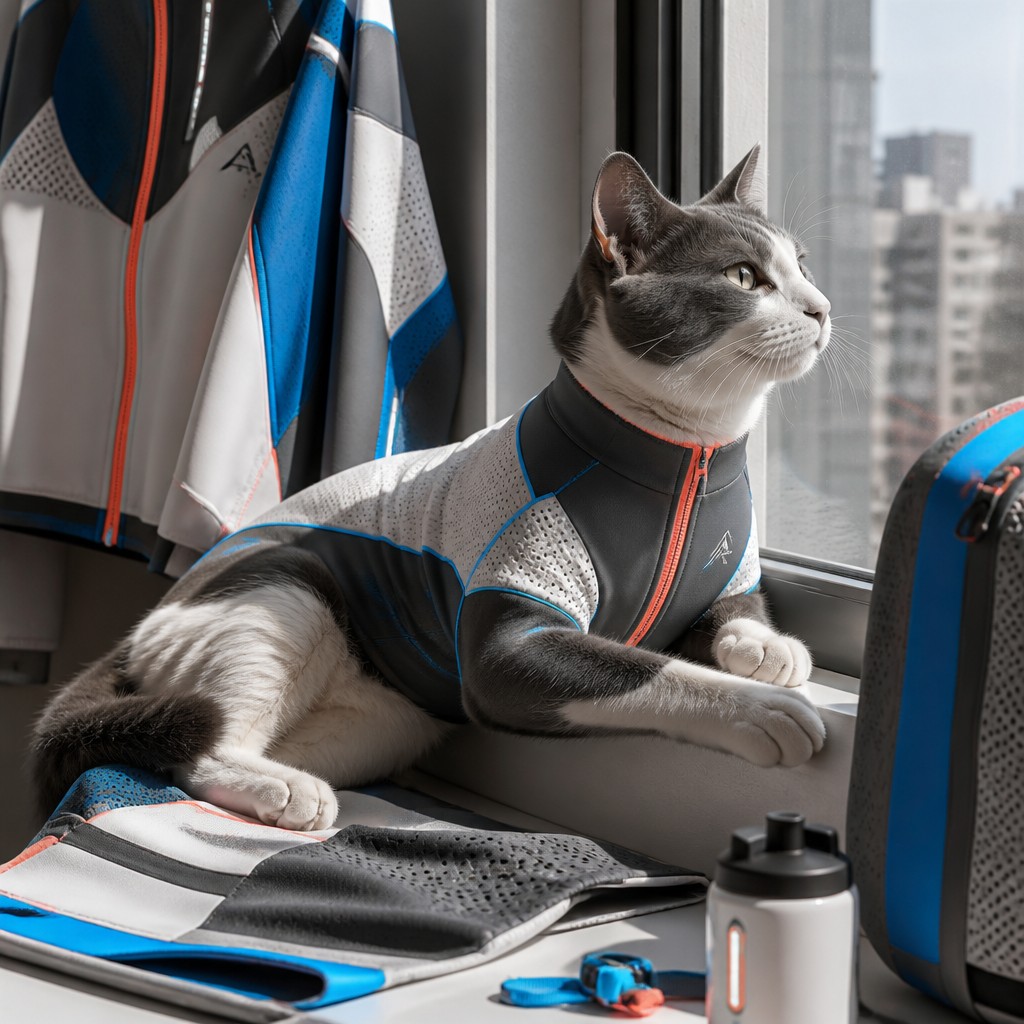
“a cat lounging in a sunlit window”
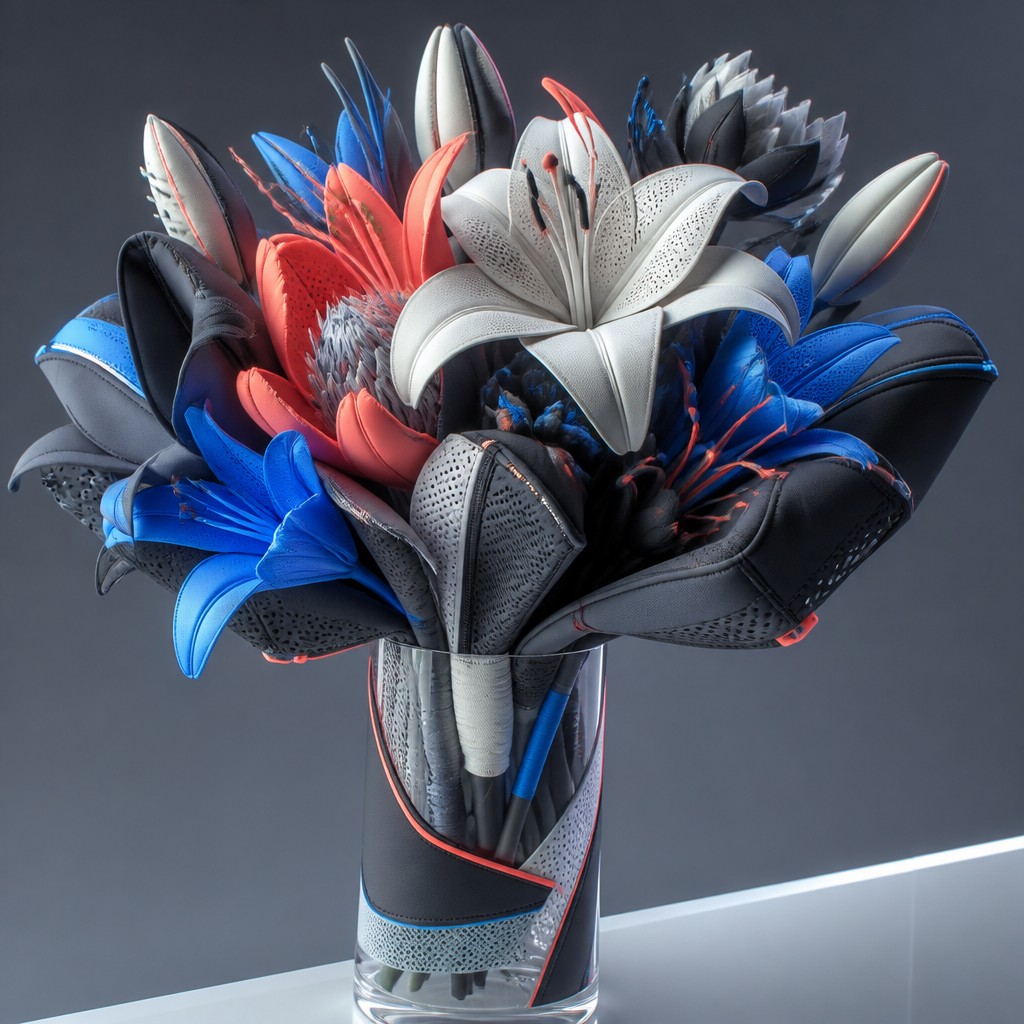
“bouquet of flowers in a glass vase”
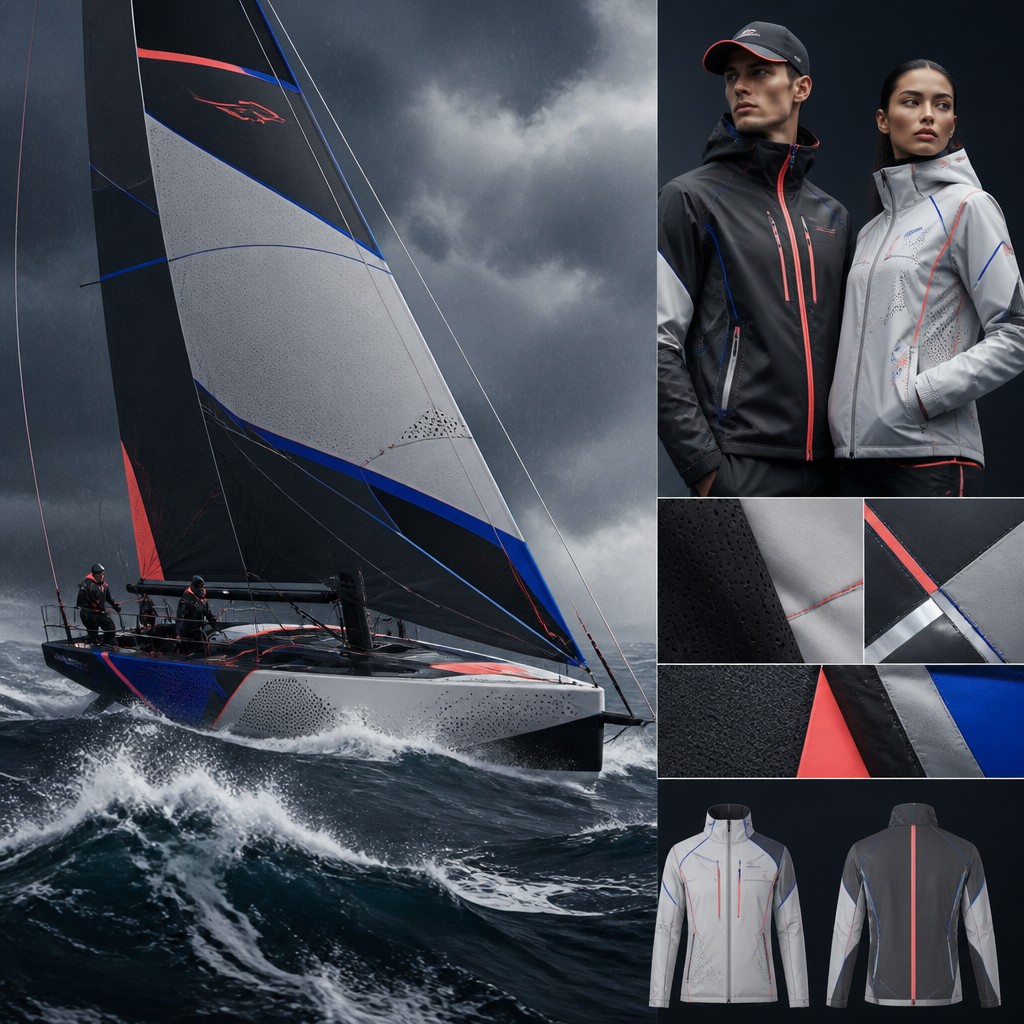
“sailing ship on a stormy sea”
How to Create Athleisure Fashion Design Art
Master the craft step by step — or skip straight to creating. Read the full guide →
- 1
Start with a performance silhouette
Design the figure first with movement in mind: tapered pants, fitted tops, cropped jackets, or layered activewear basics. In traditional drawing, use clean contour lines and clearly indicate stretch and drape; in digital work, build the form from simple, athletic shapes before adding detail.
- 2
Use fabric contrast deliberately
Pair matte stretch areas with smoother or shinier synthetic sections so the garment reads as engineered rather than generic casual wear. When writing prompts, specify materials such as mesh, bonded nylon, spandex, or technical knit to guide the result.
- 3
Map seams and panels with precision
Place seams, color-block divisions, and inserts where they support the body’s movement, such as shoulders, knees, sides, and waist. This gives the design a functional logic and prevents it from looking like ordinary streetwear.
- 4
Keep ornament minimal but purposeful
Use reflective tape, zipper details, drawcords, and small branding-like accents sparingly so the clothing stays clean and modern. In image generation, ask for crisp paneling, subtle sport-luxury finishing, and restrained detailing rather than decorative excess.
- 5
Light it like product and lifestyle photography
Athleisure benefits from cool, controlled lighting that reveals fabric texture and surface sheen. For digital or AI-based creation, specify studio light, soft shadows, and high material clarity; for illustration, use highlights to distinguish mesh, ribbing, and reflective trim.

The Story
History & Origins of Athleisure Fashion Design
Athleisure emerged in the late 20th and early 21st centuries from the convergence of sportswear, performance apparel, and fashion’s growing interest in casual dressing. Its aesthetic lineage includes technical outerwear, yoga wear, running gear, and the broader rise of minimal, body-conscious clothing that prioritizes mobility and comfort without abandoning style.
The style developed alongside advances in synthetic textiles, moisture-wicking fabrics, laser-cut perforation, bonded construction, and seamless knitting. As these technologies became more common, designers began translating gym and training wear into everyday fashion, producing silhouettes that borrow from leggings, track jackets, hoodies, compression tops, and sneakers while refining them into cleaner, more urban forms.
Influences: Athleisure draws from multiple visual traditions: 20th-century sportswear, technical outerwear, streetwear, and minimalist fashion design. It also inherits ideas from industrial design and product styling, where function, surface clarity, and material innovation are central. In fashion history, its closest relatives include the practical modernism of sportswear and the clean tailoring associated with contemporary luxury casualwear rather than any single canonical art movement.
Frequently Asked Questions
What defines athleisure fashion design?
It is defined by clothing that looks ready for activity but is styled for everyday life. The key markers are technical fabrics, comfortable cuts, clean paneling, and a polished, minimalist finish.
How is athleisure different from regular sportswear?
Sportswear is primarily designed for athletic performance, while athleisure adapts those functional features for casual, street, or lifestyle settings. Athleisure usually places more emphasis on silhouette, styling, and visual refinement.
What colors work best in this style?
Neutral colors such as black, gray, white, navy, and beige are most common because they reinforce the sleek, versatile look. Bright accents like blue, coral, or lime can be used sparingly to add energy and a performance feel.
What fabrics or textures should I include?
Look for stretch knits, jersey, nylon, polyester blends, mesh, ribbed inserts, and other technical textiles. Mixing matte and glossy surfaces helps create the style’s characteristic balance of comfort and engineered polish.
How do I make artwork look more like athleisure?
Emphasize body movement, clean garment construction, and material contrast. Clear seams, athletic layering, and small functional details such as zippers, drawcords, and reflective trims will immediately signal the style.
Where is athleisure commonly used?
It appears in streetwear, fitness apparel, airport fashion, casual officewear, editorial fashion illustration, and lifestyle branding. Its broad appeal comes from the fact that it bridges exercise, commuting, and everyday social settings.

Create your first Athleisure Fashion Design artwork
Describe anything — or upload a photo — and see it in Athleisure Fashion Design in seconds.
Make Something with Athleisure Fashion Design
Related Styles
Discover similar art styles