Art Toy Sculpture
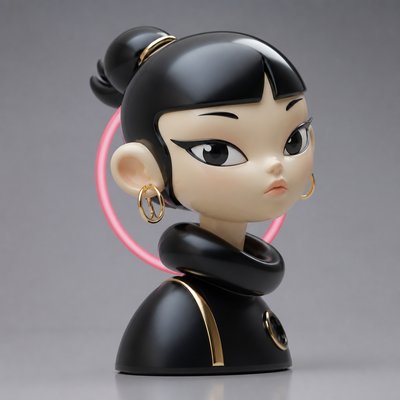
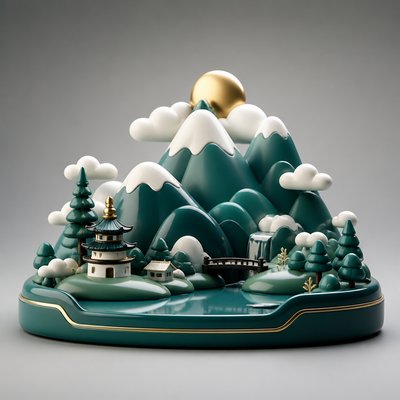
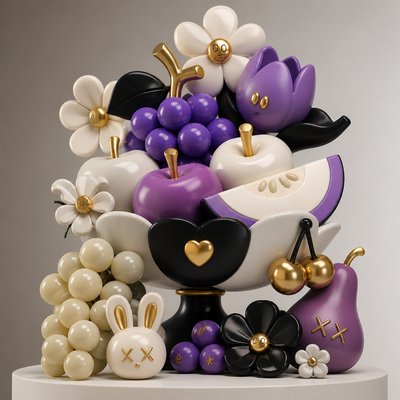
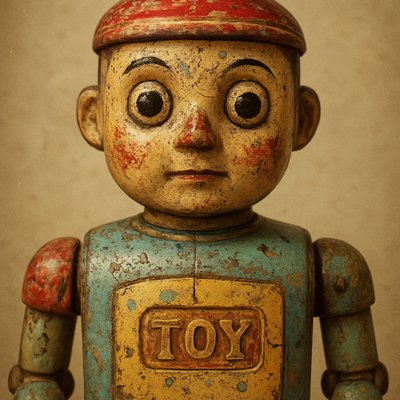
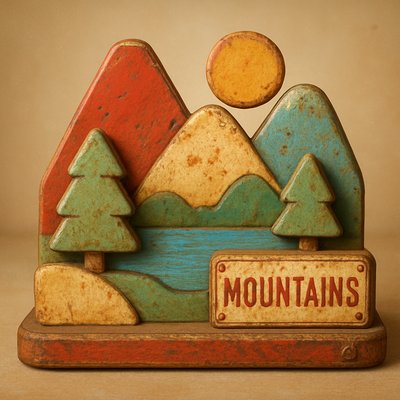
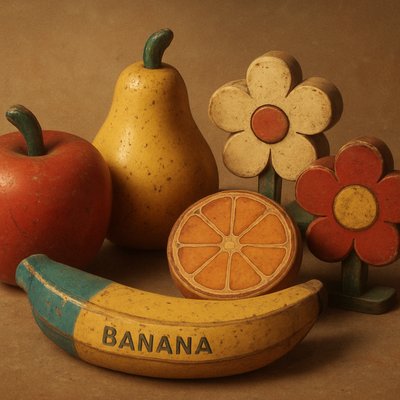
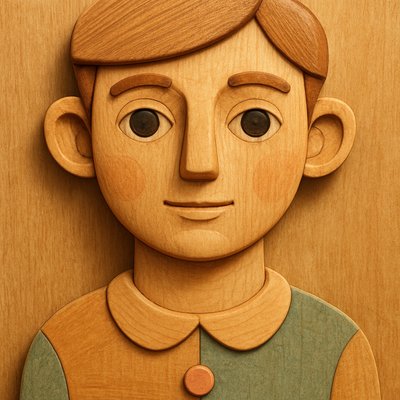
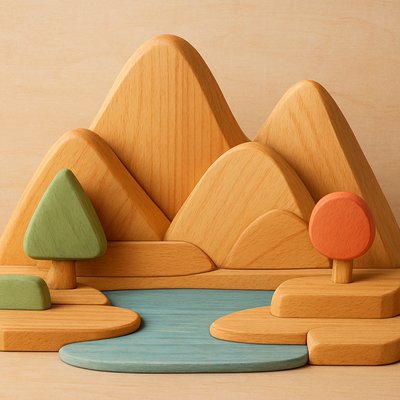
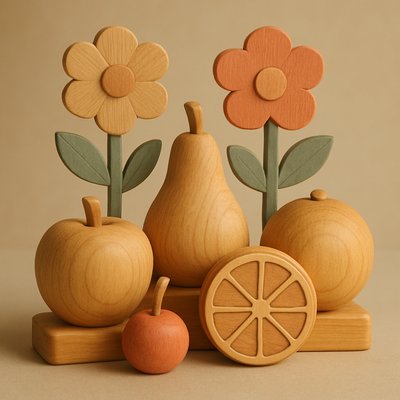
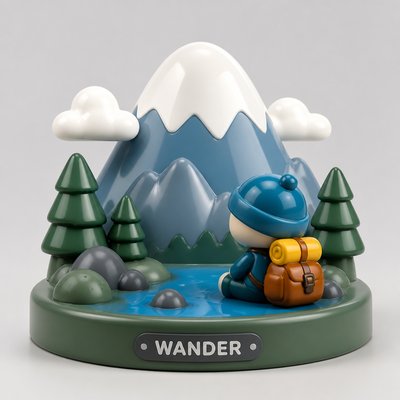
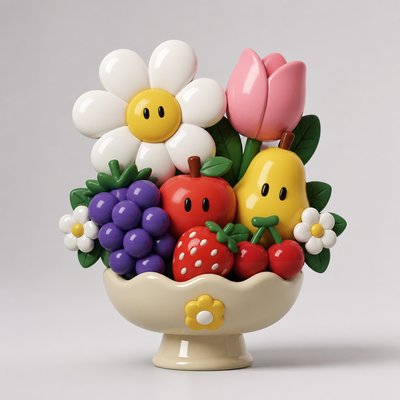
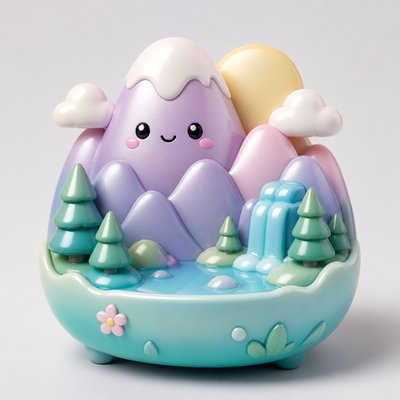
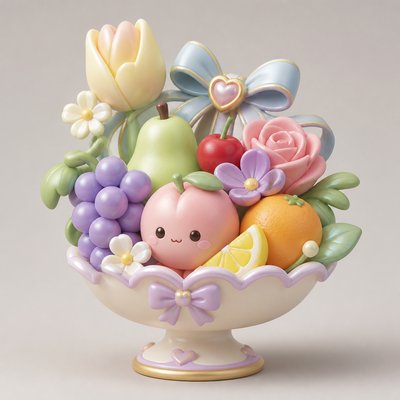
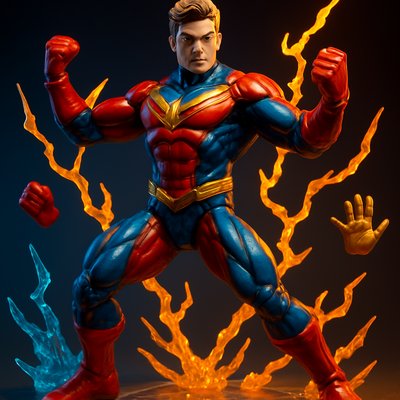
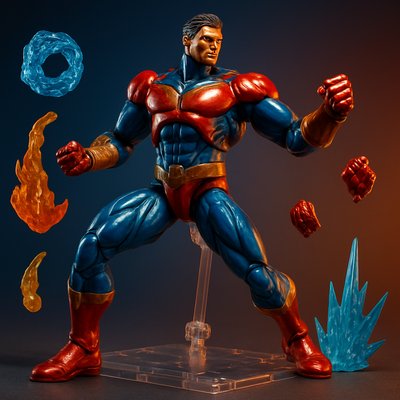
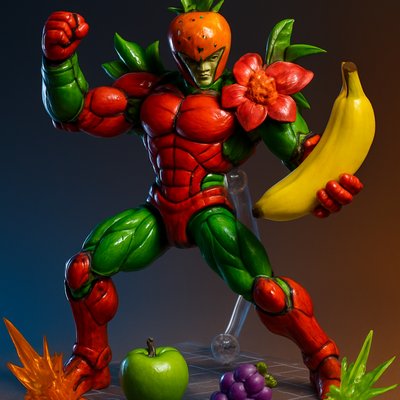
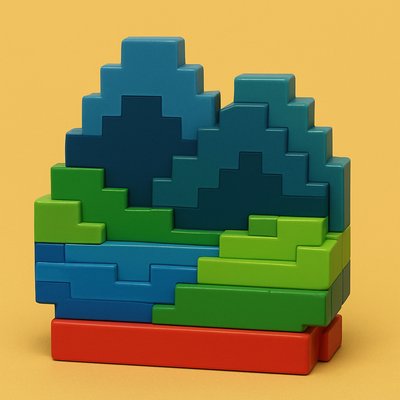
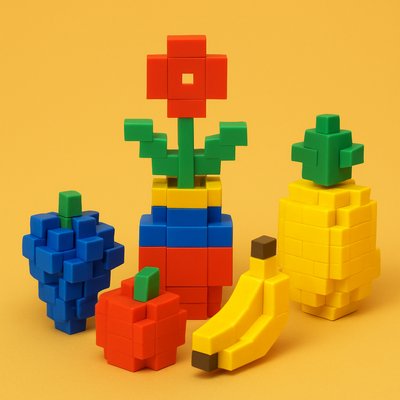
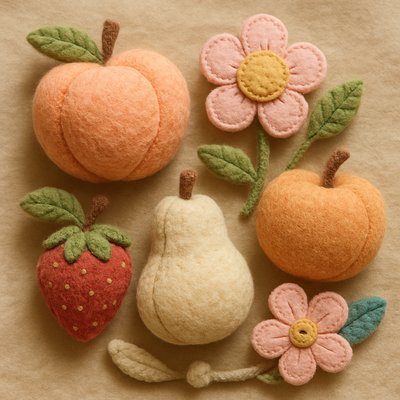
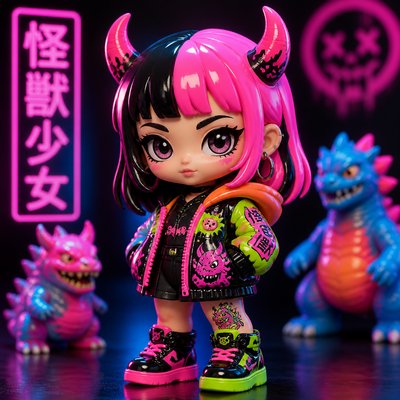
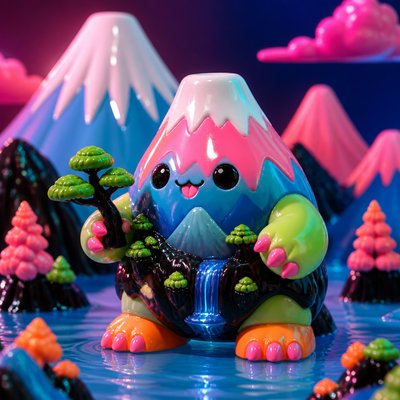
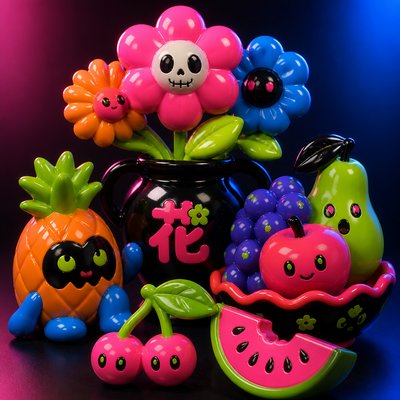
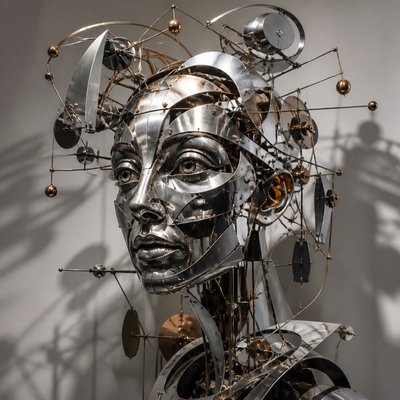
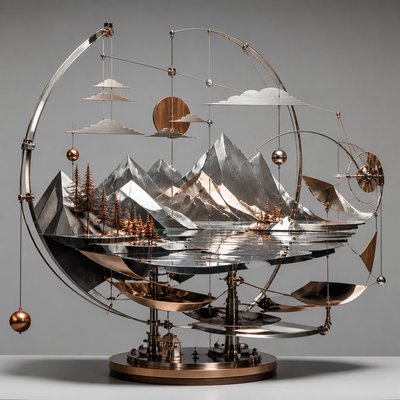
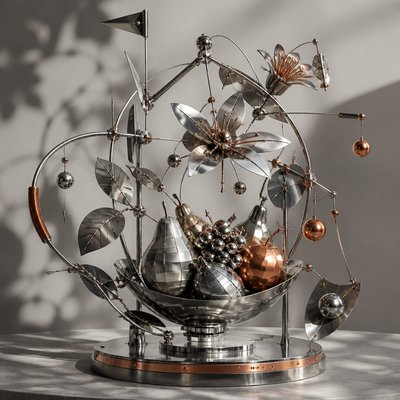
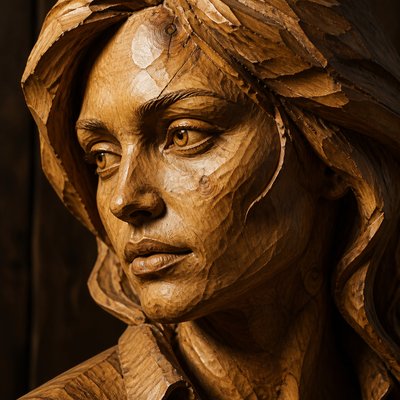
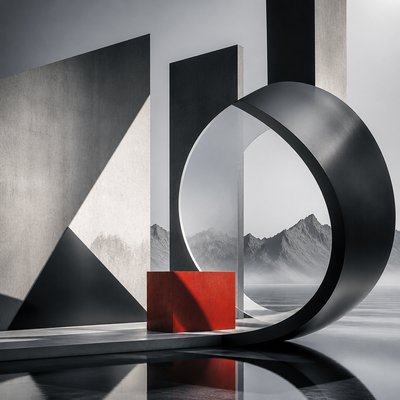
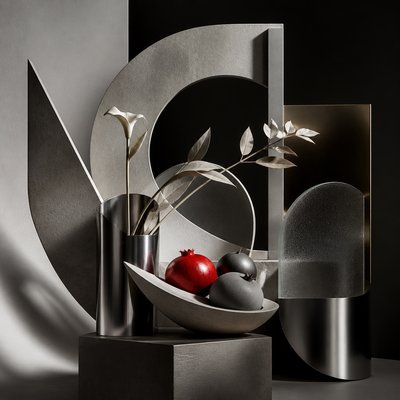
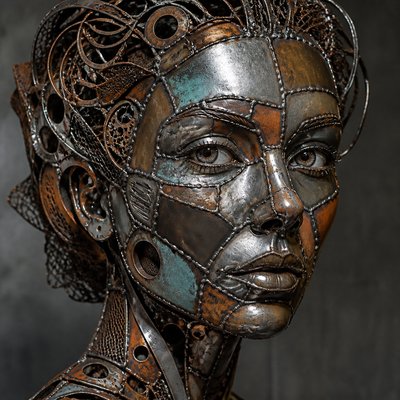
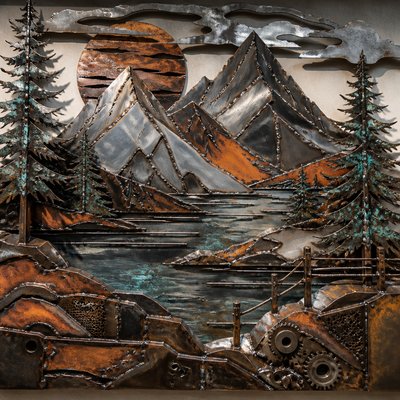
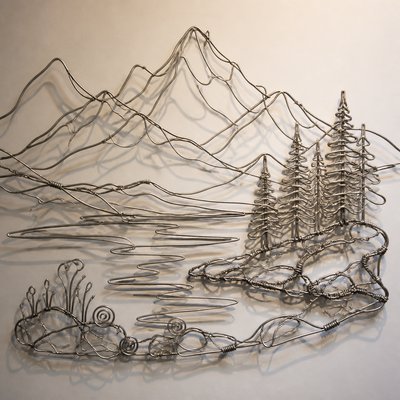
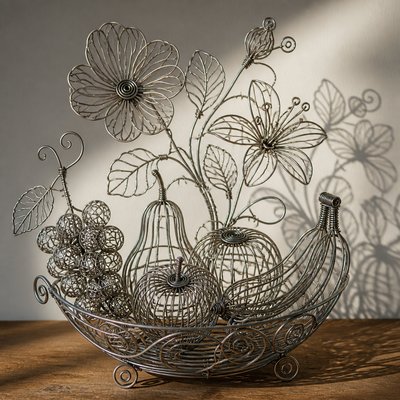
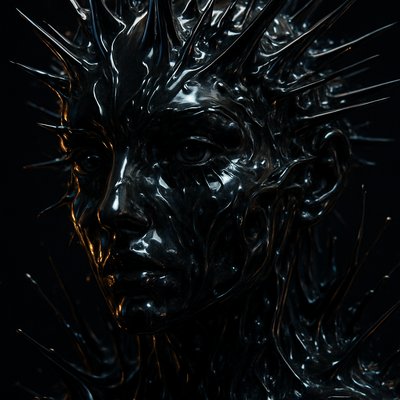
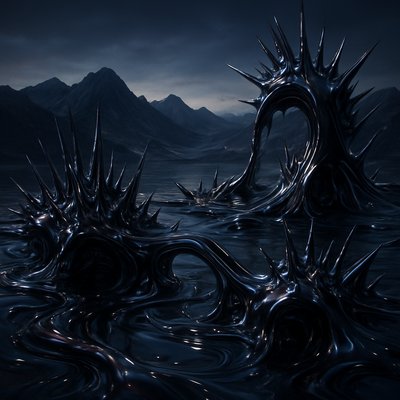
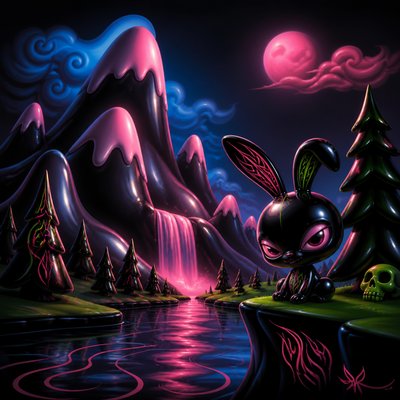
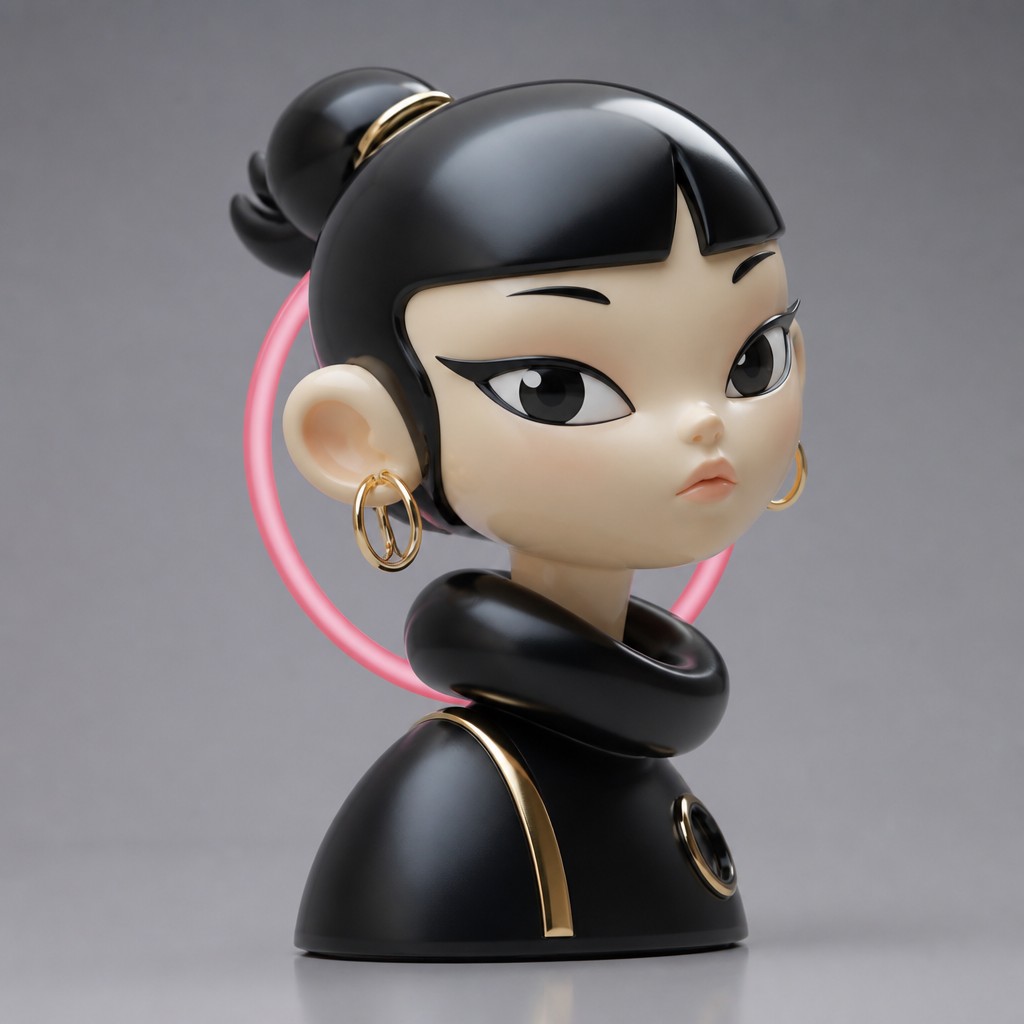
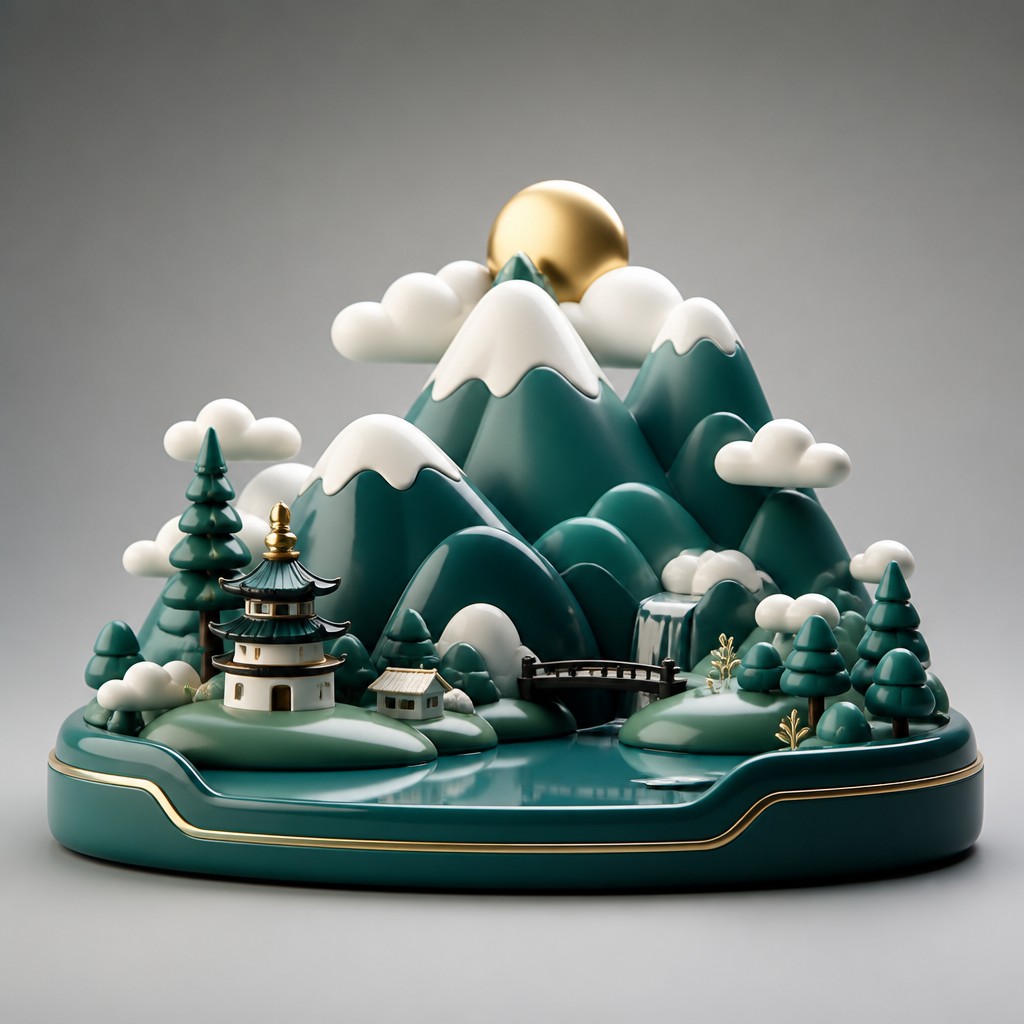
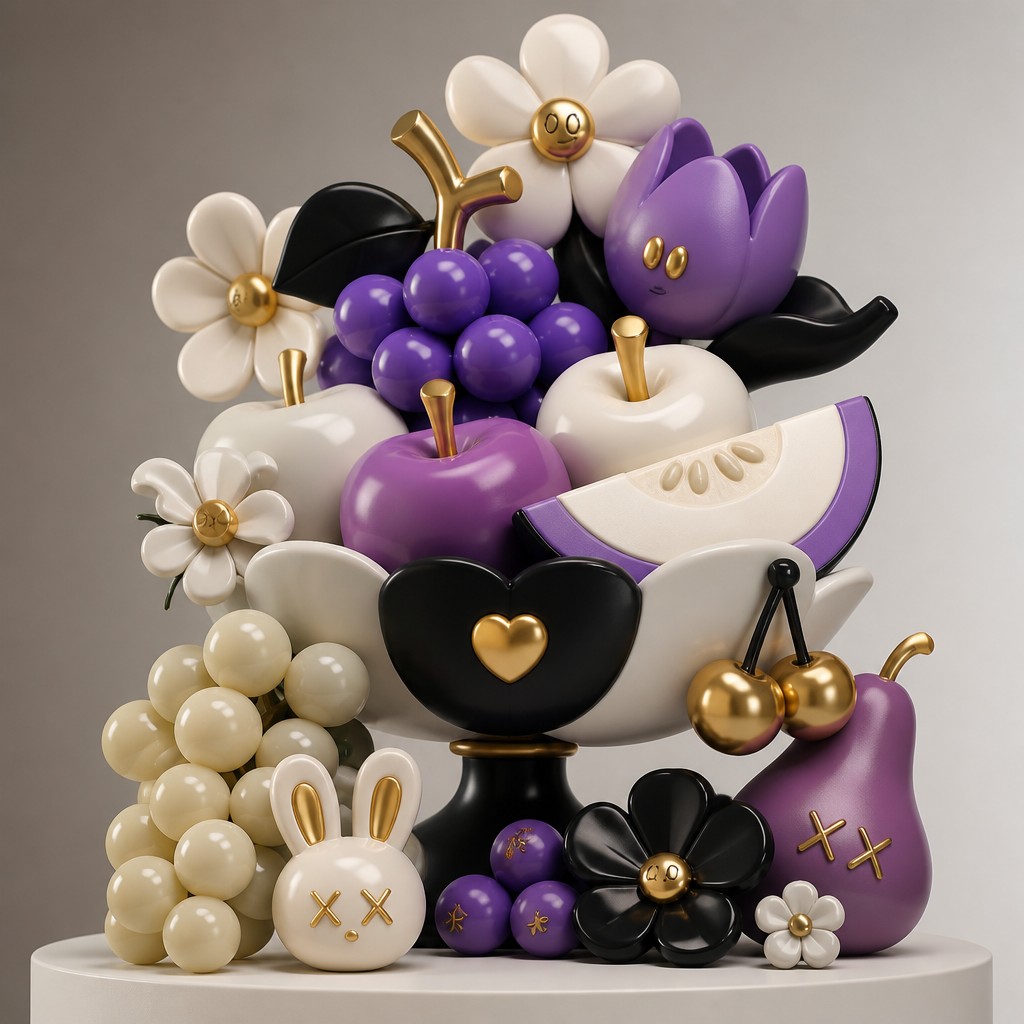
Designer toy aesthetic with smooth vinyl forms, bold proportions, matte-gloss finishes, and gallery-ready sculptural polish.
Instantly rendered in Art Toy Sculpture — or transform a photo
Art Toy Sculpture Gallery
Tap any artwork to explore it
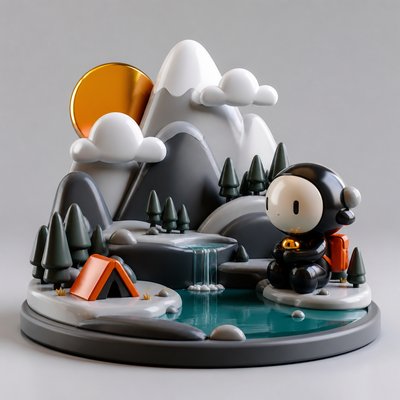
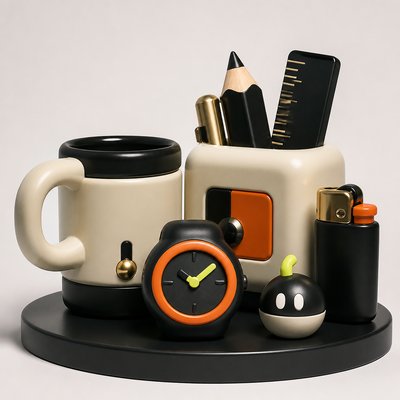
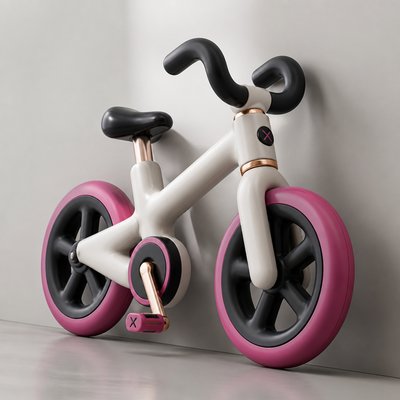
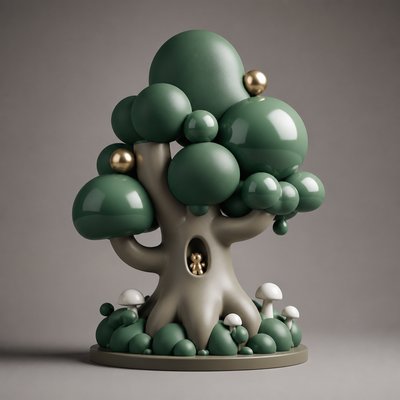
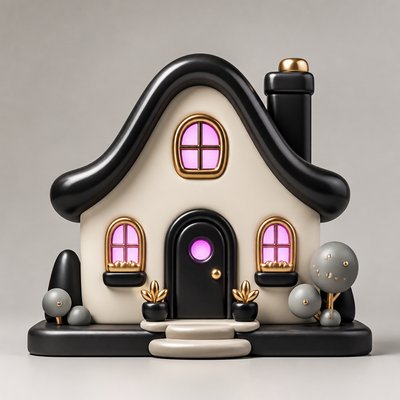
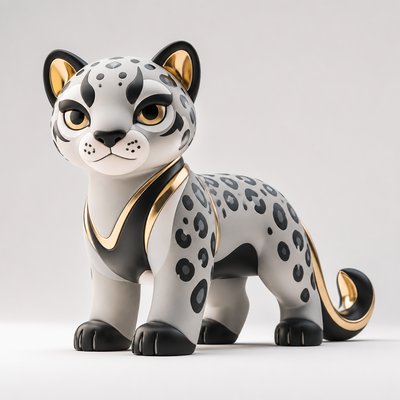
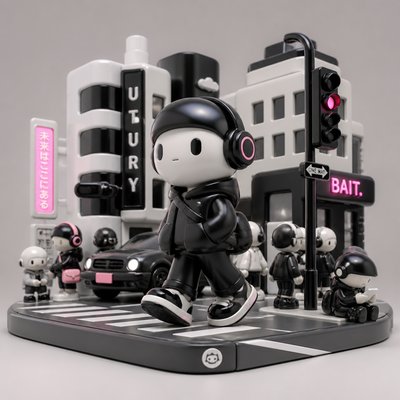
What is Art Toy Sculpture?
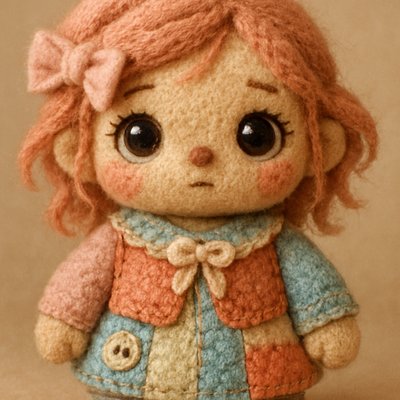
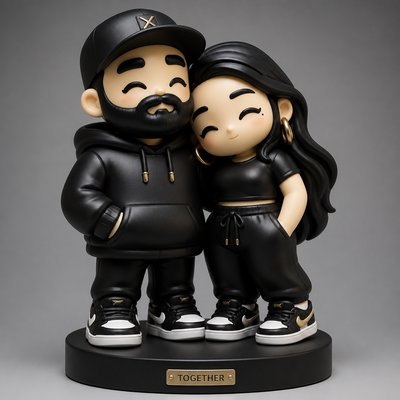
Art toy sculpture is a contemporary sculptural aesthetic rooted in designer toys, collectible figurines, and gallery sculpture. It combines the intimacy and character of a toy with the finish, intent, and conceptual framing of fine art. The result is a form language built from simplified volumes, exaggerated proportions, and highly controlled surfaces that feel both playful and meticulously designed.
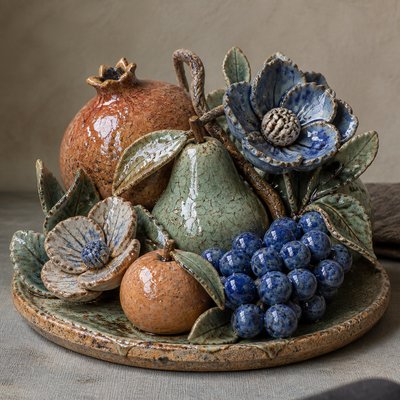
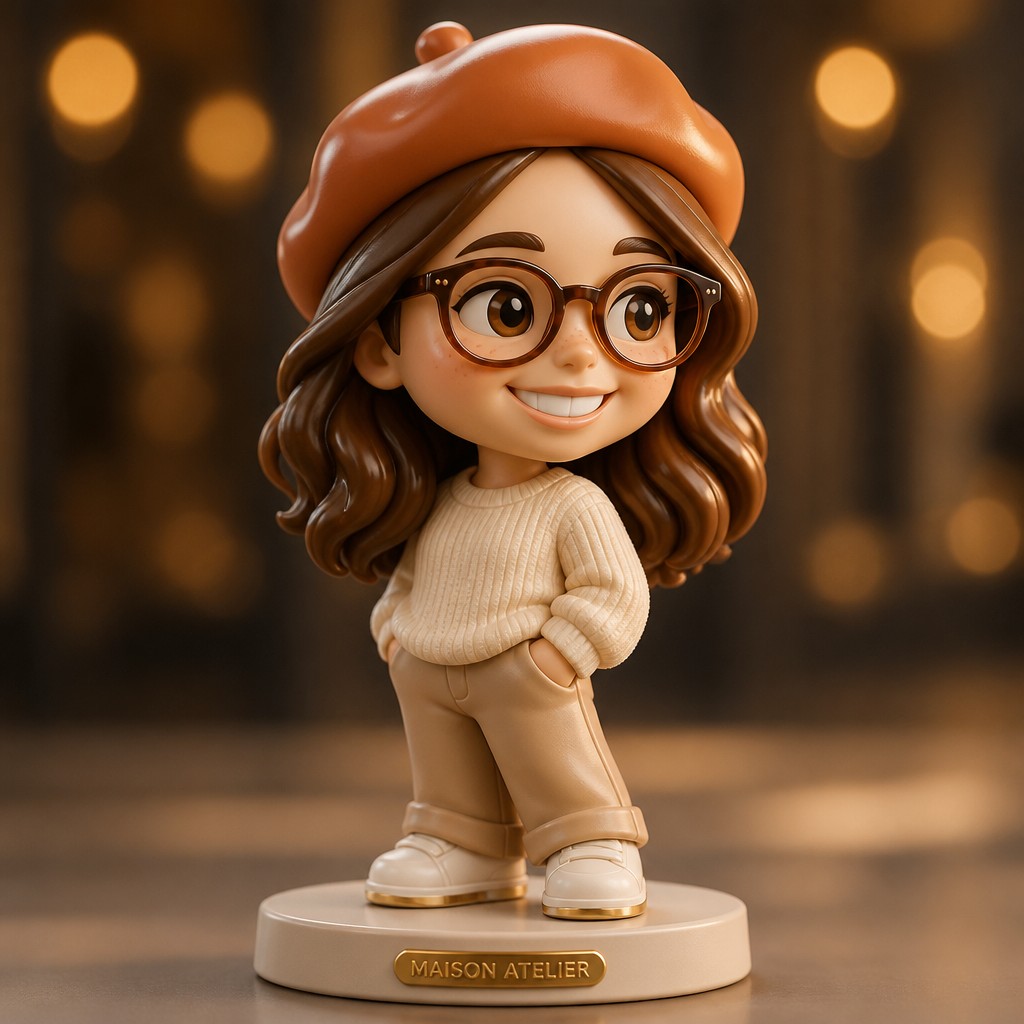
Visually, the style favors smooth vinyl or resin bodies, crisp edges, seamless seams, and a careful alternation between matte and gloss. Forms are often reduced to rounded heads, compact torsos, stubby limbs, or abstracted animal and humanoid silhouettes, with restrained color palettes interrupted by small neon or metallic accents. The aesthetic works because it borrows from industrial design, product photography, and contemporary collectible culture while preserving a sense of whimsy and narrative ambiguity.
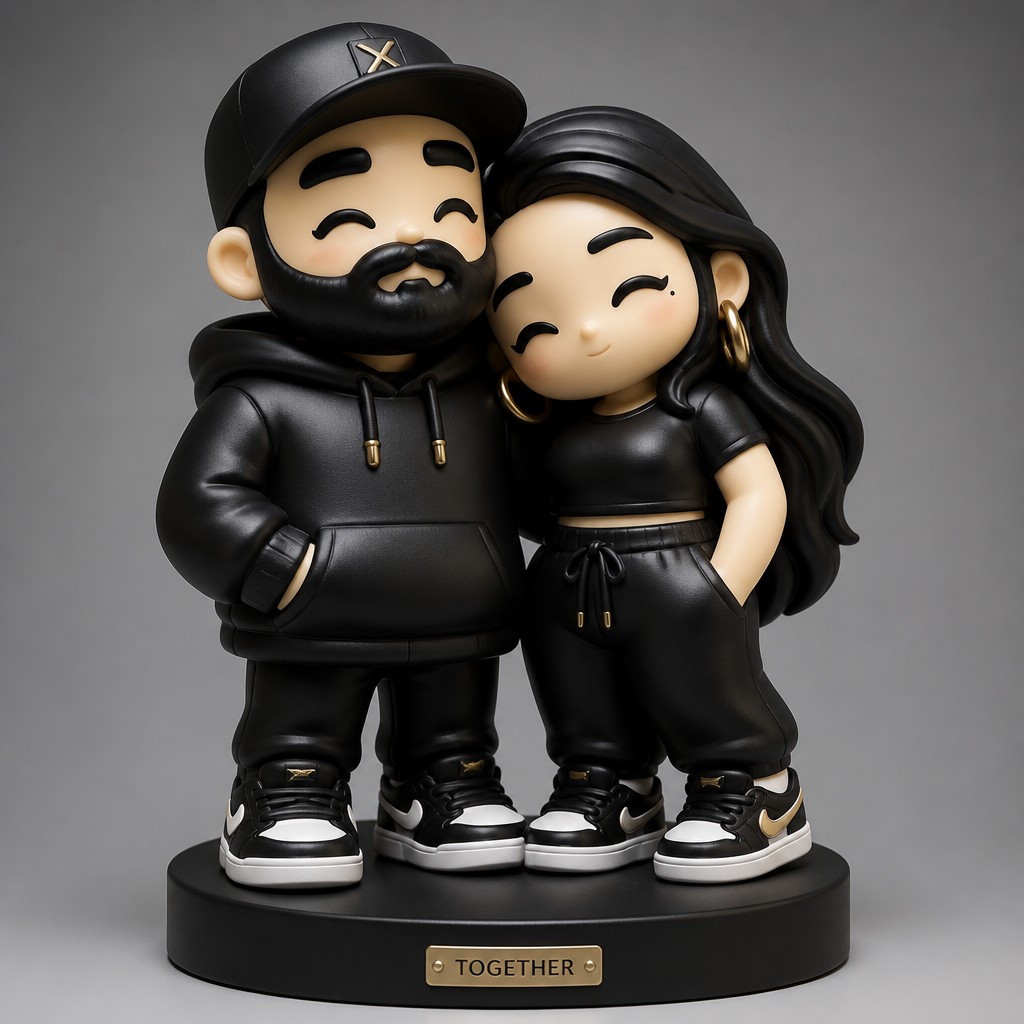
Try It On Your Photos
Upload any photo and convert it into Art Toy Sculpture — drag the sliders to compare before and after.


What Defines Art Toy Sculpture
The signature details, up close
Simplified sculptural silhouettes
Forms are reduced to bold, rounded volumes with little extraneous detail. The shapes read immediately from a distance, often using oversized heads, compact bodies, and playful proportions.
Vinyl and resin material language
Surfaces typically evoke smooth plastic, cast resin, or polished composite materials. Even when the work is physically made from other media, it often mimics the clean finish and tactile precision of collectible objects.
Matte-and-gloss contrast
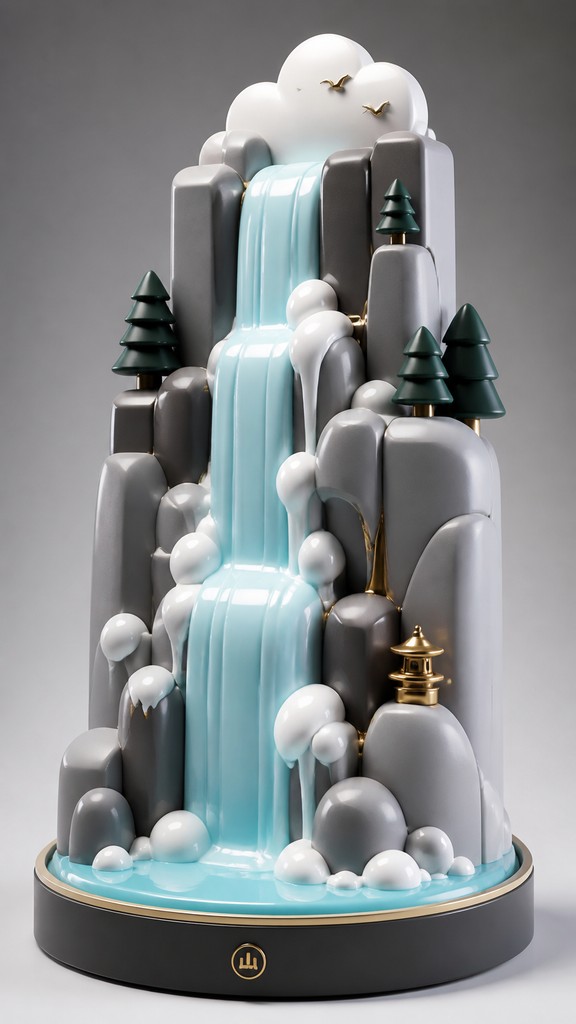
A key visual device is the deliberate alternation between soft matte areas and reflective gloss. This contrast adds depth, emphasizes form, and makes the object feel engineered rather than handmade in a rustic sense.
Crisp seams and beveled edges
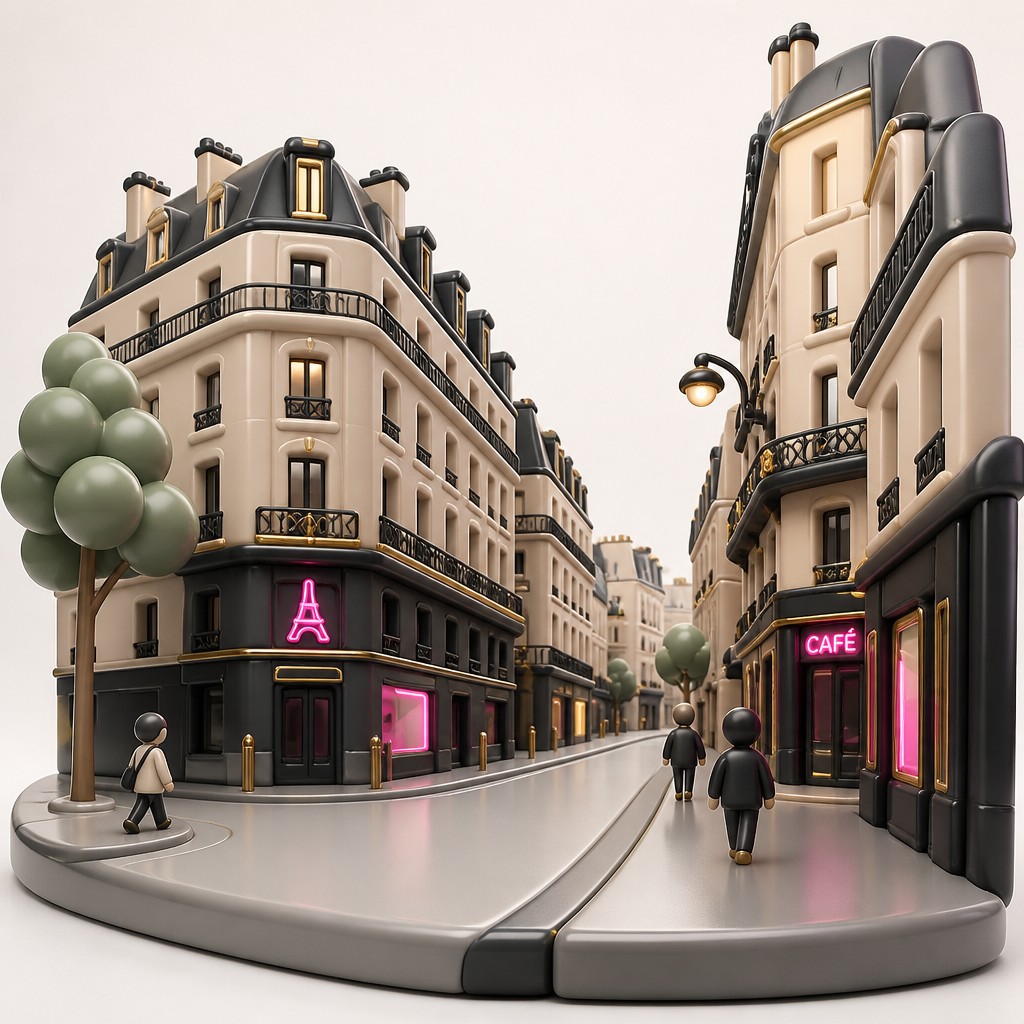
Details are controlled and minimal, with seams concealed or stylized as part of the design. Small bevels, inset lines, and modular joins contribute to a manufactured, high-precision look.
Restrained palette with accent color
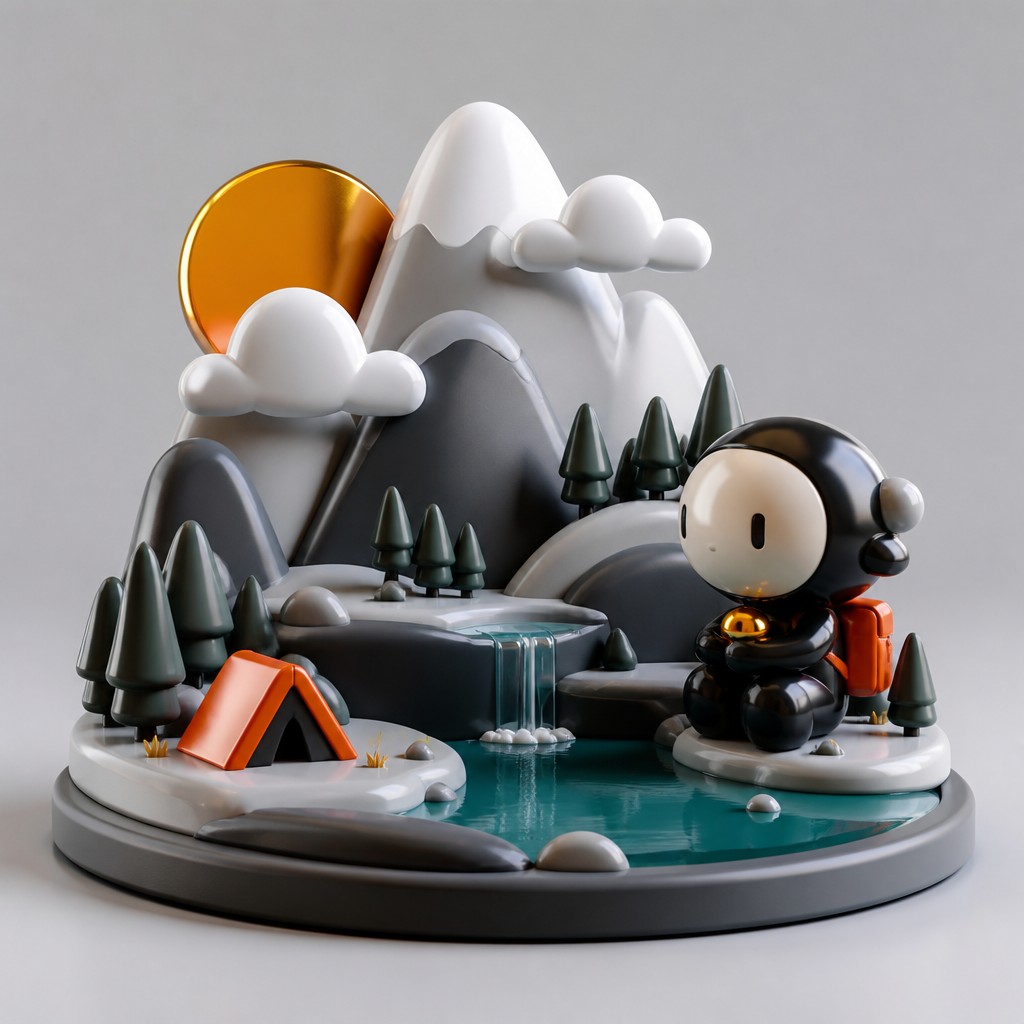
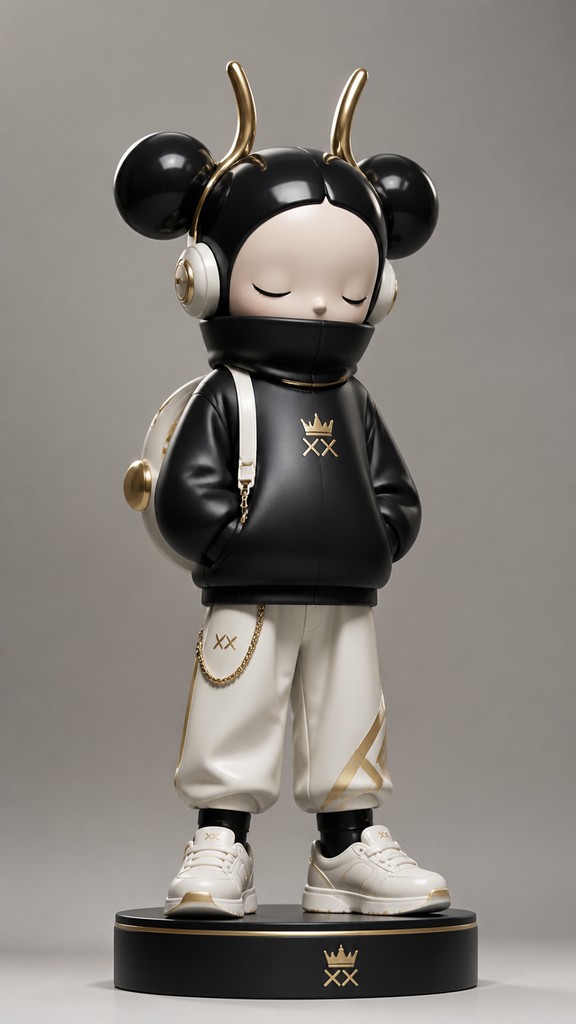
Color schemes are often limited to neutrals, pastels, or monochrome bases. Neon pink, electric blue, chrome, gold, or other metallic accents are used sparingly to create focal points.
Conceptual character design
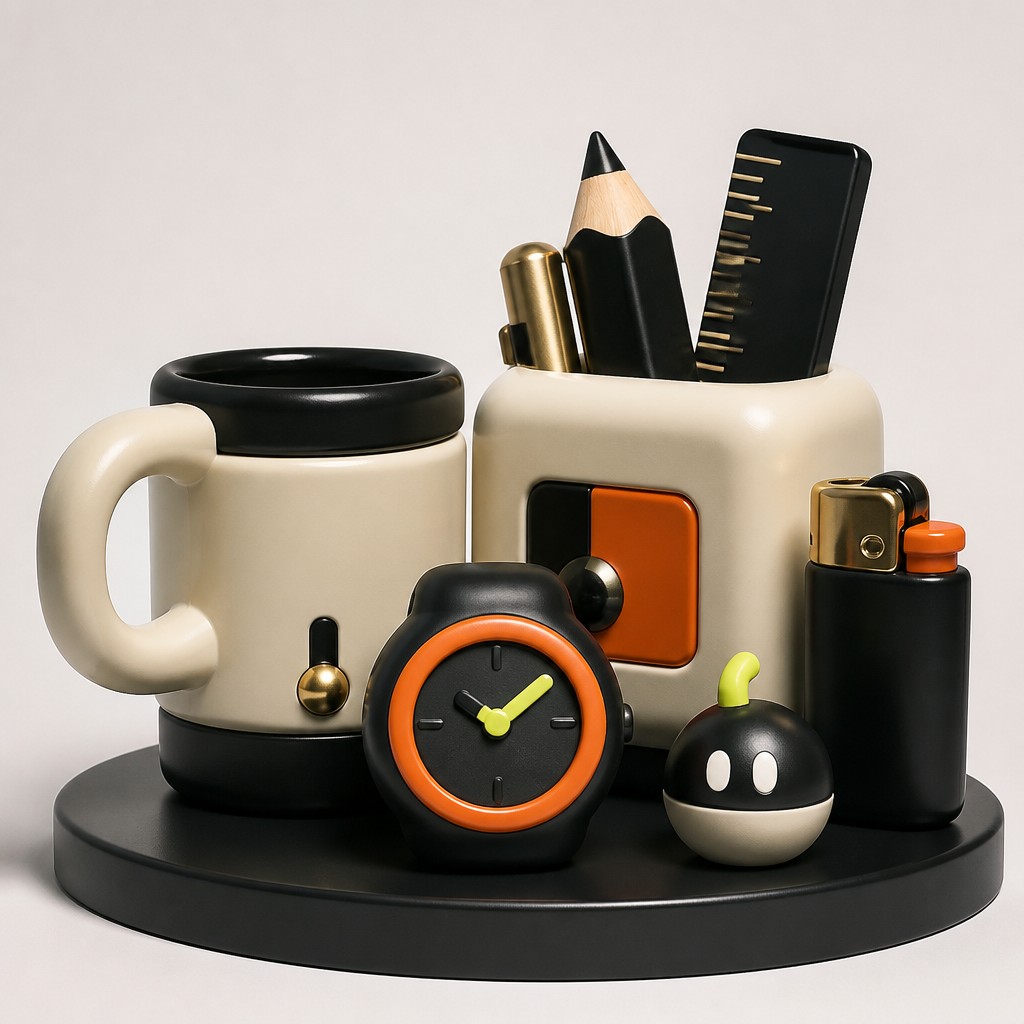
The subject often feels like a character, mascot, or symbolic figure rather than a literal portrait. The design can suggest narrative, irony, or emotional ambiguity without depending on realistic anatomy.
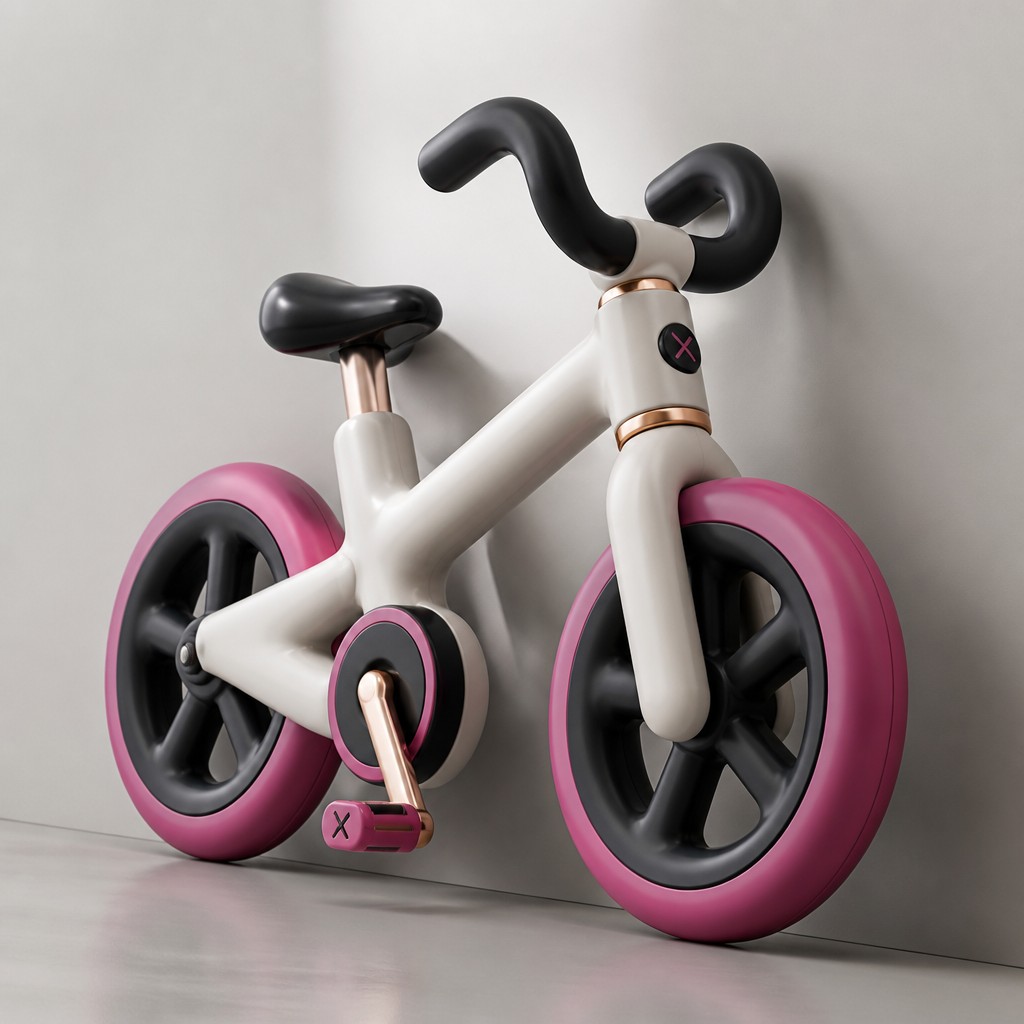
Gallery-polished presentation
Lighting, base treatment, and display context are usually considered part of the work. Clean studio presentation reinforces the object’s status as both collectible toy and art object.
Try It
Create Videos in Art Toy Sculpture
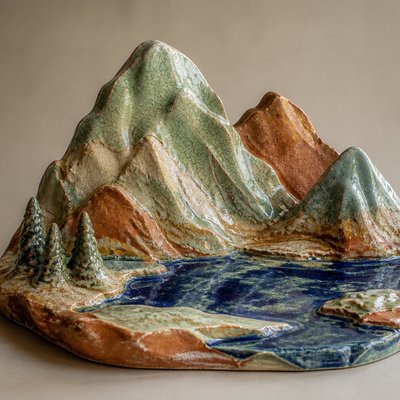
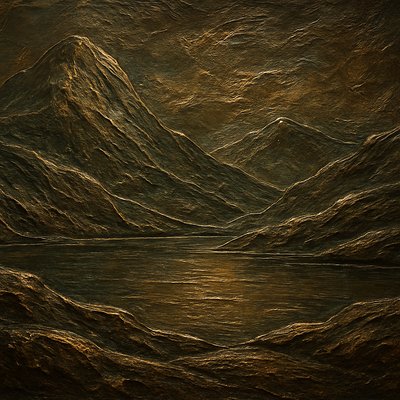
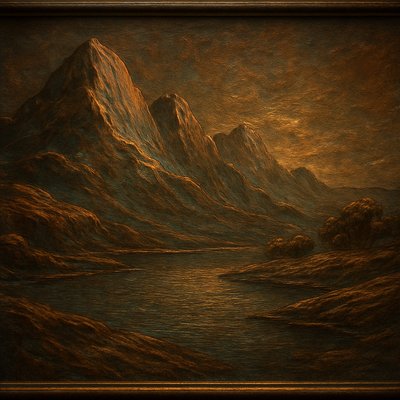
Styles aren't just for stills — describe a scene or animate an image and get a short video rendered in Art Toy Sculpture. Press play to see this pond come to life.
Make a VideoArt Toy Sculpture Prompt Ideas
Start from an idea — each one opens the generator with the style ready to go. See all 40 Art Toy Sculpture prompts →
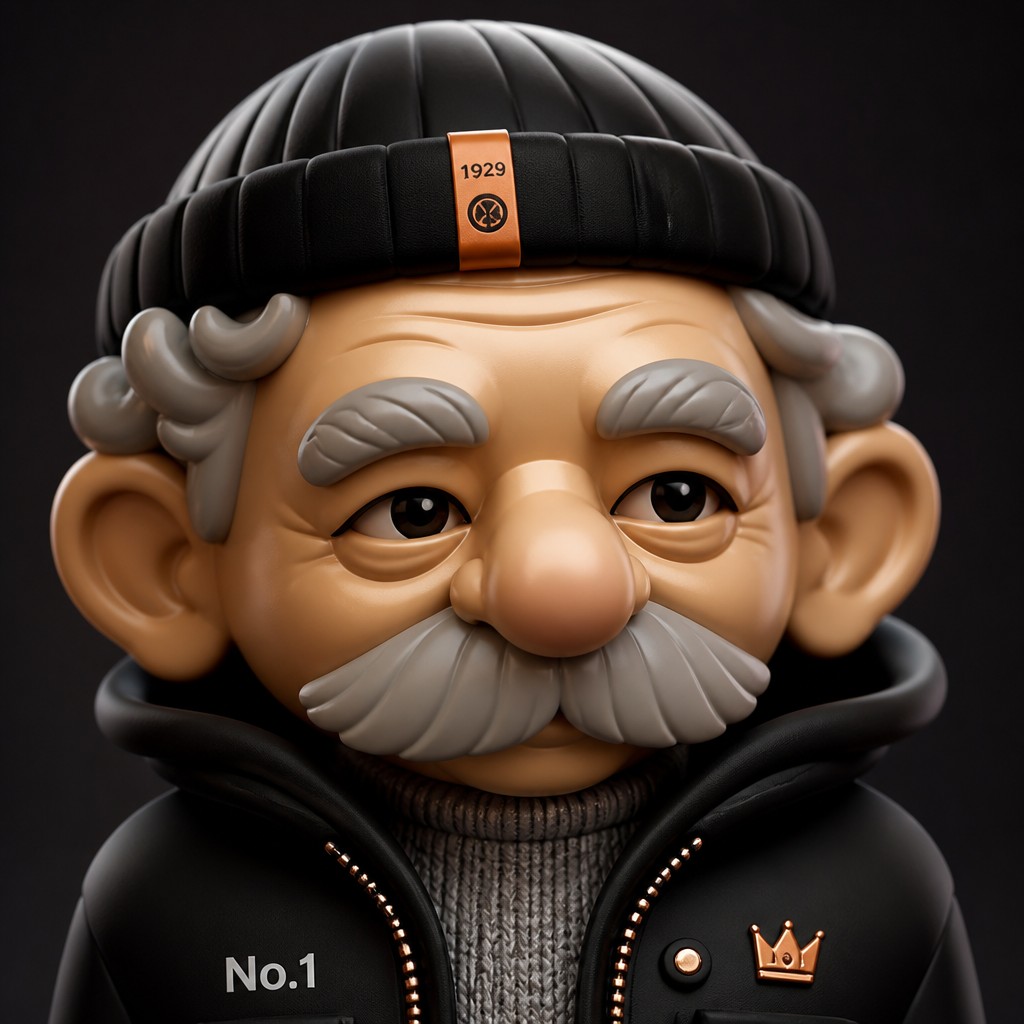
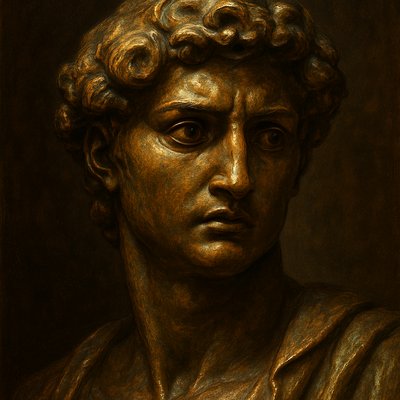
“close-up portrait of an elderly person with expressive weathered features”
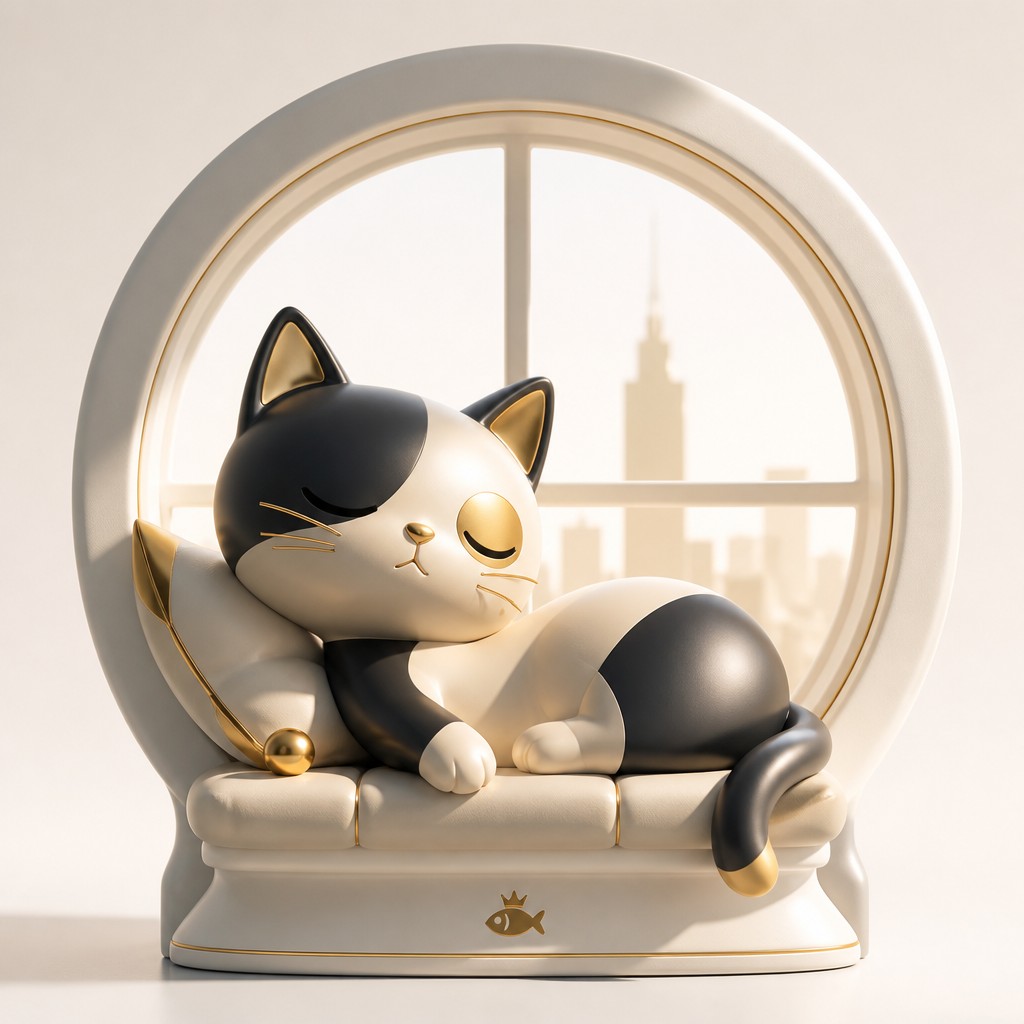
“a cat lounging in a sunlit window”
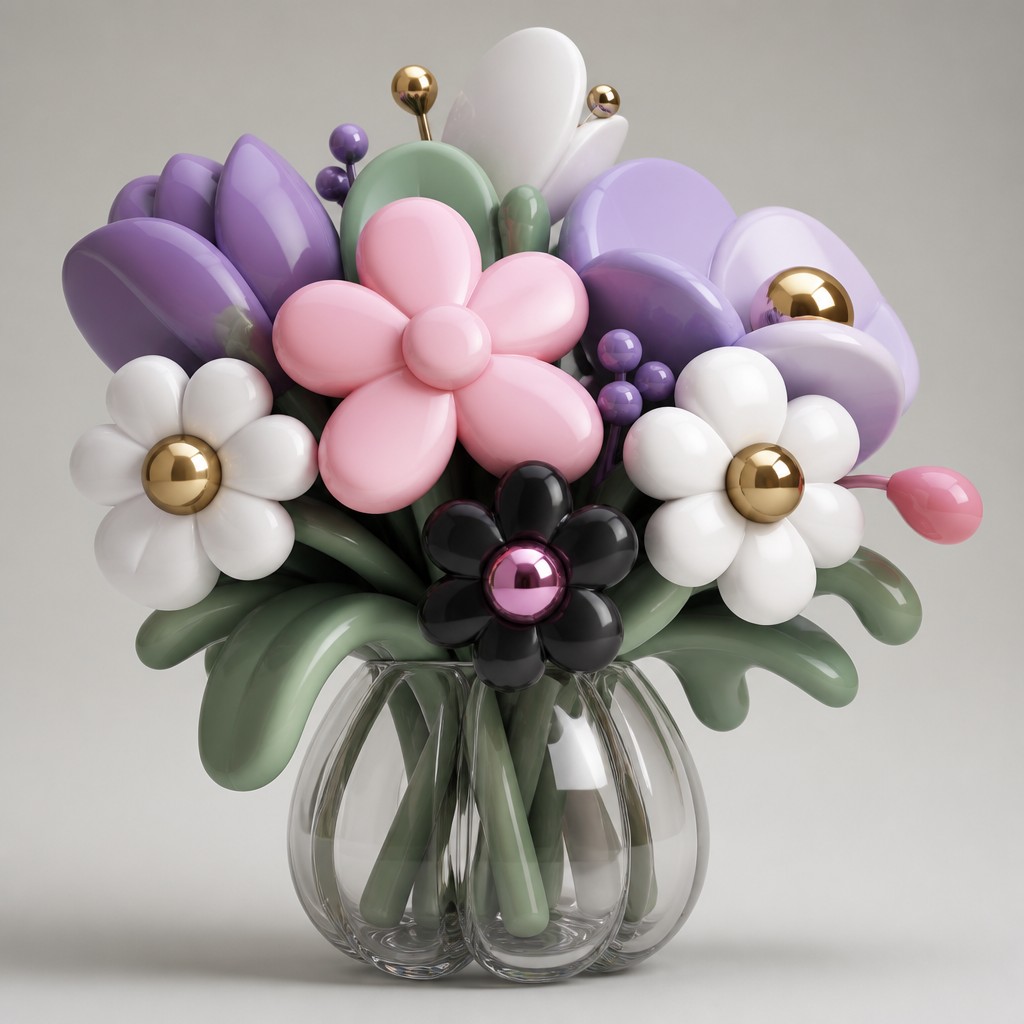
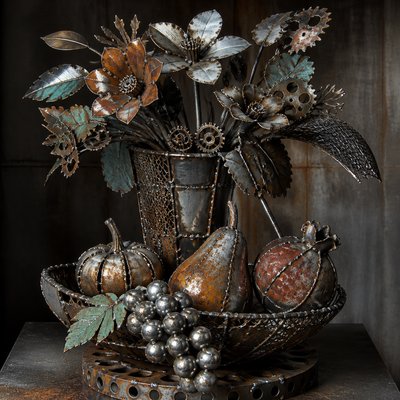
“bouquet of flowers in a glass vase”
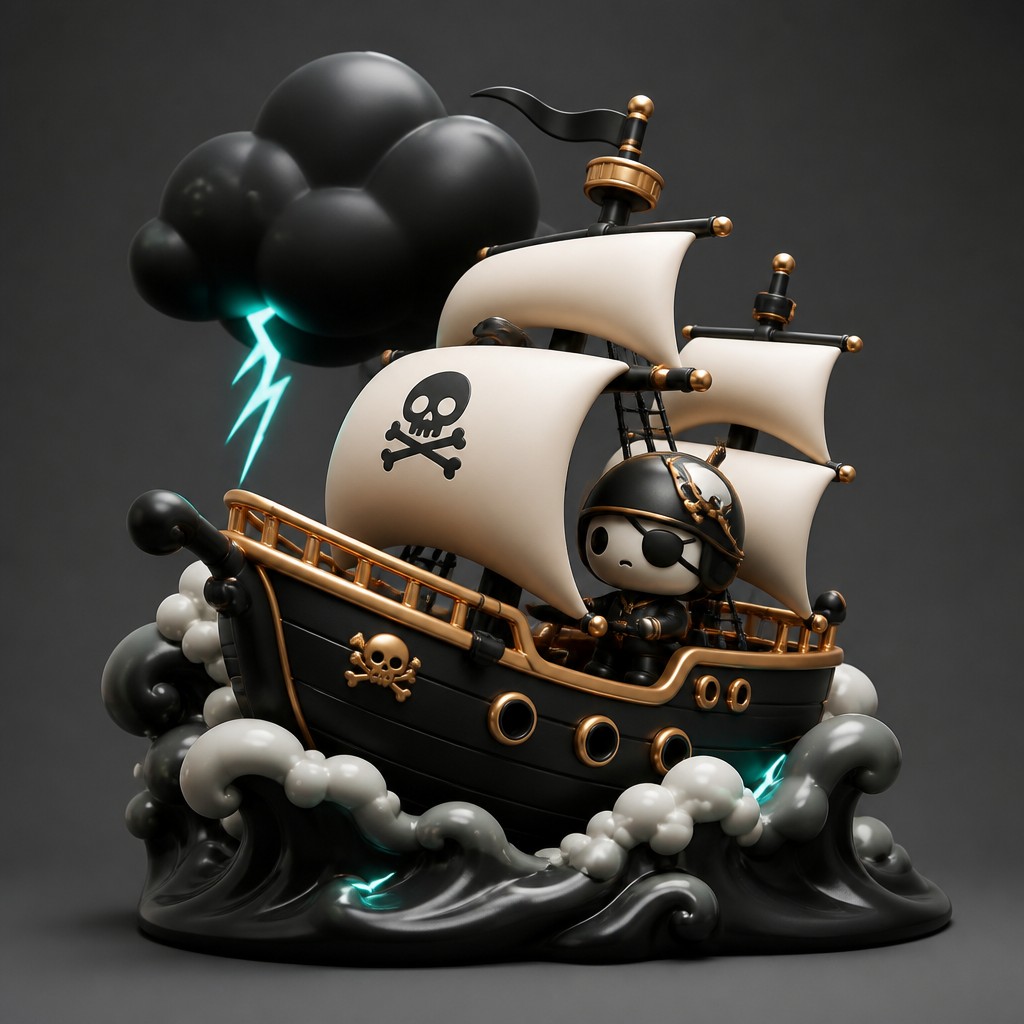
“sailing ship on a stormy sea”
How to Create Art Toy Sculpture Art
Master the craft step by step — or skip straight to creating. Read the full guide →
- 1
Design the form as a toy first, then refine it as sculpture
Start with a simple, readable silhouette and test whether the piece works as a small collectible object. Push proportions toward clarity and character, then remove any surface detail that does not support the overall shape.
- 2
Use smooth construction and controlled finishing
In clay, foam, 3D modeling, or digital sculpting, keep transitions soft and seams intentional. Finish physical works with sanding, priming, and high-quality paint application; in digital work, emphasize even shading and clean topology so the forms feel cast rather than sketched.
- 3
Balance matte and glossy zones
Choose one or two surfaces to catch light strongly and let the rest stay subdued. This contrast is central to the look, whether achieved with varnish, clear coat, material shaders, or carefully placed specular highlights.
- 4
Limit the palette and reserve accents
Build the piece from a restrained base color family, then introduce a single accent hue or metallic detail. Too many competing colors can make the object feel like a toy prototype rather than a finished art object.
- 5
Stage it like a product photograph
Use soft studio lighting, gradient shadows, and a neutral background to emphasize volume and finish. For digital or AI-based generation, specify polished surfaces, clean lighting, and luxury product-photography presentation to capture the genre’s refined look.
The Story
History & Origins of Art Toy Sculpture
Art toy sculpture emerged from the late-20th- and early-21st-century designer toy movement, which developed across Hong Kong, Japan, the United States, and Europe. It grew from a mix of street art, graphic design, character branding, and collectible vinyl figures, then expanded into limited-edition sculpture shown in galleries and contemporary art fairs. Its lineage is not one single historical movement but a convergence of pop art, minimalist object sculpture, and toy culture.
The aesthetic drew momentum from artists and studios that treated the toy form as a platform for personal iconography and experimental material practice. Influences include Japanese character design, urban vinyl collectibles, and the broader tradition of sculptural objects that sit between commodity and artwork. As the field matured, art toy sculpture absorbed influences from industrial design, luxury consumer goods, and contemporary conceptual art, emphasizing editioning, surface refinement, and the tension between mass culture and uniqueness.
Influences: This aesthetic is closely related to designer toys, urban vinyl, and collectible figurines, as well as to pop art’s interest in consumer imagery and character-based iconography. It also draws from minimalist sculpture, industrial design, Japanese character goods, and the polished presentation strategies of luxury product photography. In a broader art-historical sense, its concern with objecthood and editioned sculpture can be compared to aspects of pop art and conceptual object-making, though its visual language is more synthetic and character-driven than the work of canonical pop artists and major postwar object-oriented sculptors.
Frequently Asked Questions
What defines art toy sculpture?
It is a sculptural style that treats the toy form as an art object rather than a children's product. The defining features are simplified character-based shapes, smooth manufactured surfaces, and a balance between playful design and conceptual presentation.
Is this the same as designer toys or vinyl toys?
It overlaps strongly with both terms, but art toy sculpture usually emphasizes the art-object side of the practice. Designer toys and vinyl toys can include commercial collectibles, while art toy sculpture often pushes toward limited editions, gallery display, and more experimental materials.
What materials are commonly used?
Physical works are often made from vinyl, resin, polyurethane, clay, 3D-printed parts, or mixed-media armatures. Finished pieces may be painted, clear-coated, or polished to achieve the clean, seamless look associated with the style.
How is it different from cartoon sculpture or pop surrealism?
Cartoon sculpture often leans more directly into recognizable animation language, while art toy sculpture is usually more design-led and object-centered. Compared with pop surrealism, it is generally less painterly and more concerned with the engineered appearance of a collectible artifact.
Can I create this style digitally?
Yes. Digital sculpting and 3D rendering are especially well suited to it because the style depends on smooth forms, controlled surfaces, and polished lighting. You can model the character in 3D, then render it with vinyl-like shaders and soft studio illumination.
Where is this style used?
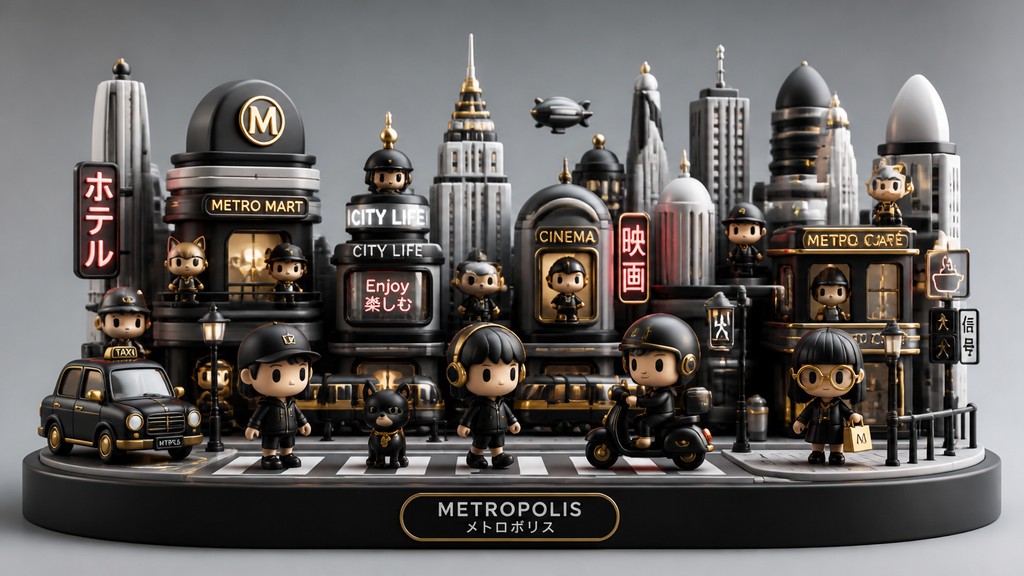
It appears in collectible art figures, limited-edition sculptures, gallery installations, brand collaborations, packaging design, and character-driven visual campaigns. It is especially common where artists want to bridge fine art, product culture, and character design.
Create your first Art Toy Sculpture artwork
Describe anything — or upload a photo — and see it in Art Toy Sculpture in seconds.
Make Something with Art Toy Sculpture
Related Styles
Discover similar art styles