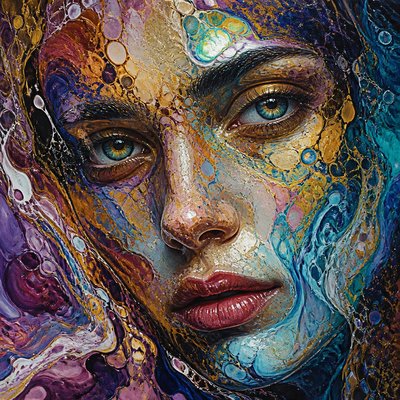
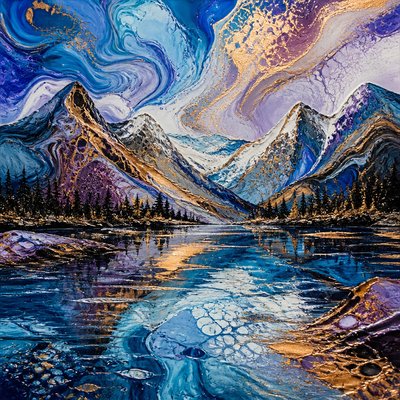
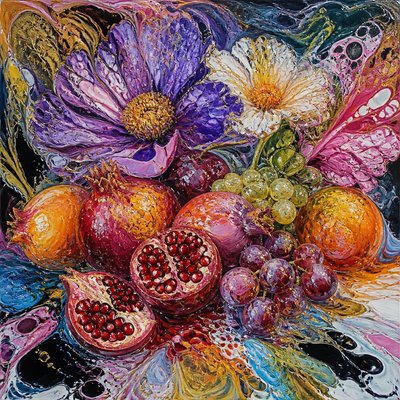
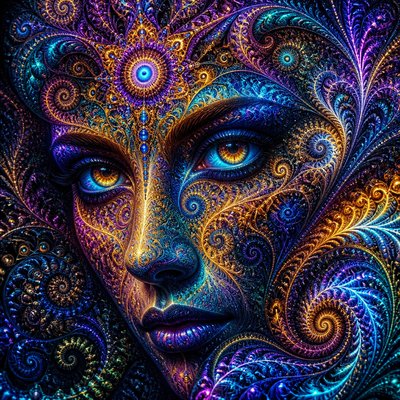
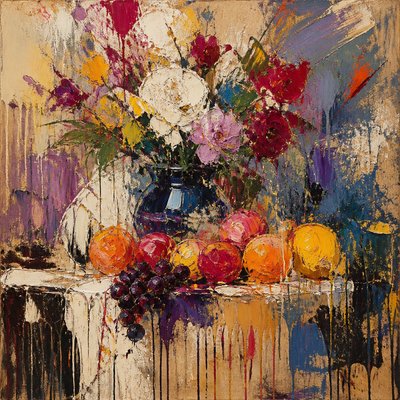
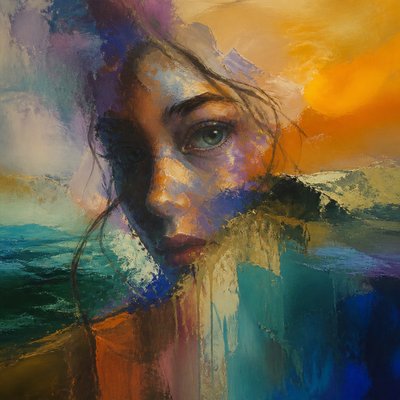
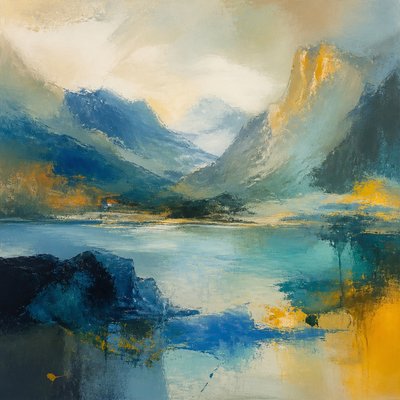
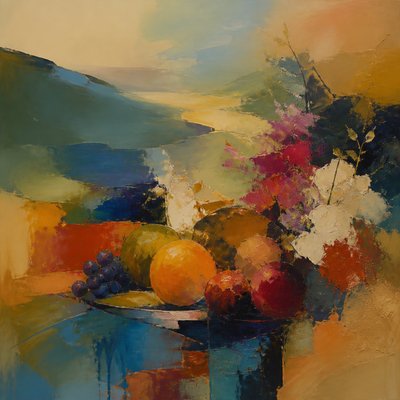
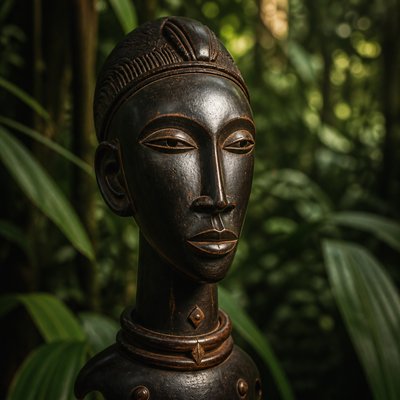
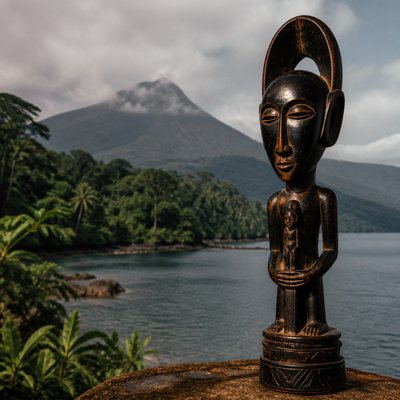
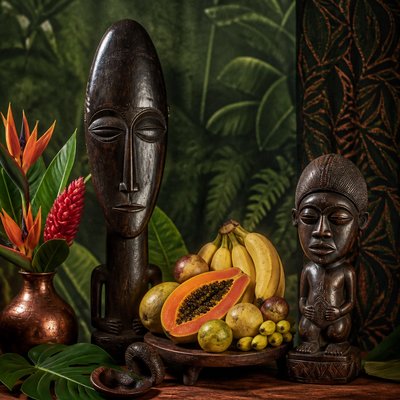
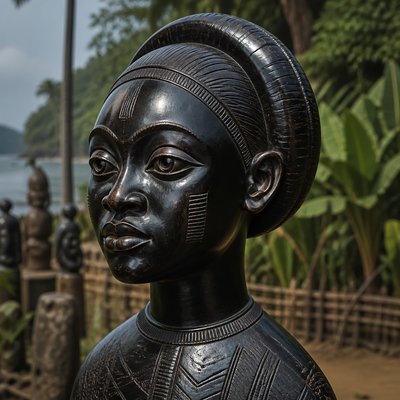
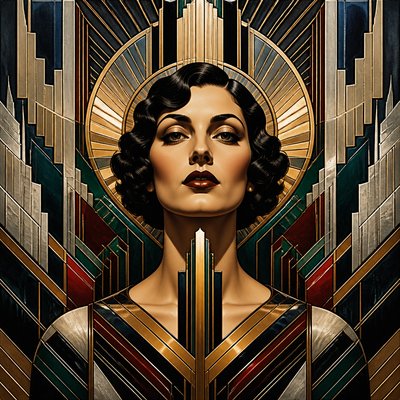
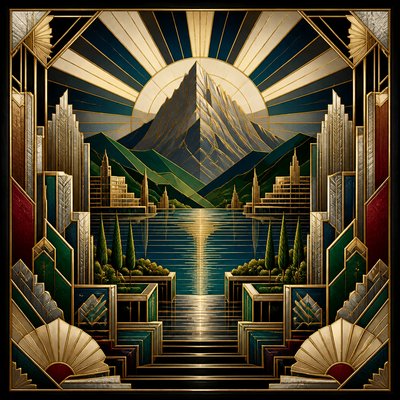
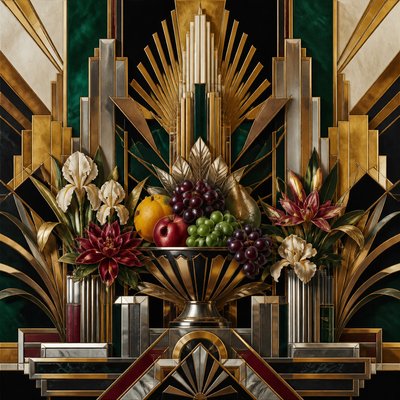
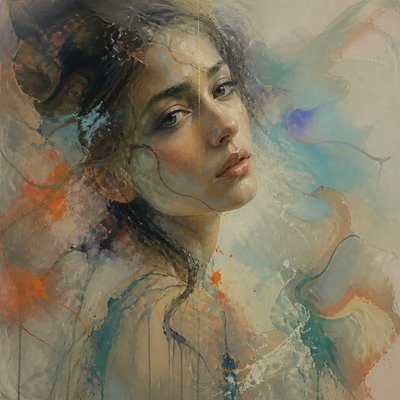
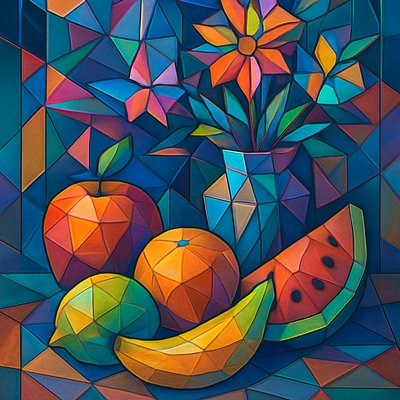
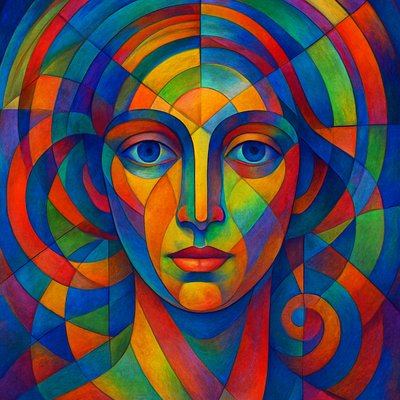
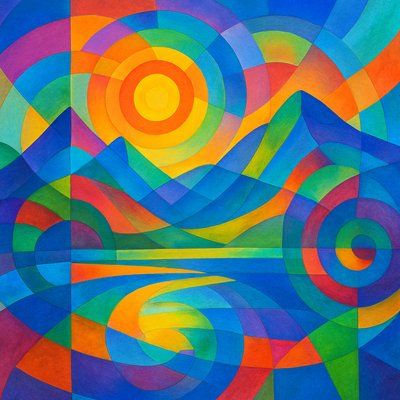
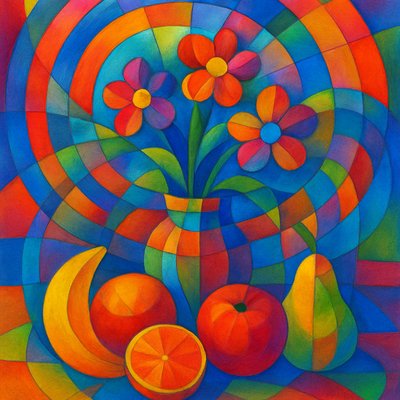
Modern Abstract Sculpture Art Style
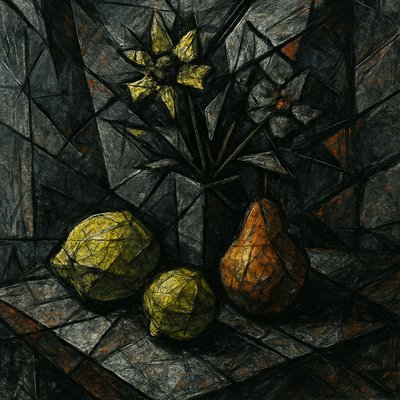
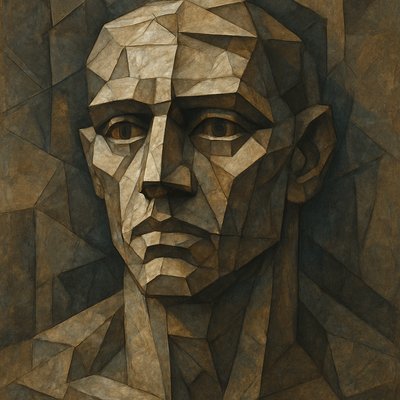
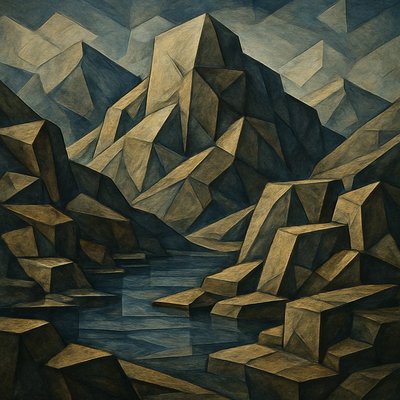
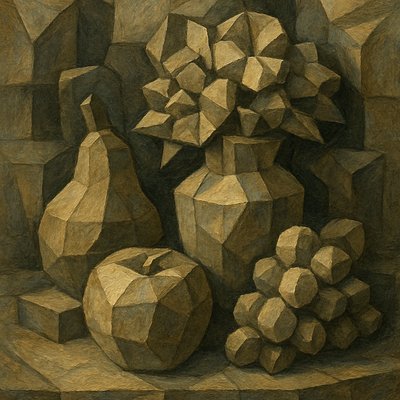
Modern abstract sculpture: geometric form, negative space, and bold materials in a clean, gallery-ready sculptural style.
Instantly rendered in Modern Abstract Sculpture — or transform a photo
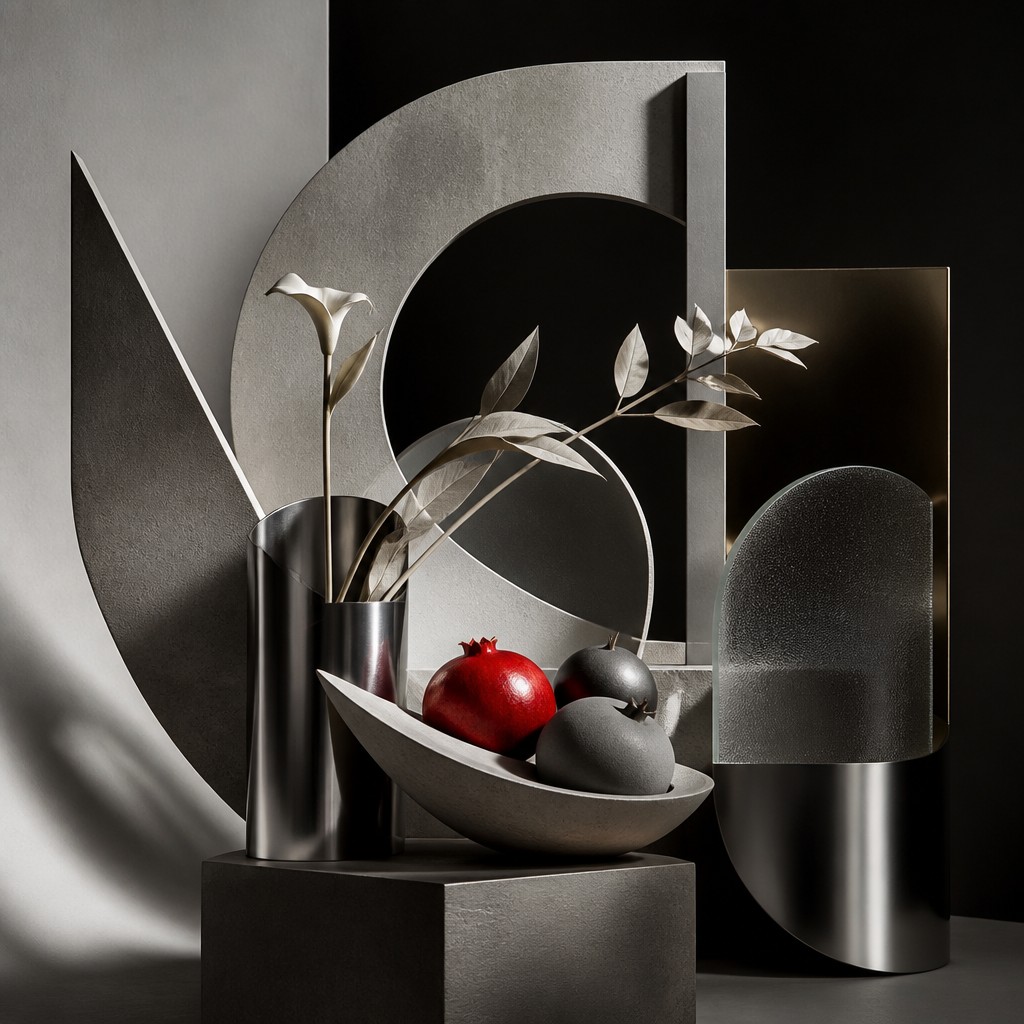
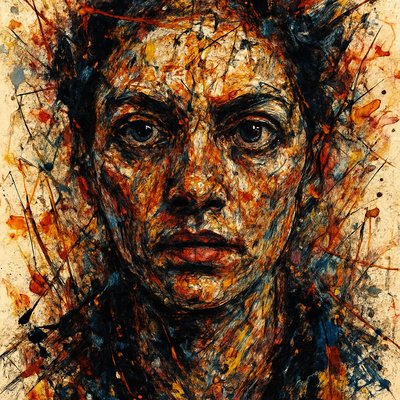
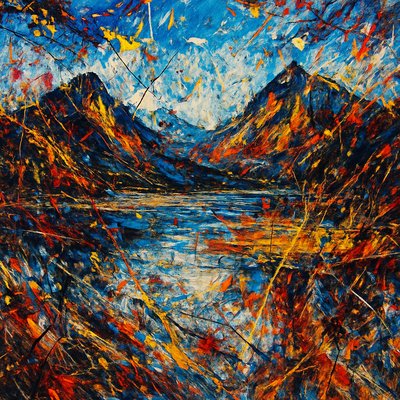
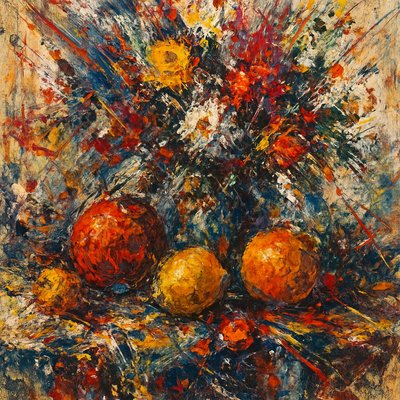
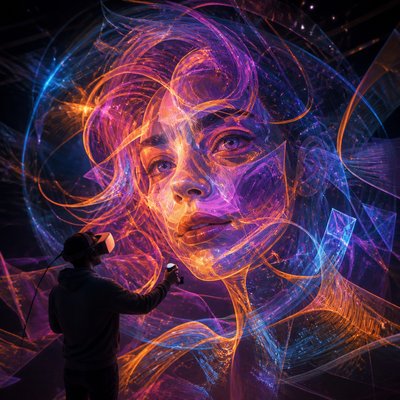
Modern Abstract Sculpture Gallery
Tap any artwork to explore it
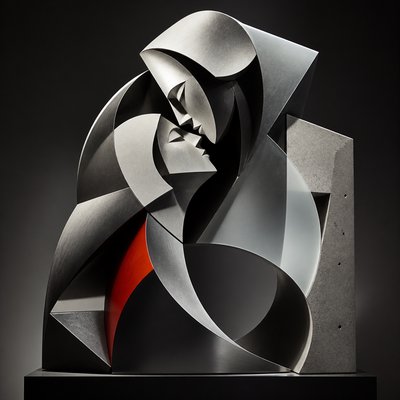
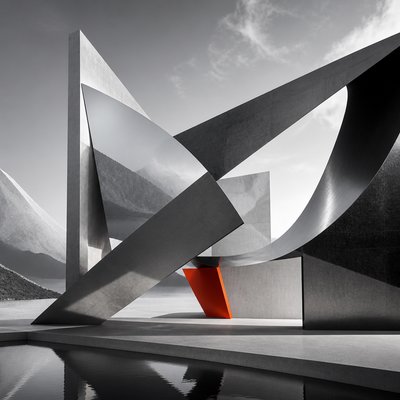
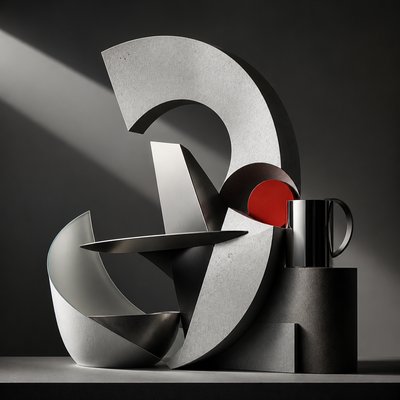
What is Modern Abstract Sculpture Art Style?
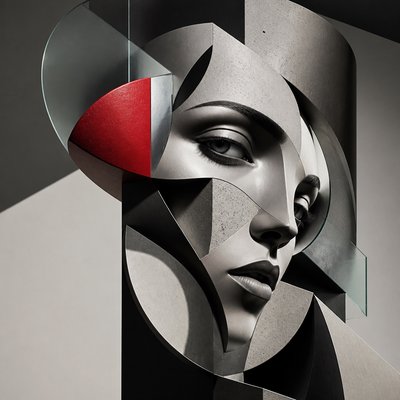
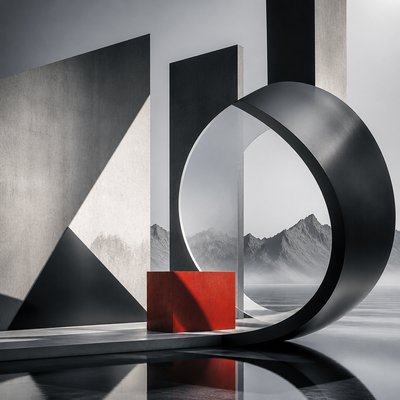
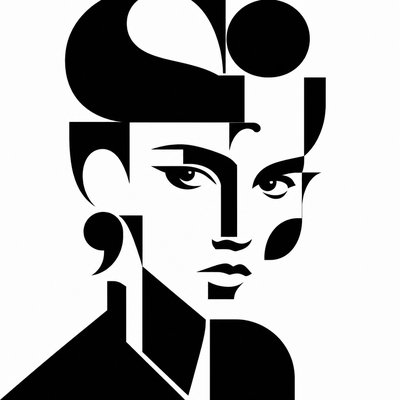
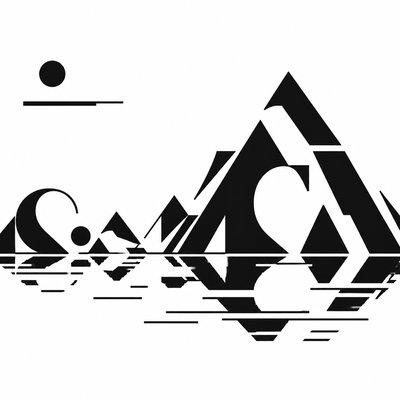
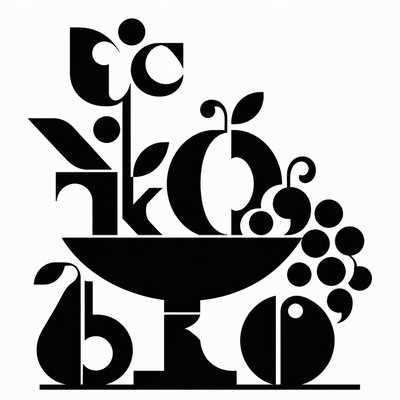
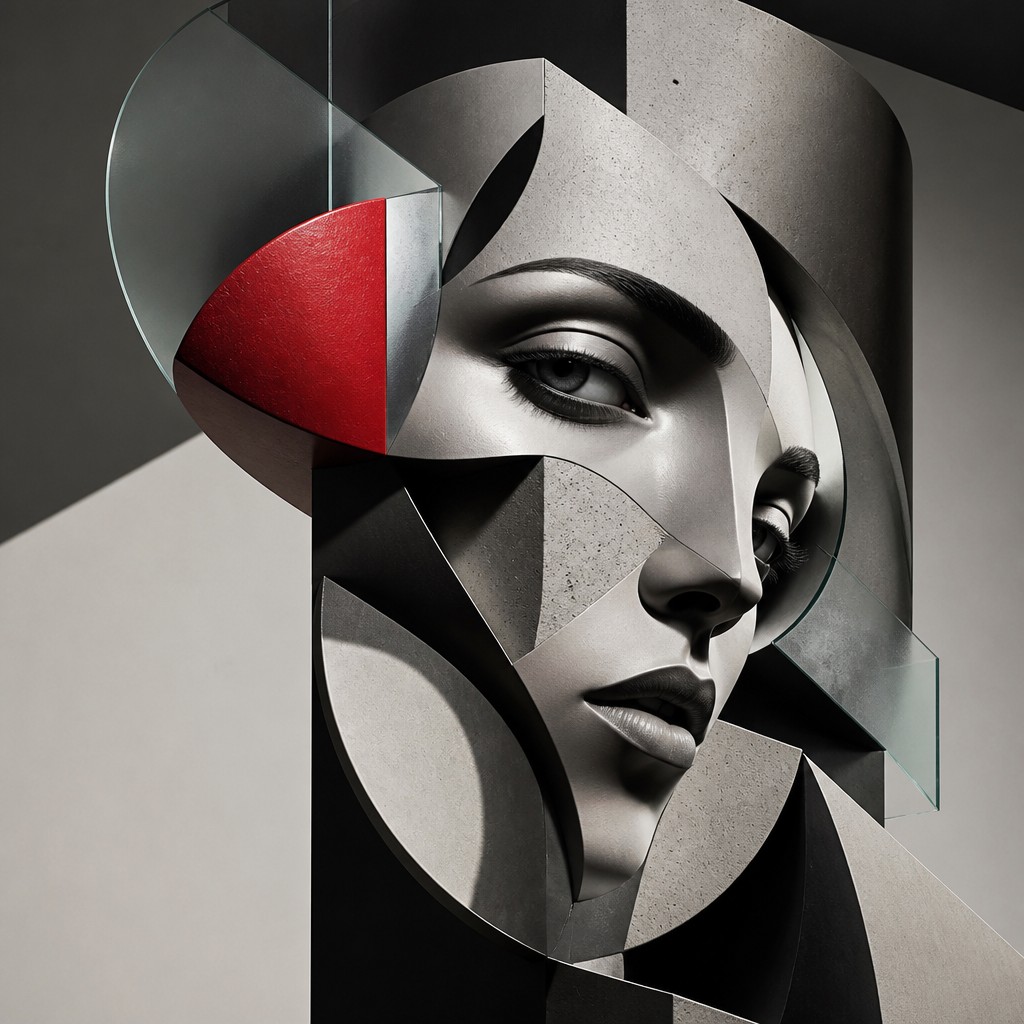
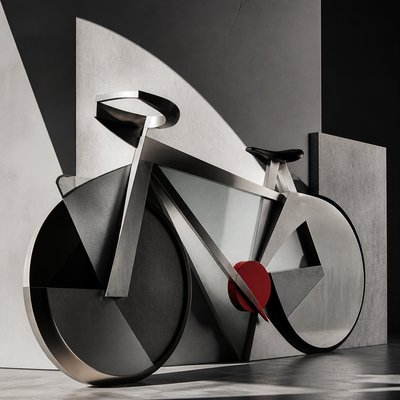
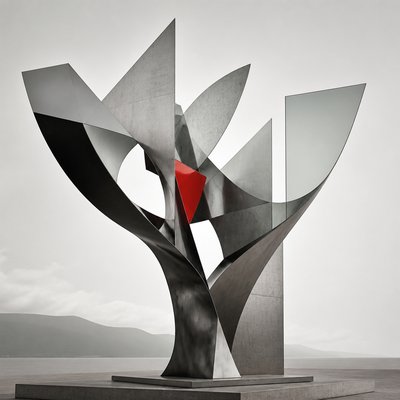
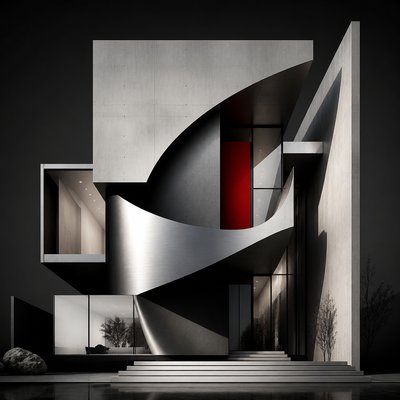
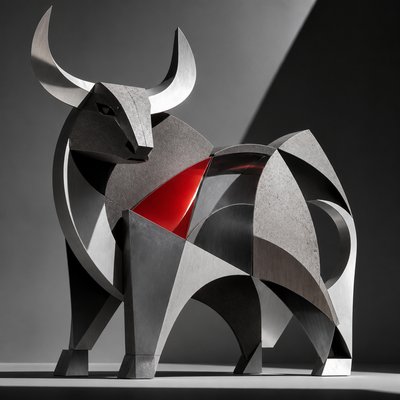
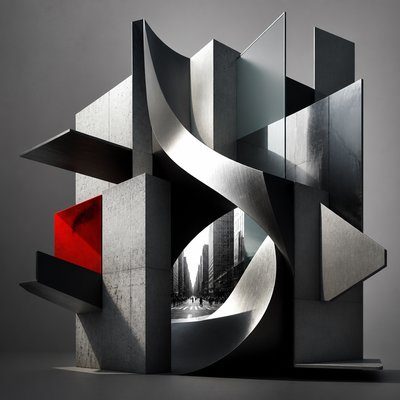
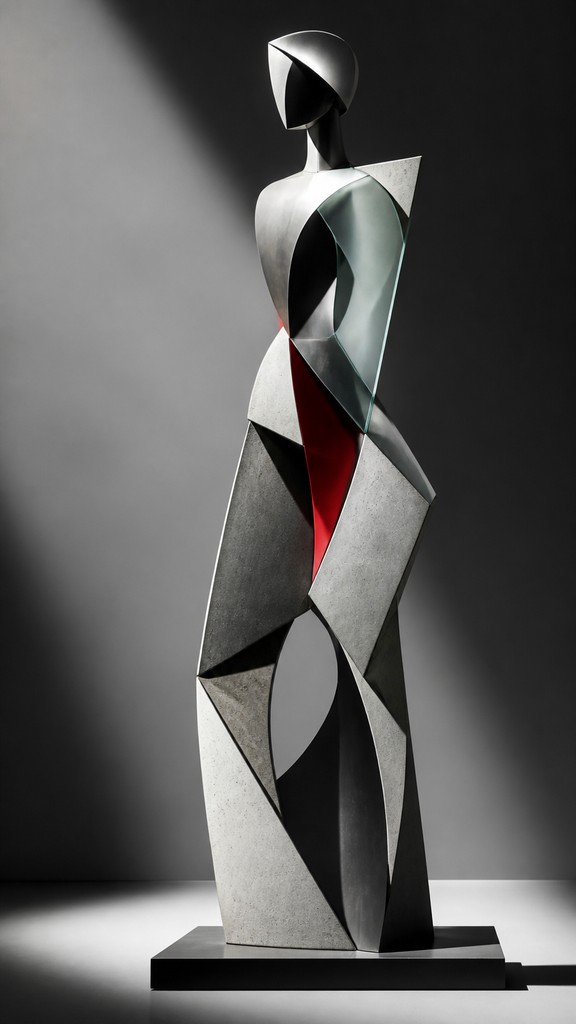
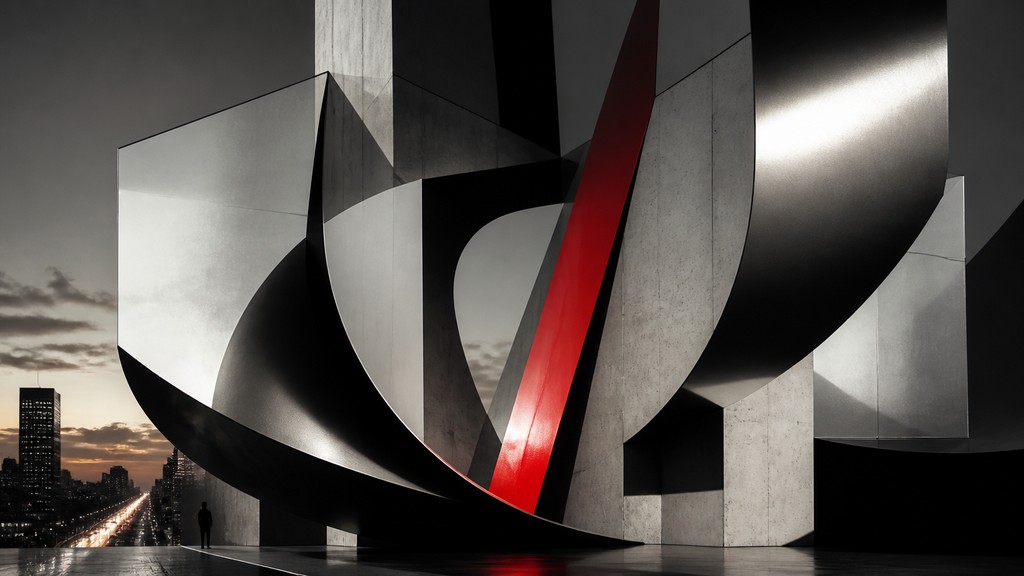
Modern abstract sculpture is a three-dimensional visual language that moves away from depicting recognizable subjects and instead organizes form, mass, void, texture, and light. Its identity comes from the relationship between solid volumes and open space: interlocking planes, curved wedges, cut-outs, and asymmetry create compositions that feel both engineered and expressive.
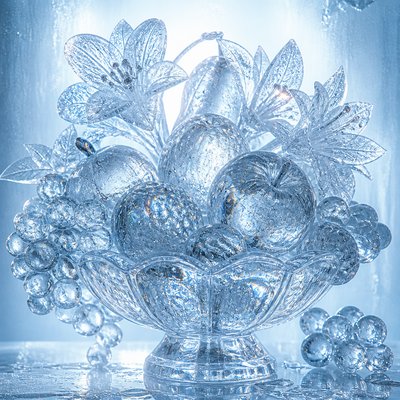
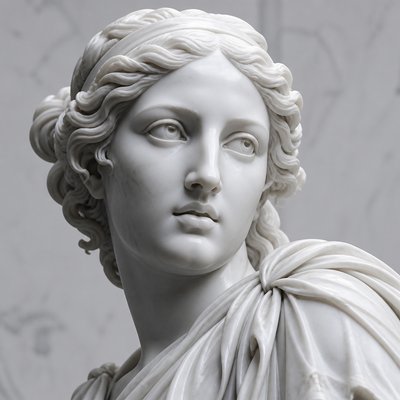
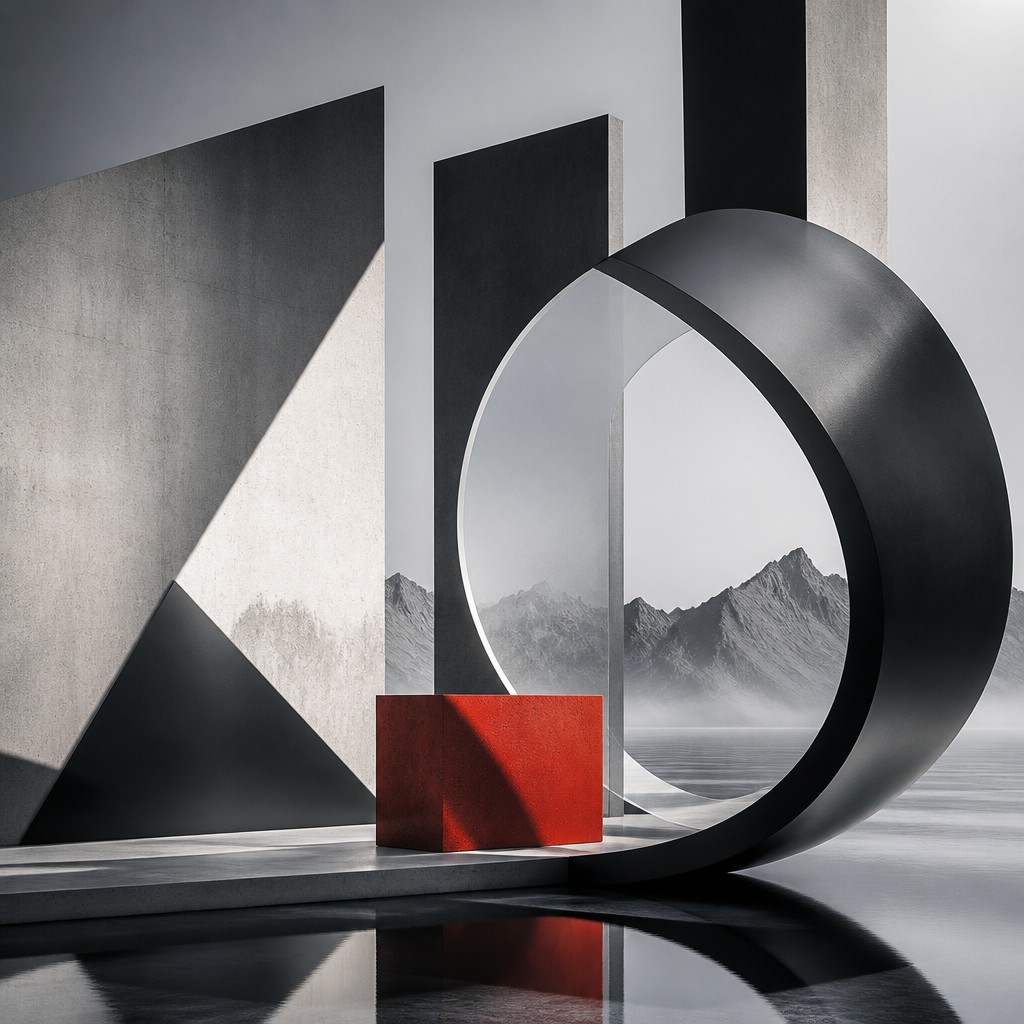
The style often combines industrial and fine-art material cues, such as polished metal, raw concrete, stone, frosted glass, or painted resin. Strong directional lighting is essential because it turns surface into structure, emphasizing edges, shadows, reflections, and smooth gradients. The result is a sculptural presence that feels contemporary, spatial, and deliberately non-narrative.
Try It On Your Photos
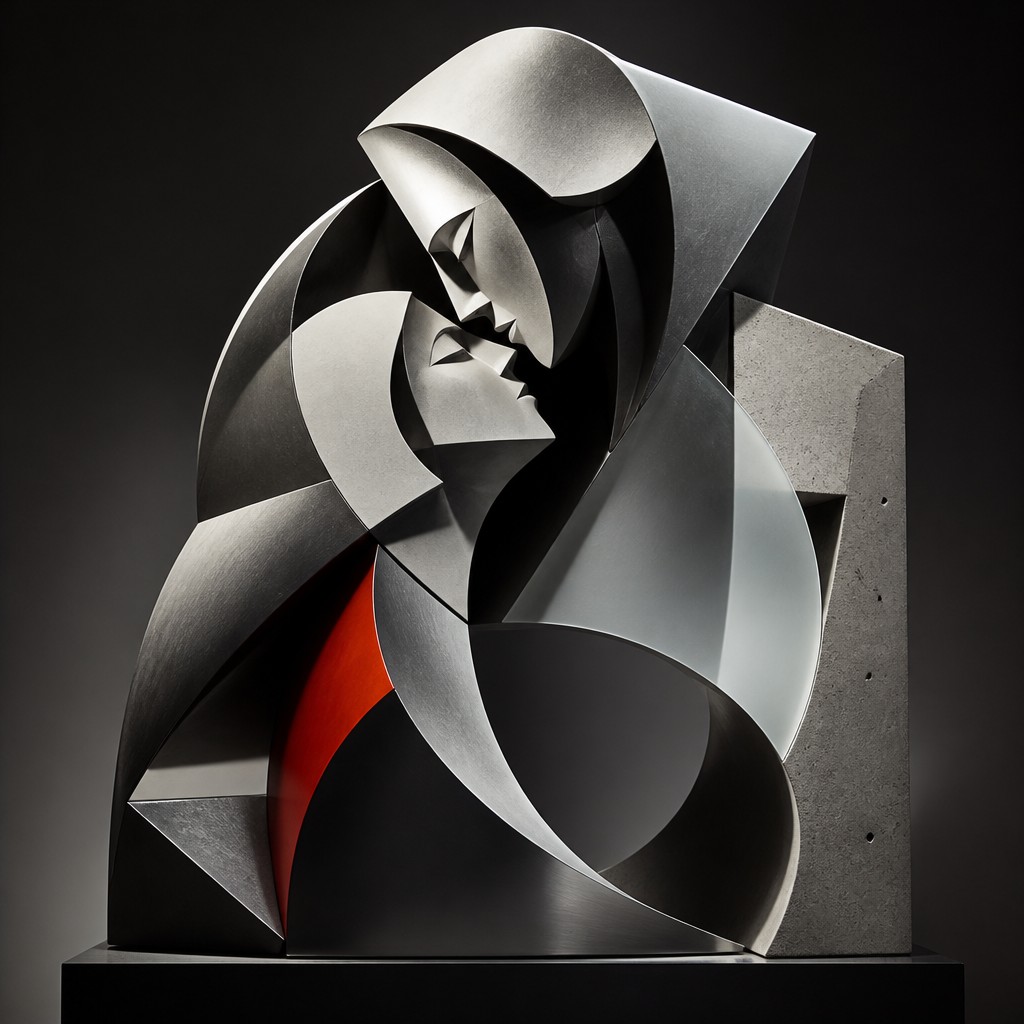
Upload any photo and convert it into Modern Abstract Sculpture Art Style — drag the sliders to compare before and after.


What Defines Modern Abstract Sculpture Art Style
The signature details, up close
Geometric massing
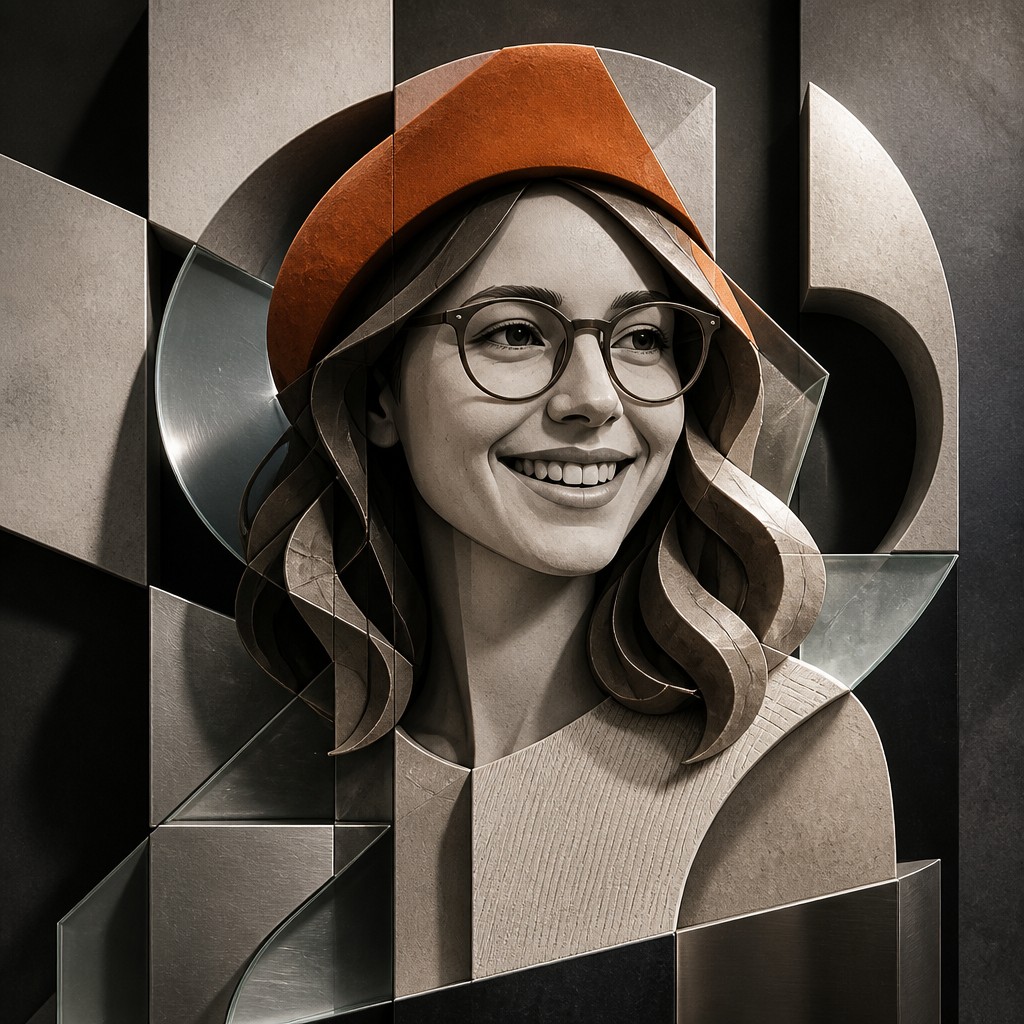
Forms are built from blocks, cylinders, arcs, slabs, or faceted planes rather than lifelike anatomy. The composition usually feels engineered, with clear structural logic even when the silhouette is unconventional.
Negative space
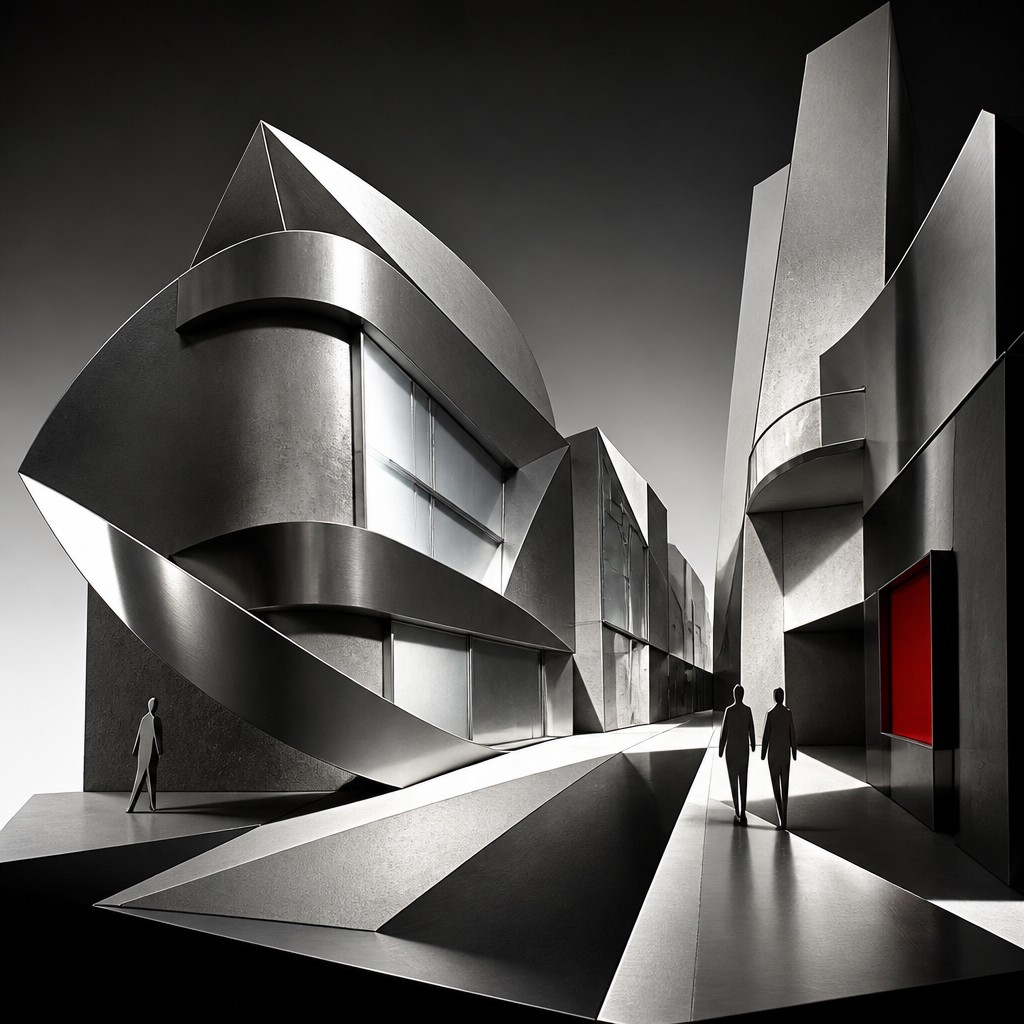
Open voids are as important as the solid parts of the sculpture. Cut-throughs, gaps, and suspended intervals make the object feel dynamic and spatially active.
Material contrast
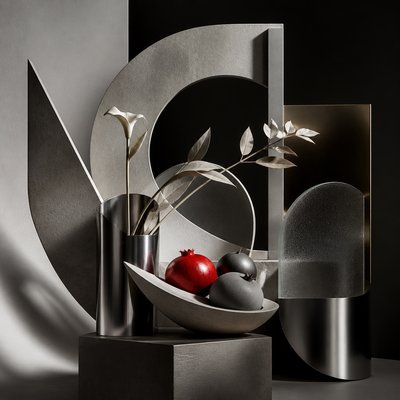
Surfaces often suggest a mix of polished metal, matte stone, concrete, glass, or painted finish. This contrast heightens the sense of weight, texture, and light interaction.
Asymmetry and tension
The composition rarely relies on perfect balance. Slight offsets, cantilevers, and overlapping forms create visual tension and a sense of movement within stillness.
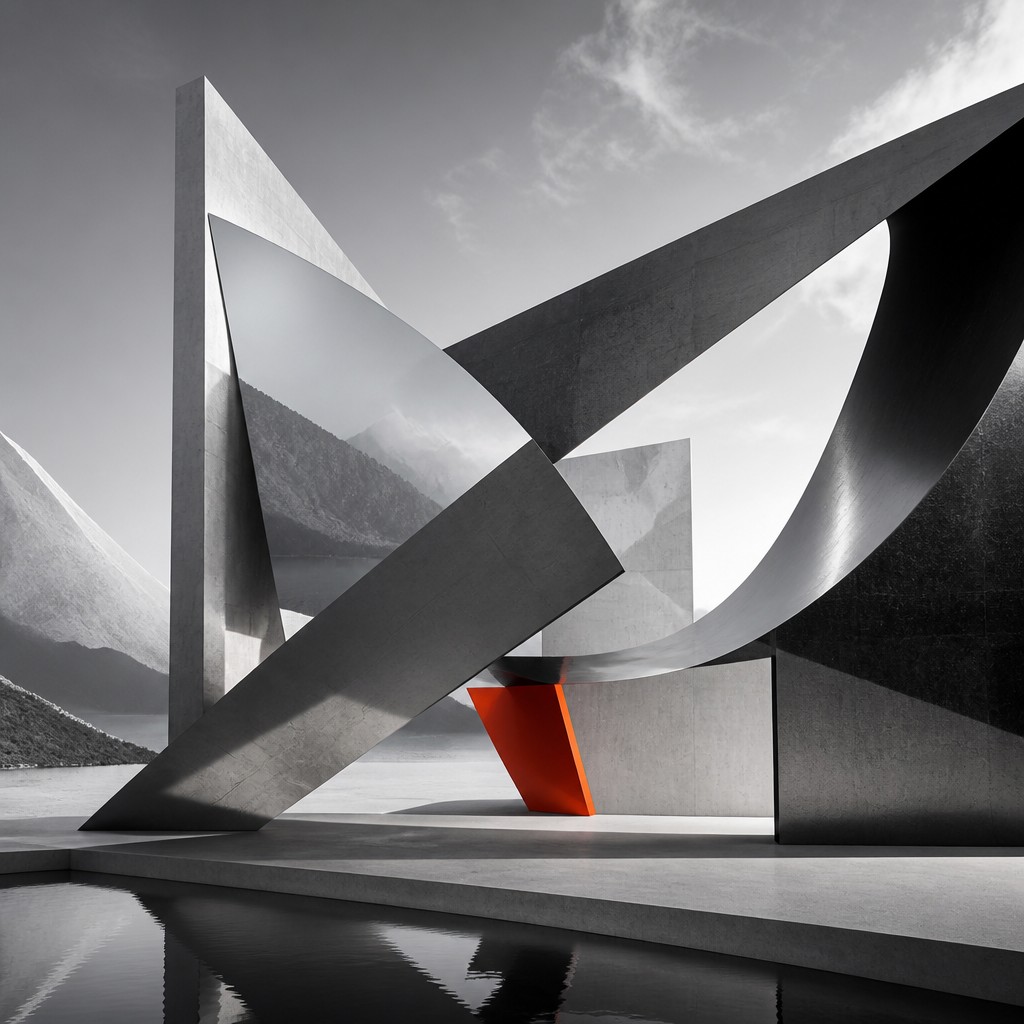
Light-defined form
Directional lighting carves edges, throws crisp shadows, and reveals subtle gradients across surfaces. The sculpture is usually read through illumination as much as through outline.
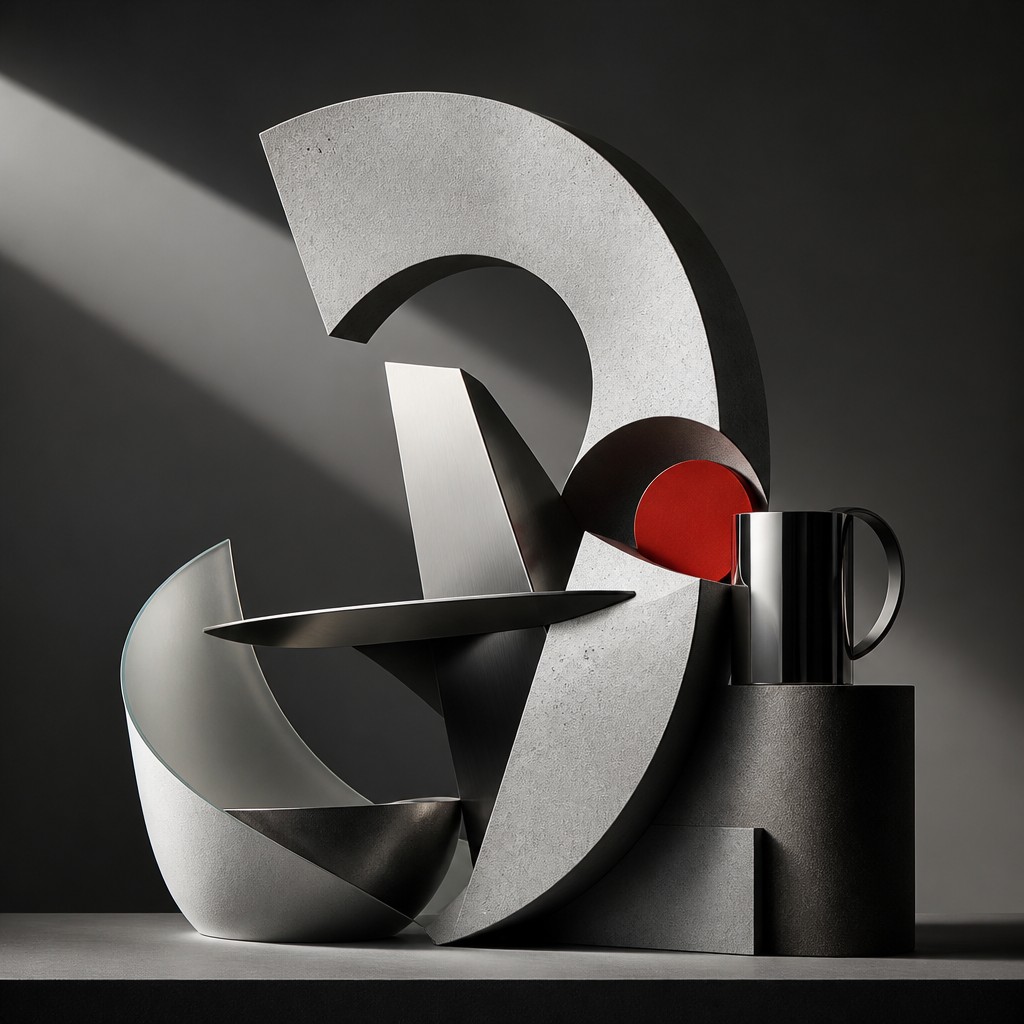
Monochrome with accent
A restrained palette is common, often black, white, gray, or stone tones with one vivid accent color. The accent helps organize the eye and adds a contemporary, gallery-like clarity.
Try It
Create Videos in Modern Abstract Sculpture Art Style
Styles aren't just for stills — describe a scene or animate an image and get a short video rendered in Modern Abstract Sculpture. Press play to see this pond come to life.
Make a VideoModern Abstract Sculpture Prompt Ideas
Start from an idea — each one opens the generator with the style ready to go. See all 40 Modern Abstract Sculpture prompts →
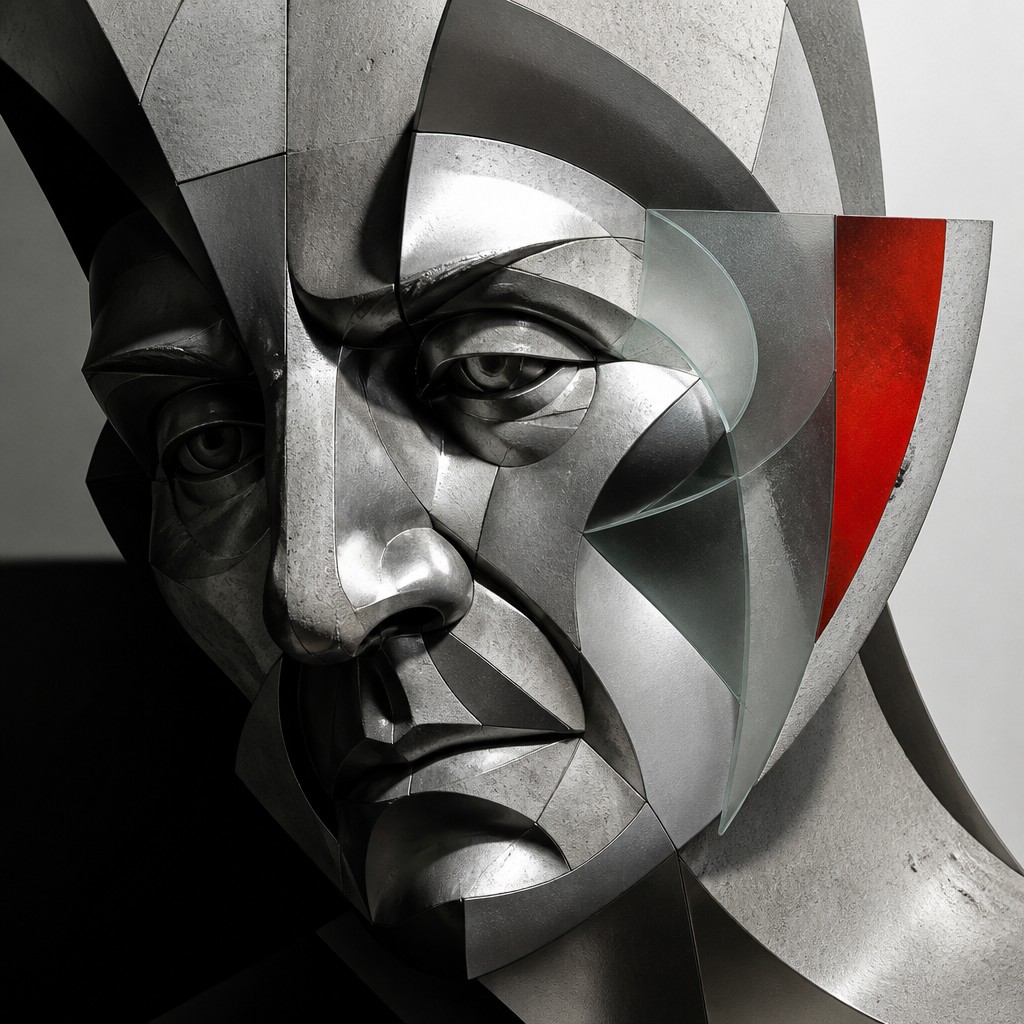
“close-up portrait of an elderly person with expressive weathered features”
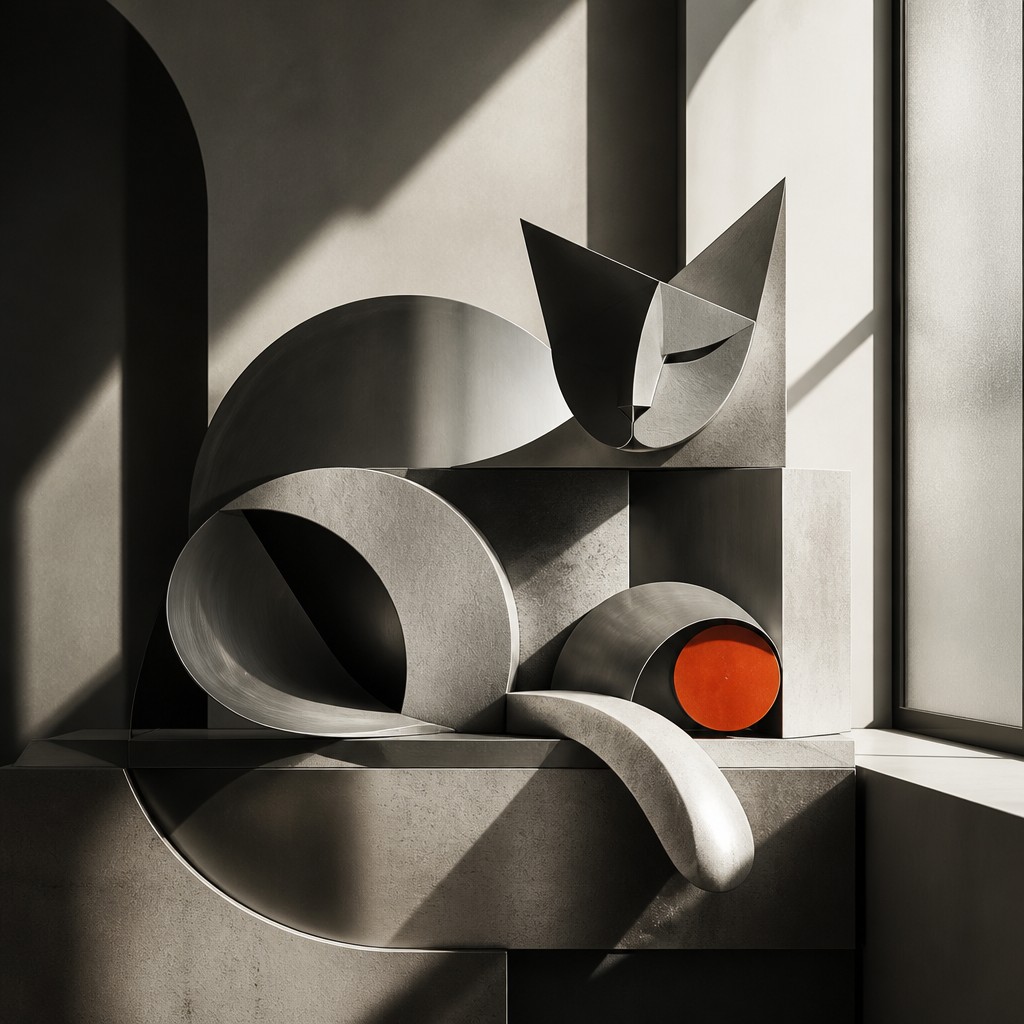
“a cat lounging in a sunlit window”
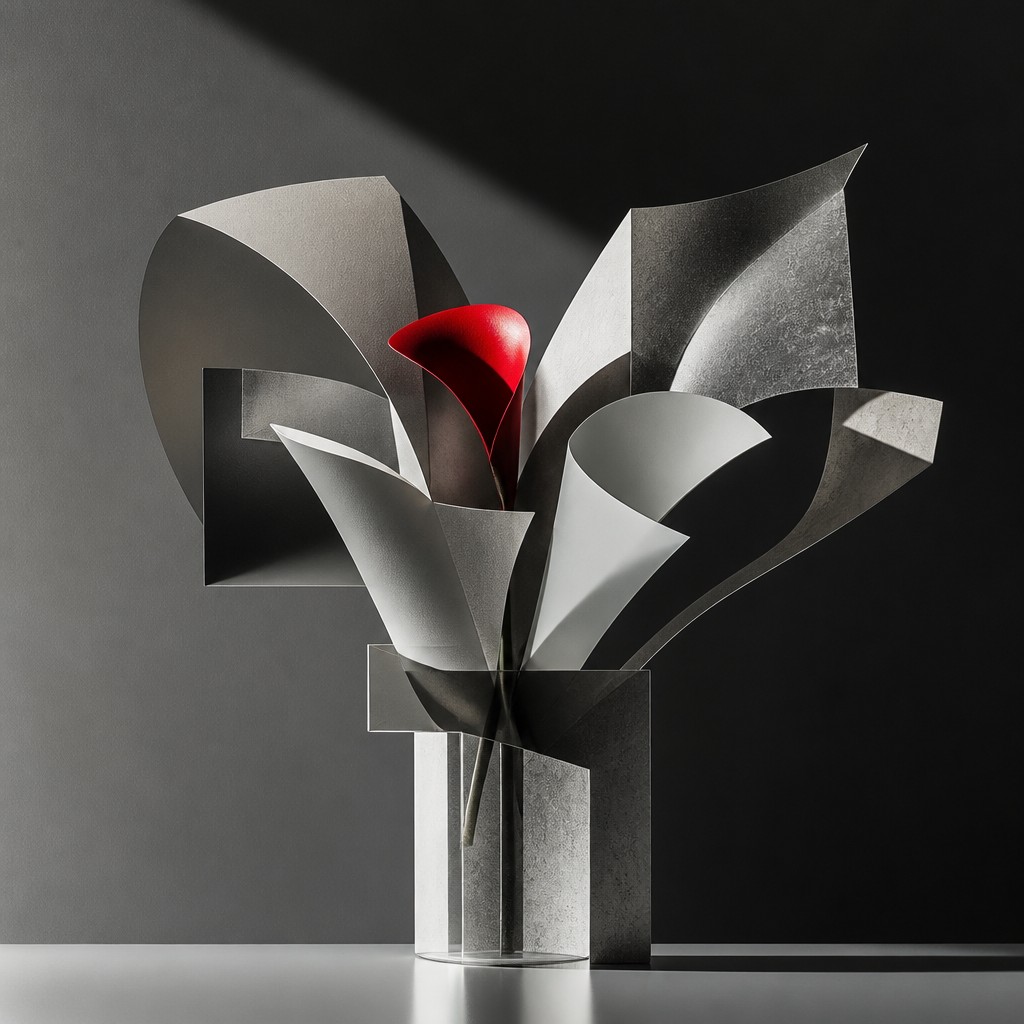
“bouquet of flowers in a glass vase”
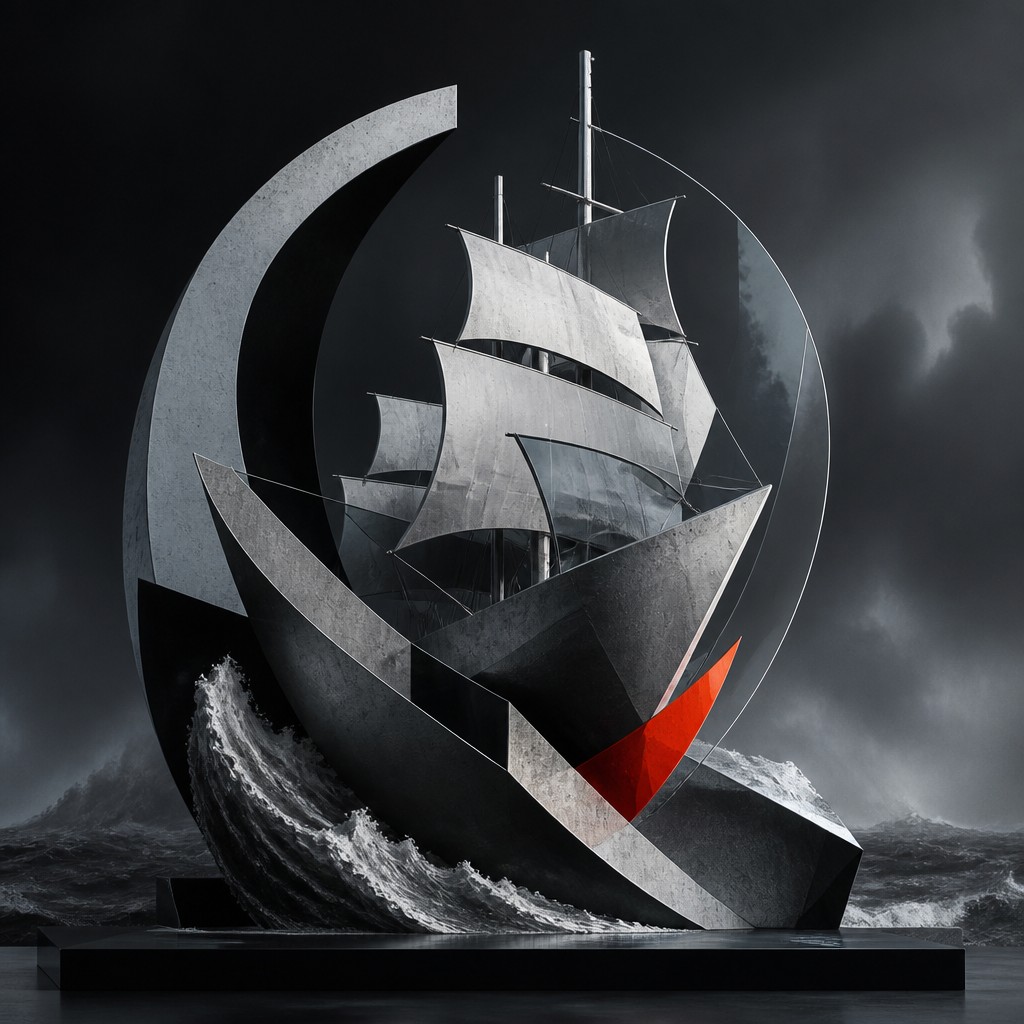
“sailing ship on a stormy sea”
How to Create Modern Abstract Sculpture Art
Master the craft step by step — or skip straight to creating. Read the full guide →
- 1
Start with a structural silhouette
Build the design from simple volumes before adding detail. In traditional work, sketch the object as interlocking solids and study how the negative space reads from multiple angles.
- 2
Use material thinking, not surface decoration
Choose finishes that reinforce the form: matte concrete for mass, reflective metal for edges, and translucent glass for depth. In digital work, vary roughness, reflectivity, and opacity so each plane behaves differently under light.
- 3
Design with voids and overlaps
Cut openings through the sculpture or let one volume pass through another to create spatial complexity. The empty areas should feel intentional, as if they are part of the composition rather than leftover space.
- 4
Control the lighting like a gallery render
Use a strong key light from one side and let shadows describe the object’s geometry. A clean backdrop and limited ambient fill help preserve crisp transitions between highlight, midtone, and shadow.
- 5
Keep the palette disciplined
Restrict most of the image to neutrals and introduce only one accent hue if needed. This keeps attention on shape, proportion, and material rather than on decorative color effects.
- 6
Prompt for form, material, and atmosphere
When generating images, specify the subject to be reinterpreted as a sculptural composition with geometric volumes, curved planes, negative space, and a restrained palette. Include lighting, material cues, and finish details so the result reads as a designed object rather than a flat illustration.
The Story
History & Origins of Modern Abstract Sculpture
Modern abstract sculpture developed from early 20th-century experimentation in abstraction, especially the move away from representational carving and modeling in European modernism. Key precedents include Cubism’s fragmentation of form, Constructivism’s interest in structure and industrial materials, and the spatial investigations of leading early modern abstract sculptors and later prominent British modernist sculptors.
As the century progressed, abstract sculpture expanded through Minimalism, postwar assemblage, land art, and large-scale public sculpture. Its visual lineage includes not only modern sculpture but also architecture, engineering, and product design, where clean geometry and material honesty shape perception. In contemporary image-making, the style often synthesizes these traditions into a compact visual grammar of geometry, void, and material contrast.
Influences: This style draws on early modern abstraction and sculptural innovation, especially Cubism, Constructivism, and the organic abstraction of leading interwar abstract sculptors and later major British modernist sculptors. It also relates to Minimalism and contemporary architectural form, where material honesty, spatial relationships, and reduced geometry become the primary visual language. In its polished, object-like presentation, it overlaps with product design and exhibition sculpture, but remains centered on the expressive power of form and emptiness.
Frequently Asked Questions
What defines modern abstract sculpture art style?
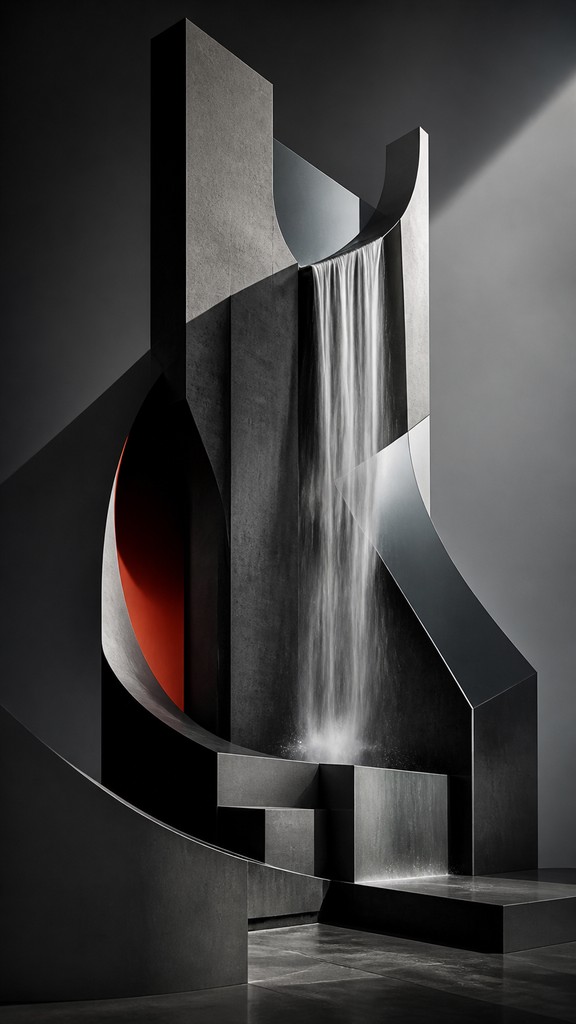
It is defined by abstraction in three dimensions: geometric form, negative space, material contrast, and controlled light. Rather than depicting a recognizable scene, it emphasizes how solid masses and voids interact in space. The overall effect is structured, contemporary, and often gallery-like.
How is it different from minimalist art?
Minimalism typically reduces form to extreme simplicity and often avoids expressive gesture. Modern abstract sculpture can be more dynamic, with asymmetry, sweeping curves, cut-outs, and material variety. It is usually less austere and more visibly sculptural in its tension between mass and emptiness.
How is it different from surreal sculpture?
Surreal sculpture tends to emphasize dream logic, strange associations, and uncanny imagery. Modern abstract sculpture is usually more formal and structural, focusing on geometry, balance, and spatial composition rather than narrative symbolism or psychological ambiguity.
What materials are associated with this style?
Common materials include metal, stone, concrete, wood, glass, and resin, along with finishes that imitate those materials in digital art. The key is not the material itself but how it reads under light: matte, polished, translucent, heavy, or reflective.
Can this style be used for portraits or animals?
Yes. A portrait, animal, or object can be abstracted into interlocking forms while still retaining enough silhouette to remain readable. The best results usually simplify the subject into essential curves, planes, and voids rather than copying surface detail.
Where is this style commonly used?
It appears in gallery sculpture, public monuments, conceptual product visuals, branding, album art, and futuristic interior concepts. It is especially effective when a design needs to feel modern, refined, and spatially striking without relying on realism.
Create your first Modern Abstract Sculpture artwork
Describe anything — or upload a photo — and see it in Modern Abstract Sculpture Art Style in seconds.
Make Something with Modern Abstract Sculpture
Compare Modern Abstract Sculpture
Related Styles
Discover similar art styles