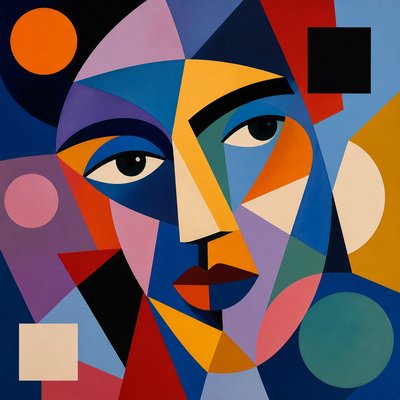
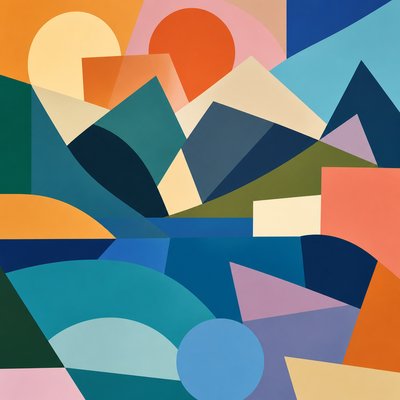
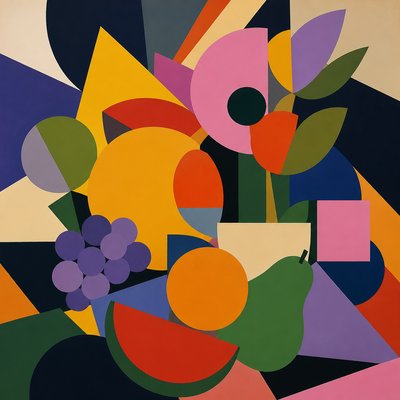
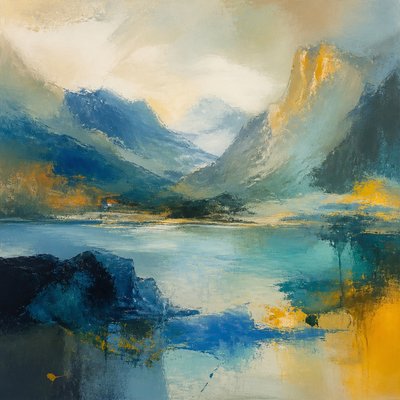
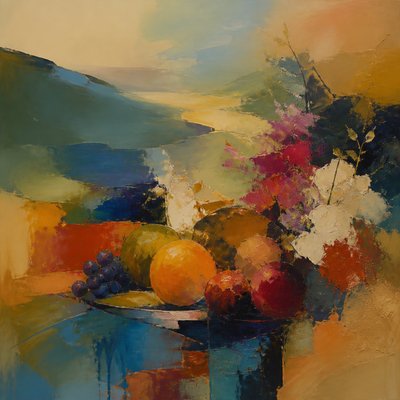
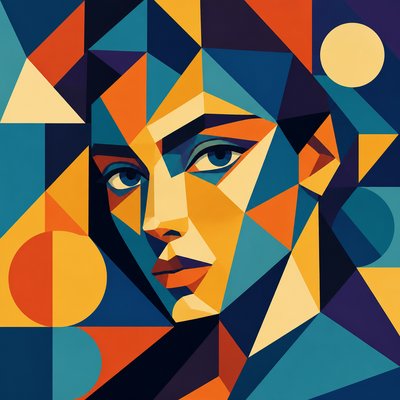
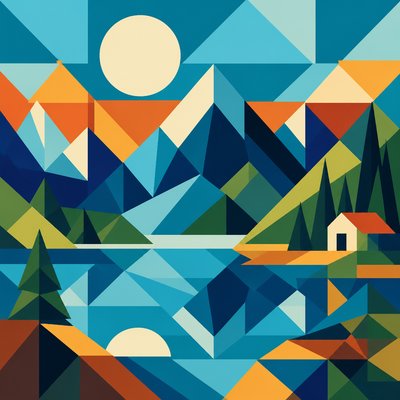
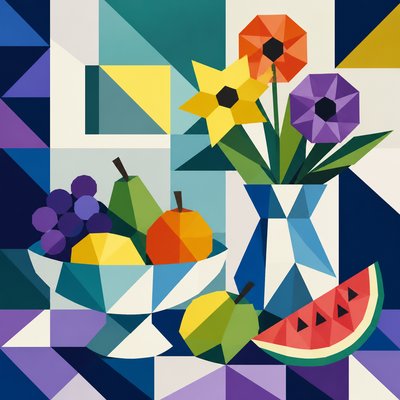
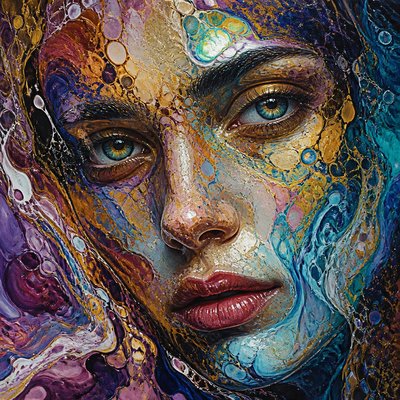
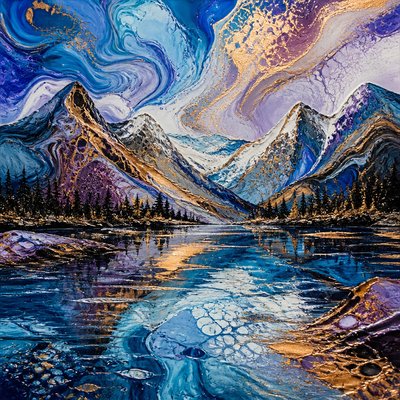
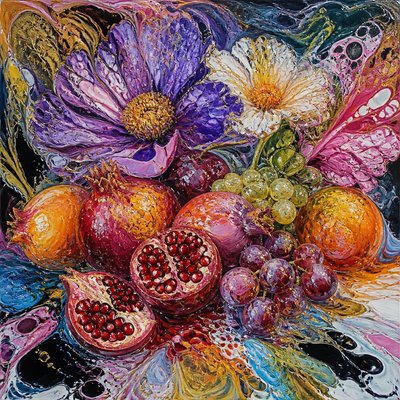
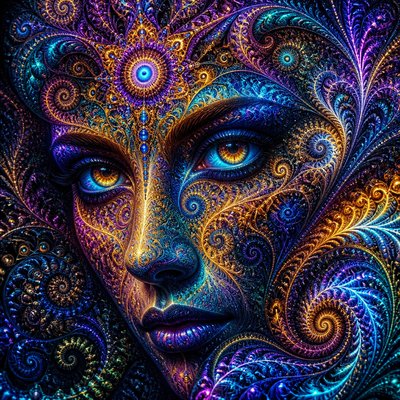
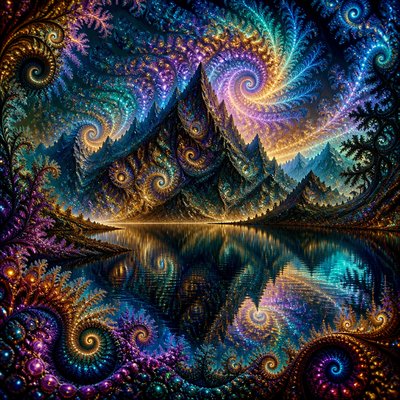
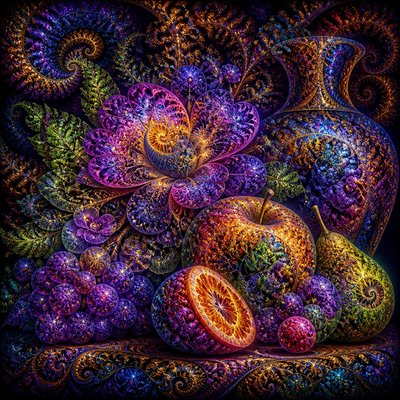
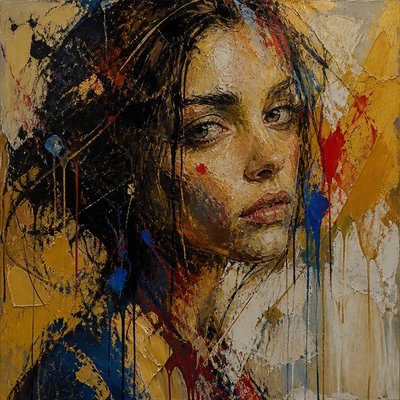
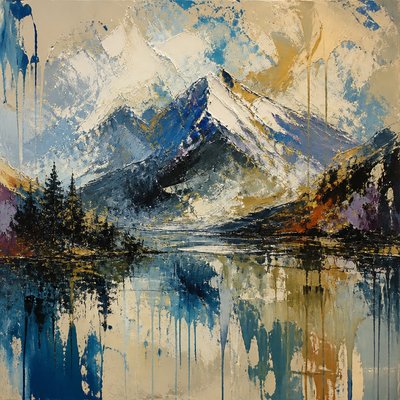
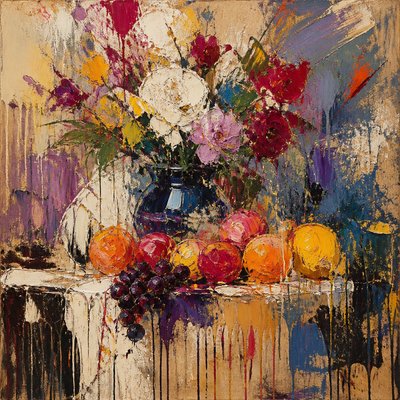
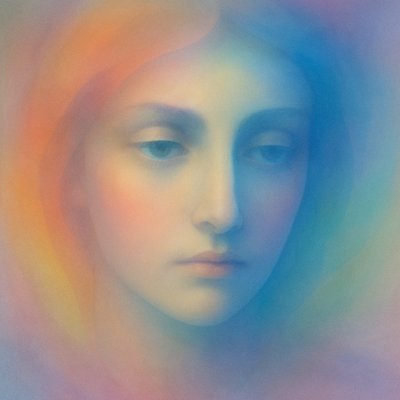
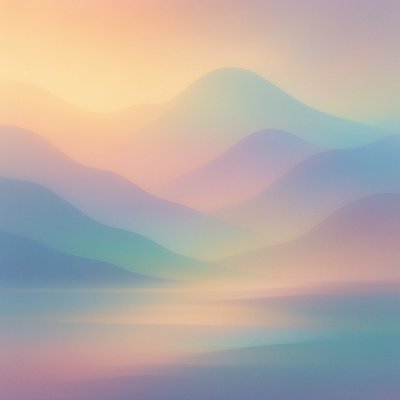
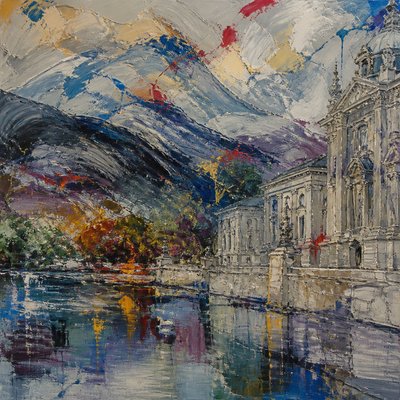
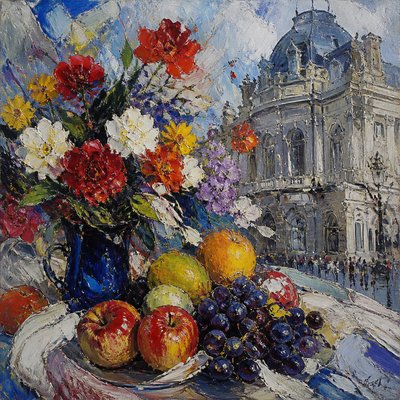
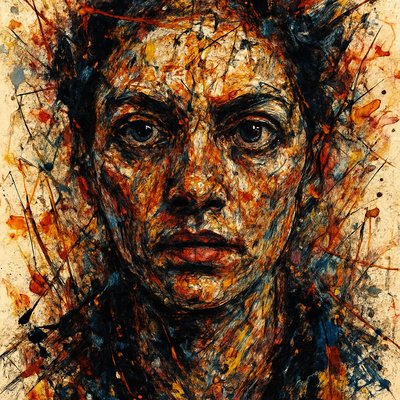
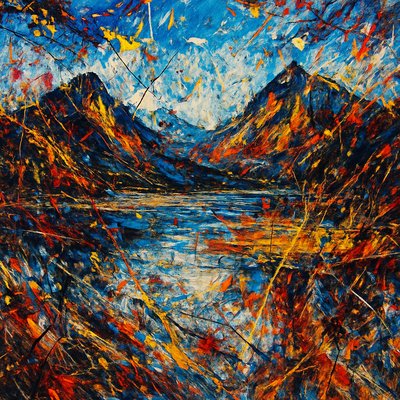
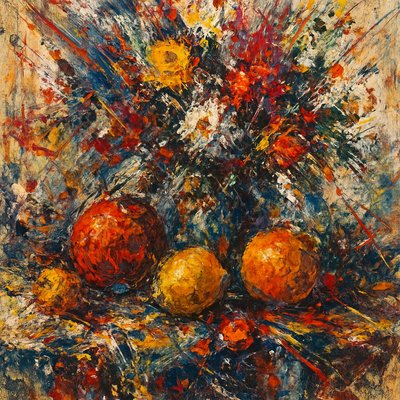
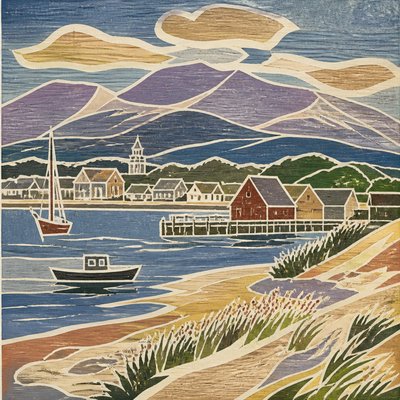
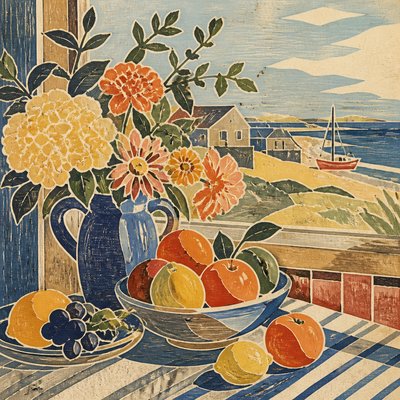
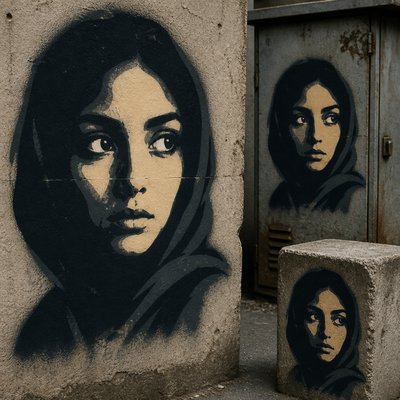
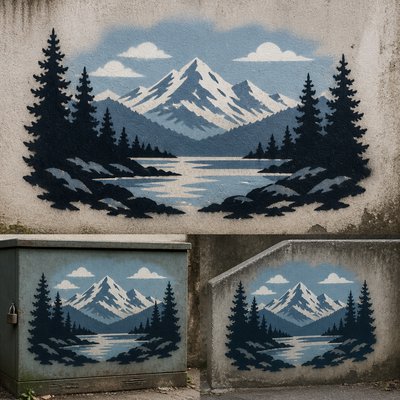
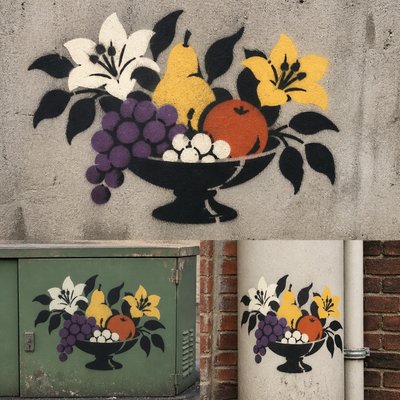
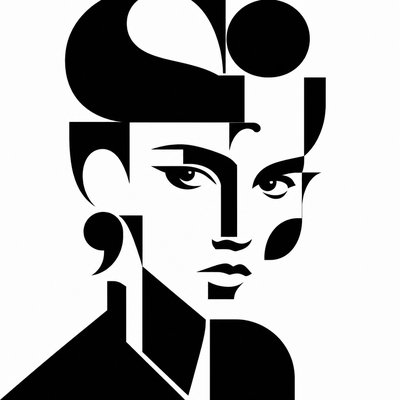
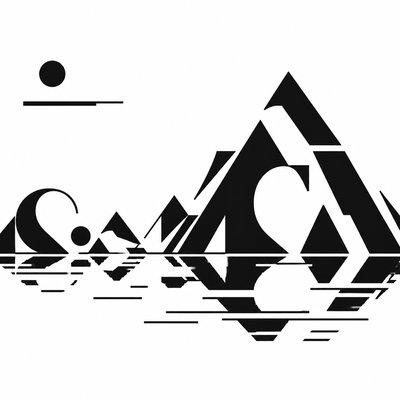
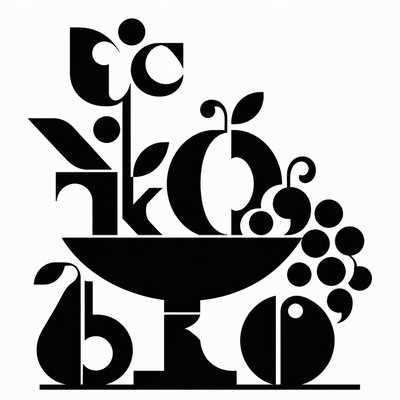
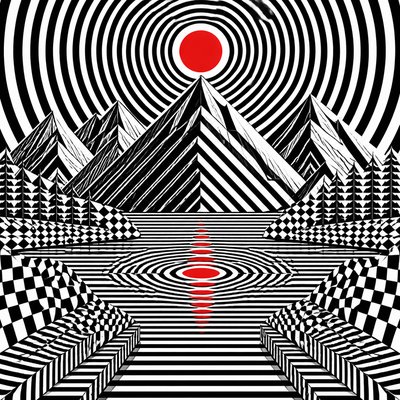
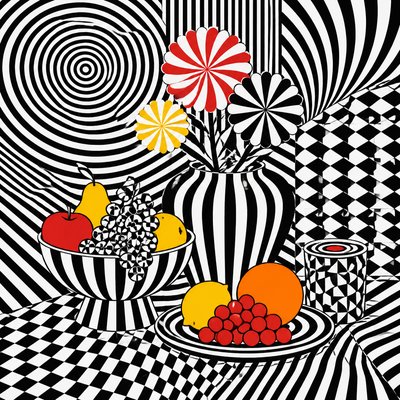
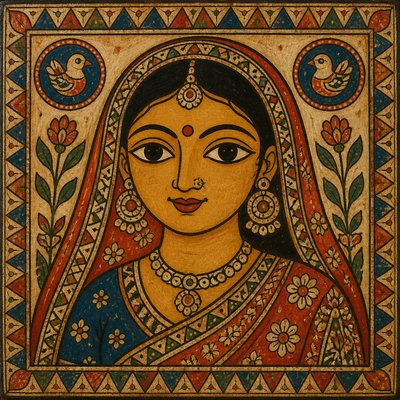
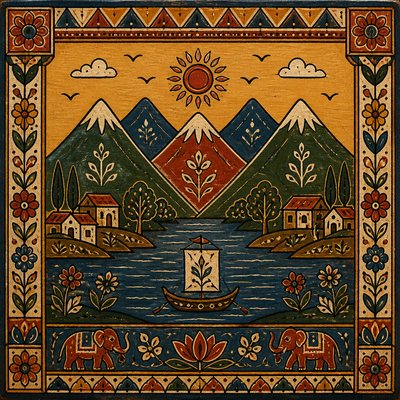
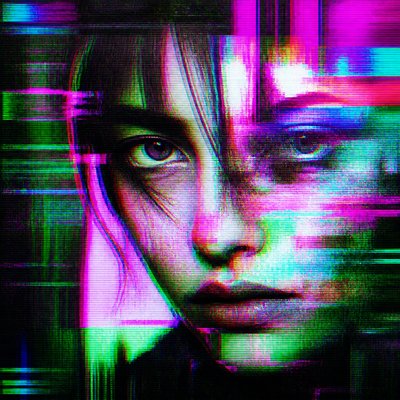
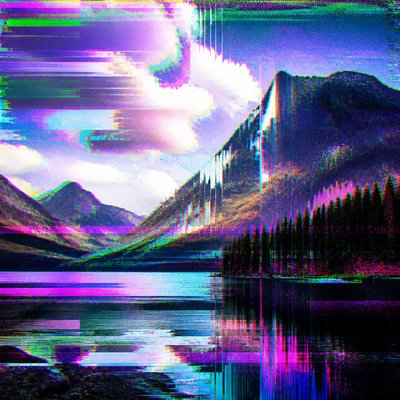
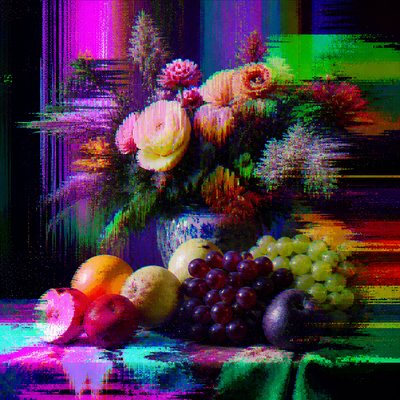
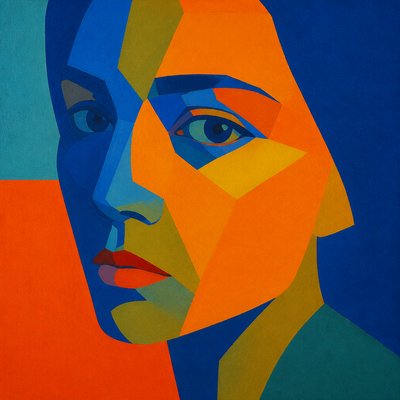
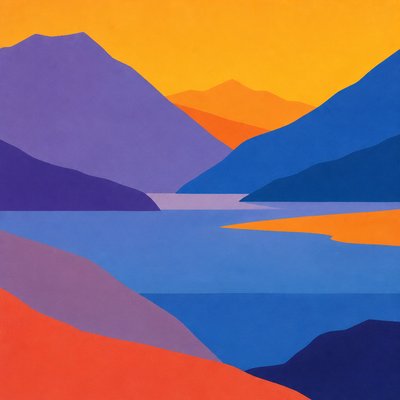
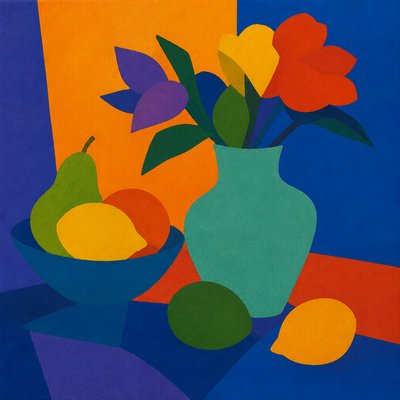
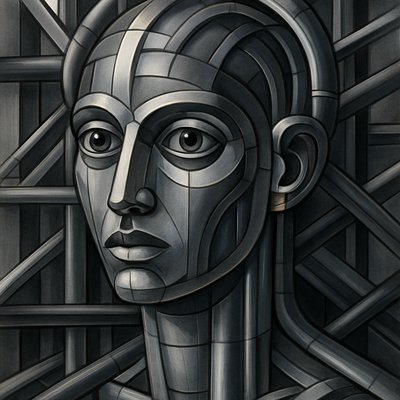
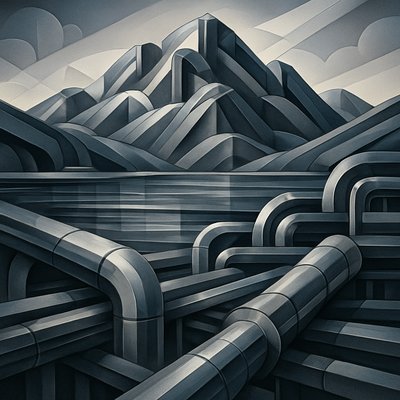
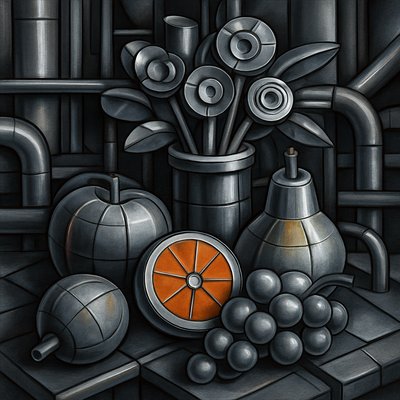
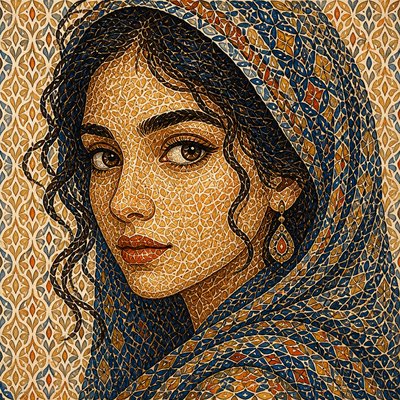
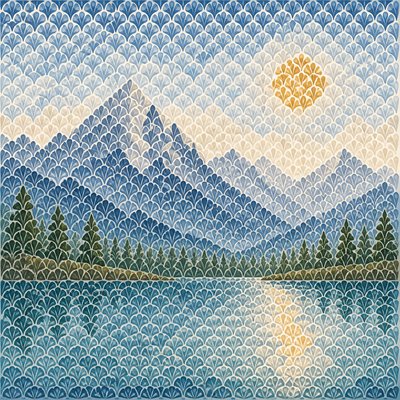
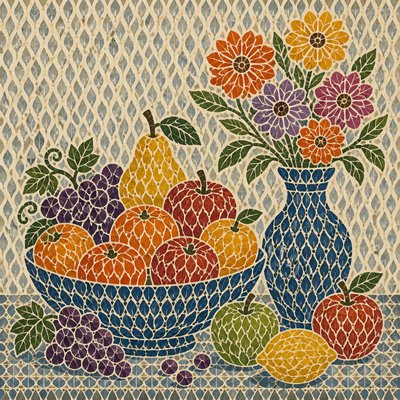
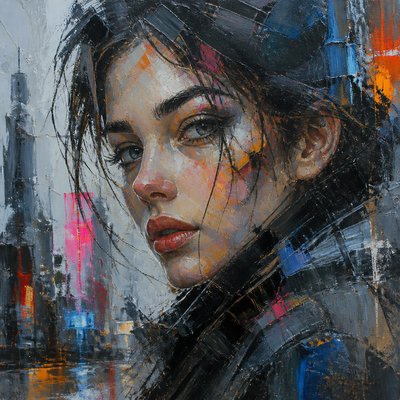
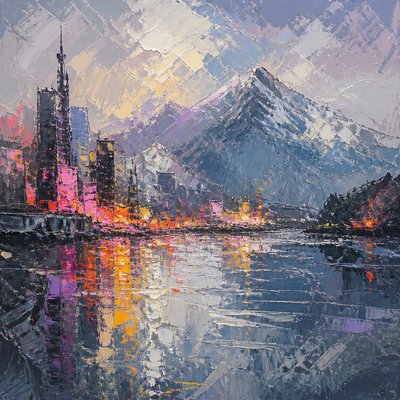
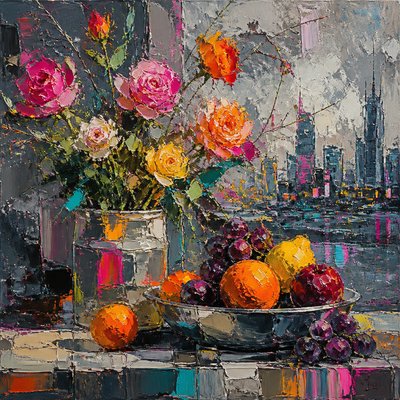
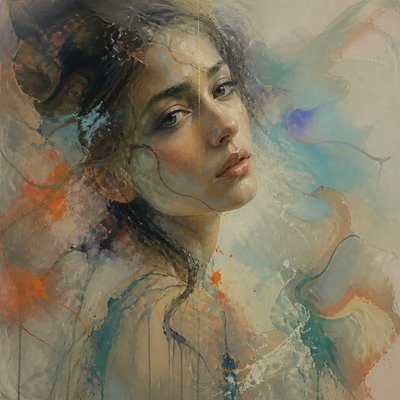
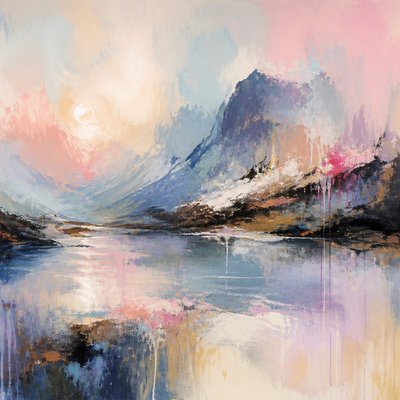
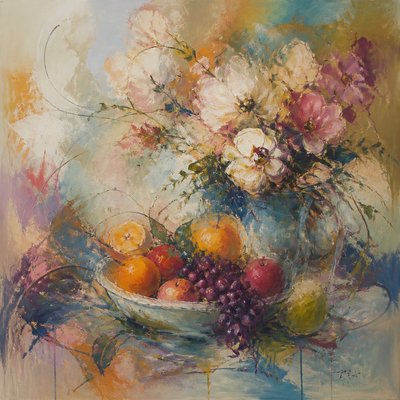
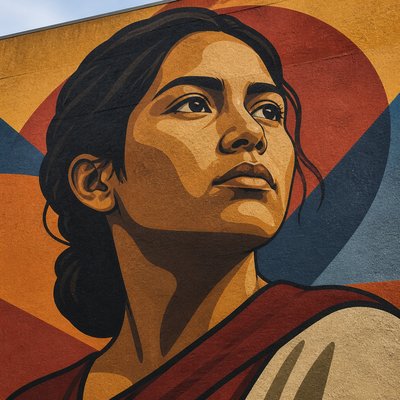
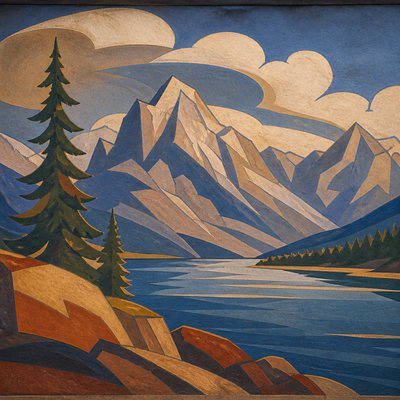
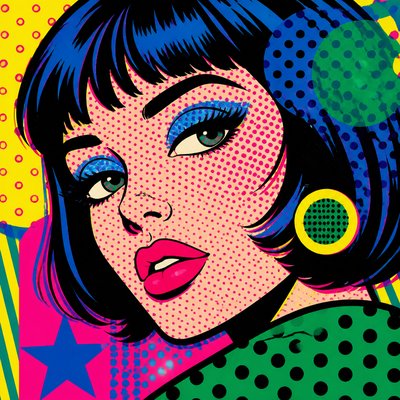
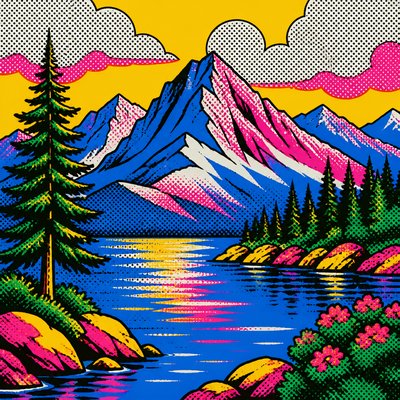
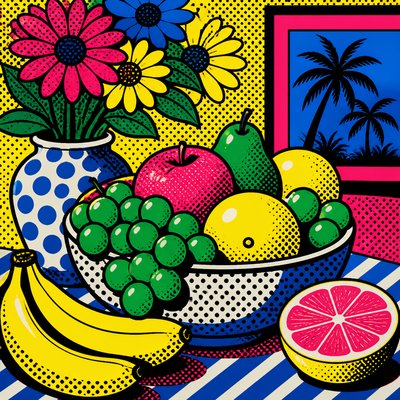
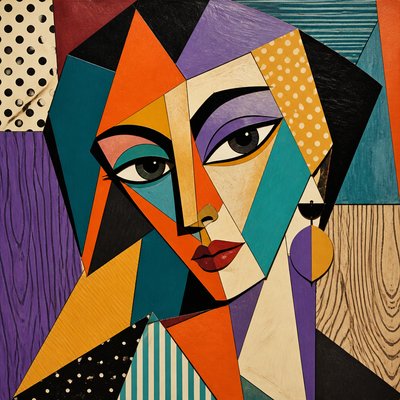
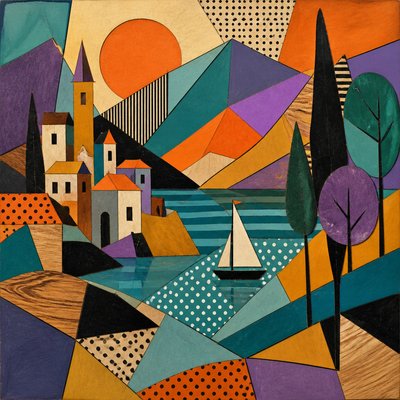
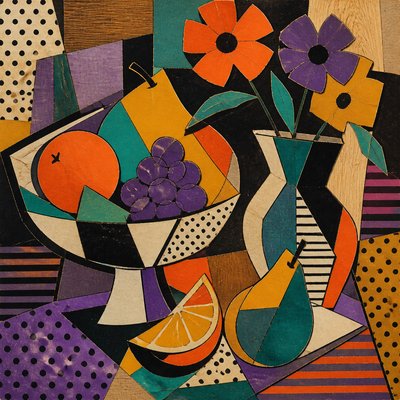
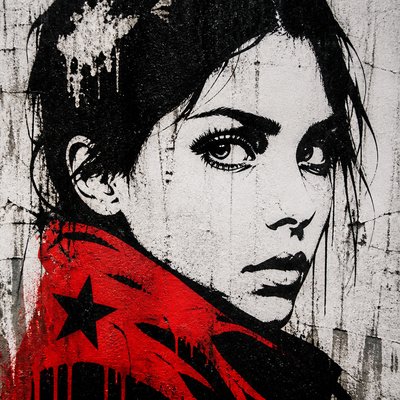
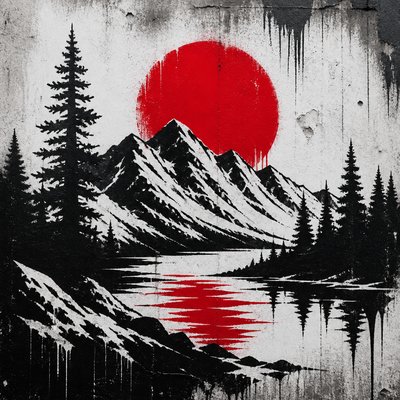
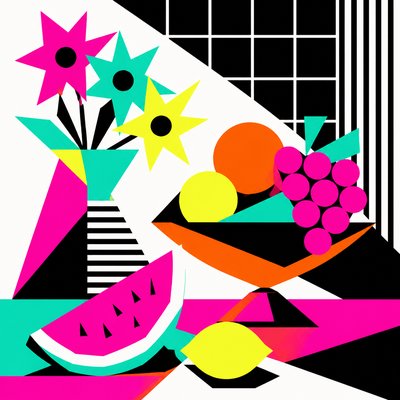
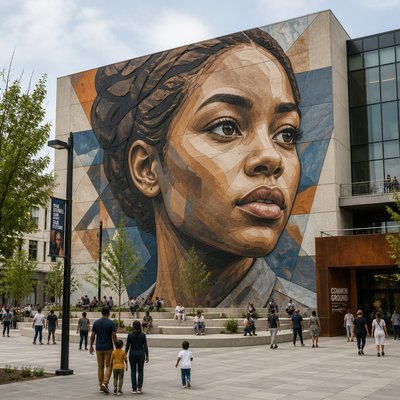
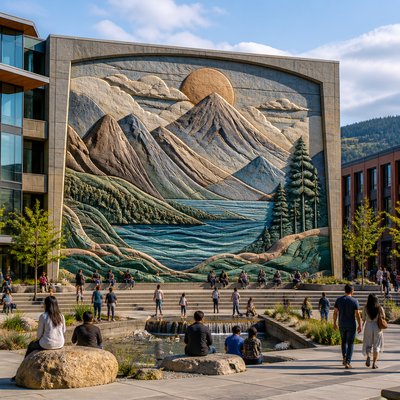
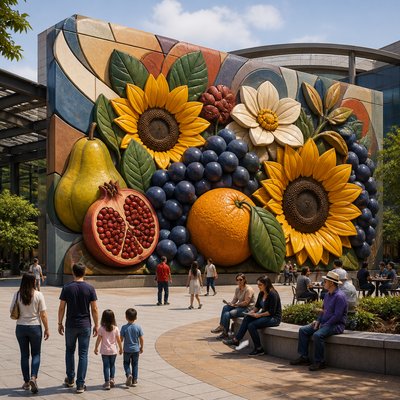
Abstract Shapes Art Style
Explore Abstract Shapes Art: floating geometric forms, bold color fields, and pure compositions built from shape, rhythm, and space.
Instantly rendered in Abstract Shapes — or transform a photo
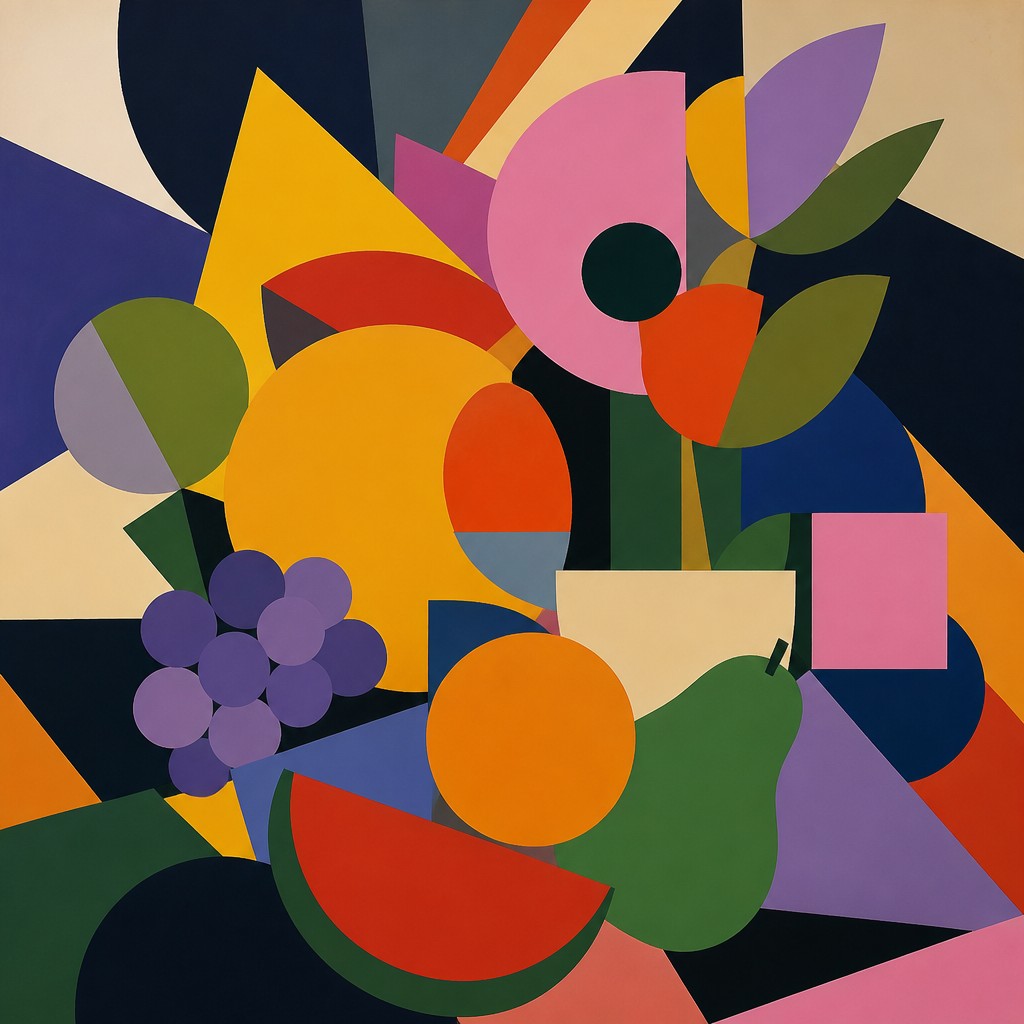
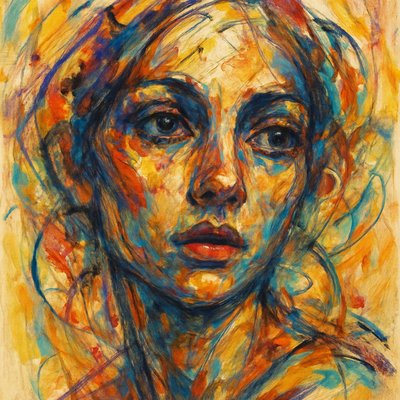
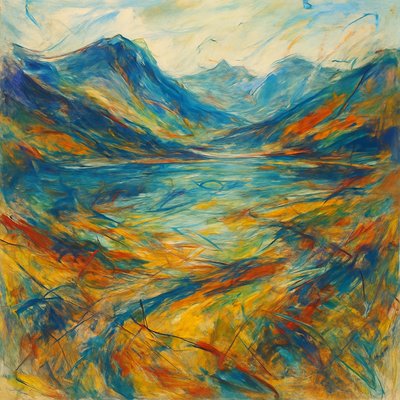
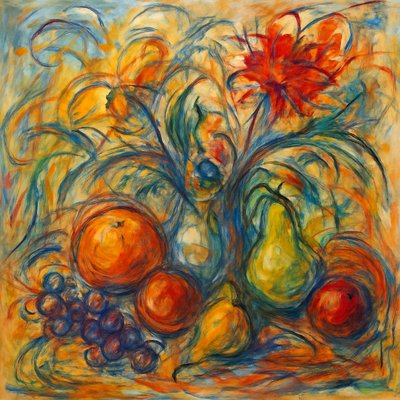
Abstract Shapes Gallery
Tap any artwork to explore it
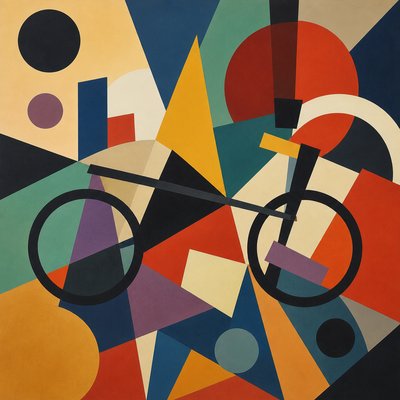
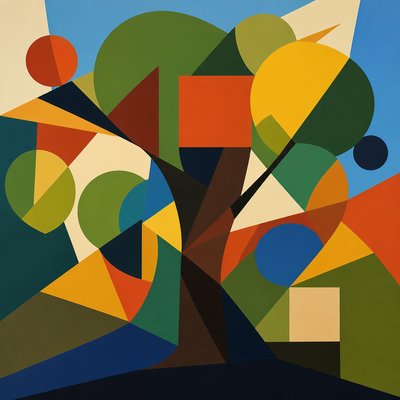
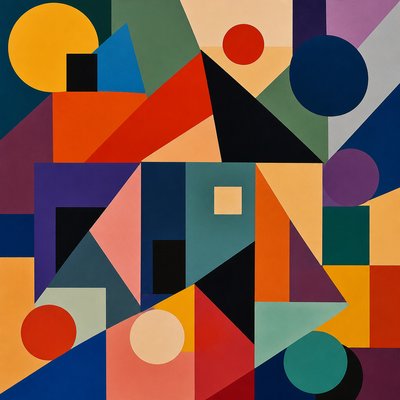
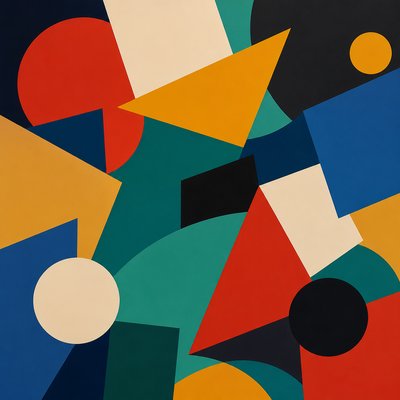
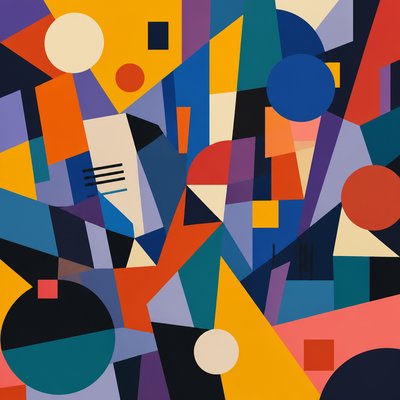
What is Abstract Shapes Art Style?
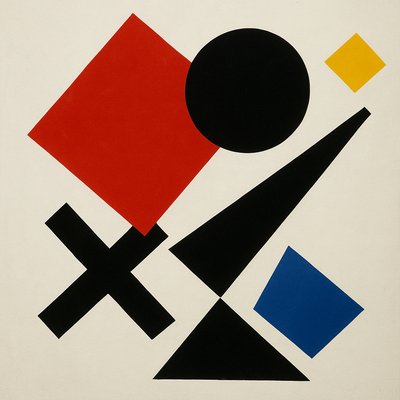
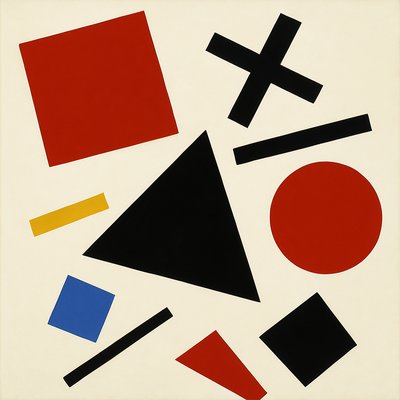
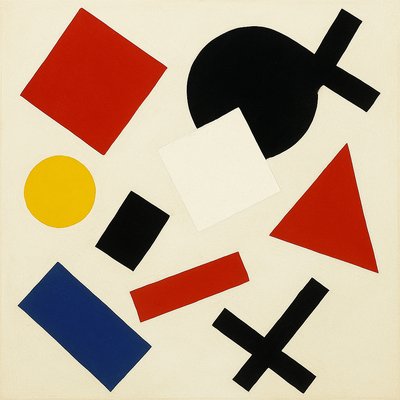
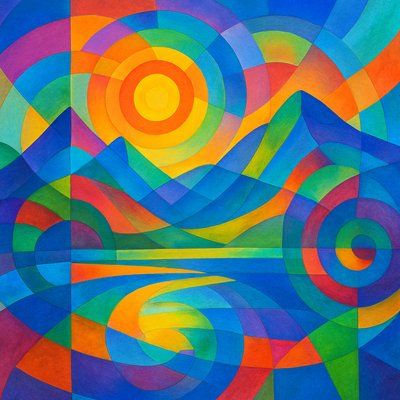
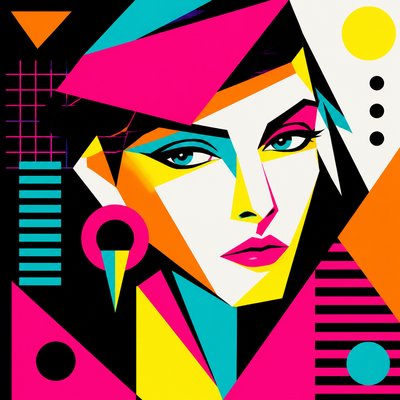
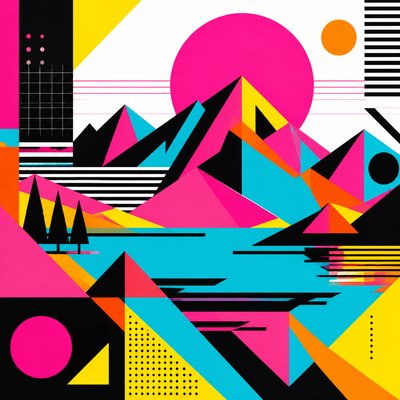
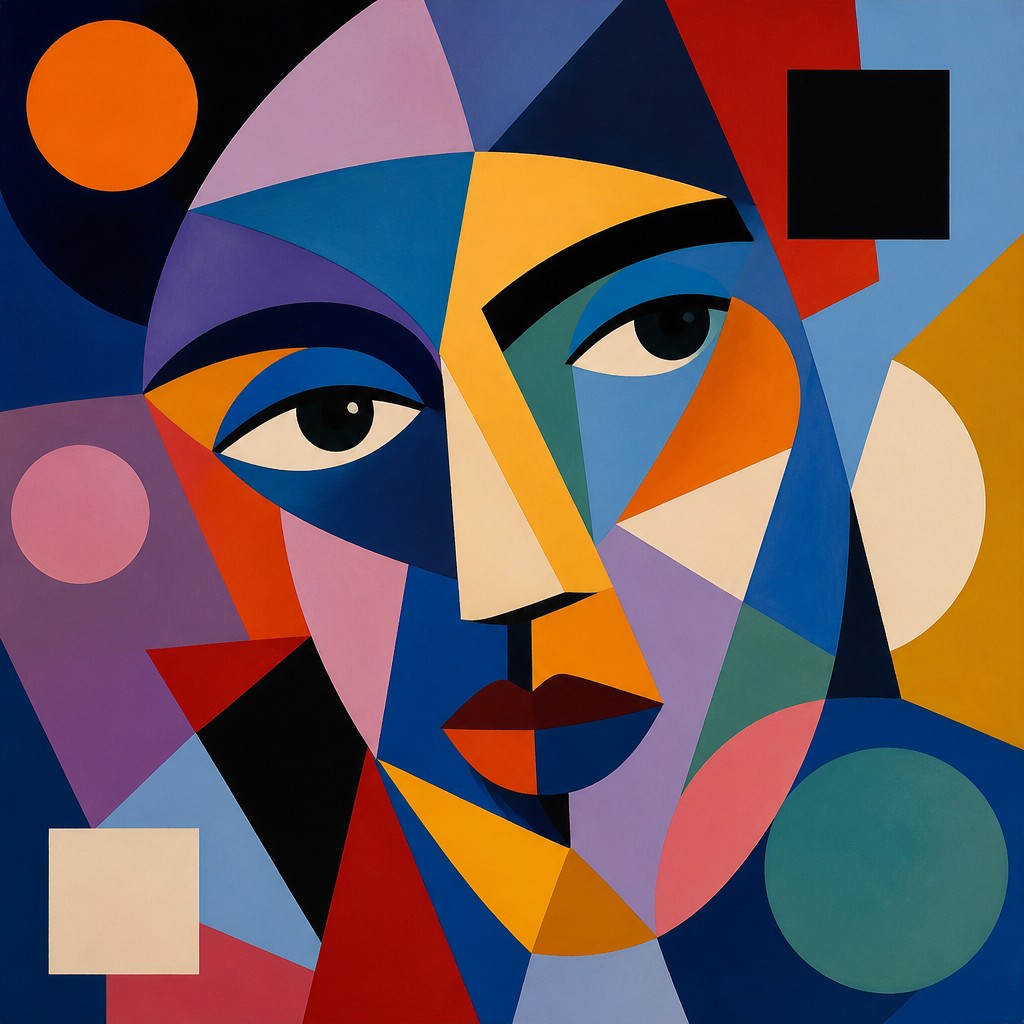
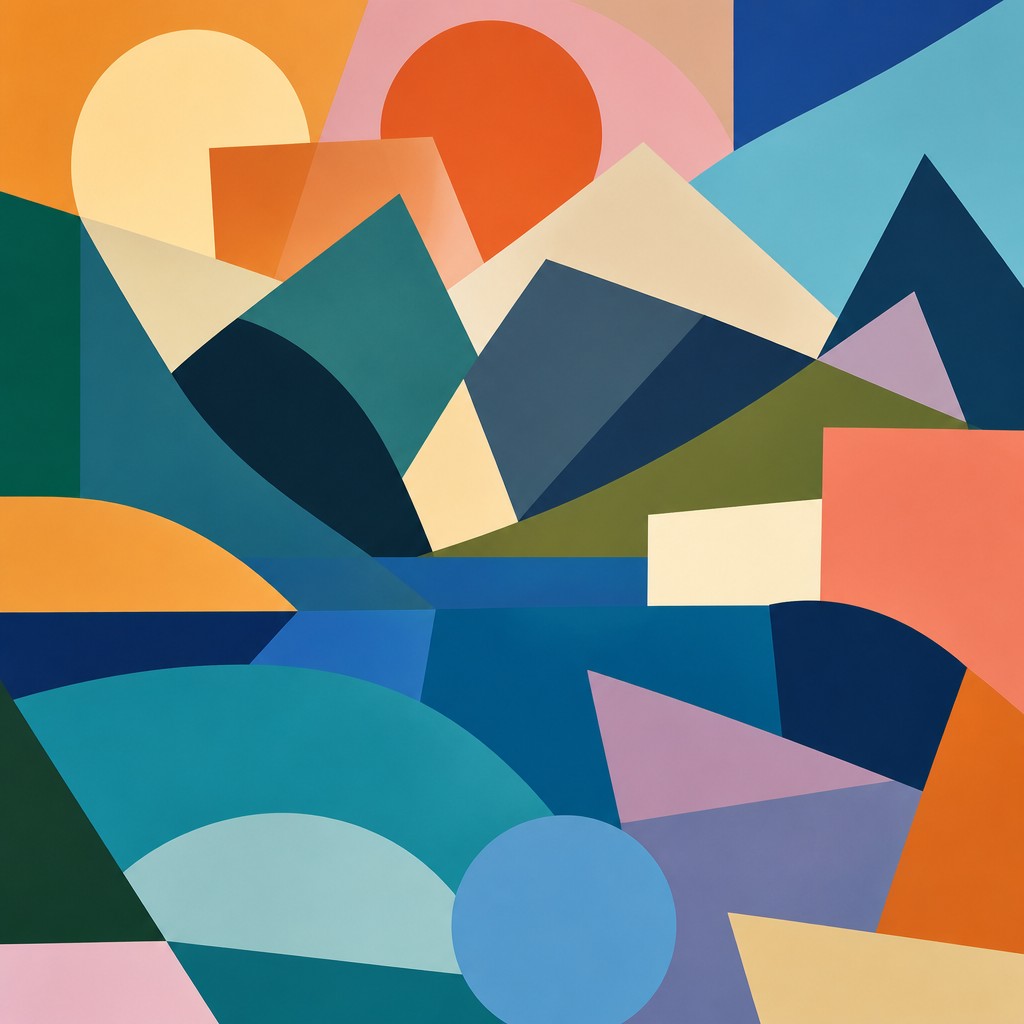
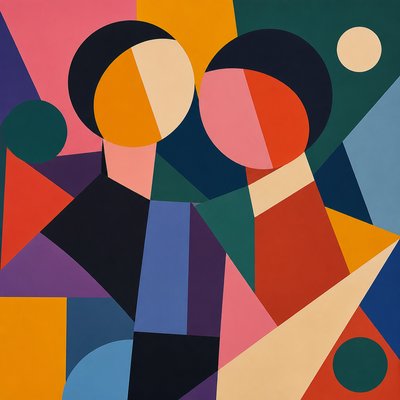
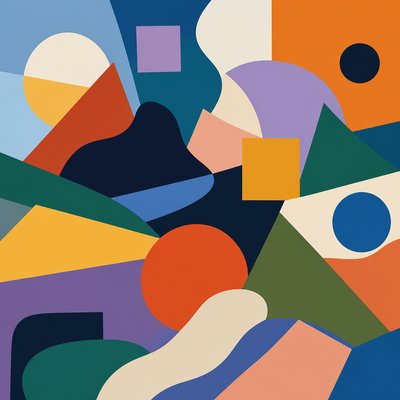
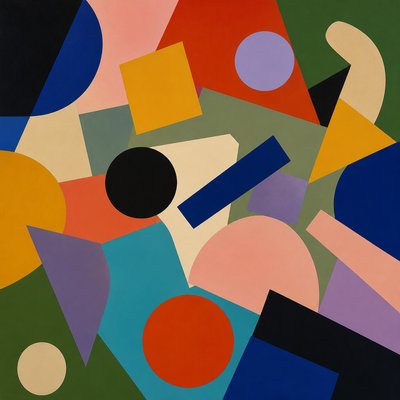
Abstract Shapes Art is a non-representational visual style built entirely from flat geometric forms. Circles, squares, triangles, polygons, bands, and irregular silhouettes float across the image without assembling into a recognizable person, object, landscape, or narrative scene. Meaning comes from the relationships among shape, color, scale, overlap, direction, and empty space.
Its visual identity depends on reduction. Shading, texture, perspective, and naturalistic detail are minimized so that each shape reads as an independent planar element. The result may feel balanced and orderly or energetic and unstable, depending on the arrangement of forms, the strength of color contrasts, and the rhythm created by repetition and interruption.
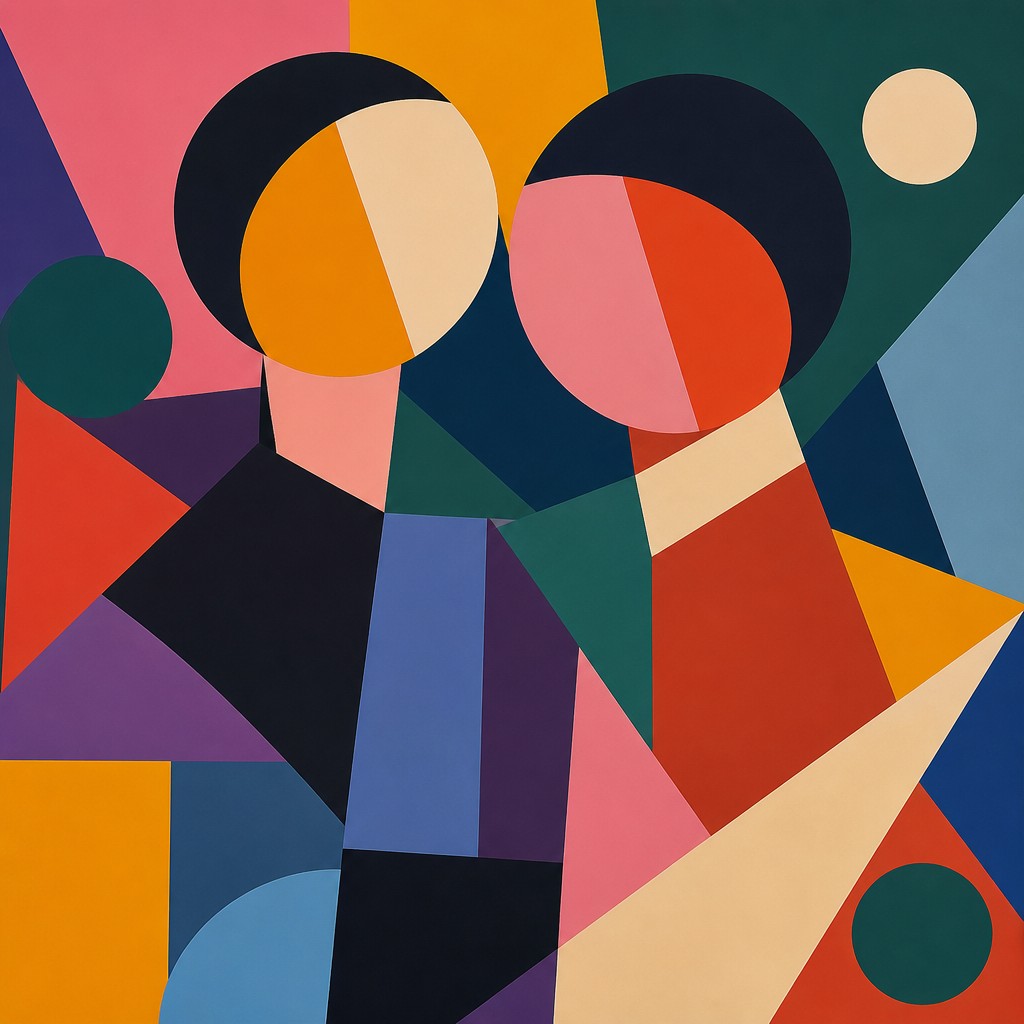
Try It On Your Photos
Upload any photo and convert it into Abstract Shapes Art Style — drag the sliders to compare before and after.
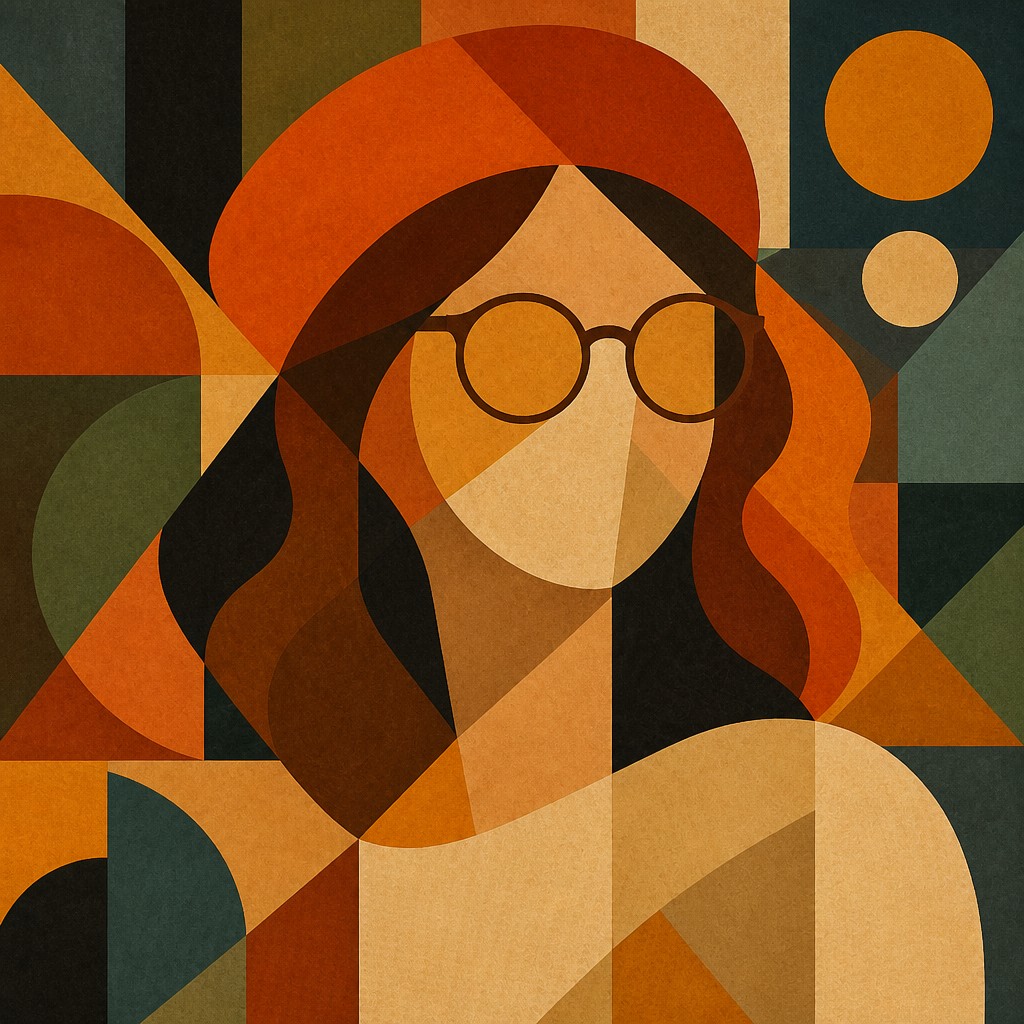

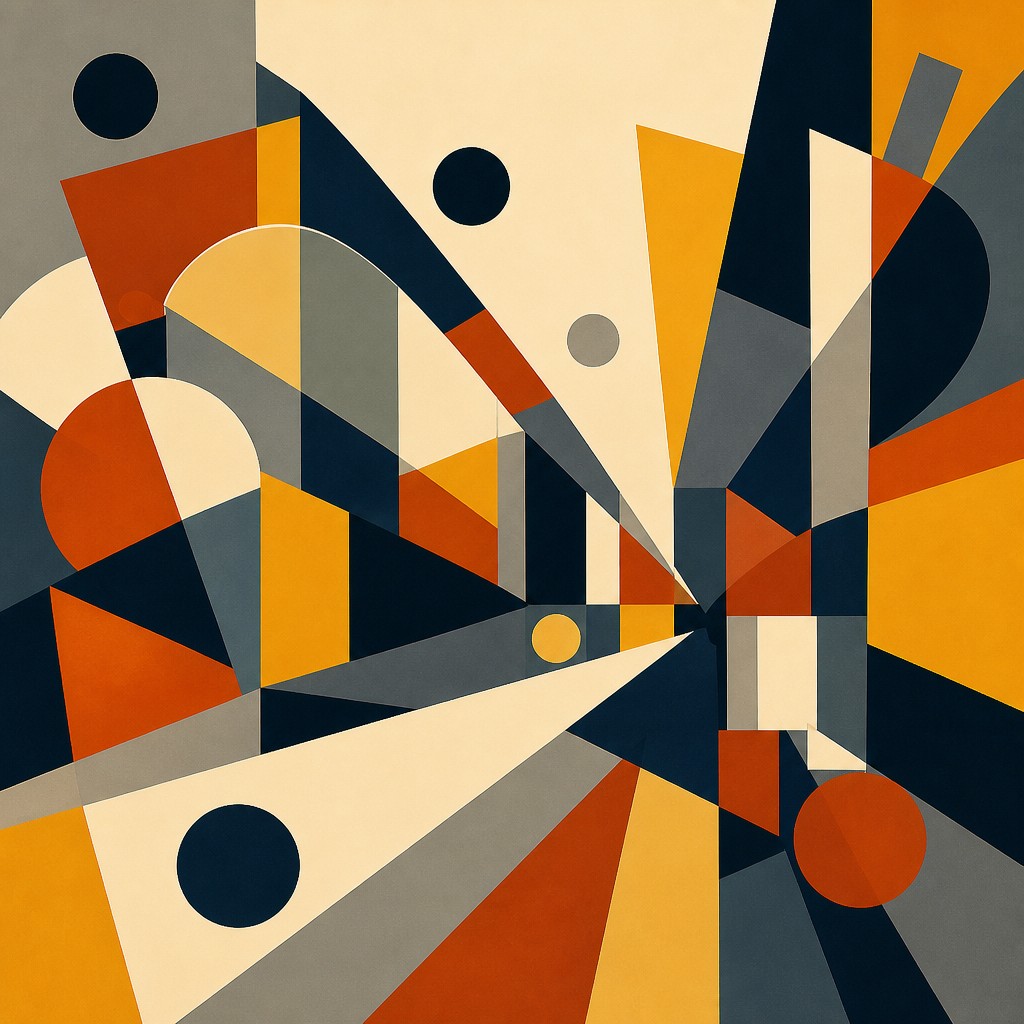

What Defines Abstract Shapes Art Style
The signature details, up close
Geometric vocabulary
The composition relies on circles, squares, triangles, rectangles, arcs, polygons, and freely cut silhouettes. These forms function as visual units rather than parts of a depicted object.
Flat planar color
Shapes are usually filled with solid, uninterrupted color fields. Gradients, realistic modeling, and atmospheric transitions are limited or omitted so that color defines each plane clearly.
Non-representational structure
The arrangement avoids recognizable subjects and instead organizes visual elements through proportion, repetition, contrast, and spatial tension.
Floating and overlapping forms
Shapes may appear suspended against open space or overlap to create depth through layering rather than perspective. Overlap can establish rhythm, hierarchy, and visual movement.
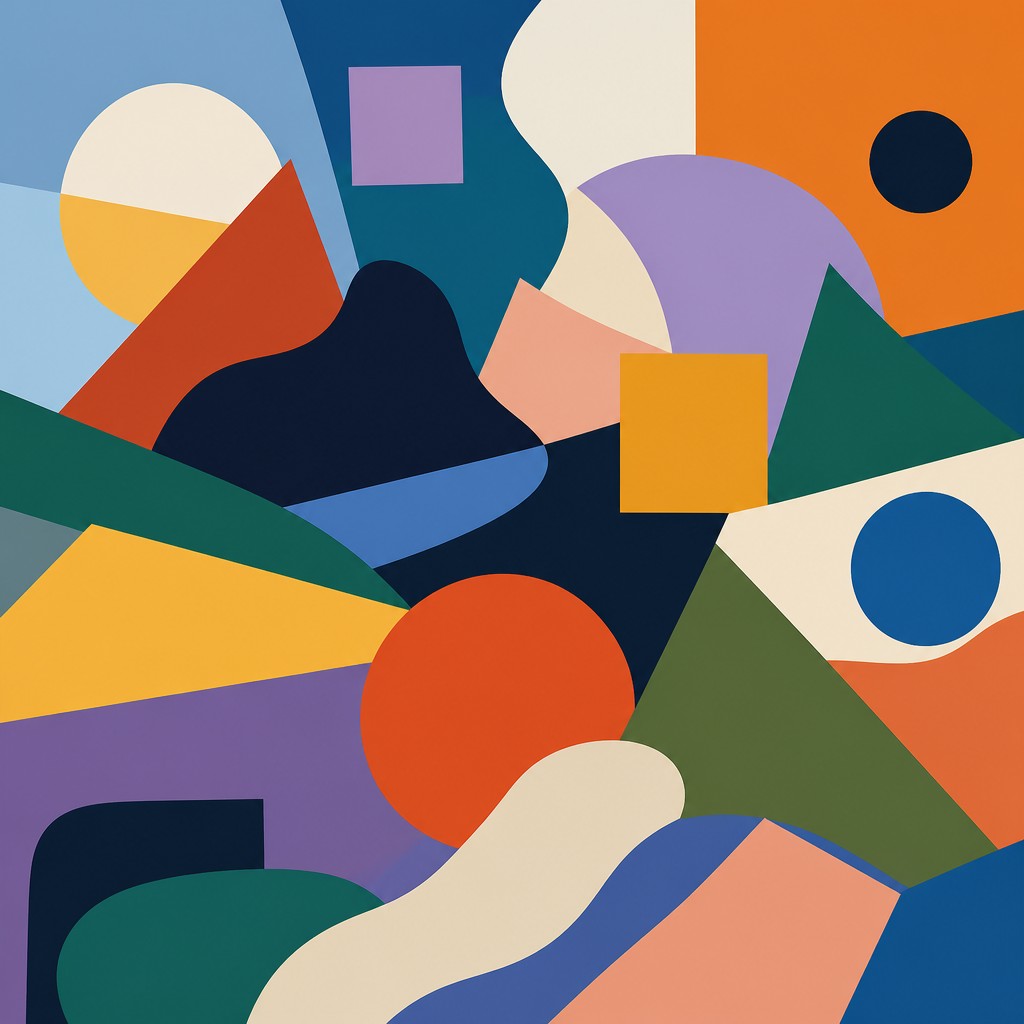
Dynamic composition
Diagonal alignments, varied scale, asymmetrical balance, and interrupted patterns give the image energy. More static versions use centered forms, measured spacing, and near-symmetrical order.
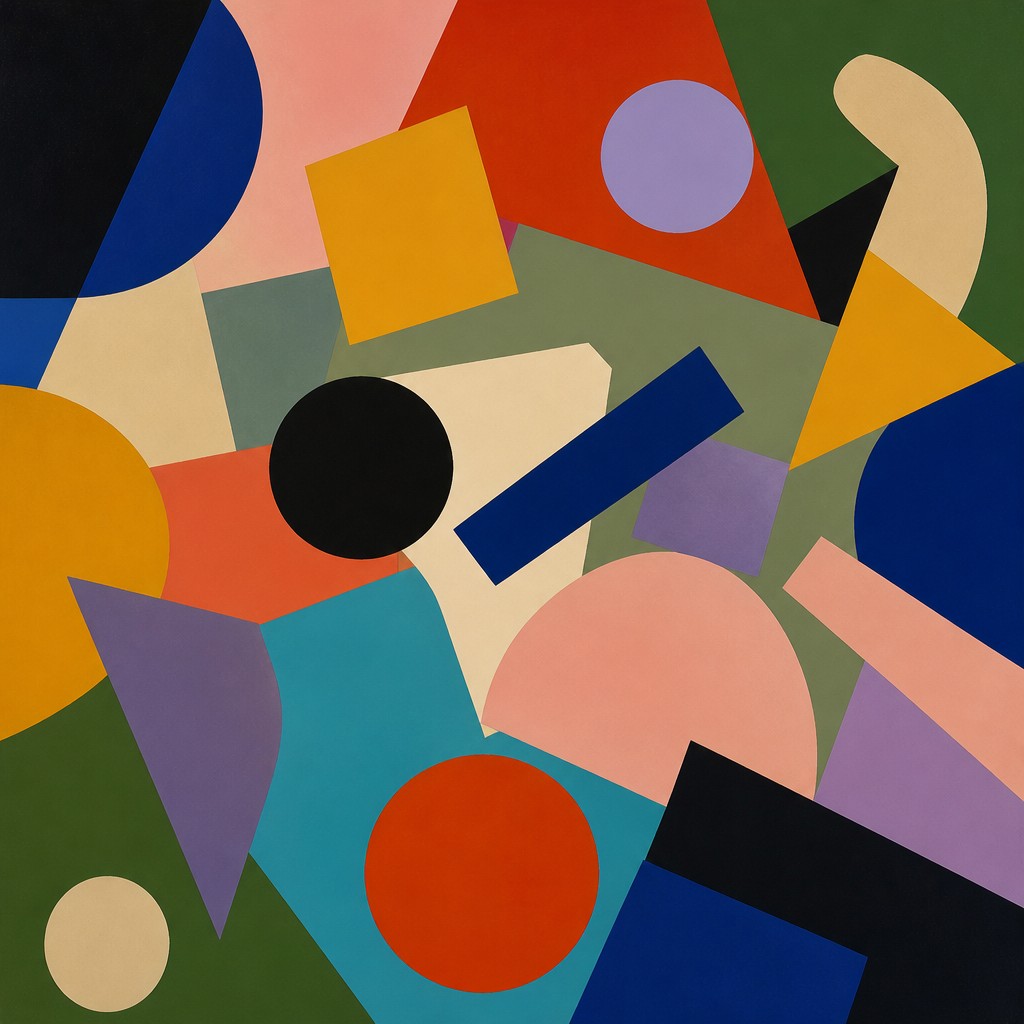
Crisp contours
Edges are generally clean and decisive, resembling cut paper, screen-printed shapes, or vector paths. Slight irregularities can be introduced when a handmade character is desired.
Abstract Shapes Prompt Ideas
Start from an idea — each one opens the generator with the style ready to go. See all 40 Abstract Shapes prompts →
How to Create Abstract Shapes Art
Master the craft step by step — or skip straight to creating. Read the full guide →
- 1
Build a shape inventory
Begin with a limited collection of circles, rectangles, triangles, arcs, and custom silhouettes. Vary their scale and orientation, but keep each form visually legible as a separate unit.
- 2
Choose a deliberate palette
Use two or three dominant colors with one or two accents, or create tension through complementary and near-complementary hues. Keep fills relatively flat and reserve texture for subtle surface variation.
- 3
Organize space through rhythm
Arrange forms using repetition, alternating scale, diagonal flow, or clustered intervals. Test both asymmetrical and symmetrical layouts, and treat negative space as an active compositional element.
- 4
Layer without realism
Create depth by placing shapes in front of and behind one another, changing opacity sparingly, or using clear overlaps. Avoid conventional perspective cues if the goal is a purely planar image.
- 5
Use vector or collage methods
In digital work, vector paths, alignment tools, duplication, rotation, and masking provide precise control. Traditionally, colored paper, stencil, screen printing, gouache, or acrylic can produce similarly crisp forms.
- 6
Write prompts around structure
Describe the desired palette, geometric vocabulary, overlap, spacing, and compositional energy, then specify that the image should be non-representational with no recognizable subject. For image transformation, emphasize preserving the source composition only as an abstract arrangement of shapes.
The Story
History & Origins of Abstract Shapes
Abstract Shapes Art is best understood as a contemporary descriptive style rather than a historically bounded art movement. Its aesthetic lineage reaches back to early twentieth-century geometric abstraction, including Constructivism, Suprematism, De Stijl, and Bauhaus design, all of which explored how simple forms and colors could organize a composition without depicting the visible world.
It also draws from mid-century hard-edge painting, Op art, modern poster design, interface graphics, and vector illustration. Digital tools have made the style especially adaptable by allowing creators to duplicate, rotate, layer, recolor, and precisely align forms, while generative image systems can reinterpret prompts as arrangements of autonomous shapes.
Influences: The style is related to geometric abstraction, Constructivism, Suprematism, De Stijl, Bauhaus visual education, hard-edge painting, and Op art. It also shares methods with cut-paper collage, screen printing, modernist poster design, vector illustration, motion graphics, interface iconography, and contemporary generative art. These traditions contribute its emphasis on reduction, modular forms, limited palettes, optical rhythm, and the expressive potential of organized space.
Frequently Asked Questions
What defines Abstract Shapes Art?
It is defined by flat geometric or free-form shapes arranged without a recognizable subject. Color, overlap, scale, spacing, and directional rhythm provide the composition's structure and expressive content.
Is Abstract Shapes Art a historical art movement?
No. The term is best used as a descriptive contemporary style rather than the name of a single historical movement. It synthesizes ideas from several forms of geometric abstraction, modernist design, collage, and digital graphics.
How is it different from geometric abstraction?
Geometric abstraction is a broad historical and critical category covering many approaches to non-representational form. Abstract Shapes Art is a narrower stylistic description emphasizing floating, independent shapes, bold planar color, and a clean graphic arrangement.
Can the style include organic or irregular shapes?
Yes. Although circles, squares, and triangles are common, irregular silhouettes can add contrast and prevent the composition from feeling mechanically uniform. The key requirement is that the forms remain autonomous rather than becoming parts of a recognizable subject.
What materials work well for making it?
Gouache, acrylic, colored paper, stencil, screen printing, and cut-paper collage all produce suitable flat forms and crisp edges. Vector software and raster applications are useful for precise duplication, layering, recoloring, and alignment.
Where is this style commonly used?
It appears in posters, editorial illustration, album and book covers, packaging, motion graphics, interface backgrounds, educational graphics, murals, textiles, and contemporary wall art. Its simplified forms also reproduce well at different sizes and across both print and screen.
Create your first Abstract Shapes artwork
Describe anything — or upload a photo — and see it in Abstract Shapes Art Style in seconds.
Related Styles
Discover similar art styles