Found Object Art Style
Explore found object art: assemblage sculptures that transform discarded materials, visible repairs, rust, and everyday debris into expressive form.
Instantly rendered in Found Object — or transform a photo

Found Object Gallery
Tap any artwork to explore it
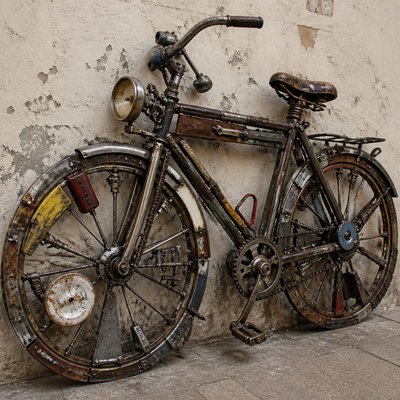
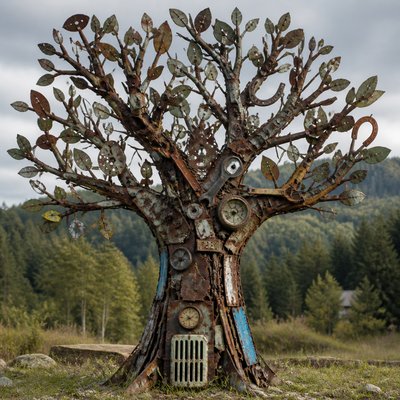
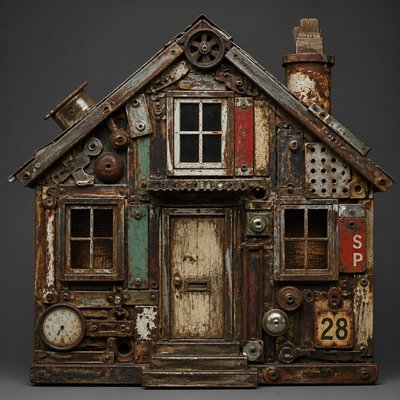
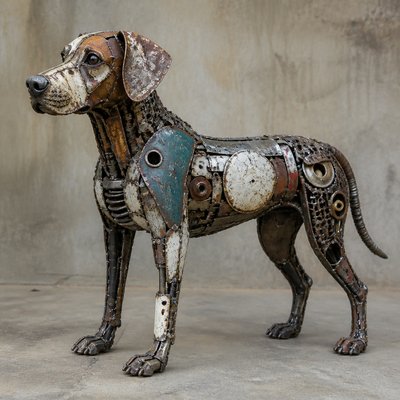
What is Found Object Art Style?
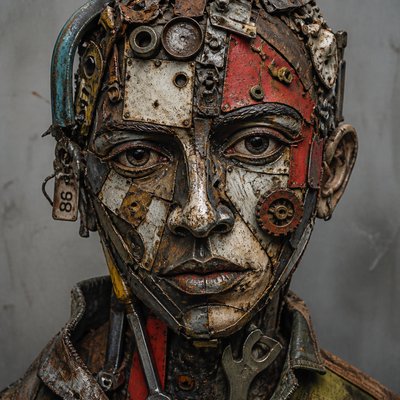
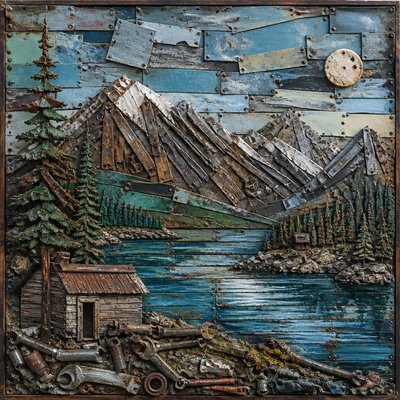
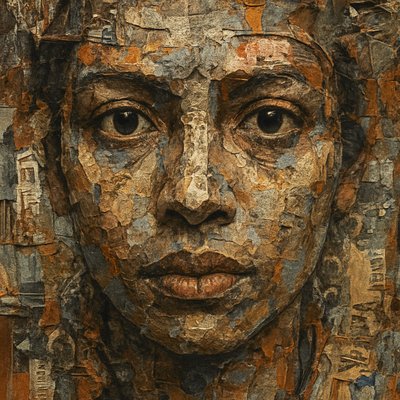
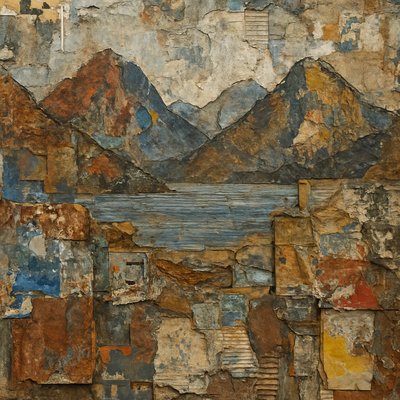
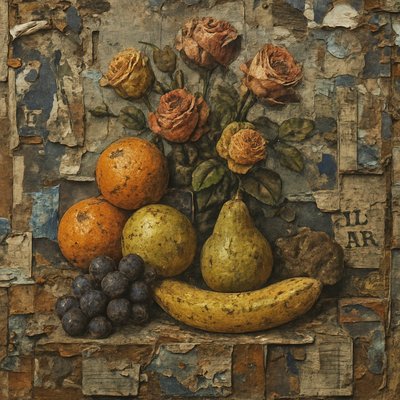
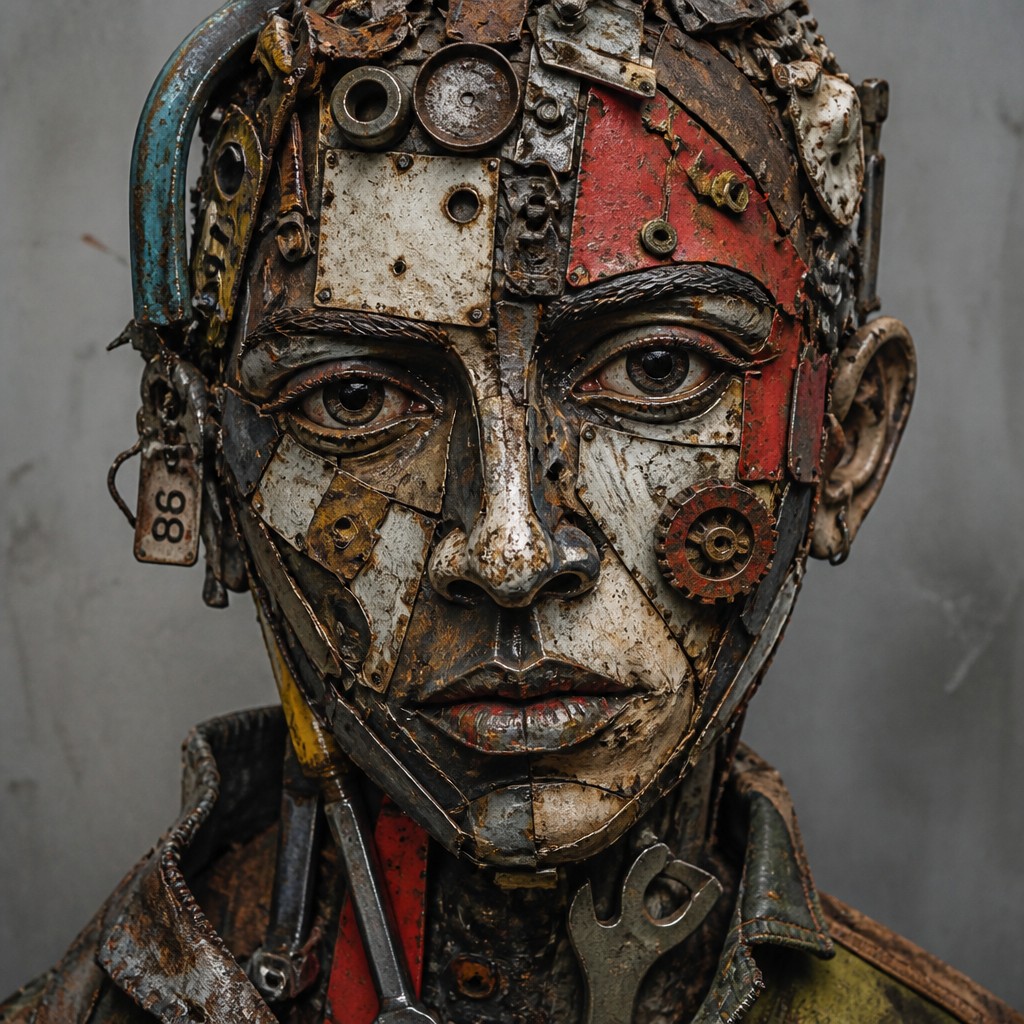
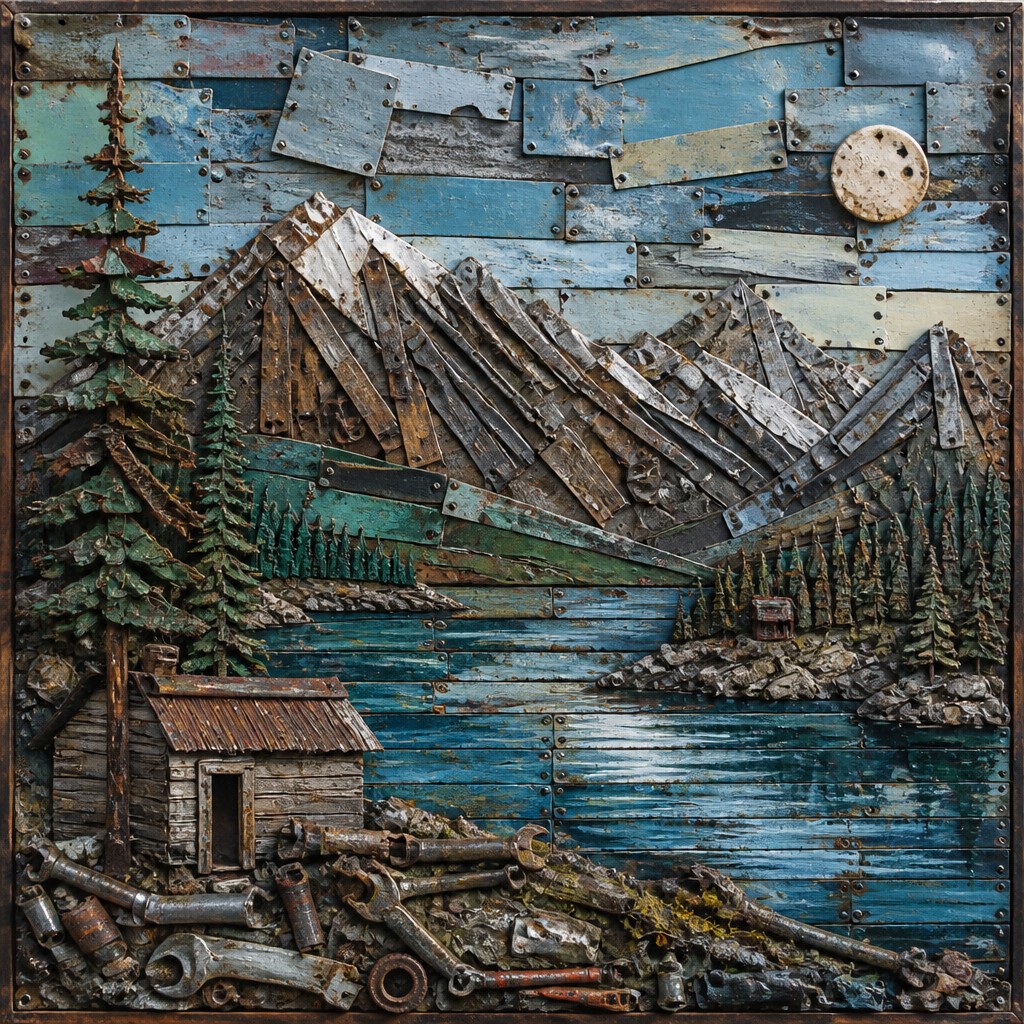
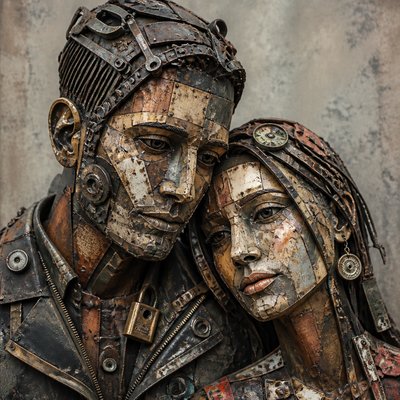
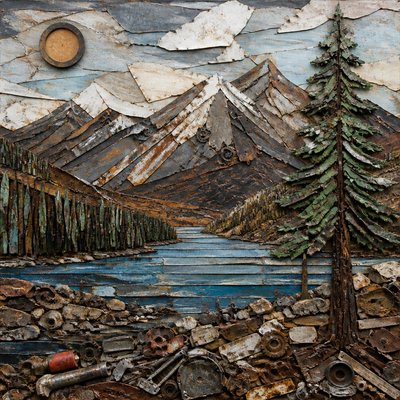
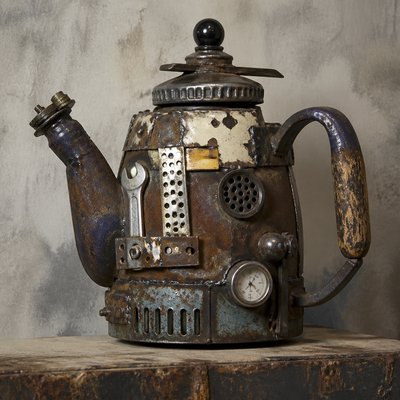
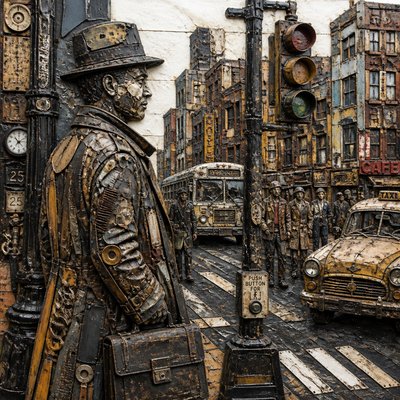
Found Object Art is a sculptural approach that transforms discarded, salvaged, or ordinary objects into artworks through assemblage. Broken tools, scrap metal, machine parts, packaging, furniture fragments, wire, wood, and household debris are combined into new forms whose meaning depends partly on their previous use. The result may be figurative, architectural, mechanical, humorous, or entirely abstract.
Its visual identity comes from preserving evidence of the materials’ former lives rather than disguising them. Rust, dents, stains, mismatched surfaces, exposed welds, screws, glue lines, seams, and improvised repairs become part of the composition. The style looks deliberately heterogeneous because contrast between industrial and domestic objects, polished and corroded surfaces, and functional parts with unexpected roles creates both visual tension and conceptual meaning.
Try It On Your Photos
Upload any photo and convert it into Found Object Art Style — drag the sliders to compare before and after.



What Defines Found Object Art Style
The signature details, up close
Salvaged material
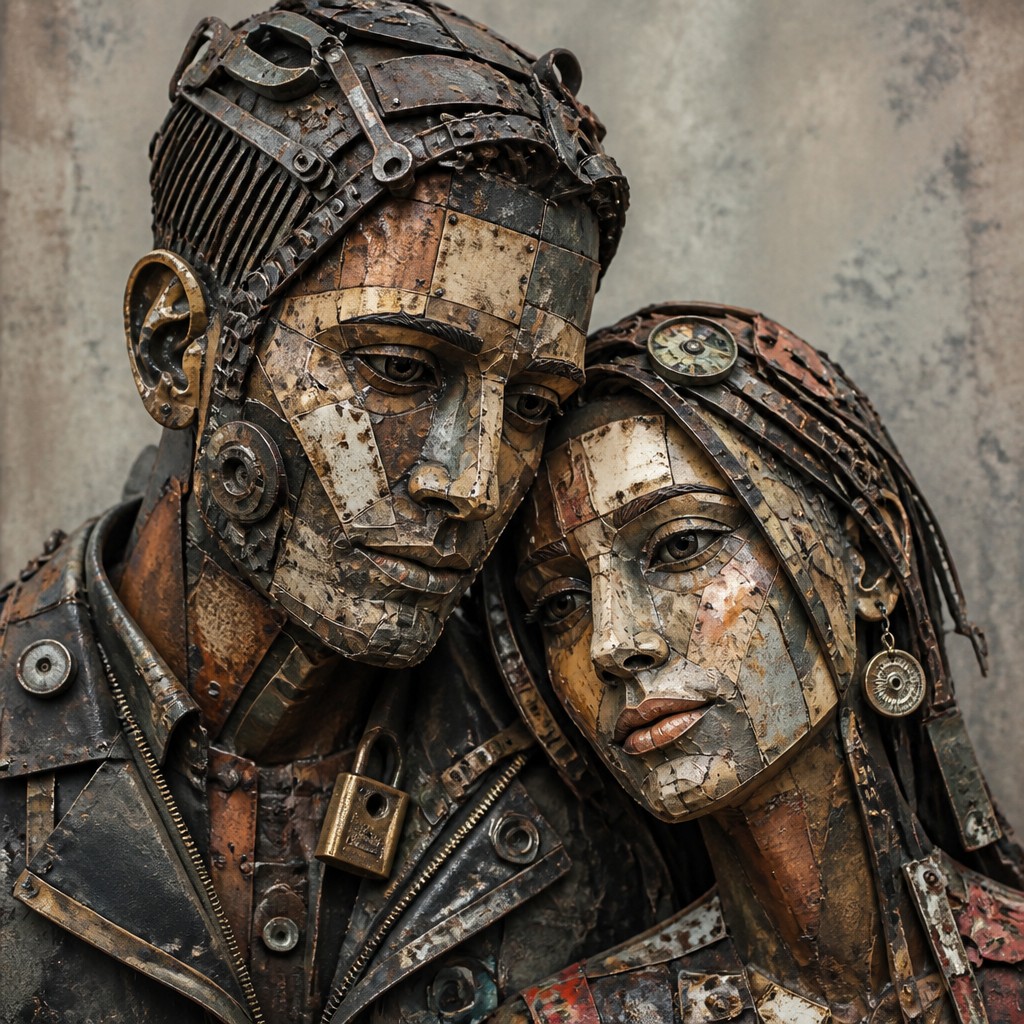
The work is built from discarded, found, or repurposed objects such as scrap metal, broken tools, wood fragments, wire, containers, and machine components. Materials retain visible traces of age and prior use.
Assemblage construction
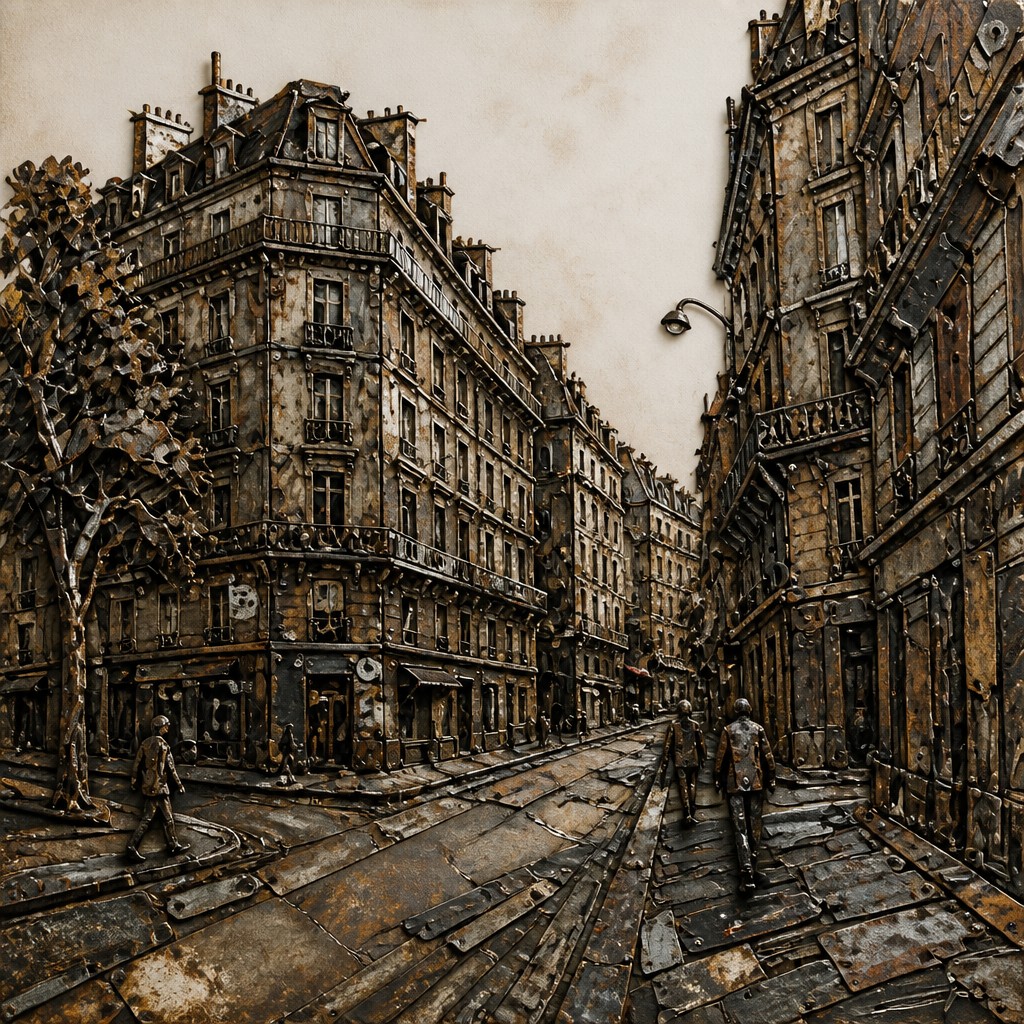
Separate objects are joined into a single sculptural entity through welding, bolting, riveting, tying, nailing, gluing, or stacking. The construction process remains legible instead of being concealed.
Material contrast
Rusty metal may sit beside polished steel, peeling paint, fabric, glass, rubber, or weathered timber. Differences in weight, texture, color, and reflectivity create visual friction.
Visible wear and patina
Corrosion, dents, scratches, oxidation, stains, chipped coatings, and grime are treated as expressive surface qualities. Artificial distressing may be added, but authentic wear is usually valued for its evidence of time.
Recontextualized function
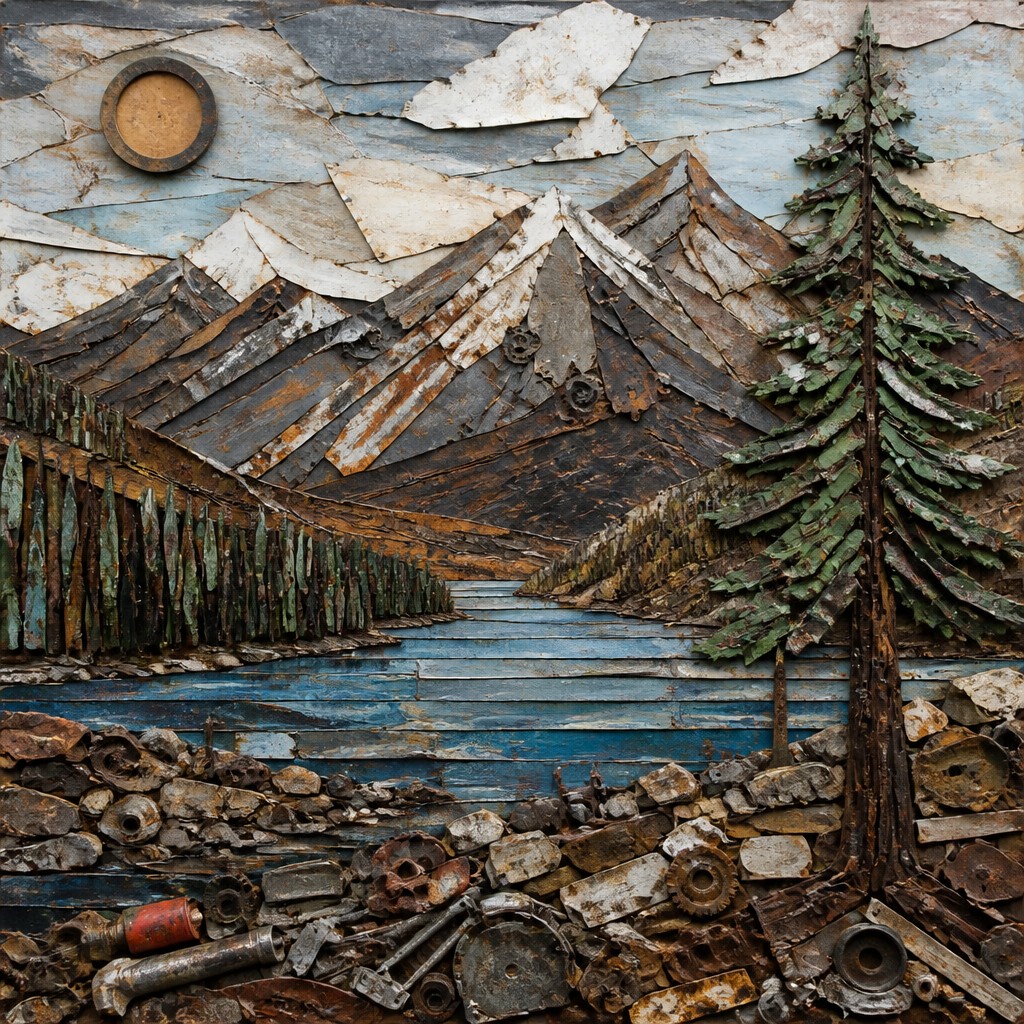
Objects are given unexpected roles: a gear becomes an eye, a shovel becomes a wing, or a pipe becomes a limb. This shift disrupts ordinary recognition and encourages symbolic or narrative readings.
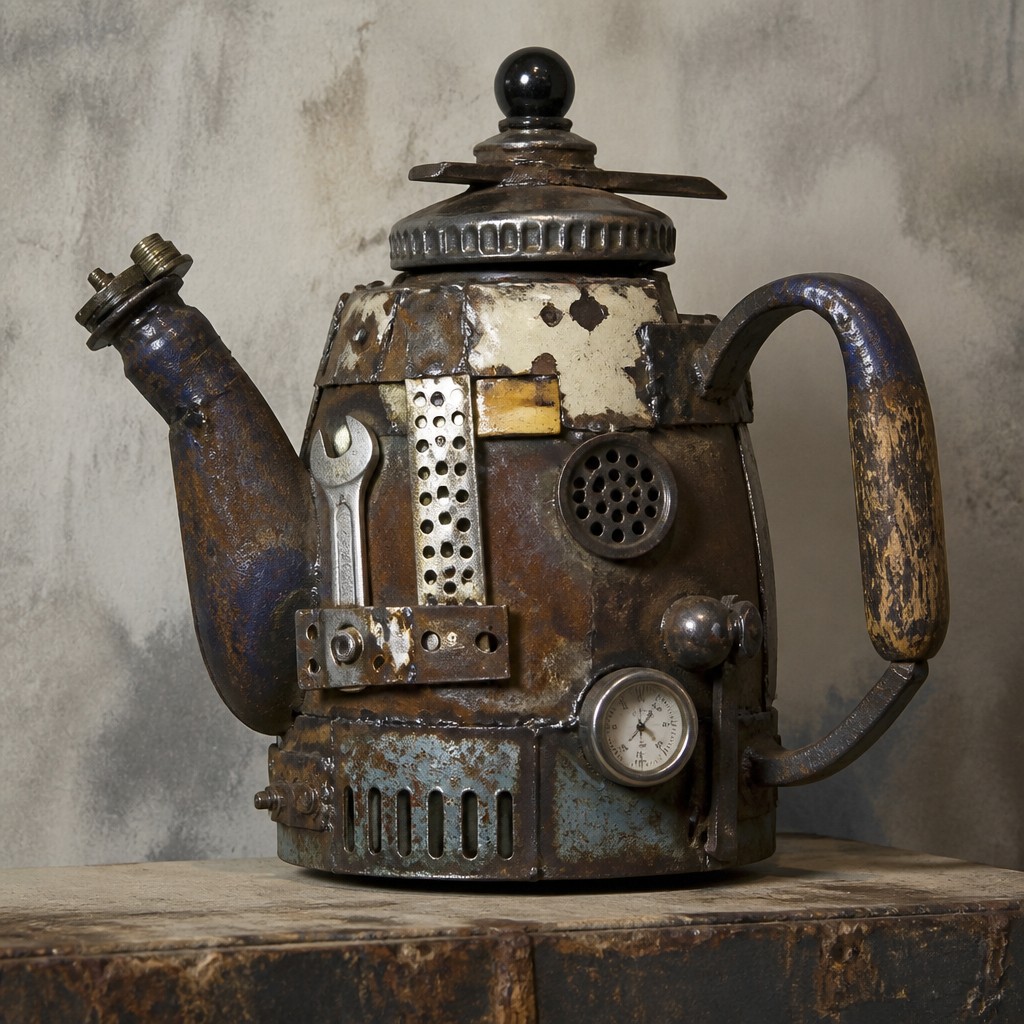
Improvised engineering
Forms often resemble inventions, creatures, vehicles, monuments, or machines assembled through practical trial and error. Uneven balance, asymmetry, and visible reinforcement contribute to the handmade character.
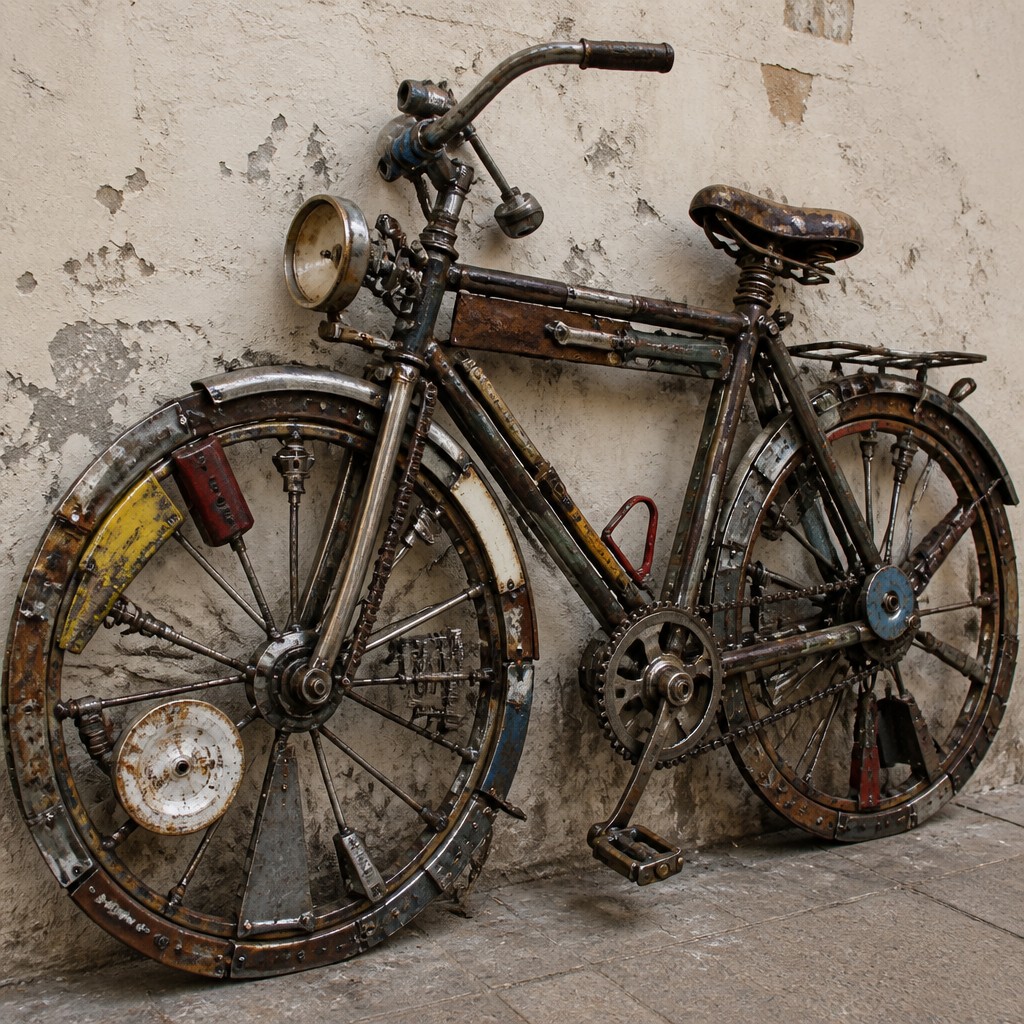
Conceptual association
Meaning emerges from the relationships among the objects, their histories, and the new form they create together. Themes commonly include memory, labor, industrial culture, consumption, repair, decay, and transformation.
Found Object Prompt Ideas
Start from an idea — each one opens the generator with the style ready to go. See all 40 Found Object prompts →
How to Create Found Object Art
Master the craft step by step — or skip straight to creating. Read the full guide →
- 1
Collect with a visual system
Gather objects according to a loose theme, silhouette, or palette rather than accumulating materials at random. Photograph and sort them by scale, texture, color, weight, and possible structural function.
- 2
Build the main structure first
Create a stable armature from strong materials such as angle iron, timber, pipe, or thick wire, then attach lighter fragments. Test balance and viewing angles before making permanent welds, screws, or adhesive joints.
- 3
Preserve material evidence
Clean hazardous dirt and sharp edges, but avoid removing every stain, dent, or layer of paint. Combine selective polishing or color accents with exposed corrosion and visible joins so the history of each object remains readable.
- 4
Use contrast to clarify the form
Place rough and smooth surfaces, large and small parts, or rigid and flexible materials beside one another. Repeat a few colors, curves, or mechanical motifs to keep the heterogeneous sculpture visually coherent.
- 5
Photograph or render deliberately
For documentation, use directional light that reveals texture and seams against a restrained background. In digital 3D work, model irregular surfaces, chipped coatings, oxidation, and believable attachment points rather than applying a uniform rust texture.
- 6
Write precise generation prompts
Specify the subject, salvaged components, construction method, surface damage, lighting, viewpoint, and degree of realism. Useful terms include exposed welds, mismatched patinas, reclaimed machine parts, visible glue lines, asymmetrical assemblage, and studio sculpture photograph.
The Story
History & Origins of Found Object
Found Object Art is best understood as a recurring modern and contemporary practice rather than a single historically fixed movement. Its aesthetic lineage includes early 20th-century assemblage and Dada readymade practices, which challenged the distinction between art and ordinary manufactured objects. It also draws on collage, construction, bricolage, and sculptural traditions that emphasize material experimentation over conventional carving or modeling.
After the mid-20th century, artists increasingly used urban debris, industrial remnants, consumer packaging, and salvaged machinery to address mass production, waste, labor, memory, and changing patterns of consumption. Related developments in assemblage, Nouveau réalisme, junk sculpture, and environmental art expanded the field, while contemporary makers often combine reclaimed materials with digital fabrication, lighting, electronics, and installation.
Influences: The style is connected to Dada readymades, assemblage, collage, junk sculpture, and the postwar practice of combining urban debris with constructed form. It also shares concerns with Nouveau réalisme, bricolage, industrial design, folk repair traditions, steampunk imagery, environmental art, and contemporary upcycling. These influences contribute different aspects: the readymade object’s conceptual charge, assemblage’s layered construction, industrial materiality, ecological awareness, and the visual pleasure of improvised engineering.
Frequently Asked Questions
What defines Found Object Art?
It is defined by the transformation of existing objects into a new sculptural composition, with the objects’ original identities still visible. Exposed construction, wear, material contrast, and unexpected changes of function are central to the style.
Is Found Object Art the same as assemblage?
Found Object Art often uses assemblage methods, but the terms are not perfectly interchangeable. Assemblage describes the process or structure of joining parts, while Found Object Art emphasizes the use and recontextualization of preexisting objects.
Does every artwork need to be made from genuinely discarded materials?
No. Authentic found materials are important to the tradition, but contemporary works may combine reclaimed objects with newly fabricated supports, cast parts, electronics, or digital components. The key is that ordinary material identity and transformation remain conceptually or visually significant.
How can beginners make a found object sculpture safely?
Start with lightweight, stable objects and plan the sculpture around a secure base or armature. Wear appropriate eye and hand protection, remove hazardous residues, blunt sharp edges, and use ventilation and proper equipment for cutting, drilling, welding, or solvent-based adhesives.
How does this style differ from ordinary recycling crafts?
Recycling crafts often prioritize usefulness, decoration, or efficient material reuse. Found Object Art may reuse materials, but it places greater emphasis on symbolism, formal tension, the history of objects, and the conceptual shift from functional debris to sculpture.
Where is Found Object Art used?
It appears in galleries, public sculpture, site-specific installations, museums, environmental projects, theatrical props, editorial imagery, and speculative design. Digital artists also use its material language for concept art, 3D scenes, and generated images of improvised machines or creatures.
Create your first Found Object artwork
Describe anything — or upload a photo — and see it in Found Object Art Style in seconds.
Related Styles
Discover similar art styles