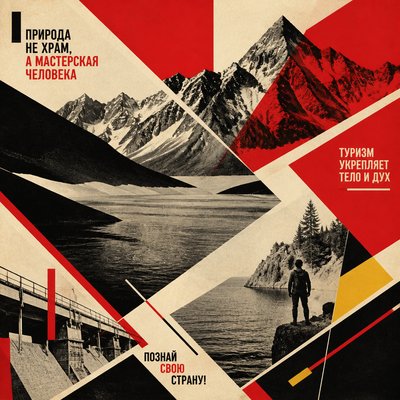
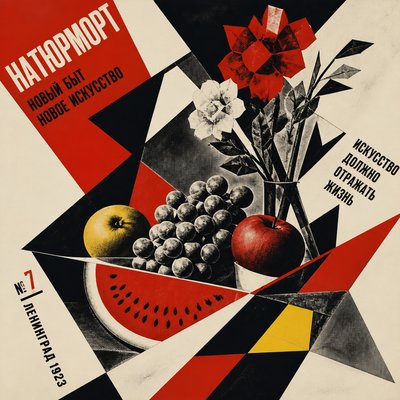
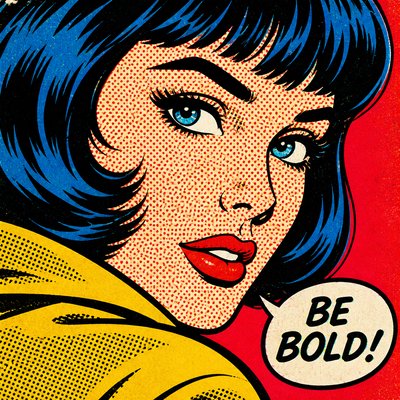
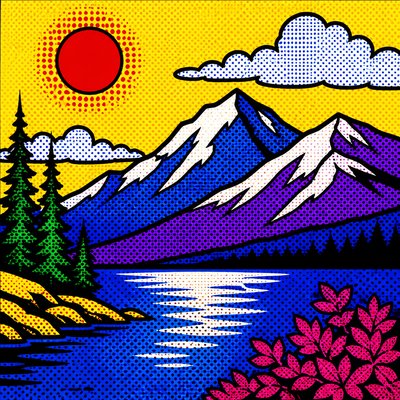
Maximal Variety Art Style
Explore Maximal Variety Art: crowded compositions, vivid palettes, mixed textures, and dozens of interconnected visual stories.
Instantly rendered in Maximal Variety — or transform a photo
Maximal Variety Gallery
Tap any artwork to explore it
What is Maximal Variety Art Style?
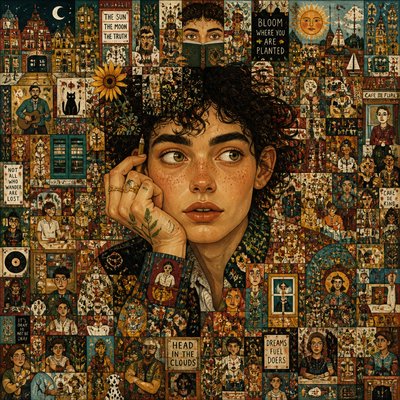
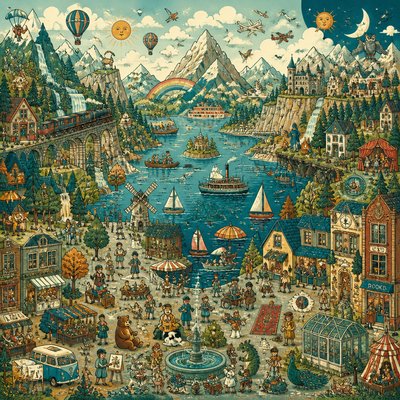
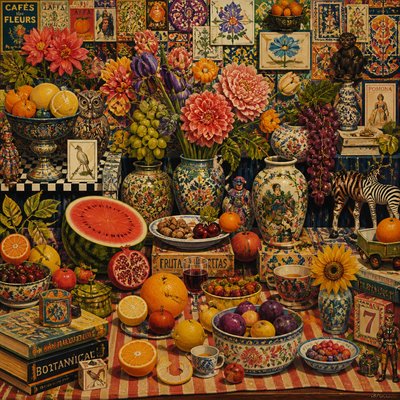
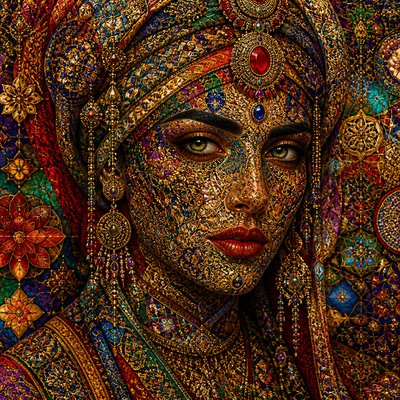
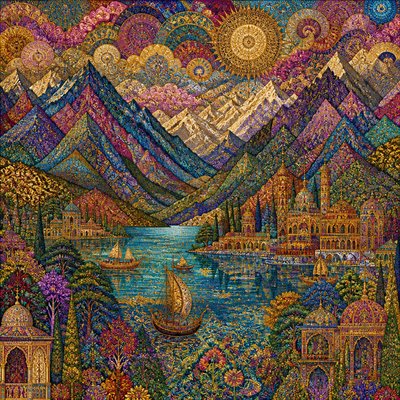
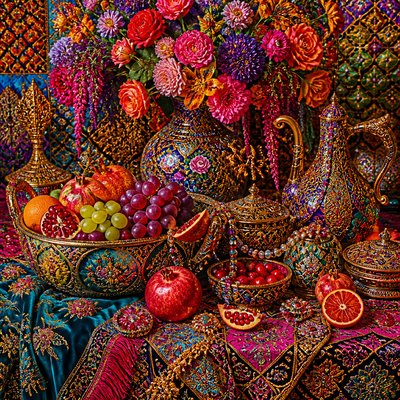
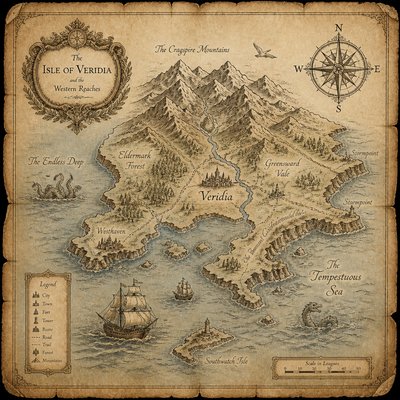
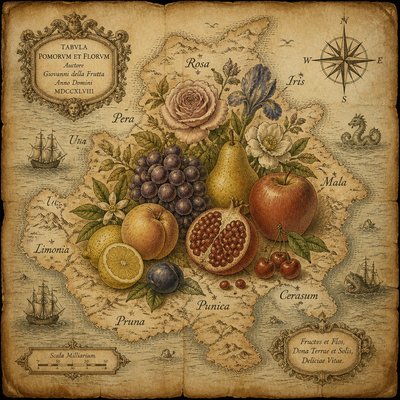
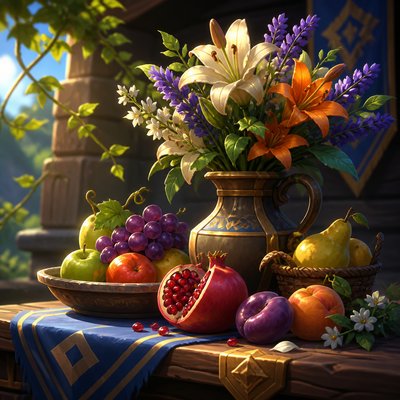
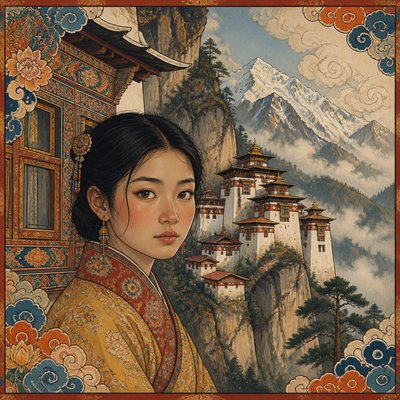
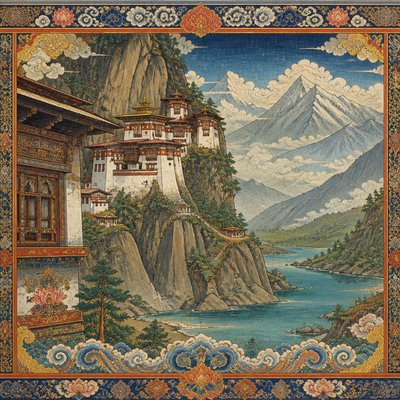
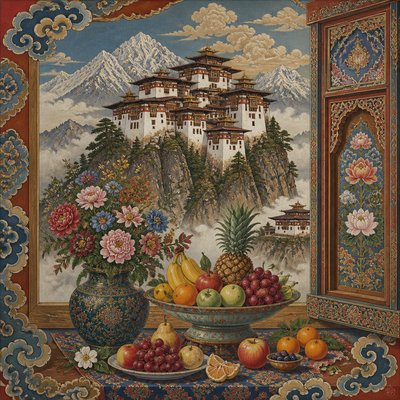
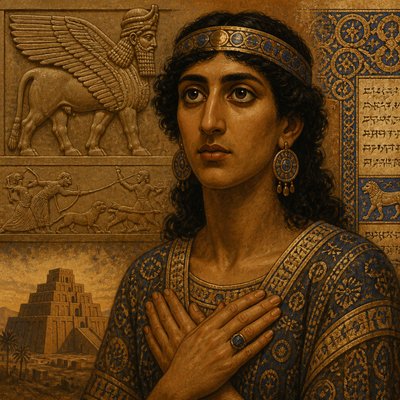
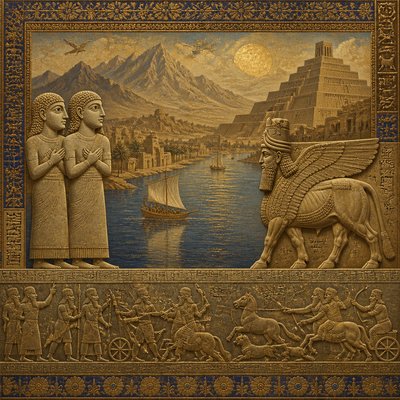
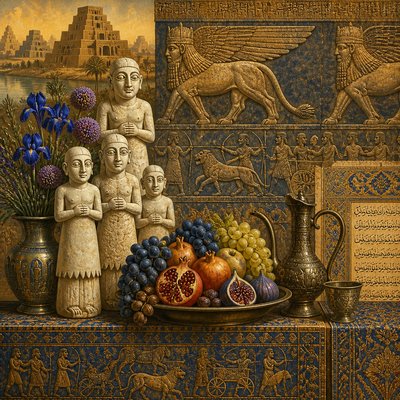
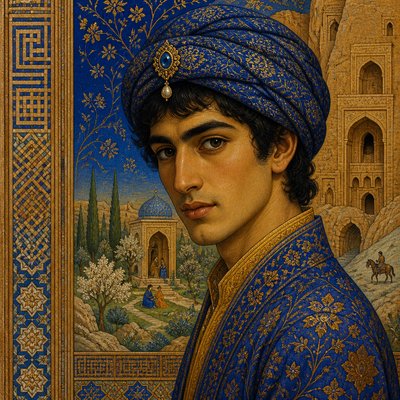
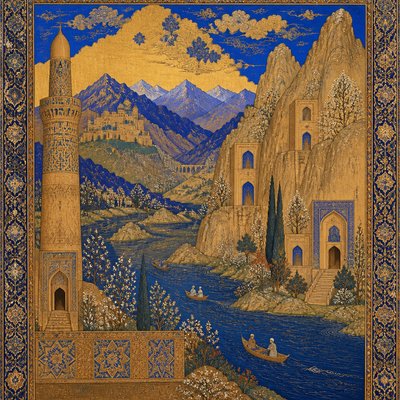
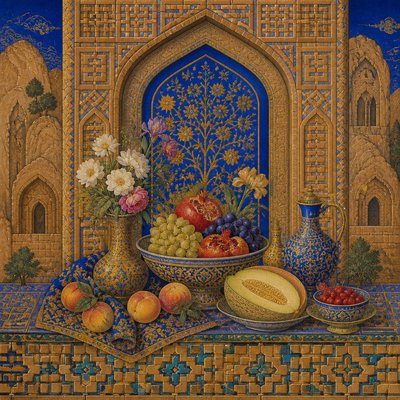
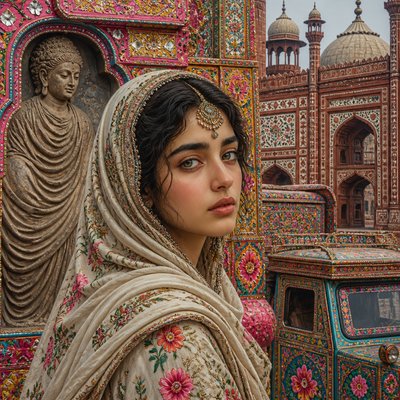
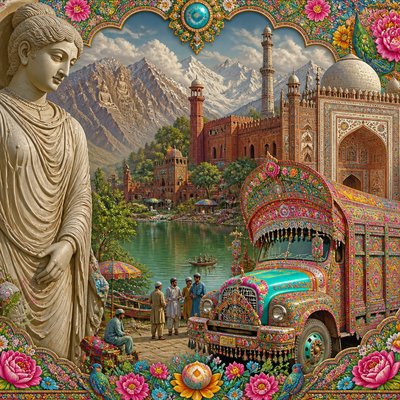
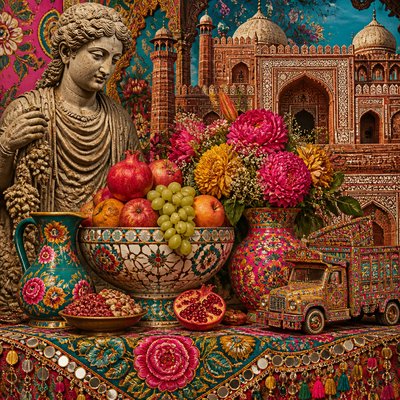
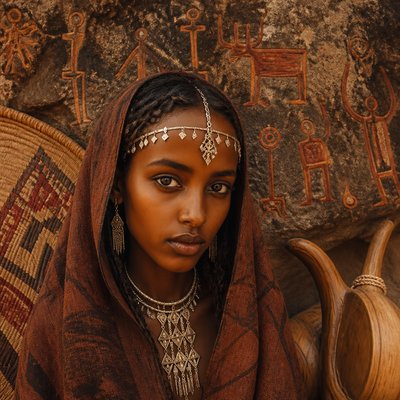
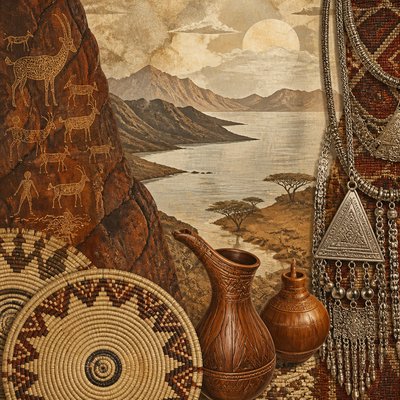
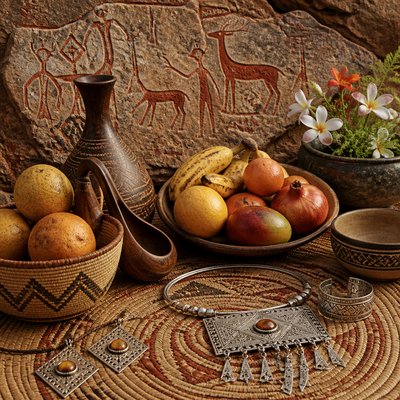
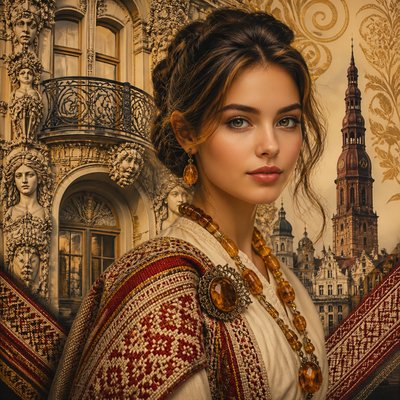
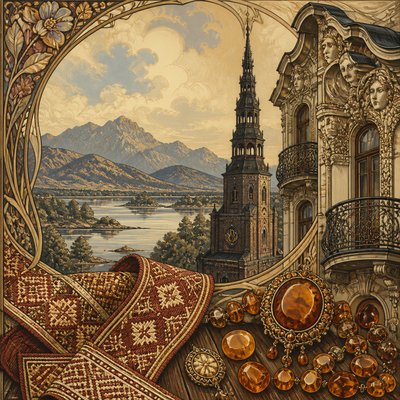
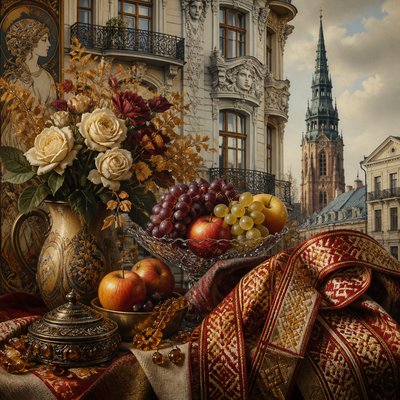
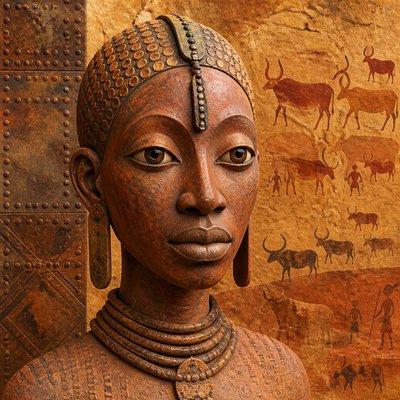
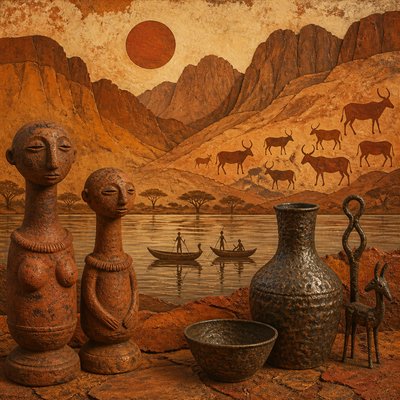
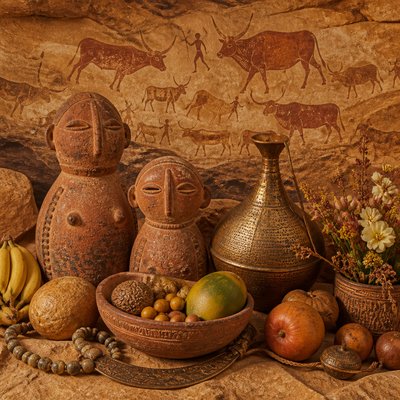
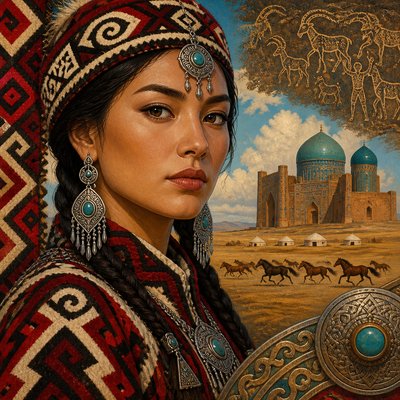
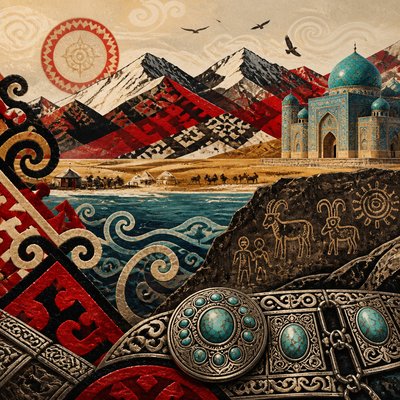
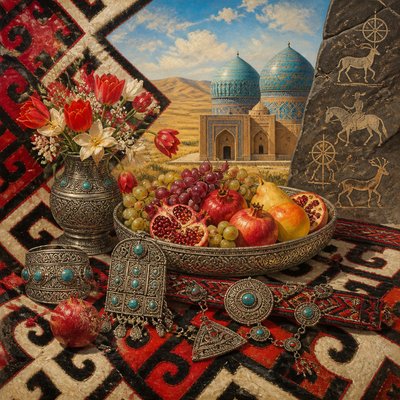
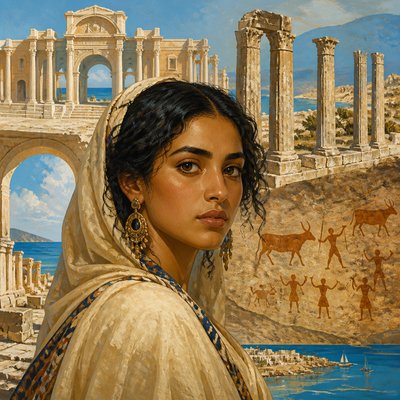
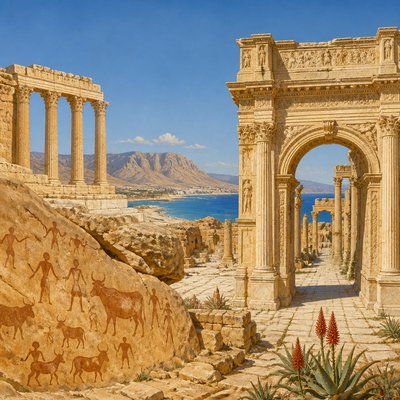
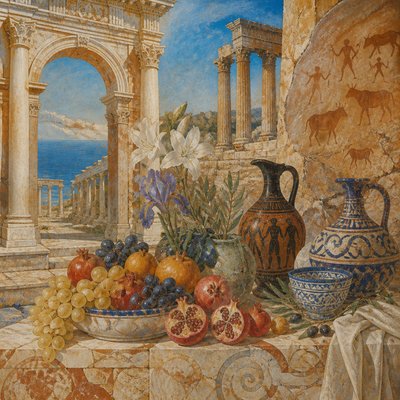
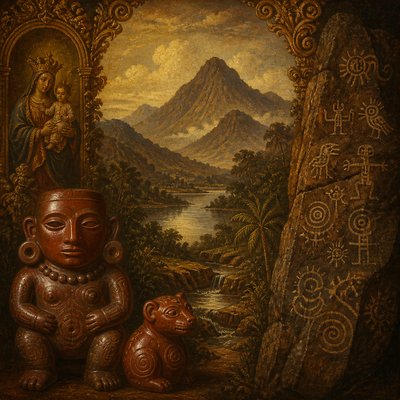
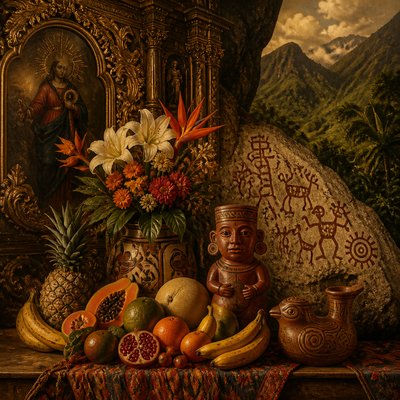
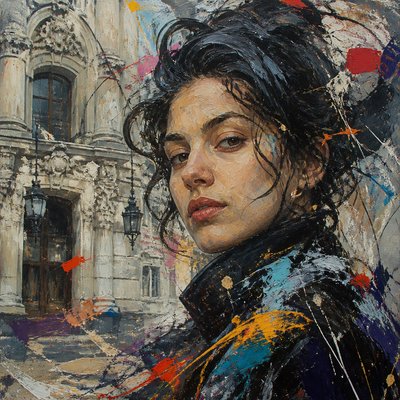
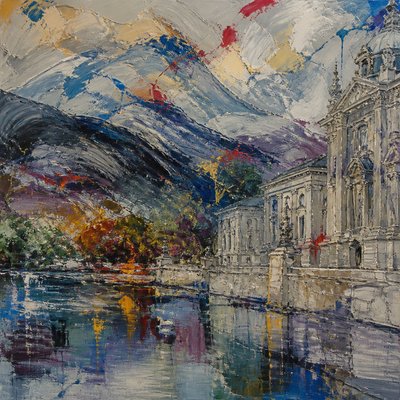
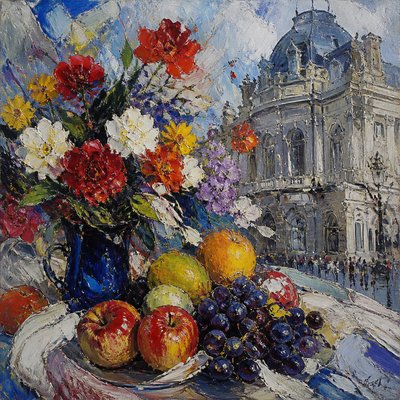
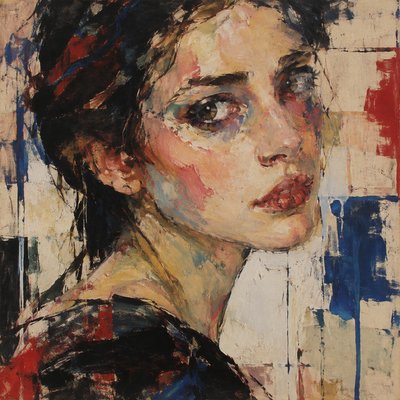
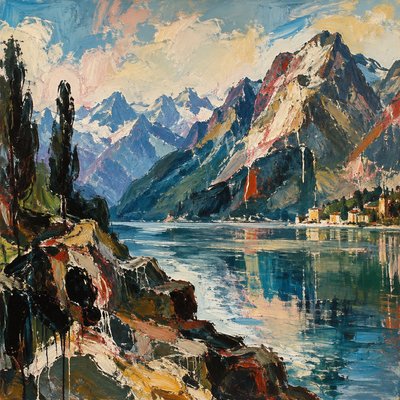
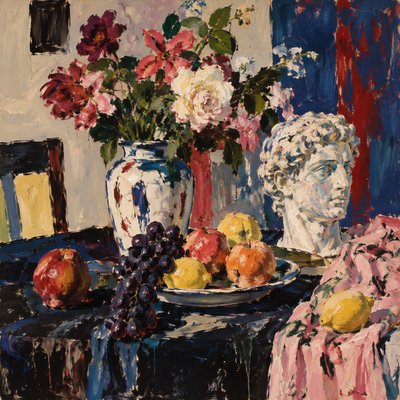
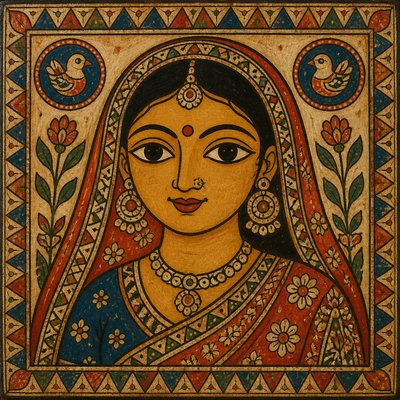
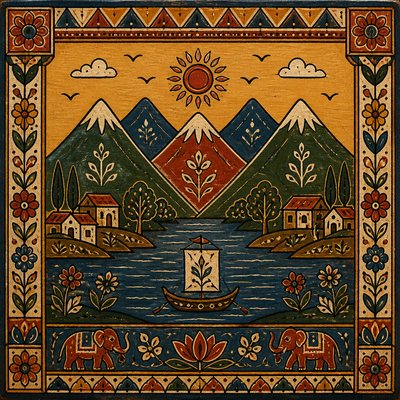
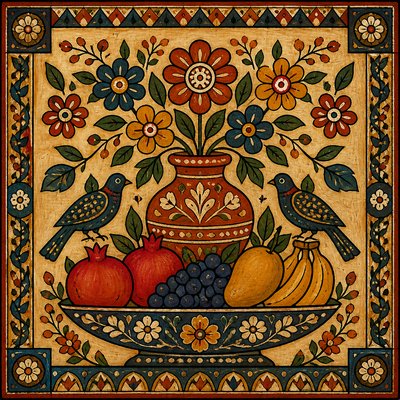
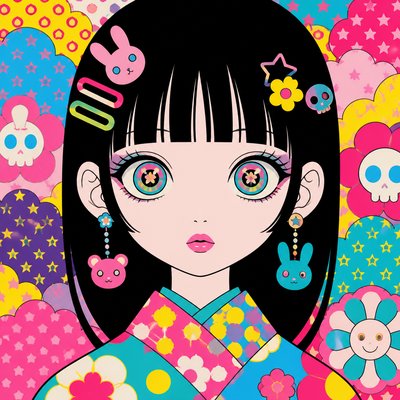
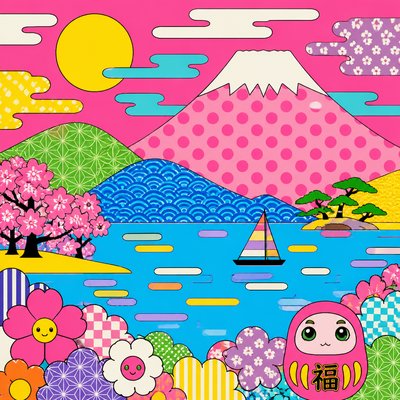
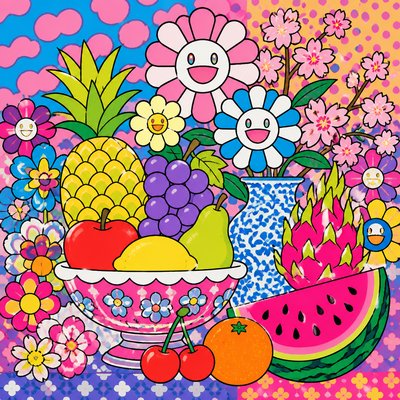
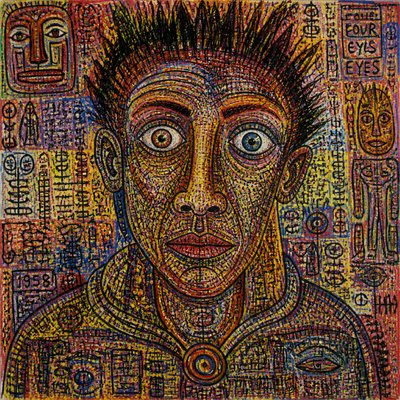
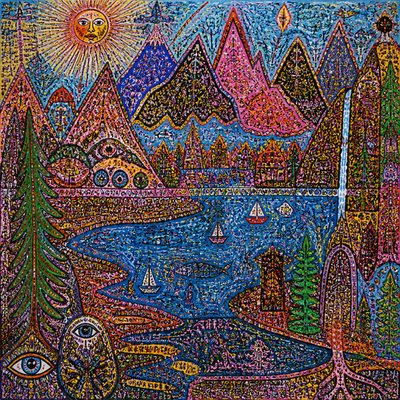
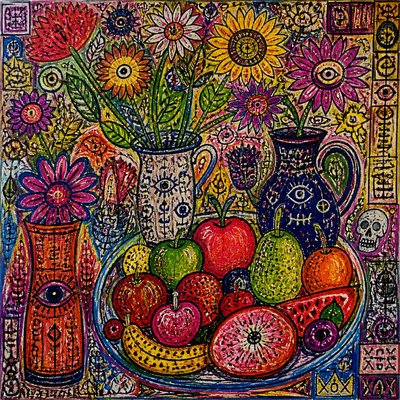
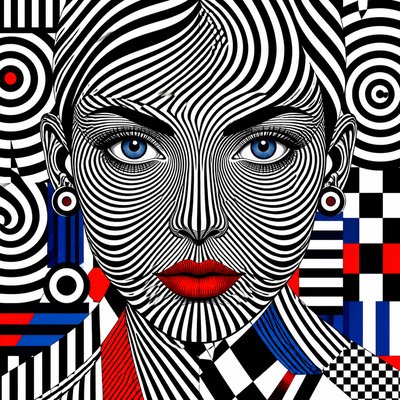
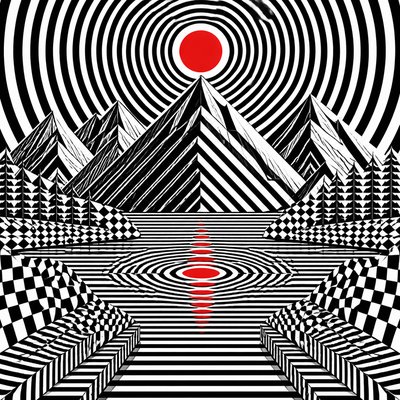
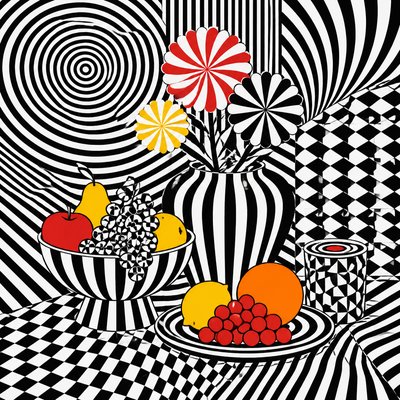
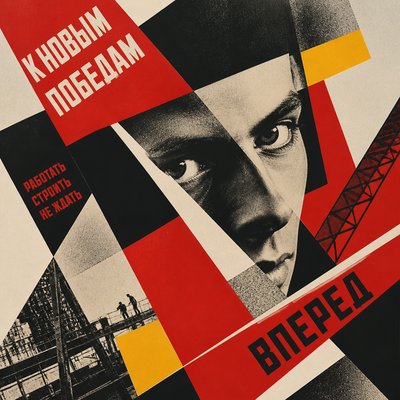
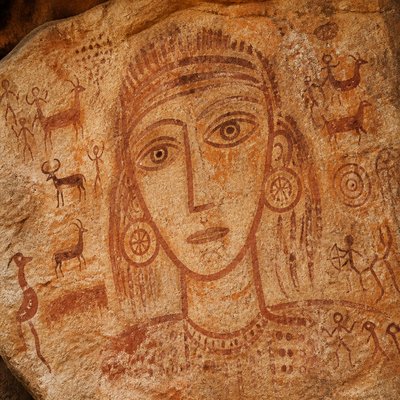
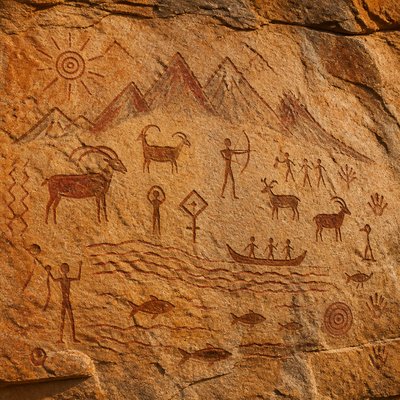
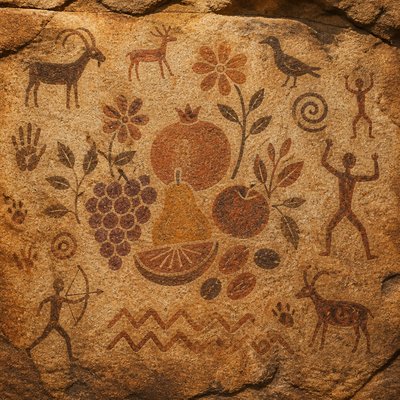
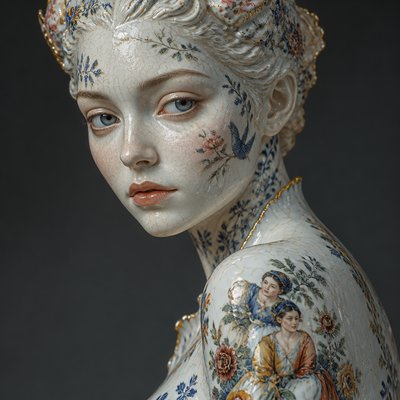
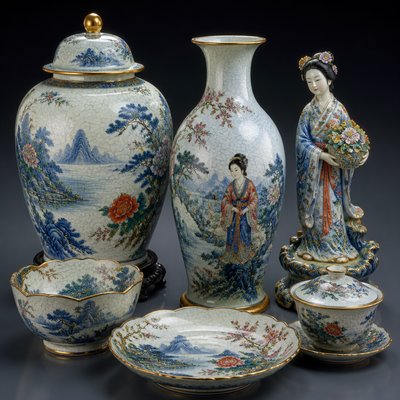
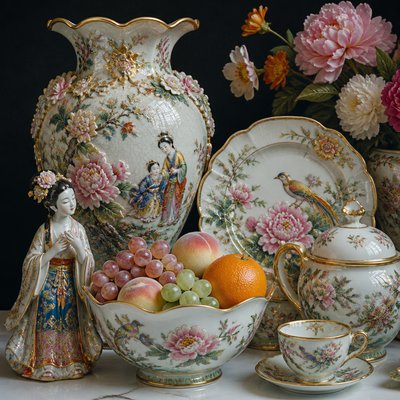
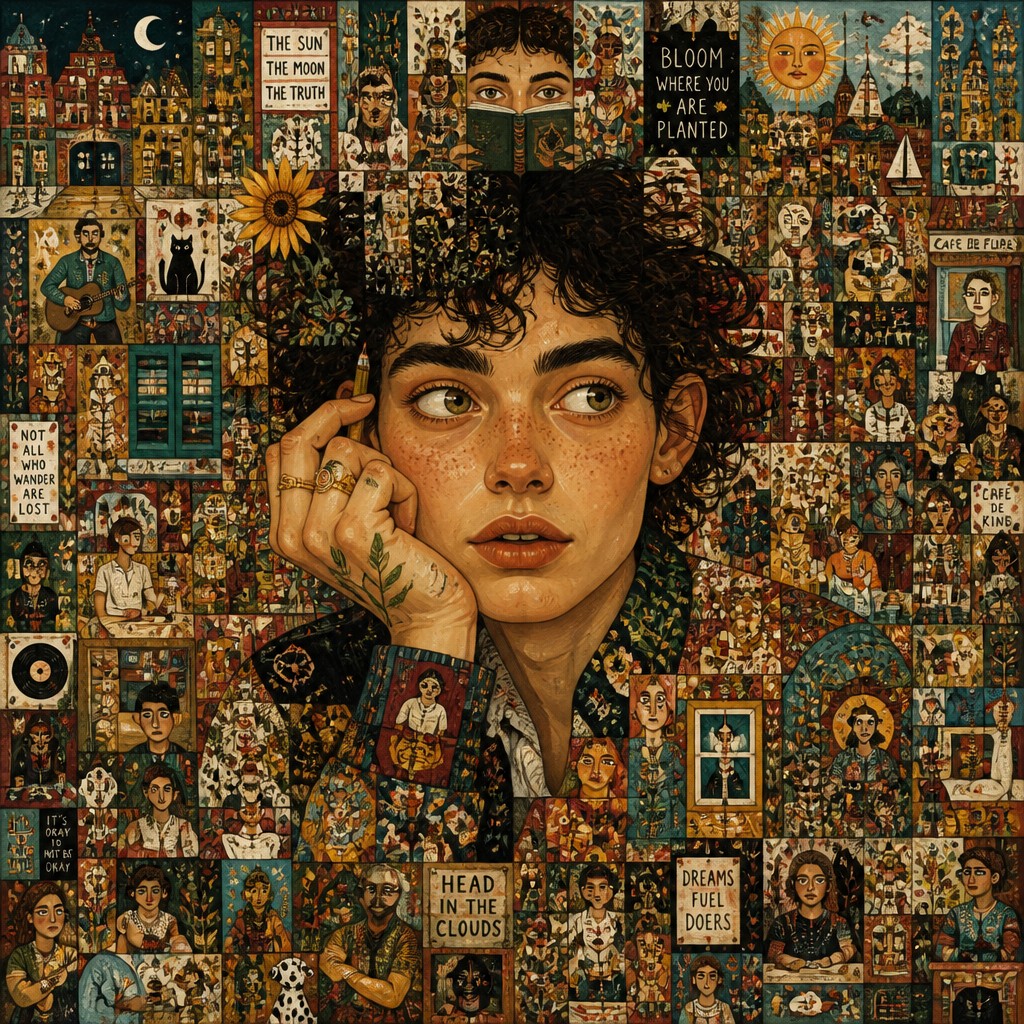
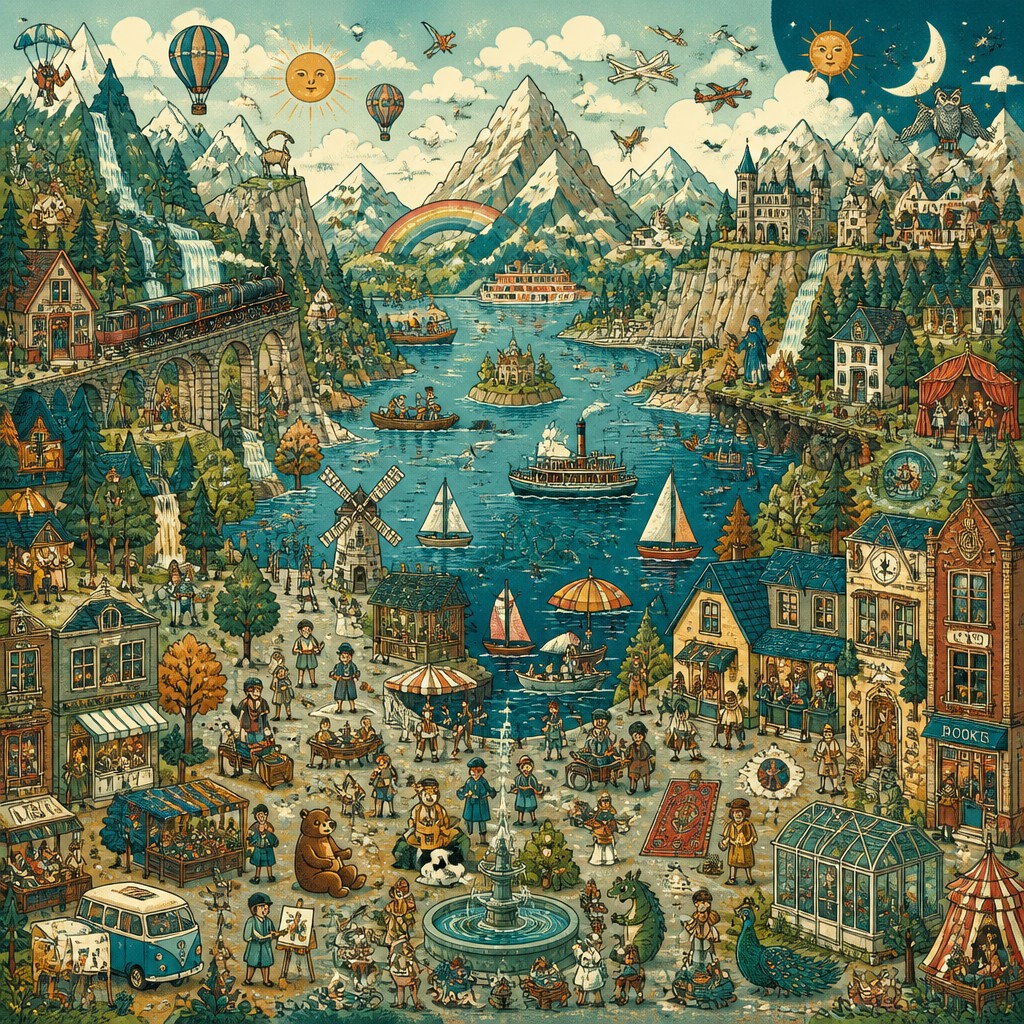
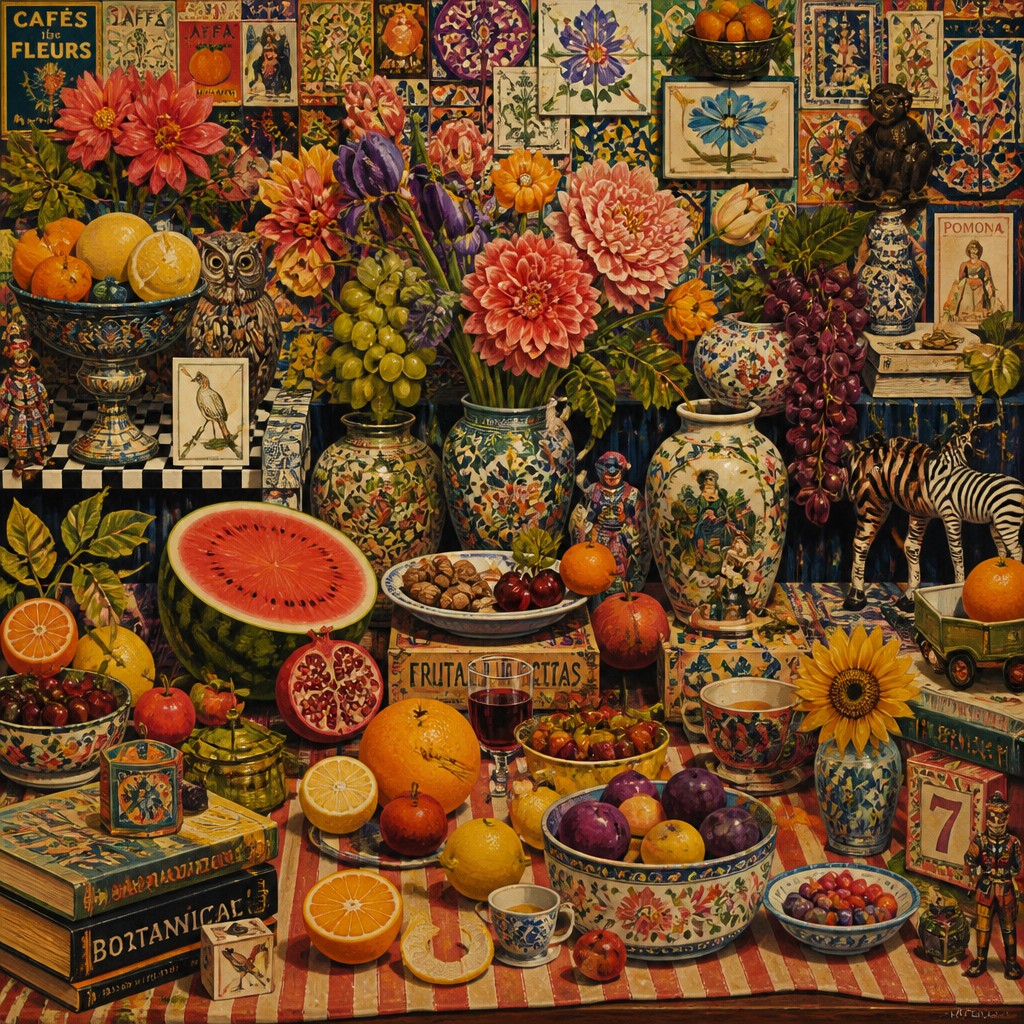
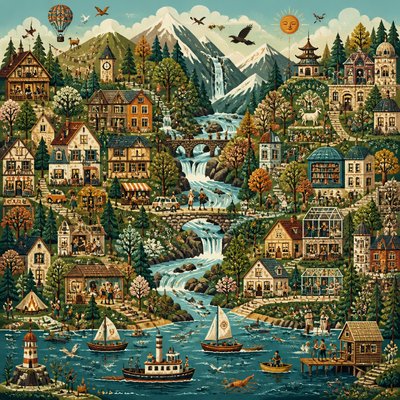
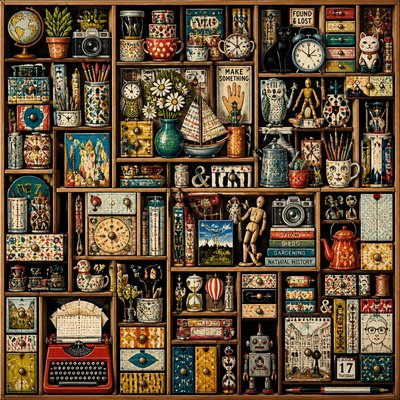
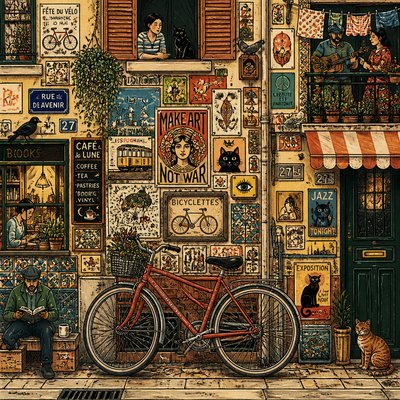
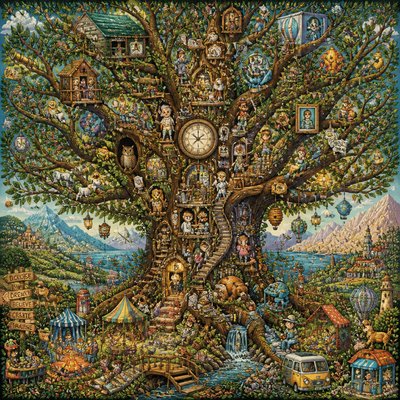
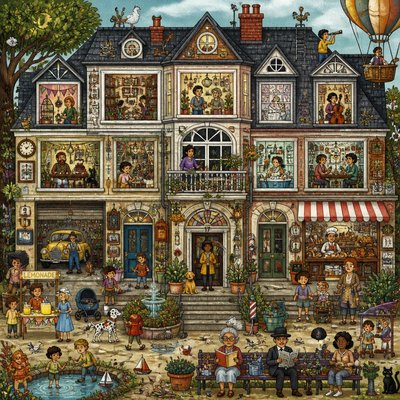
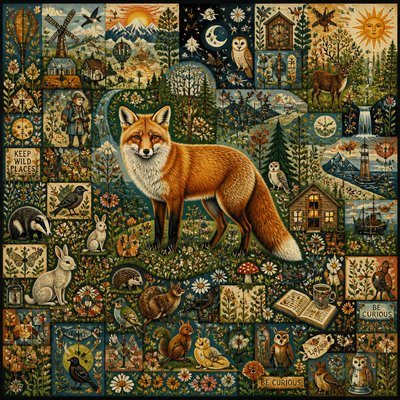
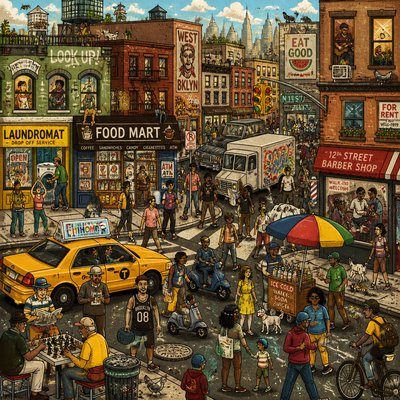
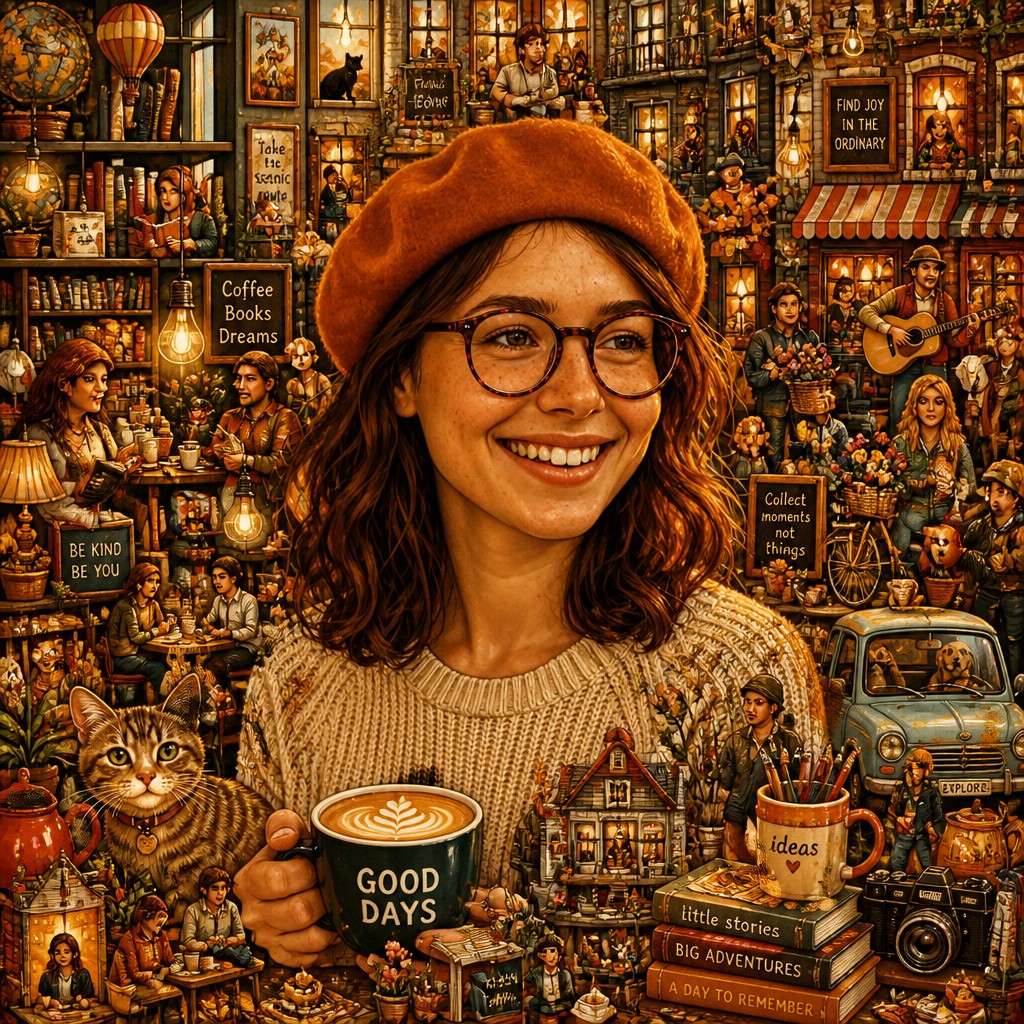
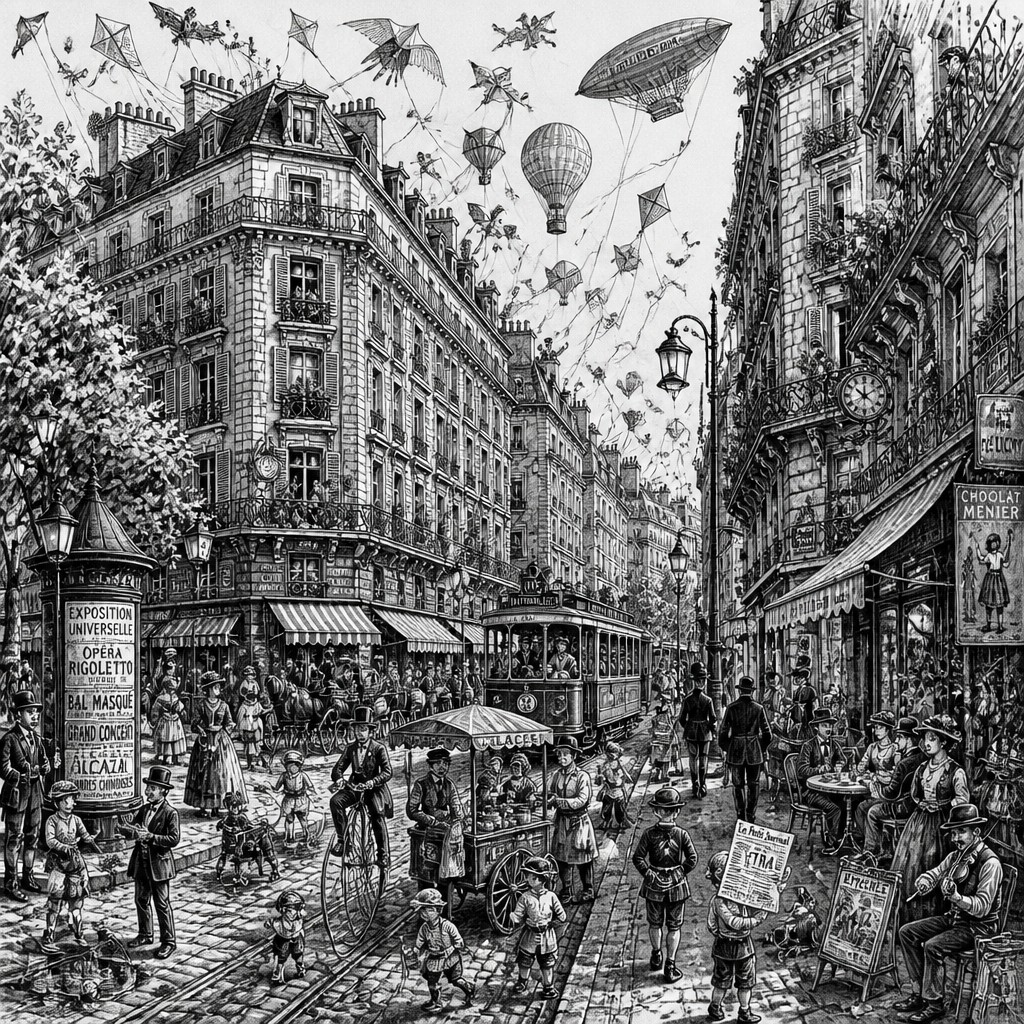
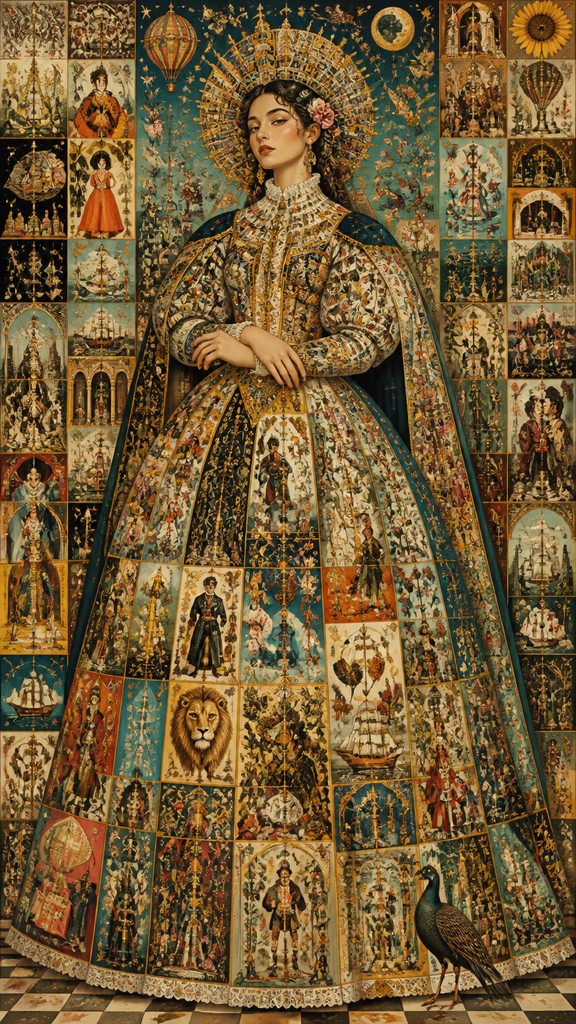
Maximal Variety Art is a contemporary, descriptive style built around visual abundance. Its compositions contain many different figures, objects, textures, patterns, colors, and small narrative episodes, yet remain coherent through a repeated palette, structural grid, or shared visual rhythm. The result is crowded rather than empty, but organized rather than purely chaotic.
The style rewards prolonged looking. A central subject may coexist with miniature scenes, decorative borders, diagrammatic marks, cartoon-like characters, architectural fragments, botanical forms, and tactile surfaces. Contrasts in scale, material, and imagery create energy, while recurring colors, outlines, shapes, or compositional divisions keep the whole image legible.
Try It On Your Photos
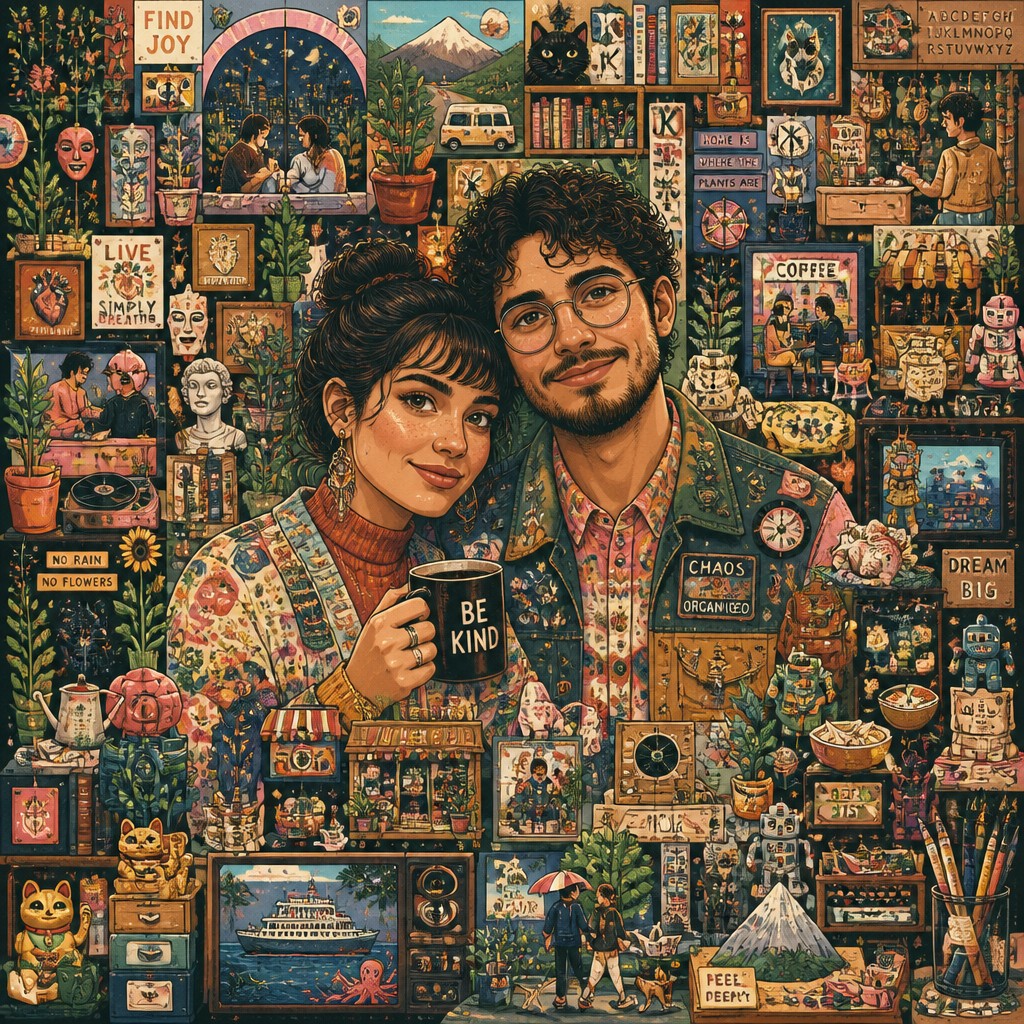
Upload any photo and convert it into Maximal Variety Art Style — drag the sliders to compare before and after.


What Defines Maximal Variety Art Style
The signature details, up close
Crowded narrative fields
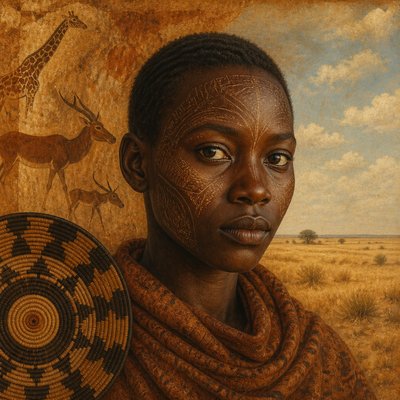
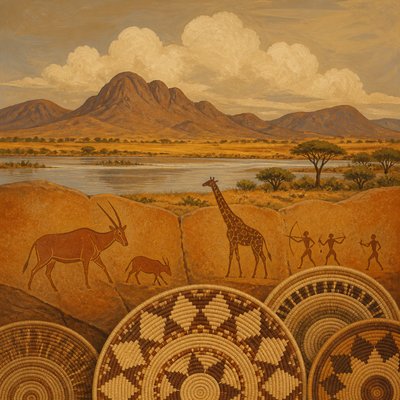
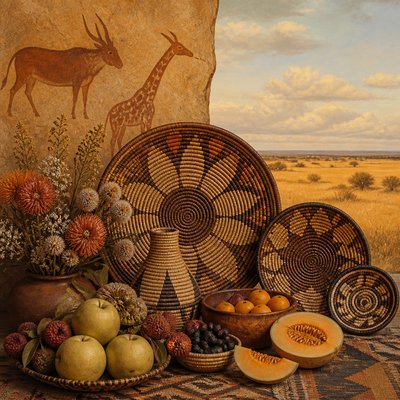
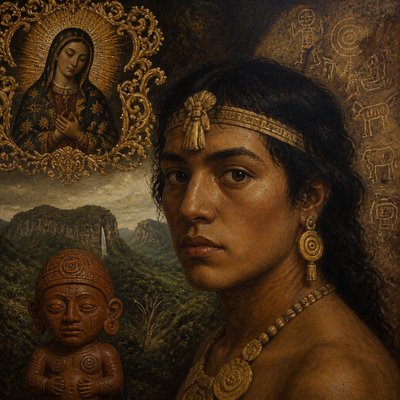
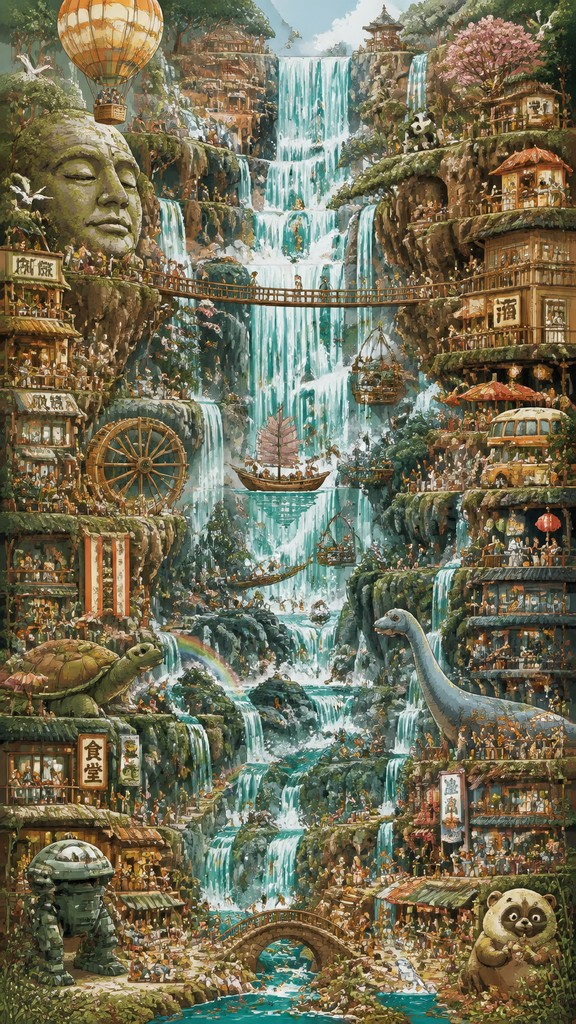
The image is populated by numerous figures, objects, and micro-scenes rather than a single isolated subject. Small discoveries are distributed across the frame, encouraging close inspection.
Controlled visual diversity
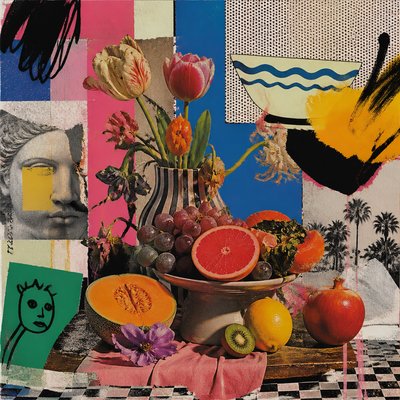
Different motifs and rendering methods appear together, but recurring colors, outlines, shapes, or spatial divisions prevent the image from becoming unreadable.
Shared palette with vivid accents
A broad but coordinated color system often combines saturated hues with a few anchoring neutrals. Bright accent colors help separate overlapping forms and establish visual pathways.
Mixed textures and surfaces
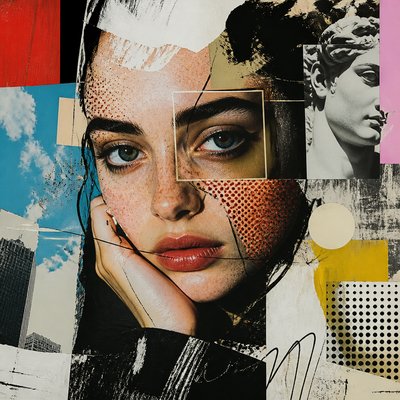
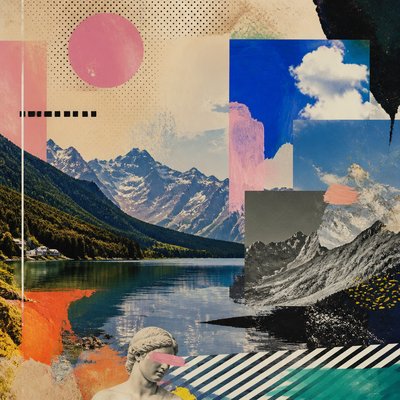
Flat graphic fills may sit beside brushwork, paper grain, fabric patterns, metallic effects, stippling, halftone dots, or glossy digital surfaces. Texture changes help distinguish one visual world from another.
Varied scale and perspective
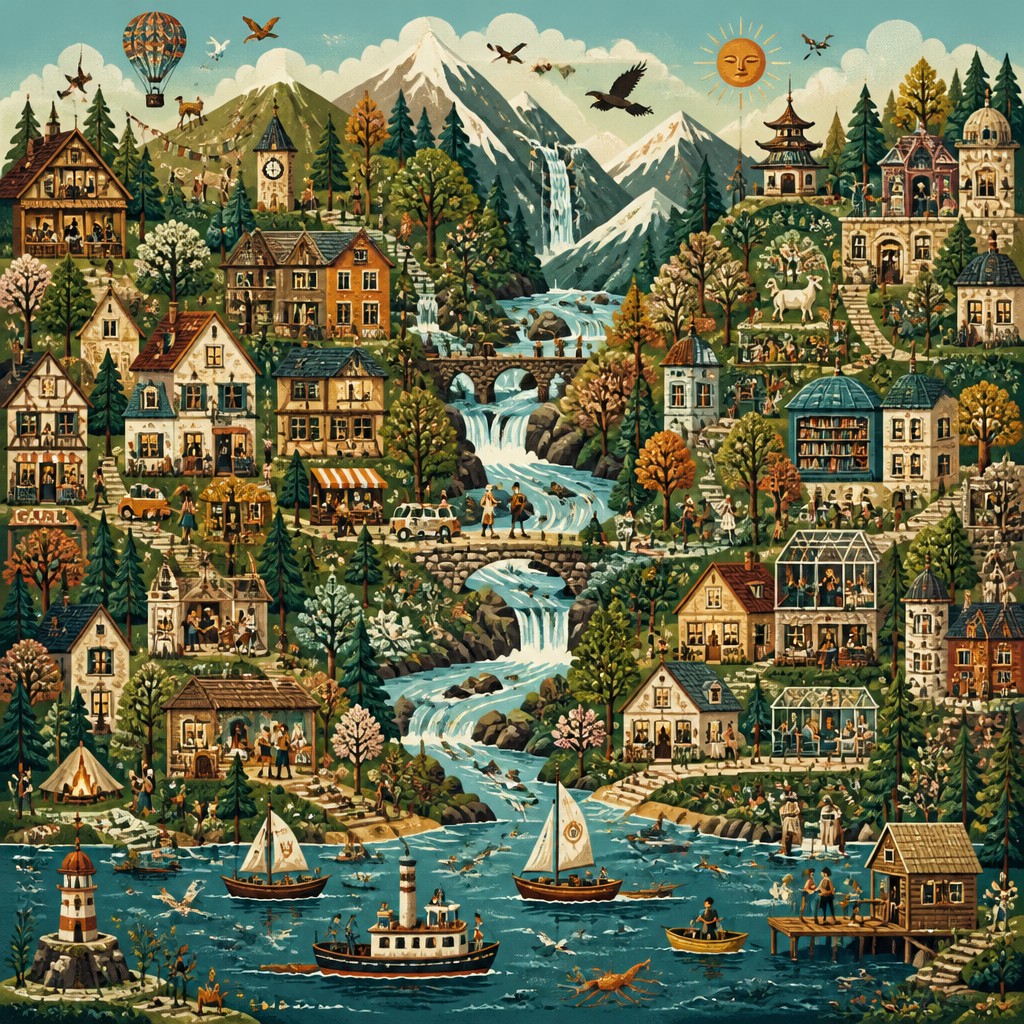
Large characters can coexist with tiny buildings, symbols, animals, or scenes. Shifts between frontal, overhead, diagrammatic, and slightly distorted viewpoints add to the sensation of multiple worlds occupying one image.
Grid-based organization
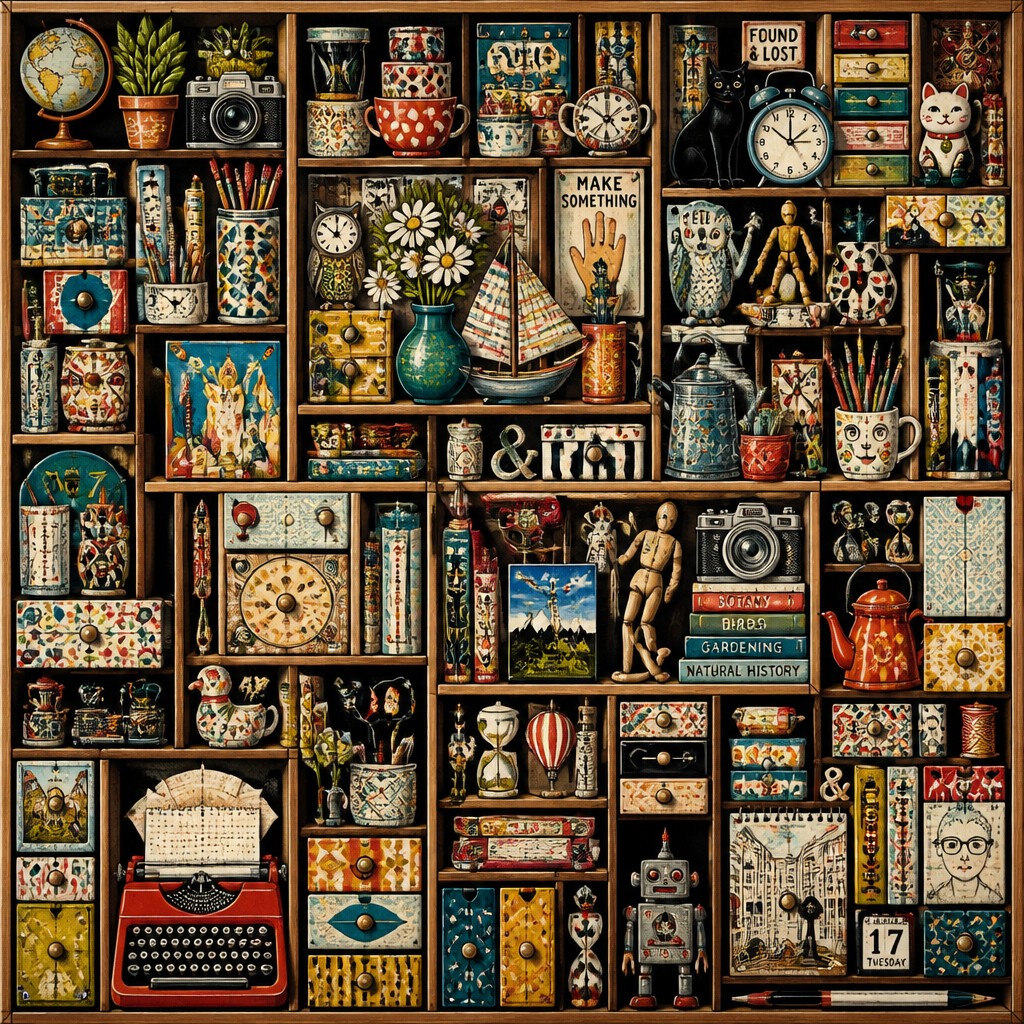
Panels, borders, pathways, modular clusters, or an implied grid often provide the underlying structure. These devices keep the composition navigable despite its high information density.
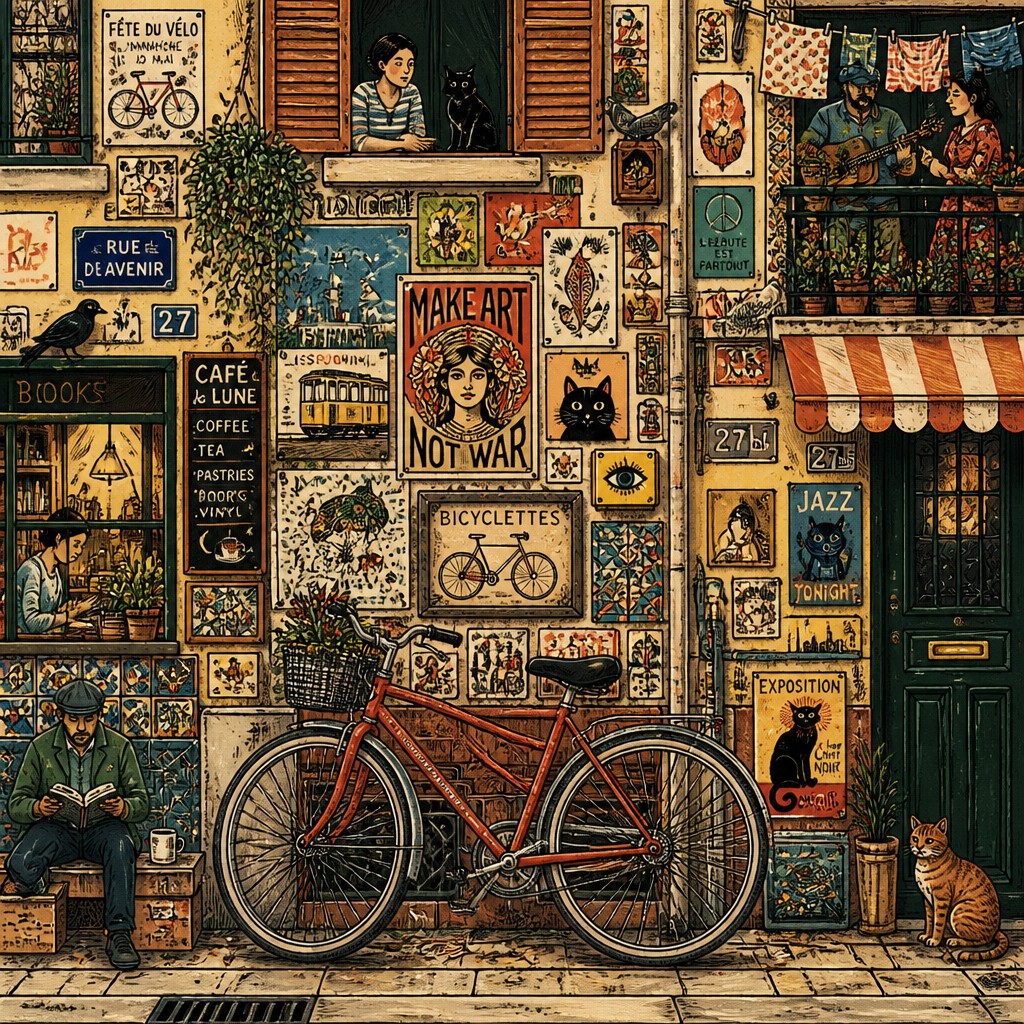
Playful hybrid imagery
The style freely combines realistic, cartoon, symbolic, decorative, and fantastical forms. Unexpected pairings create humor, visual surprise, and layered associations.
Try It
Create Videos in Maximal Variety Art Style
Styles aren't just for stills — describe a scene or animate an image and get a short video rendered in Maximal Variety. Press play to see this pond come to life.
Make a VideoMaximal Variety Prompt Ideas
Start from an idea — each one opens the generator with the style ready to go. See all 40 Maximal Variety prompts →
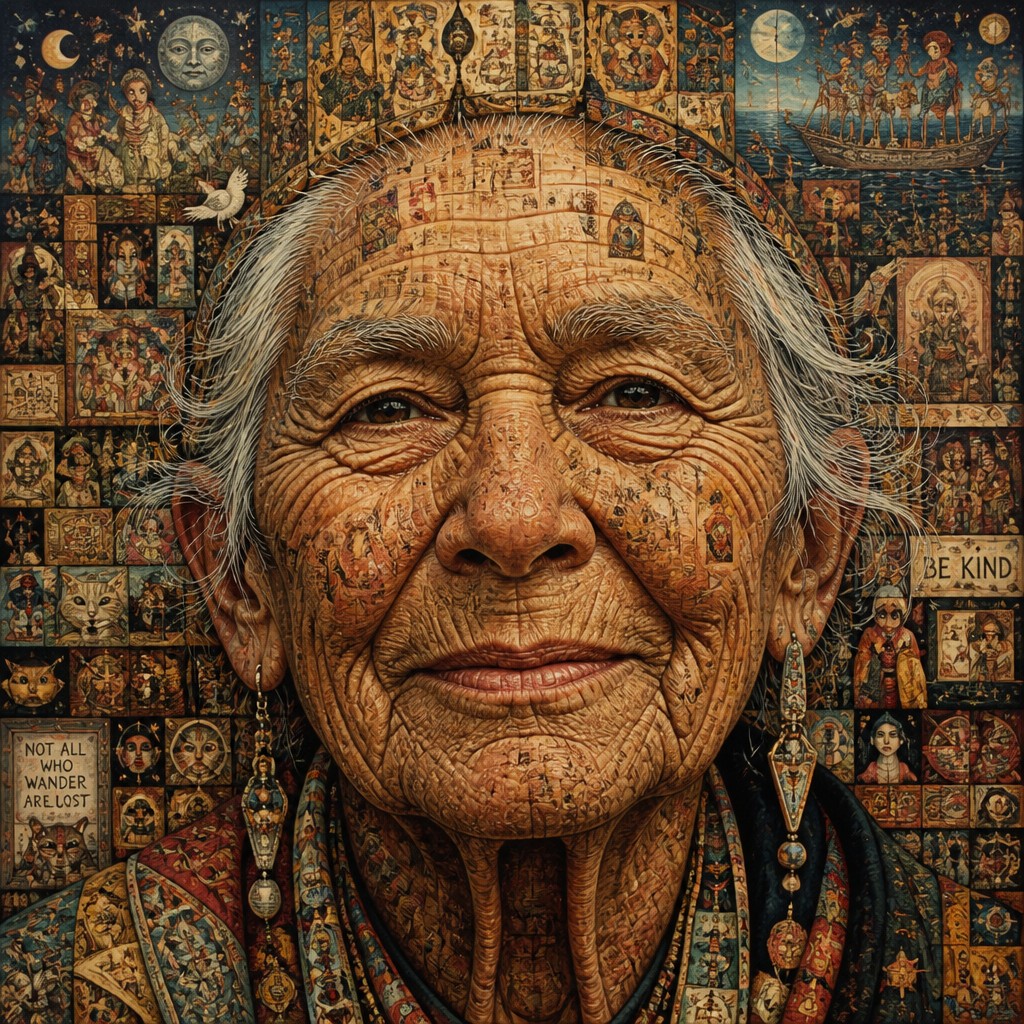
“close-up portrait of an elderly person with expressive weathered features”
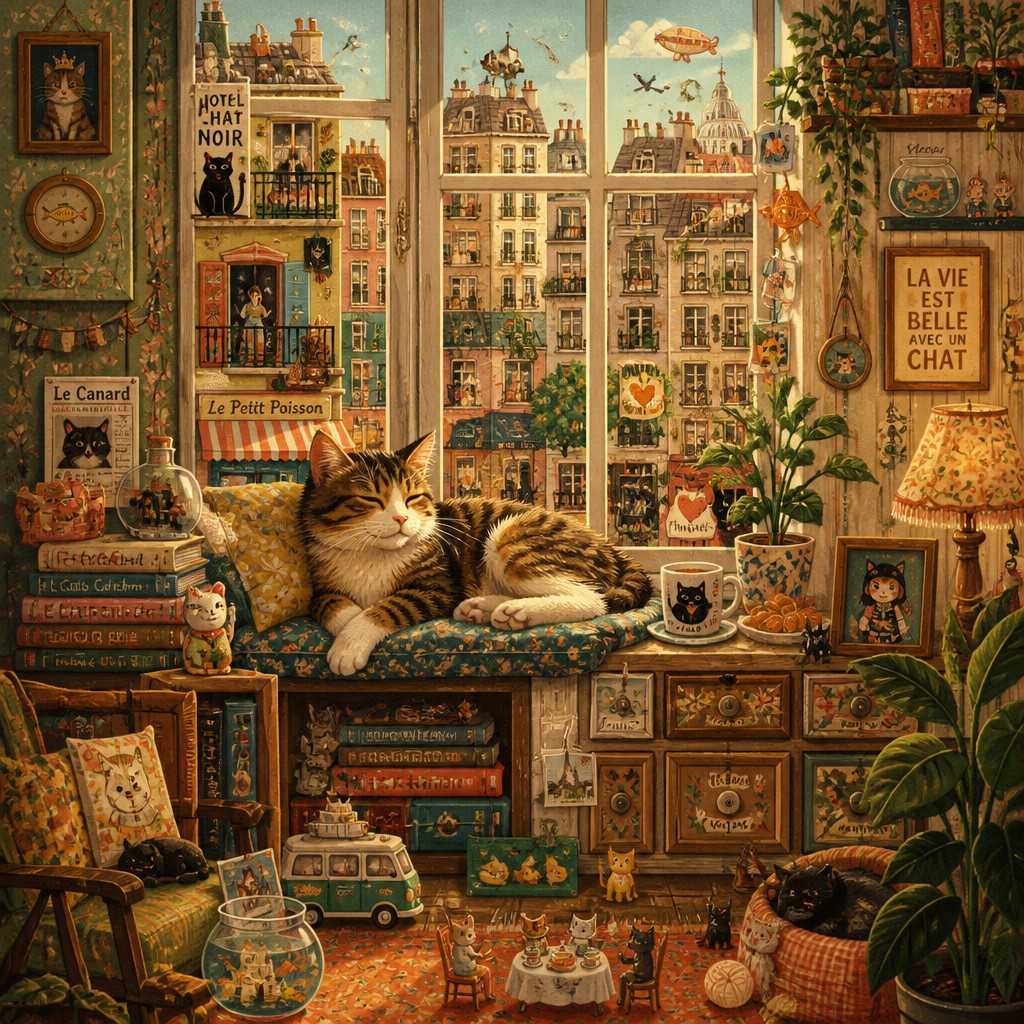
“a cat lounging in a sunlit window”
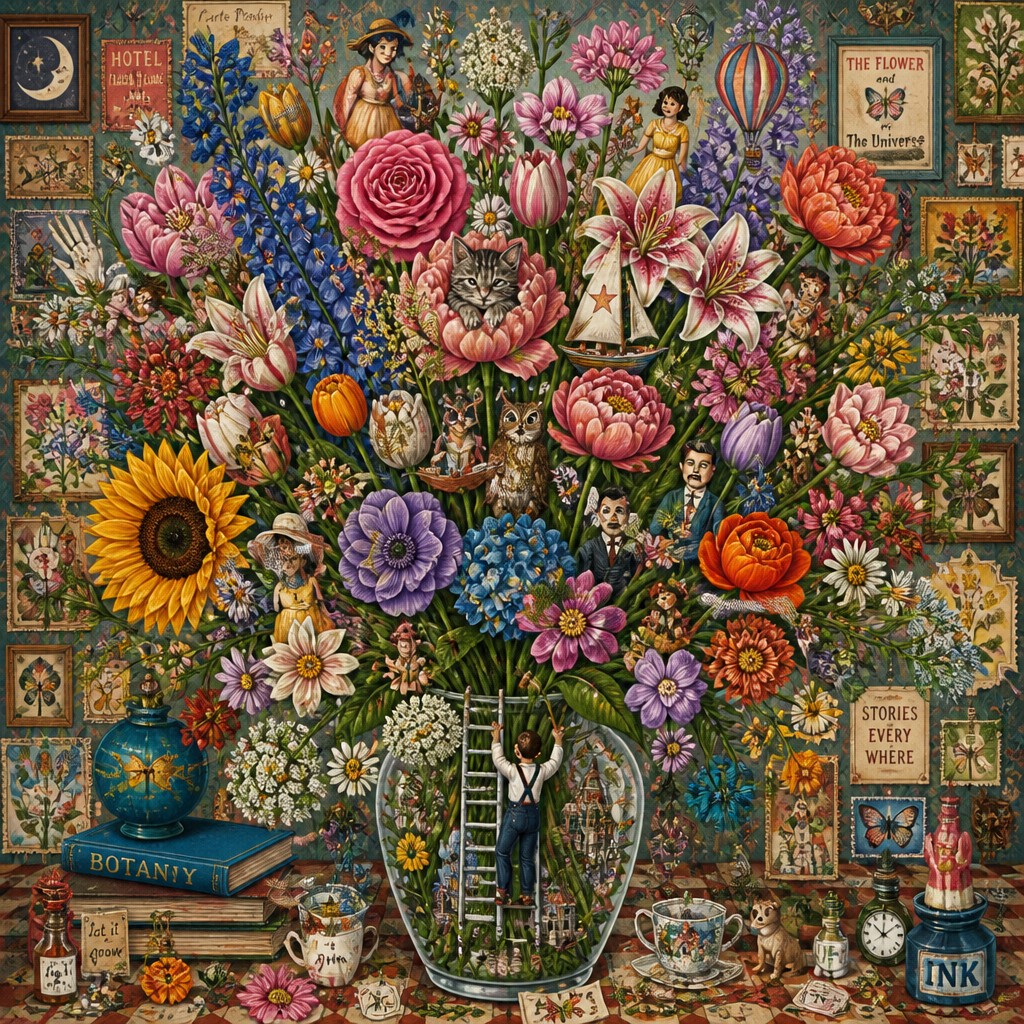
“bouquet of flowers in a glass vase”
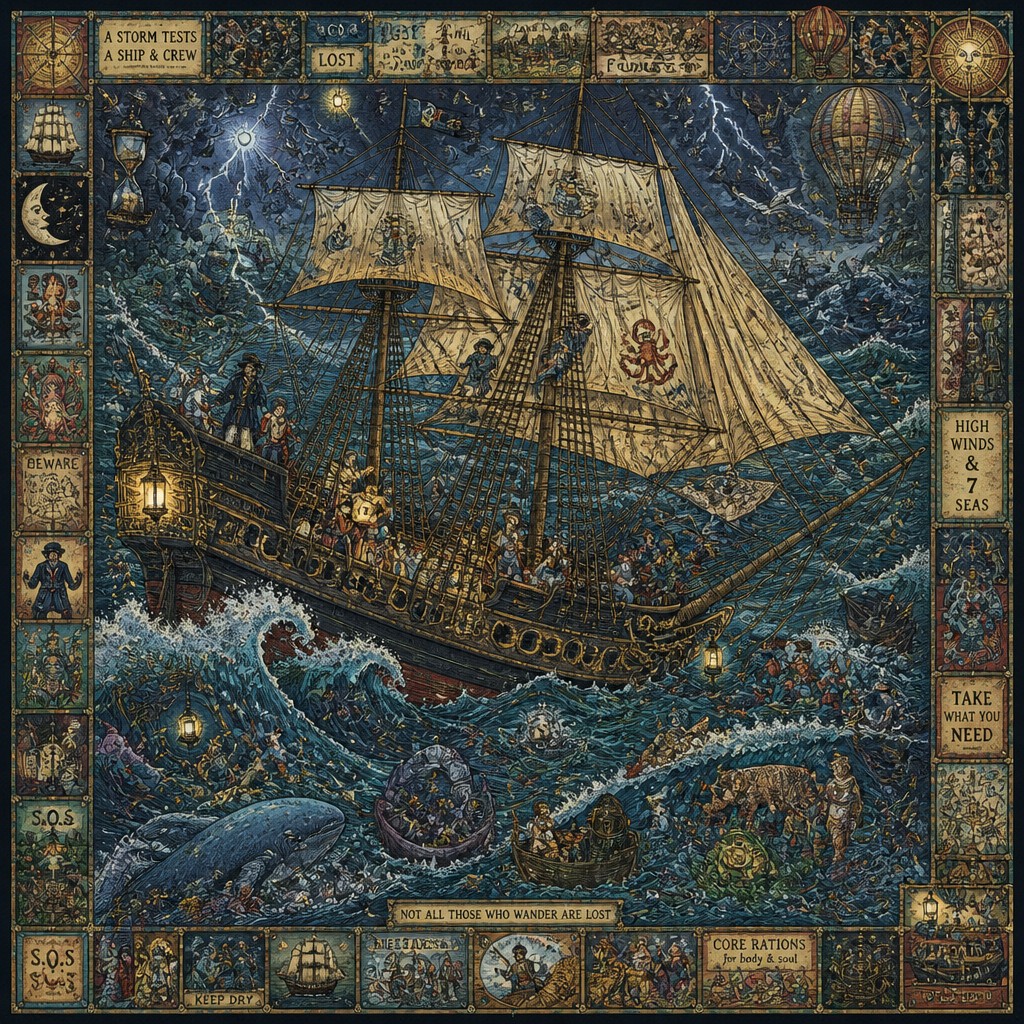
“sailing ship on a stormy sea”
How to Create Maximal Variety Art
Master the craft step by step — or skip straight to creating. Read the full guide →
- 1
Plan a compositional scaffold
Begin with a grid, radial structure, map, set of panels, or central focal zone. Reserve clear areas for major subjects before filling secondary spaces with details.
- 2
Limit the palette deliberately
Choose a shared palette of roughly five to eight dominant colors, then use one or two accent hues for emphasis. Repeating colors across unrelated objects creates unity.
- 3
Build in layers of scale
Place a few large anchors first, followed by medium figures and objects, then tiny symbols and micro-scenes. Varying scale produces richness without making every element compete equally.
- 4
Mix marks and materials
Combine clean contours with loose brush marks, patterned fills, hatching, collage fragments, grain, or halftone textures. Assign different treatments to different visual zones while maintaining consistent contrast.
- 5
Use digital compositing or prompt structure
In digital workflows, assemble separate clusters and adjust their scale, overlap, and color balance before adding unifying texture. For prompt-based creation, specify the subject, dense composition, recurring palette, grid or panel structure, varied micro-scenes, and the desired balance between abundance and legibility.
The Story
History & Origins of Maximal Variety
Maximal Variety Art is not a formally recognized historical movement with a fixed period or founding school. It is best understood as a contemporary aesthetic category that describes images assembled from numerous visual languages and narrative details, particularly in illustration, digital collage, experimental poster design, concept art, and image-generation culture.
Its lineage includes the dense ornament of Baroque and Rococo design, the crowded storytelling of medieval manuscripts and narrative prints, the pattern systems of folk and decorative arts, the visual collisions of collage and Surrealism, and the energetic surfaces of contemporary comics and digital illustration. Modern software and prompt-based image making have made it easier to combine these influences within a single controlled composition.
Influences: The style draws on the ornamental density of Baroque and Rococo art, the layered symbolism of medieval manuscript illumination, the pattern and repetition of folk and decorative traditions, the fragmentation of collage, the unexpected juxtapositions of Surrealism, the panel logic of comics, and the information-rich surfaces of contemporary illustration, infographics, and digital collage. It also shares an interest with maximalist design in treating abundance as an organizing principle rather than a lack of restraint.
Frequently Asked Questions
What defines Maximal Variety Art?
It is defined by a high concentration of distinct figures, objects, textures, patterns, and small scenes within one composition. The variety is balanced by a shared palette, grid, repeated motifs, or consistent line and shape language.
Is Maximal Variety Art a historical art movement?
No. It is a contemporary descriptive category rather than a historically established movement with a formal manifesto or fixed membership. Its appearance reflects the combination of older dense-image traditions with modern illustration, collage, and digital workflows.
How is it different from maximalism?
Maximalism is a broad approach that favors abundance, ornament, and layered visual impact across art and design. Maximal Variety Art places special emphasis on the number and diversity of recognizable elements, often organizing them as interconnected scenes within a single image.
How can I keep a crowded image from looking messy?
Use a clear hierarchy with a few dominant subjects, medium-sized supporting elements, and smaller details. Repeating colors, contours, textures, or spatial divisions will connect the parts and guide the viewer through the composition.
What subjects work well with this style?
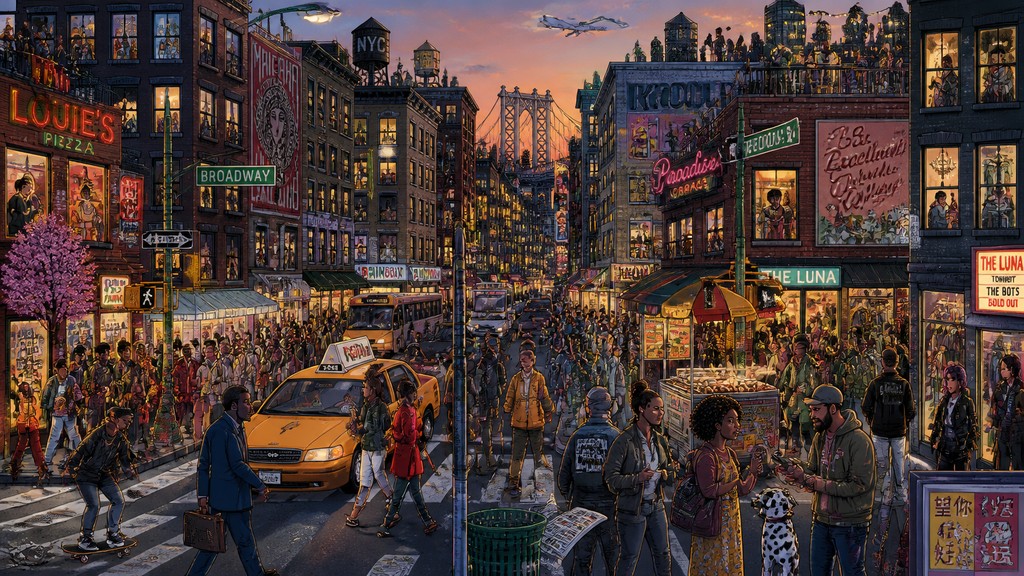
Markets, festivals, cities, ecosystems, interiors, maps, imagined machines, fantasy worlds, and cross-sections are especially effective because they naturally contain many interacting elements. Any subject with nested spaces or multiple stories can be adapted to the approach.
Where is this style commonly used?
It is suited to editorial illustration, posters, book and game concepts, visual world-building, maps, album artwork, packaging, murals, digital collages, and exploratory personal projects. Its detail-rich structure is particularly useful when an image is meant to invite repeated viewing.
Create your first Maximal Variety artwork
Describe anything — or upload a photo — and see it in Maximal Variety Art Style in seconds.
Related Styles
Discover similar art styles