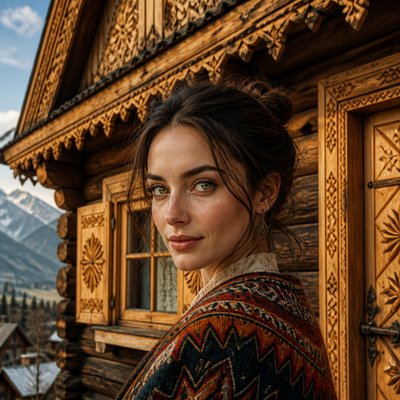
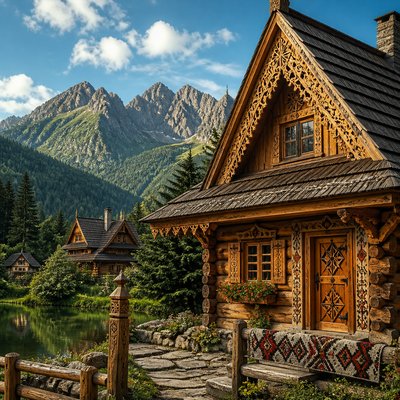
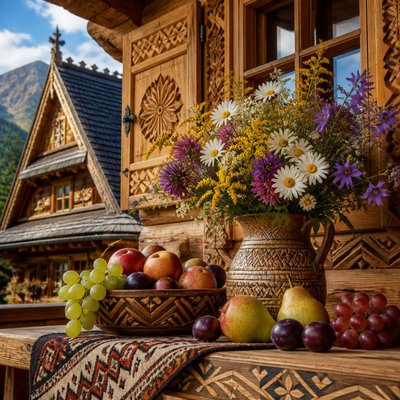
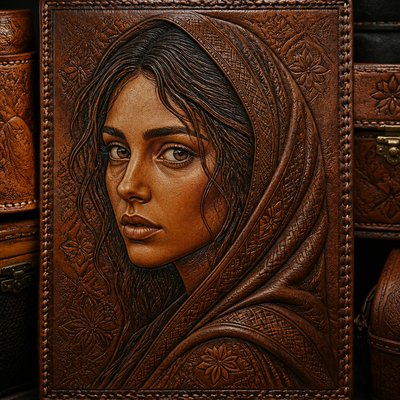
Mexican Art Style
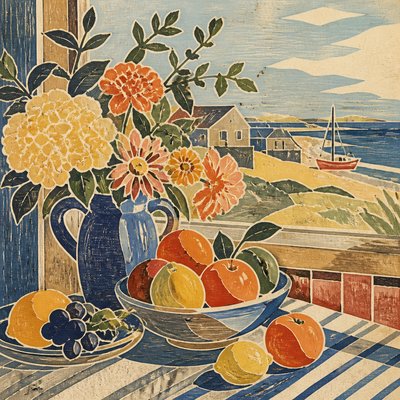
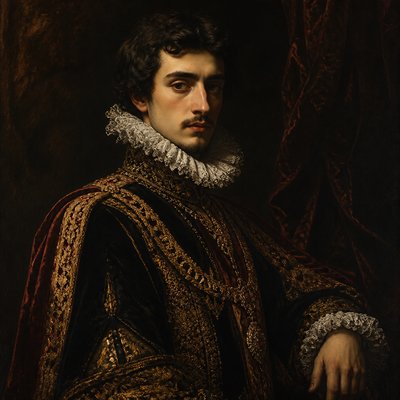
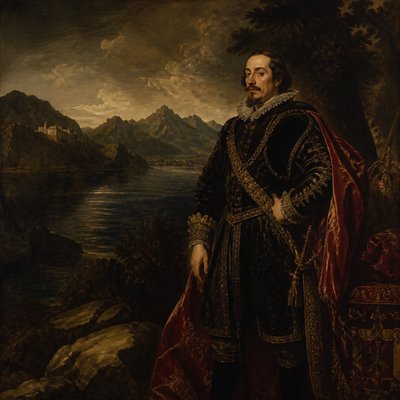
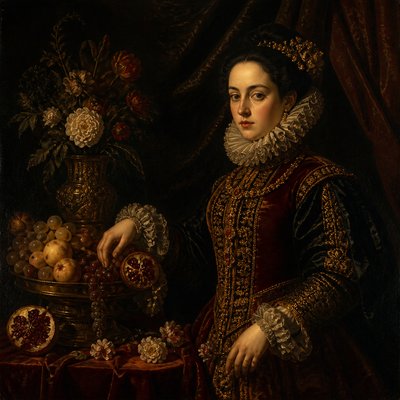
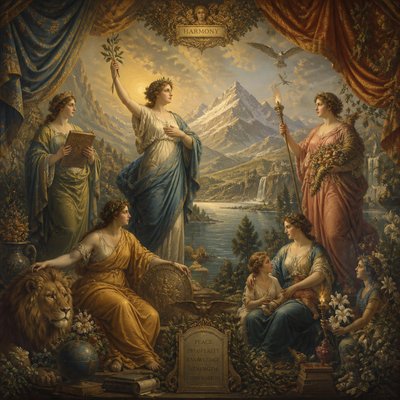
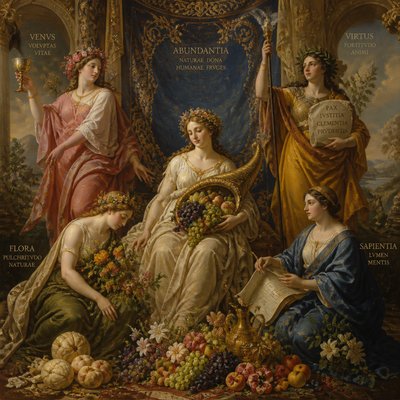
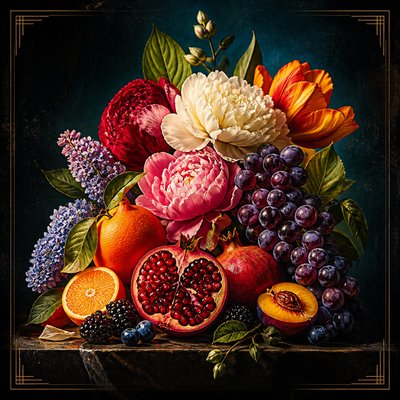
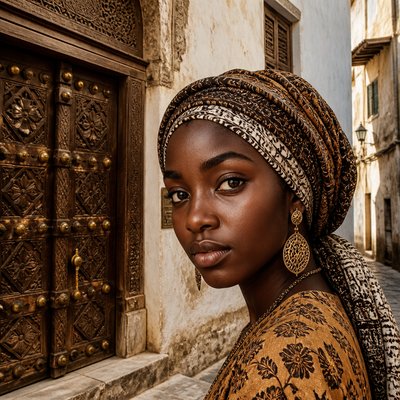
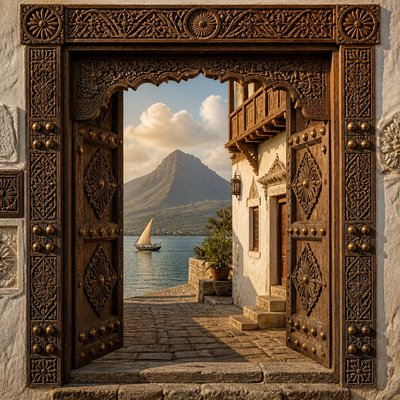
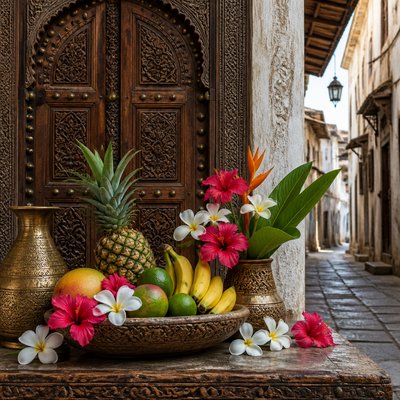
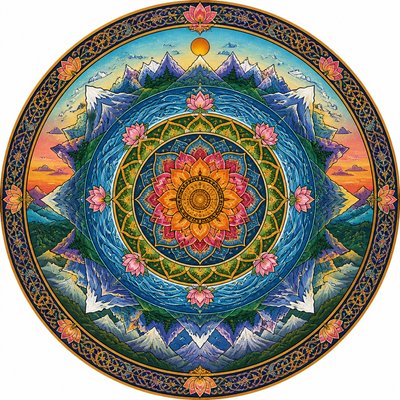
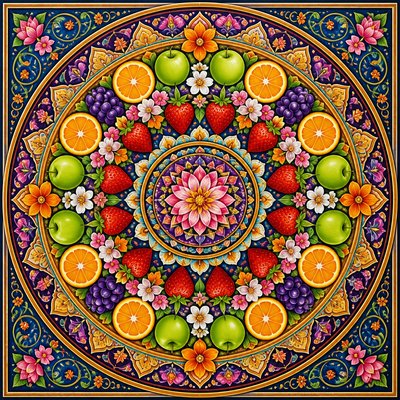
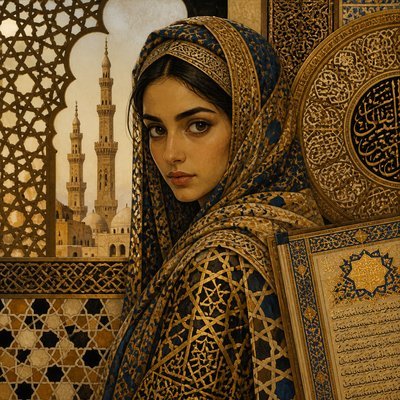
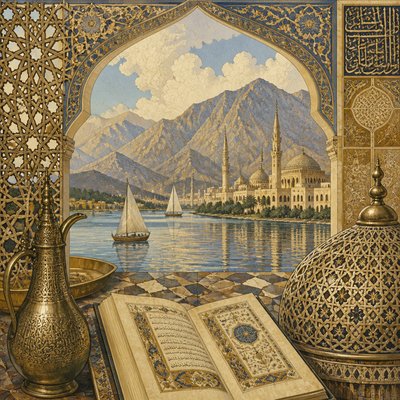
Explore Mexican art style through mural-scale figures, papel picado, talavera patterns, marigold color, and revolutionary folk-art energy.
Instantly rendered in Mexican — or transform a photo
Mexican Gallery
Tap any artwork to explore it
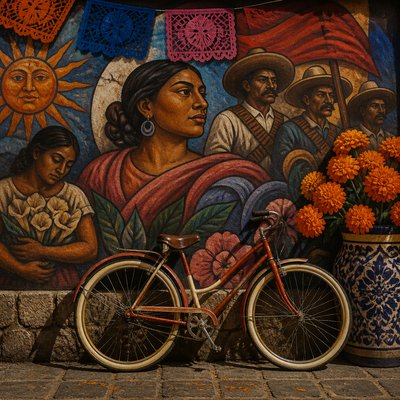
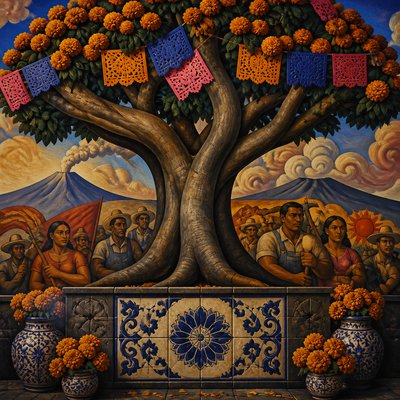
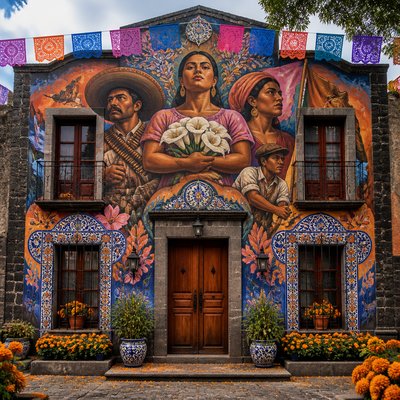
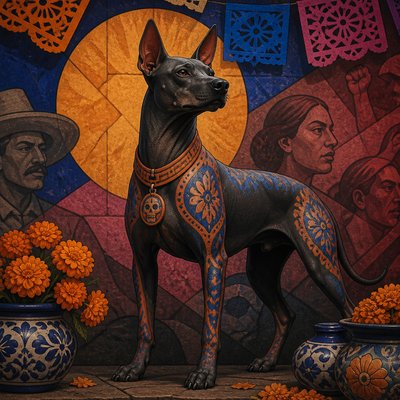
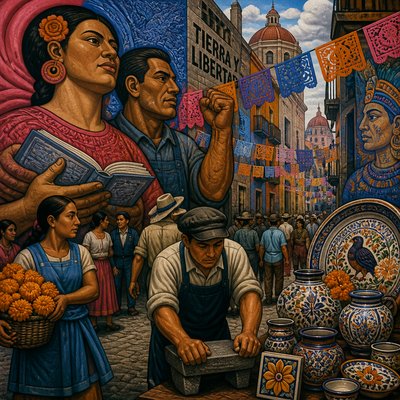
What is Mexican Art Style?
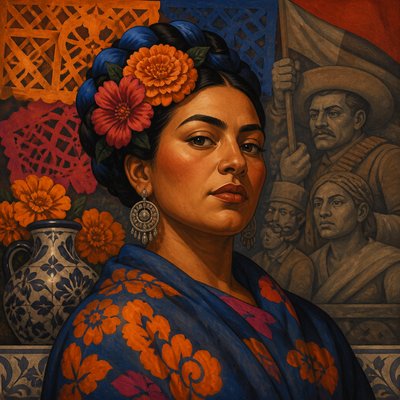
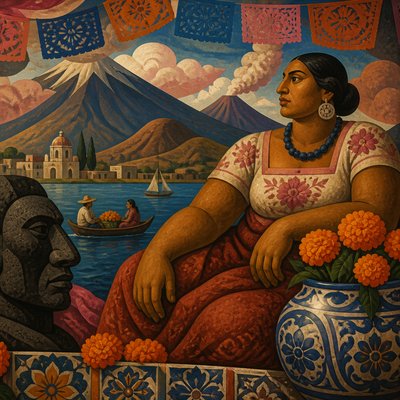
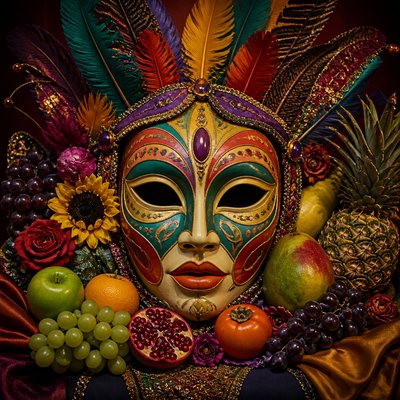
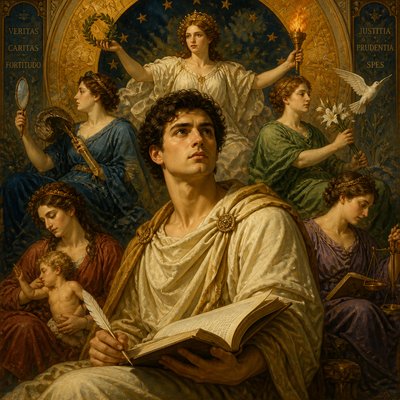
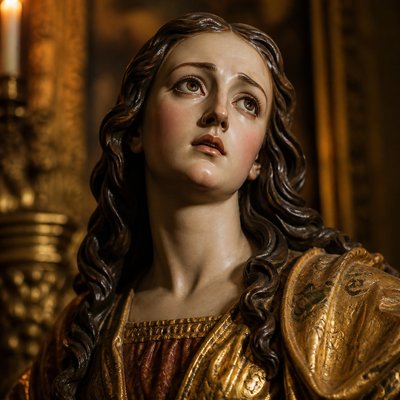
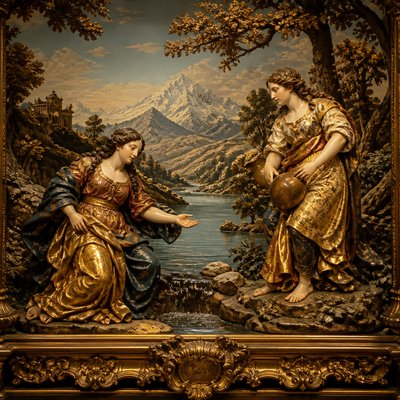
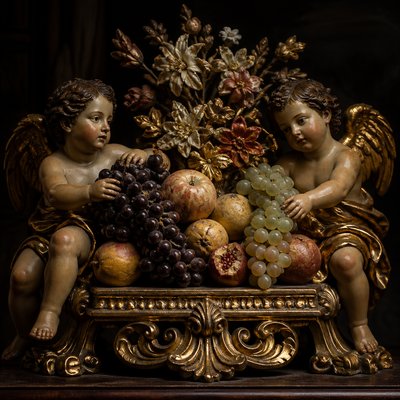
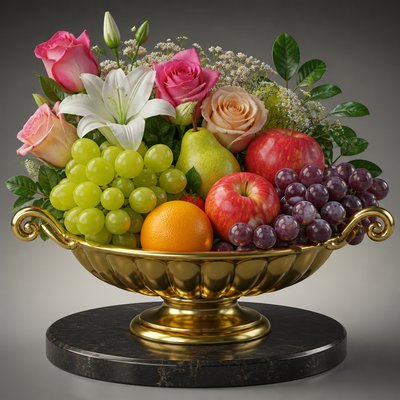
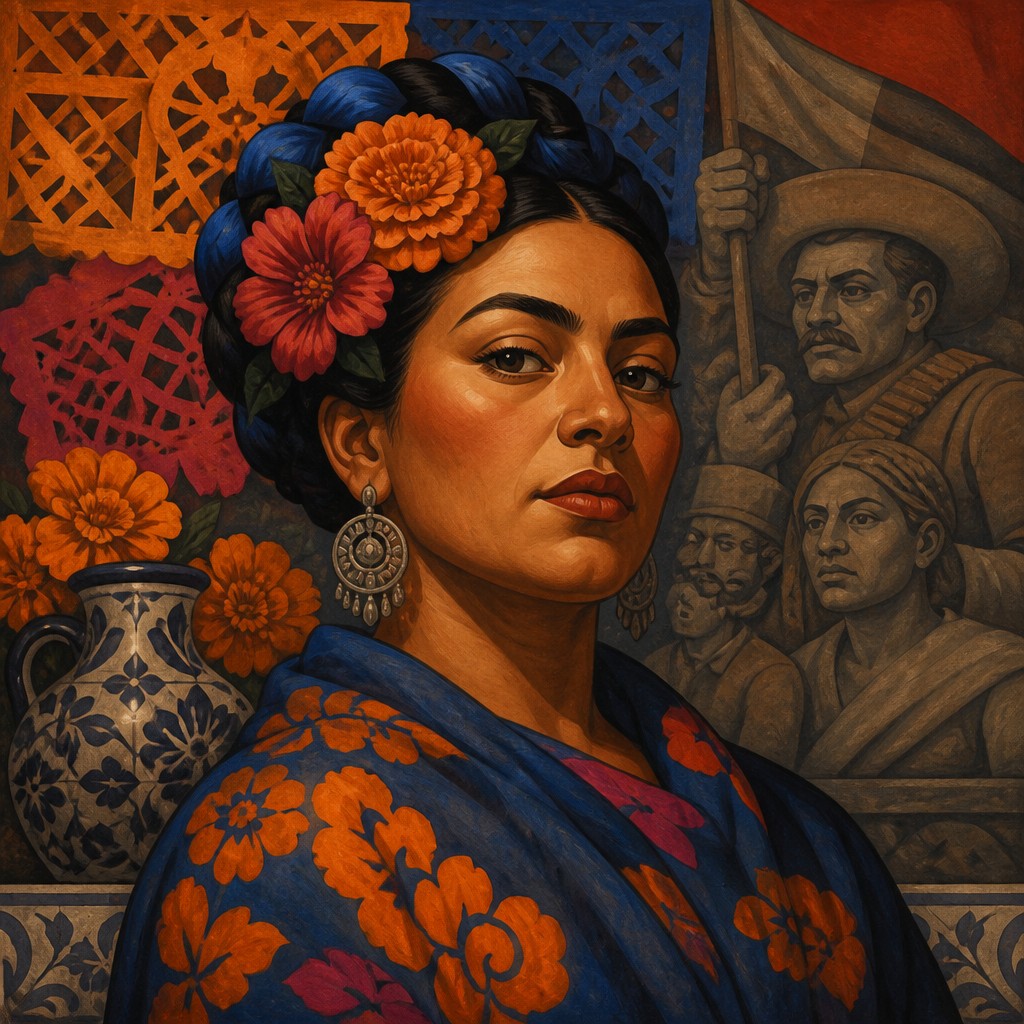
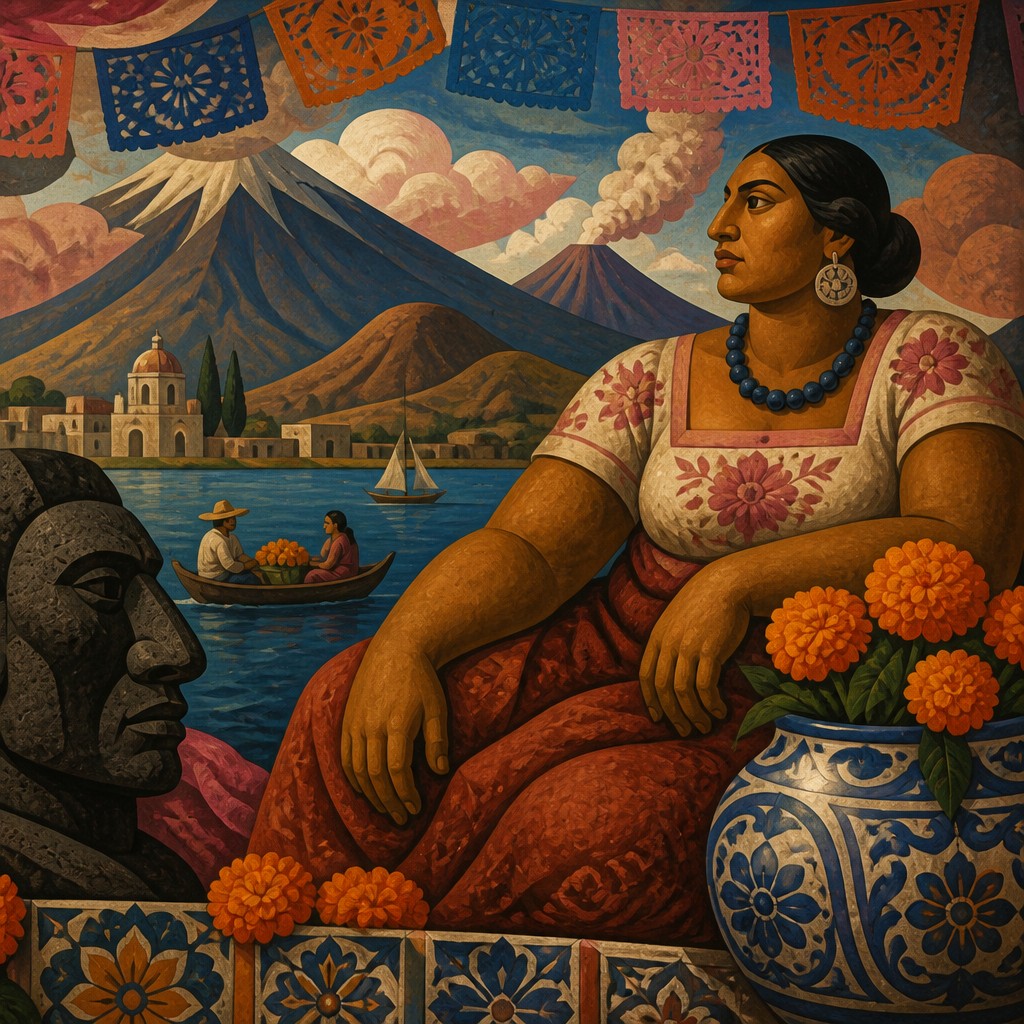
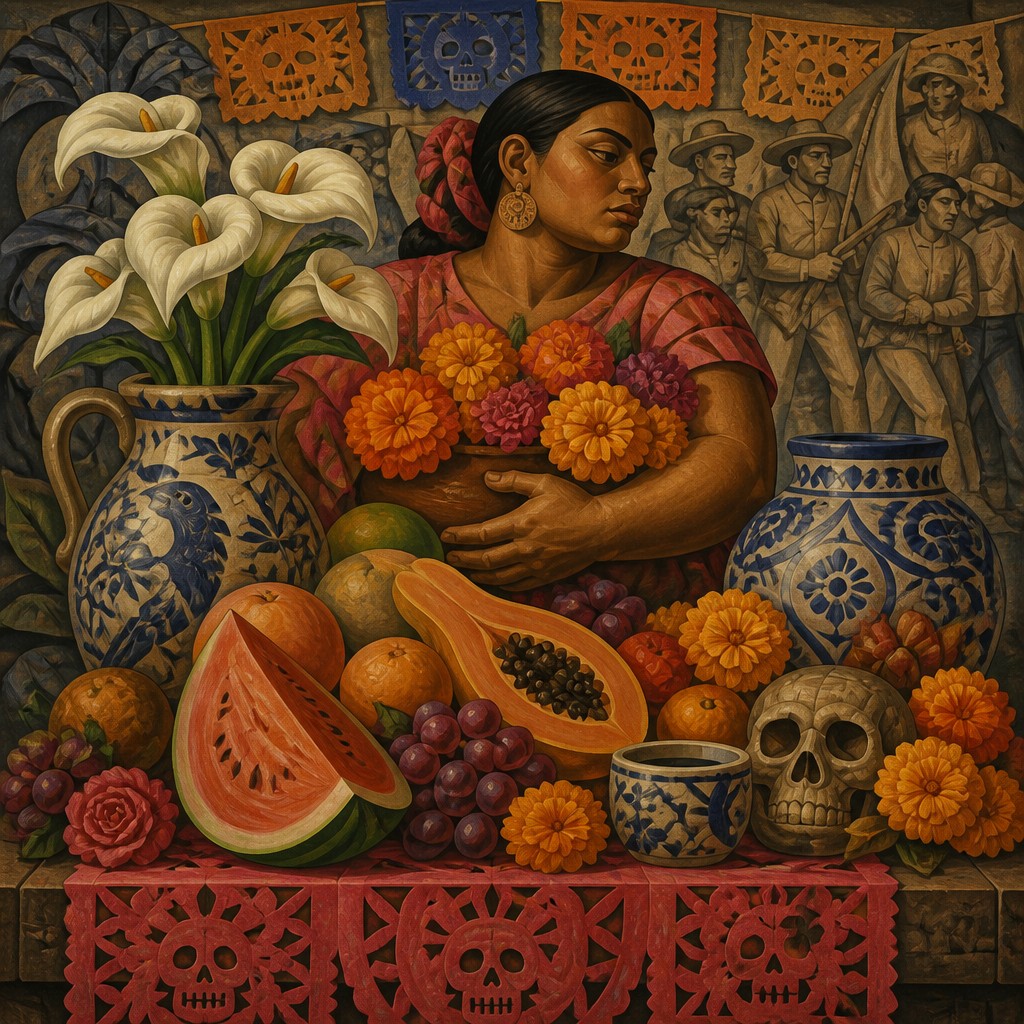
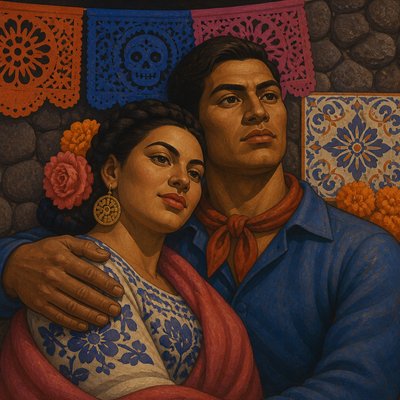
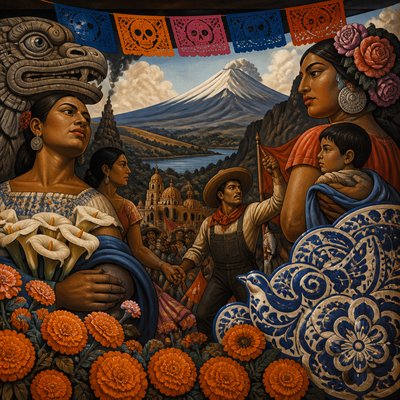
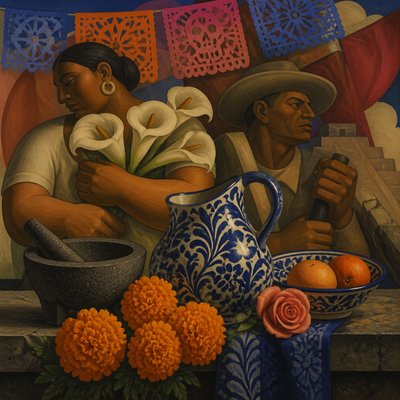
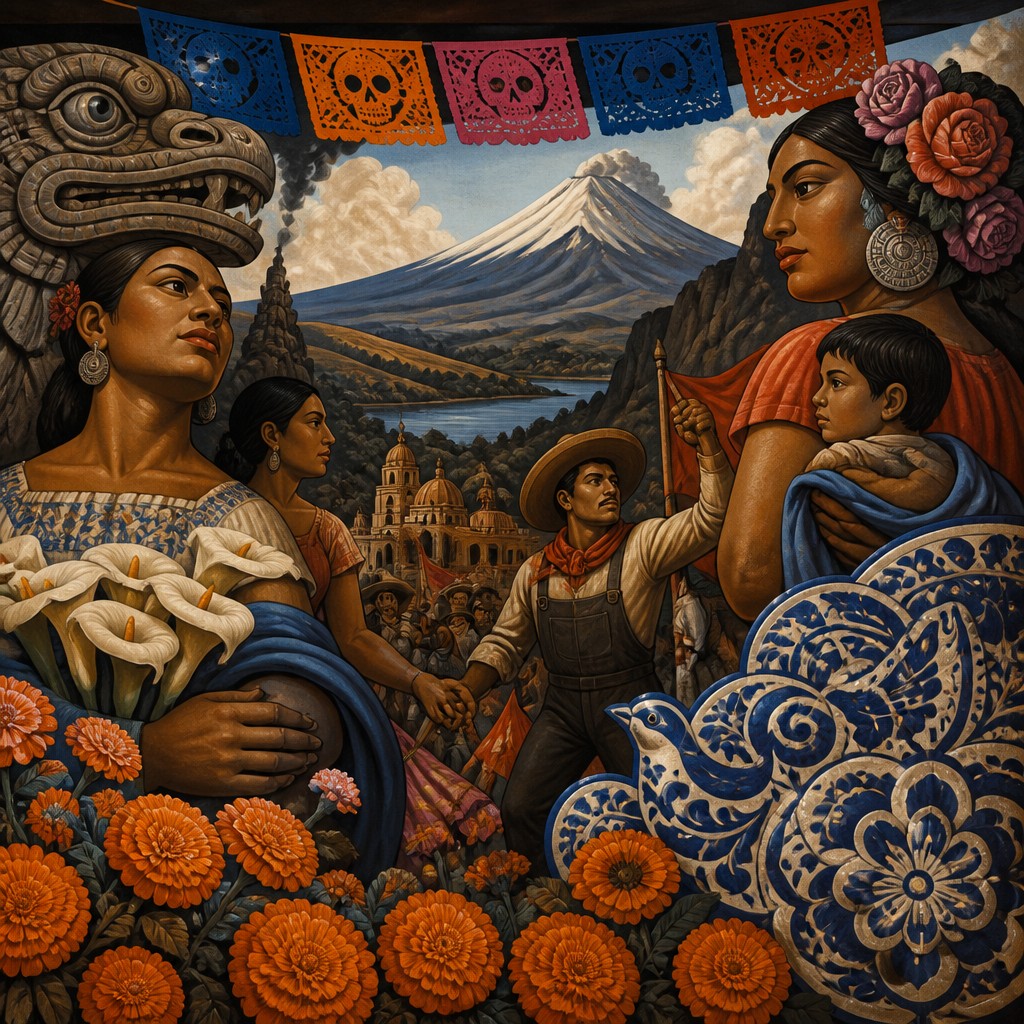
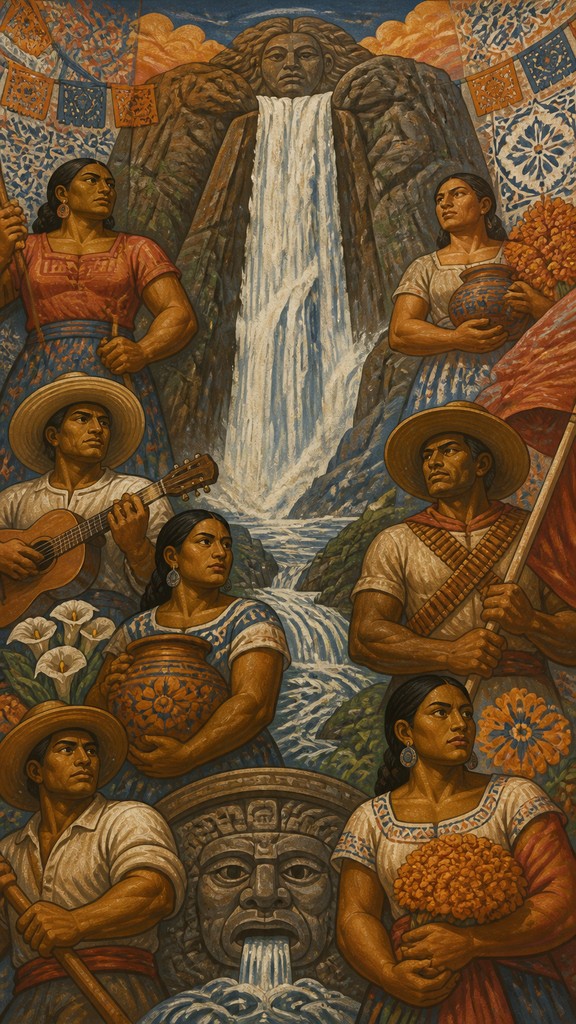
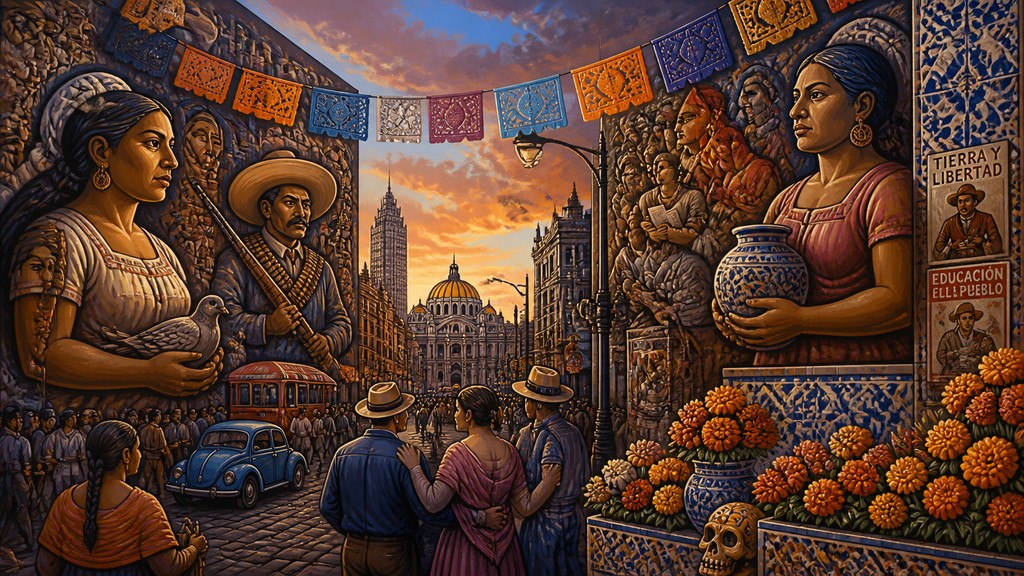
Mexican Art Style is a contemporary synthesis of monumental mural composition, Indigenous and народ folk-art traditions, festive paper decoration, ceramic pattern, and saturated color. Its visual language favors rounded, sculptural figures, strong silhouettes, expressive faces, and carefully arranged symbolic details. Marigold orange, cobalt blue, rose, turquoise, and red often stand out against dark volcanic stone or warm plaster grounds.
The style looks both celebratory and weighty: decorative elements such as papel picado, floral garlands, and talavera-inspired geometry coexist with the scale and social seriousness of public mural painting. Rather than describing one single historical school, the term identifies a broad image-making vocabulary rooted in Mexican visual culture and reinterpreted for posters, illustrations, murals, editorial art, objects, and digital compositions.
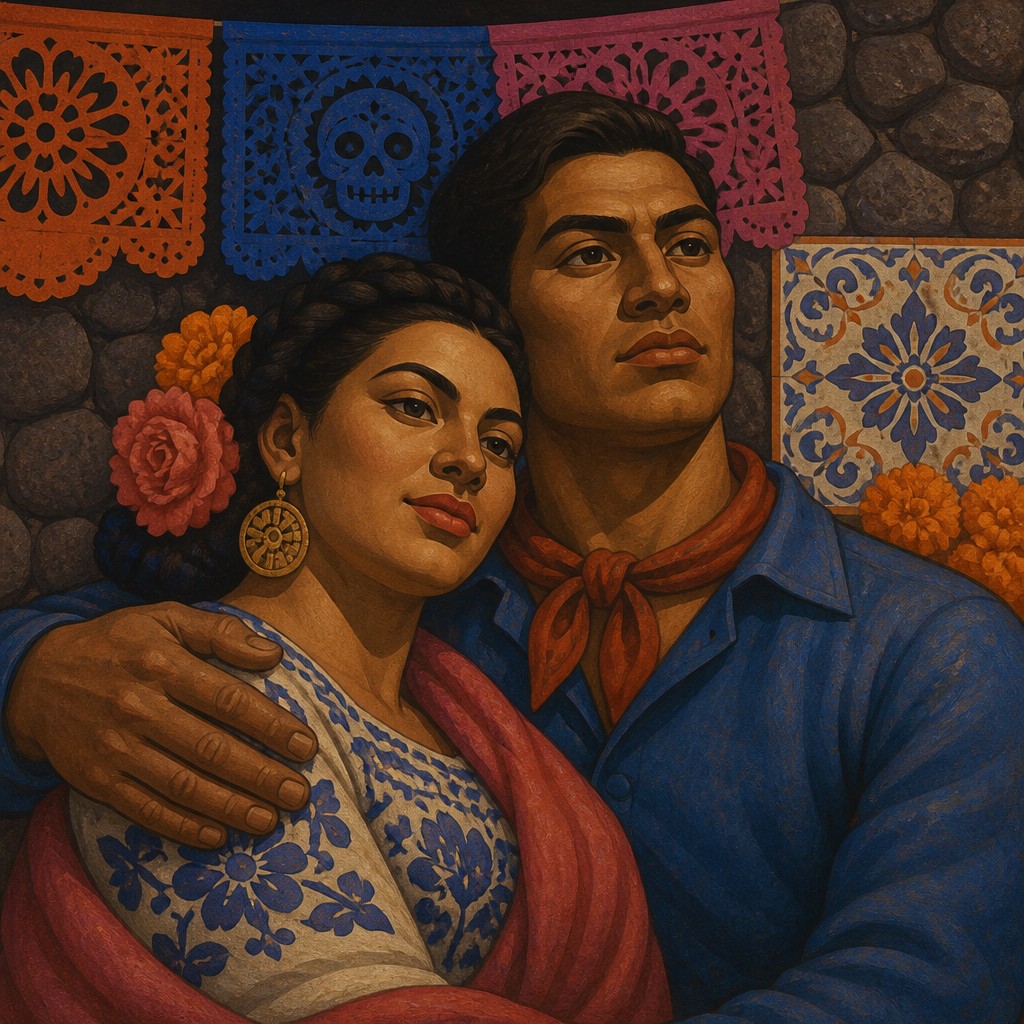
Try It On Your Photos
Upload any photo and convert it into Mexican Art Style — drag the sliders to compare before and after.
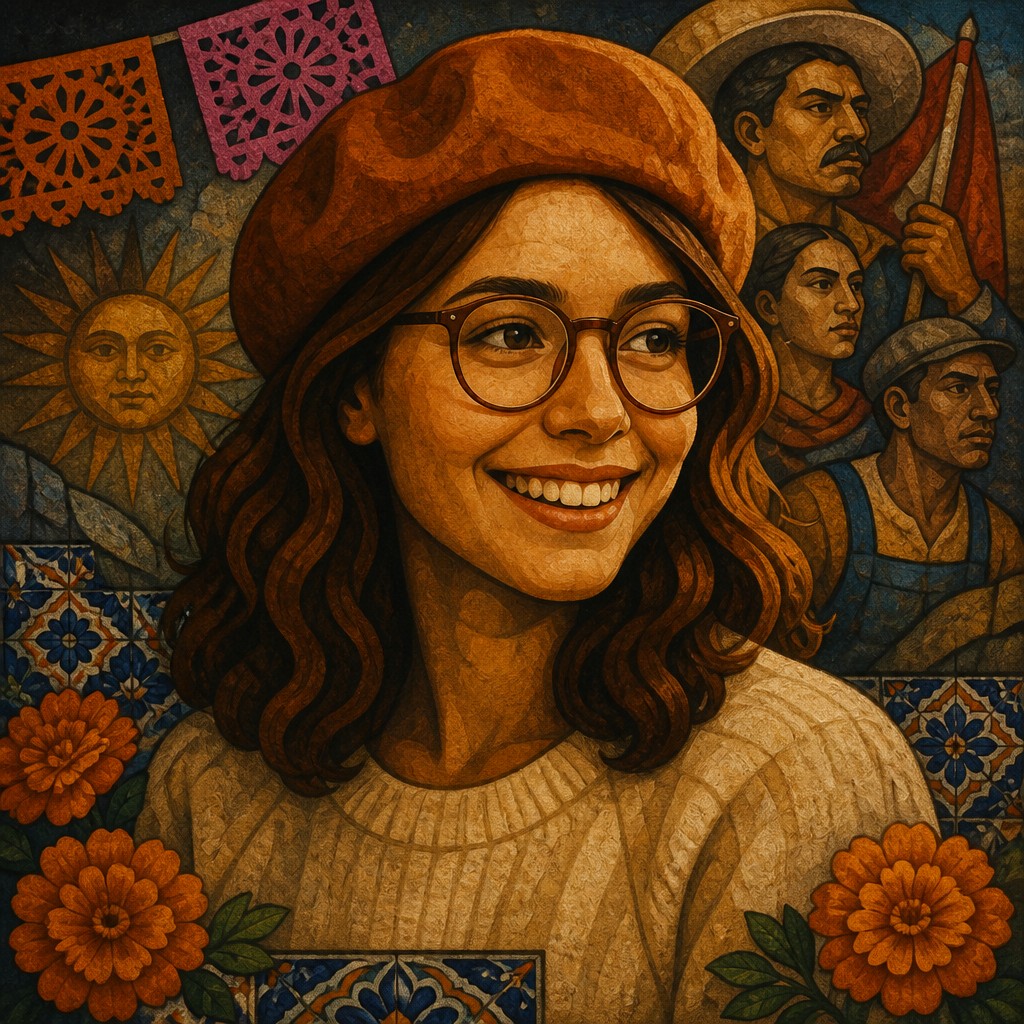

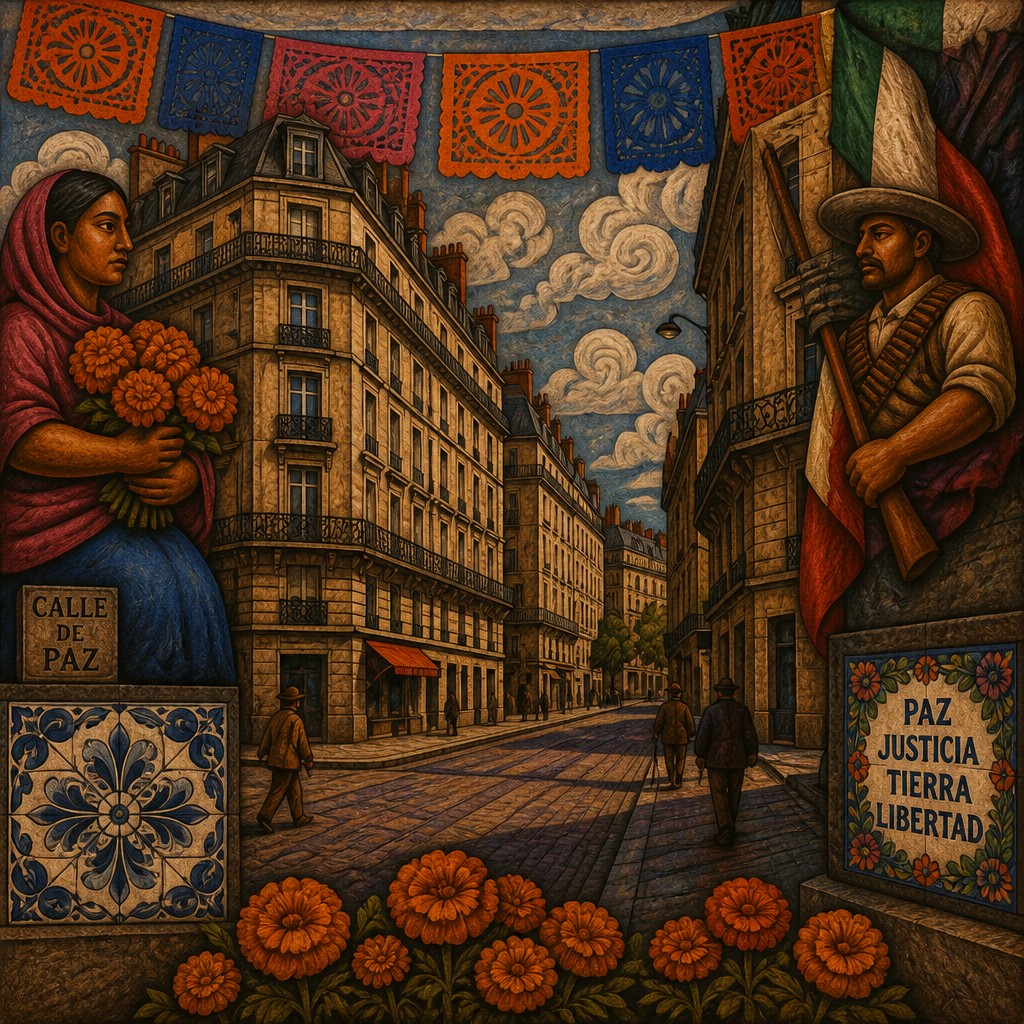

What Defines Mexican Art Style
The signature details, up close
Monumental composition
Figures and objects are arranged as if on a public wall, with broad silhouettes, frontal poses, and a clear visual hierarchy. Even small images often imply civic scale and collective presence.
Rounded sculptural volume
Bodies, faces, flowers, and architectural forms are modeled with solid, simplified volume rather than delicate naturalism. Curved contours give the imagery a carved or molded physicality.
Marigold and jewel-toned color
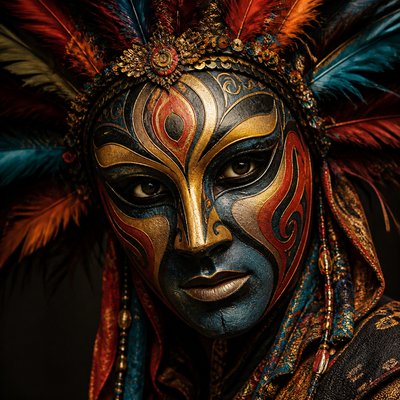
Marigold orange, cobalt, rose, turquoise, crimson, and yellow create a festive but grounded palette. Deep charcoal, volcanic gray, earthen red, or plaster white provide contrast and visual weight.
Papel picado ornament
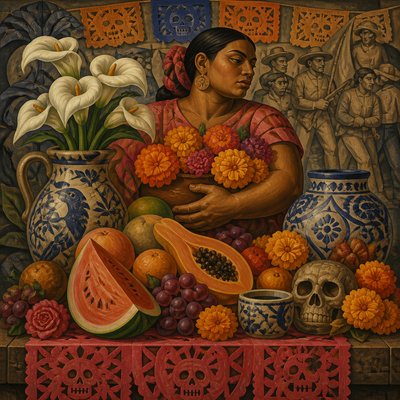
Cut-paper patterns appear as banners, borders, halos, or suspended decorative fields. Repeated floral, star, and geometric cutouts introduce rhythm without requiring photographic detail.
Talavera-inspired pattern
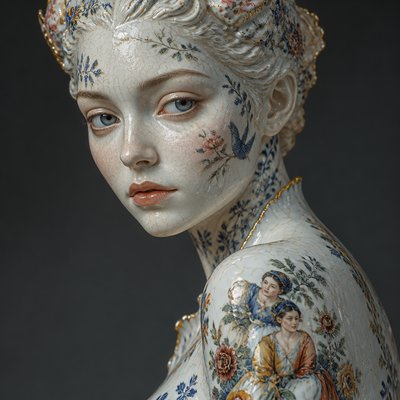
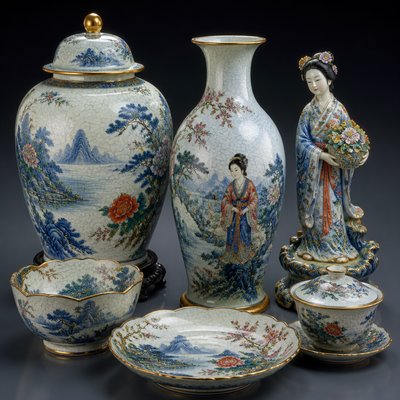
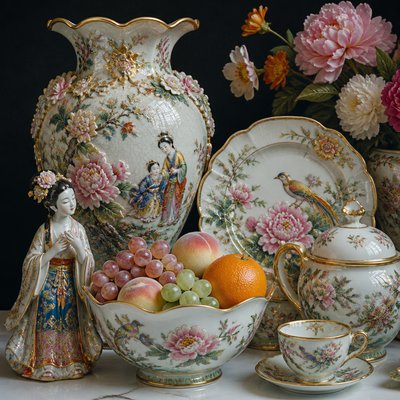
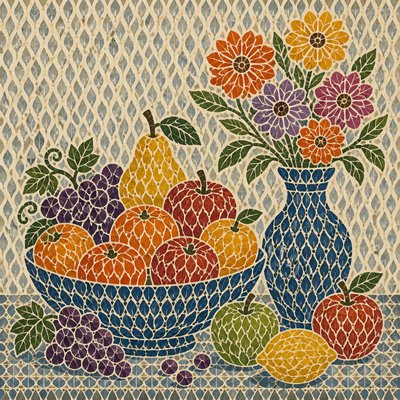
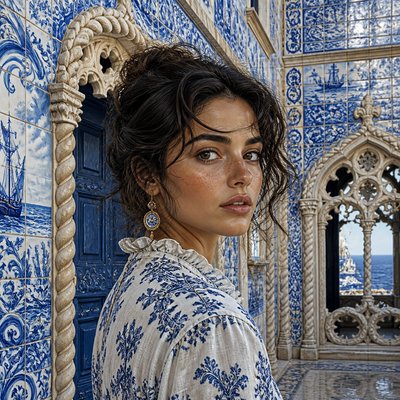
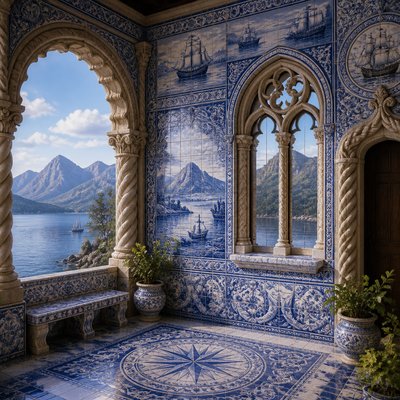
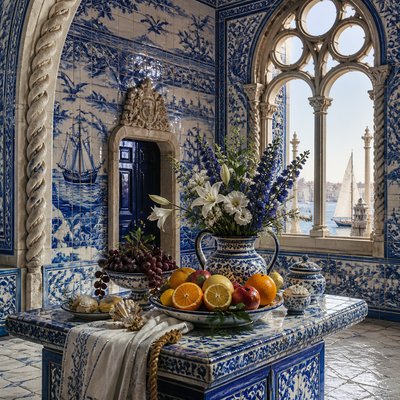
Cobalt arabesques, floral tiles, borders, and symmetrical ceramic motifs can decorate clothing, walls, vessels, or backgrounds. These accents work best as selective pattern zones rather than an undifferentiated surface.
Symbolic storytelling
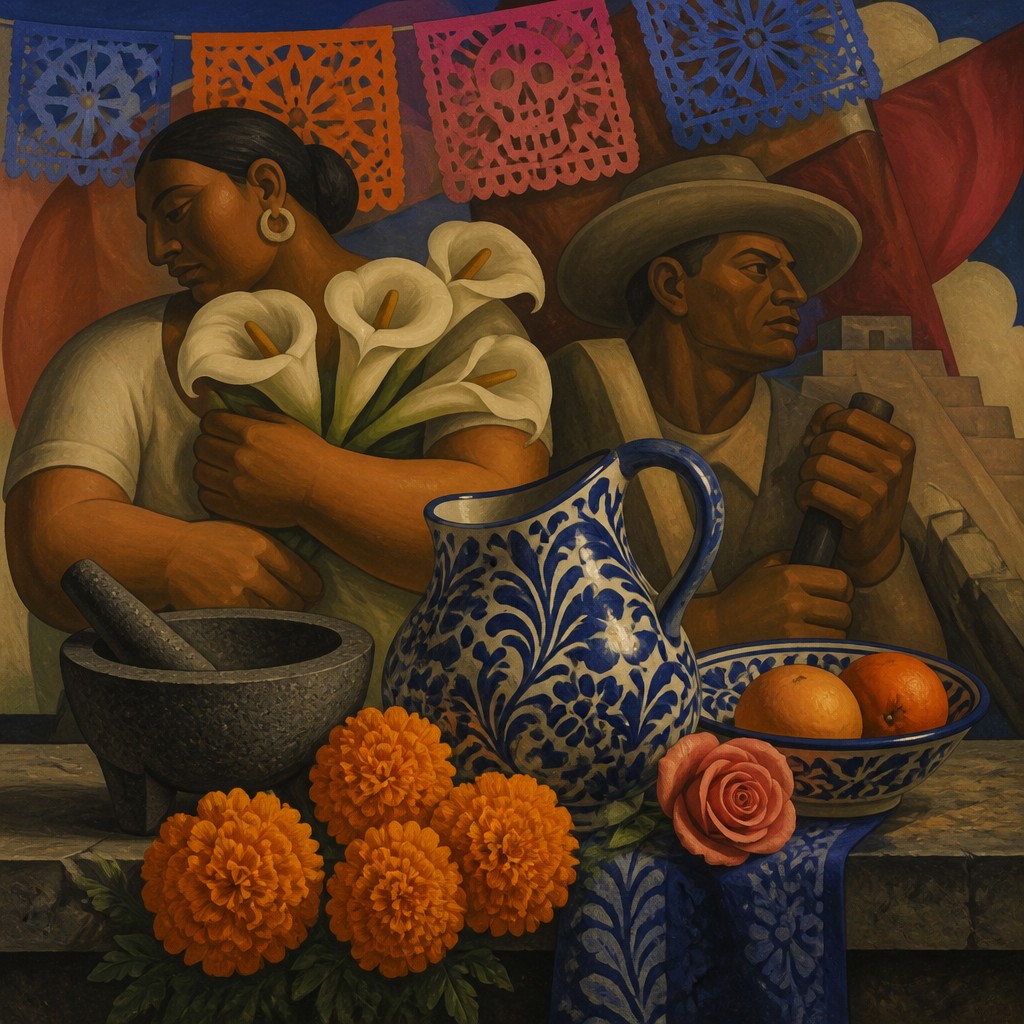
Flowers, skulls, animals, tools, food, landscapes, and architectural forms can carry cultural, historical, or communal meaning. Images commonly balance celebration with themes of memory, labor, ancestry, and resistance.
Graphic outlines and textured surfaces
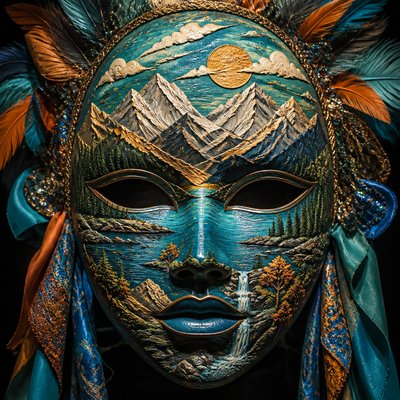
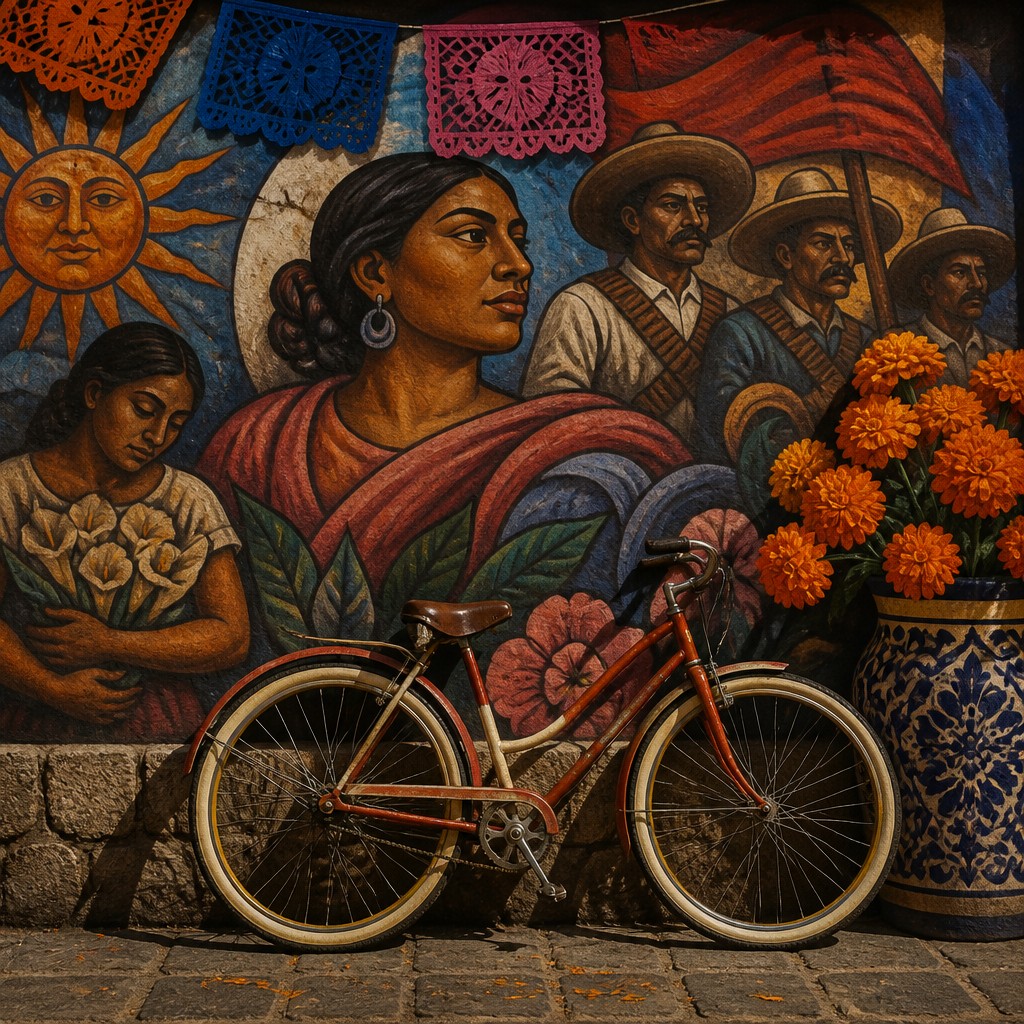
Bold contour lines, flattened planes, dry-brush marks, plaster grain, and weathered pigment suggest both illustration and mural technique. Surface irregularity keeps the polished color from feeling sterile.
Try It
Create Videos in Mexican Art Style
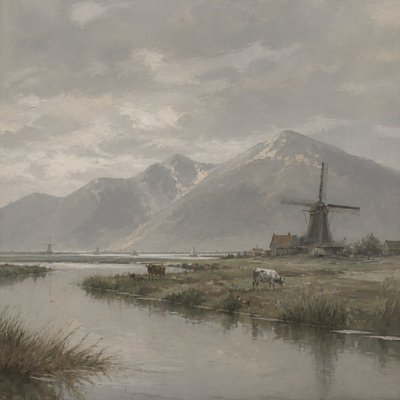
Styles aren't just for stills — describe a scene or animate an image and get a short video rendered in Mexican. Press play to see this pond come to life.
Make a VideoMexican Prompt Ideas
Start from an idea — each one opens the generator with the style ready to go. See all 40 Mexican prompts →
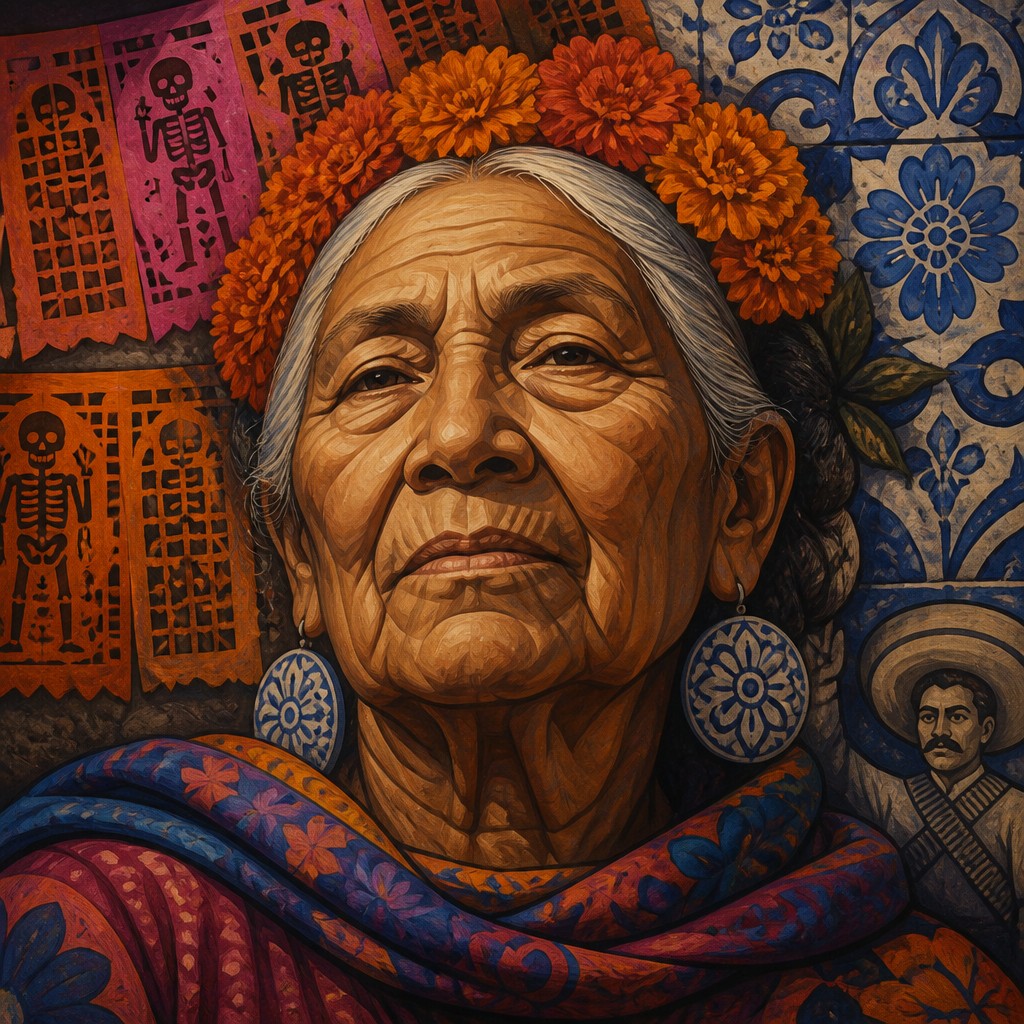
“close-up portrait of an elderly person with expressive weathered features”
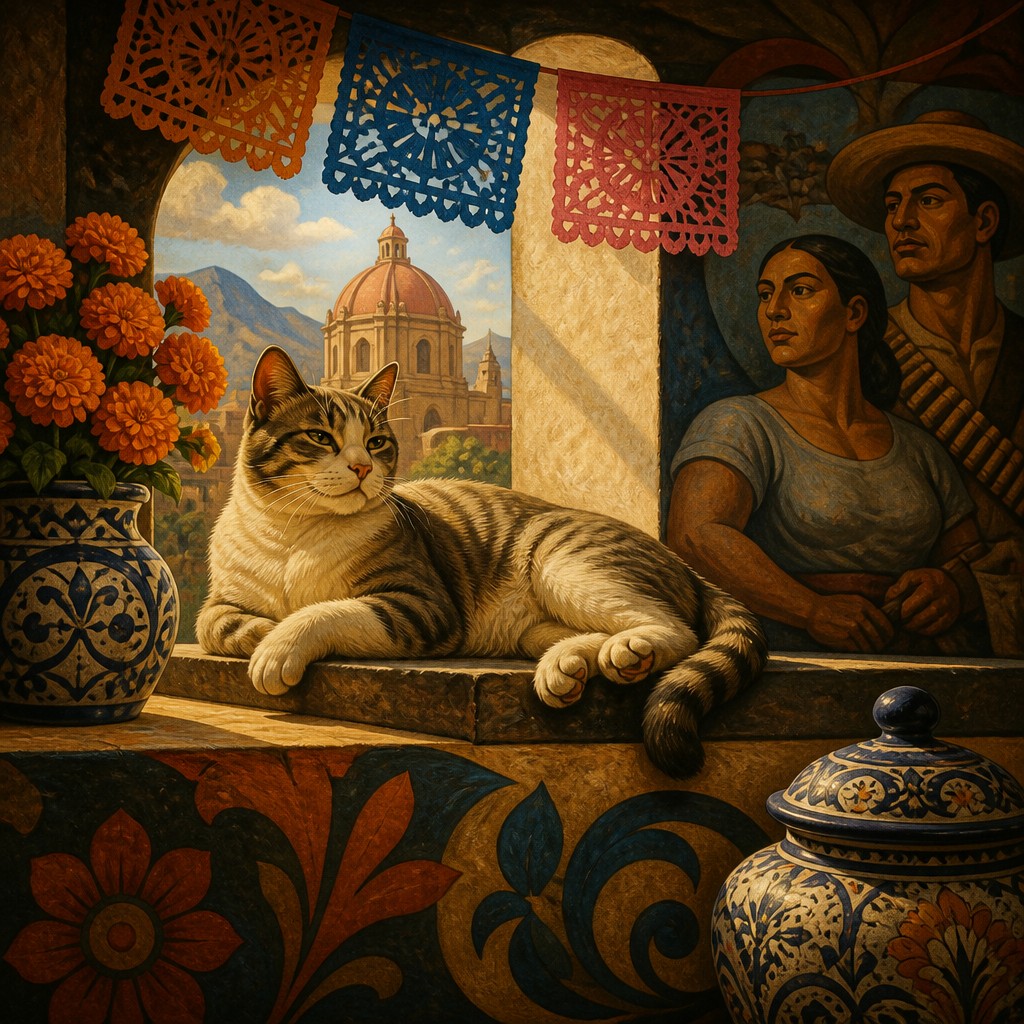
“a cat lounging in a sunlit window”
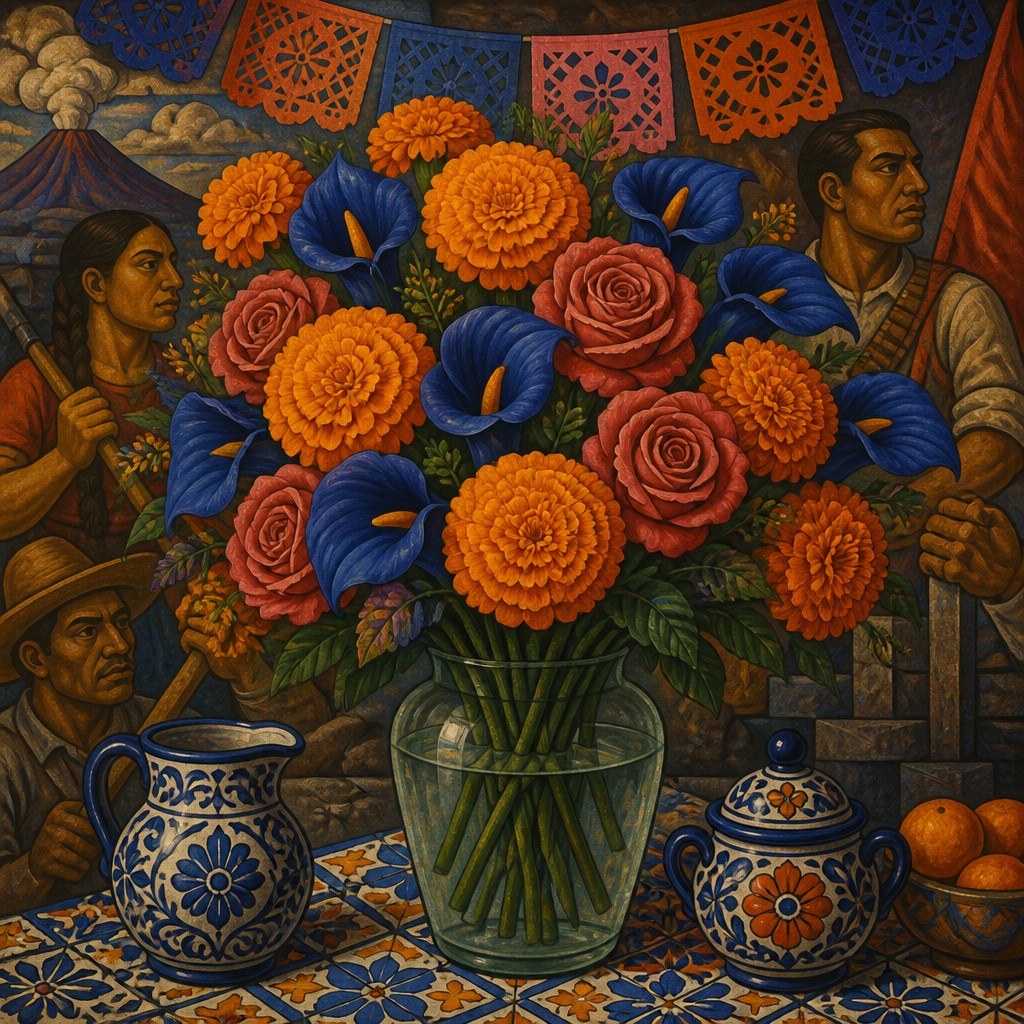
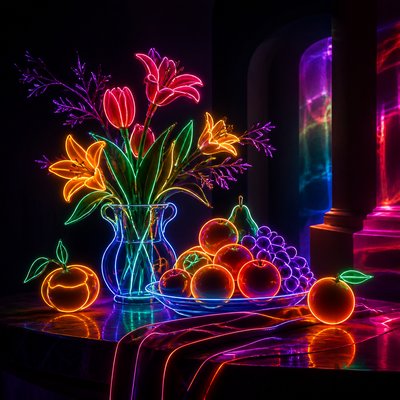
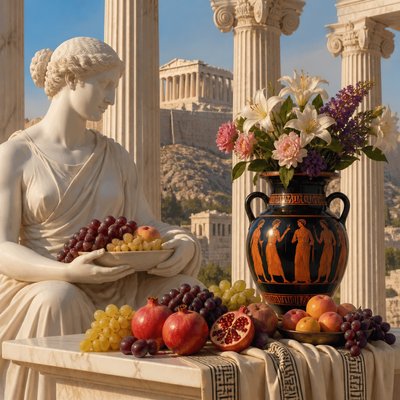
“bouquet of flowers in a glass vase”
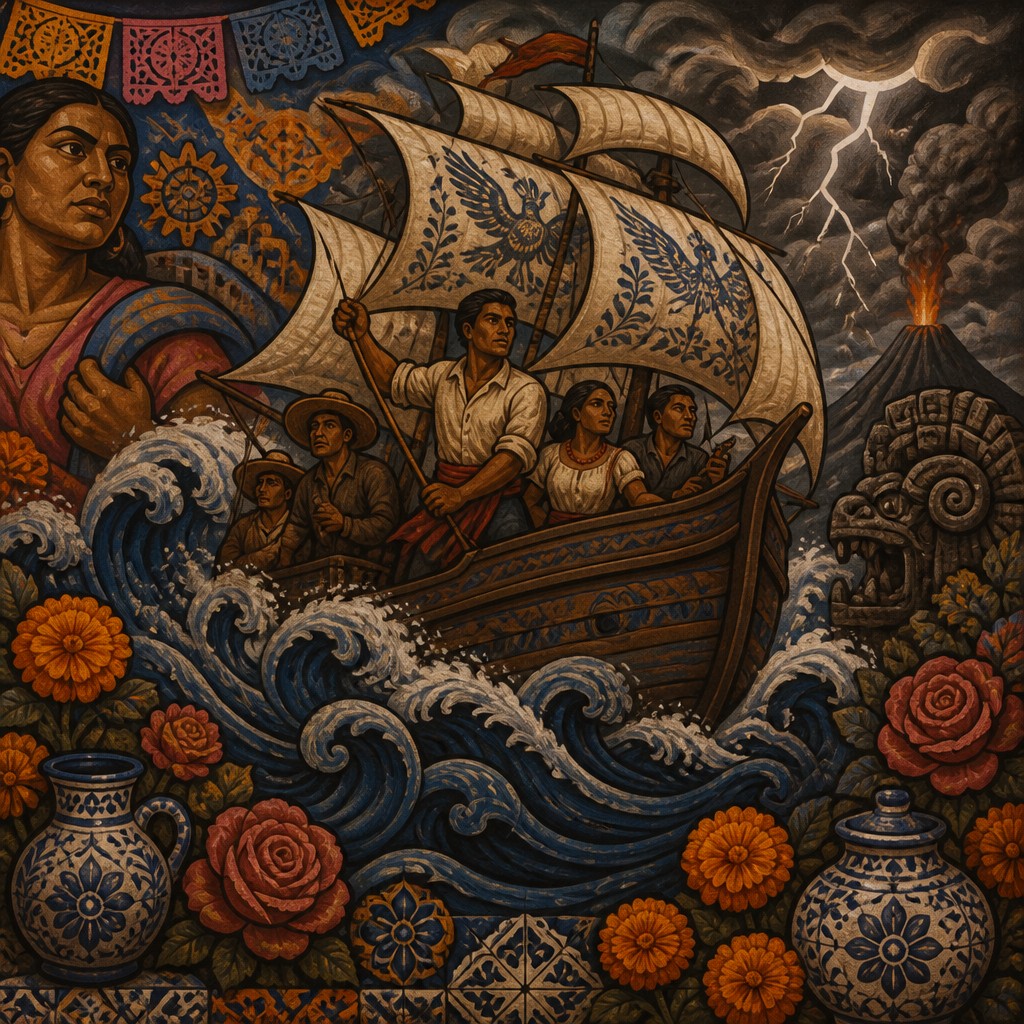
“sailing ship on a stormy sea”
How to Create Mexican Art
Master the craft step by step — or skip straight to creating. Read the full guide →
- 1
Build a mural-like structure
Begin with one dominant figure or emblem, then organize secondary forms around it in a stable, readable arrangement. Use frontal or slightly low viewpoints, broad shapes, and strong negative spaces before adding ornament.
- 2
Layer opaque color
For paint, establish a warm plaster, stone, or earthen ground and apply opaque acrylic, casein, or mineral-like color in large planes. Add restrained dry-brush, cracks, and pigment variation to suggest a public-wall surface.
- 3
Use pattern as framing
Add papel picado borders, hanging banners, tile bands, or floral geometry around focal subjects rather than covering every area. Repeat two or three motifs so the decoration feels intentional and legible.
- 4
Model forms simply
Reduce anatomy and objects to rounded volumes with decisive highlights and shadows. Keep facial features, hands, and symbolic props clear enough to read at a distance.
- 5
Translate the look digitally
Work with layered shapes, textured brushes, halftone or plaster overlays, and a limited palette; preserve imperfect edges instead of smoothing everything. In image-to-image workflows, specify the subject, mural-scale composition, palette, surface, and decorative motifs separately.
- 6
Write focused generation prompts
Describe a clear subject first, then request monumental framing, rounded volume, papel picado or talavera accents, marigold and cobalt color, and a weathered plaster or volcanic-stone ground. Add constraints such as bold contours, readable symbolism, and no photorealistic finish when needed.
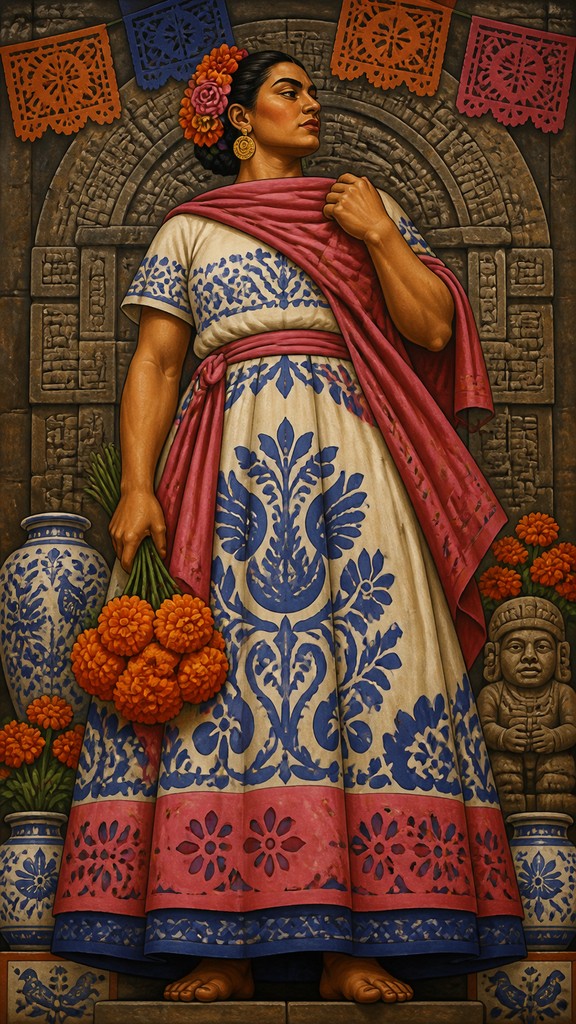
The Story
History & Origins of Mexican
This style has no single historical origin. Its strongest lineage comes from Mexican muralism, which developed in the decades after the Mexican Revolution as a public art form concerned with history, labor, education, Indigenous heritage, social justice, and national identity. Monumental walls, simplified masses, durable pigments, and legible compositions made the imagery readable across large public spaces.
The decorative vocabulary also draws from long-standing regional traditions, including papel picado used for celebrations, talavera and other painted ceramic practices, embroidered and woven pattern, ex-voto imagery, festival decoration, and Indigenous geometric symbolism. Contemporary artists and designers often combine these sources with graphic design, street art, illustration, and digital rendering, creating a flexible style rather than a historically fixed movement.
Influences: Related influences include post-Revolution Mexican muralism, Indigenous Mexican visual traditions, regional folk art, papel picado, painted ceramic and talavera traditions, ex-voto composition, festival decoration, textile pattern, printmaking, street art, and poster design. The style also shares with social realism an interest in public narratives, while its flattened shapes and saturated palette connect it to graphic illustration and modern decorative art.
Frequently Asked Questions
What defines the Mexican Art Style?
It is defined by mural-scale composition, rounded and simplified figures, saturated marigold and jewel tones, strong outlines, and decorative references to papel picado and painted ceramic pattern. Symbolic objects and communal subjects often give the work a celebratory yet socially grounded character.
Is Mexican Art Style a single historical art movement?
No. The label describes a contemporary synthesis rather than one unified historical movement. It draws especially from Mexican muralism and regional folk-art traditions while also incorporating illustration, street art, graphic design, and digital techniques.
How is it different from Mexican muralism?
Mexican muralism is a specific modern public-art tradition that developed after the Mexican Revolution and often addressed history, politics, education, and social struggle. Mexican Art Style is a broader contemporary aesthetic category that borrows mural scale and visual rhetoric but may be used for portraits, products, posters, fantasy scenes, or decorative images.
What colors work best for this style?
A strong starting palette includes marigold orange, cobalt blue, rose, turquoise, crimson, and warm yellow. Balance these saturated colors with volcanic gray, charcoal, terracotta, plaster white, or dark brown so the image retains depth and visual weight.
Can I create this style with digital tools or from a photograph?
Yes. Use layered vector-like forms, textured brushes, opaque color blocks, distressed plaster overlays, and selective papel picado or tile motifs. When transforming a photograph, preserve the main pose and silhouette while simplifying detail, enlarging the visual masses, and applying the limited palette.
What subjects suit this visual language?
Community scenes, workers, dancers, animals, flowers, markets, food, landscapes, family groups, and symbolic objects work particularly well. Subjects become more convincing when they are arranged as part of a clear visual story rather than treated as isolated decoration.
Create your first Mexican artwork
Describe anything — or upload a photo — and see it in Mexican Art Style in seconds.
Related Styles
Discover similar art styles