Yarn Bombing Street Art Style
Soft urban street art made from knitted and crocheted yarn coverings, turning objects into colorful temporary textile sculptures.
Instantly rendered in Yarn Bombing Street — or transform a photo
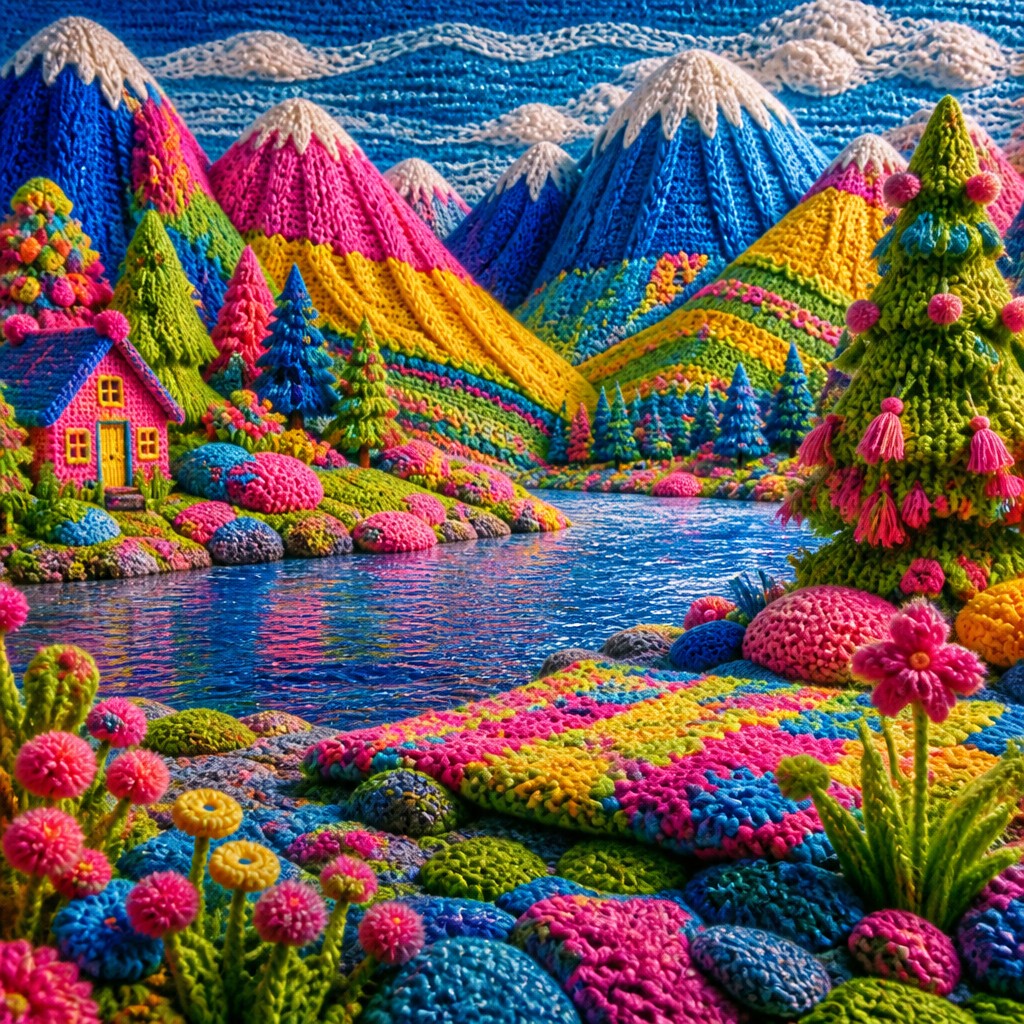
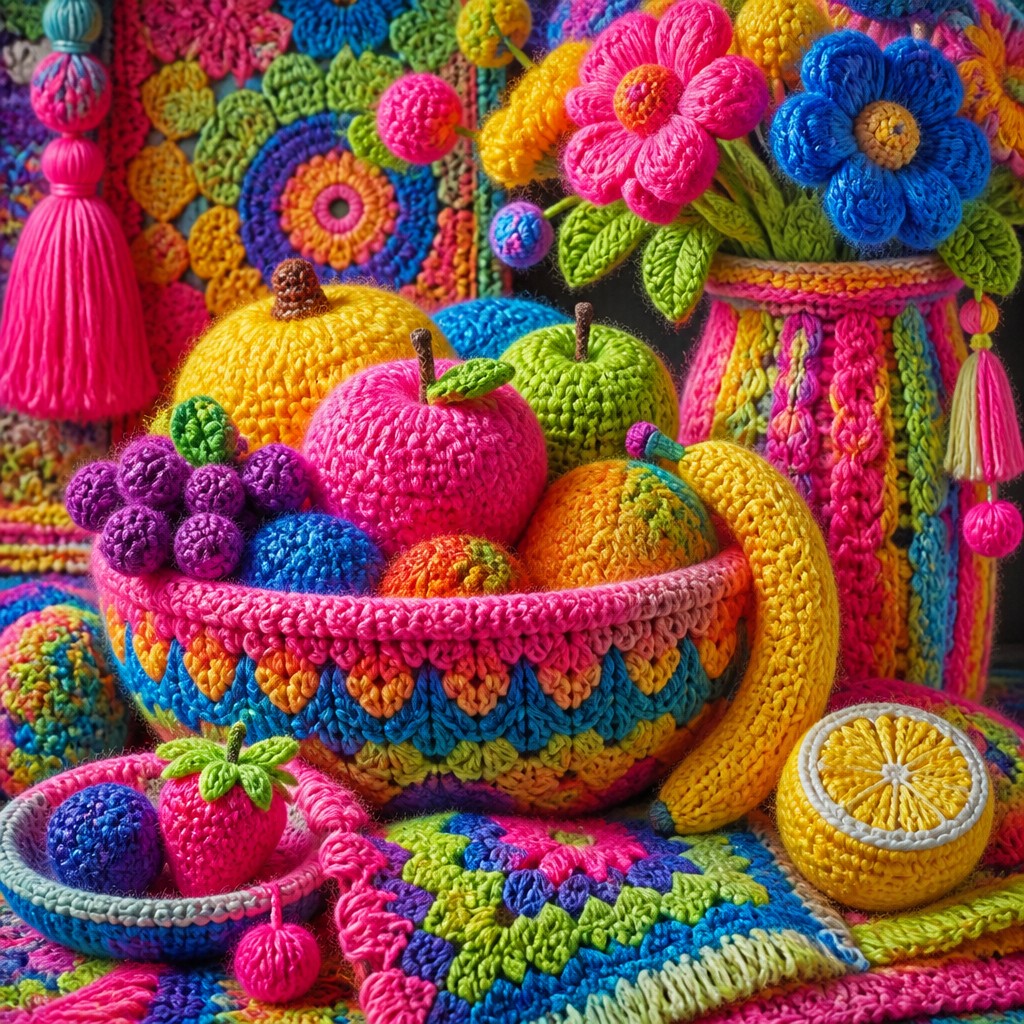
Yarn Bombing Street Gallery
Tap any artwork to explore it
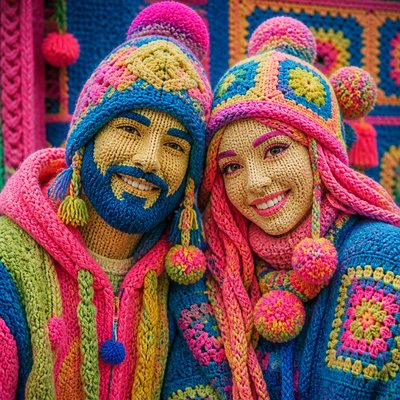
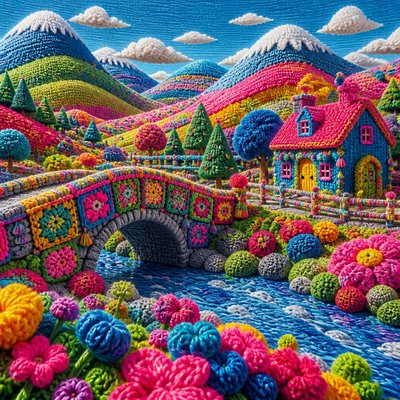
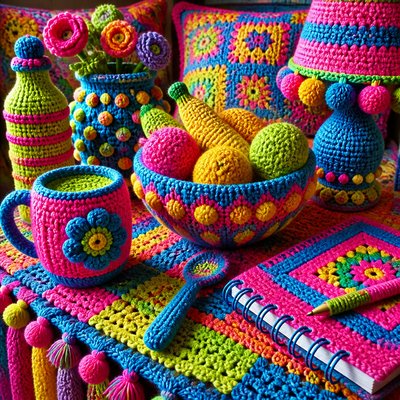
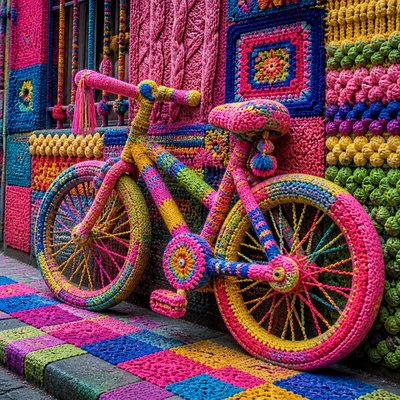
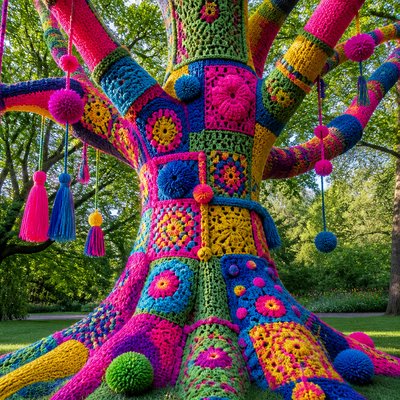
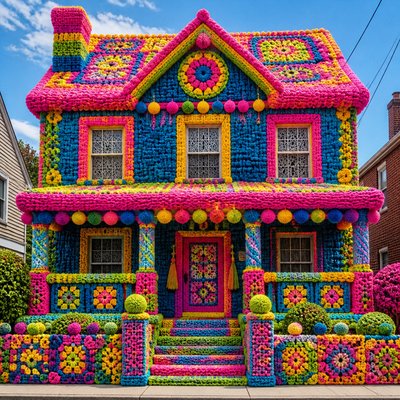
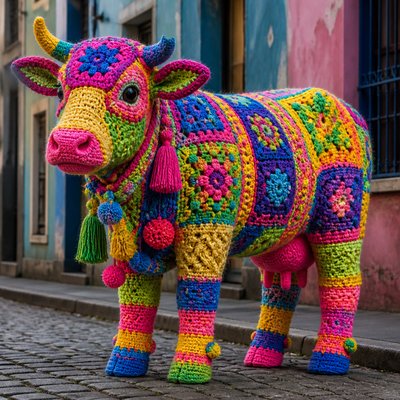
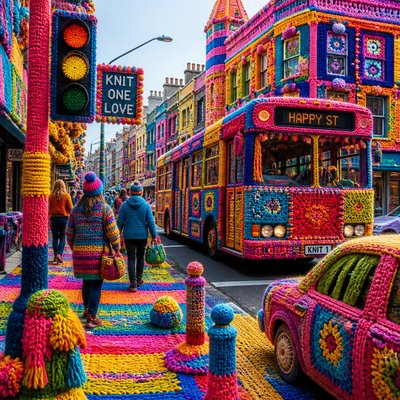
What is Yarn Bombing Street Art Style?
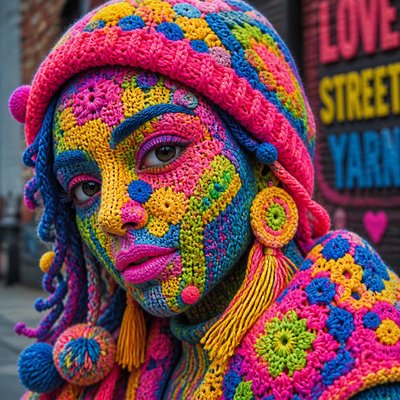
Yarn bombing street art is a form of urban intervention in which knitted or crocheted textiles are wrapped around public objects such as poles, benches, trees, bicycles, railings, and statues. Also called yarn graffiti or guerrilla knitting, it replaces hard civic surfaces with soft, tactile coverings, producing a striking contrast between the utilitarian city and the warmth of handmade fiber.
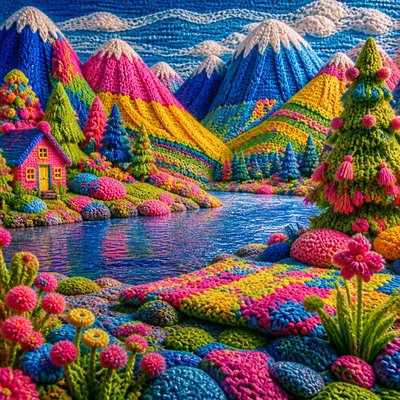
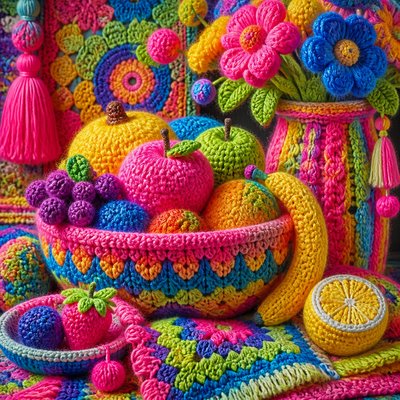
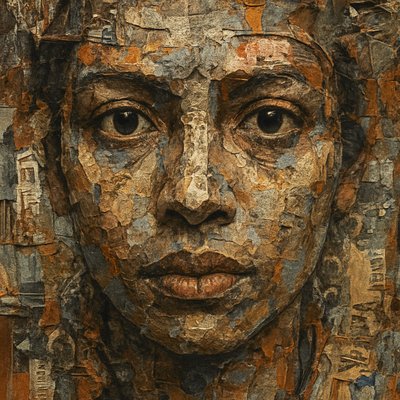
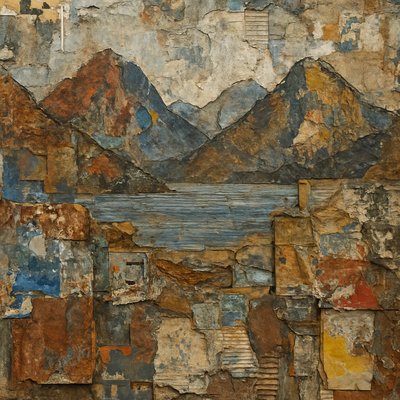
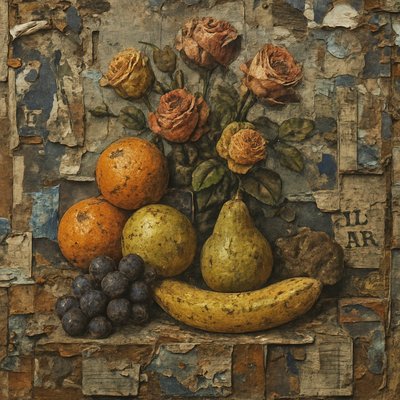
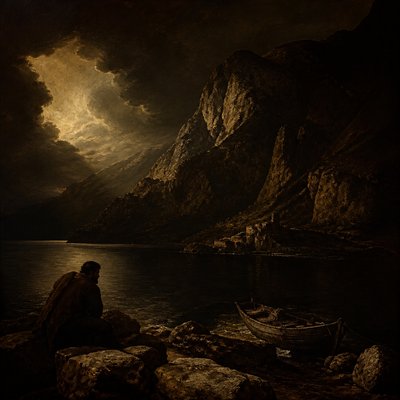
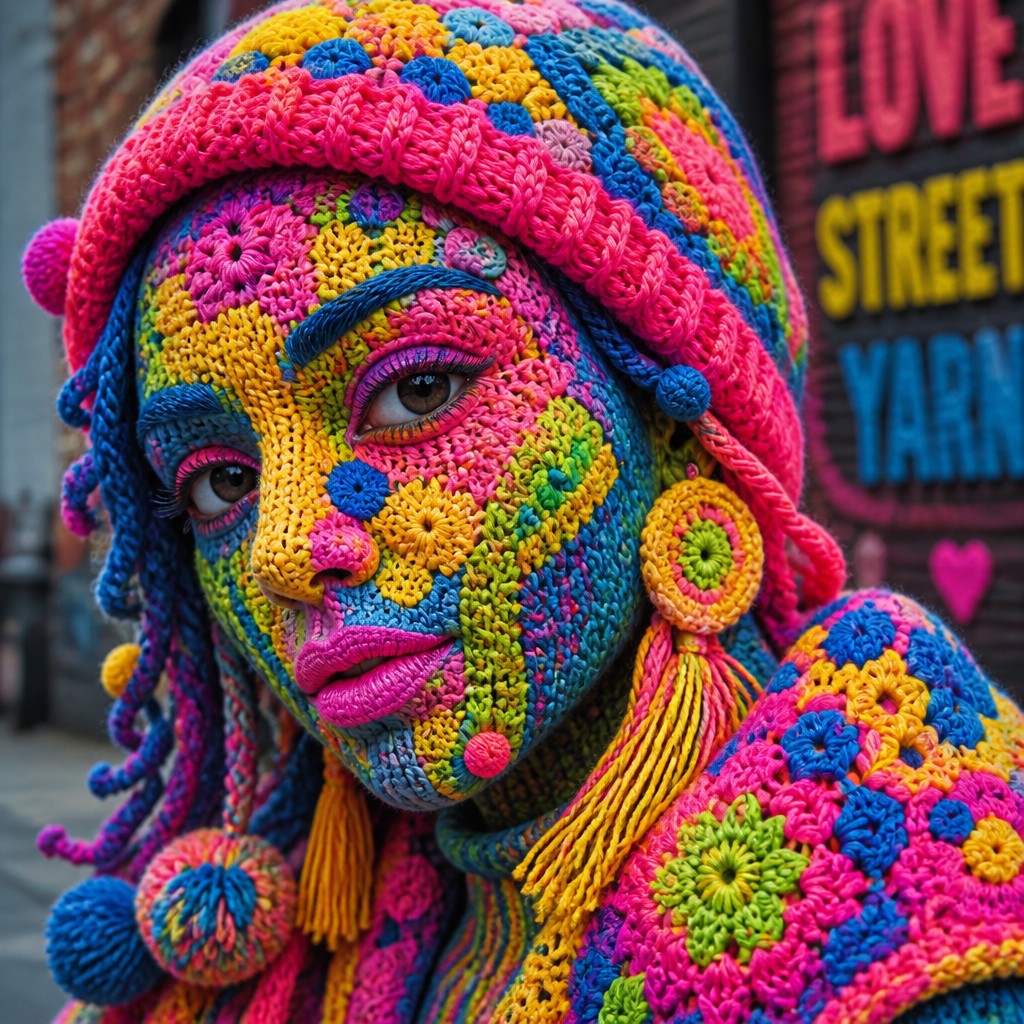
Its visual identity comes from the physical properties of yarn itself: loops, stitches, seams, fringe, bobbles, granny squares, and chunky cables remain visible, so the object still reads as a constructed textile rather than a painted imitation. Bright, mismatched colors and improvisational patchwork give the work a playful, temporary, and communal quality, while the soft bulk of the fabric creates a sculptural presence that can make familiar urban objects seem oddly alive, festive, or gently absurd.
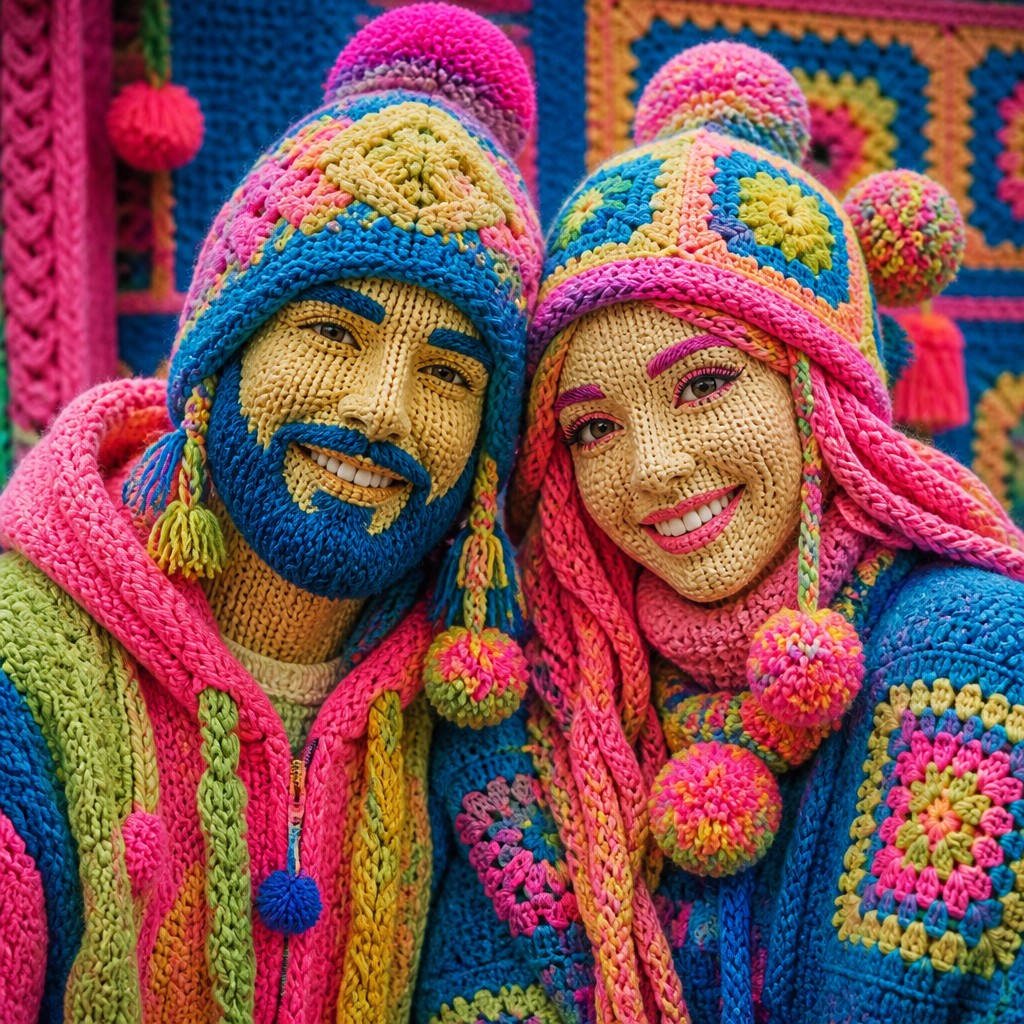
Try It On Your Photos
Upload any photo and convert it into Yarn Bombing Street Art Style — drag the sliders to compare before and after.
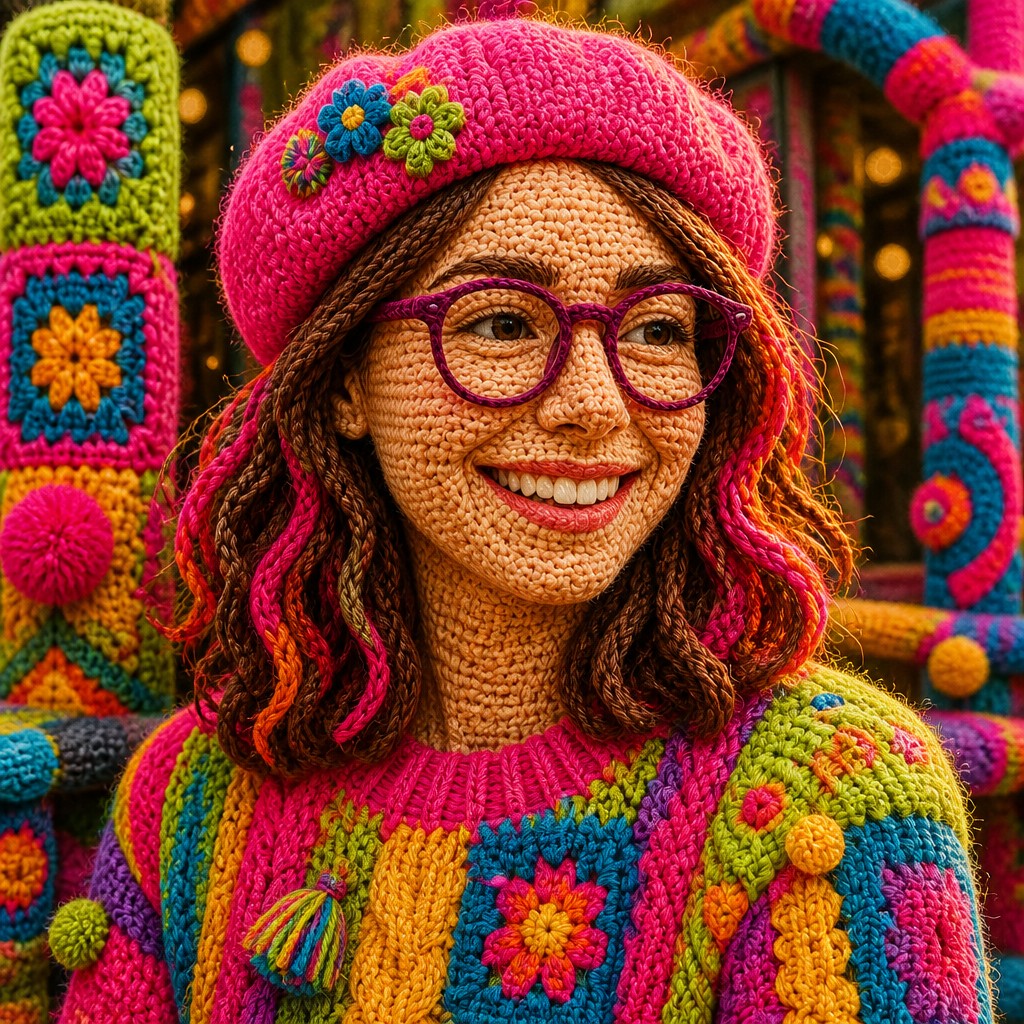

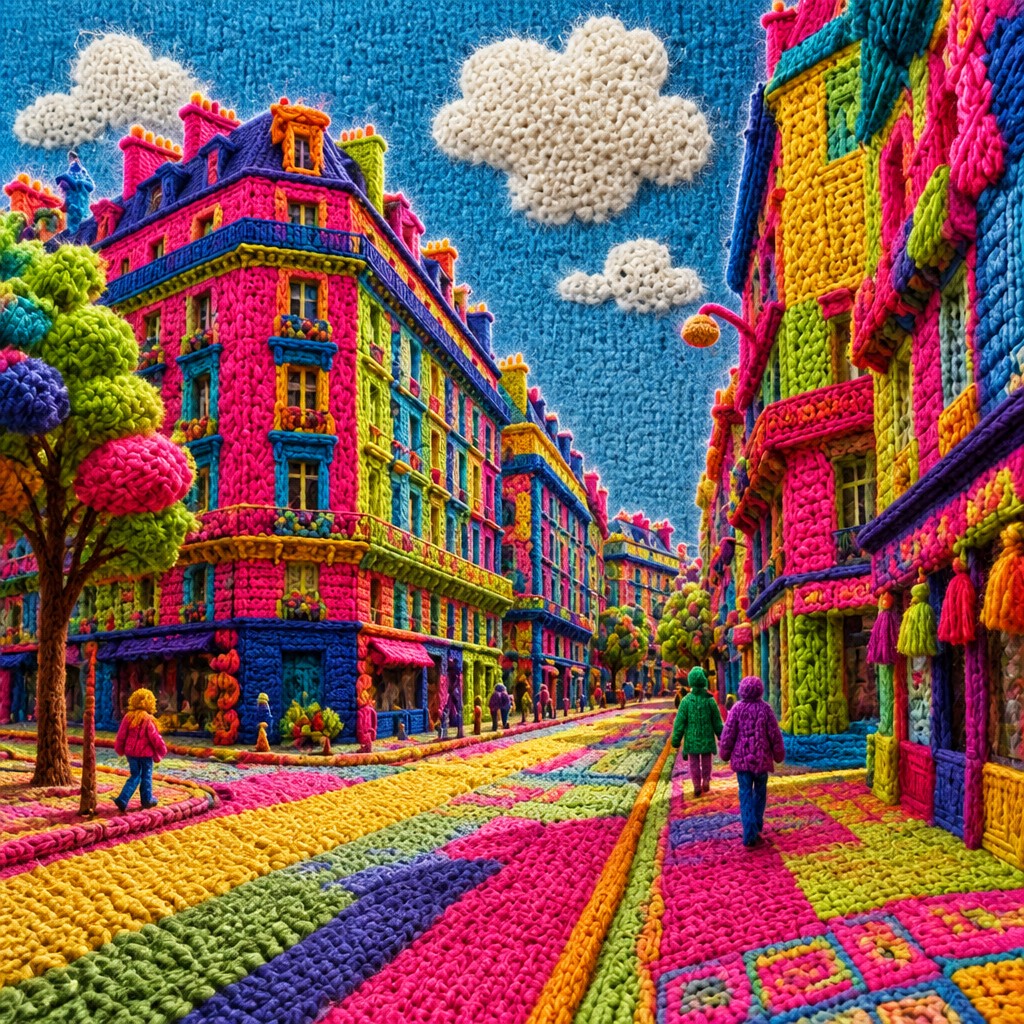

What Defines Yarn Bombing Street Art Style
The signature details, up close
Textile surface over urban form
The defining trait is the replacement of a hard object’s exterior with knitted or crocheted fabric. The underlying street furniture remains recognizable, but it is visually and psychologically softened.
Visible stitch structure
Loops, rows, seams, and joins are left readable rather than hidden. The texture often emphasizes handwork through chunky stitches, uneven tension, and patchwork construction.
Bright, clashing color palettes
Neon pink, electric blue, lime green, sunshine yellow, and other vivid yarn colors are common. The palette is often intentionally playful and high-contrast, creating strong visual disruption in the city.
Soft sculptural volume
Because yarn has thickness and loft, the work gains dimensionality, especially around corners, handles, and protrusions. The result is closer to a soft sculpture than a flat graphic intervention.
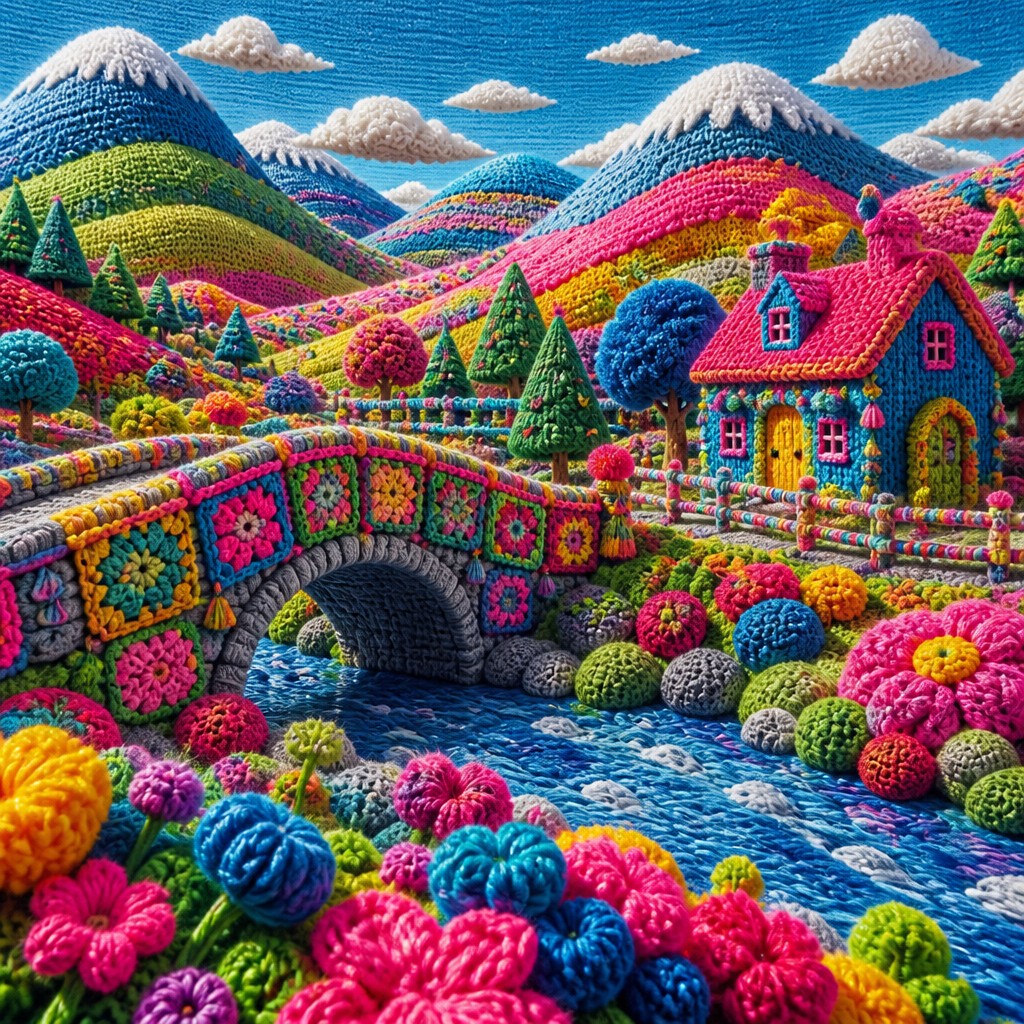
Handcrafted irregularity
Slight asymmetries, mixed stitches, and improvised assembly are part of the aesthetic. These imperfections communicate individual making and distinguish the work from industrial wrapping or print-based decoration.
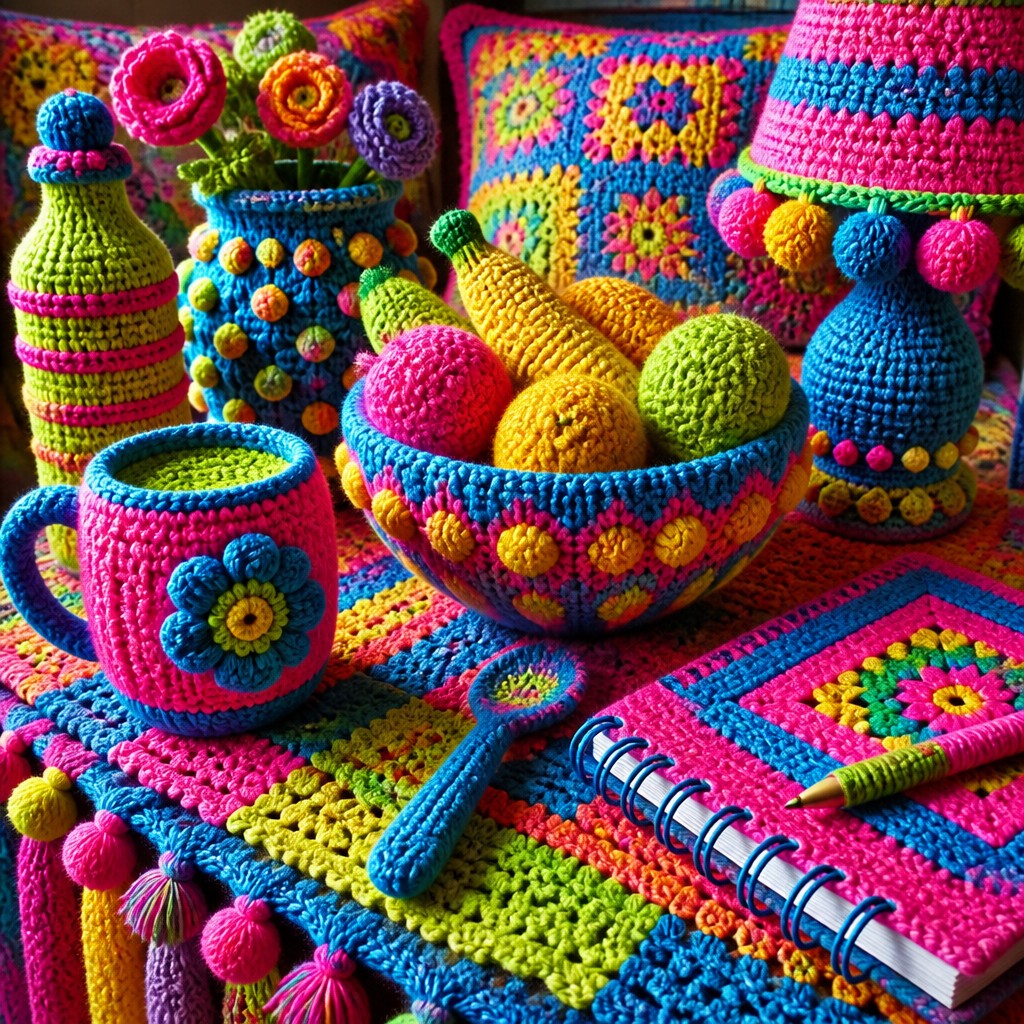
Playful embellishment
Pom-poms, tassels, appliqués, and bobbles are frequently used as accents. These details add movement and whimsy while enhancing the sense of a sewn or knitted object brought into public view.
Try It
Create Videos in Yarn Bombing Street Art Style
Styles aren't just for stills — describe a scene or animate an image and get a short video rendered in Yarn Bombing Street. Press play to see this pond come to life.
Make a VideoYarn Bombing Street Prompt Ideas
Start from an idea — each one opens the generator with the style ready to go. See all 40 Yarn Bombing Street prompts →
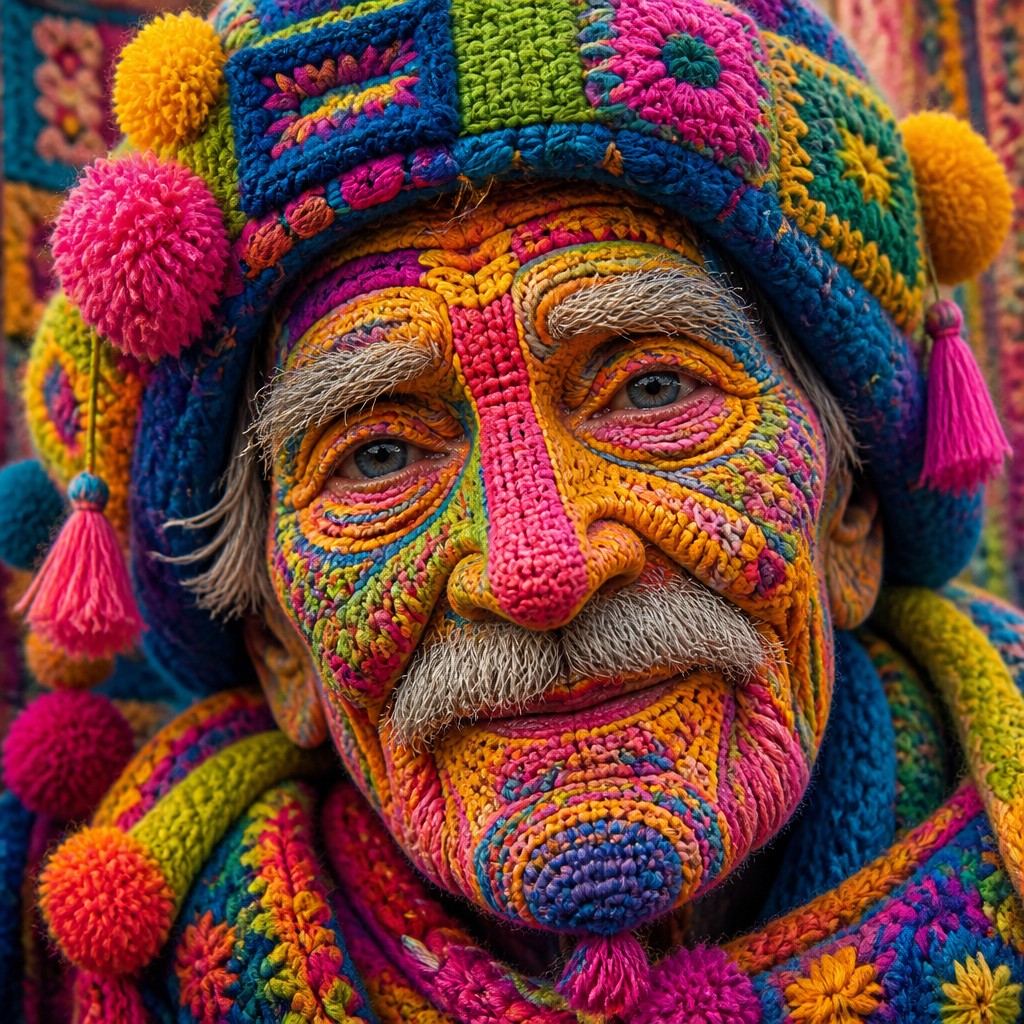
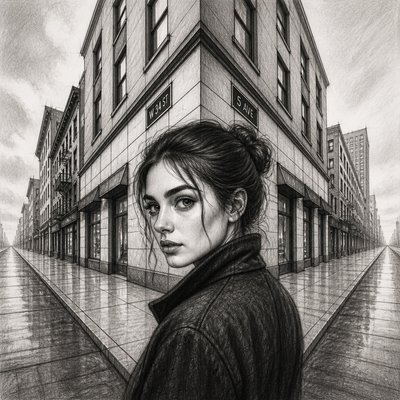
“close-up portrait of an elderly person with expressive weathered features”
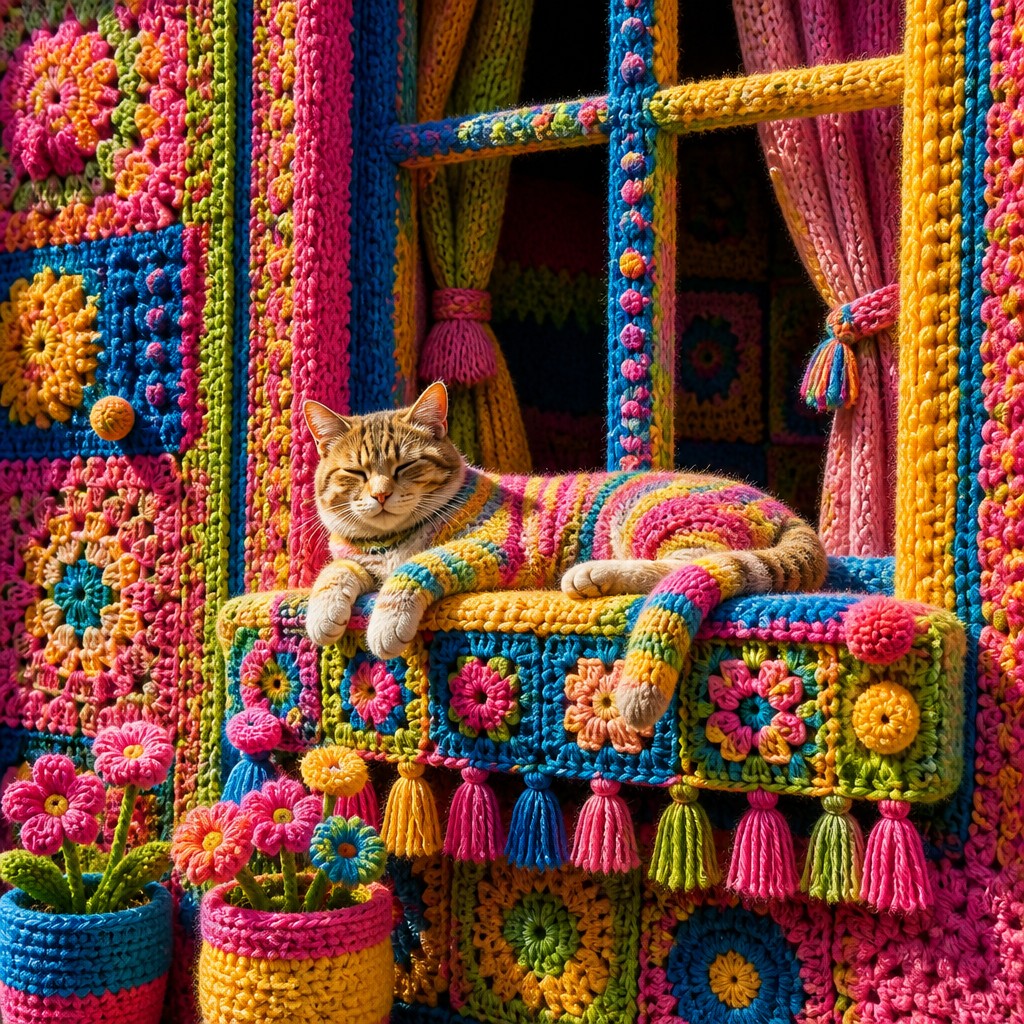
“a cat lounging in a sunlit window”
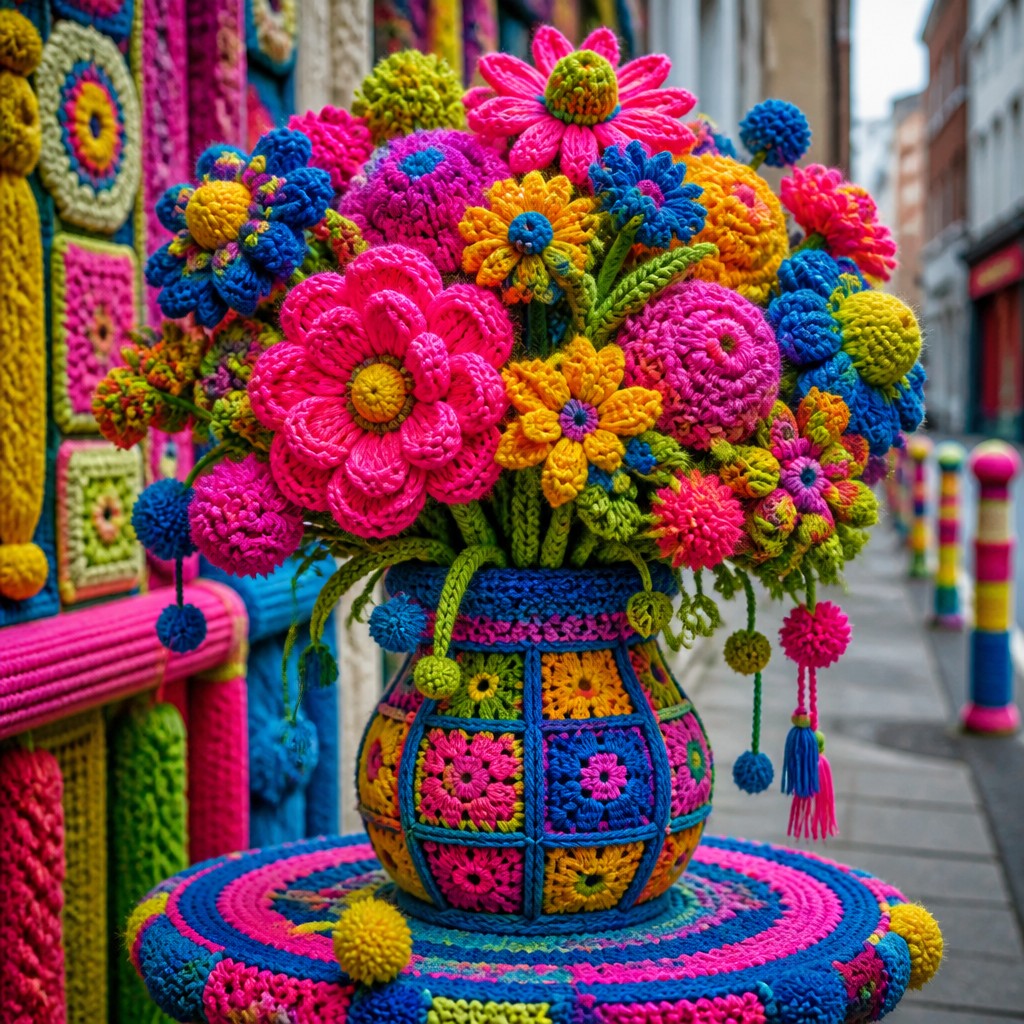
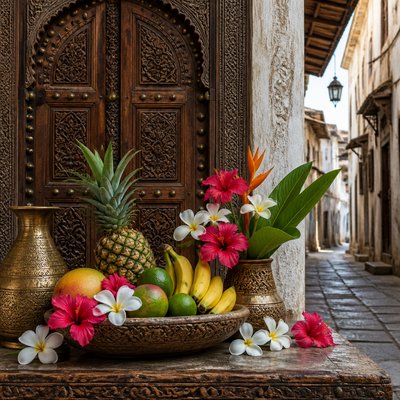
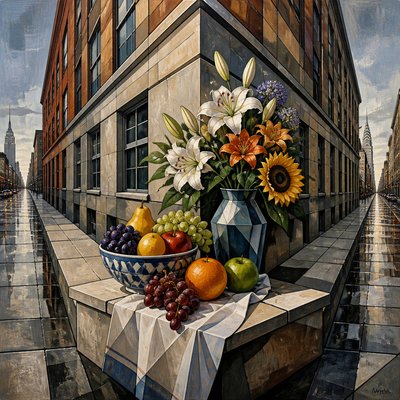
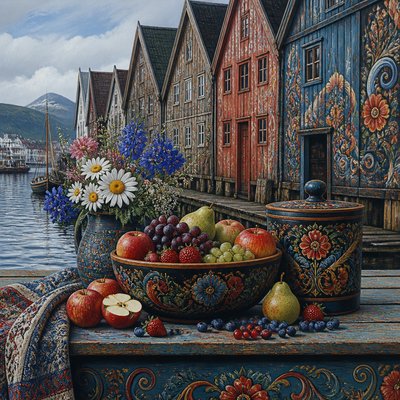
“bouquet of flowers in a glass vase”

“sailing ship on a stormy sea”
How to Create Yarn Bombing Street Art
Master the craft step by step — or skip straight to creating. Read the full guide →
- 1
Plan for the object’s shape and measurements
Begin by measuring the target surface and mapping protrusions, curves, and attachment points. A good yarn bombing piece fits the object snugly enough to read as a textile skin, but leaves room for stretching and fastening.
- 2
Use durable fiber techniques
Choose stitch patterns that hold shape outdoors, such as dense crochet, ribbing, or reinforced knit panels. If the work will be installed physically, secure it with ties, hidden seams, or removable fasteners so it can be installed and removed without damaging the surface.
- 3
Design for contrast and readability
Select bold colors and large stitch motifs that remain legible at street distance. Patchwork squares, oversized cables, and repeated motifs help the viewer immediately recognize the piece as textile rather than paint.
- 4
Add dimensional accents sparingly
Use tassels, fringe, bobbles, or pom-poms where they will catch light and motion without overwhelming the form. These details work best as punctuation on poles, railings, edges, or corners.
- 5
For digital or prompt-based creation, specify material behavior
Describe the subject as if every surface is knitted or crocheted, with visible stitches, fuzzy fiber halos, and plush dimensionality. Include color directions, urban context, and handcrafted irregularity so the image reads as soft sculpture rather than a generic fabric filter.
The Story
History & Origins of Yarn Bombing Street
Yarn bombing emerged in the early 21st century as a form of street art and fiber-based public intervention, especially in North America and Europe. It grew out of contemporary graffiti culture, feminist craft revival, and the long history of knitting and crochet as domestic, utilitarian, and decorative practices. Rather than originating in a single art movement, it draws from guerrilla art, participatory installation, and craft activism.
The aesthetic lineage also includes traditions of folk textiles, samplers, patchwork, and the revaluation of so-called "women's work" within contemporary art. Yarn bombing became widely visible through collective actions that covered city objects with stitched skins, transforming the street into a temporary gallery of handmade surfaces. Its development has been shaped by social-media circulation, community making, and the appeal of a form that is both accessible and ephemeral.
Influences: Yarn bombing is closely related to graffiti and street art in its use of unsanctioned public intervention, but it substitutes textile construction for spray paint. It also draws from crochet, knitting, quilting, and patchwork traditions, as well as contemporary craft activism and feminist art practices that challenged the separation between fine art and domestic craft. Its tactile, handmade sensibility places it in dialogue with installation art and social practice, even when individual works are small and temporary.
Frequently Asked Questions
What defines yarn bombing street art?
It is public art made by covering urban objects with knitted or crocheted fabric. The essential qualities are softness, visibility of hand-stitching, and the transformation of a hard, everyday object into a temporary textile sculpture.
Is yarn bombing the same as graffiti?
It is related to graffiti in that it occupies public space and often appears without formal permission, but it uses fiber rather than paint or markers. The look is also very different: instead of flat mark-making, it relies on texture, volume, and sewn construction.
What materials are used in this style?
Common materials include yarn, wool, acrylic thread, crochet hooks, knitting needles, and sometimes recycled textile strips. For installations, makers may also use thread, ties, backing fabric, and removable mounting methods to keep the work secure.
Why does yarn bombing look so playful and cozy?
The effect comes from the material itself: yarn is soft, warm, and associated with handmade domestic crafts. When those qualities are placed on cold public infrastructure, the contrast creates whimsy and a feeling of care.
How is this style different from ordinary textile art?
Textile art can be made for galleries, interiors, or functional objects, while yarn bombing is defined by its public urban setting. The site-specific wrapping of poles, trees, fences, and statues is central to the style’s meaning and appearance.
Can this style be created digitally?
Yes. Digital versions should emphasize knitted and crocheted surface texture, plush volume, and visible stitch patterns rather than simply overlaying a fabric texture. Good results usually include specific urban objects, strong color contrast, and details like fuzzy edges or tassels.

Create your first Yarn Bombing Street artwork
Describe anything — or upload a photo — and see it in Yarn Bombing Street Art Style in seconds.
Make Something with Yarn Bombing Street
Related Styles
Discover similar art styles