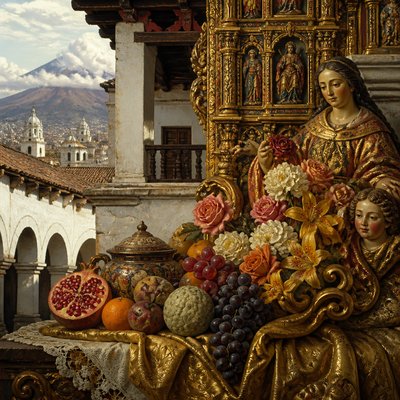
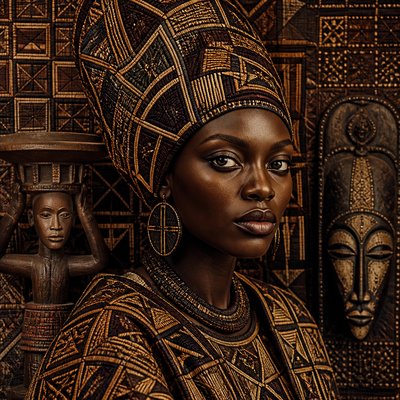
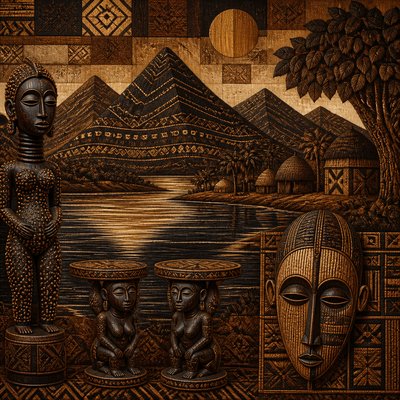
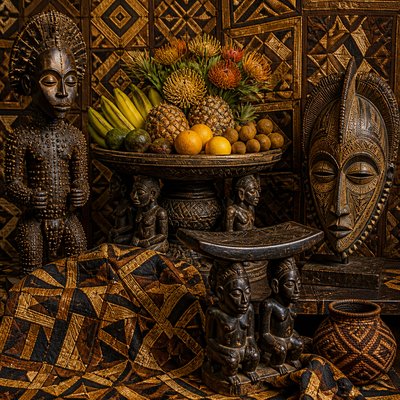
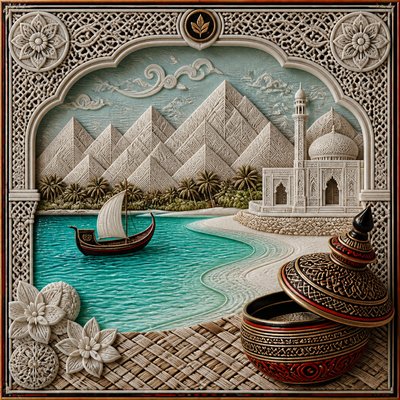
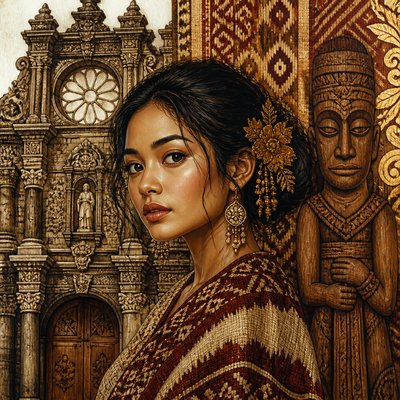
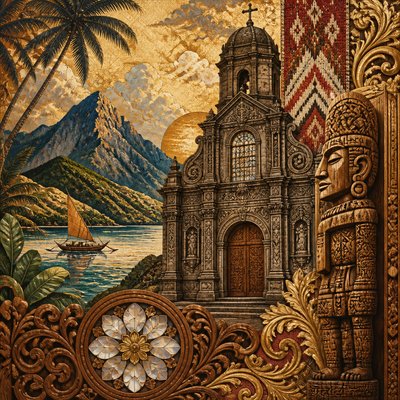
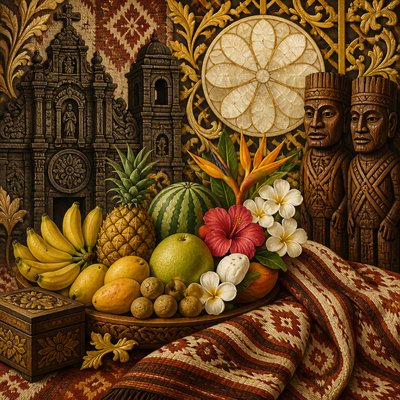
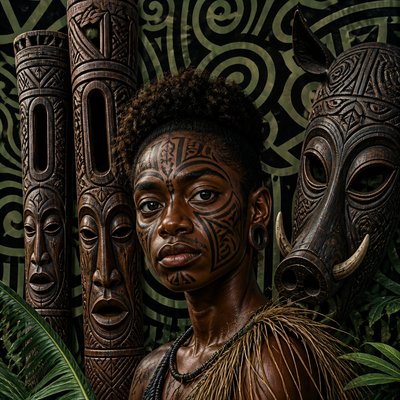
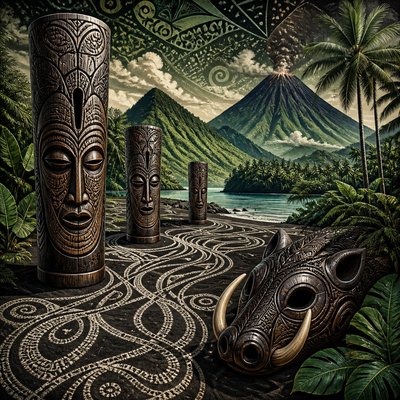
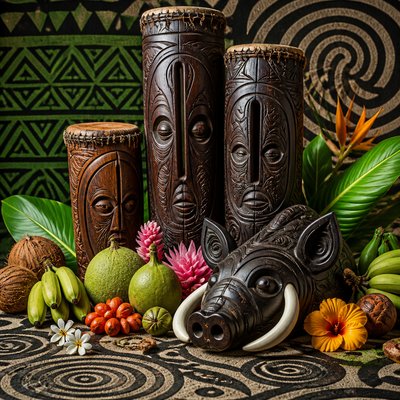
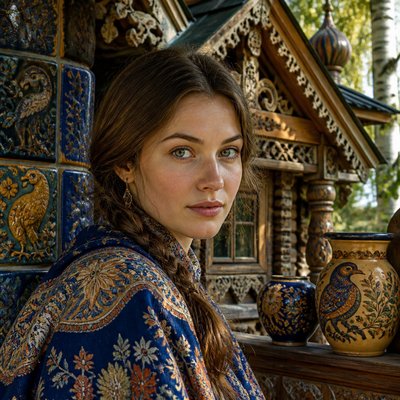
Stone Carving Sculpture Art Style
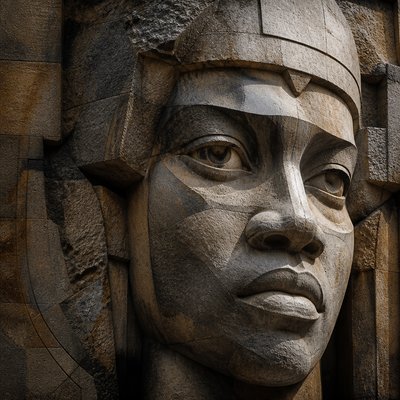
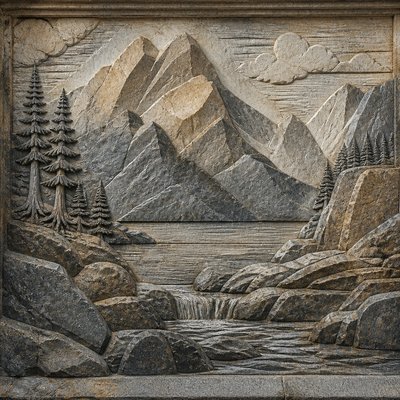
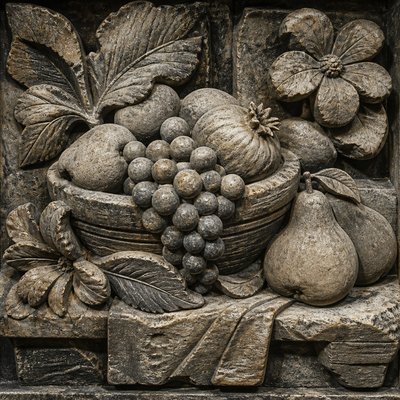
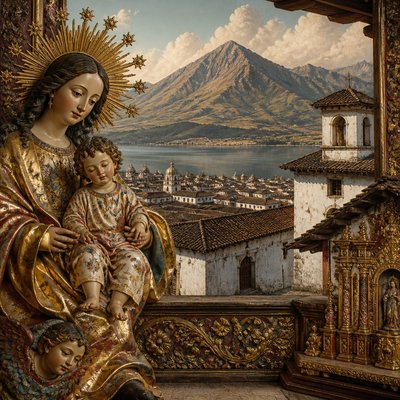
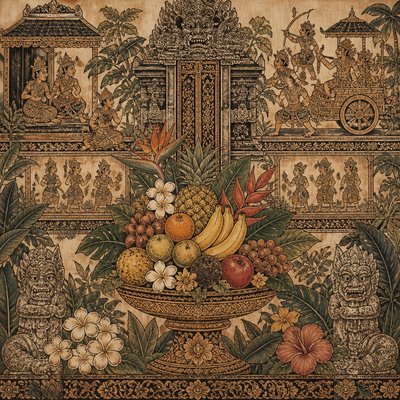
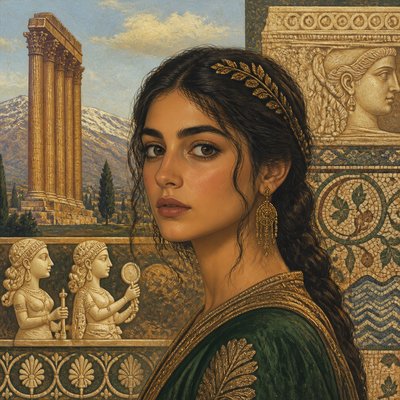
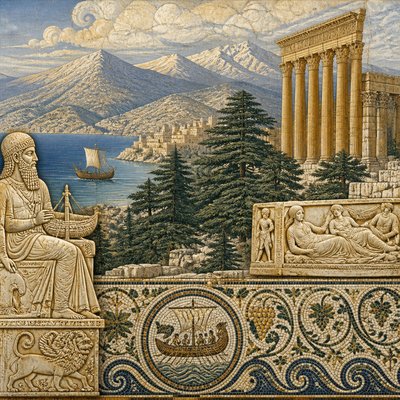
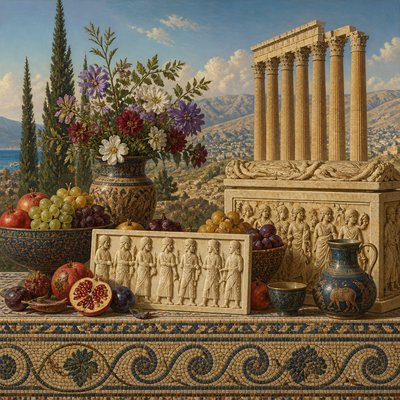
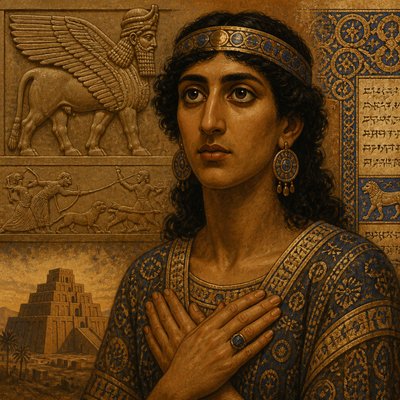
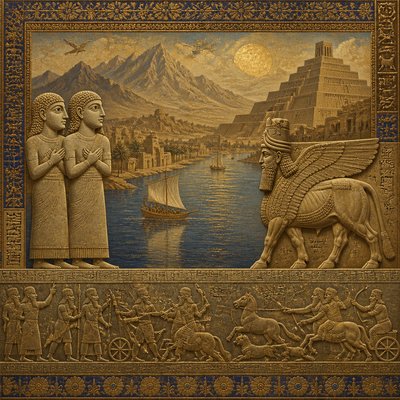
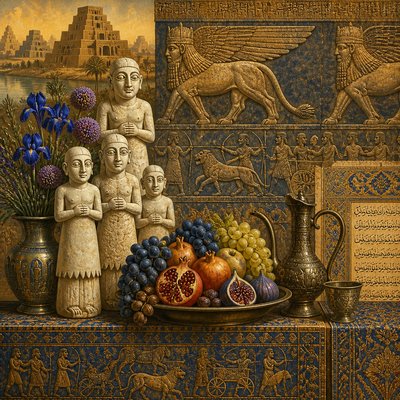
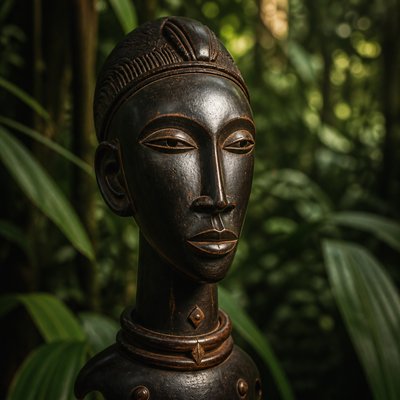
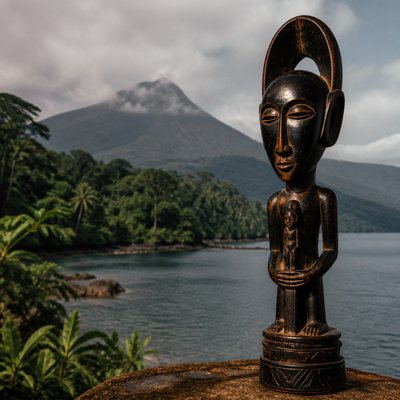
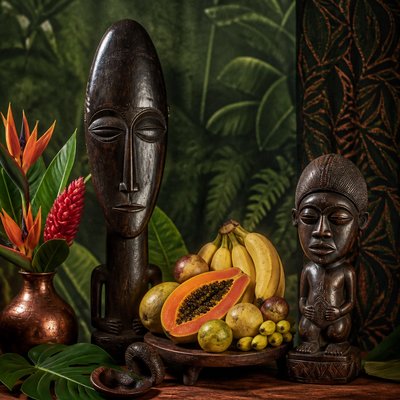
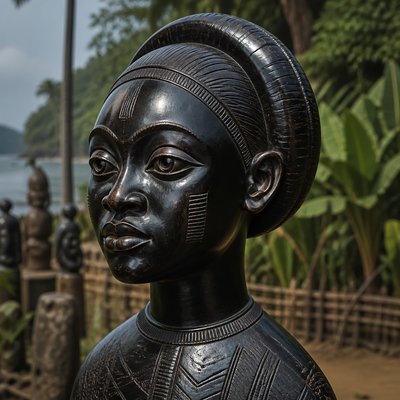
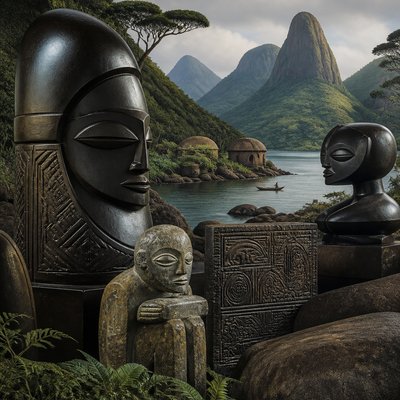
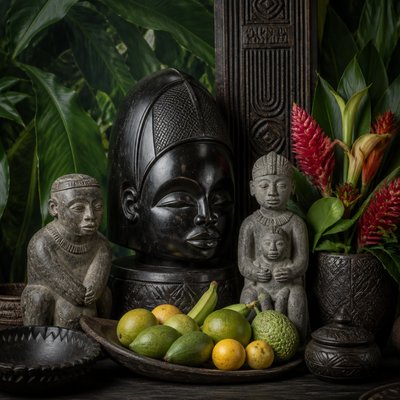
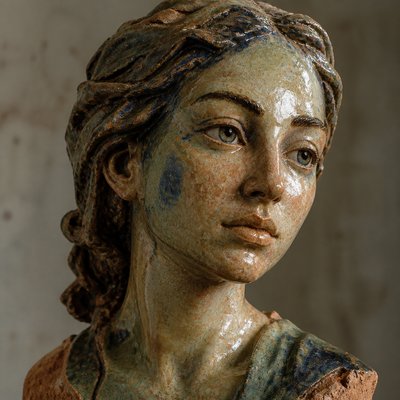
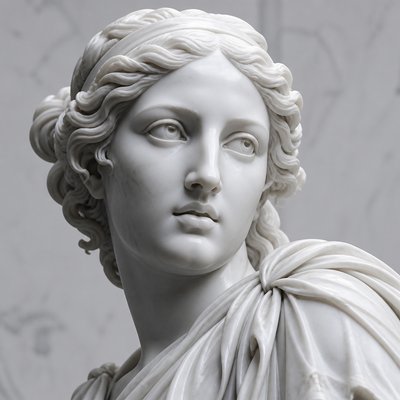
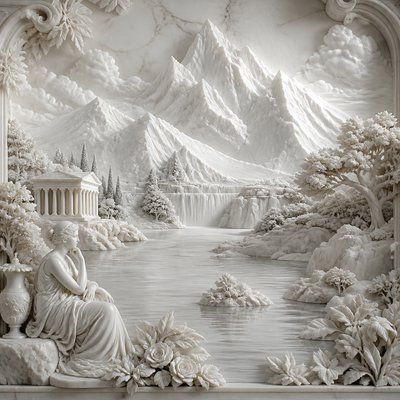
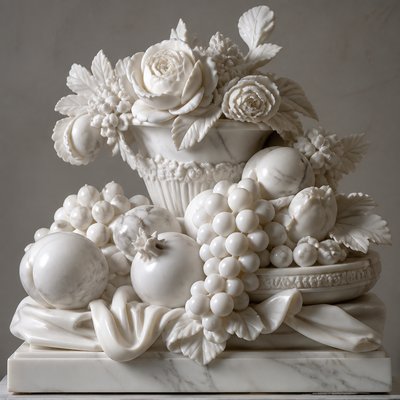
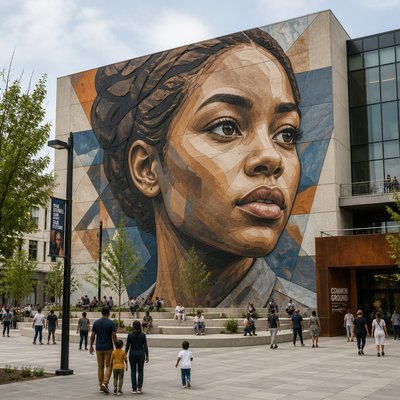
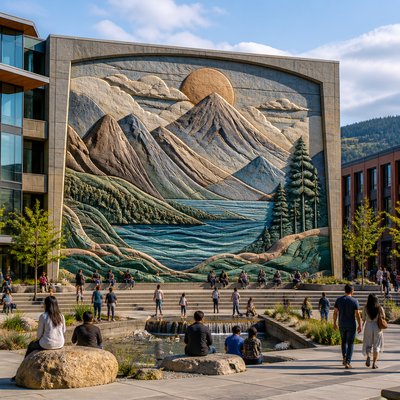
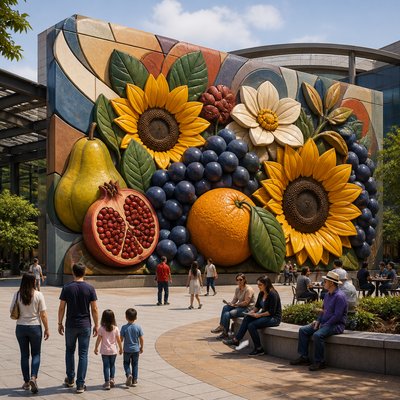
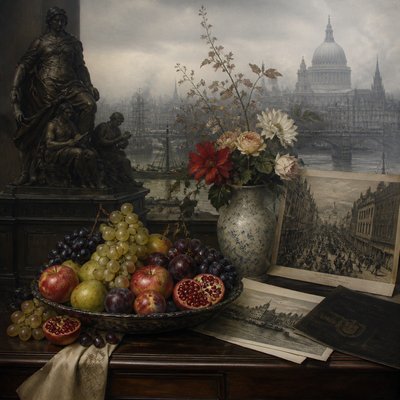
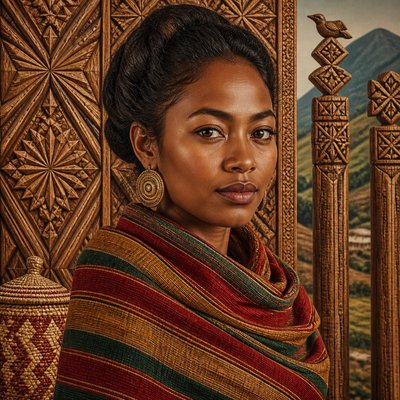
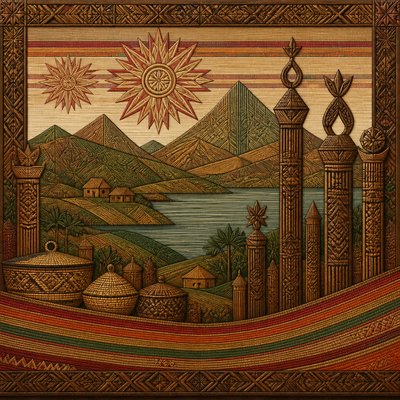
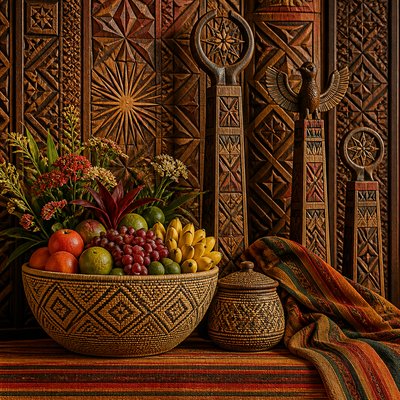
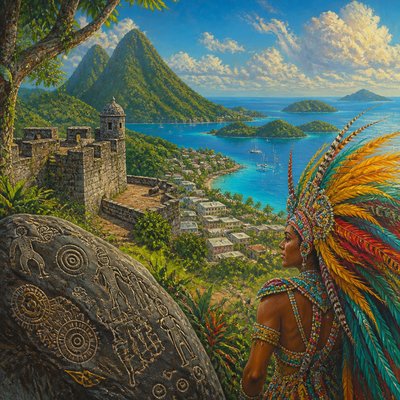
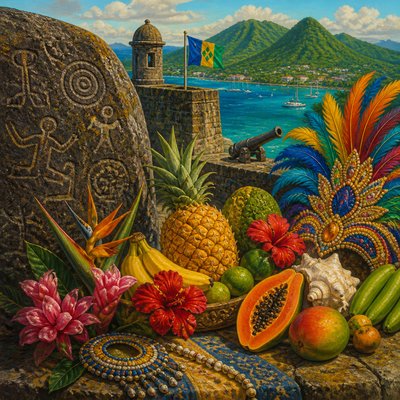
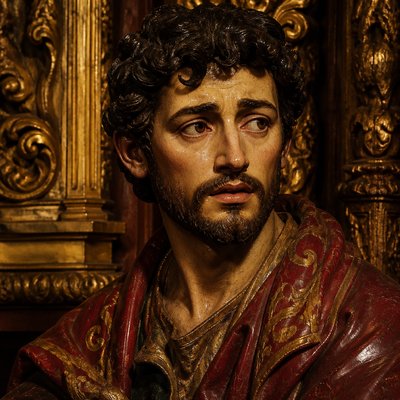
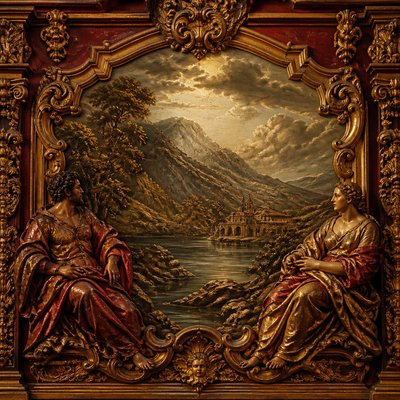
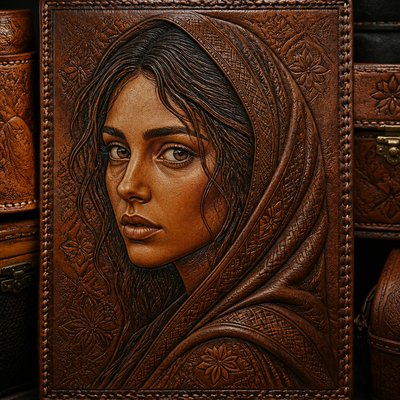
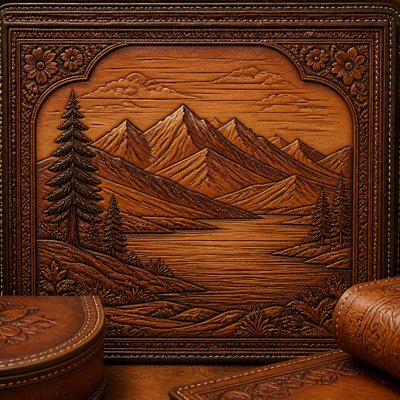
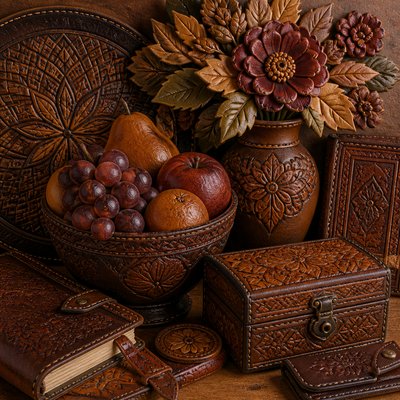
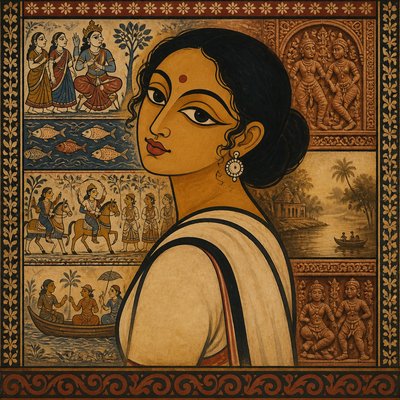
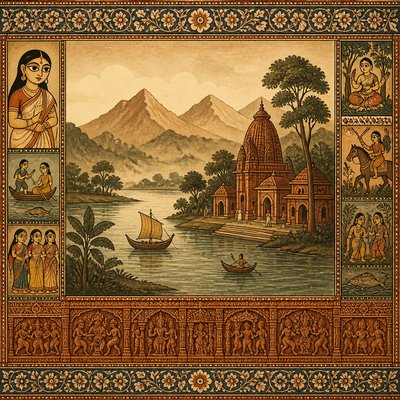
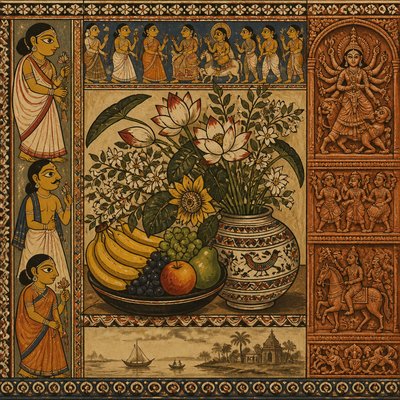
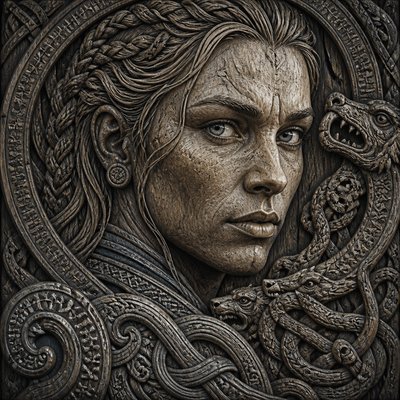
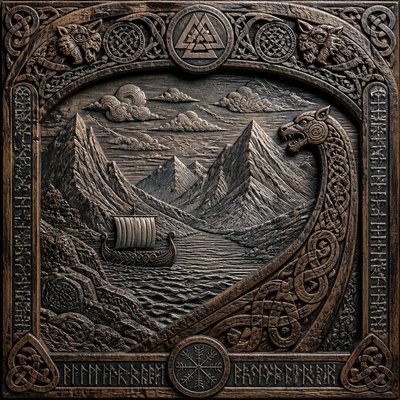
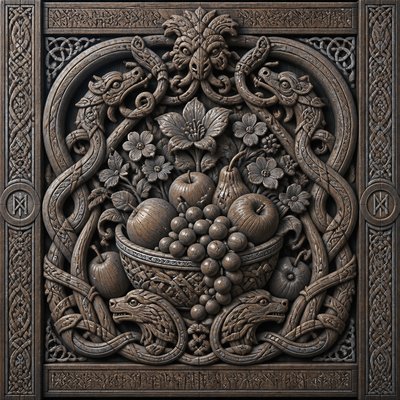
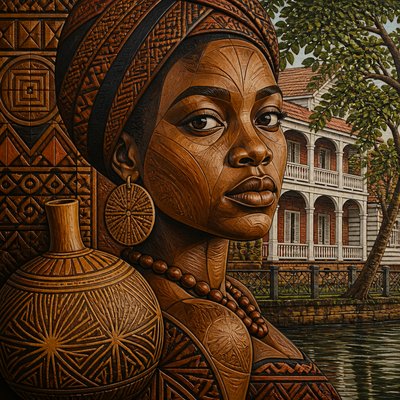
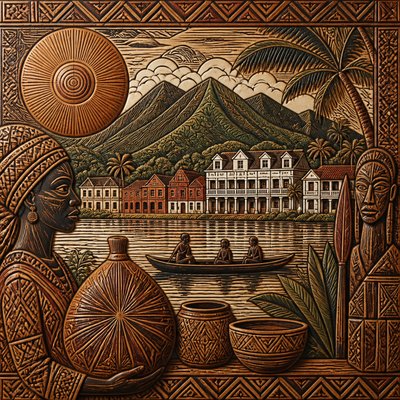
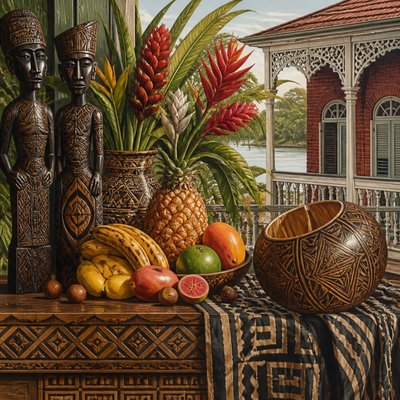
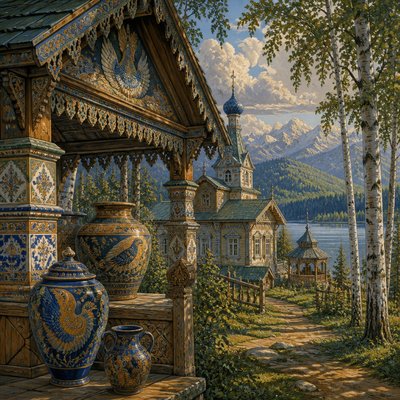
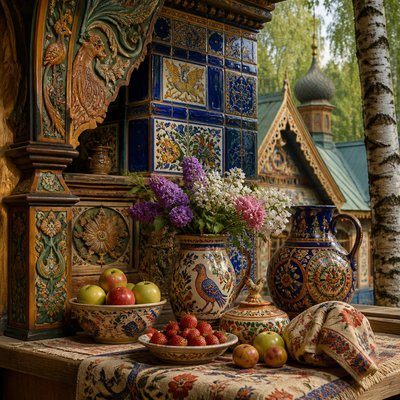
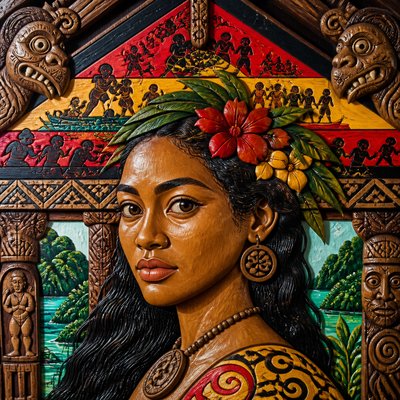
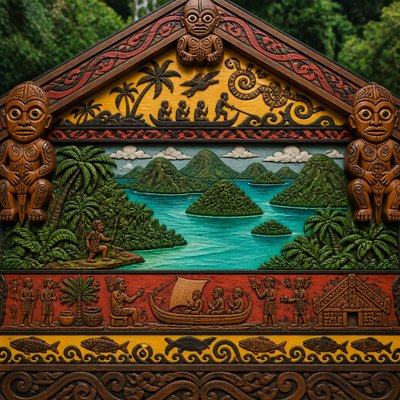
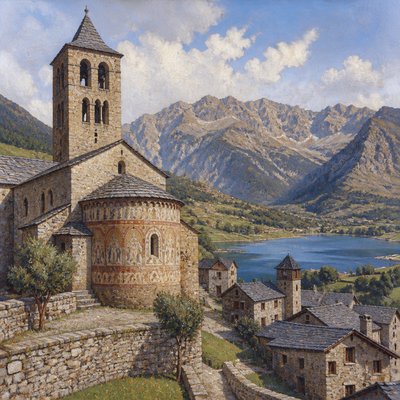
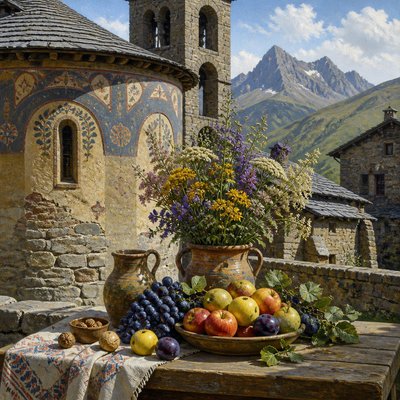
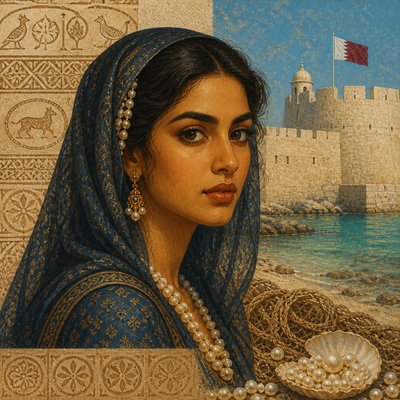
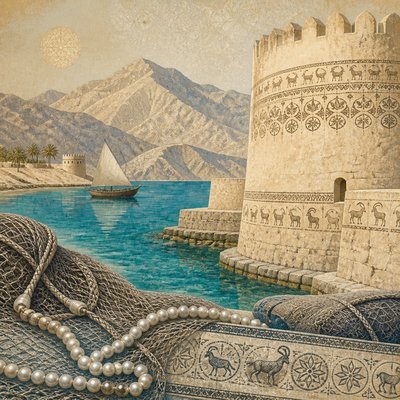
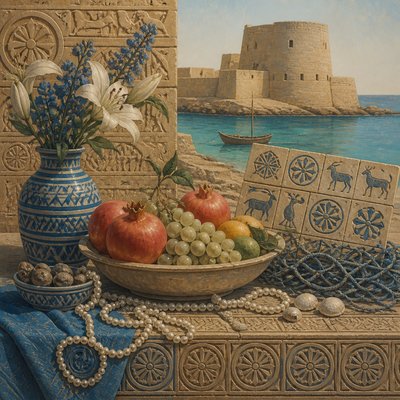
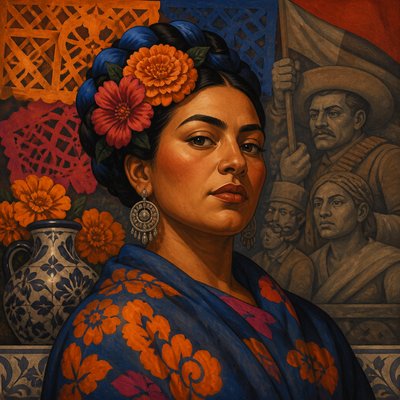
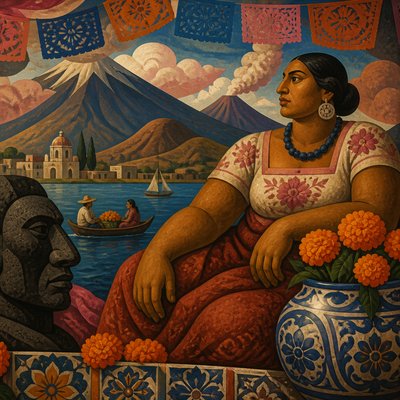
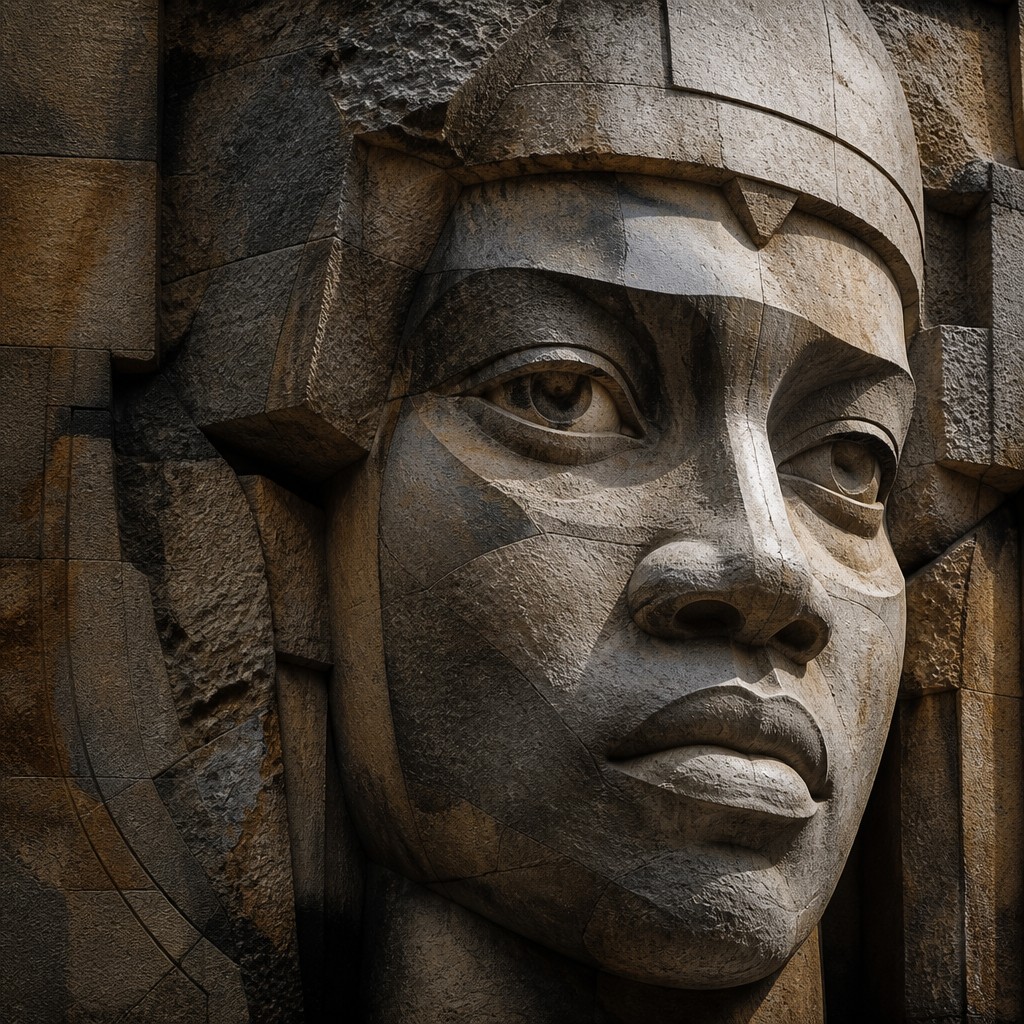
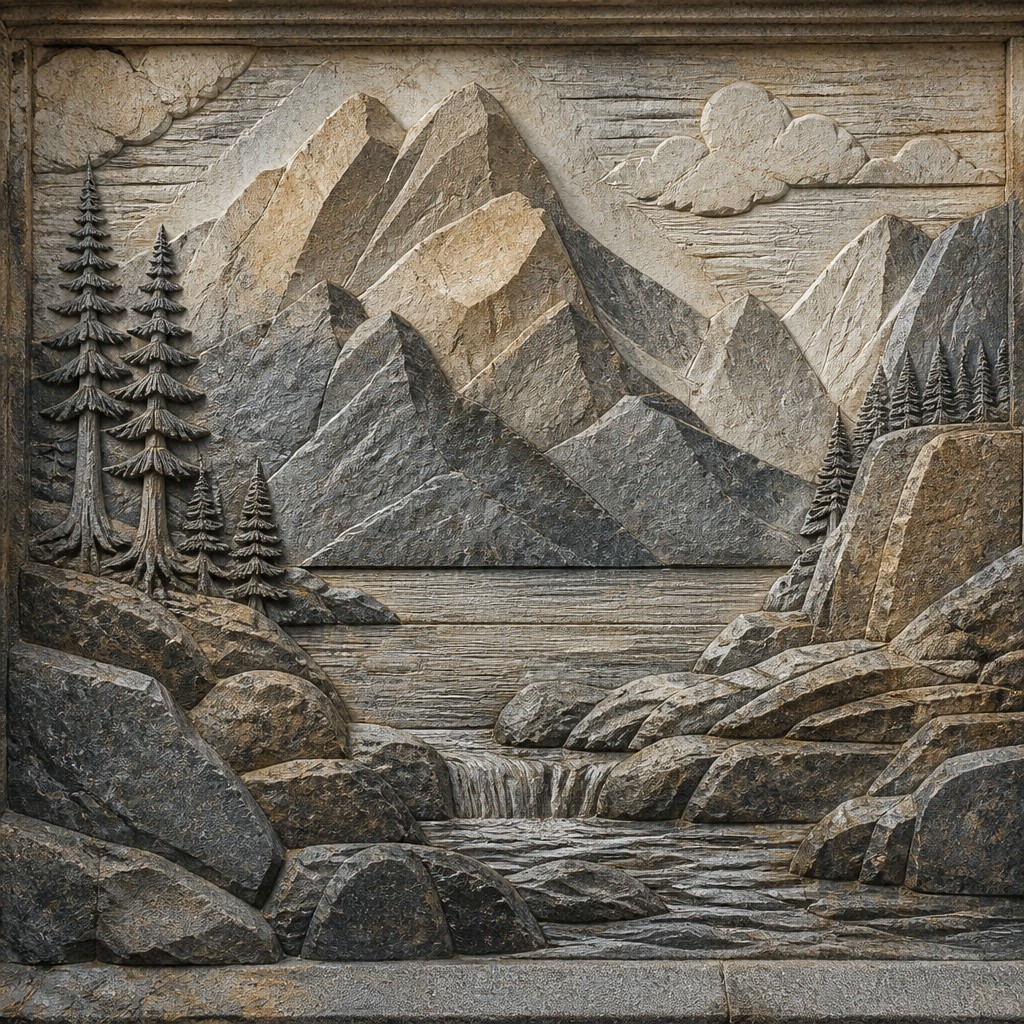
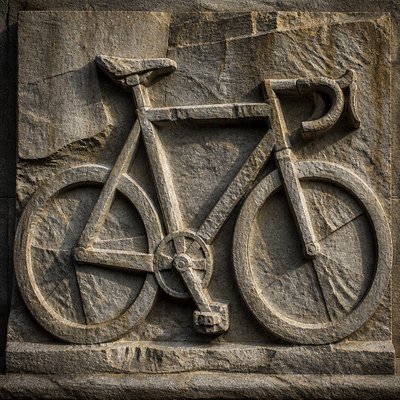
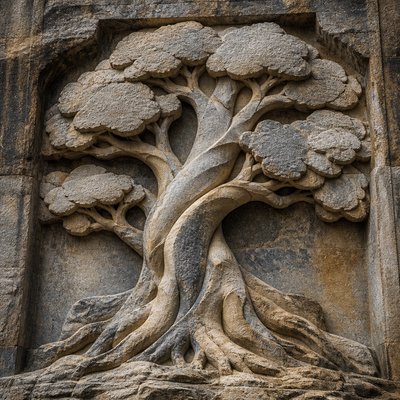
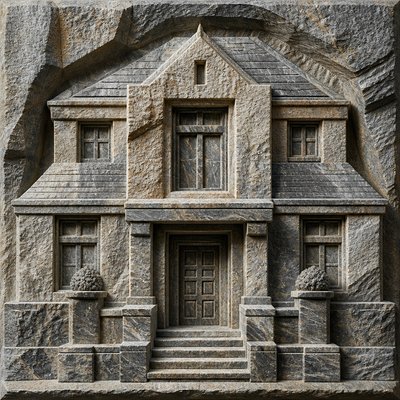
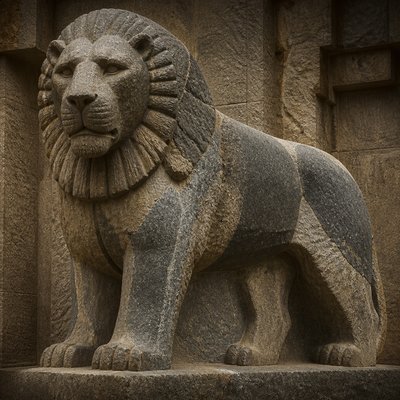
Monumental carved-stone sculpture with chisel marks, polished and rough surfaces, natural grain, and ancient, enduring forms.
Instantly rendered in Stone Carving Sculpture — or transform a photo
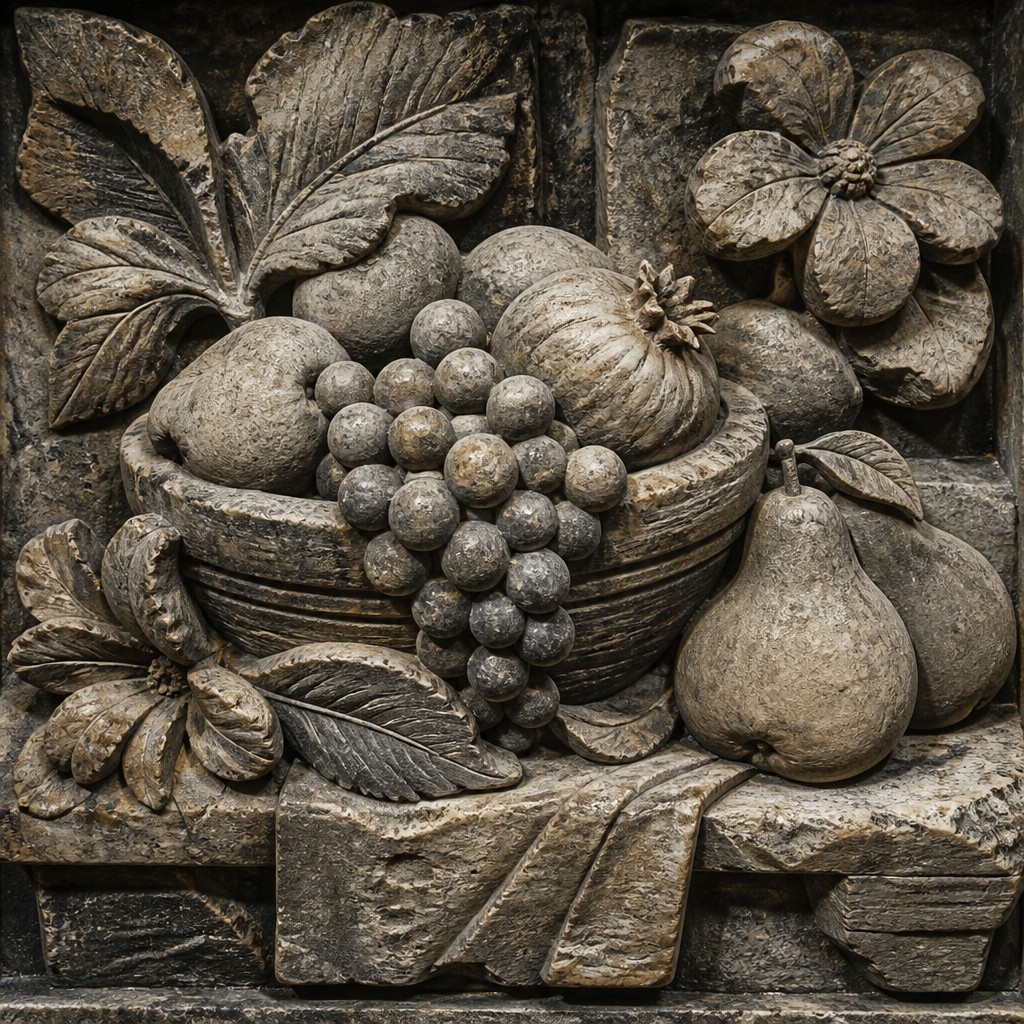
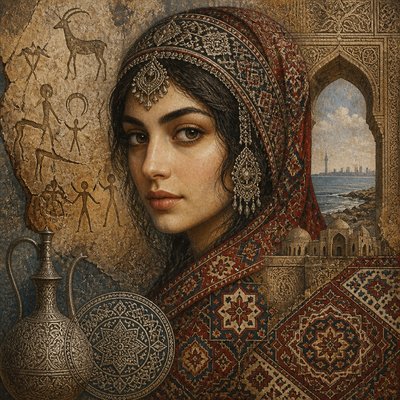
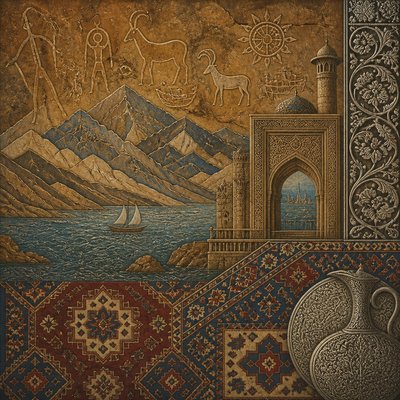
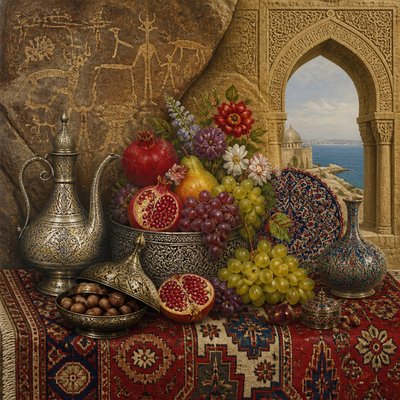
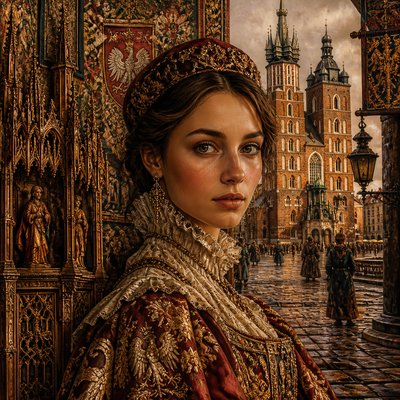
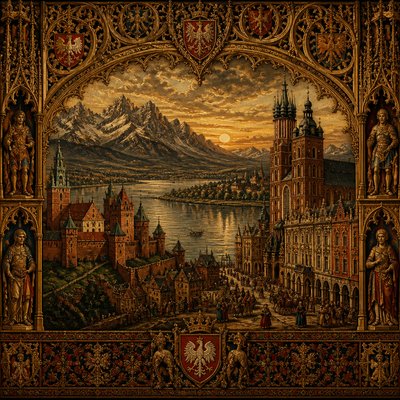
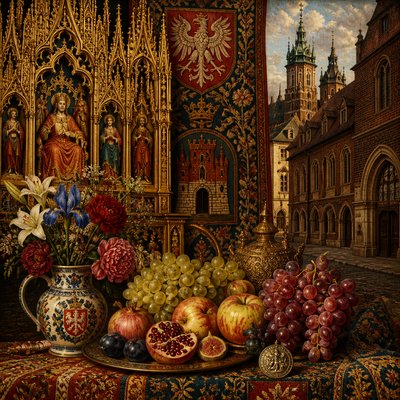
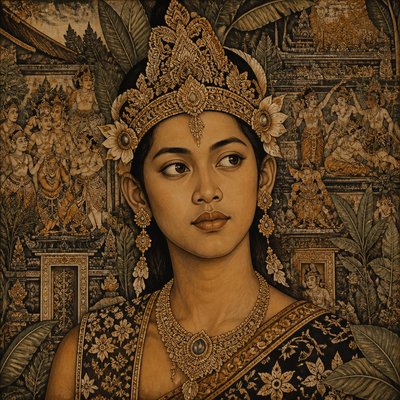
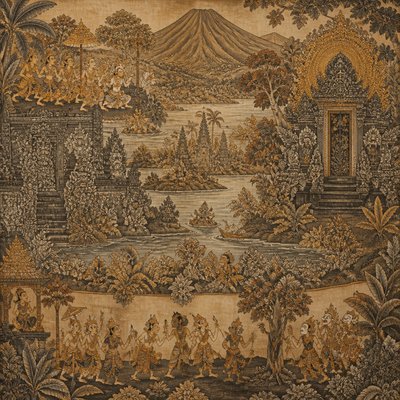
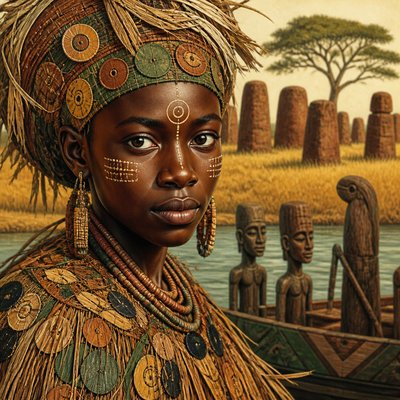
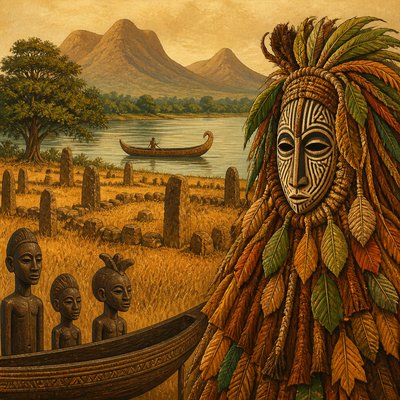
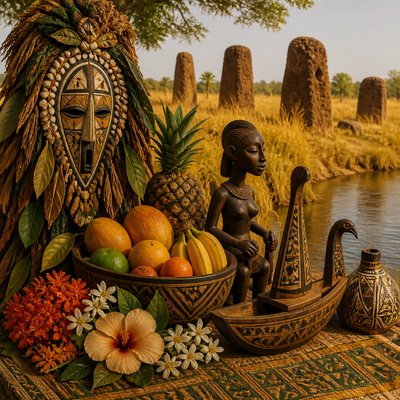
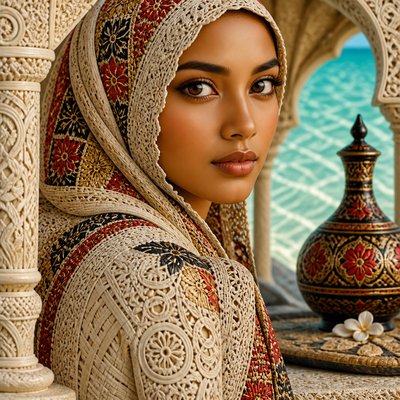
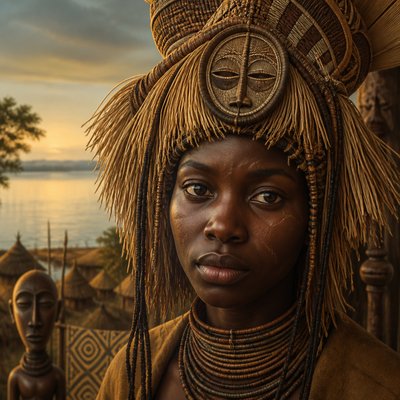
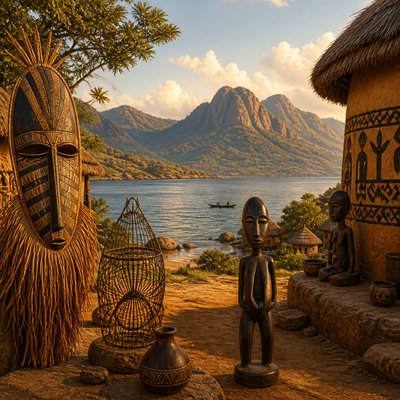
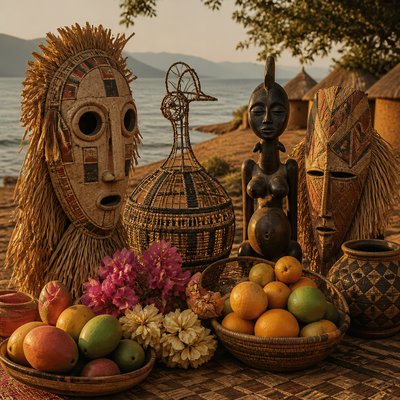
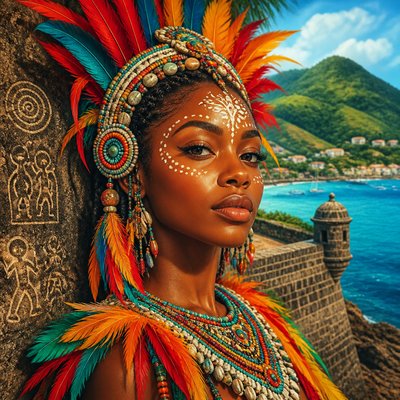
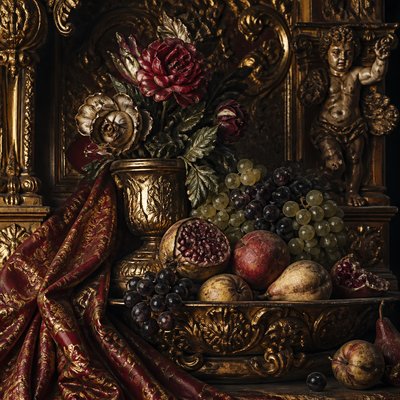
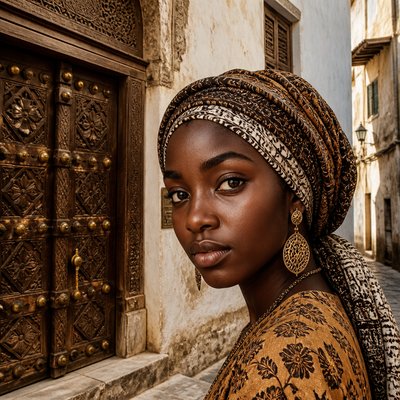
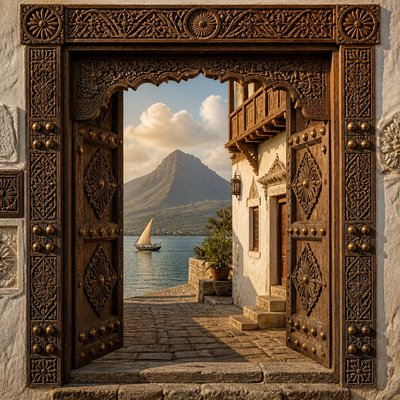
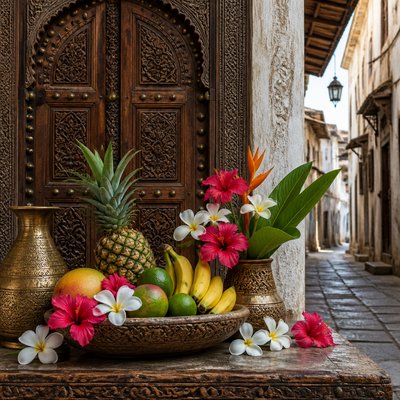
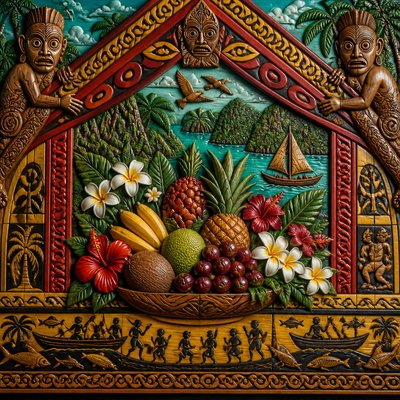
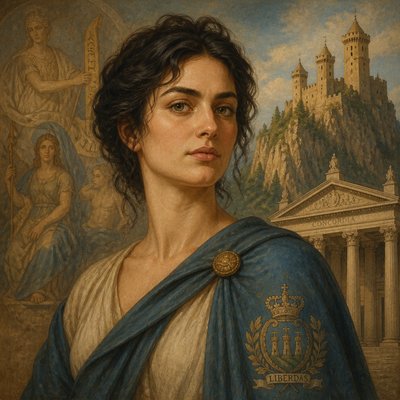
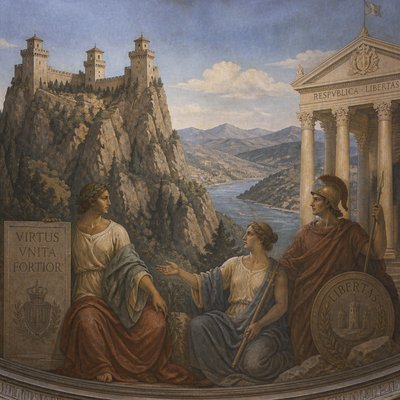
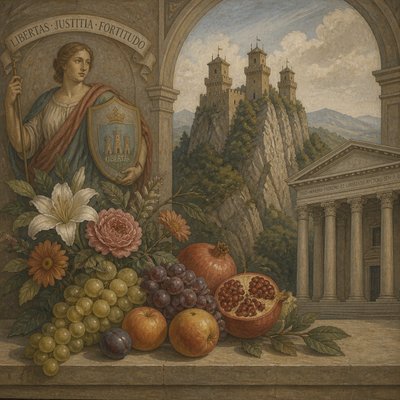
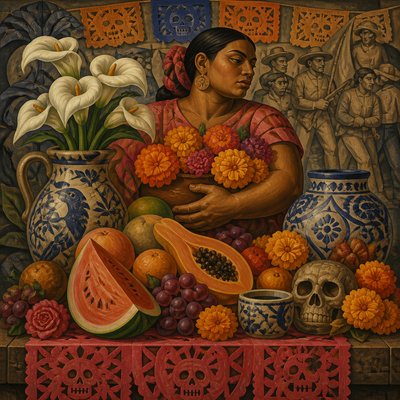
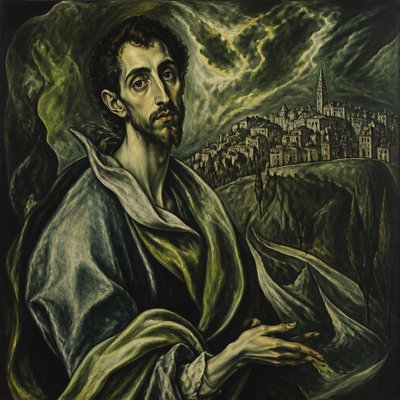
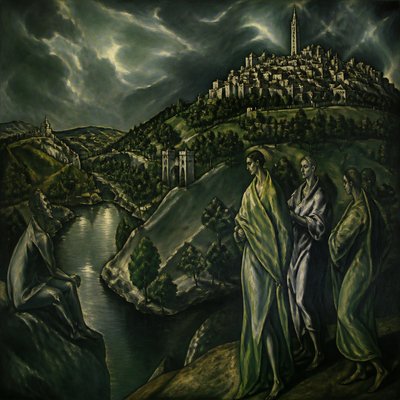
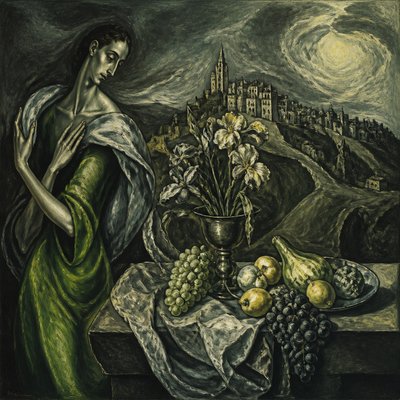
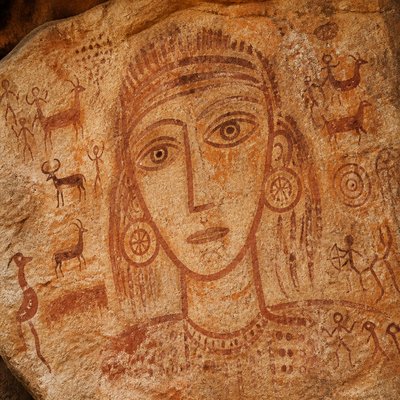
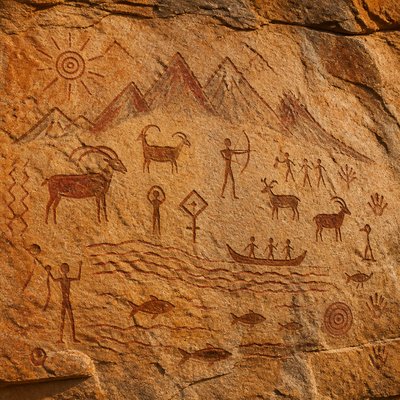
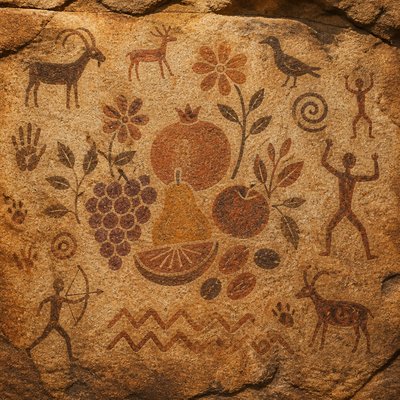
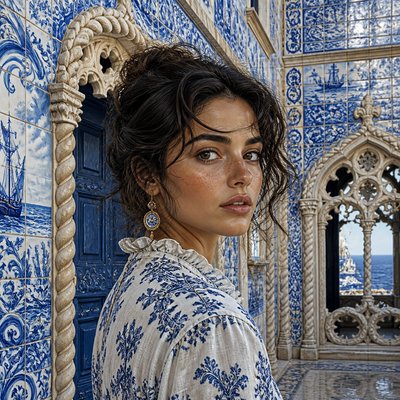
Stone Carving Sculpture Gallery
Tap any artwork to explore it
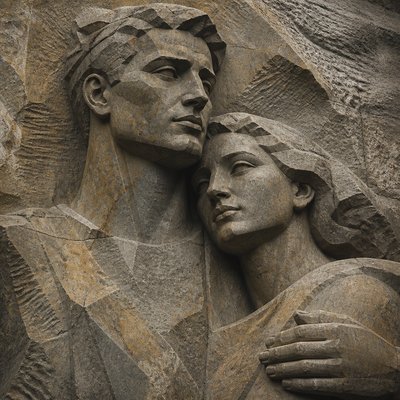
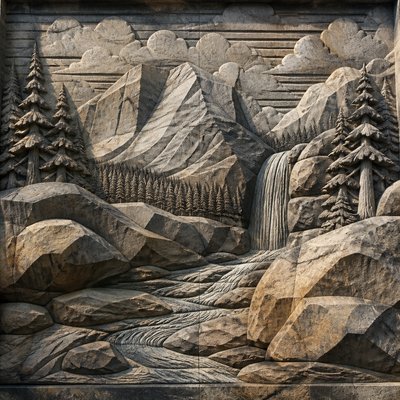
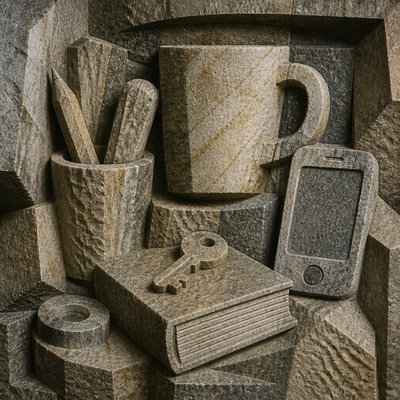
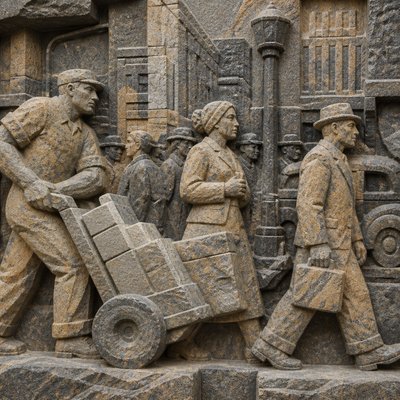
What is Stone Carving Sculpture Art Style?
Stone carving sculpture is a sculptural approach in which forms are cut directly from granite, limestone, sandstone, or similar stone materials to produce durable, spatially substantial works. Its visual identity is defined by weight, solidity, and the visible evidence of handwork: chisel marks, incised contours, blocked-out masses, and surfaces that alternate between rough-hewn texture and polished refinement.
The style looks the way it does because the material itself shapes the result. Stone has grain, density, veining, fractures, and color variation that cannot be fully disguised, so successful carving often respects these natural qualities rather than eliminating them. The result is a monumental language of simplified volumes, deep shadow, and weathered permanence associated with ancient temples, memorials, public monuments, and traditional stonecraft.
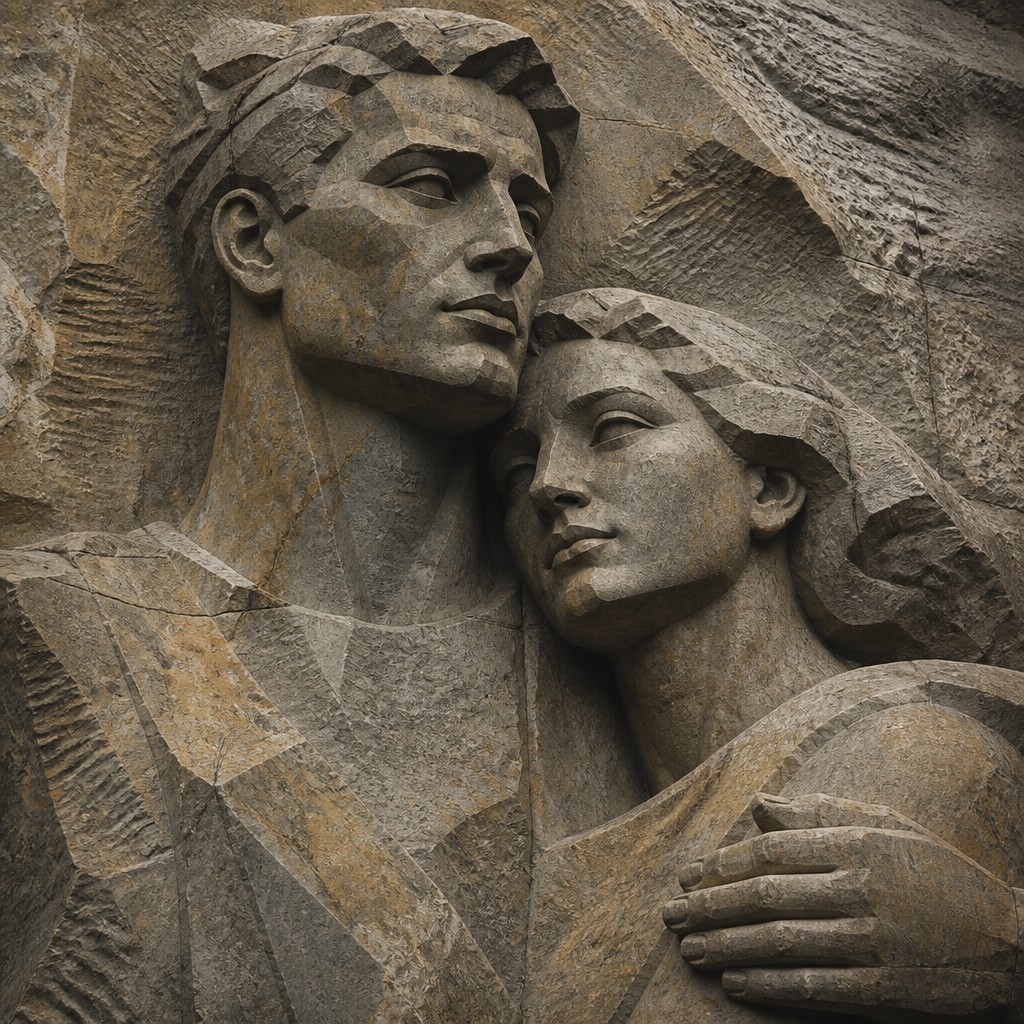
Try It On Your Photos
Upload any photo and convert it into Stone Carving Sculpture Art Style — drag the sliders to compare before and after.
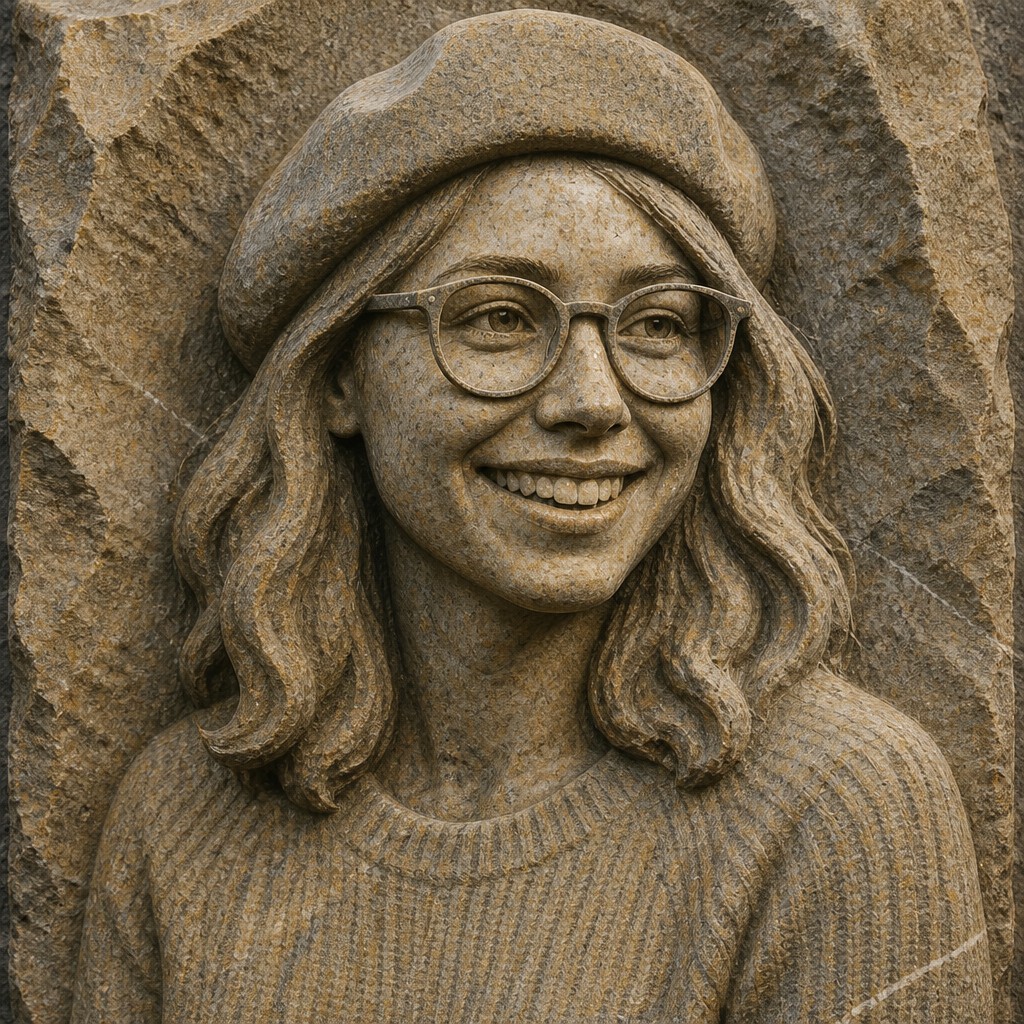

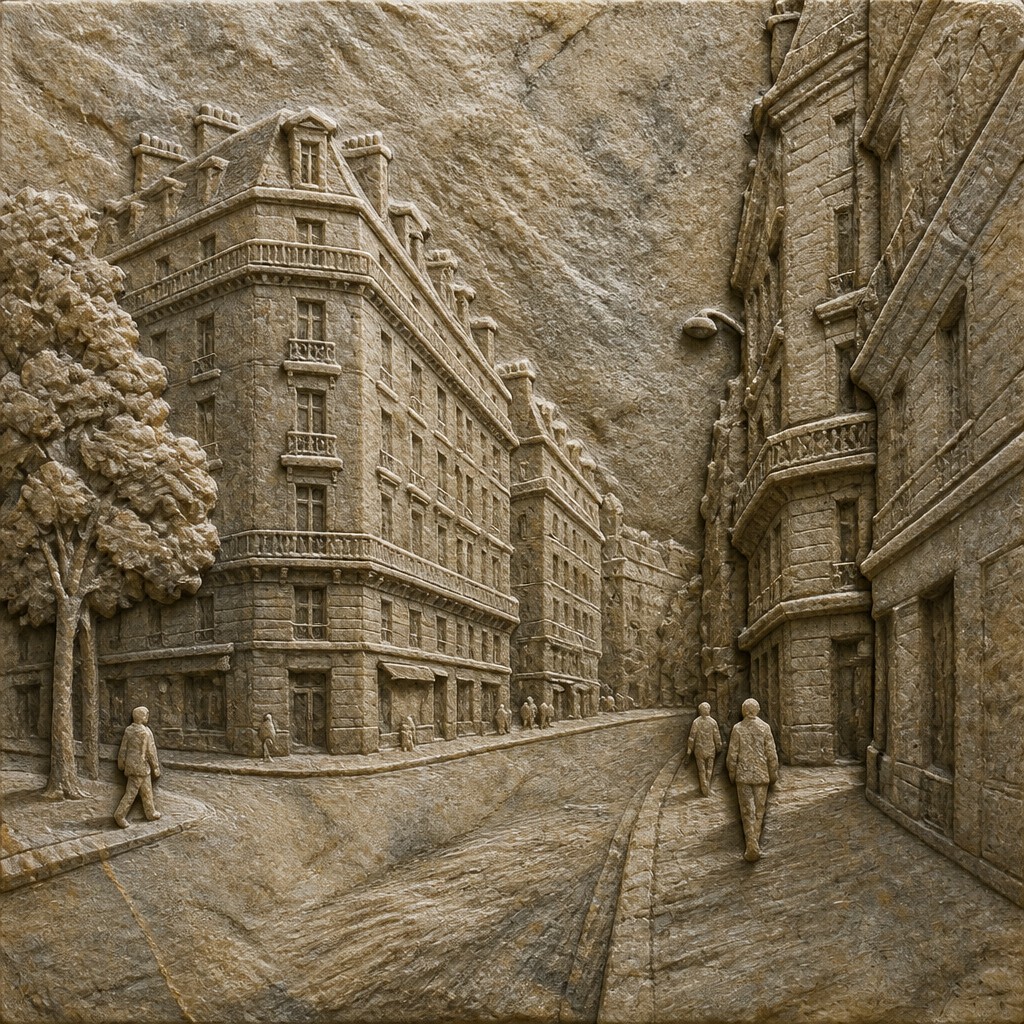

What Defines Stone Carving Sculpture Art Style
The signature details, up close
Monumental massing
Forms are simplified into strong, blocklike volumes that read as heavy, stable, and enduring. The subject often appears carved from a single stone block or assembled as a sequence of interlocking masses.
Visible carving marks
Chisel grooves, gouges, and undercut edges remain part of the final image. These traces of labor give the work an authentic carved quality and help distinguish it from smooth modeled sculpture.
Mixed surface finishes
Rough-hewn areas contrast with polished planes to create visual rhythm and emphasize form. This alternation also suggests different stages of carving or selective finishing on a finished monument.
Natural stone character
Mineral veining, grain, pores, and subtle color variation are left visible rather than concealed. The material’s inherent texture becomes part of the composition and reinforces realism.
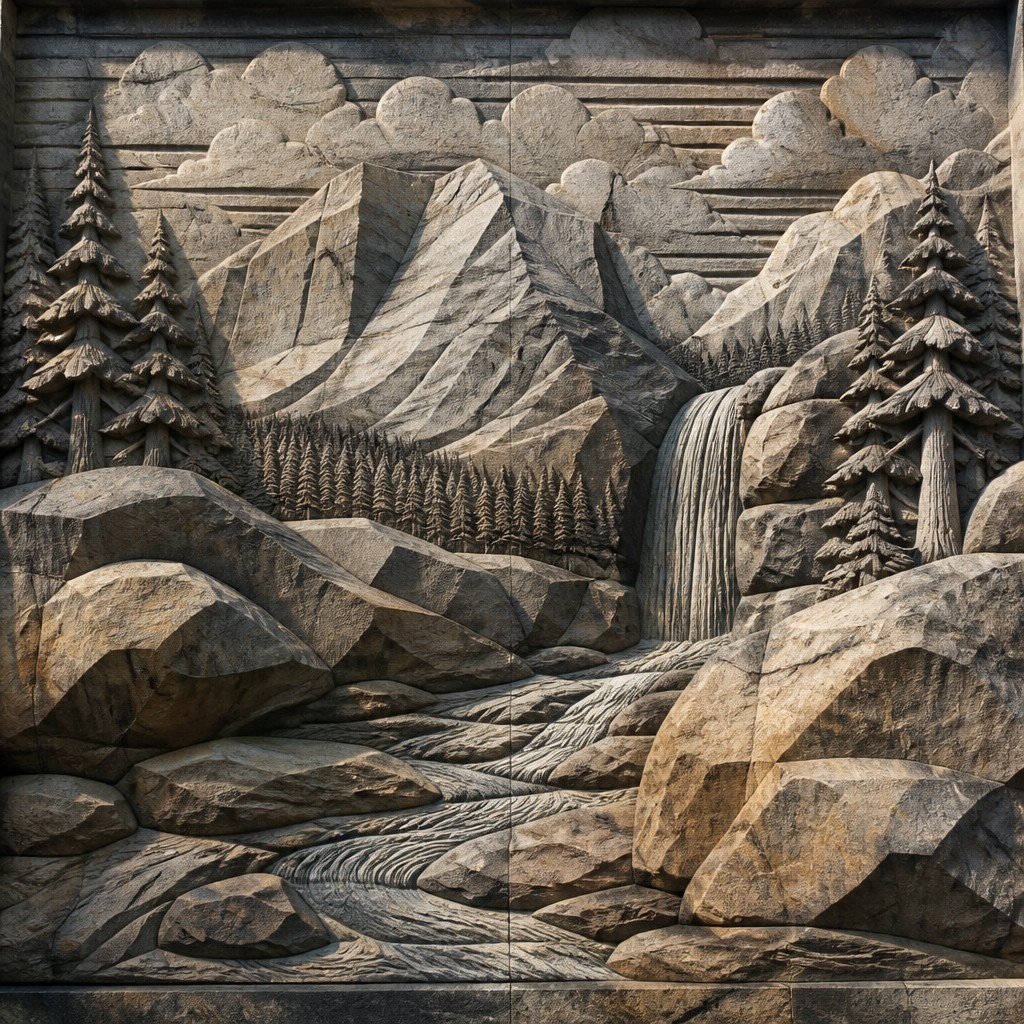
Deep relief and shadow
Carved recesses and pronounced contours create strong shadows that heighten legibility. These shadowed cuts make the sculptural form feel more ancient, architectural, and physically present.
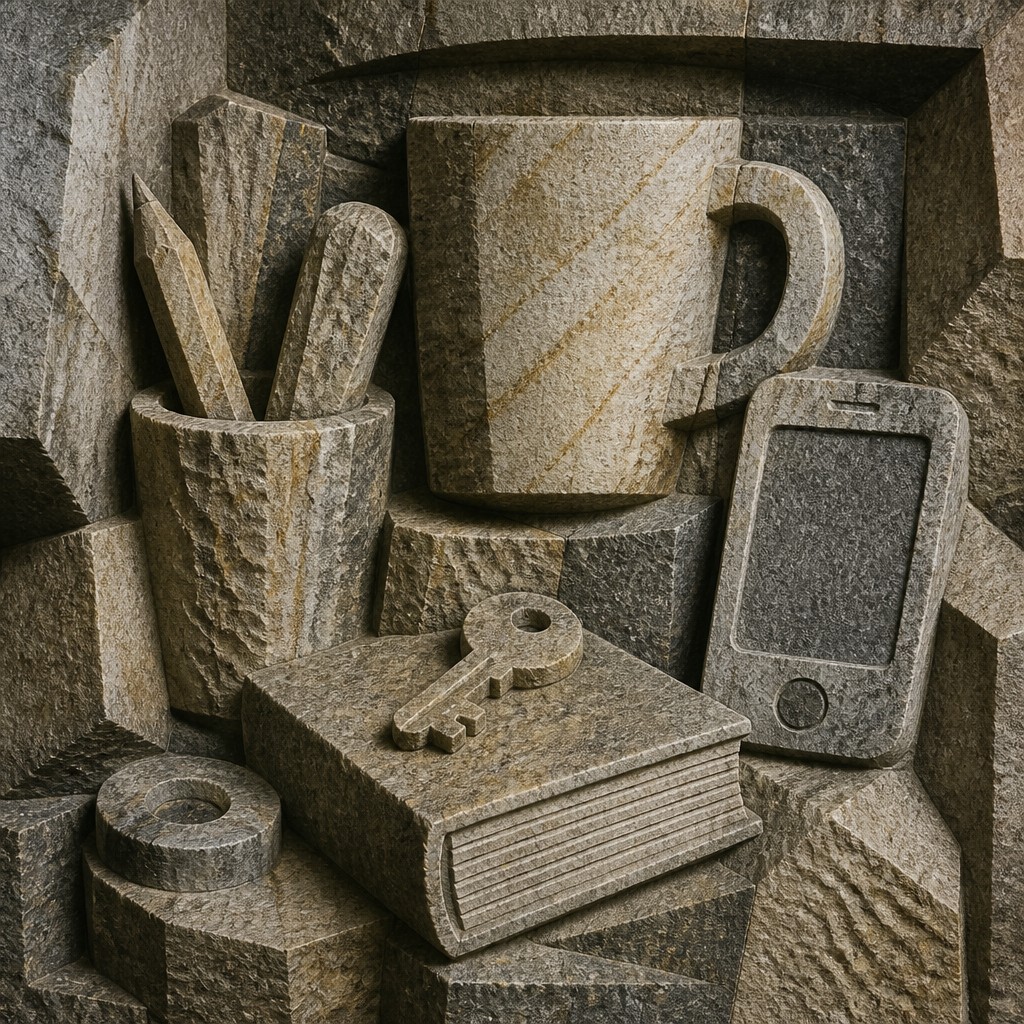
Weathered permanence
A patina of age, erosion, and softened edges suggests exposure to time and the elements. This aging effect reinforces associations with heritage, ritual, and public monumentality.
Try It
Create Videos in Stone Carving Sculpture Art Style
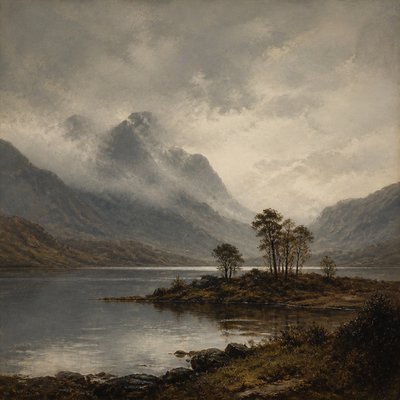
Styles aren't just for stills — describe a scene or animate an image and get a short video rendered in Stone Carving Sculpture. Press play to see this pond come to life.
Make a VideoStone Carving Sculpture Prompt Ideas
Start from an idea — each one opens the generator with the style ready to go. See all 40 Stone Carving Sculpture prompts →
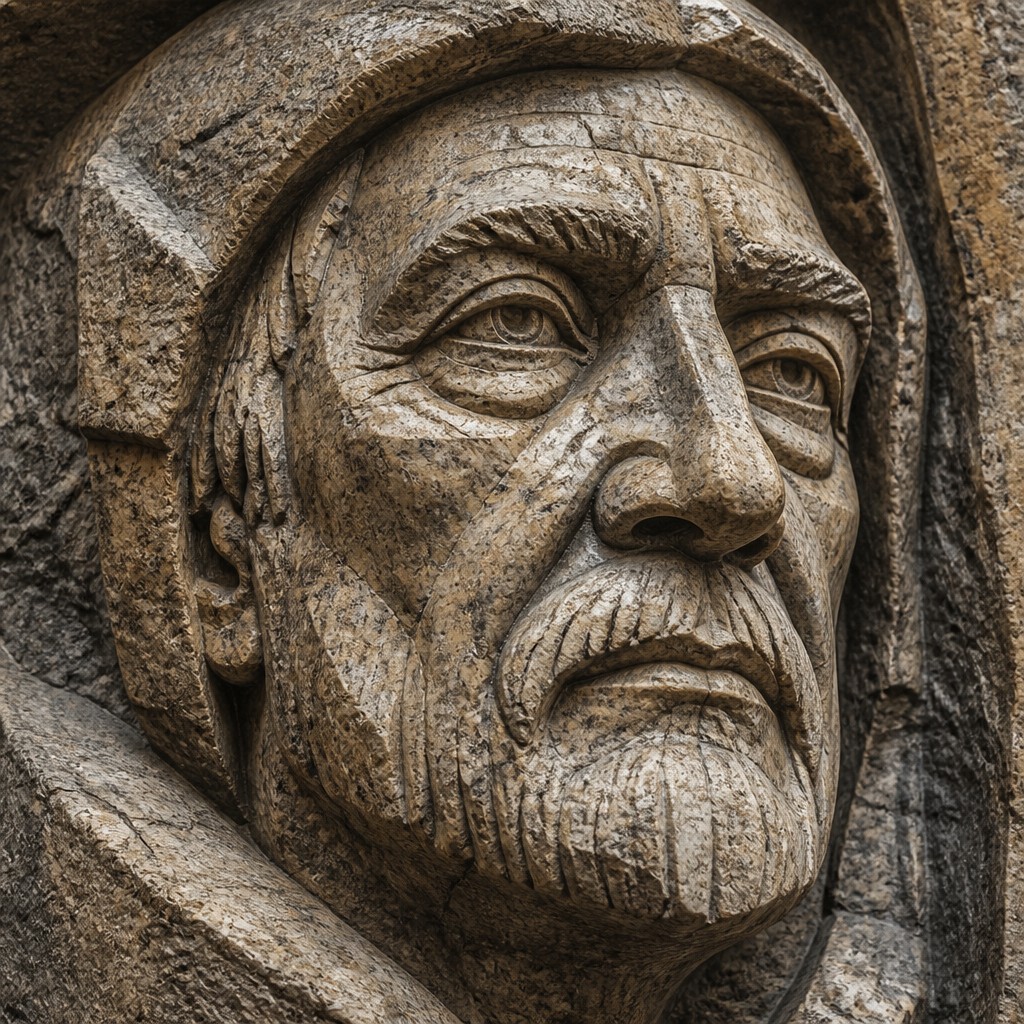
“close-up portrait of an elderly person with expressive weathered features”
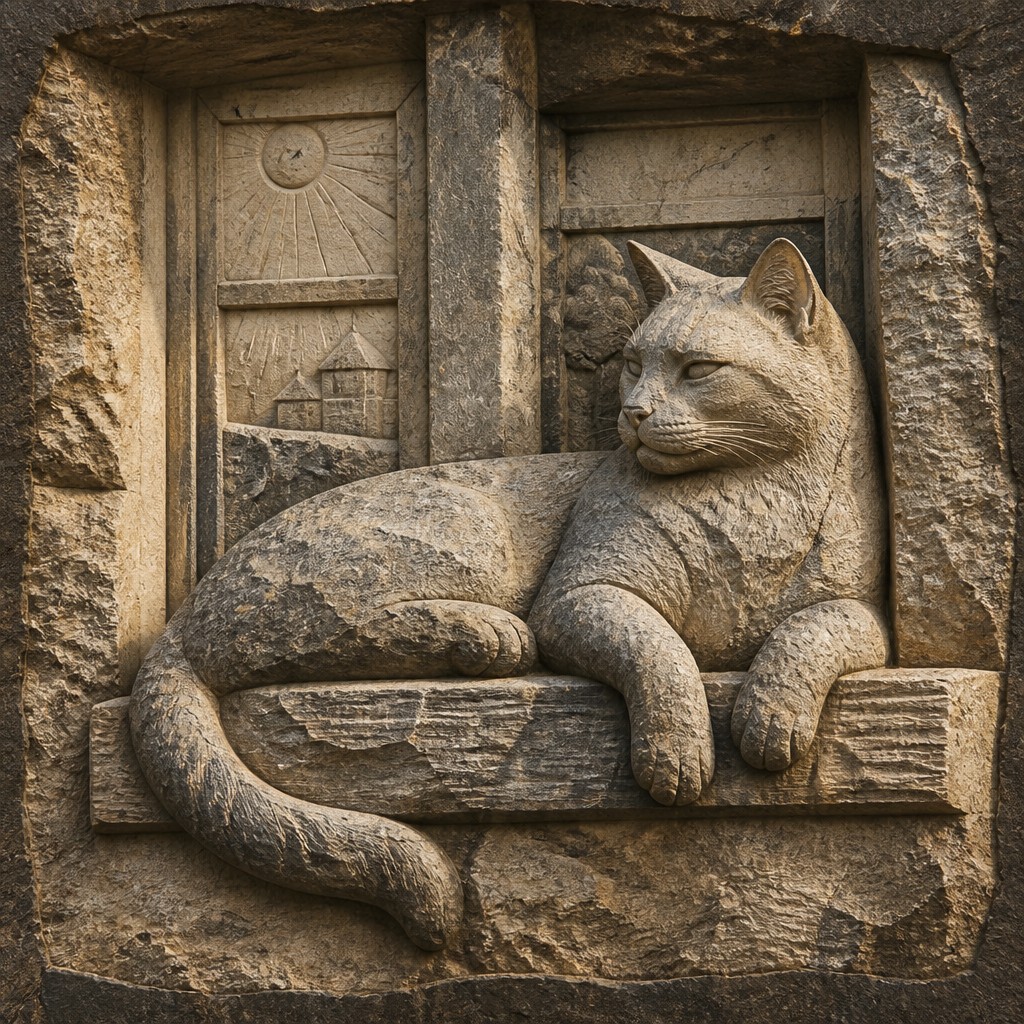
“a cat lounging in a sunlit window”
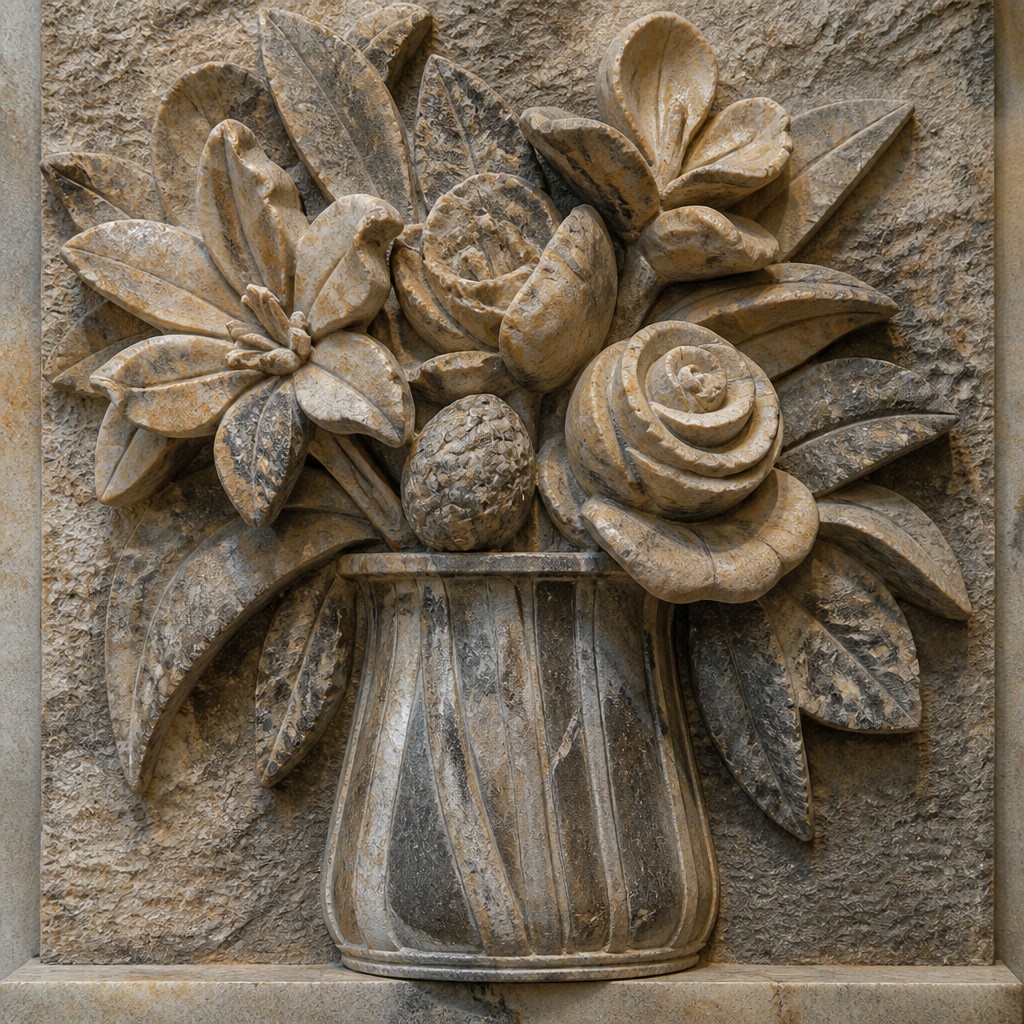
“bouquet of flowers in a glass vase”
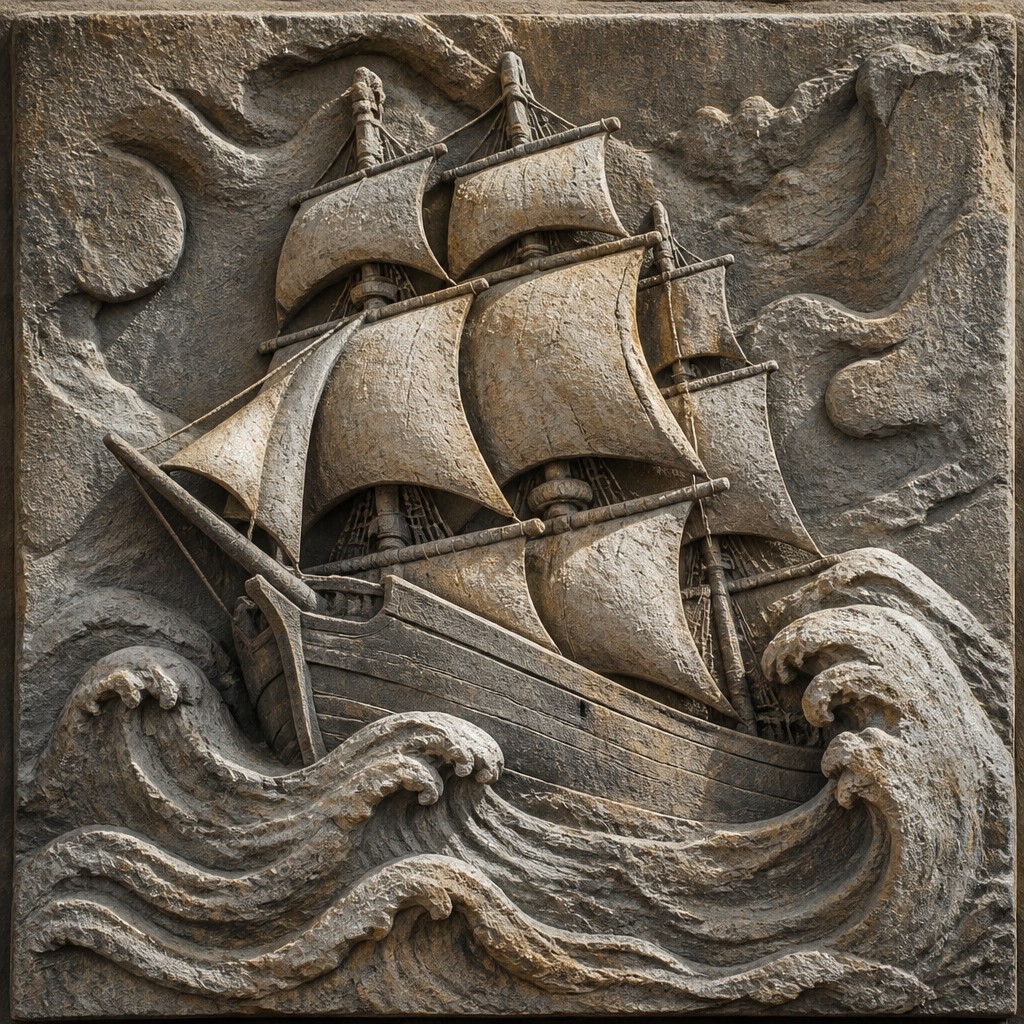
“sailing ship on a stormy sea”
How to Create Stone Carving Sculpture Art
Master the craft step by step — or skip straight to creating. Read the full guide →
- 1
Block out the major masses first
In traditional stone carving, start with a clear silhouette and remove material gradually, since stone is subtractive and difficult to correct. For digital or AI-assisted work, describe the subject as simplified into monumental masses with strong contours and limited fine detail.
- 2
Use contrasting surface treatments
Reserve polished surfaces for focal areas such as faces, hands, or central planes, and leave other areas rough or tool-marked. This contrast adds hierarchy, rhythm, and a convincing carved finish.
- 3
Show the tool intervention
Keep some chisel scars, planar facets, and undercut seams visible so the object reads as hand-carved rather than molded. In prompt-based generation, include terms like visible chisel marks, rough-hewn edges, and deep relief cuts.
- 4
Respect the stone’s material logic
Let veins, grain direction, and fractures influence the contours instead of forcing perfectly smooth organic curves. In digital rendering, texture maps or surface detail should follow the form and mimic real stone behavior.
- 5
Control lighting for depth
Use raking or directional light to emphasize shadow in carved recesses and around edges. Strong side lighting is especially useful in images because it reveals relief, texture, and the monument’s physical mass.
- 6
Specify the stone and setting
Name the stone type and context—granite monument, limestone figure, sandstone relief, weathered memorial—to guide color and texture. Prompts become more convincing when they include age, environment, and scale.
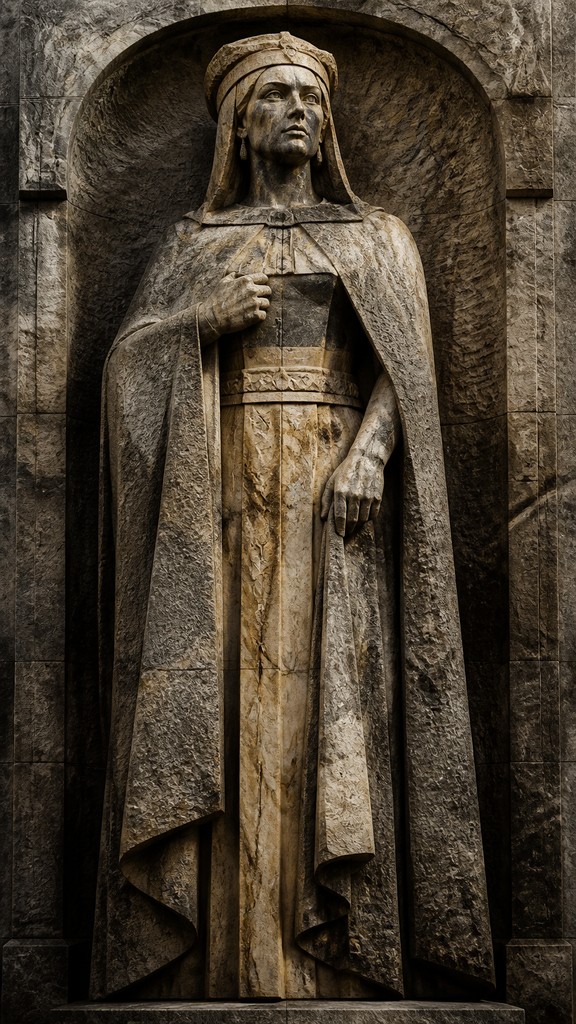
The Story
History & Origins of Stone Carving Sculpture
Stone carving is one of the oldest sculptural traditions in human history, with major examples appearing in ancient Egypt, Mesopotamia, Greece, India, China, Mesoamerica, and many later architectural and commemorative contexts. Across these cultures, stone was chosen for its durability, symbolic association with permanence, and ability to record religious, political, and civic meaning over long periods of time.
Its aesthetic lineage combines direct carving traditions, monumental public sculpture, and architectural ornament. Modern and contemporary stone sculptors continue to draw on those historic precedents while also emphasizing the tactile evidence of making—tool marks, broken planes, and the expressive contrast between rough and polished surfaces. In digital image-making, the style is often evoked by translating a subject into a stone-like monumental form rather than imitating any single historical school.
Influences: This style draws from ancient stone sculpture traditions across Egypt, Greece, Rome, the Indian subcontinent, East Asia, and pre-Columbian cultures, as well as later memorial and civic monument practices. It also relates to modern direct-carving sculpture, where major direct-carving sculptors emphasized material truth, simplified form, and the expressive handling of stone and mass.
Frequently Asked Questions
What defines stone carving sculpture as a visual style?
It is defined by subtractive carving, visible tool marks, and the sense that the object is made from real stone rather than modeled to resemble it. Heavy mass, simplified forms, and contrasting rough and polished surfaces are especially characteristic.
How is this different from cast sculpture or 3D modeling?
Cast sculpture is formed in a mold and often can look smooth and uniform, while stone carving preserves the logic of removal and resistance. In digital work, the style should still suggest a carved block, mineral texture, and the physical limitations of working stone.
Which stones work best for this style?
Granite, limestone, and sandstone are especially associated with it because they are common in monumental and historical carving. Granite offers hardness and permanence, limestone is workable and widely used for architectural sculpture, and sandstone provides warmth and visible grain.
Why do many stone carvings look simplified?
Stone is a subtractive material that rewards broad forms and clear planes over fragile details. Simplification also helps the sculpture read at monument scale and aligns with long traditions of temple, civic, and funerary carving.
Where is this style commonly used?
It appears in memorials, public monuments, religious sculpture, architectural reliefs, garden statuary, and heritage restoration. Contemporary sculptors also use it for abstract sculpture and site-specific installations.
How can I make an image look convincingly carved from stone?
Include stone type, tool marks, surface variation, and directional light that reveals relief. Ask for a weathered patina, mineral grain, and a clear distinction between rough-hewn and polished areas so the result feels physically carved.

Create your first Stone Carving Sculpture artwork
Describe anything — or upload a photo — and see it in Stone Carving Sculpture Art Style in seconds.
Make Something with Stone Carving Sculpture
Compare Stone Carving Sculpture
Related Styles
Discover similar art styles