Filipino Art Style
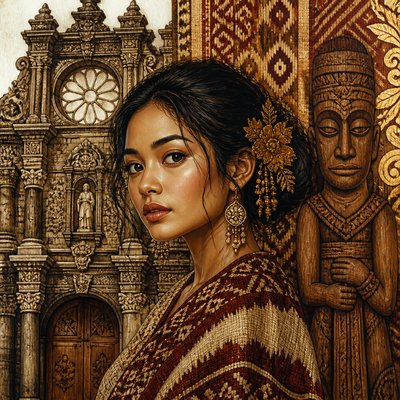
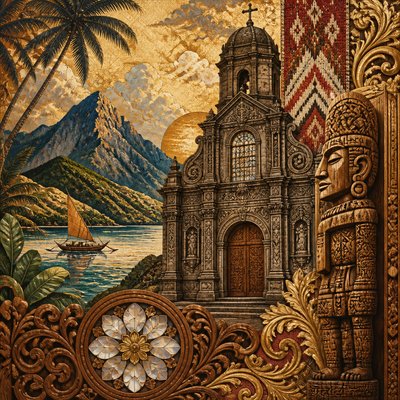
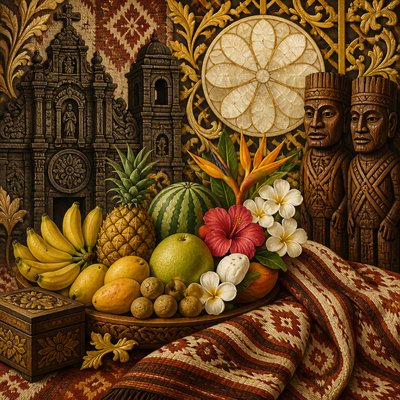
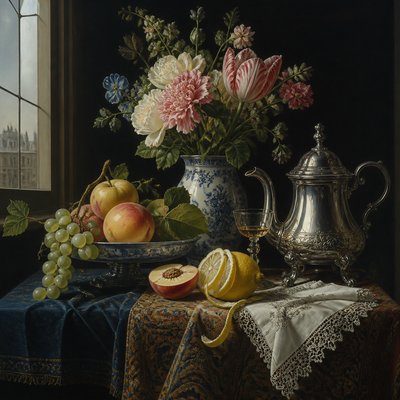
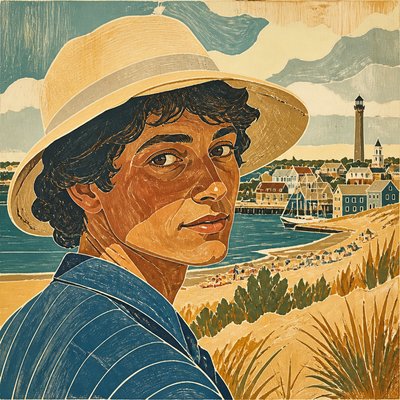
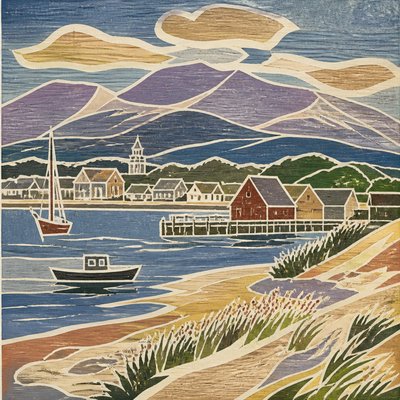
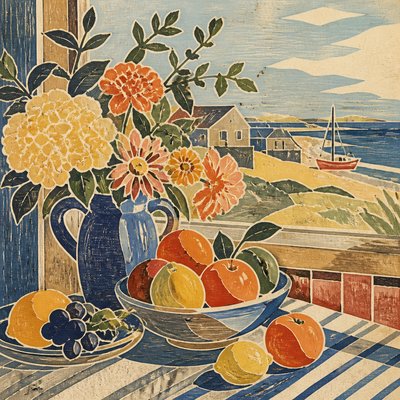
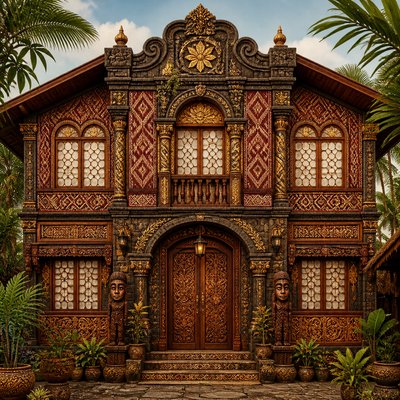
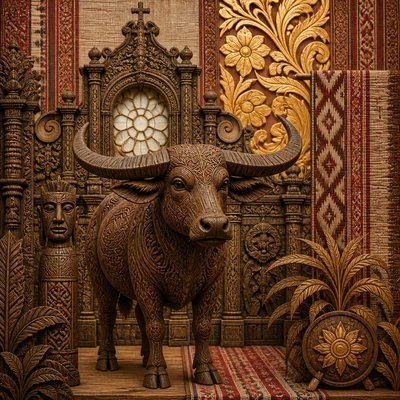
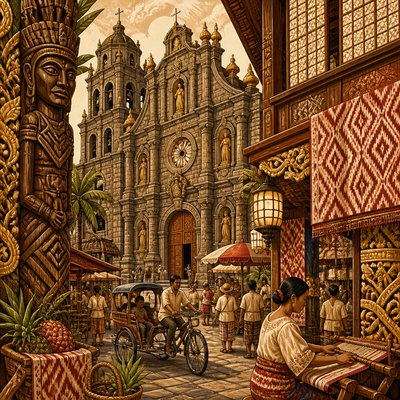
Explore Filipino Art Style: a contemporary fusion of Philippine baroque architecture, wood carving, T'nalak ikat, gold leaf, and capiz-shell light.
Instantly rendered in Filipino — or transform a photo
Filipino Gallery
Tap any artwork to explore it
What is Filipino Art Style?
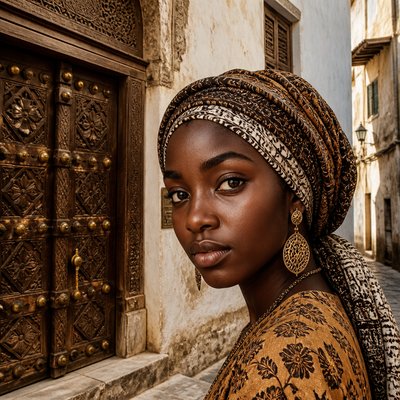
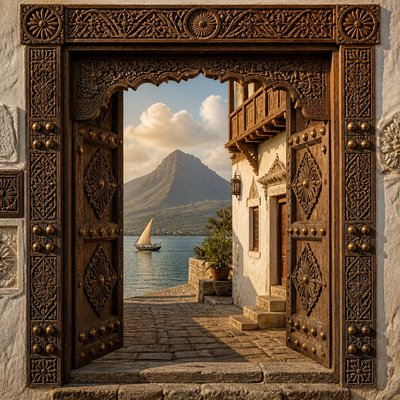
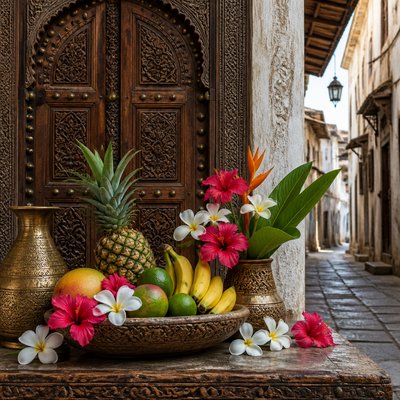
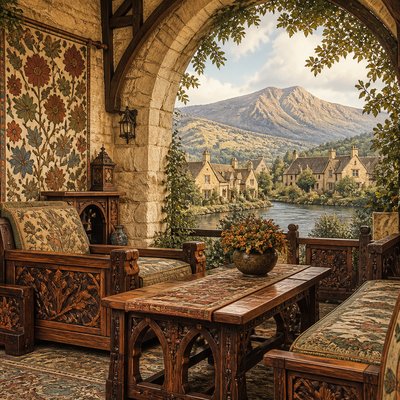
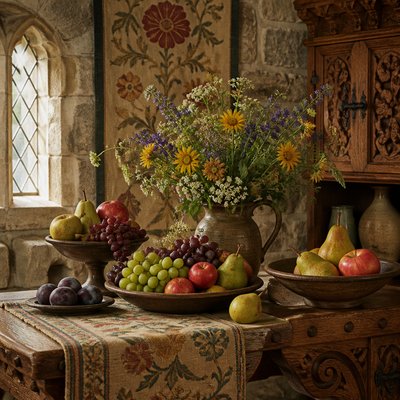
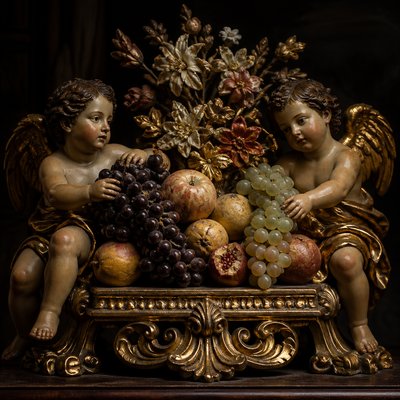
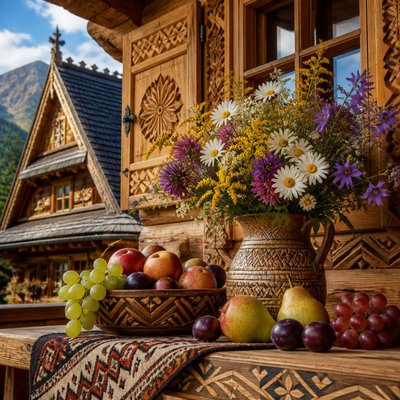
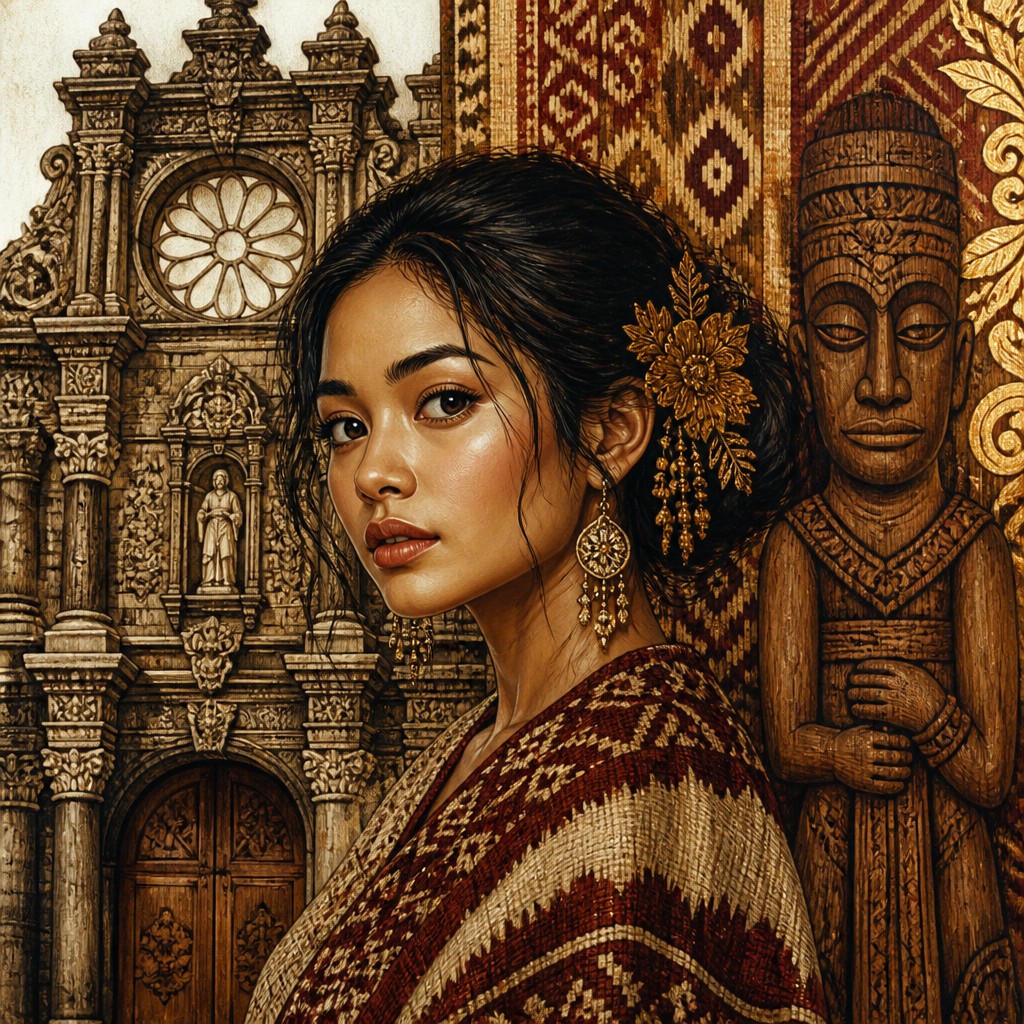
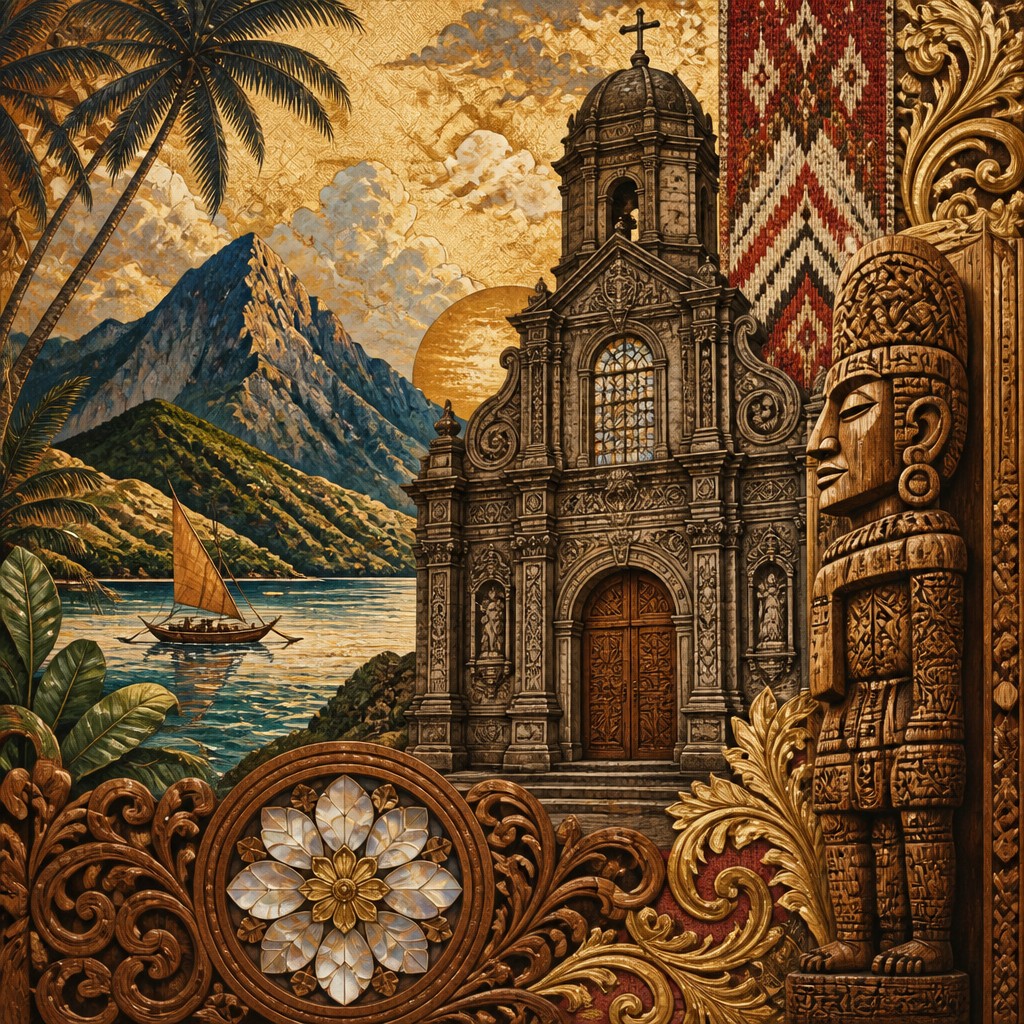
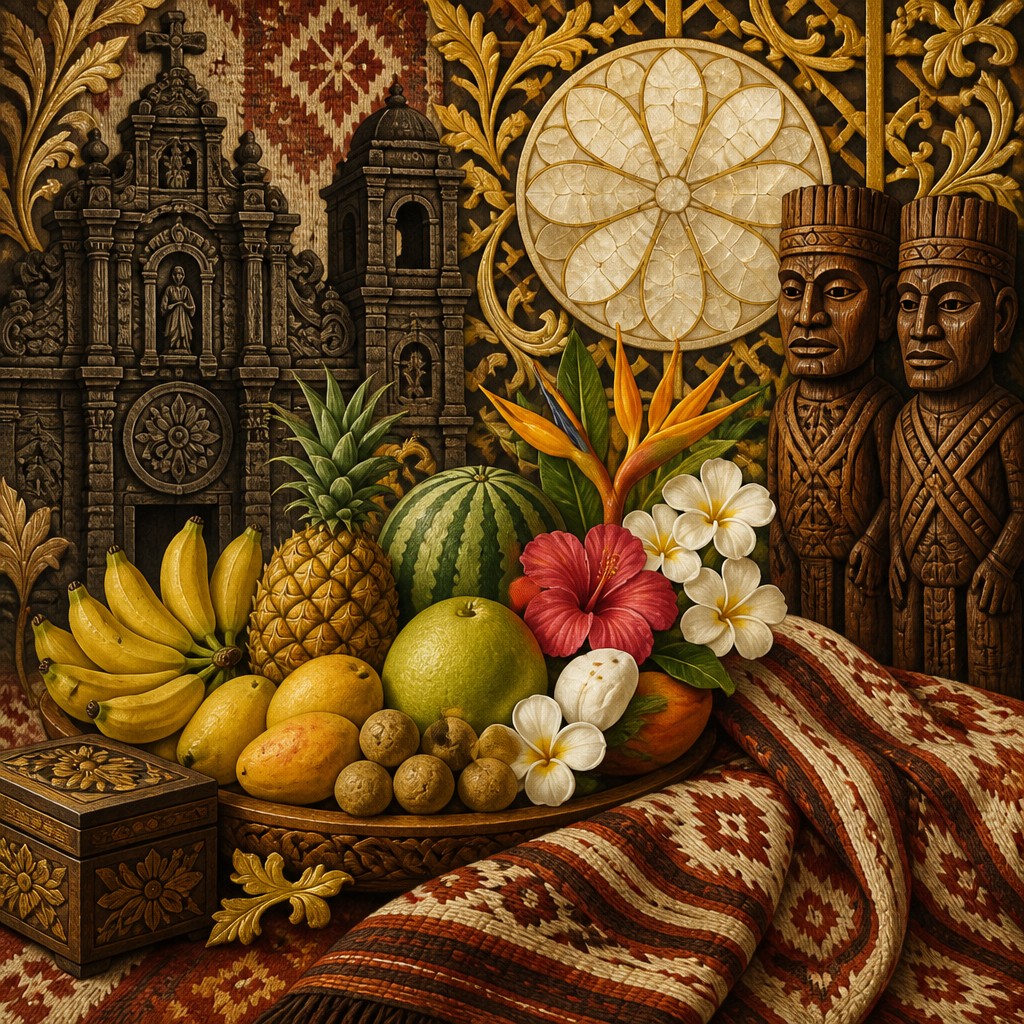
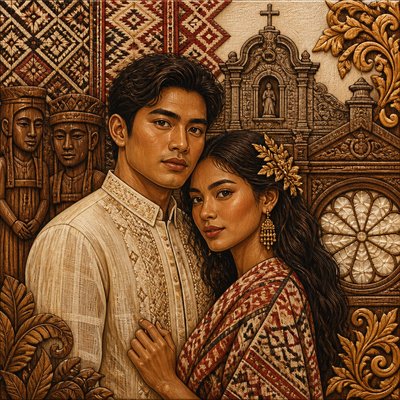
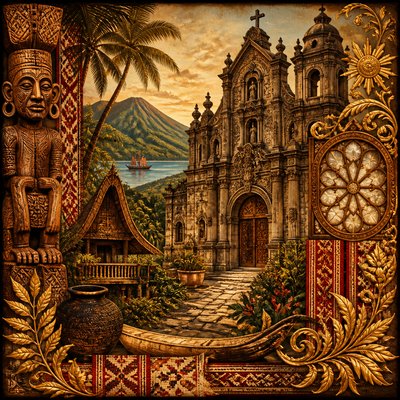
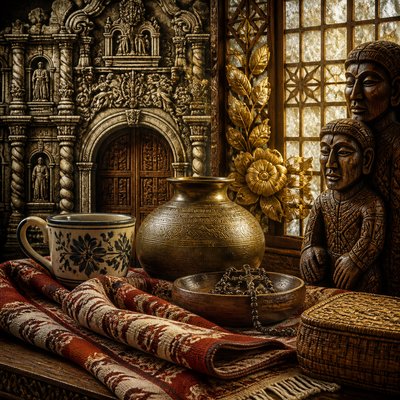
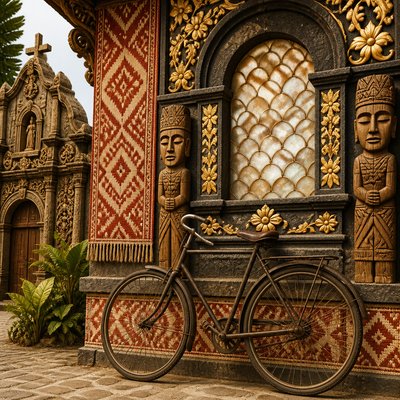
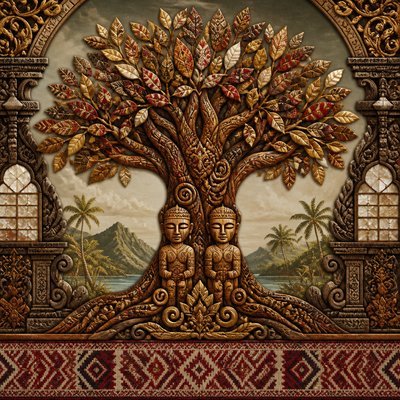
Filipino Art Style is a contemporary visual synthesis inspired by the Philippines’ layered craft and architectural heritage. Its imagery combines ornate Spanish-colonial Baroque church facades, dark carved wood, T'boli T'nalak ikat patterns, tropical gold ornament, and the translucent geometry of capiz-shell windows. The result is a tactile, warm, and structurally decorative style in which stone, fiber, wood, shell, and metal appear equally important.
The style is defined less by a single historical school than by the dialogue between regional traditions. Heavy volcanic-stone architecture provides monumentality; Ifugao-inspired wood carving contributes expressive guardian forms and rhythmic relief; woven geometry introduces pattern and movement; and gold and shell details bring filtered light and ceremonial richness. Color typically favors rust red, cream, charcoal, weathered brown, ochre, and warm metallic gold, with tropical color used selectively rather than as a flat palette.
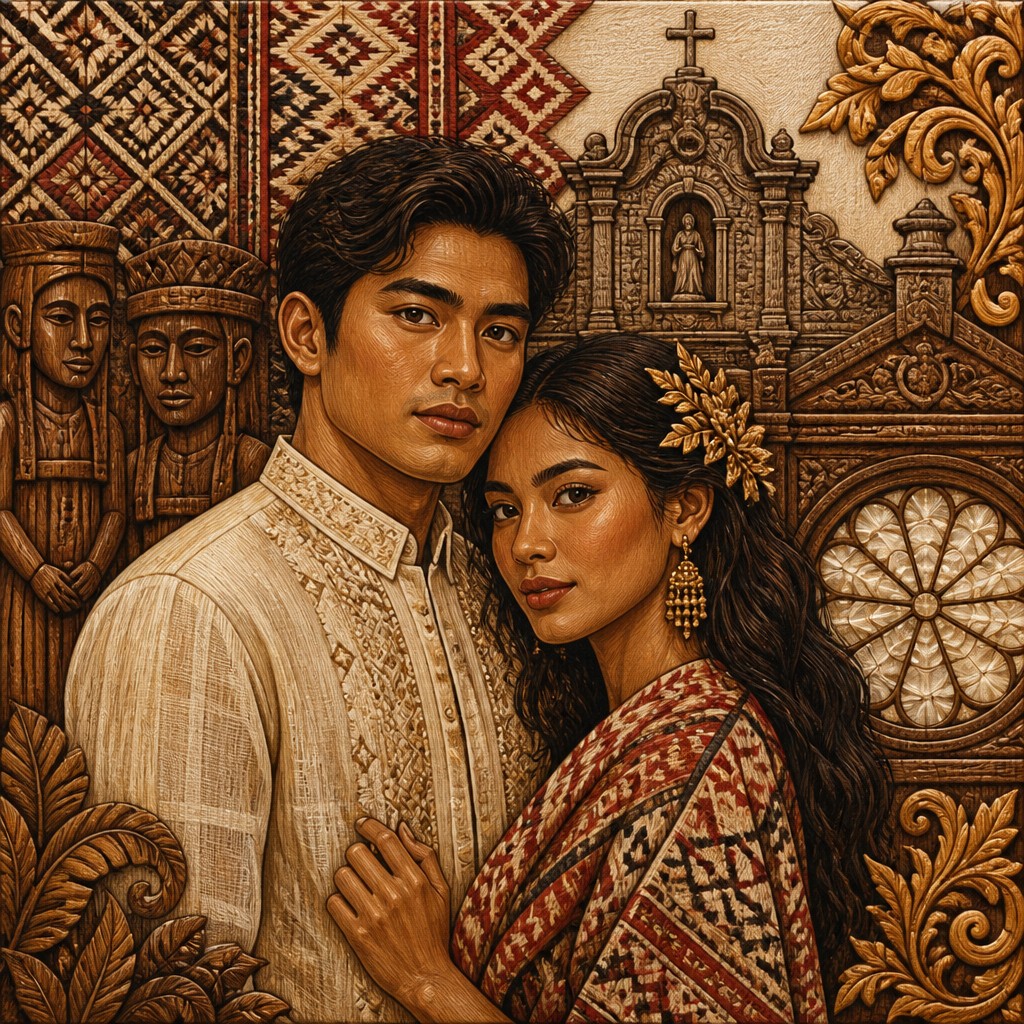
Try It On Your Photos
Upload any photo and convert it into Filipino Art Style — drag the sliders to compare before and after.


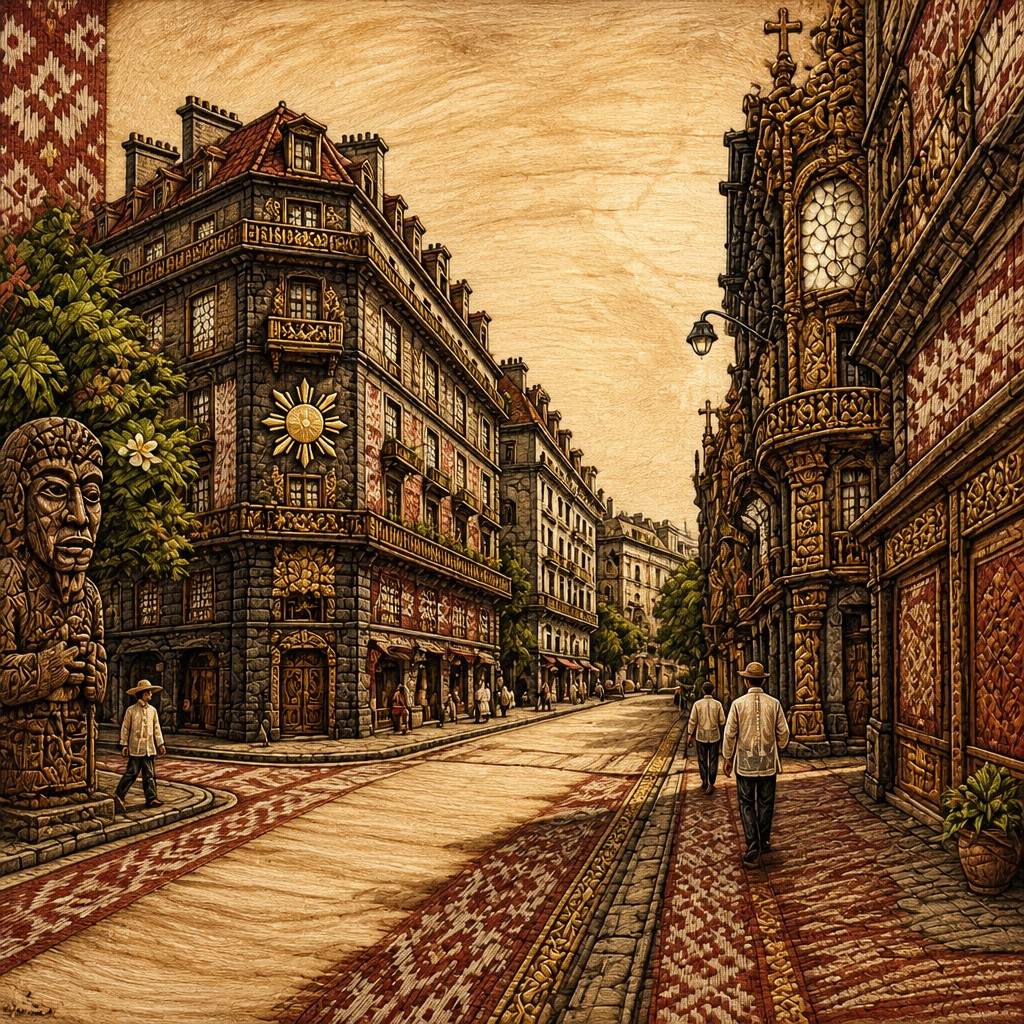

What Defines Filipino Art Style
The signature details, up close
Volcanic-stone Baroque architecture
Facades use massive masonry, layered pilasters, arched portals, niches, pediments, and carved relief to create a solemn, monumental presence. Dark or warm gray stone often contrasts with pale plaster, painted trim, or gilded accents.
Carved wood and guardian forms
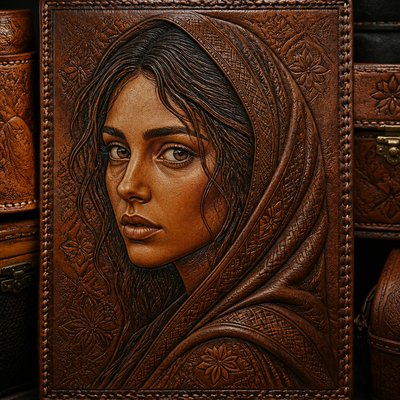
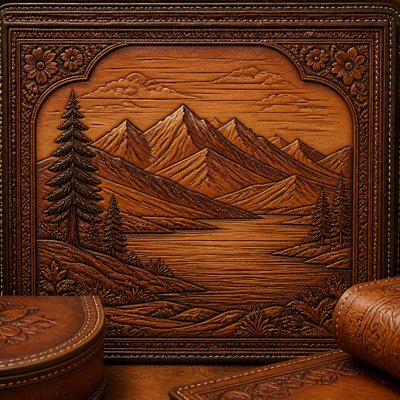
Rich wood grain, incised borders, high-relief ornament, and simplified protective figures give surfaces a hand-worked, tactile quality. The reference to Ifugao carving should be handled as an aesthetic lineage, not as a license to reproduce restricted ritual imagery indiscriminately.
T'nalak-inspired geometry
Rust red, cream, black, and muted brown bands suggest the angular rhythm of T'boli ikat weaving. Repeated diamonds, stepped forms, chevrons, and broken linear motifs can function as borders, textile fields, or architectural insets.
Gold-leaf ornament
Warm gold appears in halos, cornices, carved frames, altar-like details, and small highlights rather than covering every surface. Slight irregularity, patina, and visible substrate help the ornament feel crafted instead of digitally flat.
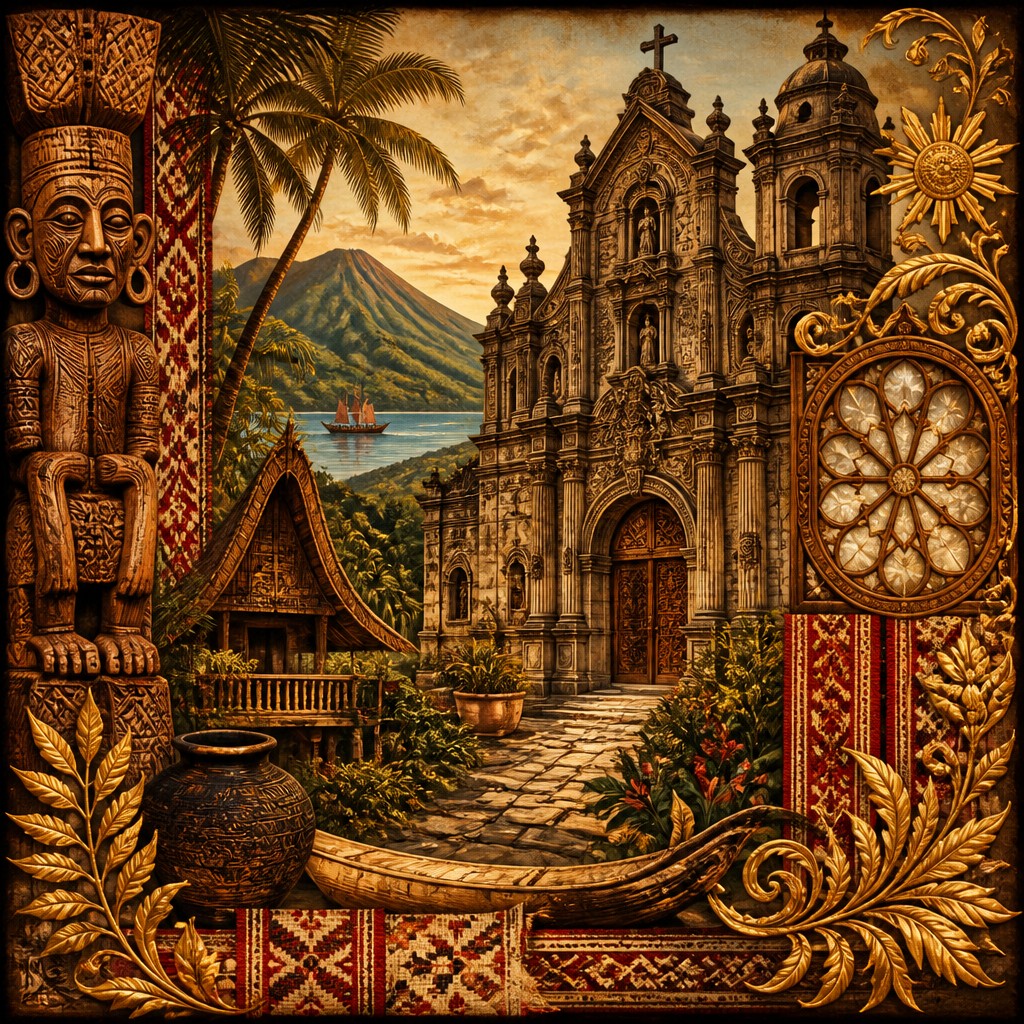
Capiz-shell translucency
Pale shell panels introduce milky, pearlescent light through geometric window grids, lanterns, screens, or decorative insets. Their soft glow balances the density of stone and wood.
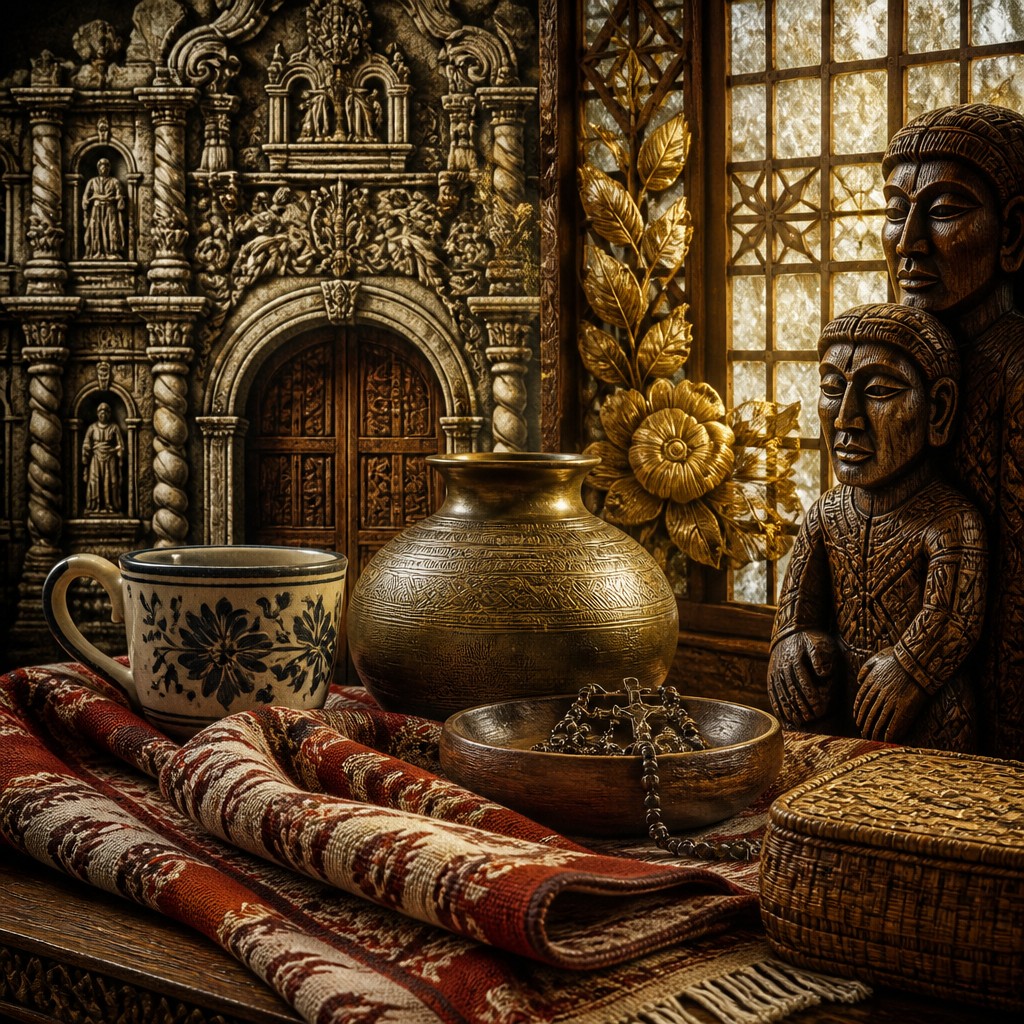
Material contrast and tactile surfaces
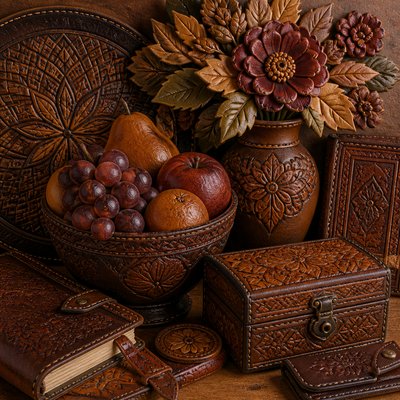
The style depends on juxtaposing porous stone, polished or weathered timber, fibrous woven cloth, reflective metal, and translucent shell. Visible grain, chisel marks, weave irregularity, and softened edges are more important than flawless symmetry.
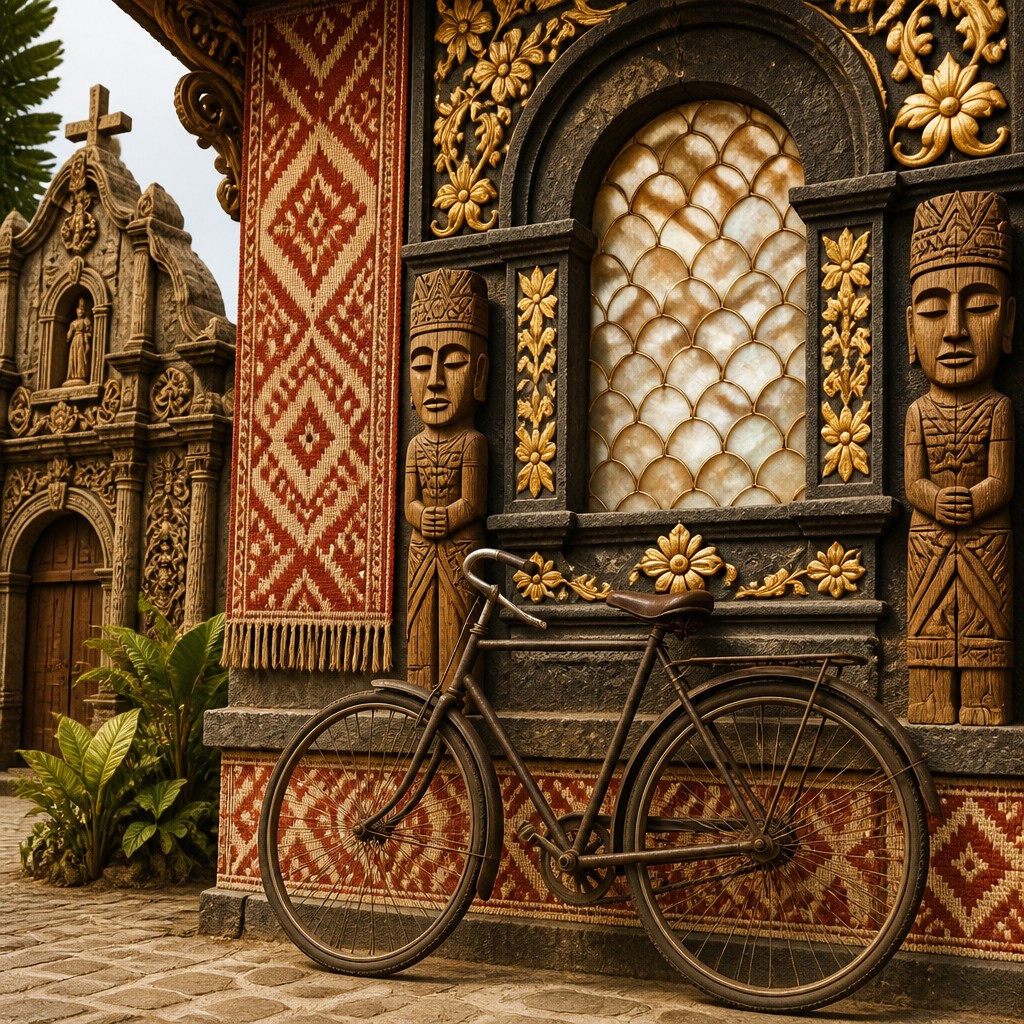
Warm archipelago palette
Rust, terracotta, cream, tobacco brown, charcoal, ochre, shell white, and antique gold establish a sun-warmed palette. Deep greens, indigo, or saturated tropical colors may be added as controlled accents.
Filipino Prompt Ideas
Start from an idea — each one opens the generator with the style ready to go. See all 40 Filipino prompts →
How to Create Filipino Art
Master the craft step by step — or skip straight to creating. Read the full guide →
- 1
Build a material-first composition
Choose a dominant structure such as a chapel facade, shrine-like interior, courtyard, or carved panel, then assign stone, wood, textile, shell, and metal to clearly different areas. Preserve each material's physical behavior instead of blending everything into one texture.
- 2
Use layered architectural rhythm
Start with a strong central axis, repeated arches, framed niches, and stepped ornament, then interrupt the regularity with hand-carved variation. Thick walls, shaded recesses, and deep reveals create the weight associated with tropical masonry.
- 3
Construct convincing textile pattern
Develop a limited rust-and-cream geometric repeat with slight shifts in alignment, as an ikat pattern would have softened edges from resist dyeing and weaving. Use it on banners, upholstery, garments, wall panels, or borders rather than applying it uniformly to every surface.
- 4
Make light do the cultural work
Place warm daylight or candlelike illumination behind capiz-style screens so the shell reads as translucent and pearly. Use gold leaf as a selective reflector and let wood grain and stone relief remain legible in shadow.
- 5
Guide digital or prompt-based creation
Specify the subject first, followed by materials, architectural vocabulary, palette, lighting, and surface imperfections; for example, request carved volcanic stone, hand-worked wood grain, rust-and-cream ikat geometry, gold leaf, and capiz-shell light. Add constraints such as respectful contemporary reinterpretation, no generic tropical clichés, and clearly separated material textures.
The Story
History & Origins of Filipino
This is an invented or contemporary umbrella style rather than a named historical movement from the Philippines. Its lineage draws on Philippine Baroque church architecture, which developed during the Spanish colonial period from the sixteenth through nineteenth centuries and adapted European ecclesiastical forms to local materials, climate, seismic conditions, and building practices. Thick masonry walls, restrained openings, carved ornament, and volcanic stone are characteristic of many surviving churches, although individual buildings vary considerably.
Its textile and carving references come from distinct Philippine cultural traditions rather than one unified school. T'boli T'nalak is a resist-dyed abaca textile woven in geometric patterns, while Ifugao carving includes powerful ritual and ancestral forms in wood. A contemporary synthesis should therefore acknowledge these sources, avoid presenting them as interchangeable, and treat sacred or community-specific motifs with care.
Influences: Related sources include Philippine Baroque and colonial vernacular architecture, Southeast Asian textile traditions, indigenous Philippine wood carving, abaca weaving, tropical craft design, religious folk ornament, and material-centered contemporary art. It also shares with Arts and Crafts approaches an emphasis on handwork and surface integrity, while its layered facades and gilded details recall broader Baroque principles of theatrical framing, repetition, and visual richness. These connections should not erase the distinct histories and cultural contexts of the Philippine traditions involved.
Frequently Asked Questions
What defines Filipino Art Style?
It is defined by a contemporary synthesis of Philippine architectural and craft references: carved volcanic-stone Baroque forms, expressive wood grain, T'boli T'nalak-inspired geometry, gold-leaf ornament, and capiz-shell translucency. Its identity comes from the contrast between monumental structure and intimate handmade texture.
Is Filipino Art Style a historical Filipino art movement?
No. The label describes a contemporary or AI-native aesthetic category, not a documented historical movement with a fixed period or manifesto. It draws from several real Philippine traditions that developed in different regions and cultural settings.
How is it different from European Baroque?
European Baroque supplies the architectural language of dramatic framing, layered ornament, and religious monumentality, but the Filipino interpretation is shaped by local materials, climate, construction practices, and craft traditions. Volcanic masonry, capiz shell, abaca textiles, tropical light, and indigenous carving references make the visual vocabulary distinct.
What colors work best for this style?
Rust red, cream, charcoal, dark wood brown, ochre, shell white, and antique gold form a reliable base. Deep green, indigo, or brighter tropical hues can work as accents, but a restrained palette usually keeps the material contrasts visible.
How can I create it without making the image look generic?
Name specific materials and construction details rather than asking only for a tropical or exotic appearance. Describe carved stone relief, abaca-based geometric weaving, shell-filtered light, imperfect gold leaf, and visible tool or weave marks, while identifying the subject and composition clearly.
How should cultural references be used respectfully?
Recognize that T'nalak weaving and Ifugao carving belong to living communities and have meanings beyond decoration. Use broad material and structural influences where appropriate, avoid claiming an invented composite is an authentic traditional object, and do not reproduce sacred, restricted, or community-specific motifs without suitable knowledge and permission.
Create your first Filipino artwork
Describe anything — or upload a photo — and see it in Filipino Art Style in seconds.
Related Styles
Discover similar art styles