Saint Vincent Art Style
Explore Saint Vincent art style: Kalinago stone, colonial ramparts, carnival plumage, volcanic hills, and turquoise Caribbean light.
Instantly rendered in Saint Vincent — or transform a photo
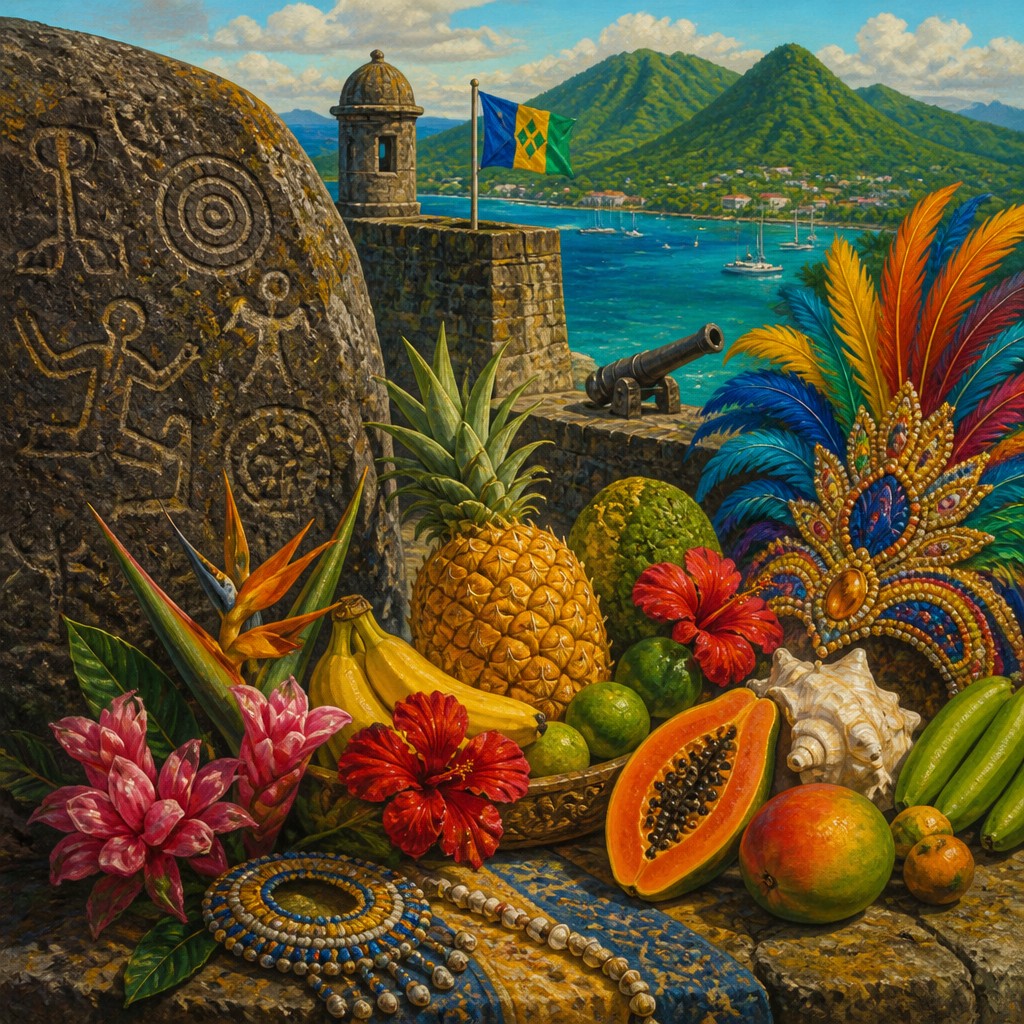
Saint Vincent Gallery
Tap any artwork to explore it
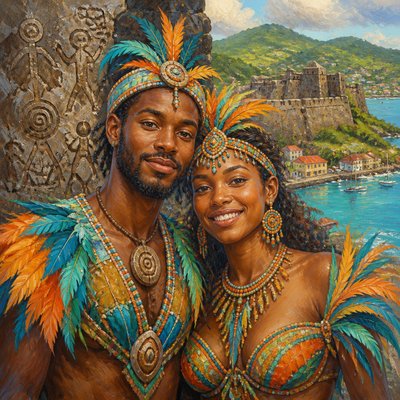
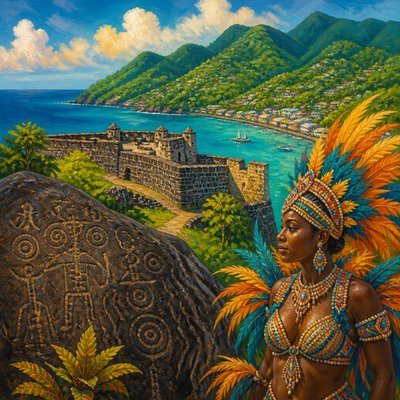
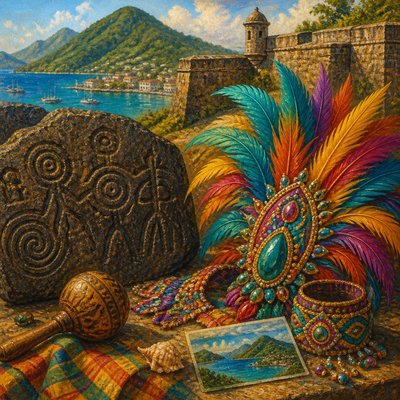
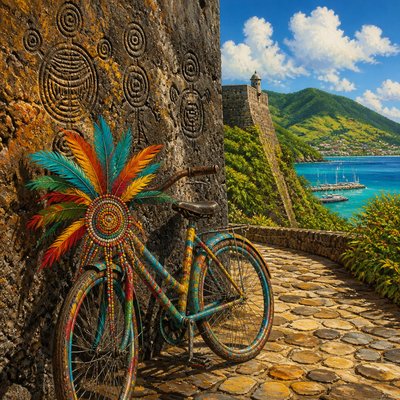
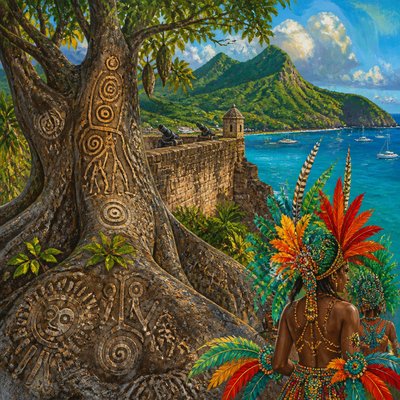
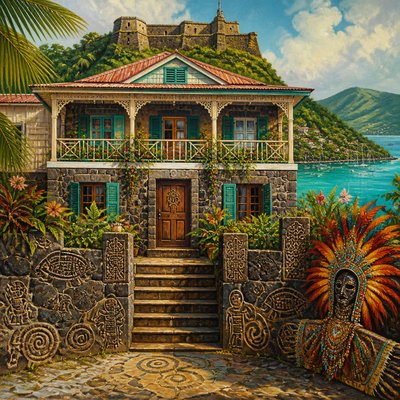
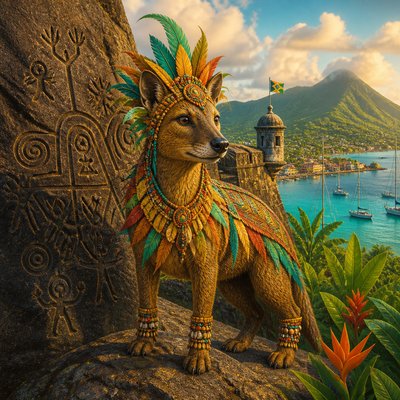
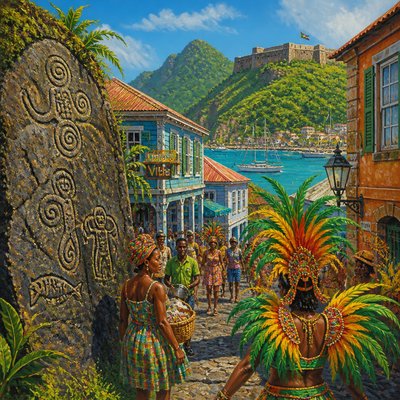
What is Saint Vincent Art Style?
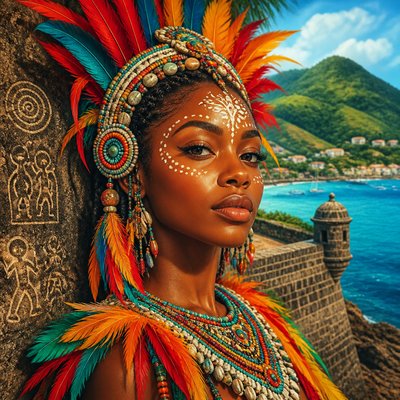
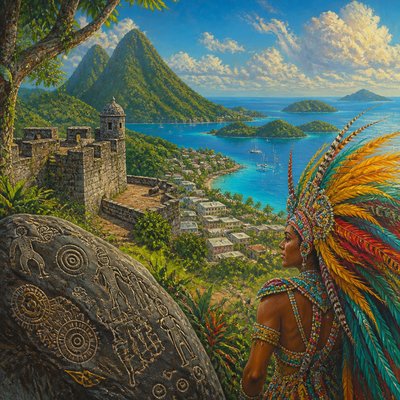
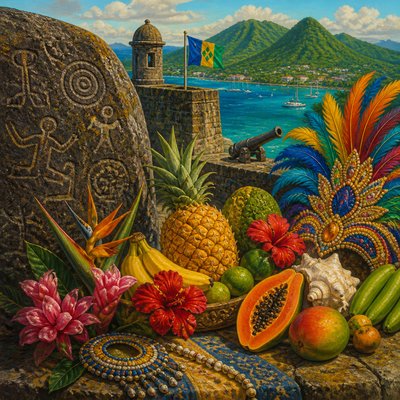
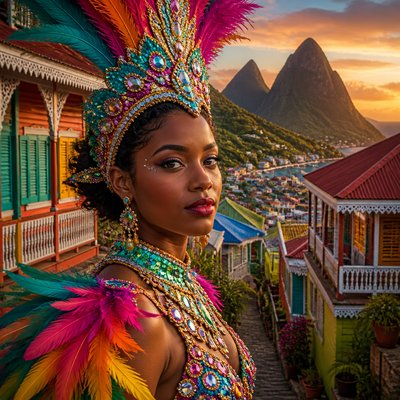
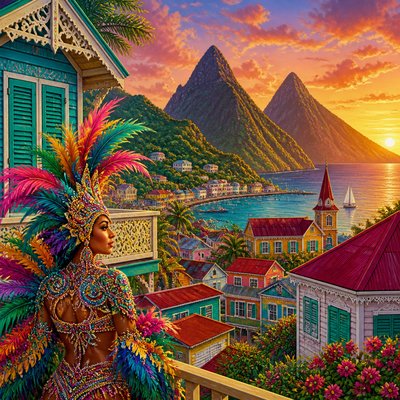
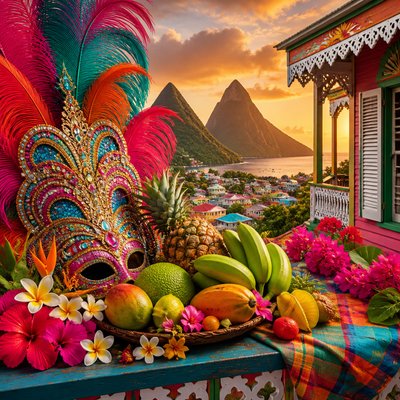
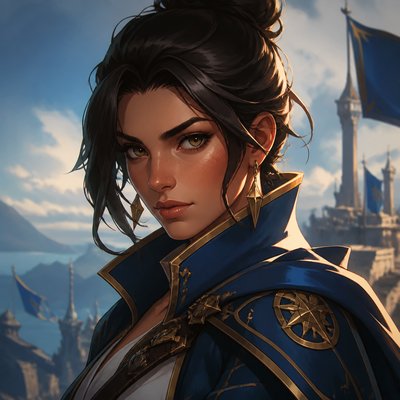
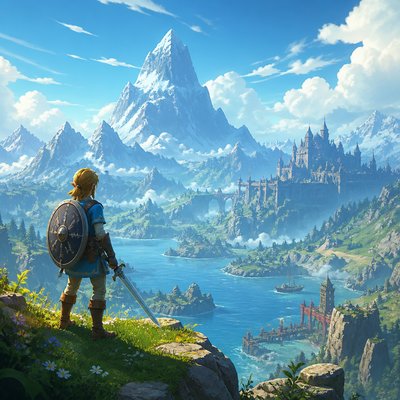
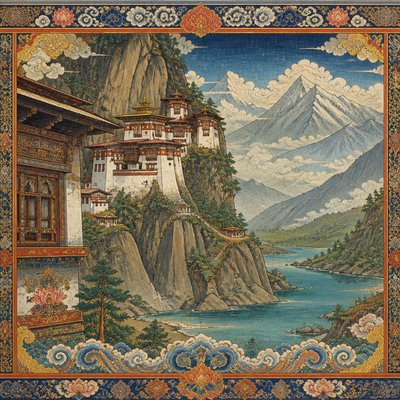
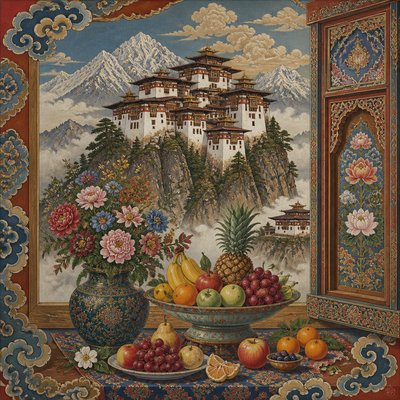
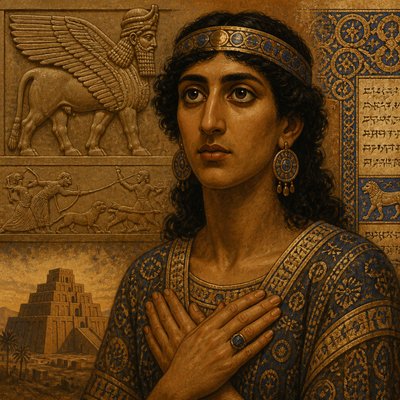
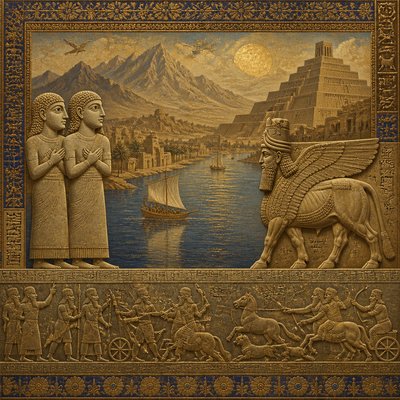
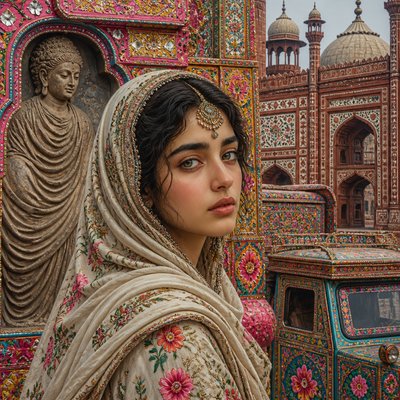
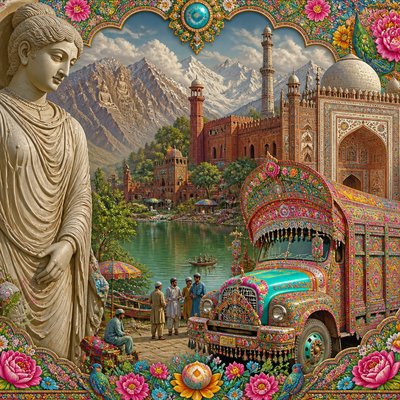
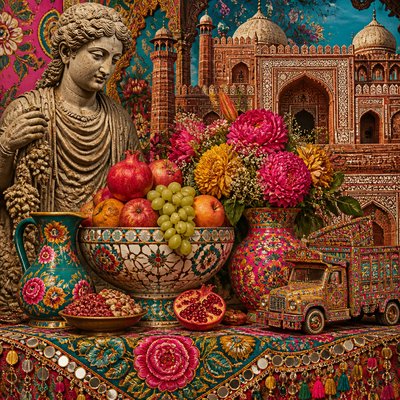
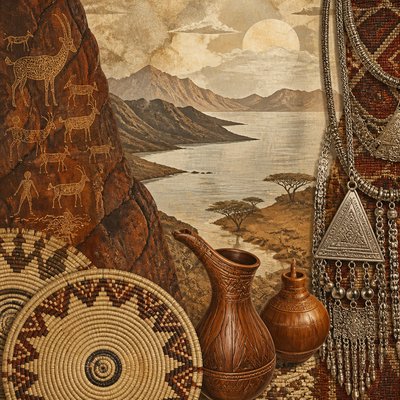
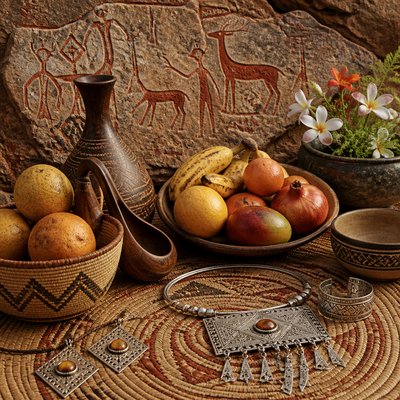
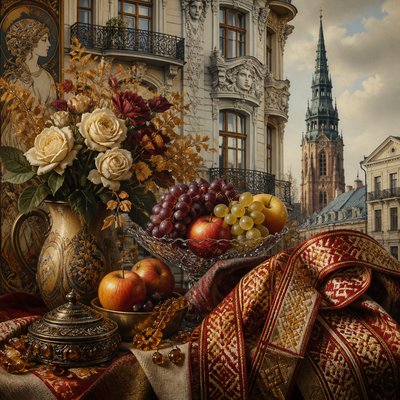
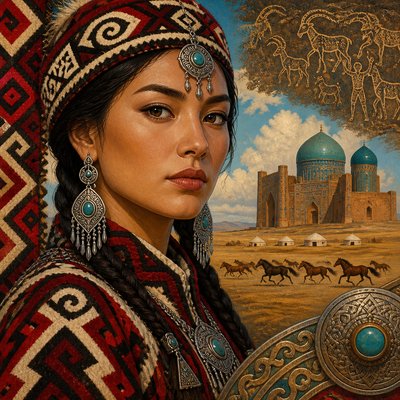
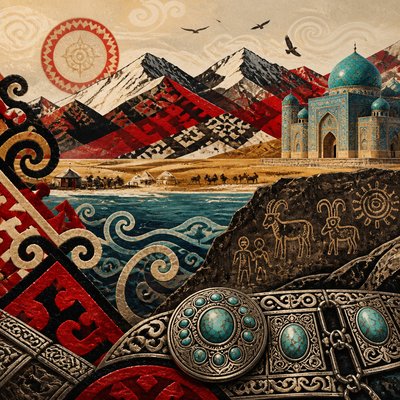
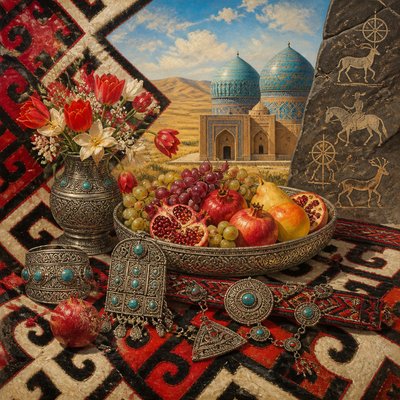
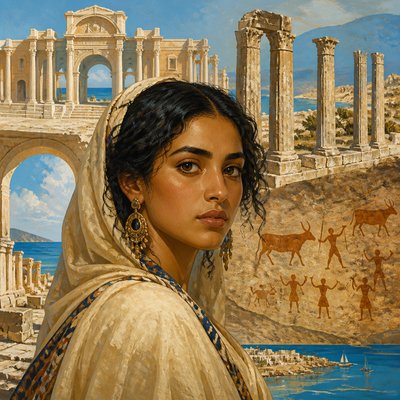
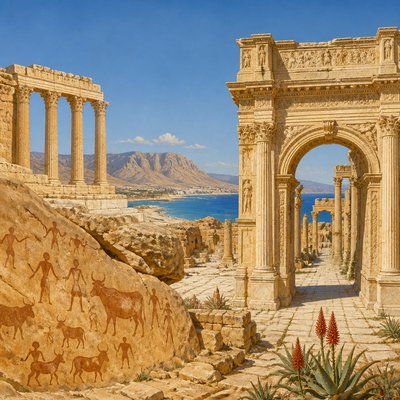
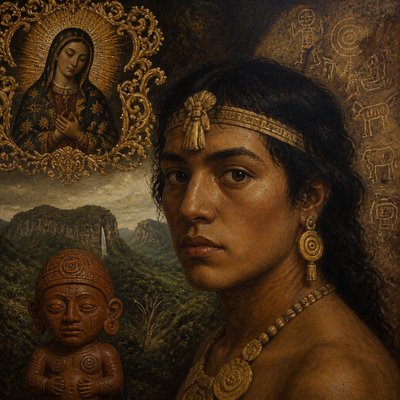
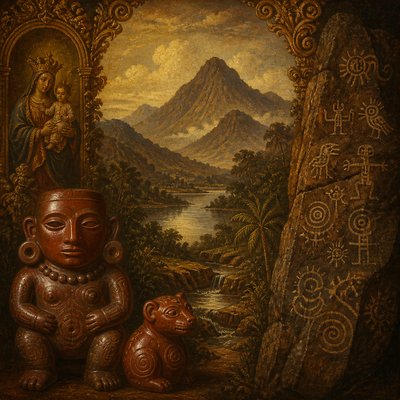
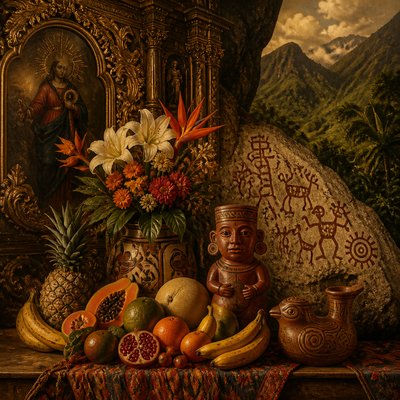
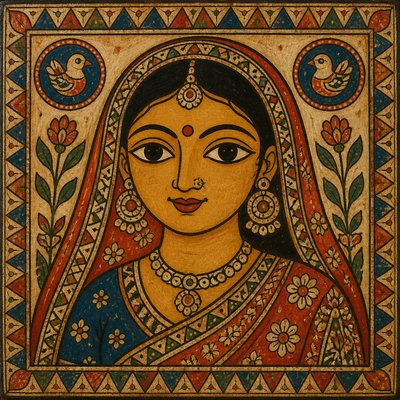
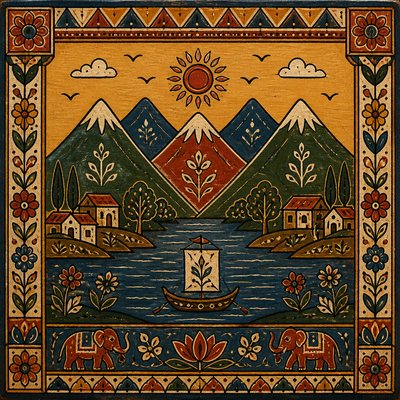
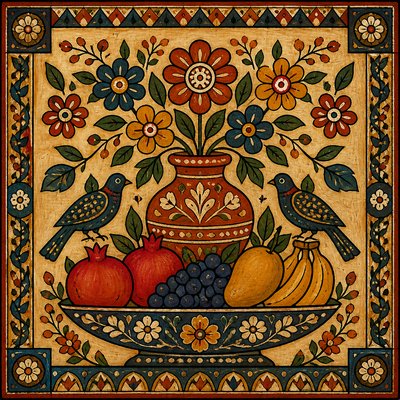
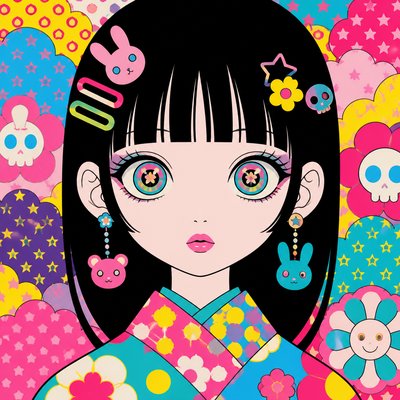
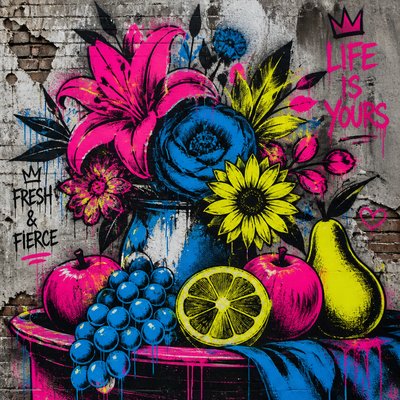
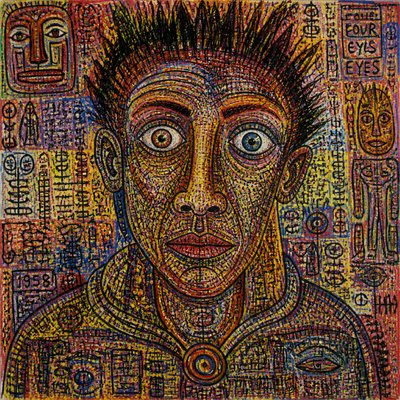
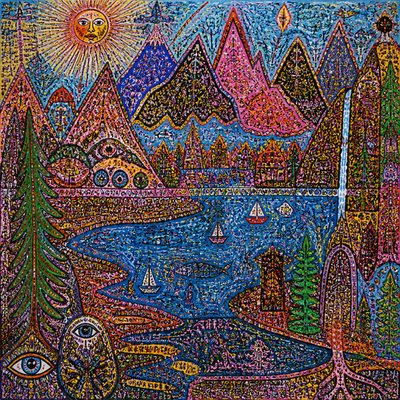
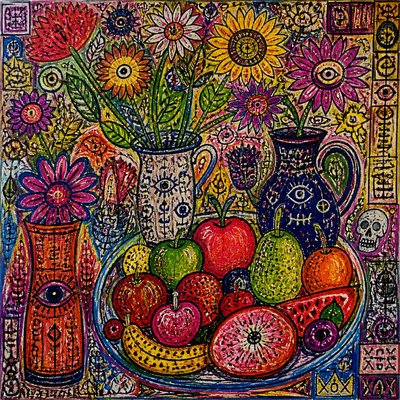
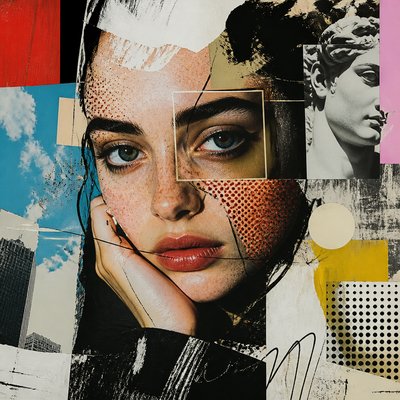
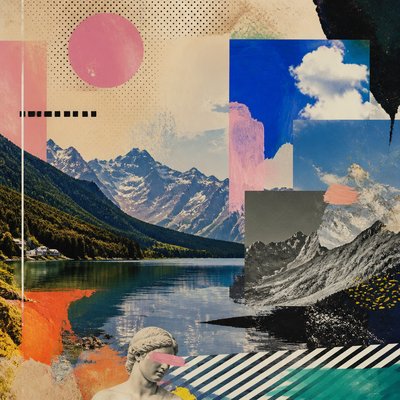
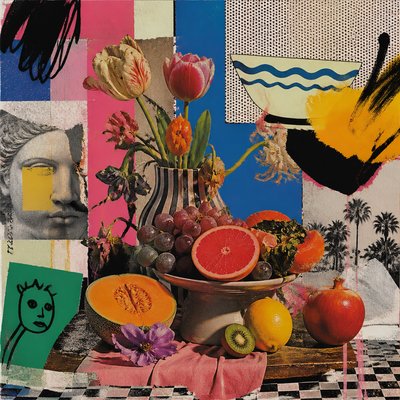
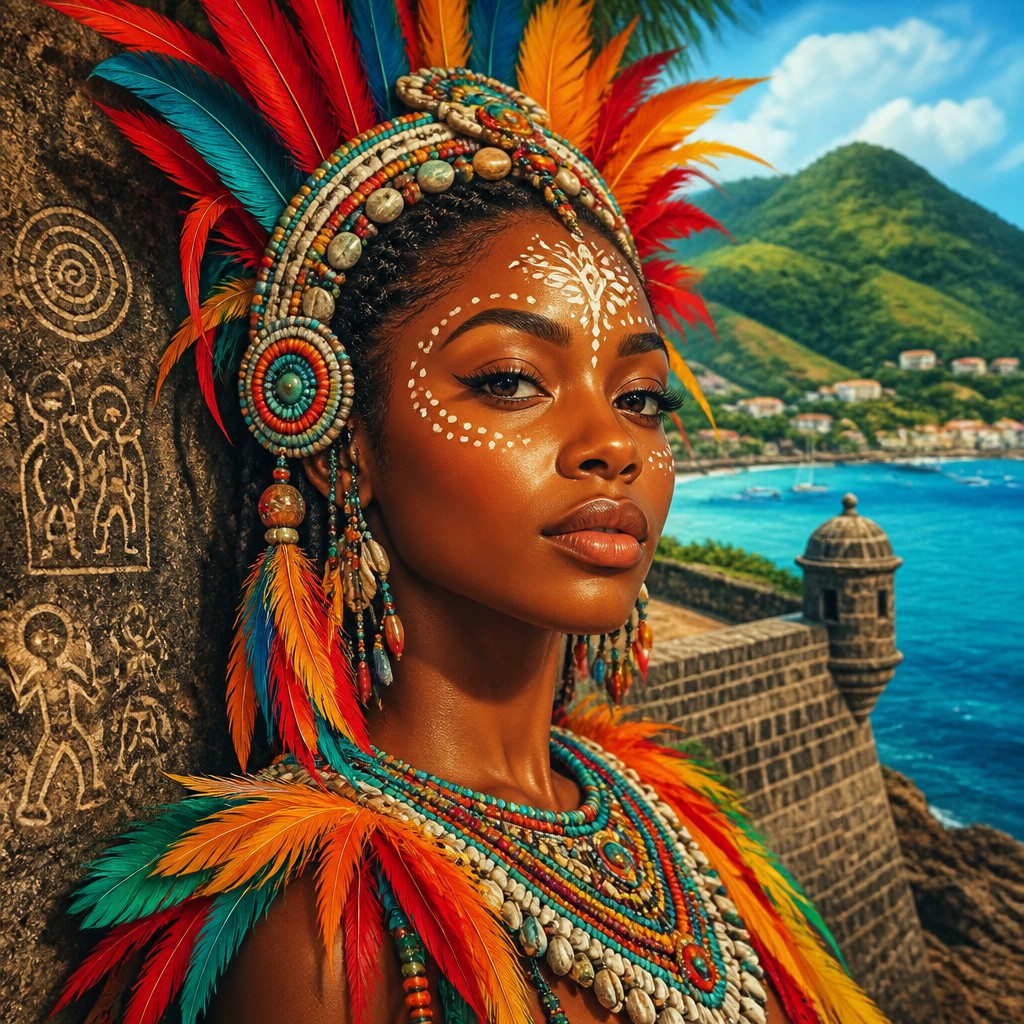
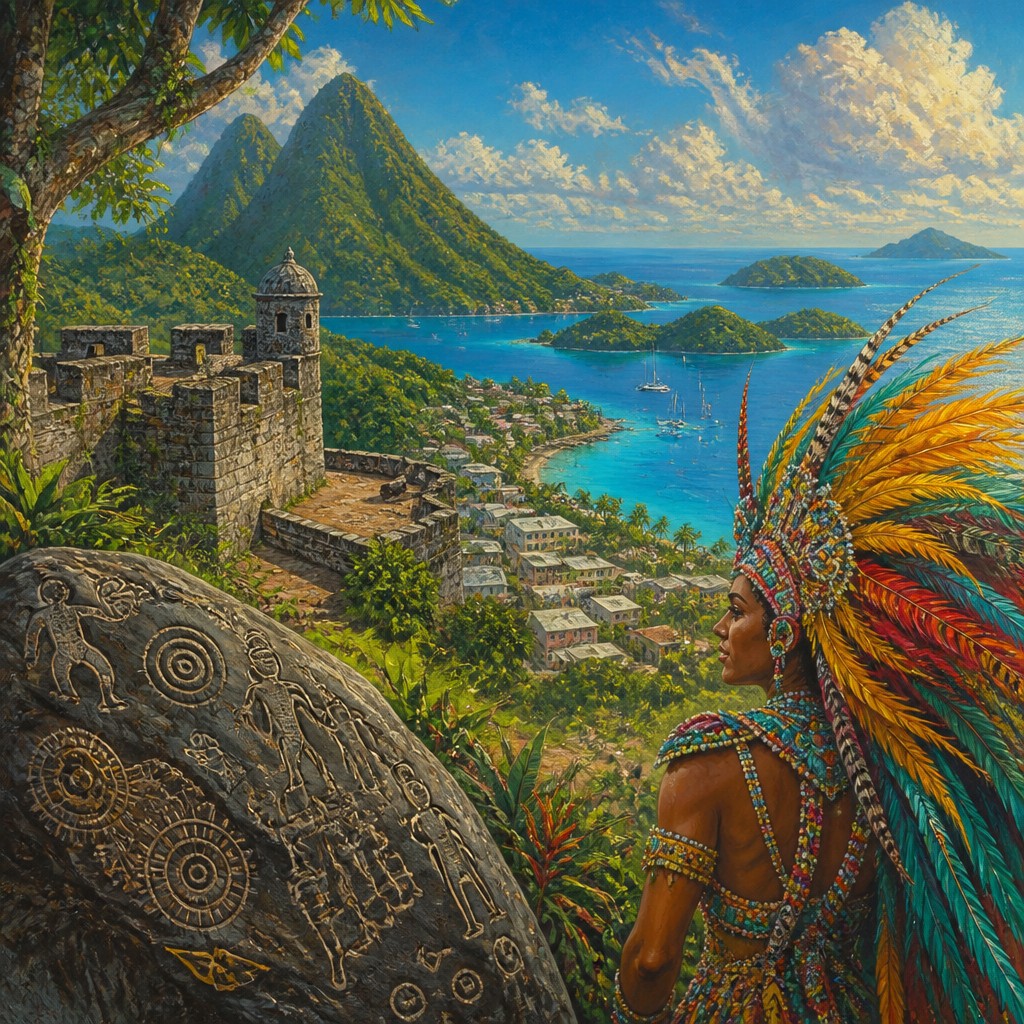
Saint Vincent Art Style is a contemporary, place-based visual synthesis inspired by Saint Vincent and the Grenadines. It combines Kalinago petroglyph-like markings weathered into dark volcanic stone, the masonry geometry of Fort Charlotte, vivid Vincy Mas carnival costumes, emerald volcanic landscapes, and luminous turquoise coastal water.
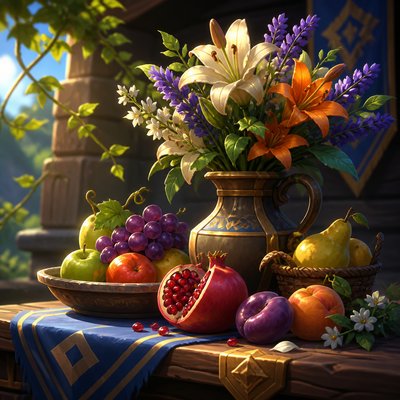
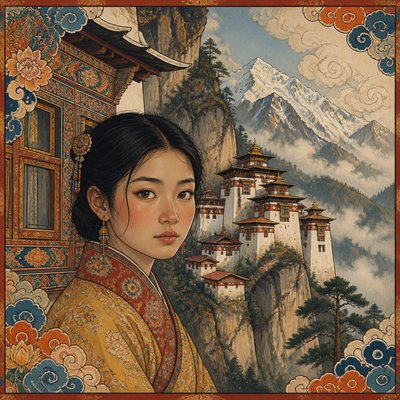
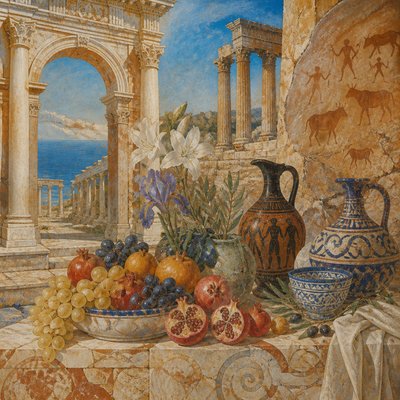
The style is defined by warm tropical color, strong textural contrast, and a festive sense of movement. Rough stone, aged walls, feathers, beads, foliage, and sea light are brought together in compositions that feel both historical and celebratory, often balancing monumental forms against intimate decorative detail.
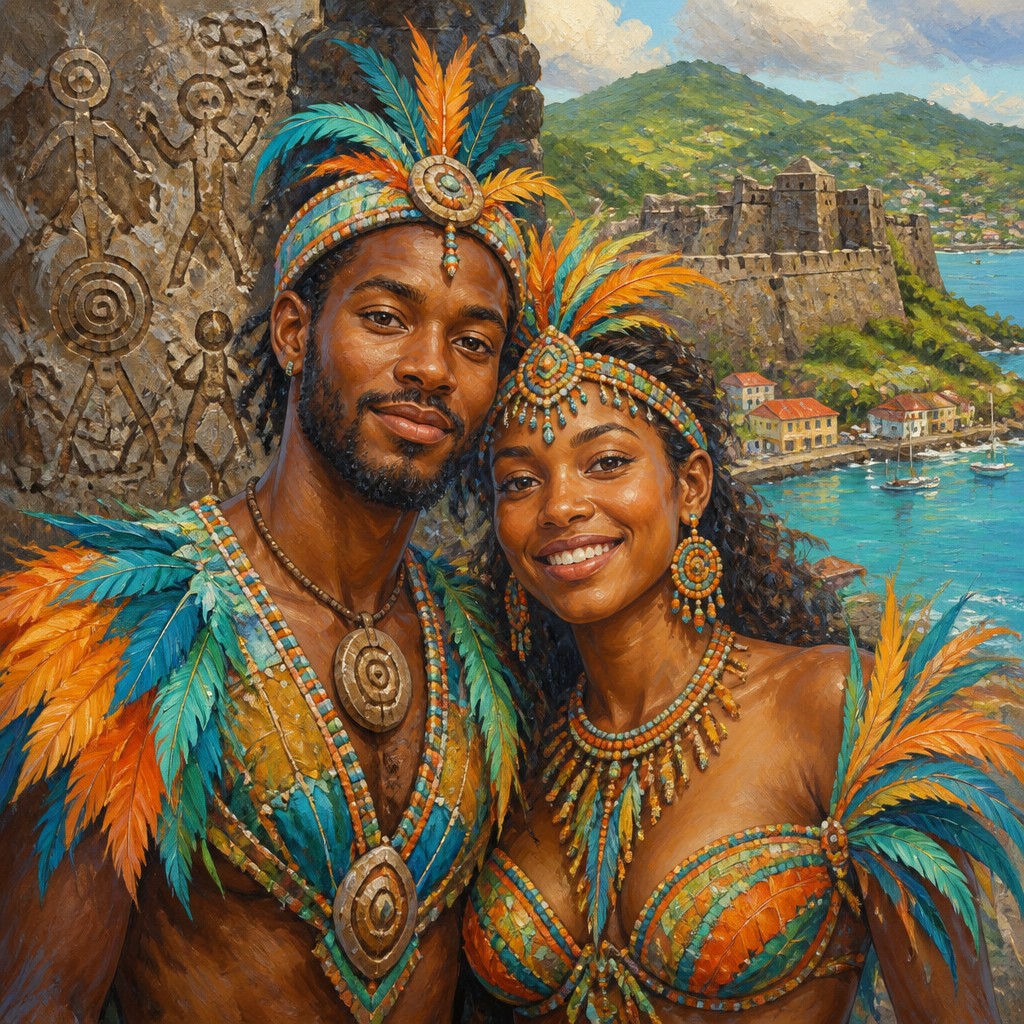
Try It On Your Photos
Upload any photo and convert it into Saint Vincent Art Style — drag the sliders to compare before and after.
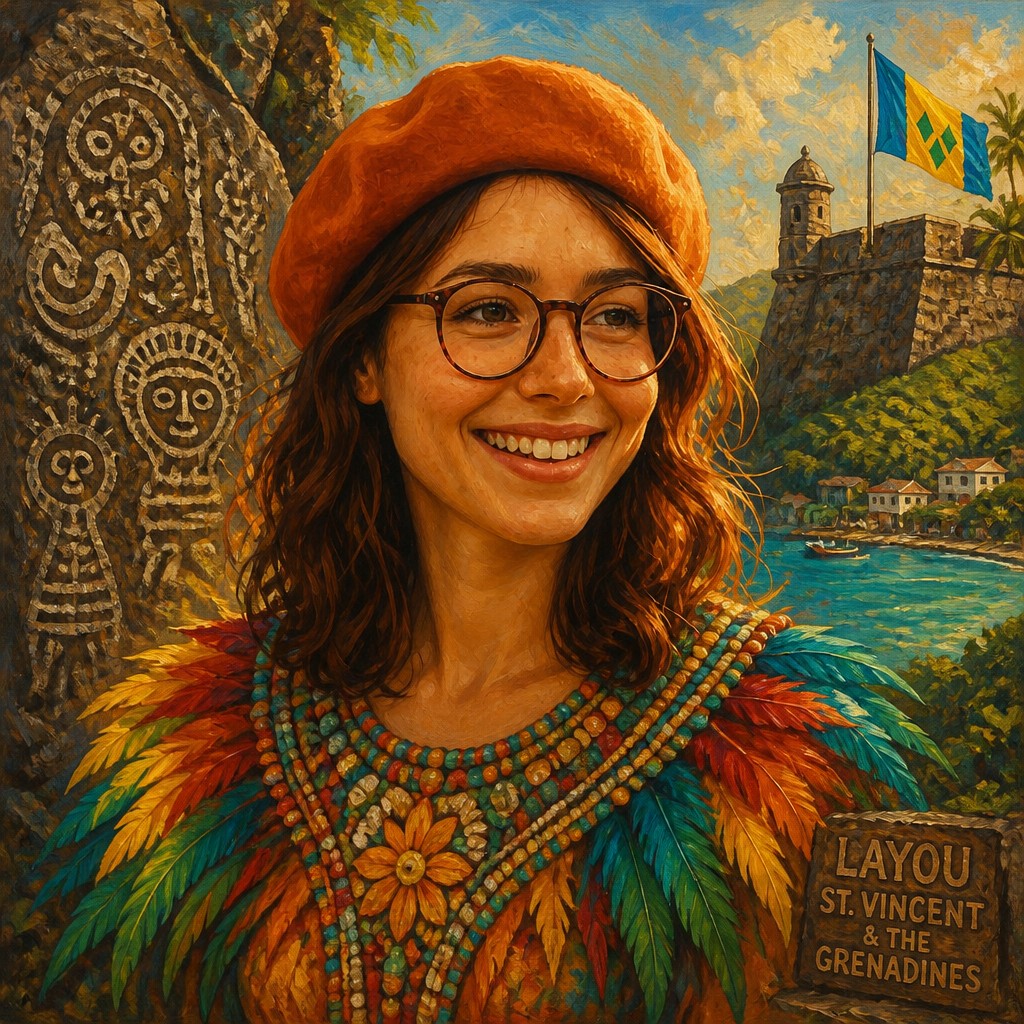

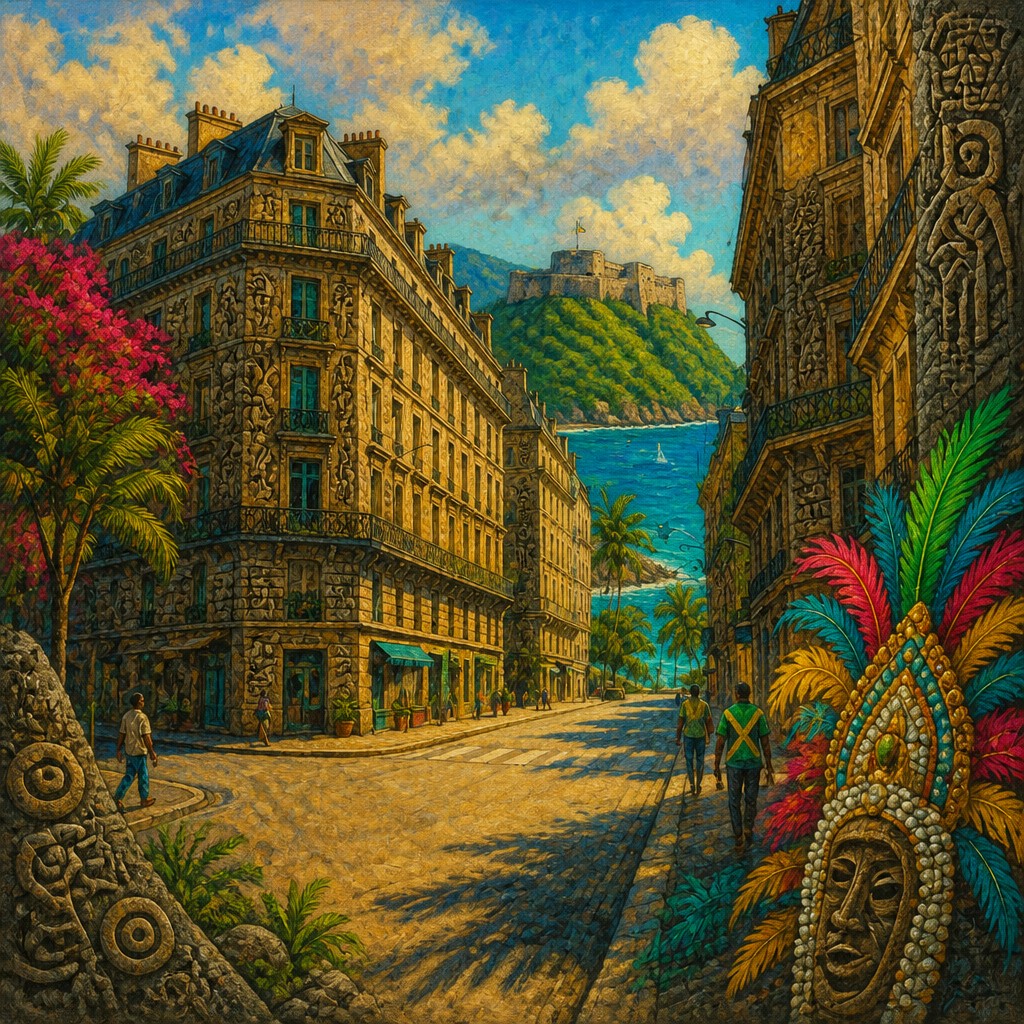

What Defines Saint Vincent Art Style
The signature details, up close
Volcanic stone texture
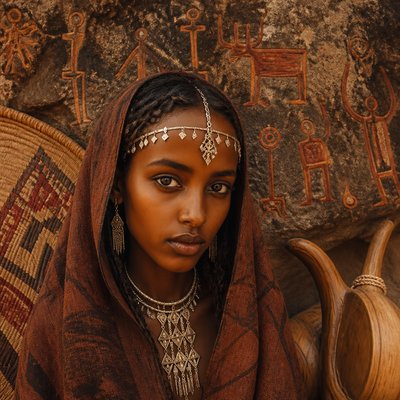
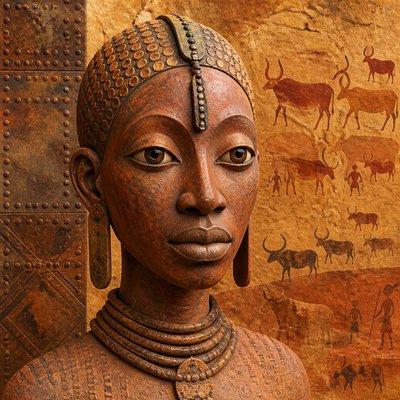
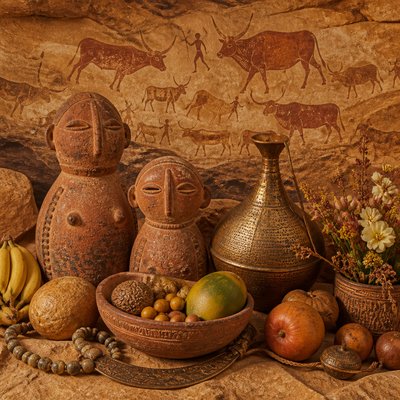
Charcoal, umber, and rust-colored stone surfaces carry weathering, cracks, lichen, and simplified petroglyph-inspired markings. These textures provide an ancient, tactile counterpoint to the brighter elements.
Kalinago visual references
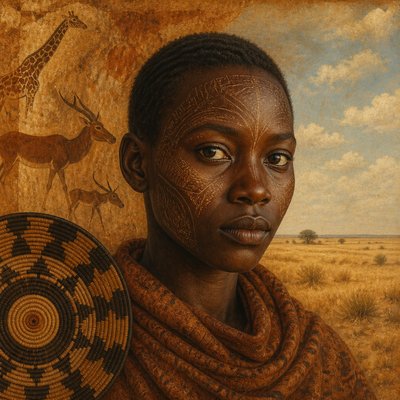
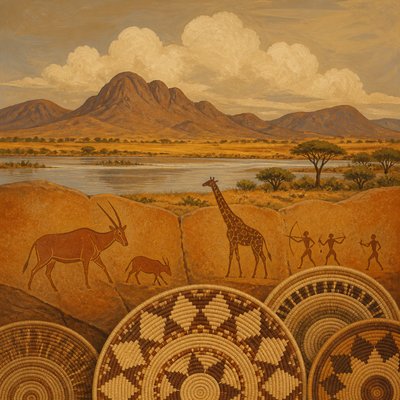
Abstract carved motifs and rock-surface symbols evoke Indigenous presence without treating them as generic decoration. They work best as respectful, contextual details integrated into stone, landscape, or archaeological settings.
Fortified masonry
Thick ramparts, parapets, arches, and rough-cut blocks introduce horizontal structure and historical weight. Elevated viewpoints and strong wall edges often frame the harbor, hills, or open sea.
Carnival ornament
Vincy Mas-inspired feathers, sequins, beads, metallic trim, and layered costume forms add rhythm and exuberant color. Decorative details may create halos, fans, sweeping diagonals, or kinetic silhouettes.
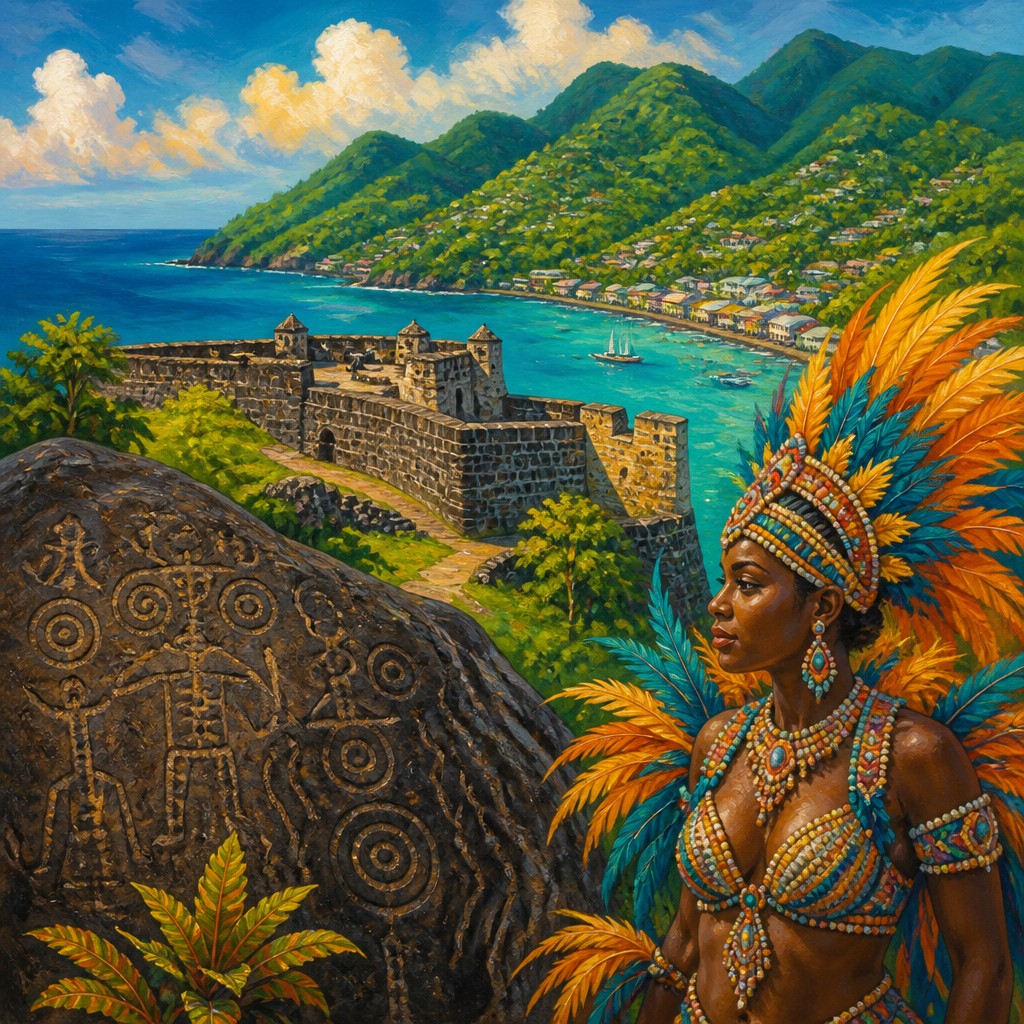
Emerald and turquoise palette
The dominant color range pairs dense rainforest green and volcanic black with lagoon turquoise, clear blue, coral, gold, magenta, and orange. Warm highlights suggest intense coastal sunlight.
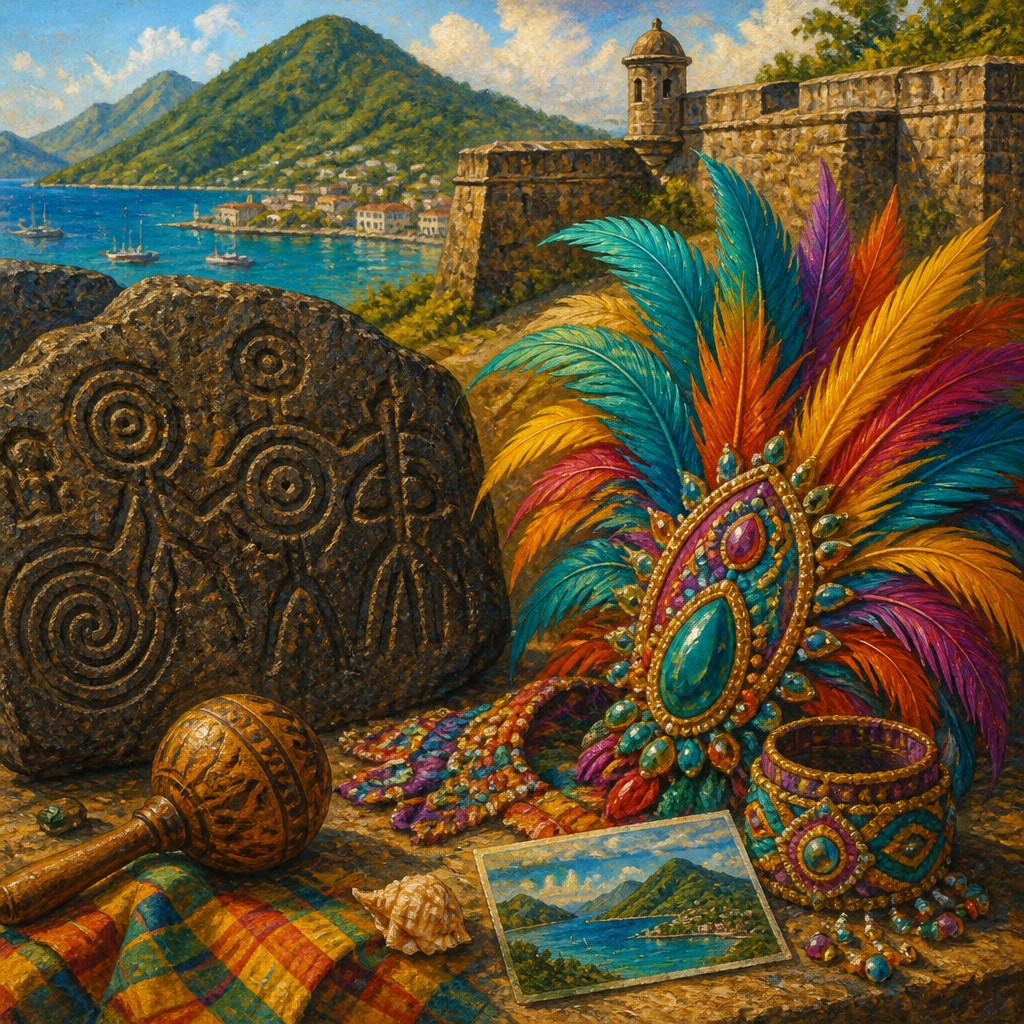
Layered surface treatment
Painted passages may combine mineral grain, mural-like blocks of color, etched lines, textile pattern, and translucent atmospheric washes. The contrast between matte stone and sparkling costume materials is central to the style.
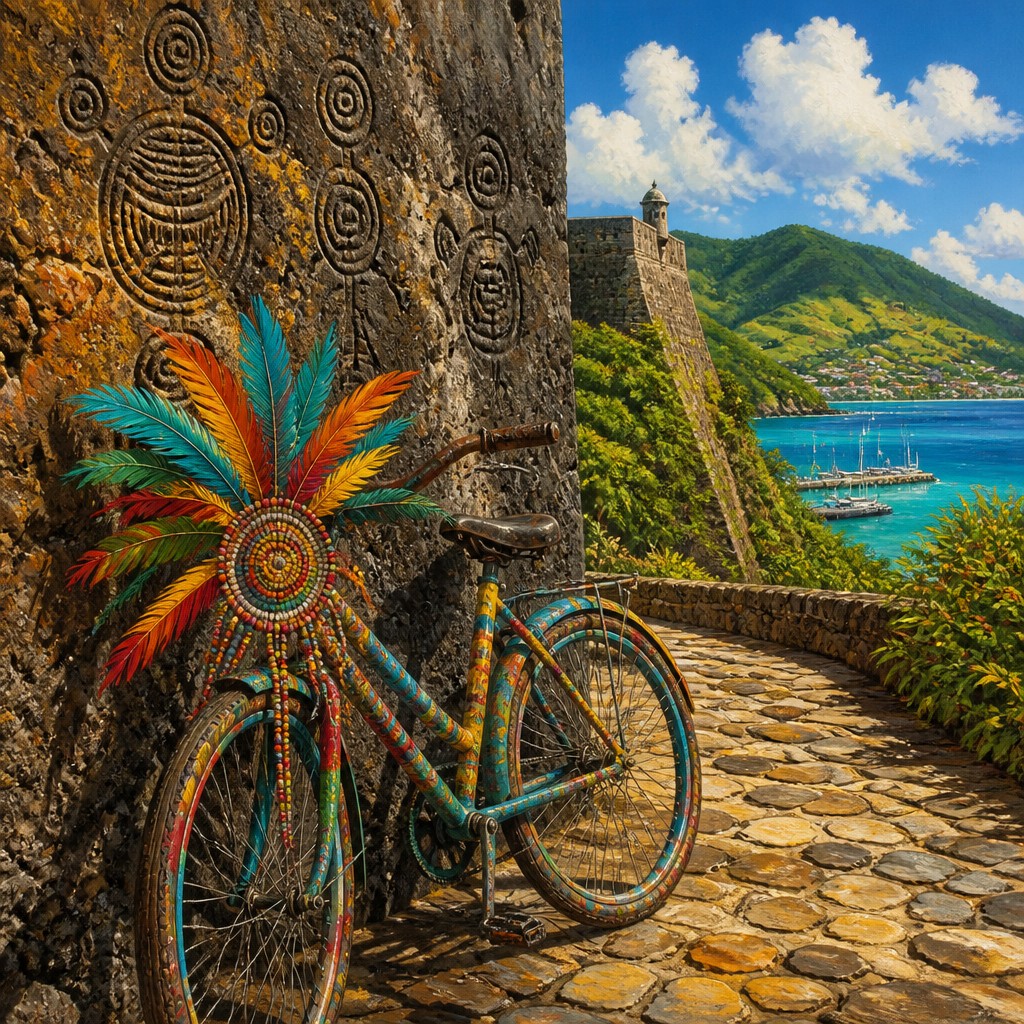
Festive coastal composition
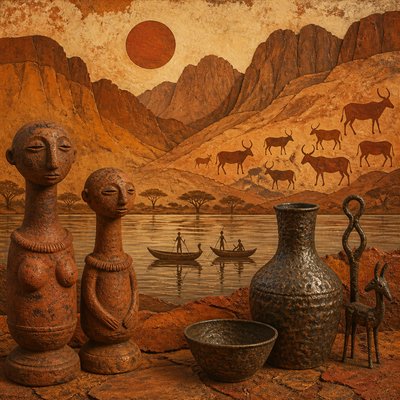
Scenes frequently place a figure, architectural fragment, or carved rock in the foreground against steep hills and bright water. Movement, celebration, and a sense of island depth are more important than strict photorealism.
Saint Vincent Prompt Ideas
Start from an idea — each one opens the generator with the style ready to go. See all 40 Saint Vincent prompts →
How to Create Saint Vincent Art
Master the craft step by step — or skip straight to creating. Read the full guide →
- 1
Build a structured palette
Start with volcanic charcoal, warm brown, and muted ochre, then add emerald, turquoise, coral, magenta, and metallic gold as accents. Reserve the brightest values for water glints, beads, feathers, and sunlit masonry.
- 2
Establish an island depth plan
Arrange the image in clear layers: carved stone or costume detail in front, ramparts or vegetation in the middle distance, and volcanic hills meeting the sea behind. Use atmospheric blue-green softening to separate distant forms.
- 3
Combine hard and soft marks
Use broken, dry textures for stone and old walls, crisp linear marks for petroglyph-inspired motifs, and fluid brushwork for water, foliage, and sky. In digital work, separate these surfaces into textured layers with varied opacity.
- 4
Design costume movement
Treat feathers, beads, and sequins as directional shapes rather than random embellishment. Fan-like arrangements, curved ribbons, and repeated bead patterns can guide the eye through the composition.
- 5
Use culturally specific prompts
For prompt-based generation, name concrete elements such as Layou rock carvings, Fort Charlotte ramparts, Vincy Mas costume materials, volcanic hills, and Grenadines water. Specify lighting, composition, surface texture, and palette instead of relying only on broad labels.
- 6
Refine symbolic details manually
After generating or blocking in an image, correct lettering, architectural geometry, jewelry, and carved motifs by hand. Keep Indigenous references contextual and avoid inventing ceremonial meanings or presenting generic symbols as authenticated artifacts.
The Story
History & Origins of Saint Vincent
Saint Vincent Art Style is not a documented historical art movement or a traditional school with a fixed period of origin. It is an invented contemporary aesthetic lineage drawing from the Indigenous visual heritage of the Kalinago, the colonial military architecture of Saint Vincent, the living costume culture of Vincy Mas, and the island's volcanic Caribbean environment.
Its development reflects a broader practice of place-based image making: combining archaeological and architectural memory with festival design, landscape painting, illustration, and digital compositing. The result is an interpretive style rather than a claim that these distinct traditions historically formed a single unified art school.
Influences: The style draws on Kalinago material and symbolic heritage, Caribbean carnival costume and masquerade design, colonial military architecture, tropical landscape painting, muralism, textured illustration, and contemporary digital collage. It also shares visual strategies with color-saturated travel poster art and expressionistic approaches to light, but its subject matter remains specifically grounded in Saint Vincent's cultural and coastal geography.
Frequently Asked Questions
What defines the Saint Vincent Art Style?
It brings together Kalinago petroglyph-inspired stone textures, Fort Charlotte's rampart architecture, Vincy Mas costume ornament, volcanic hills, and turquoise Caribbean water. Its defining qualities are warm festive color, tactile surfaces, strong foreground-to-background layering, and a balance between historical memory and celebration.
Is Saint Vincent Art Style a historical art movement?
No. It is a contemporary, invented style label rather than a recognized historical movement or formal school. Its visual identity is an interpretive synthesis of real cultural, architectural, environmental, and festival traditions from Saint Vincent and the Grenadines.
How is it different from generic Caribbean art?
Generic Caribbean imagery may draw broadly on tropical color, beaches, or island life. This style is more geographically specific, using Saint Vincent references such as Layou stone carvings, Fort Charlotte, Vincy Mas materials, volcanic terrain, and Grenadines waters.
Can this style be created with photography?
Yes, especially through layered photography or photo-based collage. Combine close views of stone, masonry, feathers, beads, and foliage with wide coastal views, then use color grading, texture overlays, and selective sharpening to create the characteristic contrast.
What media work well for this style?
Acrylic, gouache, watercolor with ink, textured digital painting, collage, and mixed-media illustration are all suitable. Choose matte, granular marks for stone and walls, then use glossy or high-contrast accents for beads, sequins, water, and metallic costume trim.
How should cultural references be handled respectfully?
Use Kalinago references with geographic and historical context rather than treating motifs as interchangeable decoration. Avoid claiming that invented symbols, costumes, or rituals are authentic, and distinguish clearly between documented heritage and imaginative interpretation.
Create your first Saint Vincent artwork
Describe anything — or upload a photo — and see it in Saint Vincent Art Style in seconds.
Related Styles
Discover similar art styles