Seville Art Style
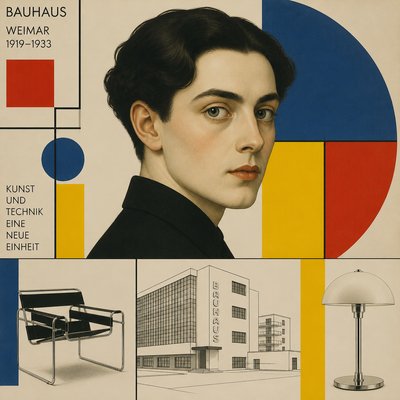
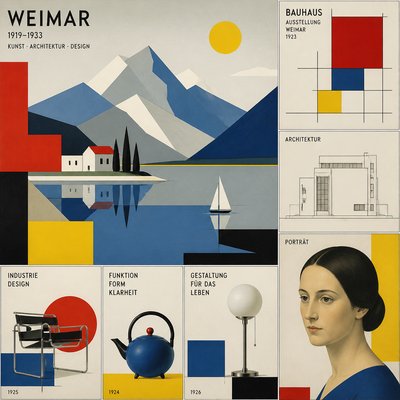
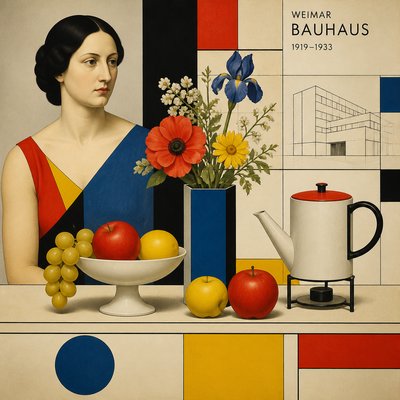
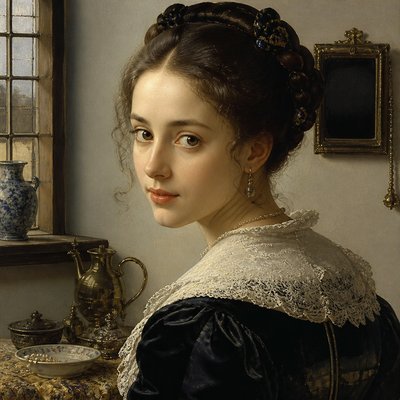
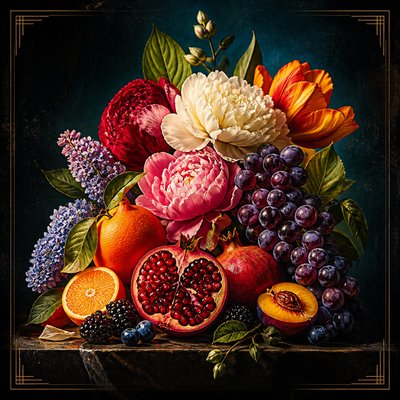
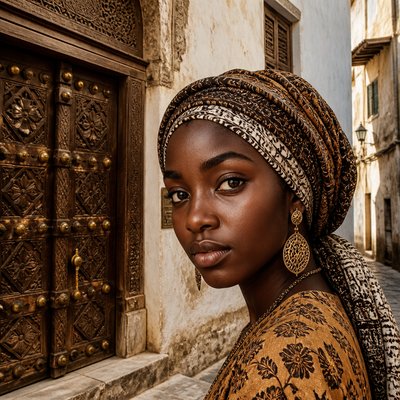
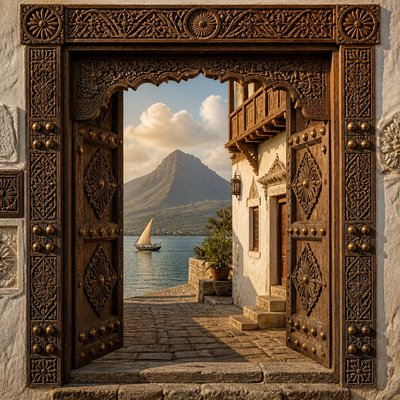
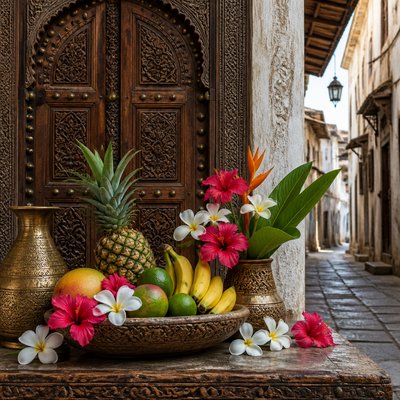
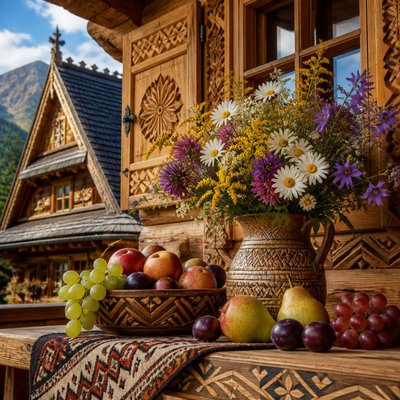
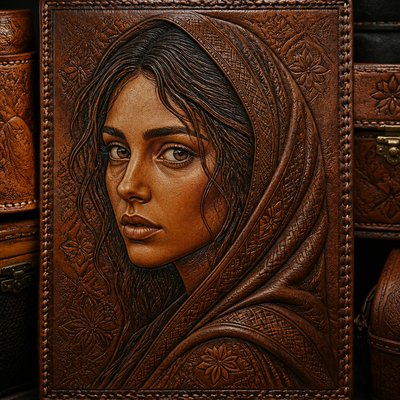
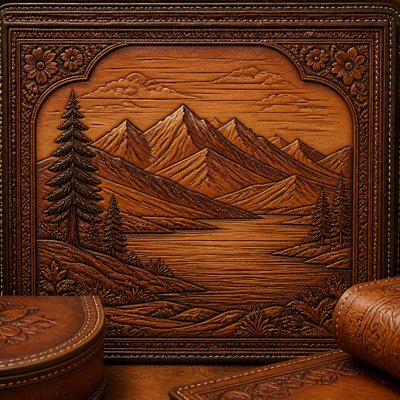
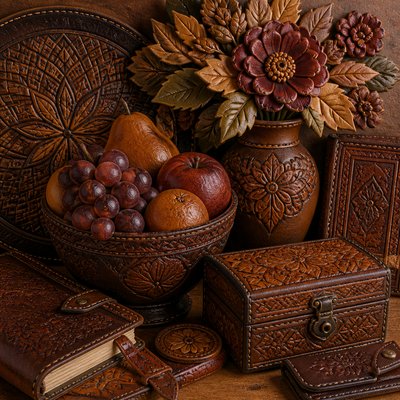
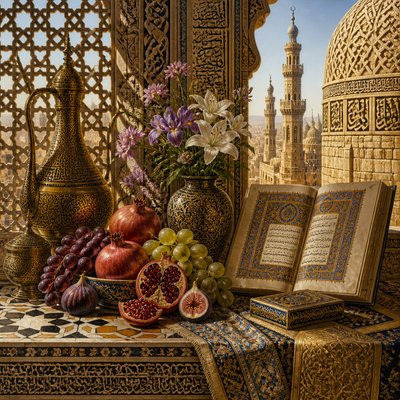
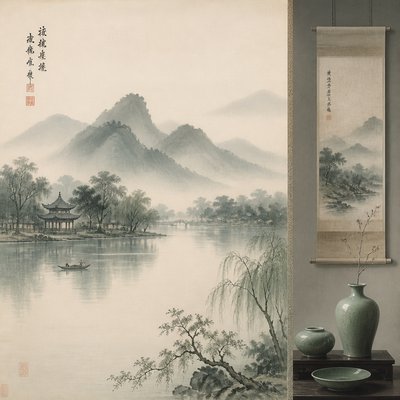
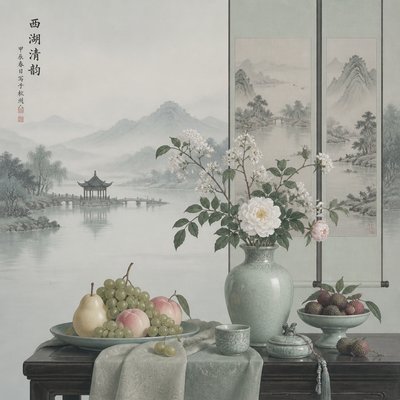
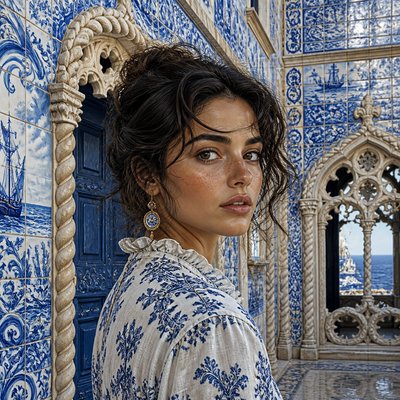
Explore Seville Art Style: Andalusian Baroque drama, gilded wood carving, polychrome sculpture, chiaroscuro, and richly detailed devotional imagery.
Instantly rendered in Seville — or transform a photo
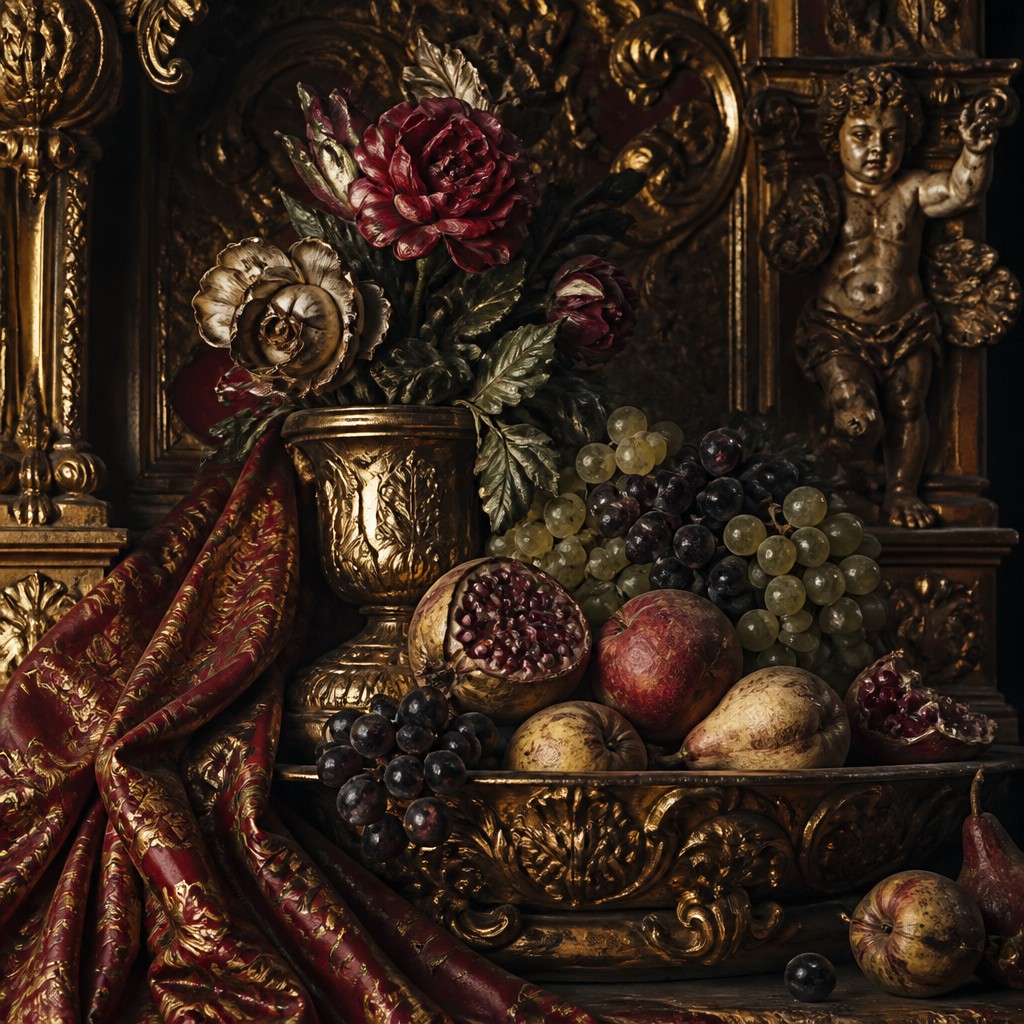
Seville Gallery
Tap any artwork to explore it
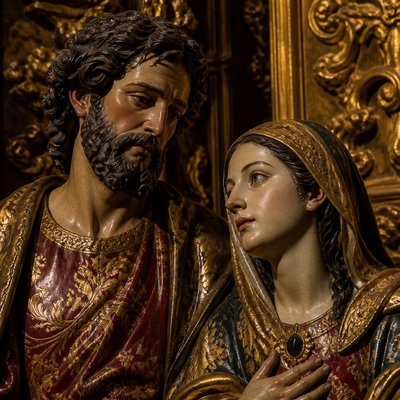
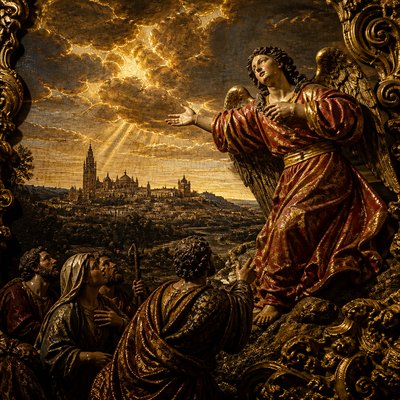
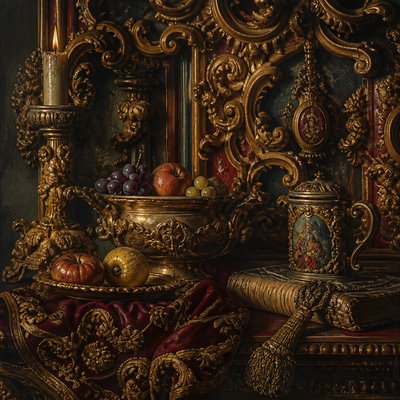
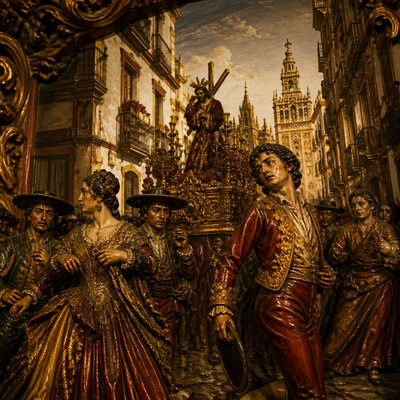
What is Seville Art Style?
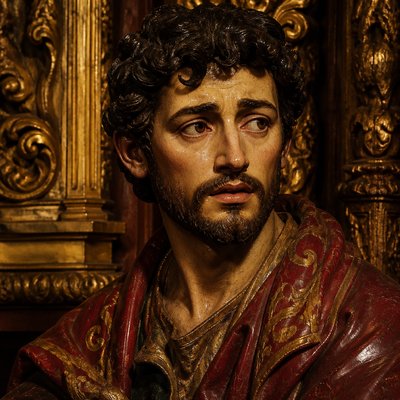
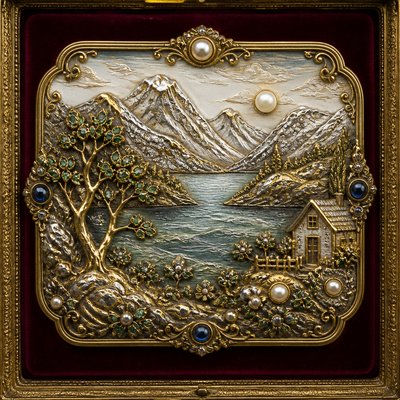
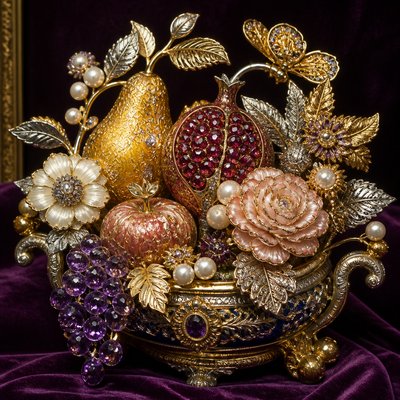
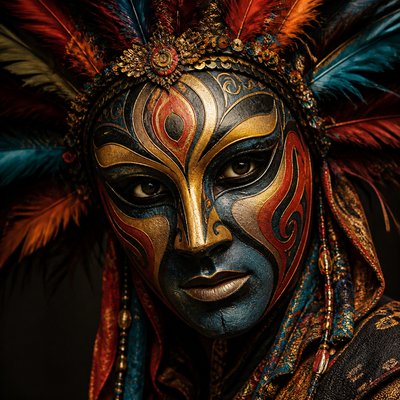
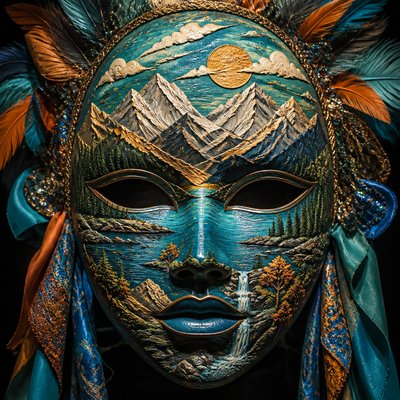
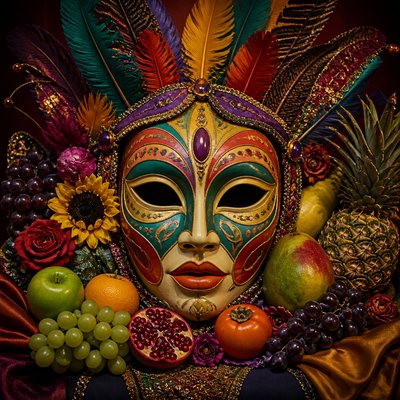
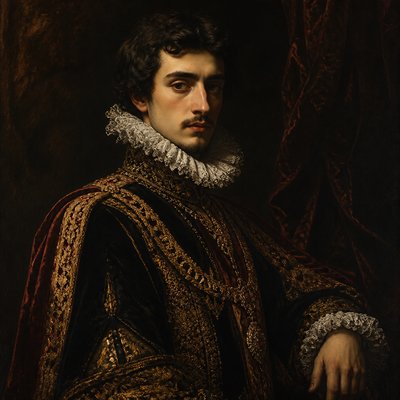
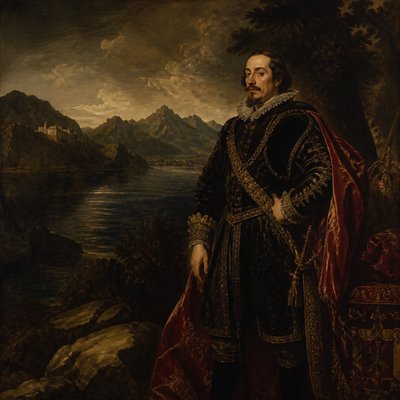
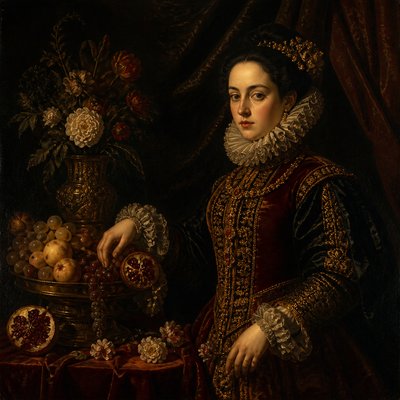
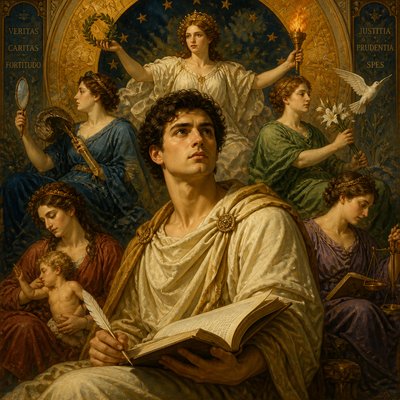
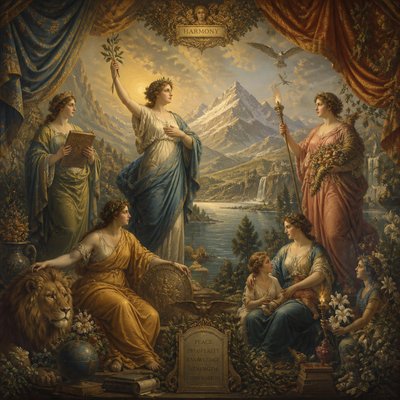
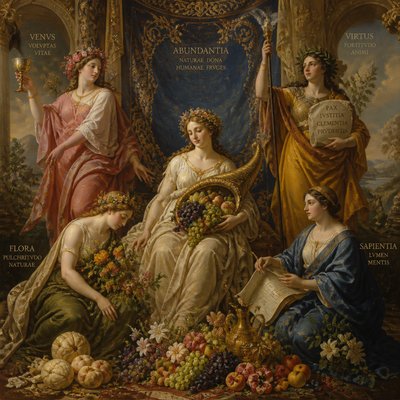
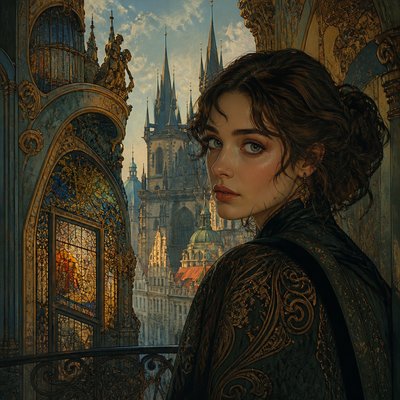
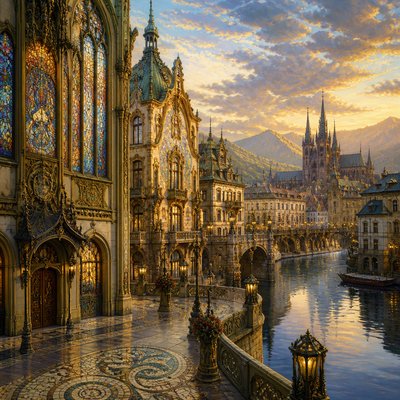
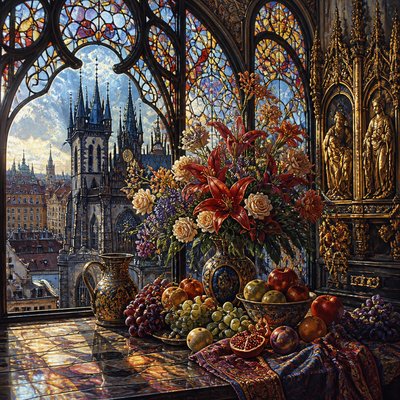
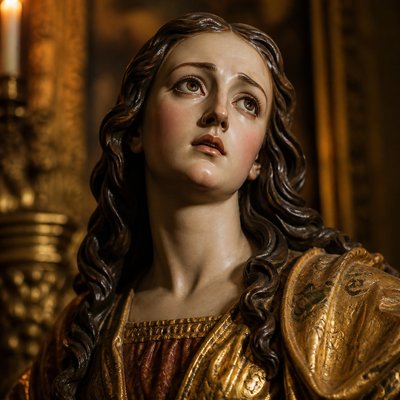
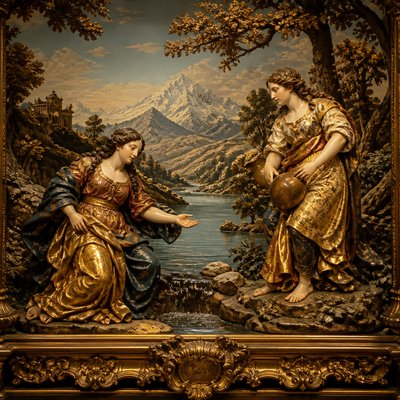
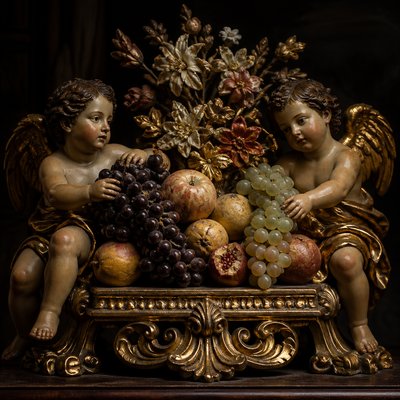
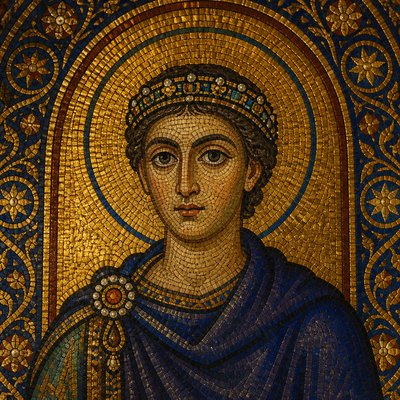
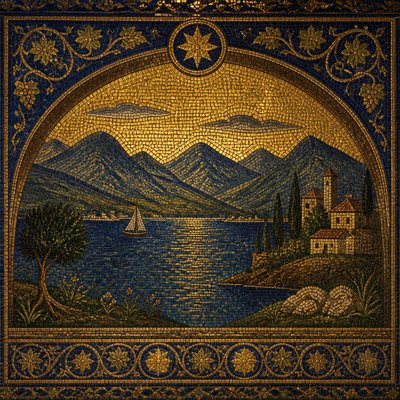
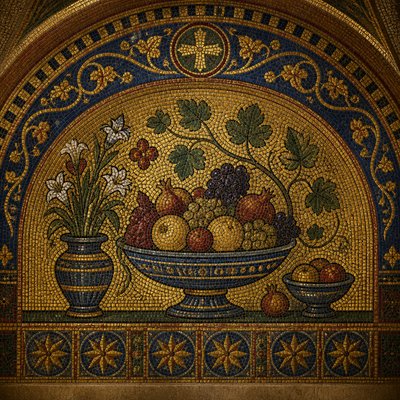
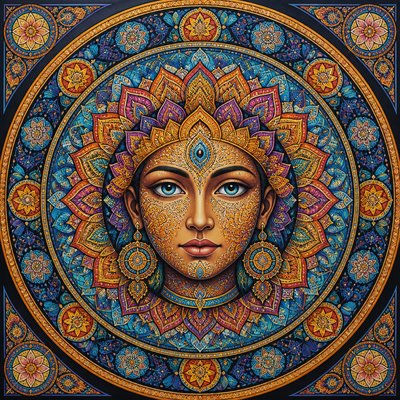
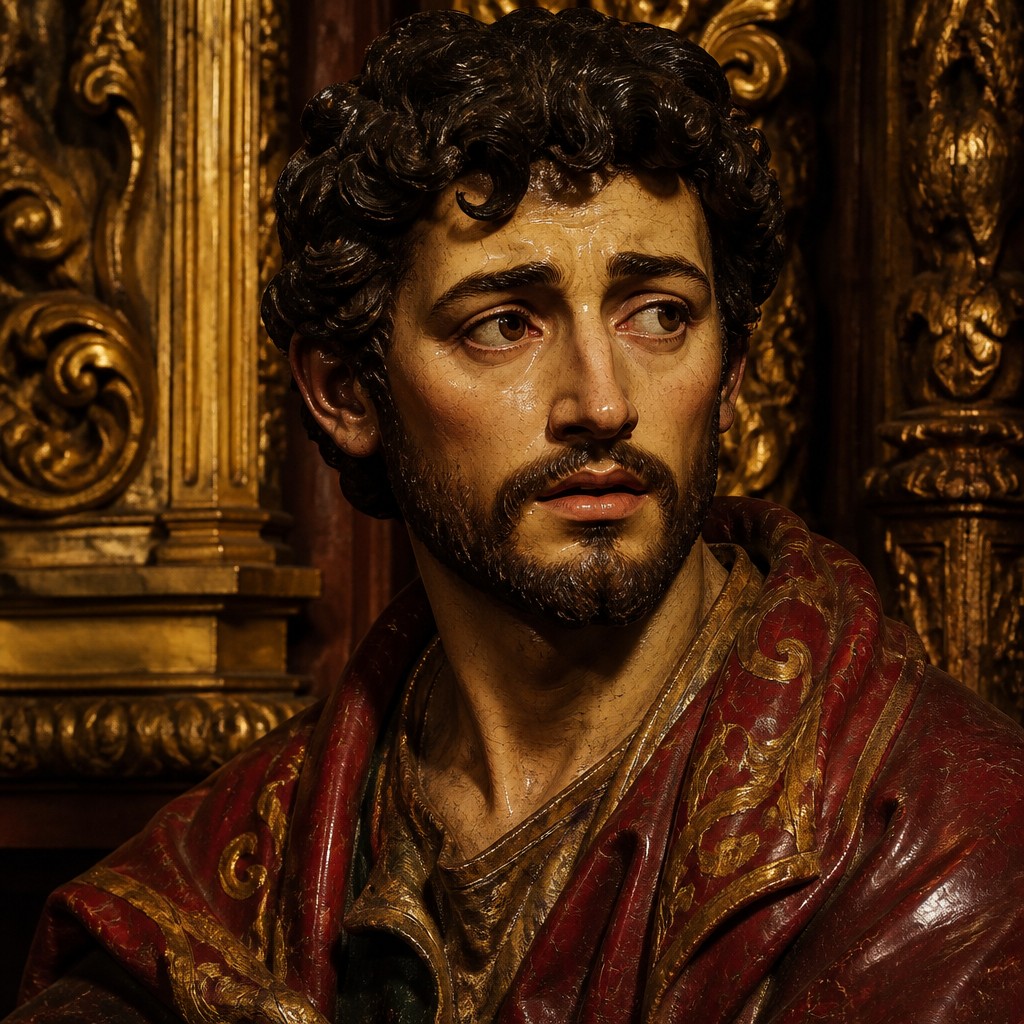
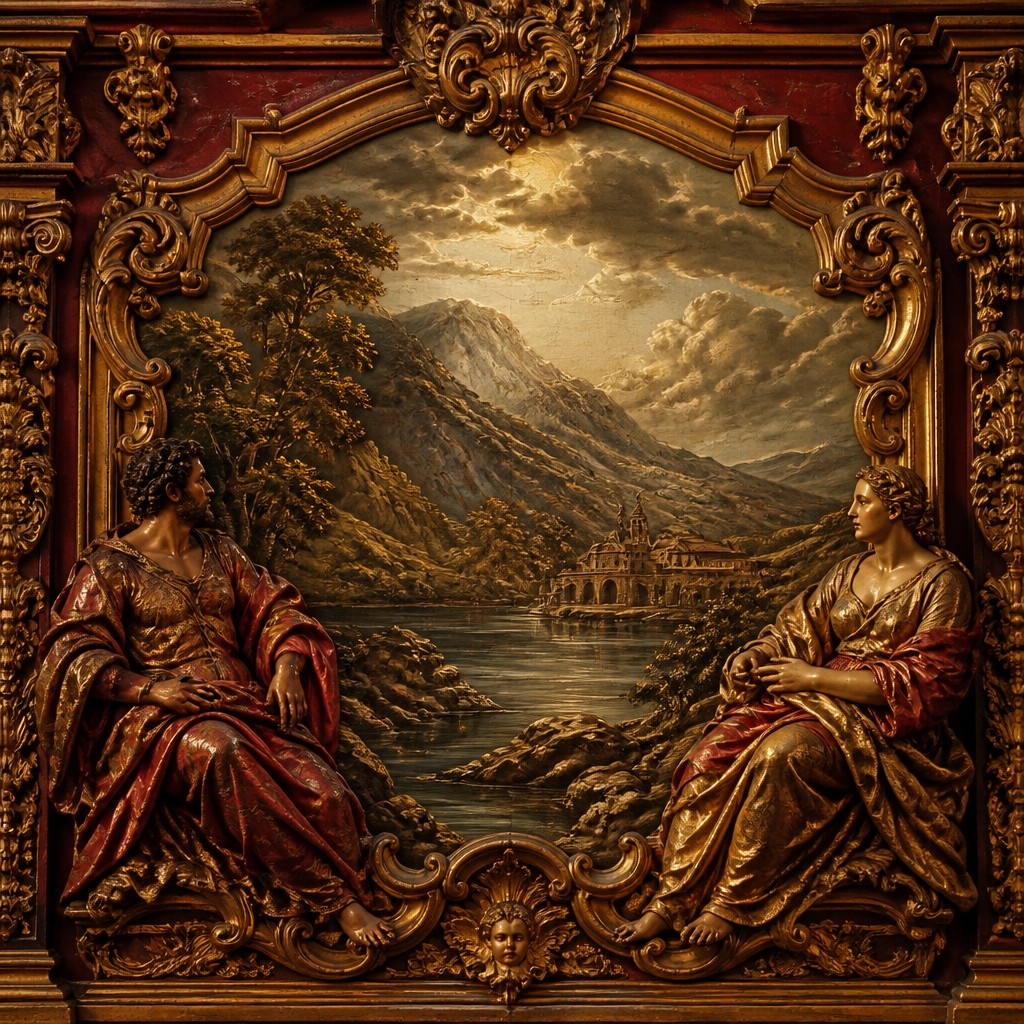
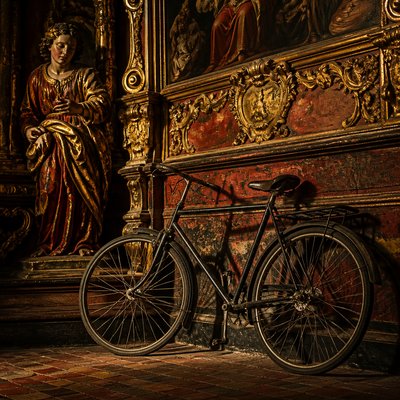
Seville Art Style is a contemporary descriptive label for the dramatic visual language associated with Baroque Seville and Andalusia. It combines richly gilded carved wood, lifelike polychrome sculpture, deep crimson and gold harmonies, theatrical illumination, and intensely observed drapery. The result is an art of heightened presence: devotional figures, sacred narratives, and ceremonial objects appear to emerge from darkness into concentrated light.
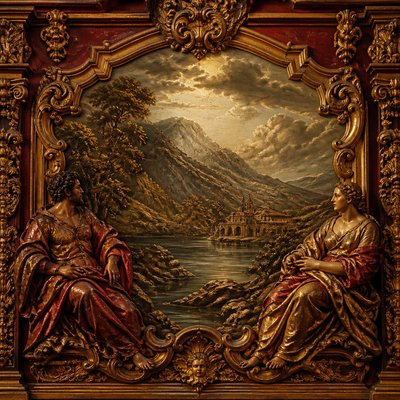
Its visual identity comes from the interaction of sculpture, painting, architecture, and ritual display. Deep-relief carving creates complex shadows, while layered pigments, metallic leaf, glazed details, glass elements, and intentionally aged surfaces give the work tactile depth. Chiaroscuro emphasizes faces, hands, folds, and symbolic objects, making the composition feel both physically immediate and emotionally charged.
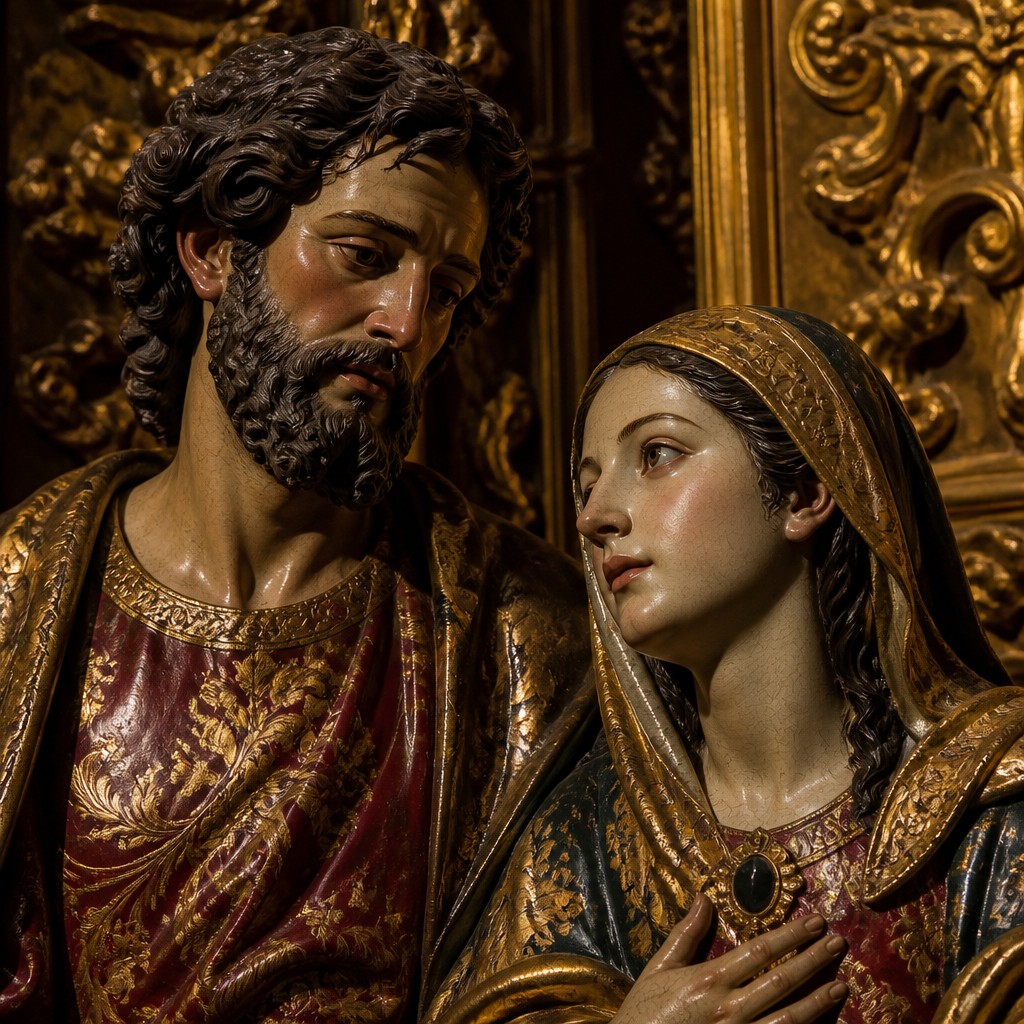
Try It On Your Photos
Upload any photo and convert it into Seville Art Style — drag the sliders to compare before and after.
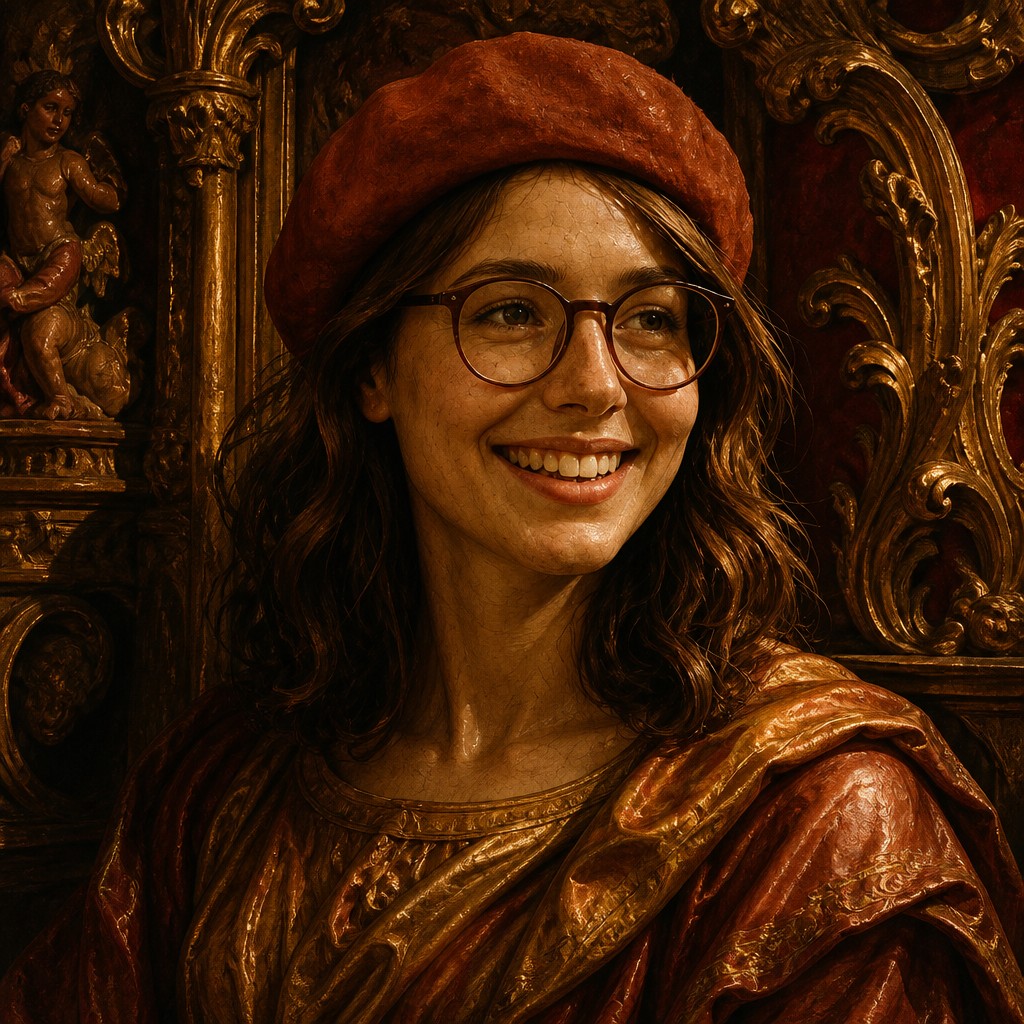

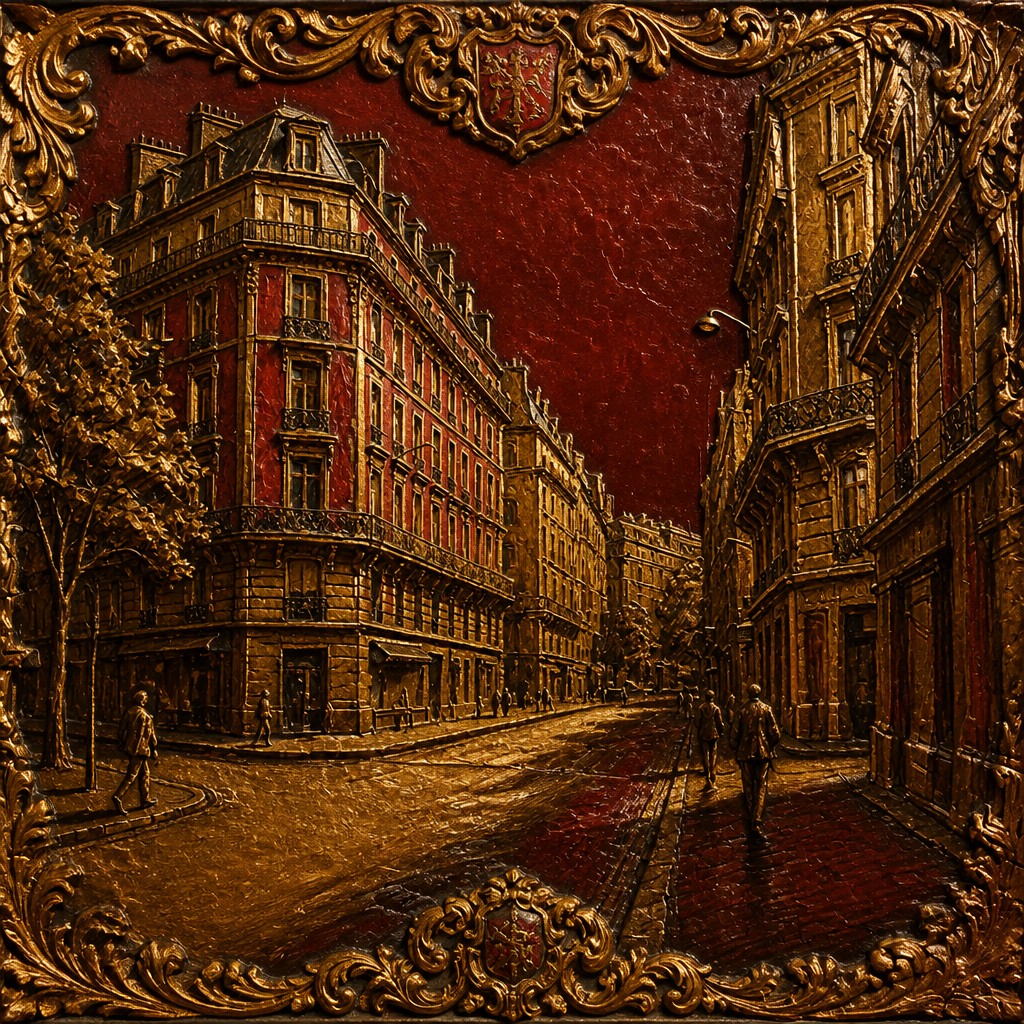

What Defines Seville Art Style
The signature details, up close
Gilded carved wood
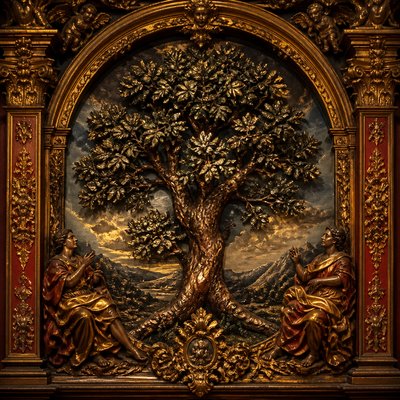
Altarpiece-like woodwork is built from deep relief, layered ornament, scrolling forms, and architectural framing. Gold leaf catches directional light and gives carved surfaces a ceremonial radiance.
Polychrome sculpture
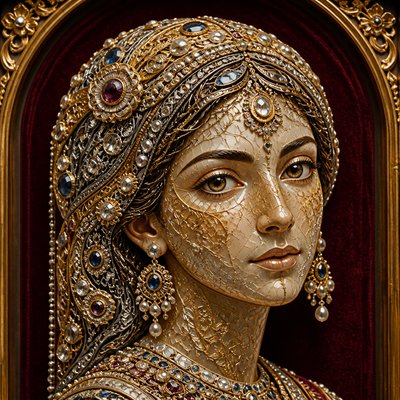
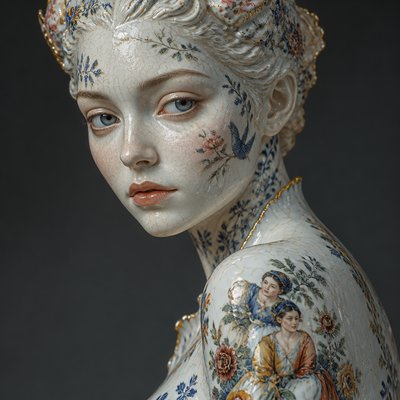
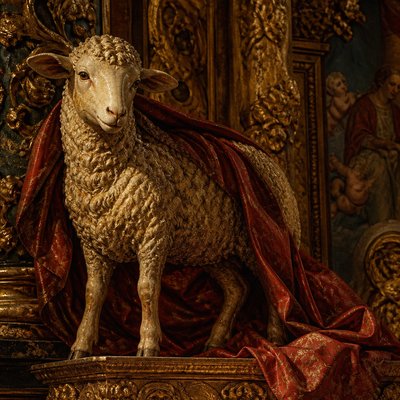
Wooden figures are treated with multiple layers of paint, glazing, and tonal modeling to imitate flesh, hair, textiles, and stone. Fine craquelure and softened pigment can suggest the passage of time.
Baroque chiaroscuro
Strong light sweeps across selected faces, hands, folds, and gilded edges while surrounding areas recede into rich shadow. This contrast creates theatrical focus and a sense of spiritual or emotional revelation.
Crimson and gold palette
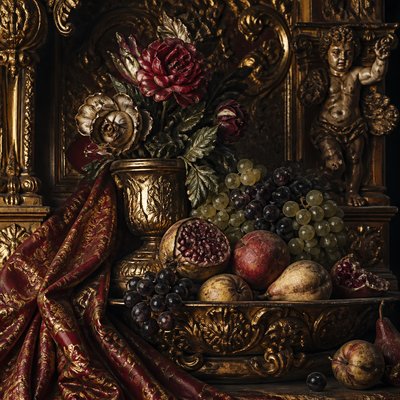
Deep reds, warm umbers, blackened shadows, ivory flesh tones, and metallic gold form the dominant chromatic harmony. Small accents of blue, green, or white may heighten the richness without weakening the overall warmth.
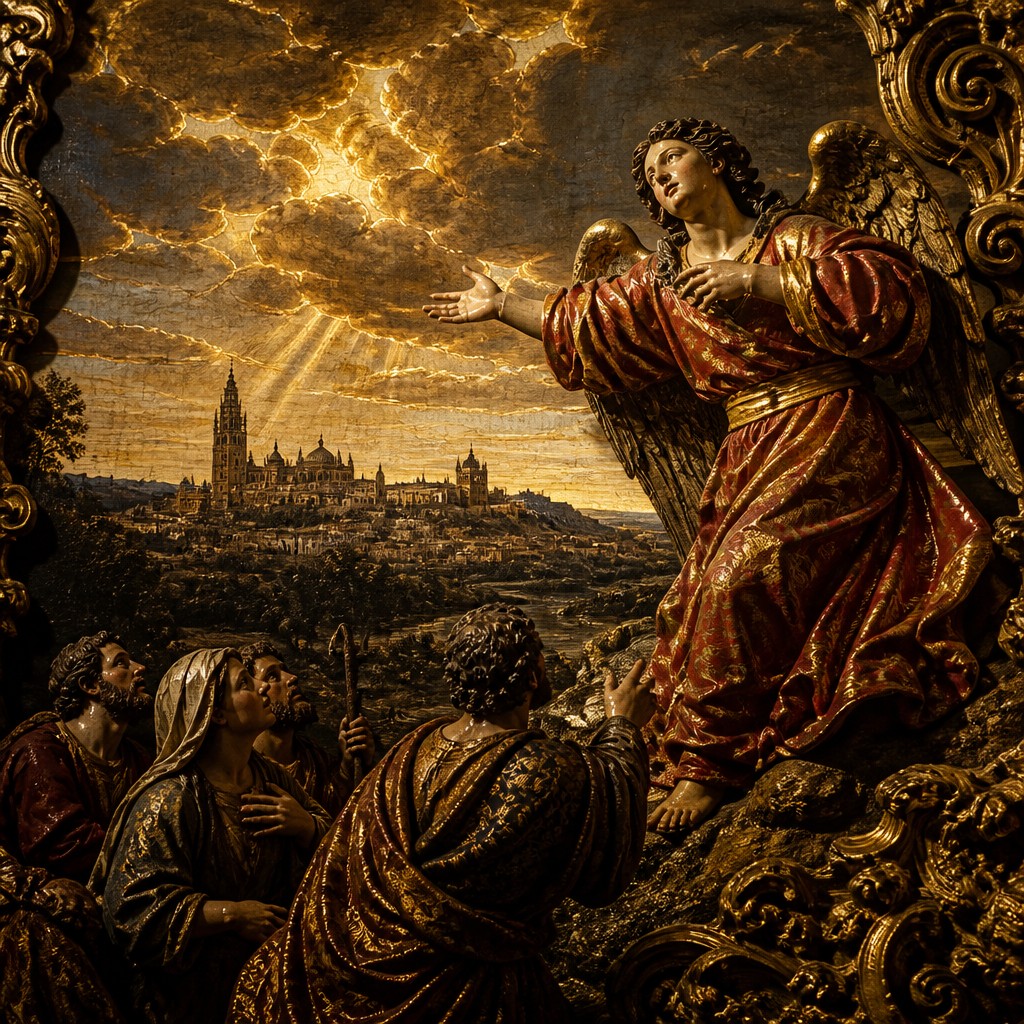
Naturalistic drapery
Clothing is rendered with heavy, sculptural folds that describe weight, movement, and the body beneath the fabric. Highlights on ridges and compressed shadows in recesses make textiles appear almost tangible.
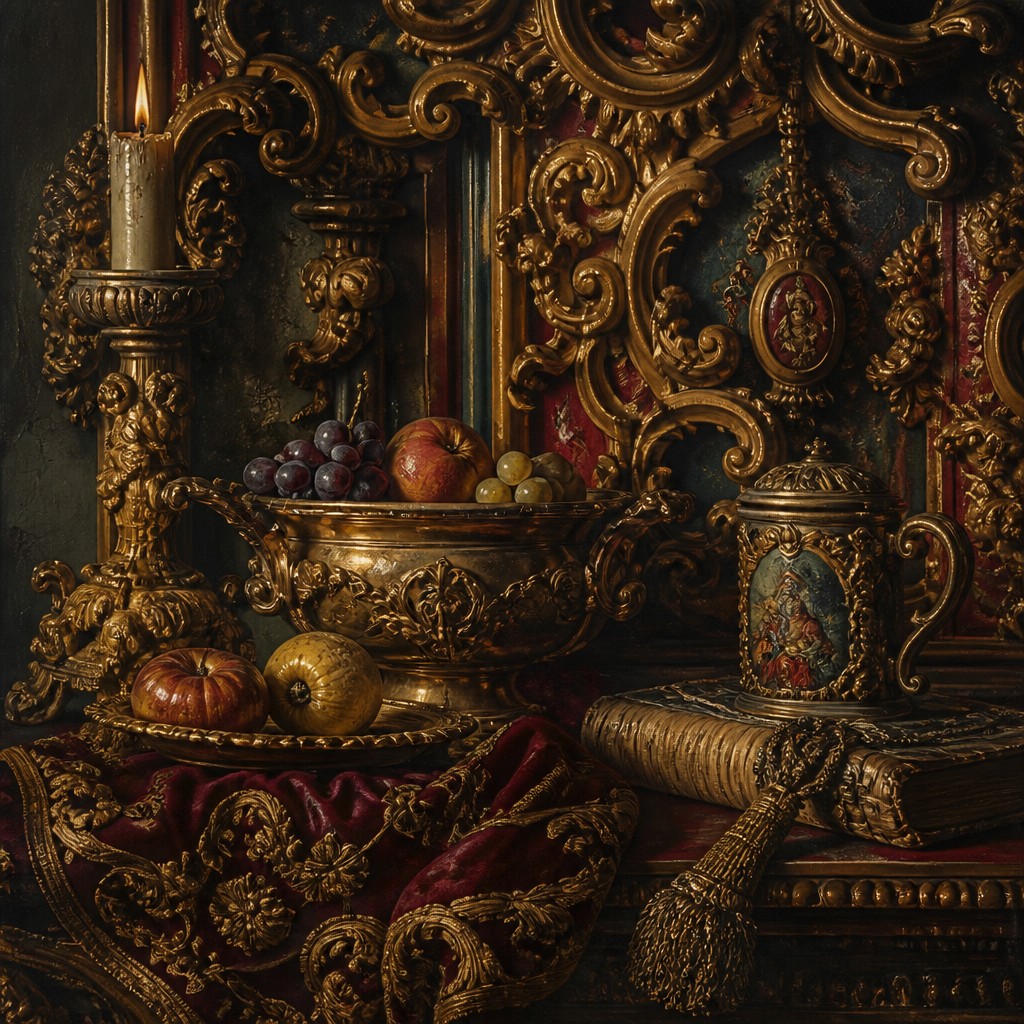
Devotional theatricality
Compositions favor frontal presence, expressive gestures, solemn gazes, and carefully staged moments of revelation. Even secular subjects can be presented with the gravity and ceremony of a processional image.
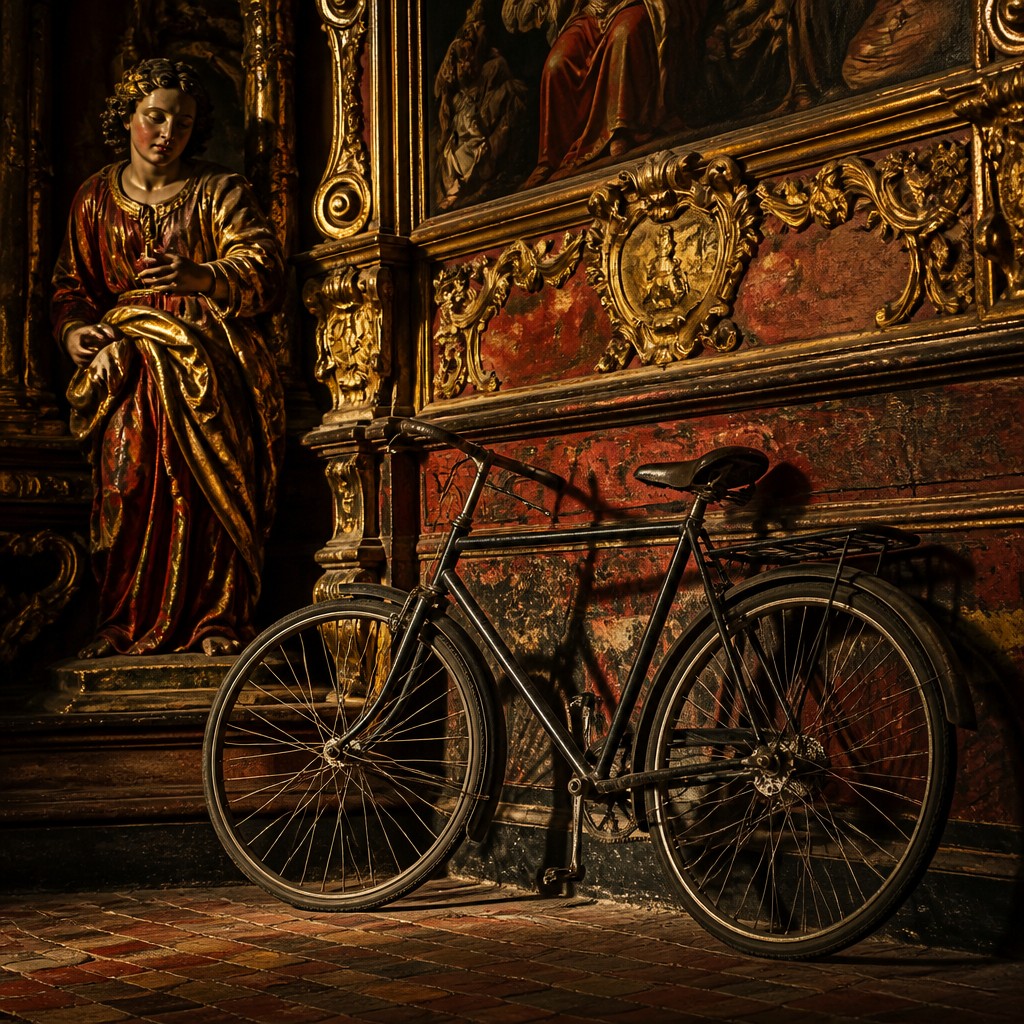
Aged material surfaces
Cracked varnish, worn gilding, exposed ground, small abrasions, and irregular pigment contribute to an artifact-like appearance. The patina should feel integrated with the object rather than added as random noise.
Seville Prompt Ideas
Start from an idea — each one opens the generator with the style ready to go. See all 40 Seville prompts →
How to Create Seville Art
Master the craft step by step — or skip straight to creating. Read the full guide →
- 1
Build the structure in relief
For a physical work, begin with a wood, clay, or digital sculptural base and establish deep recesses, projecting ornament, and strong silhouette changes. In digital software, use sculpting, displacement, and normal maps to preserve the hierarchy of carved planes.
- 2
Layer polychrome and gilding
Use a dark ground beneath warm reds, ochres, flesh tones, and selective metallic leaf or metallic paint. Keep gold concentrated on frames, edges, ornament, and symbolic details so it functions as reflected light rather than a flat fill.
- 3
Light from one dramatic source
Place a directional, warm key light above or to one side and let large areas fall into controlled shadow. Reveal the face, hands, drapery ridges, and gilded edges while avoiding evenly distributed illumination.
- 4
Model convincing material texture
Differentiate polished gold, porous wood, painted flesh, woven cloth, and cracked varnish through distinct roughness and highlight behavior. Use restrained craquelure and edge wear to suggest age without obscuring the sculptural forms.
- 5
Compose for ceremonial presence
Choose a stable frontal or three-quarter pose, a restrained background, and a clear focal gesture. Architectural framing, altar-like recesses, candles, processional objects, or draped textiles can reinforce the regional Baroque vocabulary.
- 6
Write a precise digital prompt
Specify the subject first, then request gilded deep-relief carving, polychrome wood texture, crimson and gold color, dramatic chiaroscuro, naturalistic folds, and subtle aged patina. For image transformation, describe which existing forms should remain recognizable while the surface and lighting adopt these qualities.
The Story
History & Origins of Seville
The style draws primarily from the artistic culture of Seville during the Spanish Baroque, especially from the late sixteenth through eighteenth centuries. Its development was closely connected with Catholic devotional commissions, church interiors, gilded altarpieces, religious sculpture, confraternities, and public processions. These settings encouraged artists and craft workshops to make sacred subjects vivid, accessible, and theatrically persuasive.
Seville's tradition grew from the combination of Renaissance naturalism, Iberian religious imagery, Baroque illusionism, and local woodworking and polychrome techniques. Although "Seville Art Style" is not a single historical movement with fixed boundaries, it is a useful modern name for this regional aesthetic lineage and for contemporary works that reinterpret its materials, lighting, and emotional intensity.
Influences: The style is related to Spanish Baroque sculpture, Counter-Reformation devotional art, gilded retablo design, Andalusian processional culture, and the broader European tradition of theatrical chiaroscuro. It also draws on Renaissance naturalism, Iberian wood-carving workshops, illusionistic church interiors, and the material language of reliquaries and ceremonial objects. Contemporary interpretations may overlap with neo-Baroque, historical fantasy, dark romanticism, and textured digital sculpture.
Frequently Asked Questions
What defines Seville Art Style?
It is defined by the combination of Baroque theatrical lighting, gilded carved wood, lifelike polychrome sculpture, crimson-and-gold color, and highly detailed drapery. A tactile aged surface and a sense of devotional or ceremonial presence are equally important.
Is Seville Art Style a formally recognized historical movement?
Not in the same way as Impressionism or Cubism. The term is best understood as a modern umbrella label for an aesthetic rooted in the Baroque artistic traditions of Seville and Andalusia, particularly religious sculpture, retablos, and processional imagery.
How does it differ from general Spanish Baroque art?
Spanish Baroque art is a broad national category covering many regional approaches and media. The Seville-oriented version places special emphasis on polychrome wood sculpture, gilded altarpiece surfaces, confraternity and processional culture, warm crimson-and-gold harmonies, and dramatic sculptural presence.
Can this style be used for subjects other than religious figures?
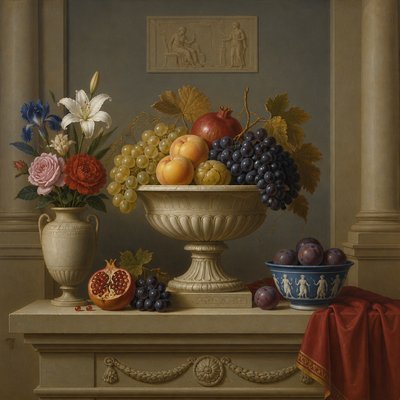
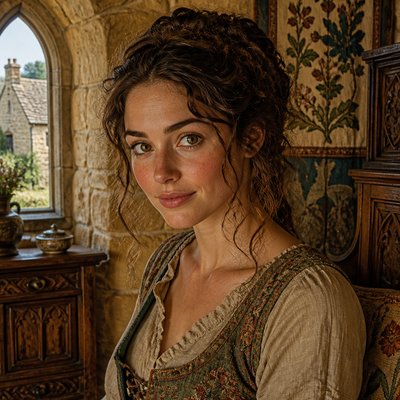
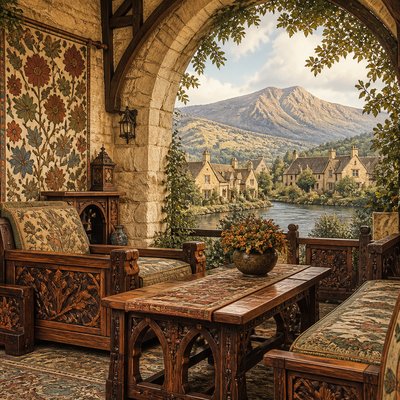
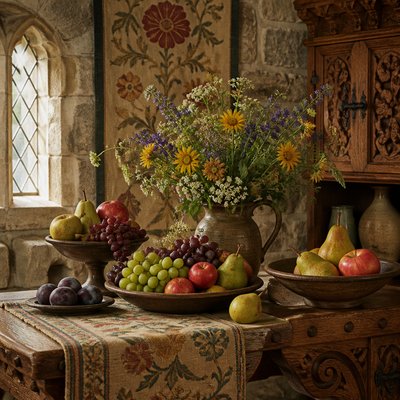
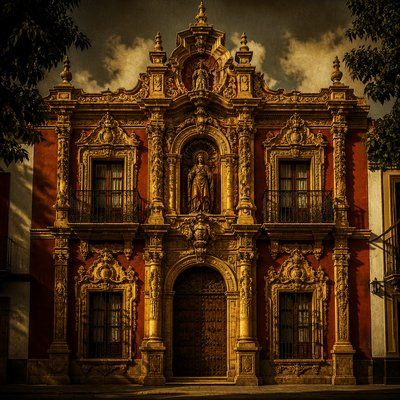
Yes. Portraits, still lifes, fantasy characters, architectural scenes, and contemporary objects can use its lighting, materials, and compositional gravity. The strongest results preserve the style's tactile carving, selective gilding, and ceremonial staging even when the subject is secular.
How can I make an image look convincingly polychrome?
Describe layered painted wood, modeled flesh tones, visible grain, subtle glaze variation, and controlled craquelure rather than simply asking for a colorful sculpture. Lighting should reveal the difference between matte pigment, polished gold, worn varnish, and shadowed recesses.
Where is this aesthetic commonly used today?
It appears in religious art, heritage interpretation, museum displays, theatrical and film design, fantasy illustration, sculptural visualization, and contemporary digital imagery. It is particularly effective when material richness and dramatic illumination are central to the subject.
Create your first Seville artwork
Describe anything — or upload a photo — and see it in Seville Art Style in seconds.
Related Styles
Discover similar art styles