Stone Carving Sculpture vs Wood Carving Sculpture: What's the Difference?
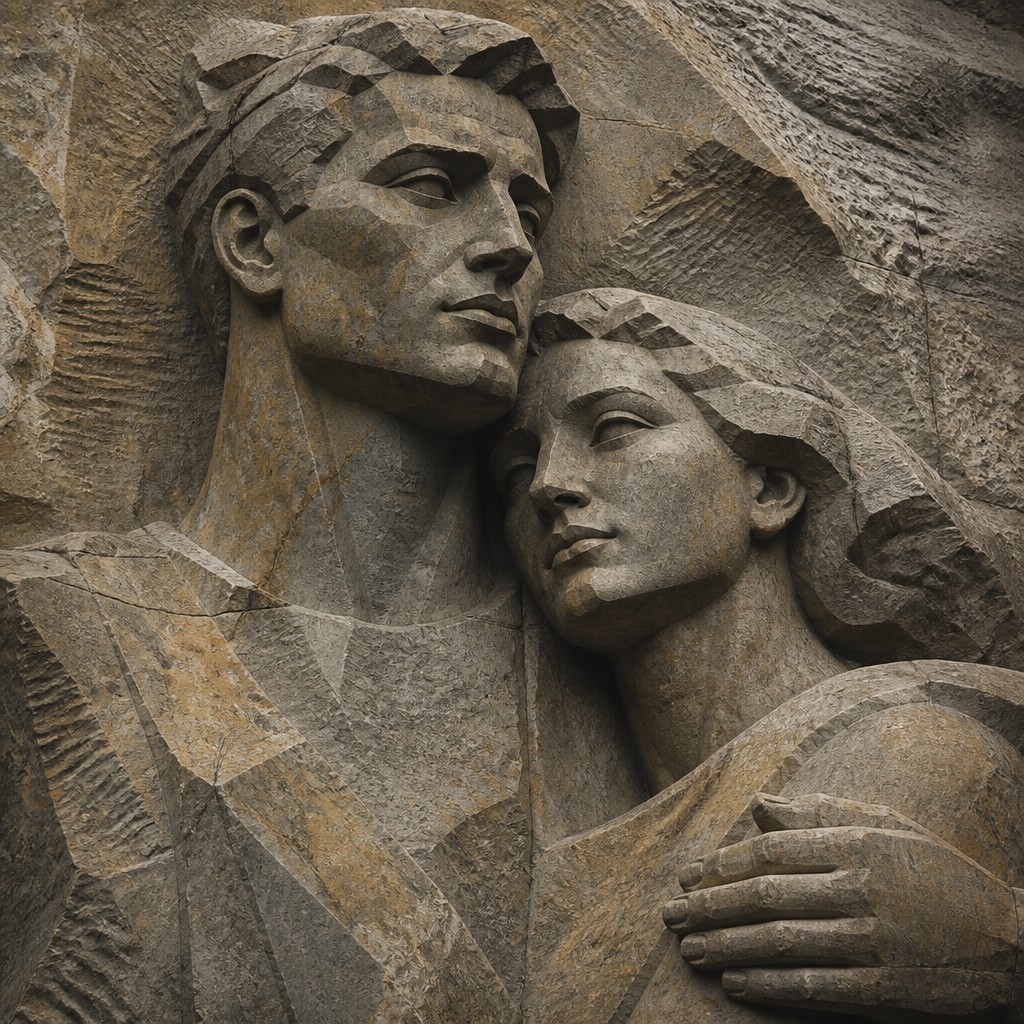
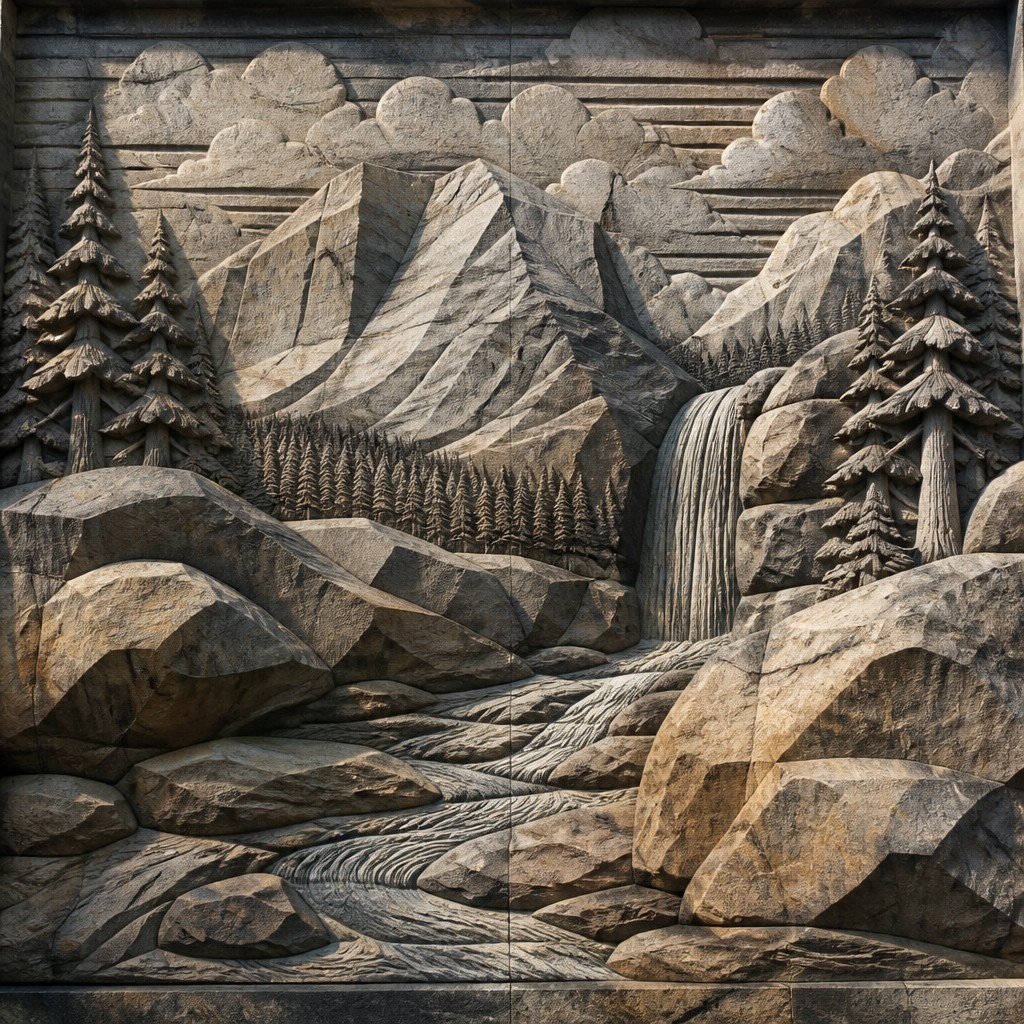
Stone carving sculpture style emphasizes monumental forms, permanence, and the tactile contrast between rough chisel marks and polished surfaces. It often uses the stone’s natural grain and weight to create an ancient, enduring presence that feels architectural, ceremonial, or timeless.
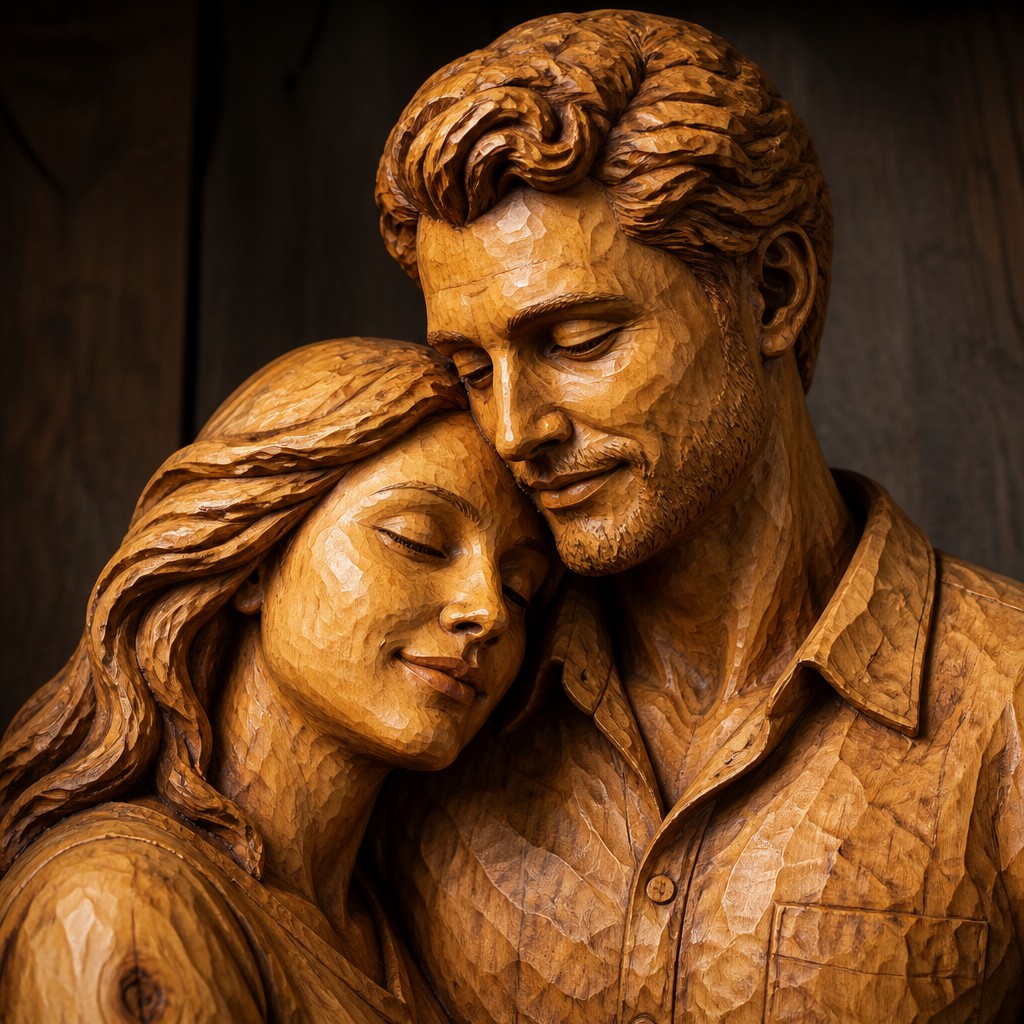
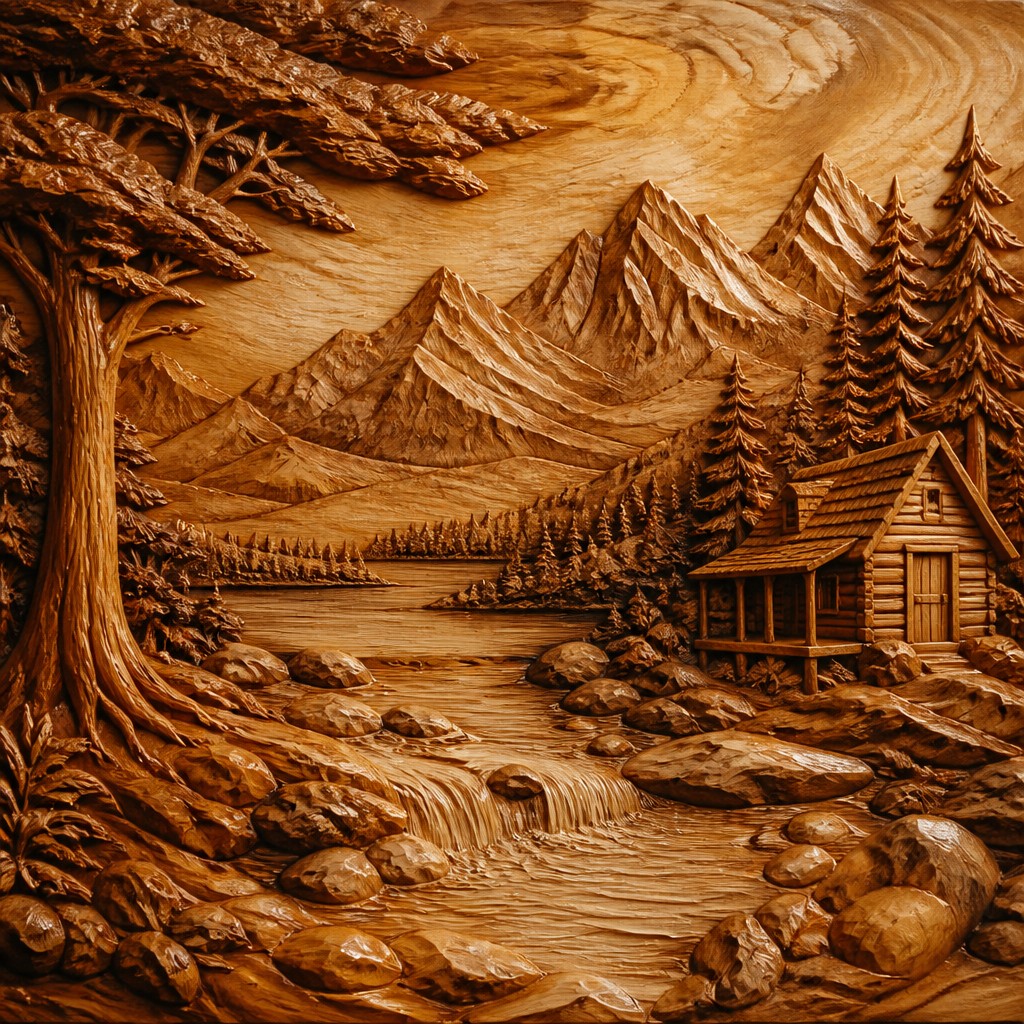
Wood carving sculpture style emphasizes warmth, organic texture, and the visible character of the material, including grain, knots, and tool marks. People compare the two because both are subtractive sculpture traditions that rely on carving, but they differ strongly in feel, scale, durability, and the way each material shapes the final form.
Same Prompt, Both Styles
Each pair below was generated from the identical prompt — only the style changed.
“portrait of two people together”
“wide landscape with natural scenery”
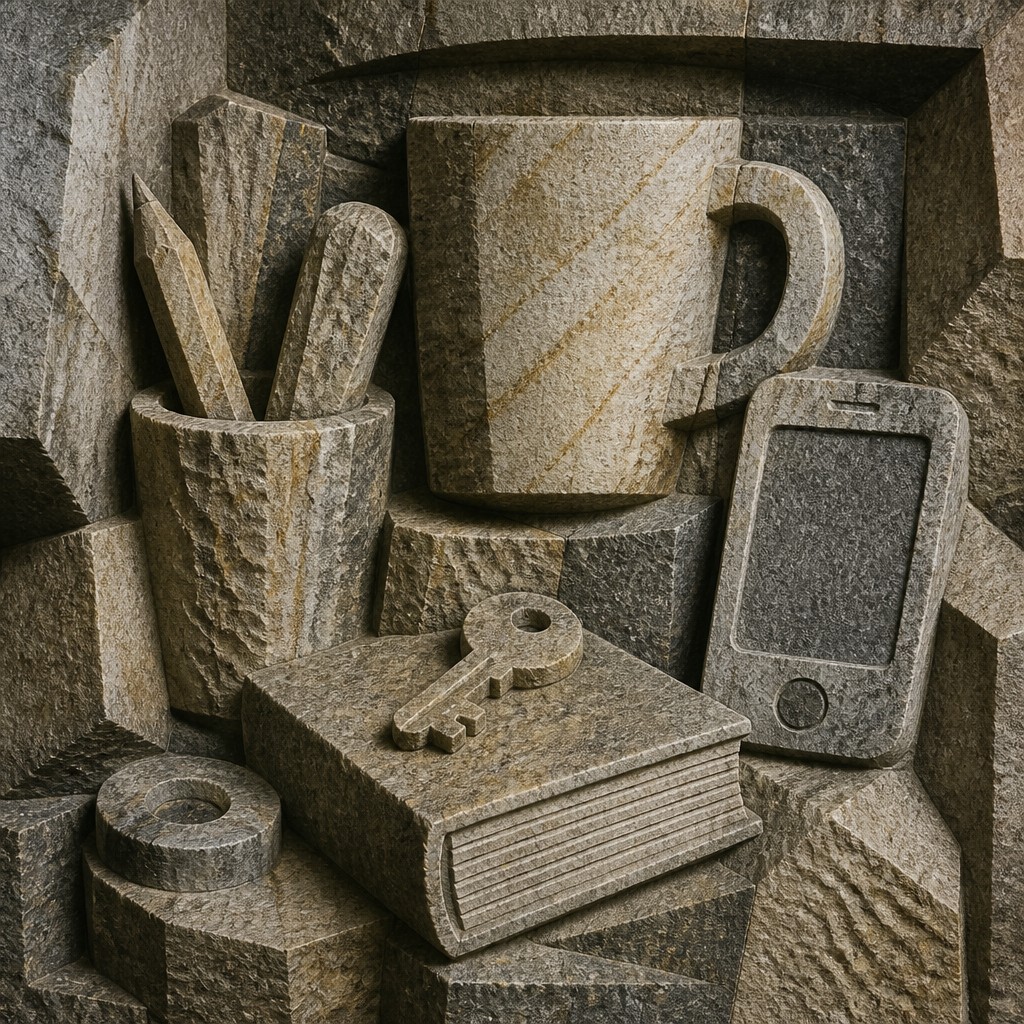
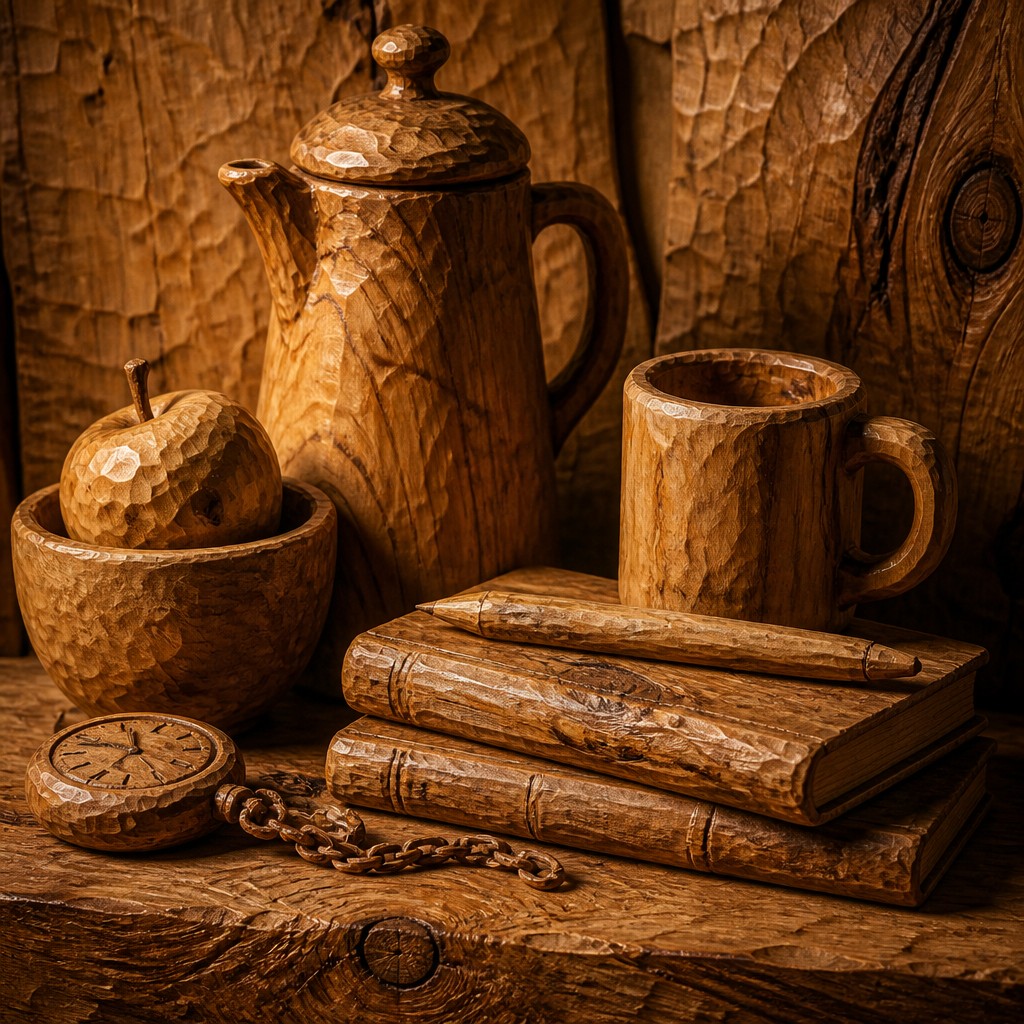
“still life with everyday objects”
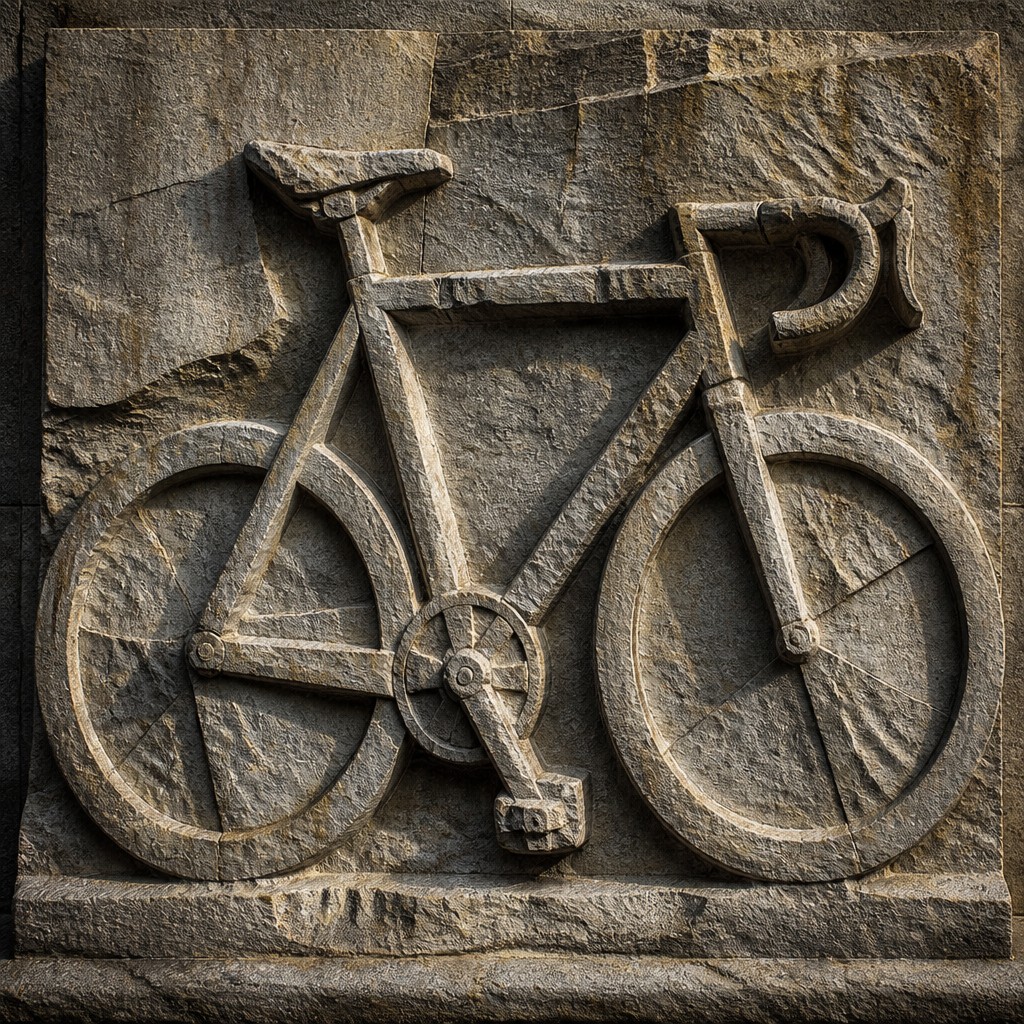
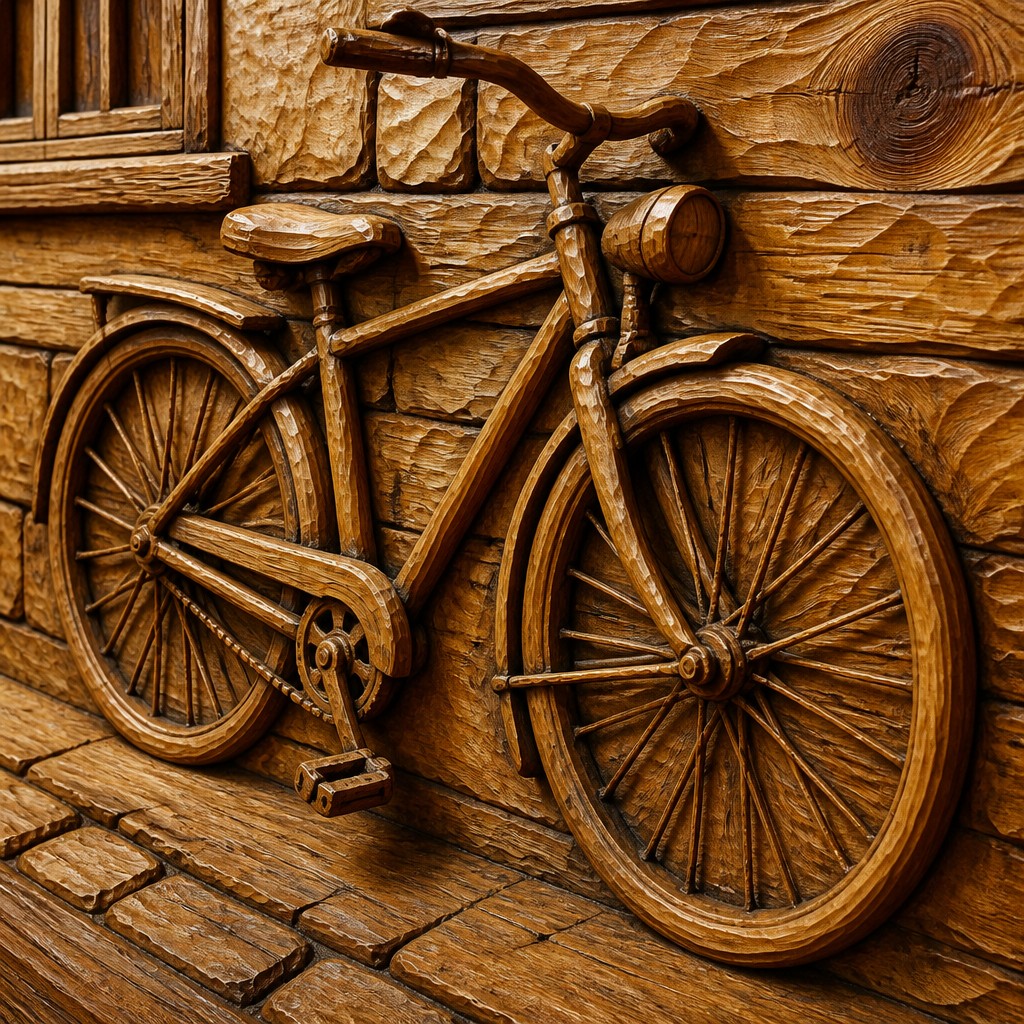
“bicyle resting against a wall”
Key Differences
| Stone Carving Sculpture | Wood Carving Sculpture | |
|---|---|---|
| Material feel | Cool, heavy, and monumental with a sense of permanence. | Warm, lighter-looking, and more intimate in character. |
| Surface texture | Often mixes polished areas with rough, fractured chisel marks. | Usually highlights grain, knots, and carved tool marks. |
| Form and scale | Commonly favors large, solid, enduring forms. | Often suits smaller to medium forms with organic detail. |
| Visual mood | Ancient, solemn, and monumental. | Natural, warm, and handcrafted. |
| Material behavior | Breaks along grain and requires careful planning for hardness and fractures. | Cuts more readily but demands attention to grain direction and knots. |
| Durability concerns | Very durable, but can chip or weather over time. | More vulnerable to moisture, insects, and cracking. |
| Mood | monumental, solemn, timeless, earthy | earthy, organic, meditative, timeless |
| Energy | calm | calm |
| Detail level | detailed | detailed |
| Color | muted stone grays, tans, weathered earth tones | warm browns, honey, tan, muted wood tones |
| Texture | rough-hewn, chiselled, polished accents | grainy, carved, tactile, polished-to-rough contrast |
| Origin | Ancient Mediterranean and global monumental traditions | ancient global woodworking traditions |
| Best for | memorials, public monuments, museum displays, heritage posters, architectural sculpture, historical illustrations | decor objects, heritage branding, book covers, museum visuals, packaging, interior accents |
| Difficulty | advanced | advanced |
Which Should You Choose?
Choose stone carving if you want a sculpture that feels timeless, weighty, and monumental, or if your project needs strong visual permanence and a classic, ancient presence. Choose wood carving if you want warmth, visible craftsmanship, and a more organic, approachable look, especially when the material’s grain and natural imperfections should be part of the design.
Frequently Asked Questions
Which style is harder to carve?
Stone is generally harder to carve because it is denser, heavier, and less forgiving of mistakes. Wood is usually easier to shape, though grain direction and knots can still make it challenging.
Which style lasts longer outdoors?
Stone usually lasts longer outdoors because it is more resistant to weather and physical wear. Wood can be used outdoors, but it typically needs protective treatment and regular maintenance.
Do both styles show tool marks?
Yes, both often preserve chisel marks as part of the final look. In stone, marks can emphasize strength and process; in wood, they add warmth and a handmade quality.
How do I create the look of each style?
For stone, plan a strong silhouette, carve with controlled chisel work, and balance rough and polished areas. For wood, follow the grain, use knots and natural texture intentionally, and keep the form expressive and tactile.