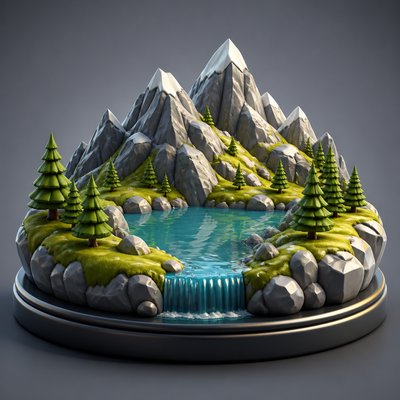
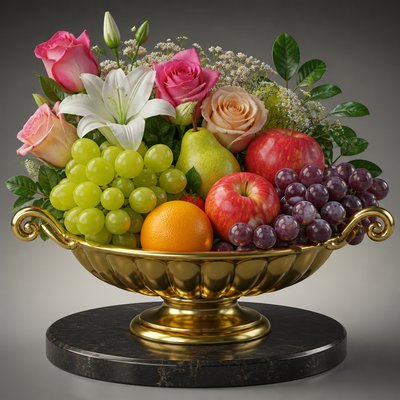
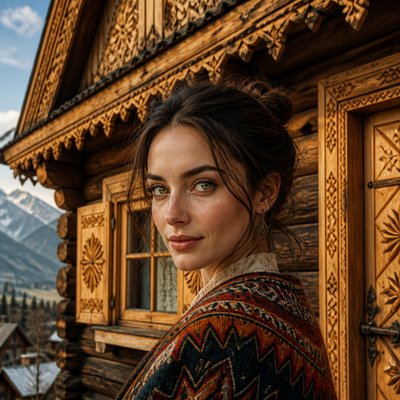
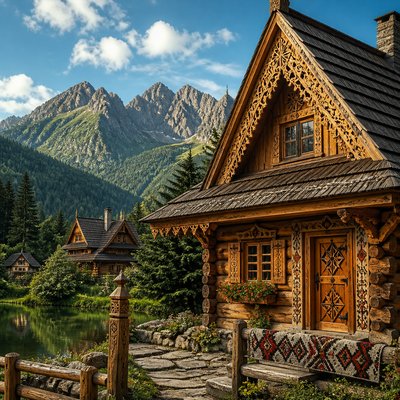
Bahraini Art Style
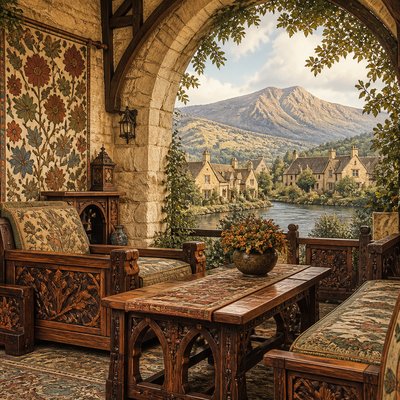
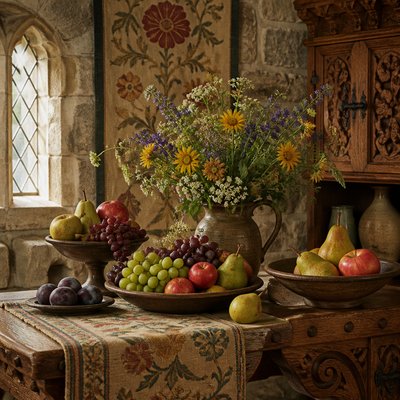
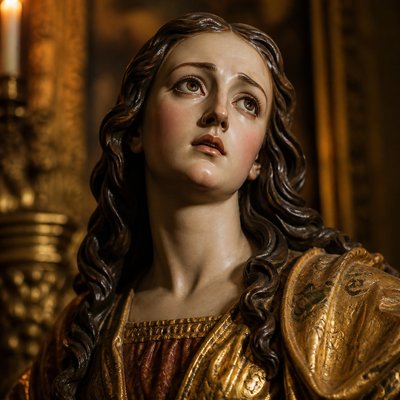
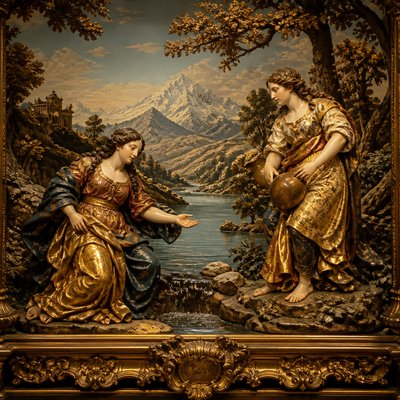
Explore Bahraini Art Style: a Gulf-inspired visual language of Dilmun seals, pearl diving, limestone forts, nets, and luminous sea-blue tones.
Instantly rendered in Bahraini — or transform a photo
Bahraini Gallery
Tap any artwork to explore it
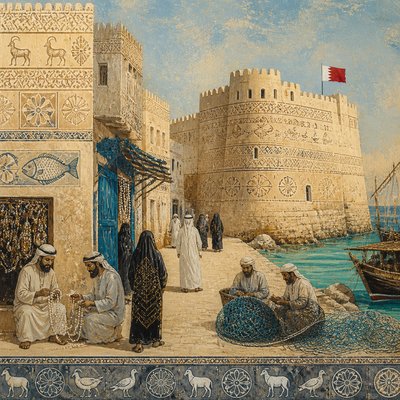
What is Bahraini Art Style?
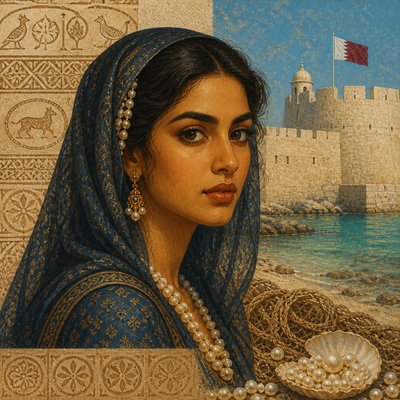
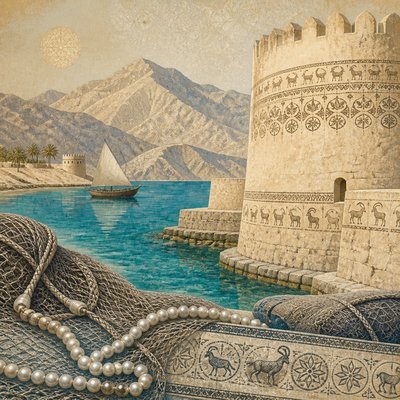
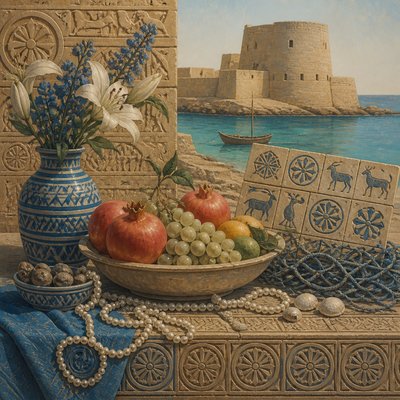
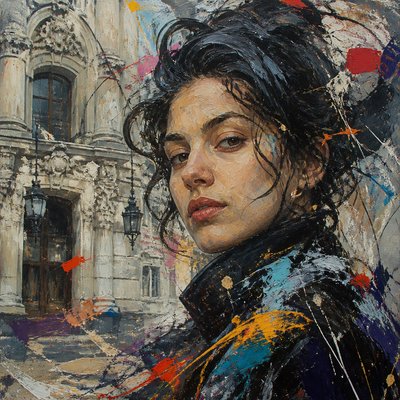
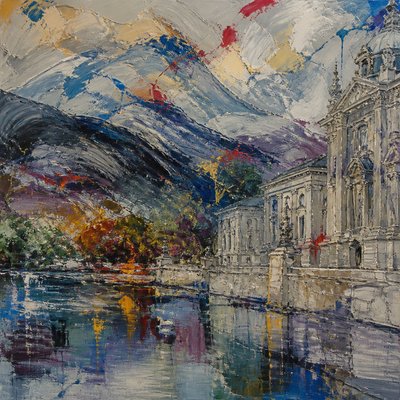
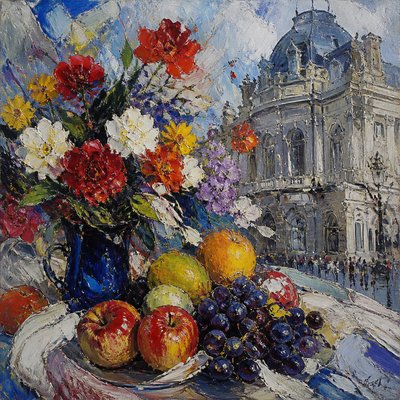
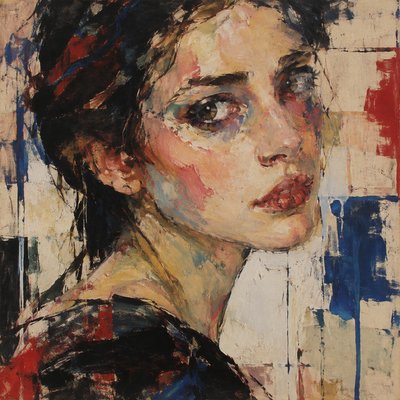
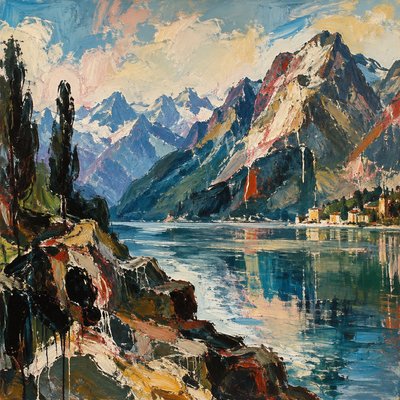
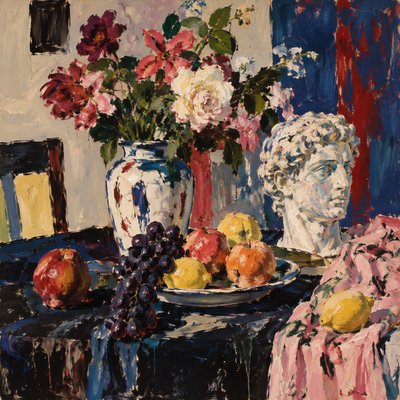
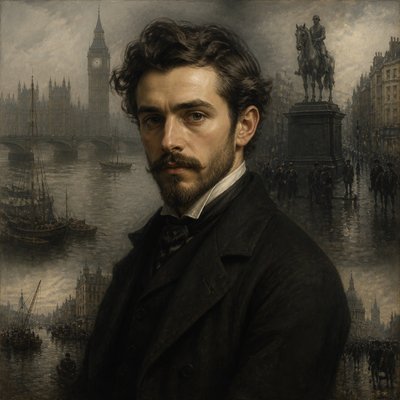
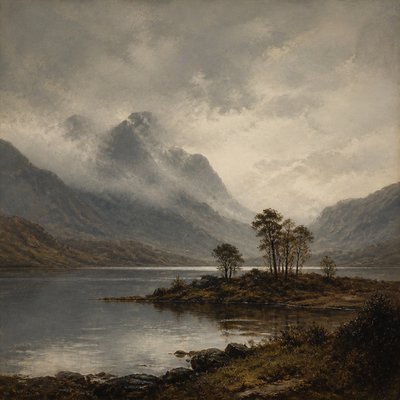
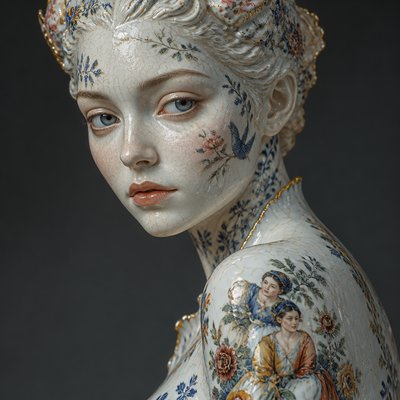
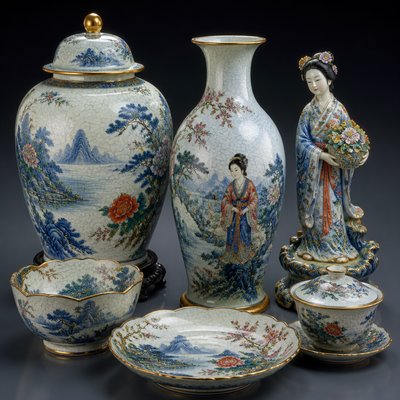
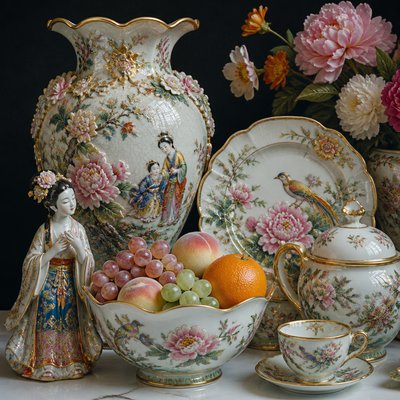
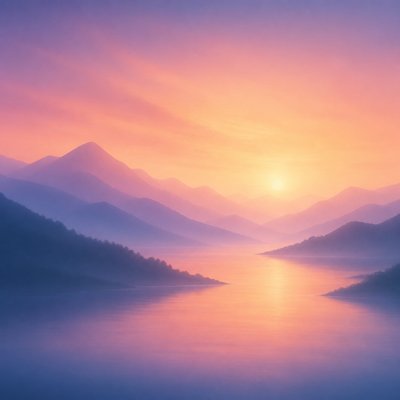
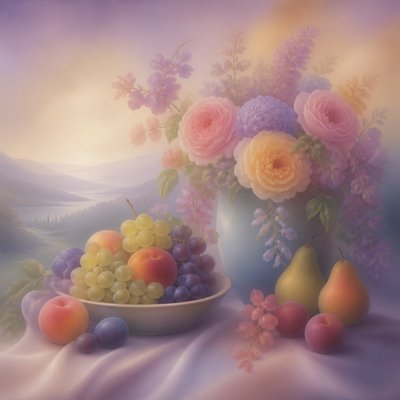
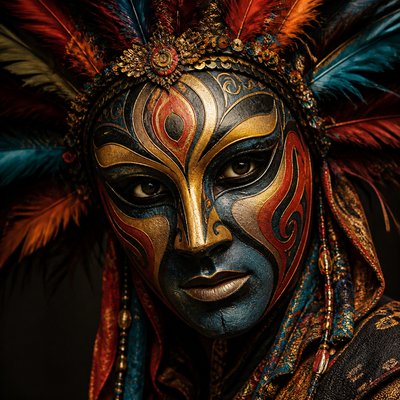
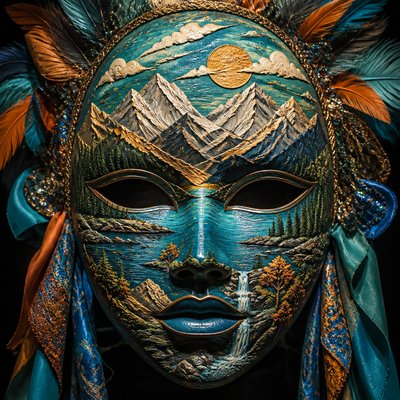
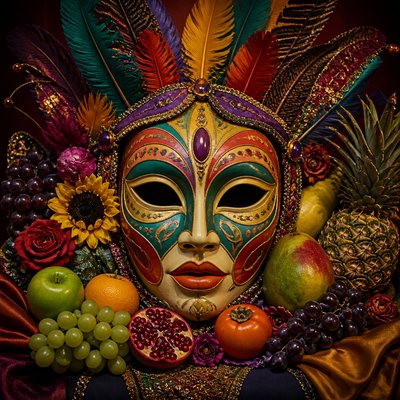
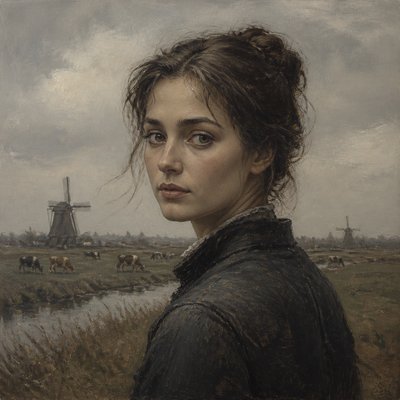
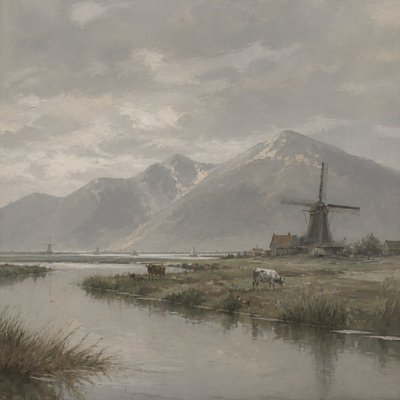
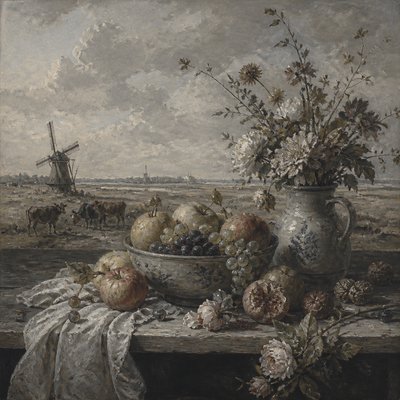
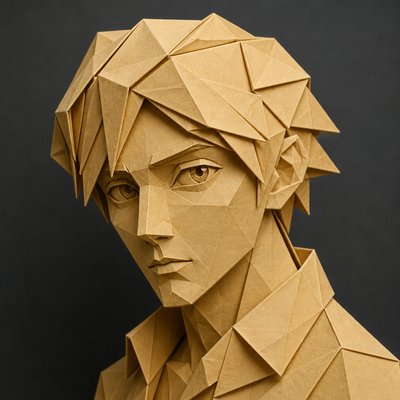
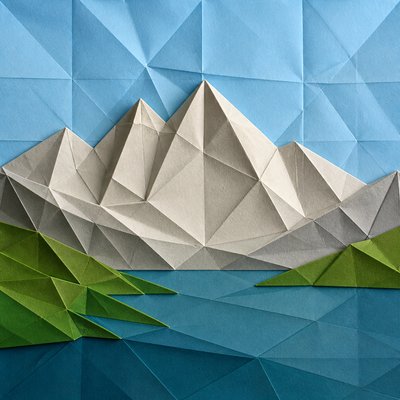
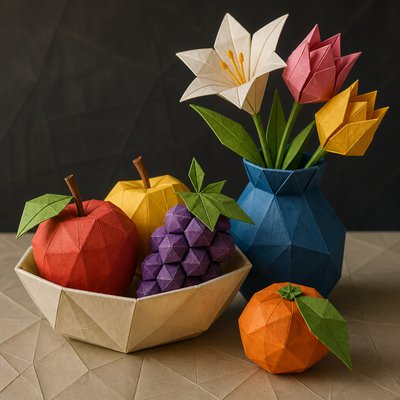
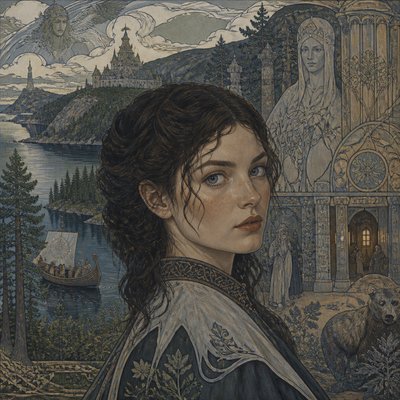
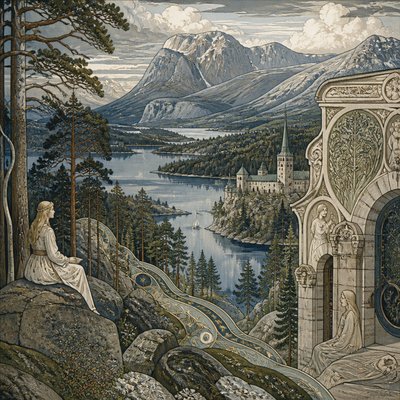
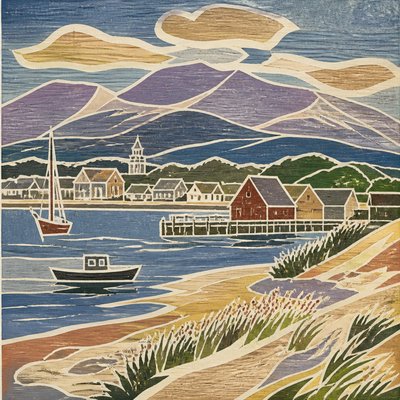
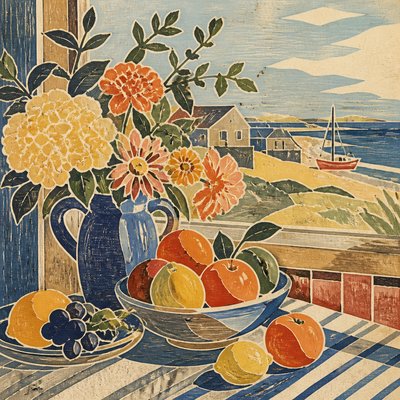
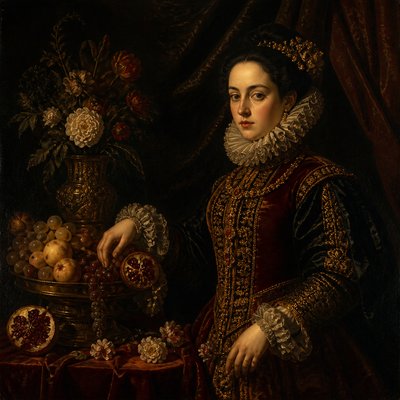
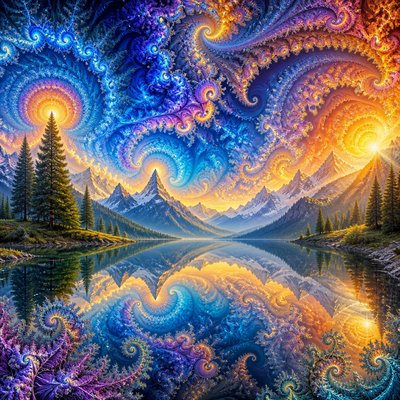
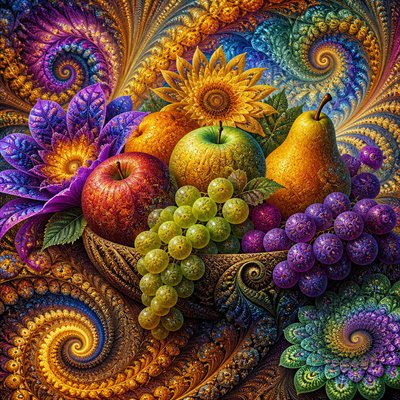
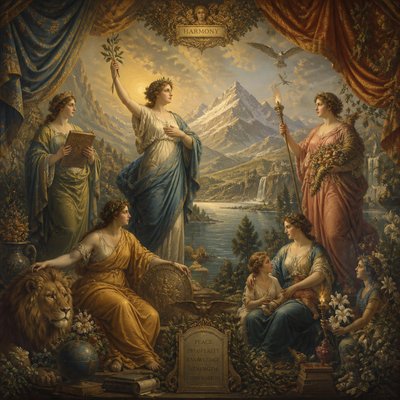
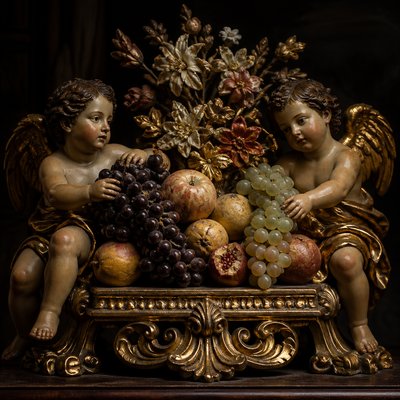
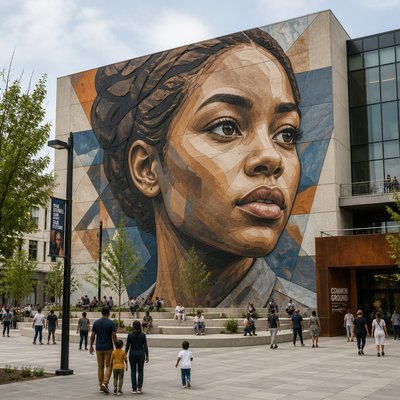
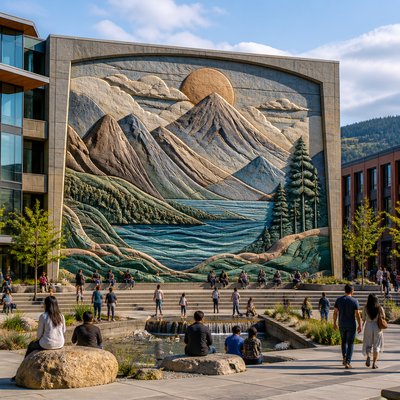
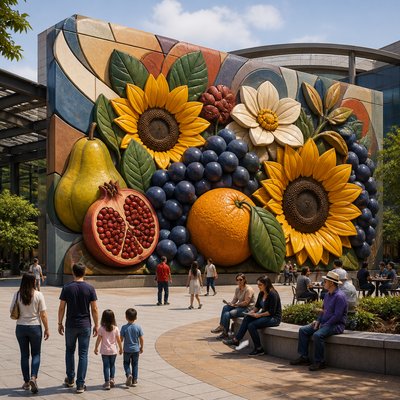
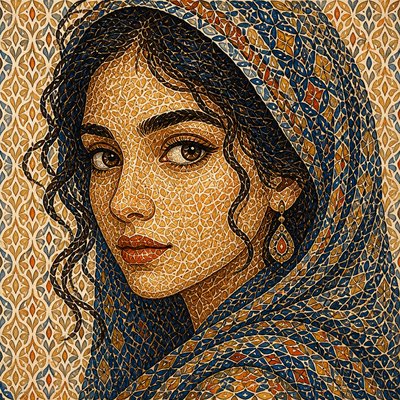
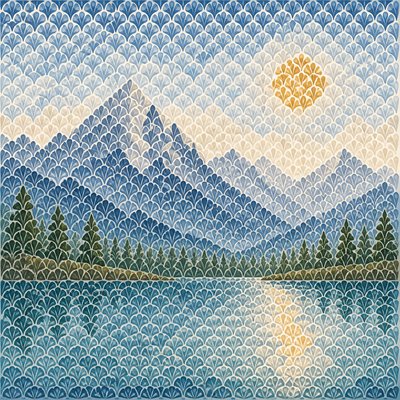
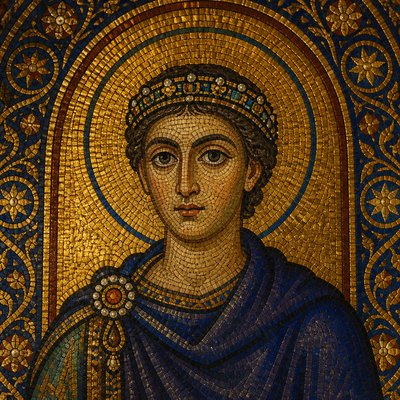
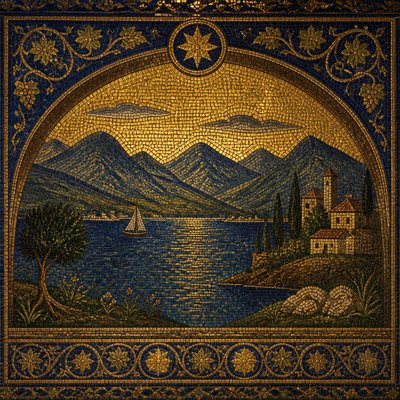
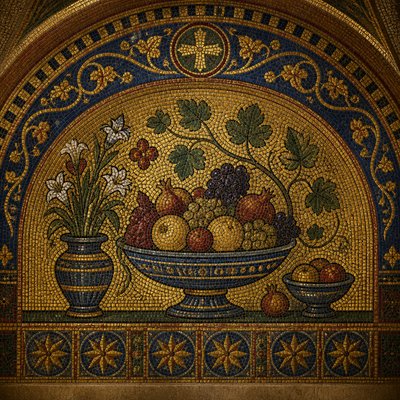
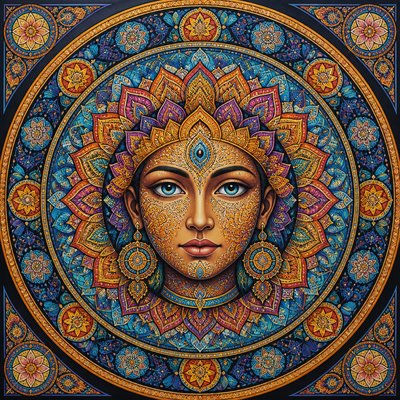
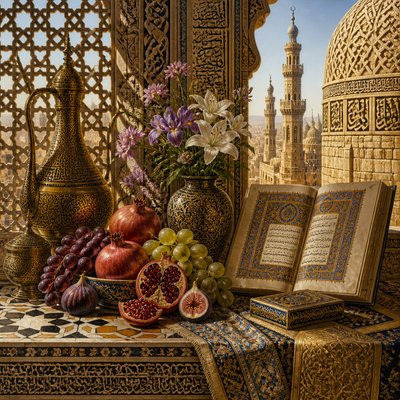
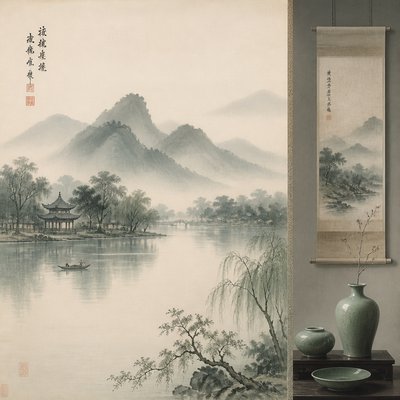
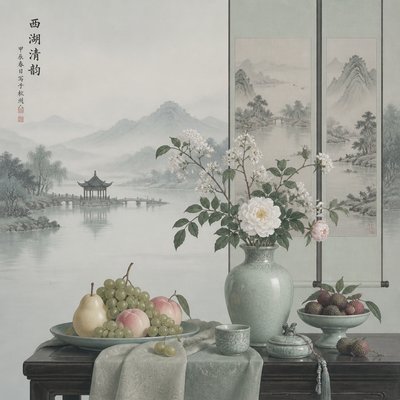
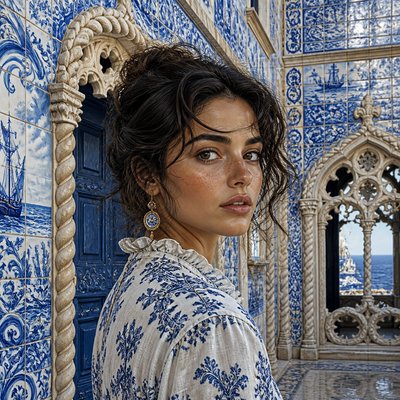
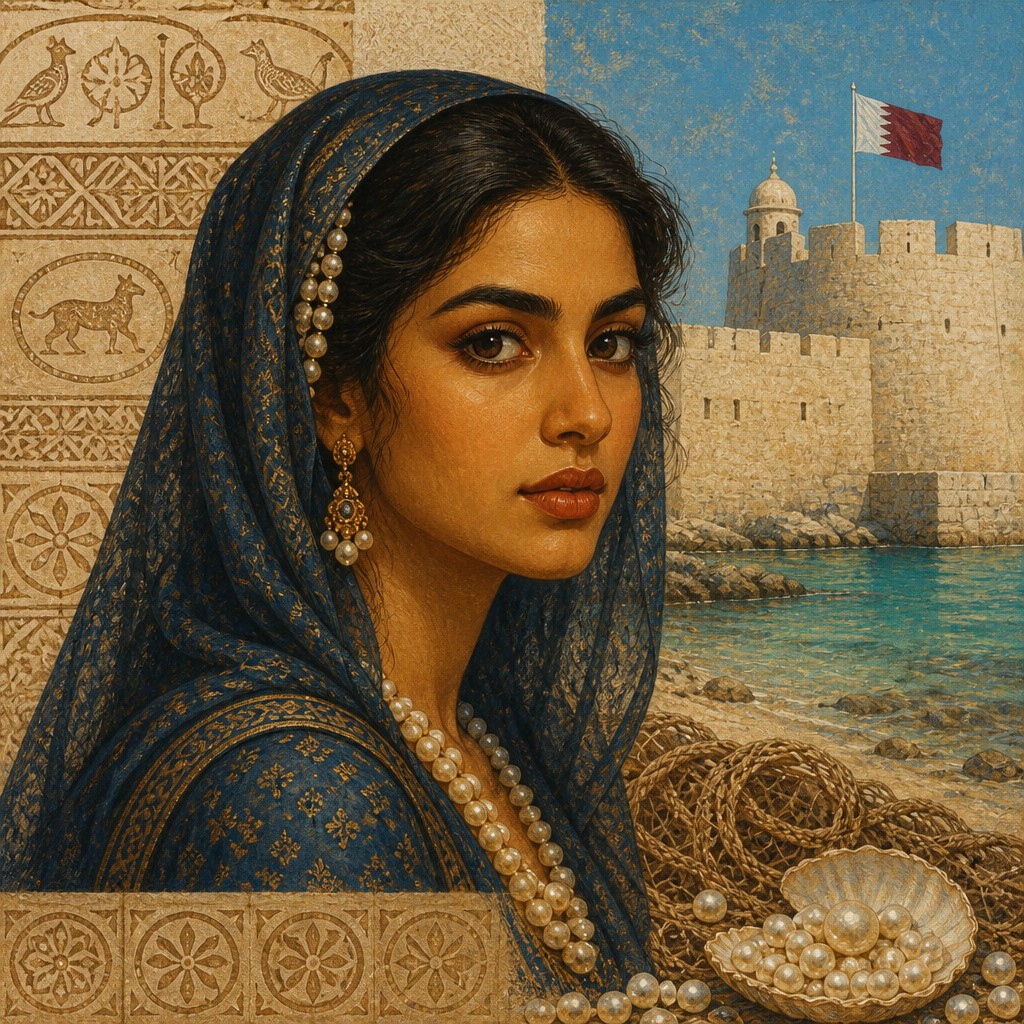
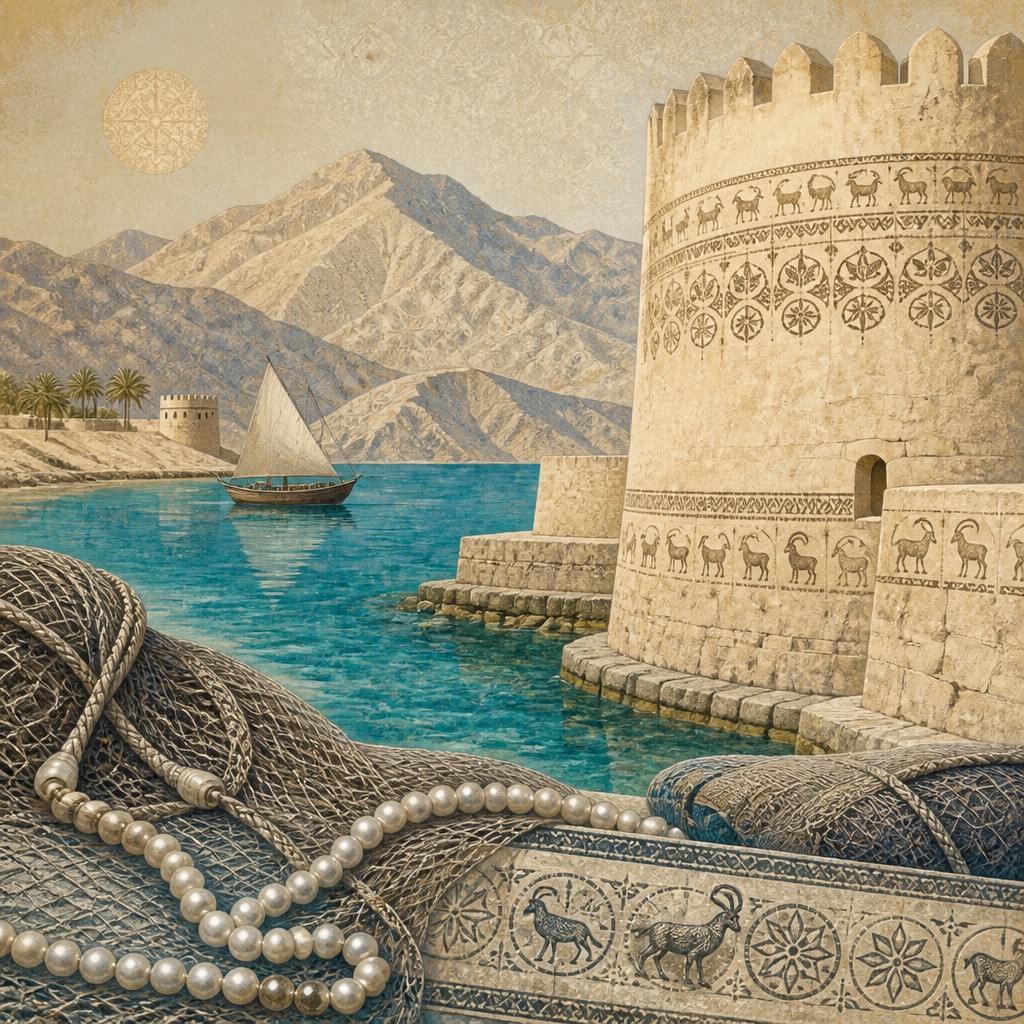
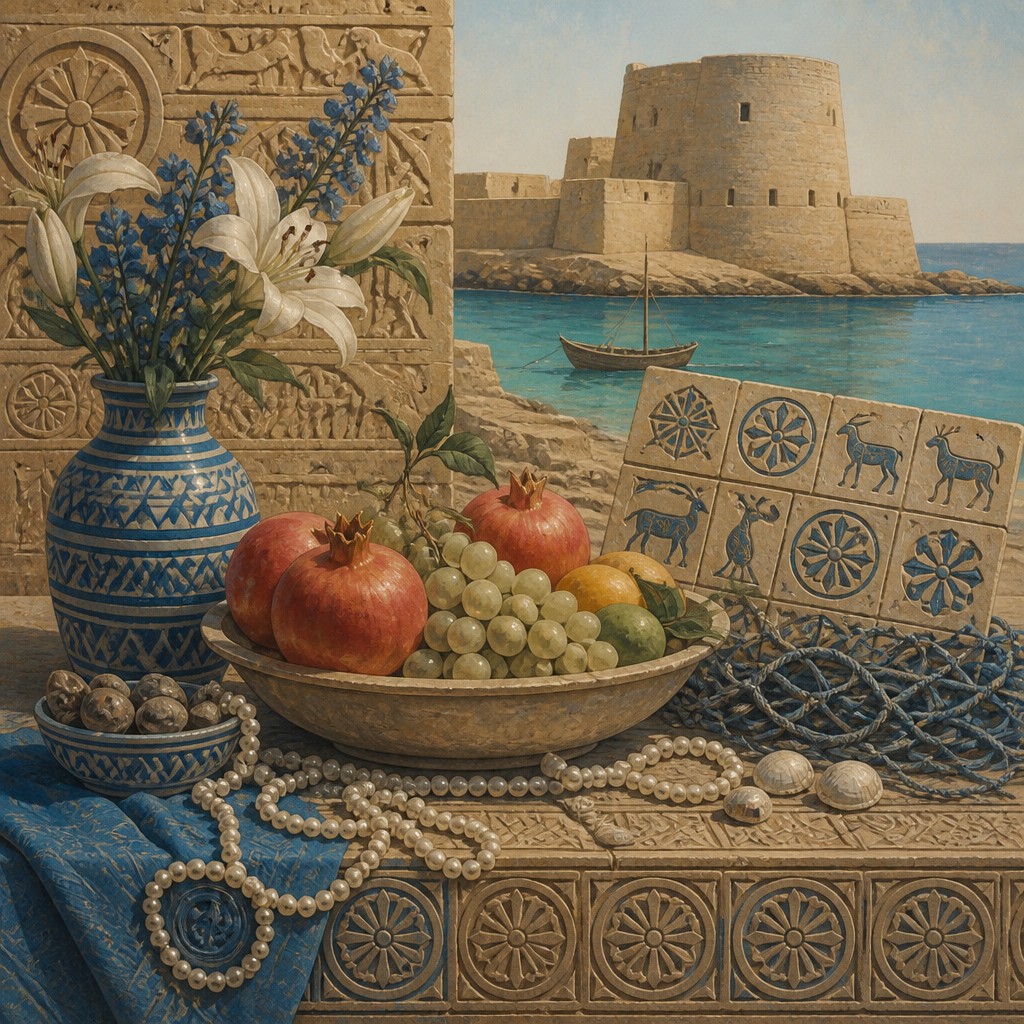
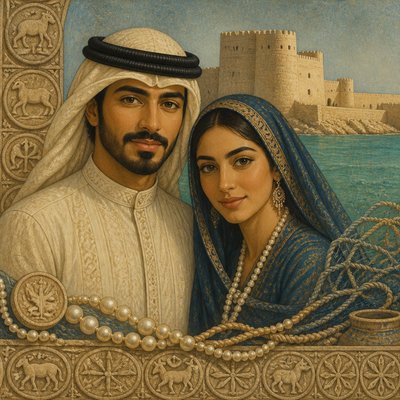
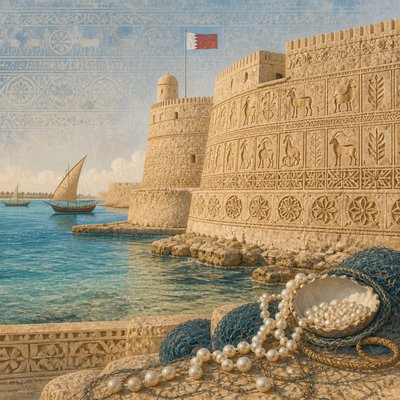
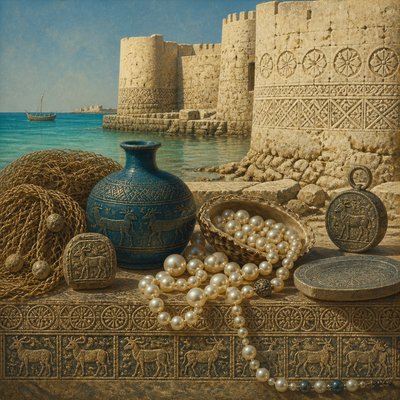
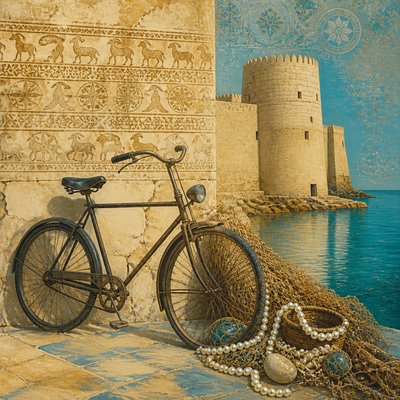
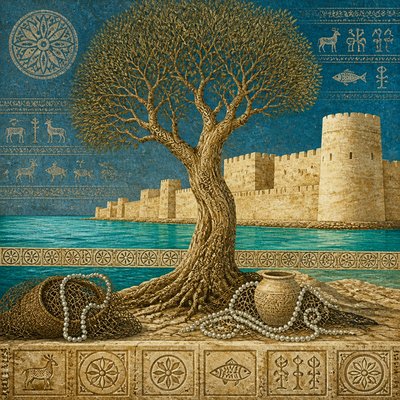
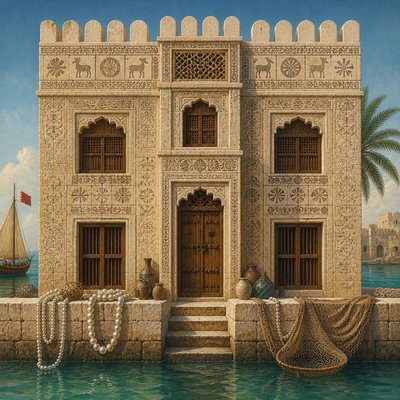
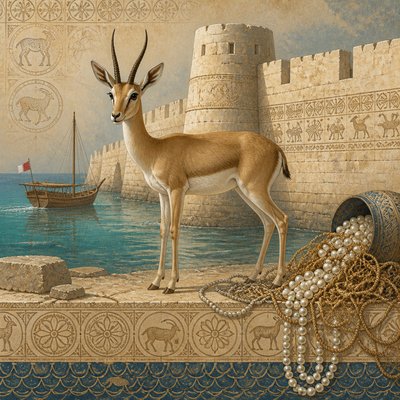
Bahraini Art Style is a contemporary, heritage-inspired visual language drawing on Bahrain’s ancient Dilmun archaeology, pearl-diving culture, maritime landscapes, and fortified architecture. It combines sun-bleached limestone, turquoise Gulf water, warm sandstone, lustrous pearl highlights, and finely incised motifs derived from the compact imagery of ancient stamp seals.
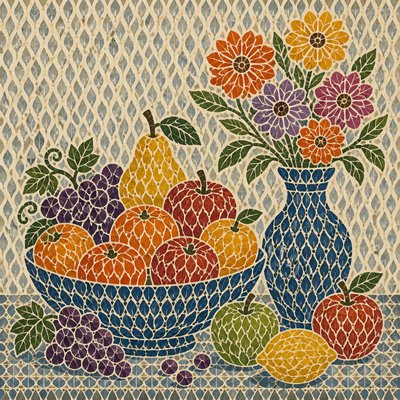
The style is defined by a balance between archaeological gravity and coastal luminosity. Animals, rosettes, boats, nets, shells, and geometric bands may be arranged like carved ornament or a repeated frieze, while broad areas of quiet color evoke desert heat, shallow water, and weathered masonry. It is best understood as an invented contemporary synthesis rather than a formally codified historical school from Bahrain.
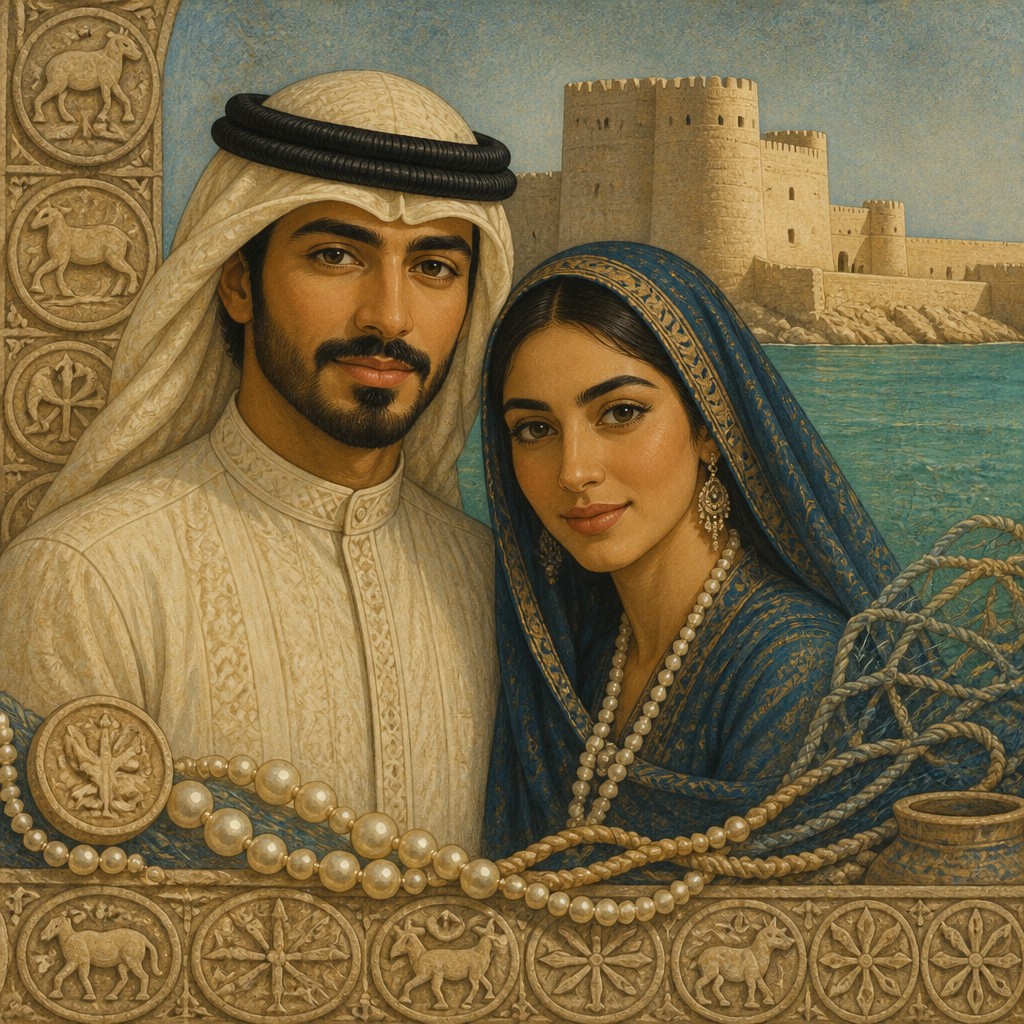
Try It On Your Photos
Upload any photo and convert it into Bahraini Art Style — drag the sliders to compare before and after.
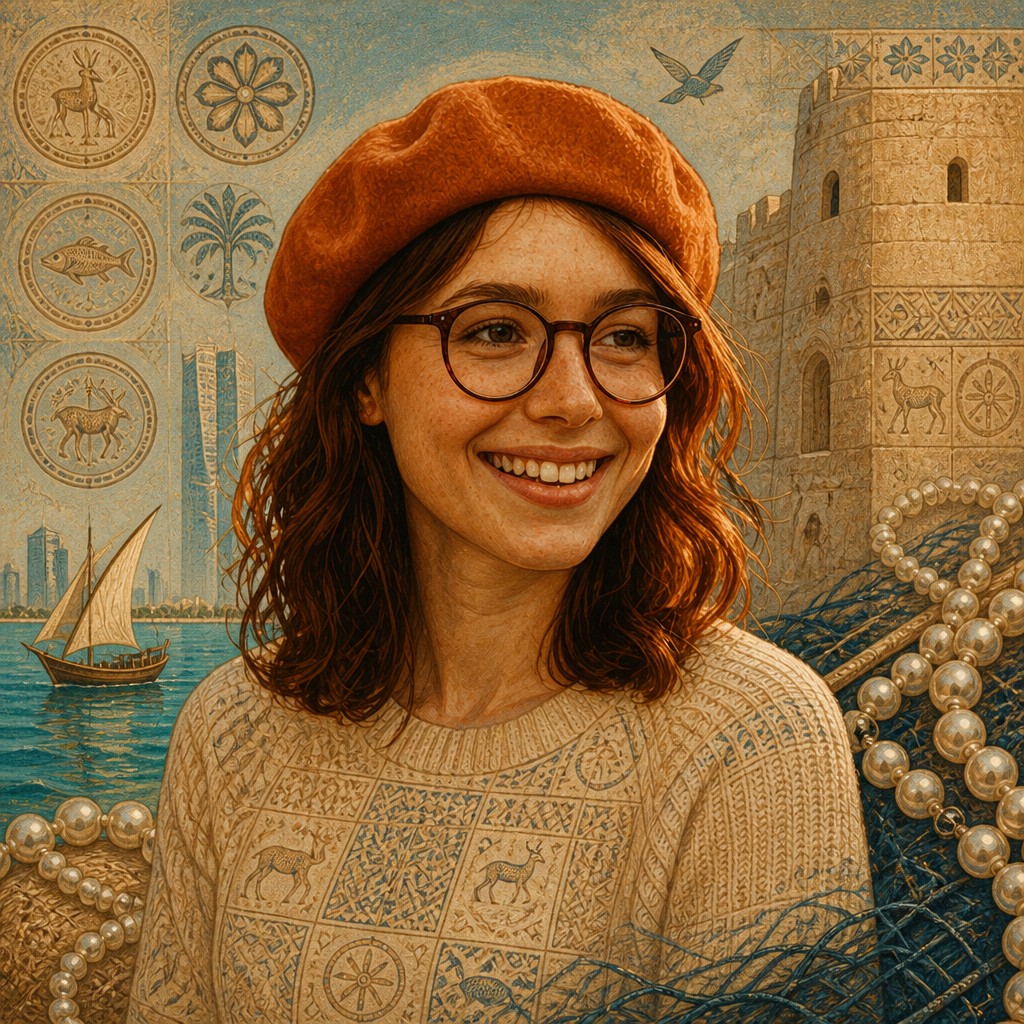

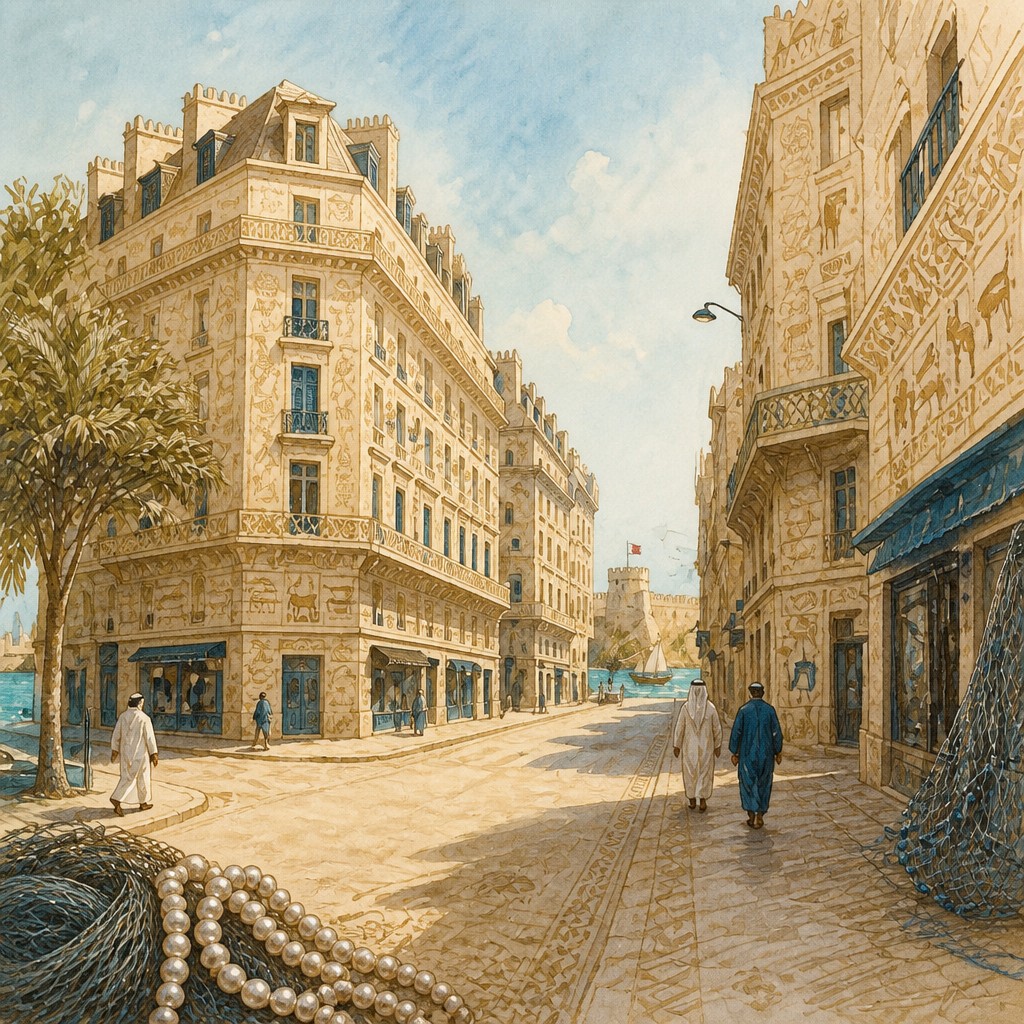

What Defines Bahraini Art Style
The signature details, up close
Pearl-blue and sandstone palette
Use turquoise, deep marine blue, cream, ochre, and warm sandstone as the dominant colors. Small areas of pearlescent white or silver can suggest the reflective surface of Gulf pearls.
Incised seal-like motifs
Compact images of animals, boats, rosettes, birds, and abstract symbols should resemble marks pressed or carved into clay, stone, or metal. Simplified silhouettes and firm contours are more appropriate than naturalistic modeling.
Tessellated ornamental bands
Repeat motifs in horizontal borders, circular medallions, or interlocking patterns inspired by the visual logic of stamp seals and regional ornament. Repetition should create rhythm without making the composition feel mechanically uniform.
Weathered limestone and fort walls
Architectural elements often appear sunworn, chalky, and tactile, with block joints, eroded edges, and muted mineral texture. Forts, courtyards, towers, and low coastal walls provide a sense of historical depth.
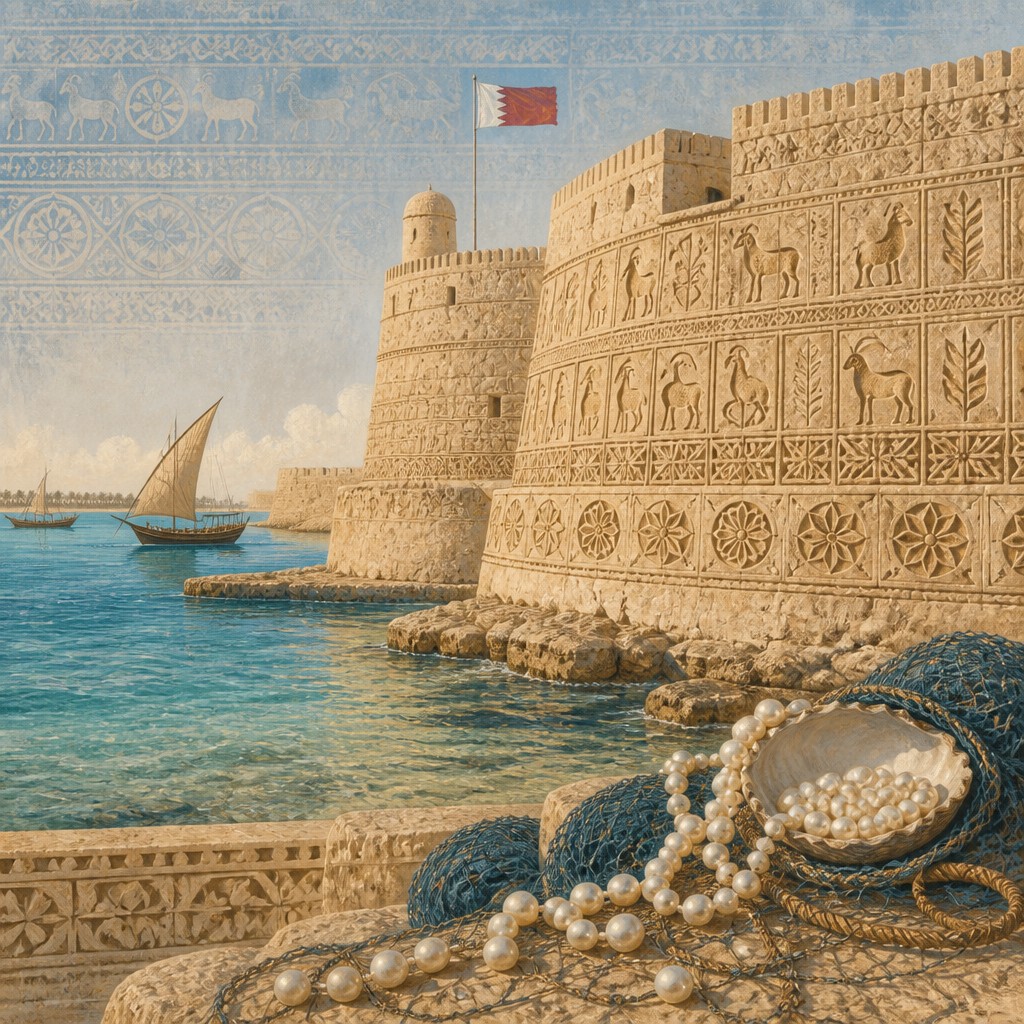
Pearling and maritime materials
Include pearl strands, oyster shells, wooden boats, coiled rope, fishing nets, baskets, and hand-worked tools as tactile secondary details. These objects connect the decorative surface to Bahrain’s coastal working traditions.
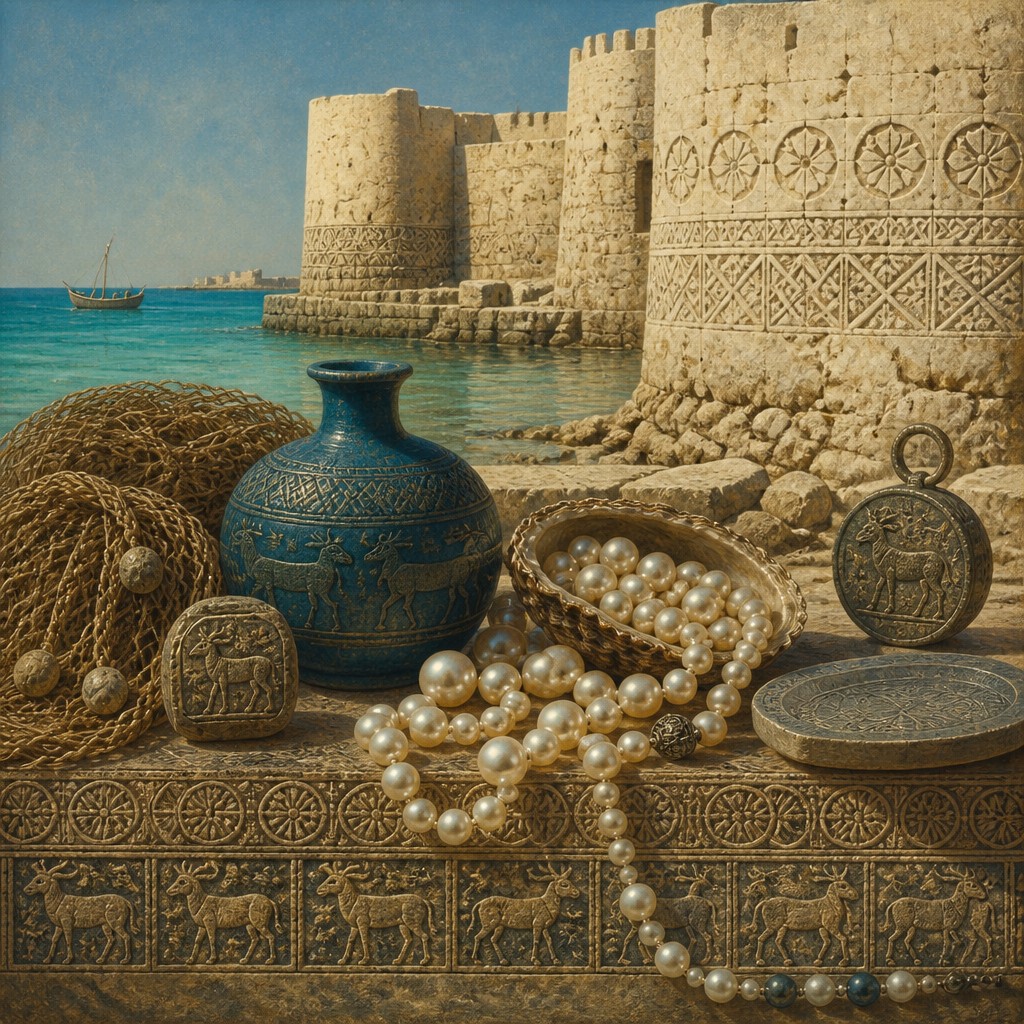
Quiet archaeological dignity
Favor spacious compositions, restrained gestures, and a contemplative mood rather than spectacle. The combination of ancient-looking marks and open Gulf light should suggest continuity between buried history and living maritime culture.
Bahraini Prompt Ideas
Start from an idea — each one opens the generator with the style ready to go. See all 40 Bahraini prompts →
How to Create Bahraini Art
Master the craft step by step — or skip straight to creating. Read the full guide →
- 1
Build a material foundation
On paper, begin with sandy washes, limestone-colored grounds, or textured gesso, then add dry-brush abrasion and fine incised lines. Digitally, combine grain, chalk, stone, and faded plaster textures while keeping the surface legible.
- 2
Design a small motif vocabulary
Draw a limited set of seal-like symbols—such as a rosette, fish, bird, boat, shell, or stylized animal—and repeat them in borders or medallions. Keep their proportions bold enough to survive reduction and patterning.
- 3
Layer sea and stone
Place luminous turquoise or pearl-blue passages beside matte sandstone and chalky cream areas. Use soft atmospheric transitions for the water, but reserve crisp engraved edges for architectural blocks and ornamental marks.
- 4
Suggest, rather than overfill, the history
Use a few carefully chosen artifacts or architectural references instead of covering every surface with symbols. Weathering, asymmetry, and incomplete patterns can make the image feel excavated and materially credible.
- 5
Guide digital or prompt-based generation
Specify Bahraini Gulf heritage, Dilmun-inspired stamp-seal motifs, pearl-diving objects, limestone fort walls, incised ornament, and a warm sandstone/deep pearl-blue palette. Add composition and texture terms such as archaeological frieze, weathered surface, shallow turquoise water, and restrained detail.
The Story
History & Origins of Bahraini
This style has no single historical origin or fixed period. Its aesthetic lineage reaches back to Dilmun, the Bronze Age civilization associated with Bahrain and the wider Gulf, whose archaeological record includes carved stamp seals with compact animal, human, and symbolic imagery. It also draws from Bahrain’s long maritime history, particularly pearl fishing, boatbuilding, ropework, and coastal trade.
Later visual references include the limestone fortifications and settlements of Bahrain, regional geometric ornament, and the material contrast between desert stone and Gulf water. Contemporary interpretations often simplify these sources into a decorative, atmospheric language suitable for illustration, pattern, graphic design, and digital image-making.
Influences: The style relates to Dilmun archaeological art, ancient Near Eastern stamp-seal imagery, Gulf maritime heritage, regional geometric ornament, Islamic decorative pattern, vernacular fort architecture, and material-focused historical illustration. It also shares qualities with archaeological reconstruction, folk pattern design, textured editorial illustration, and contemporary heritage art that translates local craft traditions into simplified visual symbols.
Frequently Asked Questions
Is Bahraini Art Style a recognized historical art movement?
No. The term describes a contemporary, heritage-inspired synthesis rather than a formally documented movement with a defined founding period or school. It draws on real Bahraini and Gulf traditions, especially Dilmun archaeology, pearling, maritime life, and fort architecture.
What defines the style visually?
Its main features are incised seal-like symbols, repeated ornamental bands, weathered limestone textures, pearl and shell imagery, and a palette of sandstone, cream, turquoise, and deep marine blue. Compositions usually feel restrained, tactile, and historically atmospheric.
How is it different from generic Middle Eastern or Islamic art?
It focuses specifically on Bahrain’s Gulf ecology, Dilmun archaeological heritage, pearling economy, and coastal fortifications. While it may use geometric ornament associated with broader regional traditions, it is not interchangeable with Islamic art as a whole or with any single historical Middle Eastern style.
Can I make this style with traditional materials?
Yes. Try watercolor, ochre or mineral pigments, ink, linocut, sgraffito, clay, or relief printing to create a sandy ground and carved-looking marks. Dry brushing, abrasion, and repeated borders can evoke weathered stone and seal impressions.
How should I describe it in an image prompt?
Name the subject first, then specify Dilmun-inspired stamp-seal motifs, Bahraini pearling materials, limestone fort architecture, Gulf light, and a sandstone-and-pearl-blue palette. Terms such as incised, archaeological, tessellated, weathered, and restrained help establish the intended surface and mood.
Where can this visual language be used?
It suits cultural illustration, heritage interpretation, editorial graphics, textile and surface patterns, posters, book covers, murals, educational material, and atmospheric scenes of the Gulf. Careful research is advisable when depicting living communities, traditional occupations, or specific archaeological objects.
Create your first Bahraini artwork
Describe anything — or upload a photo — and see it in Bahraini Art Style in seconds.
Related Styles
Discover similar art styles