Kinetic Sculpture Art Style
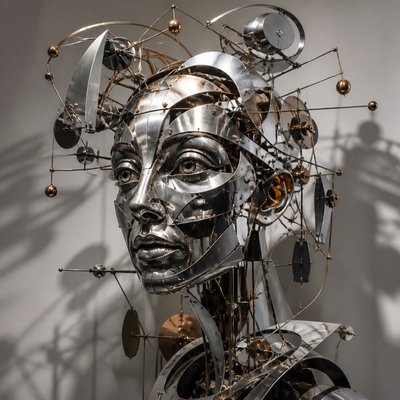
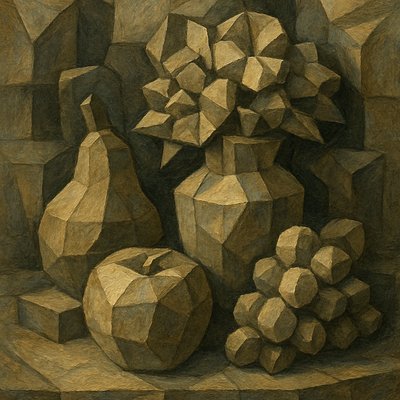
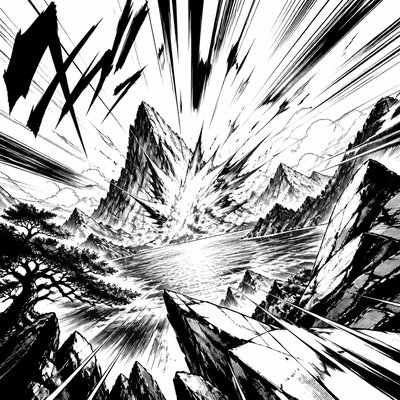
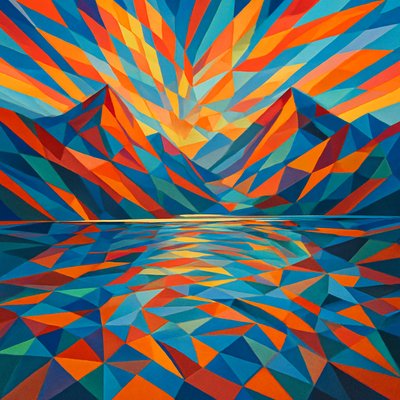
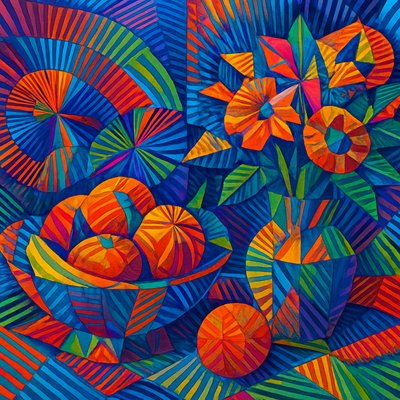
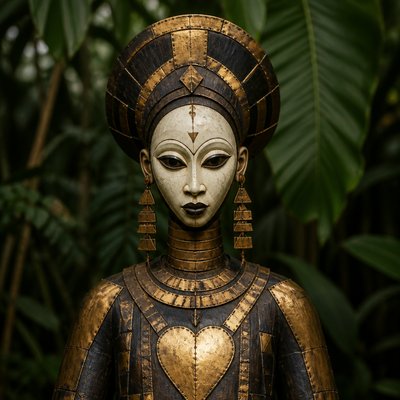
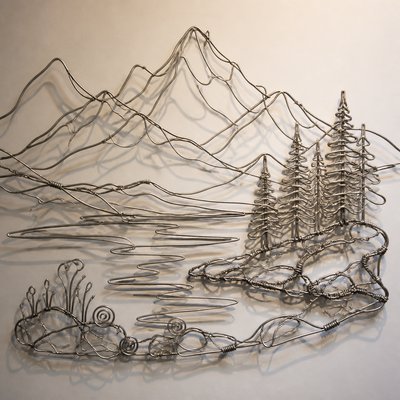
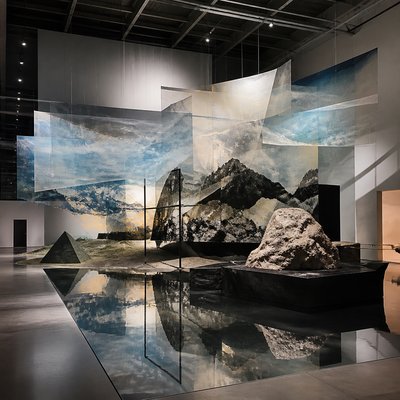
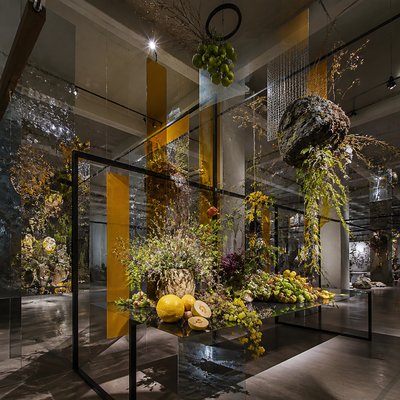
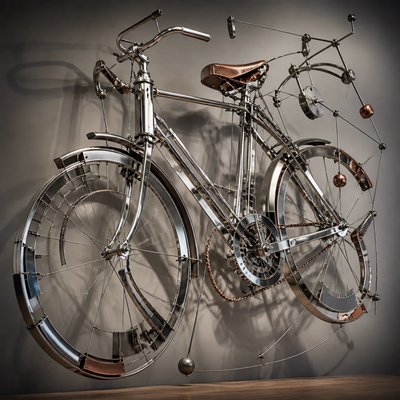
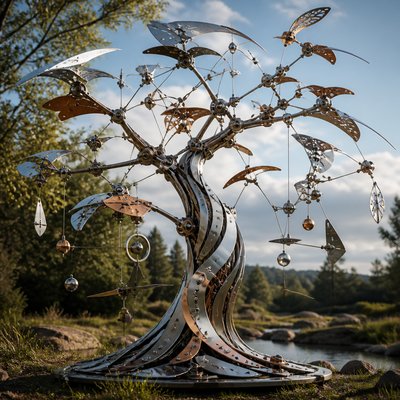
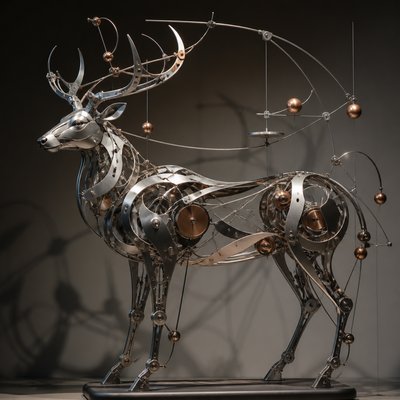
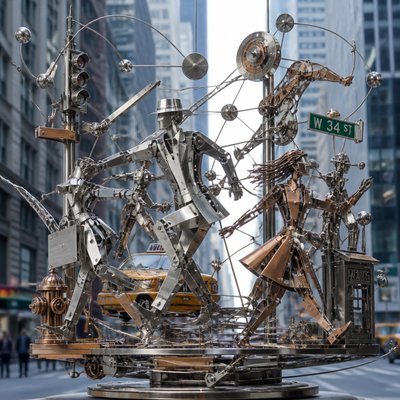
Movement-based sculpture with balanced metal forms, rotating elements, wire armatures, and changing shadows.
Instantly rendered in Kinetic Sculpture — or transform a photo
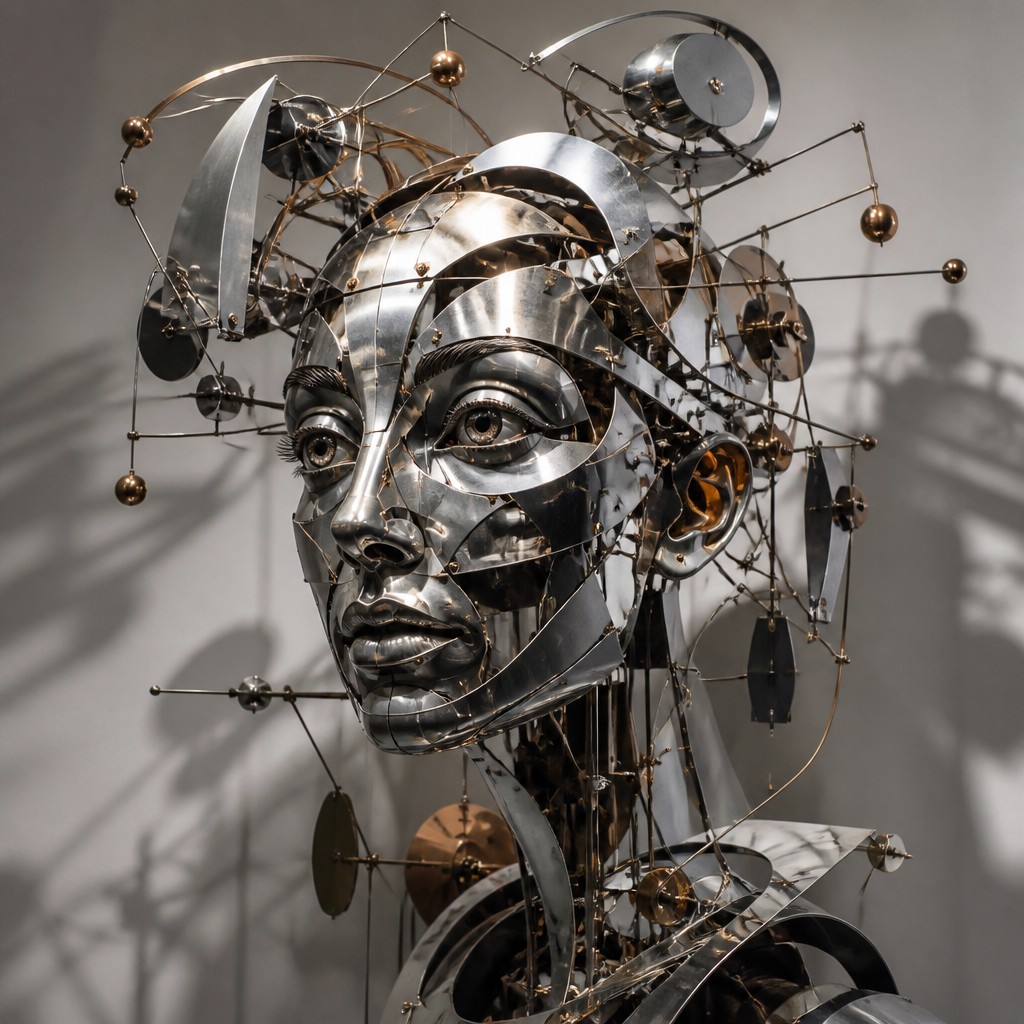
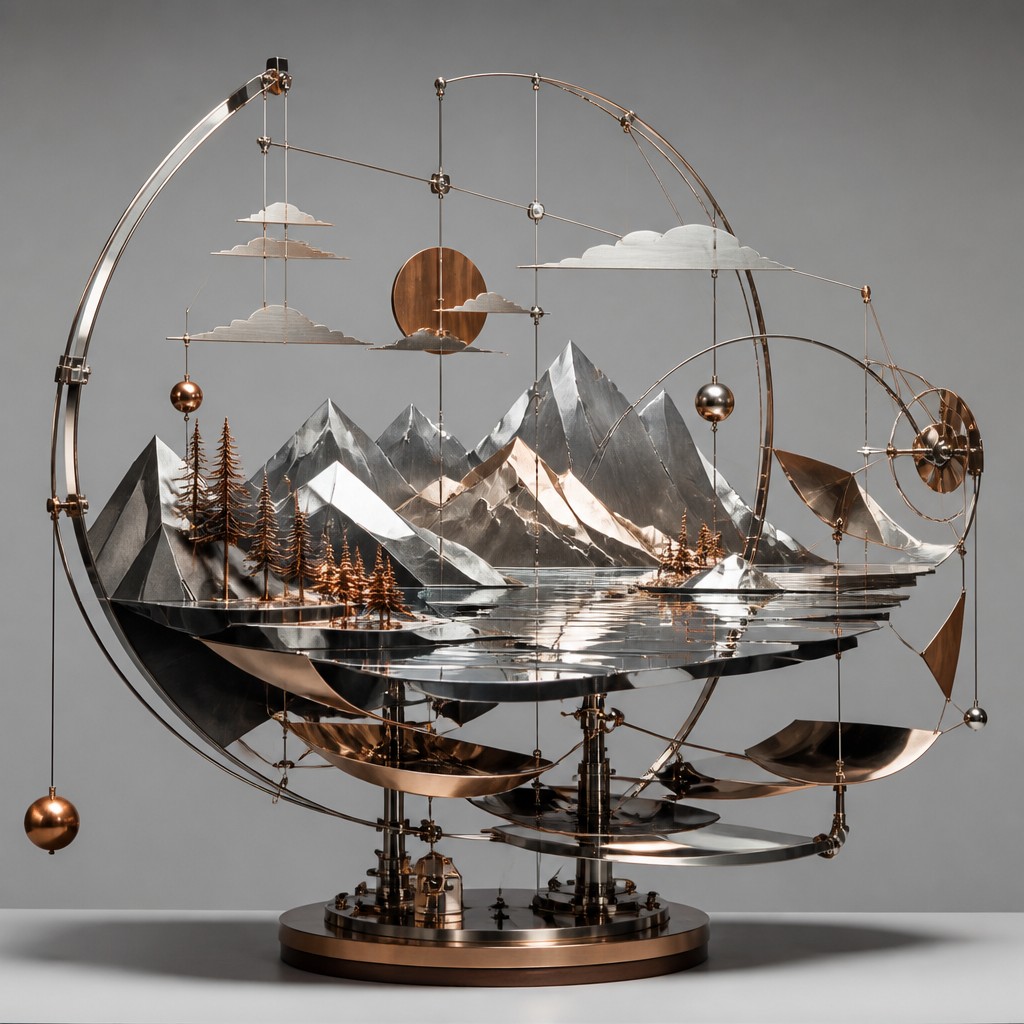
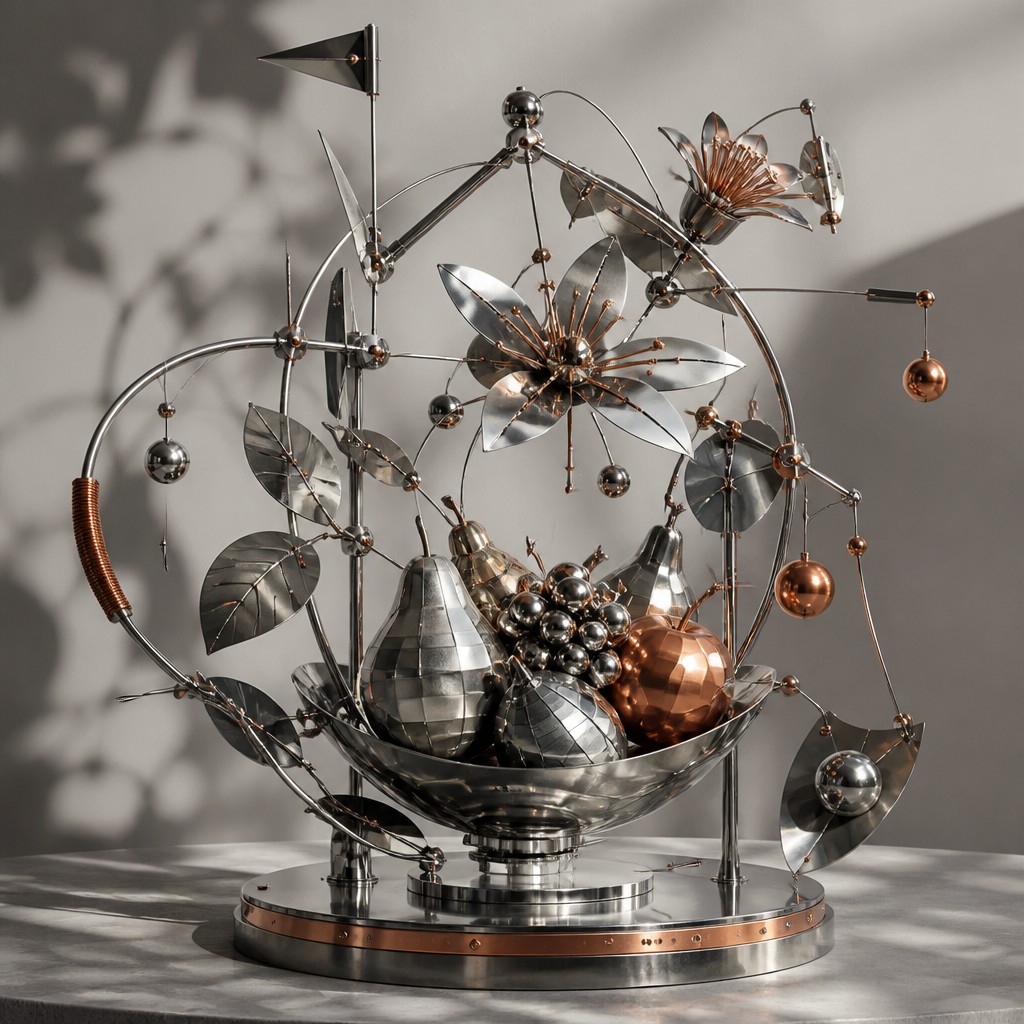
Kinetic Sculpture Gallery
Tap any artwork to explore it



What is Kinetic Sculpture Art Style?
Kinetic sculpture is a three-dimensional art style in which movement is not incidental but central to the work’s meaning and appearance. Forms are often balanced on pivots, suspended from wires, or driven by wind, motors, magnets, or hidden mechanisms, so the sculpture changes over time rather than remaining fixed. The visual identity of the style is defined by engineered equilibrium, shifting silhouettes, and the tension between stability and motion.
Visually, kinetic sculpture often combines polished metals, thin armatures, counterweights, and modular components that seem to hover or rotate in space. Shadows become part of the composition, and negative space changes as the work moves, creating an evolving drawing in air. The style looks the way it does because it treats motion as a formal element: structure, balance, rhythm, and time are all part of the sculpture itself.
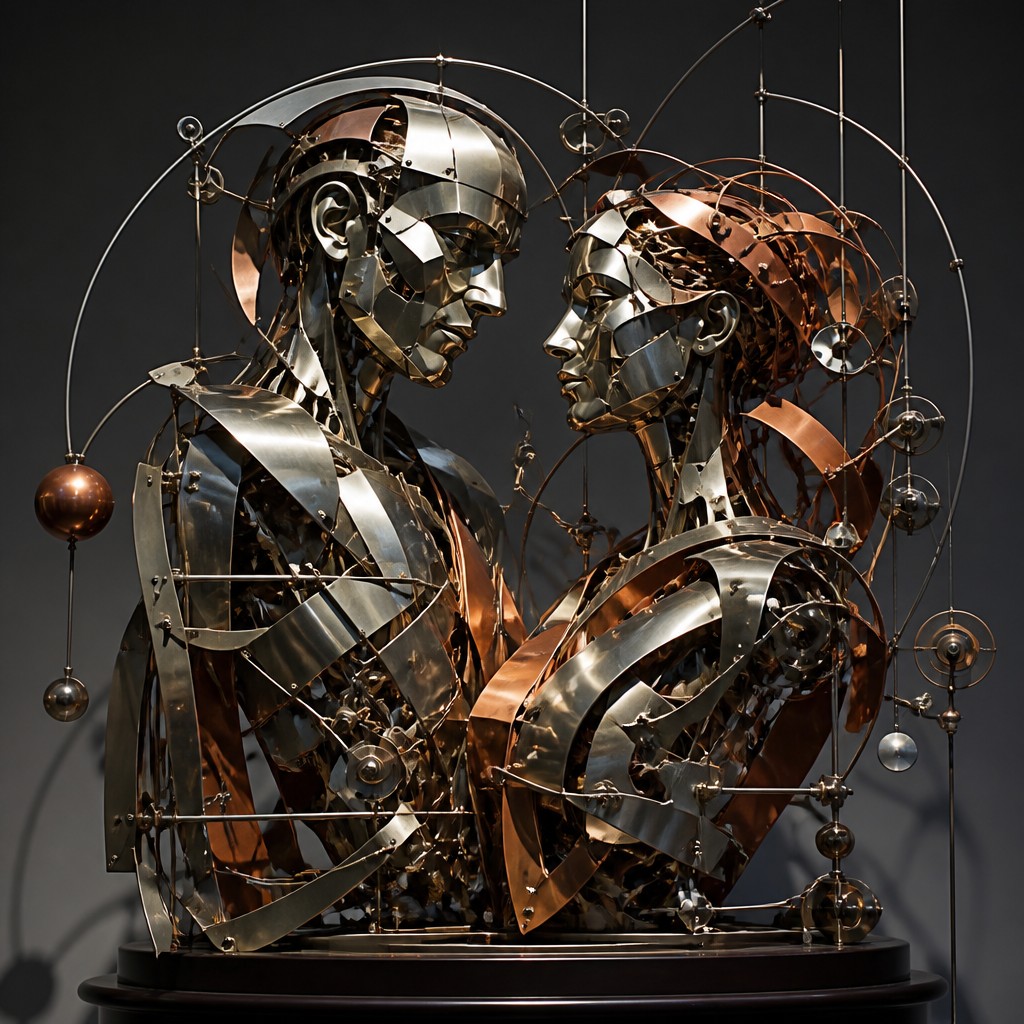
Try It On Your Photos
Upload any photo and convert it into Kinetic Sculpture Art Style — drag the sliders to compare before and after.


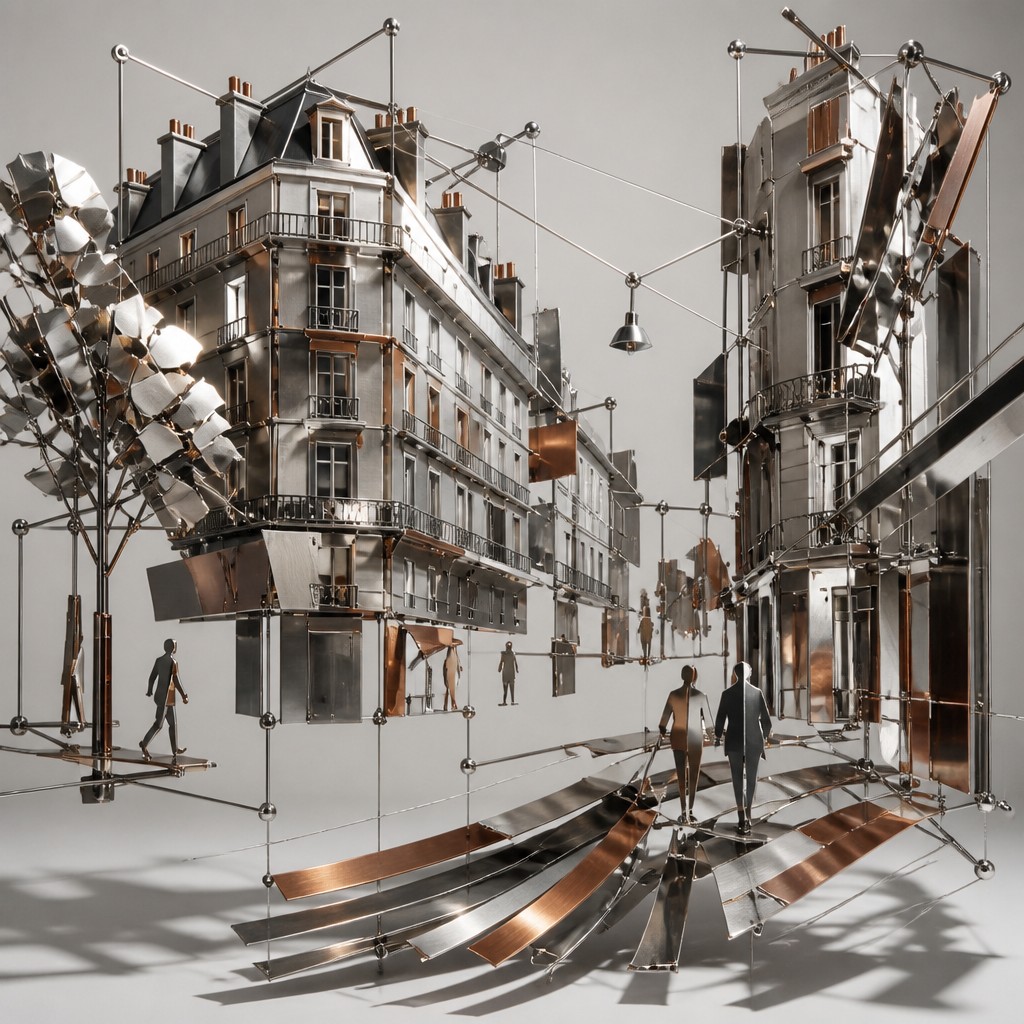

What Defines Kinetic Sculpture Art Style
The signature details, up close
Movement as structure
The work is designed to change position, orientation, or configuration over time. Motion is not decoration; it determines the sculpture’s visual identity.
Balanced and counterweighted forms
Elements often appear delicately balanced on pivots, joints, or suspended supports. Counterweights create a visible logic of equilibrium that keeps the sculpture in motion without collapsing.
Metallic materials and engineered surfaces
Chrome, aluminum, steel, and copper are common because they reflect light and emphasize mechanical precision. Patinated or oxidized finishes add contrast and make movement easier to read.
Articulated segments and modular construction
Bodies and structures are frequently broken into planes, rods, discs, and jointed segments. This modularity allows rotation, flexion, and responsive movement.
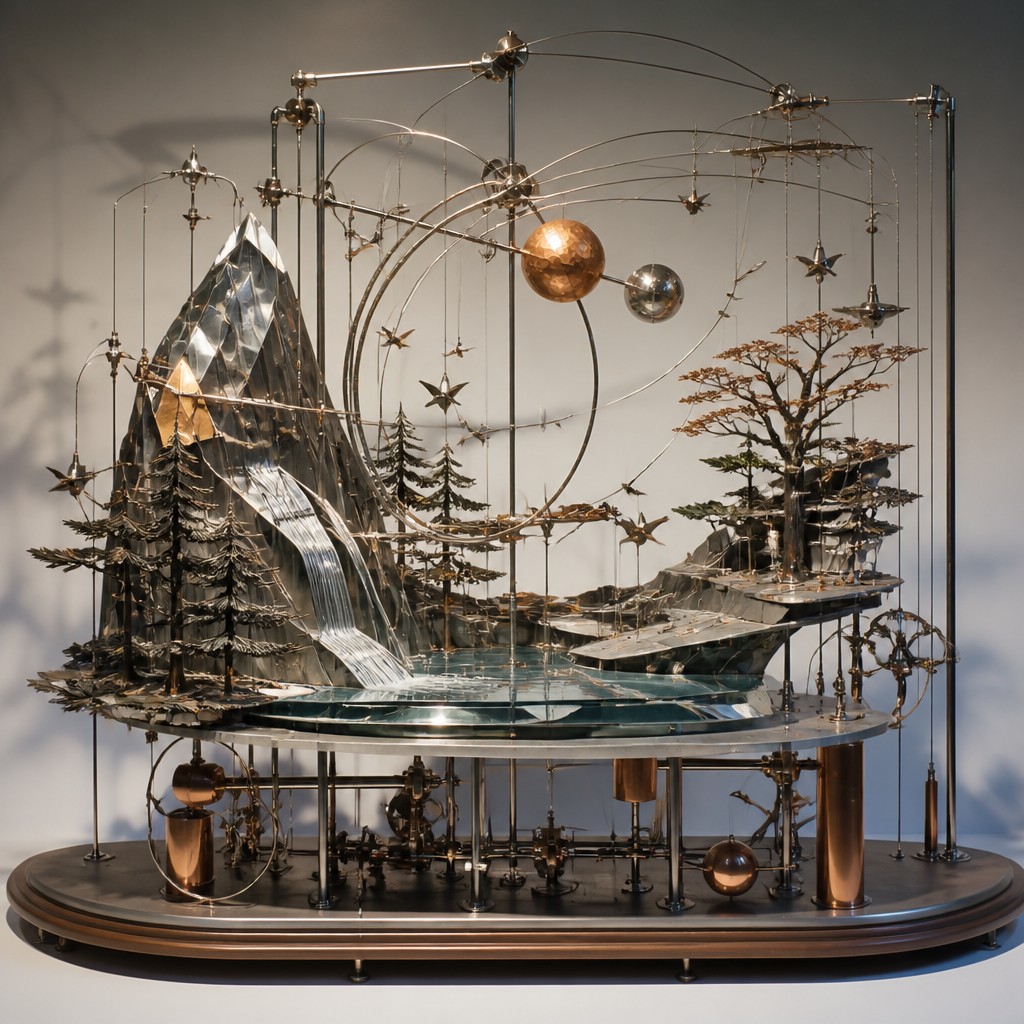
Shifting negative space
The empty space between components is as important as the objects themselves. As the sculpture moves, those intervals constantly recompose the image.
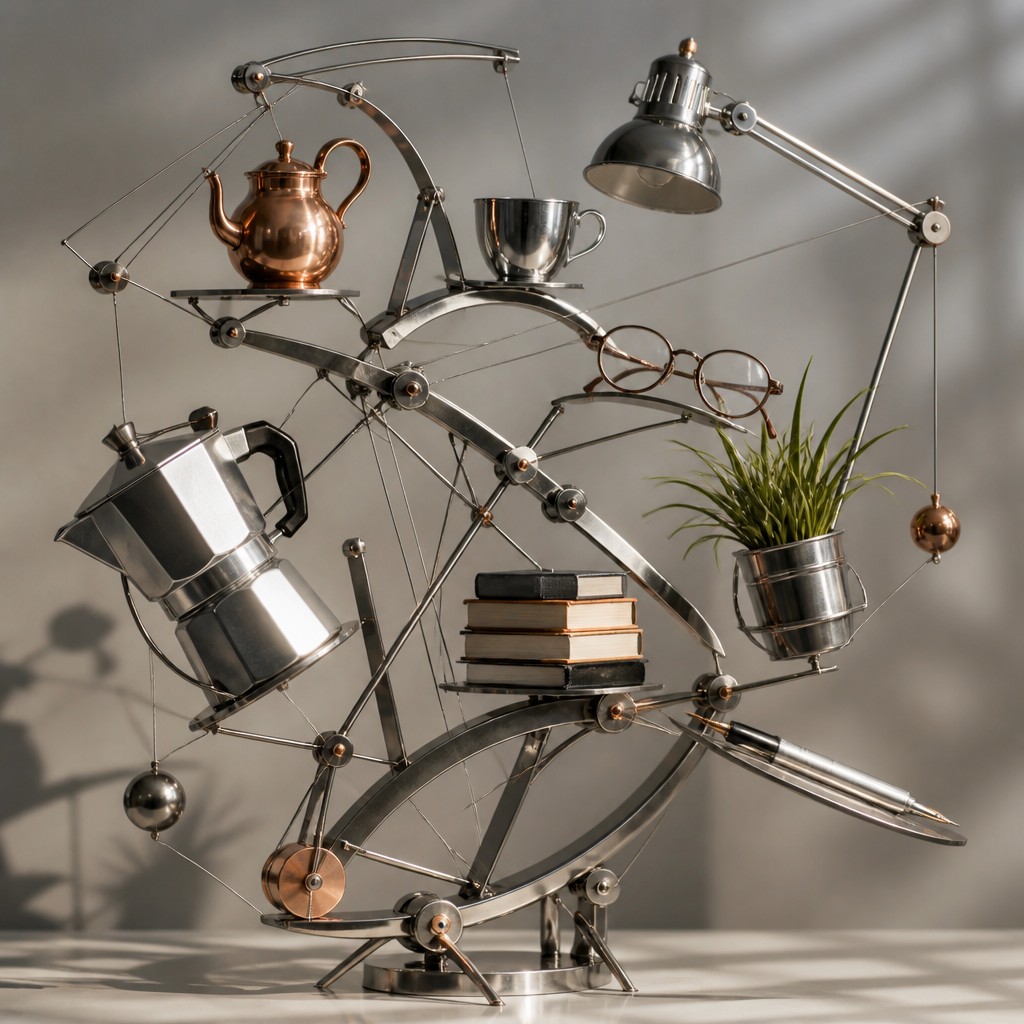
Suspension and shadow play
Hanging parts and open frameworks cast moving shadows on walls and floors. These shadows extend the artwork into the surrounding environment.
Try It
Create Videos in Kinetic Sculpture Art Style
Styles aren't just for stills — describe a scene or animate an image and get a short video rendered in Kinetic Sculpture. Press play to see this pond come to life.
Make a VideoKinetic Sculpture Prompt Ideas
Start from an idea — each one opens the generator with the style ready to go. See all 40 Kinetic Sculpture prompts →
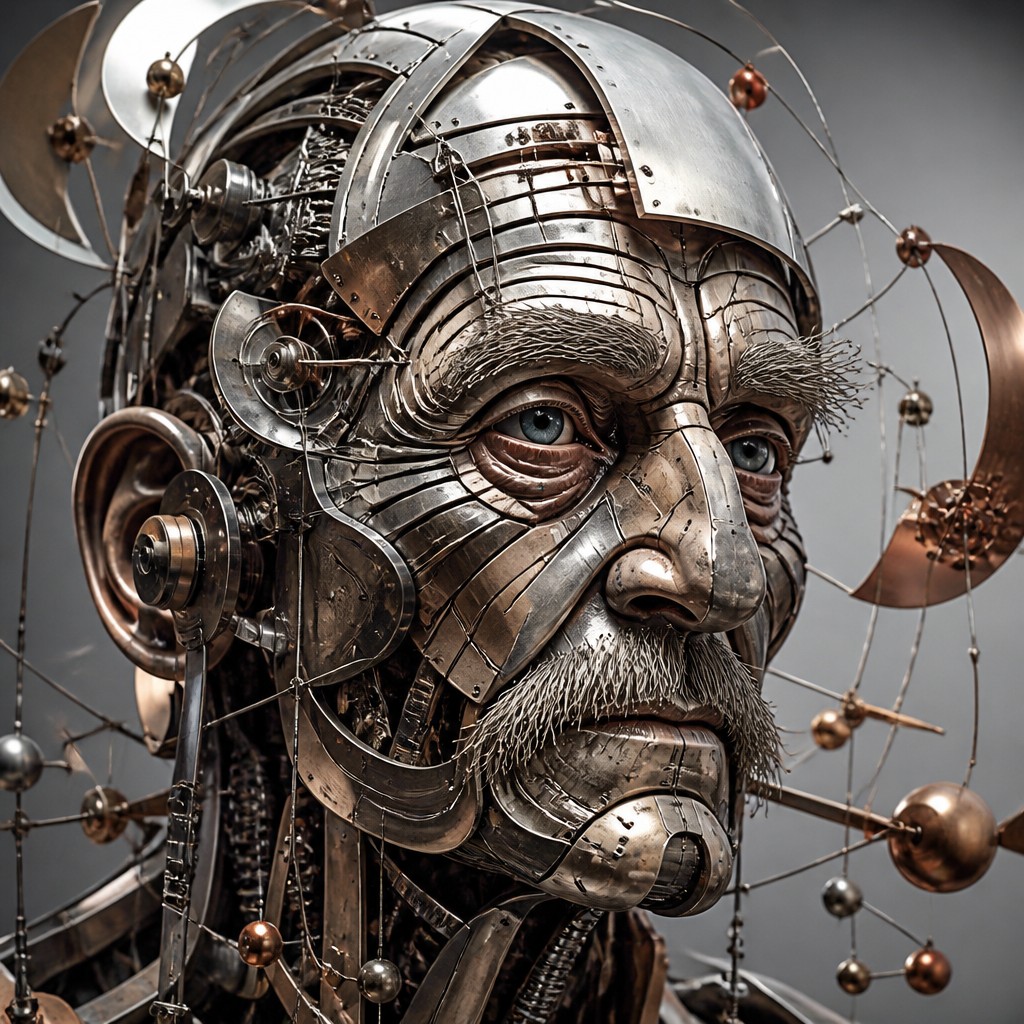
“close-up portrait of an elderly person with expressive weathered features”
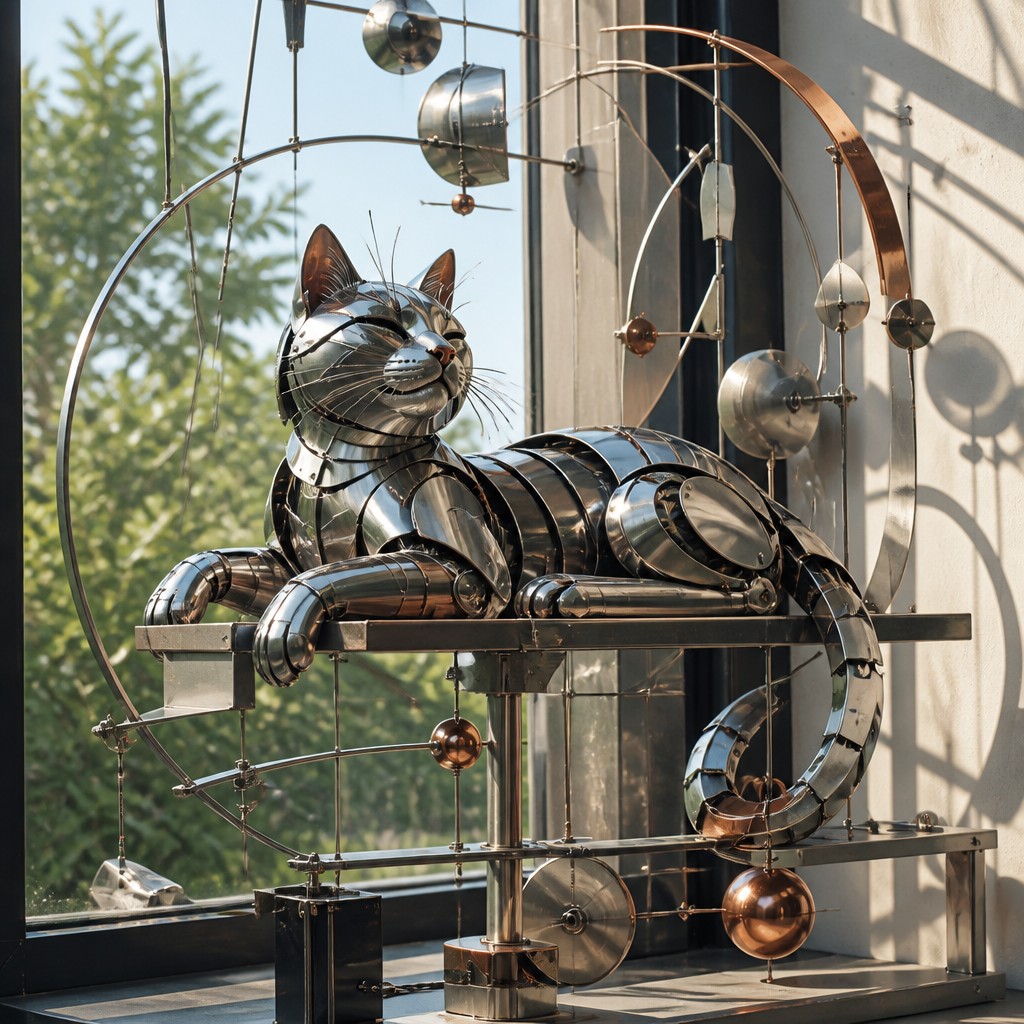
“a cat lounging in a sunlit window”
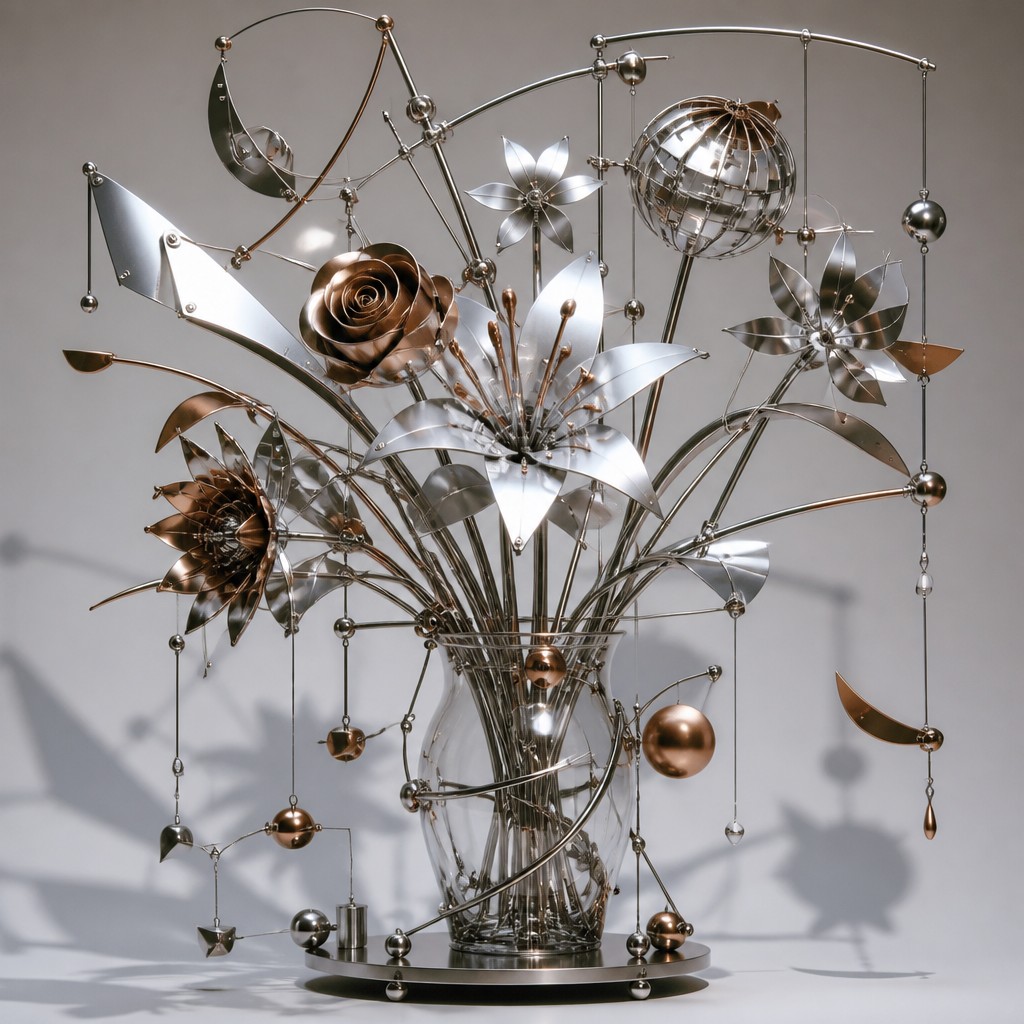
“bouquet of flowers in a glass vase”
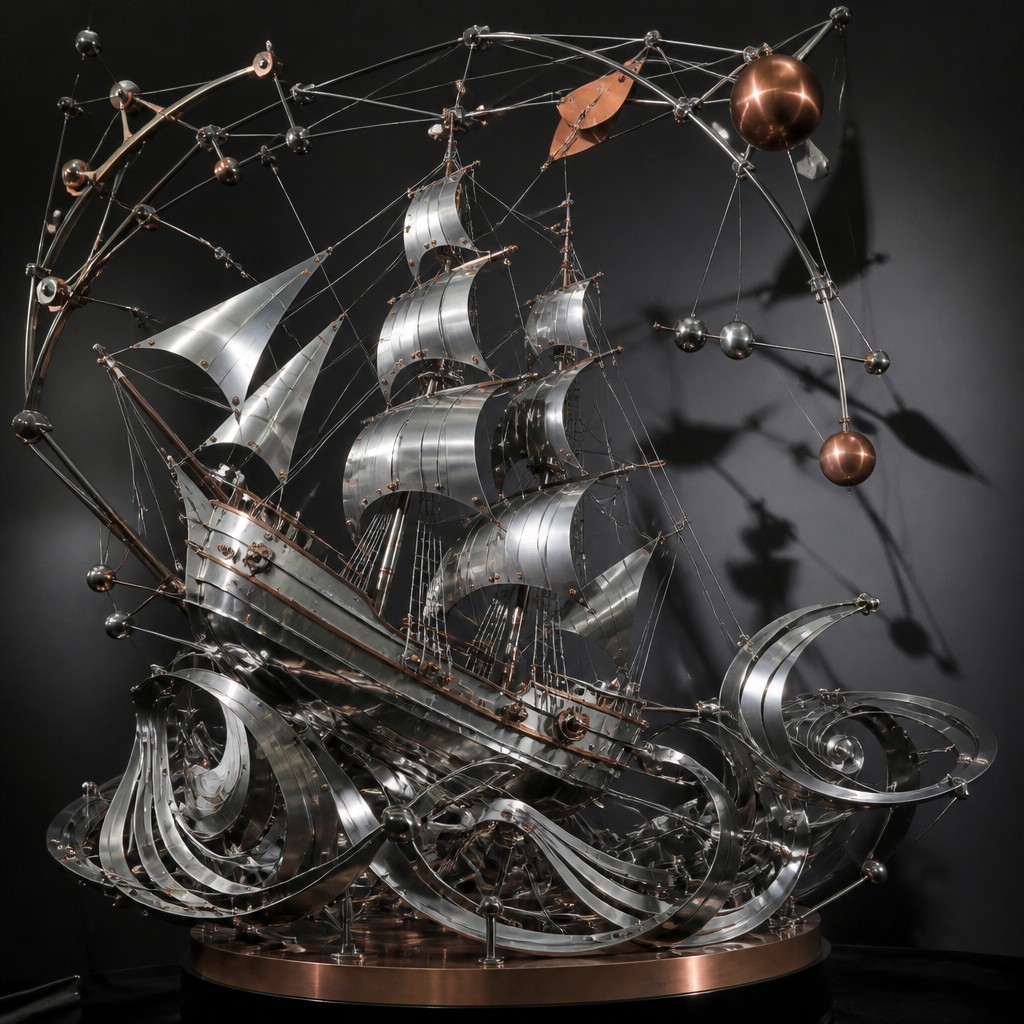
“sailing ship on a stormy sea”
How to Create Kinetic Sculpture Art
Master the craft step by step — or skip straight to creating. Read the full guide →
- 1
Design for balance first
Plan the piece as a system of forces, not just a shape. In traditional sculpture, use maquettes or wire studies to test center of gravity; in digital work, block out pivot points, hanging joints, and weight distribution before refining the surface.
- 2
Use articulated geometry
Build forms from repeated segments, thin rods, disks, or angled plates so motion is legible. For prompt-based generation, specify articulated metallic segments, pivoting planes, wire armatures, and counterweighted balance.
- 3
Choose finishes that reveal movement
Reflective metals make changes in angle and light visible, while oxidized or brushed surfaces add contrast and depth. In a digital workflow, vary roughness and specular highlights so motion reads through shifting reflections.
- 4
Compose with empty space
Leave openings between elements so the eye can track movement through the sculpture. When generating images, include terms like negative space, suspended elements, and overlapping rotational forms to keep the composition airy and dynamic.
- 5
Show the environment as part of the work
Kinetic sculpture is strongest when light, shadow, air, and viewpoint matter. In prompts or renders, indicate moving shadows, suspended installation, or interaction with wind and light to integrate the sculpture with its surroundings.

The Story
History & Origins of Kinetic Sculpture
Kinetic sculpture emerged in the early 20th century from avant-garde experiments that challenged static art objects. Key precedents include Constructivism, Dada, and the machine aesthetics of modernism, along with the moving constructions of a pioneering American modernist sculptor, an early abstract sculptor and engineer, and a leading Bauhaus figure. The mobiles of that American modernist, in particular, established a widely recognized model for sculpture that responds to air currents and changing spatial conditions.
Later developments expanded kinetic sculpture into motorized, environmental, and interactive forms. Artists and designers in the mid- and late 20th century explored movement through light, systems, chance operations, and engineered materials, linking the style to installation art and modern industrial fabrication. Contemporary kinetic sculpture continues to draw from this lineage, combining metalworking, mechanical design, and spatial composition with digital modeling and fabrication tools.
Influences: Kinetic sculpture is closely related to Constructivism, Bauhaus modernism, and machine-age abstraction, as well as the mobile constructions of a pioneering American modernist sculptor, the spatial experiments of an early abstract sculptor and engineer, and the light-and-motion investigations of a leading Bauhaus figure. It also overlaps with installation art, minimalism, and contemporary fabrication practices that emphasize systems, structure, and environmental interaction.

Frequently Asked Questions
What defines kinetic sculpture art style?
Its defining feature is real or implied movement. The sculpture may rotate, sway, balance, or transform through motors, wind, suspension, or viewer interaction. The composition is built around changing form rather than a single fixed pose.
How is kinetic sculpture different from regular sculpture?
Traditional sculpture is usually static, while kinetic sculpture includes motion as part of the artwork. That motion affects silhouette, shadow, and spatial relationships, so the piece is experienced over time as well as in space.
What materials are common in kinetic sculpture?
Metal is especially common because it is durable, reflective, and structurally precise. Artists also use wire, wood, acrylic, magnets, fabric, and mechanical components depending on whether the movement is wind-driven, motorized, or manually activated.
Is kinetic sculpture always mechanical?
No. Some works move naturally in response to air currents, gravity, or touch, while others use motors or hidden engineering. The essential idea is that movement is built into the artwork’s design.
What art movements influenced kinetic sculpture?
It draws from early modern avant-garde movements such as Constructivism and Dada, as well as Bauhaus experiments in form, technology, and perception. The mobiles of a pioneering American modernist sculptor and the constructions of an early abstract sculptor and engineer are especially important precedents.
How can I make this style in a digital image?
Focus on balanced metal forms, articulated joints, and visible motion cues such as suspended parts or rotating planes. Strong lighting, reflective surfaces, and clear negative space help the image read as kinetic rather than simply metallic.

Create your first Kinetic Sculpture artwork
Describe anything — or upload a photo — and see it in Kinetic Sculpture Art Style in seconds.
Make Something with Kinetic Sculpture
Compare Kinetic Sculpture
Related Styles
Discover similar art styles