Kinetic vs Kinetic Sculpture: What's the Difference?
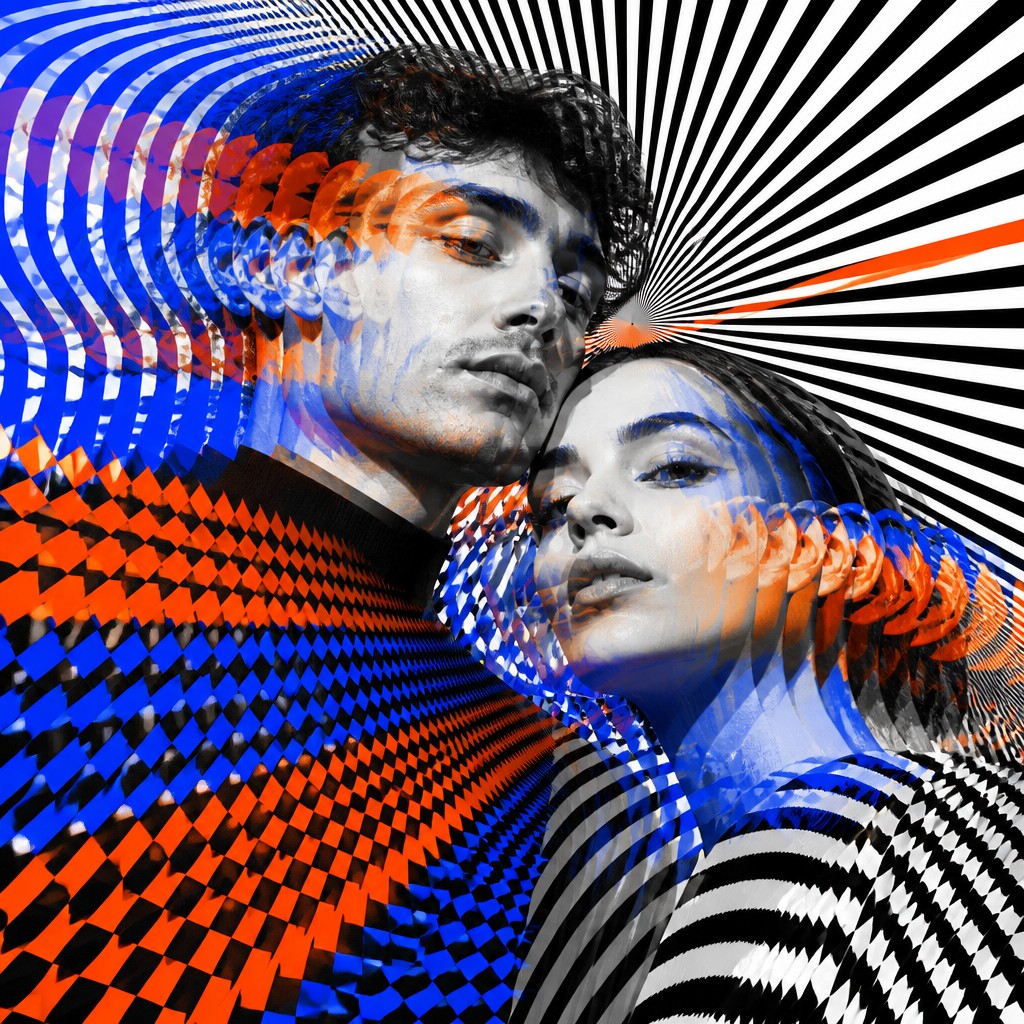
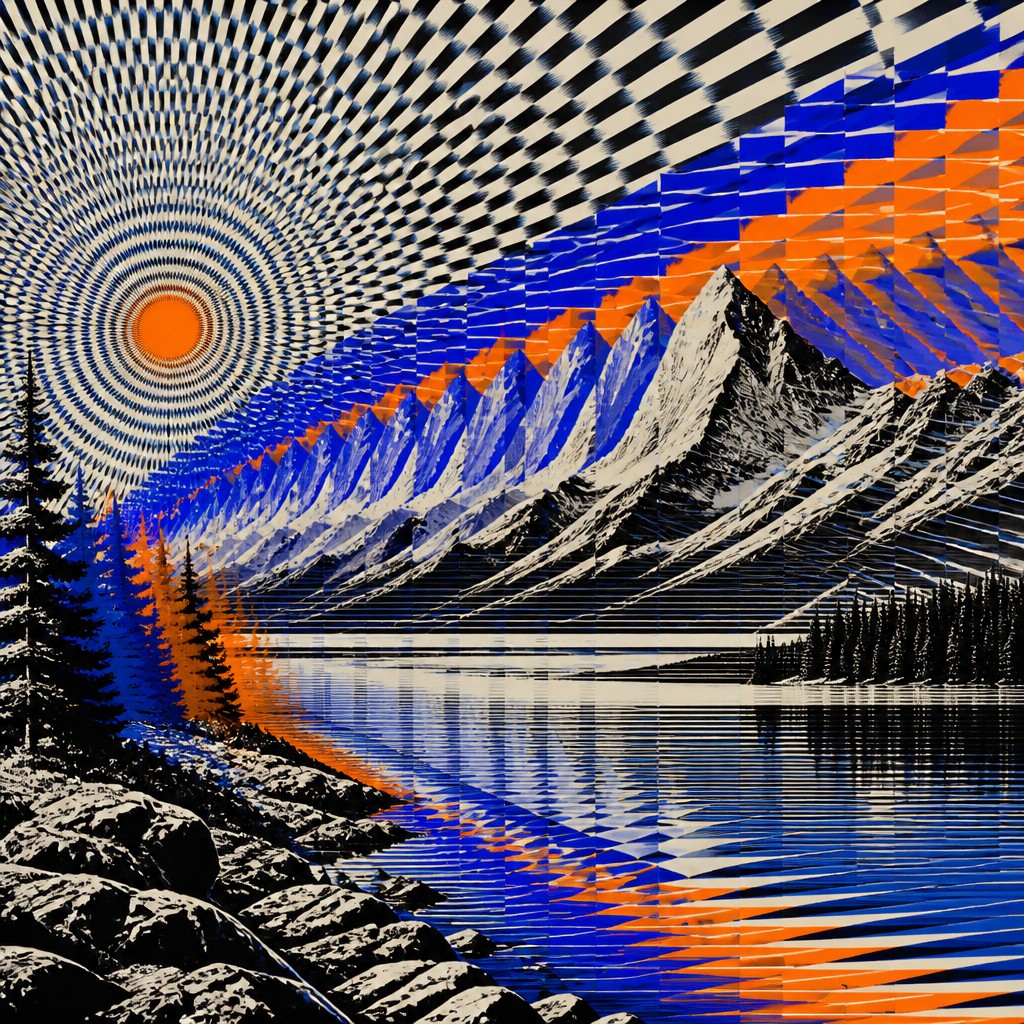
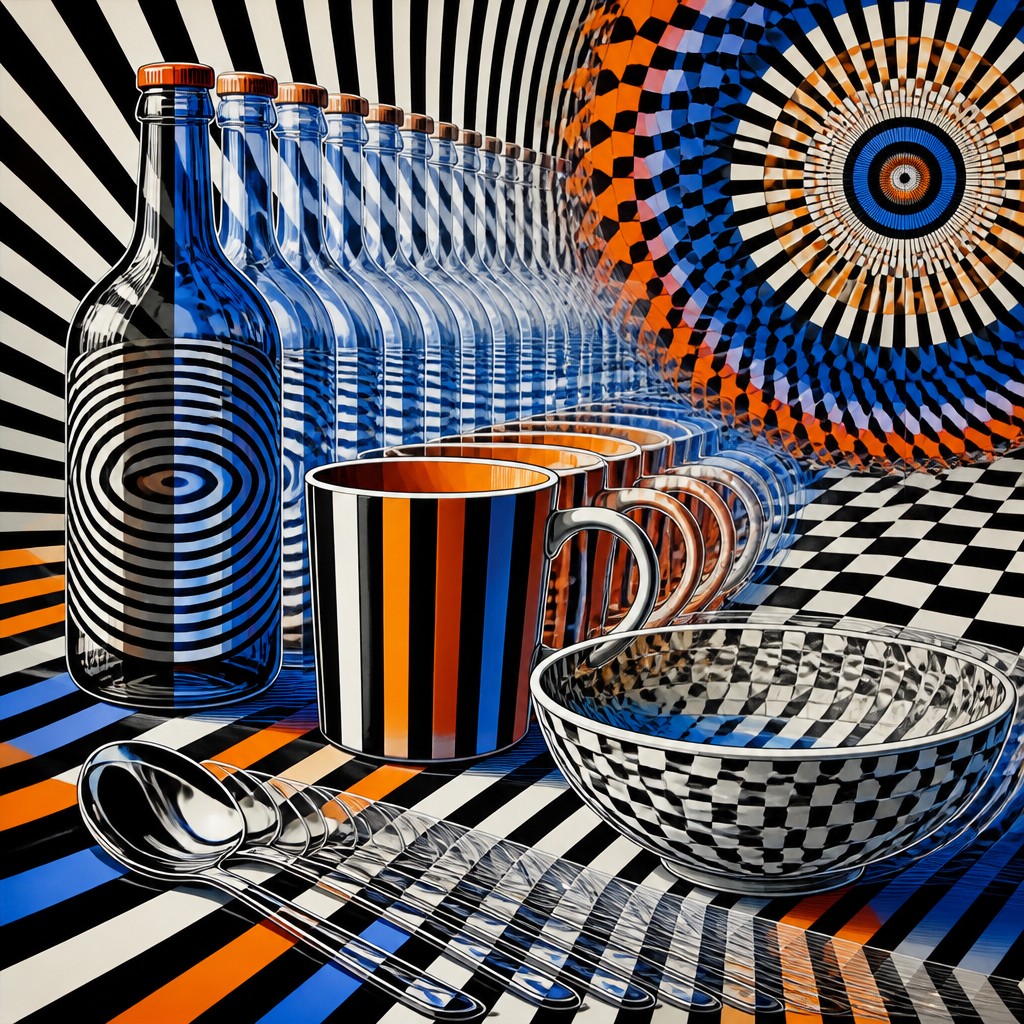
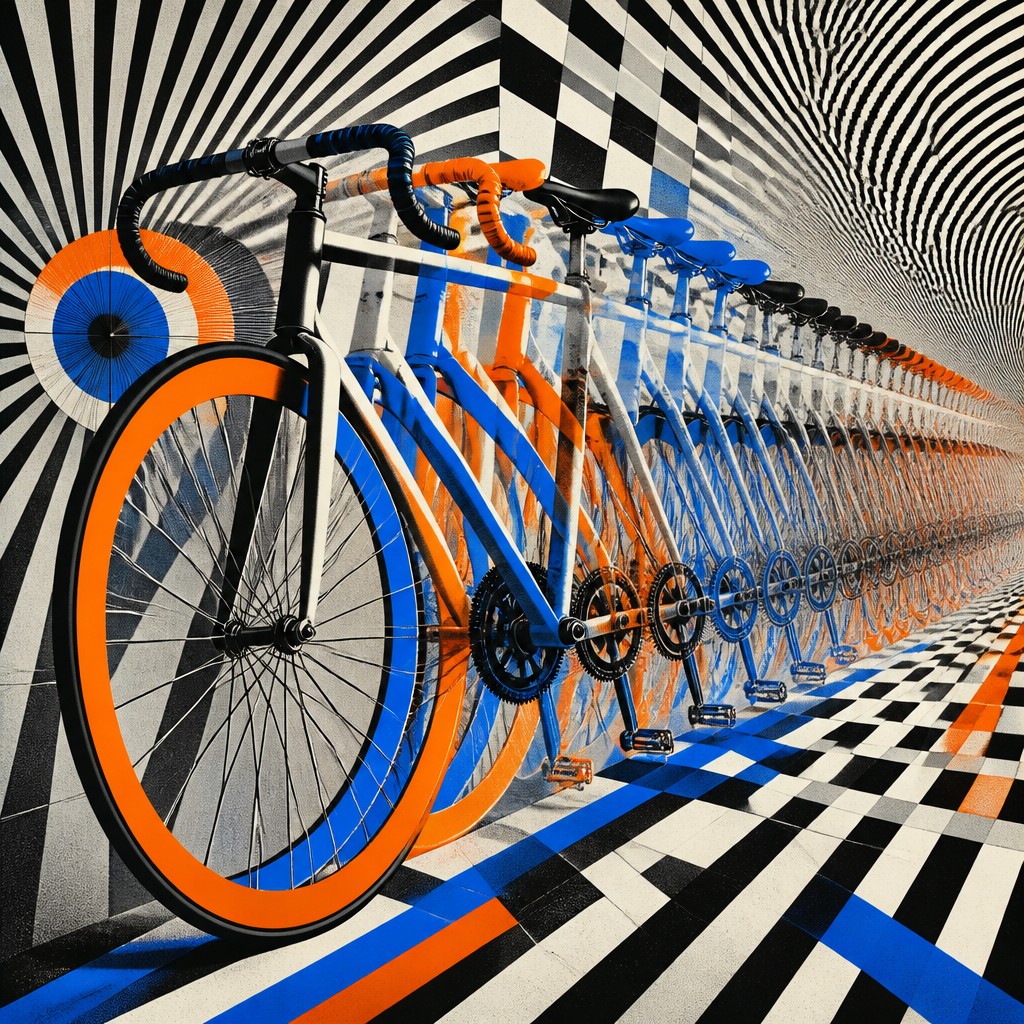
Kinetic Art Style uses motion, repetition, and optical vibration to create the feeling of movement through time and space. It often relies on patterns, shifting contrasts, and viewer interaction to make a surface seem alive, unstable, or constantly changing.
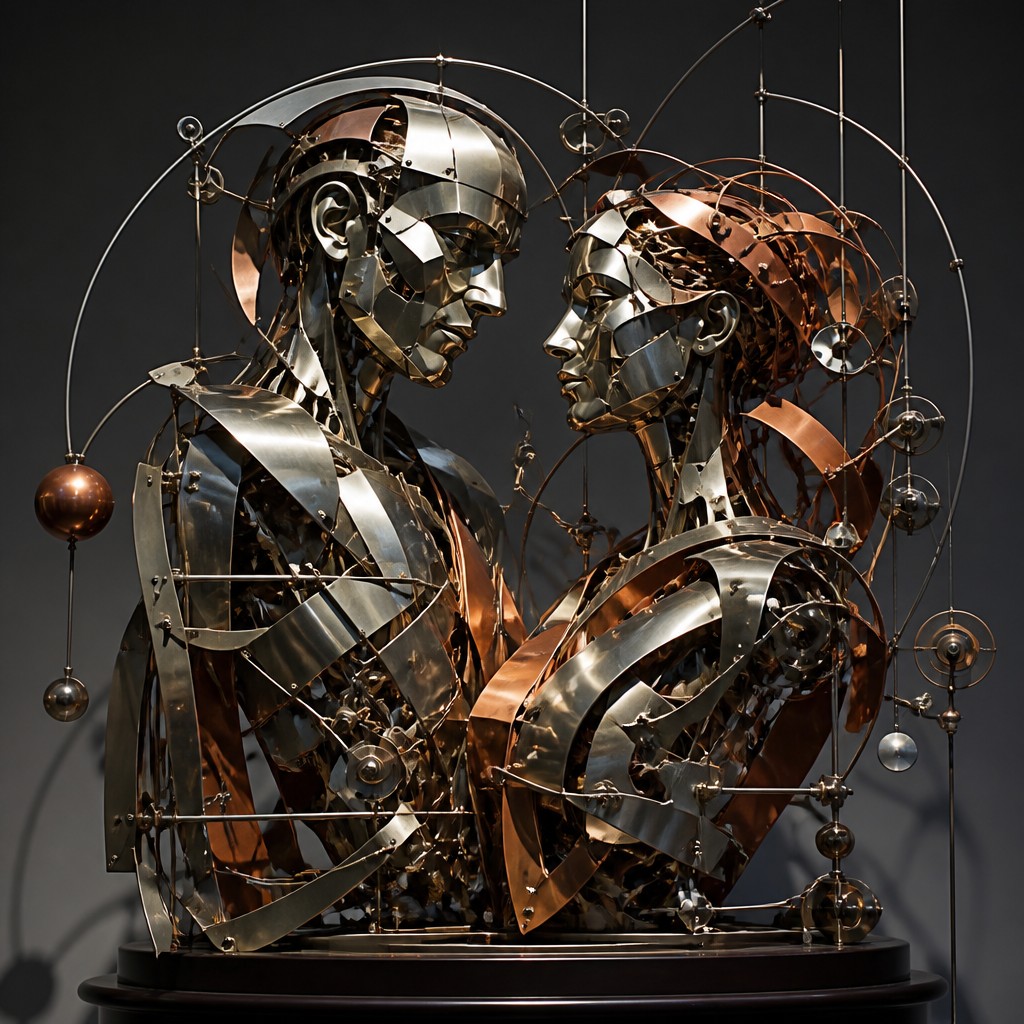
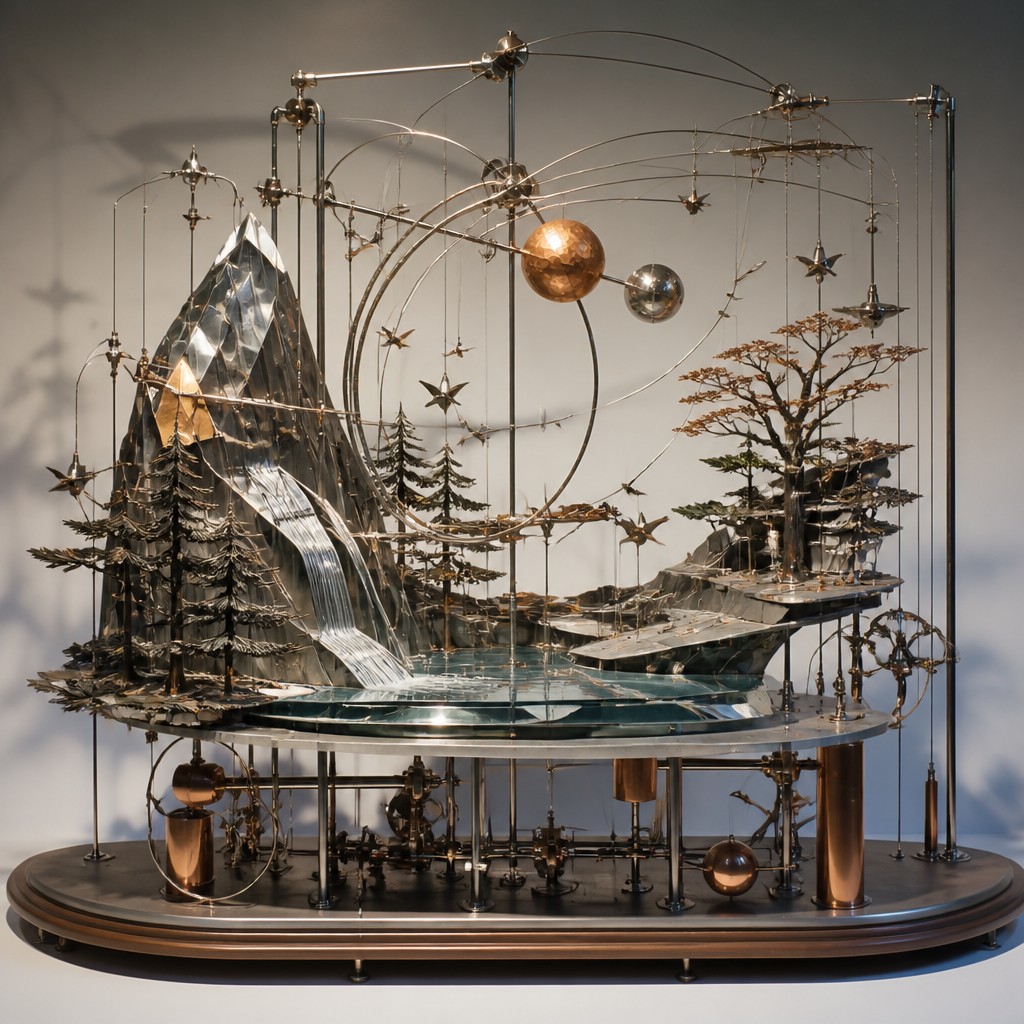
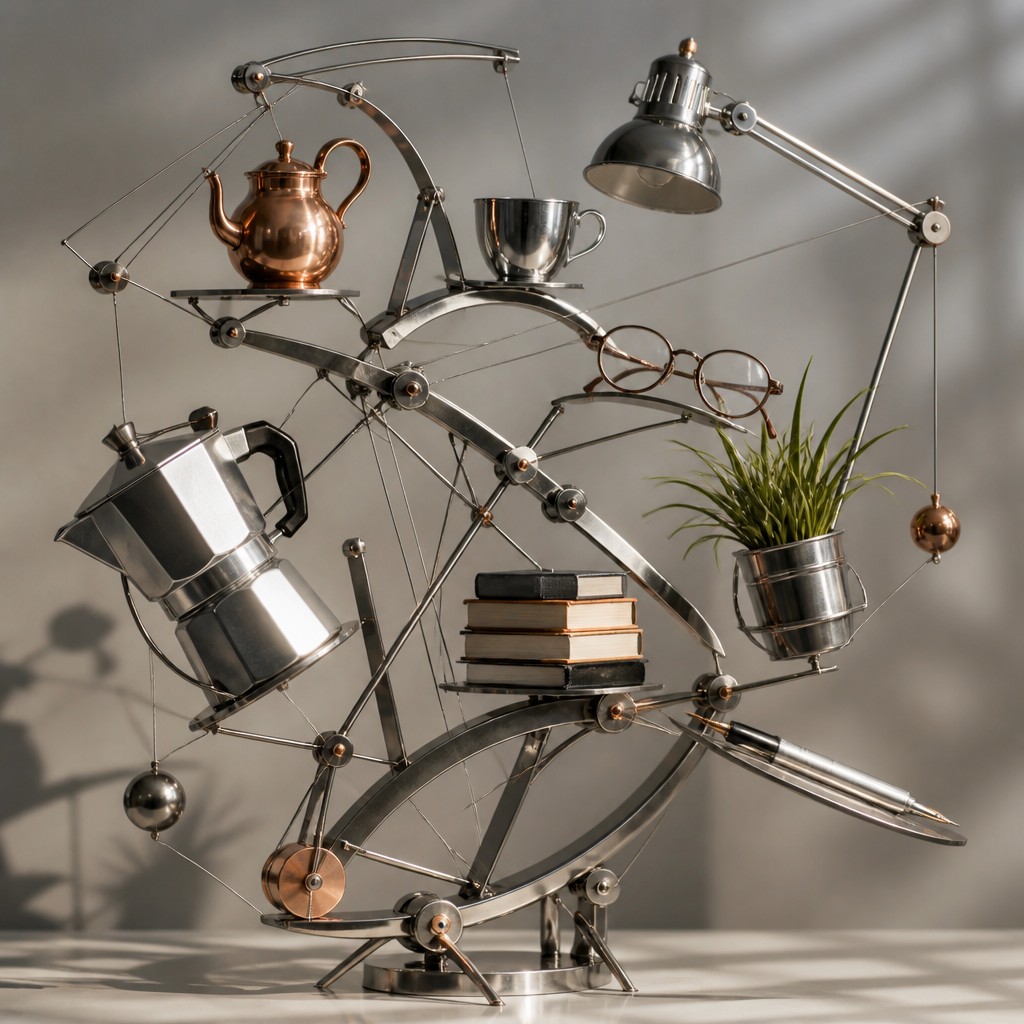
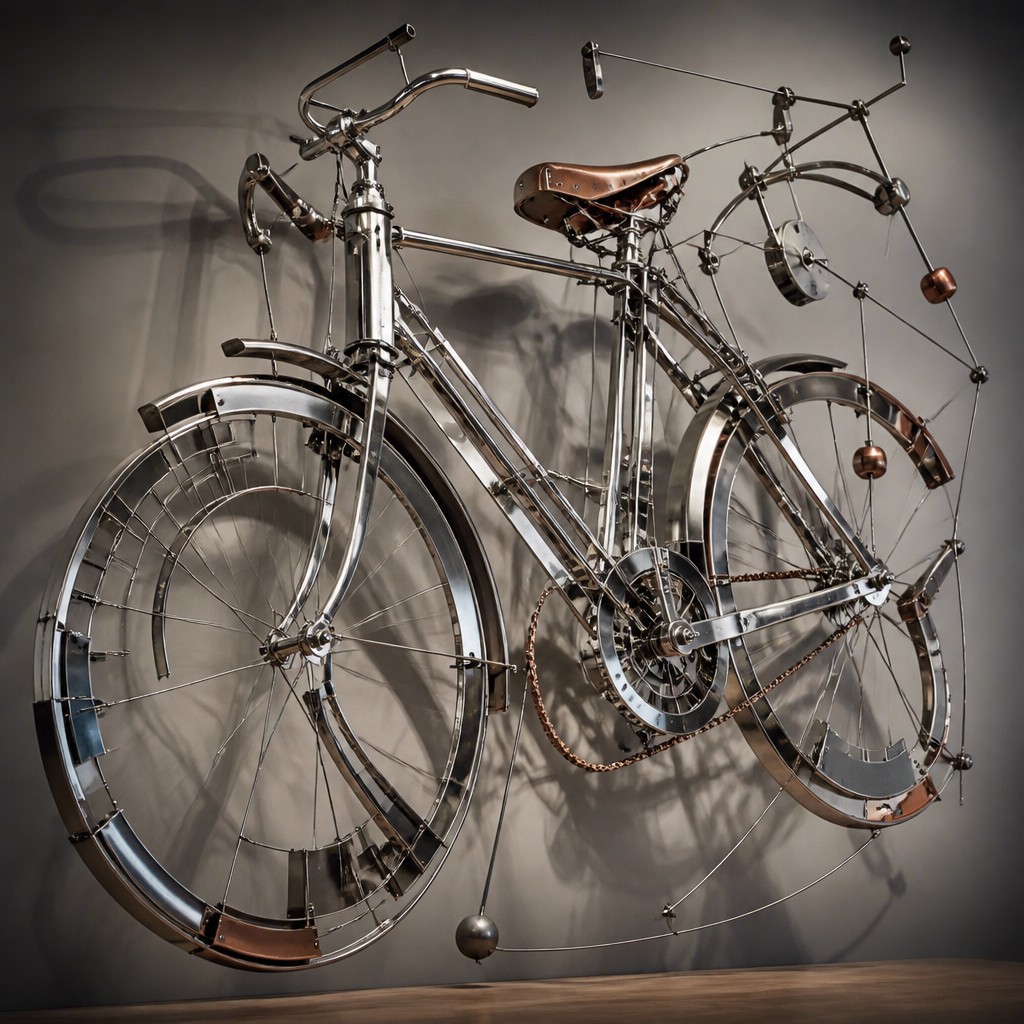
Kinetic Sculpture Art Style turns movement into a physical object experience. It uses balanced metal forms, rotating parts, wire armatures, and changing shadows so the sculpture itself evolves in real space. People compare the two because both depend on movement, but one suggests motion visually while the other produces it materially.
Same Prompt, Both Styles
Each pair below was generated from the identical prompt — only the style changed.
“portrait of two people together”
“wide landscape with natural scenery”
“still life with everyday objects”
“bicyle resting against a wall”
Key Differences
| Kinetic | Kinetic Sculpture | |
|---|---|---|
| Primary medium | Flat or near-flat compositions using pattern, repetition, and visual motion. | Three-dimensional structures built for physical movement and spatial presence. |
| Source of movement | Movement is implied through optical effects and viewer perception. | Movement is real, caused by air, motors, balance, or gravity. |
| Form & structure | Uses lines, shapes, and repeated elements to create vibration and rhythm. | Uses suspended parts, balanced arms, and rotating elements to stay in motion. |
| Viewer experience | Changes as you move around it or shift your focus. | Changes as its parts move and cast different shadows in space. |
| Role of shadow | Shadow is usually secondary to surface pattern and optical contrast. | Shadow is part of the artwork, constantly changing with the sculpture. |
| Emphasis | Focuses on visual illusion, energy, and perceived motion. | Focuses on balance, mechanics, and actual physical motion. |
| Mood | dynamic, restless, playful, electrical | dynamic, poised, playful, contemplative |
| Energy | intense | balanced |
| Detail level | detailed | moderate |
| Color | high-contrast, metallic, saturated accents | neutral metals, bold accents, occasional translucence |
| Texture | smooth, glossy, layered motion effects | smooth surfaces, engineered joints, delicate motion |
| Origin | mid-20th century Europe and Americas | mid-20th-century modern sculpture, global |
| Best for | posters, gallery installations, album covers, motion graphics, interactive displays | gallery installations, museum exhibits, album covers, poster design, concept art |
| Difficulty | advanced | advanced |
Which Should You Choose?
Choose Kinetic Art Style if you want to create the feeling of movement with color, pattern, repetition, and optical effects, especially on a surface that responds strongly to viewing angle and attention. Choose Kinetic Sculpture Art Style if you want real movement in space, where balance, rotating parts, and shadows are essential to the artwork’s meaning and appearance.
Frequently Asked Questions
Is kinetic art the same as kinetic sculpture?
Not exactly. Kinetic art is a broader category that can include visual works suggesting motion, while kinetic sculpture specifically moves physically. Both explore change over time, but one may be optical and the other mechanical or environmental.
Which style is more interactive?
Both can be interactive, but in different ways. Kinetic art often changes as viewers move or shift their focus, while kinetic sculpture may respond directly to air, touch, motors, or gravity.
Does kinetic sculpture always need a motor?
No. Many kinetic sculptures move through balance, wind, suspension, or gravity alone. A motor can be used, but physical movement is the key idea rather than the power source.
Can a work belong to both styles?
Yes, if it combines optical motion with real moving parts. In that case, it can share features of both styles, though the dominant experience will depend on whether the motion is implied or physically present.