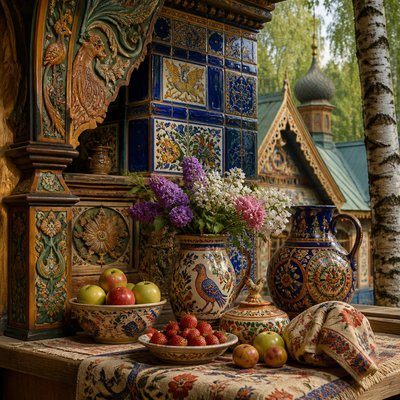
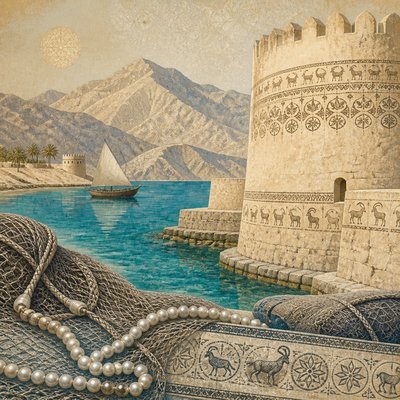
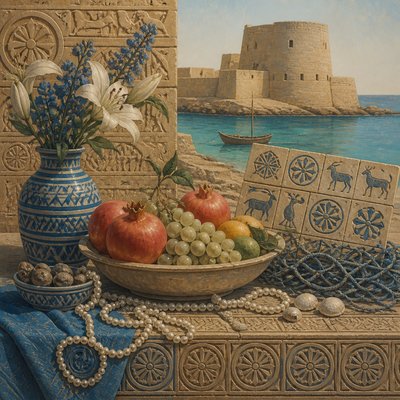
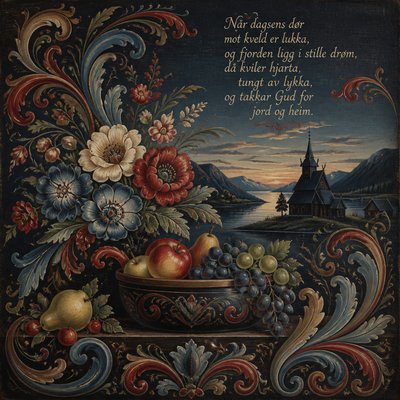
Wood Carving Sculpture Art Style
Warm carved wood sculptures with visible grain, chisel marks, and natural knots; learn the style, history, traits, and how to create it.
Instantly rendered in Wood Carving Sculpture — or transform a photo
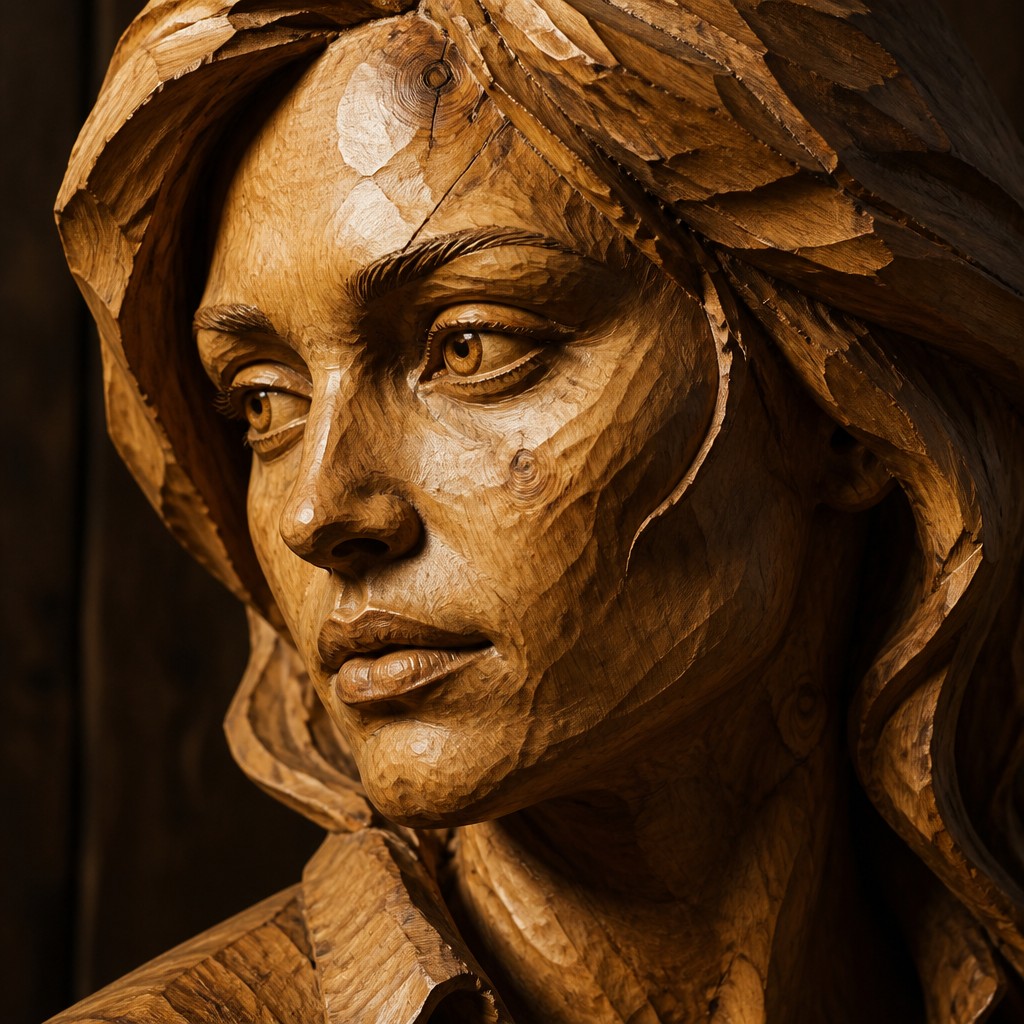
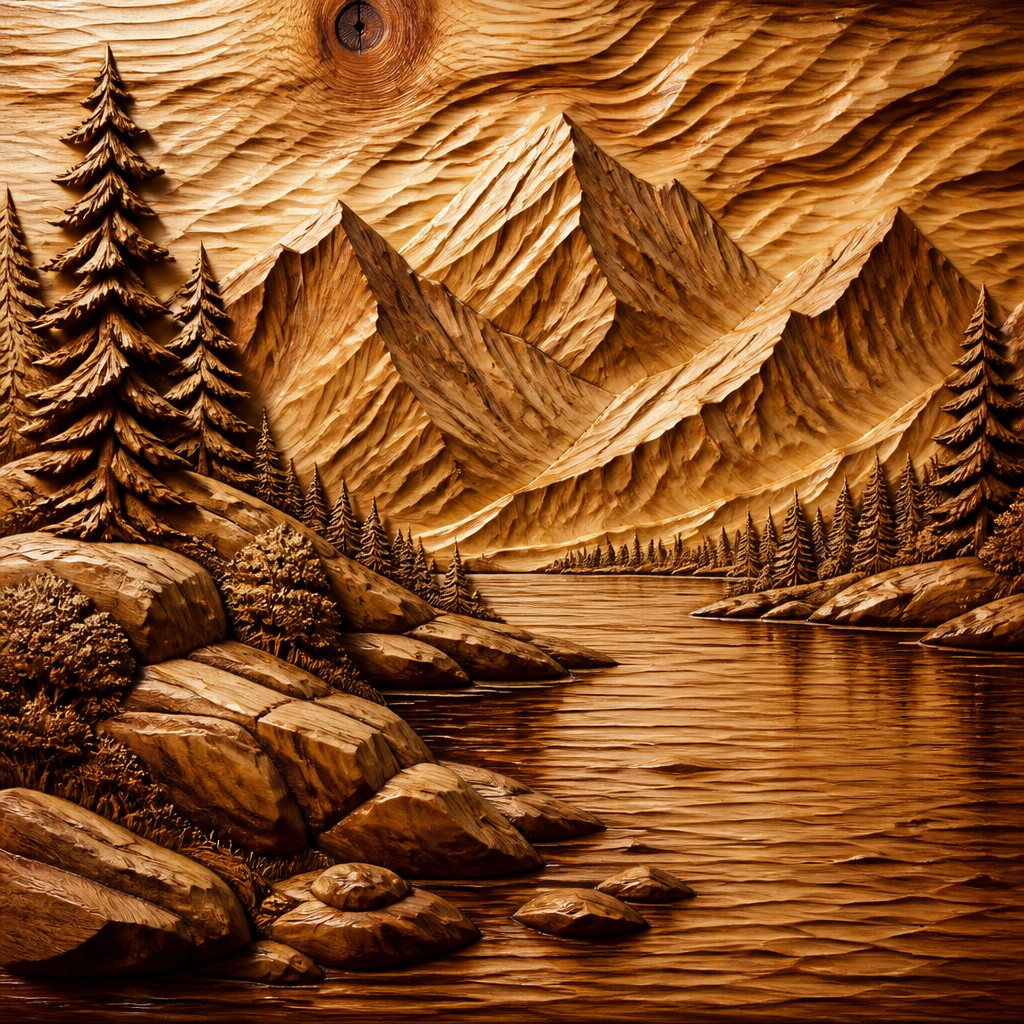
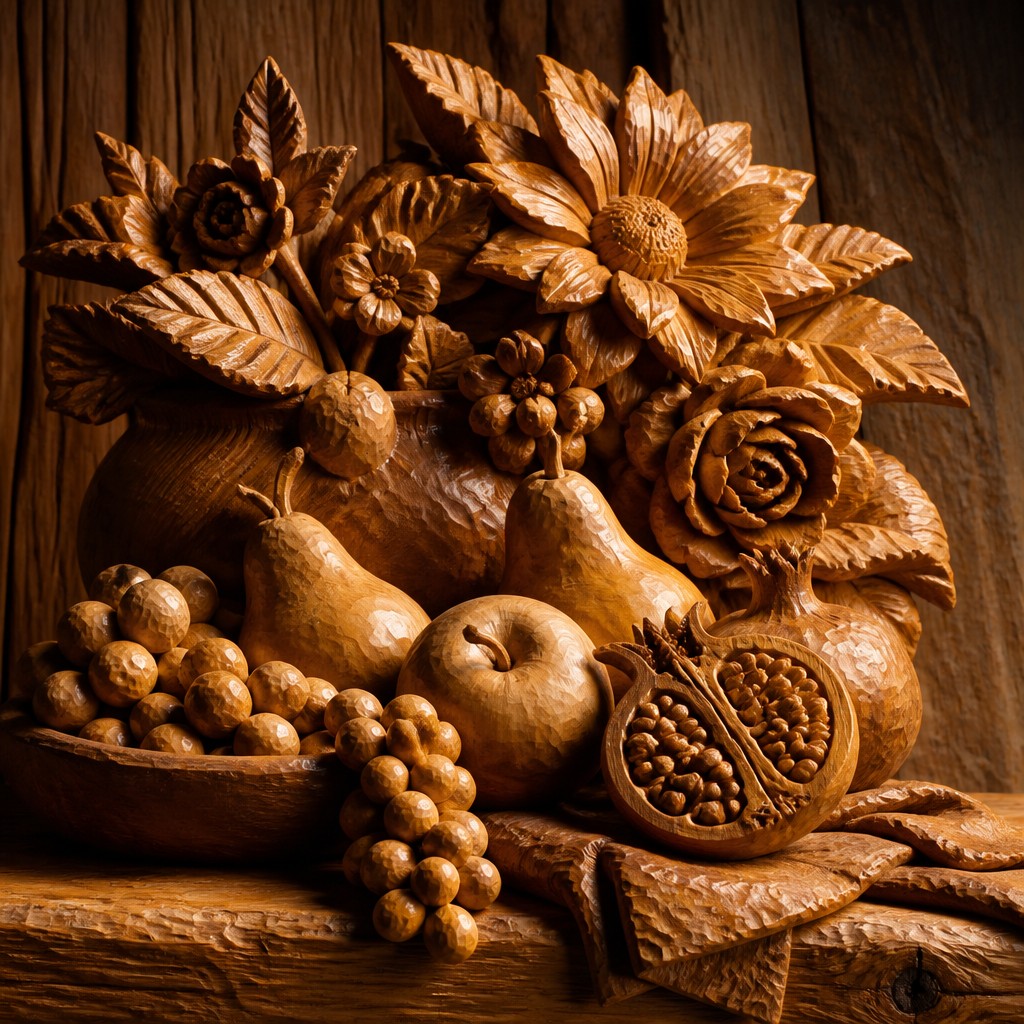
Wood Carving Sculpture Gallery
Tap any artwork to explore it
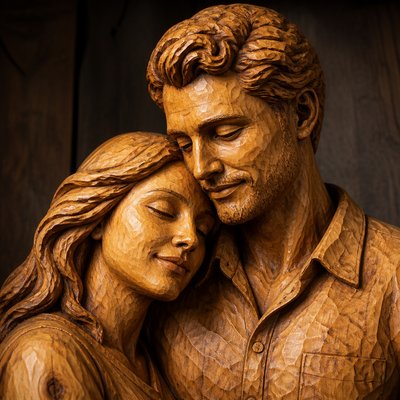
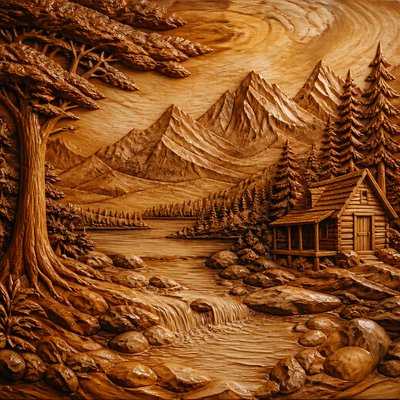
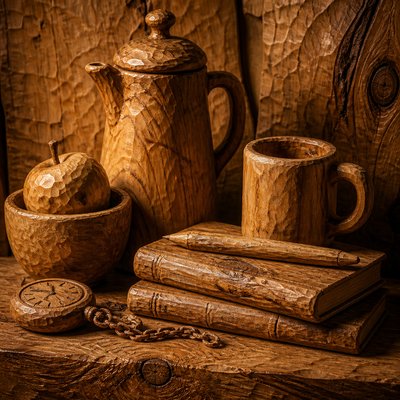
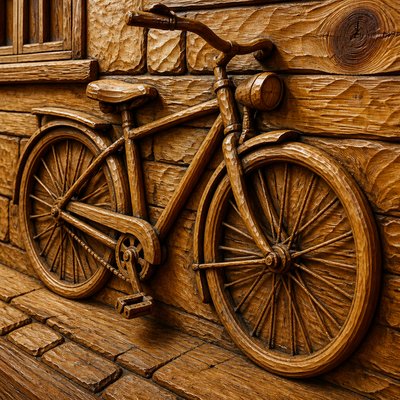
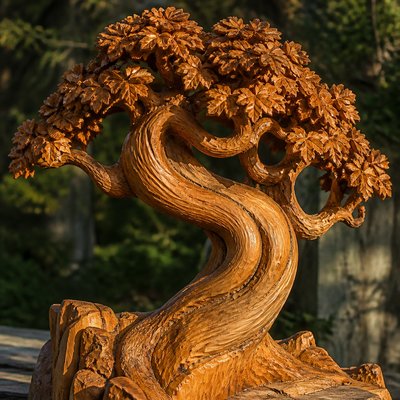
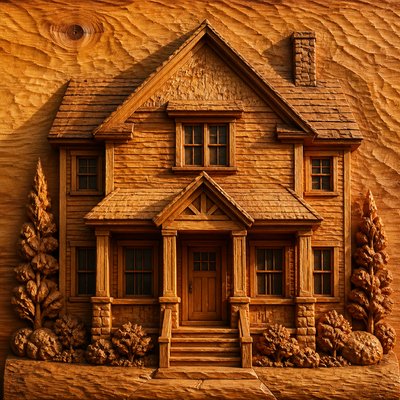
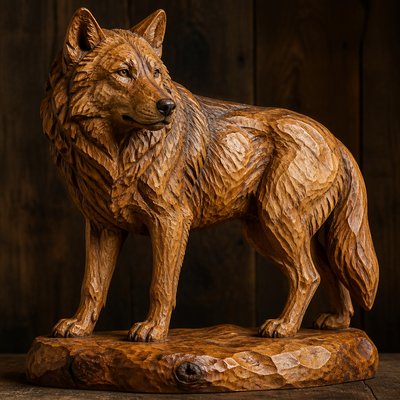
What is Wood Carving Sculpture Art Style?
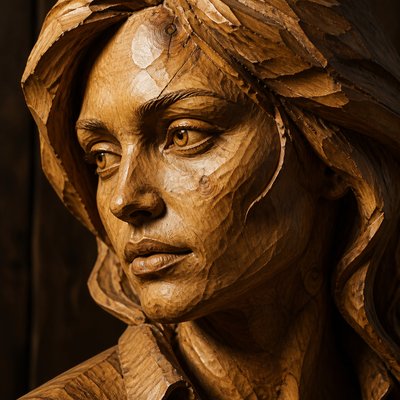
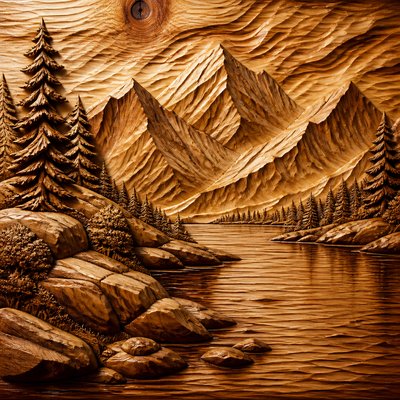
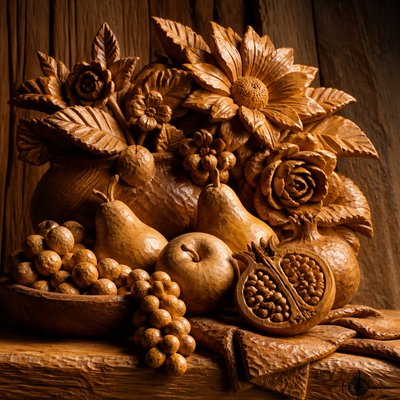
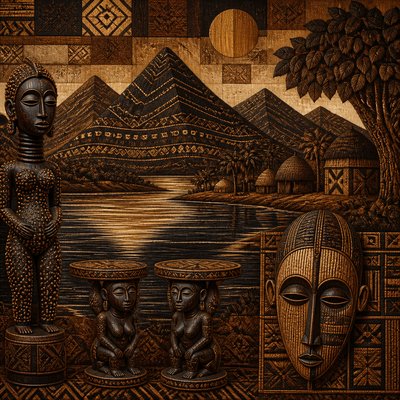
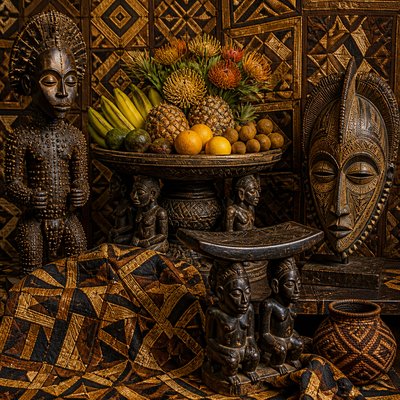
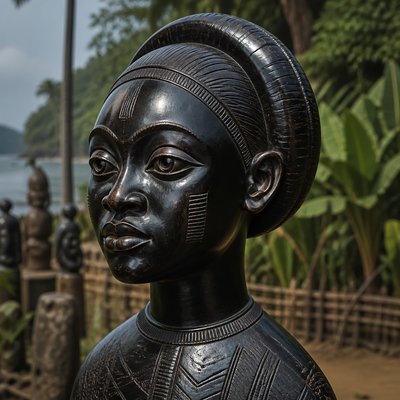
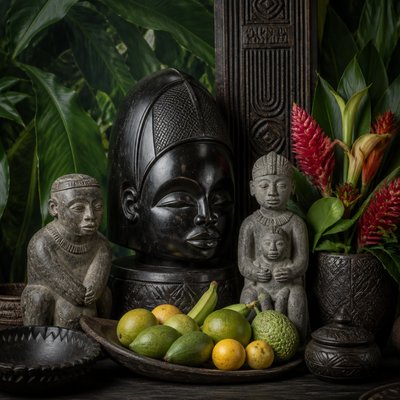
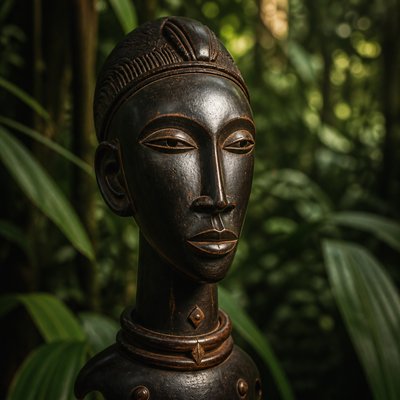
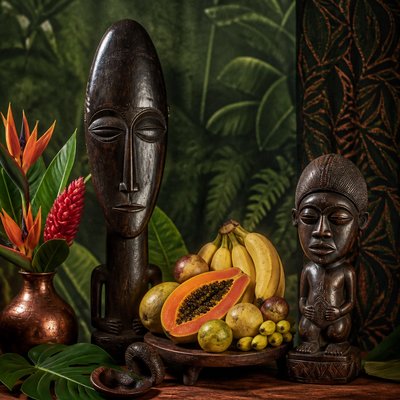
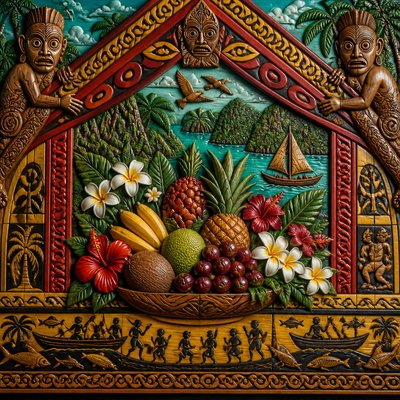
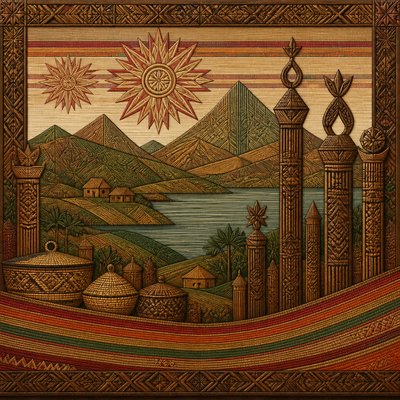
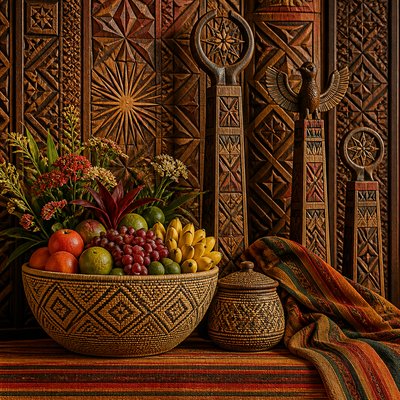
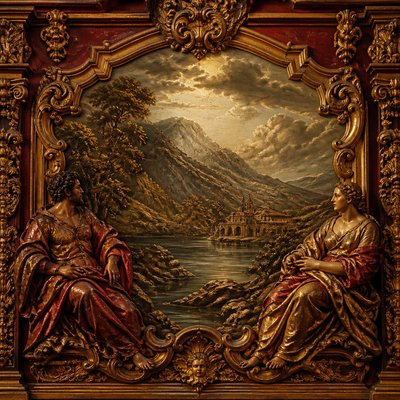
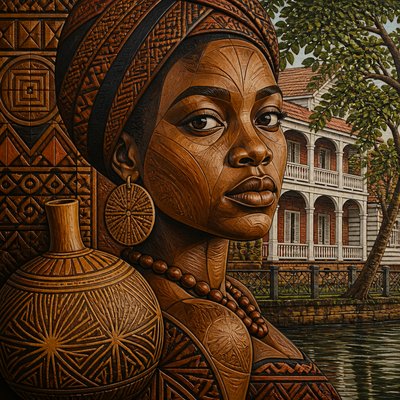
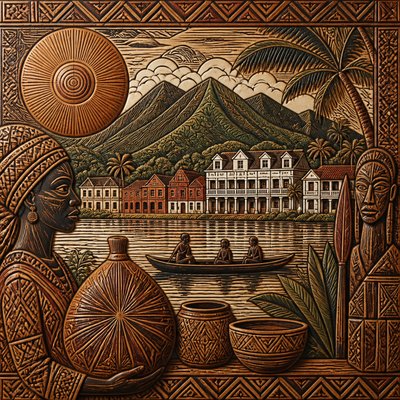
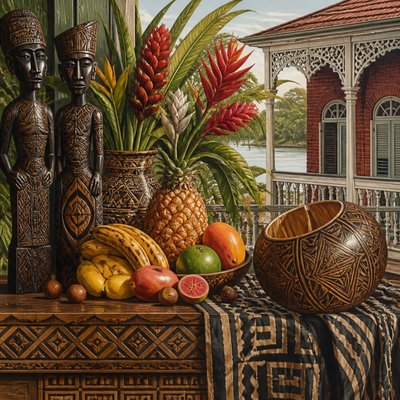
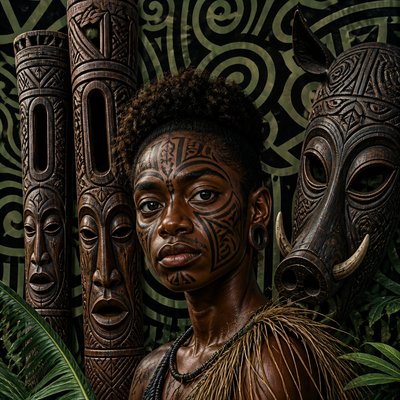
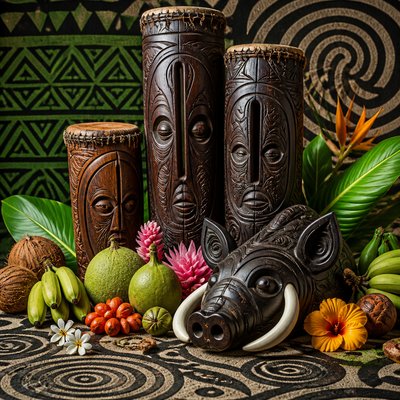
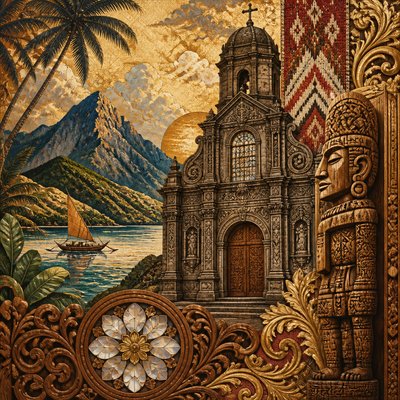
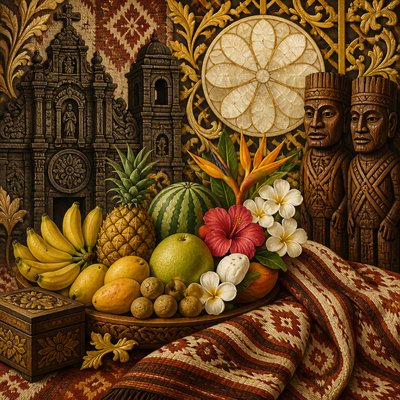
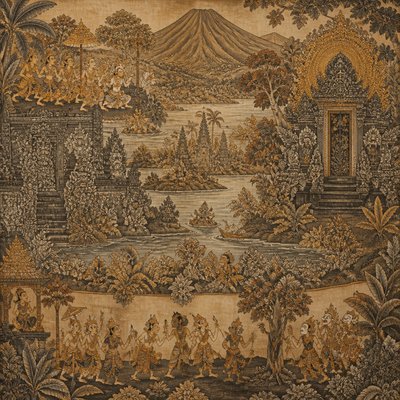
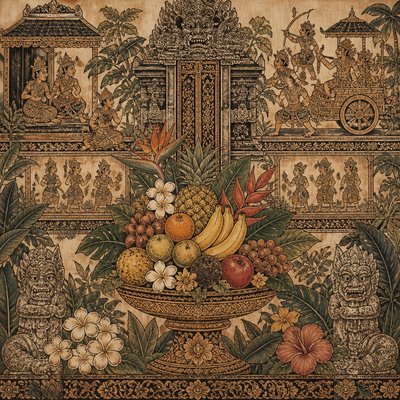
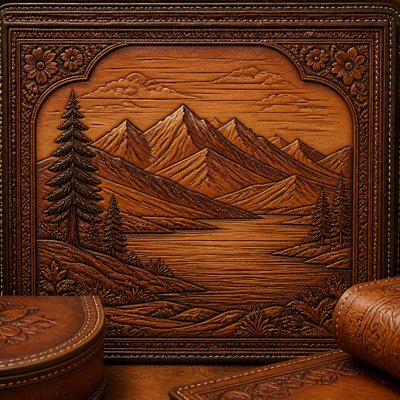
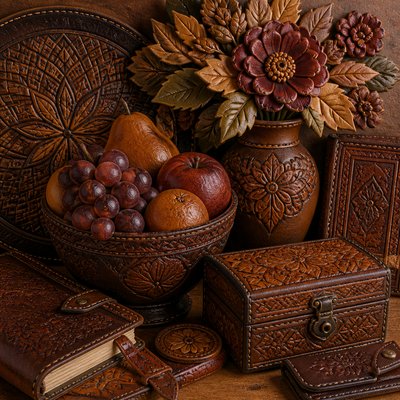
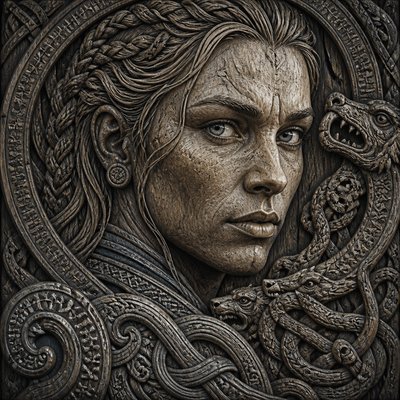
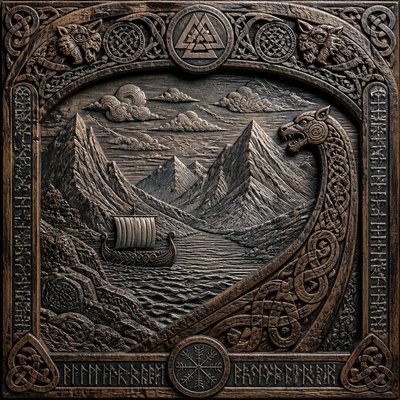
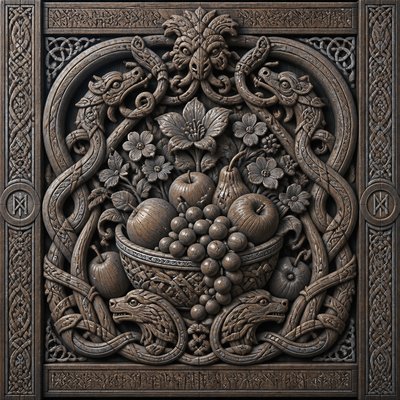
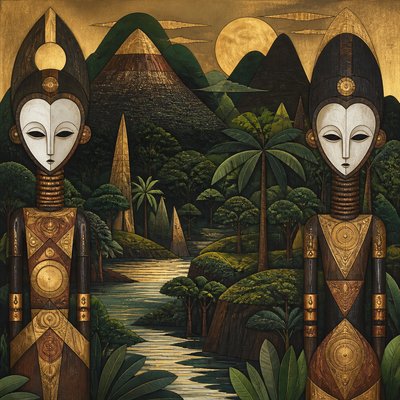
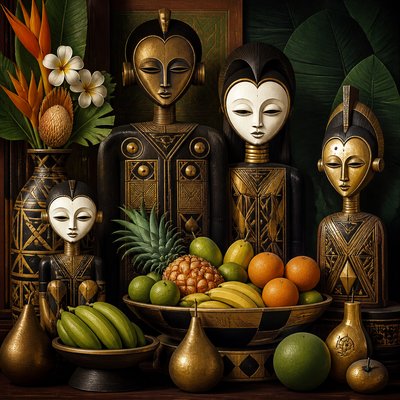
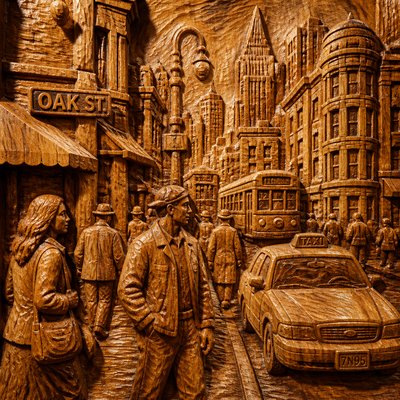
Wood carving sculpture art is defined by the transformation of a solid wooden form through subtraction: the image or object emerges from the block through cuts, gouges, and polishing. Its visual identity comes from the collaboration between the sculptor and the material itself, with wood grain, knots, sap lines, and tonal variation treated not as imperfections but as active design elements.
The style is immediately recognizable for its warmth and tactility. Surfaces may alternate between burnished smoothness and rough tool-marked passages, while recessed areas hold shadow and emphasize depth. Because the material is organic, the final work often feels both structured and alive, combining careful craftsmanship with the irregular rhythms of natural growth.
Try It On Your Photos
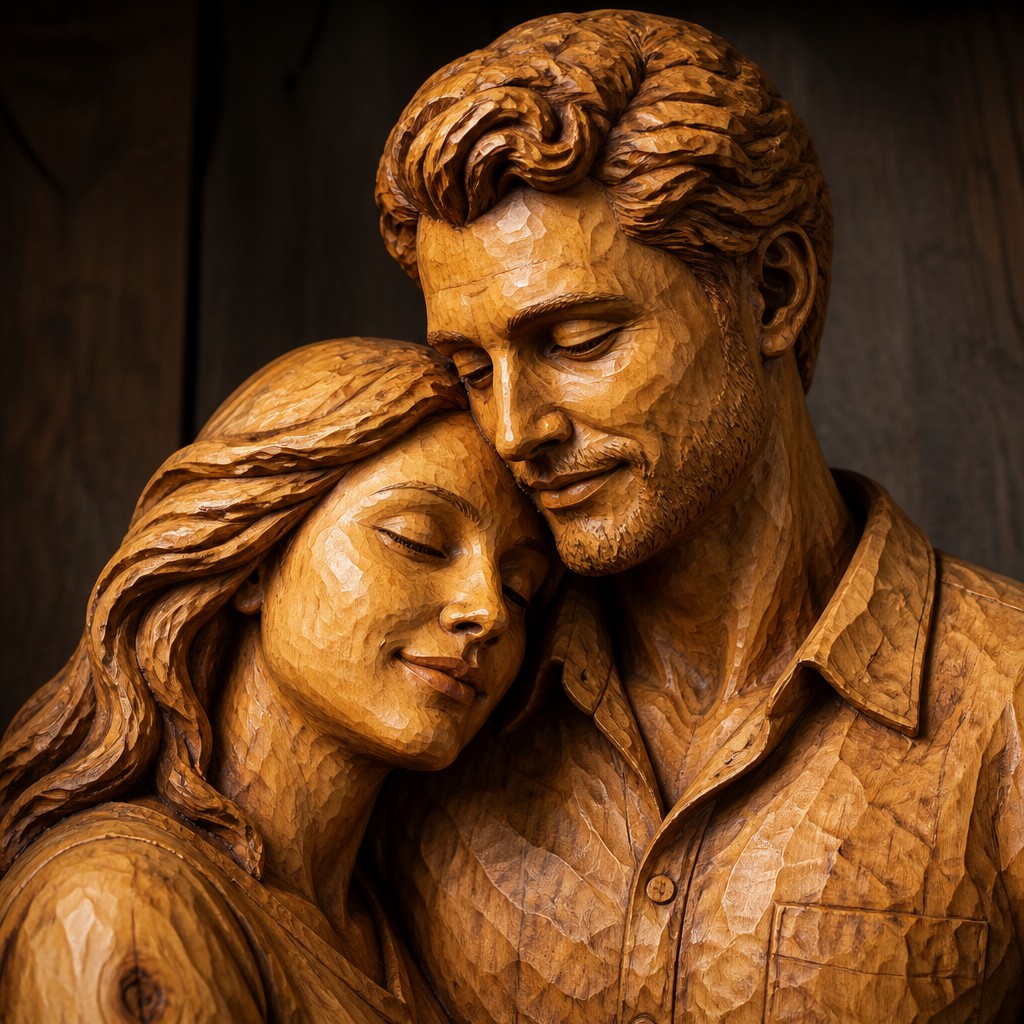
Upload any photo and convert it into Wood Carving Sculpture Art Style — drag the sliders to compare before and after.


What Defines Wood Carving Sculpture Art Style
The signature details, up close
Visible wood grain
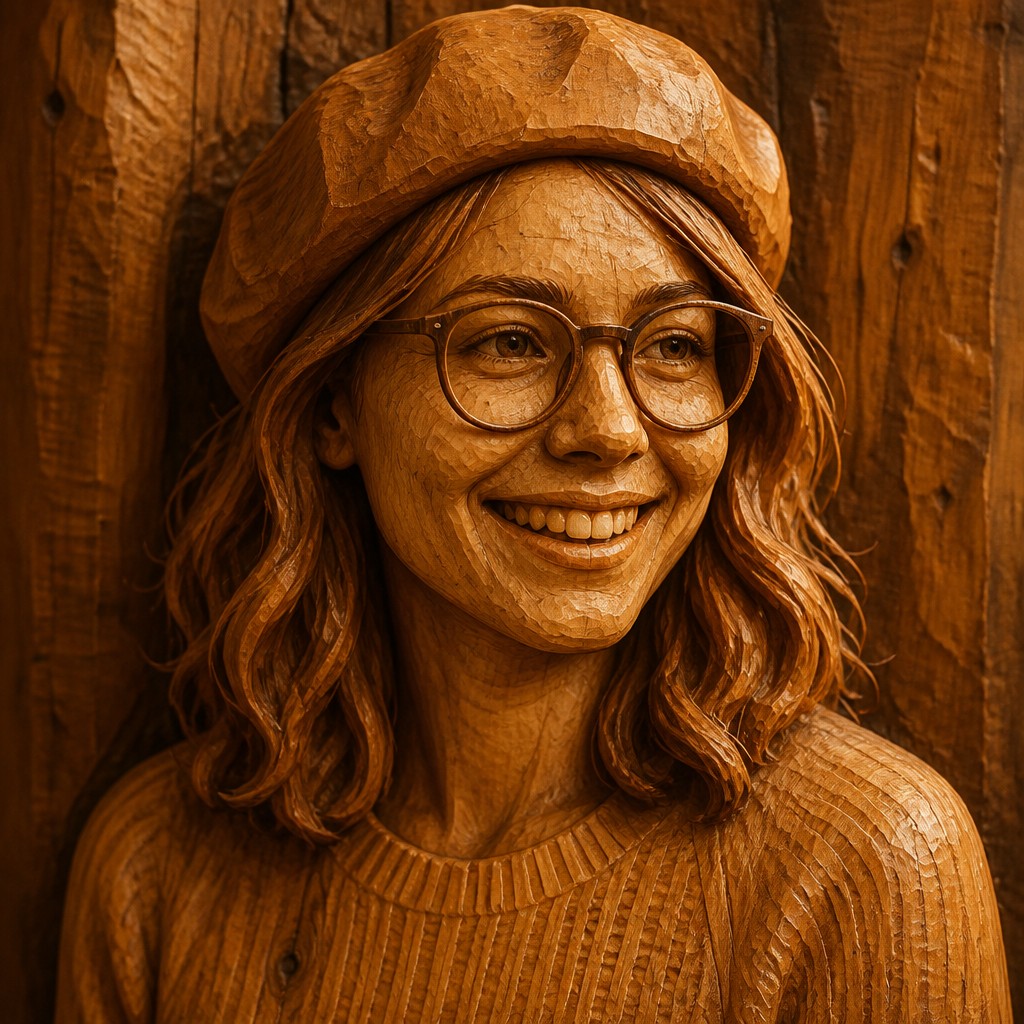
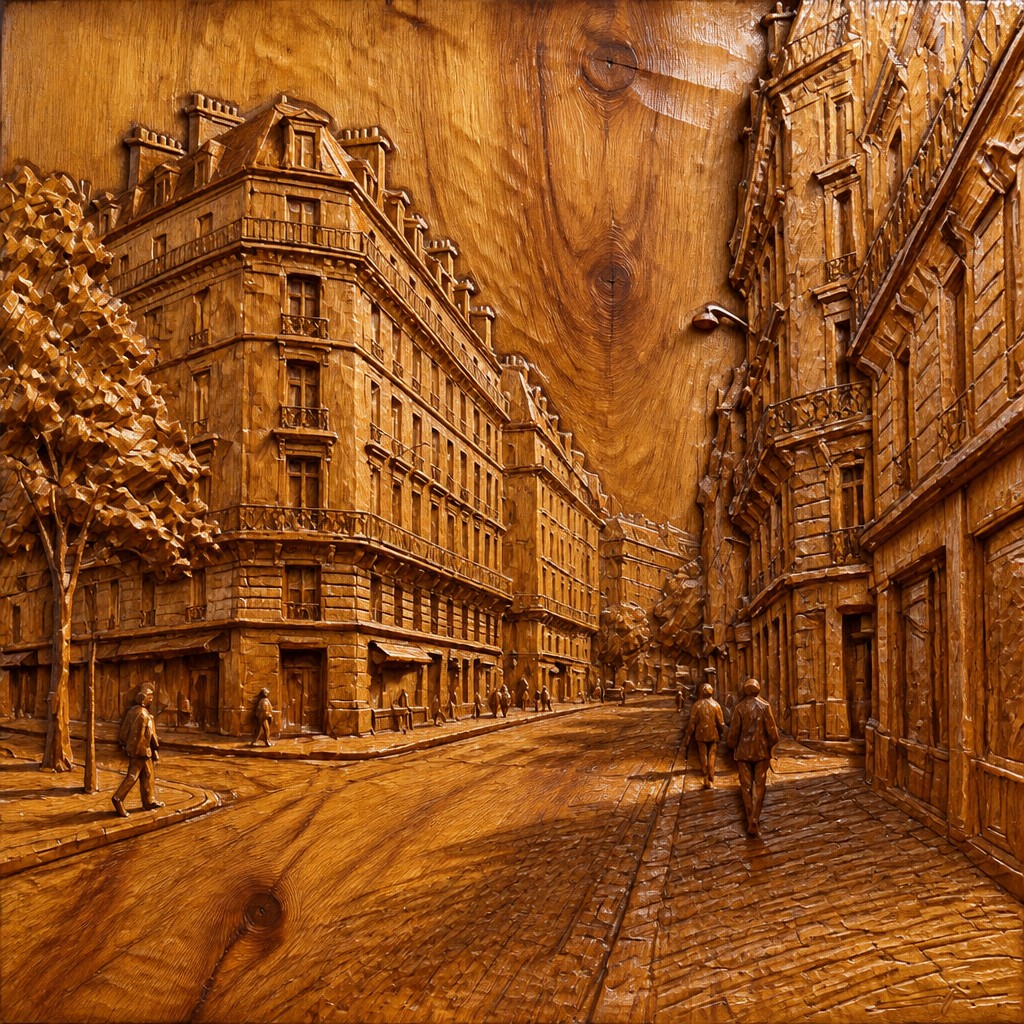
The grain remains prominent across the form, often flowing with the contours of the sculpture. It contributes direction, movement, and natural patterning that help define the piece.
Chisel and gouge marks
Tool marks are usually left visible as part of the surface language. These rhythmic cuts create texture, reveal the making process, and distinguish carved work from cast or molded sculpture.
Warm natural tones
Color ranges from pale beige to amber, honey, chestnut, and deep brown depending on the wood species and finish. The palette is typically earthy and restrained, emphasizing material rather than applied color.
Balance of rough and polished surfaces
A common feature is contrast between rough-hewn areas and burnished passages. This contrast heightens the sense of depth and draws attention to edges, planes, and anatomical or abstract transitions.
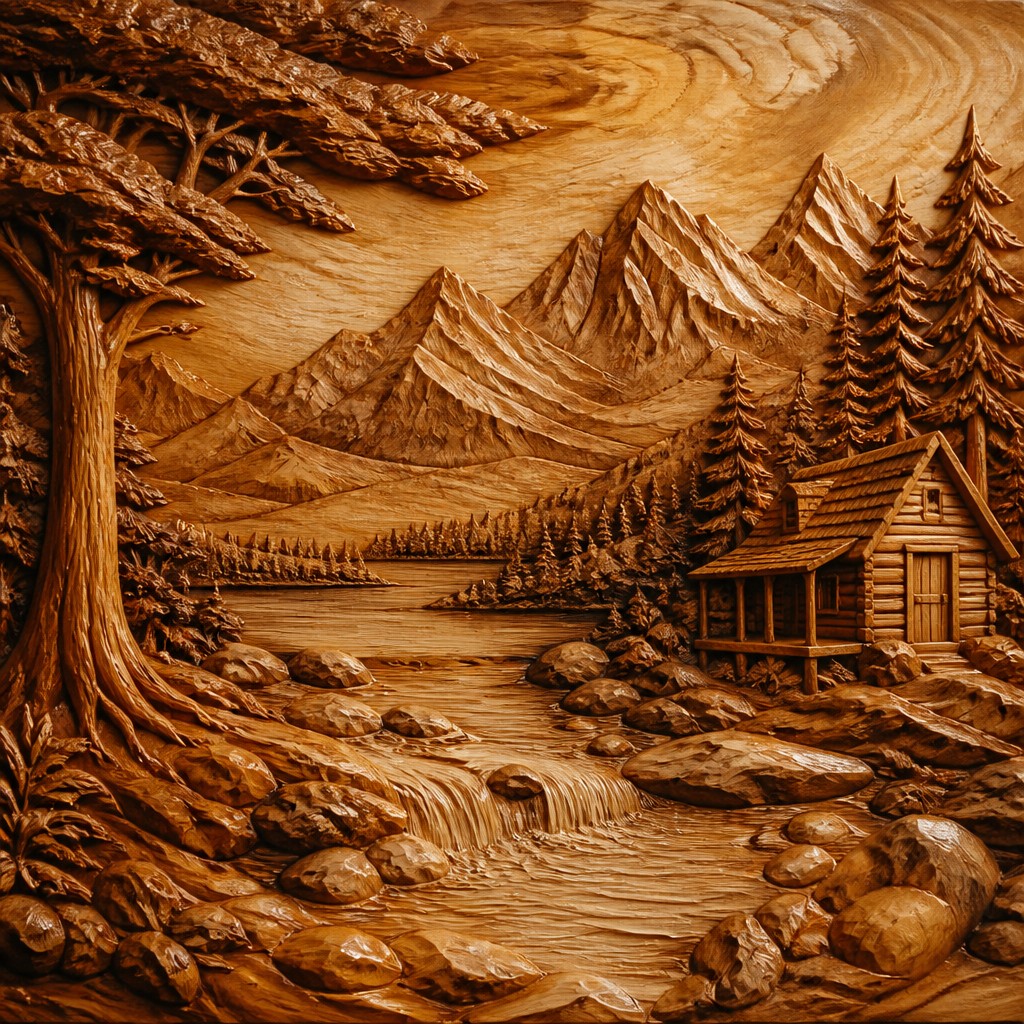
Integration of knots and irregularities
Knots, cracks, and grain anomalies are often incorporated as compositional features rather than hidden. These natural imperfections can become focal points or structural accents.
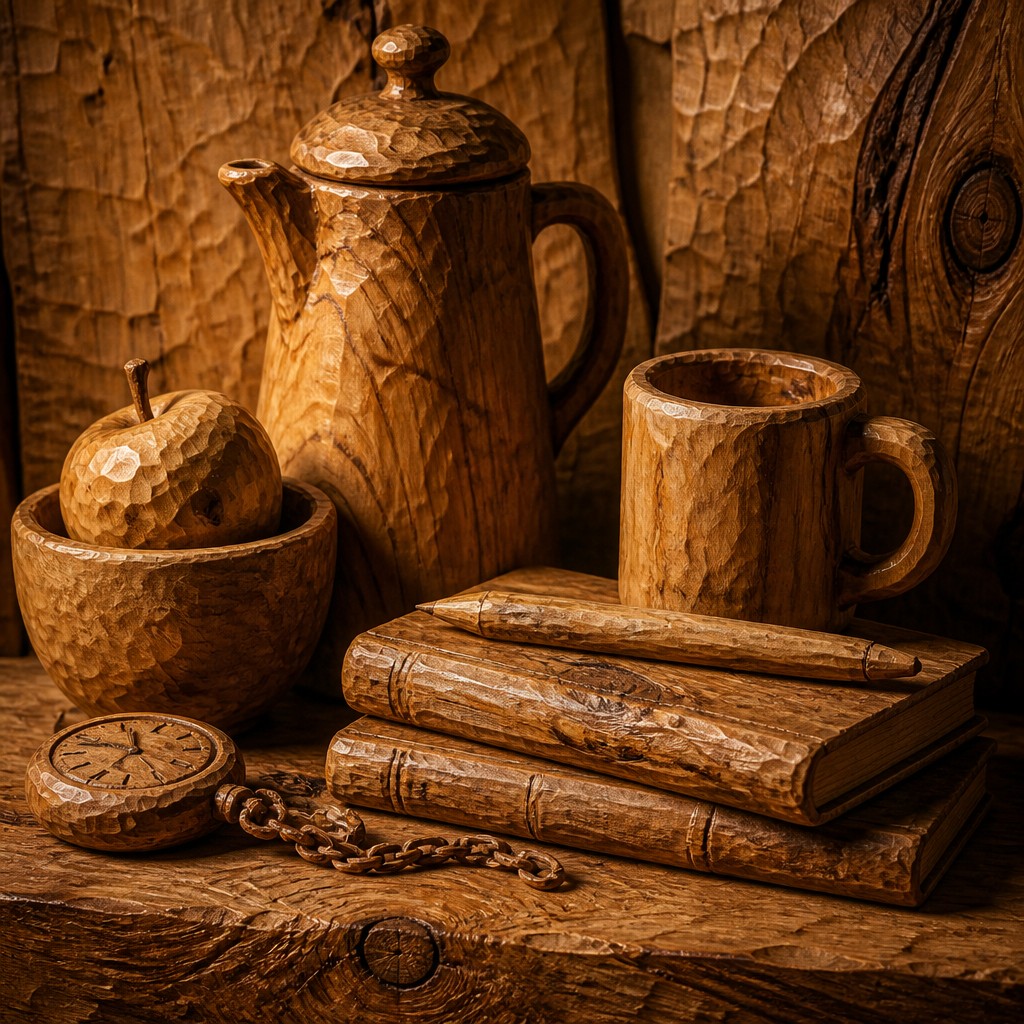
Strong tactile presence
The style emphasizes touchable, hand-made physicality. Even in highly refined work, the viewer can usually read the labor of carving in the surface.
Try It
Create Videos in Wood Carving Sculpture Art Style
Styles aren't just for stills — describe a scene or animate an image and get a short video rendered in Wood Carving Sculpture. Press play to see this pond come to life.
Make a VideoWood Carving Sculpture Prompt Ideas
Start from an idea — each one opens the generator with the style ready to go. See all 40 Wood Carving Sculpture prompts →
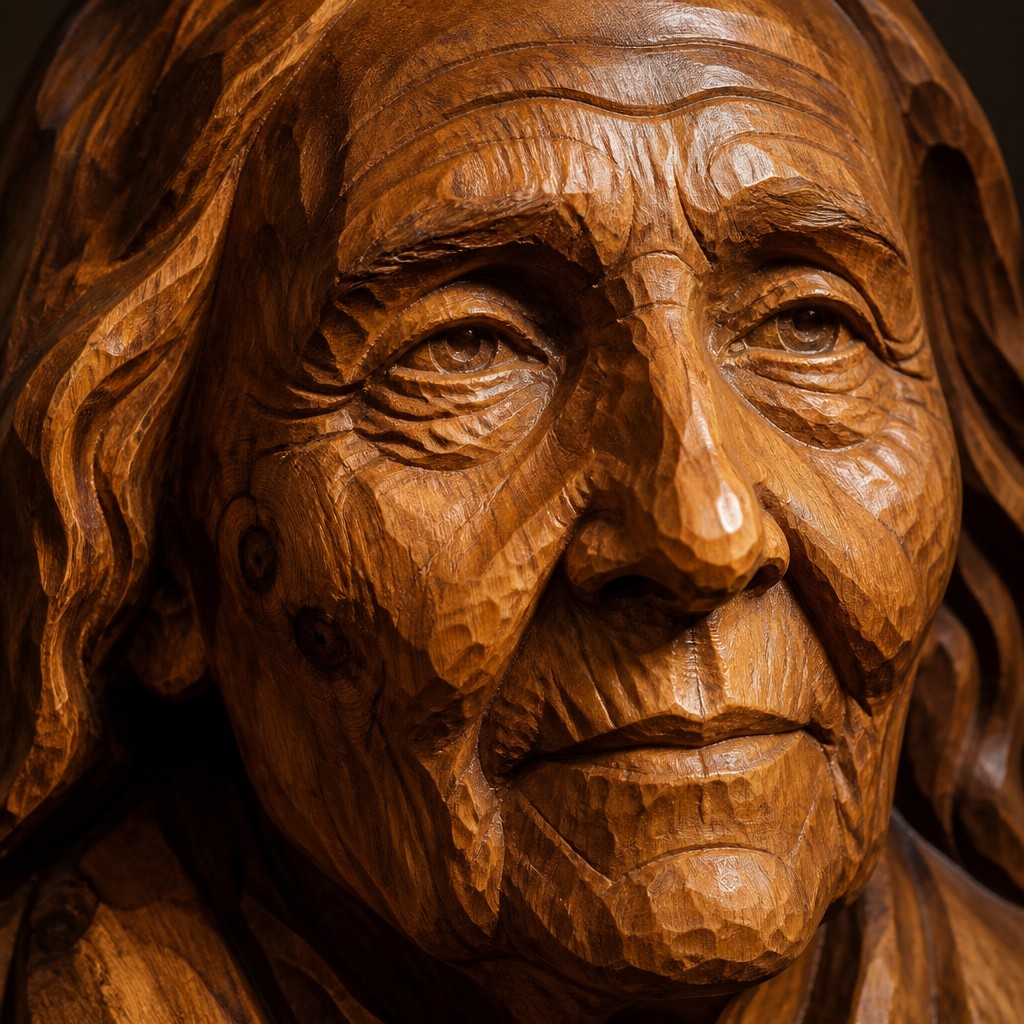
“close-up portrait of an elderly person with expressive weathered features”
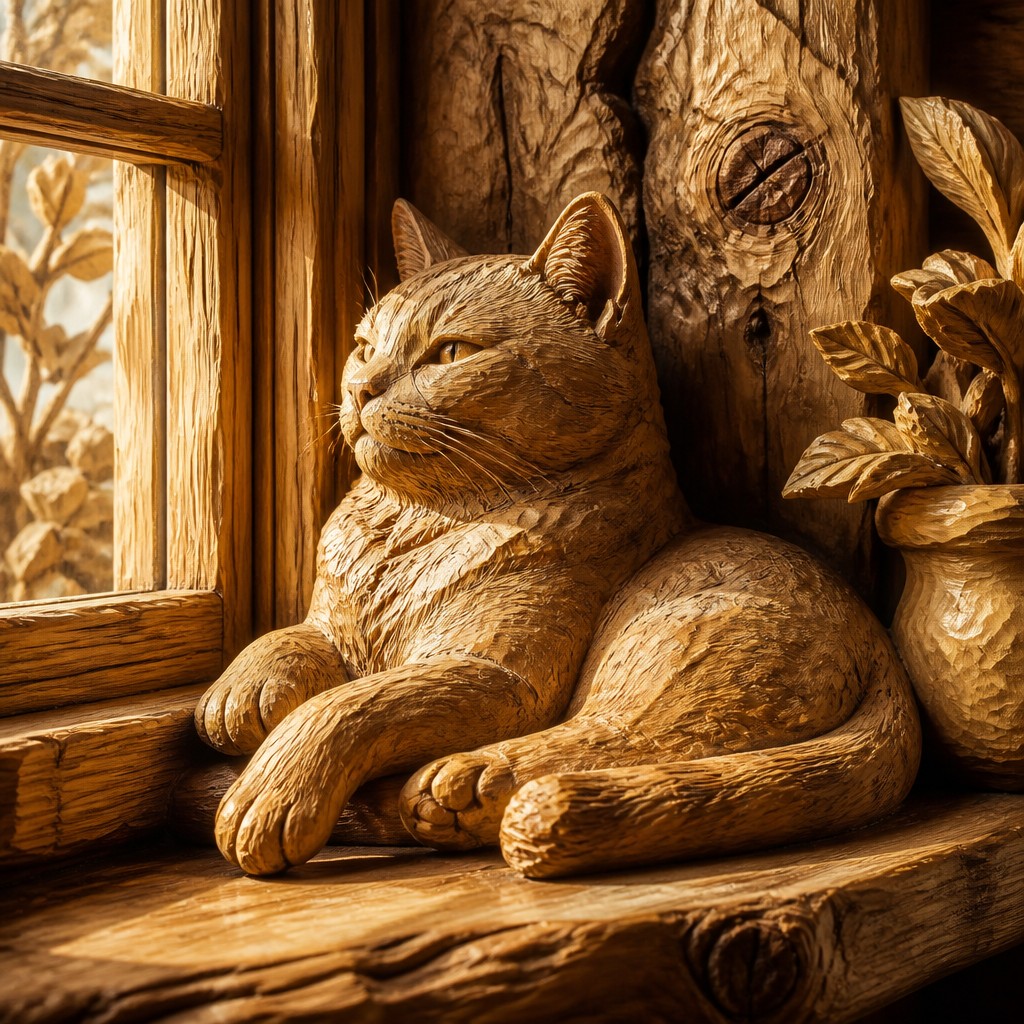
“a cat lounging in a sunlit window”
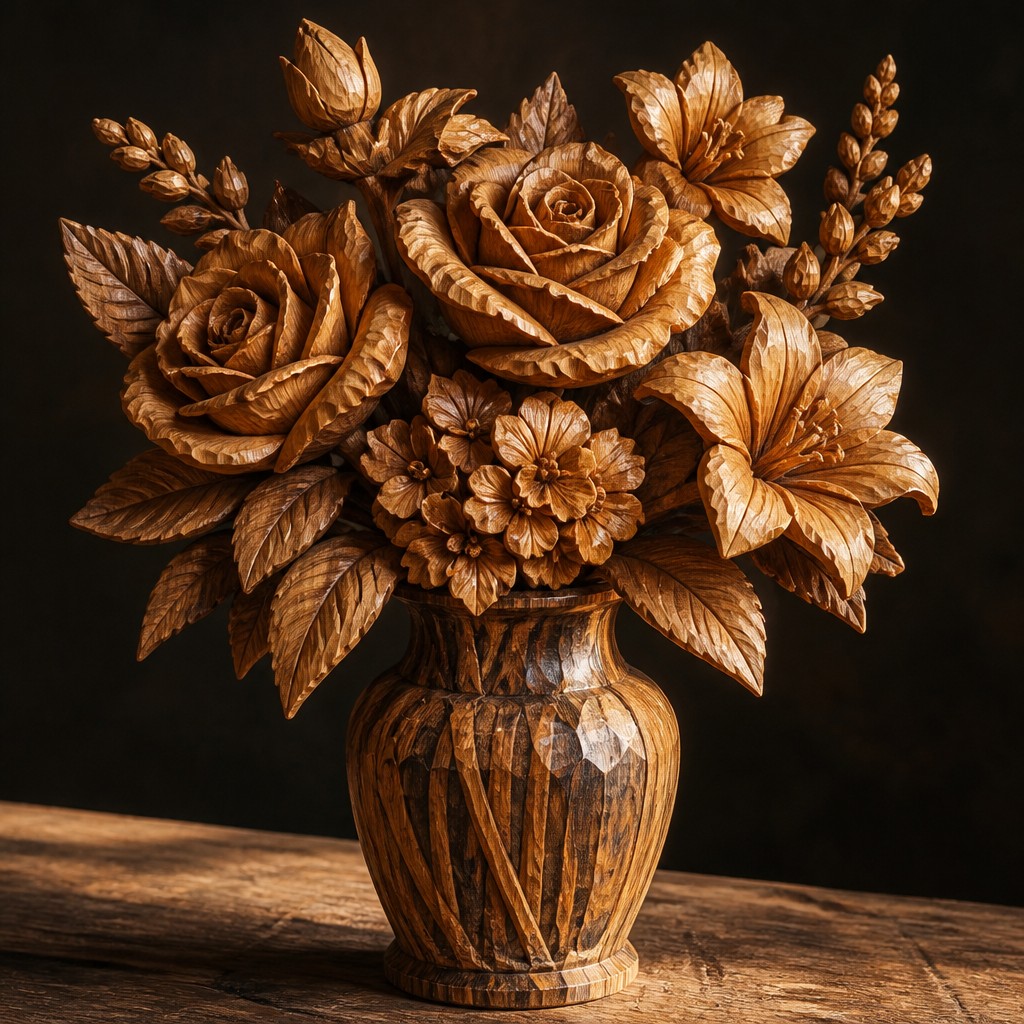
“bouquet of flowers in a glass vase”
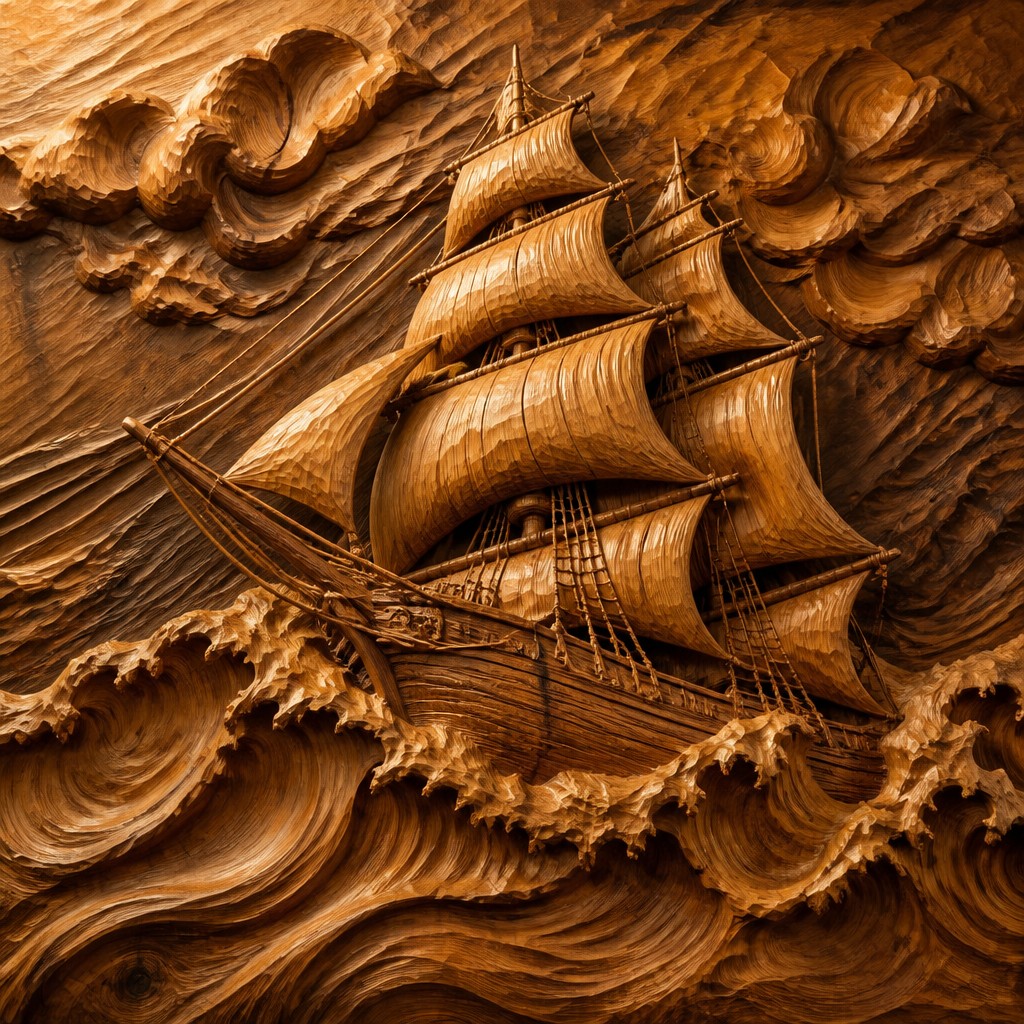
“sailing ship on a stormy sea”
How to Create Wood Carving Sculpture Art
Master the craft step by step — or skip straight to creating. Read the full guide →
- 1
Choose a form that suits subtraction
Start with a subject that can be expressed through simplified volumes, such as figures, animals, masks, or abstract torsos. In traditional carving, plan the silhouette and grain direction before removing material; for digital rendering, shape the object so the cuts and contours feel physically carved rather than modeled like clay.
- 2
Make the grain part of the composition
Select wood grain or simulated grain that follows the main curves of the piece and supports the structure of the design. In image generation, specify flowing grain across the entire surface, with knots and irregularities integrated naturally rather than erased.
- 3
Preserve tool evidence
Leave selective chisel, gouge, or knife marks visible to communicate process and handcraft. If painting or rendering digitally, mimic directional facets and shallow scalloped cuts so the surface reads as carved rather than smooth plastic.
- 4
Use controlled contrast in finish and lighting
Combine rough and polished areas to create visual rhythm, then use side lighting or raking light to catch the raised surfaces and deepen the recesses. For prompts, emphasize dramatic side light, shadow pooling in carved cavities, and warm highlights on polished edges.
- 5
Respect the material's limits
Avoid details that would be structurally implausible in wood unless the work is clearly stylized. In AI or digital work, ask for believable joinery, carved undercuts, and forms that feel anchored to a solid block or assembled wooden construction.
The Story
History & Origins of Wood Carving Sculpture
Wood carving is one of the oldest sculptural practices, found across many cultures long before modern art categories existed. It developed wherever wood was available as a workable medium, from religious sculpture and ritual objects to decorative furniture, masks, and architectural ornament. Its visual language is shaped by the physical properties of the material: grain direction, hardness, moisture, and the resistance of the knife, chisel, adze, and gouge.
As a contemporary style, wood carving sculpture draws on this long global lineage rather than a single movement. Its present-day aesthetic often reflects a renewed appreciation for craft, handmade evidence, and natural materials, as well as influence from folk carving traditions, studio sculpture, and modern design that highlights material truth instead of disguising it.
Influences: This style relates to long-standing global carving traditions, including folk sculpture, religious woodworking, architectural ornament, and studio wood sculpture. It also overlaps with modern craft movements that value the visibility of making and the honesty of materials. In terms of visual philosophy, it shares an appreciation for surface, rhythm, and hand workmanship with traditions that prioritize material presence over illusionistic finish.

Frequently Asked Questions
What defines wood carving sculpture art style?
It is defined by the look of a form carved from wood, with grain, knots, and tool marks kept visible. The style emphasizes the material's natural structure as much as the subject itself.
How is this different from general 3D sculpture?
Not all sculpture styles reveal their making process so clearly. Wood carving sculpture specifically highlights subtractive cuts, grain direction, and the tactile surface qualities of wood.
What kinds of subjects work best in this style?
Figures, animals, masks, totems, and simplified abstract forms work especially well because they translate naturally into carved volumes. Subjects with strong silhouettes and readable contours tend to look most convincing.
Can this style be created digitally?
Yes. The key is to simulate believable carved structure, wood grain, and lighting rather than simply applying a wood texture to a generic object. The form should look as if it was shaped by cutting away material.
What finishes are typical in wood carving sculpture?
Finishes range from matte and tool-visible to smooth and burnished, often with oil or wax tones that deepen the wood's warmth. Even when polished, the work usually retains evidence of the carving process.
Where is this style commonly used?
It appears in fine art sculpture, decorative objects, religious and ceremonial carving, furniture ornament, and contemporary design. Its appeal comes from combining craft tradition with the organic character of wood.
Create your first Wood Carving Sculpture artwork
Describe anything — or upload a photo — and see it in Wood Carving Sculpture Art Style in seconds.
Make Something with Wood Carving Sculpture
Compare Wood Carving Sculpture
Related Styles
Discover similar art styles