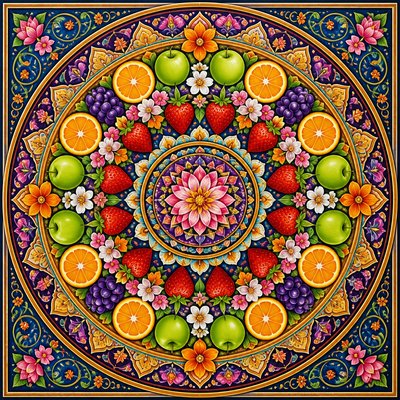
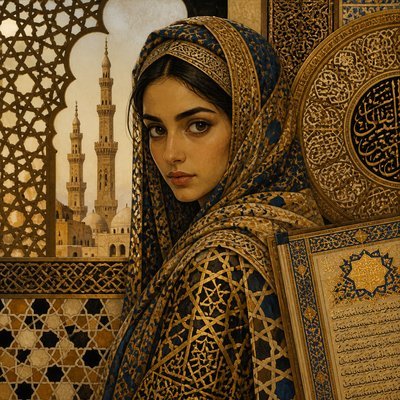
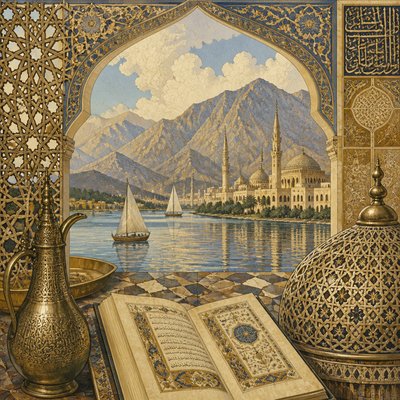
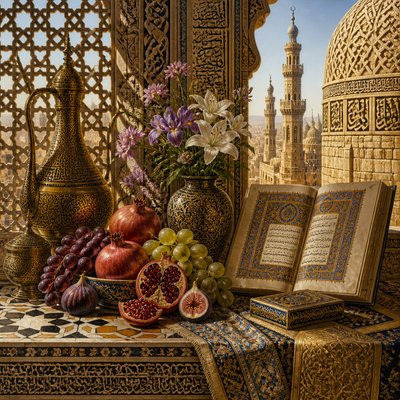
Norwegian Art Style
Explore Norwegian art style: rosemaling scrollwork, fjords, stave churches, carved wood, and wistful northern twilight in folk-inspired imagery.
Instantly rendered in Norwegian — or transform a photo
Norwegian Gallery
Tap any artwork to explore it
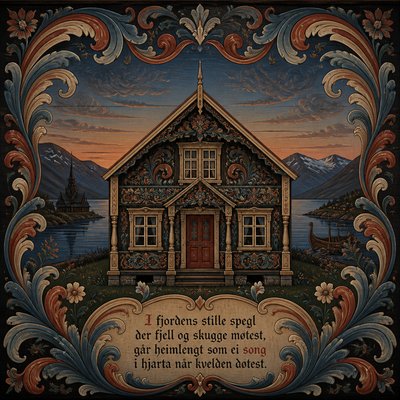
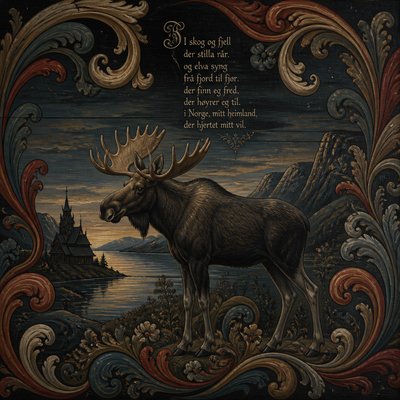
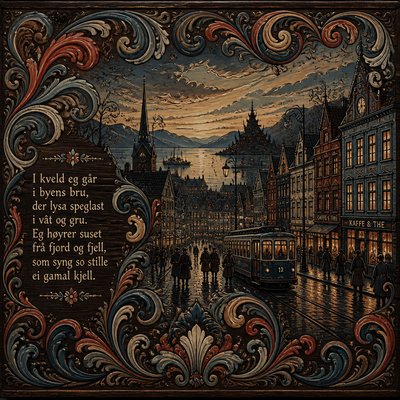
What is Norwegian Art Style?
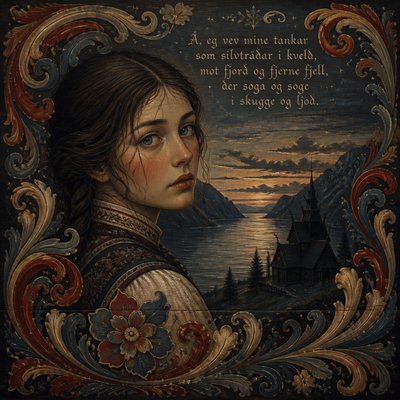
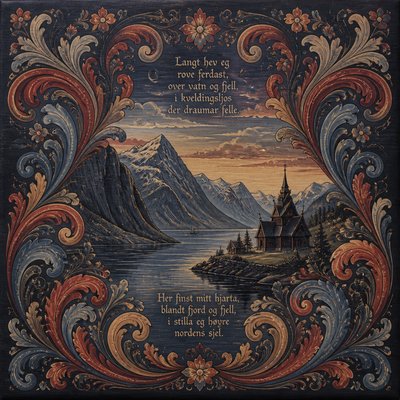
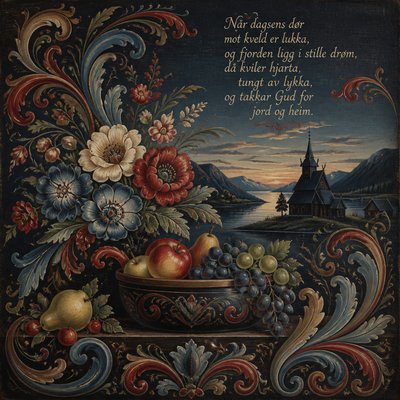
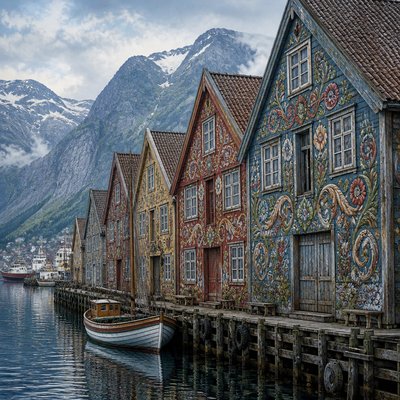
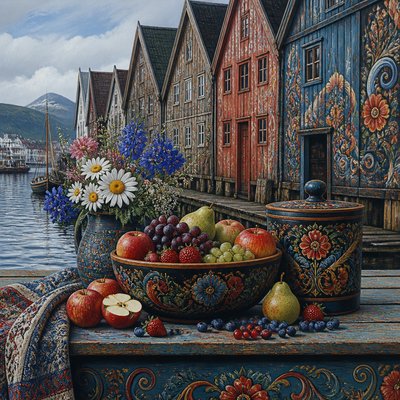
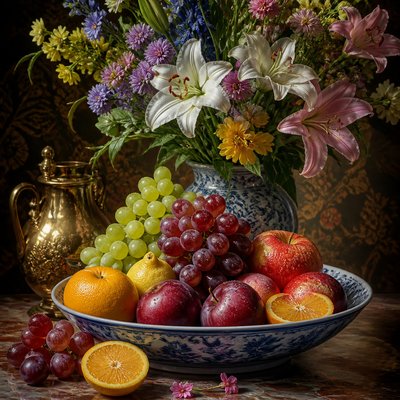
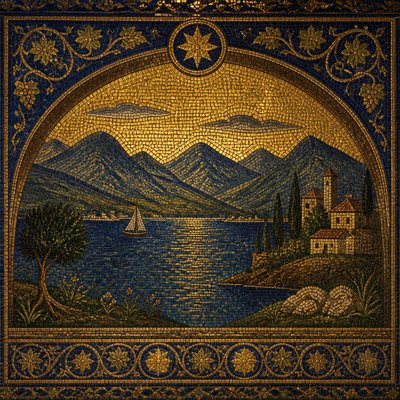
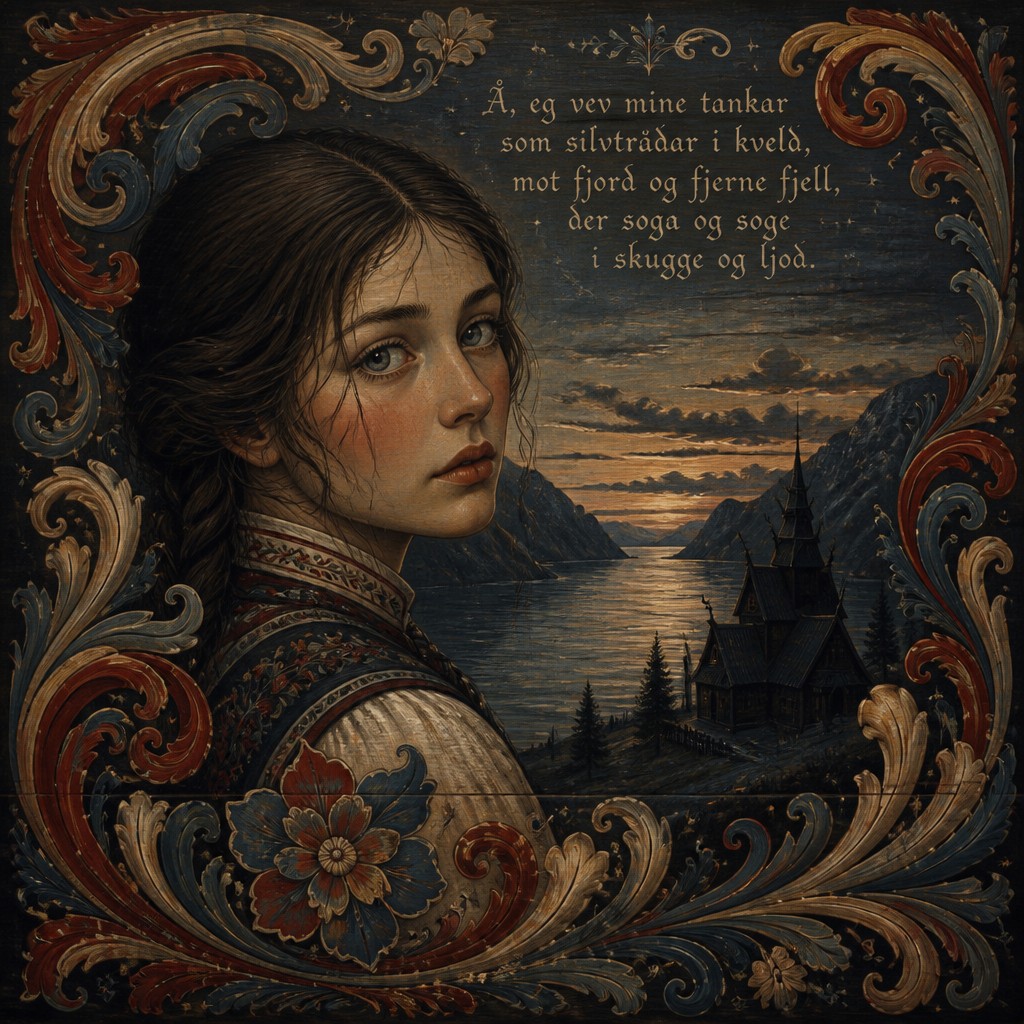
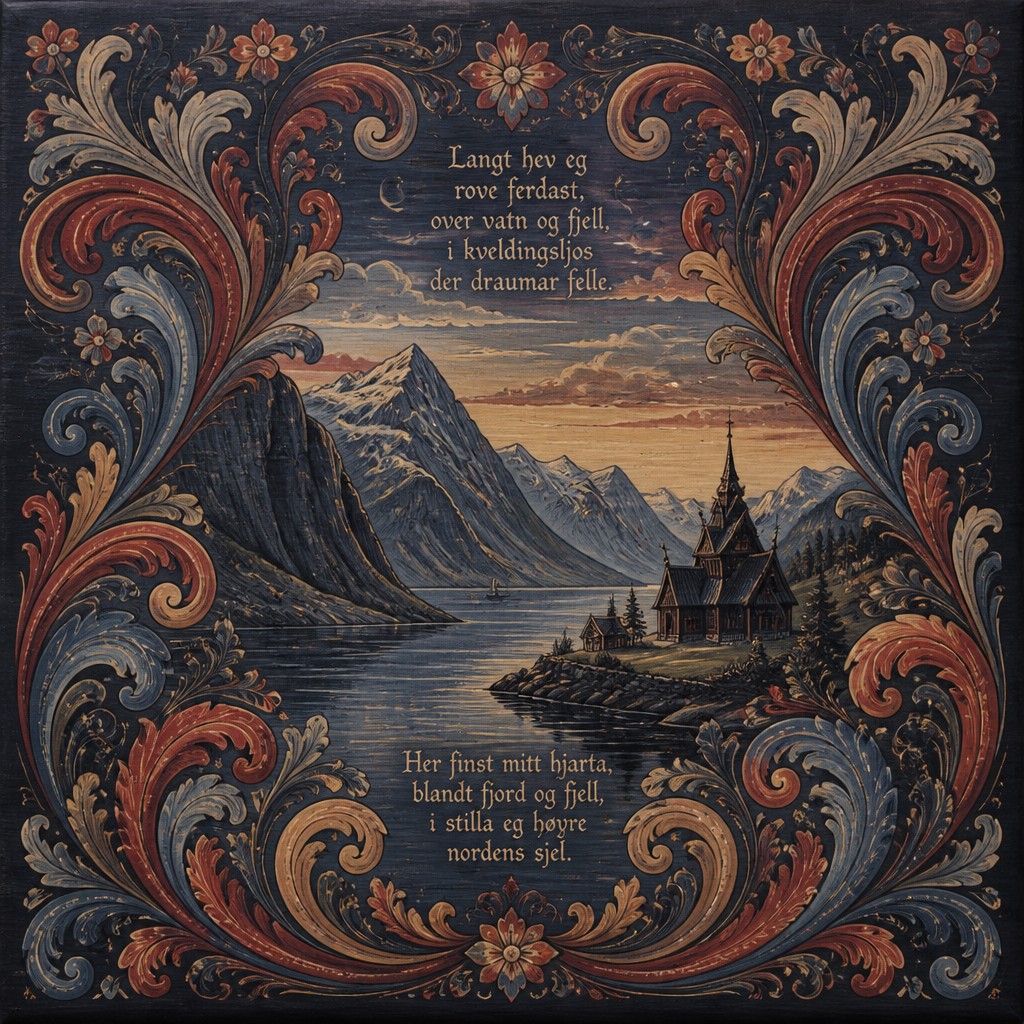
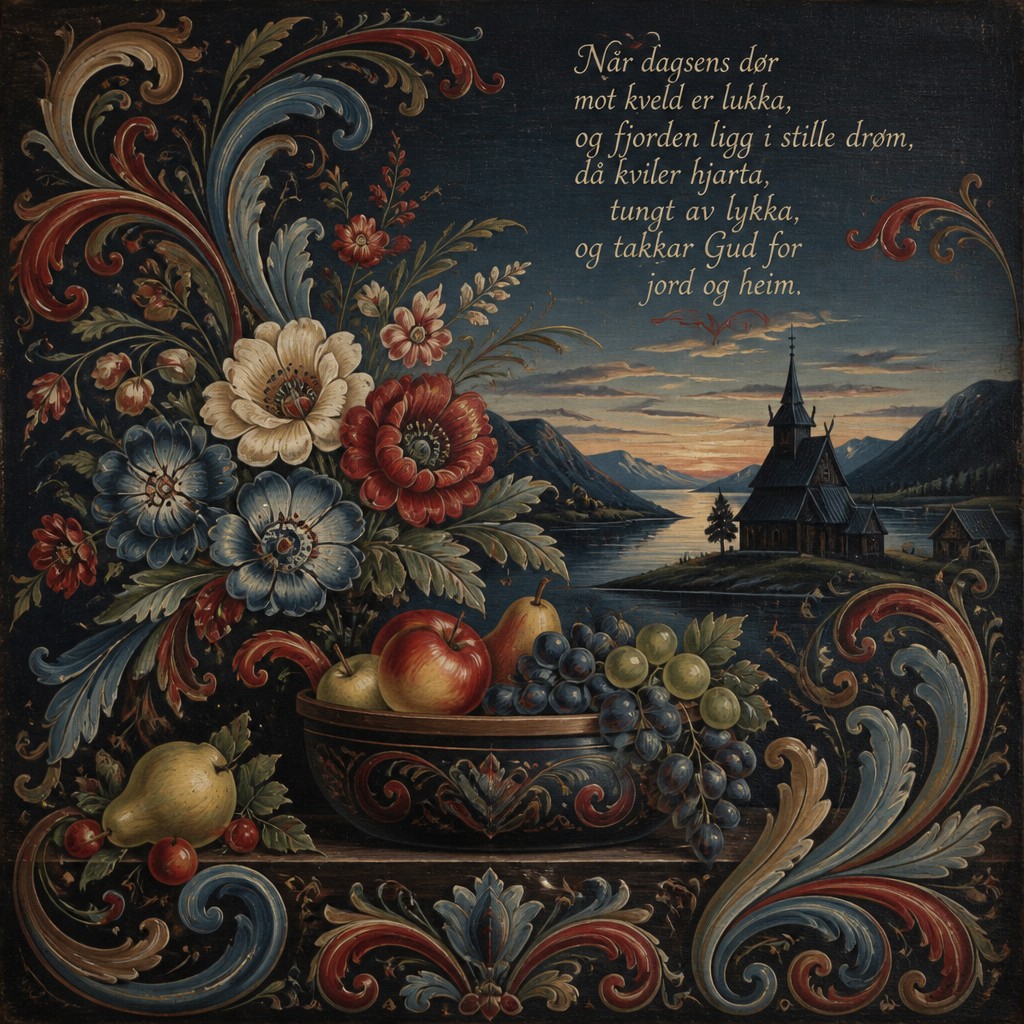
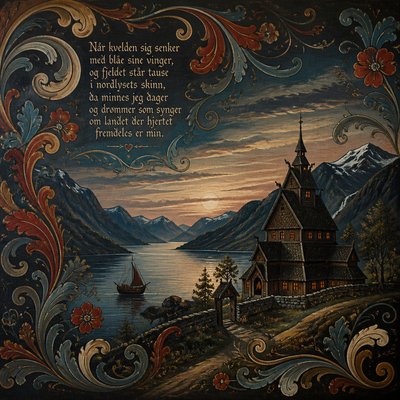
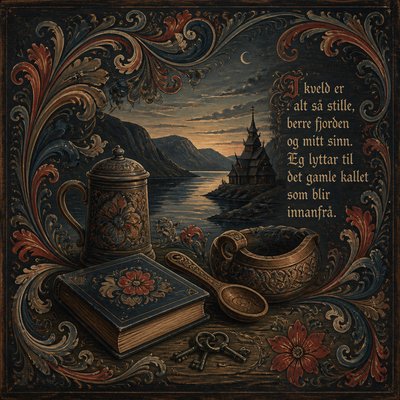
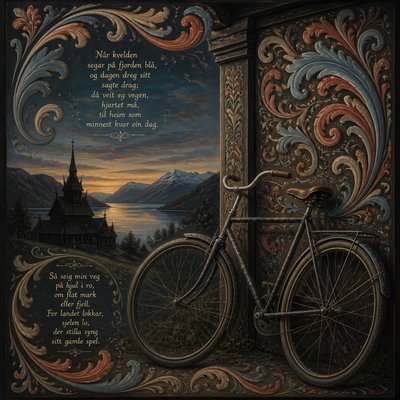
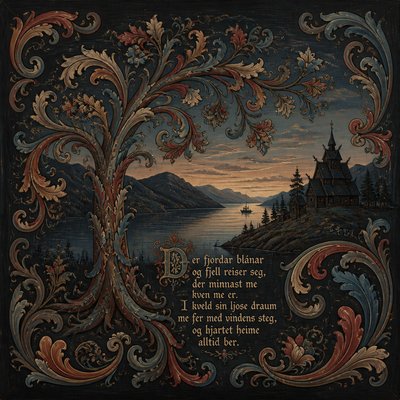
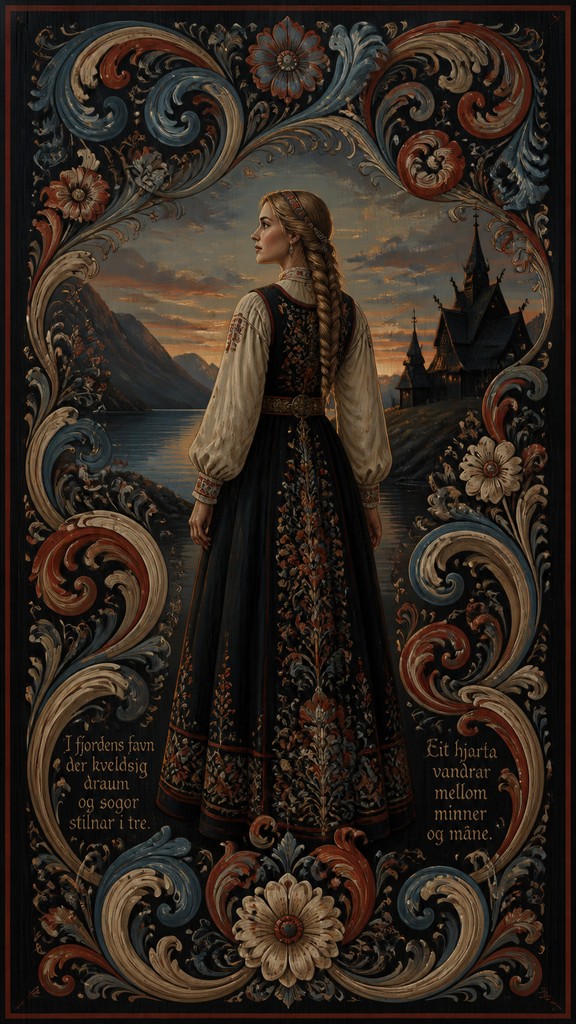
Norwegian art style is a contemporary descriptive aesthetic rather than a single historical movement. It combines the ornamental language of Norwegian rosemaling with fjord landscapes, stave-church silhouettes, carved-wood surfaces, and the subdued atmosphere of long northern twilight. Flowing acanthus scrolls, stylized flowers, limited folk palettes, and dark grounds give the style a distinctly decorative yet contemplative character.
Its visual identity depends on the meeting of pattern and place. Flat, rhythmic ornament may frame or cover a scene, while distant mountains, still water, timber architecture, and low light create a sense of spaciousness and melancholy. Muted reds, slate and deep blues, warm creams, ochres, and weathered browns help evoke painted furniture, old interiors, mineral skies, and hand-worked wood.
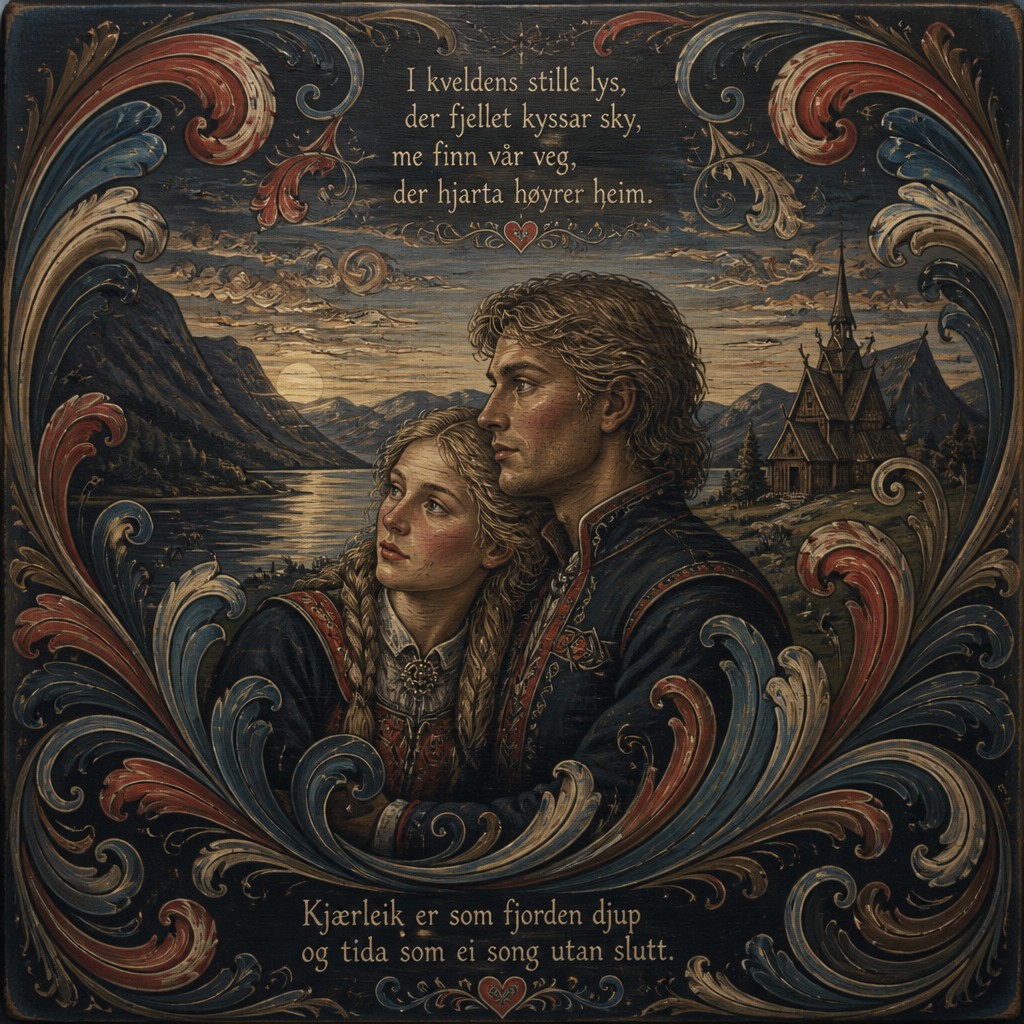
Try It On Your Photos
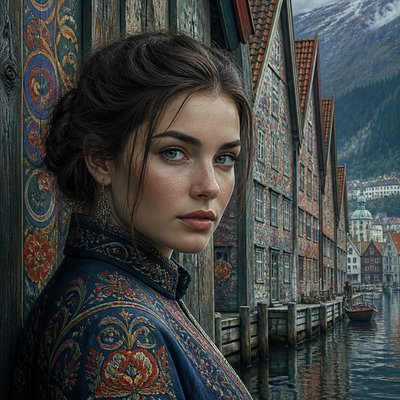
Upload any photo and convert it into Norwegian Art Style — drag the sliders to compare before and after.
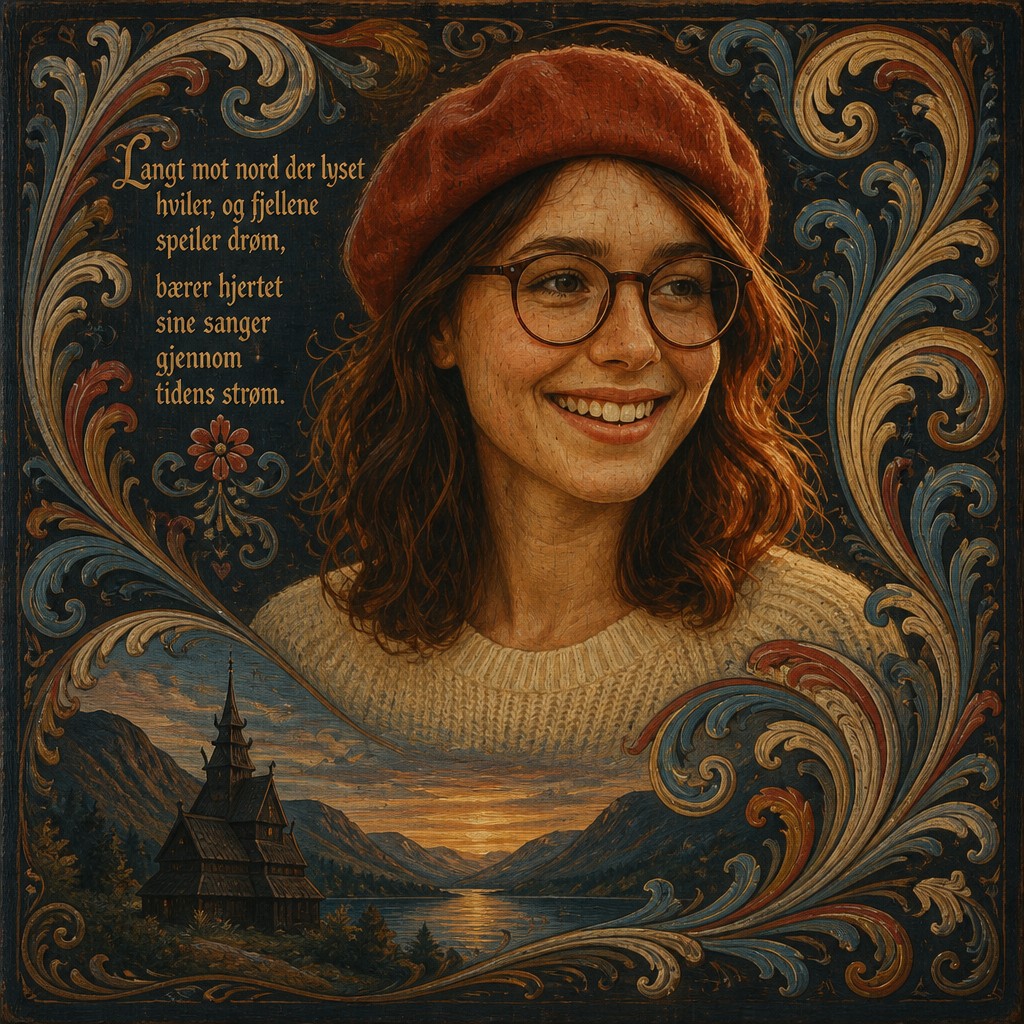

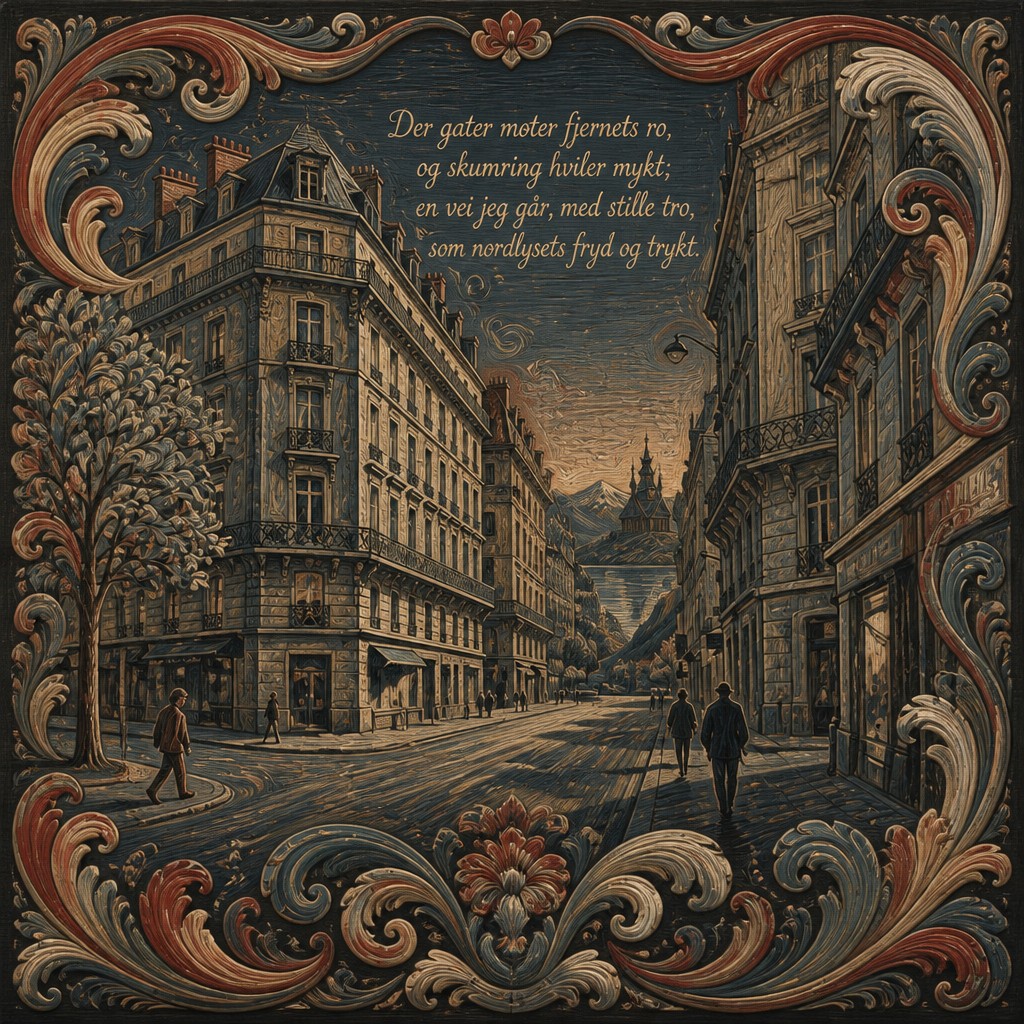

What Defines Norwegian Art Style
The signature details, up close
Flowing rosemaling scrolls
Acanthus-like stems, curling leaves, stylized flowers, and mirrored flourishes create a continuous ornamental rhythm. The forms are decorative and legible rather than botanically exact.
Muted folk palette
Deep blue, brick red, cream, ochre, muted green, and umber are commonly set against dark grounds. Controlled contrast preserves the atmosphere of painted wood and aged folk interiors.
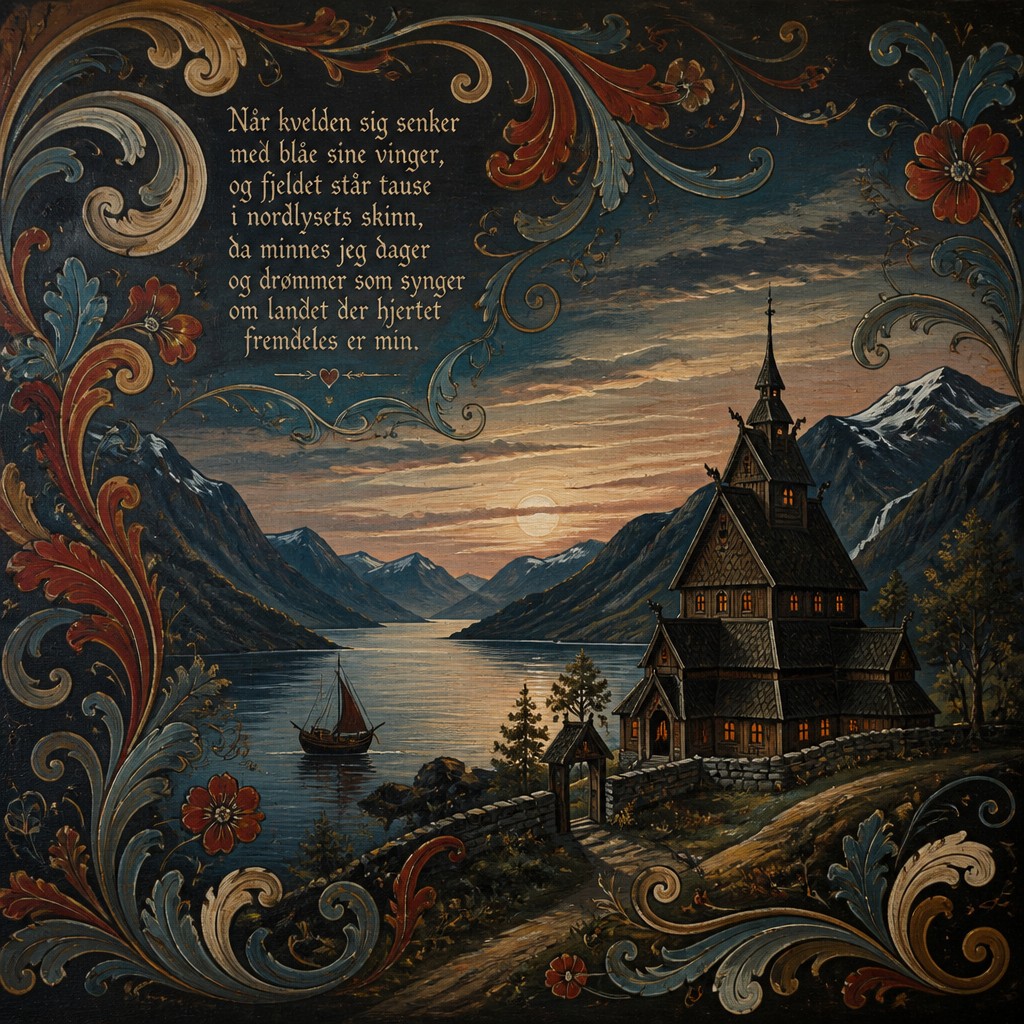
Fjord landscapes
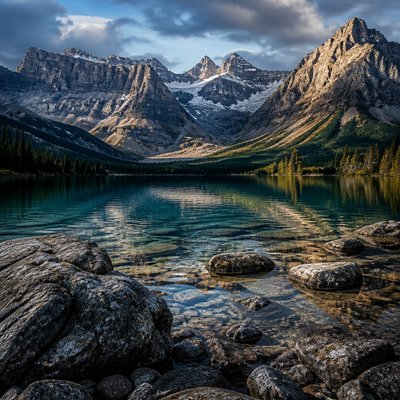
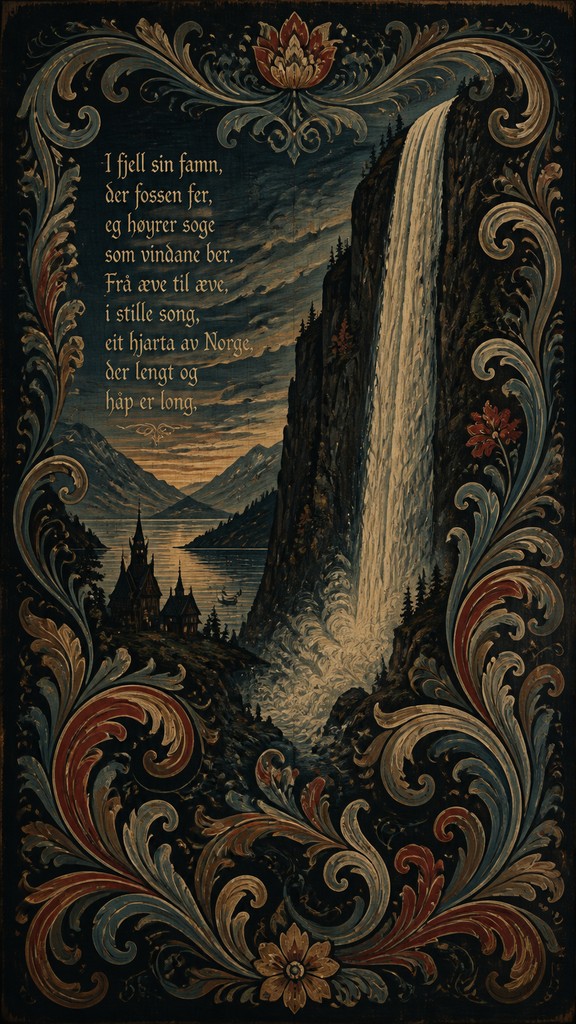
Narrow waterways, steep mountains, mist, calm reflections, and distant settlements provide the environmental vocabulary. Landscapes are often simplified into broad planes and quiet silhouettes.
Stave-church and timber forms
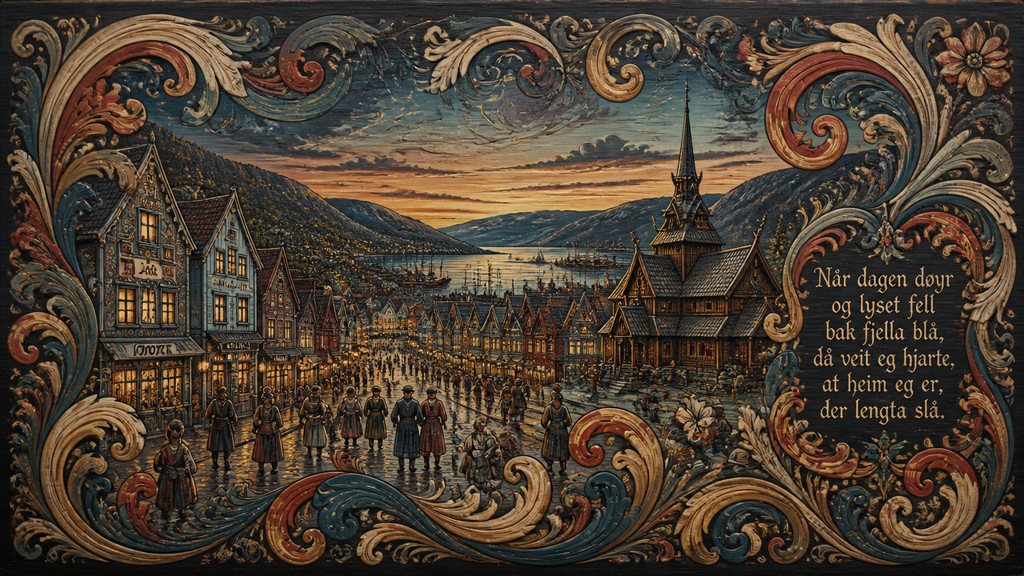
Dark wooden churches, carved portals, cabins, fences, and village structures anchor the imagery. Their vertical posts, layered roofs, and ornamental details echo traditional Norwegian craft.
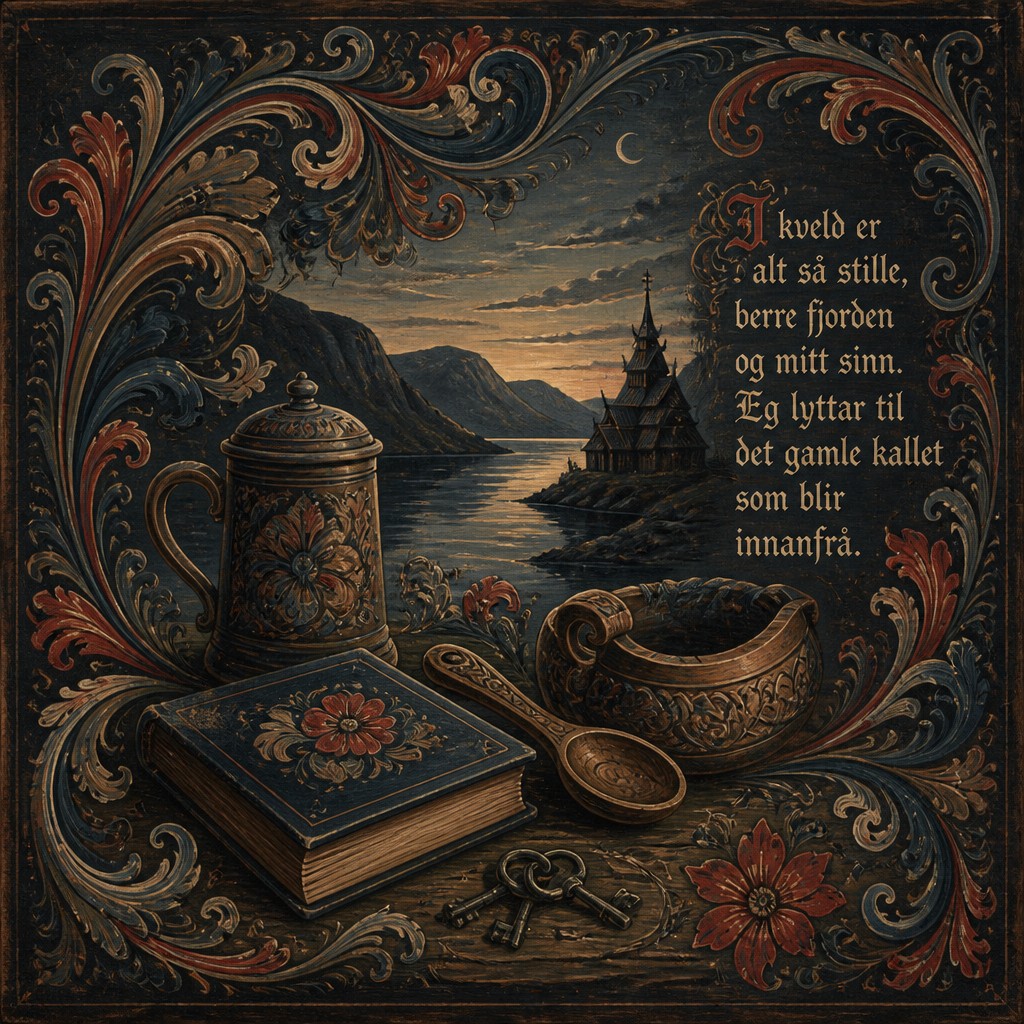
Carved and painted wood texture
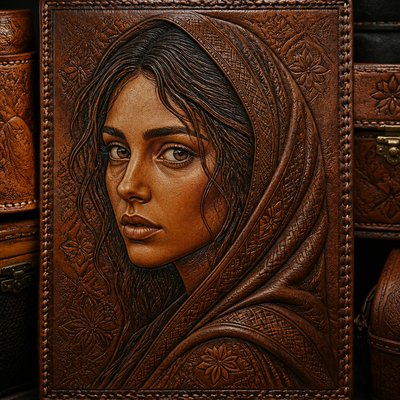
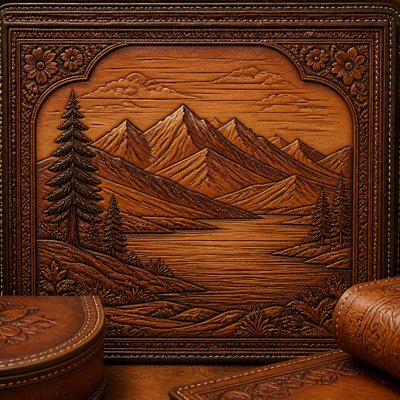
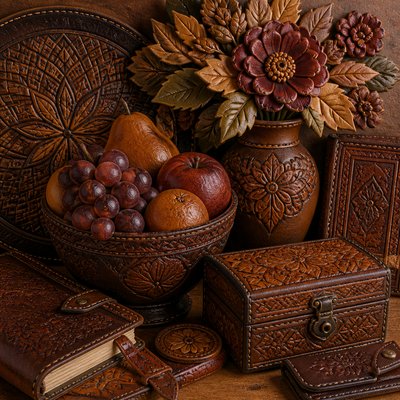
Visible grain, softened edges, shallow relief, worn pigment, and irregular brushwork suggest handmade surfaces. Texture should feel tactile without overwhelming the underlying composition.
Northern twilight
Low sun, blue-hour haze, lingering dusk, and cool atmospheric light create a wistful, reflective mood. The sky often occupies a broad area and transitions gradually through desaturated tones.
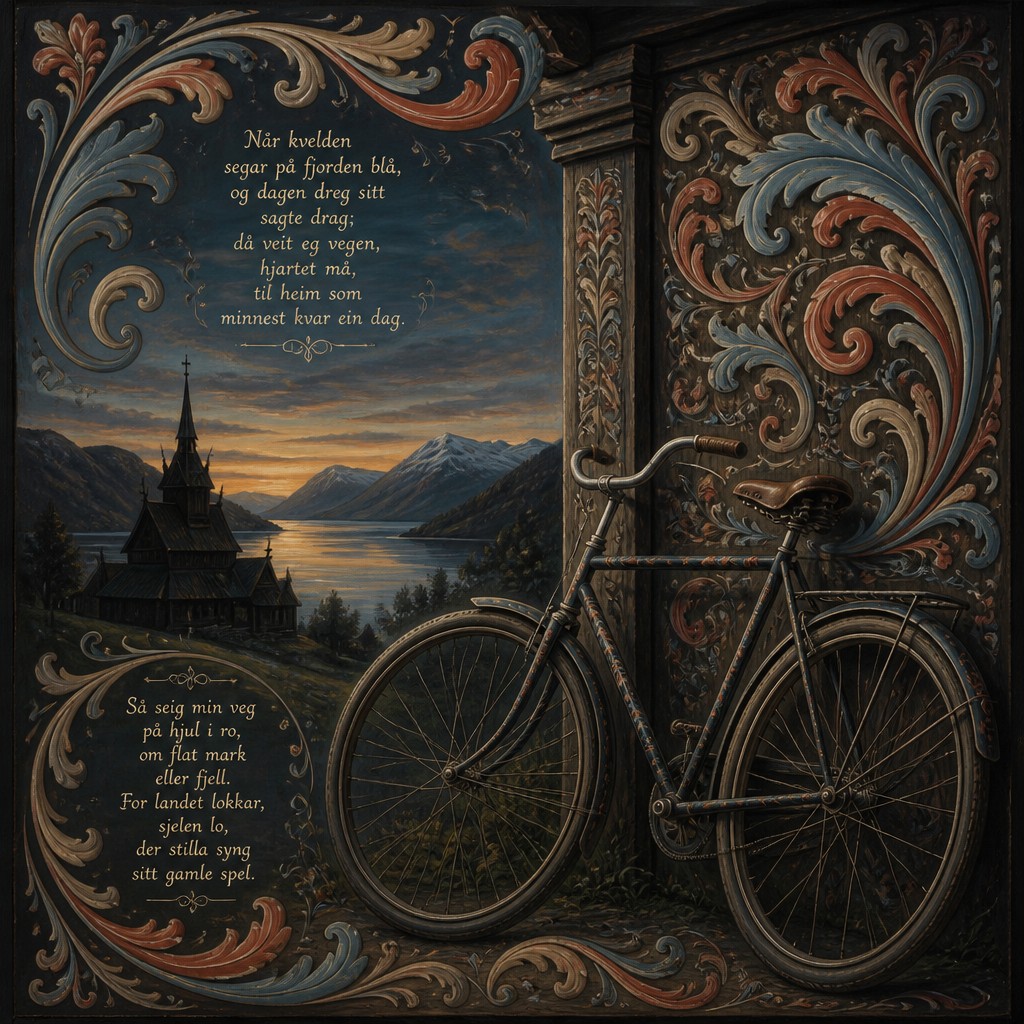
Decorative framing and symmetry
Scrollwork may border a scene, fill architectural panels, or organize the entire composition around a central motif. Bilateral balance and repeated curves lend the style a crafted, ceremonial quality.
Try It
Create Videos in Norwegian Art Style
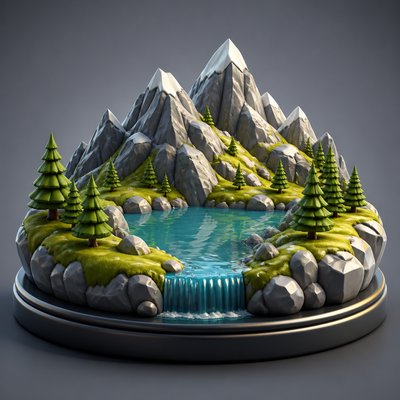
Styles aren't just for stills — describe a scene or animate an image and get a short video rendered in Norwegian. Press play to see this pond come to life.
Make a VideoNorwegian Prompt Ideas
Start from an idea — each one opens the generator with the style ready to go. See all 40 Norwegian prompts →
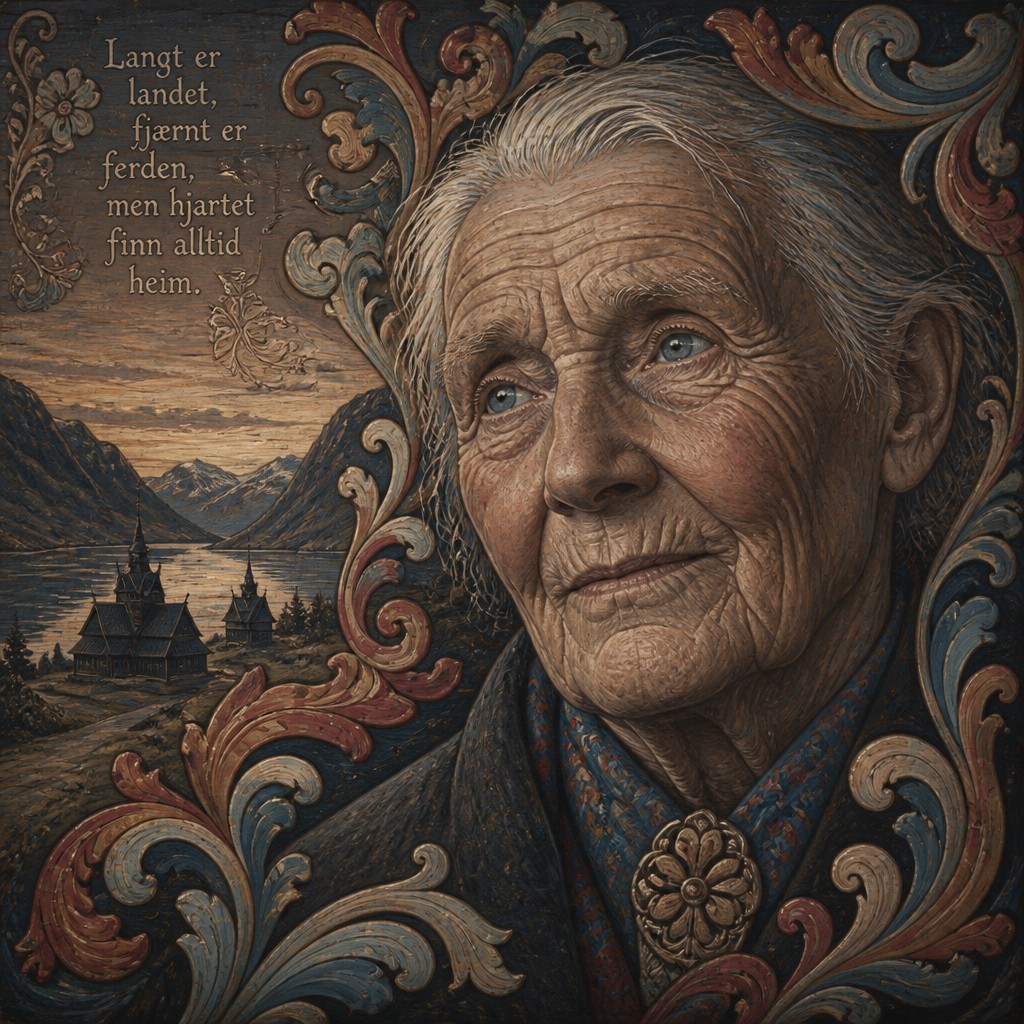
“close-up portrait of an elderly person with expressive weathered features”
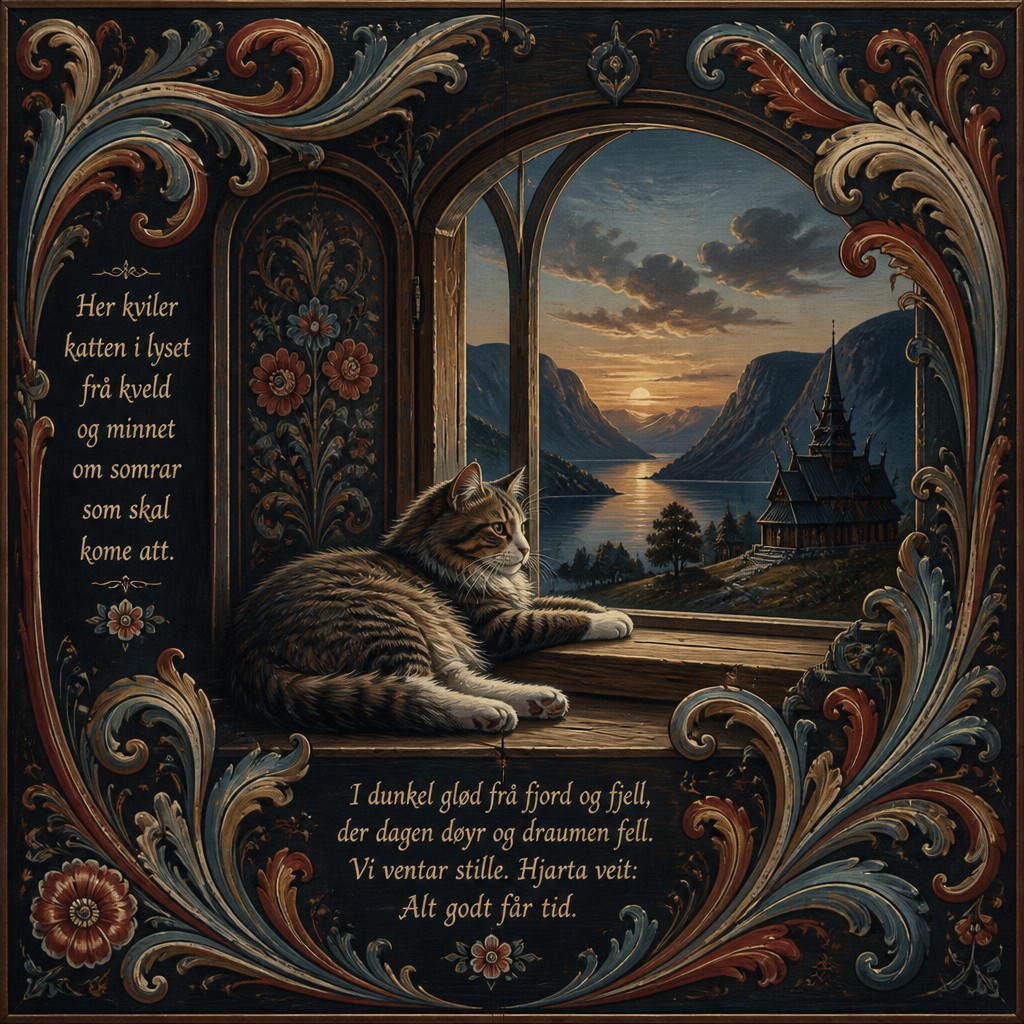
“a cat lounging in a sunlit window”
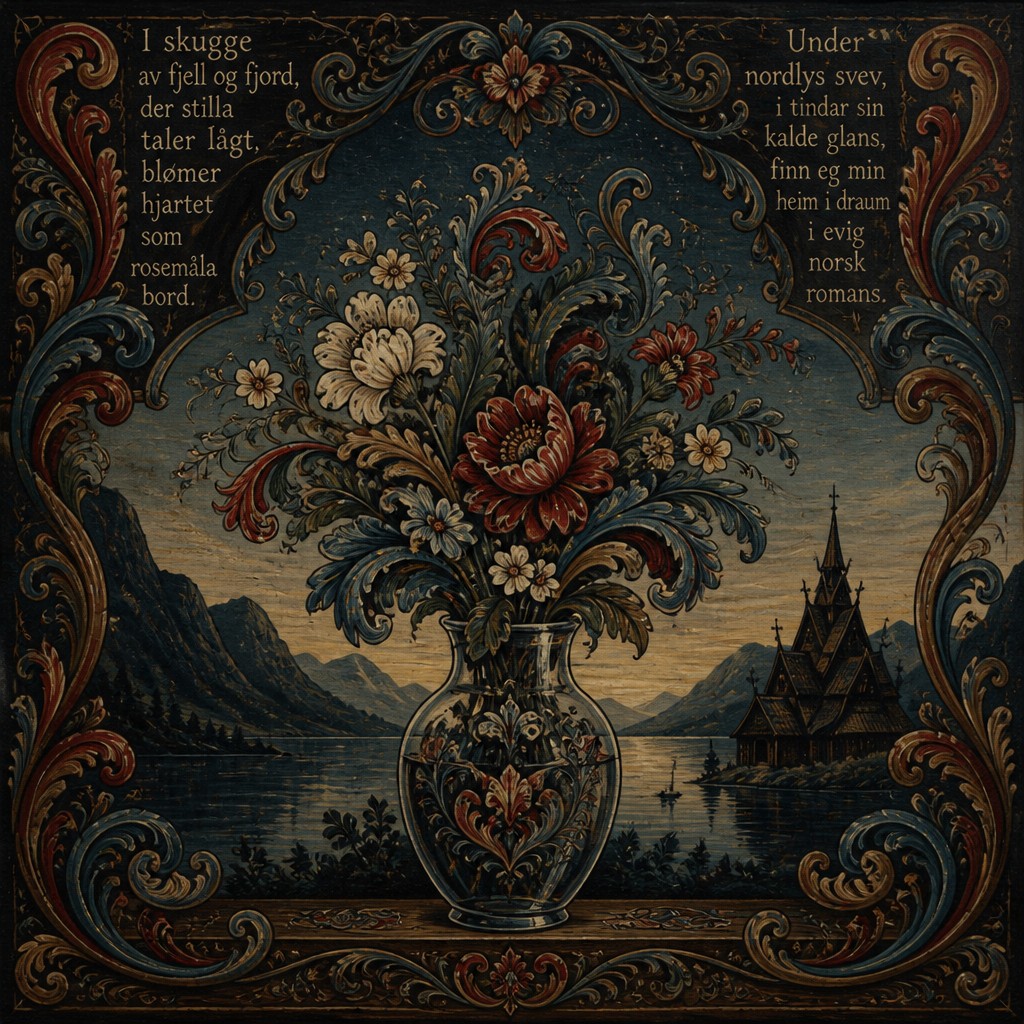
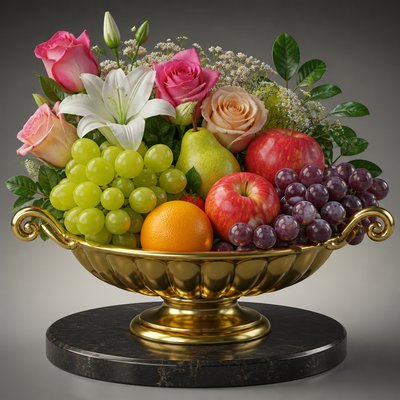
“bouquet of flowers in a glass vase”
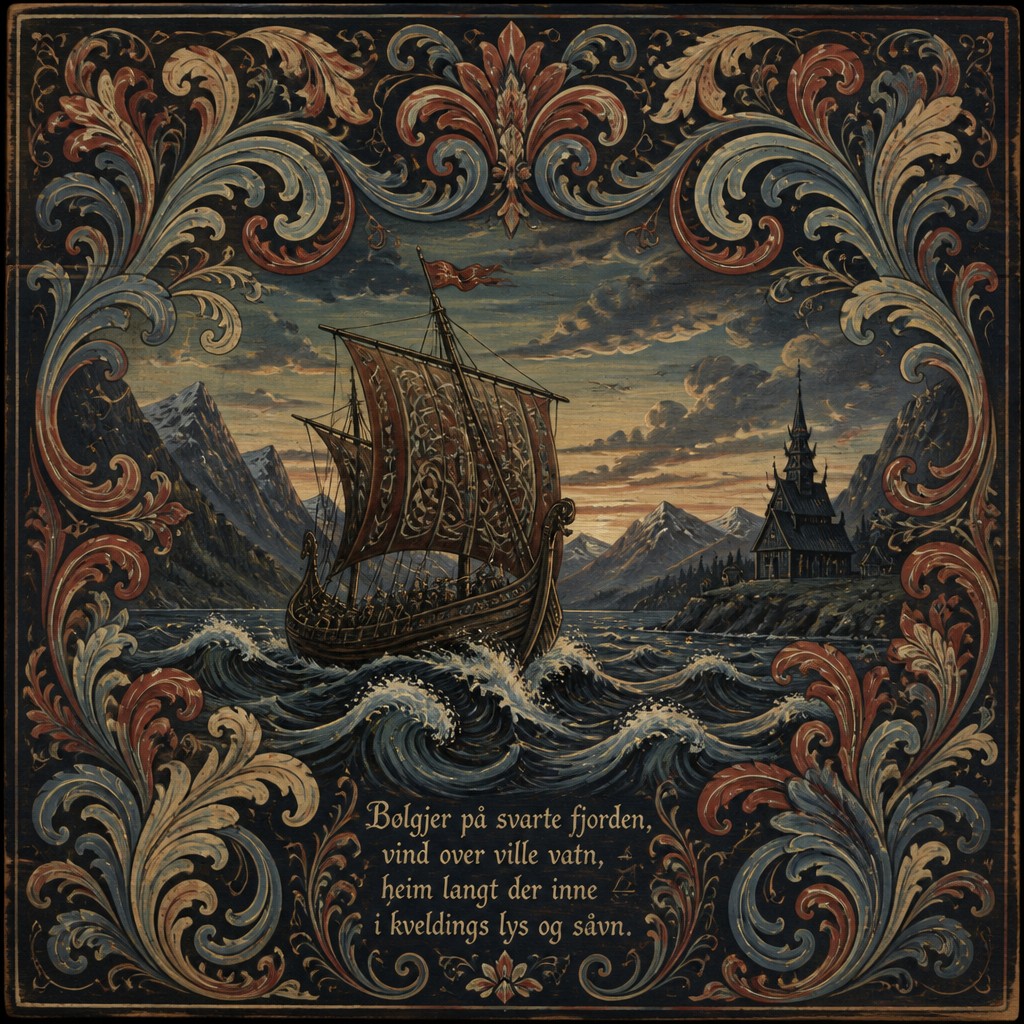
“sailing ship on a stormy sea”
How to Create Norwegian Art
Master the craft step by step — or skip straight to creating. Read the full guide →
- 1
Build the composition in broad layers
Start with a dark ground, then place large landscape or architectural silhouettes before adding scrollwork. Keep the main shapes readable and reserve fine ornament for focal areas and borders.
- 2
Design convincing rosemaling
Use a central stem with balanced curls, pointed leaves, and simplified flowers rather than random botanical detail. Vary the scale of the flourishes and maintain a consistent directional flow.
- 3
Suggest painted timber
On a physical surface, apply thin, opaque layers over wood grain and soften selected edges through wear. Digitally, combine subtle grain, brush variation, shallow shadows, and restrained distressing instead of a heavy photographic texture.
- 4
Control the Nordic atmosphere
Use a limited palette, cool haze, low contrast in distant forms, and a small amount of warm light near the horizon. Avoid excessive saturation, sharp midday lighting, or crowded detail.
- 5
Combine ornament with place
Let scrollwork interact with the subject: frame a fjord, decorate a cabin panel, or overlay a church silhouette with floral rhythm. The strongest results balance folk pattern against open, quiet space.
- 6
Write precise generation prompts
Specify the subject, rosemaling ornament, dark painted-wood ground, muted palette, fjord or timber architecture, and northern twilight. Add composition and material terms such as symmetrical border, visible grain, hand-painted surface, and simplified silhouettes.
The Story
History & Origins of Norwegian
This style draws chiefly on Norwegian rosemaling, a tradition of decorative interior and furniture painting that developed in rural Norway during the eighteenth century and continued through the nineteenth century. Regional forms varied, but common features included symmetrical or sweeping floral scrolls, stylized leaves, strong outlines, and painted ornament applied to chests, cupboards, walls, vessels, and other wooden surfaces.
It also draws on Norway's medieval timber architecture, especially the carved and ornamented stave-church tradition, as well as nineteenth-century interest in national landscape and rural heritage. The combination of folk ornament, fjord scenery, and northern atmosphere is therefore best understood as an aesthetic synthesis of historical Norwegian traditions rather than a formally defined period style.
Influences: The aesthetic is related to Norwegian rosemaling and other Scandinavian folk-painting traditions, especially their use of stylized botanical ornament, symmetry, and painted wooden surfaces. It also draws from medieval Nordic timber architecture, vernacular carving, national-romantic landscape imagery, and Nordic decorative arts. Its quiet palette and atmospheric landscapes overlap with modern folk illustration, storybook painting, rustic design, and contemplative landscape art.
Frequently Asked Questions
What defines the Norwegian art style?
It is defined by the combination of rosemaling scrollwork, muted folk colors, painted or carved wood texture, fjord scenery, timber architecture, and northern twilight. The style balances decorative rhythm with spacious, melancholic landscapes.
Is Norwegian art style a historical art movement?
No. This label describes a contemporary synthesis rather than a formally recognized historical movement. Its main historical sources are Norwegian rosemaling, medieval timber architecture, rural craft, and landscape traditions.
What is rosemaling?
Rosemaling is a Norwegian decorative painting tradition that became especially prominent in rural interiors and furniture from the eighteenth century onward. It commonly uses curling stems, stylized flowers, leaves, symmetry, and strong painted outlines.
How does this style differ from generic Scandinavian design?
Generic Scandinavian design often emphasizes modern simplicity, pale materials, and functional restraint. Norwegian art style is more ornamental and historically referential, using scrolling floral patterns, dark painted wood, carved architecture, and dramatic landscape atmosphere.
What subjects work well in this style?
Fjords, mountain villages, stave churches, cabins, boats, forest animals, folk objects, and botanical panels are particularly suitable. Subjects with strong silhouettes and room for decorative framing tend to produce the clearest results.
Can this style be created digitally or with image-generation tools?
Yes. Describe the subject first, then specify rosemaling scrolls, a muted palette, painted timber texture, simplified silhouettes, and long northern twilight. For more consistent results, also state the composition, ornament placement, material, and desired level of distressing.
Create your first Norwegian artwork
Describe anything — or upload a photo — and see it in Norwegian Art Style in seconds.
Related Styles
Discover similar art styles