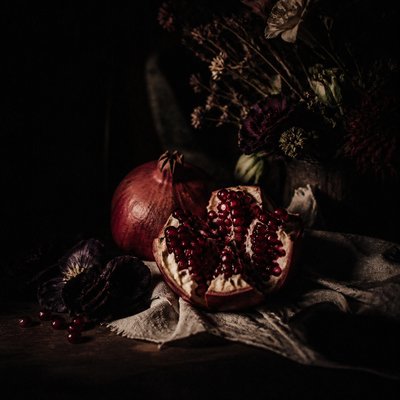
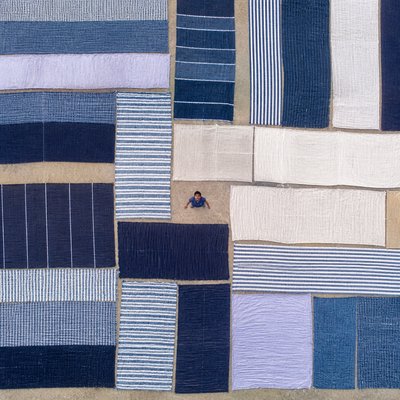
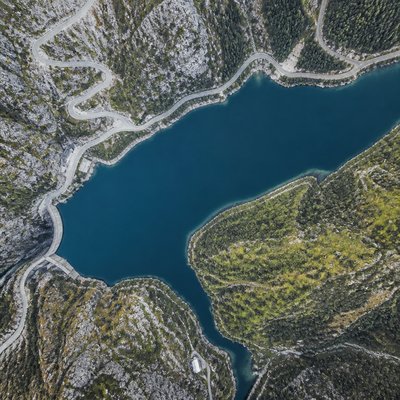
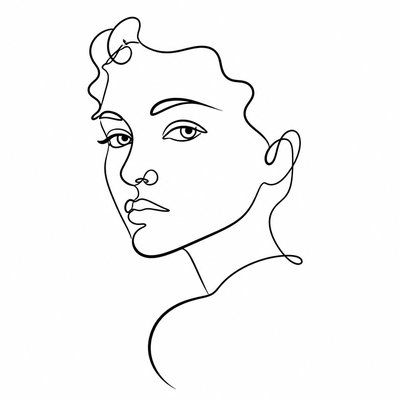
Minimalist Photography Style
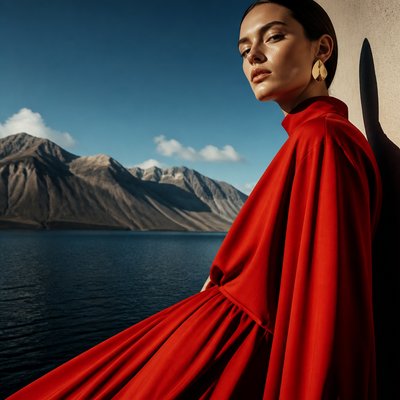
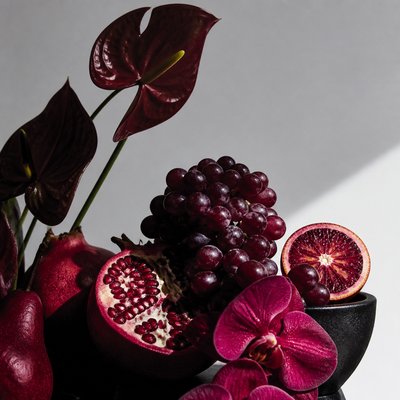
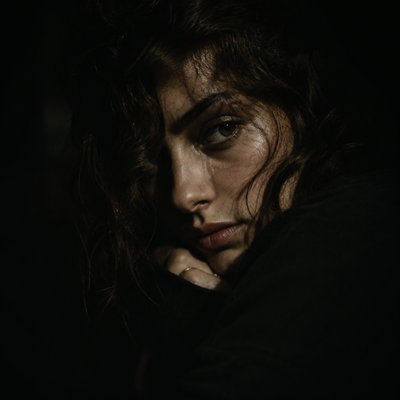
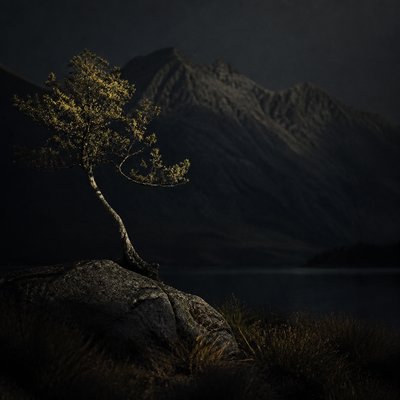
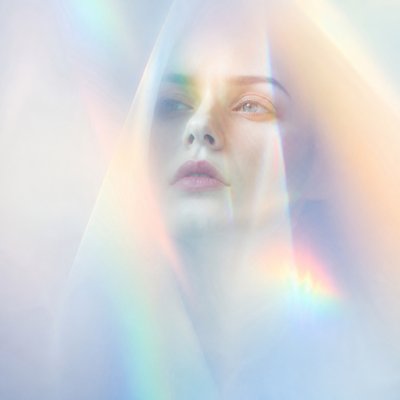
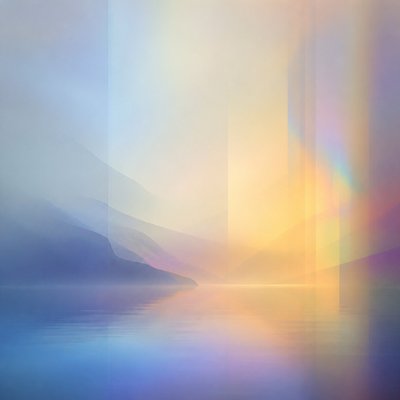
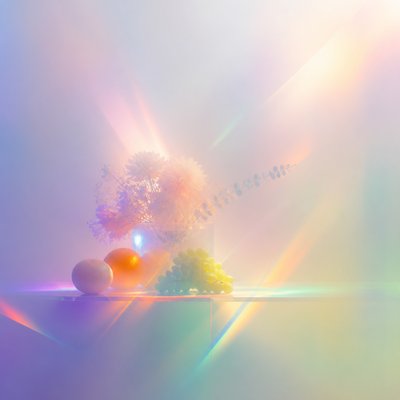
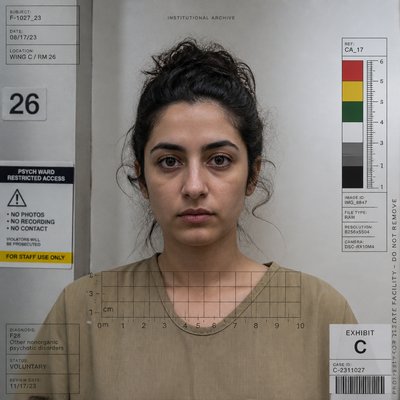
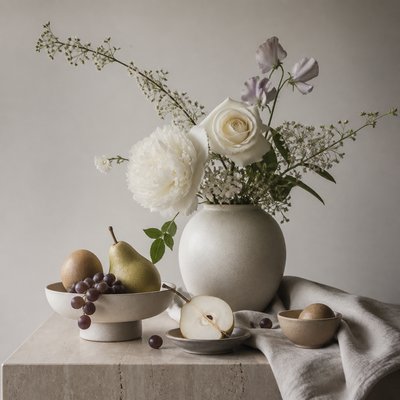
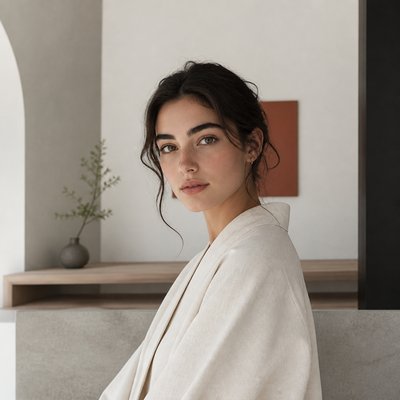
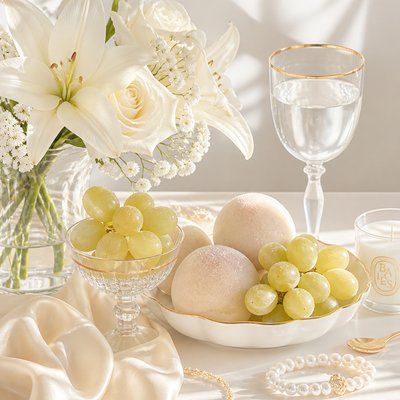
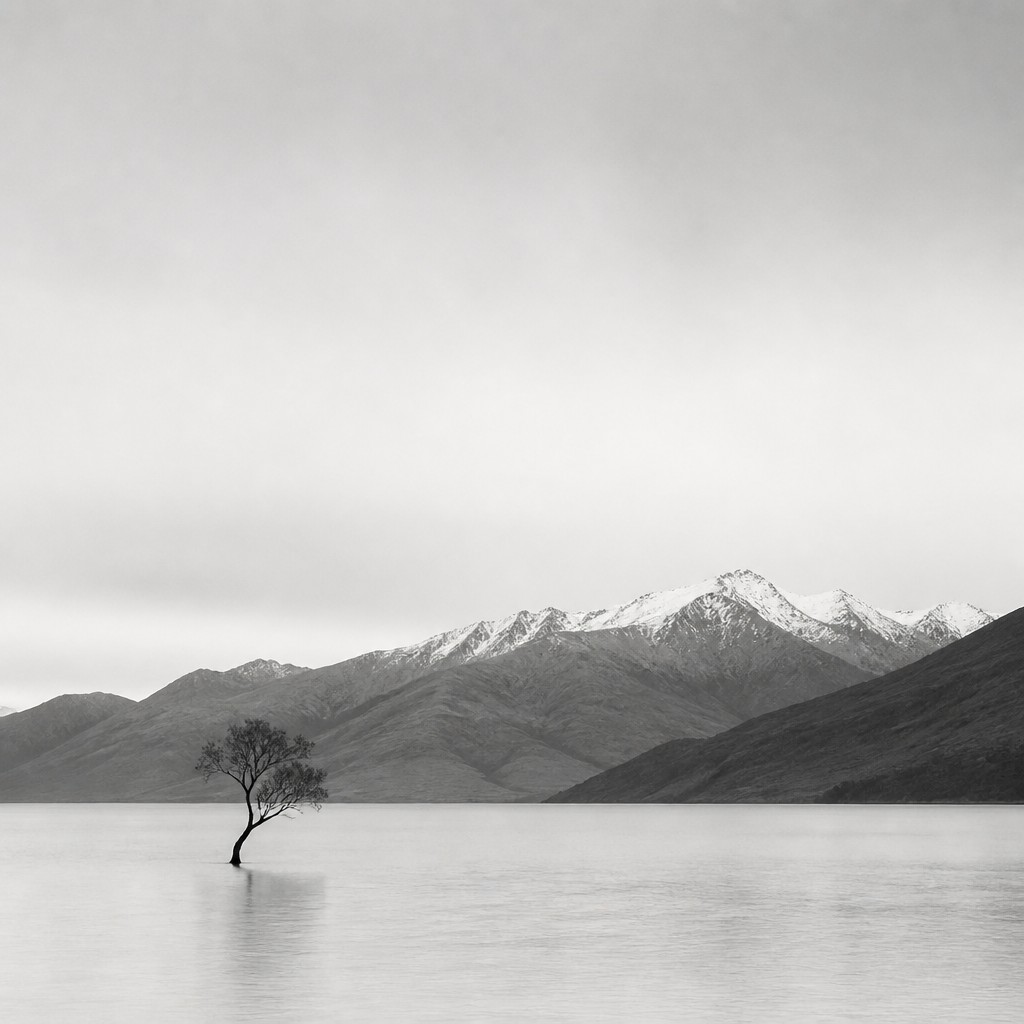
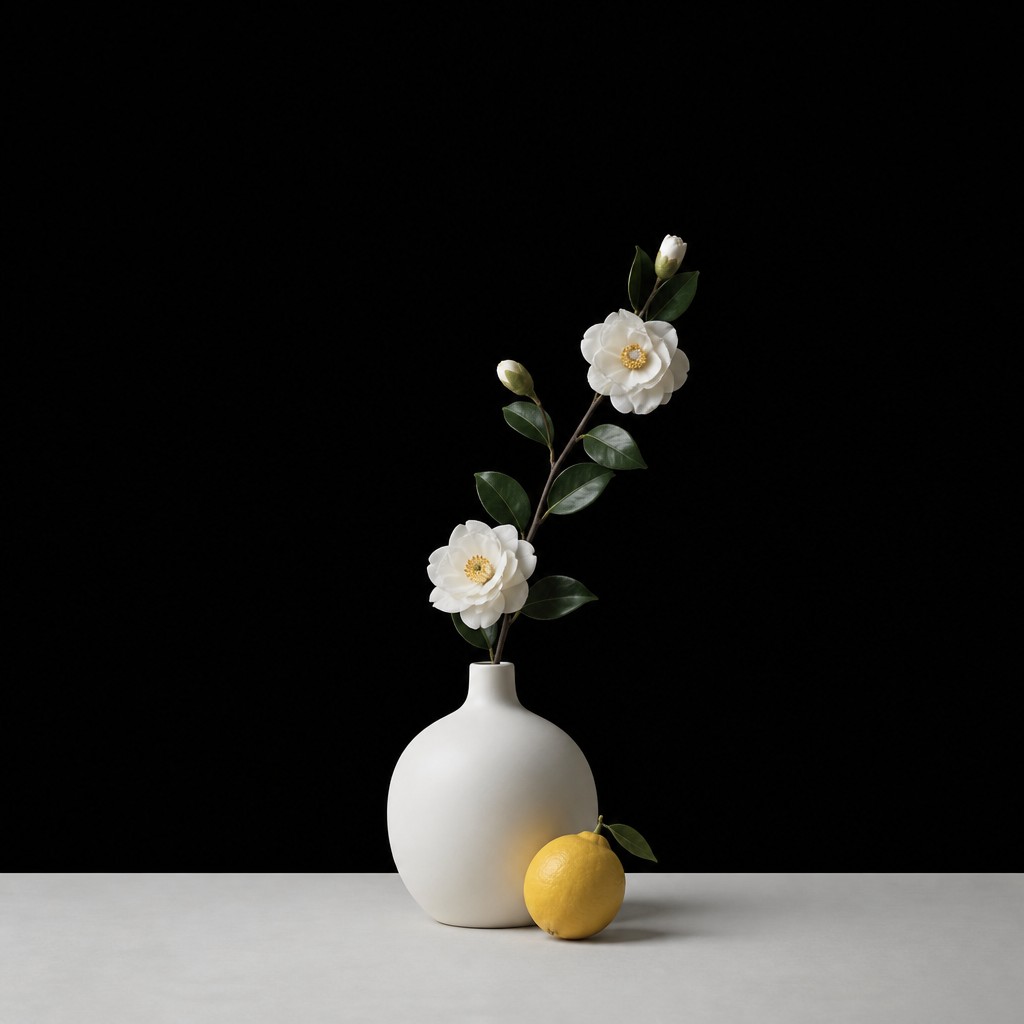
Minimalist photography uses negative space, simple geometry, and restrained color for calm, striking images.
Instantly rendered in Minimalist Photography — or transform a photo
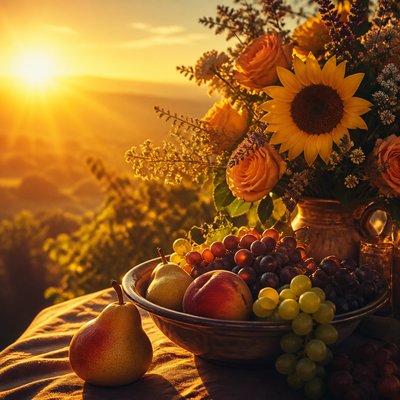
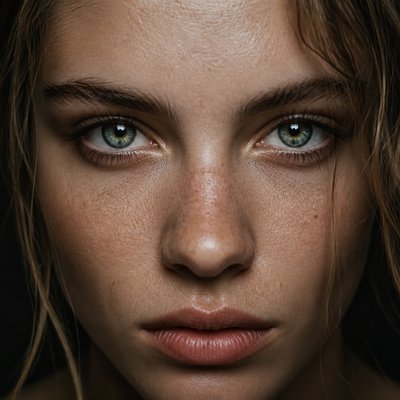
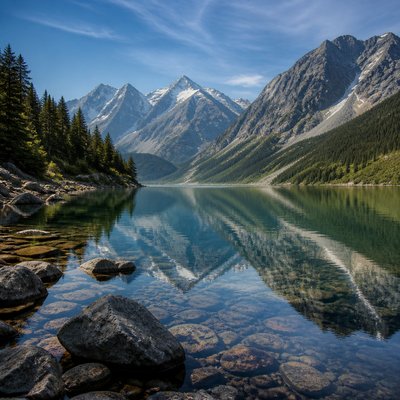
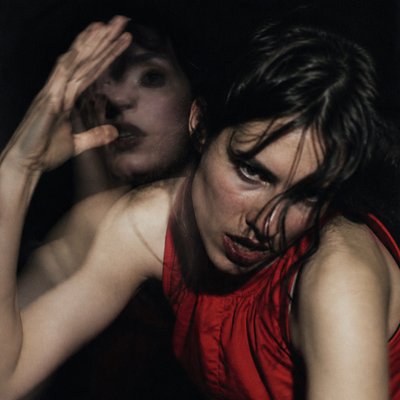
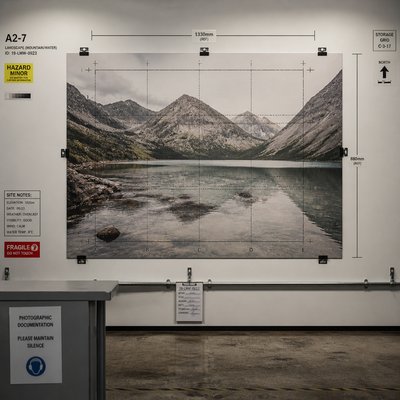
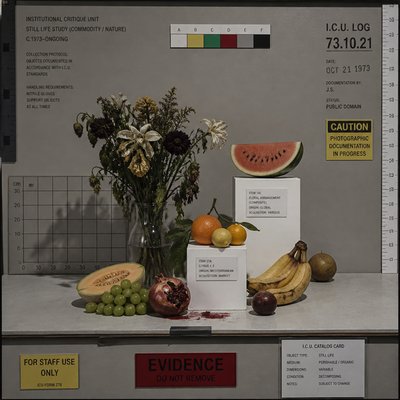
Minimalist Photography Gallery
Tap any artwork to explore it
What is Minimalist Photography Style?
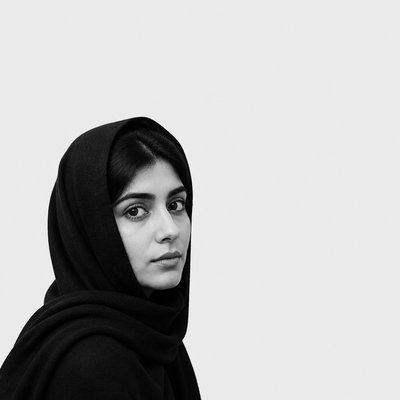
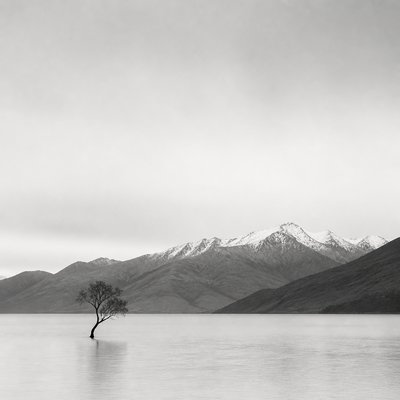
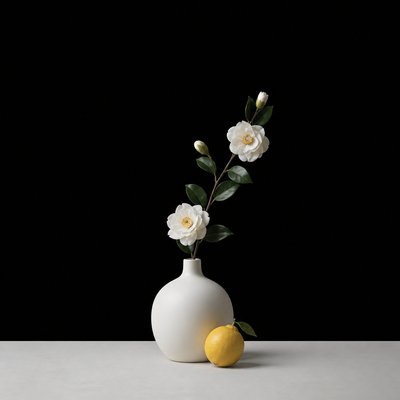
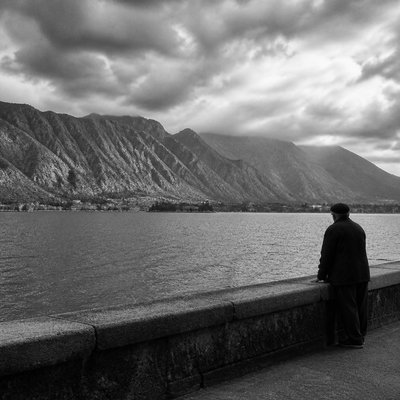
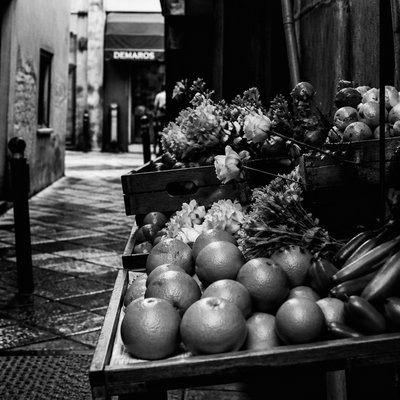
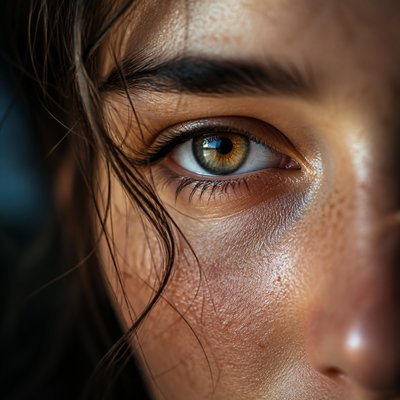
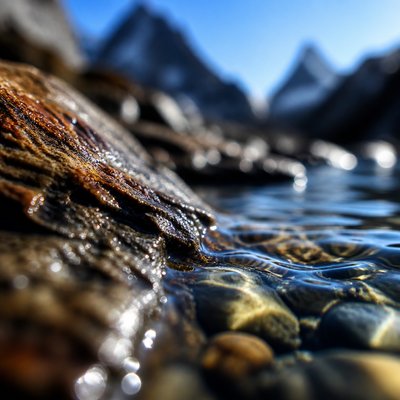
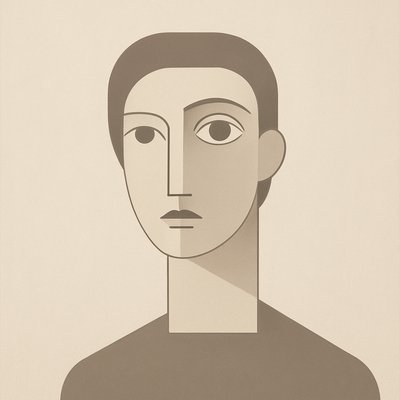
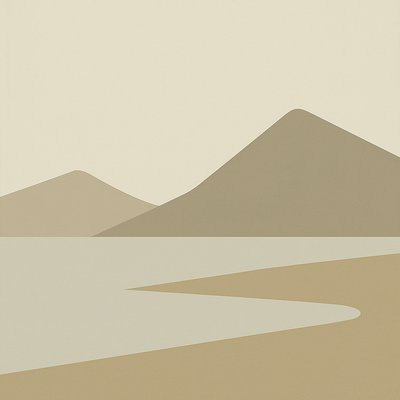
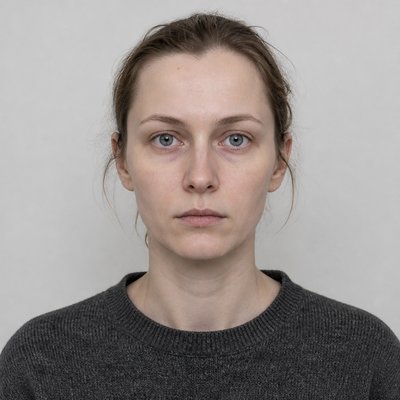
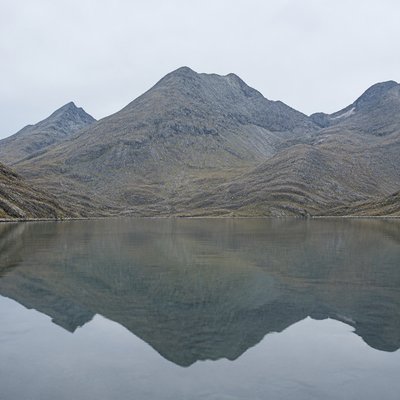
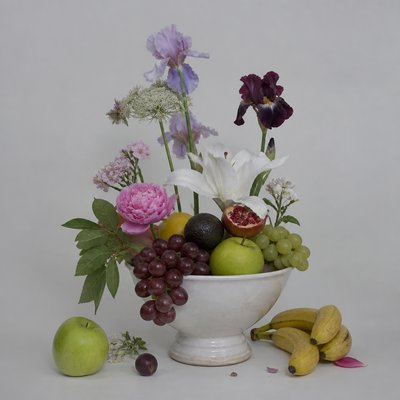
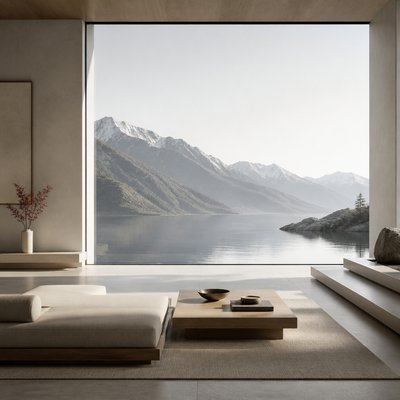
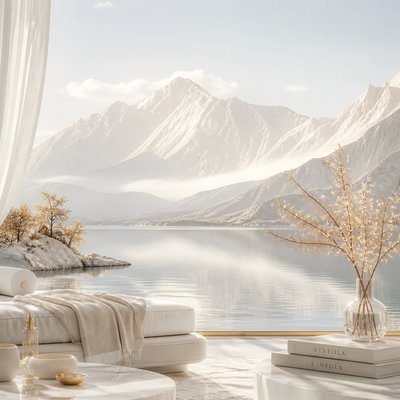
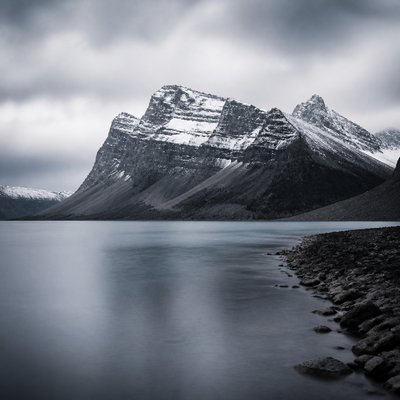
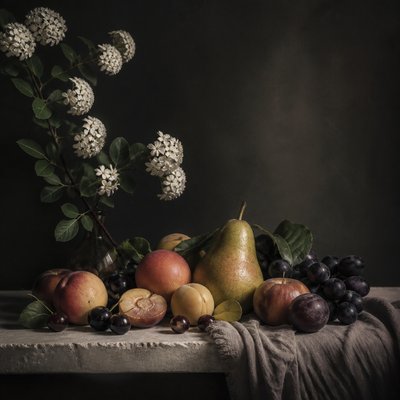
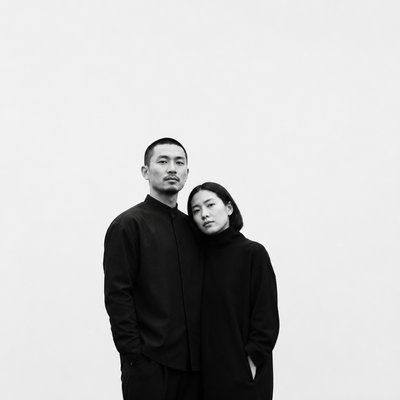
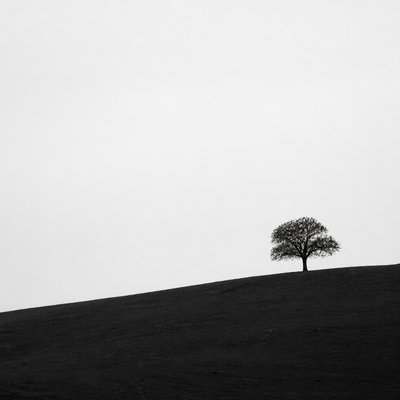
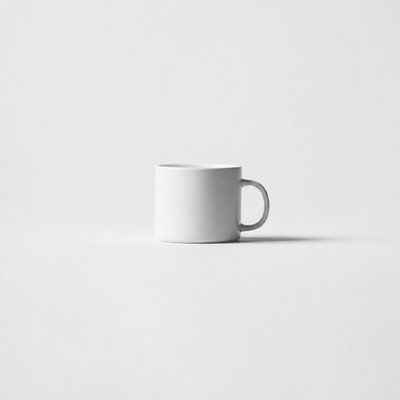
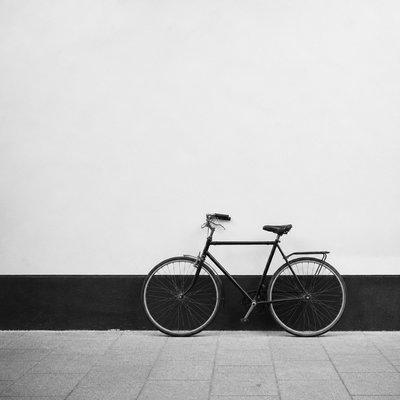
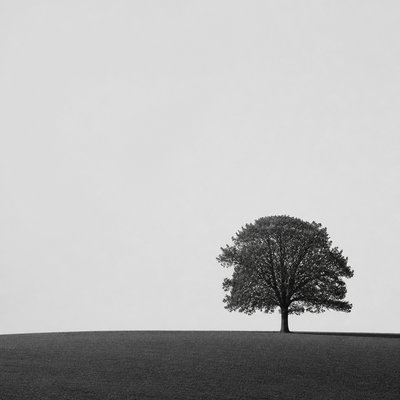
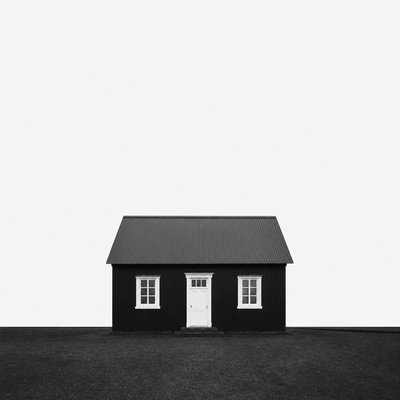
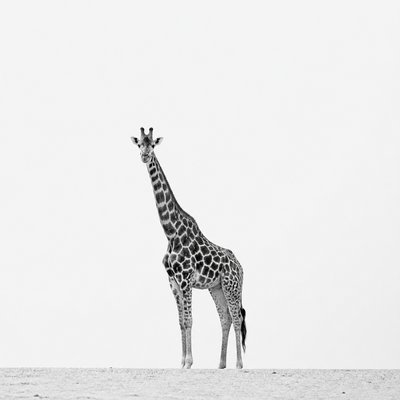
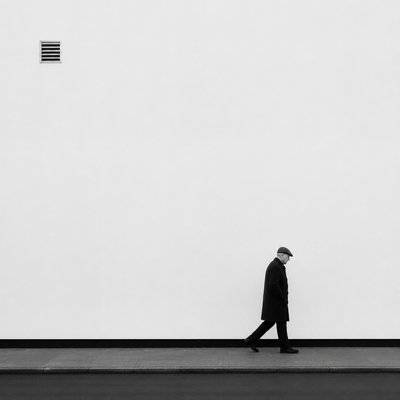
Minimalist photography is an approach that reduces a scene to its essential visual relationships. Instead of filling the frame with detail, it emphasizes one clear subject, large areas of negative space, limited color, and precise composition. The result is often quiet, contemplative, and graphic, with an image built as much from emptiness as from the subject itself.
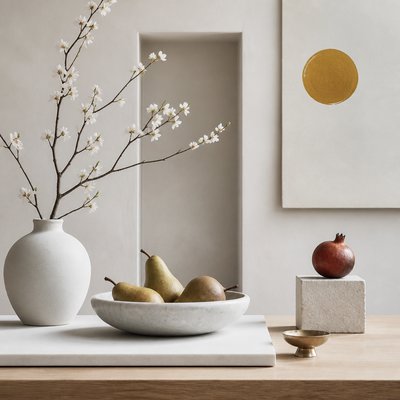
Its visual identity comes from restraint. Clean lines, simple shapes, and carefully balanced placement create order and focus, while flat or even lighting keeps attention on form, surface, and spacing rather than dramatic atmosphere. Minimalist photography can feel documentary, abstract, or highly designed, but in every case it depends on reduction: removing anything unnecessary so that composition, scale, and contrast do the expressive work.
Try It On Your Photos
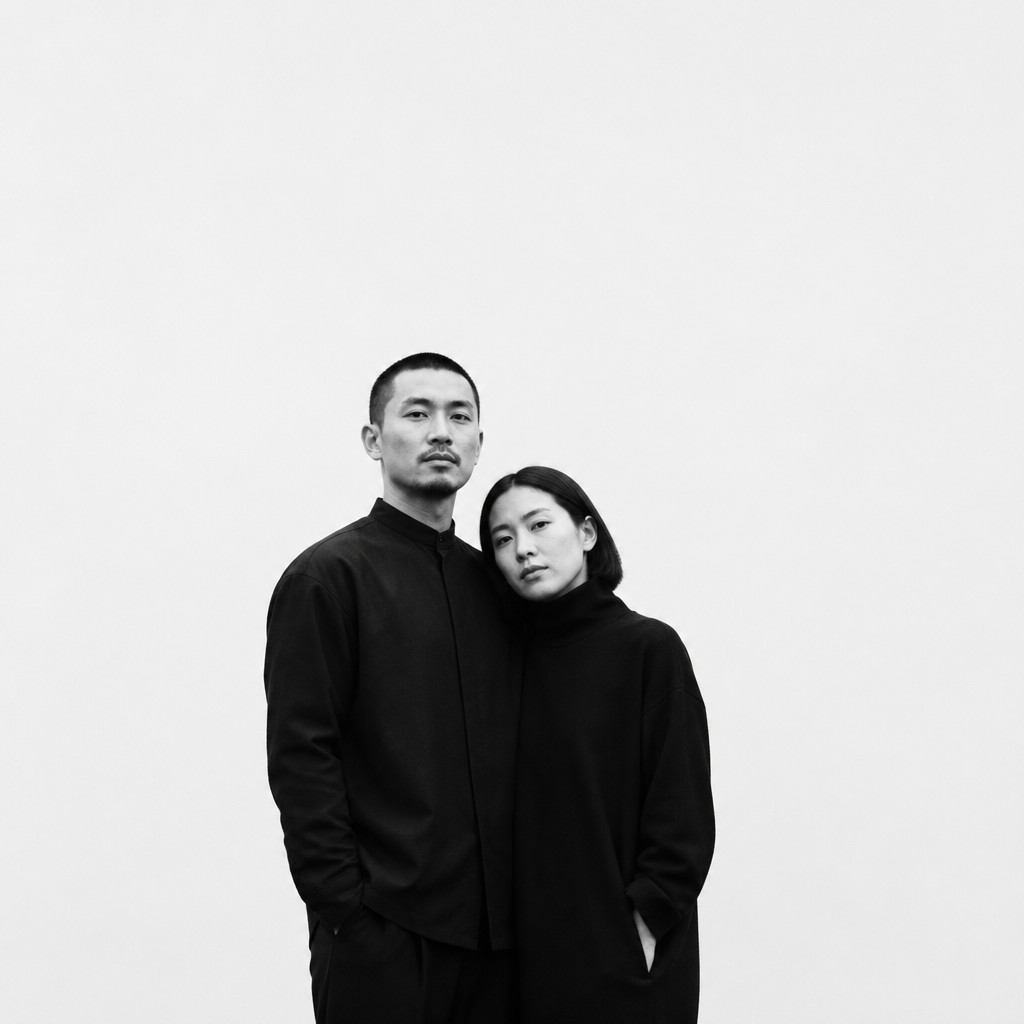
Upload any photo and convert it into Minimalist Photography Style — drag the sliders to compare before and after.



What Defines Minimalist Photography Style
The signature details, up close
Vast negative space
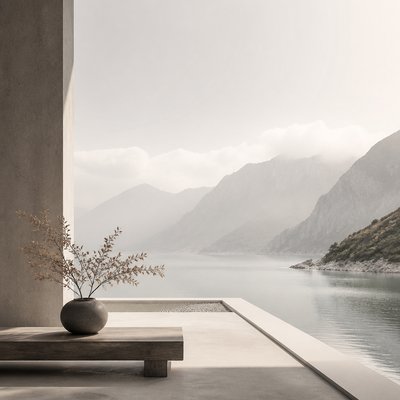
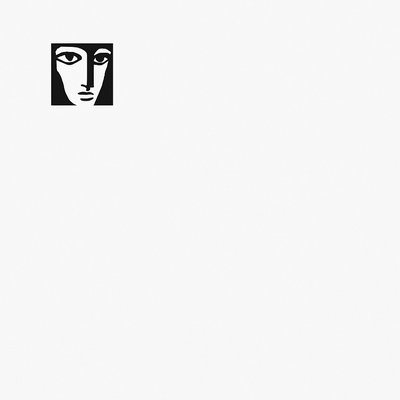
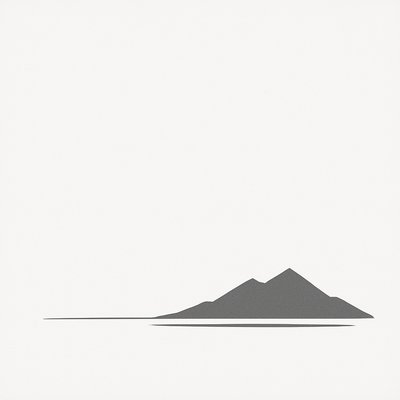
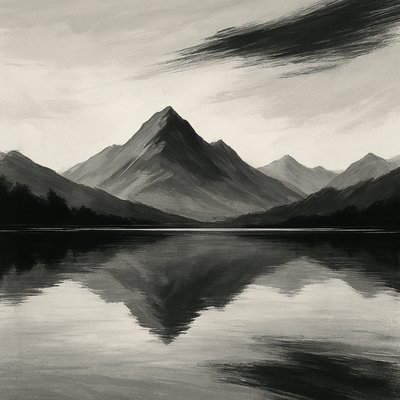
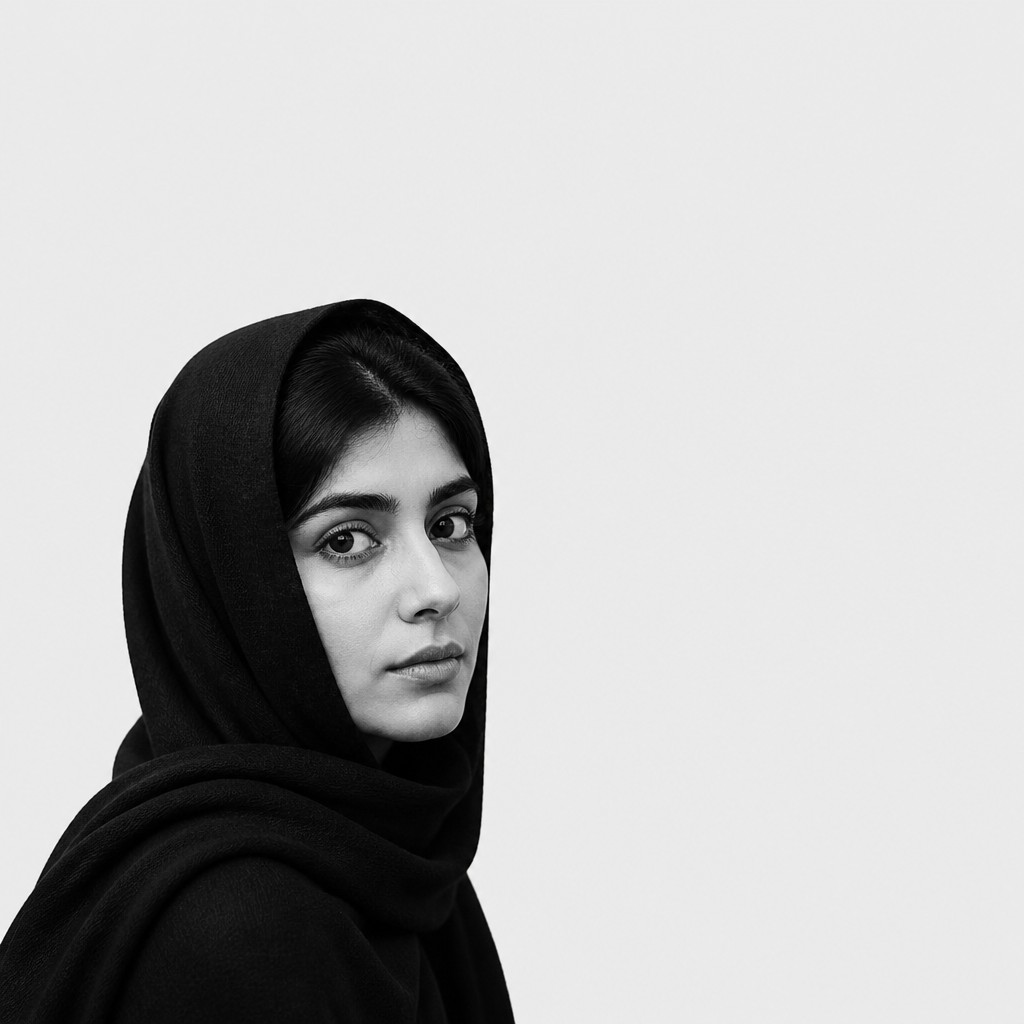
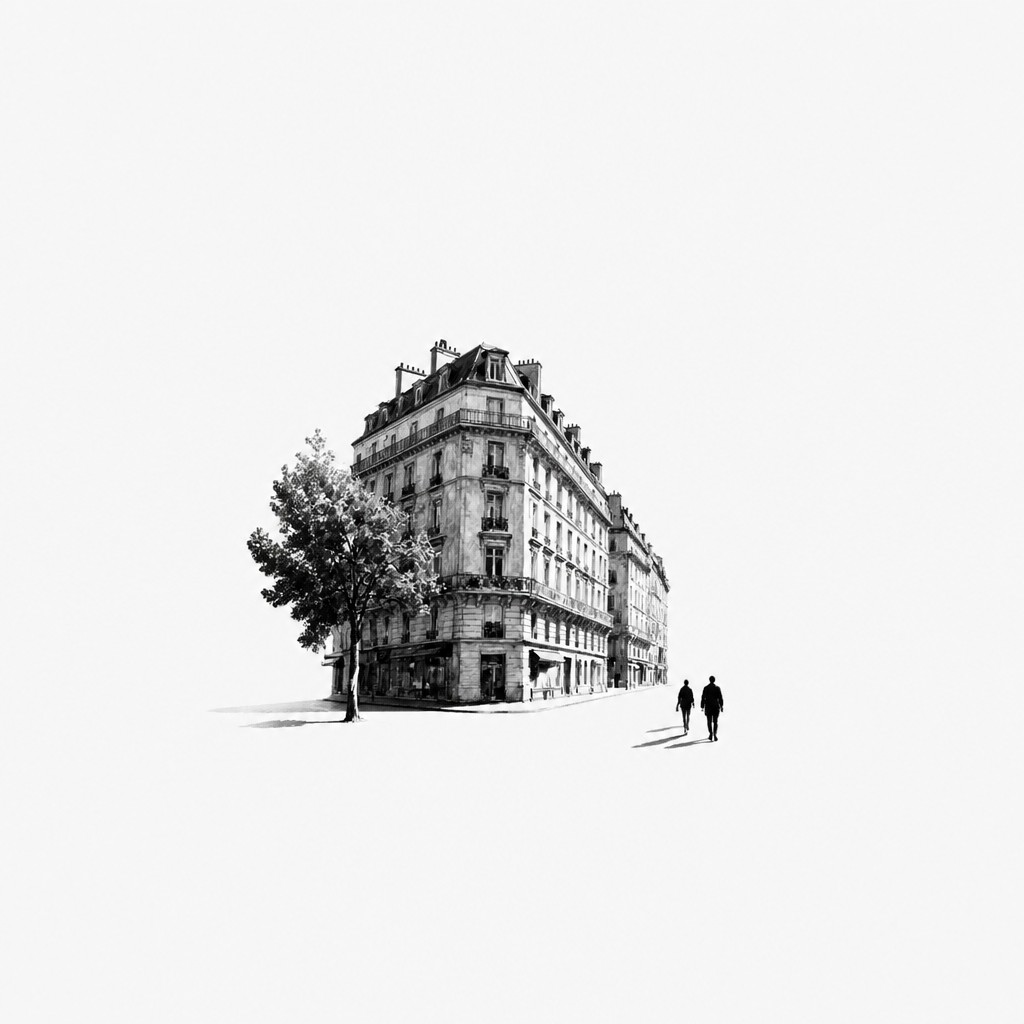
Large empty areas are a defining feature, often occupying most of the frame. The emptiness is not incidental; it creates scale, silence, and emphasis around the subject.
Single focal subject
The composition usually centers on one object, figure, or architectural fragment. Keeping the subject isolated prevents visual competition and strengthens the image's clarity.
Limited color palette
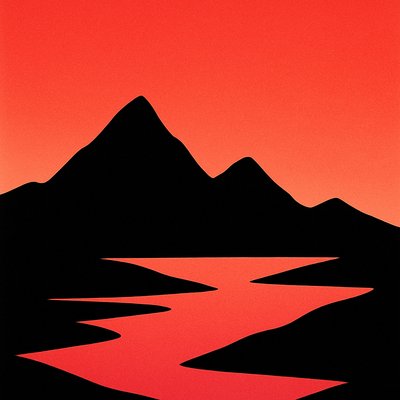
Many minimalist photographs use black and white, neutrals, or a very restricted set of hues. Controlled color helps the composition feel unified and avoids distracting from form and spacing.
Simple geometry
Lines, rectangles, circles, horizons, and repeated structural forms often organize the image. The composition frequently feels precise, measured, and quietly architectural.
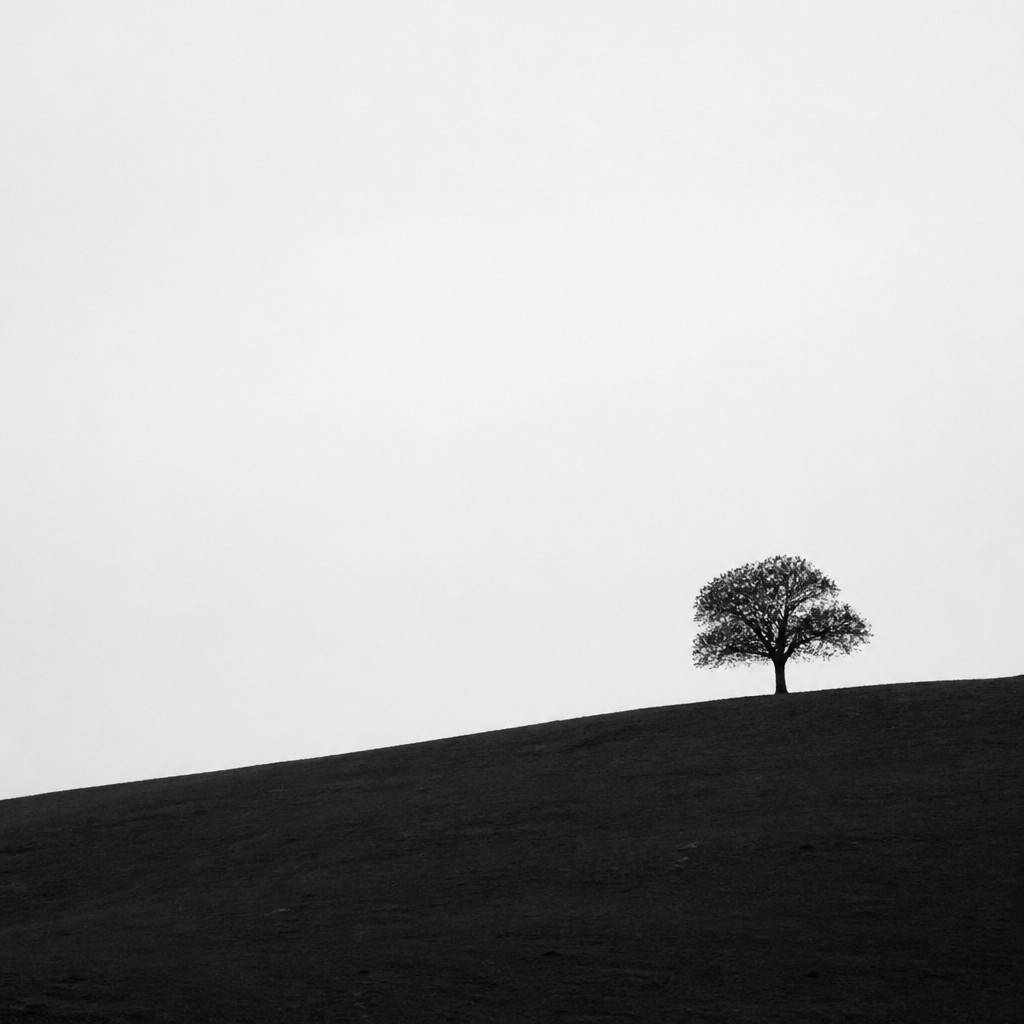
Flat, even lighting
Lighting is often soft or uniform, with minimal shadow drama. This keeps attention on silhouette, edge, and surface rather than on theatrical contrast.
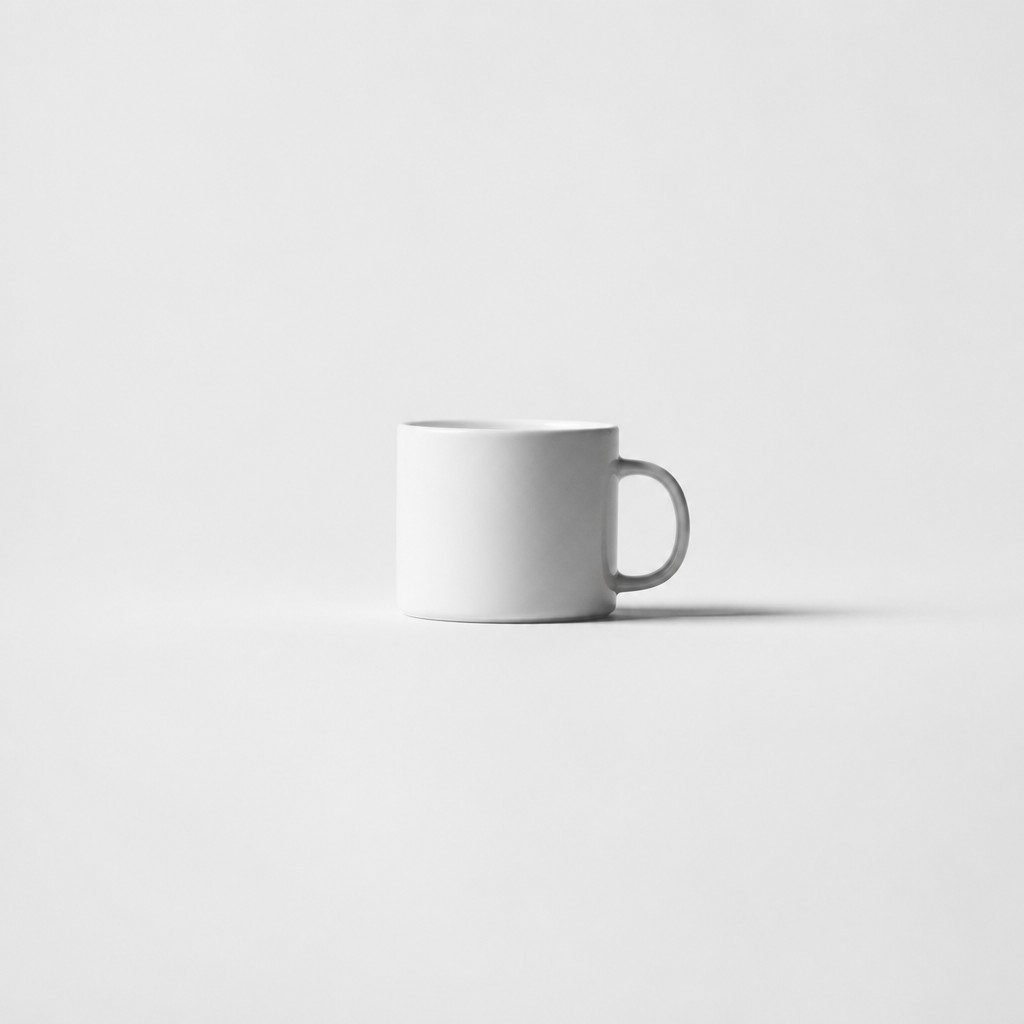
Clean surfaces and sharp edges
The style favors uncluttered backgrounds and clearly defined shapes. Textures may be present, but they are typically subtle and subordinate to the overall order of the frame.
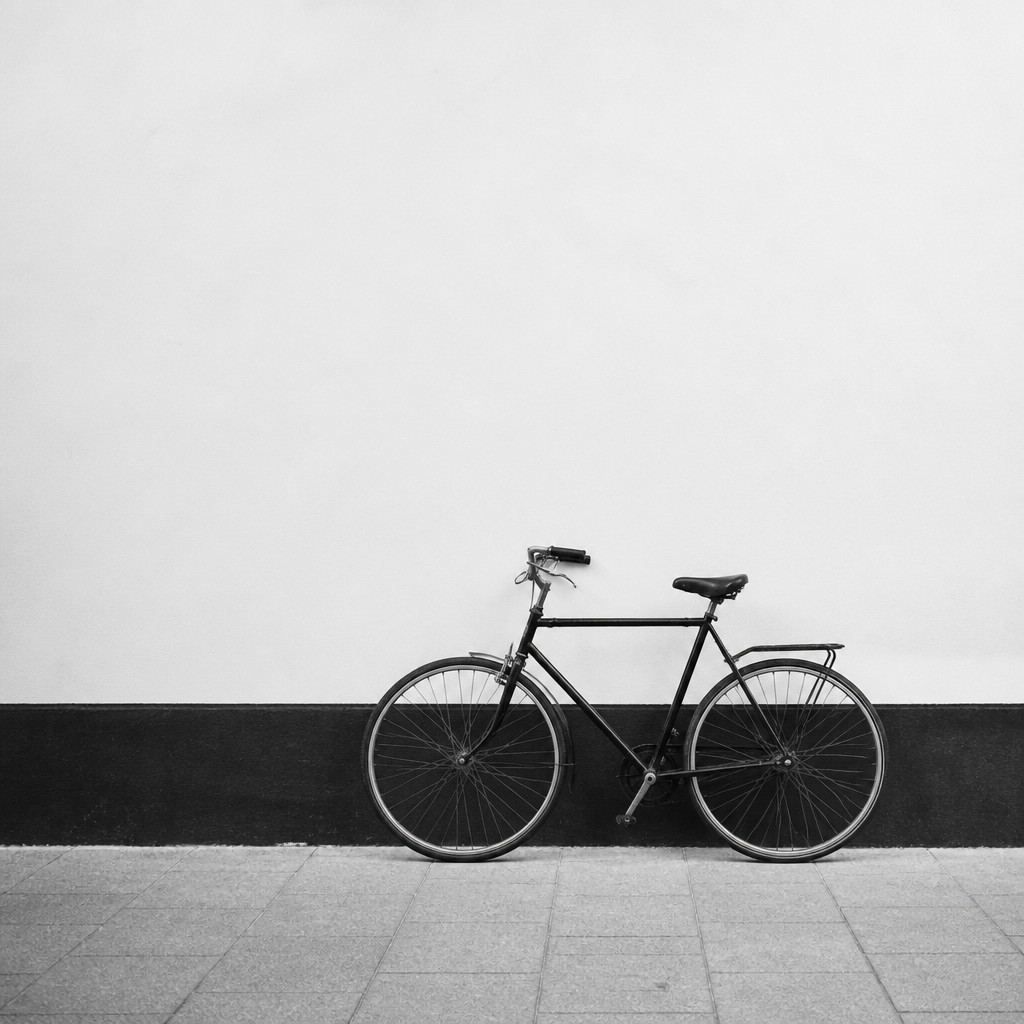
Contemplative calm
The final image usually feels still, restrained, and meditative. Movement, if present, is reduced to a single gesture or a faint trace within an otherwise quiet composition.
Try It
Create Videos in Minimalist Photography Style
Styles aren't just for stills — describe a scene or animate an image and get a short video rendered in Minimalist Photography. Press play to see this pond come to life.
Make a VideoMinimalist Photography Prompt Ideas
Start from an idea — each one opens the generator with the style ready to go. See all 40 Minimalist Photography prompts →
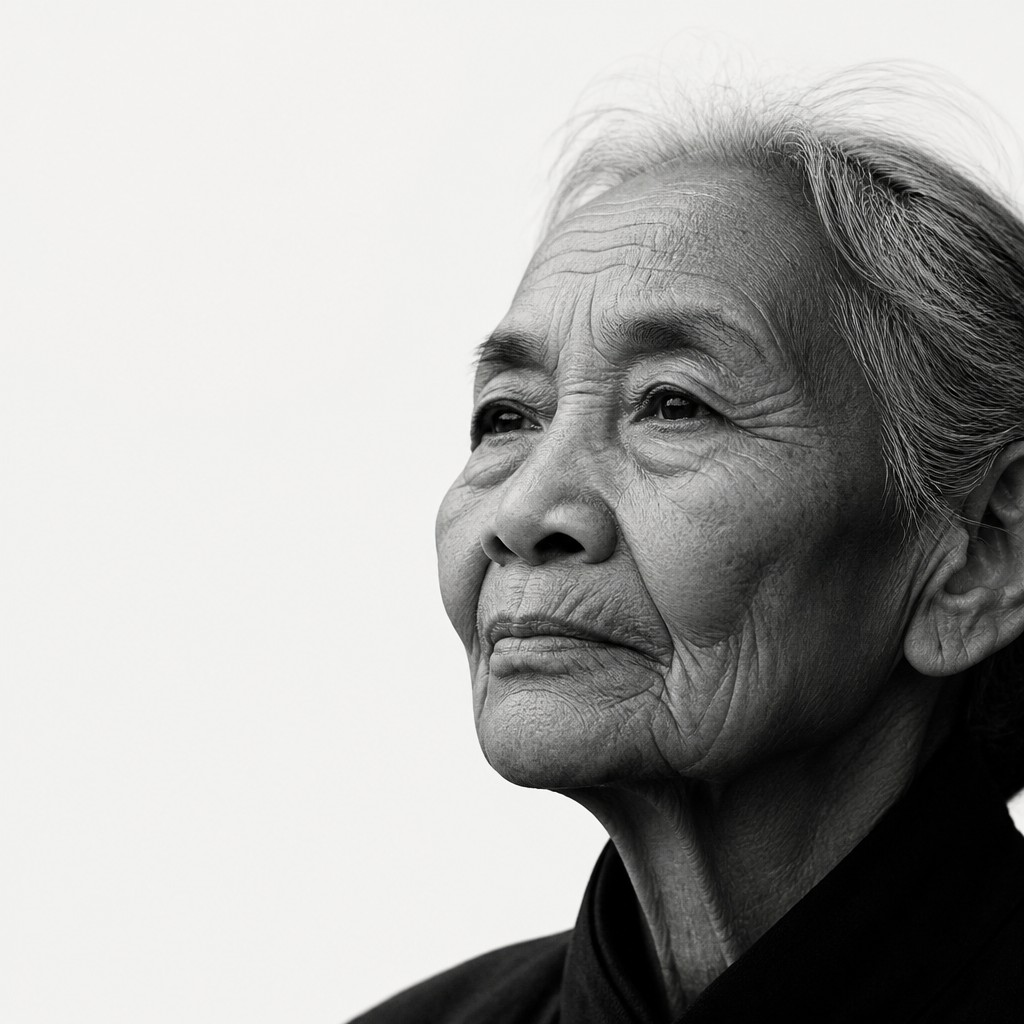
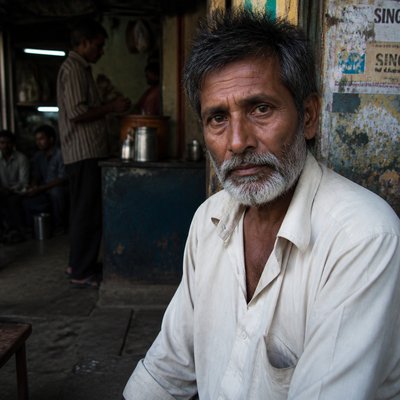
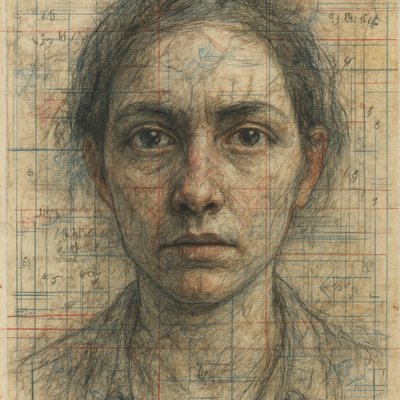
“close-up portrait of an elderly person with expressive weathered features”
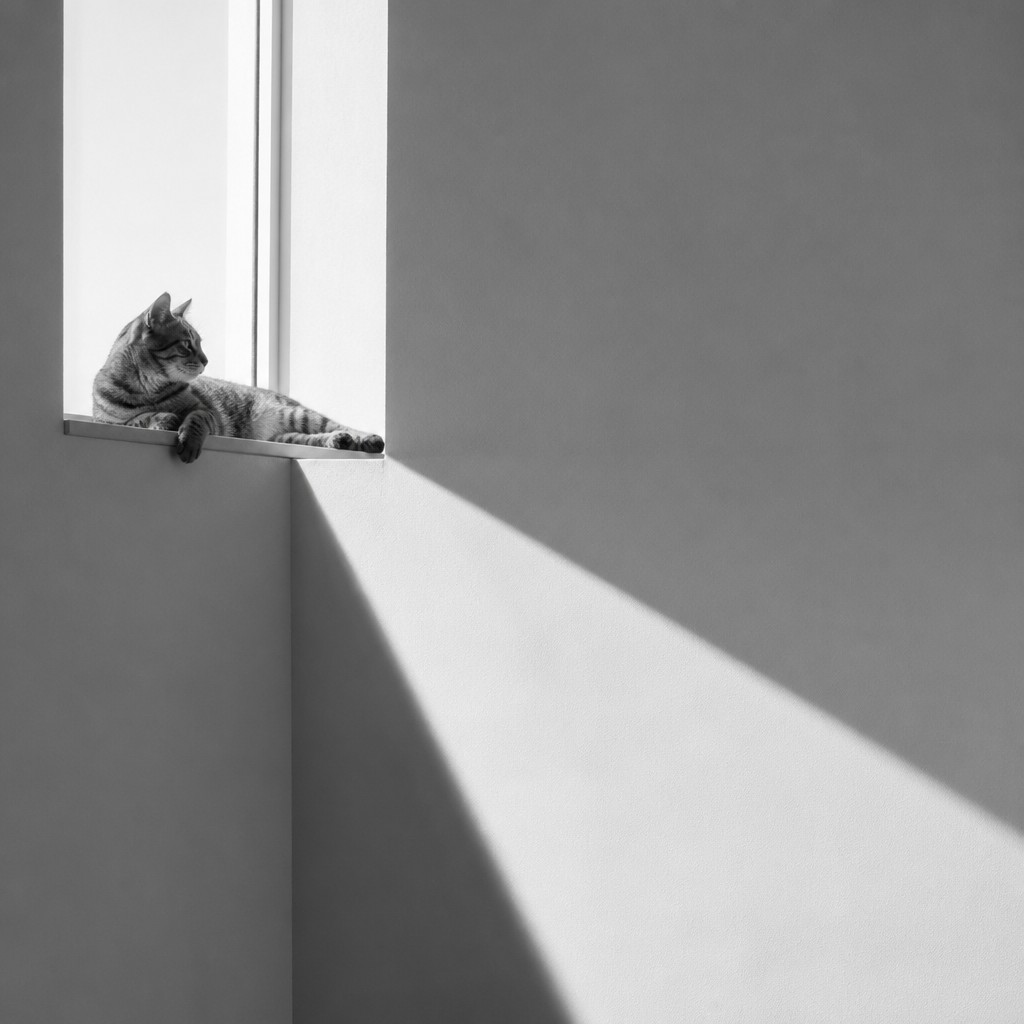
“a cat lounging in a sunlit window”
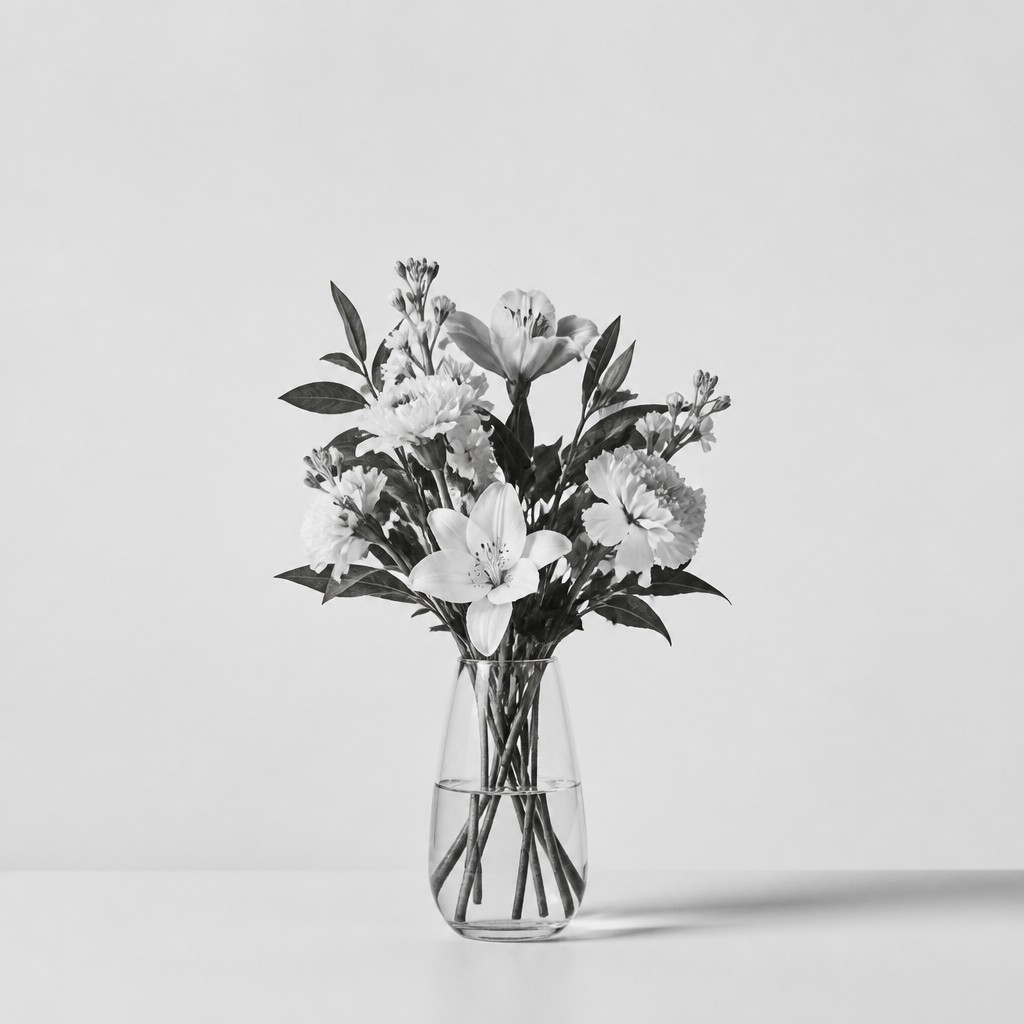
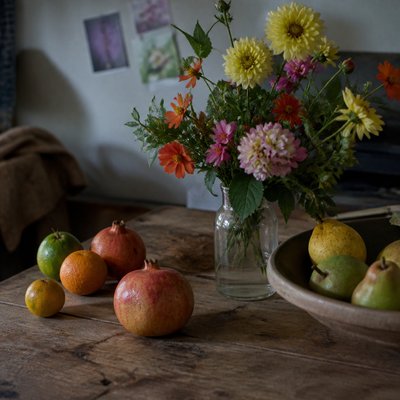
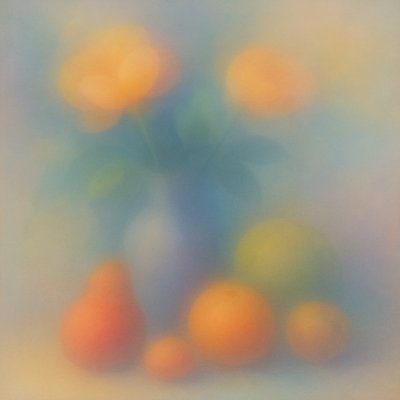
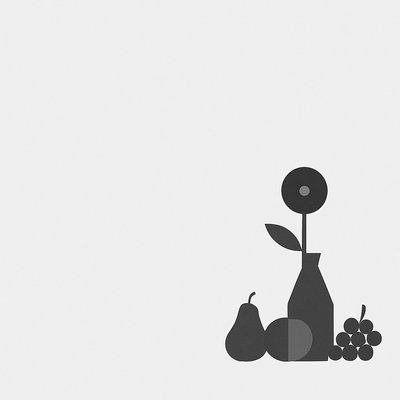
“bouquet of flowers in a glass vase”
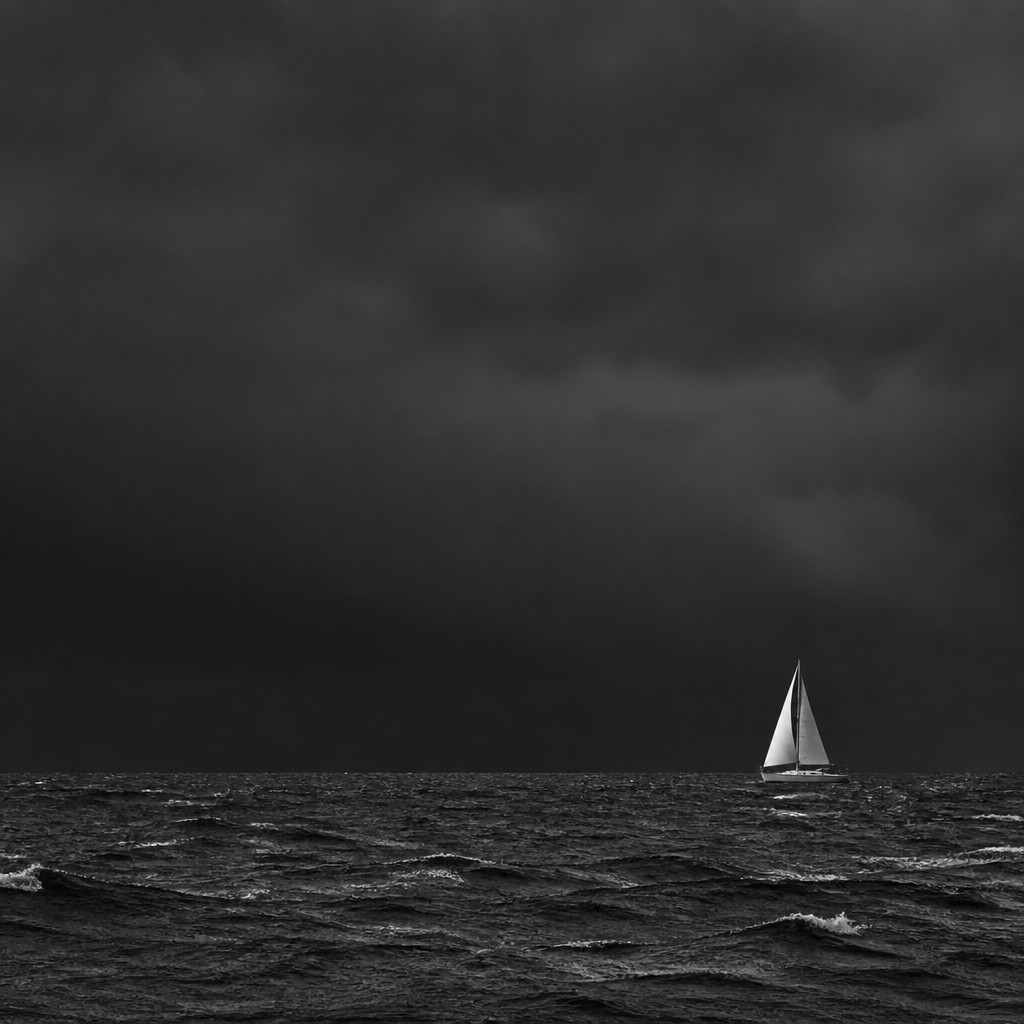
“sailing ship on a stormy sea”
How to Create Minimalist Photography Art
Master the craft step by step — or skip straight to creating. Read the full guide →
- 1
Choose one primary subject
Select a subject that can hold the frame without needing extra visual support: a lone person, a chair, a building corner, a tree, or a single product. Remove everything that does not contribute to that central read.
- 2
Build the frame around empty space
Compose with generous margins and let the background matter as much as the subject. Try placing the subject off-center on a grid, or isolating it against a plain wall, sky, snow, fog, water, or studio backdrop.
- 3
Simplify light and color
Use soft natural light, overcast conditions, or controlled studio lighting to avoid busy shadows. Limit the palette to monochrome or a few closely related tones so the image remains unified and calm.
- 4
Prioritize shape and alignment
Look for clean edges, horizon lines, repeating forms, and balanced asymmetry. Small shifts in placement can make the difference between a cluttered frame and one that feels intentional and resolved.
- 5
Edit with restraint
In post-processing, reduce distractions by cropping tightly or more often more generously, smoothing tonal inconsistencies, and keeping contrast deliberate. For AI or prompt-based creation, specify isolation, negative space, limited palette, flat lighting, and precise composition.

The Story
History & Origins of Minimalist Photography
Minimalist photography developed from several overlapping visual traditions rather than from a single founding moment. It draws on modernist photography’s attention to form and structure, architectural photography’s emphasis on line and geometry, and the broader minimalist impulse in twentieth-century art and design to strip away excess and foreground essentials. In photography, this sensibility became especially visible as artists and commercial photographers increasingly used empty space, repetition, and simple objects to create images with strong graphic clarity.
Its lineage also connects to Japanese aesthetics such as ma, the meaningful use of emptiness, and to modern graphic design, where spacing and balance are central to legibility and visual rhythm. In contemporary practice, minimalist photography appears in fine art, editorial imagery, branding, product photography, and digital media. Its continued appeal lies in how effectively it converts restraint into visual intensity: a small subject can feel monumental when isolated in a calm, uncluttered frame.
Influences: Minimalist photography is closely related to modernism, minimalist art, and graphic design, especially the emphasis on reduction found in the work of leading minimalist sculptural and painting practitioners, though photography translates those principles into framing, light, and subject choice. It also shares affinities with Japanese compositional ideas centered on emptiness and balance, as well as with architectural and product photography that values clean structure, neutral tone, and controlled presentation.
Frequently Asked Questions
What defines minimalist photography style?
It is defined by reduction: one clear subject, abundant negative space, limited color, and precise composition. The image usually feels calm and uncluttered because every element has a clear visual purpose.
Is minimalist photography the same as empty or boring photography?
No. The style uses emptiness intentionally, but the space is active and meaningful rather than accidental. The challenge is to make a small number of elements feel visually complete through balance, scale, and placement.
How is minimalist photography different from simple composition?
Simple composition can describe many types of images, but minimalist photography specifically depends on radical reduction and a strong relationship between subject and void. It often uses geometry, restrained color, and clean surfaces more consistently than general straightforward photography.
What subjects work best in this style?
Objects with clear silhouettes or geometric structure work especially well: people, chairs, trees, architecture, tools, vessels, and lone natural forms. Subjects that can be isolated against sky, wall, water, fog, or studio space are especially effective.
How do I make a minimalist photo look intentional?
Start by deciding what can be removed, not what can be added. Use a clean background, limit the palette, and place the subject with care so the empty space contributes to the composition instead of feeling like leftover room.
Where is minimalist photography commonly used?
It appears in fine art, editorial photography, branding, advertising, architecture, fashion, product imagery, and social media visuals. Its clarity makes it useful wherever a controlled, elegant, and easily readable image is needed.

Create your first Minimalist Photography artwork
Describe anything — or upload a photo — and see it in Minimalist Photography Style in seconds.
Make Something with Minimalist Photography
Related Styles
Discover similar art styles