Macro Photography Style
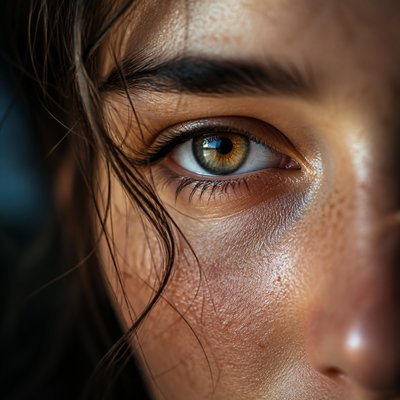
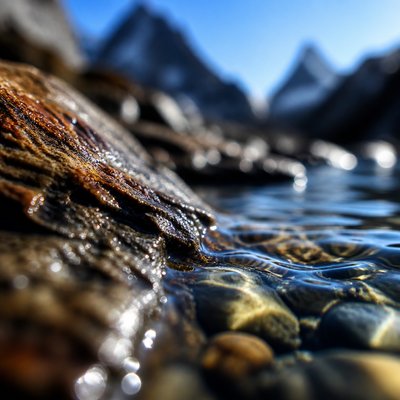
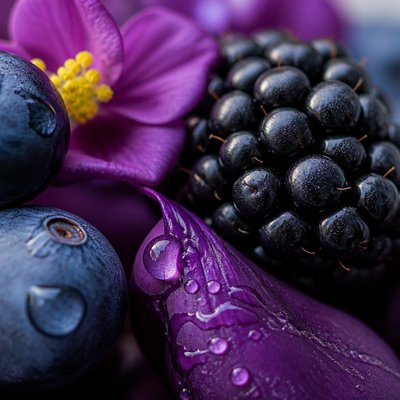
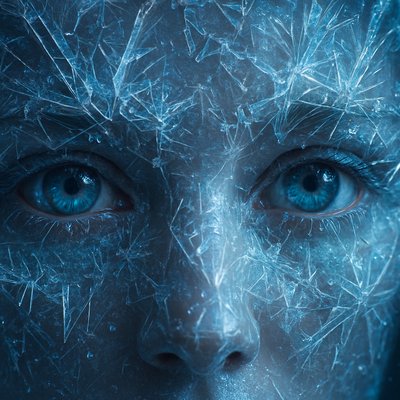
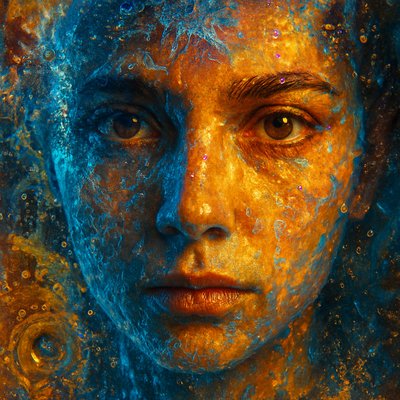
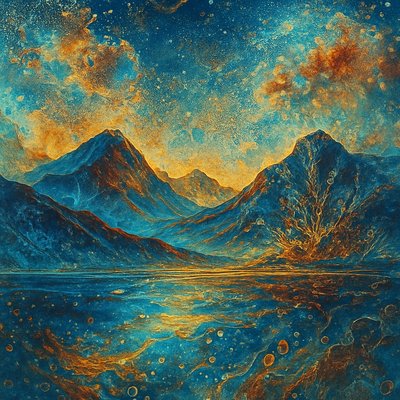
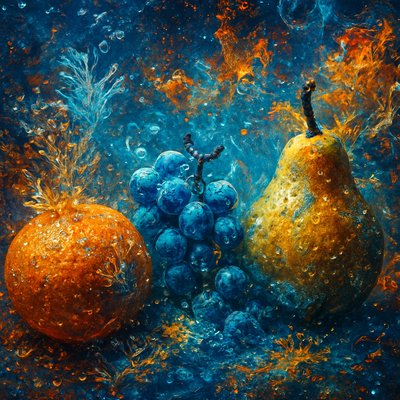
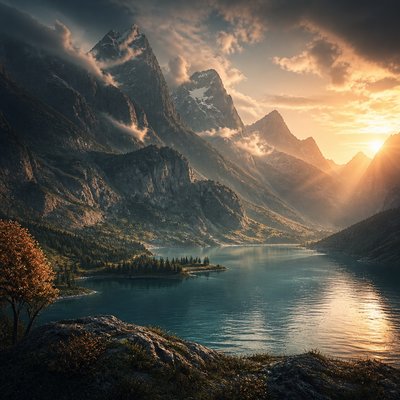
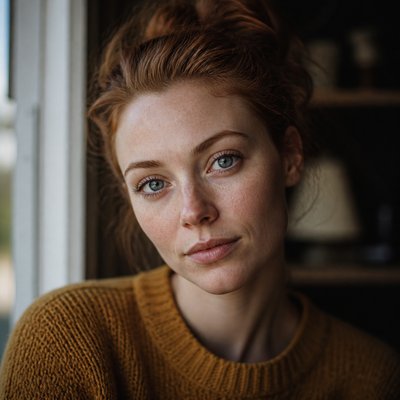
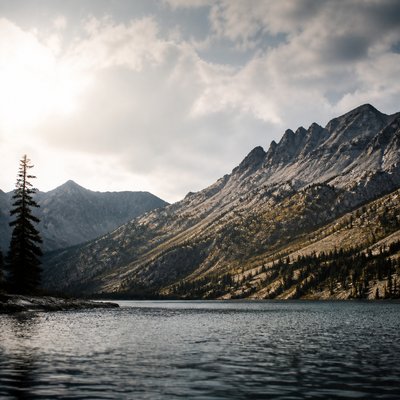
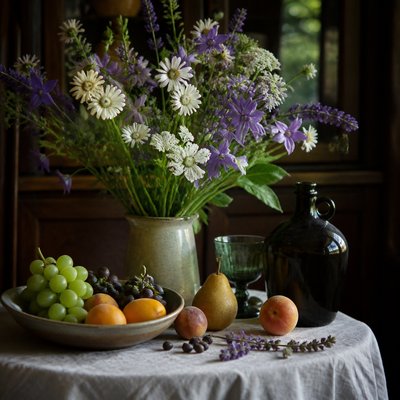
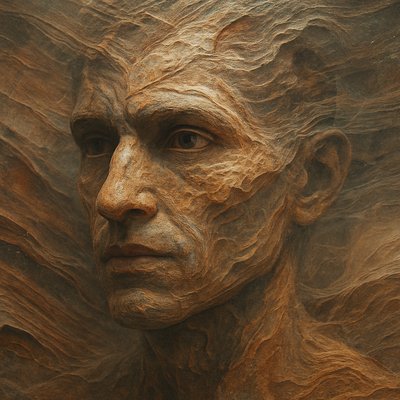
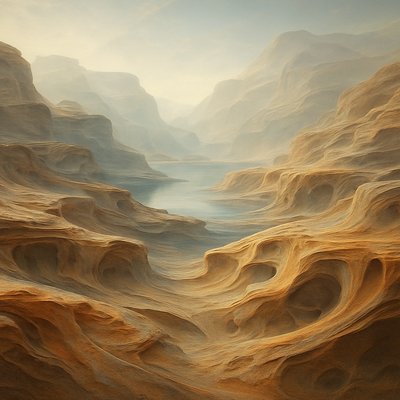
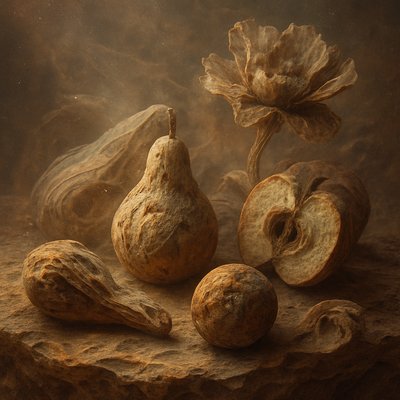
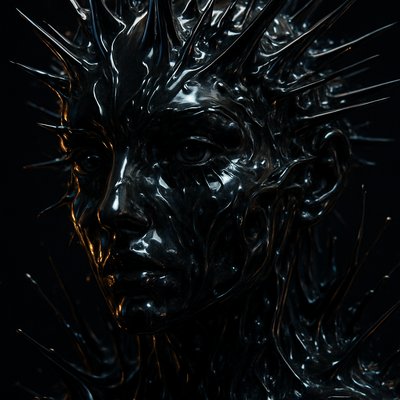
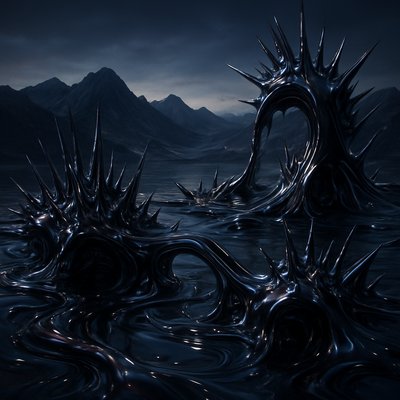
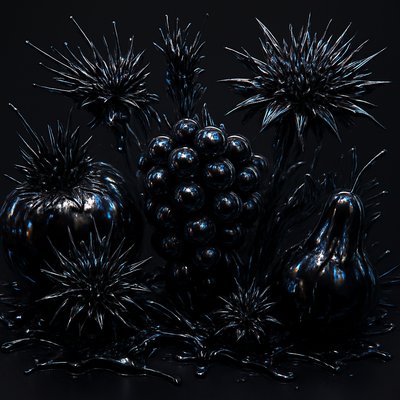
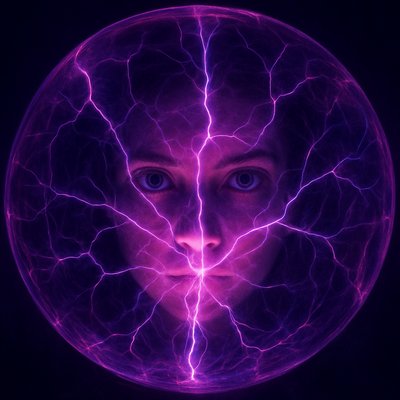
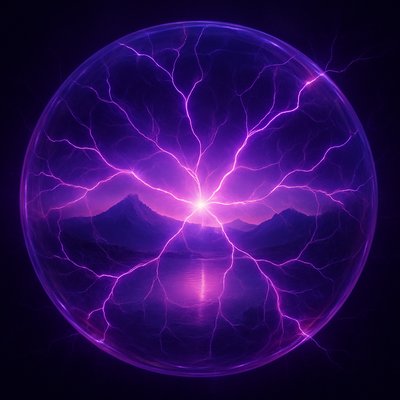
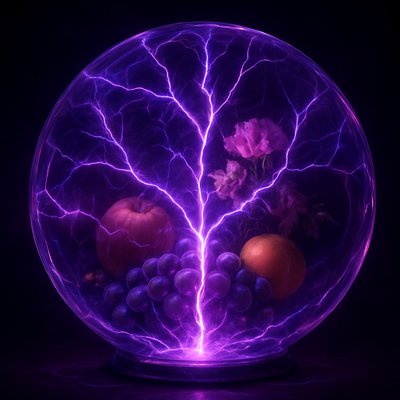
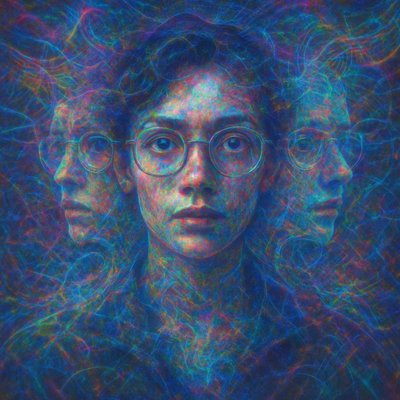
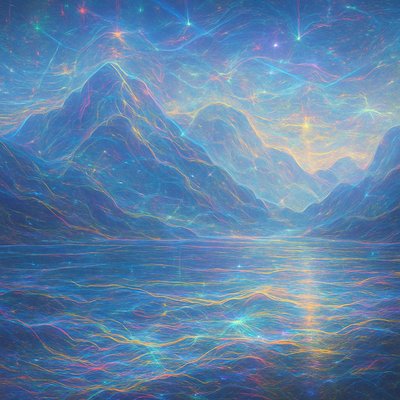
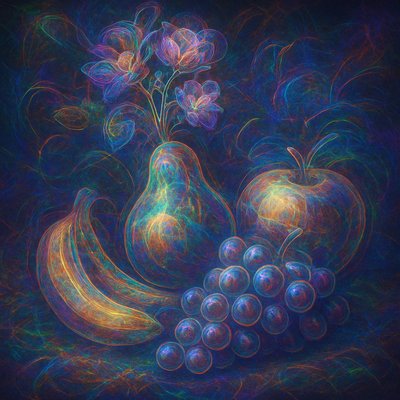
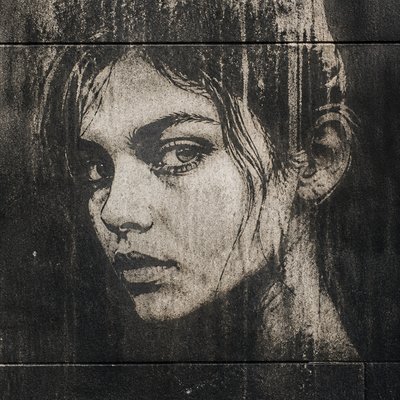
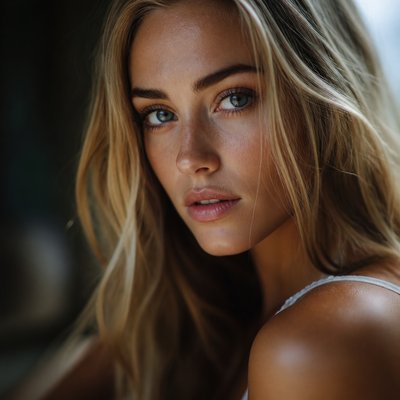
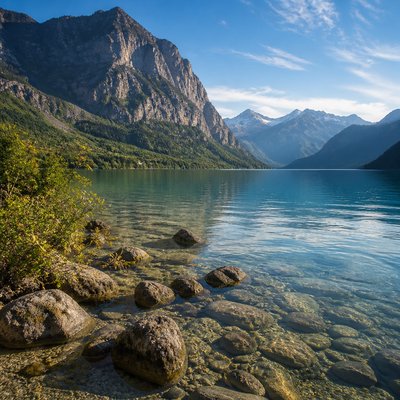
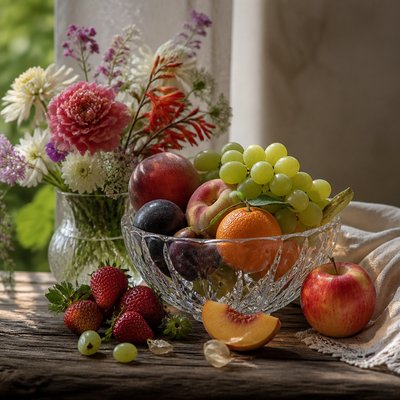
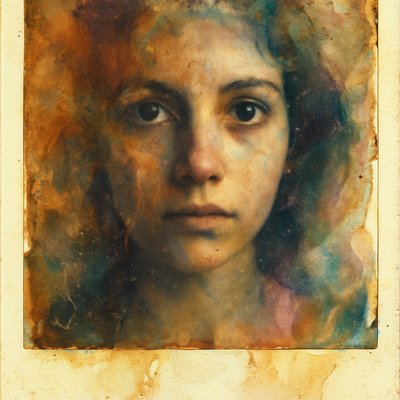
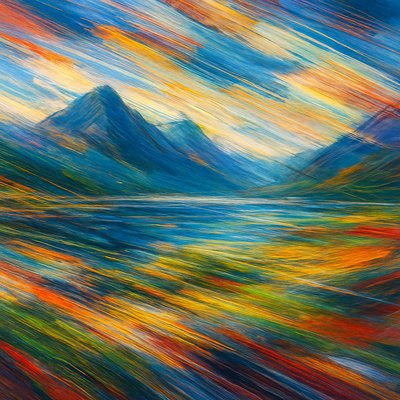
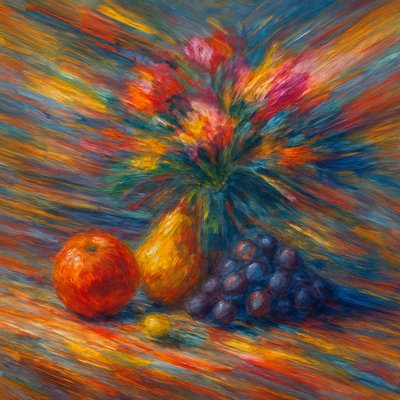
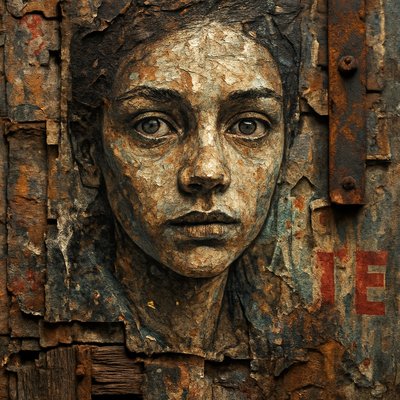
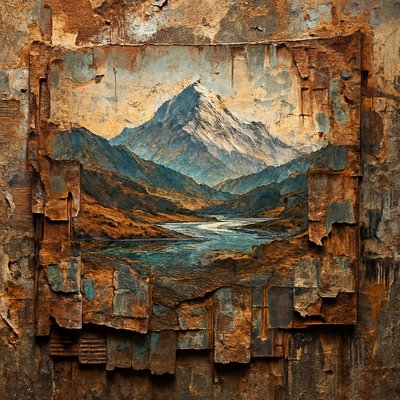
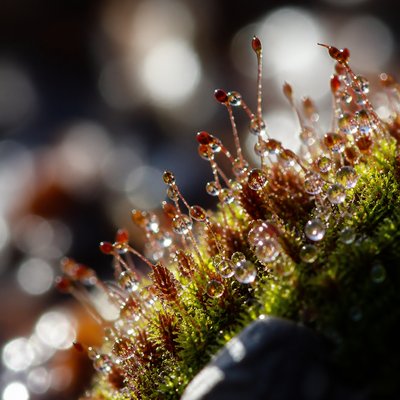
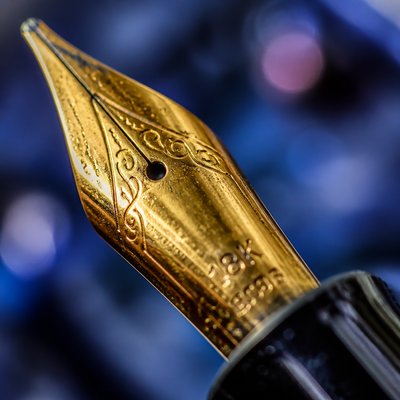
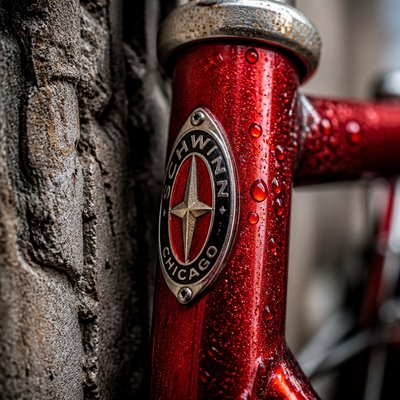
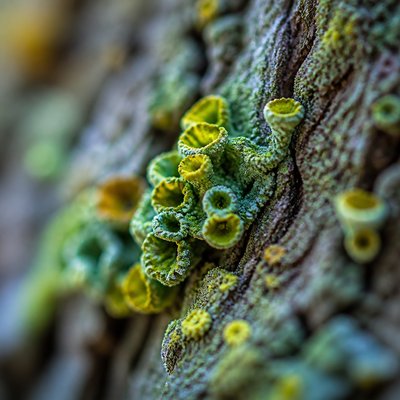
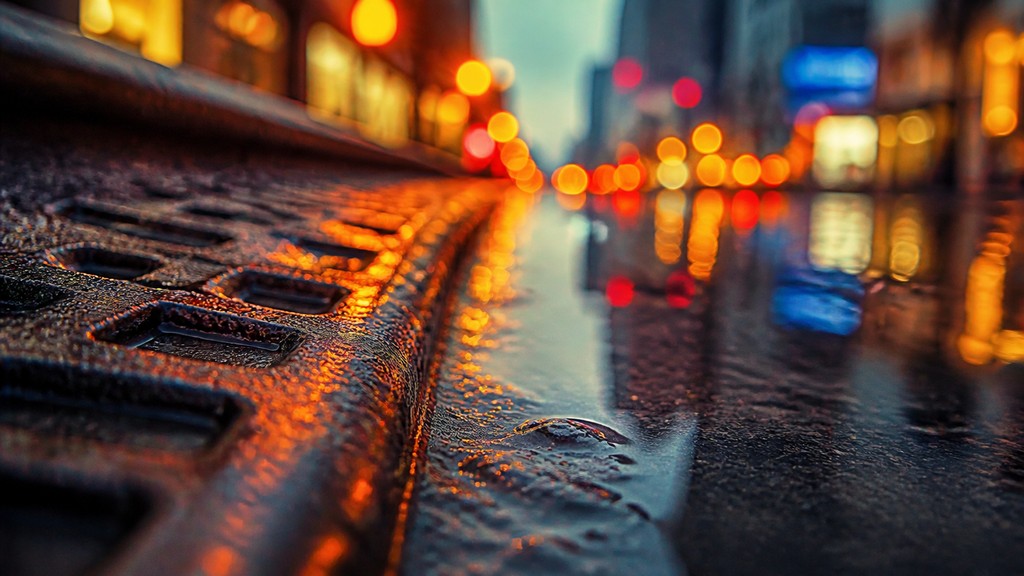
Extreme close-up photography with shallow depth of field, vivid texture, and luminous bokeh that turns tiny subjects into dramatic scenes.
Instantly rendered in Macro Photography — or transform a photo
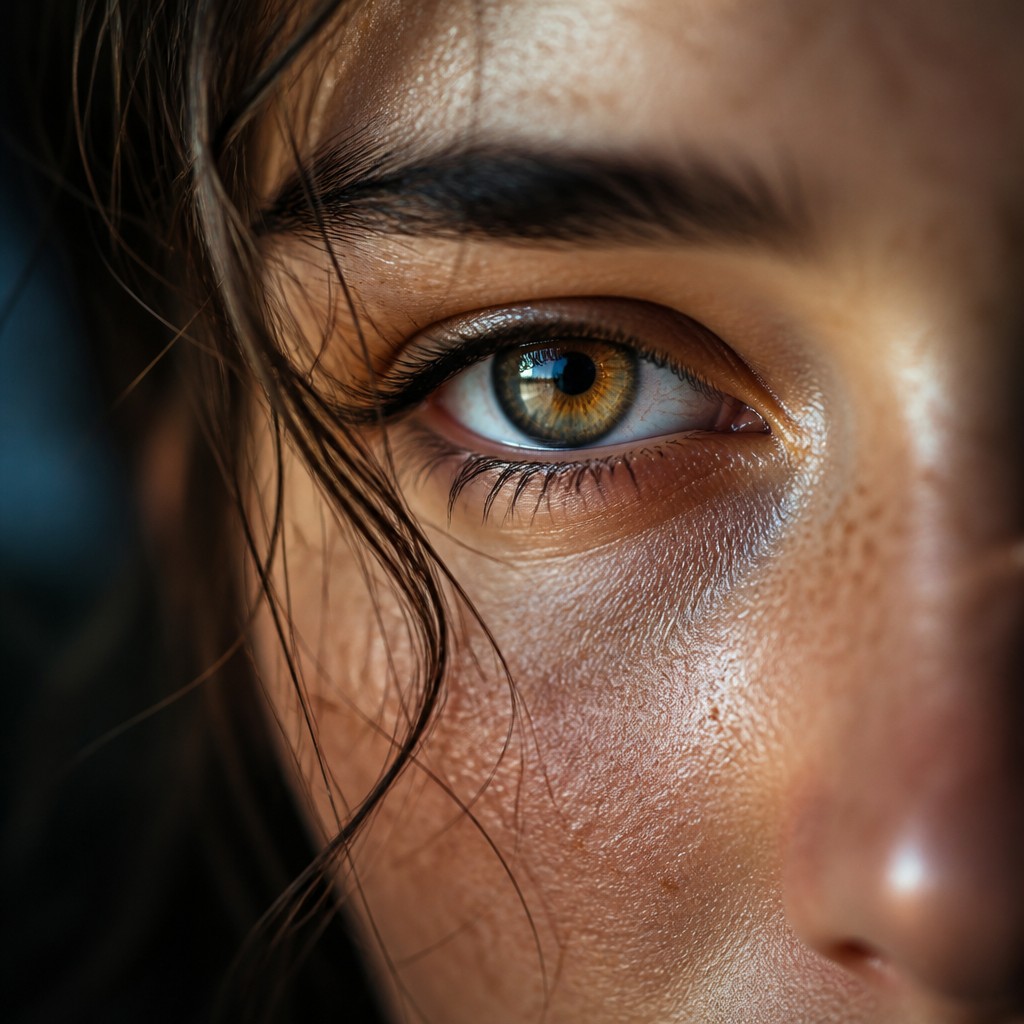
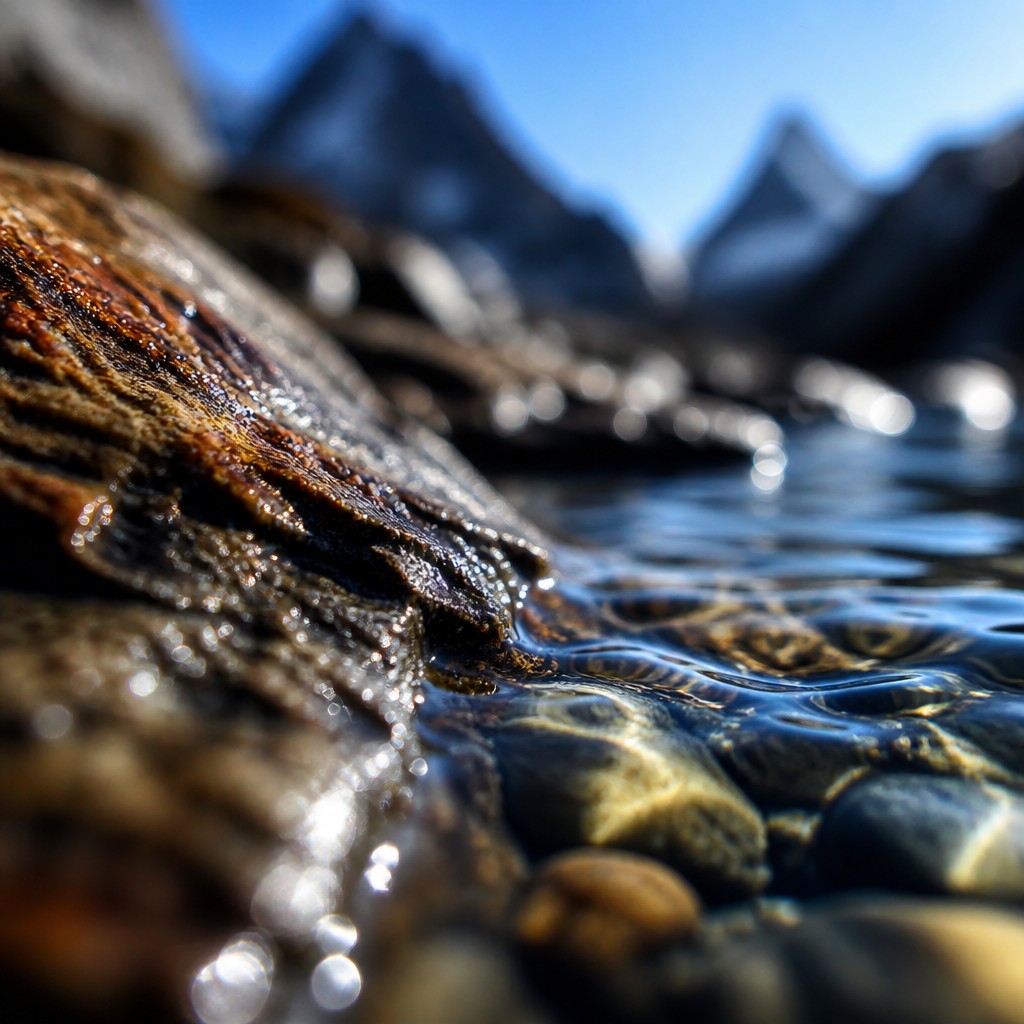
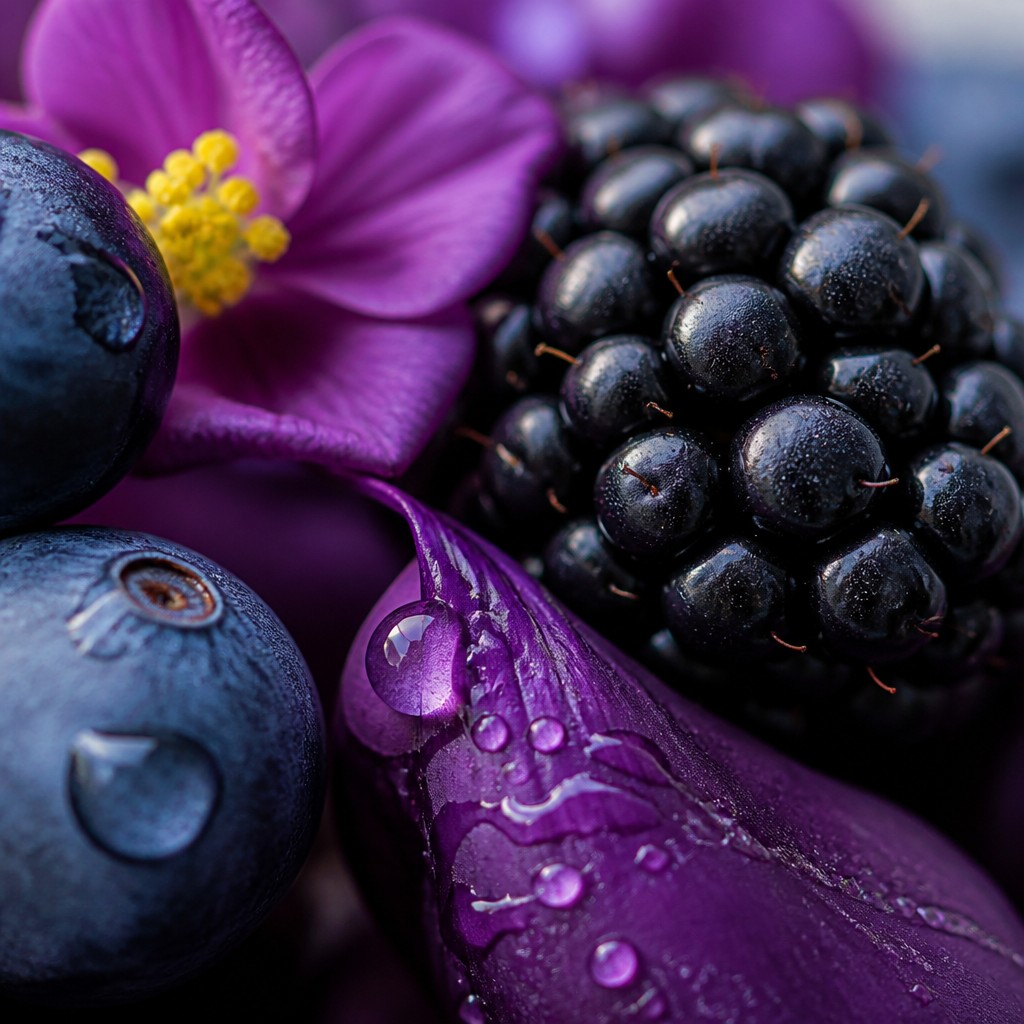
Macro Photography Gallery
Tap any artwork to explore it
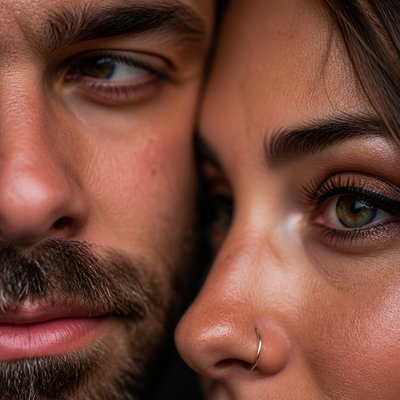

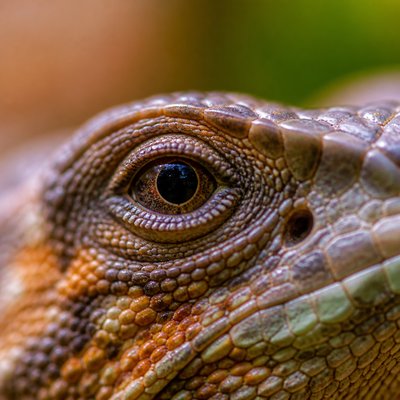
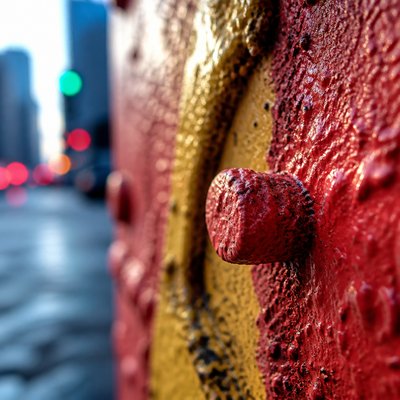
What is Macro Photography Style?
Macro photography is a photographic approach built around extreme close-up framing, typically at or near life-size reproduction of a subject. Its defining effect is the conversion of small, ordinary objects—an insect wing, a flower petal, a water droplet, a fabric weave—into visually expansive compositions where texture, color, and minute structure become the main subject.
The style is immediately recognizable by its narrow plane of focus, soft background blur, and strong subject isolation. Because the camera is placed very close to the subject and often uses specialized optics, the resulting image can feel intimate and monumental at once: a familiar object becomes abstract, sculptural, and richly tactile. The visual language of macro photography is shaped by optical limits as much as by subject matter, which is why depth of field, lighting, and lens choice are central to its look.
Try It On Your Photos
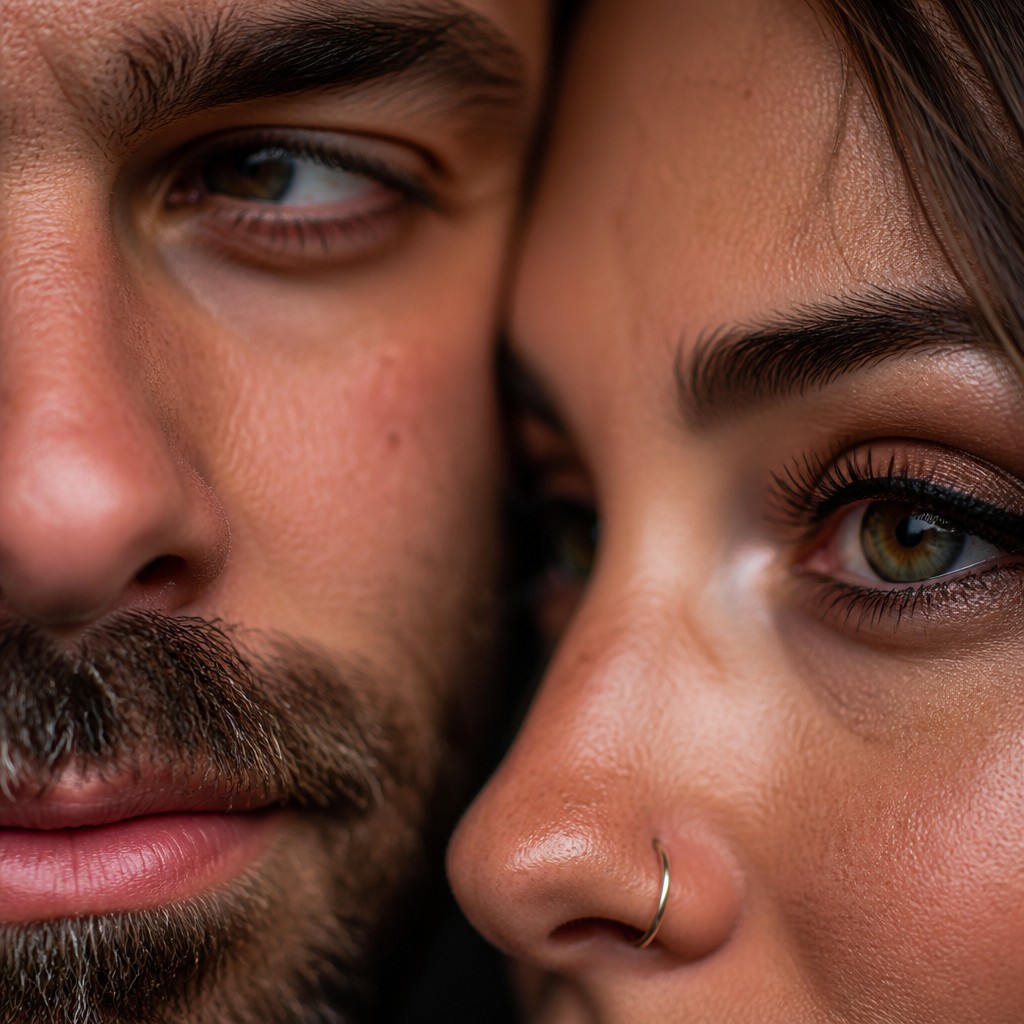
Upload any photo and convert it into Macro Photography Style — drag the sliders to compare before and after.
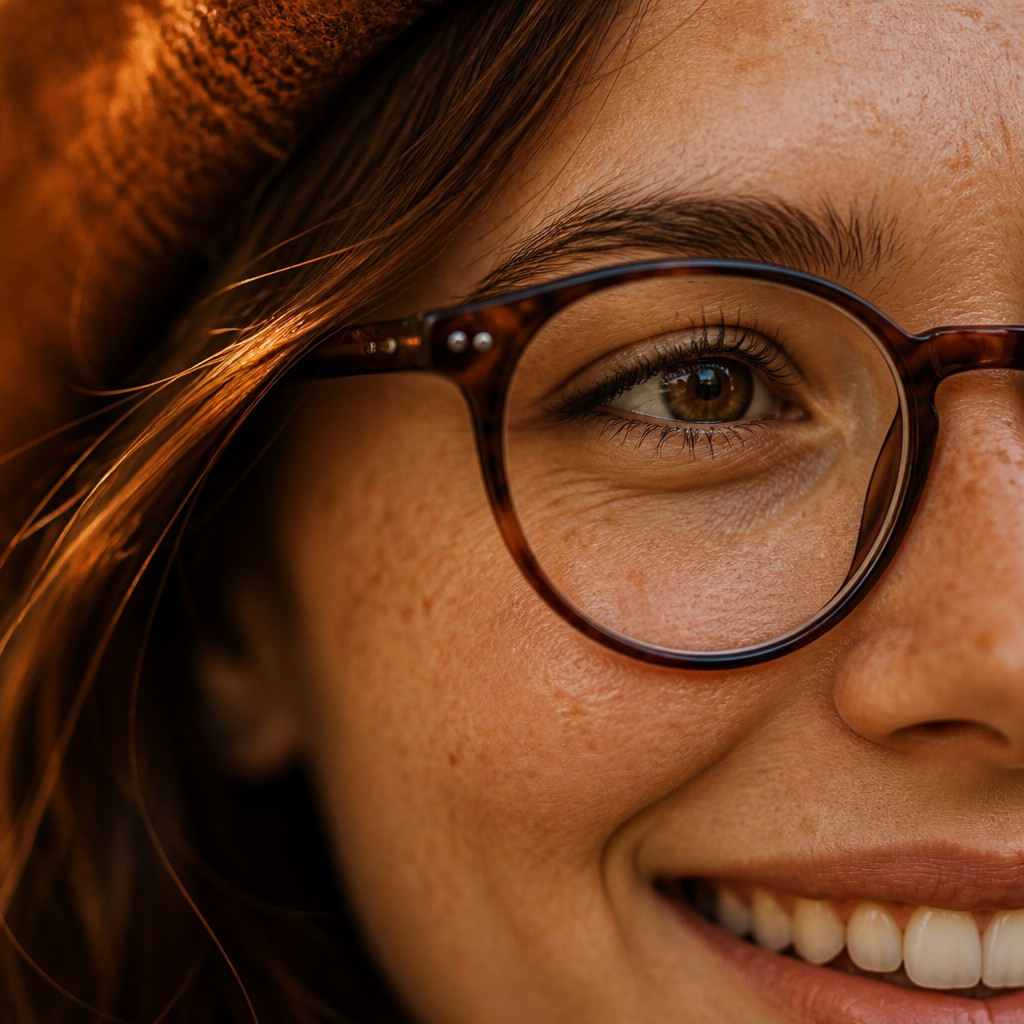

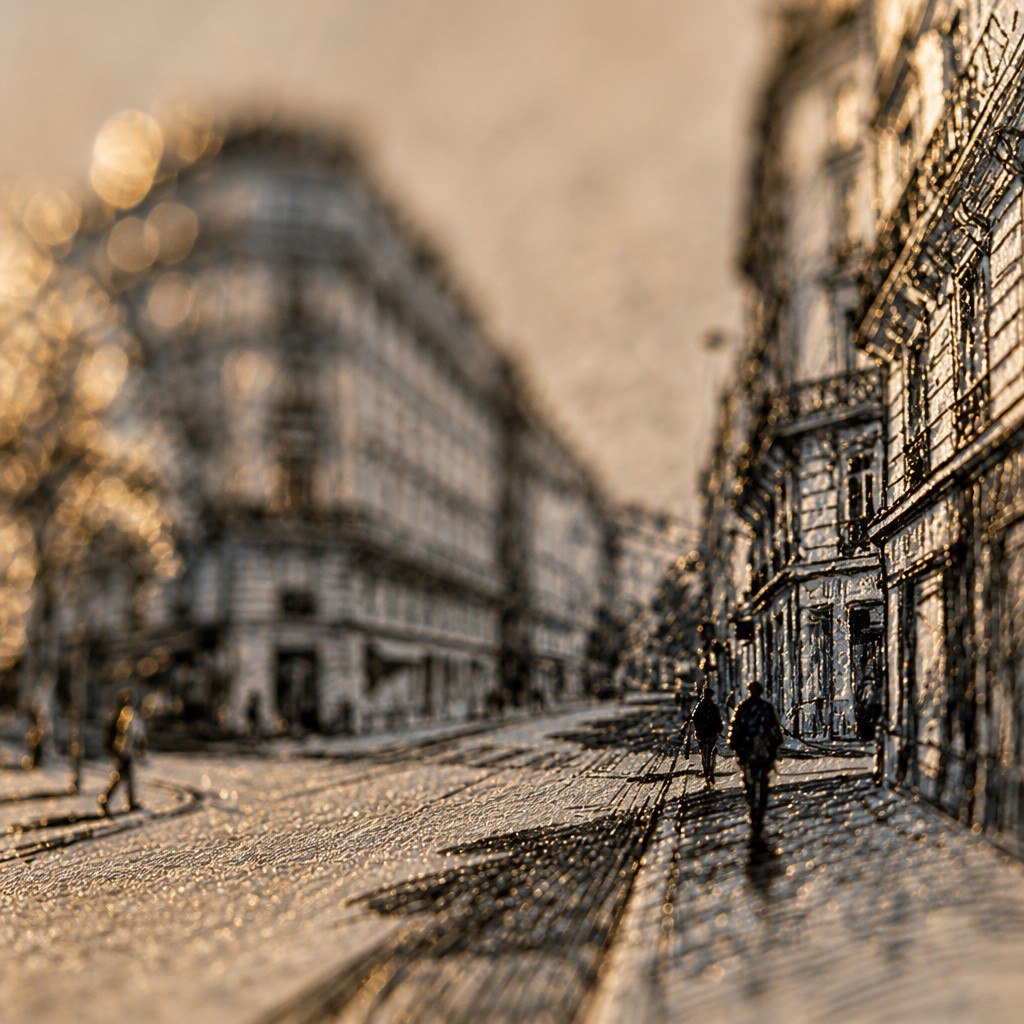

What Defines Macro Photography Style
The signature details, up close
Extreme magnification
The subject is framed at very close range, often filling the image with a small fragment of a larger whole. This creates a sense of discovery and turns minute features into the central visual event.
Shallow depth of field
Only a thin slice of the subject stays in focus while the foreground or background falls away into blur. This isolates the subject and gives the image a distinctly cinematic, three-dimensional feel.
Textural emphasis
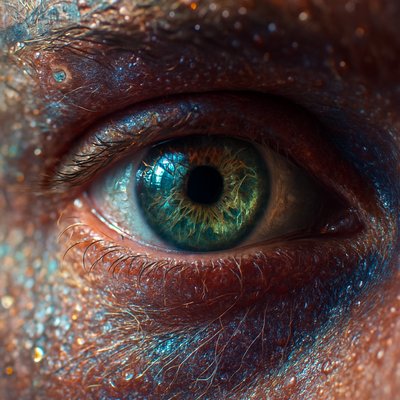
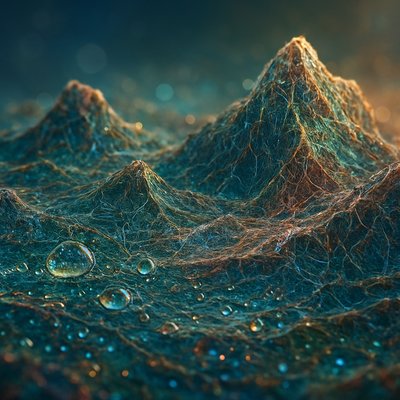
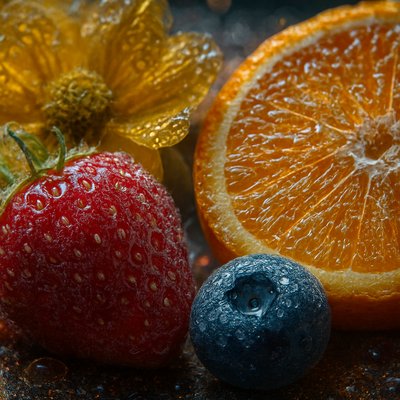
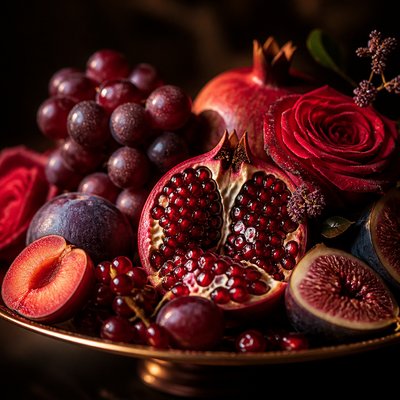
Macro images emphasize surfaces: pores, fibers, veins, scales, droplets, dust, and tiny imperfections. These details often read almost like landscapes because magnification makes them feel monumental.
Creamy bokeh
Out-of-focus areas typically dissolve into soft, rounded blur. When light sources are present, they can appear as luminous discs or smooth gradations that support the subject rather than compete with it.
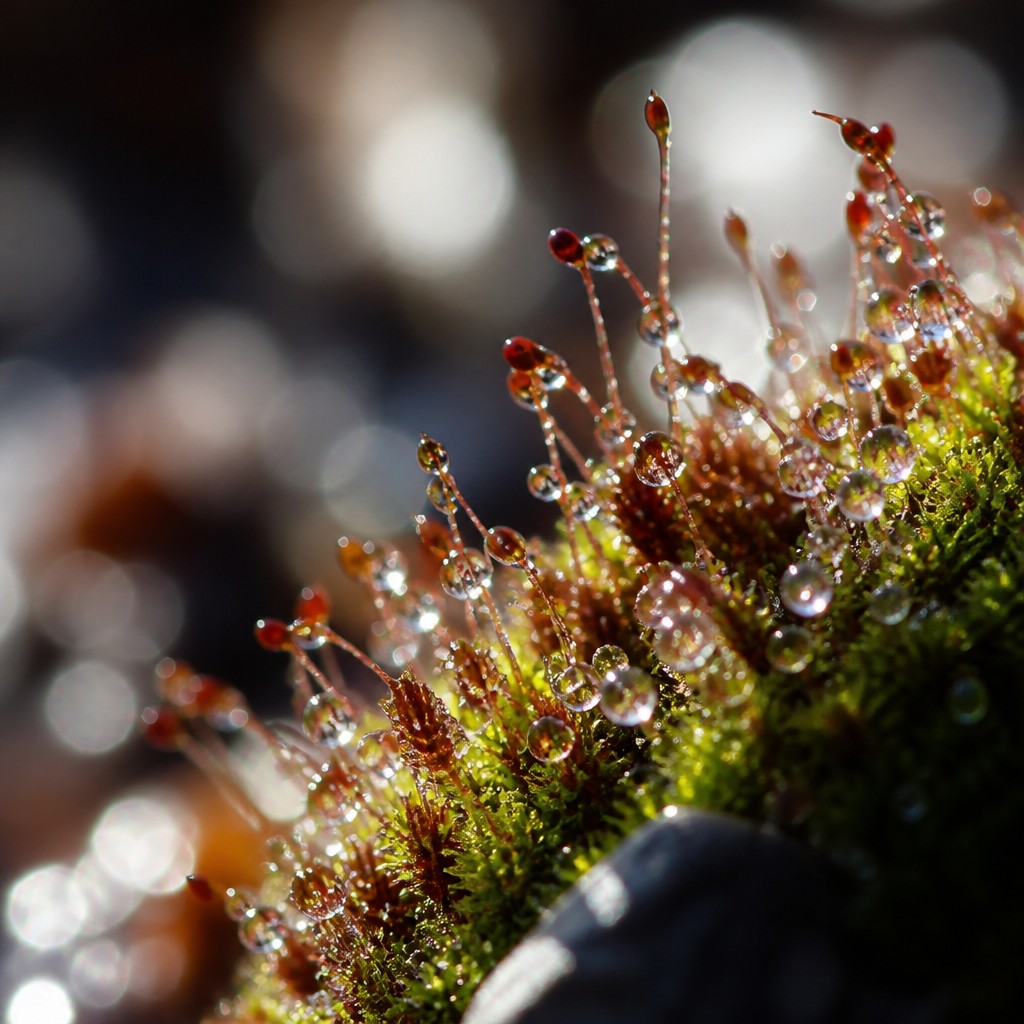
Intimate perspective
Macro photography places the viewer very close to the subject, creating a sense of proximity and quiet observation. Even common objects can appear unfamiliar, delicate, or precious.
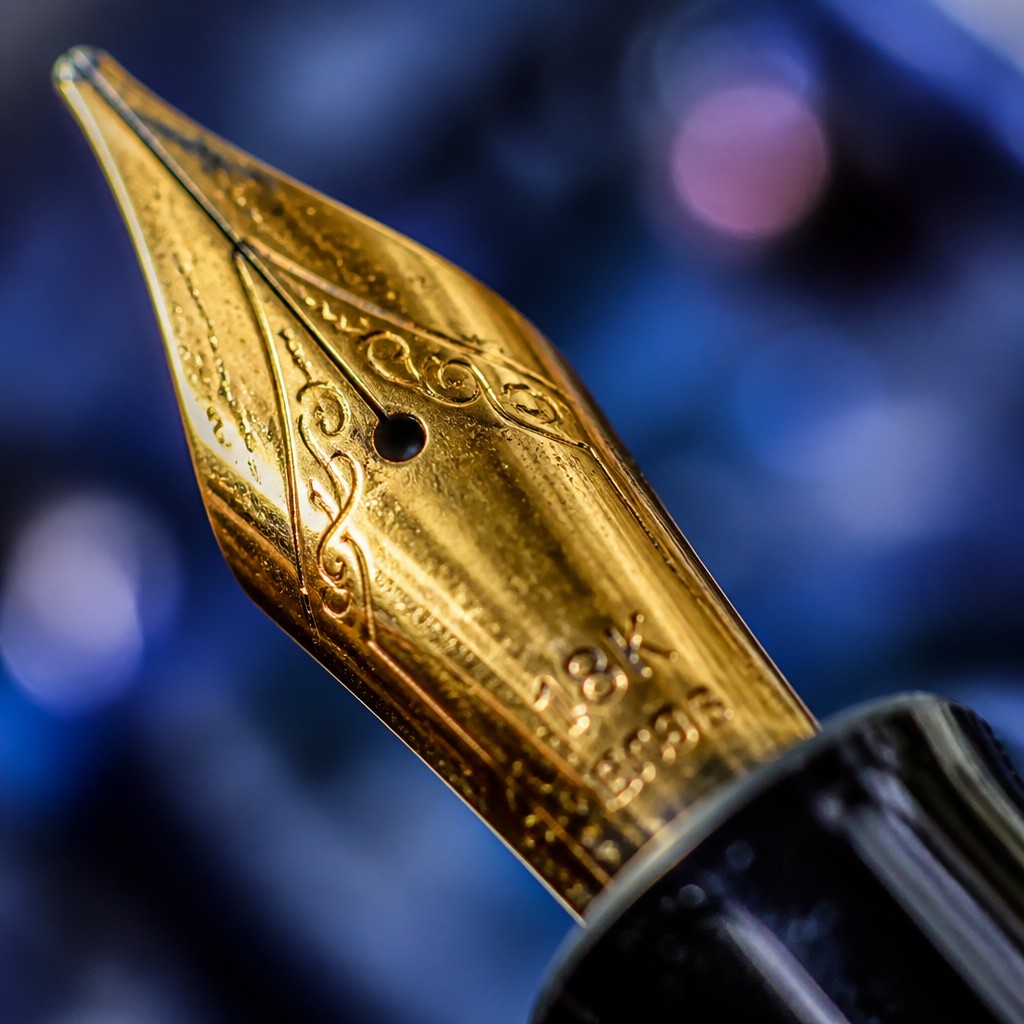
Controlled lighting
Soft directional light, diffusion, and small highlights are often used to reveal shape without flattening detail. Specular highlights on glass, metal, water, or insect surfaces contribute to the style’s polished look.
Try It
Create Videos in Macro Photography Style
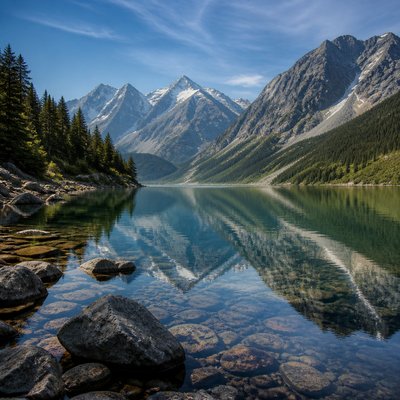
Styles aren't just for stills — describe a scene or animate an image and get a short video rendered in Macro Photography. Press play to see this pond come to life.
Make a VideoMacro Photography Prompt Ideas
Start from an idea — each one opens the generator with the style ready to go. See all 40 Macro Photography prompts →
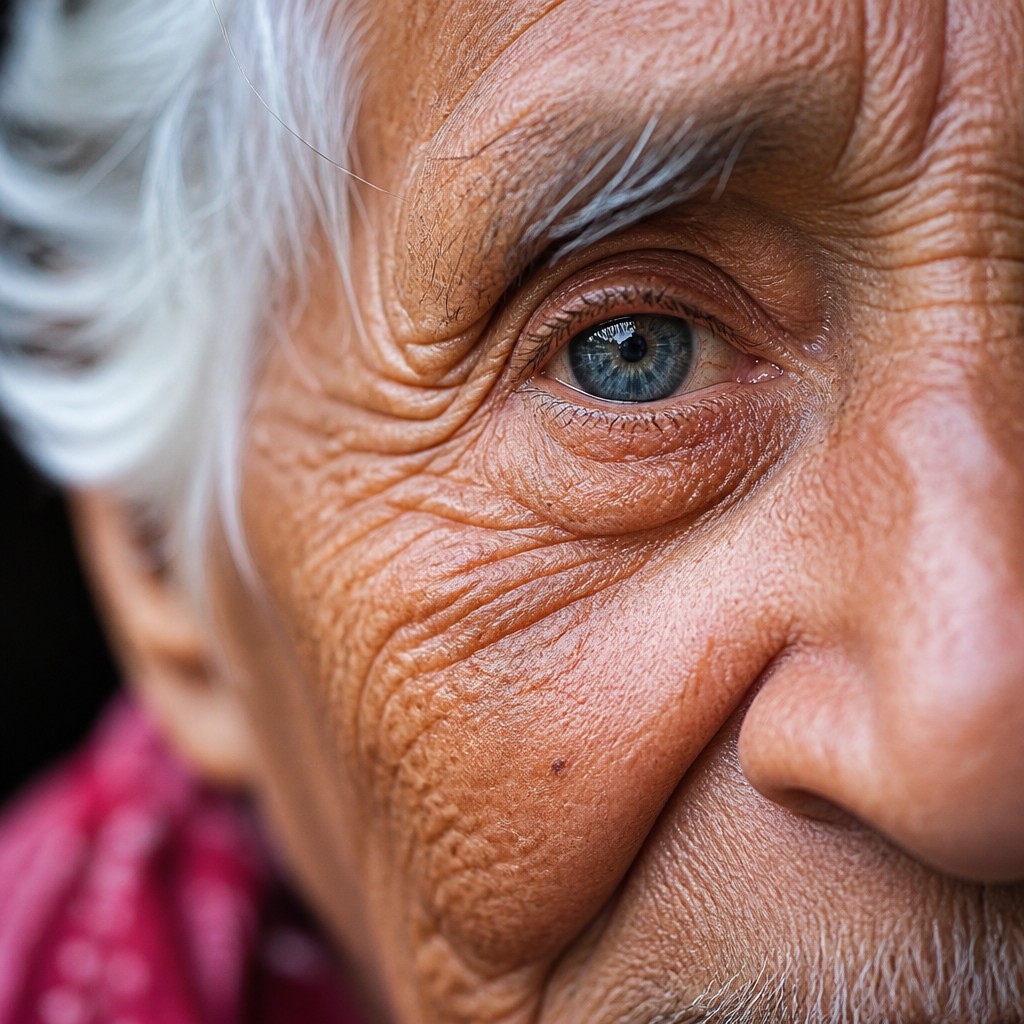
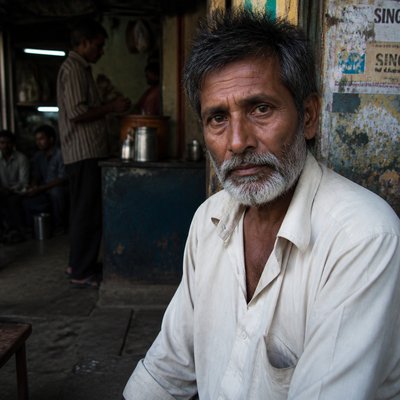
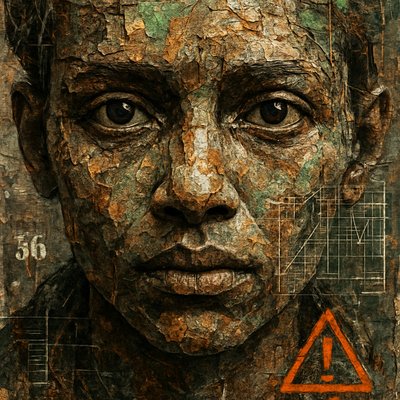
“close-up portrait of an elderly person with expressive weathered features”

“a cat lounging in a sunlit window”
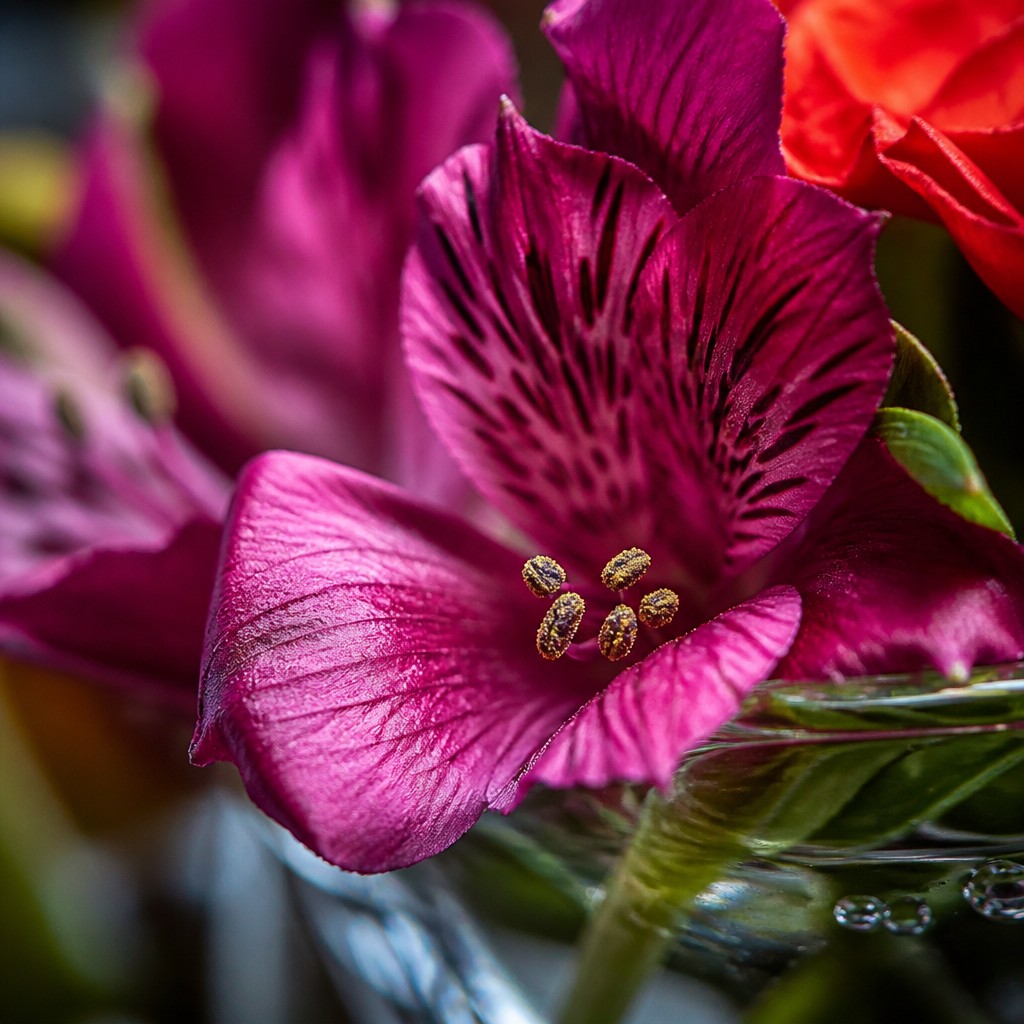
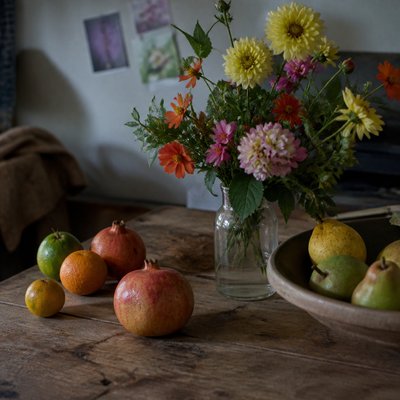
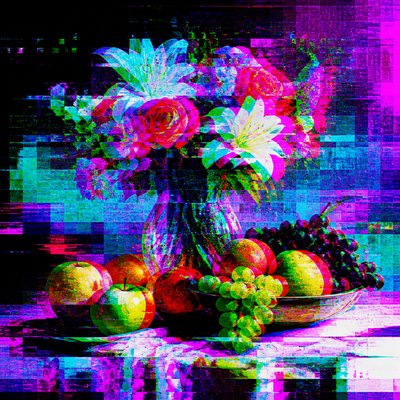
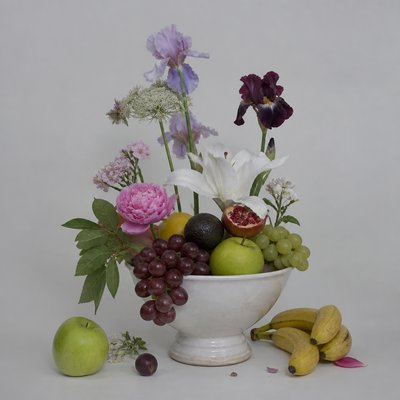
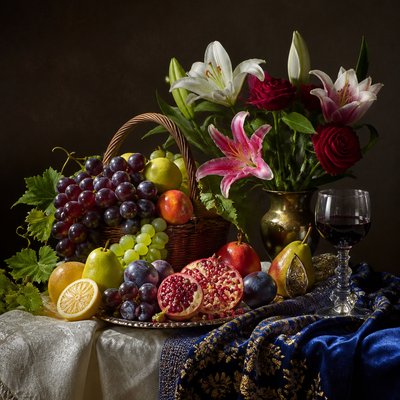
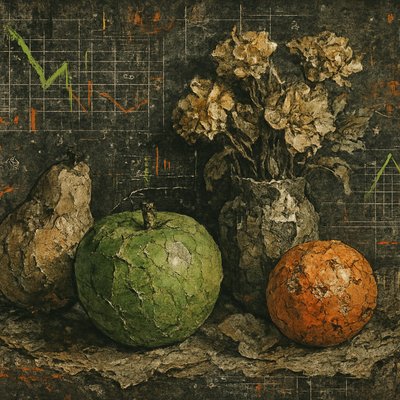
“bouquet of flowers in a glass vase”
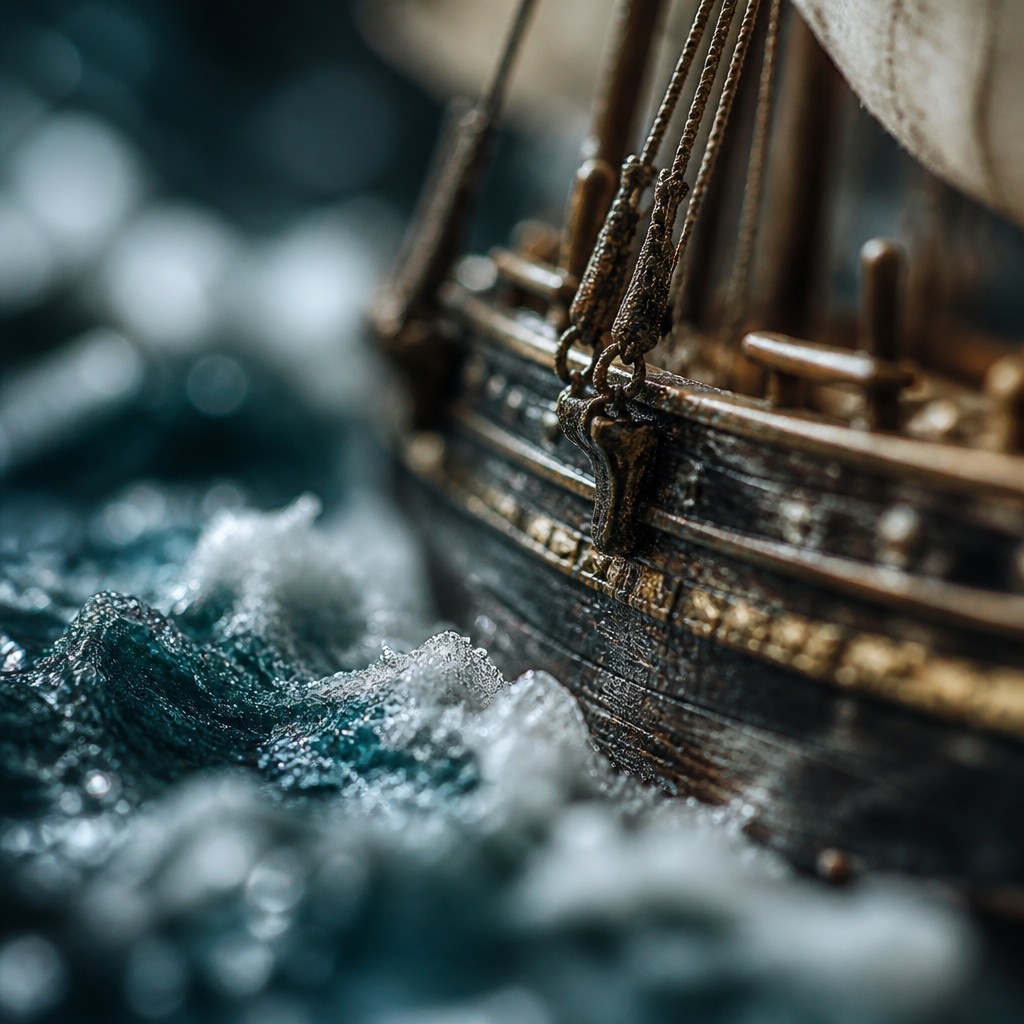
“sailing ship on a stormy sea”
How to Create Macro Photography Art
Master the craft step by step — or skip straight to creating. Read the full guide →
- 1
Choose a subject with strong surface detail
Look for flowers, insects, food, fabric, minerals, droplets, or everyday objects with texture and variation. Subjects with clear edges and complex surfaces tend to read best at close range.
- 2
Use true macro or close-up optics
In traditional photography, a dedicated macro lens, extension tubes, bellows, or close-up filters help achieve magnification. Keep the camera steady and focus carefully, because even tiny movements can shift the focal plane.
- 3
Light softly and deliberately
Diffused natural light, a softbox, or a small bounce source helps preserve detail while avoiding harsh glare. Move the light to shape texture; side lighting often reveals relief better than flat frontal illumination.
- 4
Manage depth of field and focus
Use a wide aperture for strong subject isolation, or use focus stacking when you need more of the subject sharp. In digital editing, mild contrast and color refinement can enhance the tactile quality without making the image look artificial.
- 5
Compose for abstraction and scale
Crop tightly and look for patterns, repetition, and curves rather than just recognizable objects. In prompt-based generation, specify extreme close-up framing, shallow depth of field, razor-sharp focal plane, creamy bokeh, and luminous texture-rich surfaces.
The Story
History & Origins of Macro Photography
Macro photography emerged from the broader history of close-up and scientific imaging in the 20th century, when photographers and optical engineers developed lenses, extension tubes, bellows, and lighting methods capable of rendering small subjects with high magnification. It grew out of both technical documentation—used in biology, entomology, and material science—and artistic exploration, as photographers recognized that enlarged details could produce striking compositions independent of their documentary function.
As camera technology improved, macro work expanded from laboratory and natural-history contexts into mainstream art, editorial, advertising, and hobbyist photography. Digital cameras, focus stacking, and compact close-focusing lenses made the genre more accessible, while contemporary image culture encouraged highly detailed views of nature, objects, and textures. Today macro photography remains both a technical specialty and a widely recognized aesthetic built on precision, intimacy, and the revelation of hidden detail.
Influences: Macro photography draws from scientific illustration, natural history photography, and the close-observation traditions of still life and formal abstraction. Its emphasis on surface, detail, and optical isolation also overlaps with modern photography’s interest in material textures and the expressive possibilities of blur. Unlike documentary realism, however, macro often borrows the compositional discipline of fine-art close-up work while relying on the technical tools of lens magnification, controlled focus, and selective lighting.
Frequently Asked Questions
What defines macro photography style?
Macro photography is defined by extreme close-up framing, high magnification, and a very shallow depth of field. The subject’s textures and small details become the main visual content, while the background is usually reduced to soft blur. The effect is to make tiny objects feel large, intimate, and dramatic.
How is macro photography different from a normal close-up?
A normal close-up may simply be a tighter crop or a subject photographed from nearby. Macro photography specifically aims for substantial magnification, often near life-size reproduction or beyond, so that minute features become visible and compositionally important. The visual difference is usually much stronger detail, stronger isolation, and a more abstract sense of scale.
What subjects work best in this style?
Subjects with fine texture, repeating structure, or reflective surfaces work especially well. Flowers, insects, water droplets, food ingredients, fabric, jewelry, shells, leaves, and minerals are common because they reveal new visual information when enlarged. Even ordinary objects can become compelling if they have a distinctive surface.
What camera settings are commonly used?
Photographers often use a narrow focal plane, careful manual focus, and controlled lighting to preserve detail. A wider aperture can create stronger blur, while a smaller aperture or focus stacking can increase sharpness across the subject. The best choice depends on whether the goal is isolation or maximum detail.
How do I make macro-style images digitally?
Start with a tightly cropped subject and emphasize visible texture, shallow depth cues, and soft background blur. In digital or AI-assisted workflows, ask for extreme close-up framing, razor-sharp focus on a small area, creamy bokeh, delicate specular highlights, and luminous lighting. Avoid overloading the scene; macro images usually work best when one subject dominates the frame.
Where is macro photography commonly used?
It is widely used in nature photography, scientific documentation, product photography, food photography, and editorial image-making. Artists also use it to turn everyday materials into abstract or contemplative studies of form. Because it reveals details invisible at normal viewing distance, it is useful both for information and for visual transformation.
Create your first Macro Photography artwork
Describe anything — or upload a photo — and see it in Macro Photography Style in seconds.
Make Something with Macro Photography
Compare Macro Photography
Related Styles
Discover similar art styles