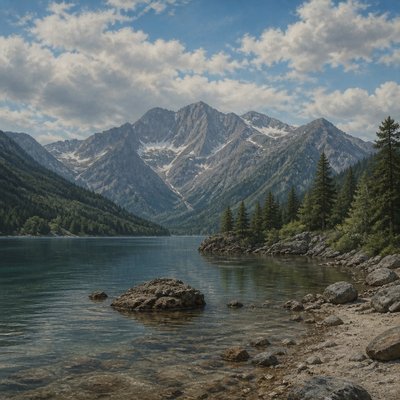
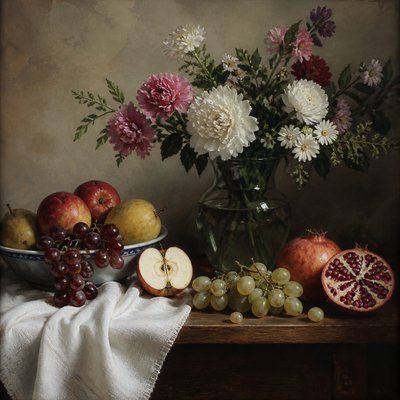
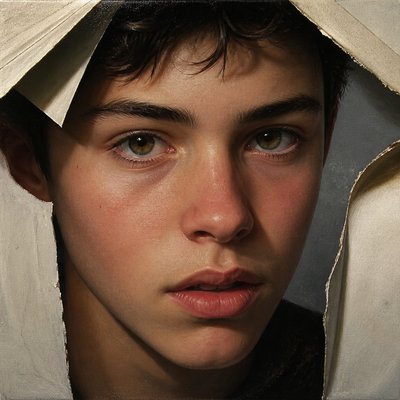
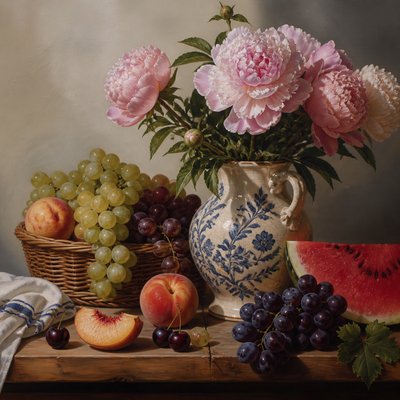
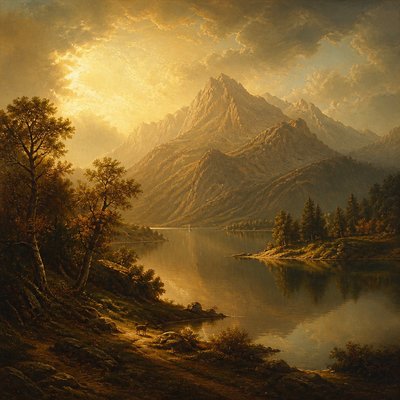
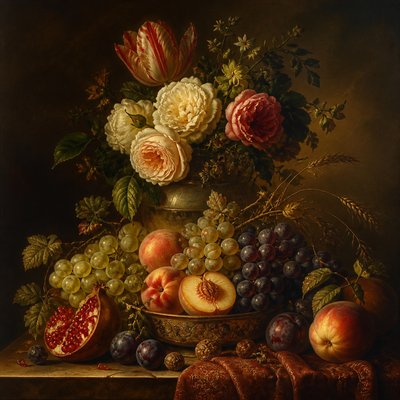
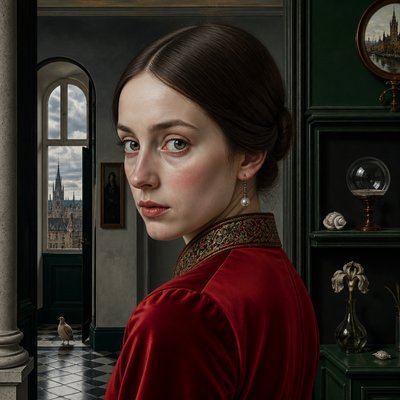
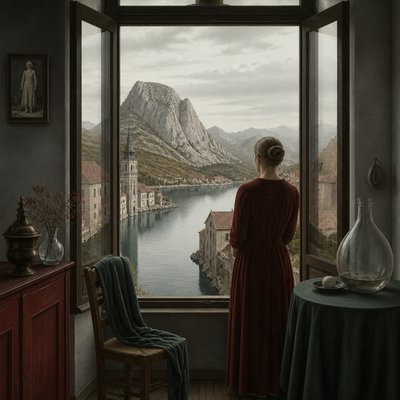
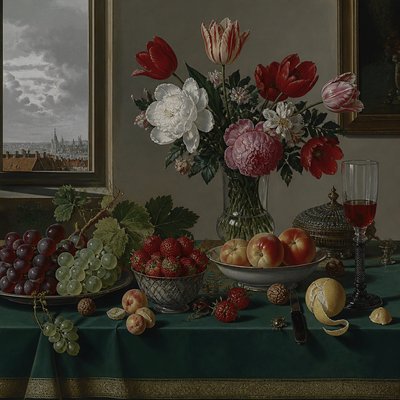
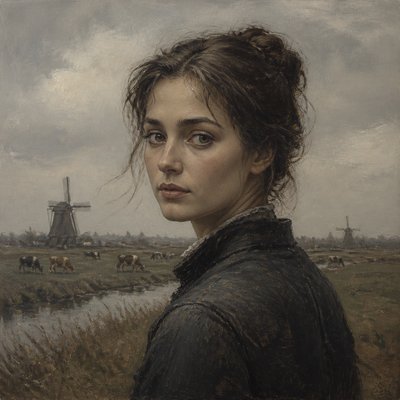
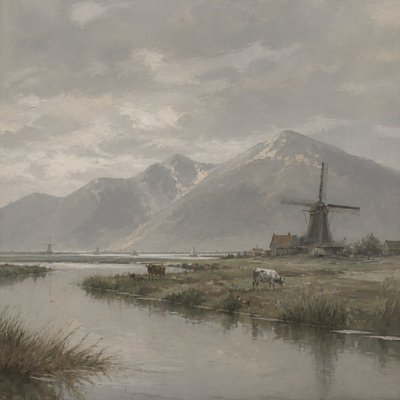
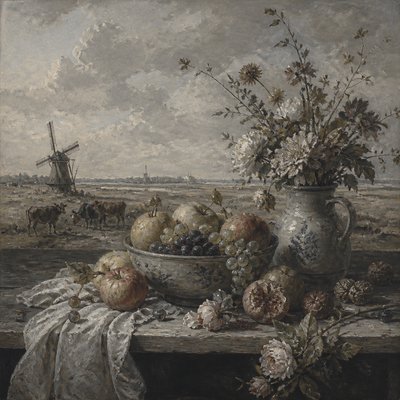
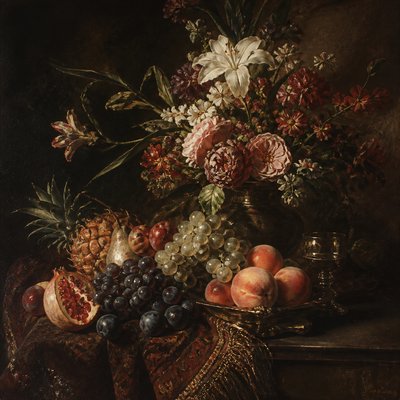
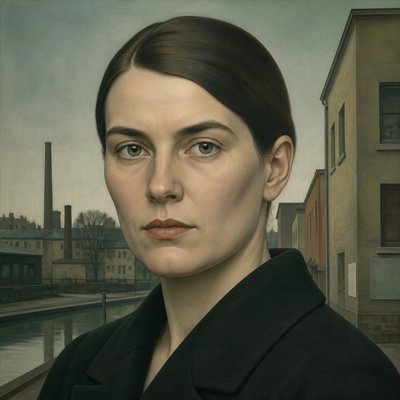
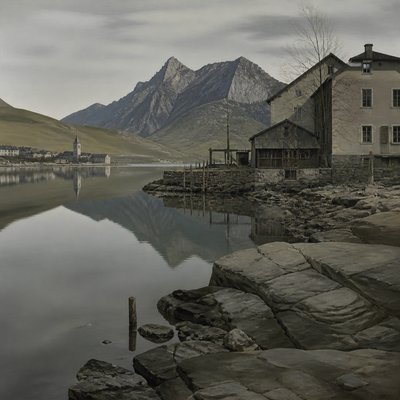
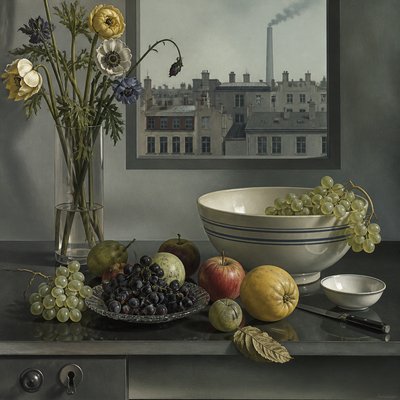
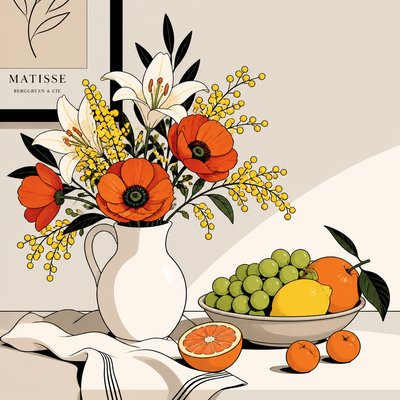
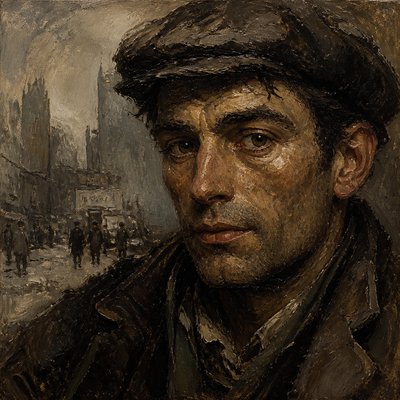
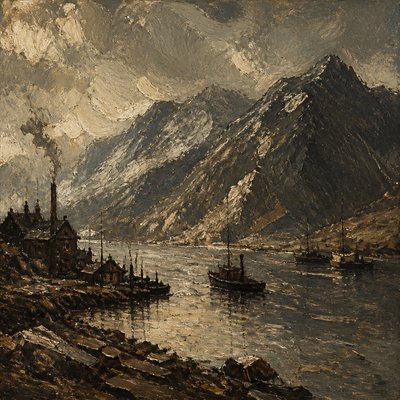
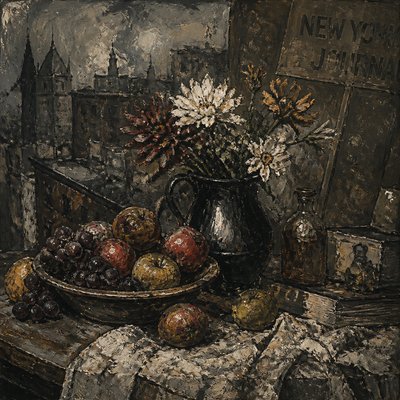
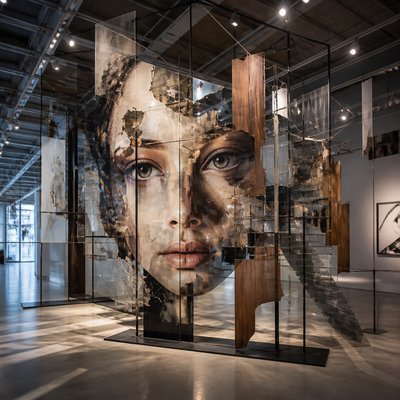
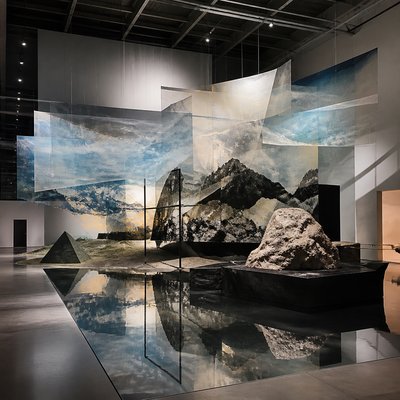
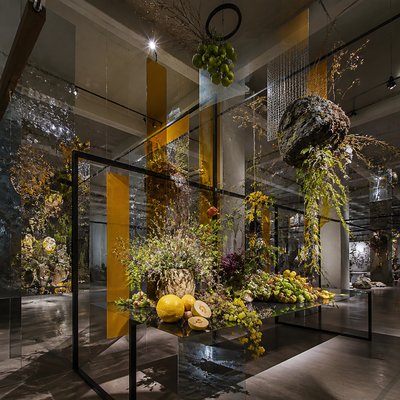
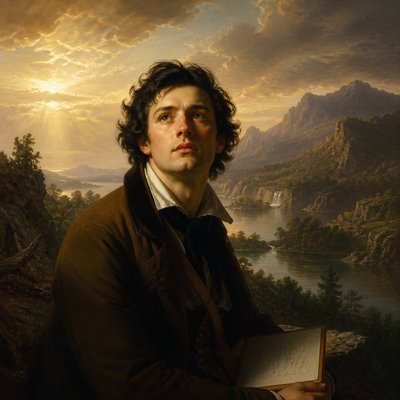
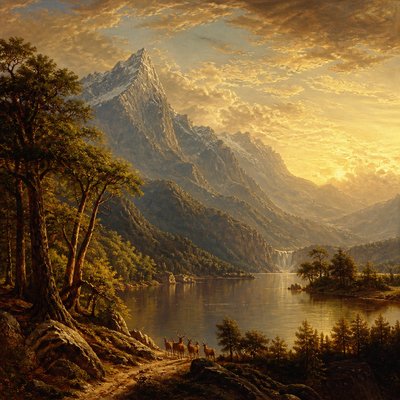
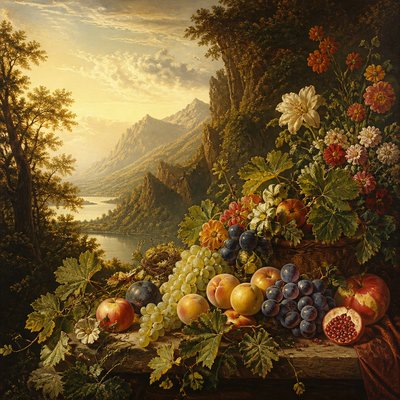
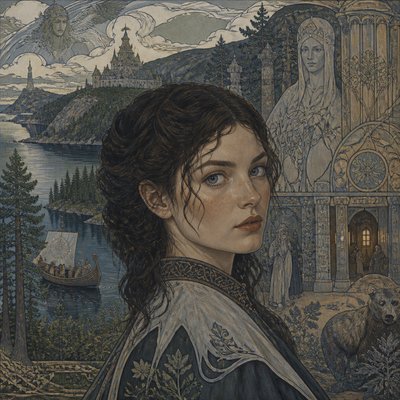
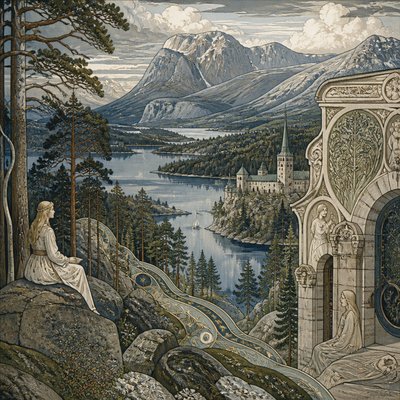
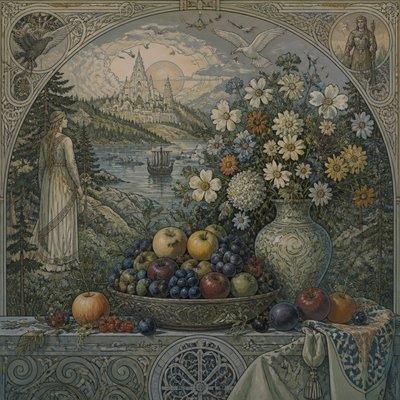
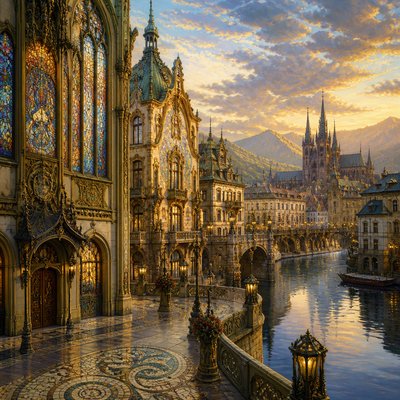
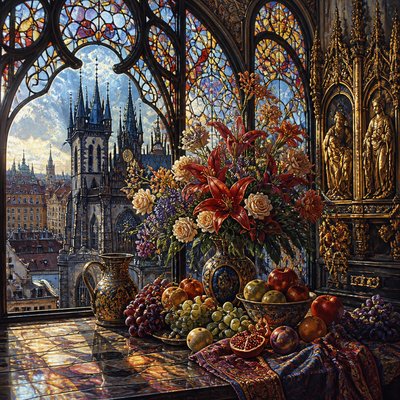
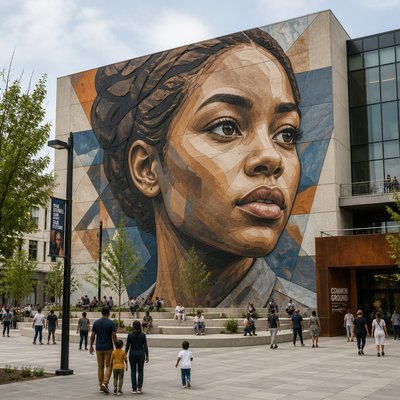
Photographic Realism Art Style
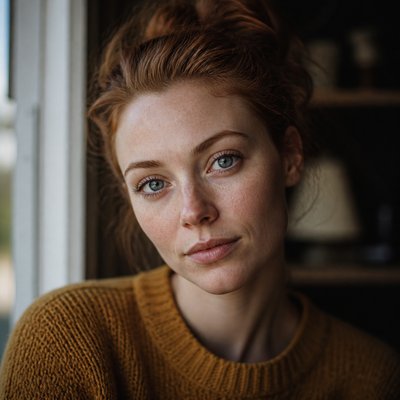
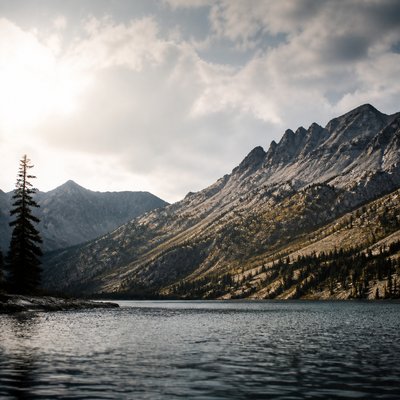
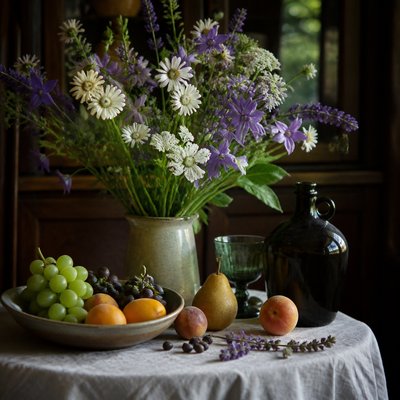
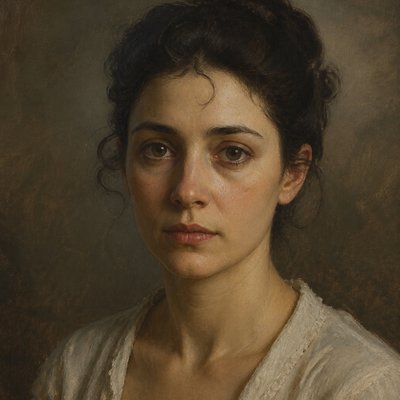
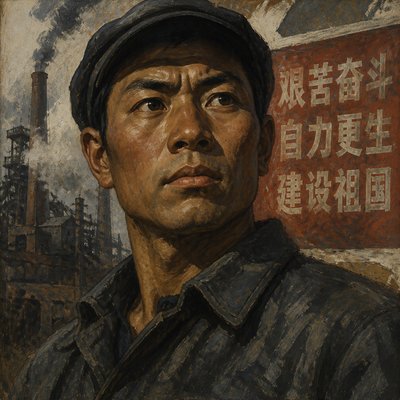
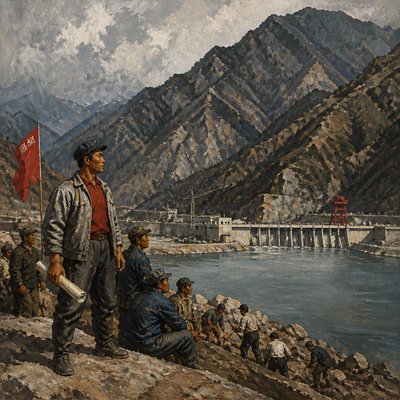
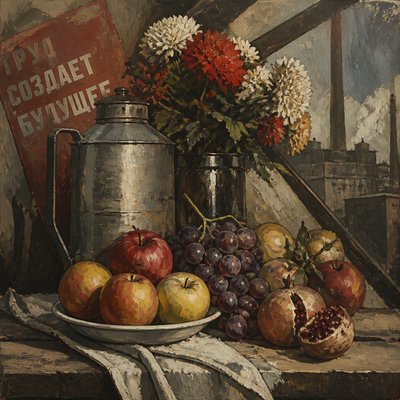
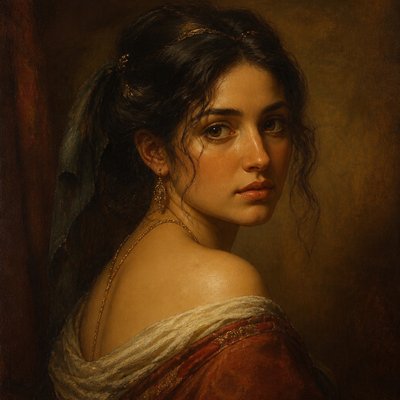
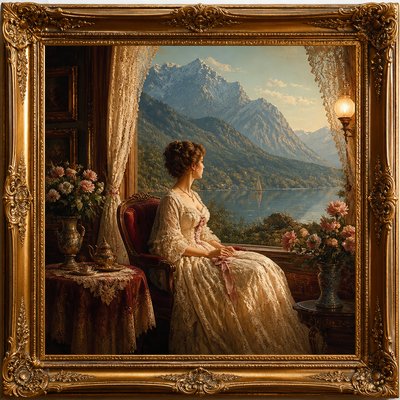
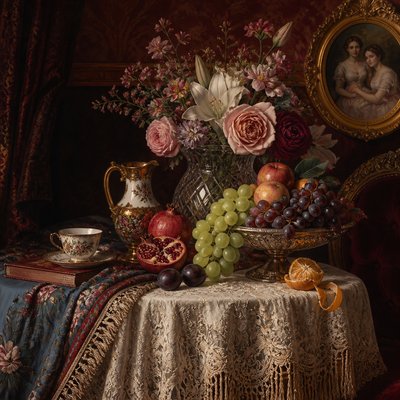
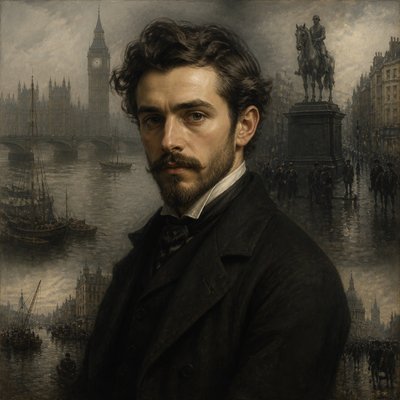
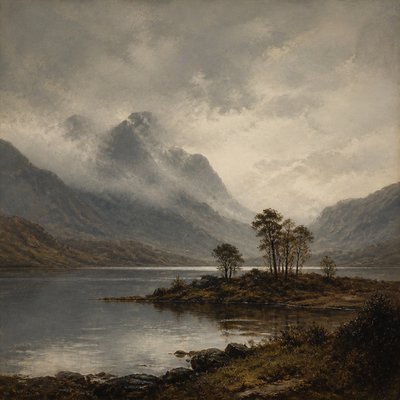
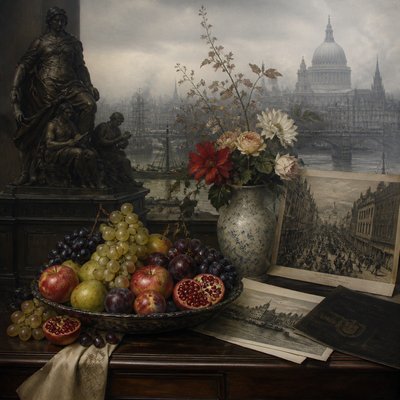
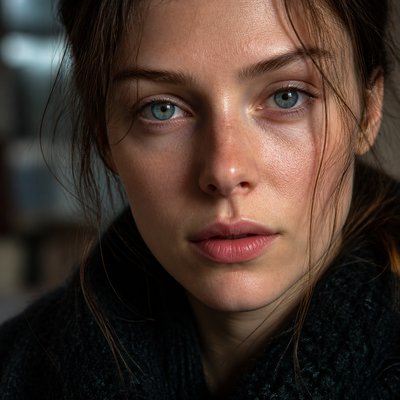
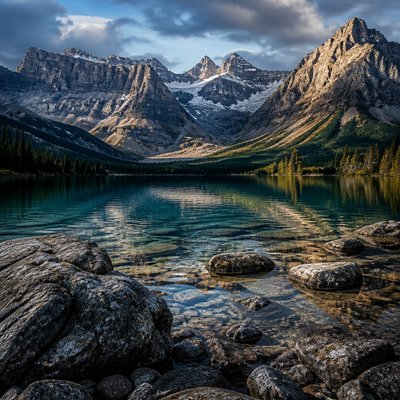
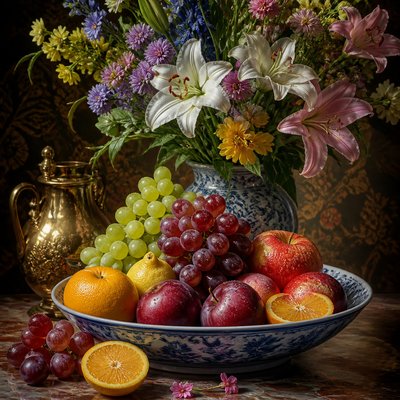
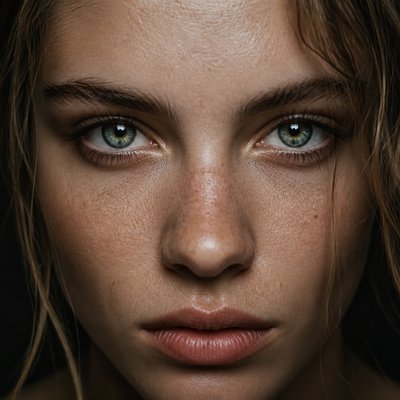
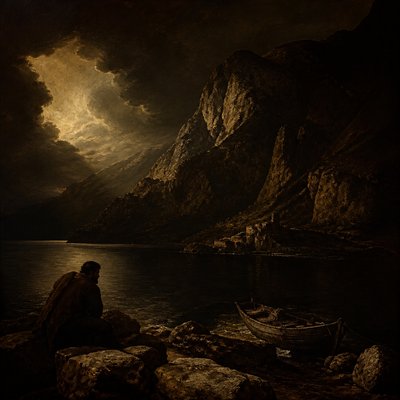
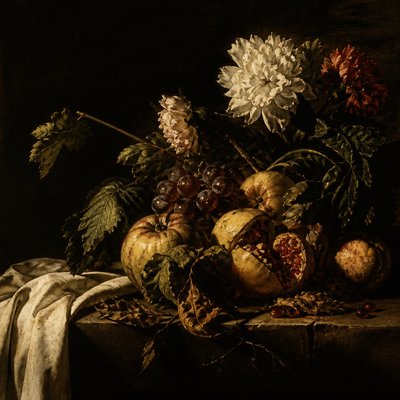
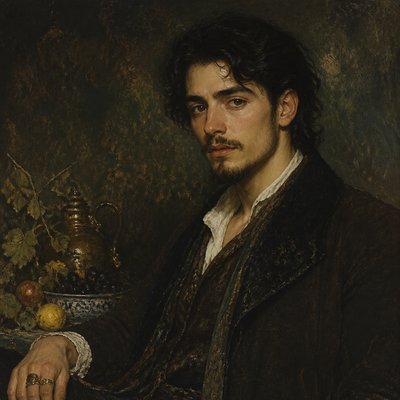
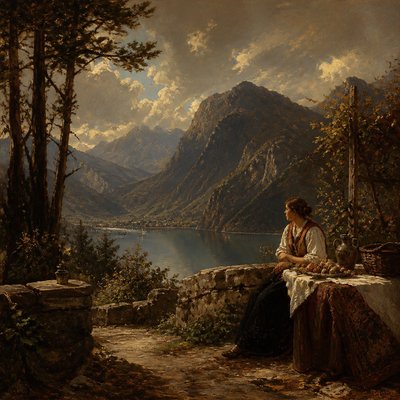
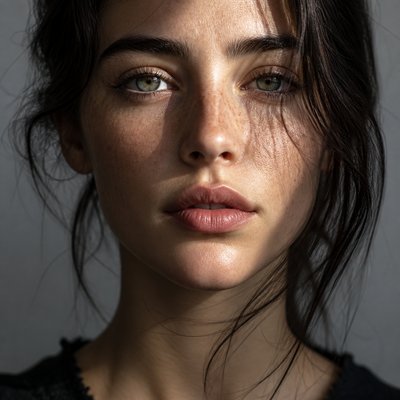
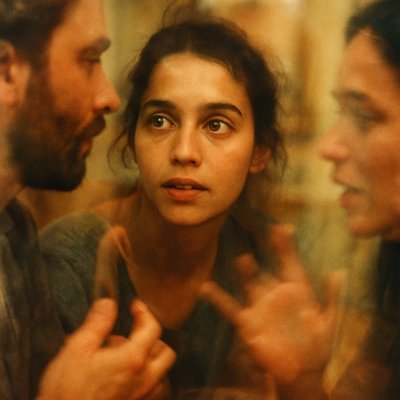
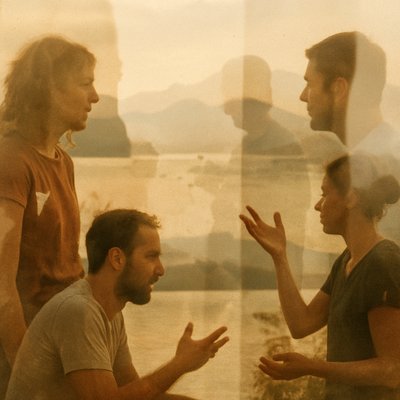
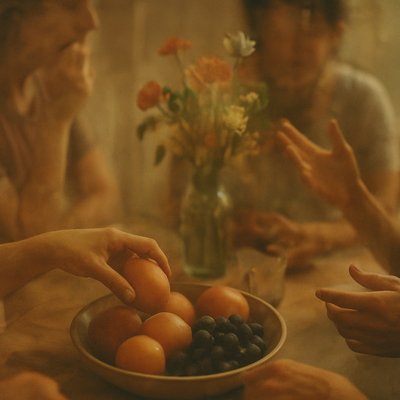
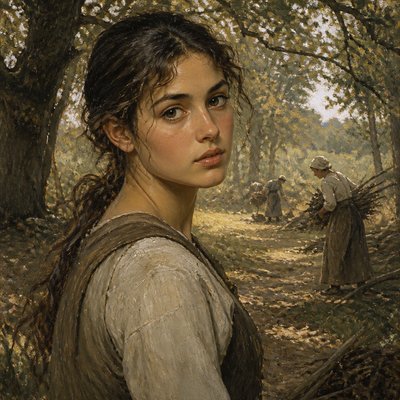
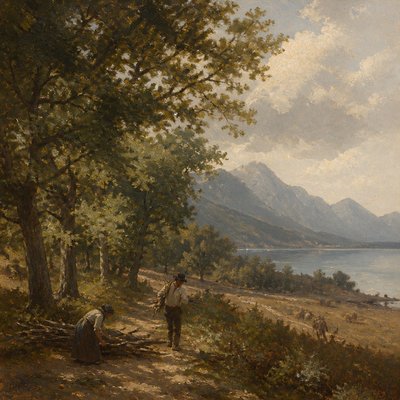
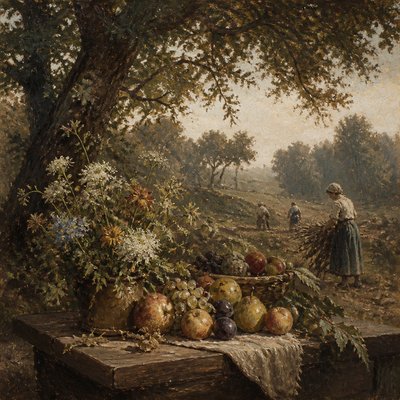
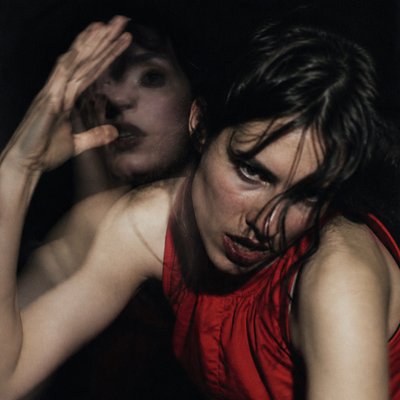
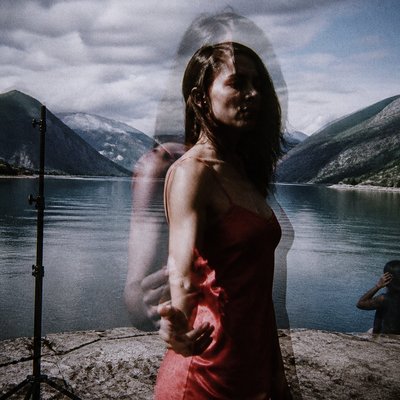
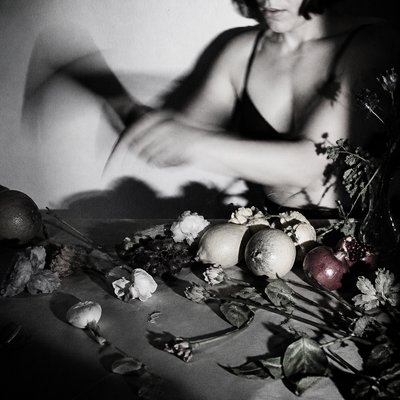
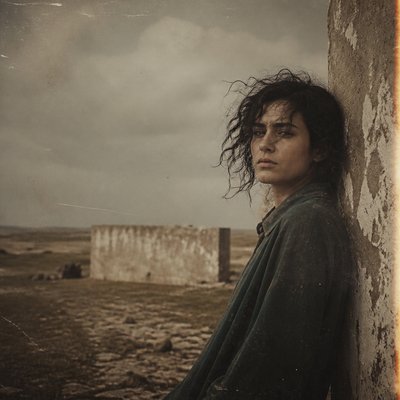
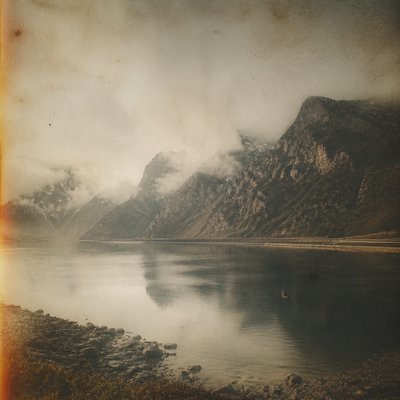
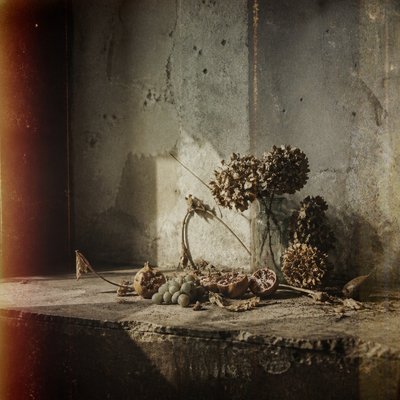
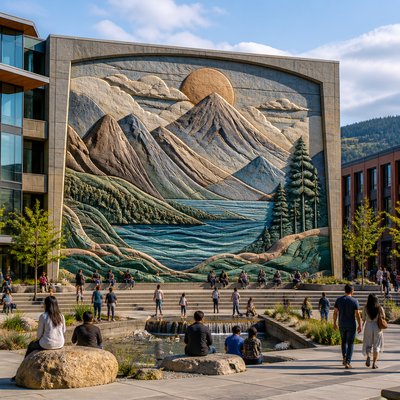
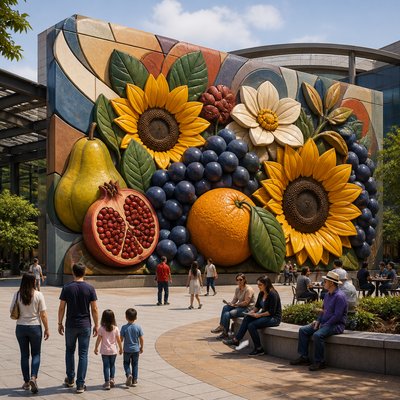
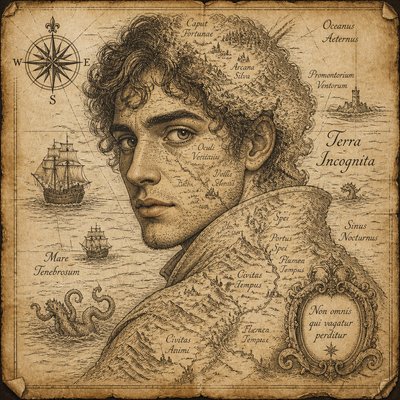
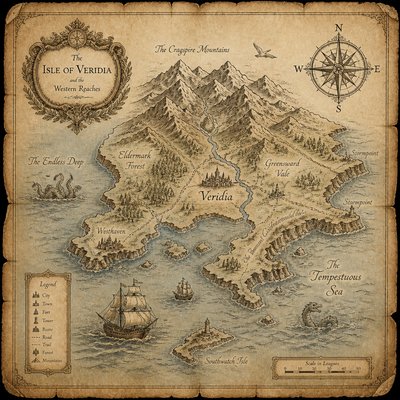
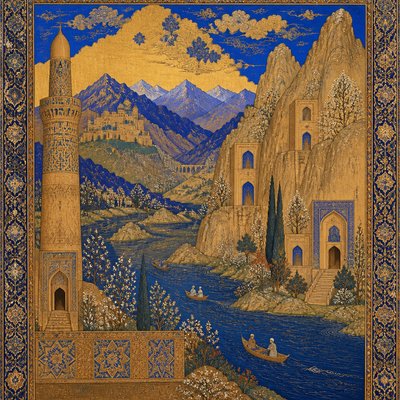
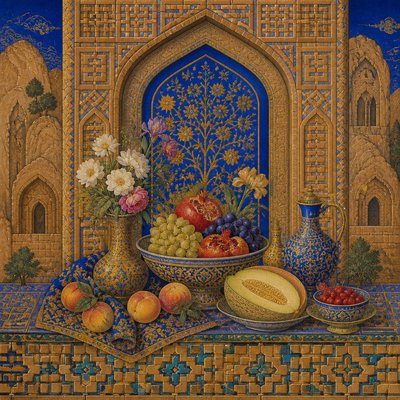
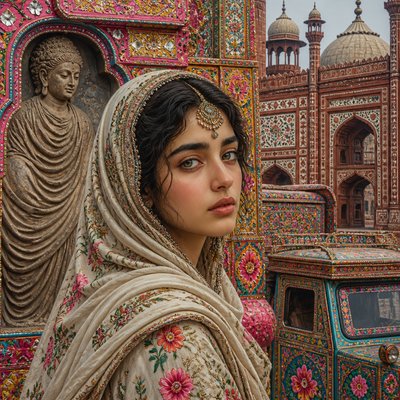
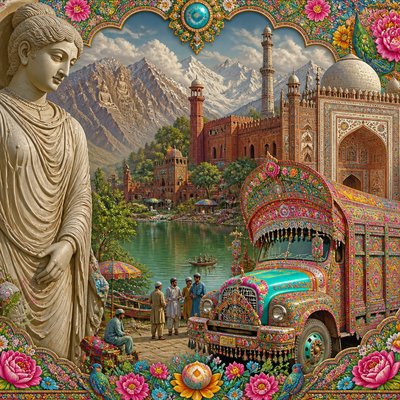
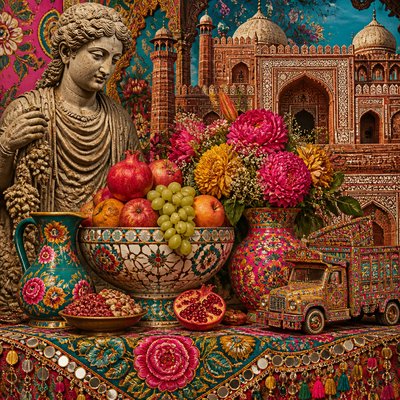
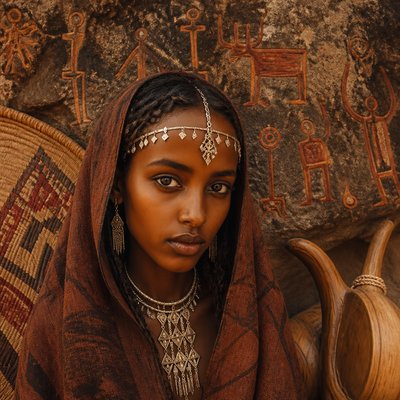
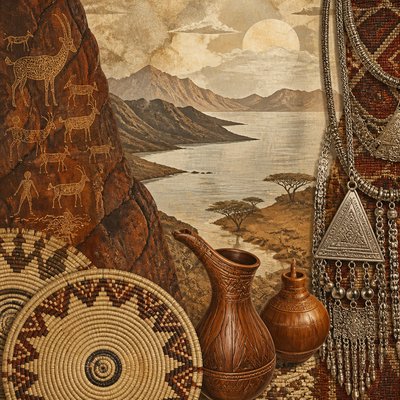
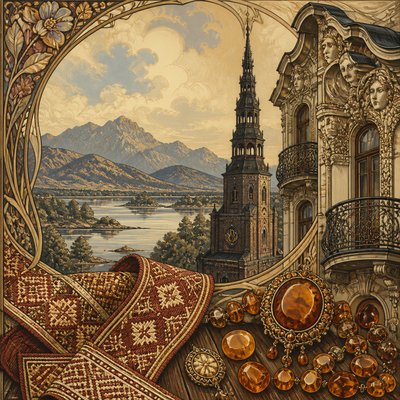
Photographic realism recreates camera vision in art: crisp focus, bokeh, lens effects, film-like tone, and natural color.
Instantly rendered in Photographic Realism — or transform a photo
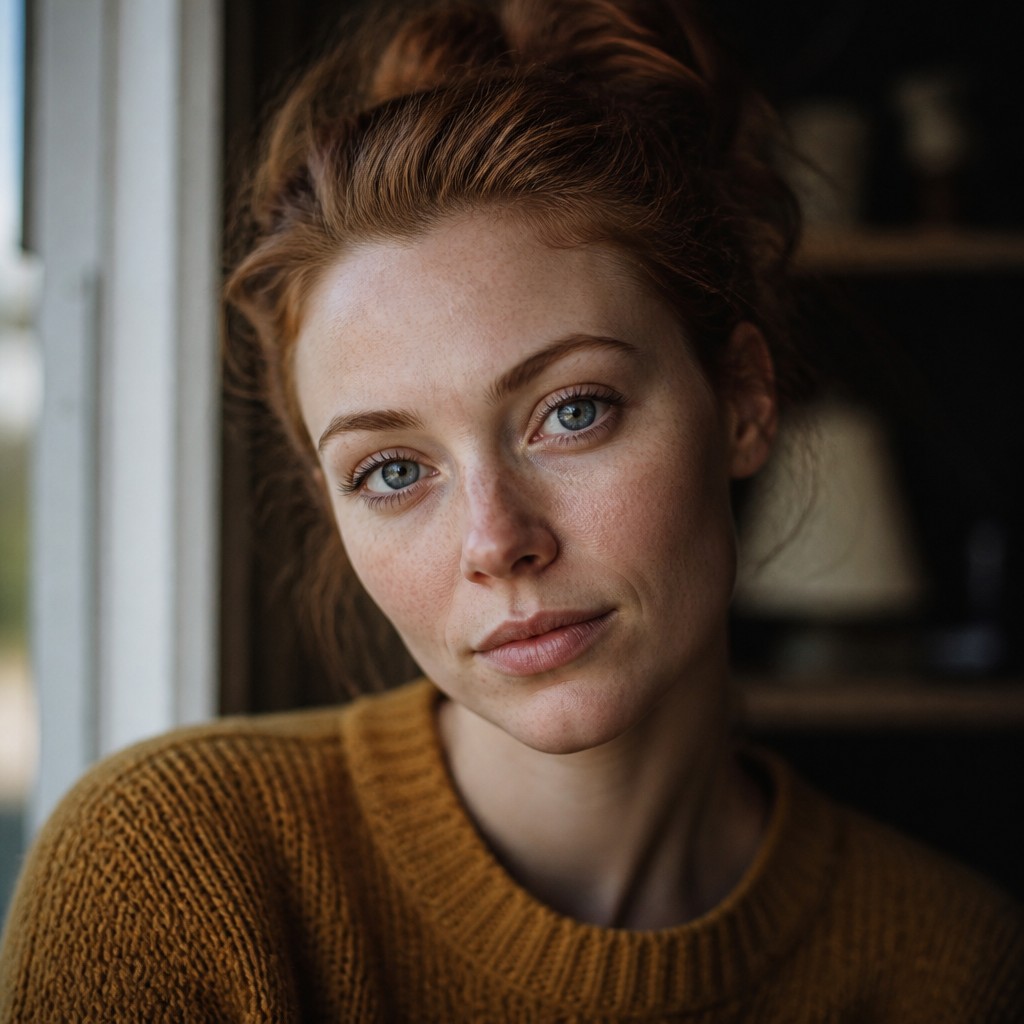
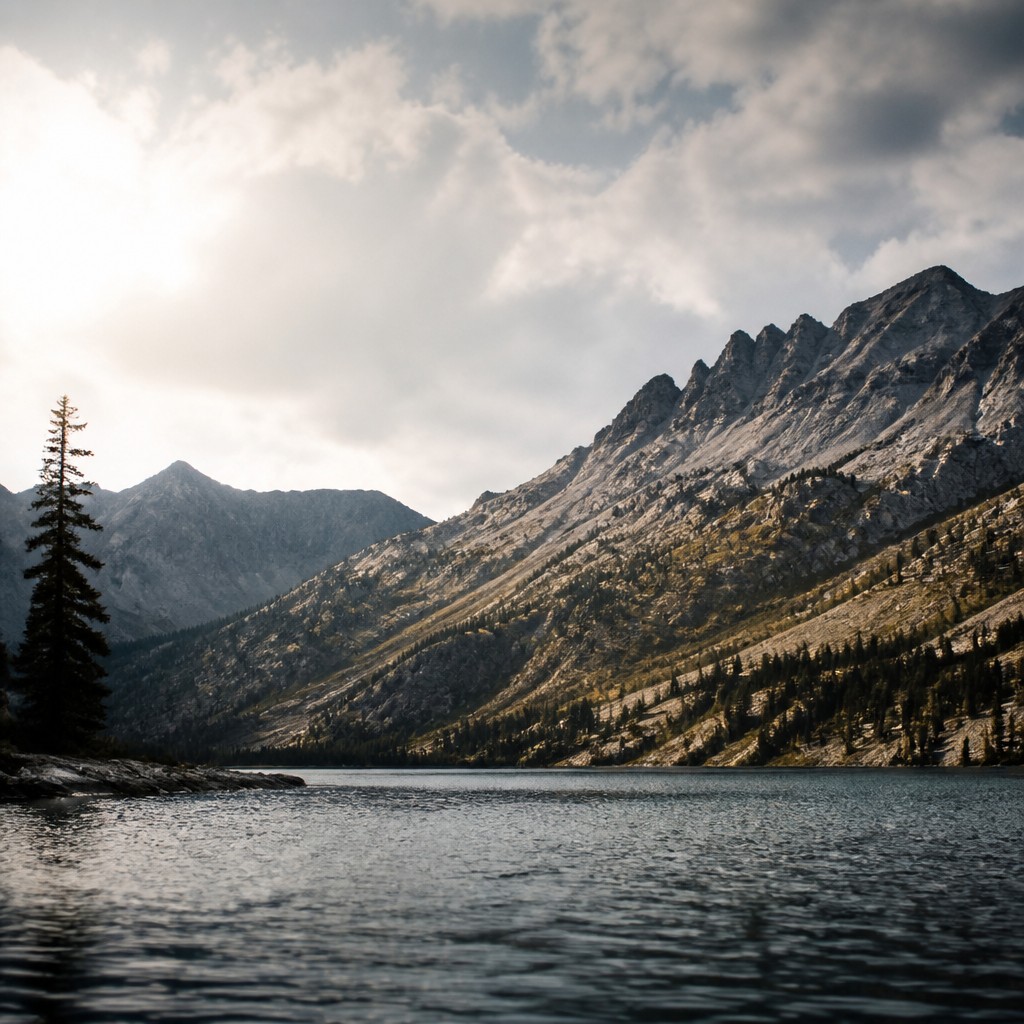
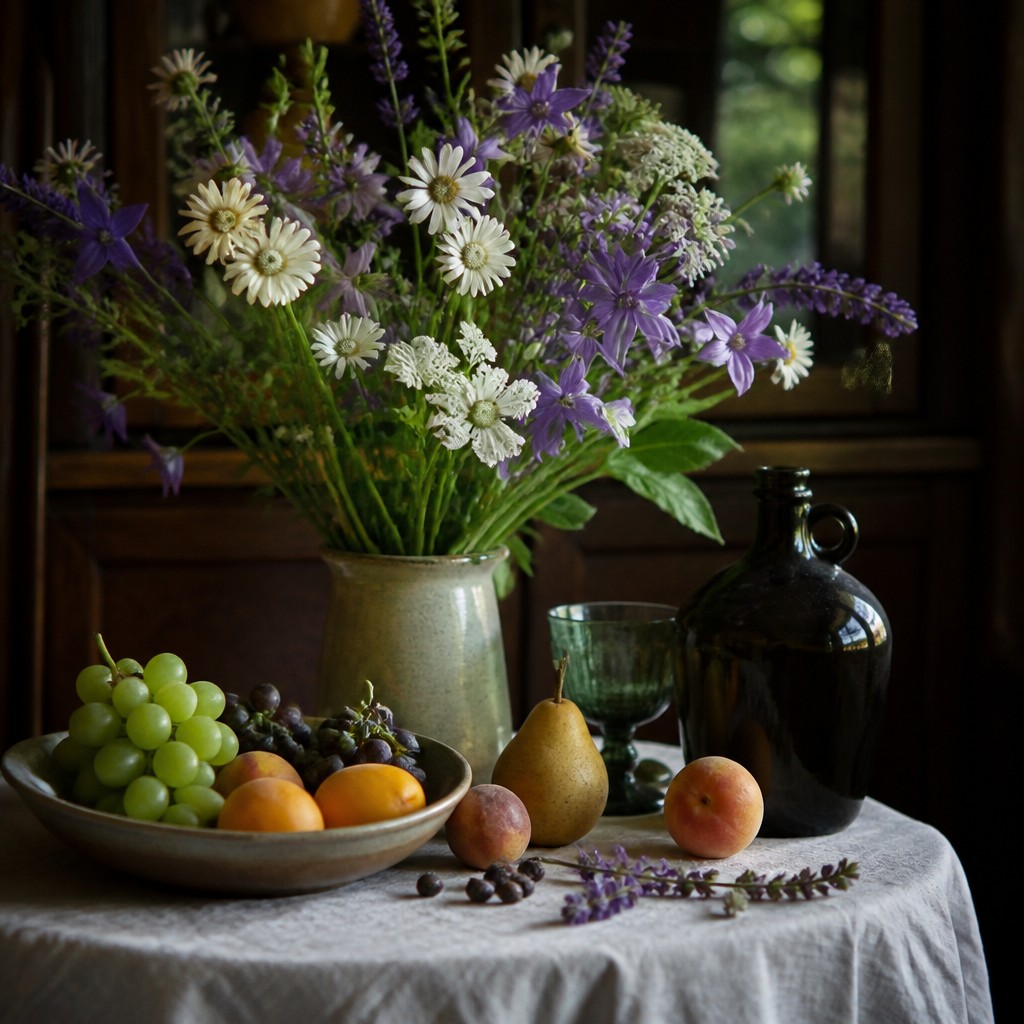
Photographic Realism Gallery
Tap any artwork to explore it

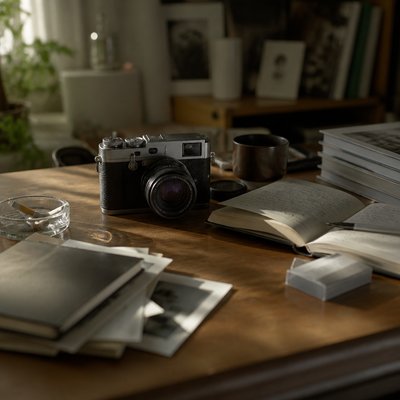
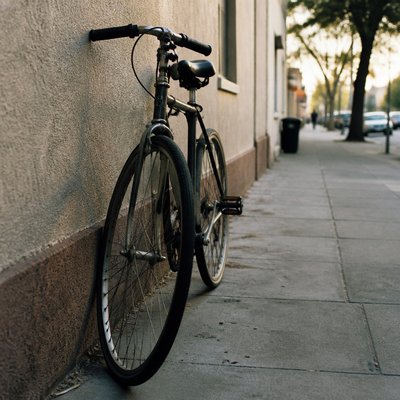
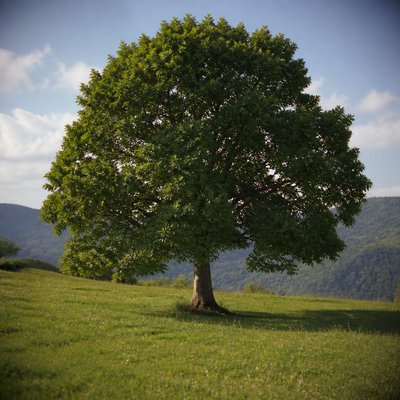
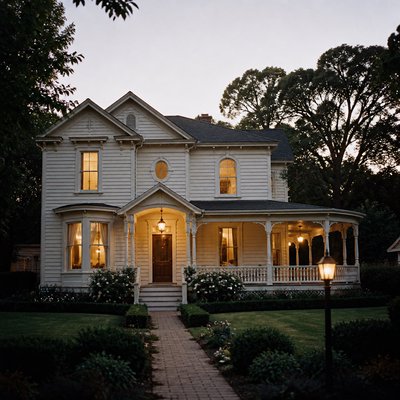
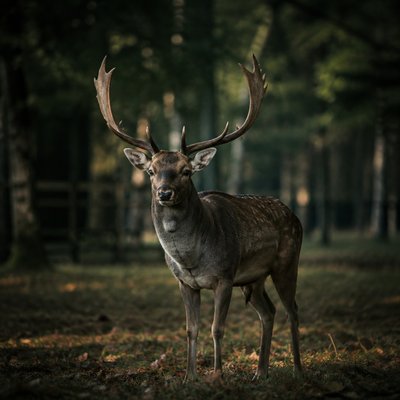
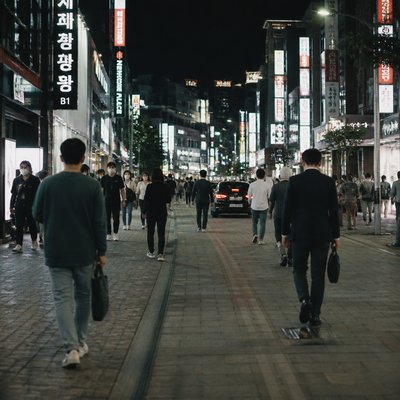
What is Photographic Realism Art Style?
Photographic realism is an art style that aims to reproduce the look of a photograph rather than simply depict a subject realistically. Its visual identity comes from the characteristics of camera optics and photographic capture: a sharp focal plane, gradual background blur, subtle lens distortion, grain, tonal roll-off, and the slight color behavior associated with film or digital sensors. The result is an image that feels mediated by a camera, even when the scene itself may be painted, drawn, or digitally constructed.
Unlike general realism, which can seek convincing anatomy, perspective, or material texture, photographic realism emphasizes the specific evidence of photographic seeing. Bright highlights may bloom softly, shadows often preserve detail, edges can show slight chromatic fringing, and the frame may darken imperceptibly at the corners. These traits make the image read as a photograph first and an artwork second, closely tying the style to the look of straight photography, commercial imaging, and hyper-observed contemporary realism.
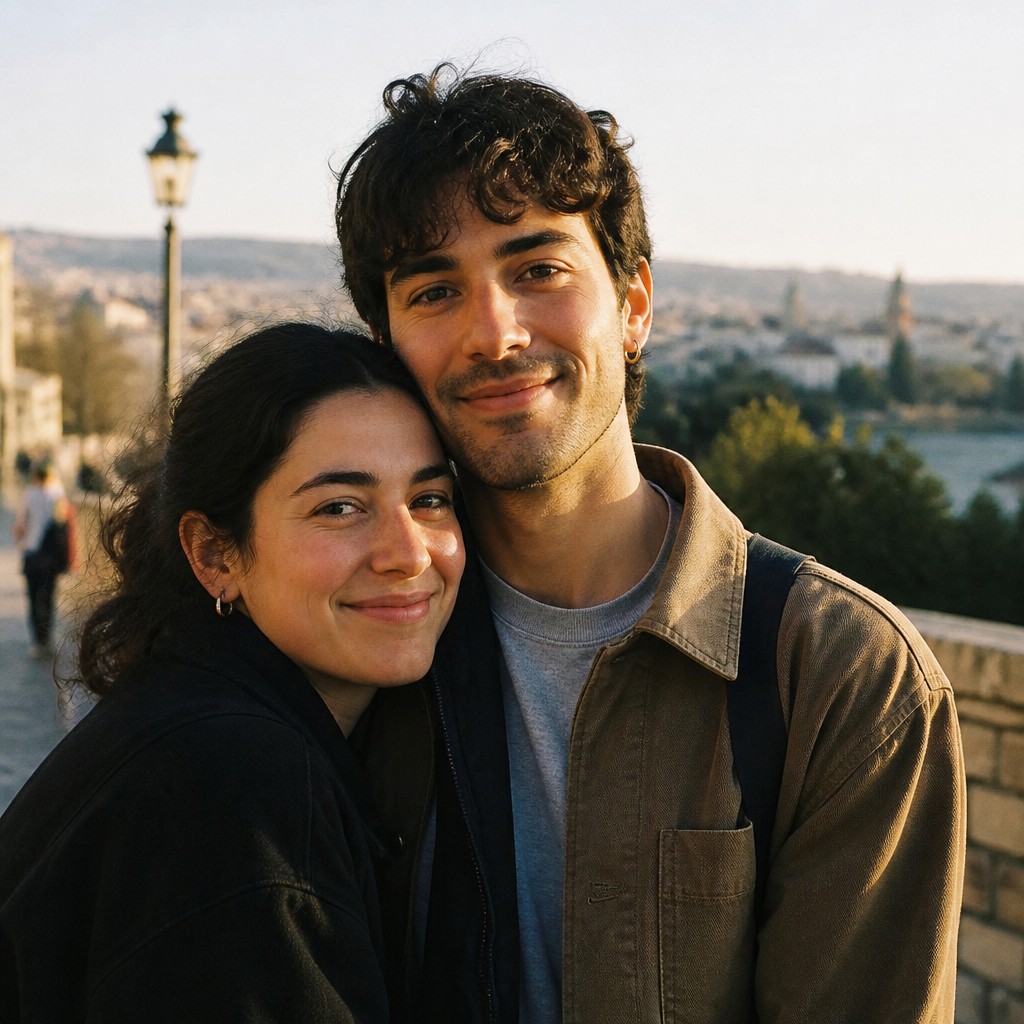
Try It On Your Photos
Upload any photo and convert it into Photographic Realism Art Style — drag the sliders to compare before and after.


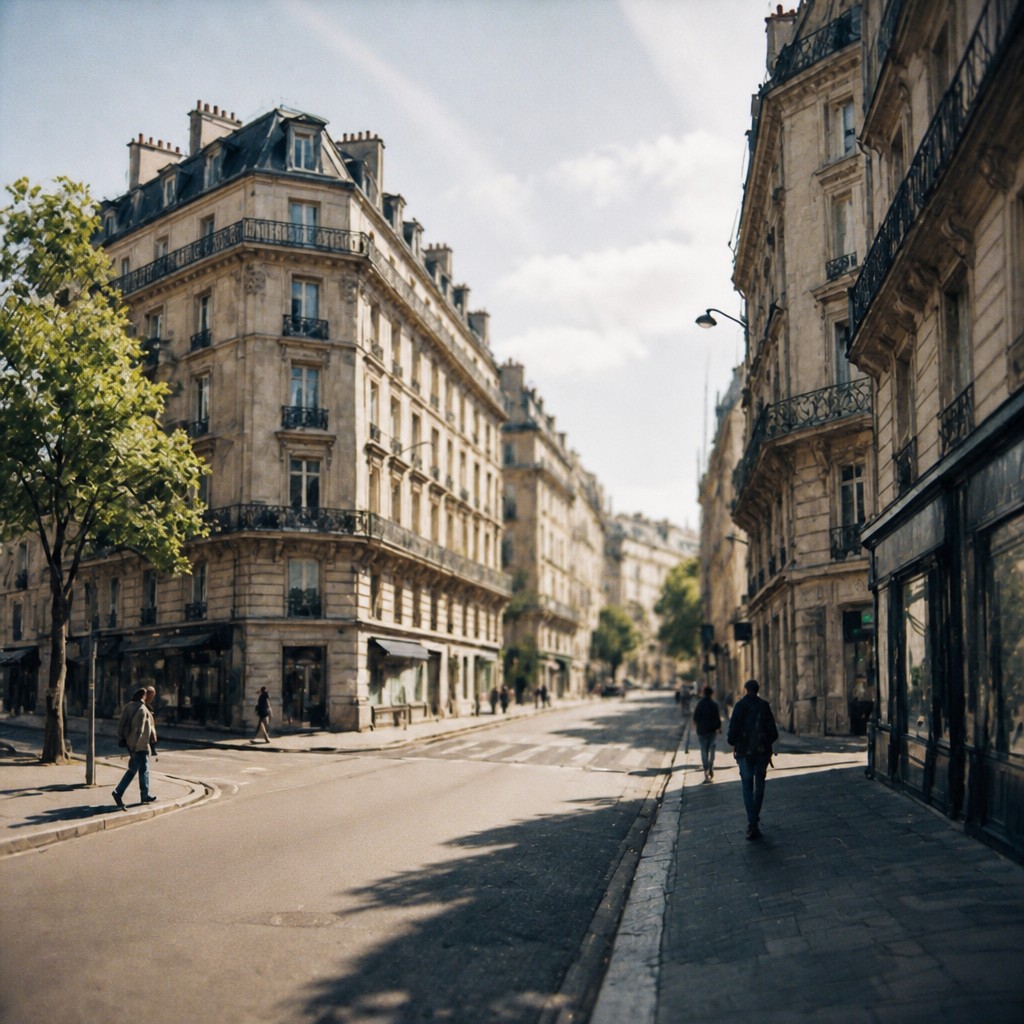

What Defines Photographic Realism Art Style
The signature details, up close
Crisp focal plane
One region of the image is rendered with exceptional sharpness, while surrounding areas soften naturally. This mimics the way lenses isolate subjects and create depth through focus falloff.
Smooth bokeh and depth of field
Background and foreground blur in a graduated, optical way rather than a painterly one. The blur often forms rounded highlights and a sense of shallow focus.
Lens artifacts
Subtle chromatic aberration, peripheral distortion, and faint vignetting help the image read as camera-made. These effects are usually restrained and believable rather than exaggerated.
Film-like tonal response
Highlights roll off gently instead of clipping harshly, and shadows retain detail. This produces a photographic rather than graphic or illustration-like tonal structure.
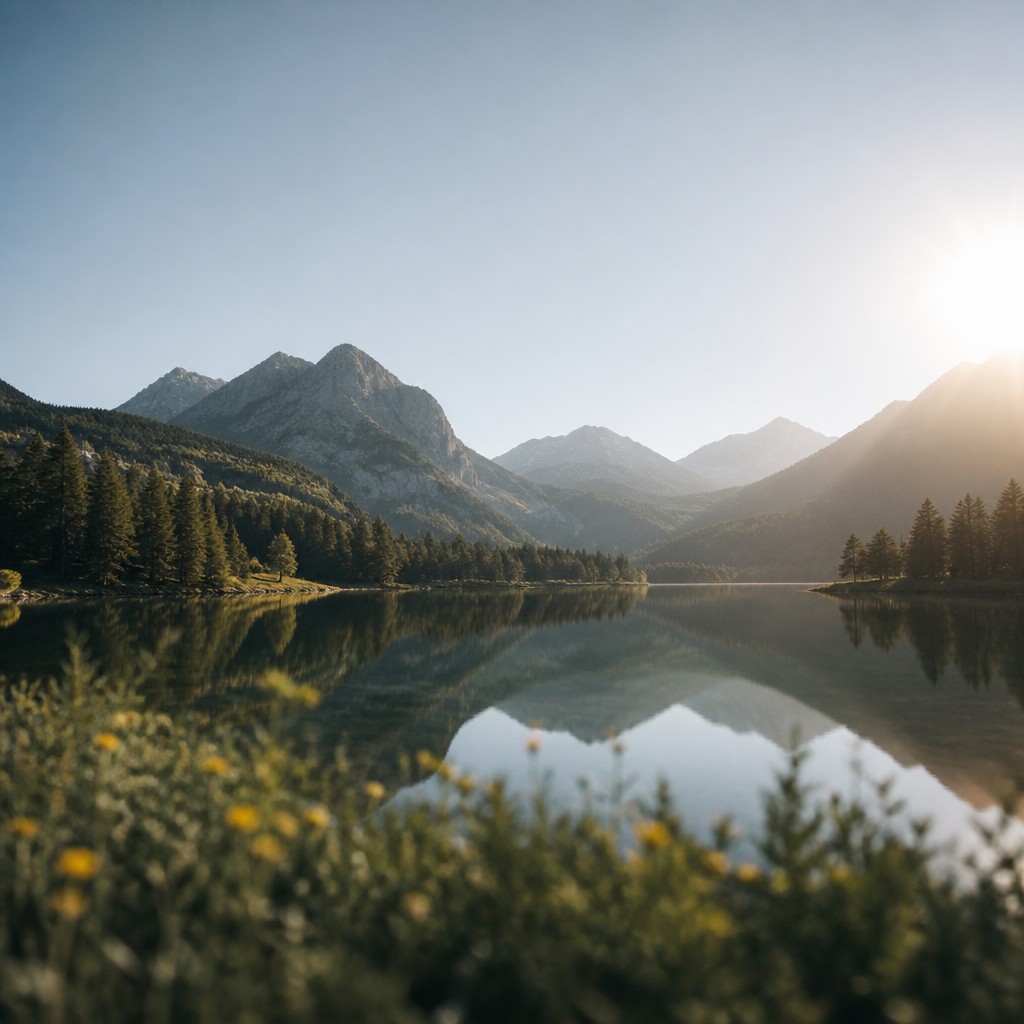
Natural color behavior
White balance, color casts, and saturation feel observational rather than idealized. Skin tones, skies, and reflective surfaces often carry the nuanced variations seen in real photographs.
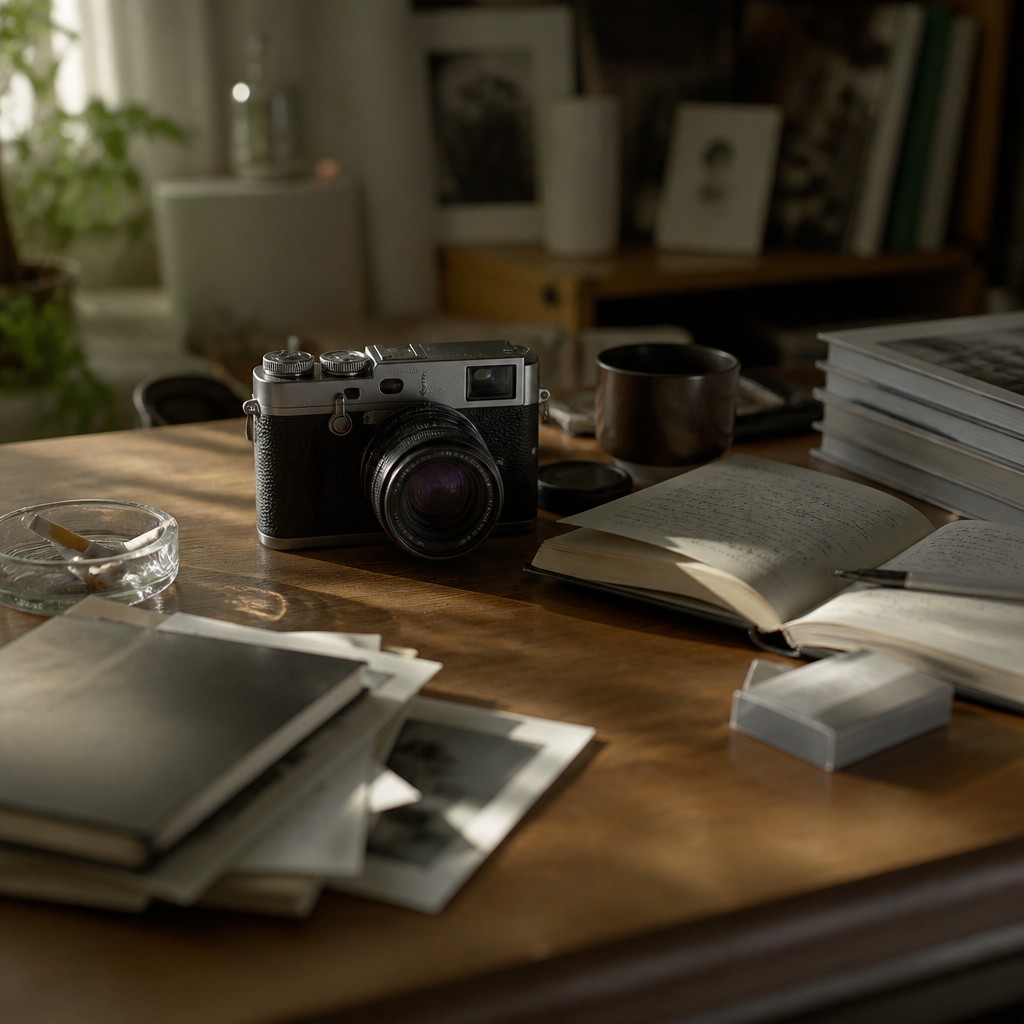
Fine grain or sensor texture
A delicate noise pattern gives the image the tactile surface of a photo print or digital capture. It helps prevent the image from looking overly smooth or digitally airbrushed.
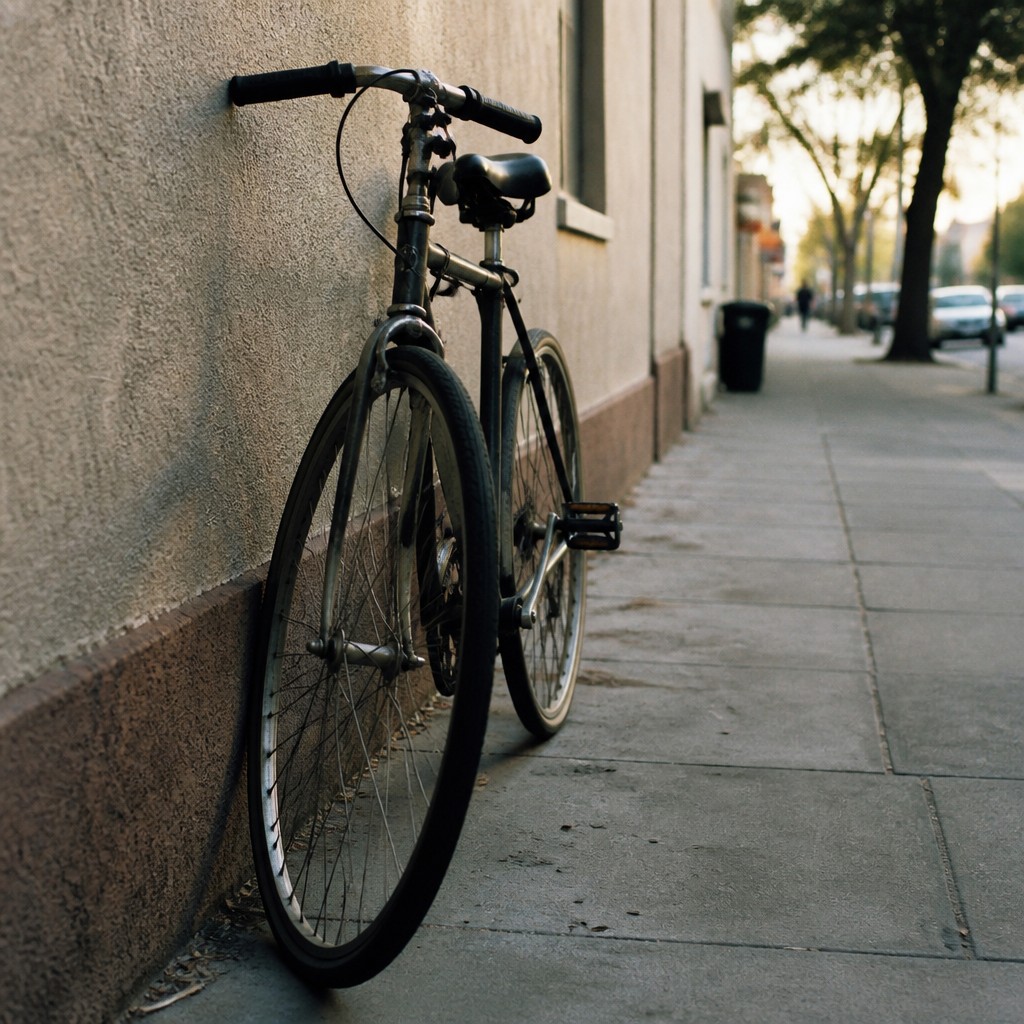
Straight-photography authenticity
The overall impression is of an unmanipulated camera image, even when the scene is constructed. Composition, exposure, and lighting tend to feel documentary or editorial rather than overtly illustrative.
Try It
Create Videos in Photographic Realism Art Style
Styles aren't just for stills — describe a scene or animate an image and get a short video rendered in Photographic Realism. Press play to see this pond come to life.
Make a VideoPhotographic Realism Prompt Ideas
Start from an idea — each one opens the generator with the style ready to go. See all 40 Photographic Realism prompts →
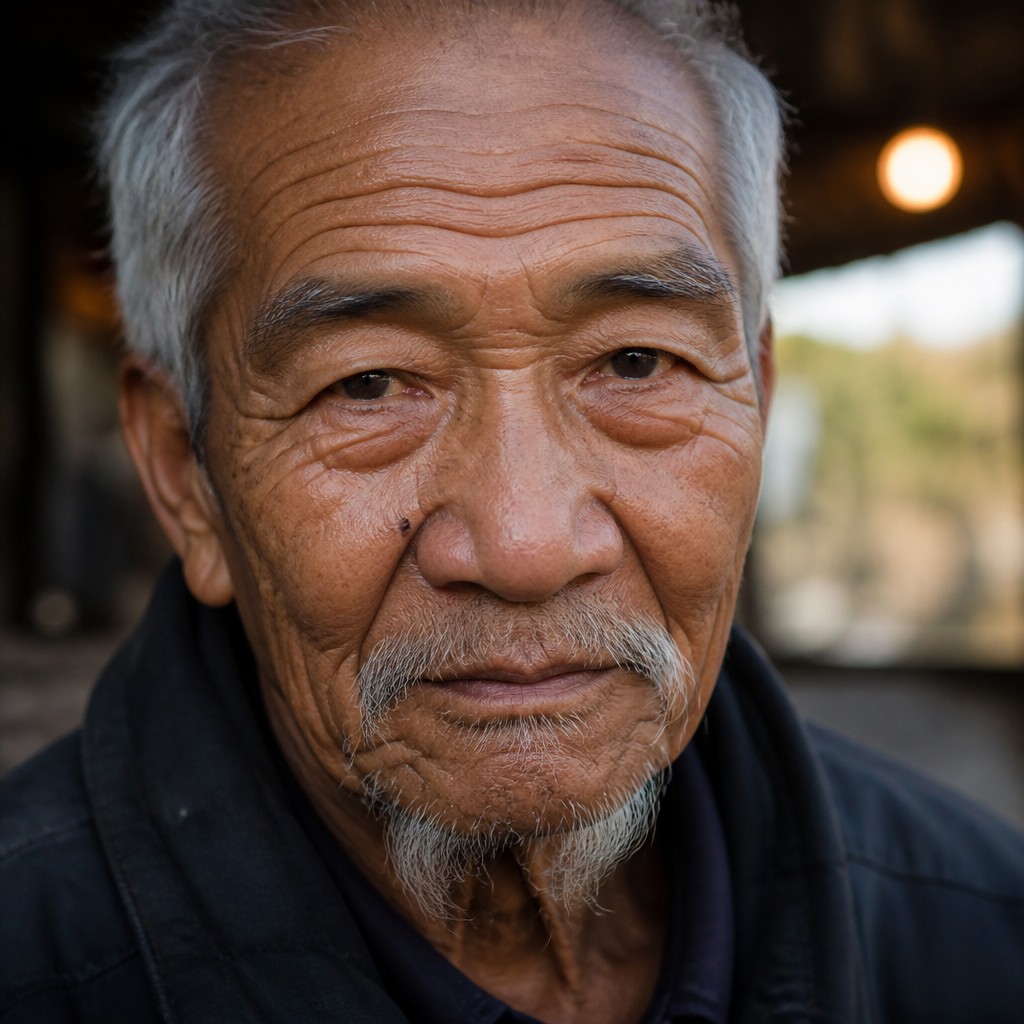
“close-up portrait of an elderly person with expressive weathered features”

“a cat lounging in a sunlit window”
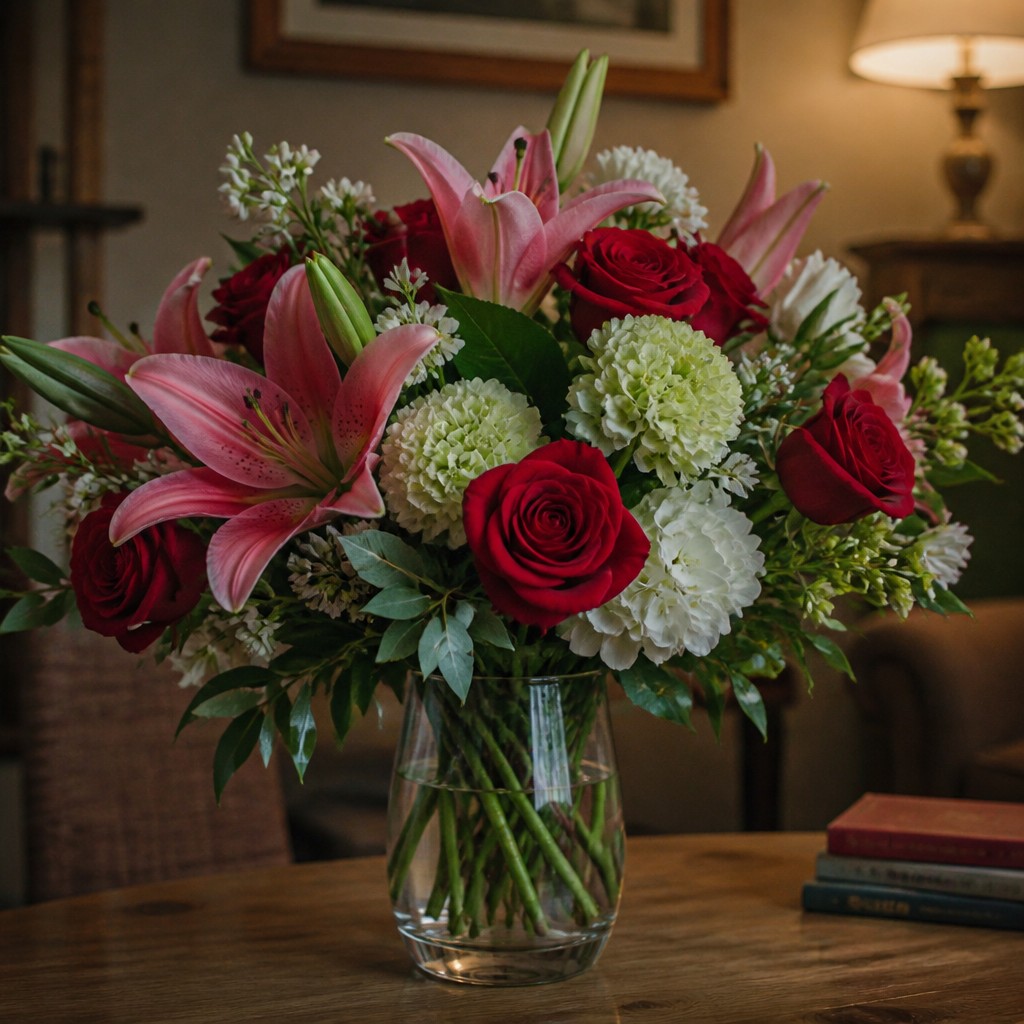
“bouquet of flowers in a glass vase”
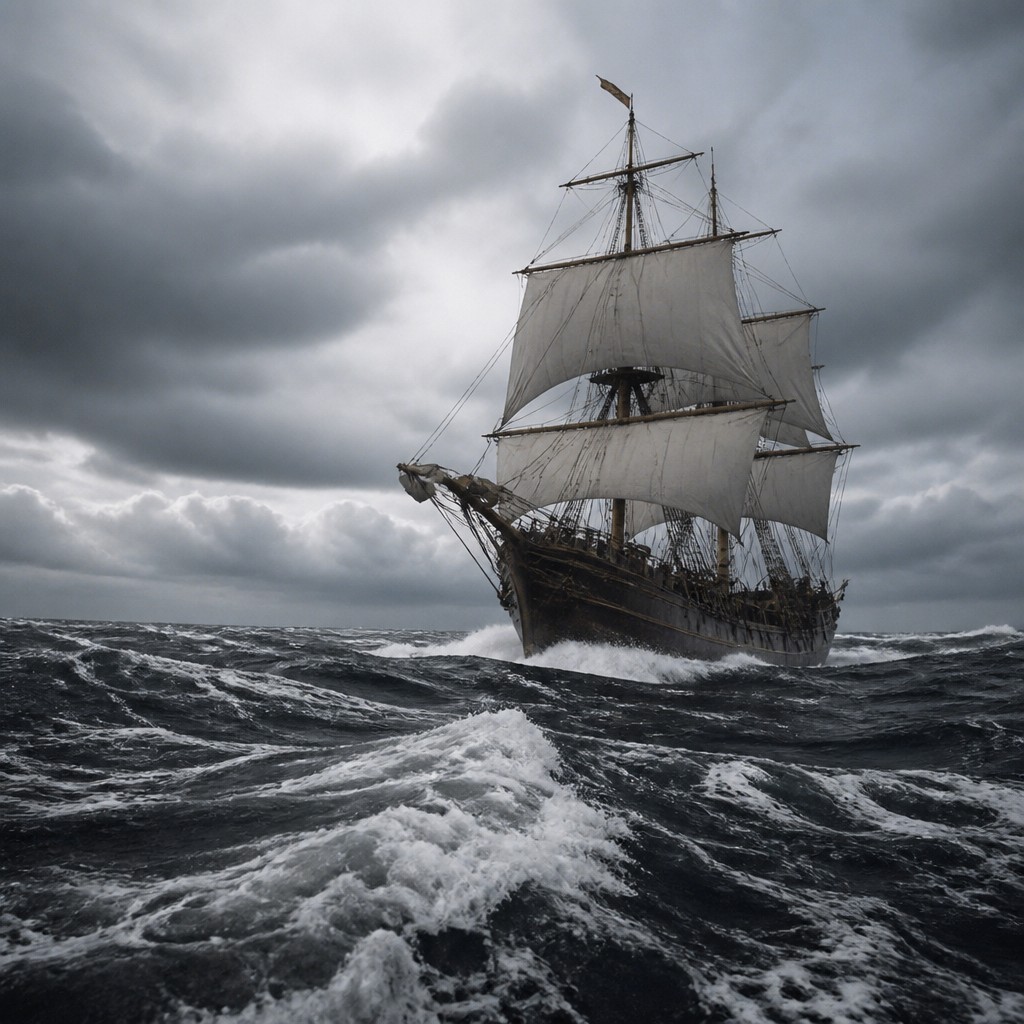
“sailing ship on a stormy sea”
How to Create Photographic Realism Art
Master the craft step by step — or skip straight to creating. Read the full guide →
- 1
Build the image around a believable camera viewpoint
Compose the scene as if it were framed by a real lens, with attention to perspective, crop, and subject distance. In painting or drawing, use reference photography and preserve optical quirks such as slight edge distortion and realistic focus behavior.
- 2
Control focus deliberately
Choose a clear focal subject and let surrounding areas soften naturally. Avoid uniform sharpness across the frame unless you are intentionally emulating a deep-focus lens or landscape photograph.
- 3
Match photographic lighting and color
Use lighting that behaves like actual exposure: soft source falloff, realistic reflections, and colors that shift with the environment. Keep white balance plausible and let highlights and shadows respond as they would in a camera capture.
- 4
Add restrained optical imperfections
Introduce only subtle lens artifacts such as halation around bright lights, faint grain, and slight chromatic fringing. These details should support realism, not read as stylization or glitch effects.
- 5
For digital work, simulate camera metadata and sensor logic
Use depth-of-field blur, tonal compression, and texture layers sparingly. If generating with text prompts, specify photographic optics, film-like tonal response, natural vignetting, and true camera authenticity rather than generic realism.
- 6
Reference real photographic genres
Study portraits, street photography, product photography, and editorial portraiture to understand how camera aesthetics differ by subject. The most convincing results borrow from recognizable photographic conventions instead of painterly dramatization.
The Story
History & Origins of Photographic Realism
Photographic realism emerges from the broader history of modern art’s engagement with photography. Since the 19th century, painters and draughtsmen have used photographs as reference, while some realist traditions consciously adopted photographic cropping, focus, and tonal effects. In the 20th century, photo-based realism and photorealism developed as artists translated the look of photographs into paint, often with exacting attention to reflections, depth of field, and lens-caused distortions. Artists commonly associated with photograph-informed realism include major hyperrealist painters and leading photo-based realist painters, though each approached the medium differently.
The style’s lineage also includes cinematic realism, documentary photography, and the visual habits of modern camera culture. As consumer photography, portrait studios, editorial imagery, and digital sensors normalized shallow focus, compression, and sensor grain, the photographic look became a recognizable aesthetic in its own right. Contemporary uses extend beyond painting into illustration and digital image-making, where artists deliberately emulate optical artifacts to make an image feel captured rather than invented.
Influences: Photographic realism is closely related to realism in painting, but its most direct influences come from photography, photo-based realism, and photorealism. Canonical figures such as major postwar hyperrealist painters and leading photo-based realist painters explored ways of translating photographic information into painted surfaces, while documentary and street photographers established many of the compositional and tonal conventions this style emulates. It also overlaps with cinematic naturalism and contemporary digital imaging, which have made lens blur, grain, and sensor color part of everyday visual literacy.
Frequently Asked Questions
What defines photographic realism art style?
It is defined by the attempt to reproduce the look of a real camera image, not just a believable subject. Depth of field, lens distortion, grain, tonal roll-off, and natural color behavior are central to the style. The image should feel as if it was captured by a camera rather than simply rendered by hand.
How is it different from photorealism?
Photorealism is a historical art movement, especially associated with painstaking painted depictions based on photographs. Photographic realism is a broader descriptive style that can include painting, digital art, or illustration, as long as the image intentionally resembles camera photography. In practice, photographic realism focuses more on optical and photographic effects than on manual illusion alone.
Is this the same as realism?
No. Realism can mean convincing depiction of people, objects, or scenes without necessarily looking photographic. Photographic realism specifically imitates camera vision, including focus behavior, exposure characteristics, and subtle lens artifacts. It is realism filtered through the aesthetics of photography.
What kinds of subjects work best in this style?
Portraits, street scenes, still lifes, landscapes, and everyday interiors all work well because they naturally benefit from photographic lighting and composition. Subjects with reflective surfaces, atmospheric depth, or strong subject-background separation are especially effective. However, almost any subject can be adapted if it is framed like a photograph.
How do I make an image look more photographic?
Use a clear focal subject, believable lighting, and a realistic camera perspective. Add subtle grain, natural blur, and slight edge effects such as vignetting or chromatic aberration. The key is restraint: the image should look captured, not decorated.
Where is photographic realism used?
It appears in painted portraiture, editorial illustration, advertising imagery, concept art, and digital art that wants a photographic finish. It is also common in contemporary image-making when artists want work to feel documentary, intimate, or observational. The style is especially useful when realism and camera authenticity are both important.

Create your first Photographic Realism artwork
Describe anything — or upload a photo — and see it in Photographic Realism Art Style in seconds.
Make Something with Photographic Realism
Compare Photographic Realism
Related Styles
Discover similar art styles