Photographic Realism vs Photorealism: What's the Difference?
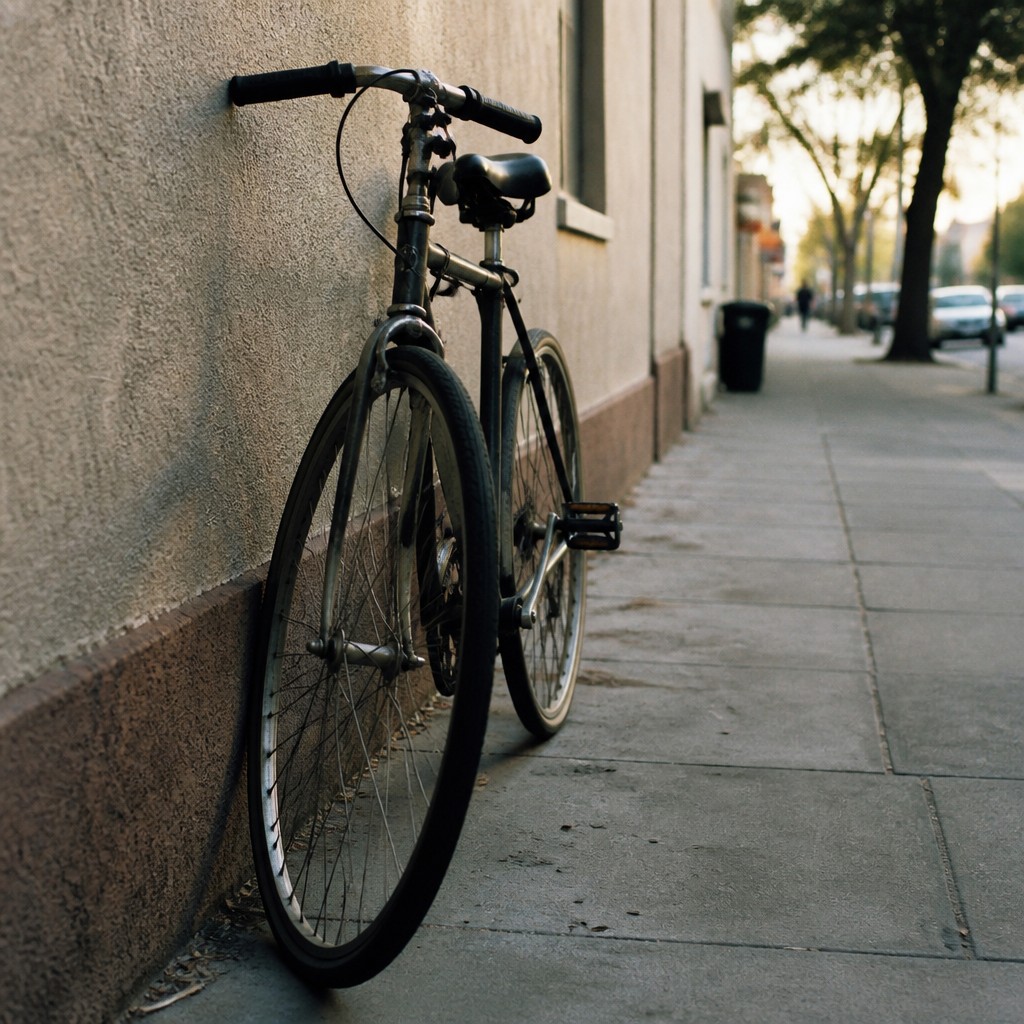
Photographic realism recreates the look and behavior of a camera in art. It often emphasizes crisp focus, shallow depth of field, bokeh, lens effects, film-like tonal shifts, and natural color relationships so the image feels like a convincing photograph.
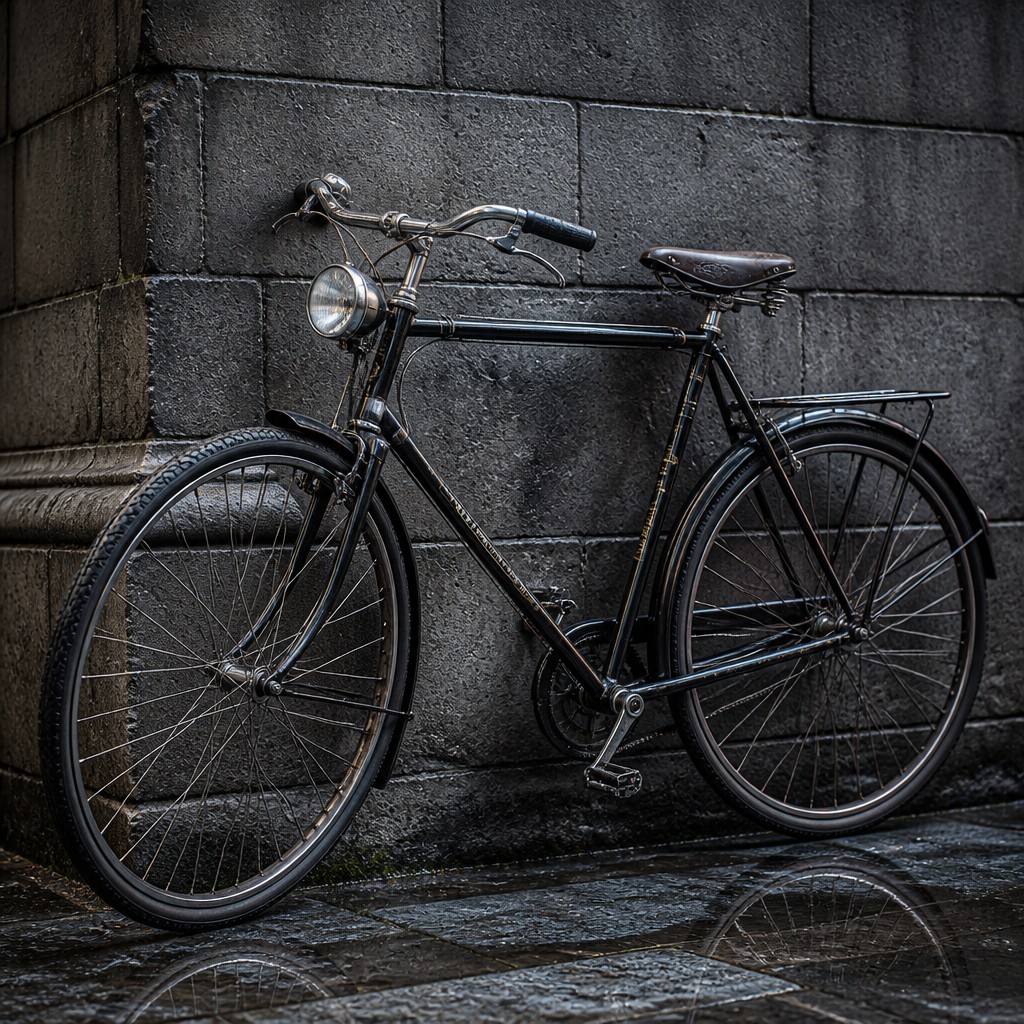
Photorealism aims for hyperreal precision, often surpassing a casual snapshot by rendering surfaces, reflections, edges, and textures with meticulous accuracy. People compare the two because both can look photo-based at a glance, but photographic realism focuses on the experience of photography while photorealism focuses on exacting visual truth and detail.
Same Prompt, Both Styles
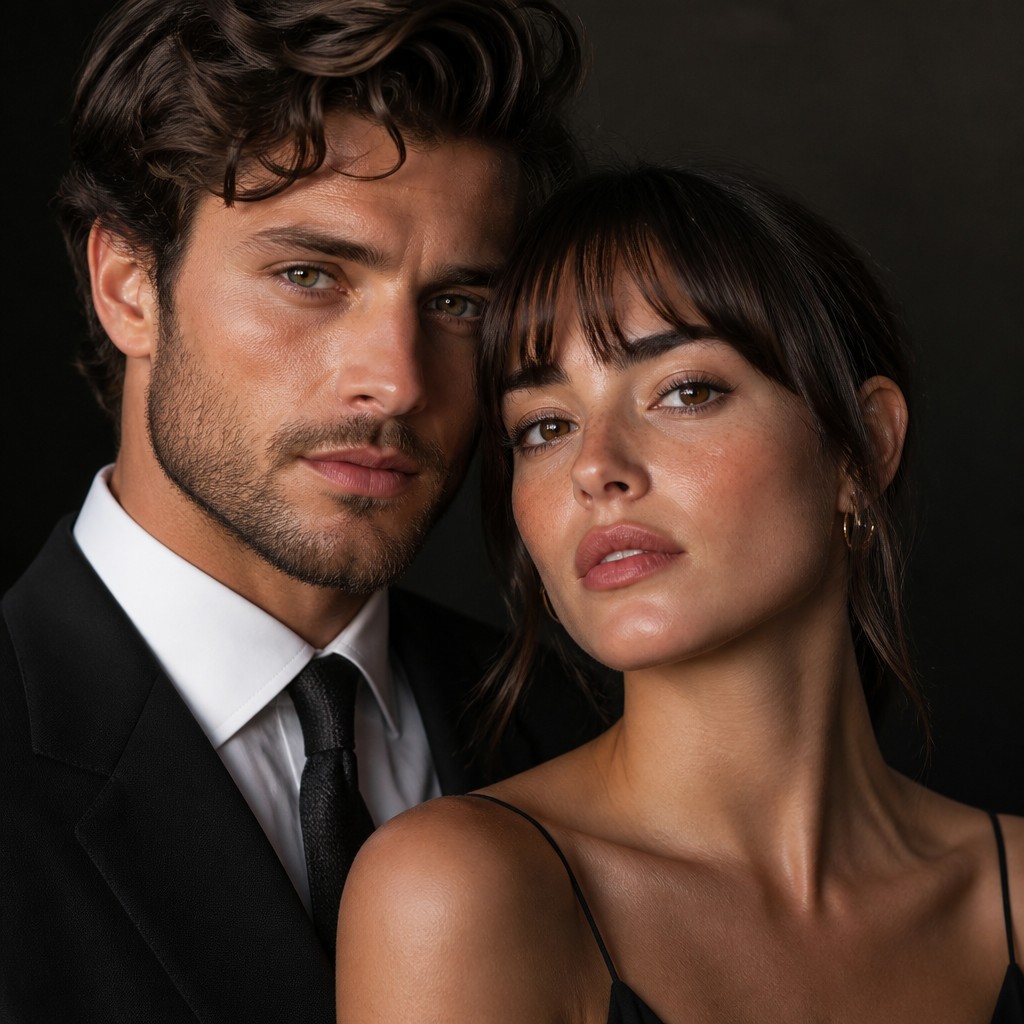
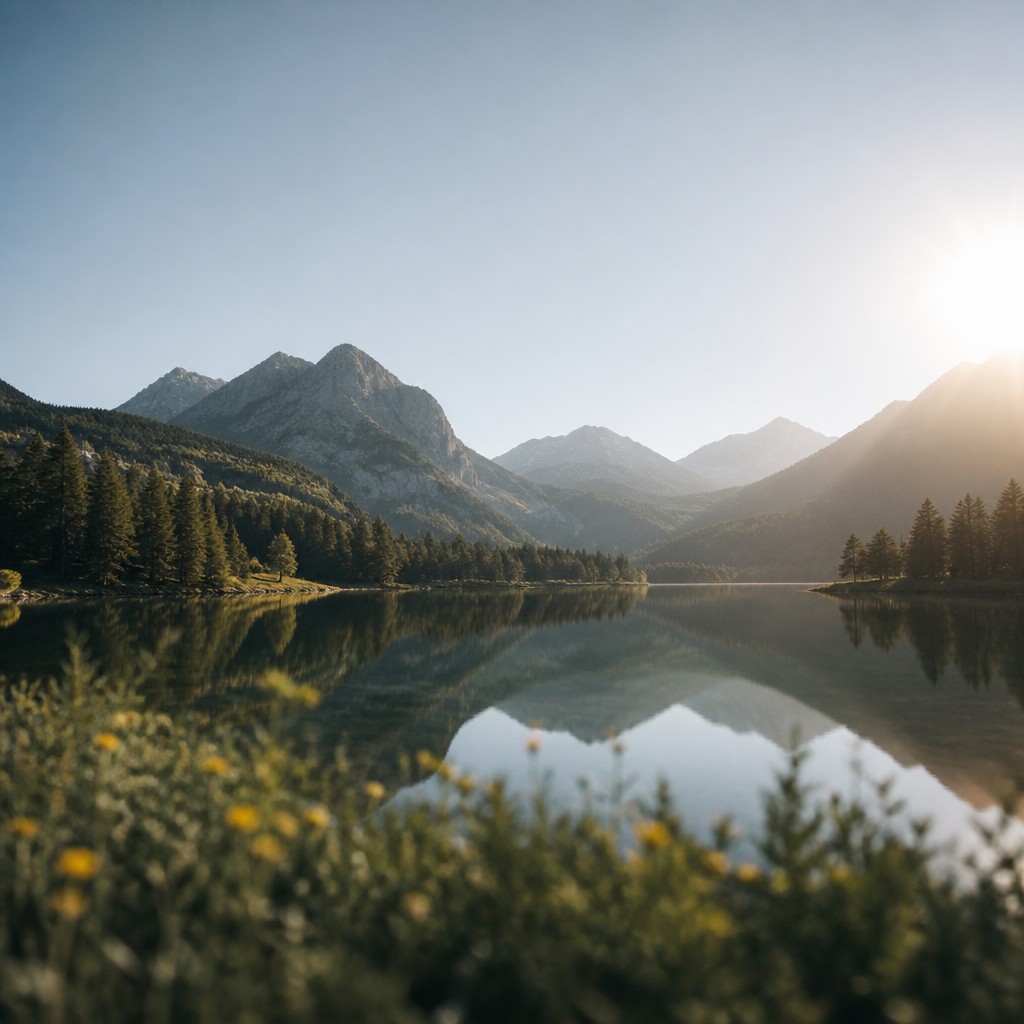
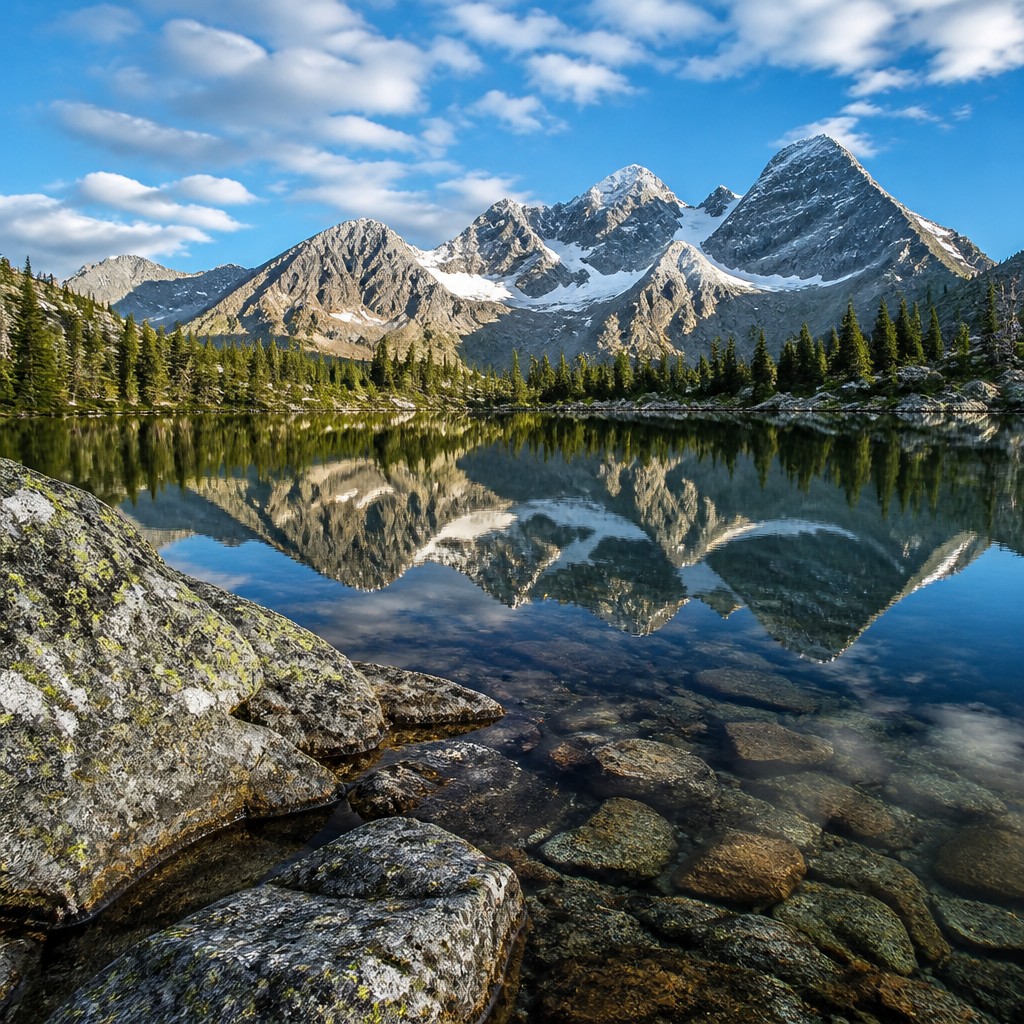
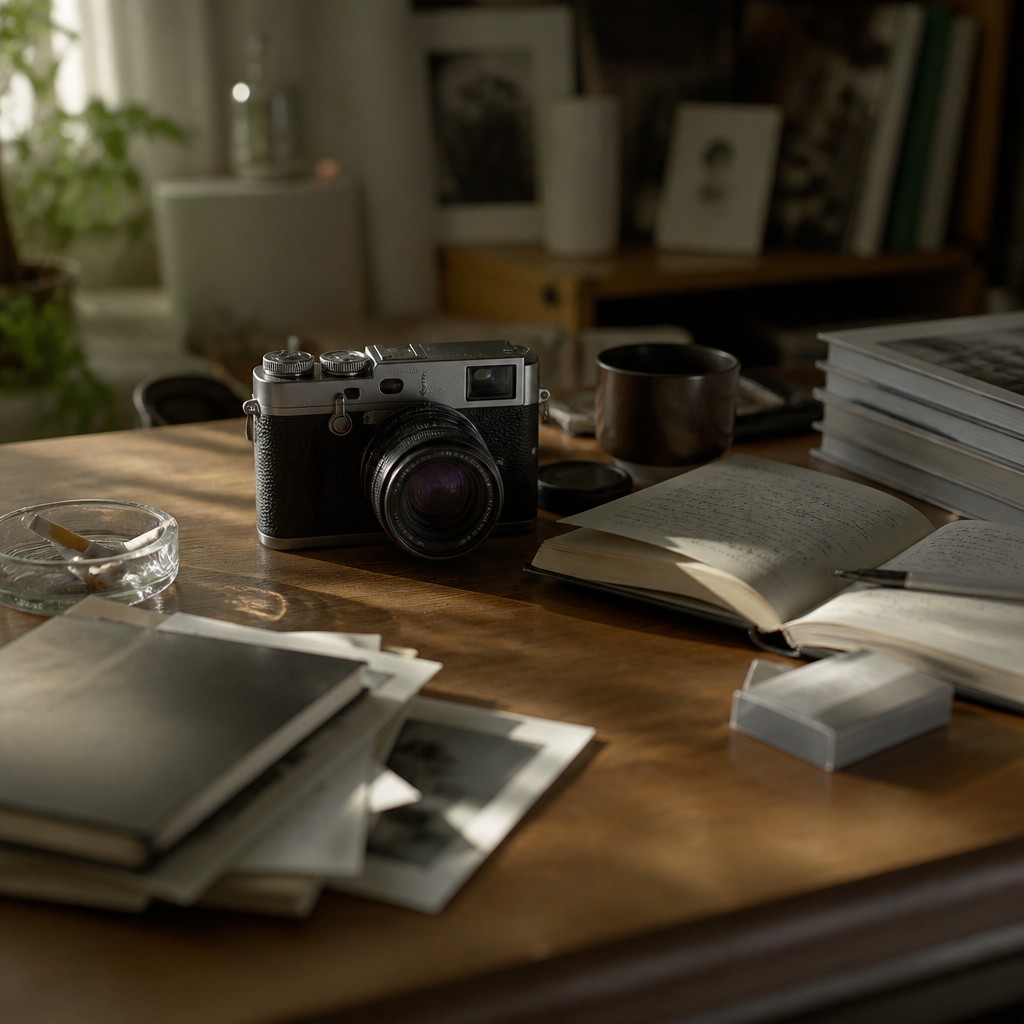
Each pair below was generated from the identical prompt — only the style changed.
“portrait of two people together”

“wide landscape with natural scenery”
“still life with everyday objects”

“bicyle resting against a wall”
Key Differences
| Photographic Realism | Photorealism | |
|---|---|---|
| Core goal | Mimics the visual feel of a camera image. | Creates a highly exact, photo-like image with extreme detail. |
| Focus and depth | Uses selective focus, blur, and bokeh for camera realism. | Often keeps detail sharp and evenly resolved across surfaces. |
| Surface detail | Suggests realism through overall photographic atmosphere. | Obsesses over pores, reflections, material textures, and edges. |
| Color and tone | Leans into natural color and film-like tonal character. | Uses highly controlled tones to maximize material accuracy. |
| Visual effects | May include lens flare, perspective quirks, and camera artifacts. | Usually minimizes camera artifacts unless needed for realism. |
| Overall impression | Feels like a believable photograph. | Feels like a photograph rendered with meticulous precision. |
| Mood | naturalistic, observant, restrained, concrete | precise, observant, clinical, contemporary |
| Energy | calm | balanced |
| Detail level | detailed | intricate |
| Color | true-to-life, nuanced, filmic tones | naturalistic, crisp, high-contrast, reflective |
| Texture | smooth, sharp focal detail, soft blur | smooth, razor-sharp, highly tactile |
| Origin | modern photography-influenced realism | 1960s-70s United States |
| Best for | editorial illustration, portraits, product renderings, movie posters, documentary scenes, concept art | editorial illustrations, posters, product visuals, urban scenes, portraits, advertising mockups |
| Difficulty | advanced | advanced |
Which Should You Choose?
Choose photographic realism if you want the artwork to feel like a convincing camera-captured moment, with natural depth, soft blur, and the subtle imperfections of photography. Choose photorealism if you want maximum detail, sharp material accuracy, and a hyper-precise finish that rewards close viewing. In short, pick A for photographic atmosphere and B for exacting surface realism.
Frequently Asked Questions
Are photographic realism and photorealism the same thing?
Not exactly. They overlap because both look photo-based, but photographic realism imitates the camera’s look and behavior, while photorealism pushes toward extremely precise, often hyperreal rendering.
Which style is more detailed?
Photorealism is usually more detailed. It tends to focus on fine textures, reflections, and material accuracy at a level that can exceed what viewers expect from a normal photograph.
Which style is better for a natural, cinematic feel?
Photographic realism is usually better for that. Its use of depth of field, bokeh, and film-like tonality makes it feel more like a captured moment.
Can both styles look realistic at first glance?
Yes, both can. The difference often appears when you look closely: photographic realism reads like camera vision, while photorealism reveals an almost obsessive level of rendered detail.