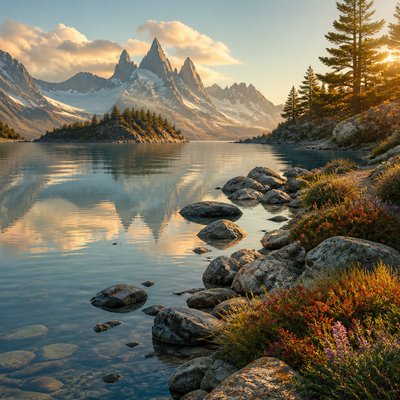
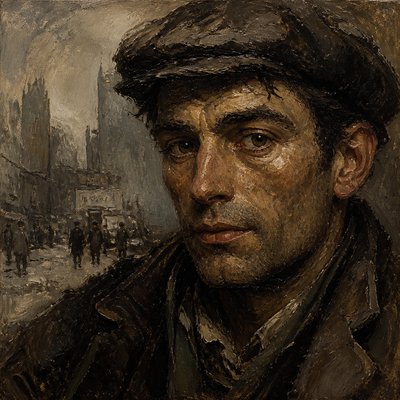
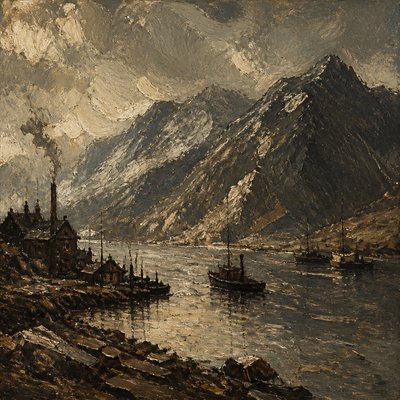
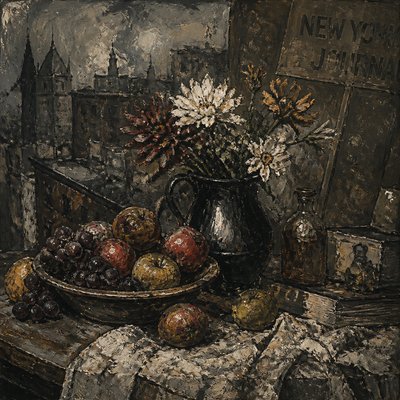
Digital Realism Art Style
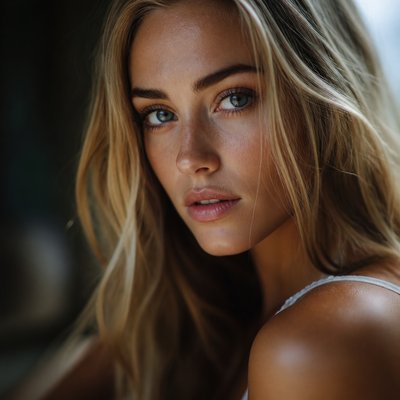
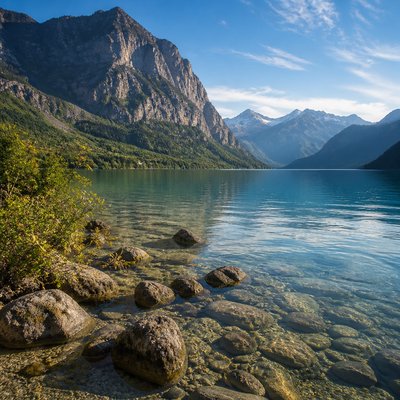
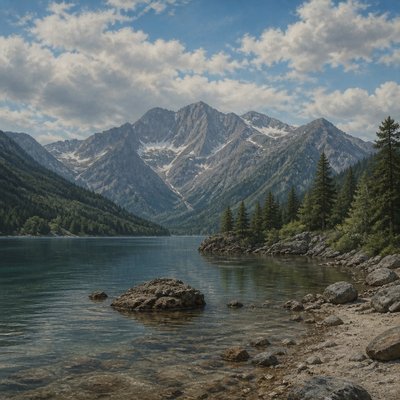
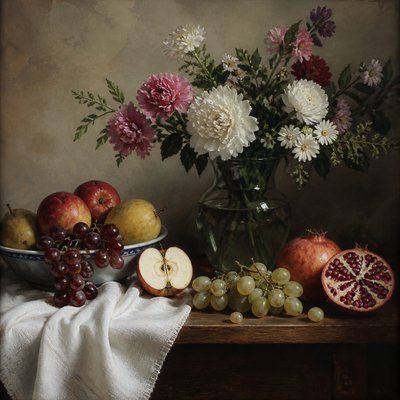
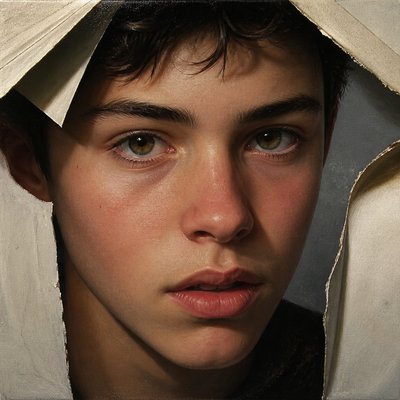
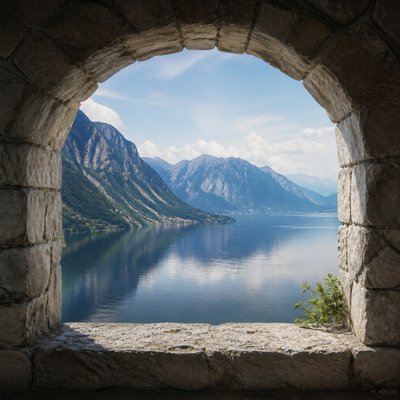
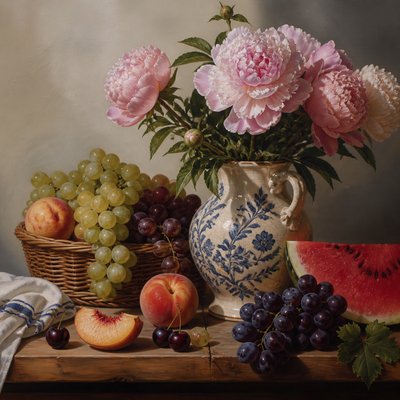
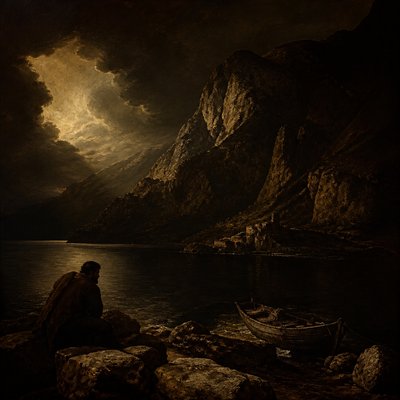
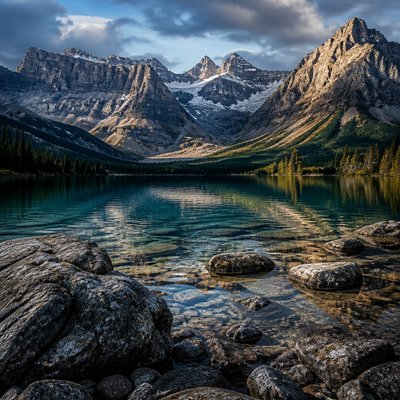
Hyperreal digital art blending photography, 3D rendering, and digital painting for polished, lifelike images with precise lighting and texture.
Instantly rendered in Digital Realism — or transform a photo
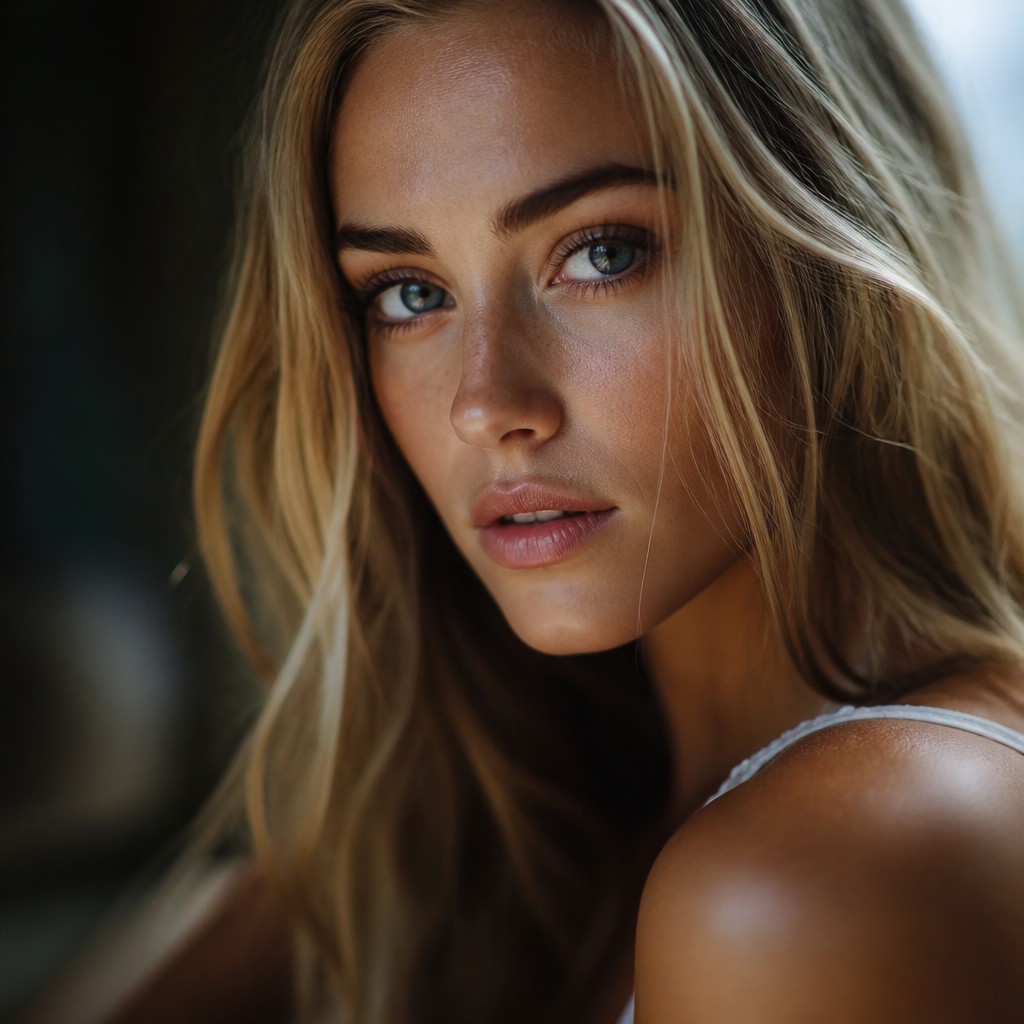
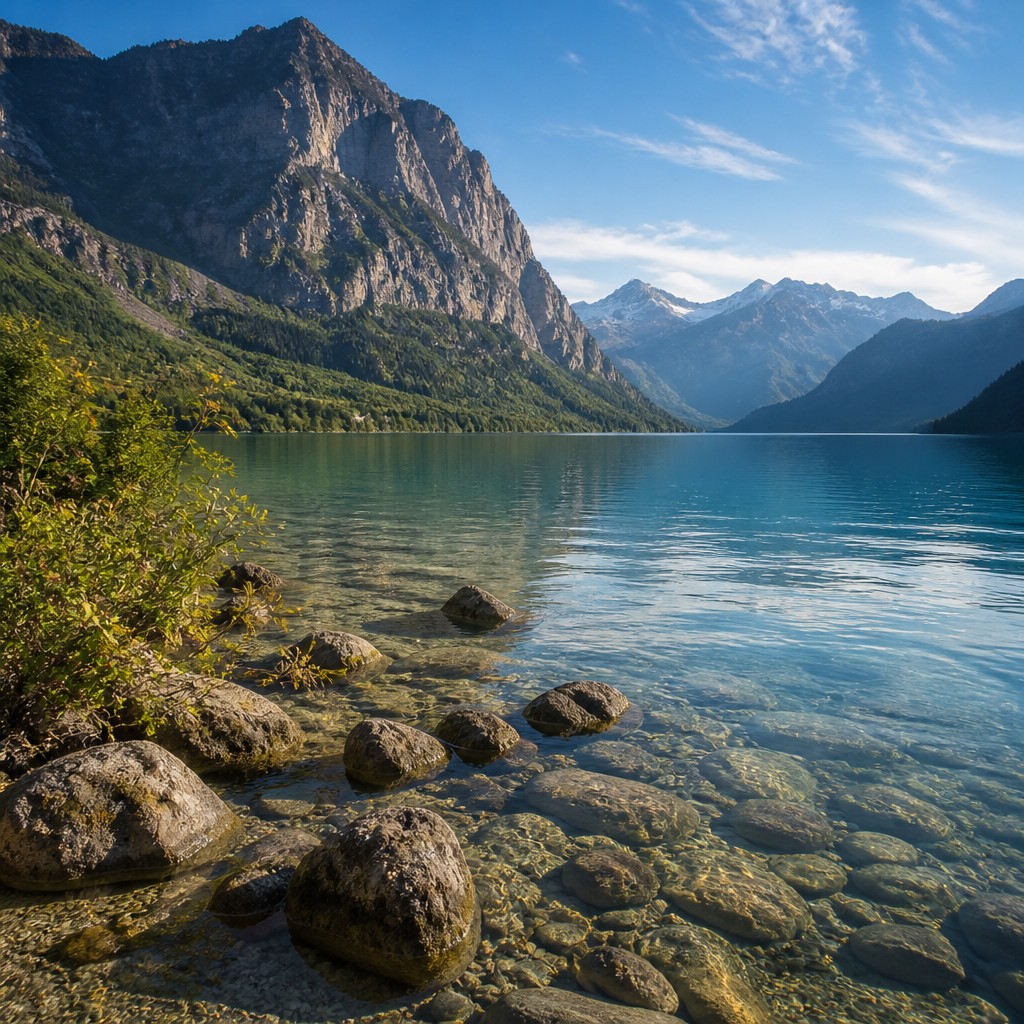

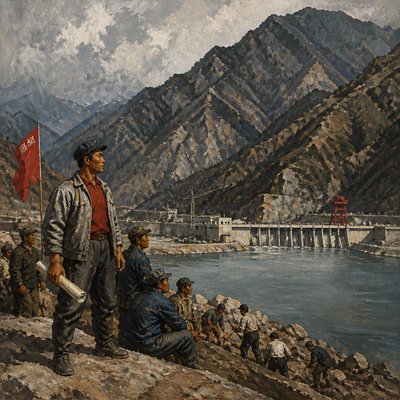
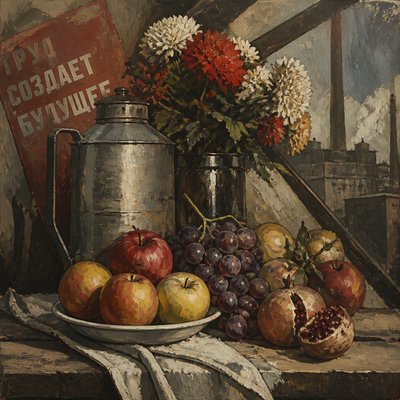
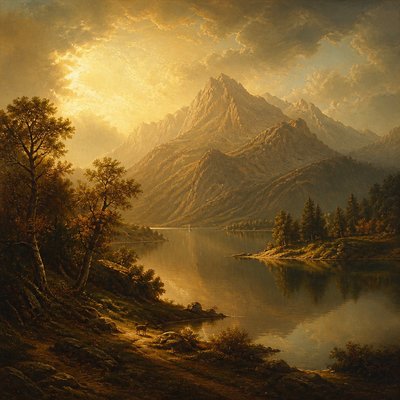
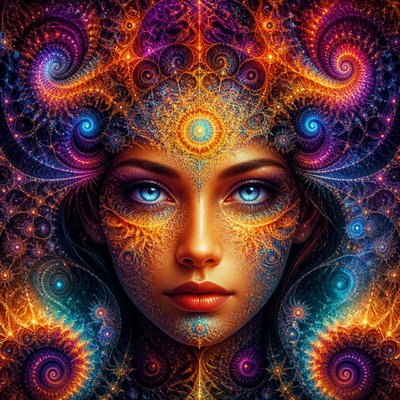
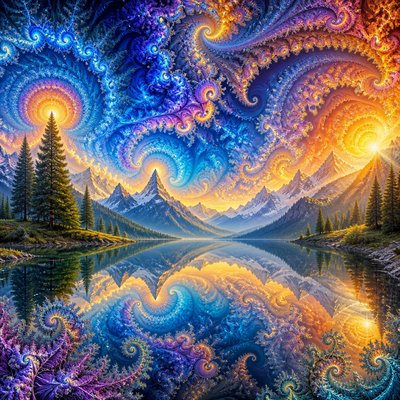
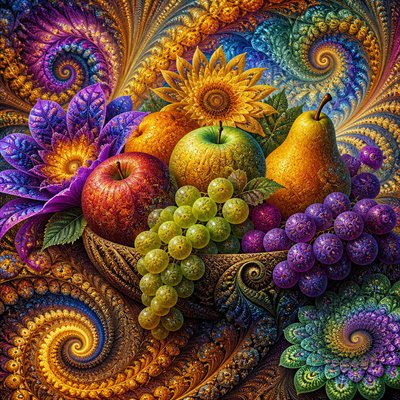
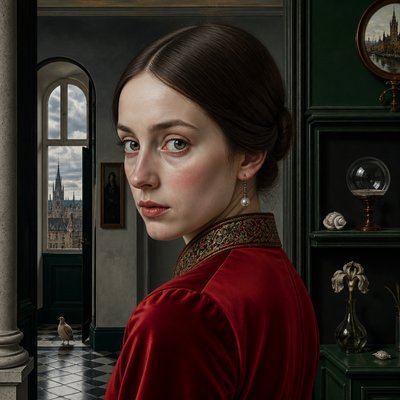
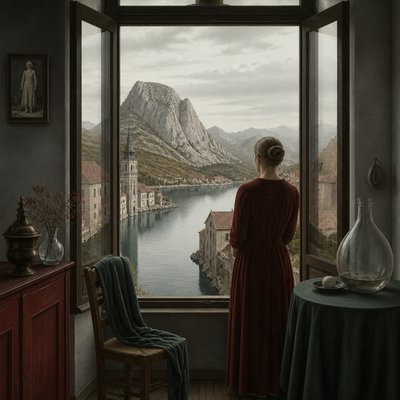
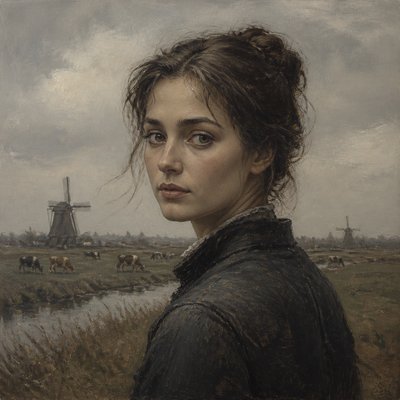
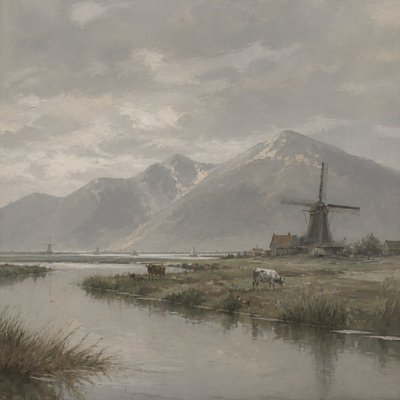
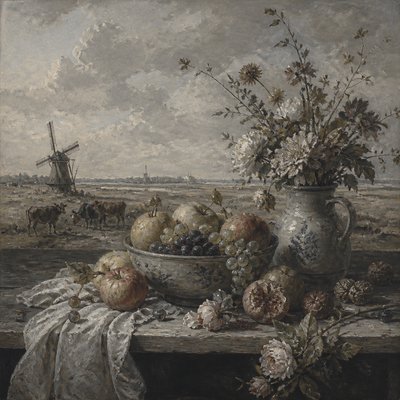
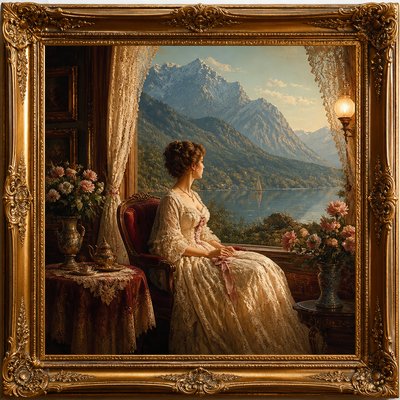
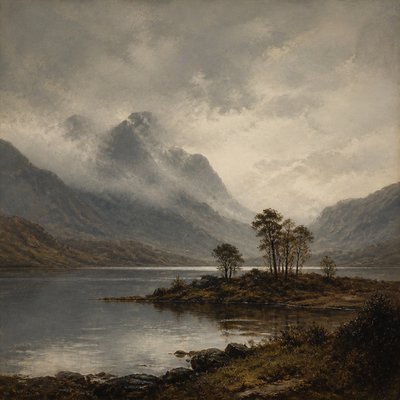
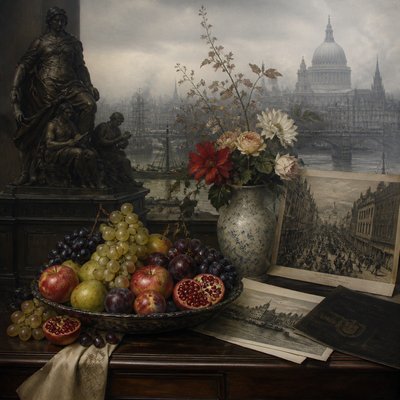
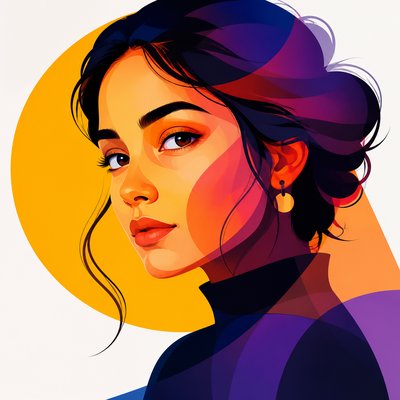
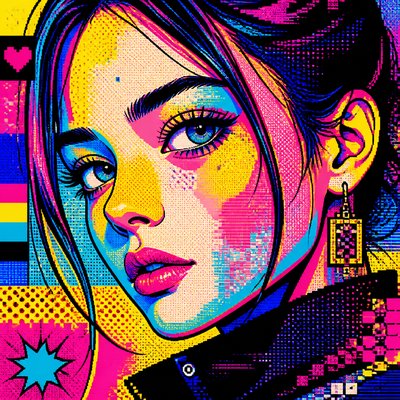
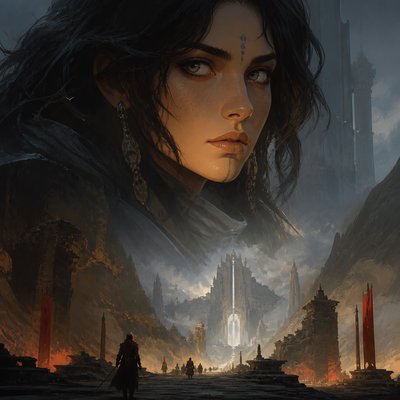
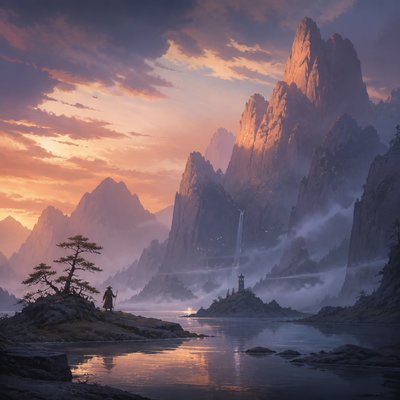
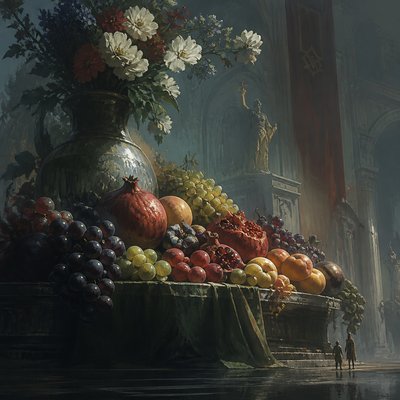
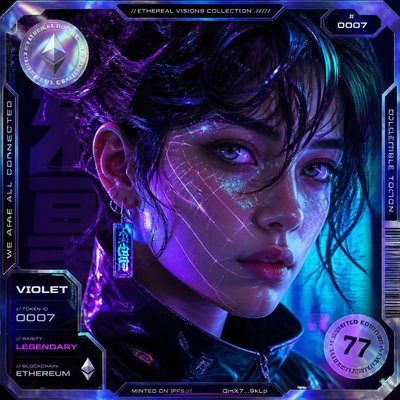
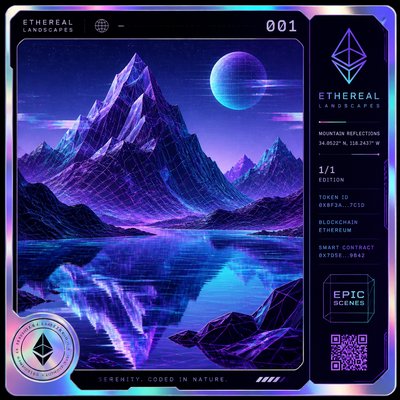
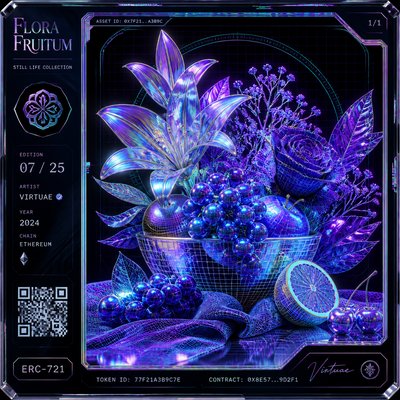
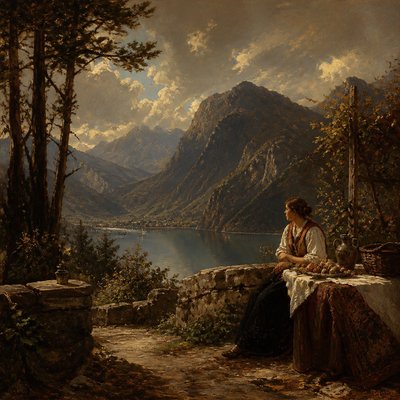
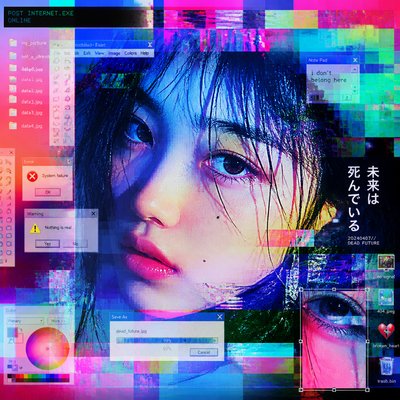
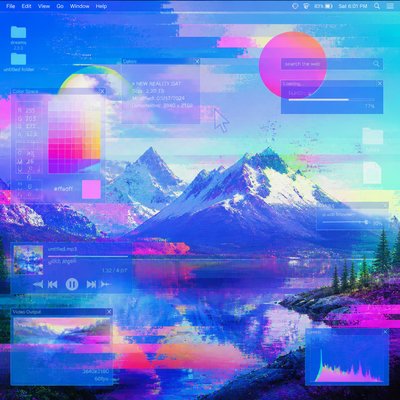
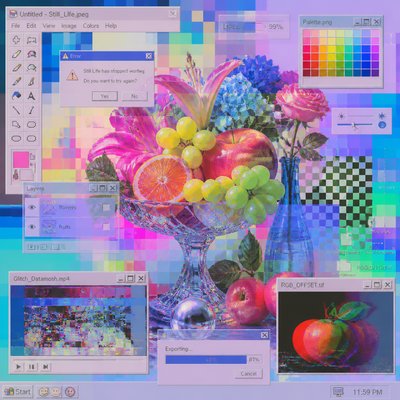
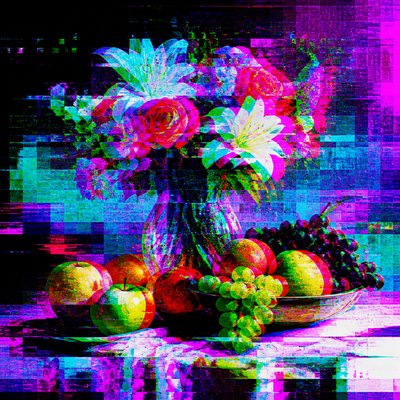
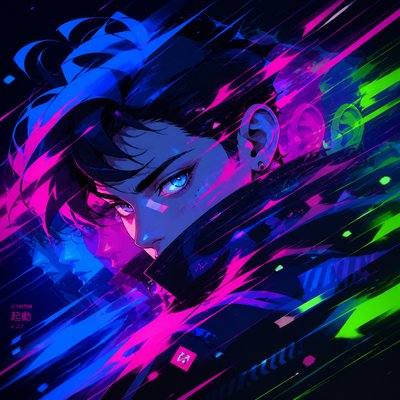
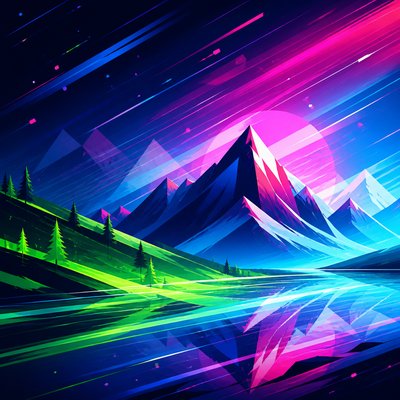
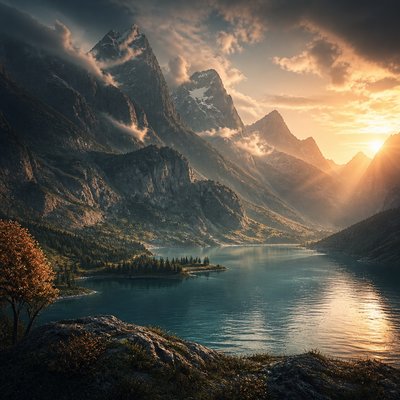
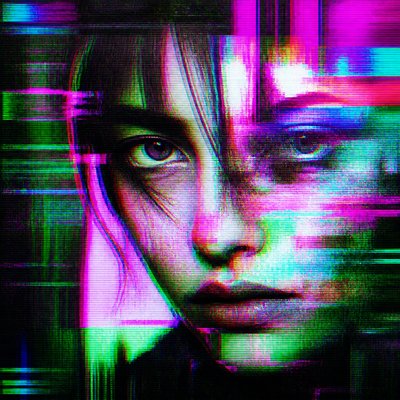
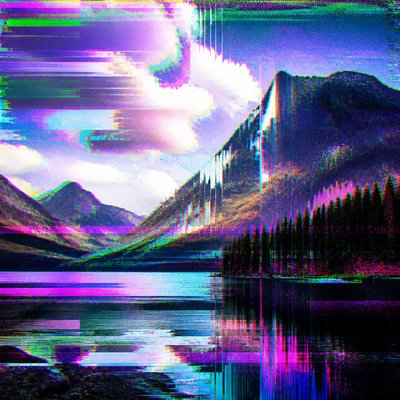
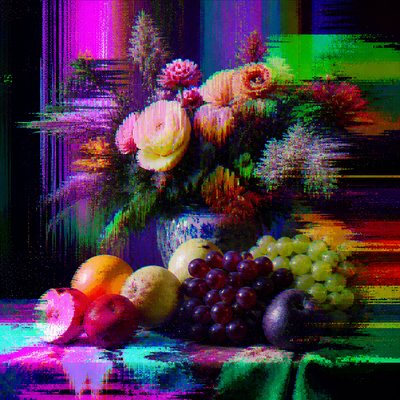
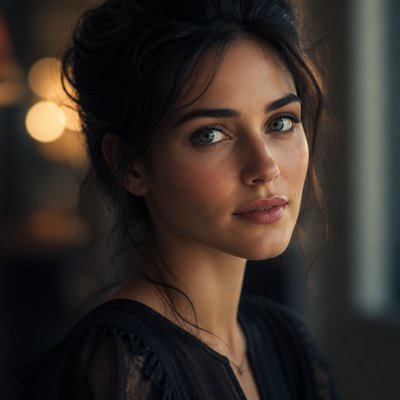
Digital Realism Gallery
Tap any artwork to explore it

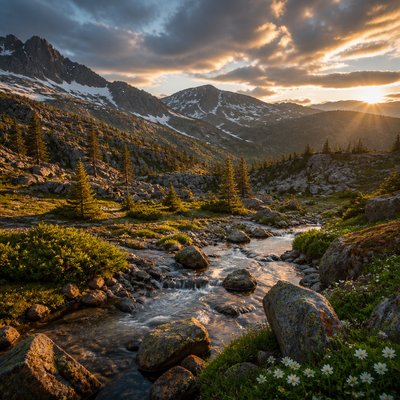



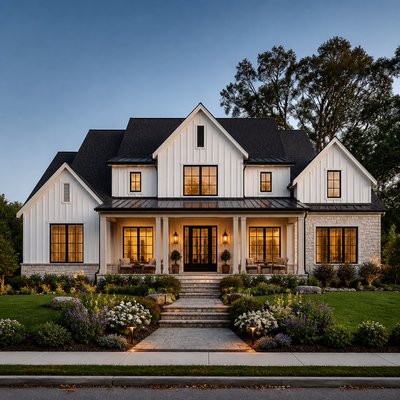

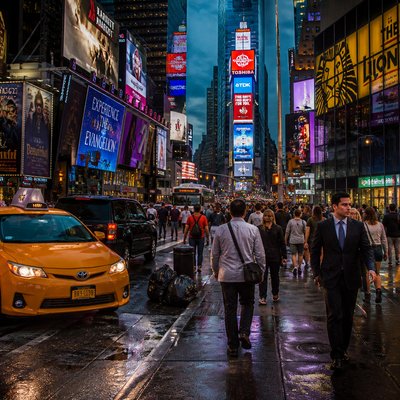
What is Digital Realism Art Style?
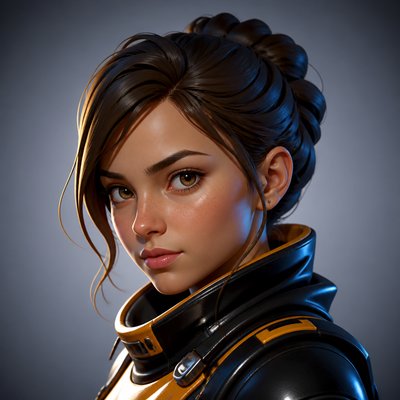
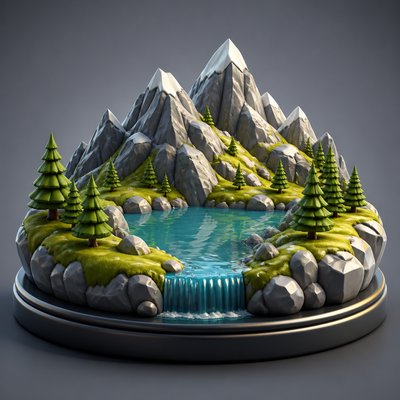
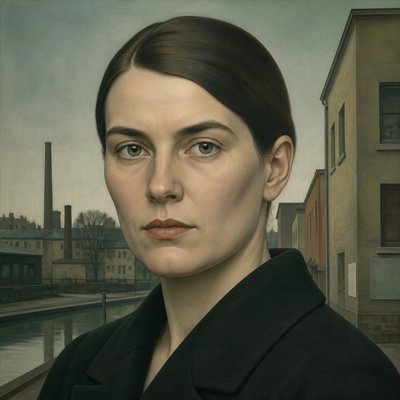
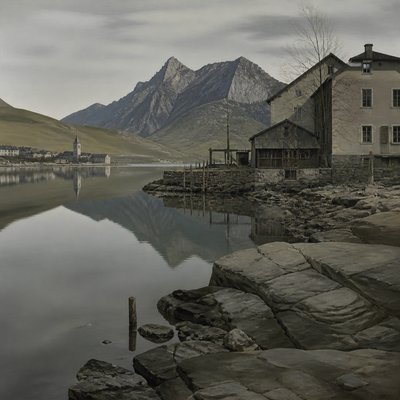
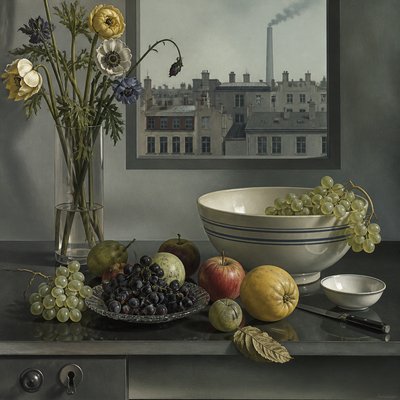
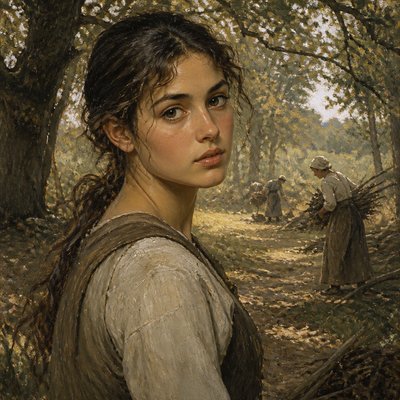
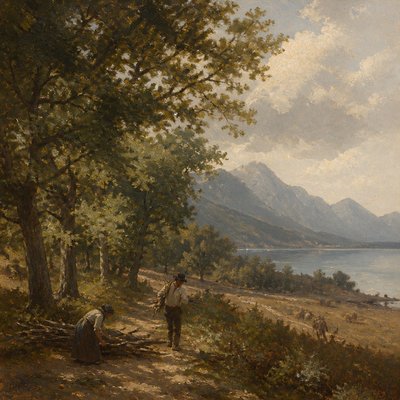
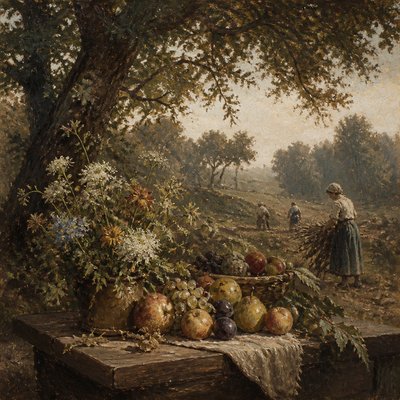
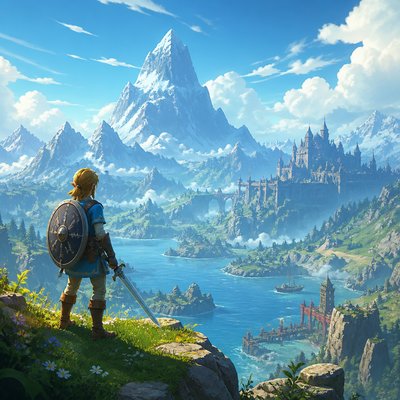
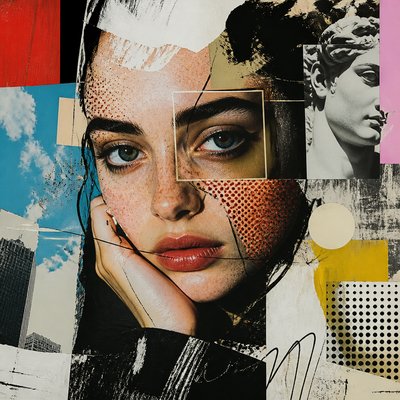
Digital realism is a contemporary art style that aims for convincing lifelike representation using digital tools. It combines the clarity of photography, the control of 3D rendering, and the finish of digital painting to create images that feel tangible, physically coherent, and carefully engineered.
Its visual identity is defined by exact surface detail, believable light behavior, and restrained color handling. Rather than showing visible brushwork or stylization, digital realism emphasizes texture, depth, anatomy, materials, and atmospheric perspective so that the final image reads as real at a glance while still retaining deliberate artistic control.
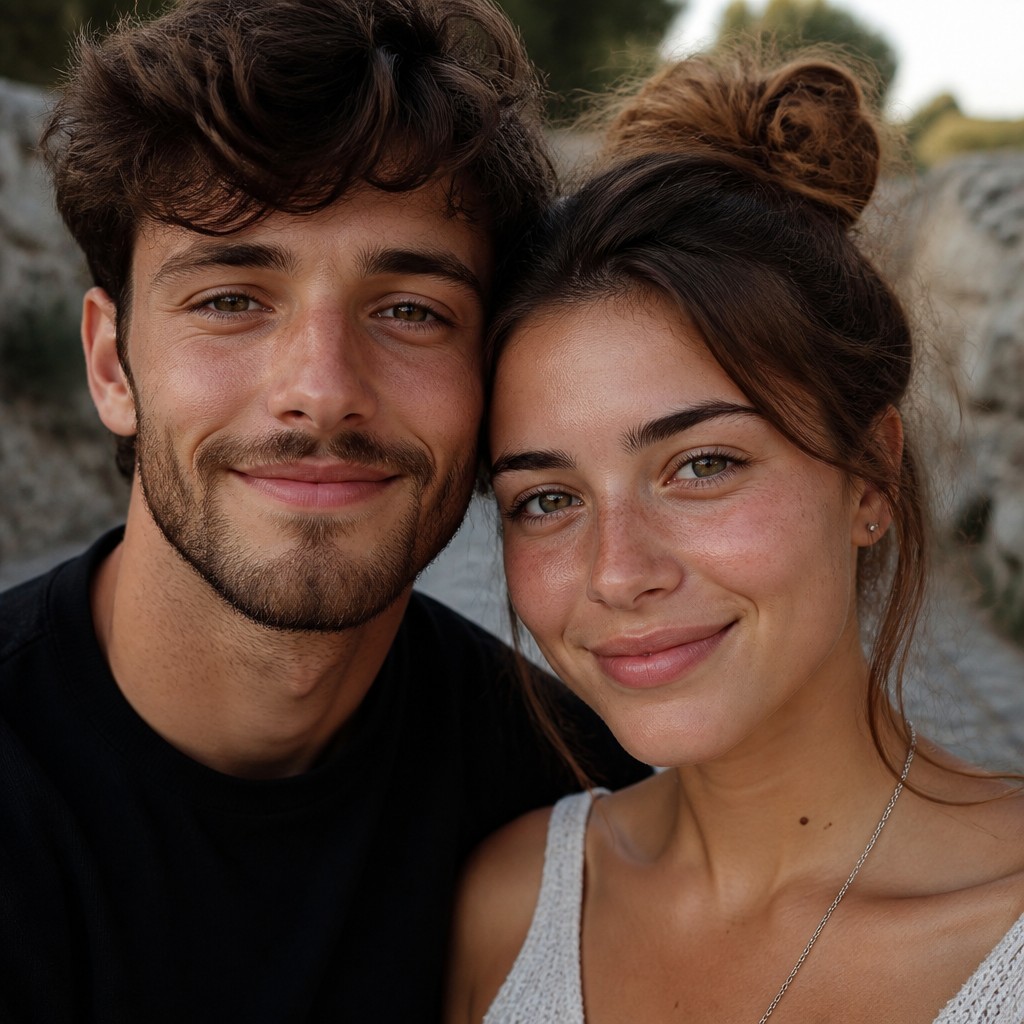
Try It On Your Photos
Upload any photo and convert it into Digital Realism Art Style — drag the sliders to compare before and after.


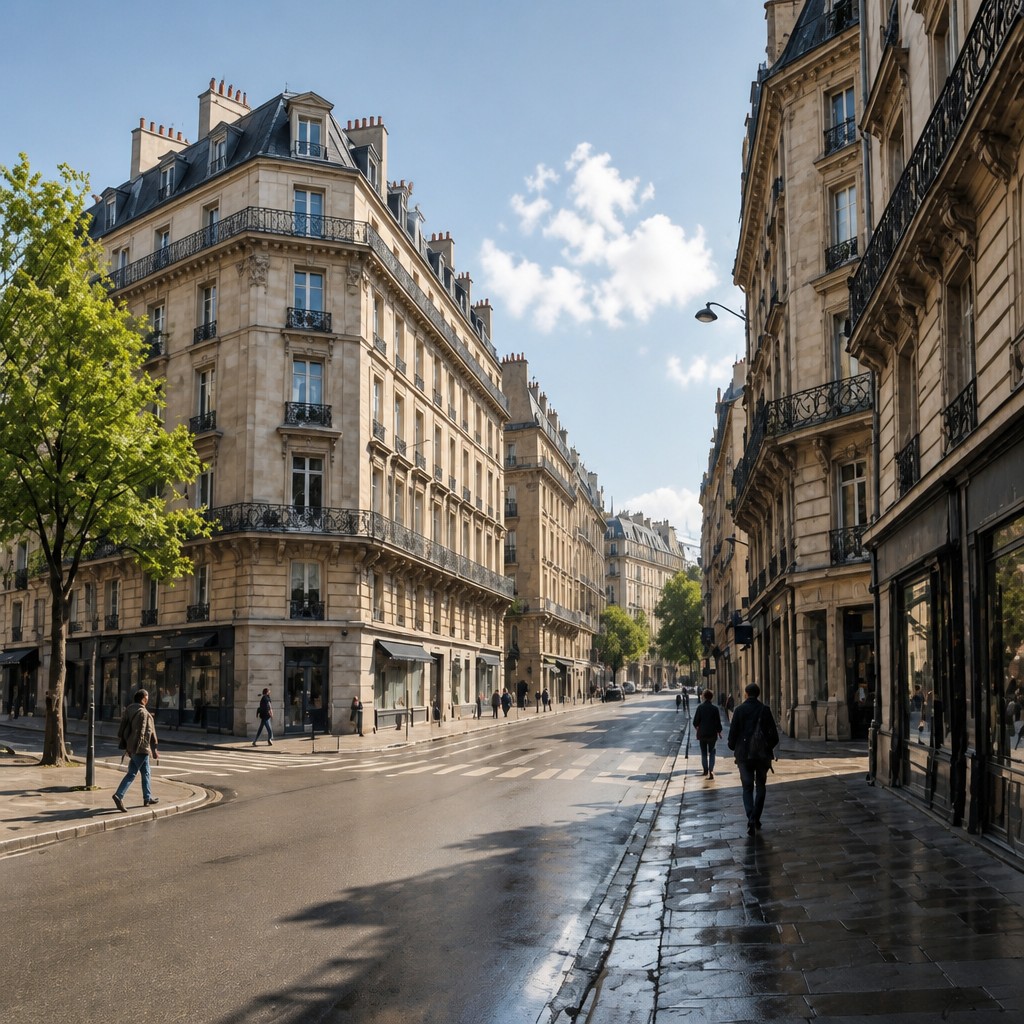

What Defines Digital Realism Art Style
The signature details, up close
Photographic precision
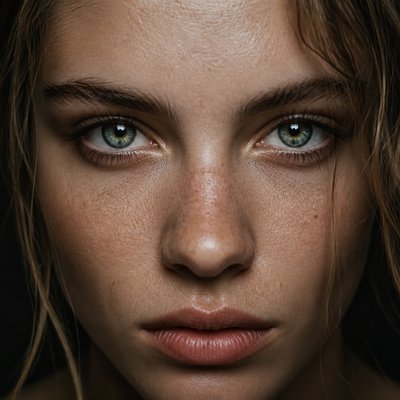
Forms, edges, and textures are rendered with the kind of fidelity associated with high-resolution photography. Details such as pores, fabric weave, metal wear, and glass clarity are usually highly resolved.
Physically believable lighting
Light is handled with attention to real-world behavior, including soft shadows, bounce light, reflections, and refractions. The result often feels grounded because illumination supports the object's material logic.
Rich material surface detail
Different materials are distinguished by accurate surface response: matte skin, glossy plastic, brushed metal, polished stone, translucent liquid, or textured cloth. This material separation is central to the realism effect.
Depth and atmospheric perspective
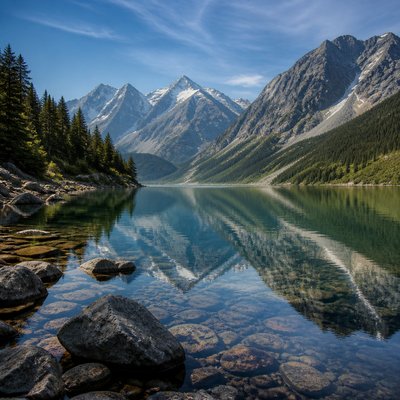
Foregrounds are typically crisp, while distant areas soften through haze, blur, or reduced contrast. This gives the image spatial believability and prevents the composition from feeling flat.
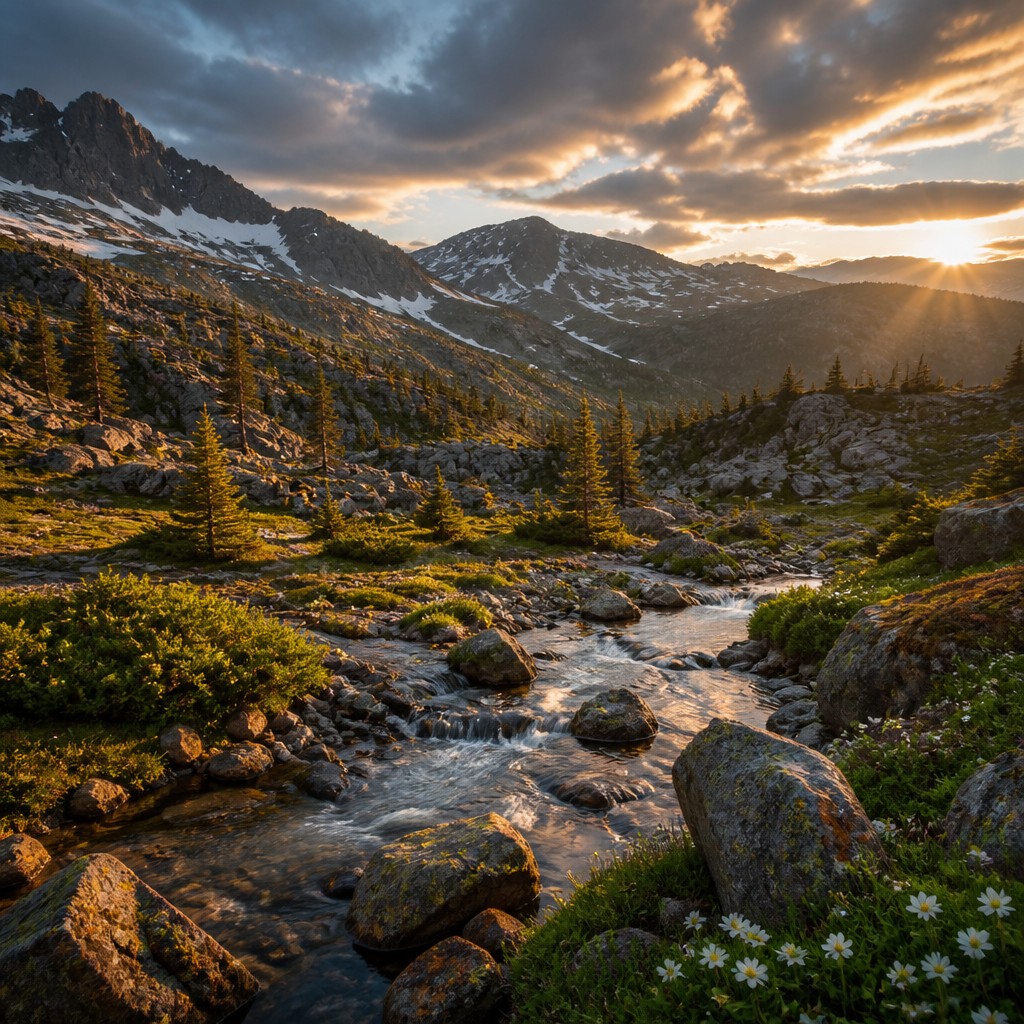
Controlled color grading
Colors are usually naturalistic or carefully balanced rather than highly expressive. Subtle grading helps unify the scene and reinforce lighting conditions without drawing attention to itself.

Pristine digital finish
The surface often appears clean, polished, and technically exact, with minimal visible hand trace. Even when painterly methods are involved, the final image tends to conceal the process behind a seamless finish.
Try It
Create Videos in Digital Realism Art Style
Styles aren't just for stills — describe a scene or animate an image and get a short video rendered in Digital Realism. Press play to see this pond come to life.
Make a VideoDigital Realism Prompt Ideas
Start from an idea — each one opens the generator with the style ready to go. See all 40 Digital Realism prompts →
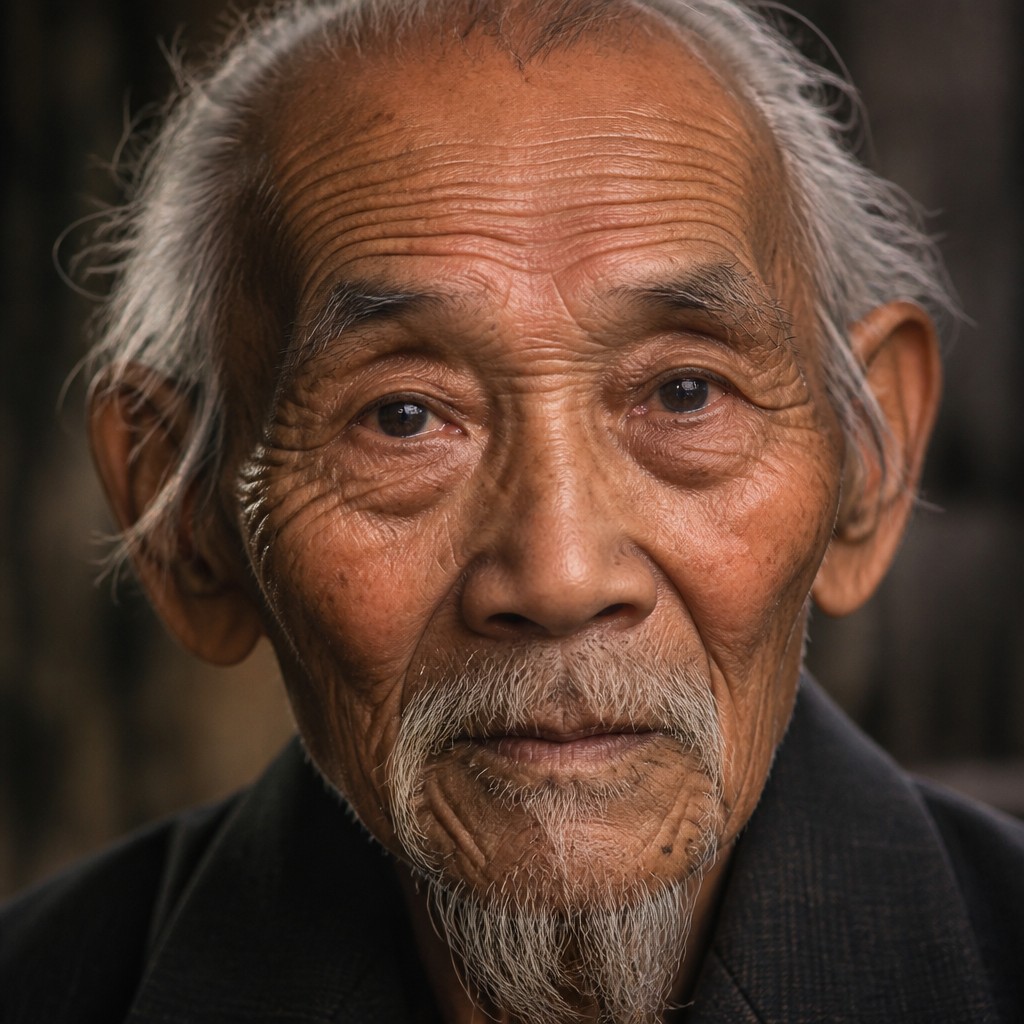
“close-up portrait of an elderly person with expressive weathered features”

“a cat lounging in a sunlit window”

“bouquet of flowers in a glass vase”
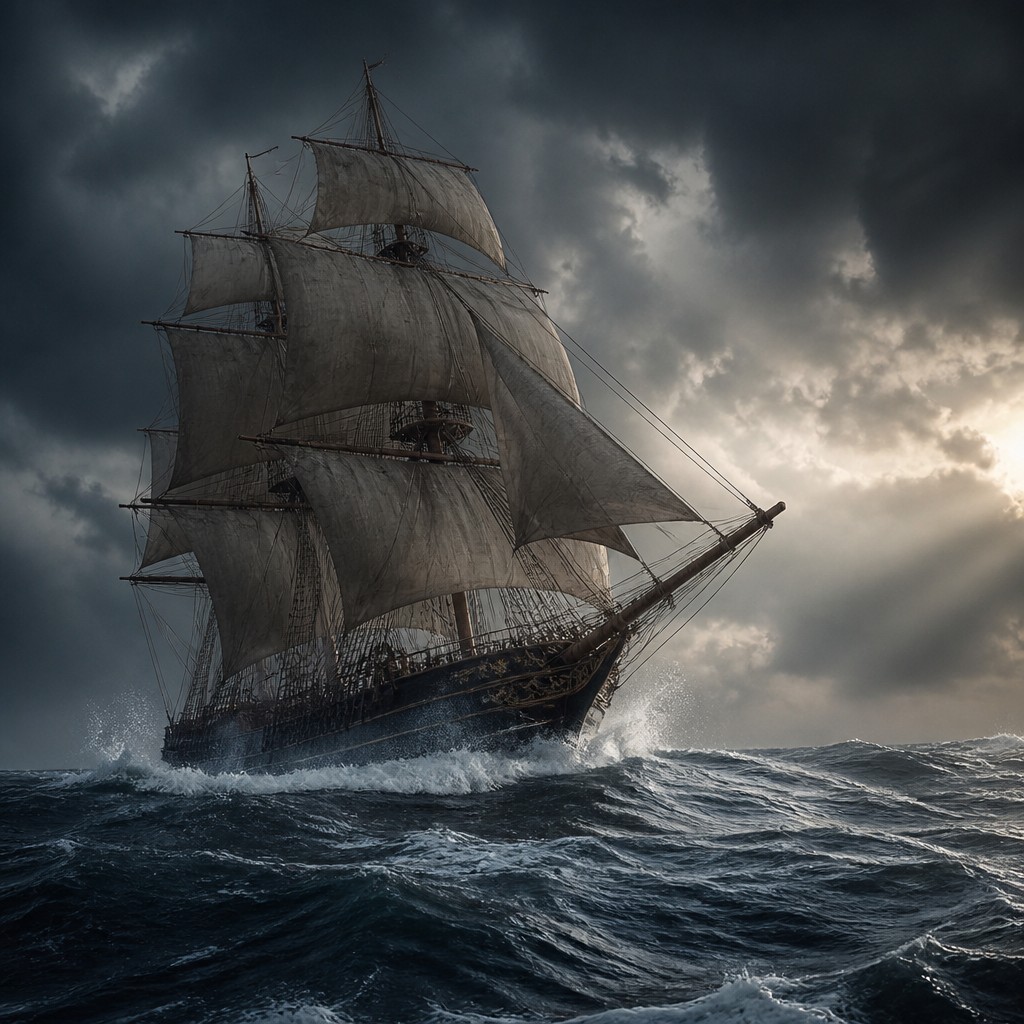
“sailing ship on a stormy sea”
How to Create Digital Realism Art
Master the craft step by step — or skip straight to creating. Read the full guide →
- 1
Build realism from reference and structure
Start with strong reference material for anatomy, perspective, materials, and lighting. In traditional or digital work, establish the form accurately before adding details, because convincing realism depends on proportion and value relationships first.
- 2
Model light before texture
Block in the major light sources, shadow shapes, and reflective behavior before refining surface detail. If the lighting logic is sound, textures and color will feel more believable and require less correction later.
- 3
Use layered digital workflows
Combine base rendering, compositing, texture overlays, and targeted paint adjustments to achieve precision. In image editing or painting software, separate form, color, and effects so you can refine each without muddying the final image.
- 4
Preserve material specificity
Different surfaces should react differently to light, even within the same scene. Add subsurface softness to skin, sharper specular highlights to glass or metal, and texture breaks to cloth or stone to prevent a generic digital look.
- 5
Prompt for realism in concrete terms
When generating images, describe the subject, environment, lighting, camera feel, and material properties explicitly. Terms such as HDR lighting, ray-traced reflections, realistic textures, shallow depth of field, and natural color grading help steer results toward this style.
- 6
Refine with post-processing intent
After the main image is established, adjust contrast, sharpness, saturation, and atmospheric depth carefully. The goal is not to make the image flashy, but to maintain a coherent illusion of reality with polished presentation.

The Story
History & Origins of Digital Realism
Digital realism emerged from the convergence of several late-20th- and early-21st-century visual traditions: commercial photography, CGI, 3D modeling, matte painting, and digital illustration. As software for compositing, rendering, and image editing became more sophisticated, artists gained the ability to combine photographic source material with synthetic lighting, modeled forms, and painted detail.
It is not a single historical movement with a manifesto or fixed canon, but an aesthetic lineage shaped by realism in painting, realism in photography, and the technical ambitions of visual effects and concept art. Its development is closely tied to fields such as advertising, film production, game art, and editorial illustration, where convincing realism and creative control are both important.
Influences: Digital realism draws from the realism of 19th-century painting and photography, the precise visual planning of film and advertising imagery, and the technical vocabulary of 3D rendering and visual effects. It also overlaps with trompe-l'œil traditions, academic figure study, and contemporary concept art, while remaining distinct from painterly realism because its finish is typically cleaner, sharper, and more technologically mediated.
Frequently Asked Questions
What defines digital realism?
Digital realism is defined by convincing lifelike depiction made with digital tools. It emphasizes accurate anatomy, believable materials, physically coherent light, and a polished finish that minimizes visible stylization.
How is it different from photorealism?
Photorealism is often associated with artworks that closely imitate the appearance of a photograph, especially in painting and drawing. Digital realism is broader: it can include photo-based, 3D-based, or painted methods as long as the final image feels realistically grounded and digitally refined.
How is it different from CGI or 3D art?
CGI or 3D art refers to the medium and production method, while digital realism refers to the visual result. A 3D render can be stylized, and a digital painting can be highly realistic; digital realism is the style of believable appearance that those methods often aim to achieve.
What subjects work best in this style?
Portraits, animals, architecture, products, cinematic scenes, and science-fiction environments all work well because they benefit from strong material detail and controlled lighting. Subjects with clear surfaces and readable forms are especially effective.
Can this style be created without 3D software?
Yes. Many artists achieve digital realism entirely through digital painting, photo compositing, and image editing. The key is not the specific software, but the disciplined use of reference, lighting logic, and surface detail.
Where is digital realism commonly used?
It is common in concept art, advertising, editorial illustration, product visualization, game art, film previsualization, and cover art. These fields value images that are visually persuasive, highly controlled, and adaptable to commercial or narrative needs.

Create your first Digital Realism artwork
Describe anything — or upload a photo — and see it in Digital Realism Art Style in seconds.
Make Something with Digital Realism
Related Styles
Discover similar art styles