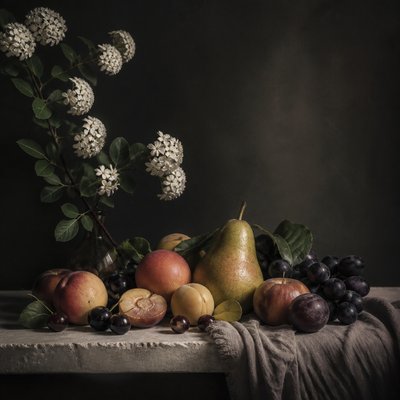
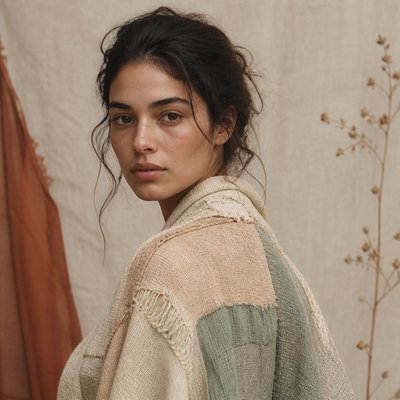
Documentary Photography Style
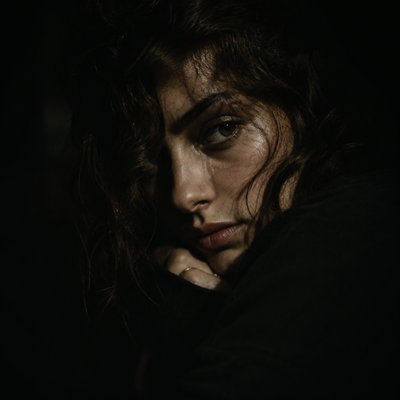
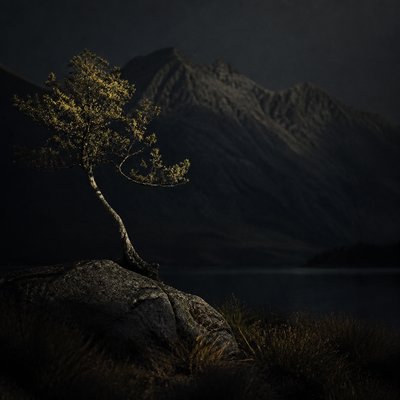
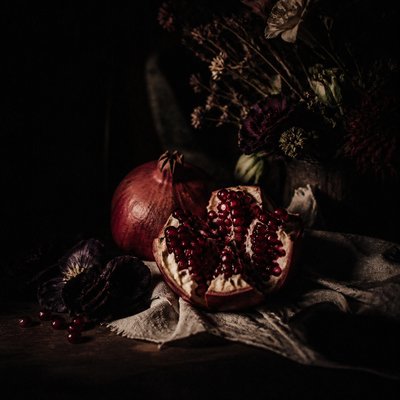
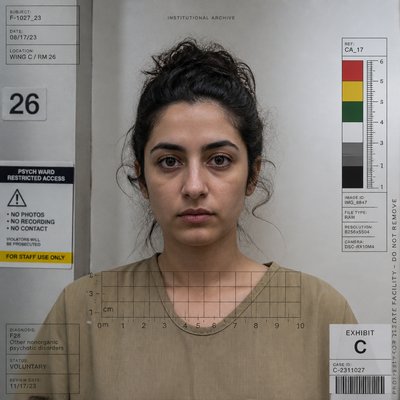
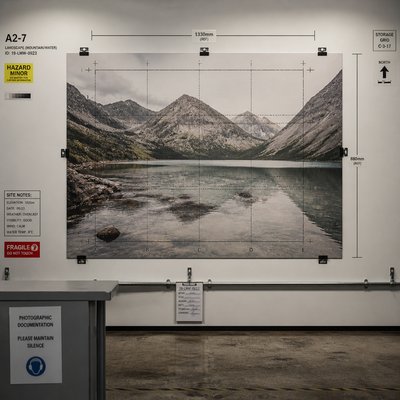
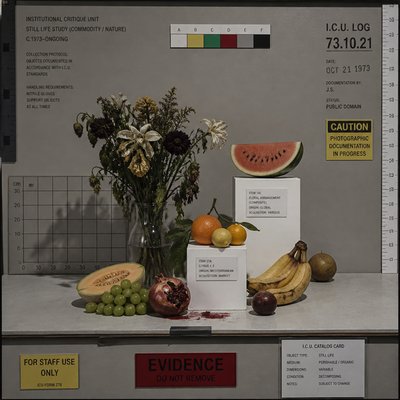
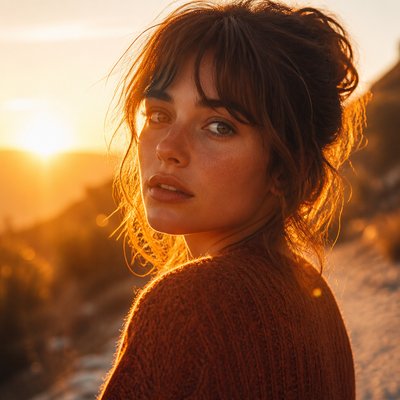
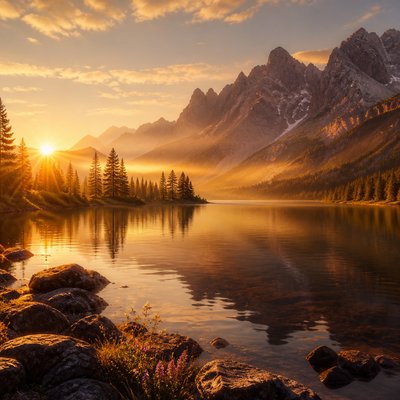
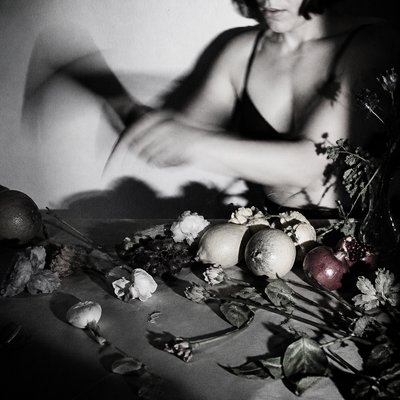
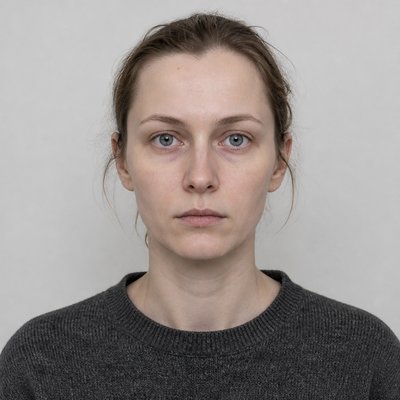
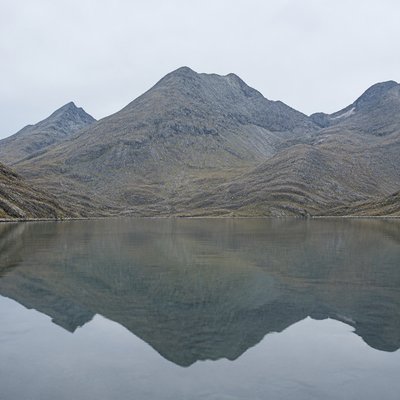
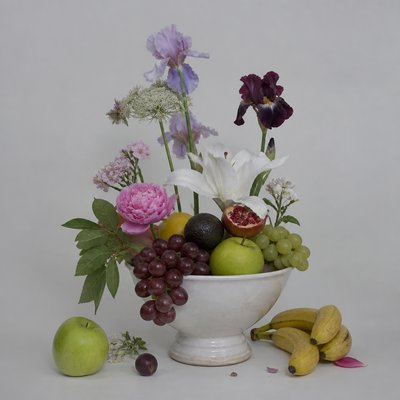
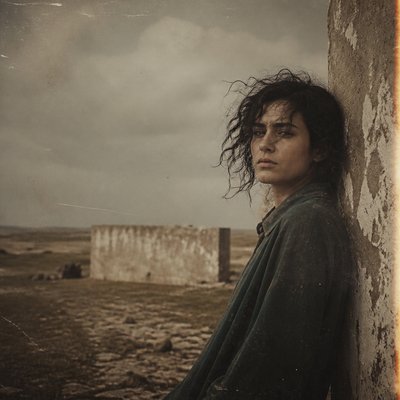
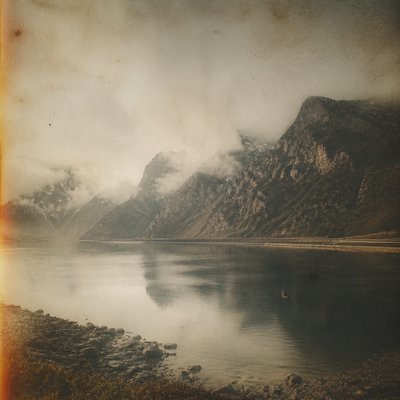
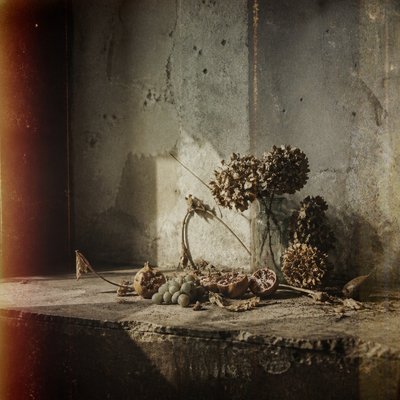
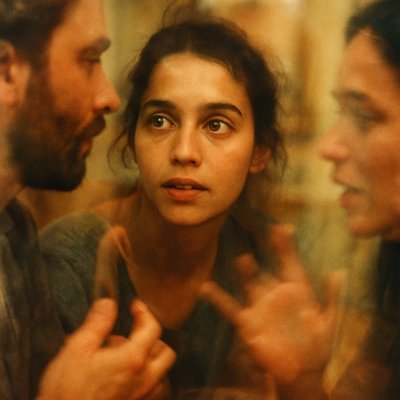
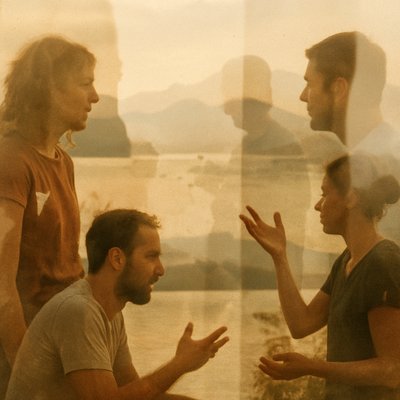
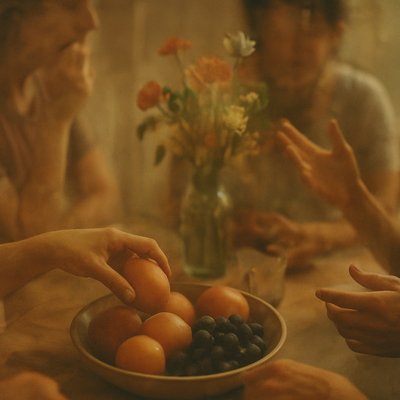
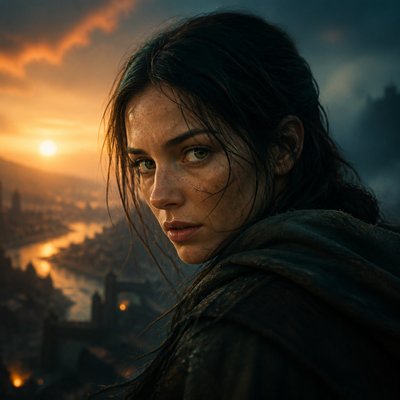
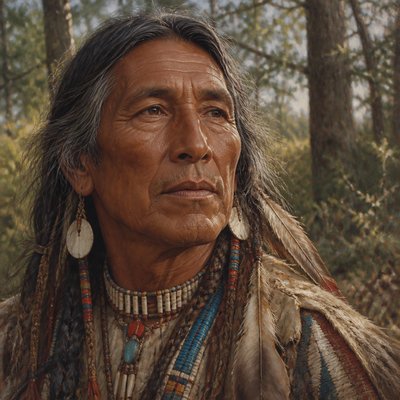
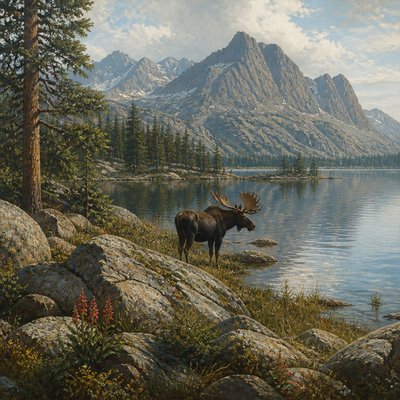
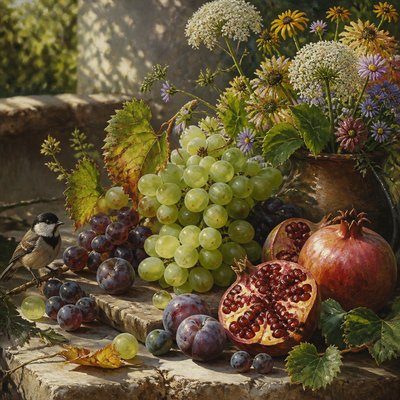
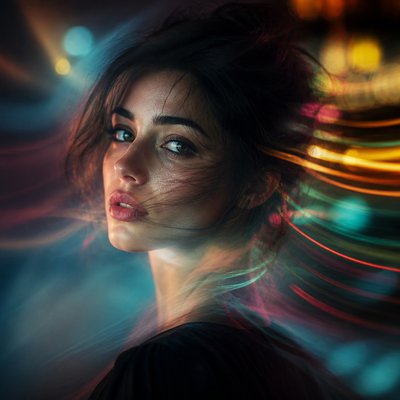
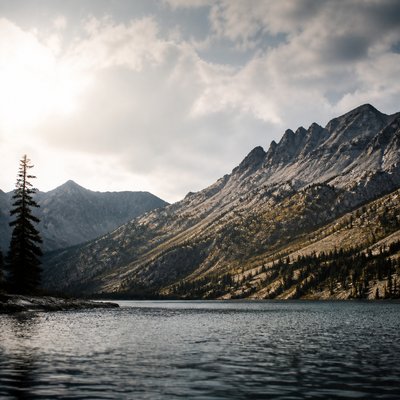
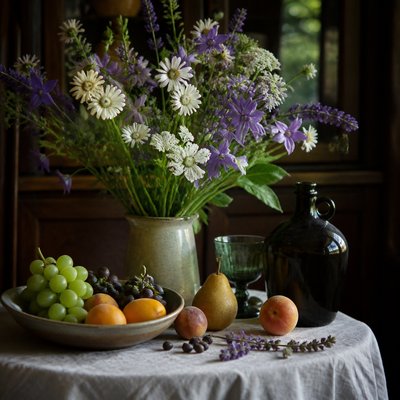
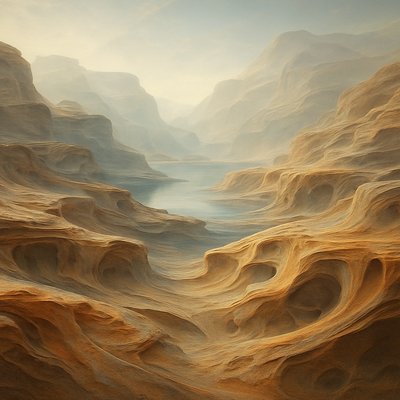
Candid photojournalistic images with natural light, honest detail, and narrative depth—built to look truthful, immediate, and observed.
Instantly rendered in Documentary Photography — or transform a photo
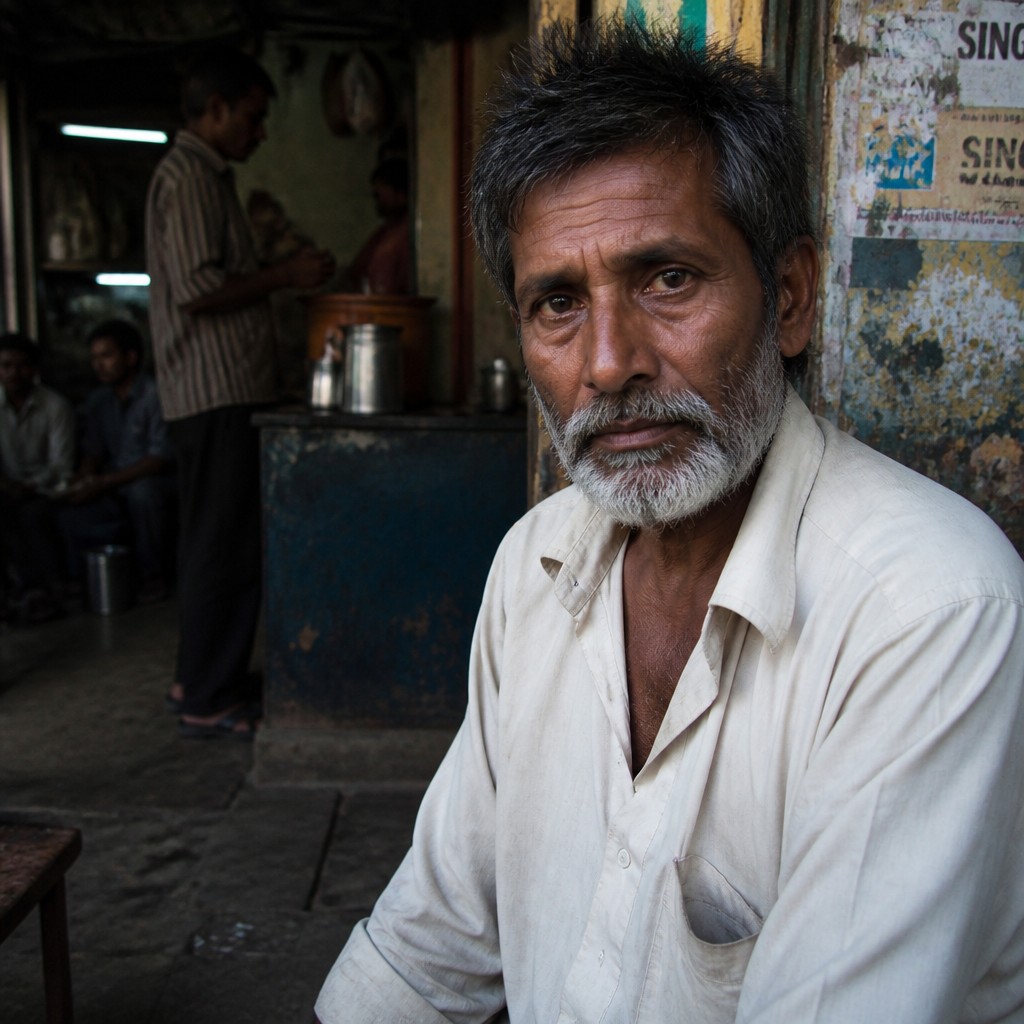
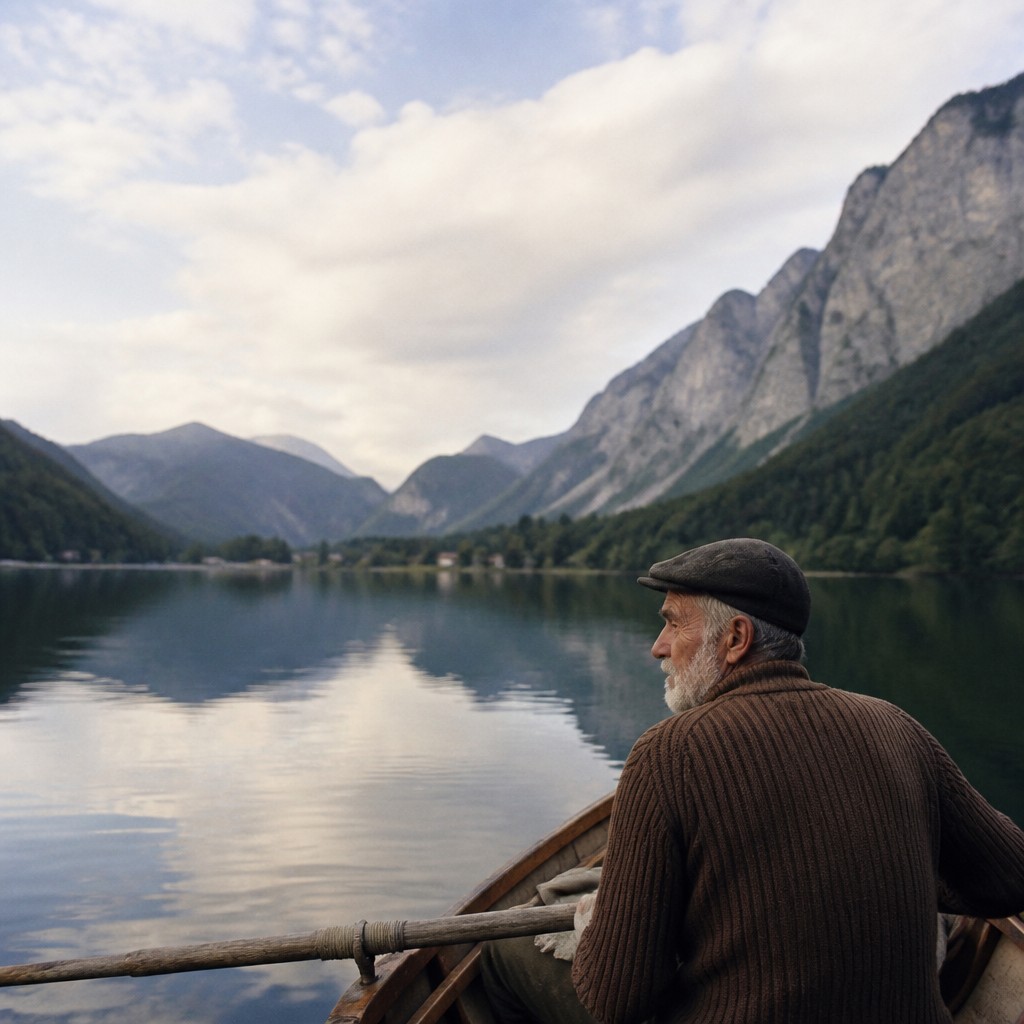
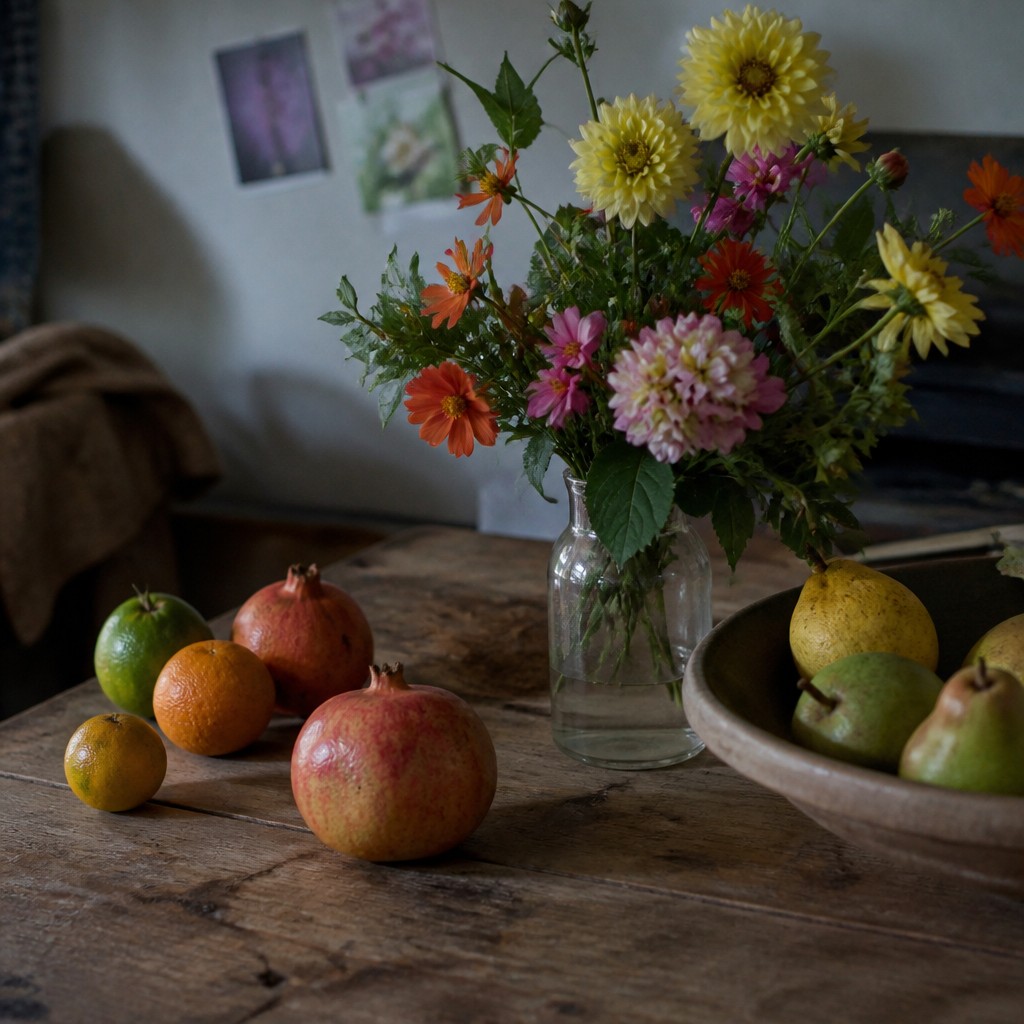
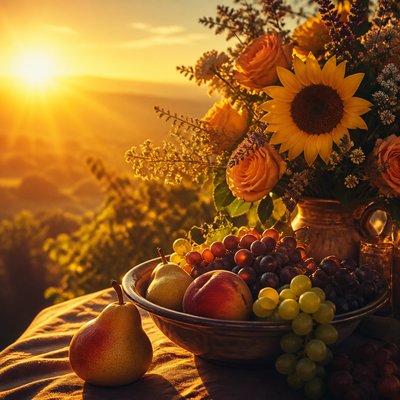
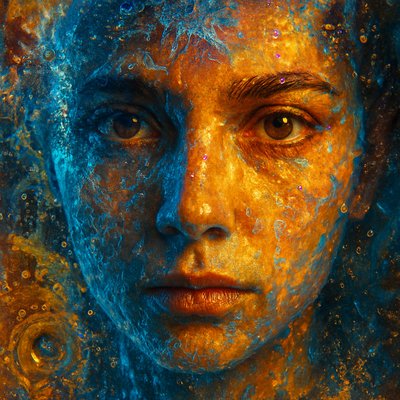
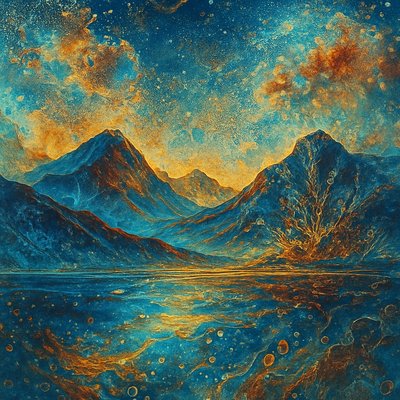
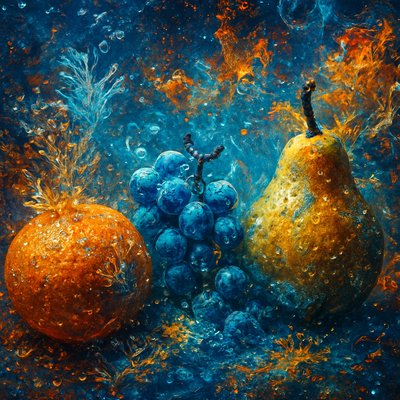
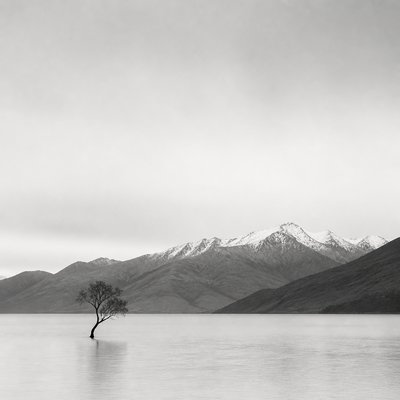
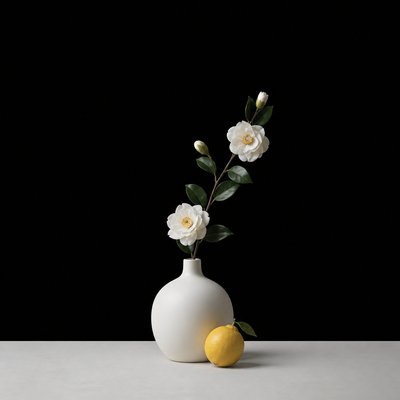
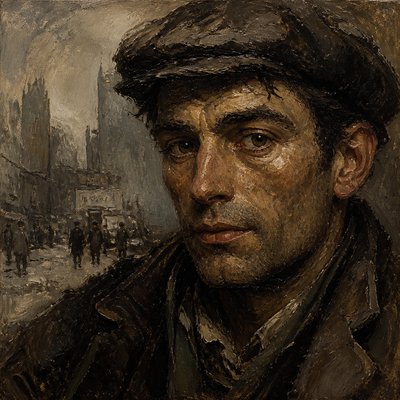
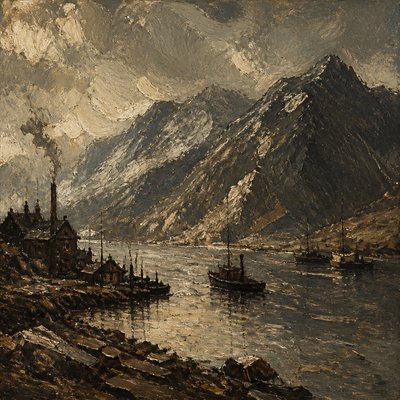
Documentary Photography Gallery
Tap any artwork to explore it
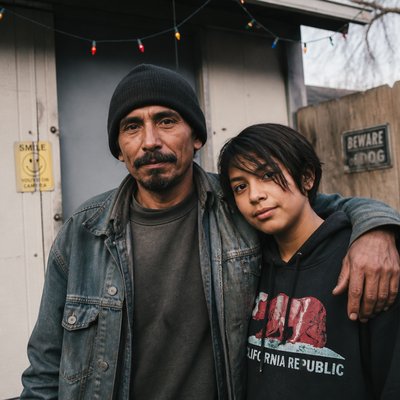
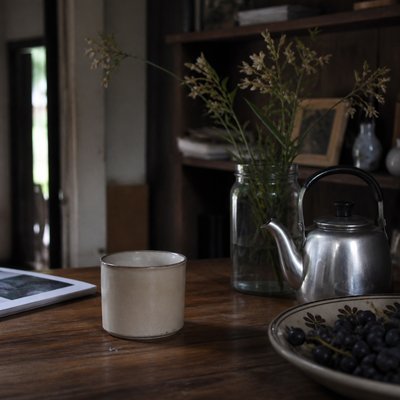
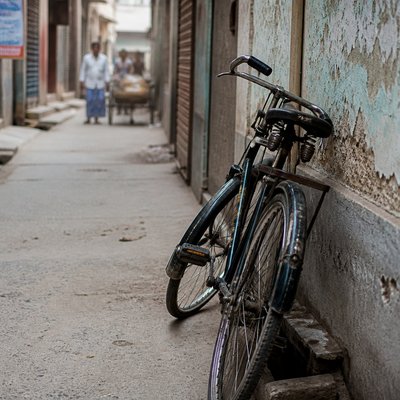
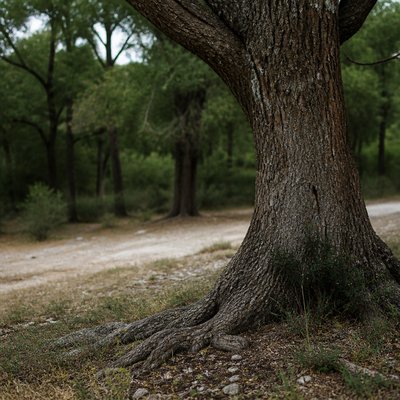
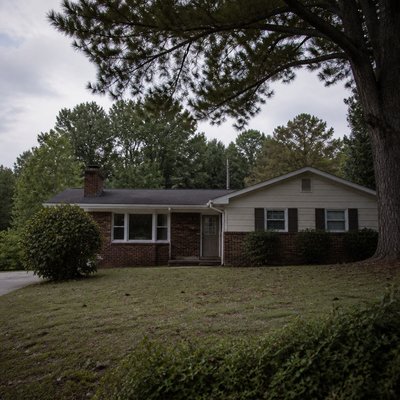
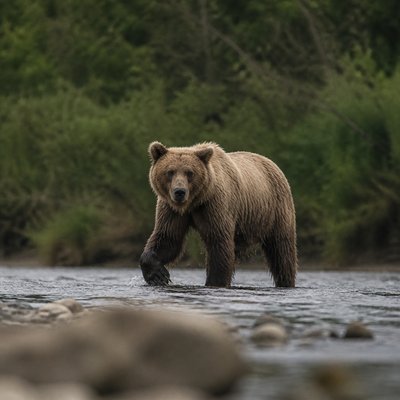
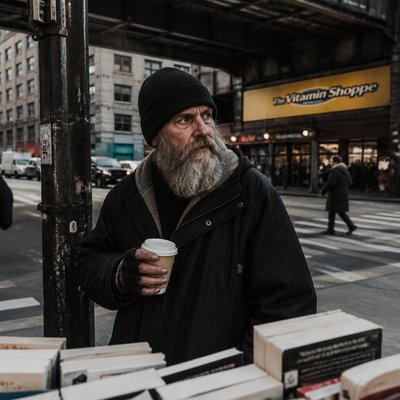
What is Documentary Photography Style?
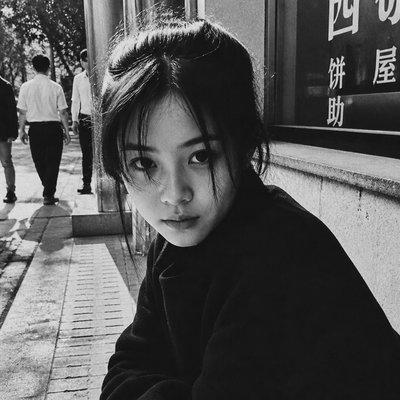
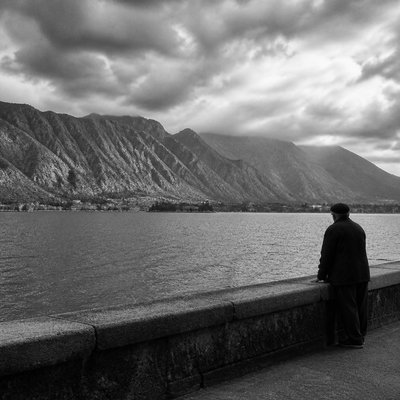
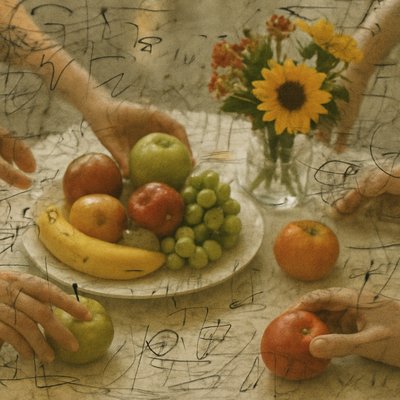
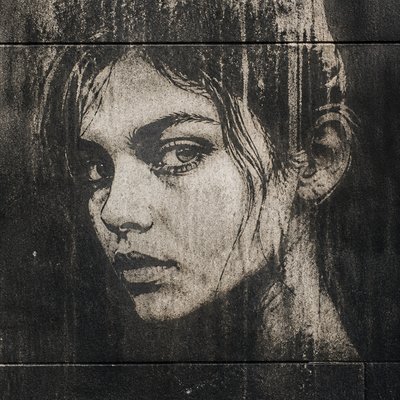
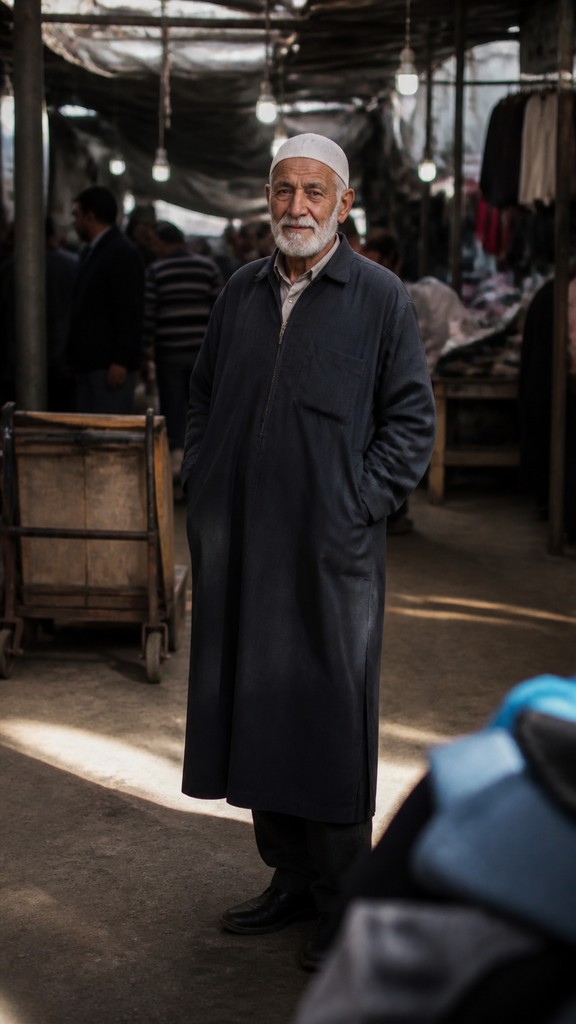
Documentary photography is a truth-oriented photographic approach focused on real people, places, and events. Its images are typically candid rather than posed, with a strong sense of time, place, and social context. The style values observation over staging, and it often uses sequences of images to build a fuller narrative instead of relying on a single isolated scene.
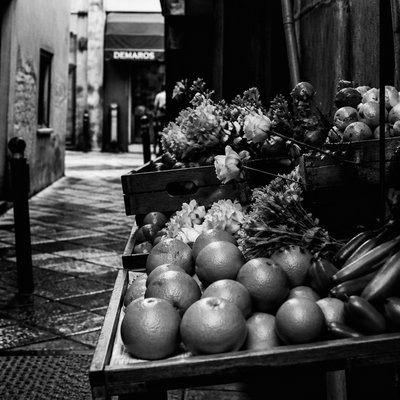
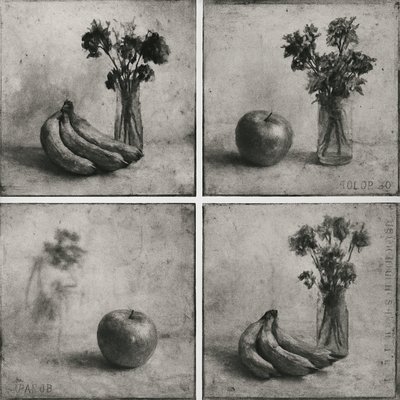
Visually, documentary photography tends to favor natural available light, restrained color, and compositions that preserve environmental detail. Shadows, imperfections, and momentary expressions are not corrected away; they are part of the evidence. The result is imagery that feels immediate and believable, with a quiet emphasis on fact, atmosphere, and human presence.
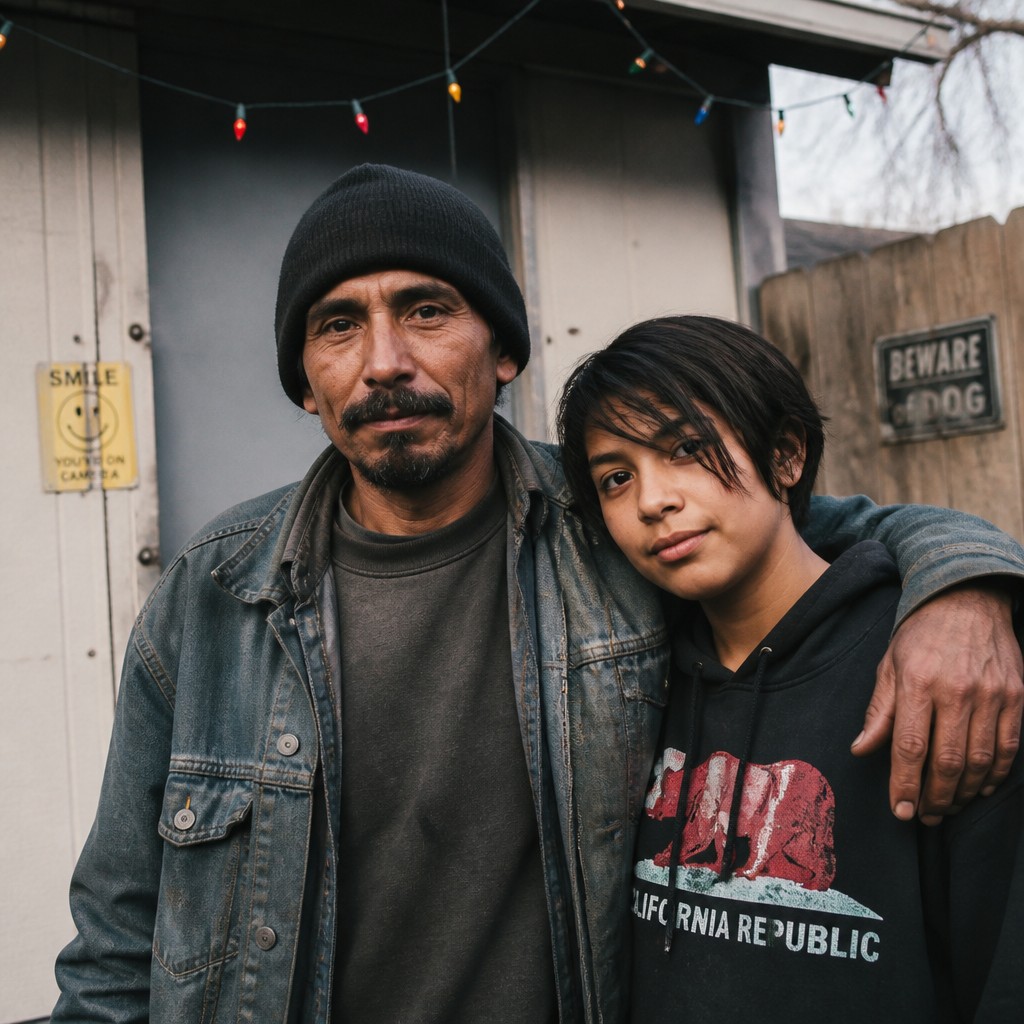
Try It On Your Photos
Upload any photo and convert it into Documentary Photography Style — drag the sliders to compare before and after.
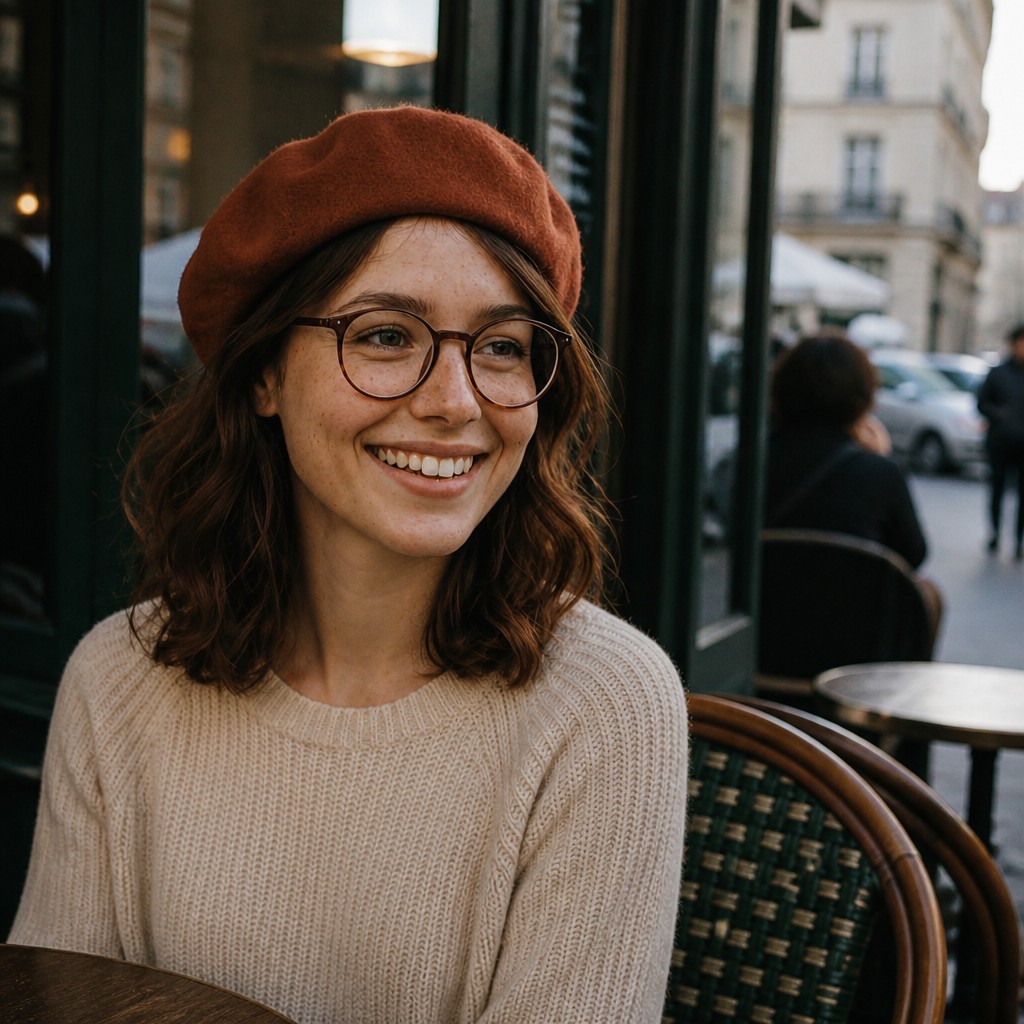

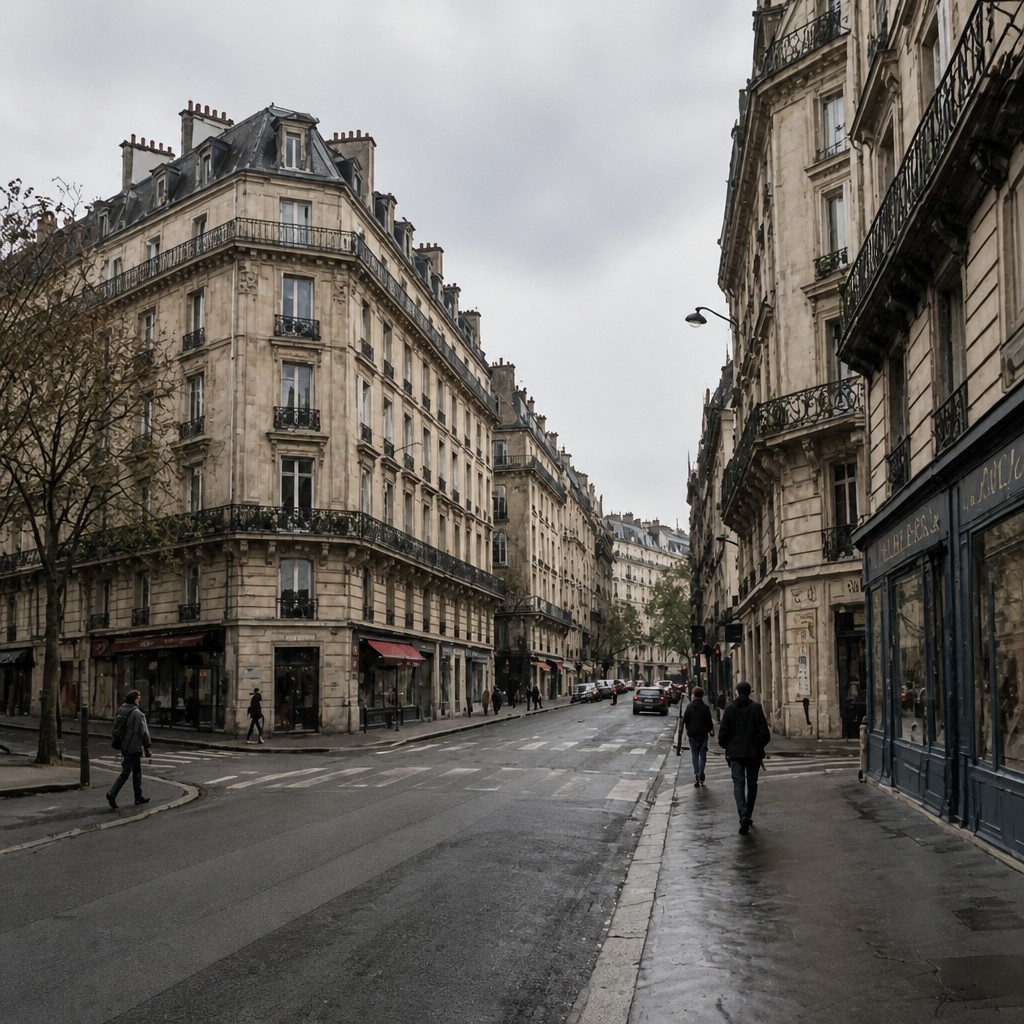

What Defines Documentary Photography Style
The signature details, up close
Candid, unposed moments
Subjects are usually caught in natural action rather than arranged for the camera. The sense that the scene was observed rather than constructed is central to the style.
Natural light and honest tonal range
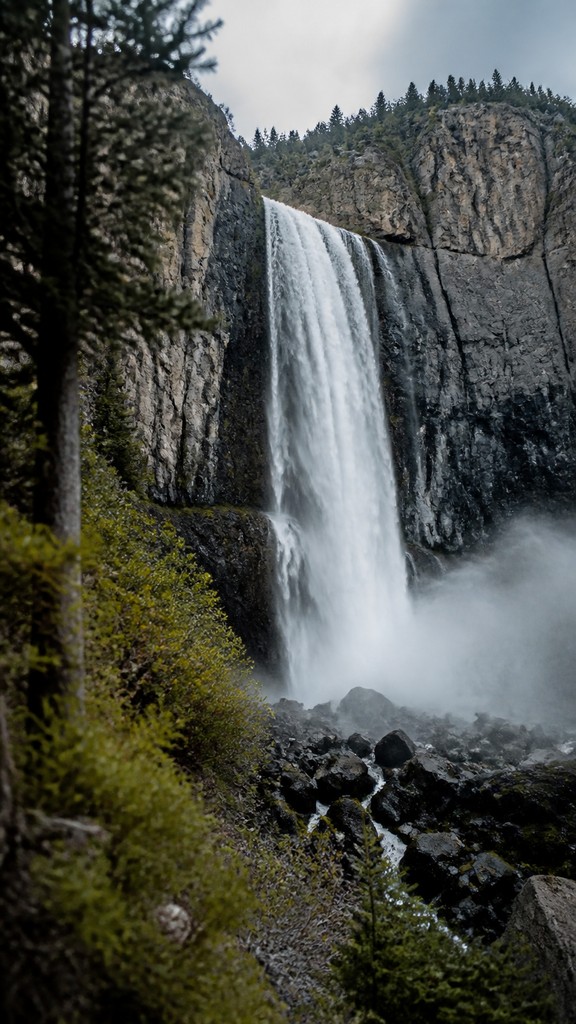
Available light is preferred over dramatic studio lighting. Highlights and shadows remain realistic, preserving the conditions under which the moment actually occurred.
Environmental context
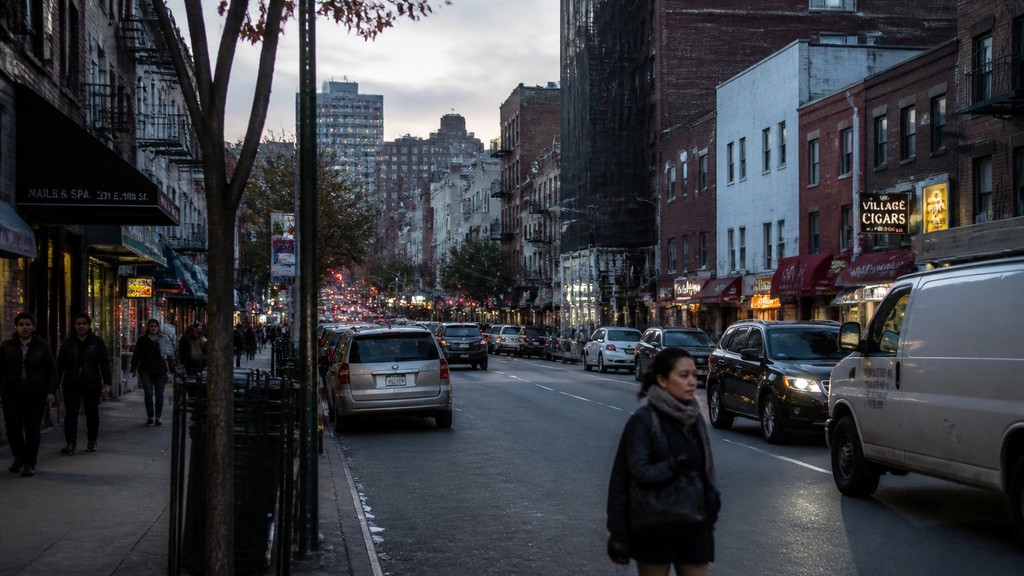
The surroundings matter as much as the subject. Interiors, streets, workplaces, and landscapes help explain the story and ground the image in a specific reality.
Narrative sequencing
Documentary work often relies on multiple images to tell a complete story. A wide establishing frame, a medium view, and a detail shot can reveal layers of context and action.
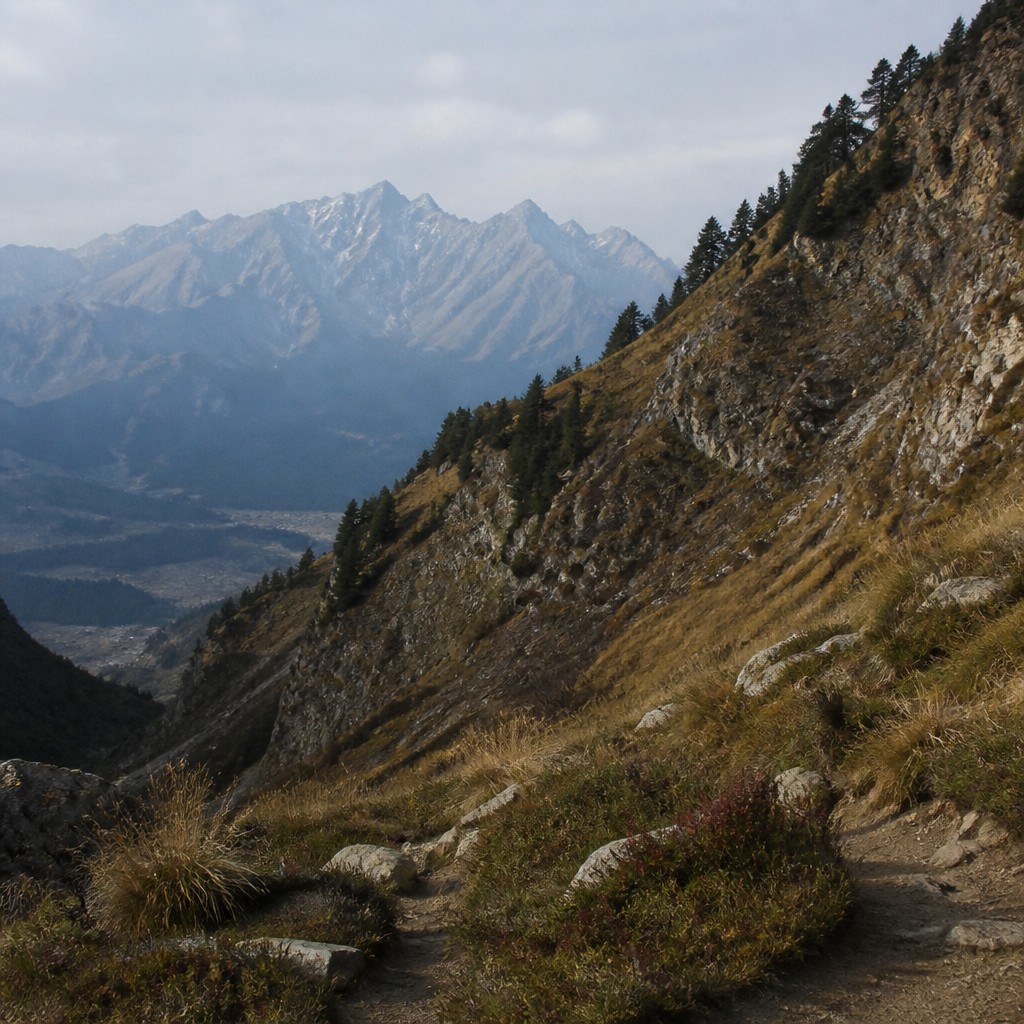
Muted, believable color
Color palettes are usually restrained and naturalistic, though black-and-white is also common. The goal is credibility and emotional clarity rather than decorative effect.
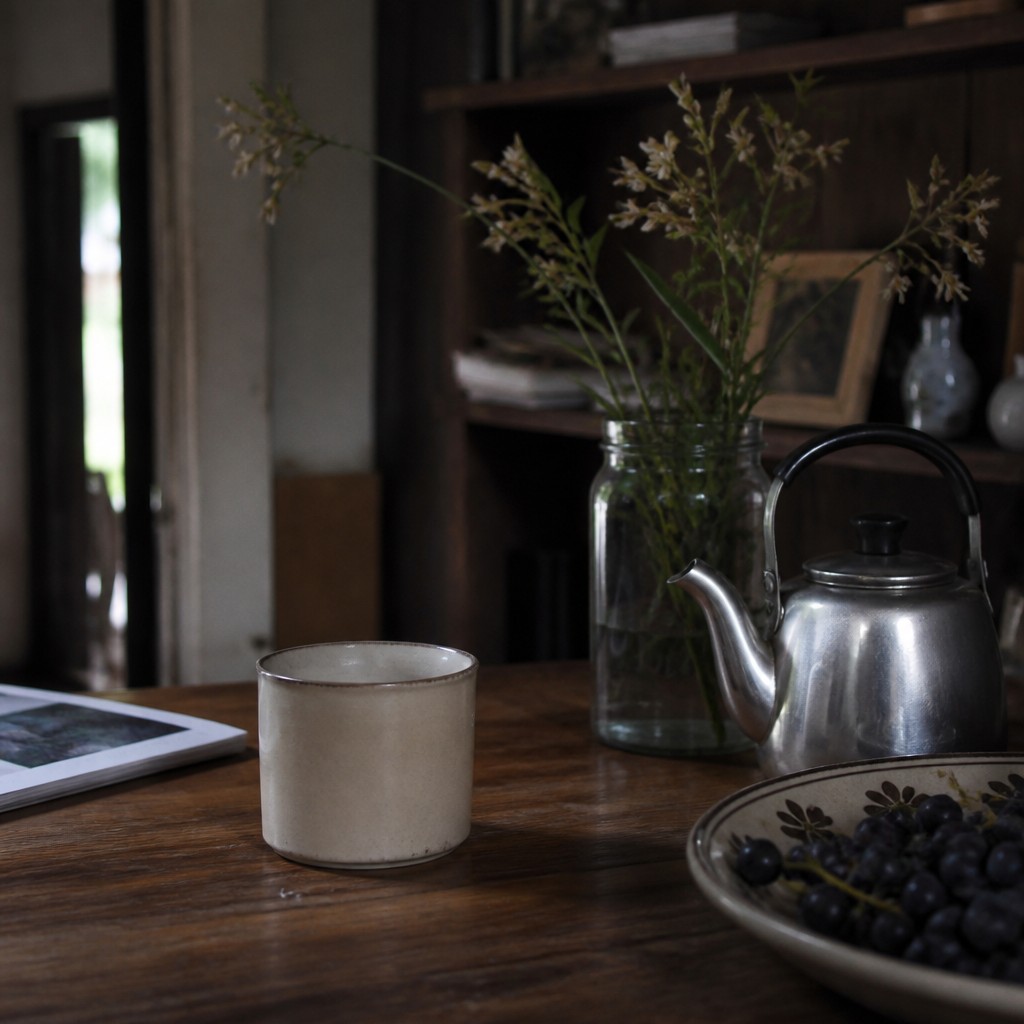
Subtle imperfection
Film grain, motion blur, imperfect framing, and atmospheric haze can strengthen the sense of immediacy. These elements suggest a human witness responding in real time.
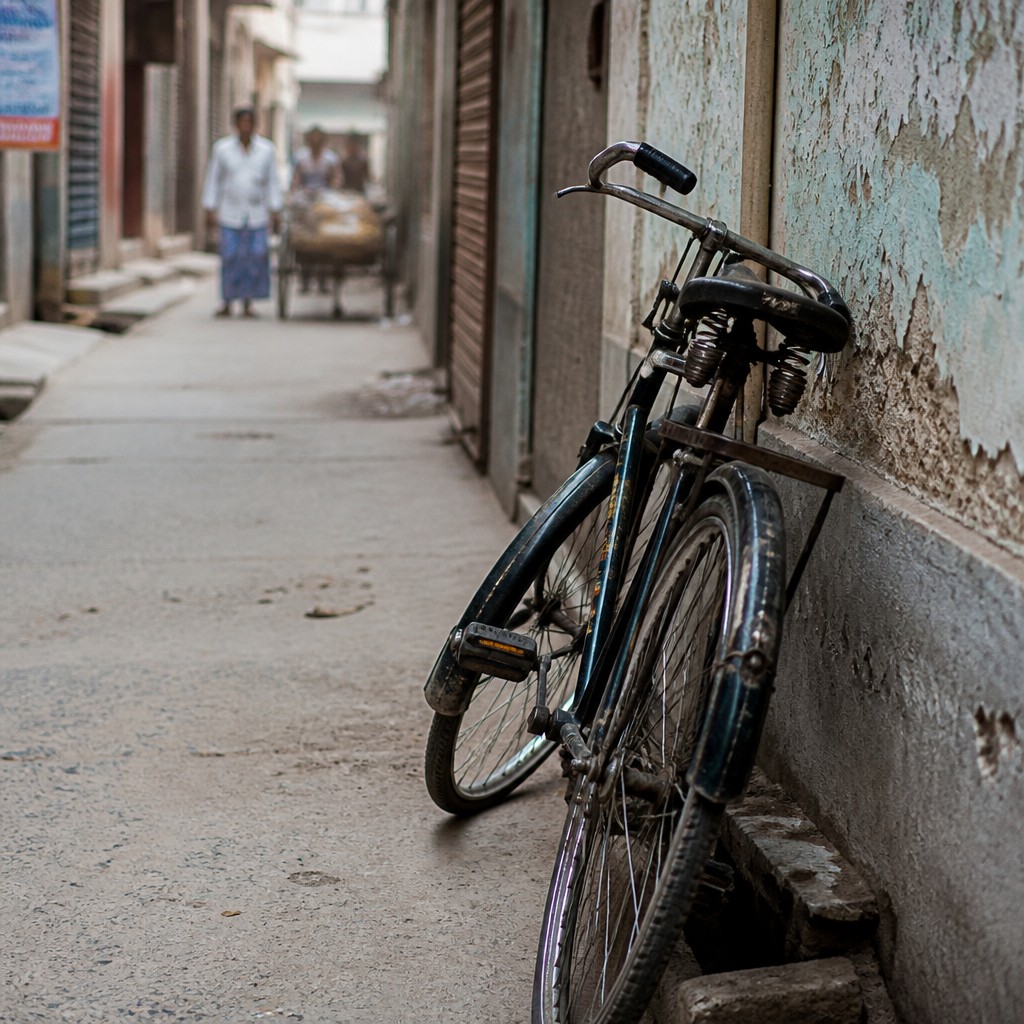
Photojournalistic composition
Compositions often feel off-center, layered, and attentive to foreground and background relationships. This creates depth while keeping the image anchored in observed reality.
Try It
Create Videos in Documentary Photography Style
Styles aren't just for stills — describe a scene or animate an image and get a short video rendered in Documentary Photography. Press play to see this pond come to life.
Make a VideoDocumentary Photography Prompt Ideas
Start from an idea — each one opens the generator with the style ready to go. See all 40 Documentary Photography prompts →
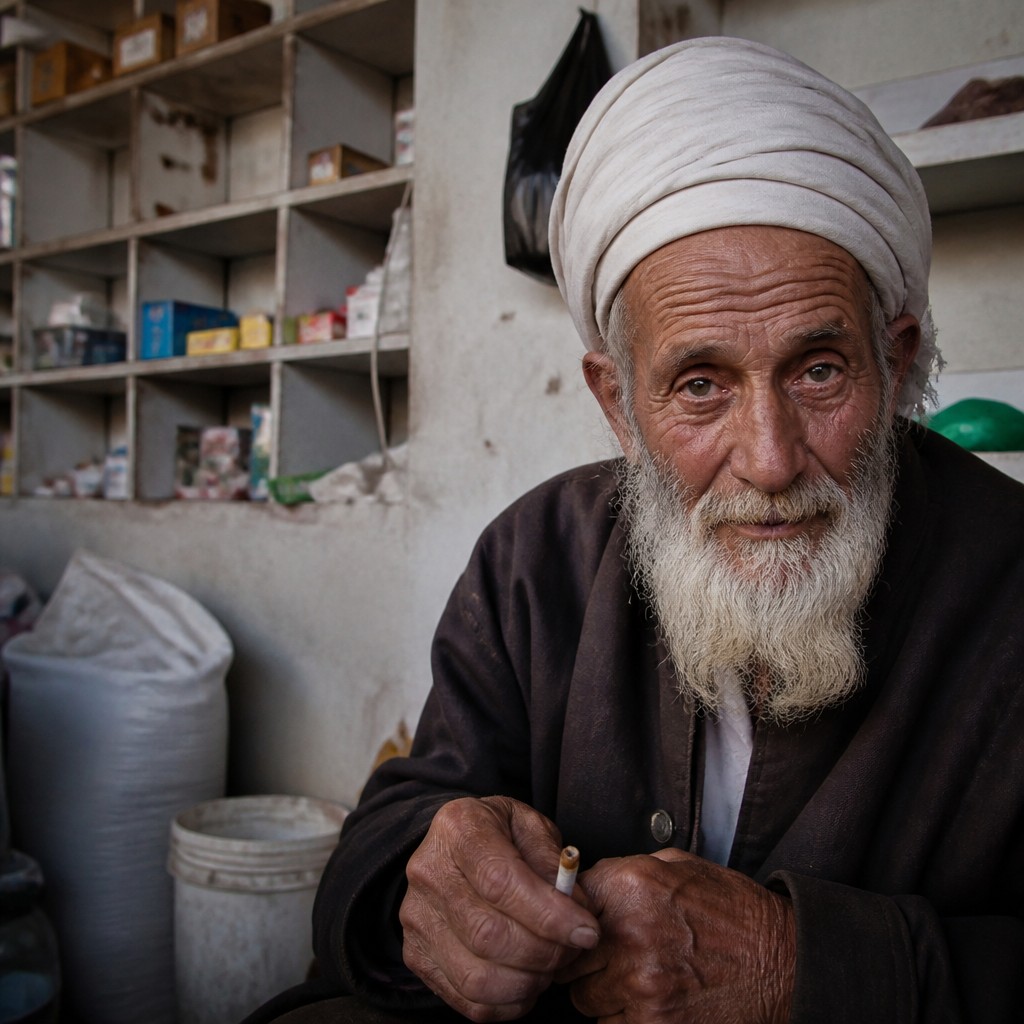
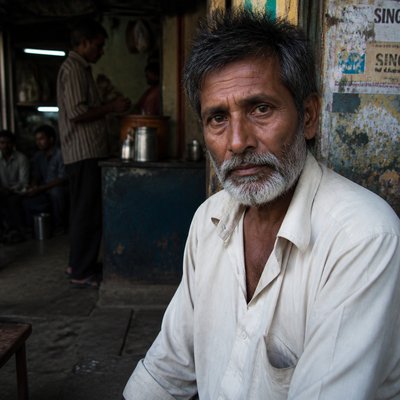
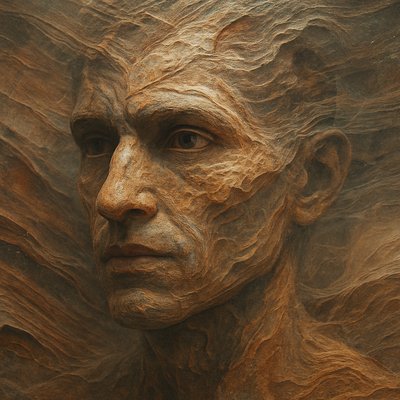
“close-up portrait of an elderly person with expressive weathered features”
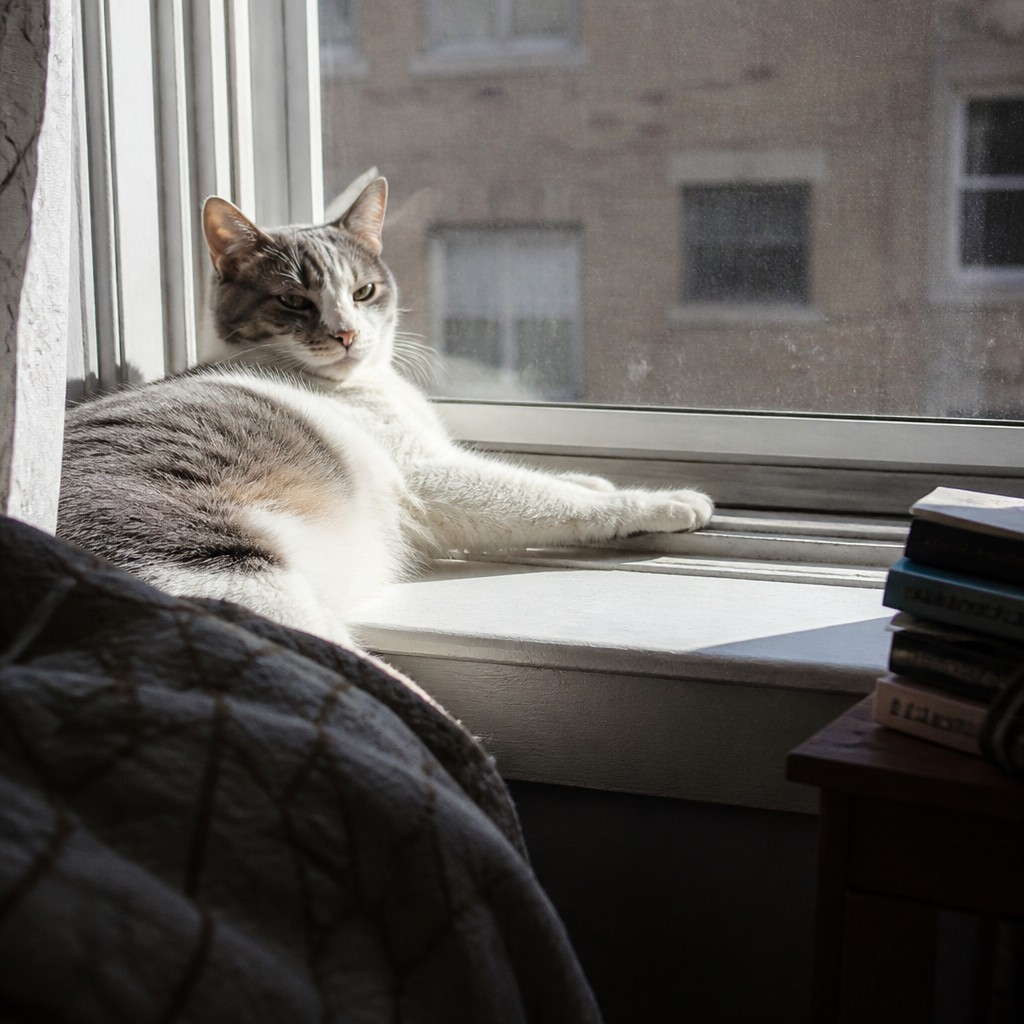
“a cat lounging in a sunlit window”
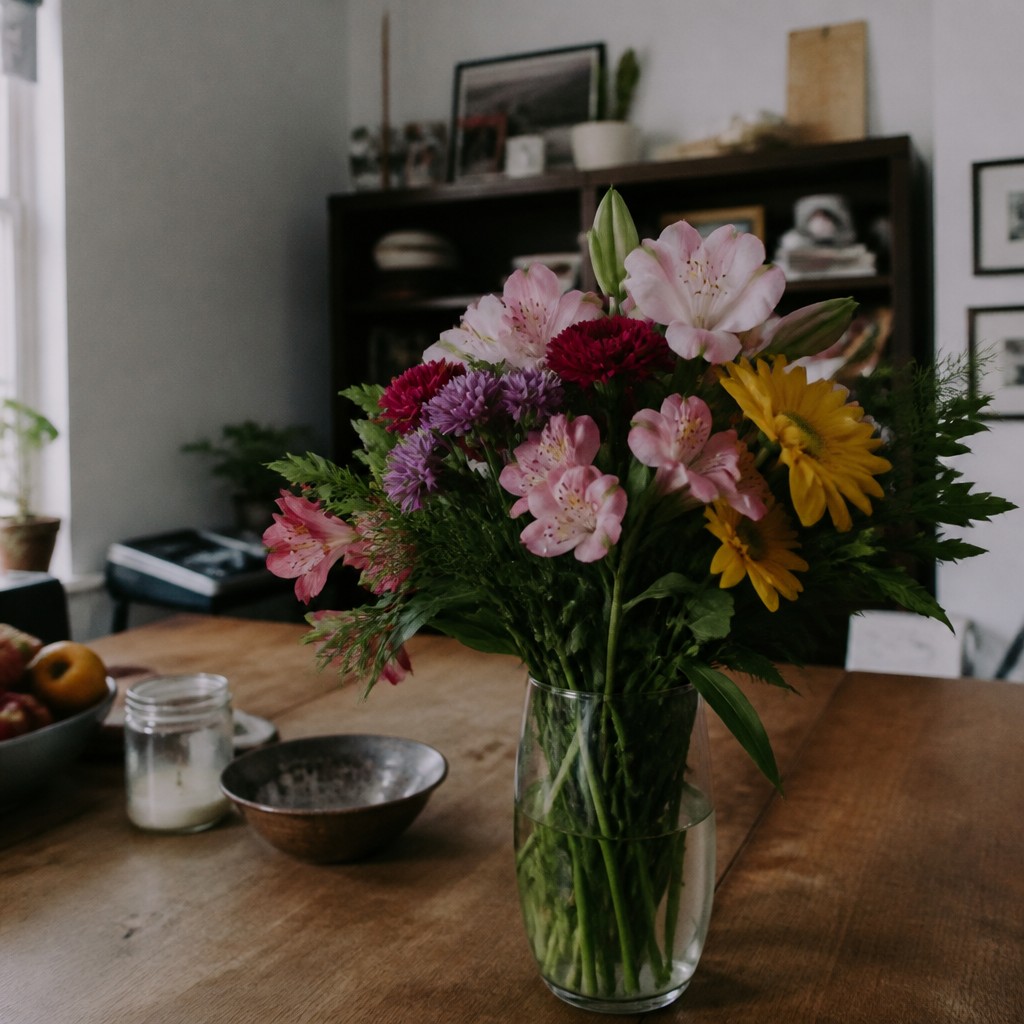
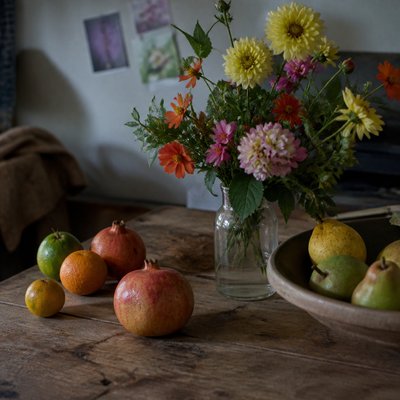
“bouquet of flowers in a glass vase”
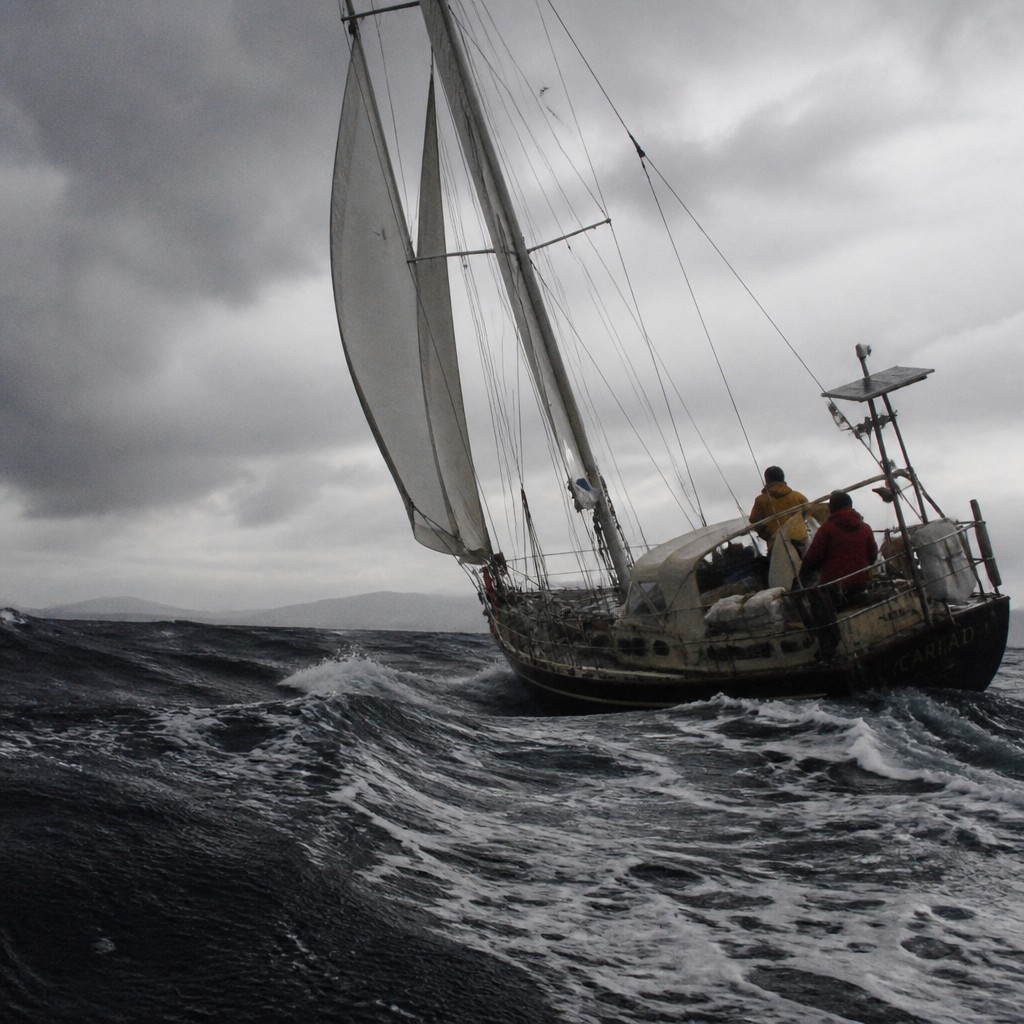
“sailing ship on a stormy sea”
How to Create Documentary Photography Art
Master the craft step by step — or skip straight to creating. Read the full guide →
- 1
Work from a real situation
Choose a subject with genuine context: a community event, workplace, street scene, household moment, or social issue. The strongest documentary images feel as if they were discovered, not invented.
- 2
Use natural light and minimal intervention
Shoot with available light whenever possible and avoid setups that look overly polished. Let contrast, shadows, and color temperature reflect the environment rather than forcing uniformity.
- 3
Keep the surroundings in frame
Include enough context for the viewer to understand where and how the action is happening. Background details, signage, clothing, furniture, and weather all contribute to the story.
- 4
Prioritize observation over posing
If working photographically, wait for gestures, interactions, and expressions that occur naturally. If editing or transforming an image, preserve candid posture, authentic facial expression, and realistic scene structure.
- 5
Build a sequence, not just a single hero image
Create a set of images that moves from wide context to close detail and human moment. This approach is especially effective for essays, reportage, and editorial storytelling.
- 6
If generating digitally, specify realism cues
Use prompts that request candid unposed photography, natural available light, muted realistic color, subtle grain, environmental context, and photojournalistic composition. Avoid language that implies glamour, fashion polish, or cinematic staging.
The Story
History & Origins of Documentary Photography
Documentary photography emerged in the late 19th and early 20th centuries as photography became a tool for social record, journalism, and reform. Early practitioners used the medium to describe labor, poverty, migration, urban life, and public events, helping establish photography as a witness to history rather than only a means of portraiture or spectacle. The tradition developed alongside photojournalism, editorial reportage, and documentary film, all of which shaped its commitment to observable reality and narrative clarity.
In the 20th century, documentary practice broadened from purely social documentation to include personal, political, and long-form narrative projects. Important practitioners associated with the tradition include pioneering social documentary photographers, influential postwar street photographers, major humanist photojournalists, and internationally recognized social-documentary image-makers. Their work helped define the visual language of candid observation, contextual framing, and emotionally charged realism that still informs documentary images today.
Influences: Documentary photography draws from photojournalism, humanist street photography, and social documentary traditions, as well as the broader history of reportage in film and literature. Canonical figures such as pioneering social documentary photographers, influential postwar street photographers, major humanist photojournalists, and internationally recognized social-documentary image-makers helped shape its visual grammar of candid observation, social context, and narrative sequencing. It also overlaps with observational cinema and the ethics of witness in modern visual culture.
Frequently Asked Questions
What defines documentary photography style?
It is defined by candid, observational images that seek to describe real people and situations with minimal staging. The style emphasizes truthfulness, context, and narrative clarity over aesthetic polish. Even when visually beautiful, the image should still feel like evidence of a real moment.
How is it different from street photography?
Street photography often focuses on spontaneous moments in public space and may prioritize timing, irony, or visual tension. Documentary photography is broader and more reportorial, often building a fuller story about a place, event, or social condition. It usually includes more contextual framing and may be organized as a sequence.
What kind of lighting works best?
Natural available light is the standard choice because it preserves the feeling of an unmanipulated scene. Soft daylight, window light, overcast conditions, and practical indoor lighting can all work well if they remain believable. Heavy stylization or dramatic studio setups usually weaken the documentary feel.
Can documentary images be black and white?
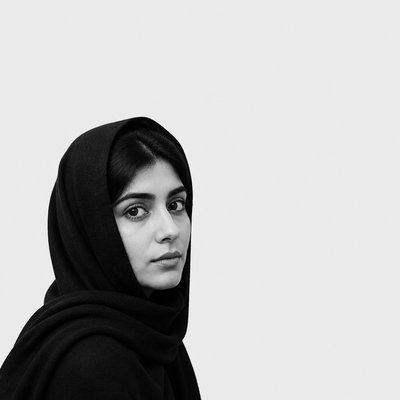
Yes. Black-and-white has a long history in documentary work and can emphasize form, gesture, and tonal structure. The key is not the absence of color, but whether the image still feels observational, specific, and grounded in reality.
Where is this style commonly used?
It is widely used in editorial photography, journalism, human rights reporting, nonprofit storytelling, personal essays, and long-form photo projects. It also appears in museums and books when photographers want to examine everyday life, labor, conflict, or social change.
How do I make an image look more authentic?
Preserve environmental detail, avoid overly perfect composition, and keep gestures natural. Subtle grain, realistic shadows, and a restrained palette help, but authenticity comes most from believable timing and an unforced relationship between subject and setting.
Create your first Documentary Photography artwork
Describe anything — or upload a photo — and see it in Documentary Photography Style in seconds.
Make Something with Documentary Photography
Compare Documentary Photography
Related Styles
Discover similar art styles