Street Photography vs Documentary Photography: What's the Difference?
Street Photography Style captures candid urban moments with strong composition, dramatic light, and a sense of timing that turns ordinary scenes into visually striking images. It often emphasizes geometry, contrast, and spontaneous human behavior within public spaces, while still preserving a documentary feel.
Documentary Photography Style also relies on real-world scenes and candid observation, but its main goal is to communicate truthful information and narrative depth. People compare the two because both value authenticity, unposed moments, and visual evidence, yet street photography leans more toward expressive composition and emotional surprise, while documentary photography leans more toward clarity, context, and storytelling.
Same Prompt, Both Styles
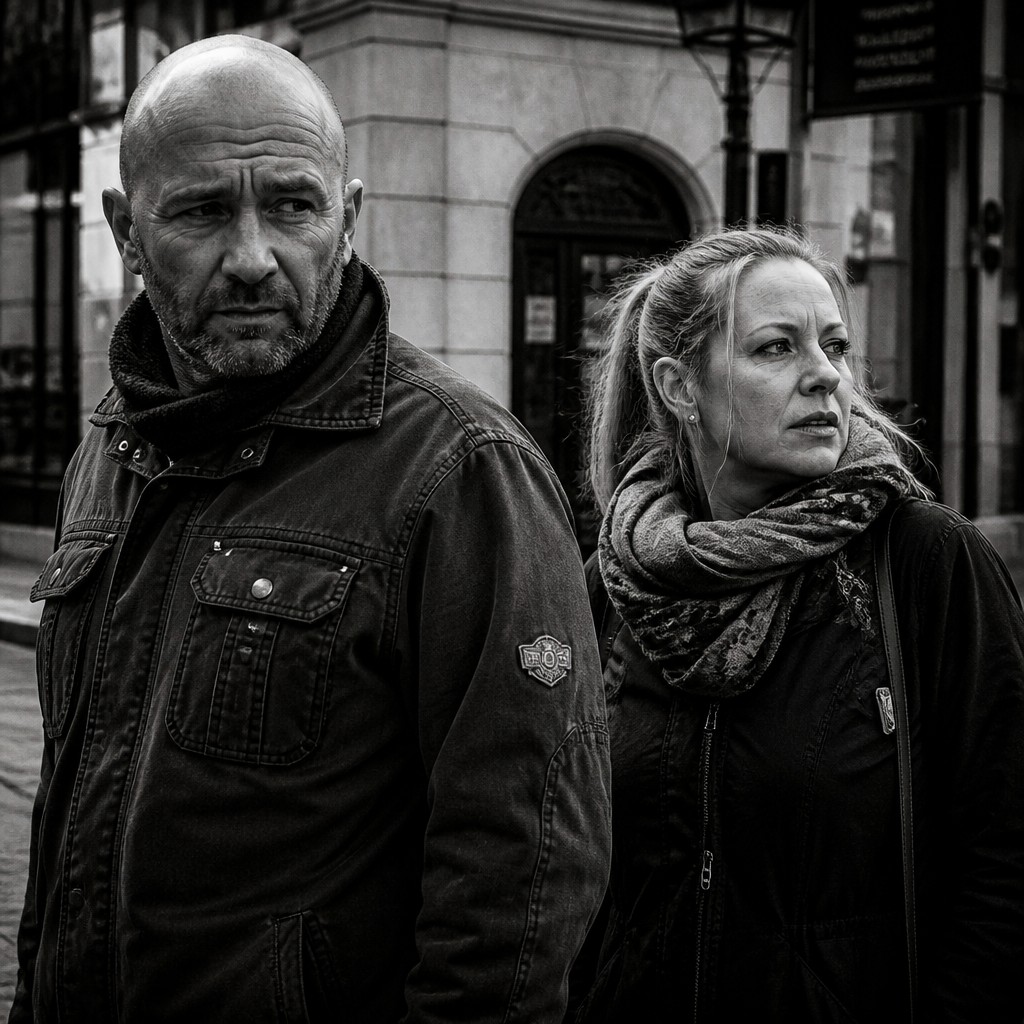
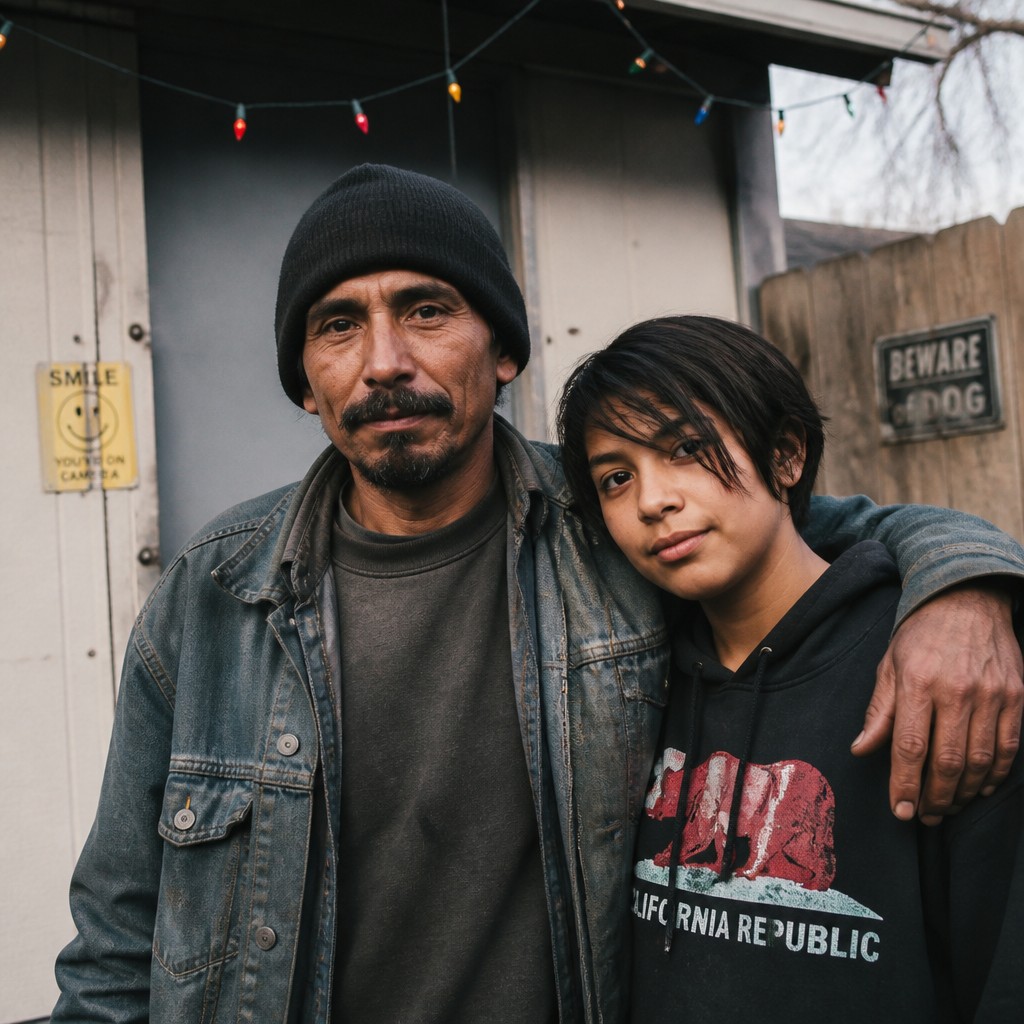
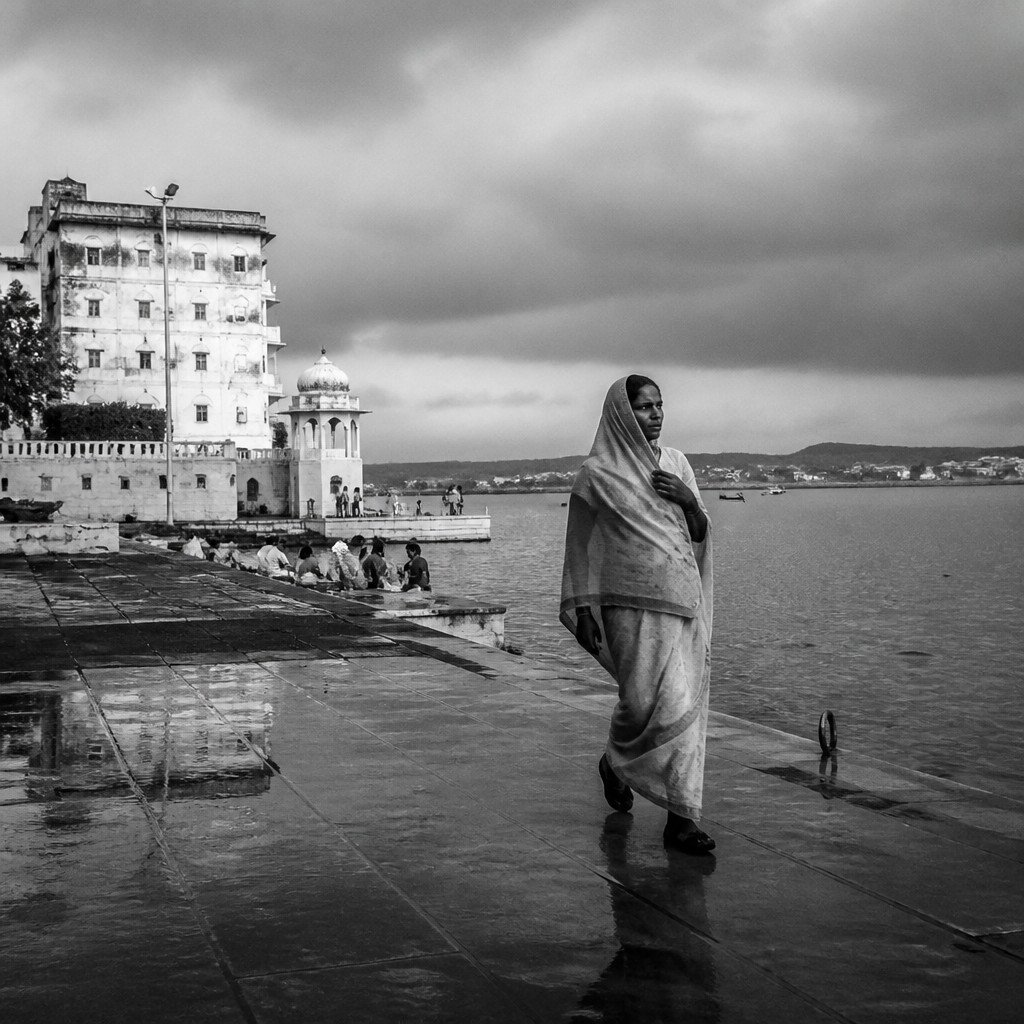
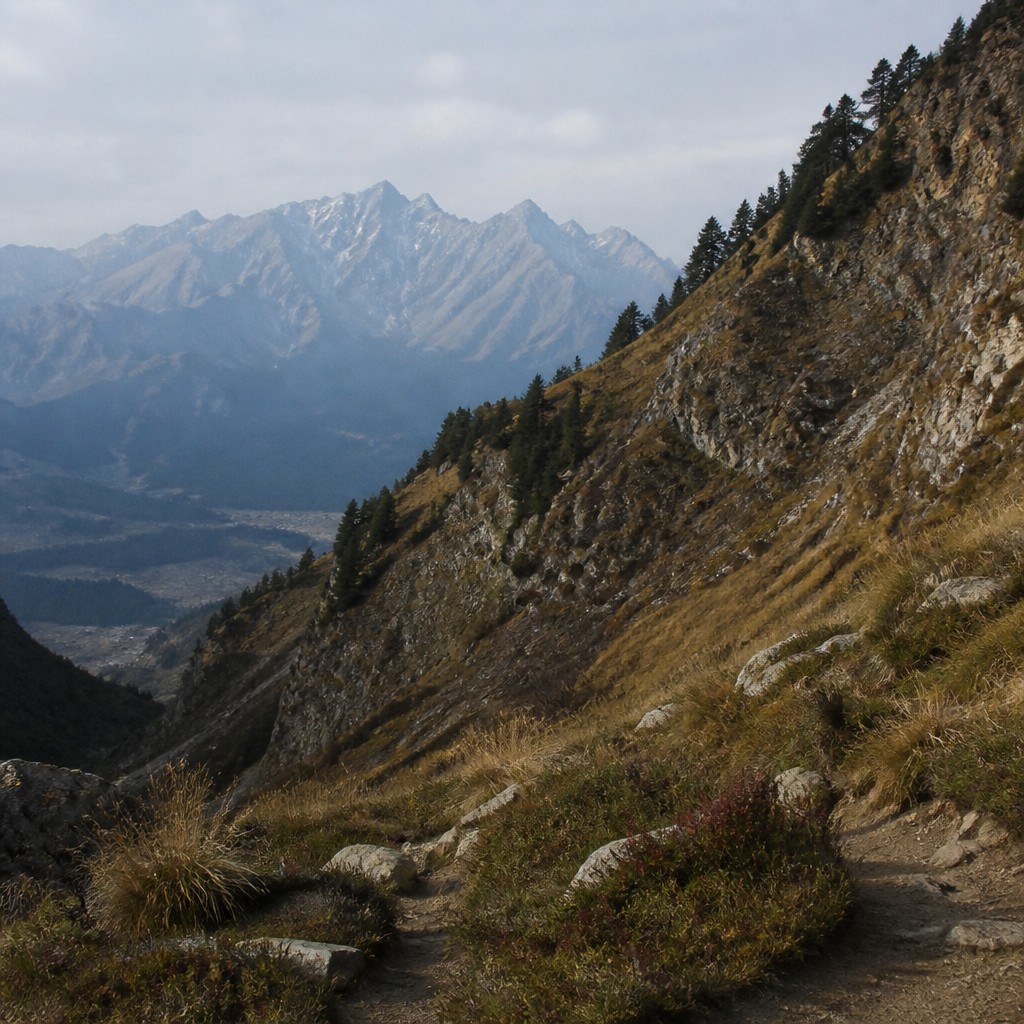
Each pair below was generated from the identical prompt — only the style changed.
“portrait of two people together”
“wide landscape with natural scenery”
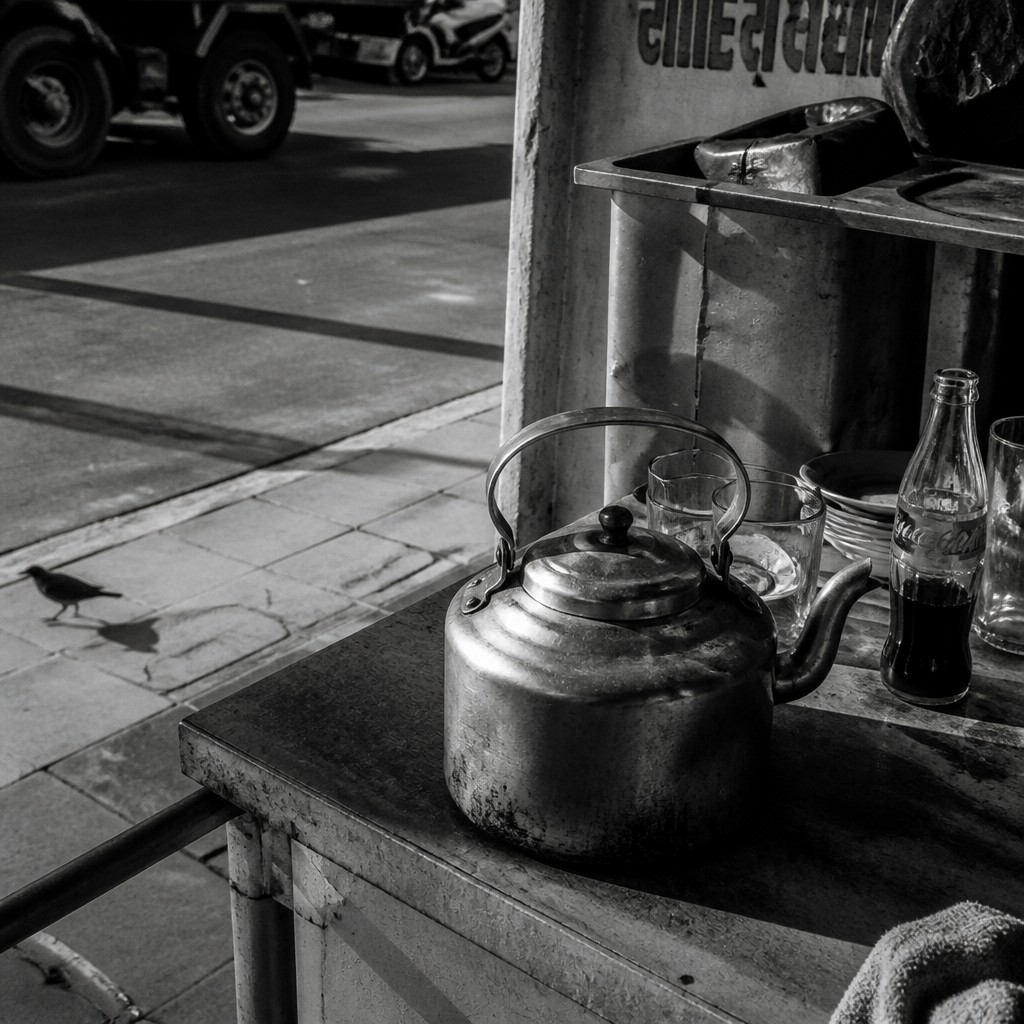
“still life with everyday objects”

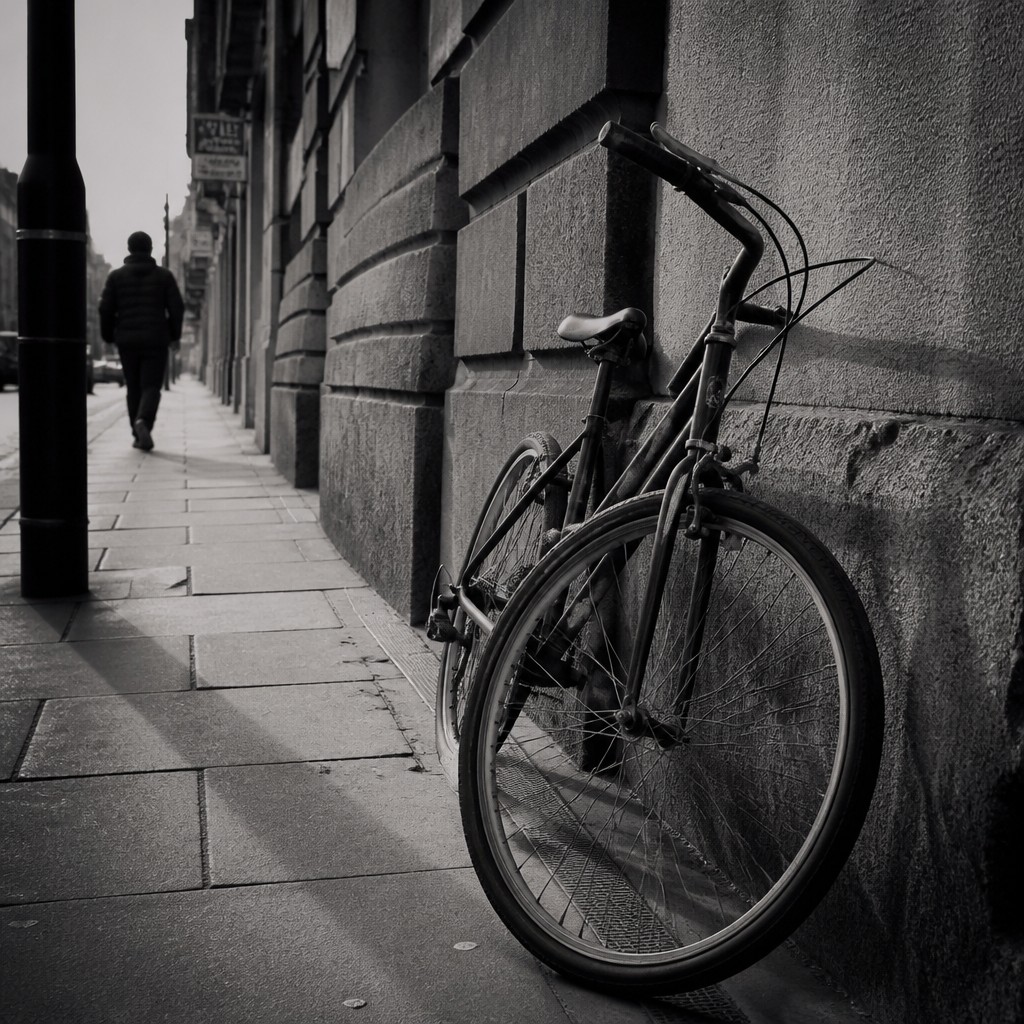
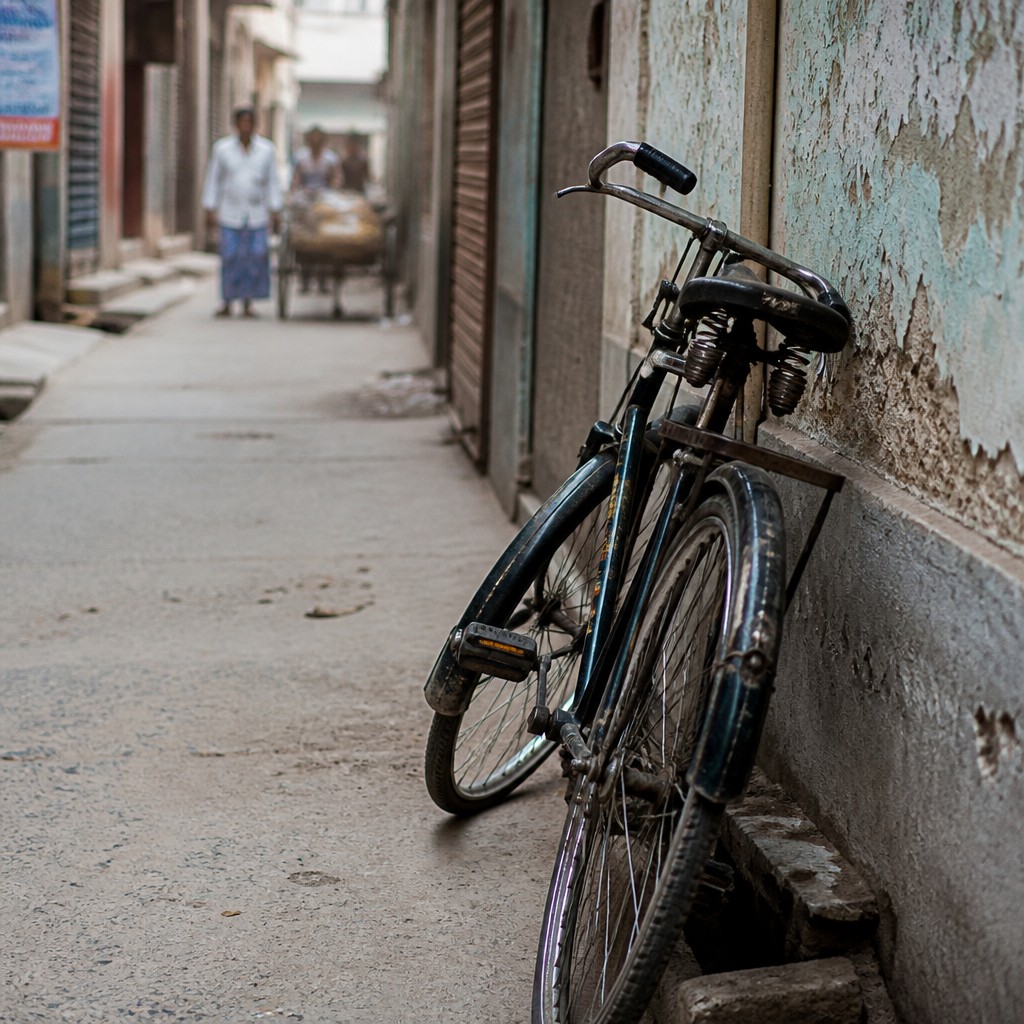
“bicyle resting against a wall”
Key Differences
| Street Photography | Documentary Photography | |
|---|---|---|
| Primary purpose | Shows urban life with visual impact and timing. | Explains real events, people, or conditions with context. |
| Composition | Uses geometry, framing, and strong spatial patterns. | Prioritizes clarity and readable scene structure. |
| Light | Often seeks dramatic shadows, contrast, and highlights. | Uses natural light to preserve an honest look. |
| Subject emphasis | Centers brief gestures, interactions, or fleeting moments. | Centers actions, situations, and meaningful details. |
| Narrative role | Suggests a story through a single charged instant. | Builds a fuller story across visible evidence. |
| Visual tone | More stylized, energetic, and aesthetically composed. | More restrained, factual, and observational. |
| Mood | candid, observant, urban, immediacy, human | authentic, observant, grounded, human, reflective |
| Energy | balanced | balanced |
| Detail level | detailed | detailed |
| Color | natural tones, muted contrast, occasional vivid accents | natural, muted, true-to-life tones |
| Texture | grainy, crisp, documentary-like | real-world grain, soft imperfections |
| Origin | 20th-century urban documentary photography | 20th-century photojournalism and social documentation |
| Best for | editorial features, photo essays, city posters, documentary books, album covers, social commentary | news features, editorial spreads, photo essays, nonfiction books, museum exhibits, social campaigns |
| Difficulty | advanced | moderate |
Which Should You Choose?
Choose Street Photography Style if you want images that feel immediate, visually dynamic, and shaped by composition and timing. Choose Documentary Photography Style if your priority is truthful reporting, contextual clarity, and a broader sense of real-life narrative. If you want a picture to feel like a powerful moment in the city, pick A; if you want it to feel like evidence of a real situation, pick B.
Frequently Asked Questions
Are street photography and documentary photography the same thing?
No. They overlap because both can be candid and real-world based, but they serve different goals. Street photography is usually more focused on visual moment and form, while documentary photography is more focused on telling a truthful story.
Which style is more realistic?
Both can be realistic, but documentary photography usually aims more directly at factual honesty and context. Street photography can still be real, but it often emphasizes aesthetic selection and dramatic timing more strongly.
Which style works better for public scenes?
Both work well in public scenes, but street photography is especially suited to spontaneous urban life. Documentary photography can also use public scenes, especially when those scenes help explain an issue, event, or social context.
Can one image belong to both styles?
Yes. A candid city image with natural behavior and strong visual composition can sit between the two. The difference is usually intention: whether the image is mainly meant to evoke a moment or to communicate a broader real-world story.