Environmental Art Style
Site-specific art that blends with landscapes and cities through weathered materials, natural decay, and temporary interventions.
Instantly rendered in Environmental — or transform a photo

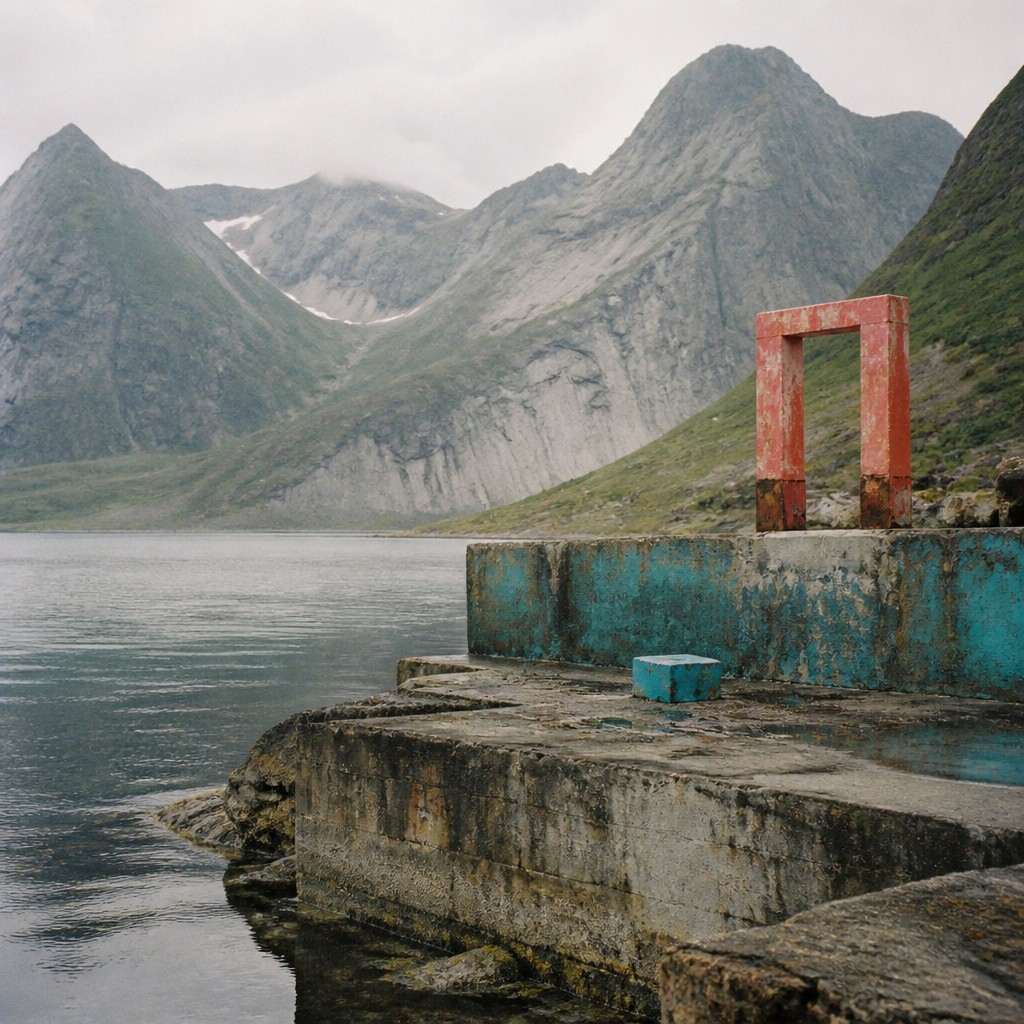
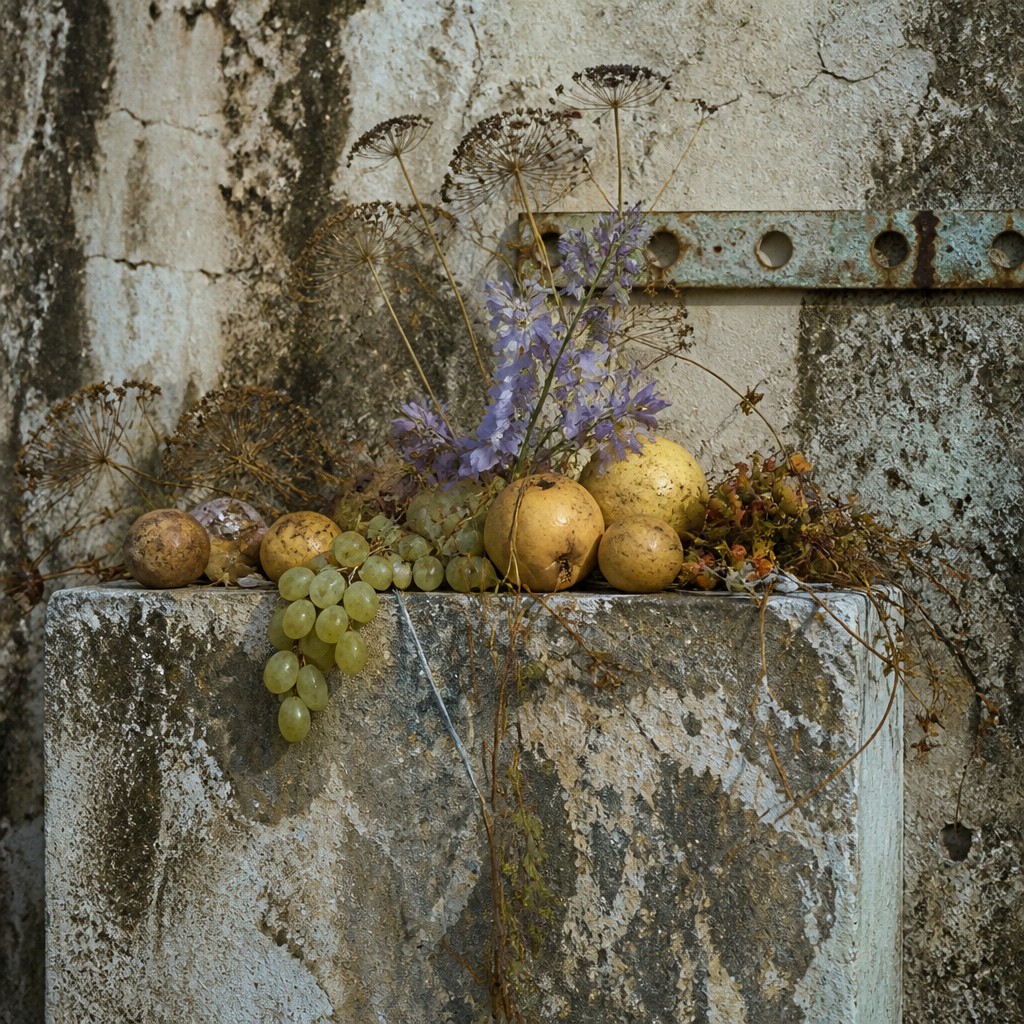
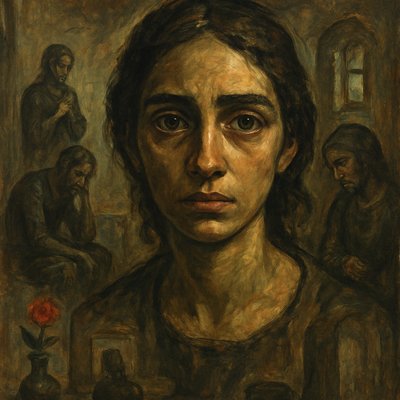
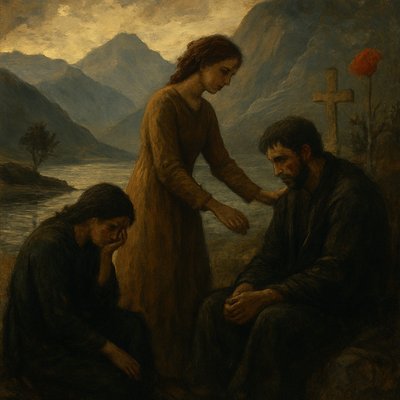
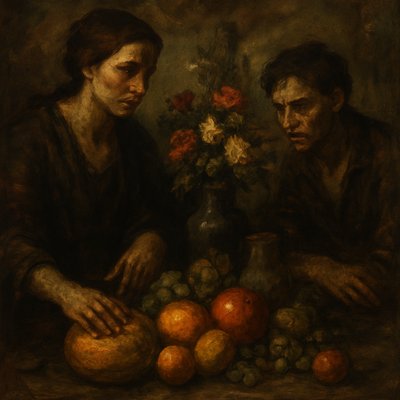
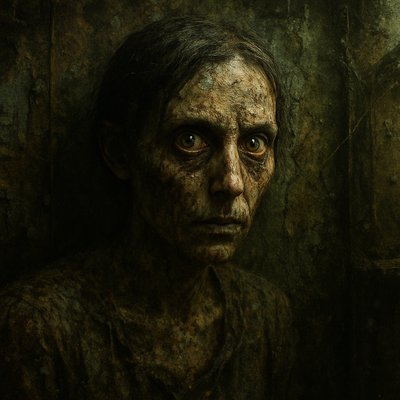
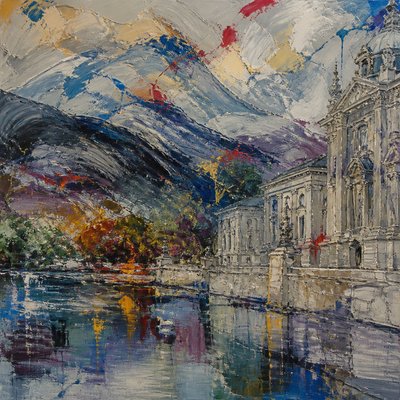
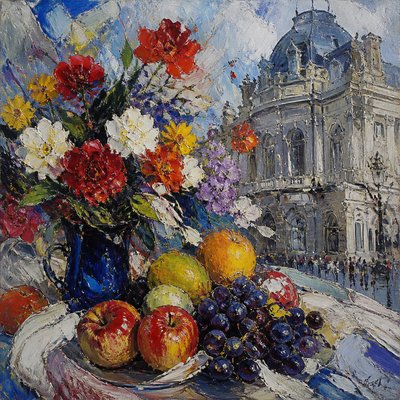
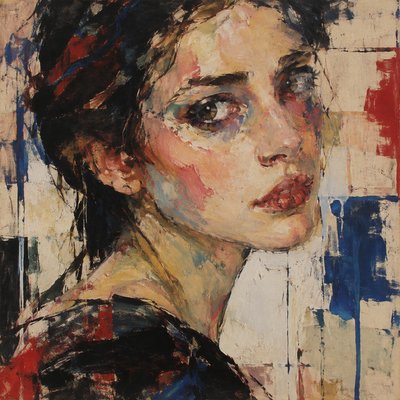
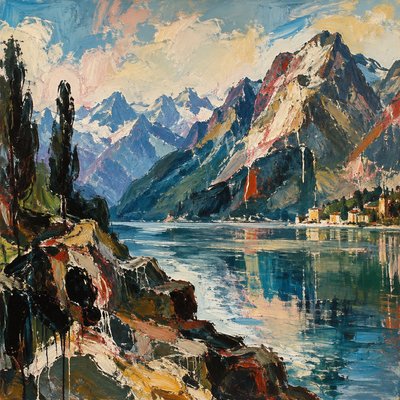
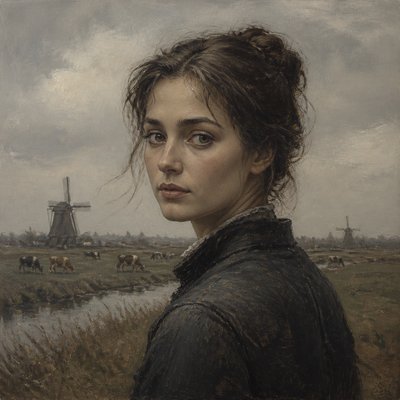
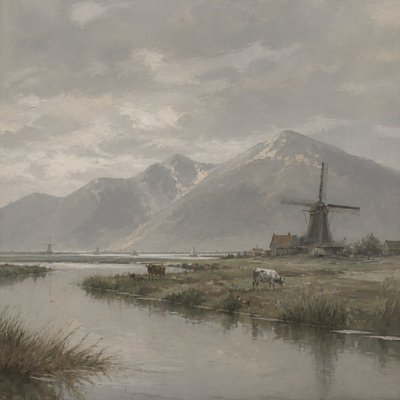
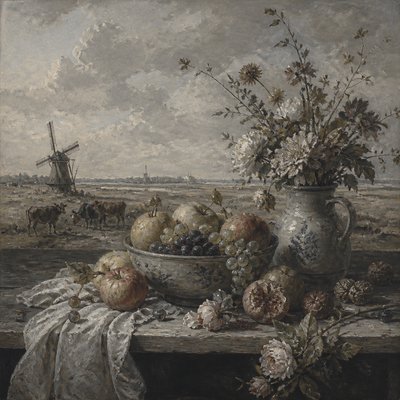
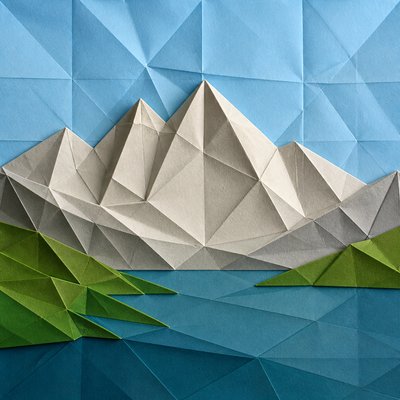
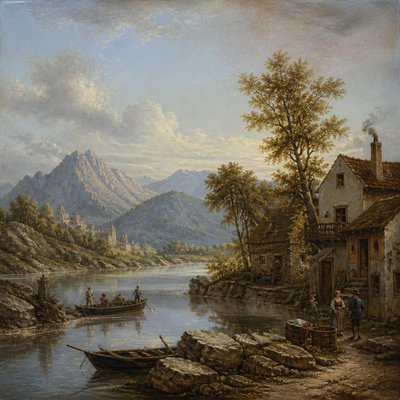
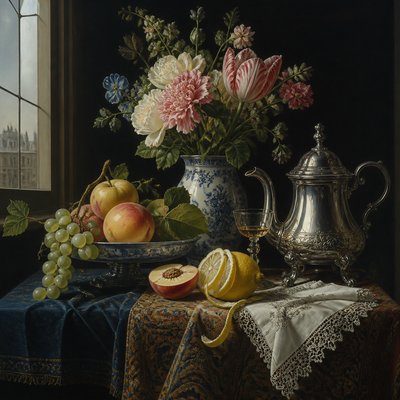
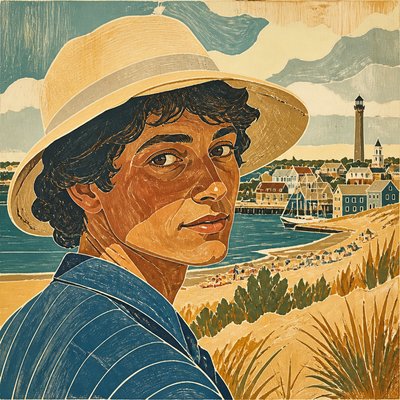
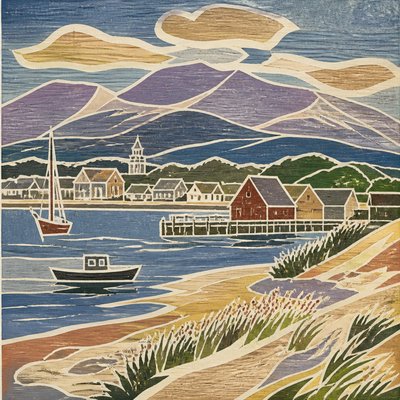
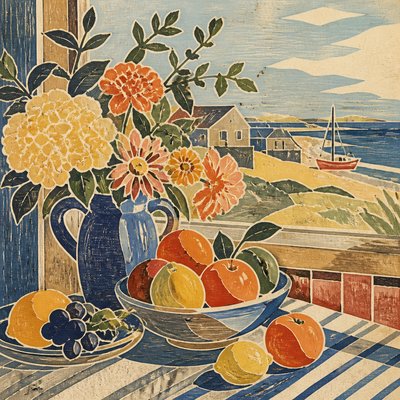
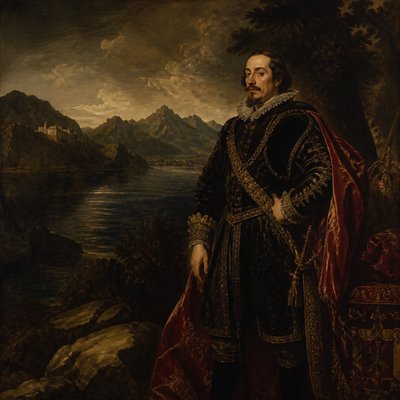
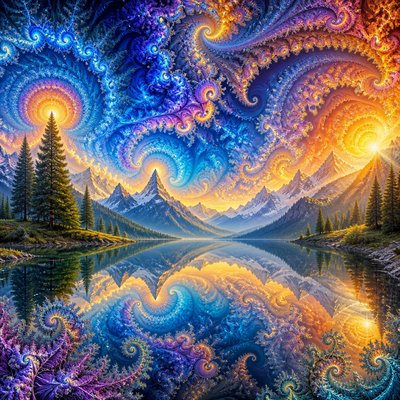
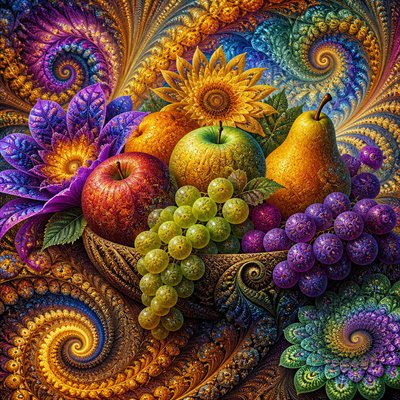
Environmental Gallery
Tap any artwork to explore it
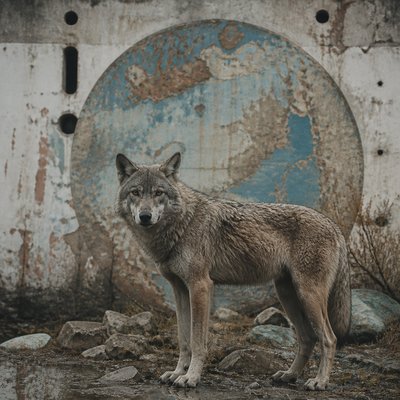
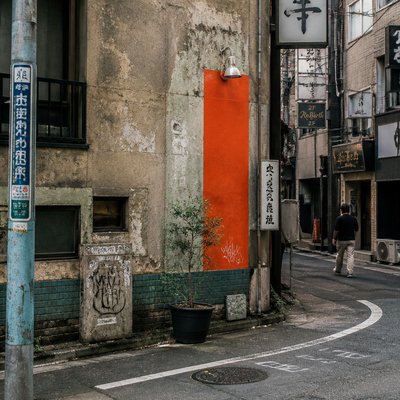
What is Environmental Art Style?
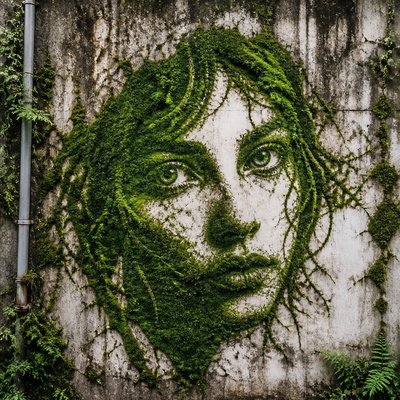
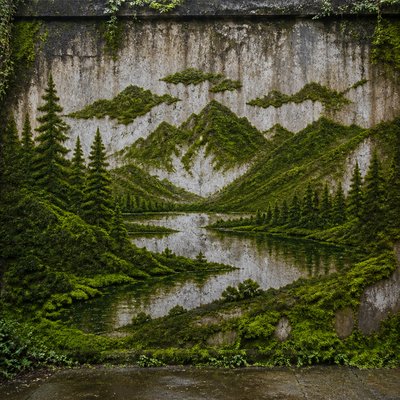
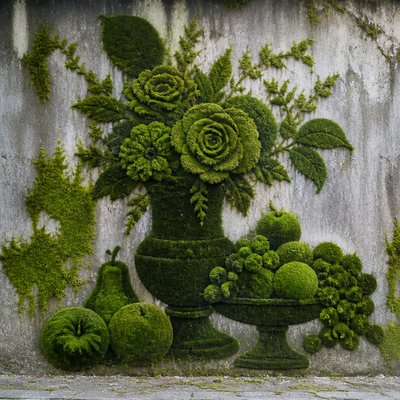
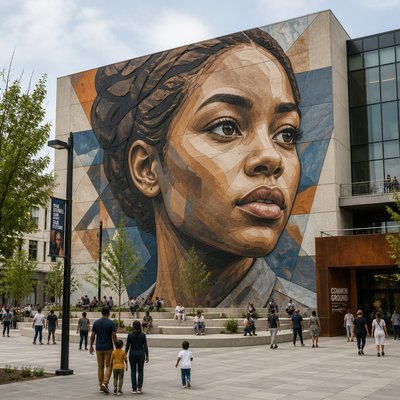
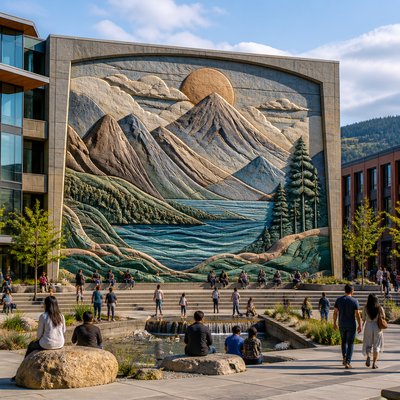
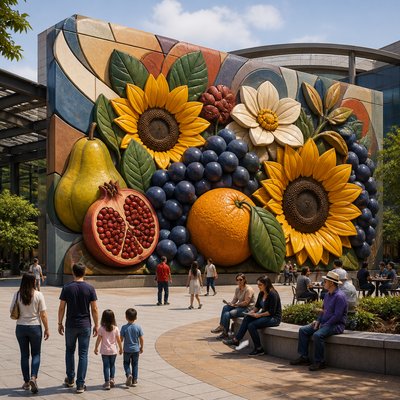
Environmental art is a site-specific approach to making art that responds directly to a place rather than to an isolated studio setting. It often uses the land itself, found materials, or temporary interventions placed in natural or urban environments, so the work changes with weather, light, season, and human activity.
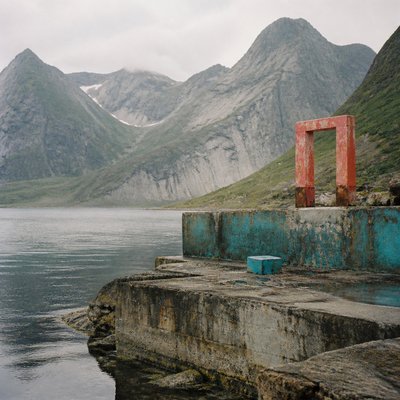
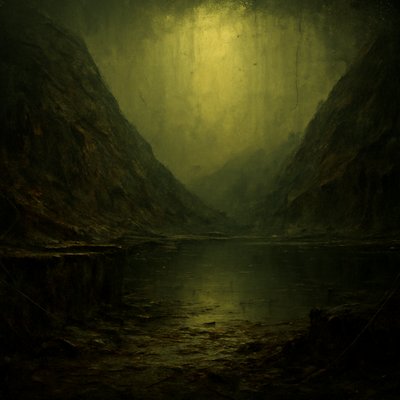
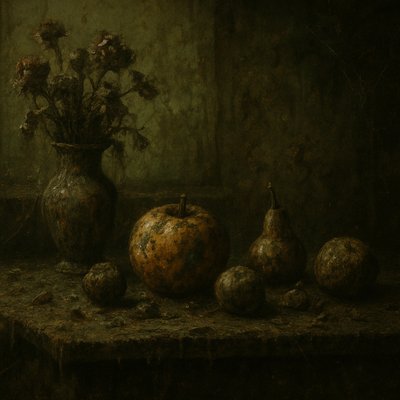
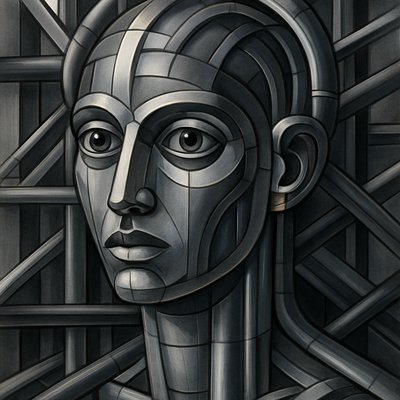
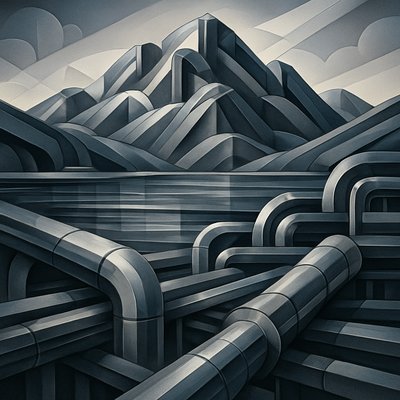
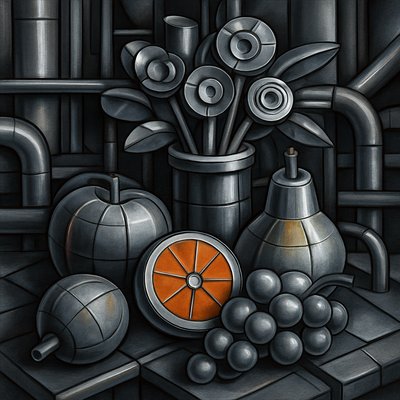
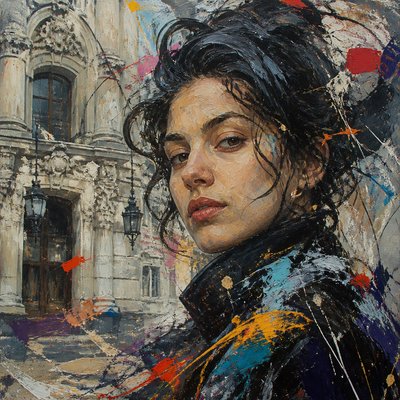
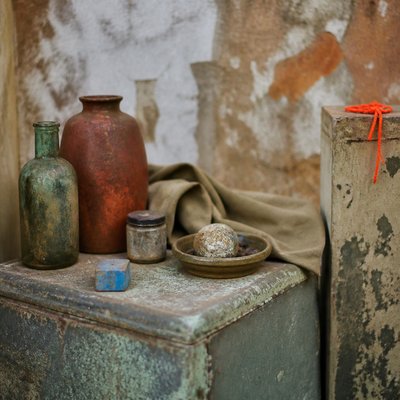
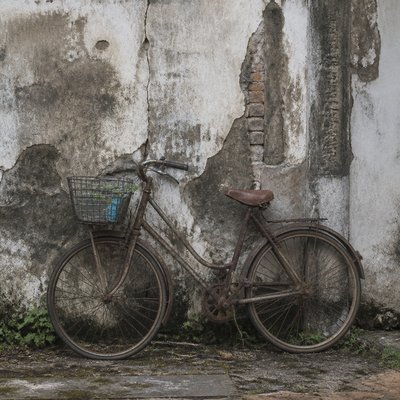
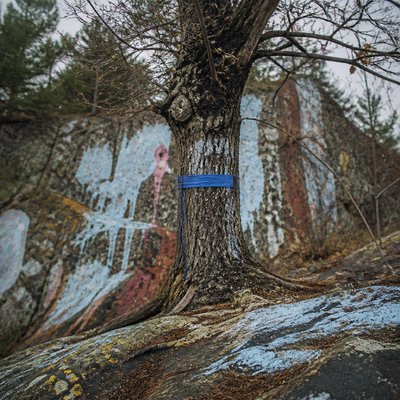
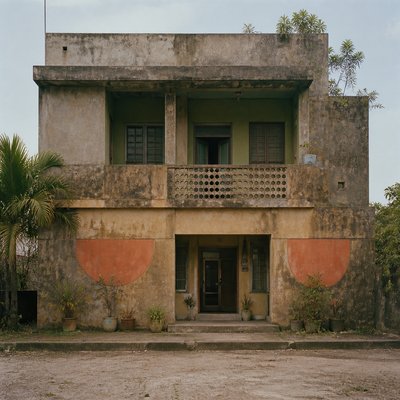
Visually, the style is defined by a strong sense of context: surfaces may show oxidation, erosion, staining, fading, or other traces of time; forms often balance deliberate arrangement with surrounding entropy; and the palette tends toward earth tones punctuated by occasional synthetic accents. The result feels documentary and ephemeral at once, as if the artwork is part of the site’s physical history rather than an object simply placed within it.
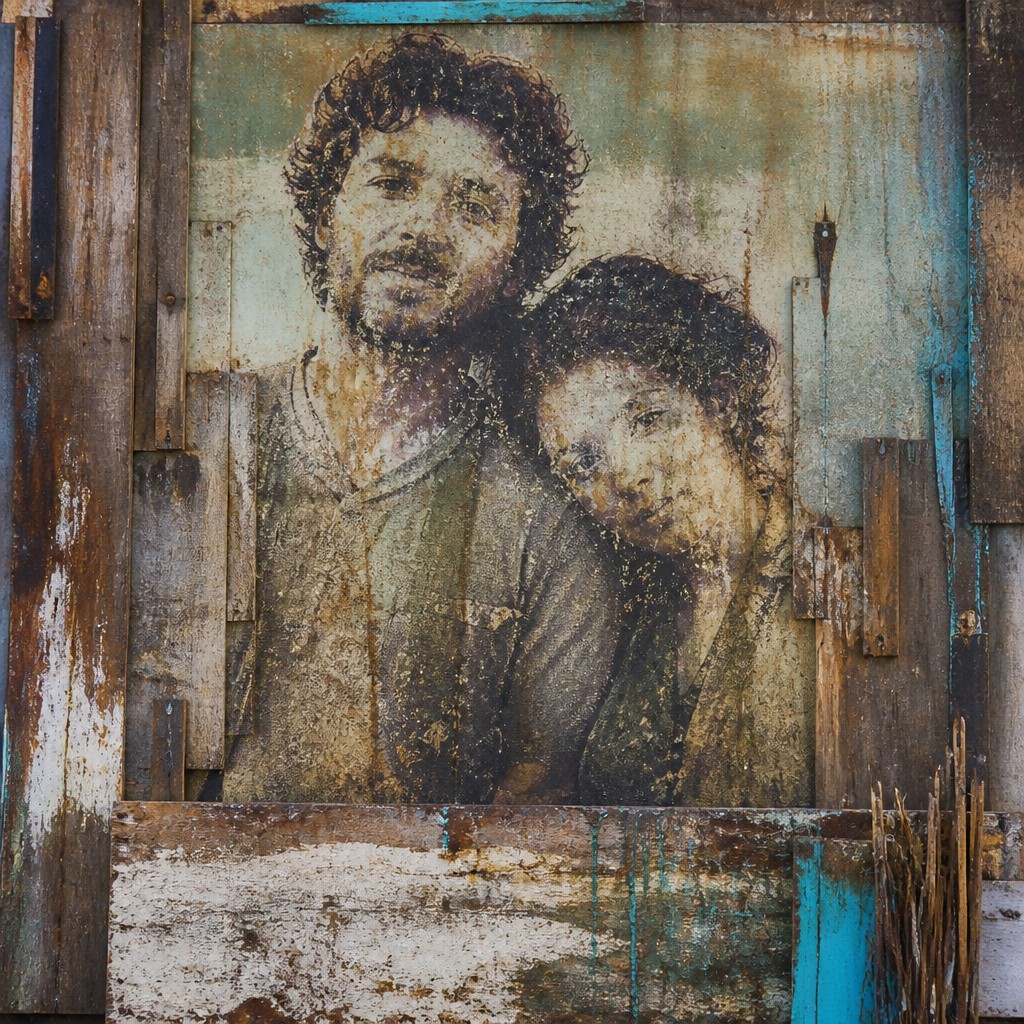
Try It On Your Photos
Upload any photo and convert it into Environmental Art Style — drag the sliders to compare before and after.


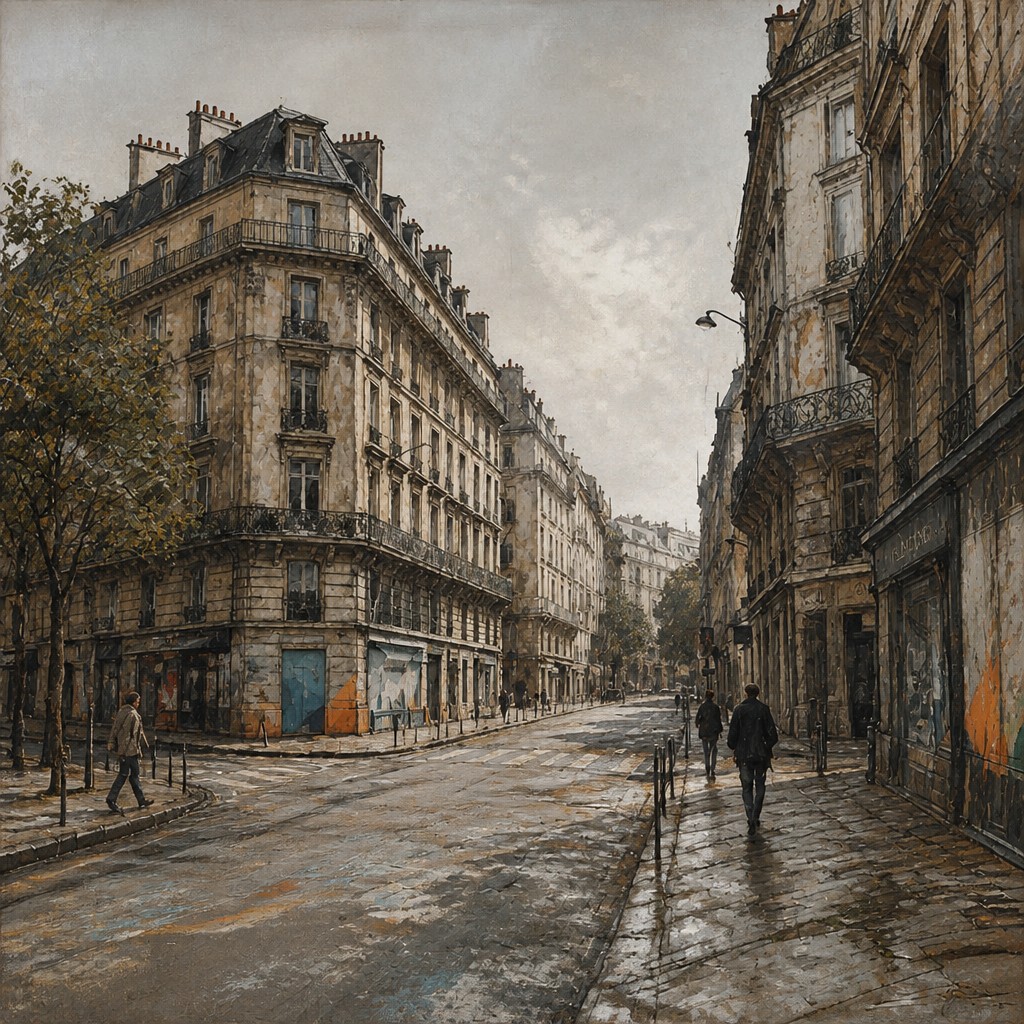

What Defines Environmental Art Style
The signature details, up close
Site-specific composition
The work is designed for a particular location, so placement, scale, and orientation matter as much as the object itself. The surrounding terrain, architecture, or traffic pattern becomes part of the composition.
Weathered surfaces
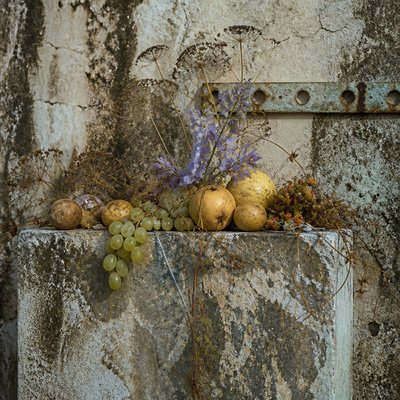
Oxidation, erosion, patina, staining, bleaching, and physical wear are central visual features. These marks suggest duration and exposure rather than pristine finish.
Earth-toned palette with contrast
Muted browns, grays, rusts, greens, and stone colors dominate, often offset by a small amount of bright synthetic color. That contrast emphasizes the tension between natural and made elements.
Temporary or changeable form
Many works are intended to be impermanent, allowed to decay, dissolve, shift, or be dismantled. The artwork’s meaning often includes its disappearance or transformation.
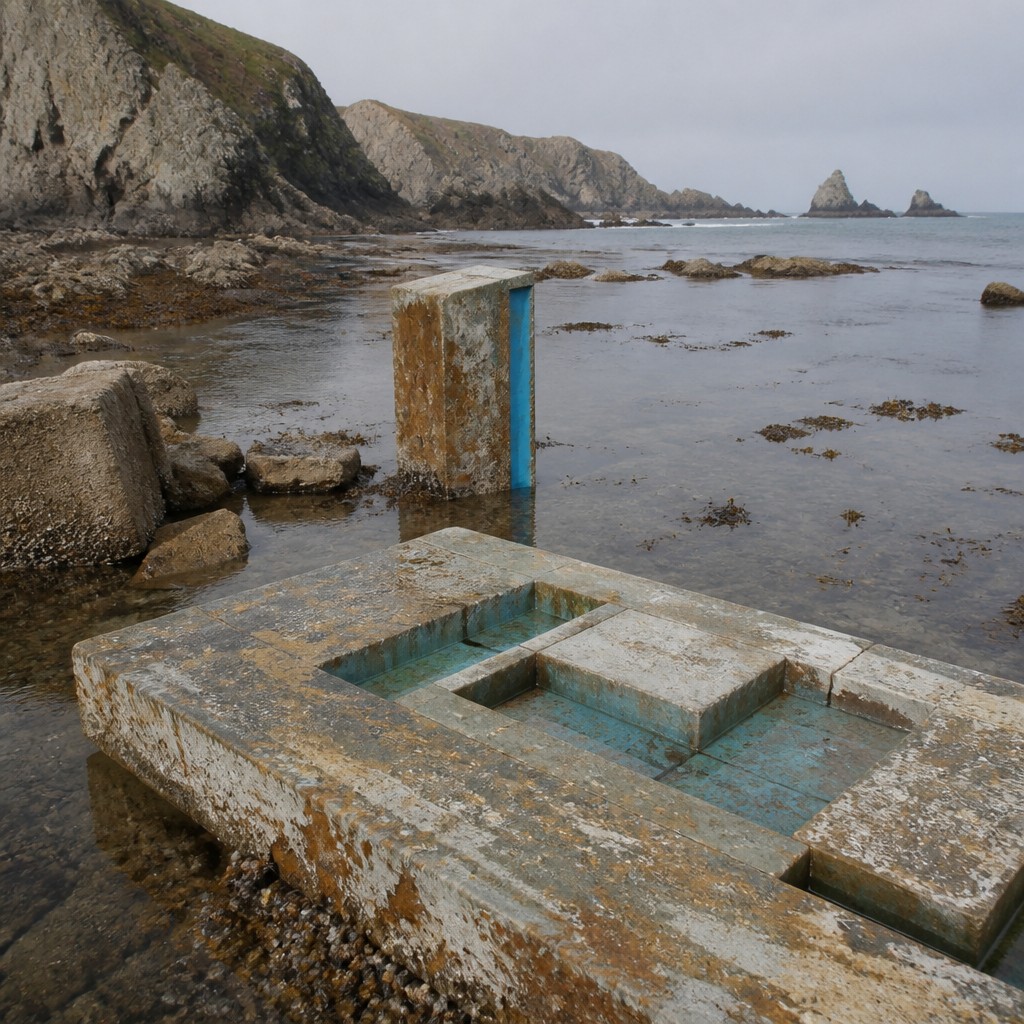
Material specificity
Artists frequently use local stones, soil, wood, branches, debris, metal, or reclaimed urban materials. The choice of material ties the work to the site’s physical and social character.
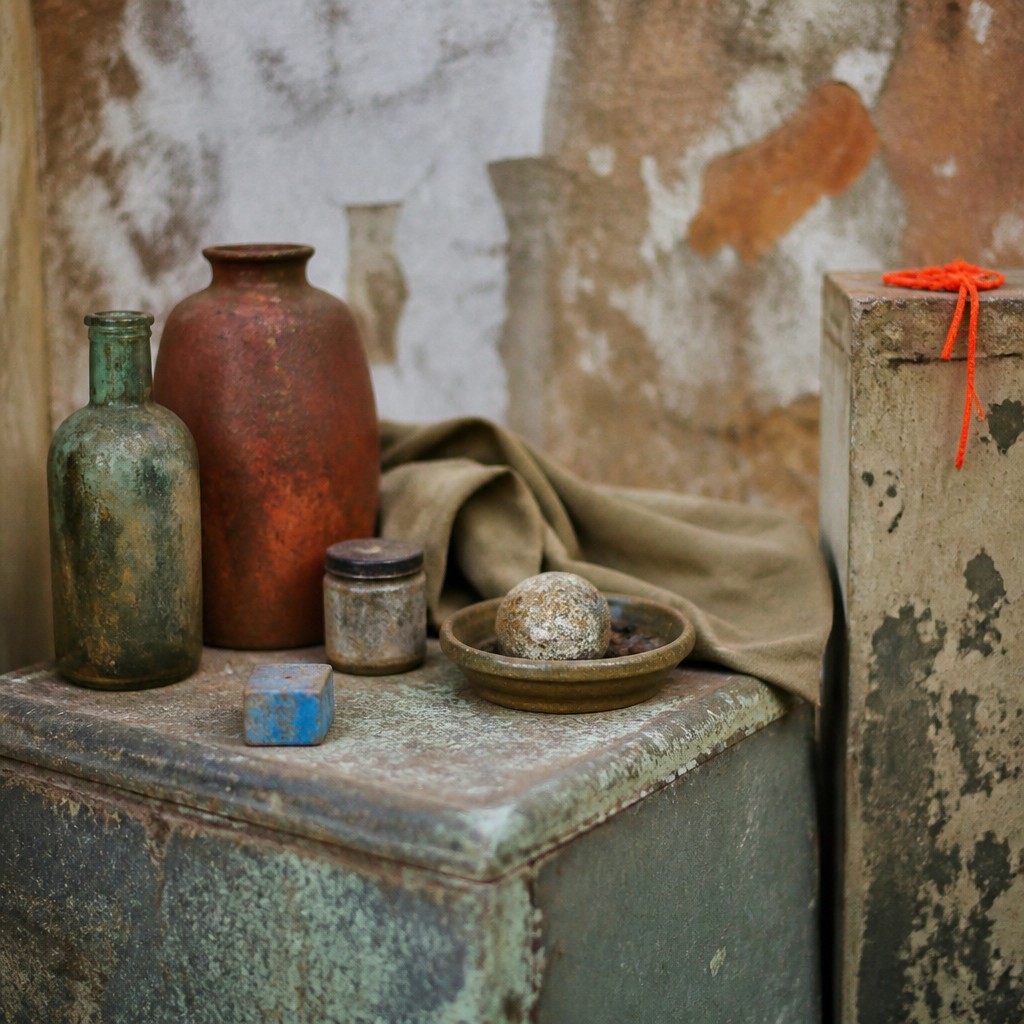
Balance of order and entropy
Forms may be carefully arranged, but they are never fully separate from the disorder of weather, gravity, growth, and human use. This tension gives the style its distinctive living quality.
Try It
Create Videos in Environmental Art Style
Styles aren't just for stills — describe a scene or animate an image and get a short video rendered in Environmental. Press play to see this pond come to life.
Make a VideoEnvironmental Prompt Ideas
Start from an idea — each one opens the generator with the style ready to go. See all 40 Environmental prompts →
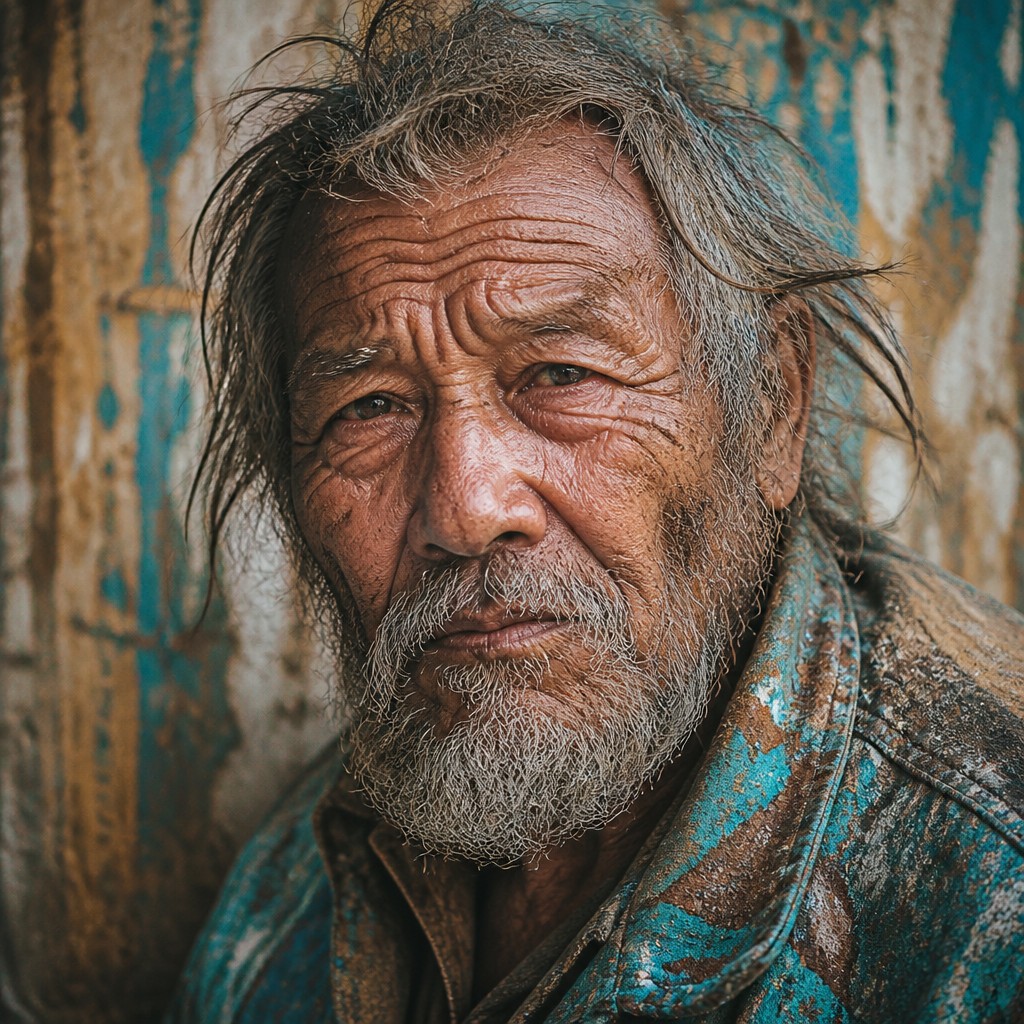
“close-up portrait of an elderly person with expressive weathered features”
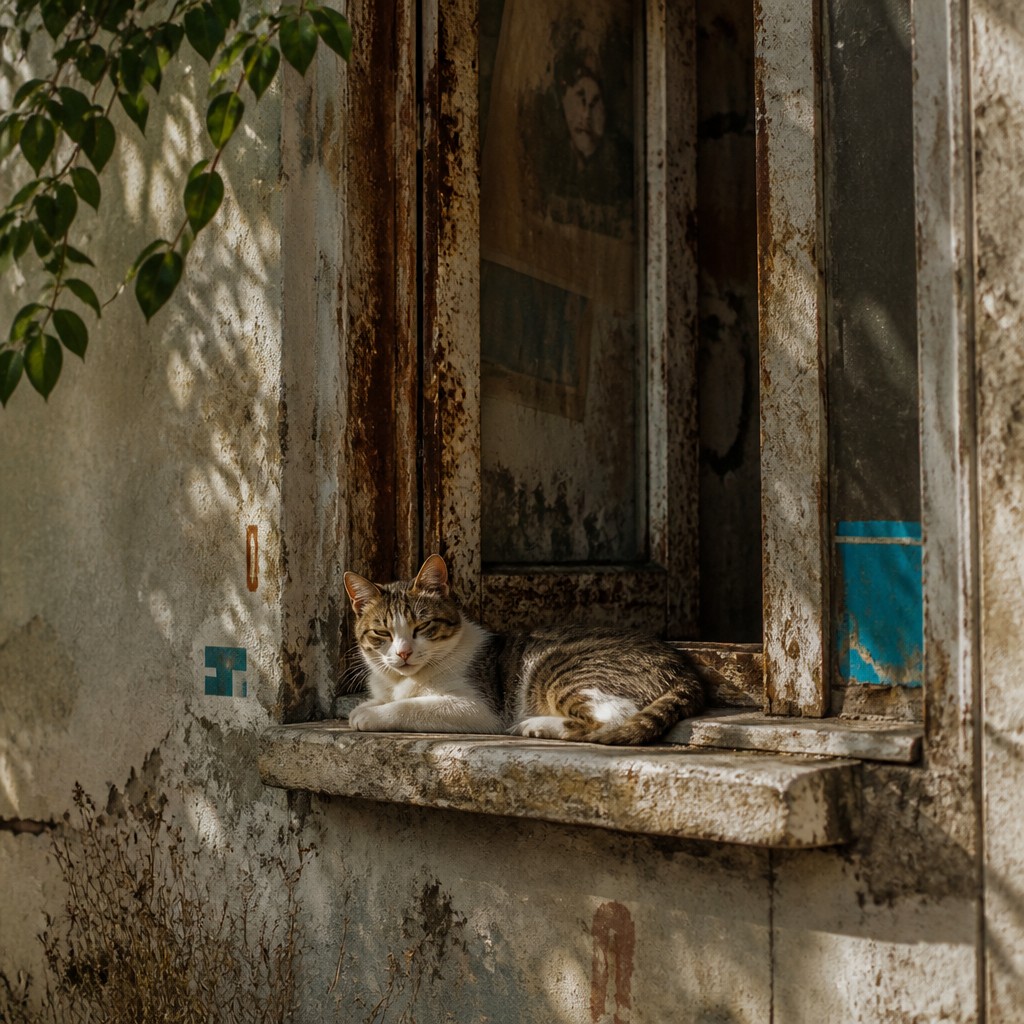
“a cat lounging in a sunlit window”
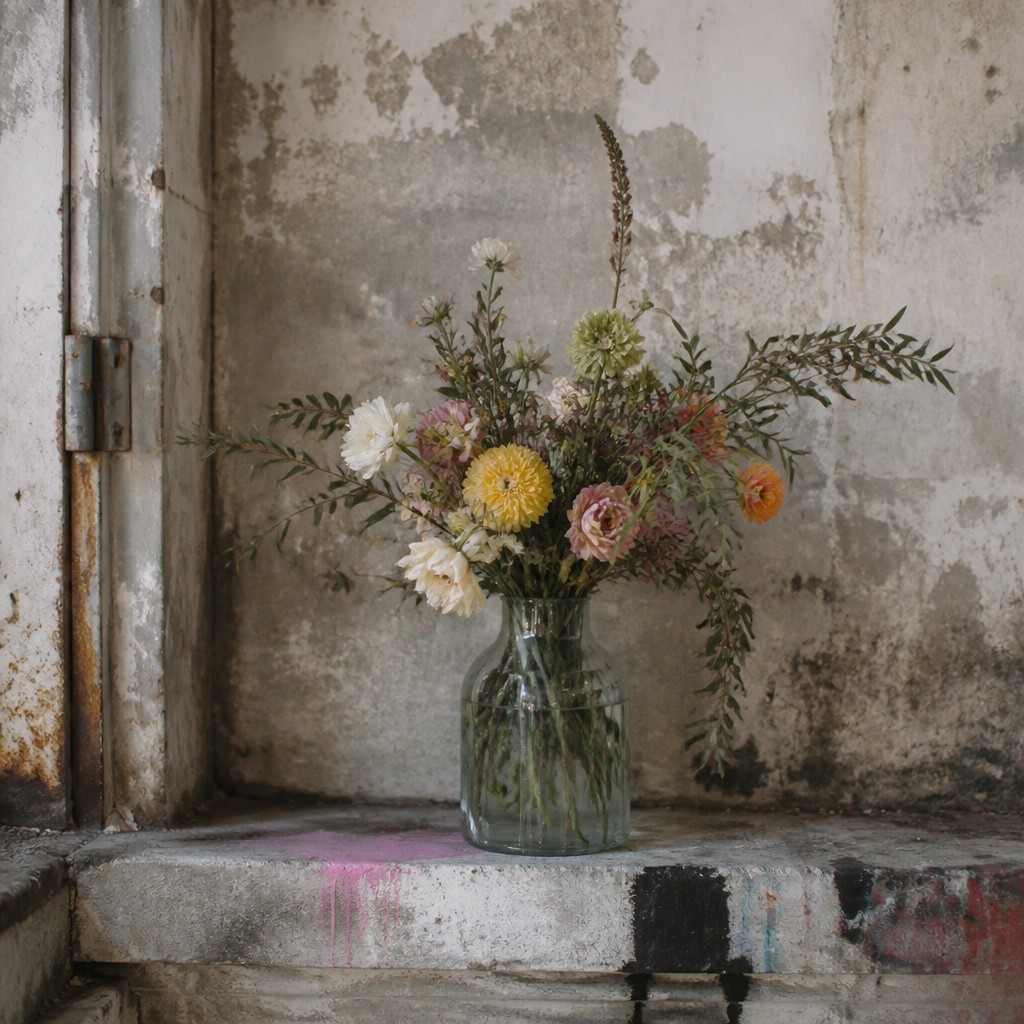
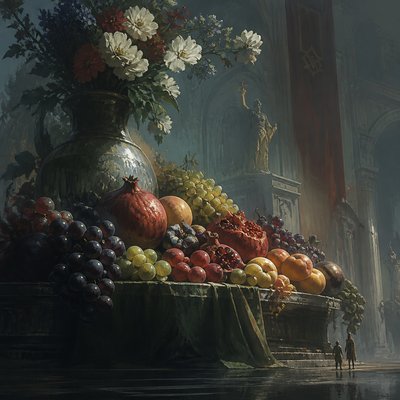
“bouquet of flowers in a glass vase”
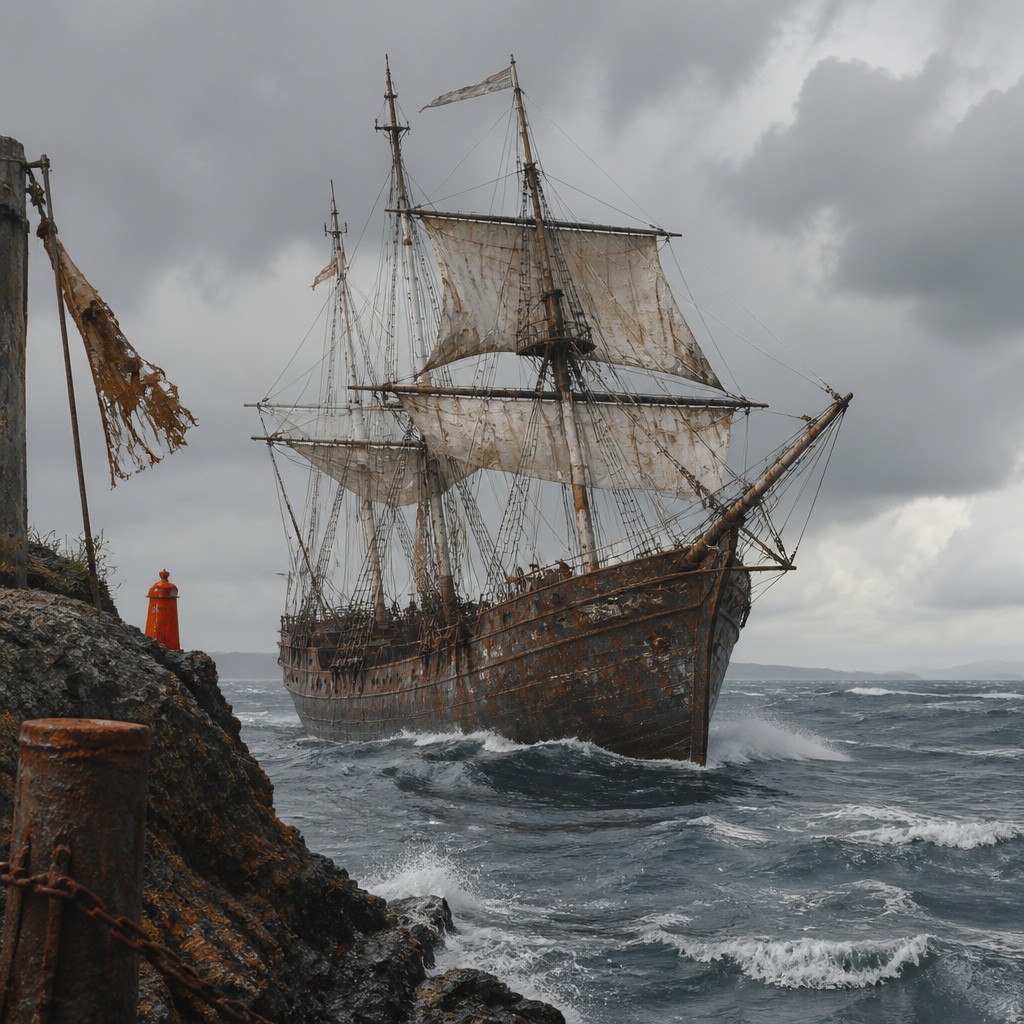
“sailing ship on a stormy sea”
How to Create Environmental Art
Master the craft step by step — or skip straight to creating. Read the full guide →
- 1
Begin with the site, not the object
Study the location’s light, weather, circulation, textures, and existing materials before planning the piece. In traditional work, sketch directly on site; in digital or AI-based workflows, describe the location first so the imagery feels anchored to a real place.
- 2
Use materials that record time
Choose surfaces that age visibly, such as rusted metal, unfinished wood, stone, clay, or reclaimed urban fragments. Add signs of wear through abrasion, staining, fading, and residue rather than polished effects.
- 3
Compose for context
Let the environment shape the design through alignment with slopes, walls, shadows, pathways, or vegetation. A successful piece should seem installed in conversation with its surroundings, not merely dropped into them.
- 4
Embrace impermanence
Plan for decay, shifting light, or partial disappearance as part of the work. In image-making prompts, ask for erosion, weather exposure, transient installation, and documentary natural light to capture that temporary quality.
- 5
Mix natural and synthetic cues carefully
A limited accent color or manufactured element can heighten the contrast between organic entropy and deliberate intervention. Use this sparingly so the effect remains site-responsive rather than decorative.
- 6
If generating images, specify photographic realism
Prompt for authentic grain, natural lighting, and visible surface history, along with the setting type and materials. Strong location cues plus time-related descriptors usually produce the most convincing results.

The Story
History & Origins of Environmental
Environmental art emerged in the late 1960s and 1970s alongside land art, conceptual art, and a broader critique of gallery-bound practice. Artists began making work outdoors with natural processes as collaborators, shifting attention from permanent objects to site, scale, temporality, and ecological context. In this sense, environmental art is less a single unified movement than a family of practices that includes earthworks, interventions, installations, and socially engaged site-specific projects.
Its aesthetic lineage also draws from minimalism’s reduced forms, conceptual art’s emphasis on idea and place, and traditions of sculpture that use found or industrial materials. In urban settings it intersects with public art and street art, while in natural settings it often aligns with ecological and land-based practices. Across these forms, the key development is the same: artwork is shaped by its surroundings and often designed to be temporary, weathered, or altered by time.
Influences: Environmental art is closely related to land art, minimalism, and conceptual art, while also overlapping with public art, sculpture, installation art, and some strands of street art. Canonical figures associated with the broader field include leading early land artists, prominent site-specific installation artists, major earthwork sculptors, influential large-scale steel sculptors, and a celebrated nature-based assemblage artist, each of whom helped define different approaches to site, scale, material, and temporality. In urban contexts it also draws on the visual language of industrial decay, reclaimed materials, and documentary photography.
Frequently Asked Questions
What defines environmental art style?
Environmental art is defined by its relationship to a specific place. The work is shaped by natural or urban surroundings, often using local materials and allowing weather, time, and context to affect the final appearance.
Is environmental art the same as land art?
They overlap, but they are not identical. Land art usually refers more specifically to large-scale interventions in the landscape, while environmental art is broader and can include urban sites, installations, ecological projects, and temporary public interventions.
Why does this style often look weathered or unfinished?
Weathering is part of the visual language because it emphasizes time, exposure, and the site’s ongoing life. A polished, isolated object would weaken the central idea that the artwork belongs to the environment and changes with it.
What materials work best for this style?
Natural and reclaimed materials are especially effective: stone, soil, wood, branches, rusted metal, clay, fabric, and found debris. Materials that age visibly or interact with light, moisture, and erosion help the work feel site-specific.
Where is environmental art usually used?
It appears in landscapes, parks, coastlines, deserts, forests, abandoned lots, building facades, and public spaces. It is often used for installations, public art projects, ecological art, and photography that documents temporary interventions.
How can I make an image in this style?
Focus on a specific site, a limited material palette, and signs of environmental change. In a prompt, include the location, the intervention, the weather, and terms like erosion, patina, natural light, and temporary installation.

Create your first Environmental artwork
Describe anything — or upload a photo — and see it in Environmental Art Style in seconds.
Make Something with Environmental
Compare Environmental
Related Styles
Discover similar art styles