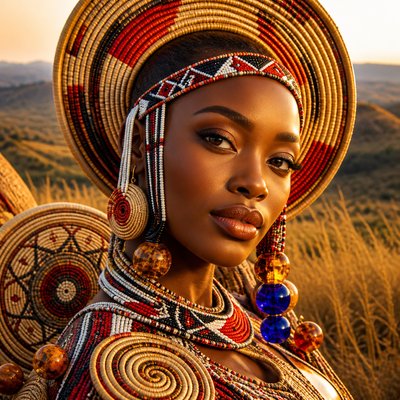
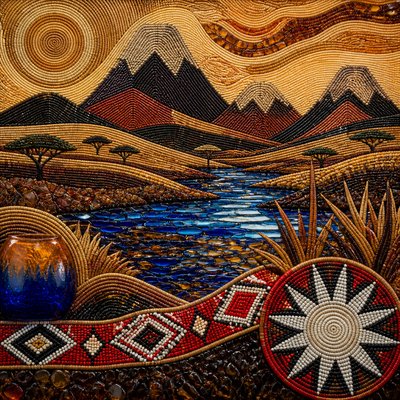
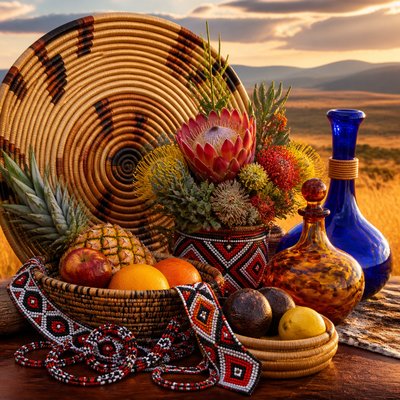
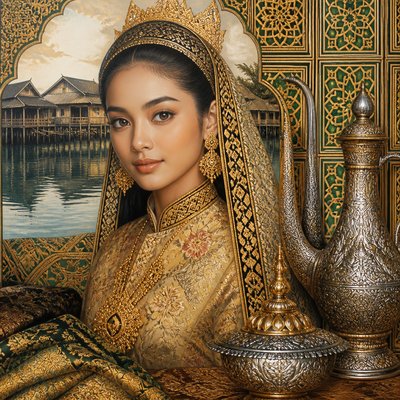
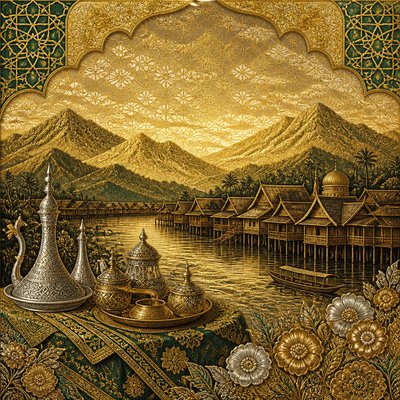
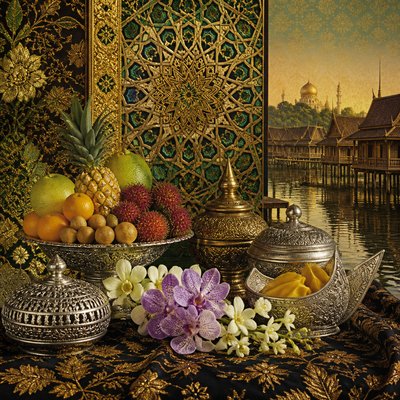
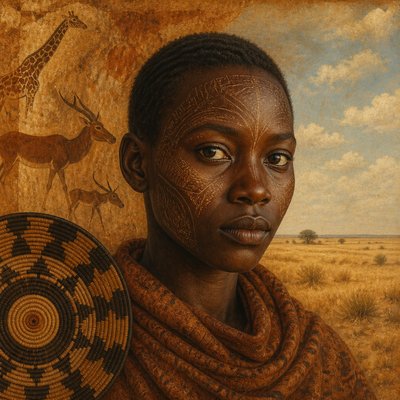
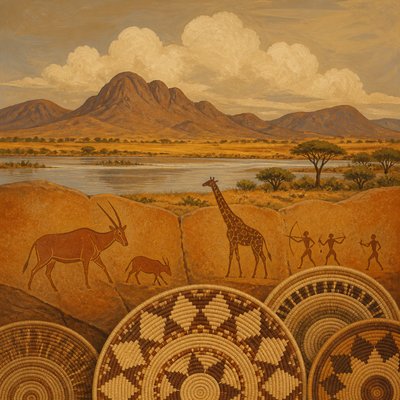
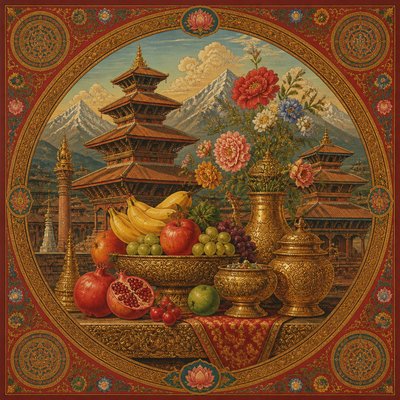
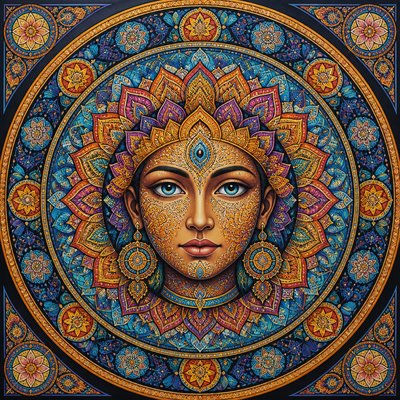
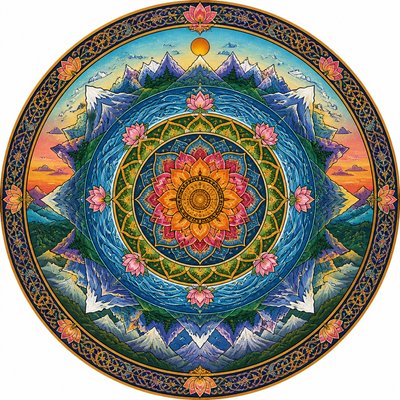
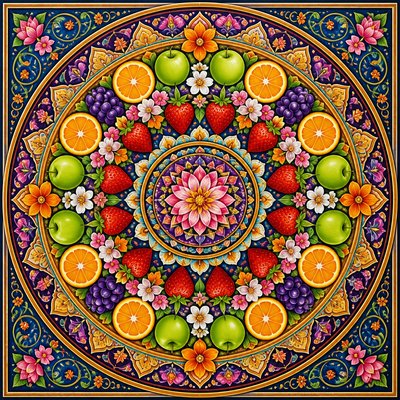
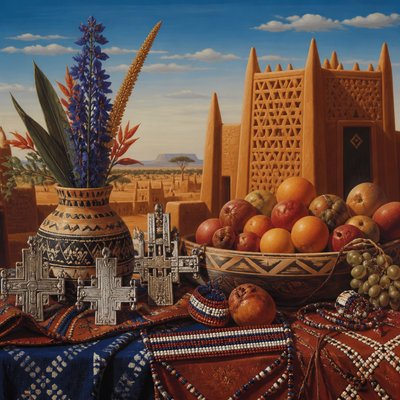
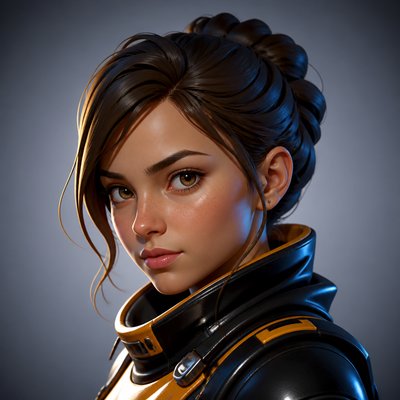
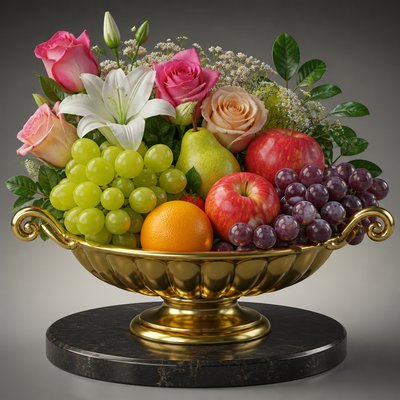
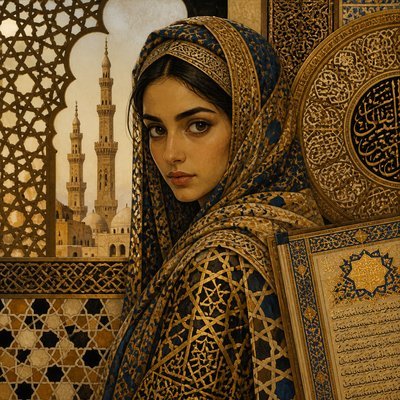
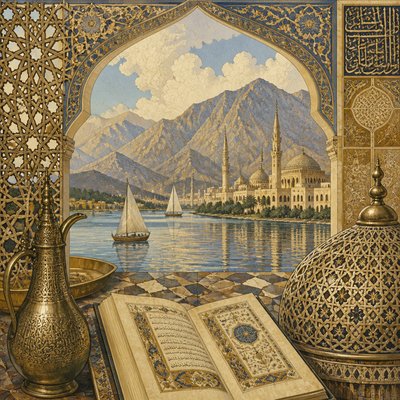
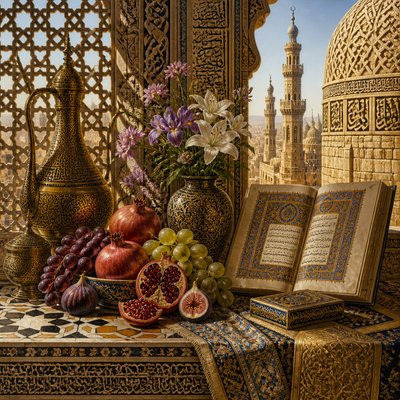
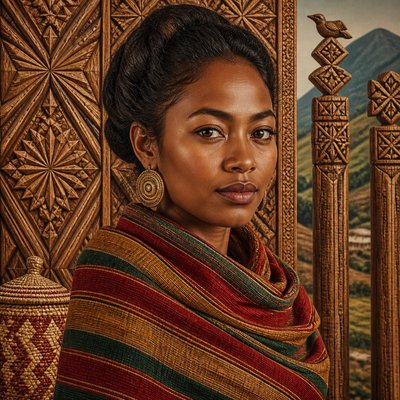
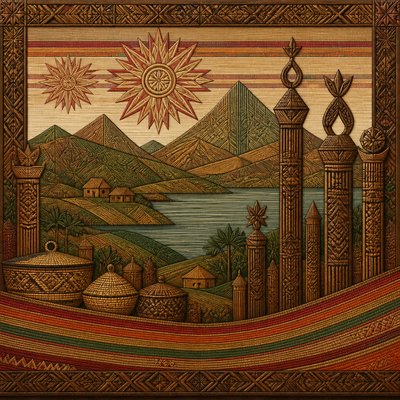
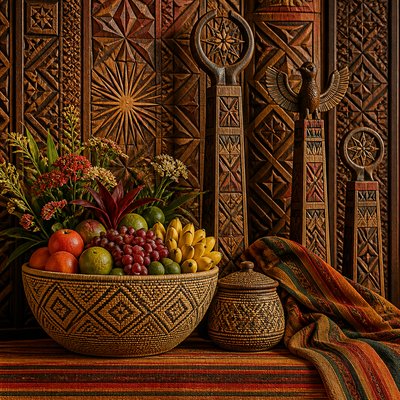
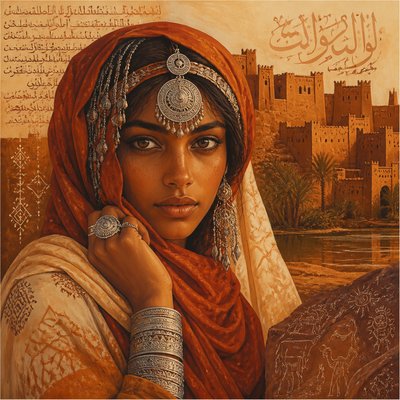
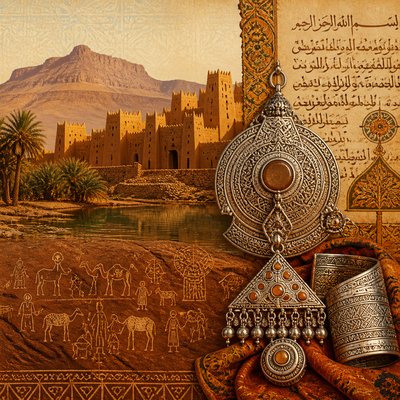
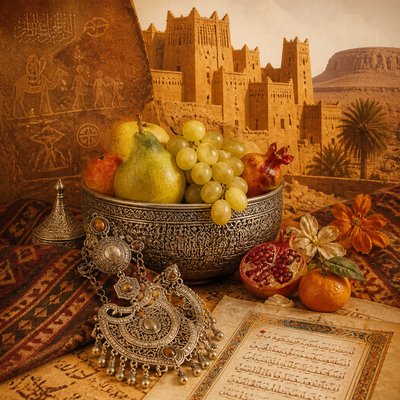
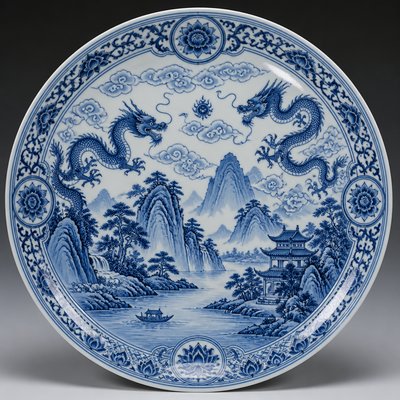
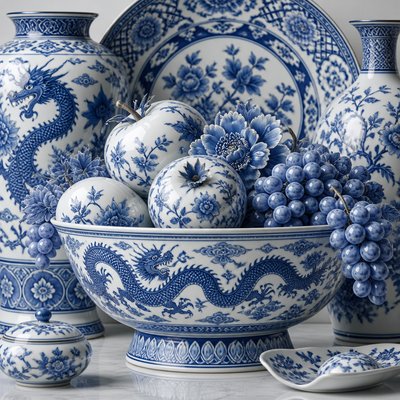
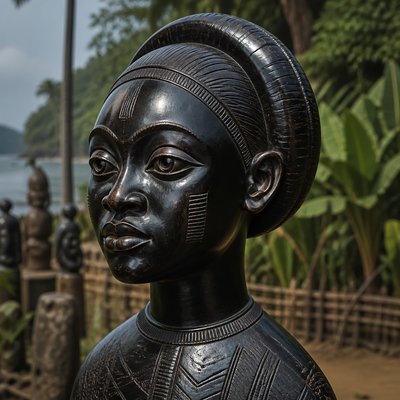
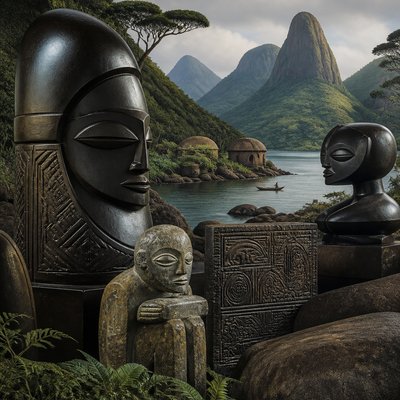
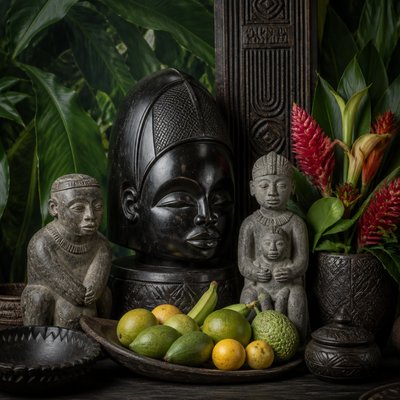
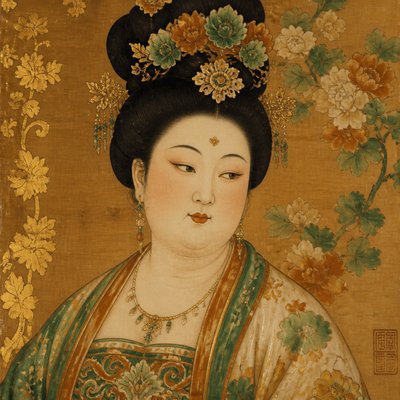
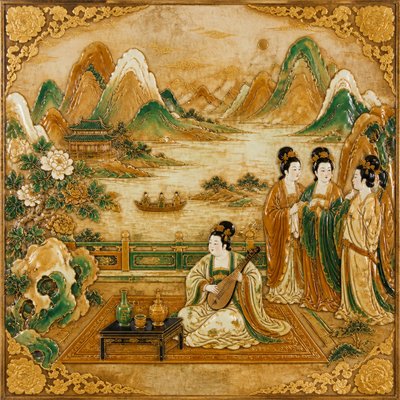
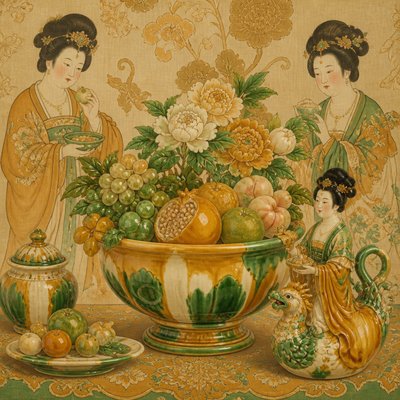
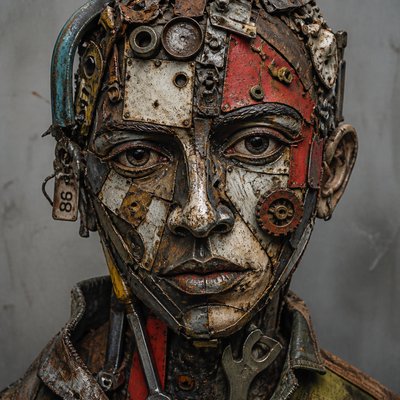
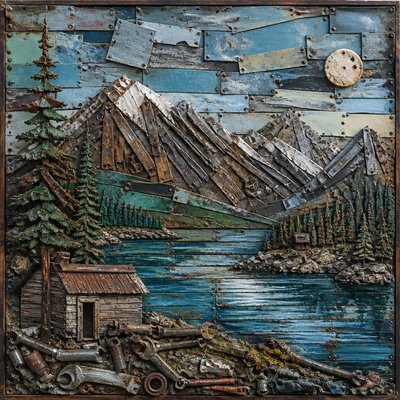
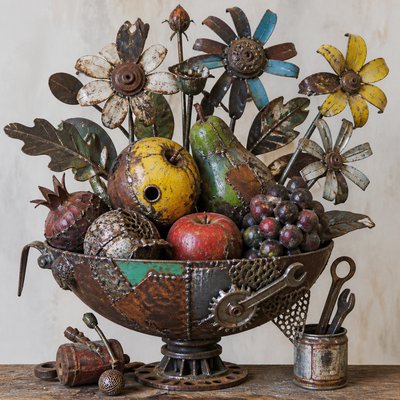
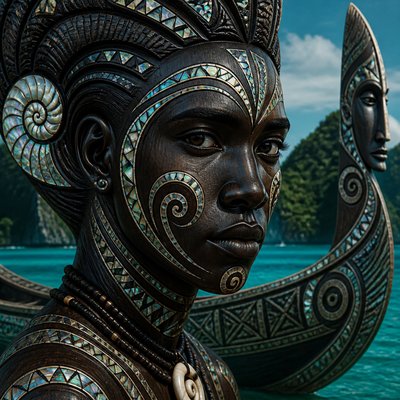
Fine Art Photography Style
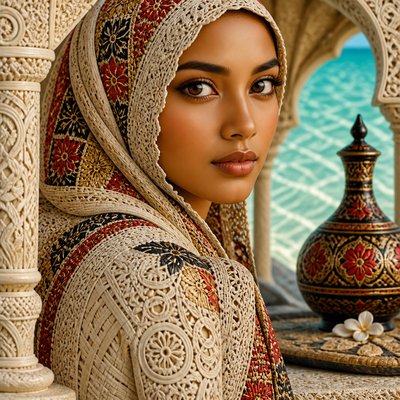
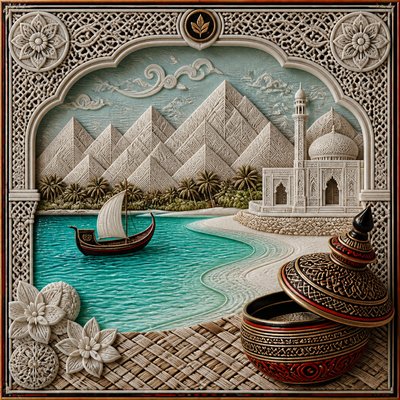
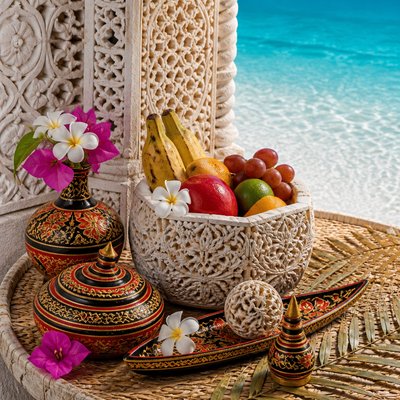
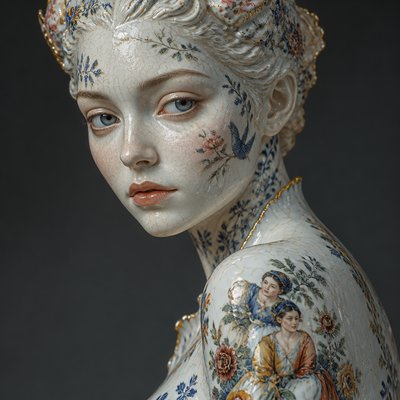
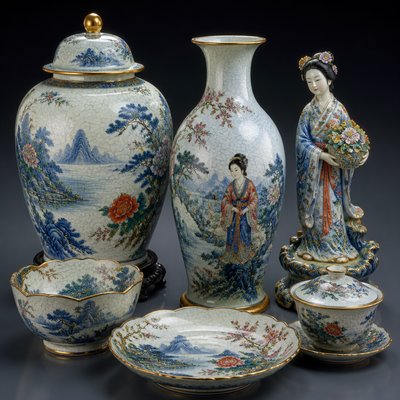
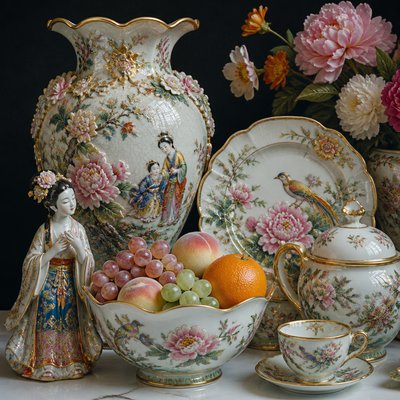
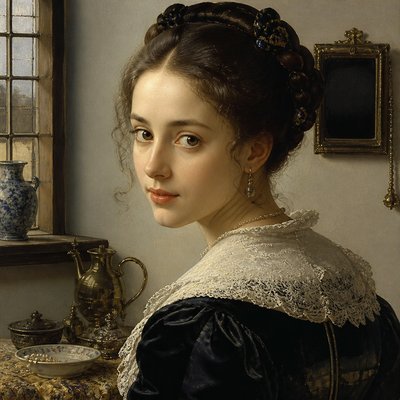
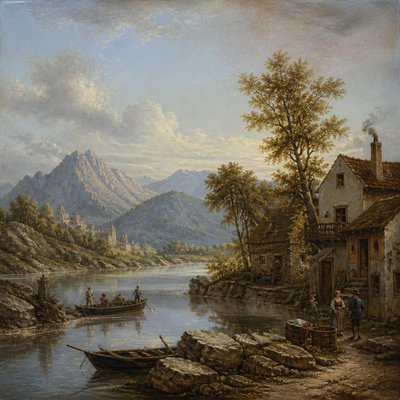
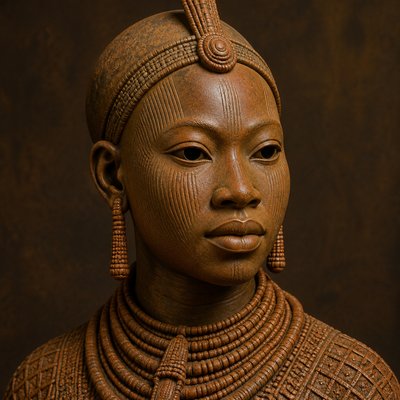
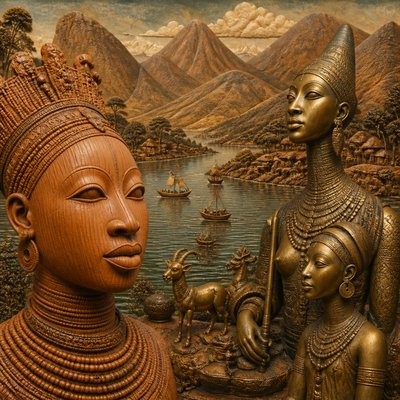
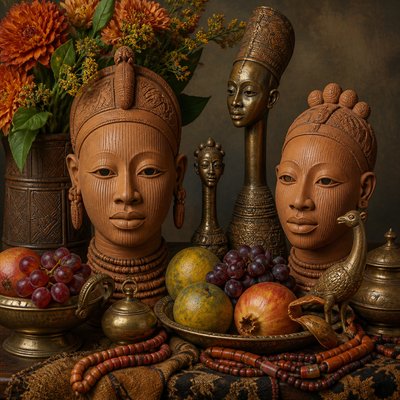
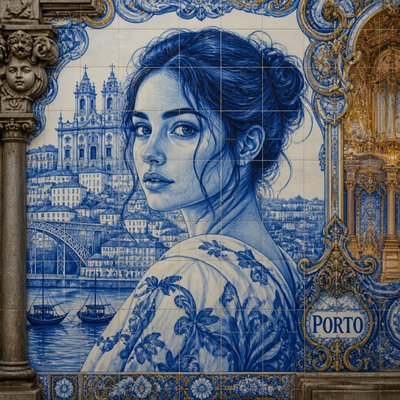
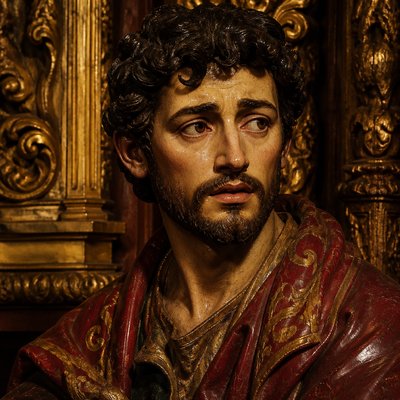
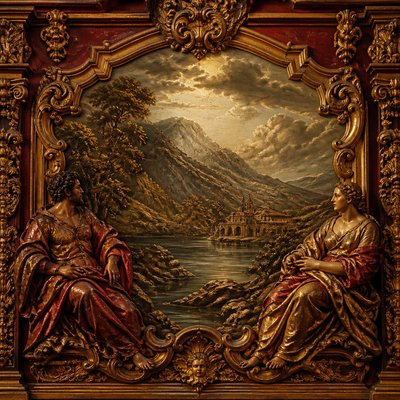
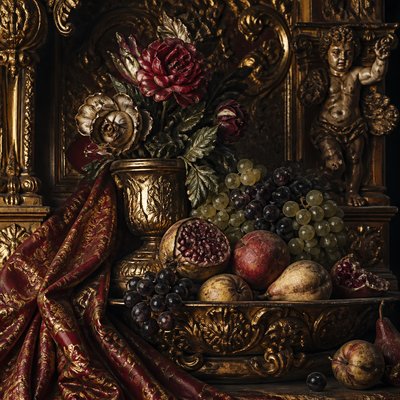
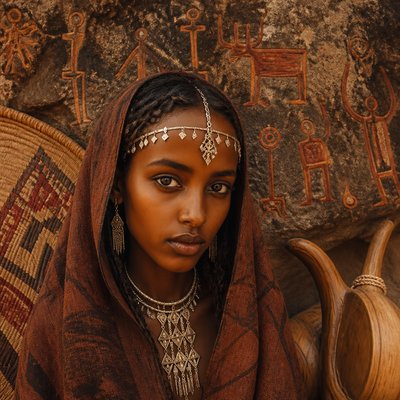
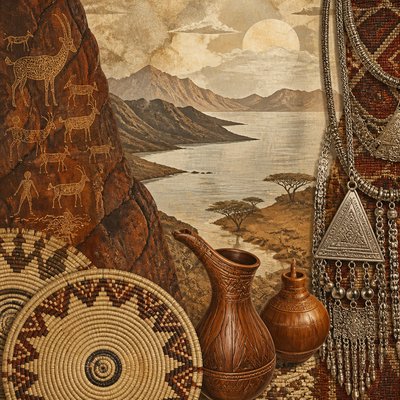
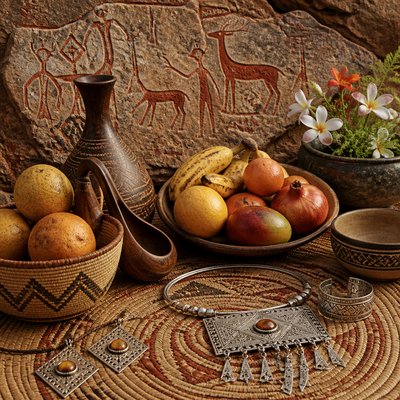
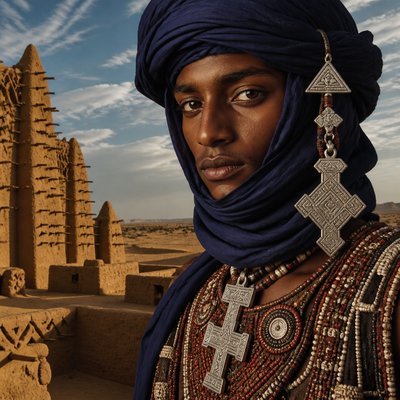
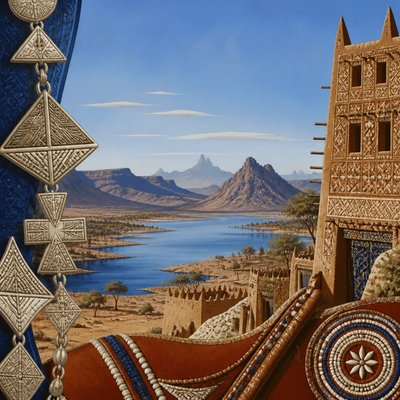
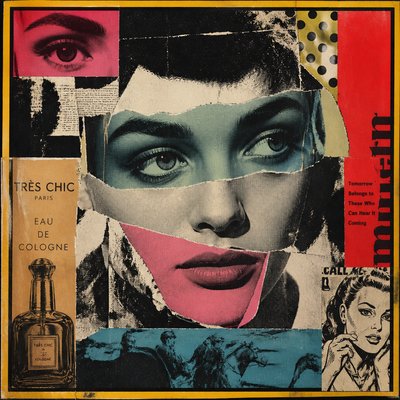
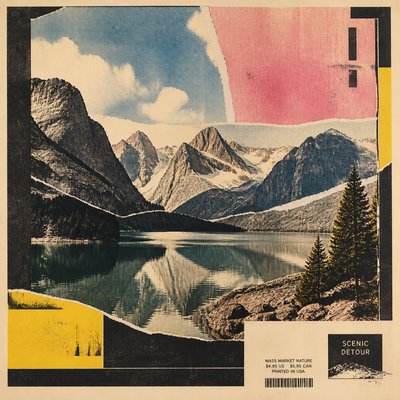
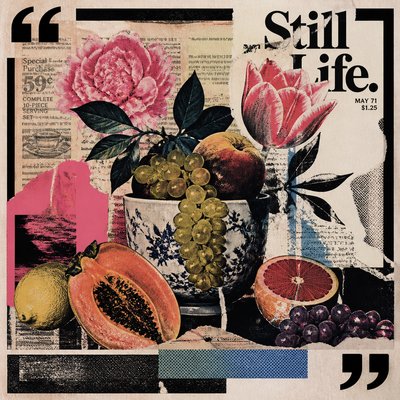
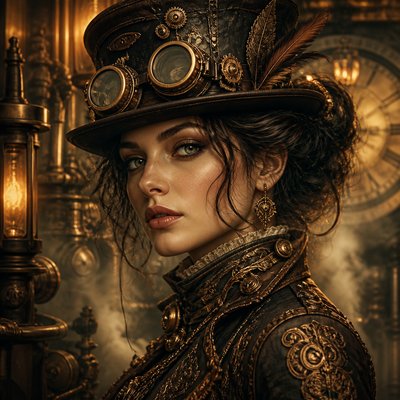
Fine art photography: concept-driven, gallery-worthy images with intentional composition, tonal depth, and a personal artistic vision.
Instantly rendered in Fine Art Photography — or transform a photo
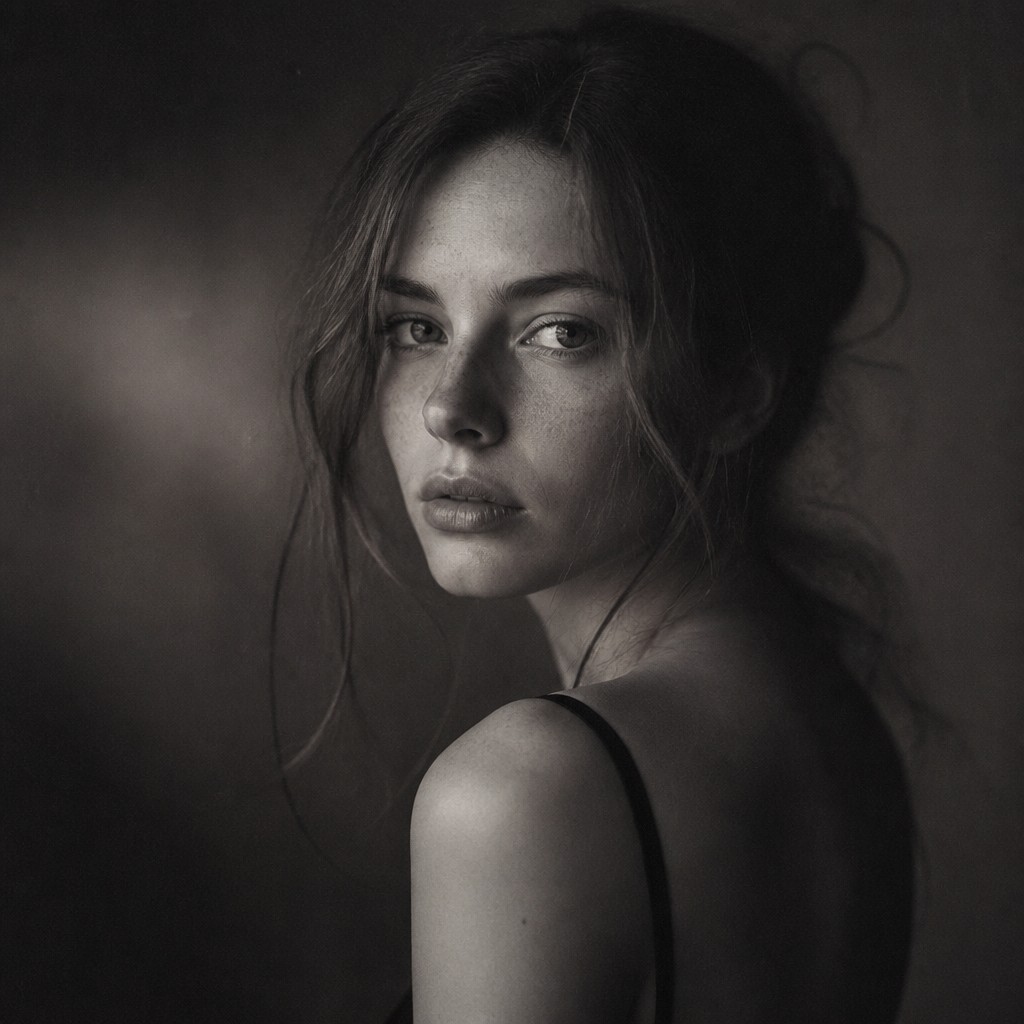
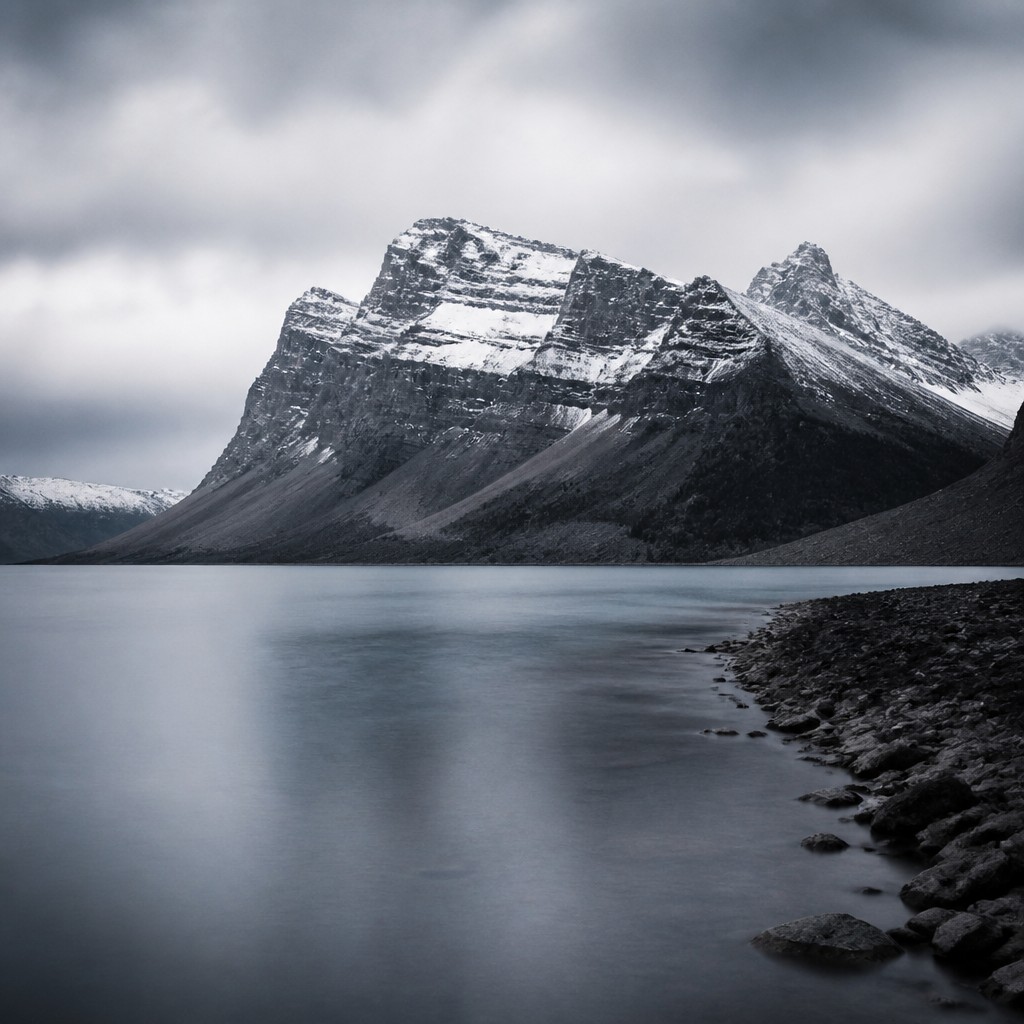
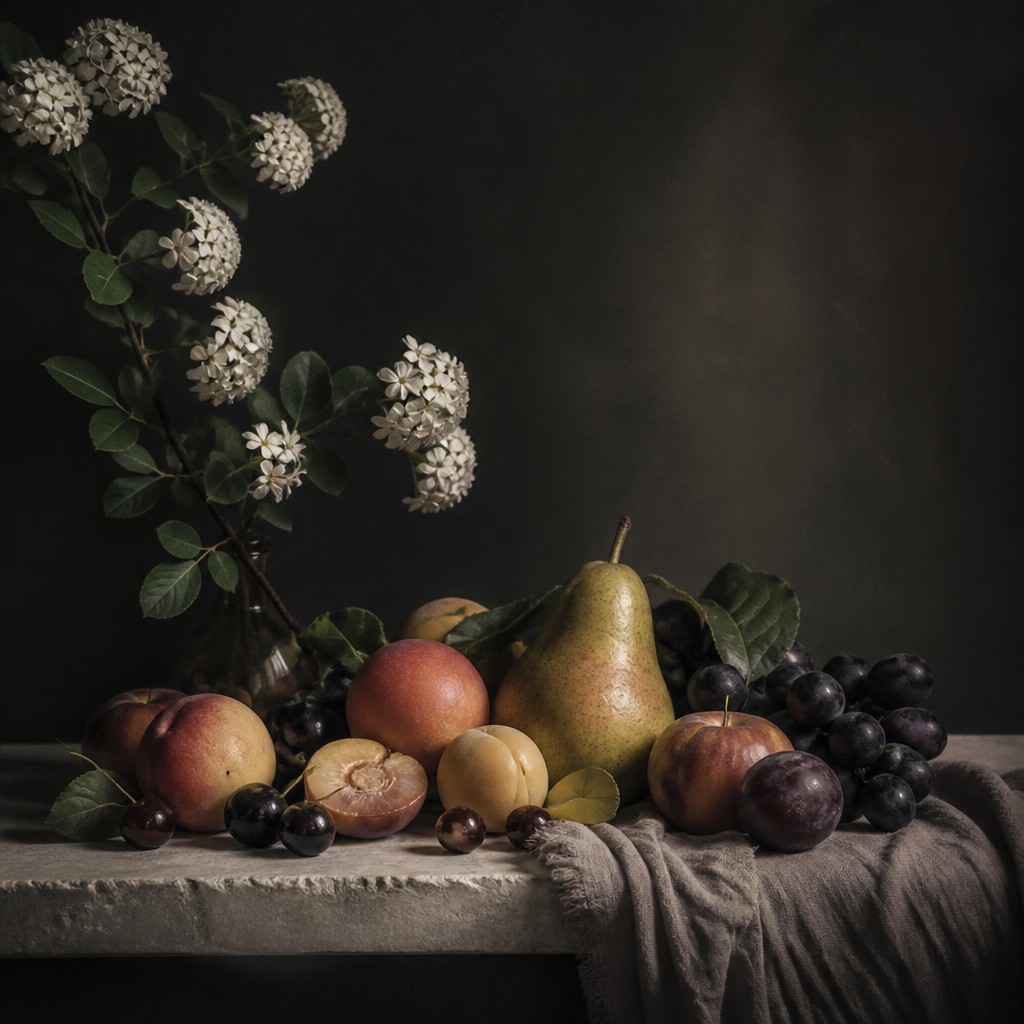
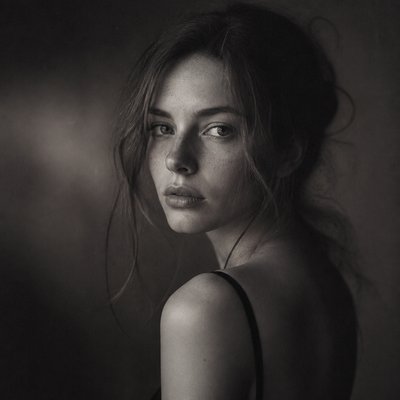
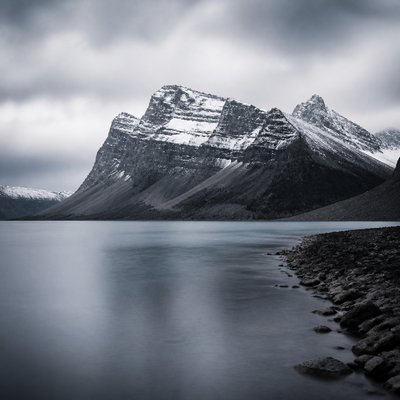
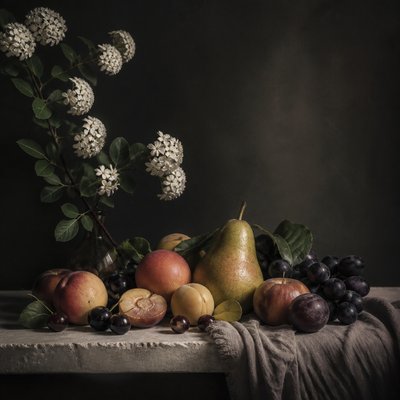
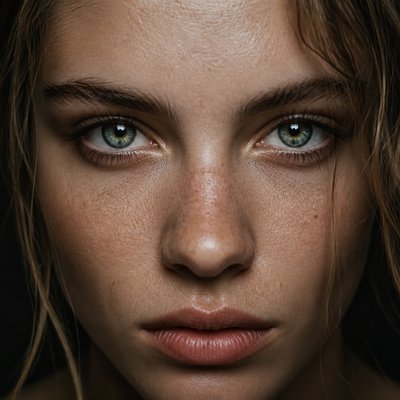
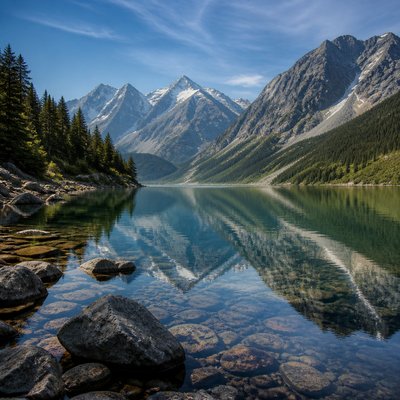
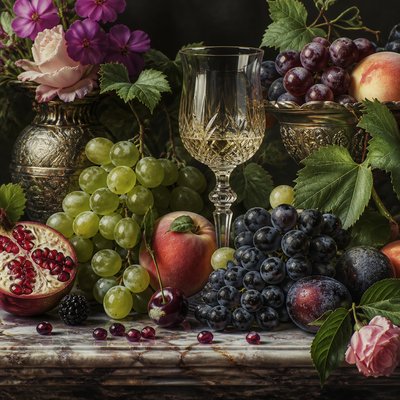
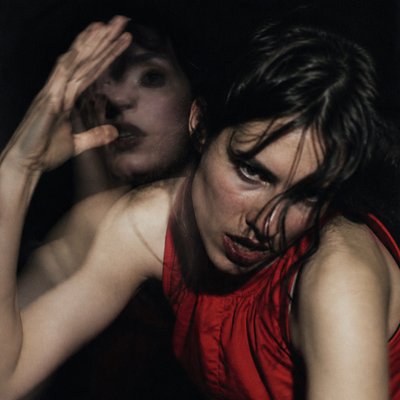
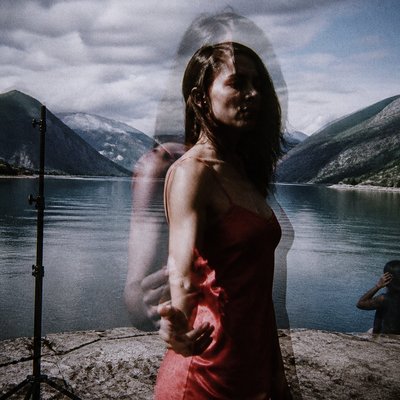
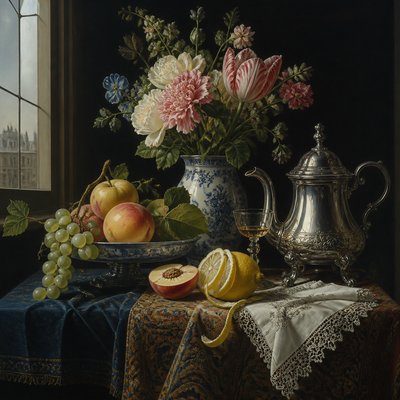
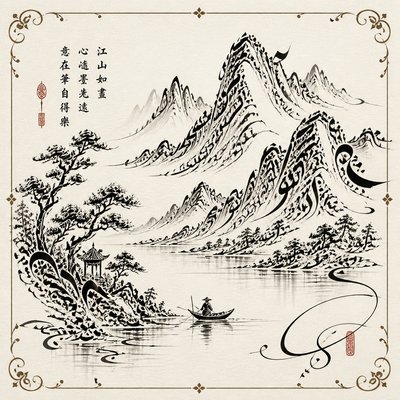
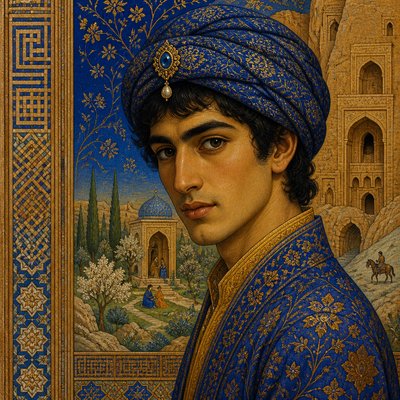
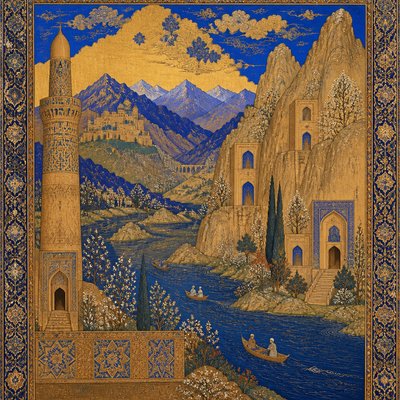
Fine Art Photography Gallery
Tap any artwork to explore it
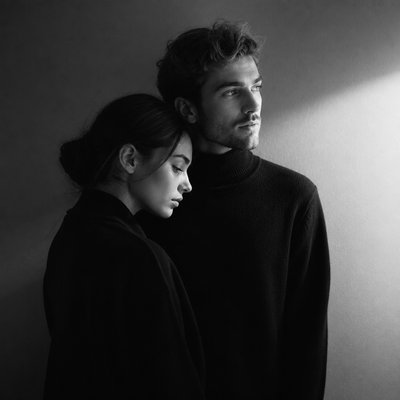
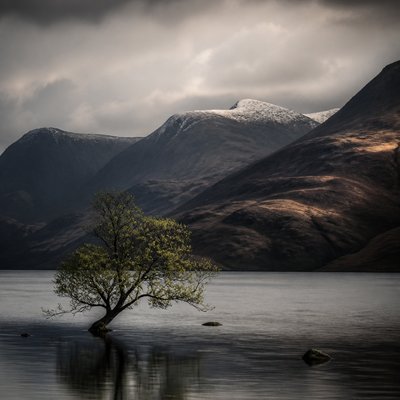
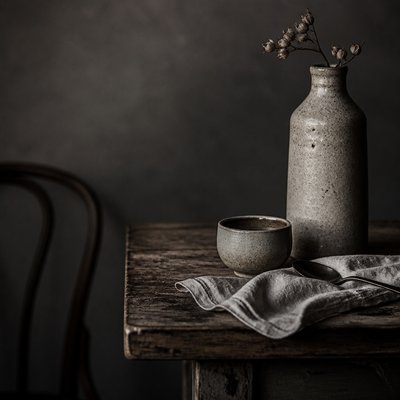
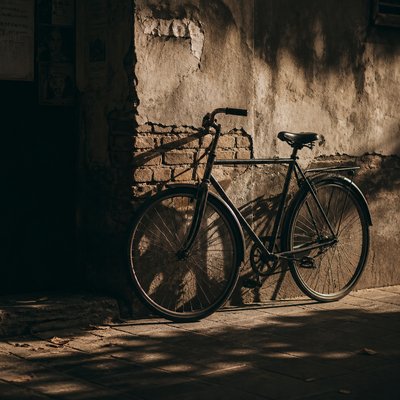
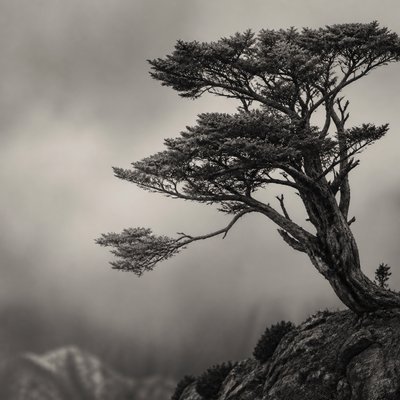
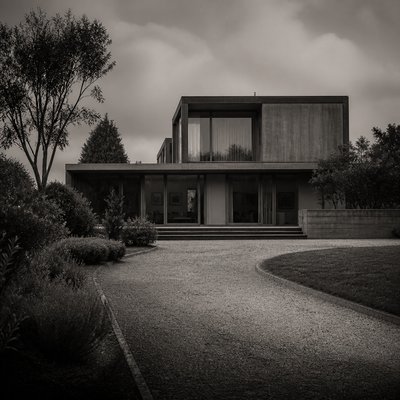
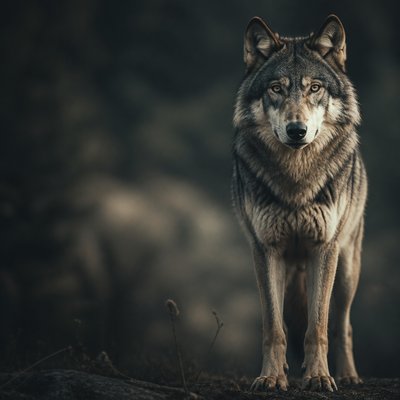
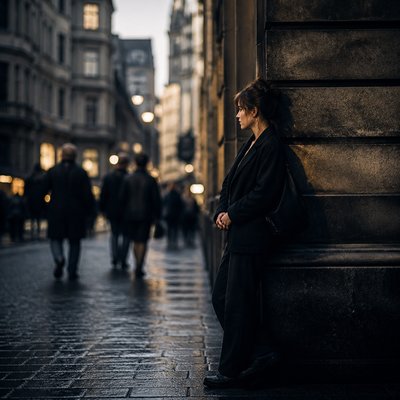
What is Fine Art Photography Style?
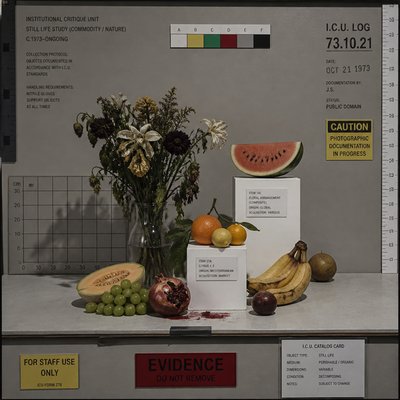
Fine art photography is a photographic practice that treats the camera not as a tool for simple recording, but as a medium for personal expression, conceptual inquiry, and visual authorship. Its images are made to communicate an idea, mood, or aesthetic position, often with the intent of standing as finished artworks rather than illustrations or straightforward documents.
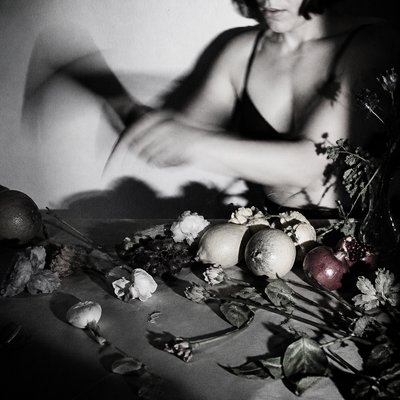
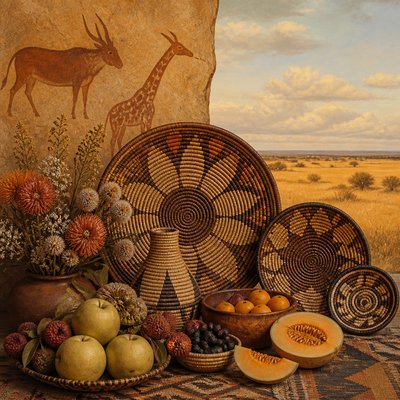
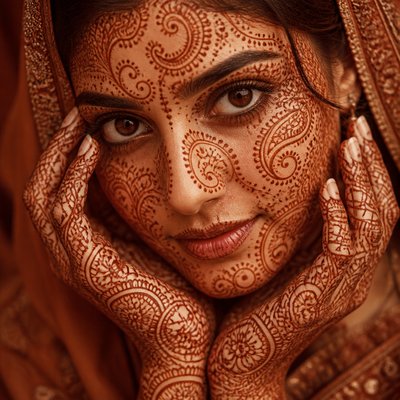
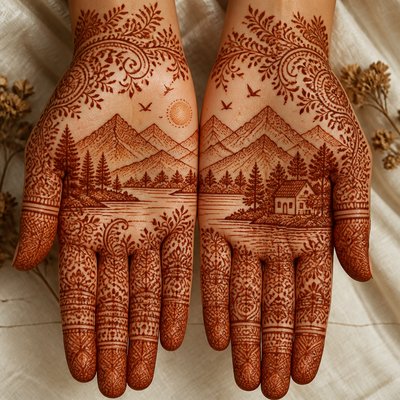
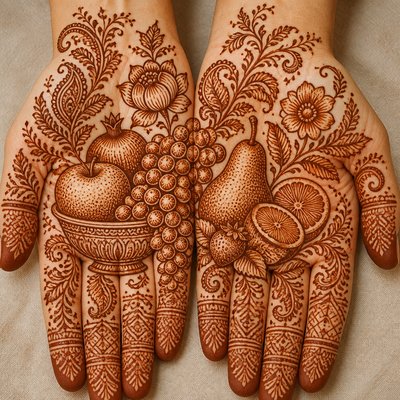
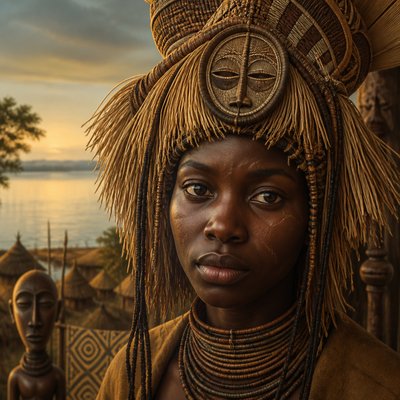
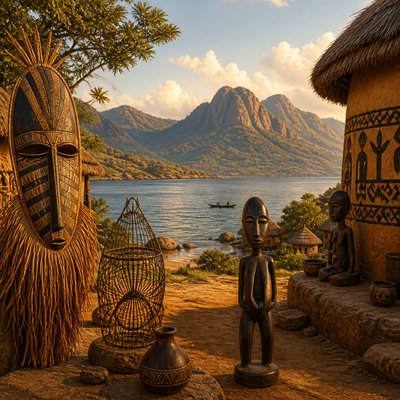
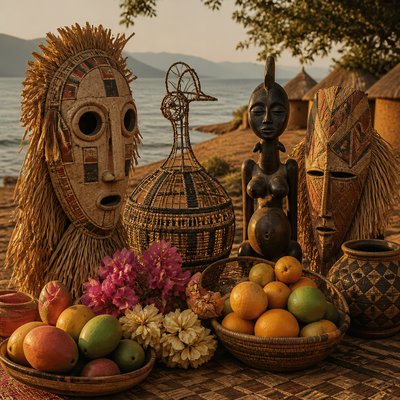
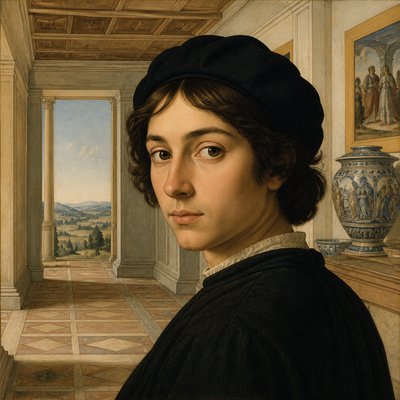
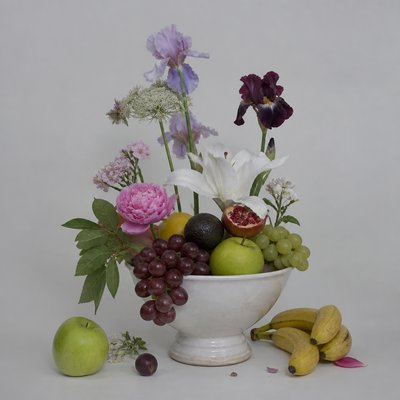
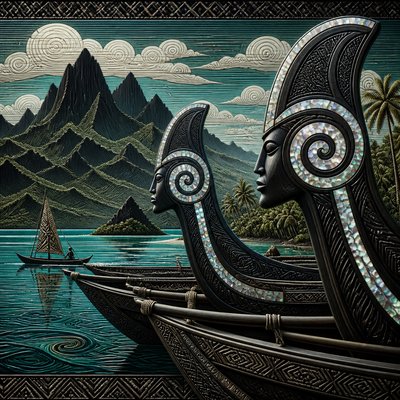
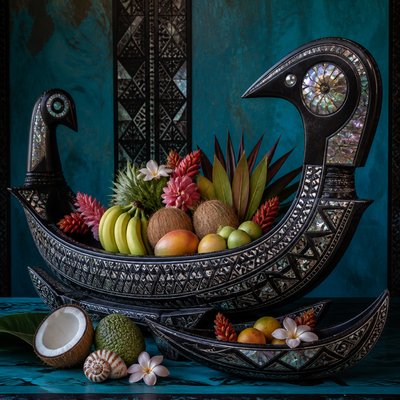
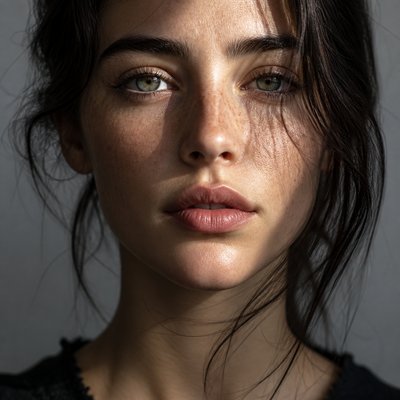
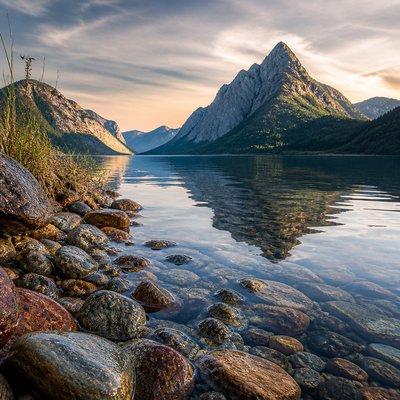
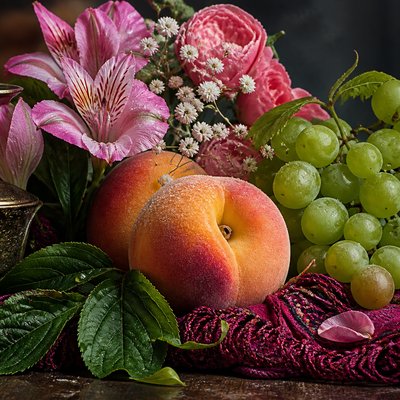
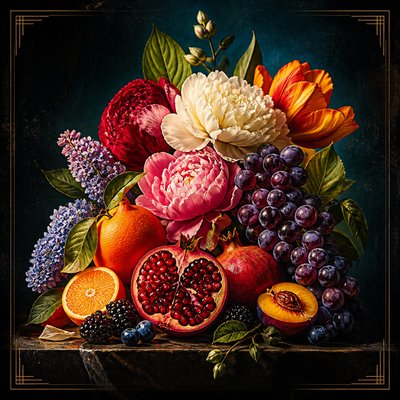
Visually, the style is characterized by deliberate composition, strong attention to light and shadow, controlled color or restrained monochrome treatment, and a sense of emotional distance or contemplative stillness. The look often feels polished but not flashy: tonal transitions are carefully held, textures are rendered with sensitivity, and printing or presentation is considered part of the work’s meaning. The result is photography that feels authored, reflective, and museum-minded.
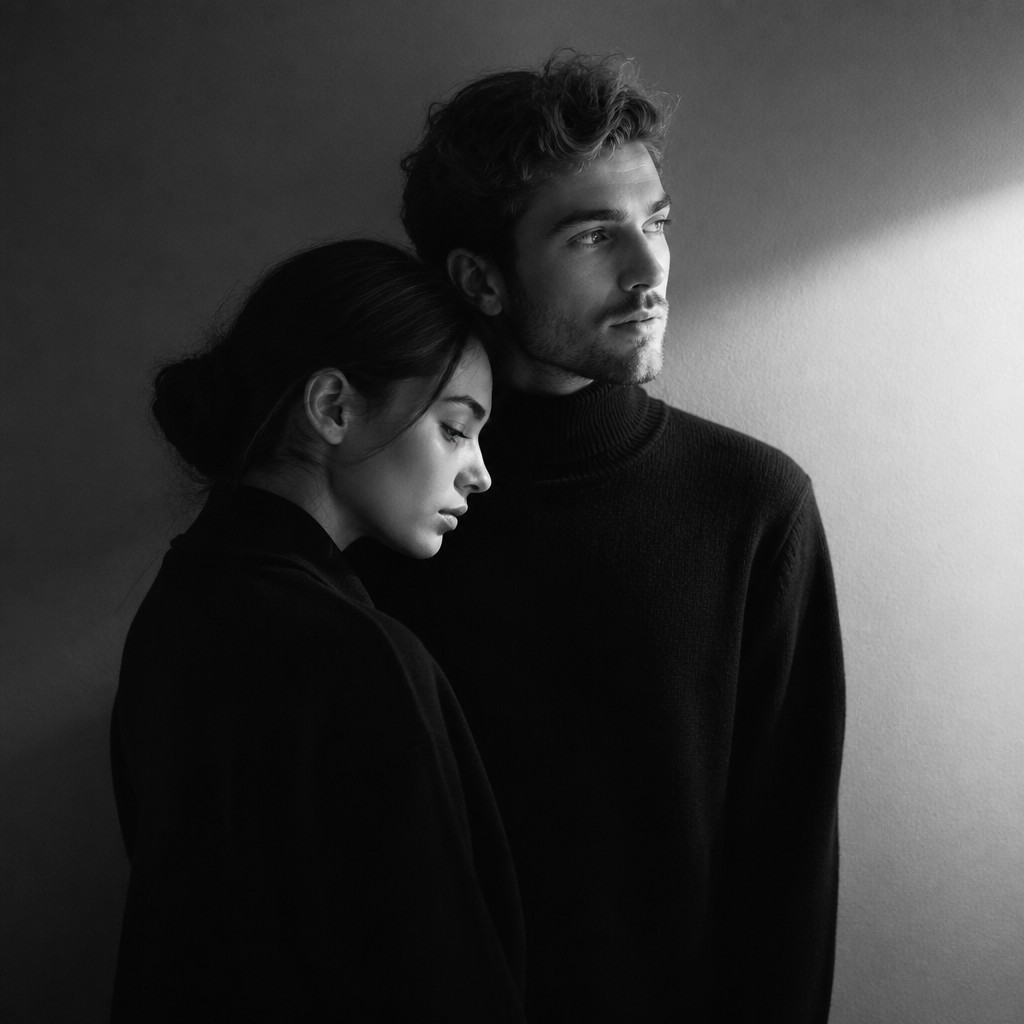
Try It On Your Photos
Upload any photo and convert it into Fine Art Photography Style — drag the sliders to compare before and after.
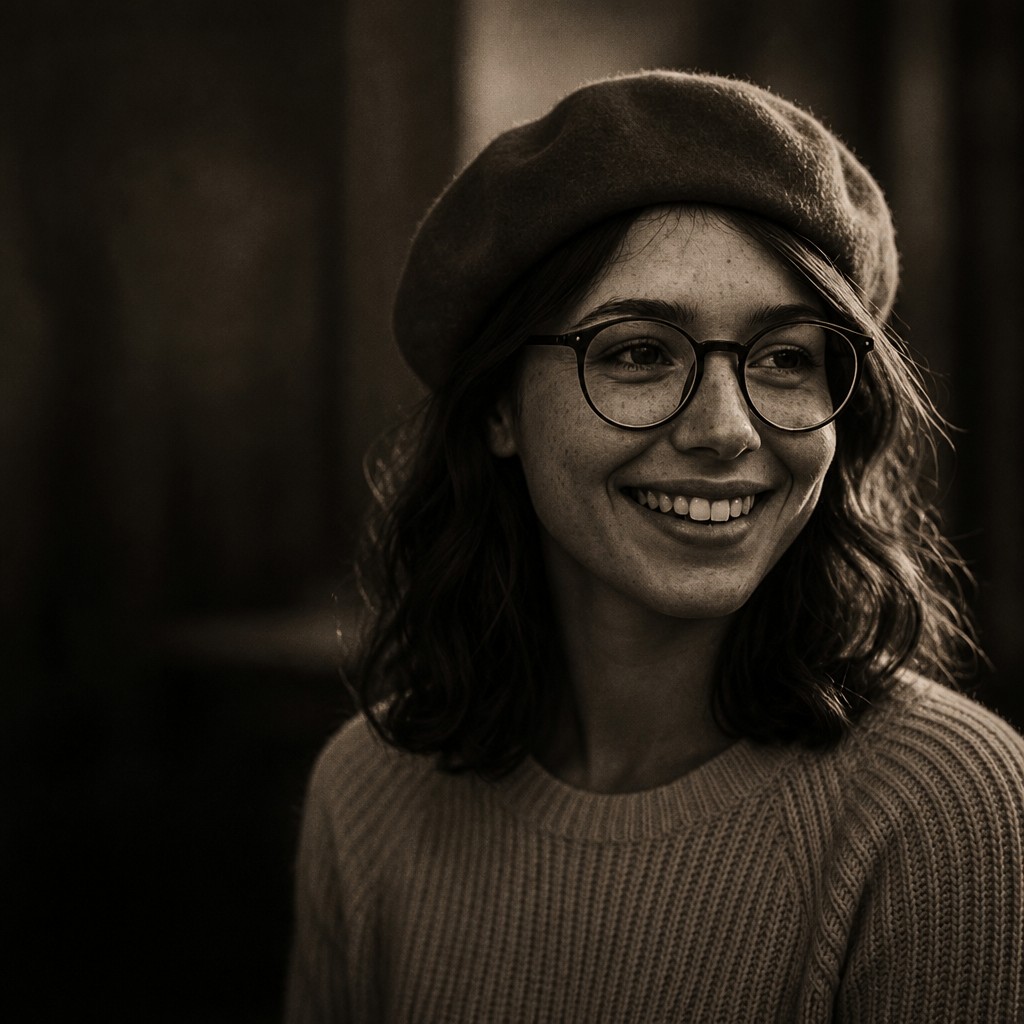

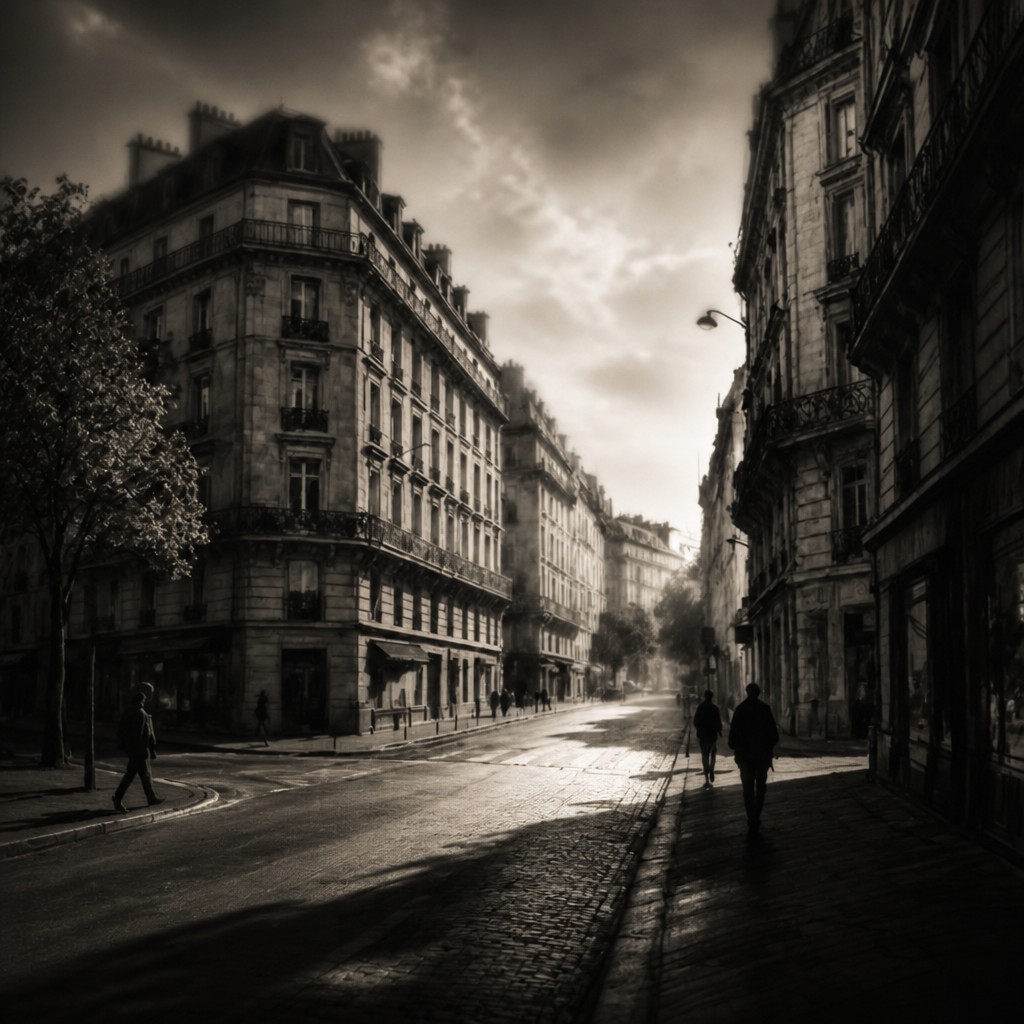

What Defines Fine Art Photography Style
The signature details, up close
Intentional composition
Every element is placed with care, often using balance, asymmetry, leading lines, or negative space to create a composed, reflective image. The framing usually feels considered rather than incidental.
Emotional or conceptual focus
The image typically communicates an idea, mood, or question rather than simply recording what is in front of the lens. Even a simple subject may be treated as a vehicle for symbolism, atmosphere, or narrative suggestion.
Controlled tonal range
Shadows, midtones, and highlights are handled with precision, giving the photograph depth and visual clarity. Fine art images often preserve nuanced gradation rather than relying on harsh contrast or heavy effects.
Selective focus and subtle softness
Depth of field is often used as a compositional tool, directing attention while allowing the surrounding frame to fall away gently. This softness can create a painterly or meditative quality without losing photographic realism.
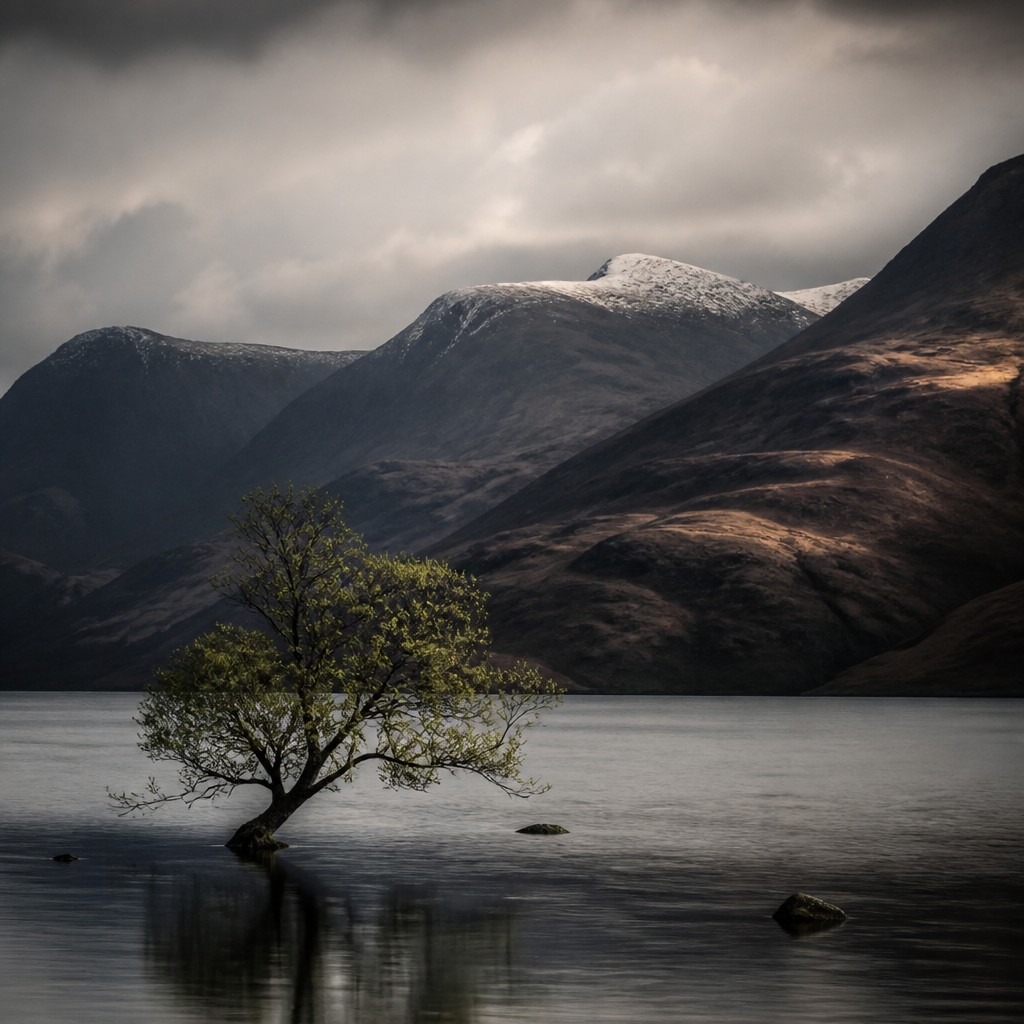
Restrained color or monochrome
Color may be muted, limited, or carefully curated to reinforce the work’s emotional register. Black-and-white is common, especially when the artist wants emphasis on form, texture, light, and tonal structure.
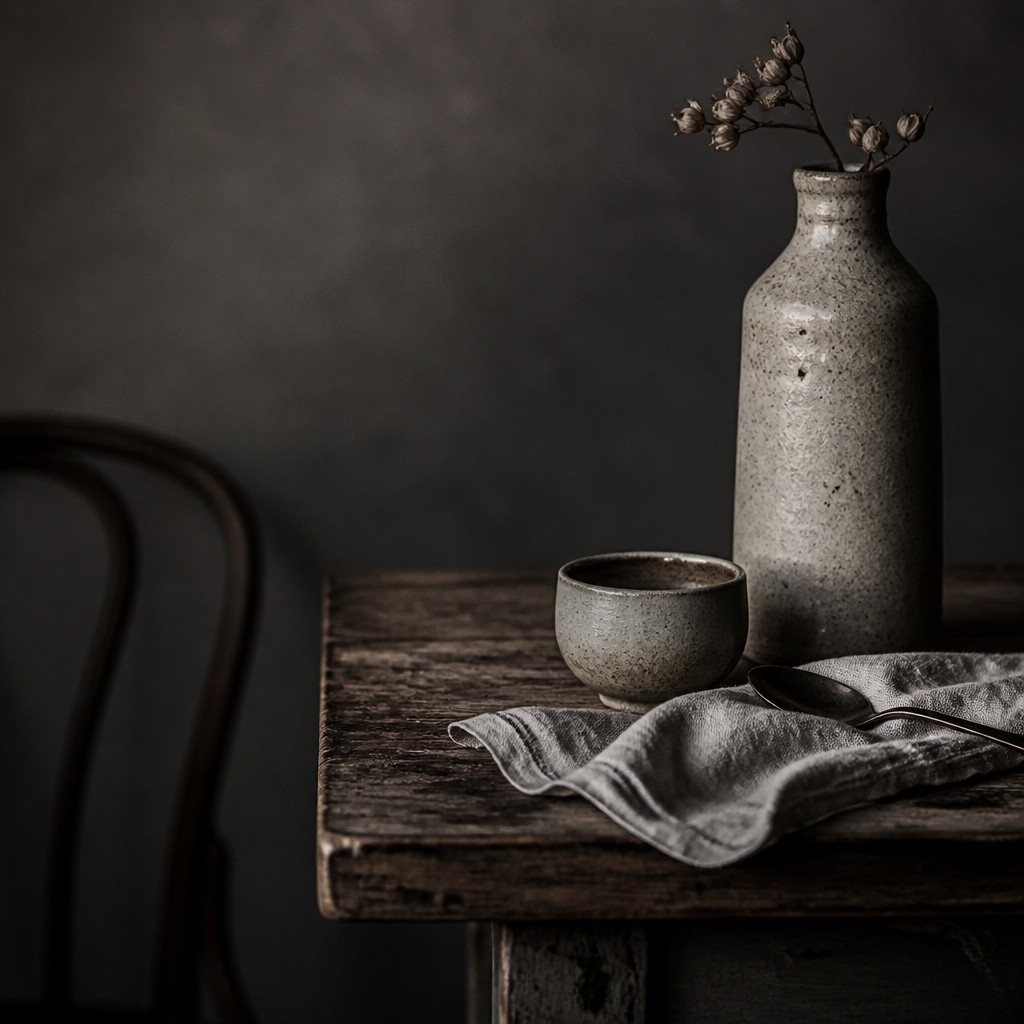
Material and print awareness
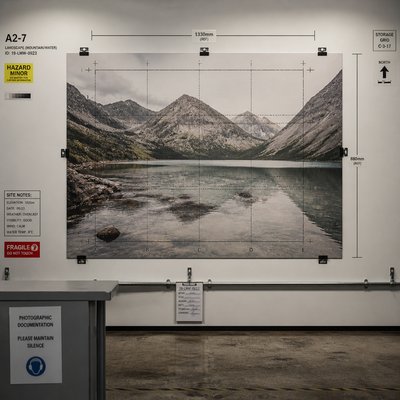
Presentation matters: paper choice, surface, scale, and finishing can all shape how the image is experienced. The final work often aims to look like a deliberate gallery print rather than a quick snapshot.
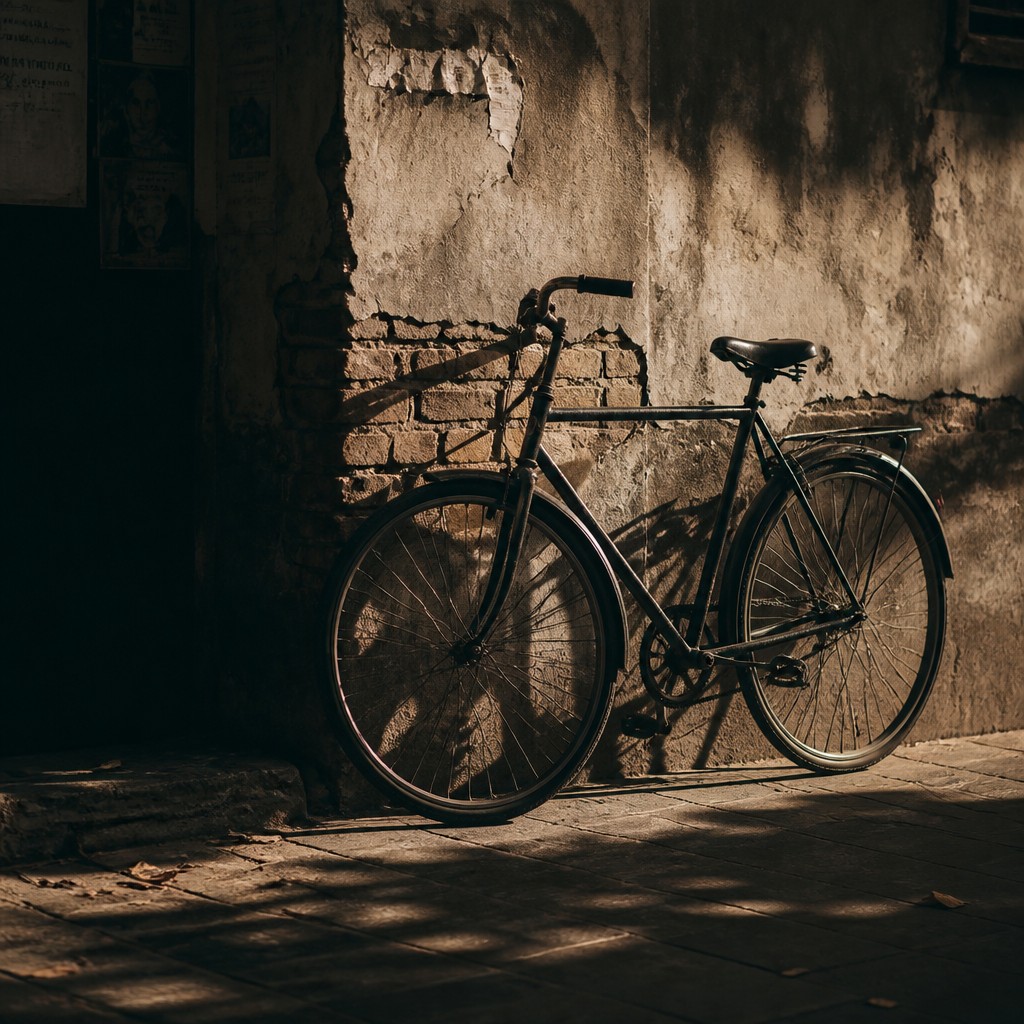
Quiet dramatic lighting
Light is used sculpturally, with soft directional illumination, edge light, or controlled shadow shaping the subject. The effect is usually restrained, atmospheric, and formally expressive rather than theatrical in a commercial sense.
Try It
Create Videos in Fine Art Photography Style
Styles aren't just for stills — describe a scene or animate an image and get a short video rendered in Fine Art Photography. Press play to see this pond come to life.
Make a VideoFine Art Photography Prompt Ideas
Start from an idea — each one opens the generator with the style ready to go. See all 40 Fine Art Photography prompts →
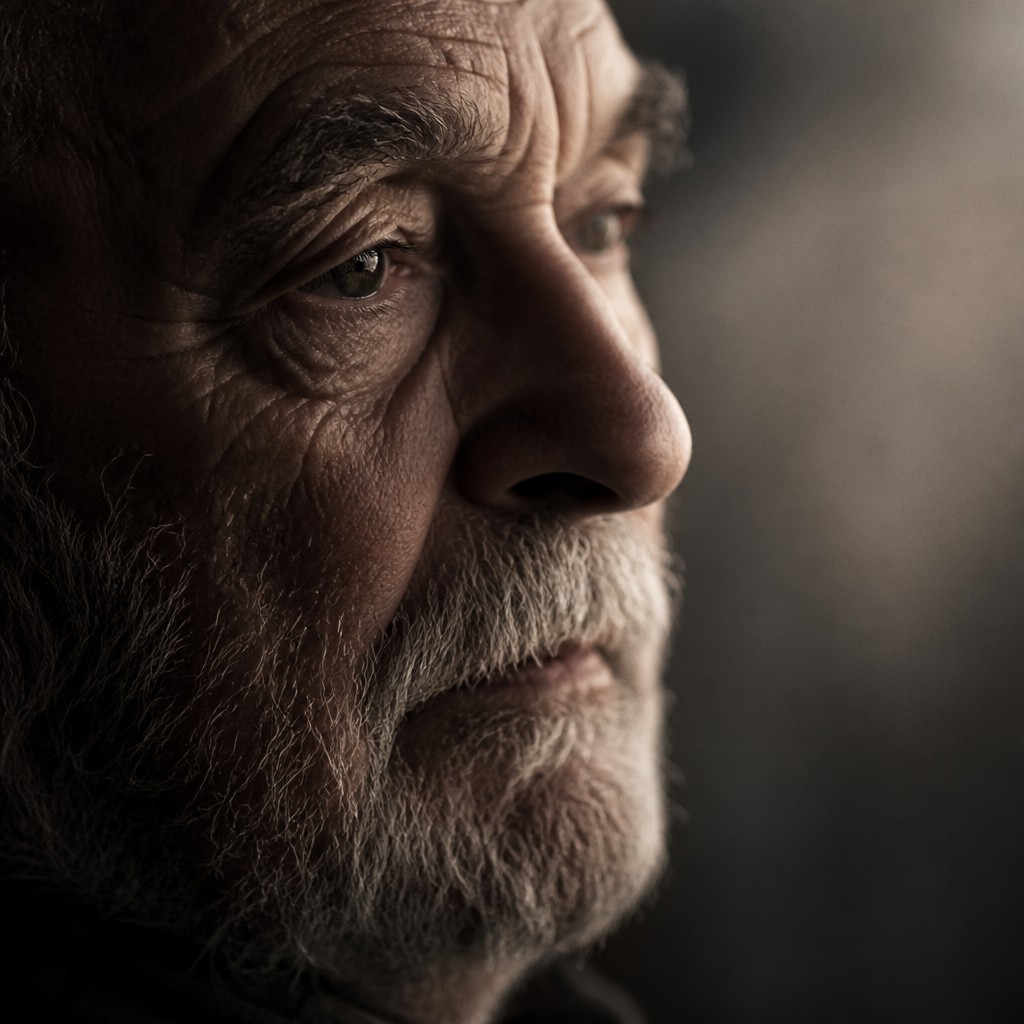
“close-up portrait of an elderly person with expressive weathered features”
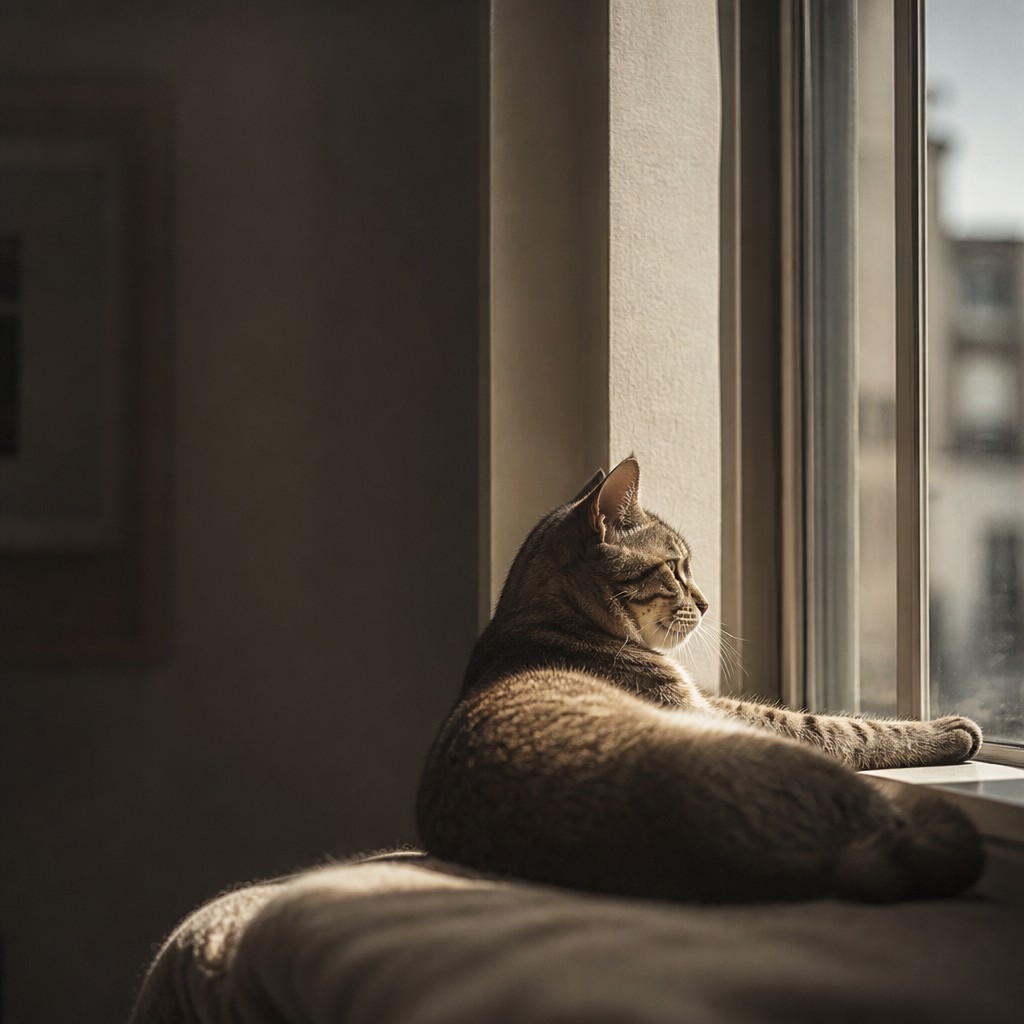
“a cat lounging in a sunlit window”
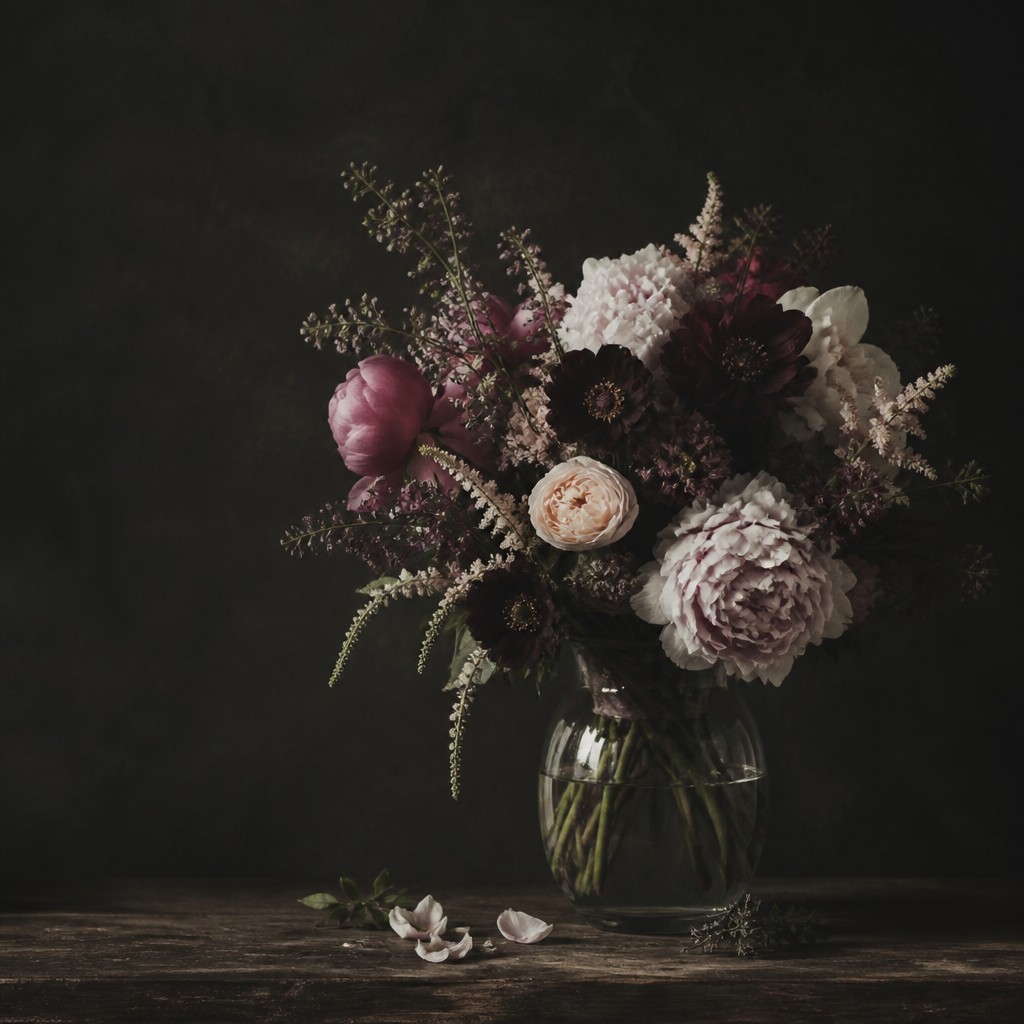
“bouquet of flowers in a glass vase”
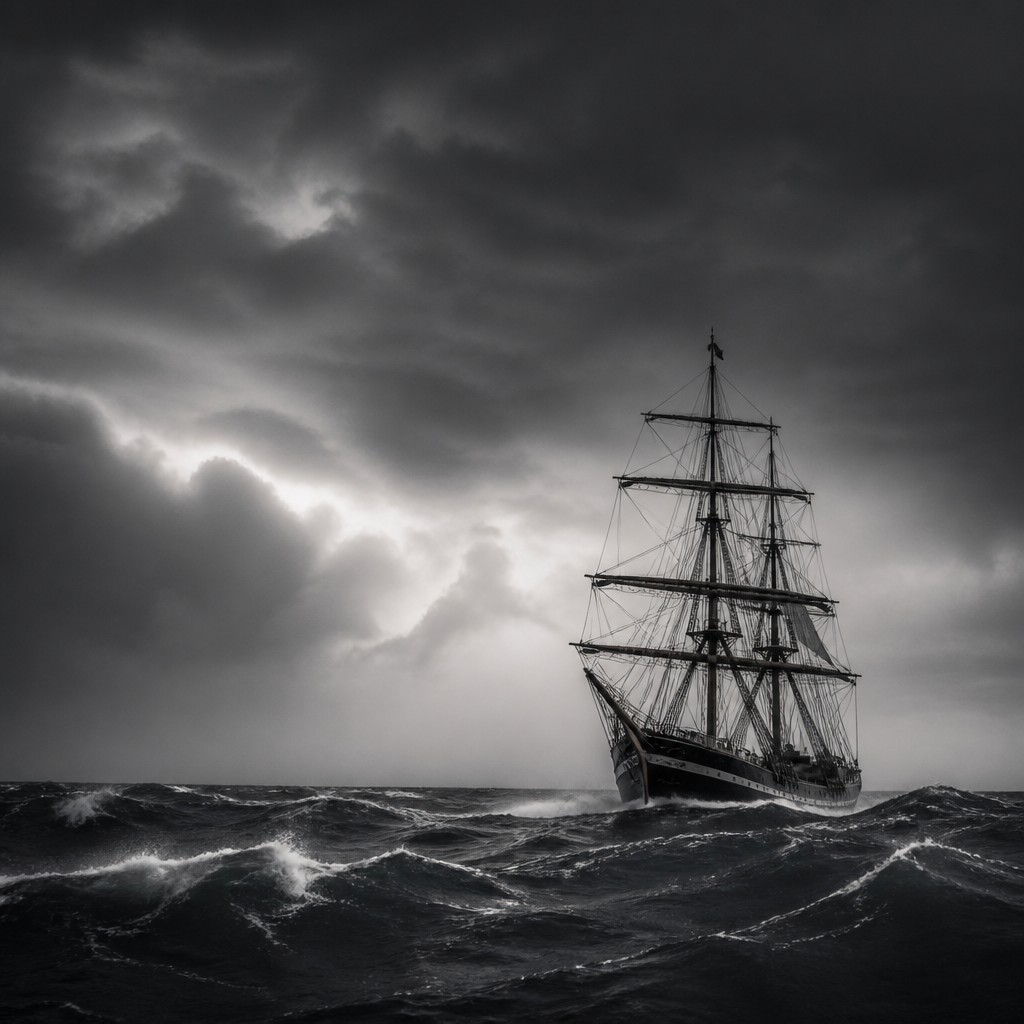
“sailing ship on a stormy sea”
How to Create Fine Art Photography Art
Master the craft step by step — or skip straight to creating. Read the full guide →
- 1
Build the image around an idea
Start with a concept, mood, or visual question before choosing the subject. Fine art photographs often gain power from coherence between theme, composition, and lighting rather than from subject novelty alone.
- 2
Use composition as structure
Plan the frame carefully with attention to negative space, balance, and the placement of visual weight. Whether you are shooting digitally or on film, compose with the final print in mind so the image reads cleanly and deliberately.
- 3
Control light and tonal relationships
Work with natural light, soft directional light, or carefully shaped artificial light to model form and create depth. Protect highlights and preserve shadow detail when possible, since the fine art look depends on subtle tonal transitions.
- 4
Choose a restrained color strategy
If working in color, limit the palette and keep grading purposeful; if working in black-and-white, emphasize midtone structure and texture. Avoid overly saturated or overly processed looks unless they clearly serve the concept.
- 5
Edit for coherence, not spectacle
Post-processing should refine the image’s atmosphere: adjust contrast, tonal separation, grain, and color balance with restraint. The goal is a resolved, gallery-minded image that feels unified rather than heavily stylized.
- 6
For prompt-based generation, specify intent and material qualities
Describe the subject, mood, composition, lighting, color treatment, and surface character together so the result feels photographic and art-directed. Include terms such as contemplative composition, negative space, tonal range, subtle grain, curated palette, and museum-quality mood.
The Story
History & Origins of Fine Art Photography
Fine art photography emerged as photography gained recognition as an art form in the late 19th and early 20th centuries, when photographers began emphasizing interpretation, mood, and composition over purely descriptive uses. Pictorialist photographers working in major art circles helped establish the idea that photographs could be made with artistic intent comparable to painting or printmaking, while later modernist and postwar photographers expanded the medium’s conceptual range.
In the 20th century, the field broadened through the influence of modernism, surrealism, conceptual art, and gallery-based photography. Major landscape photographers, symbolic and introspective photographers, staged identity-based artists, psychologically oriented portraitists, and formal fashion and portrait photographers each contributed different models of fine art practice: landscape as tonal construction, symbolic introspection, staged identity, psychological portraiture, and formal portraiture. Today, the term encompasses a wide range of approaches united less by subject matter than by intention, authorship, and the demand that the photograph function as an artwork in its own right.
Influences: Fine art photography draws from pictorialism, modernist photography, documentary traditions reframed as art, and adjacent movements such as surrealism and conceptual art. It also overlaps with the tonal discipline of leading American landscape photographers, the symbolic introspection of influential midcentury printmakers and photographers, the staged portraiture of contemporary performance-based artists, the psychological edge of notable street and portrait photographers, and the formal control of prominent fashion and portrait photographers, though fine art photography is broader than any single artist or school.
Frequently Asked Questions
What defines fine art photography?
Fine art photography is defined by artistic intent: the photograph is created as a personal or conceptual statement rather than as straightforward documentation. It usually emphasizes composition, light, mood, and print quality, and it often invites interpretation rather than delivering a literal record.
How is it different from commercial photography?
Commercial photography is typically made to sell a product, service, or client message, while fine art photography is made to express the photographer’s own vision. The subject may overlap, but the priorities are different: fine art focuses on authorship, ambiguity, and visual coherence.
Does fine art photography have to be black and white?
No. Black-and-white is common because it emphasizes form, texture, and tonal structure, but fine art photography can also be in color. In color work, the palette is usually controlled and intentional rather than bright or decorative for its own sake.
What subjects work well in this style?
Portraits, landscapes, still lifes, interiors, and urban scenes all work well if they are approached with a clear visual concept. The subject itself matters less than how it is framed, lit, and transformed into a cohesive artistic statement.
How do I make my photos look more like fine art?
Focus on composition, mood, and tonal control before adding effects. Use simple but deliberate framing, shape the light carefully, edit with restraint, and think about the final print or display as part of the artwork.
Where is fine art photography used?
It is commonly shown in galleries, museums, artist books, exhibitions, and editorial portfolios, and it also appears in premium interiors and curated online collections. Its purpose is often contemplative or critical rather than purely informational.

Create your first Fine Art Photography artwork
Describe anything — or upload a photo — and see it in Fine Art Photography Style in seconds.
Make Something with Fine Art Photography
Compare Fine Art Photography
Related Styles
Discover similar art styles