Fine Art Photography vs Street Photography: What's the Difference?
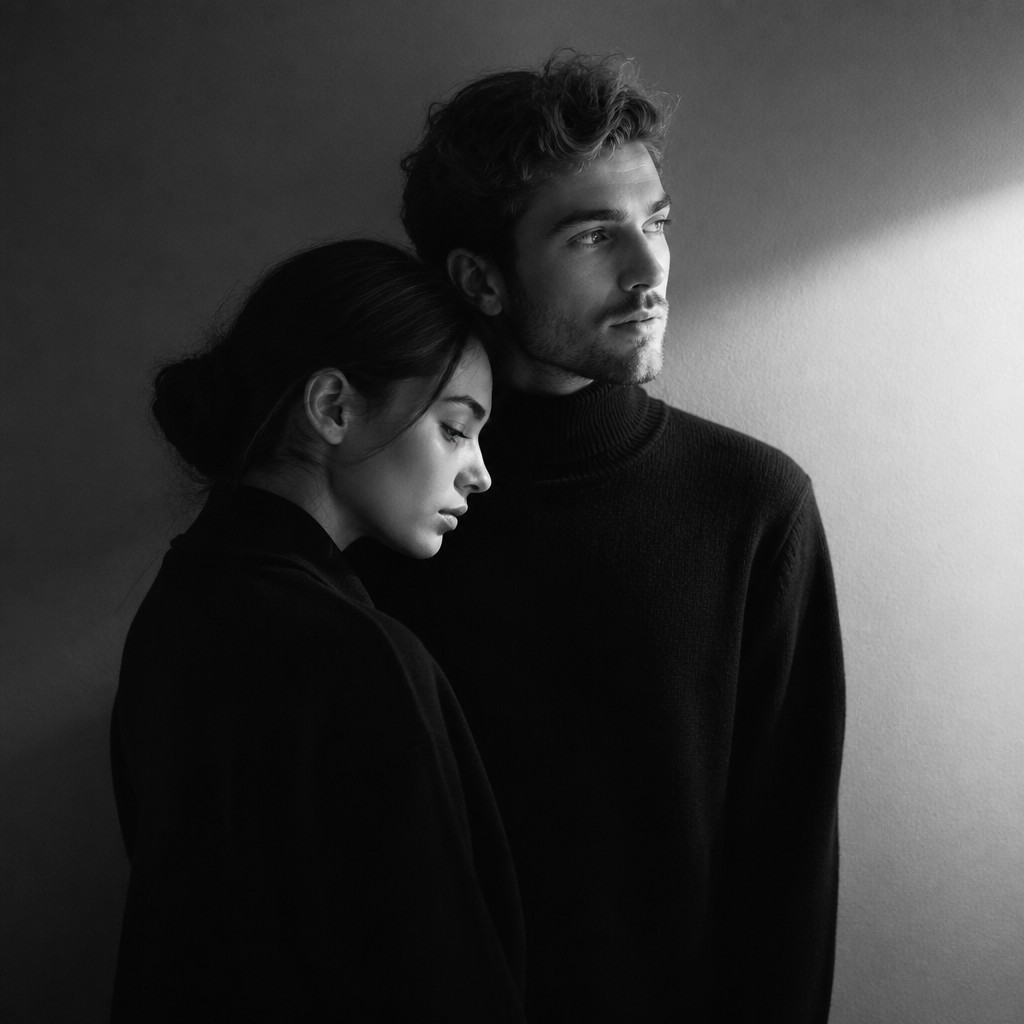
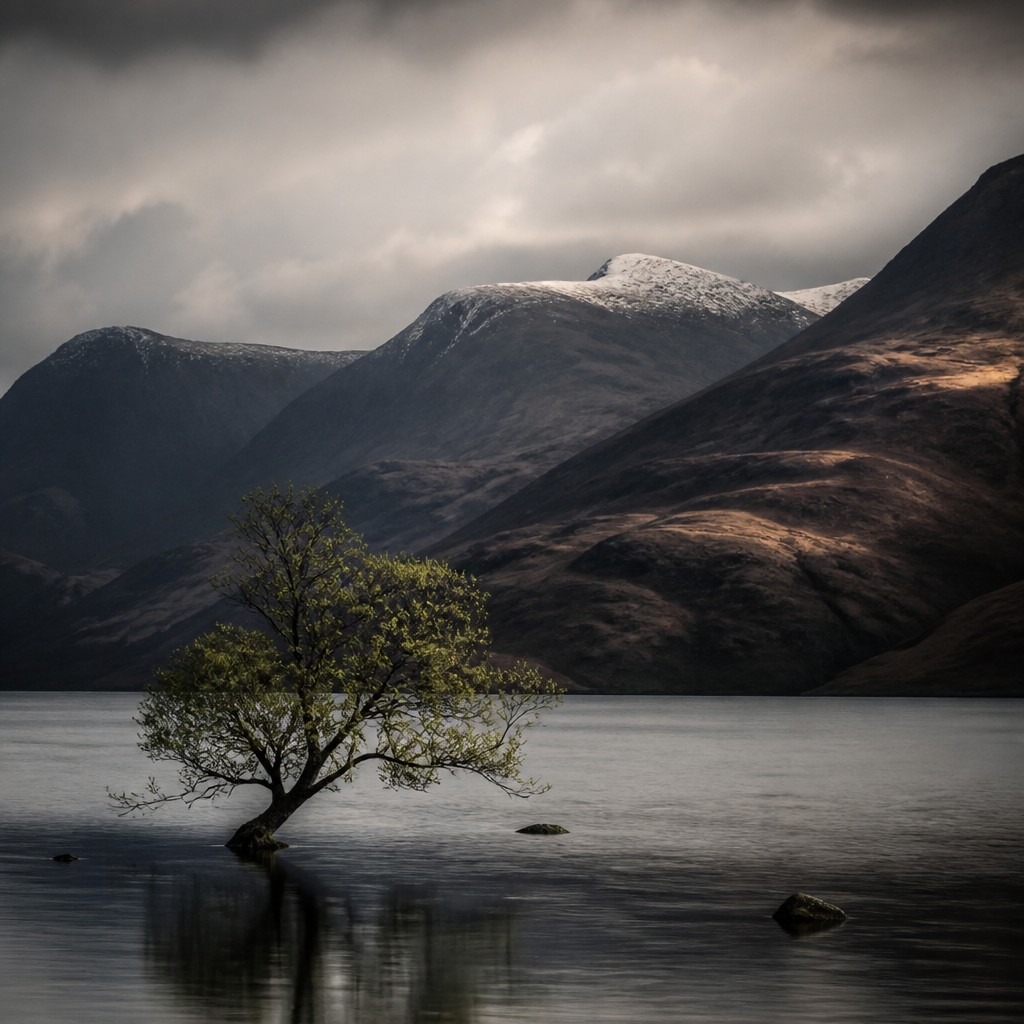
Fine art photography is a concept-driven approach that treats the photograph as an expressive artwork. It often emphasizes careful composition, tonal control, atmosphere, and a clear artistic intention, with results designed to feel polished, interpretive, and gallery-ready.
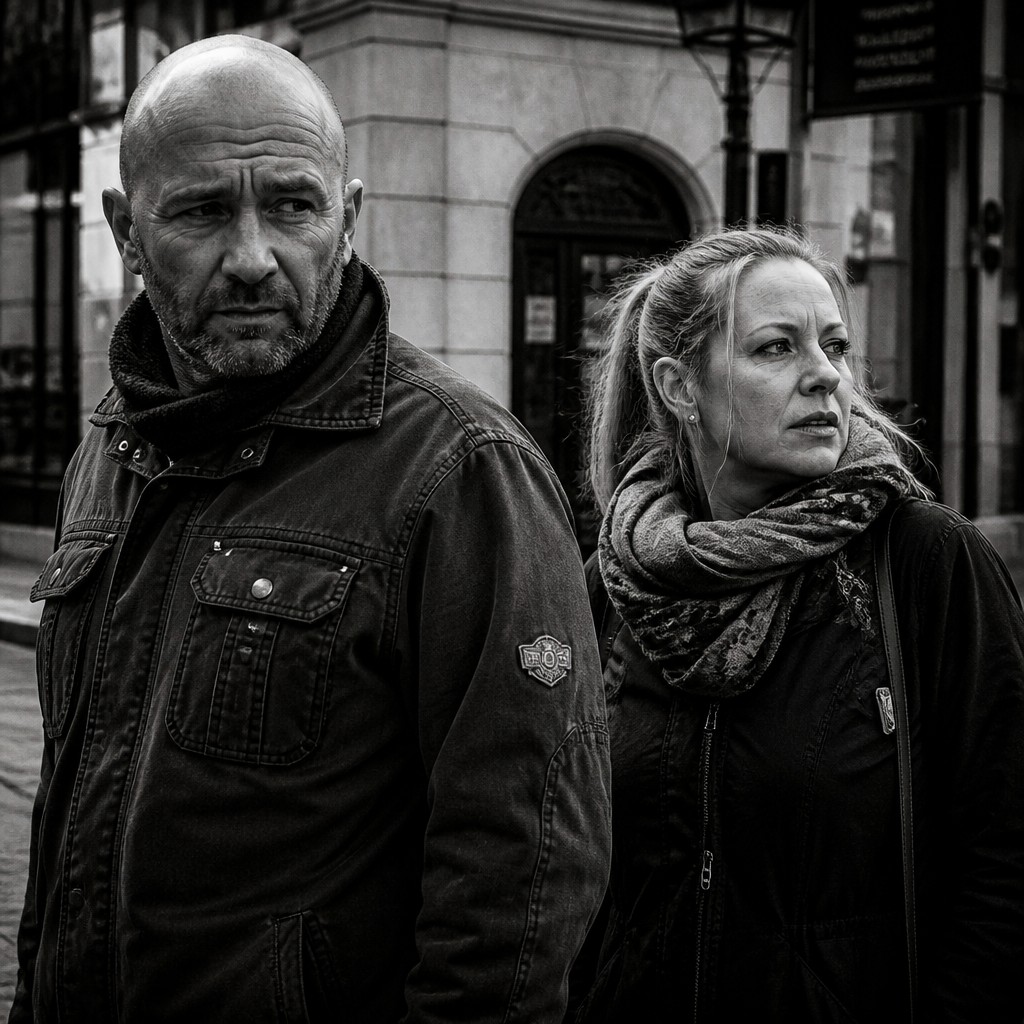
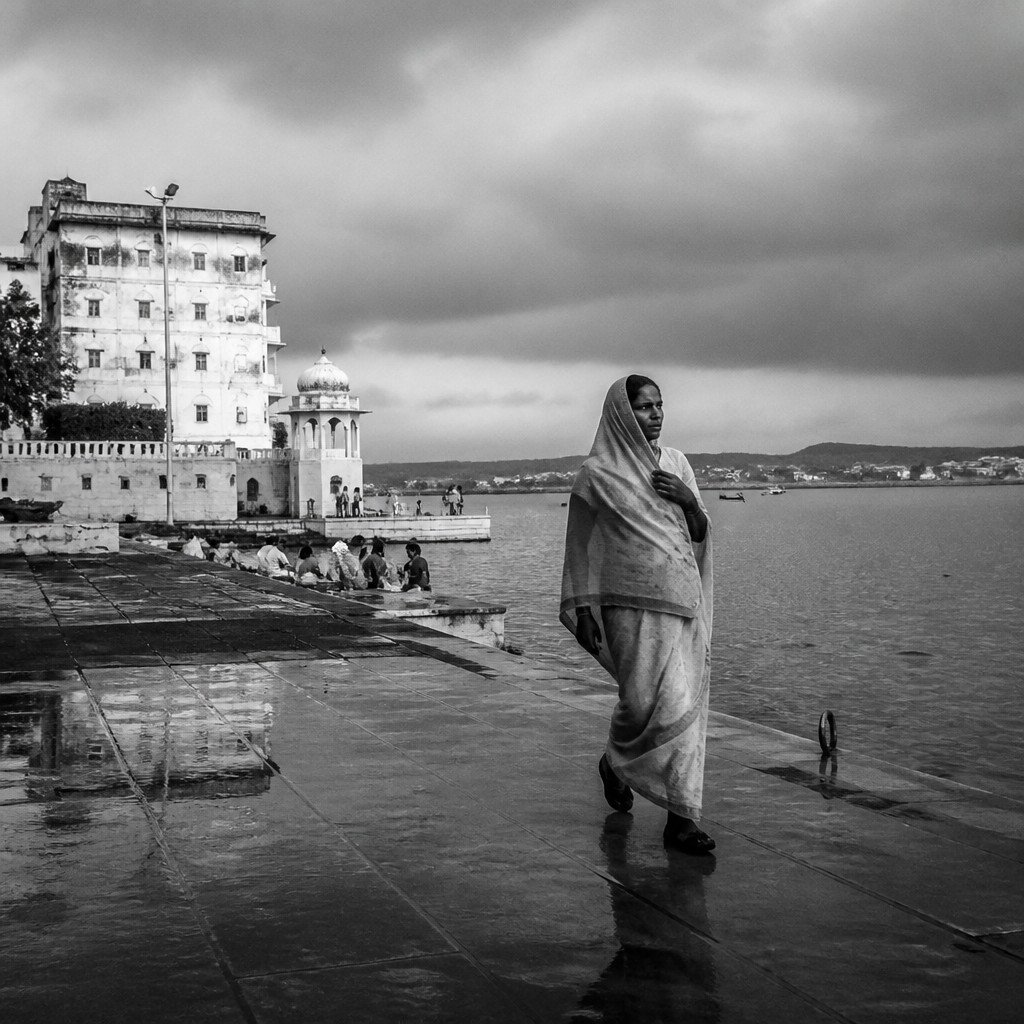
Street photography is a candid, documentary-minded approach centered on everyday life in public spaces. It values timing, spontaneity, decisive moments, and the visual energy of real urban scenes. People compare these styles because both can be visually striking, emotionally rich, and grounded in strong composition, yet they differ in how much they rely on planning, control, and intent versus observation and immediacy.
Same Prompt, Both Styles
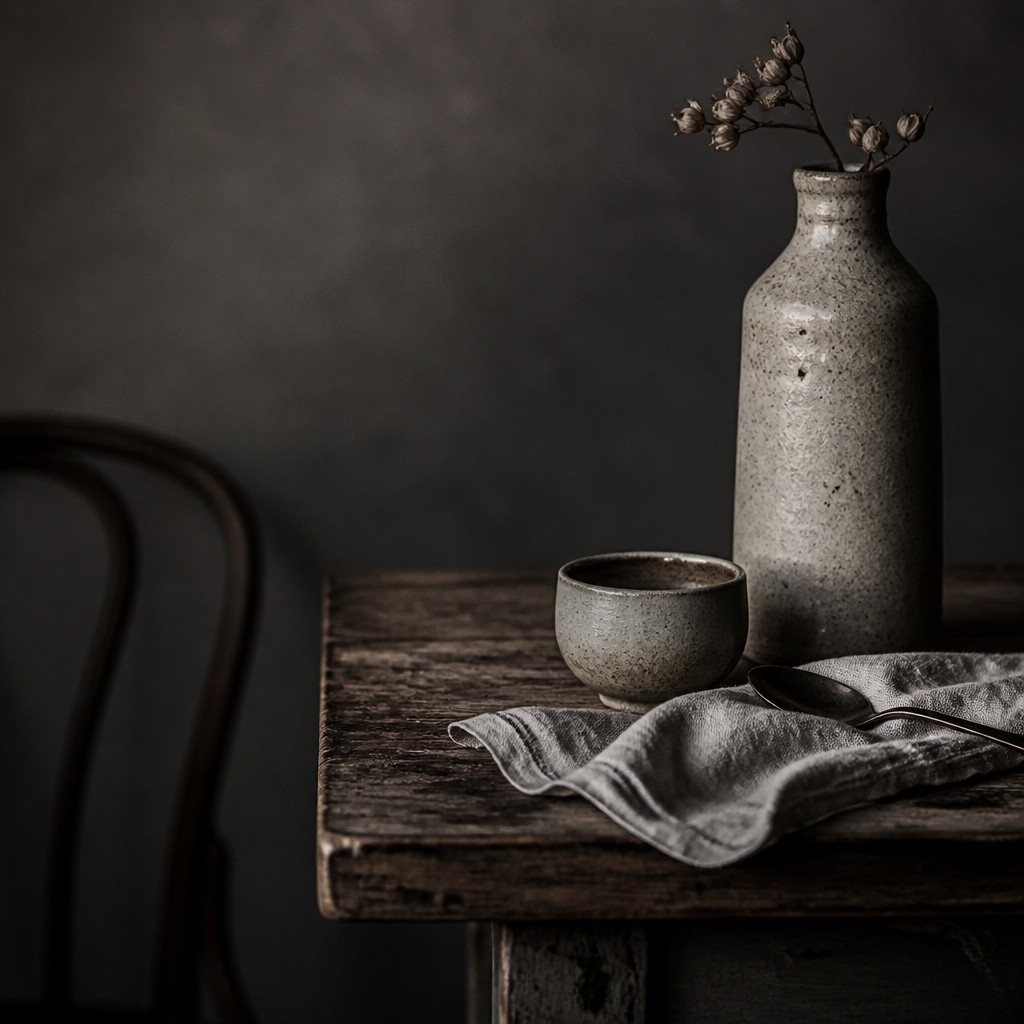
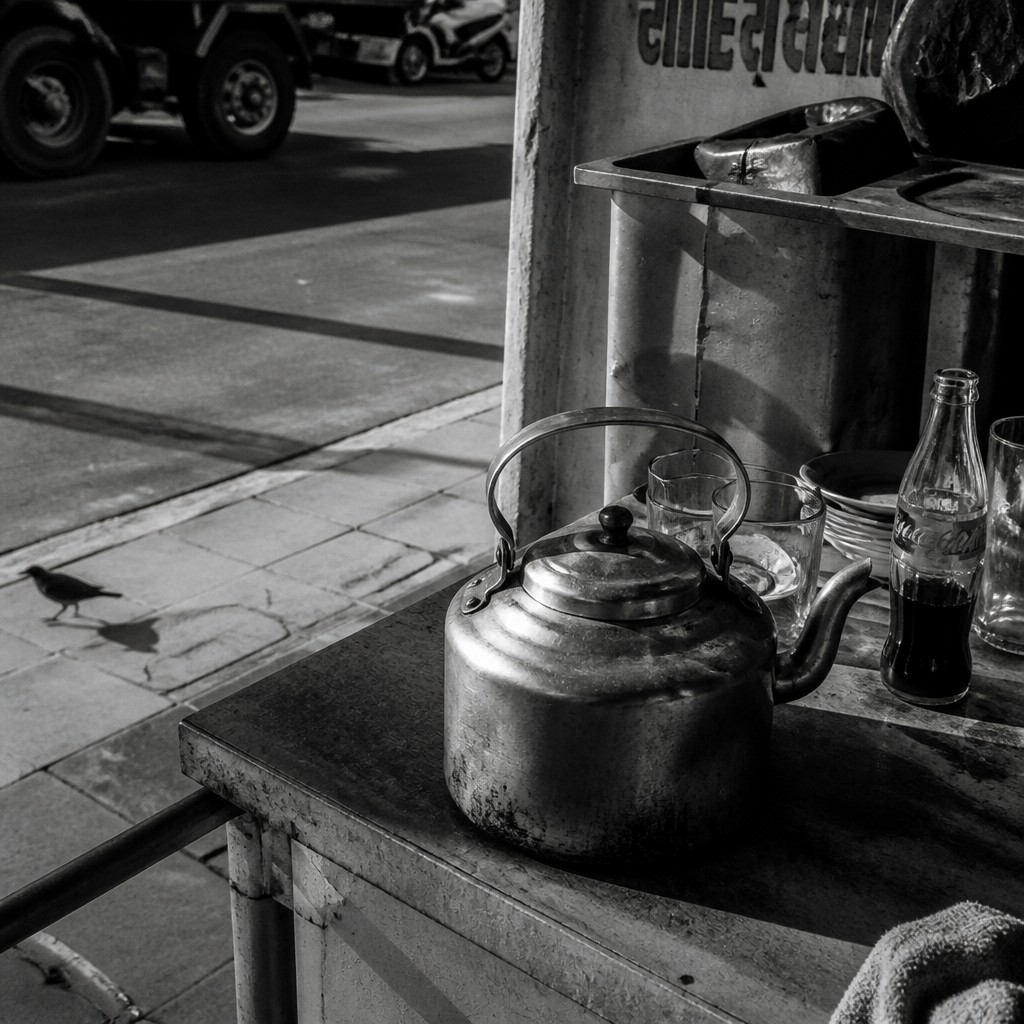
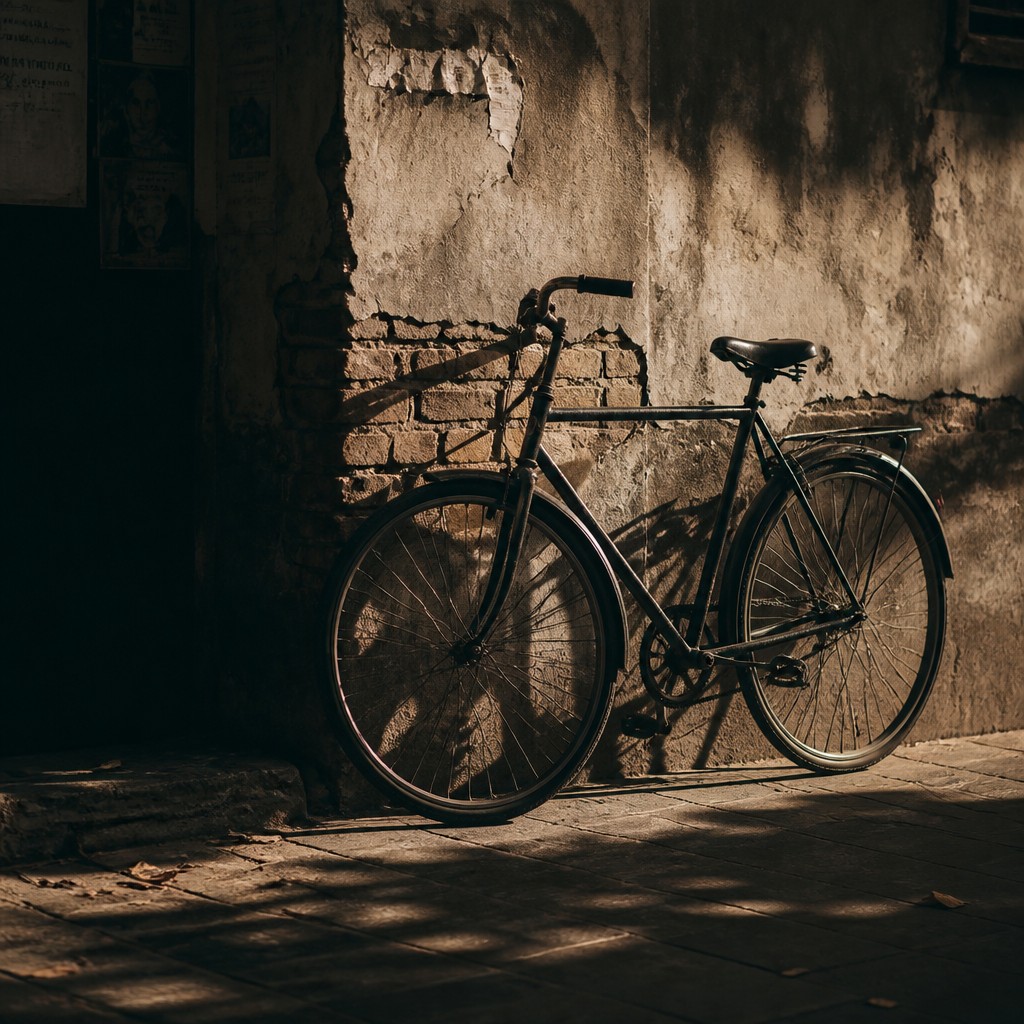
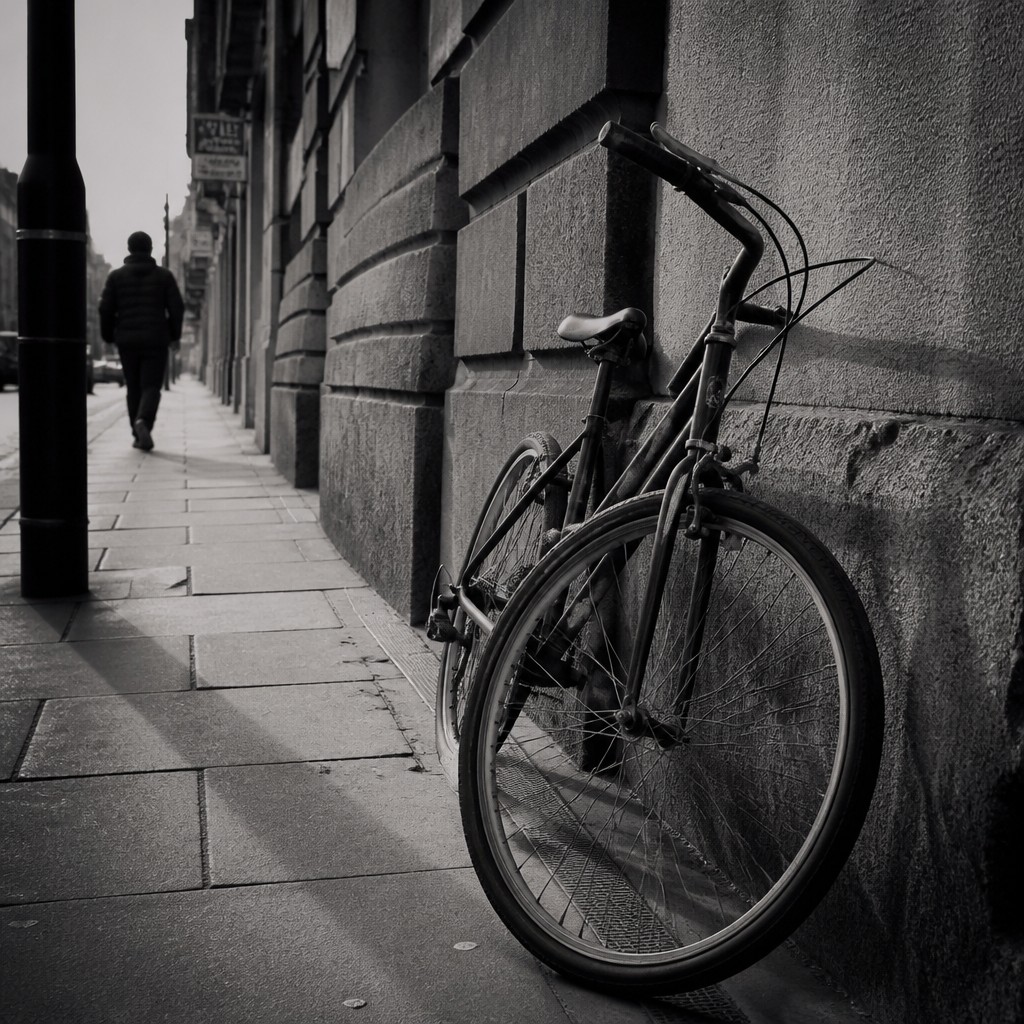
Each pair below was generated from the identical prompt — only the style changed.
“portrait of two people together”
“wide landscape with natural scenery”
“still life with everyday objects”
“bicyle resting against a wall”
Key Differences
| Fine Art Photography | Street Photography | |
|---|---|---|
| Intent | Built around a clear concept or artistic statement. | Built around observing and recording real-life moments. |
| Subject matter | Often uses carefully chosen subjects, scenes, or symbols. | Often captures strangers, crowds, and everyday urban activity. |
| Timing | Timing supports a planned visual idea and refined mood. | Timing is crucial for decisive, unrepeatable moments. |
| Composition | Composition is usually deliberate, controlled, and highly polished. | Composition is often reactive, using available lines and geometry. |
| Light and tone | Tonal depth and atmosphere are often shaped in post-processing. | Dramatic natural light is often used as-found in the scene. |
| Relationship to reality | May interpret reality creatively to serve an artistic vision. | Prioritizes documentary realism and authentic public life. |
| Mood | contemplative, elegant, intimate, poetic | candid, observant, urban, immediacy, human |
| Energy | calm | balanced |
| Detail level | detailed | detailed |
| Color | muted, tonal, often atmospheric | natural tones, muted contrast, occasional vivid accents |
| Texture | soft grain, rich tonal gradation | grainy, crisp, documentary-like |
| Origin | late 19th-century Europe | 20th-century urban documentary photography |
| Best for | gallery prints, editorial spreads, album covers, book jackets, posters | editorial features, photo essays, city posters, documentary books, album covers, social commentary |
| Difficulty | advanced | advanced |
Which Should You Choose?
Pick fine art photography if you want to communicate an idea, shape mood carefully, and create images that feel like finished artistic statements. Pick street photography if you want to work quickly, respond to real life as it happens, and build images around spontaneity, urban rhythm, and documentary truth. If you enjoy both, think of fine art as more constructed and interpretive, while street photography is more immediate and observational.
Frequently Asked Questions
Is fine art photography always staged?
No. It may be staged, directed, or completely found, depending on the artist’s approach. What makes it fine art is the emphasis on concept, intent, and expressive presentation.
Does street photography have to be black and white?
No. Street photography can be black and white or color. The key elements are candid public scenes, strong timing, and a documentary or observational feel.
Which style is more difficult to master?
Both are challenging in different ways. Fine art photography demands conceptual clarity and controlled execution, while street photography demands fast judgment, anticipation, and sensitivity to real-world moments.
Can one image belong to both styles?
Yes, sometimes. A candid urban image can be edited and presented with fine art intent, or a fine art image can retain street-style realism and spontaneity.