Macro Photography vs Aerial Drone Photography: What's the Difference?
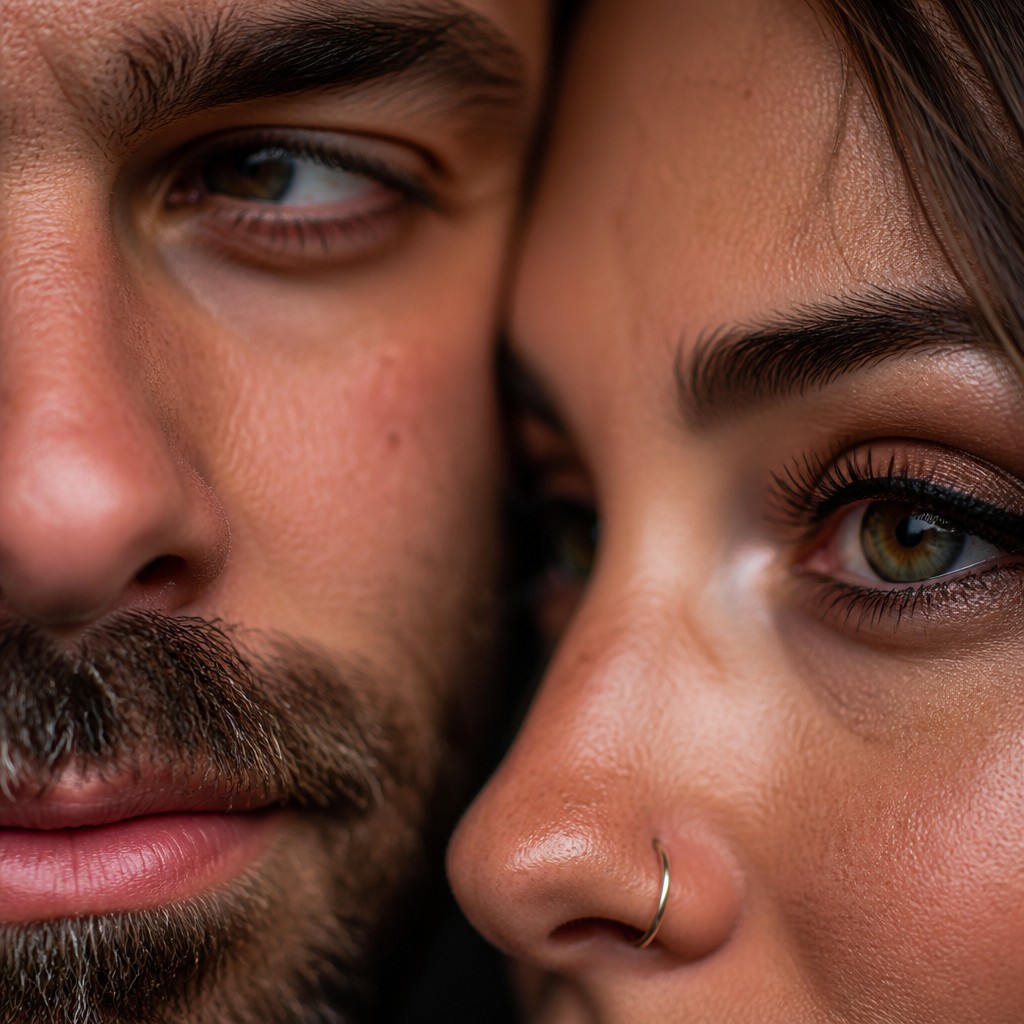
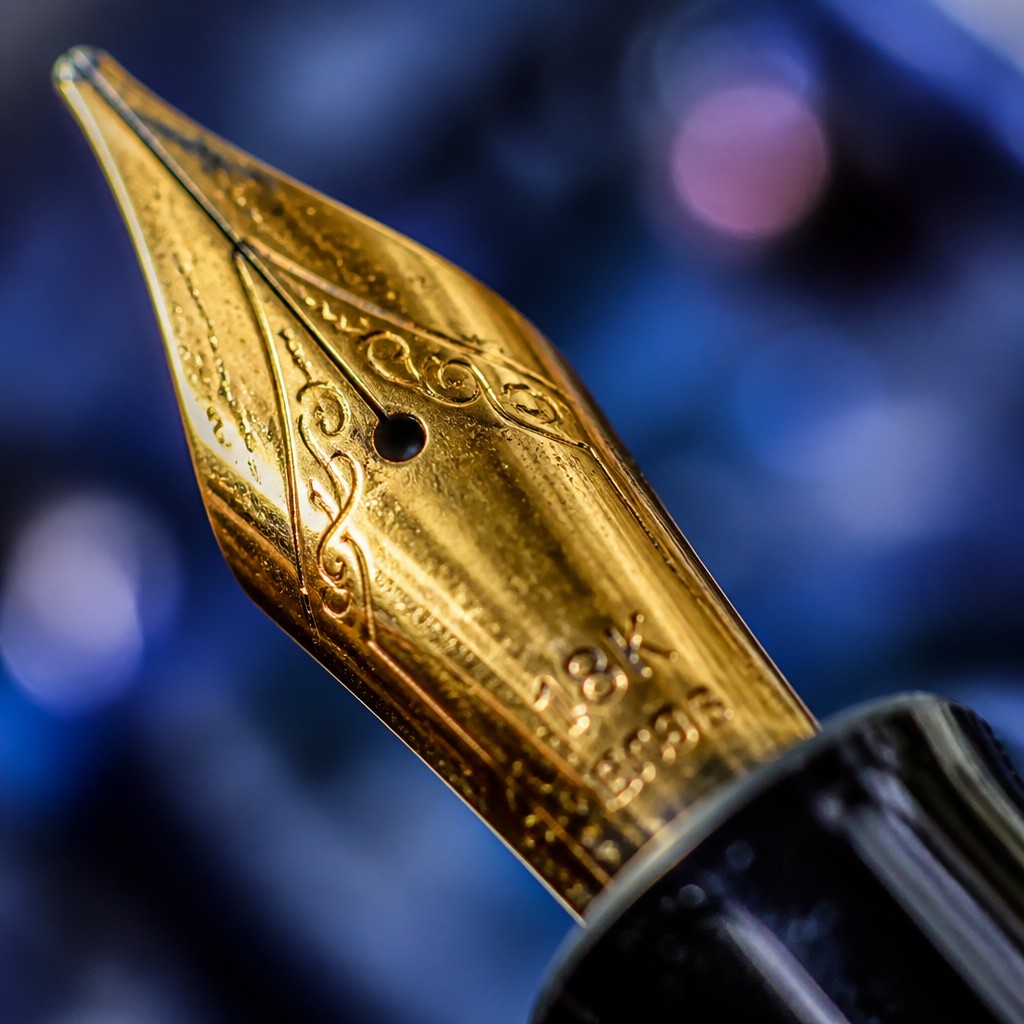
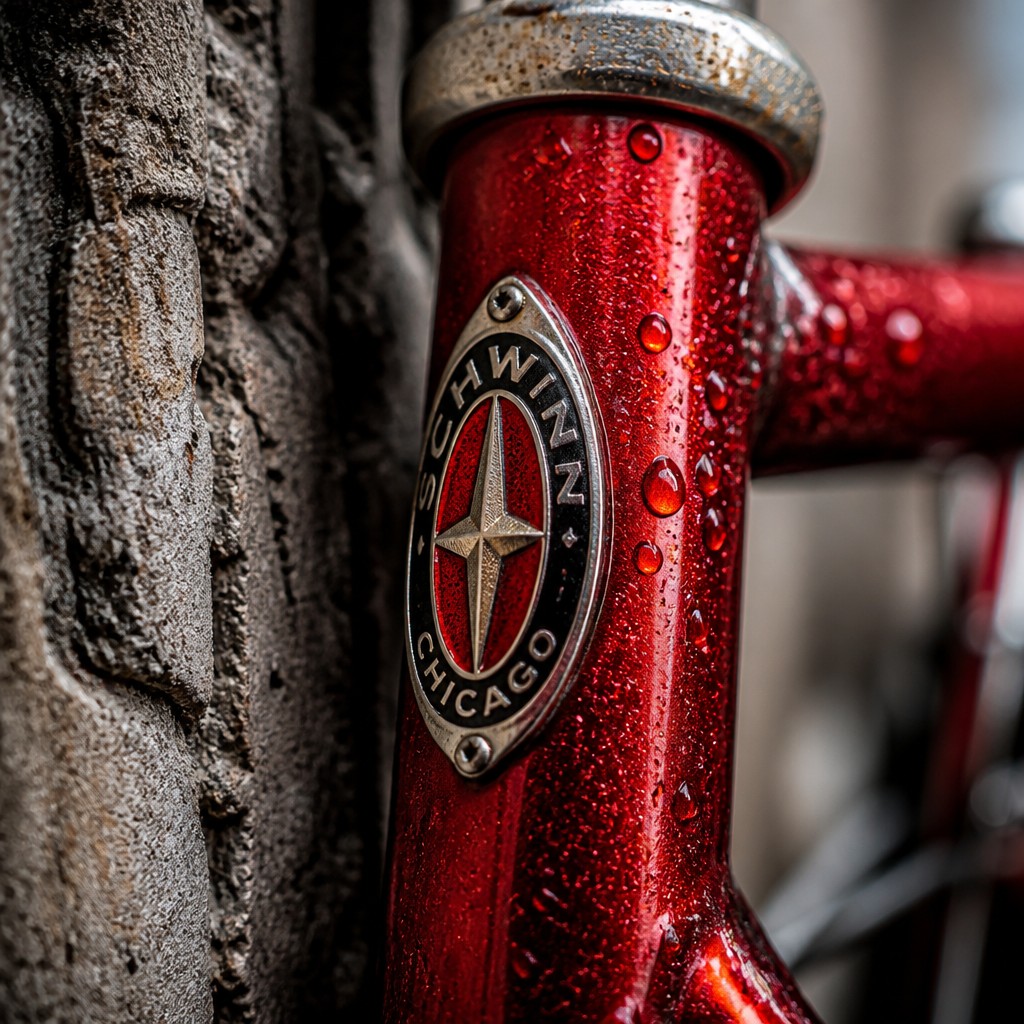
Macro photography style uses extreme close-up framing to reveal tiny subjects as dramatic, immersive scenes. Its shallow depth of field isolates details, while vivid texture and luminous bokeh make surfaces, edges, and small forms feel enlarged and expressive.
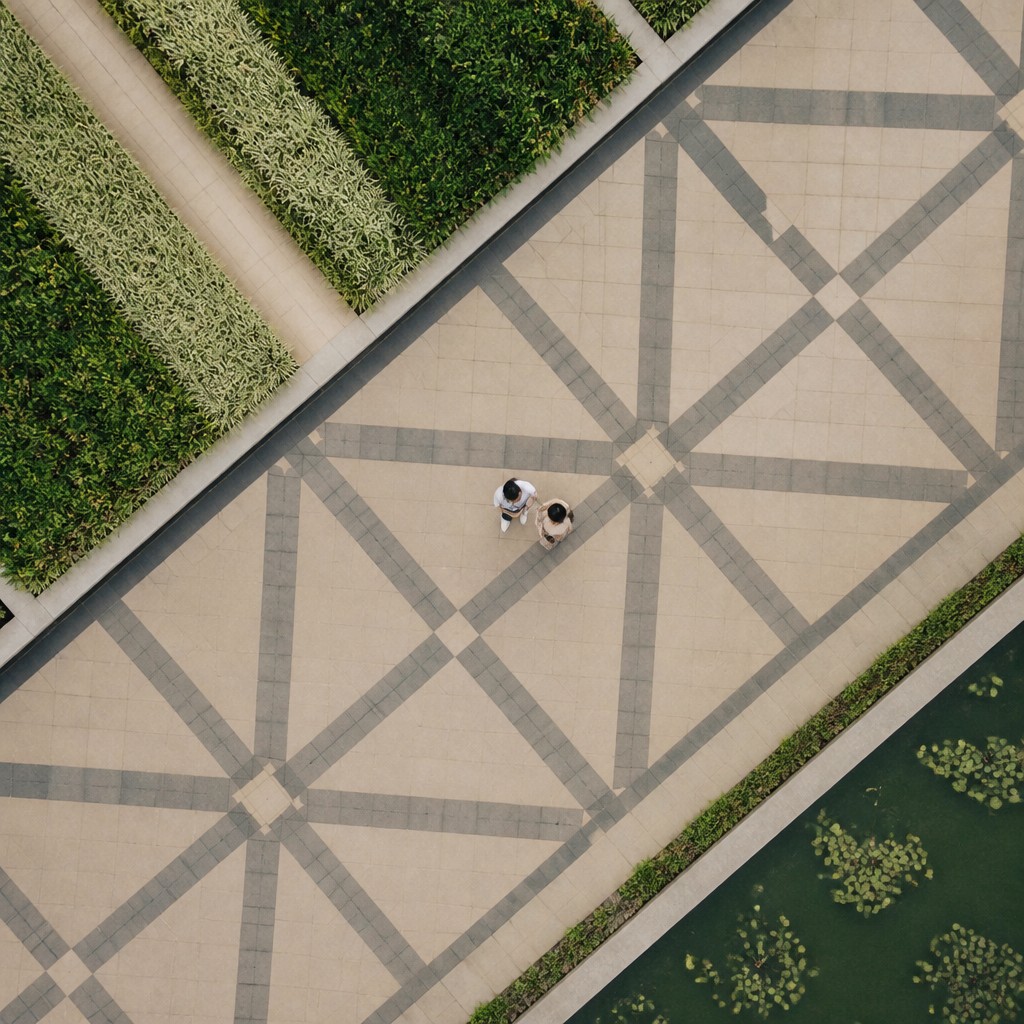
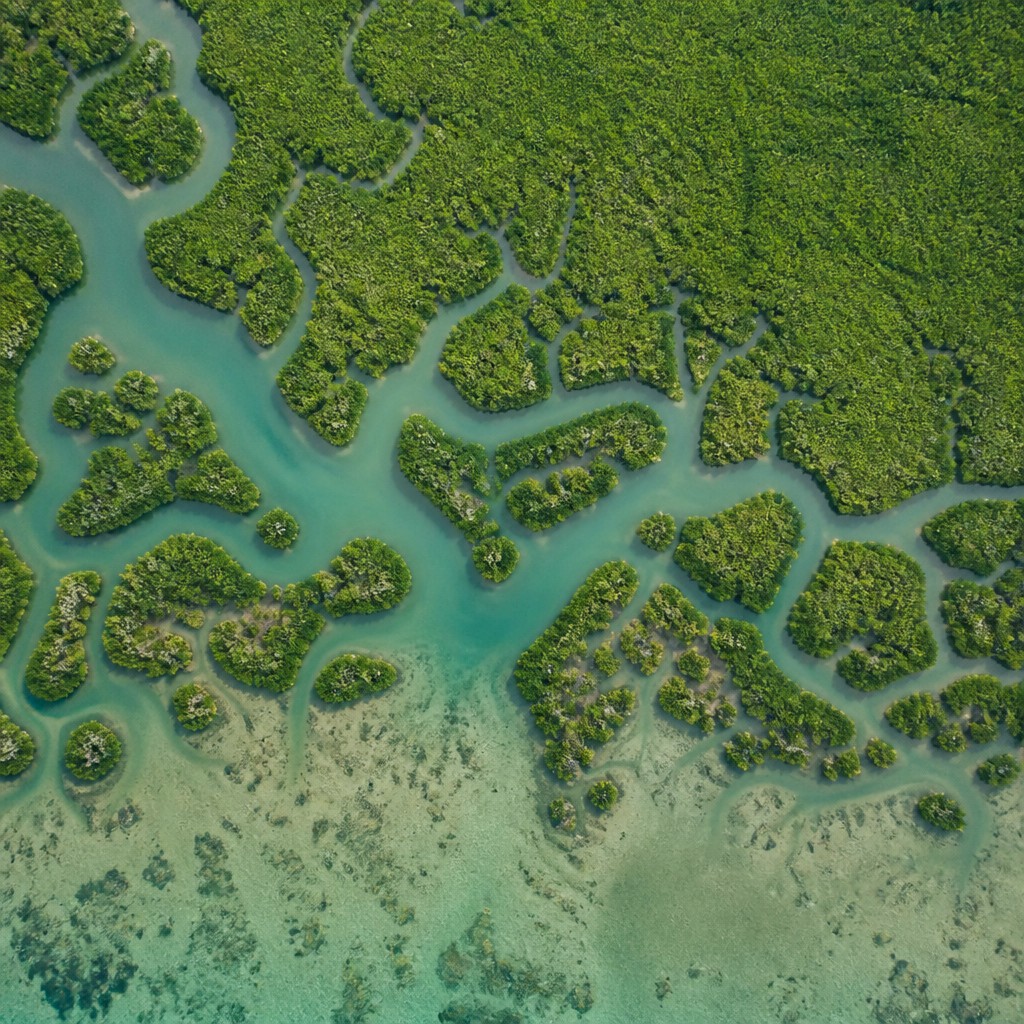
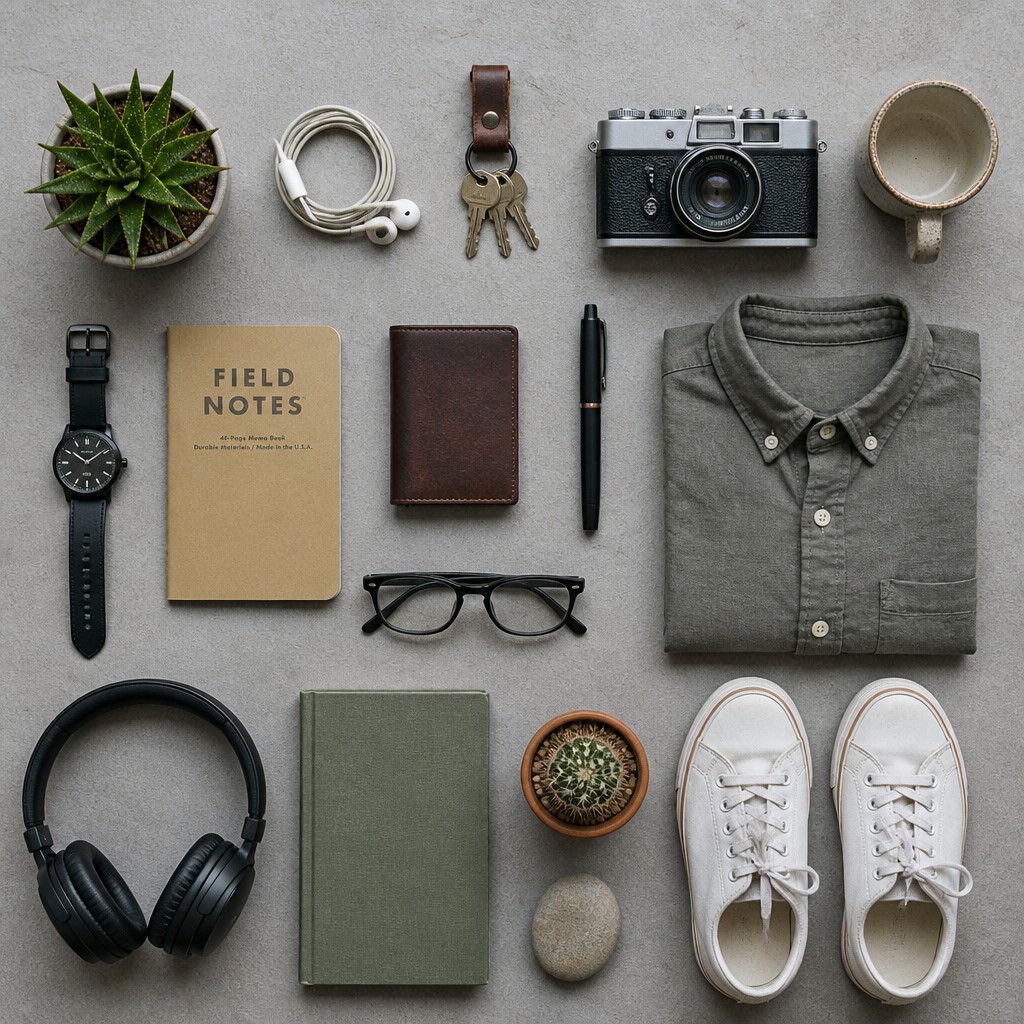
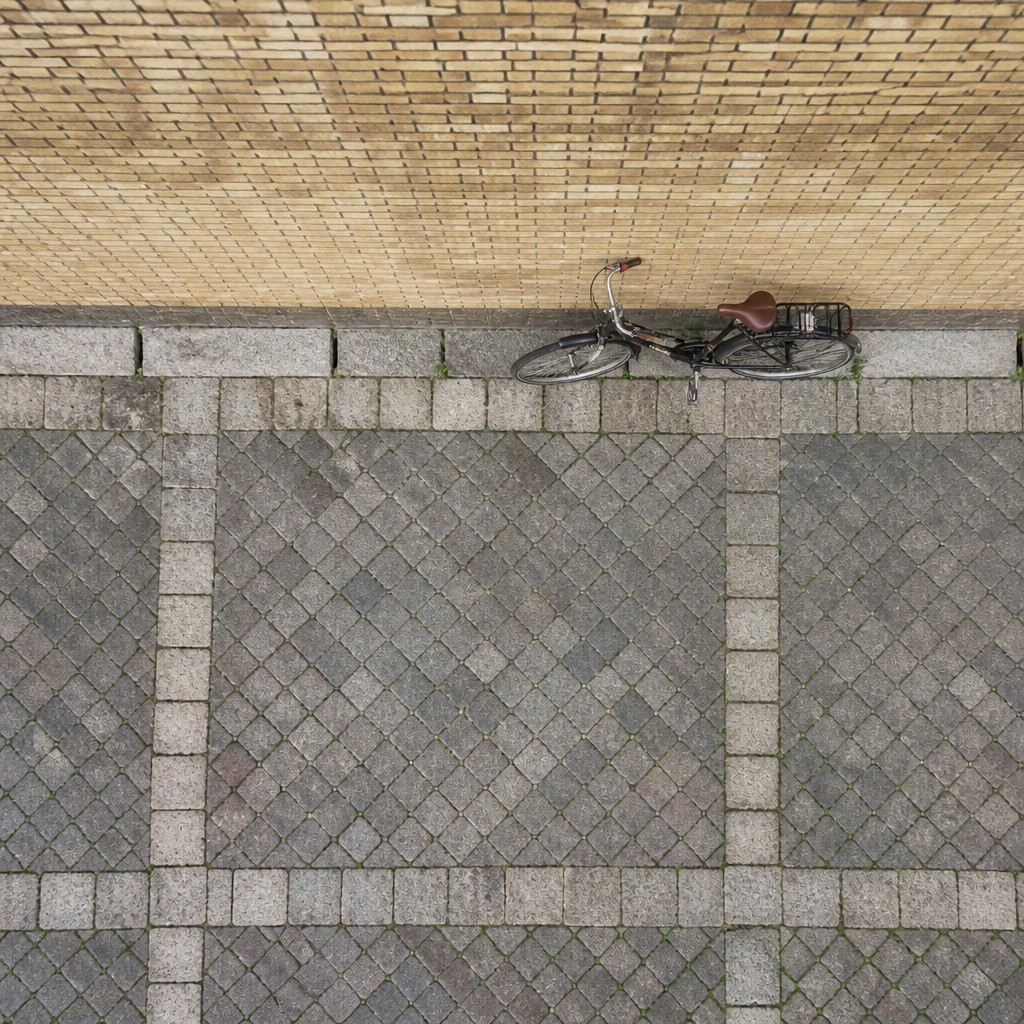
Aerial drone photography style uses a high, bird’s-eye viewpoint to turn large environments into patterns, shapes, and mapped spaces. People compare them because both transform ordinary subjects through unusual perspective, but one magnifies the small while the other abstracts the vast.
Same Prompt, Both Styles
Each pair below was generated from the identical prompt — only the style changed.
“portrait of two people together”
“wide landscape with natural scenery”
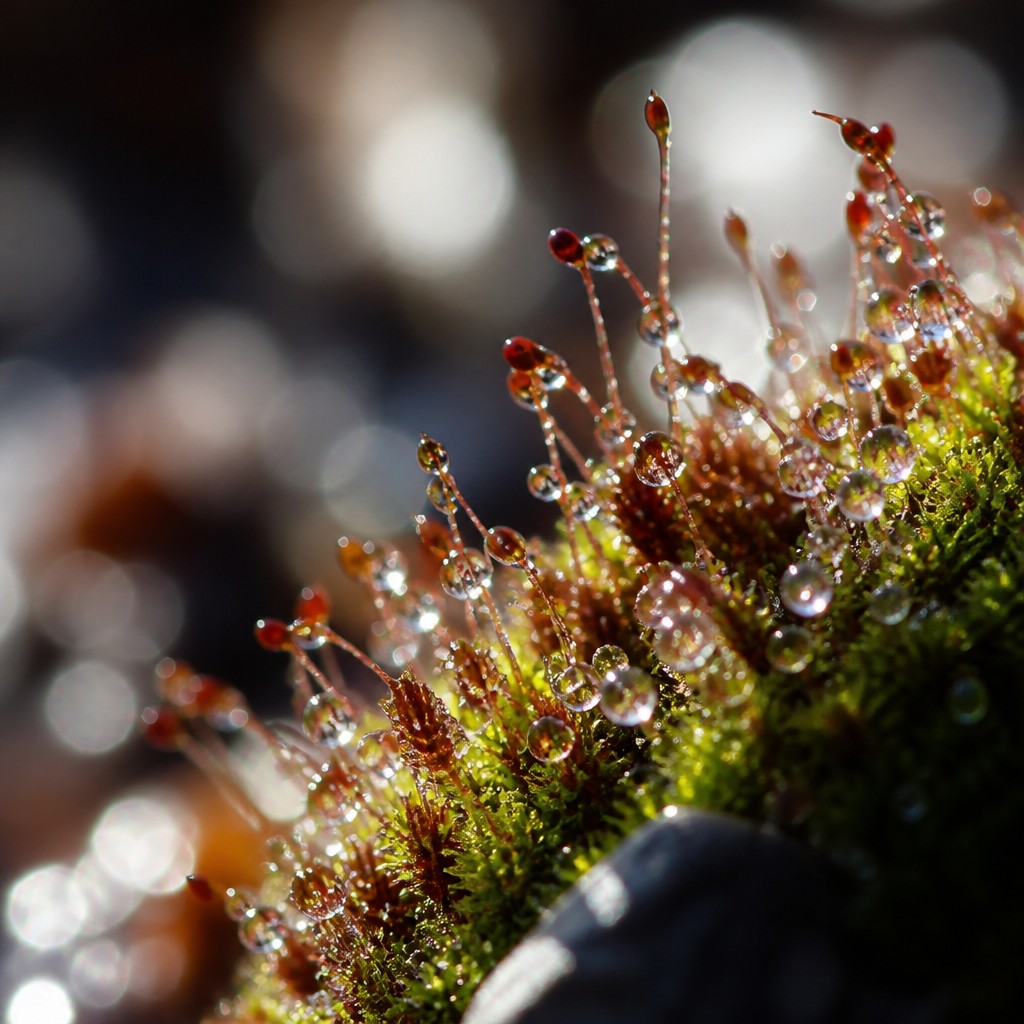
“still life with everyday objects”
“bicyle resting against a wall”
Key Differences
| Macro Photography | Aerial Drone Photography | |
|---|---|---|
| Scale | Enlarges tiny subjects into visually dominant scenes. | Shrinks landscapes into readable, patterned compositions. |
| Perspective | Extremely close viewpoint creates intimacy and immersion. | High overhead viewpoint creates distance and overview. |
| Depth & focus | Very shallow depth of field isolates a narrow focal plane. | Often deep focus keeps terrain and structures broadly legible. |
| Texture & detail | Emphasizes surface texture, micro-structures, and fine edges. | Emphasizes large-scale land patterns, roads, and boundaries. |
| Visual mood | Feels intimate, tactile, and visually dramatic. | Feels informative, expansive, and spatially clear. |
| Composition | Uses background blur and framing to simplify the scene. | Uses geometry, repetition, and layout to organize the frame. |
| Mood | awe-inspiring, intimate, focused, delicate | observant, orderly, expansive, meditative |
| Energy | calm | calm |
| Detail level | intricate | detailed |
| Color | natural, vivid, softly contrasting | natural earth tones with graphic contrasts |
| Texture | highly tactile, crisp, finely resolved | smooth, mapped, pattern-rich surfaces |
| Origin | 20th-century photography, global nature imaging | digital-native aesthetic |
| Best for | nature studies, product ads, editorial spreads, scientific visuals, wall art | travel posters, editorial spreads, album covers, map-inspired graphics, environmental campaigns, wall art |
| Difficulty | advanced | advanced |
Which Should You Choose?
Choose macro photography style when the subject is small, textured, or emotionally enhanced by intimacy, such as plants, insects, products, or droplets. Choose aerial drone photography style when the subject benefits from overview, mapping, or pattern recognition, such as coastlines, fields, cities, or construction sites. If you want viewers to feel close to a detail, pick A; if you want them to understand space and structure from above, pick B.
Frequently Asked Questions
Which style is better for showing detail?
Macro photography style is better for revealing tiny details up close. It makes textures, edges, and small imperfections much more visible than a wide or distant view.
Which style is better for showing context?
Aerial drone photography style is better for showing context because it captures the subject within a larger environment. It helps viewers understand how parts fit together spatially.
Do both styles use strong composition?
Yes, but in different ways. Macro relies on shallow focus and tight framing, while aerial relies on geometry, repetition, and the organization of large shapes.
Can both styles feel abstract?
Yes. Macro can become abstract when details and blur dominate the frame, and aerial can become abstract when landscapes read like patterns instead of places. Both turn reality into design, but from opposite distances.