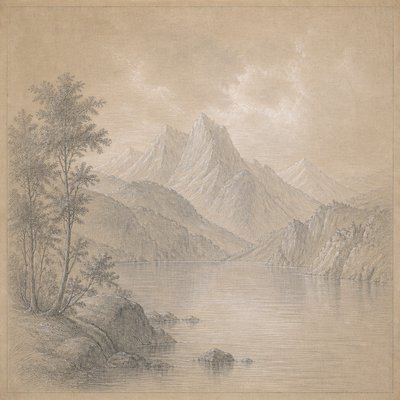
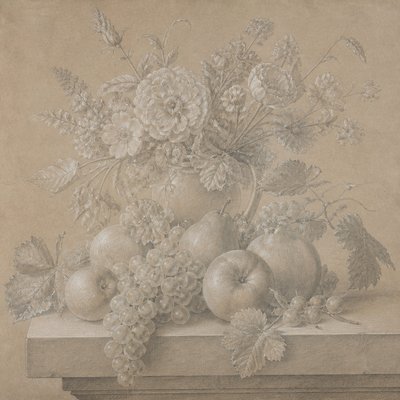
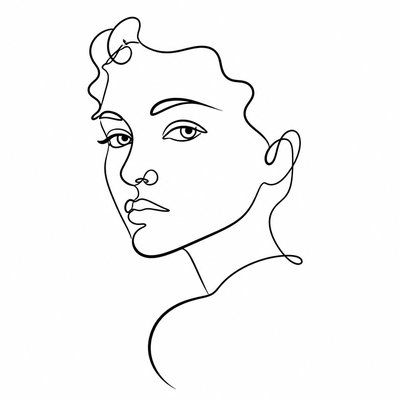
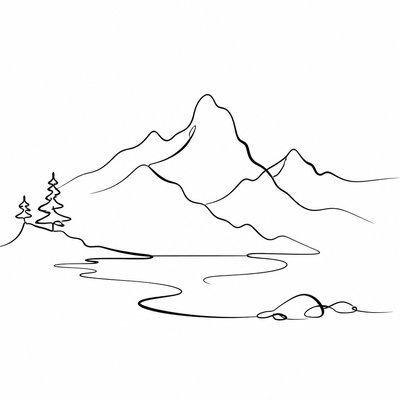
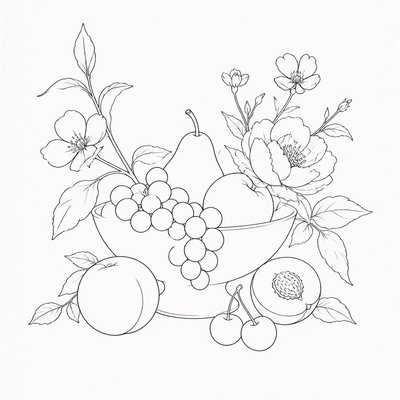
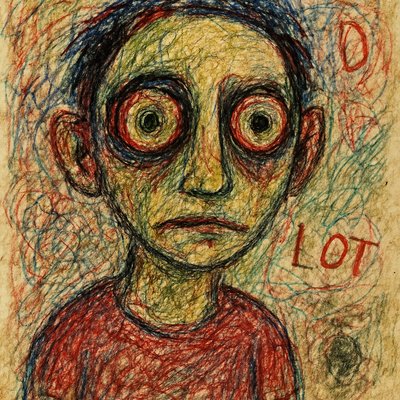
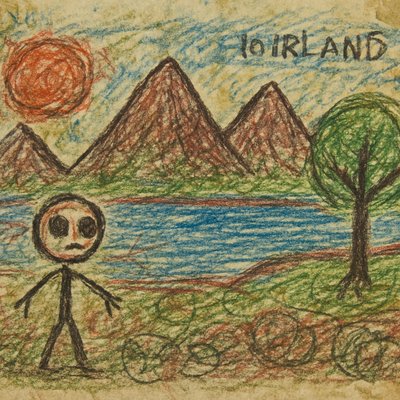
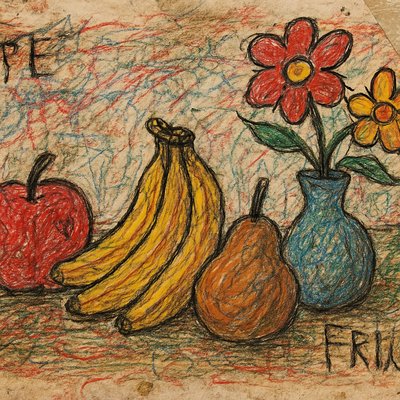
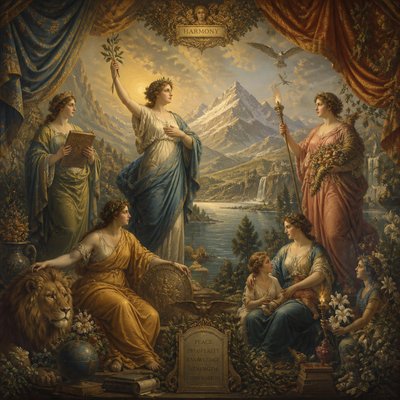
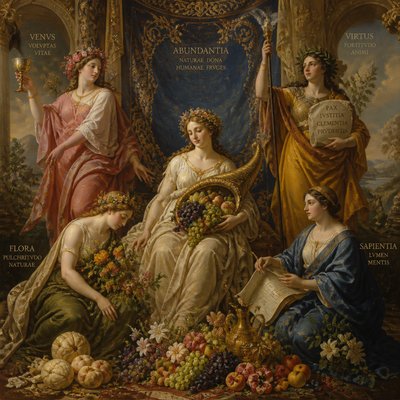
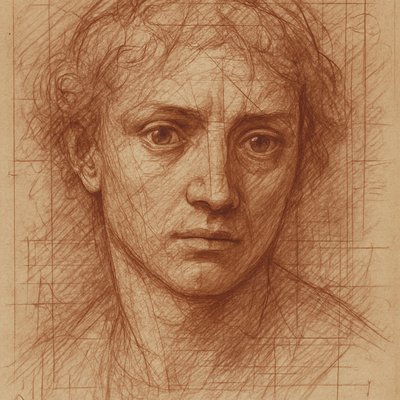
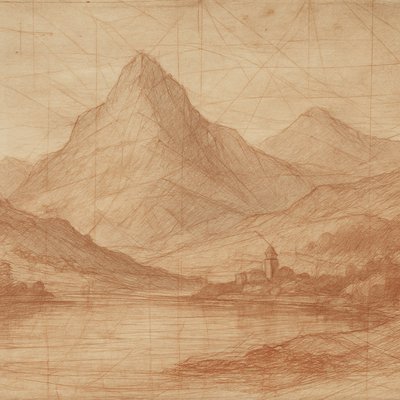
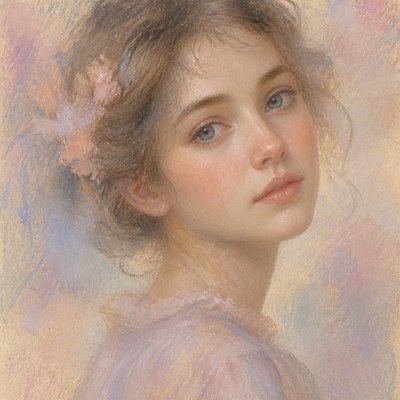
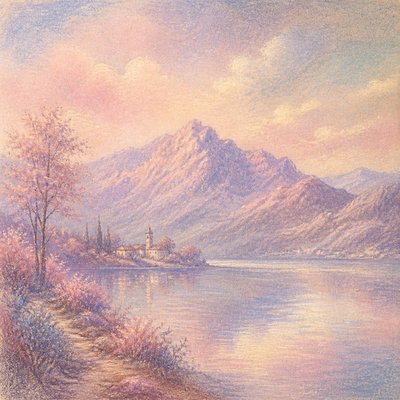
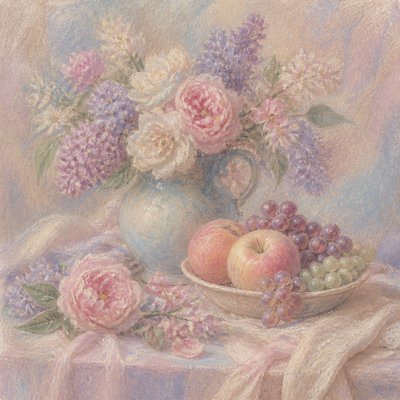
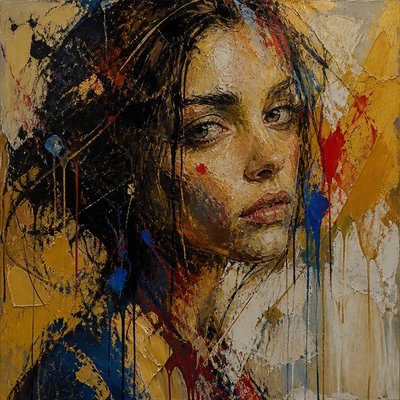
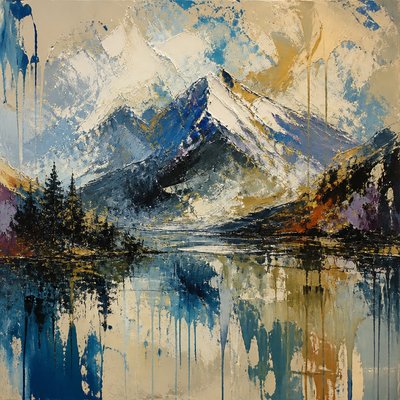
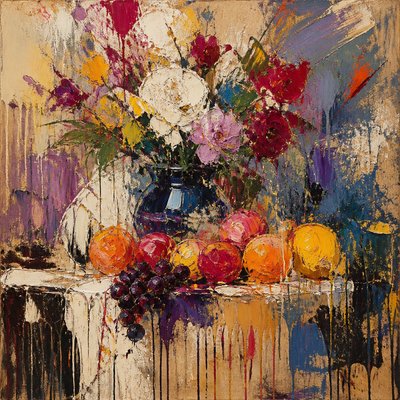
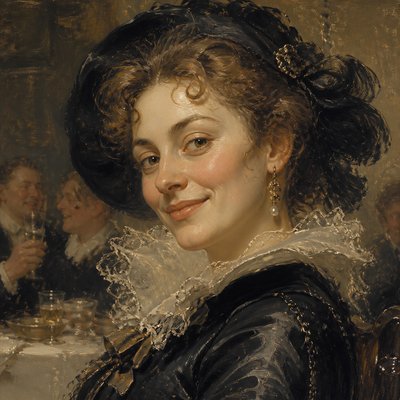
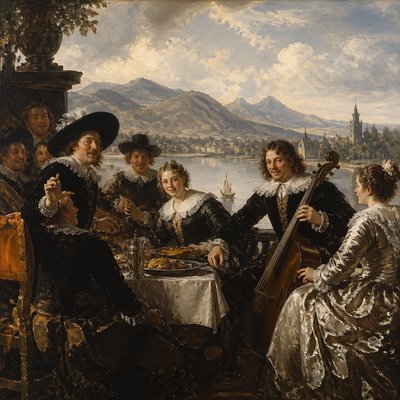
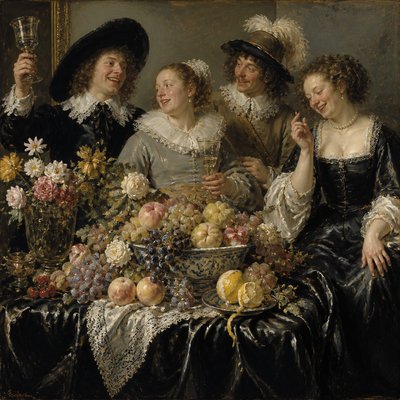
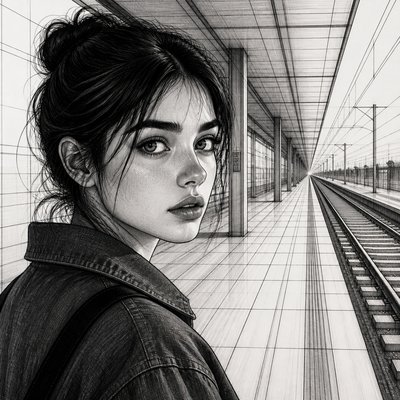
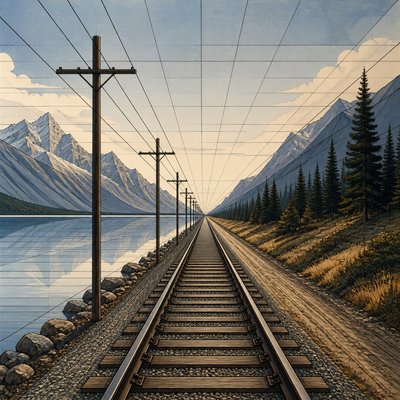
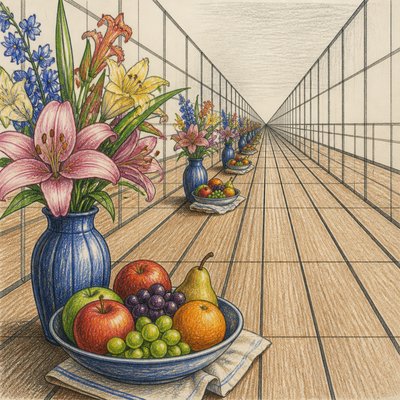
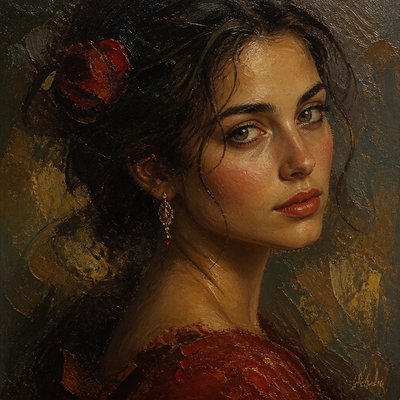
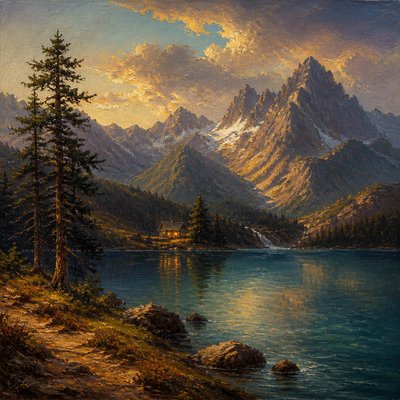
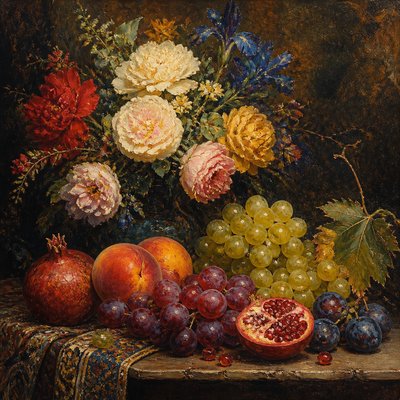
Gesture Sketch Drawing Style
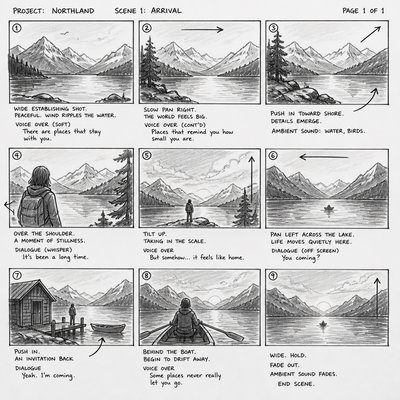
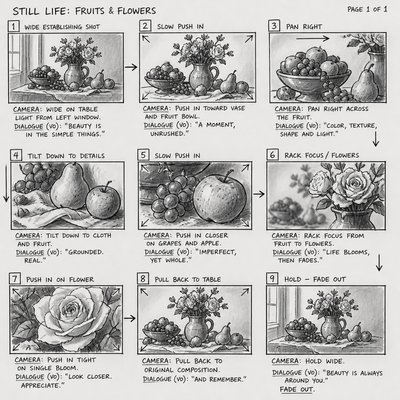
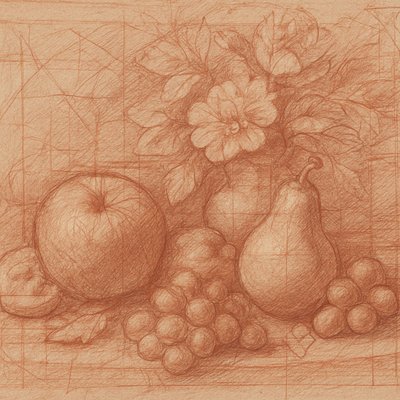
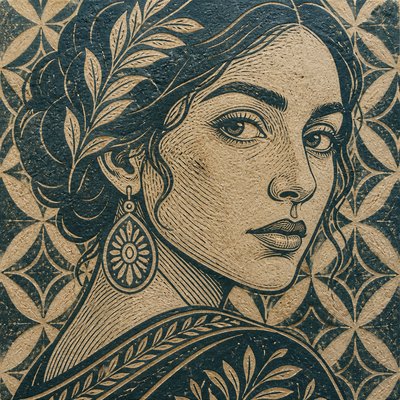
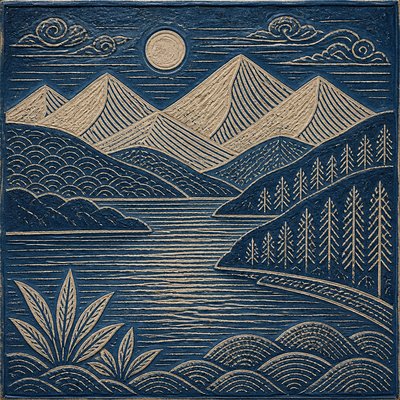
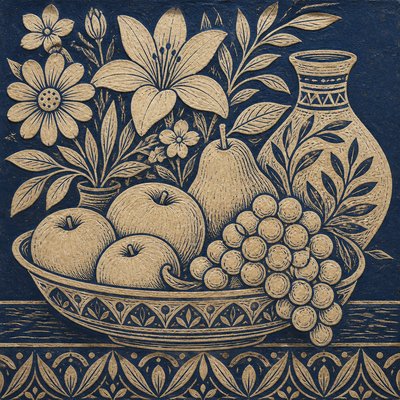
Explore gesture sketch drawing: loose charcoal lines, sweeping motion, and unfinished energy for expressive studies of movement.
Instantly rendered in Gesture Sketch Drawing — or transform a photo
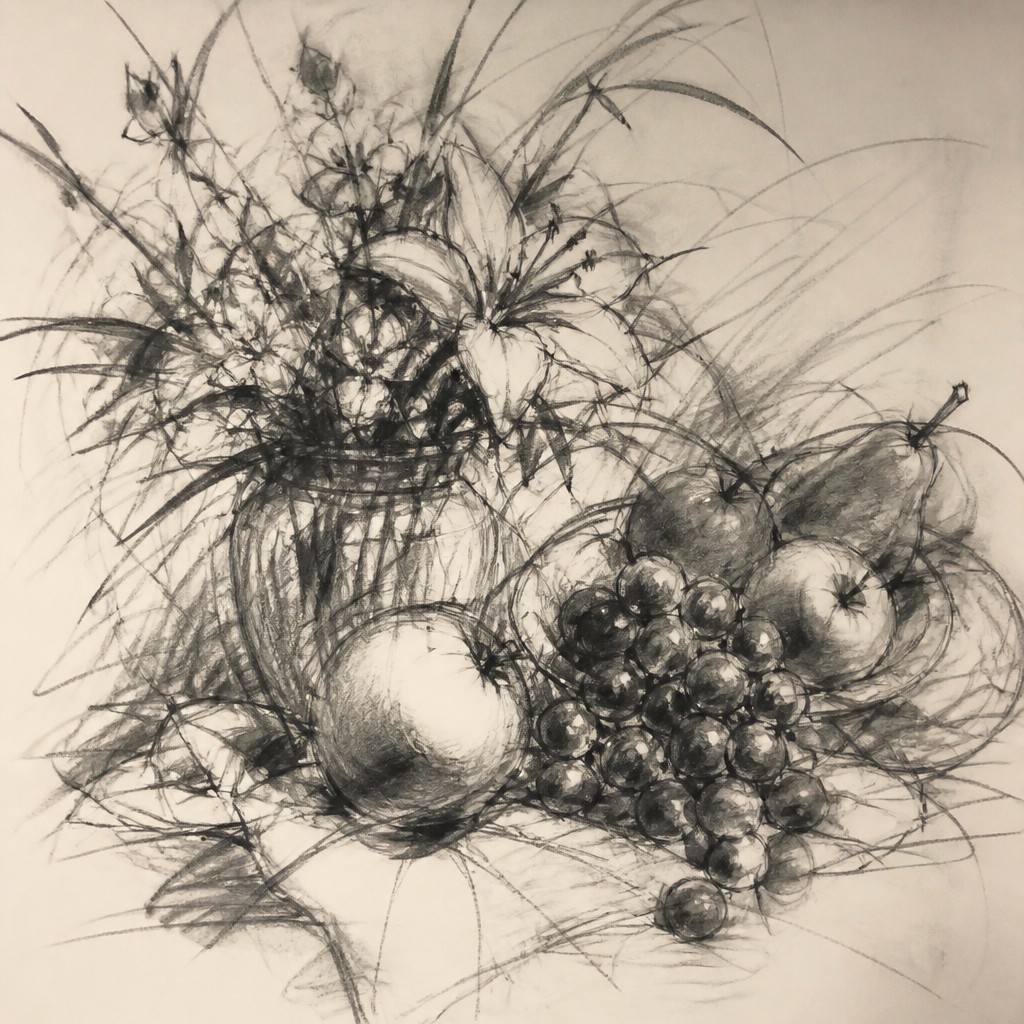
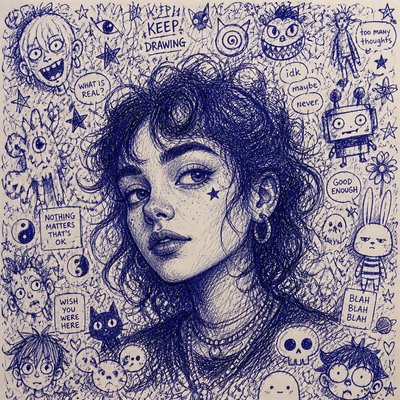
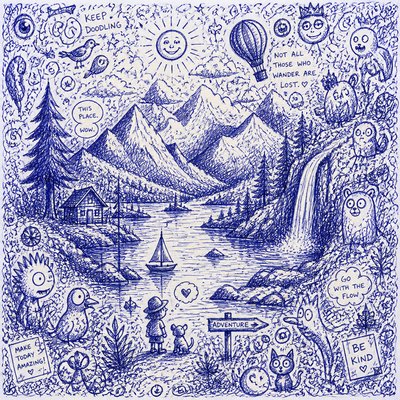
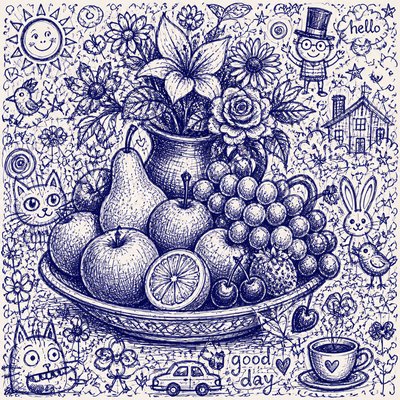
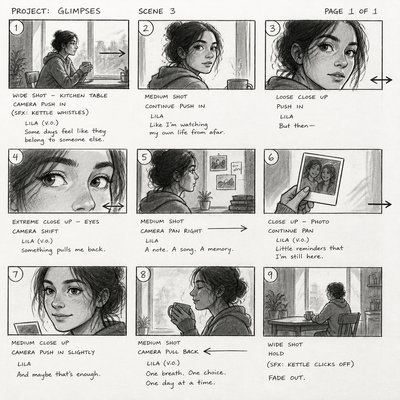
Gesture Sketch Drawing Gallery
Tap any artwork to explore it
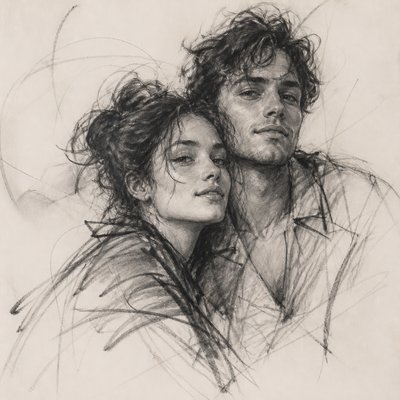
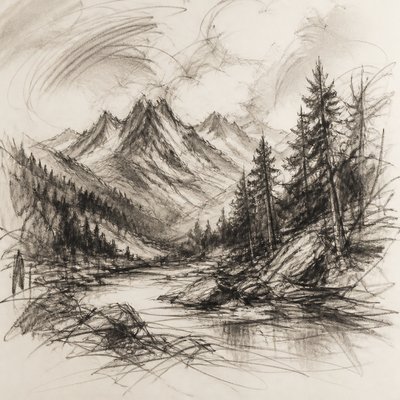
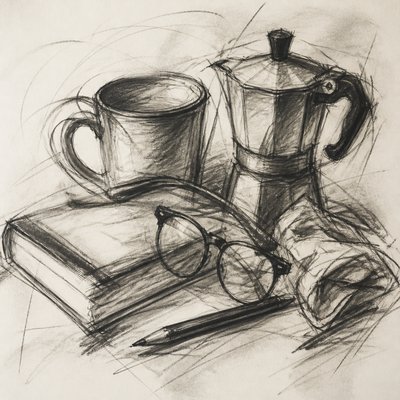
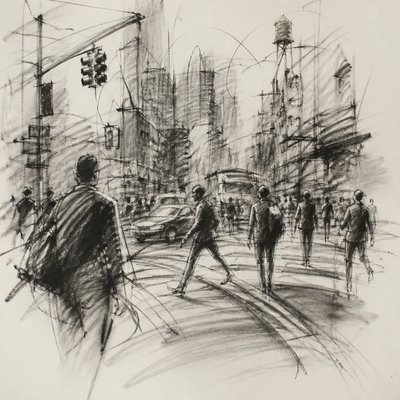
What is Gesture Sketch Drawing Style?
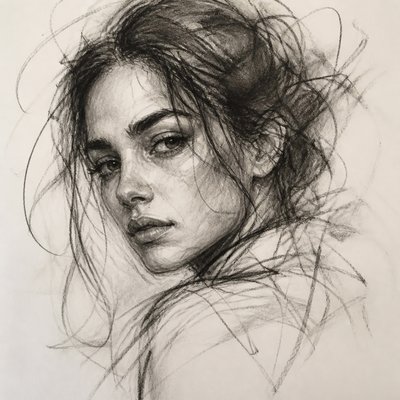
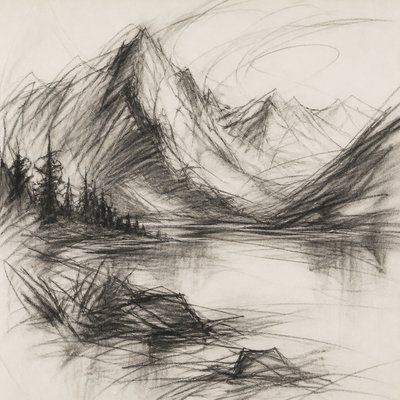
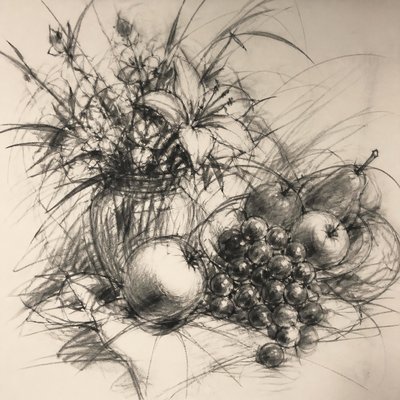
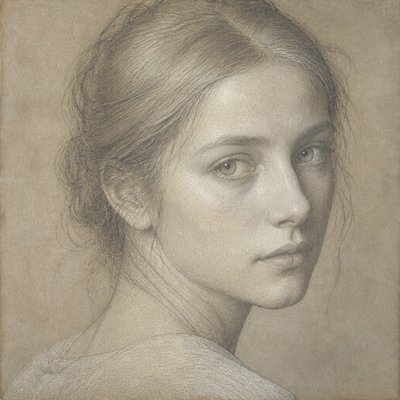
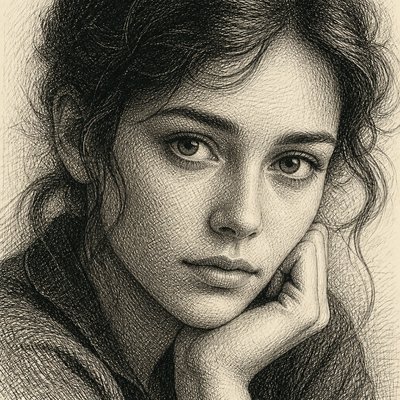
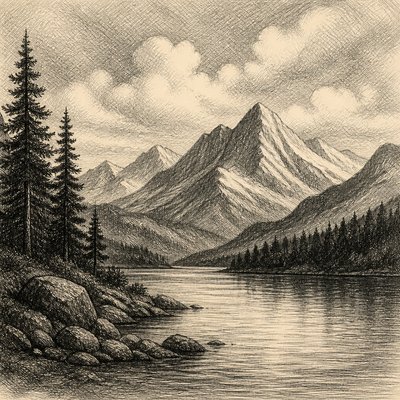
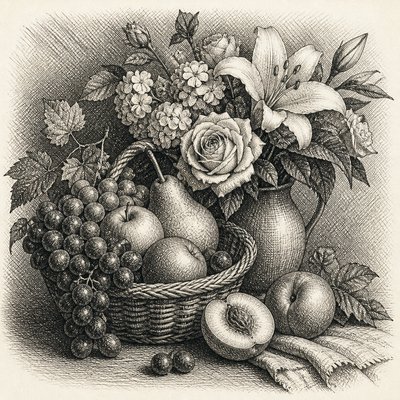
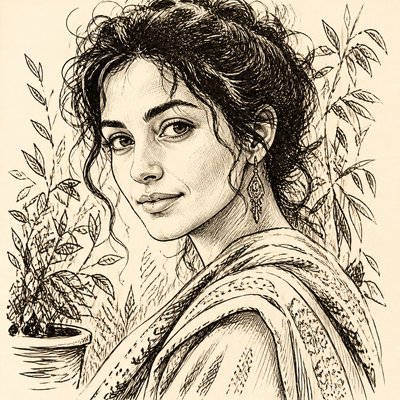
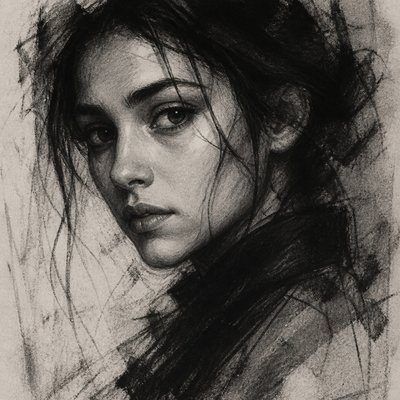
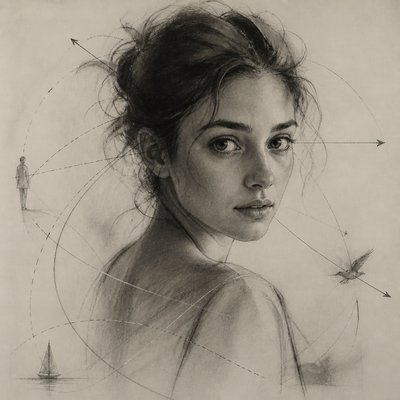
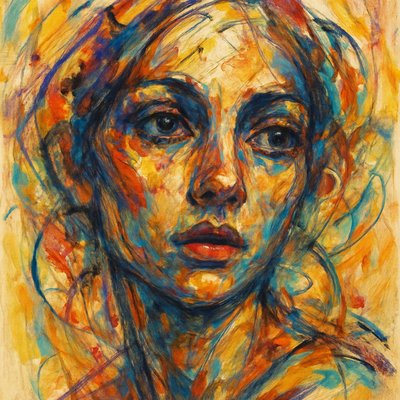
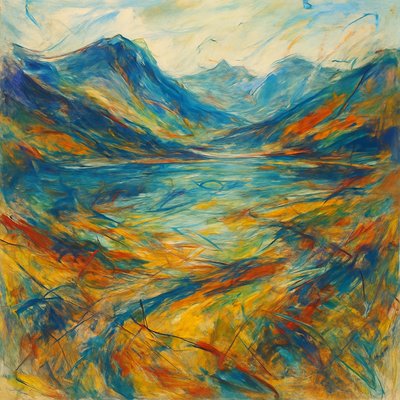
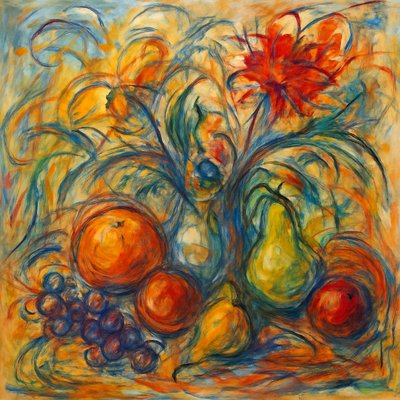
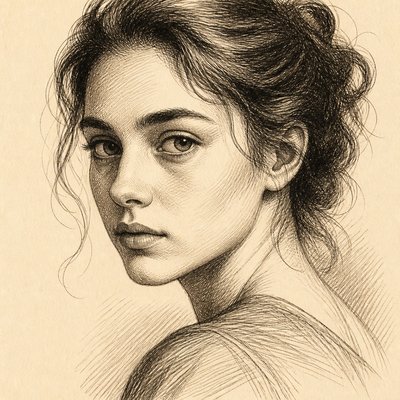
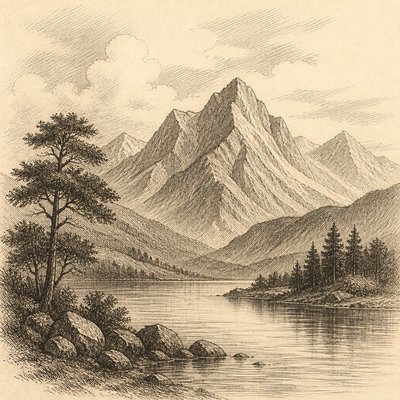
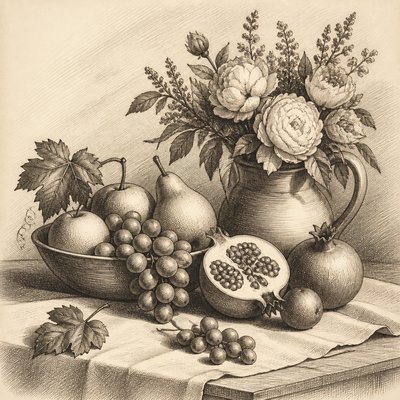
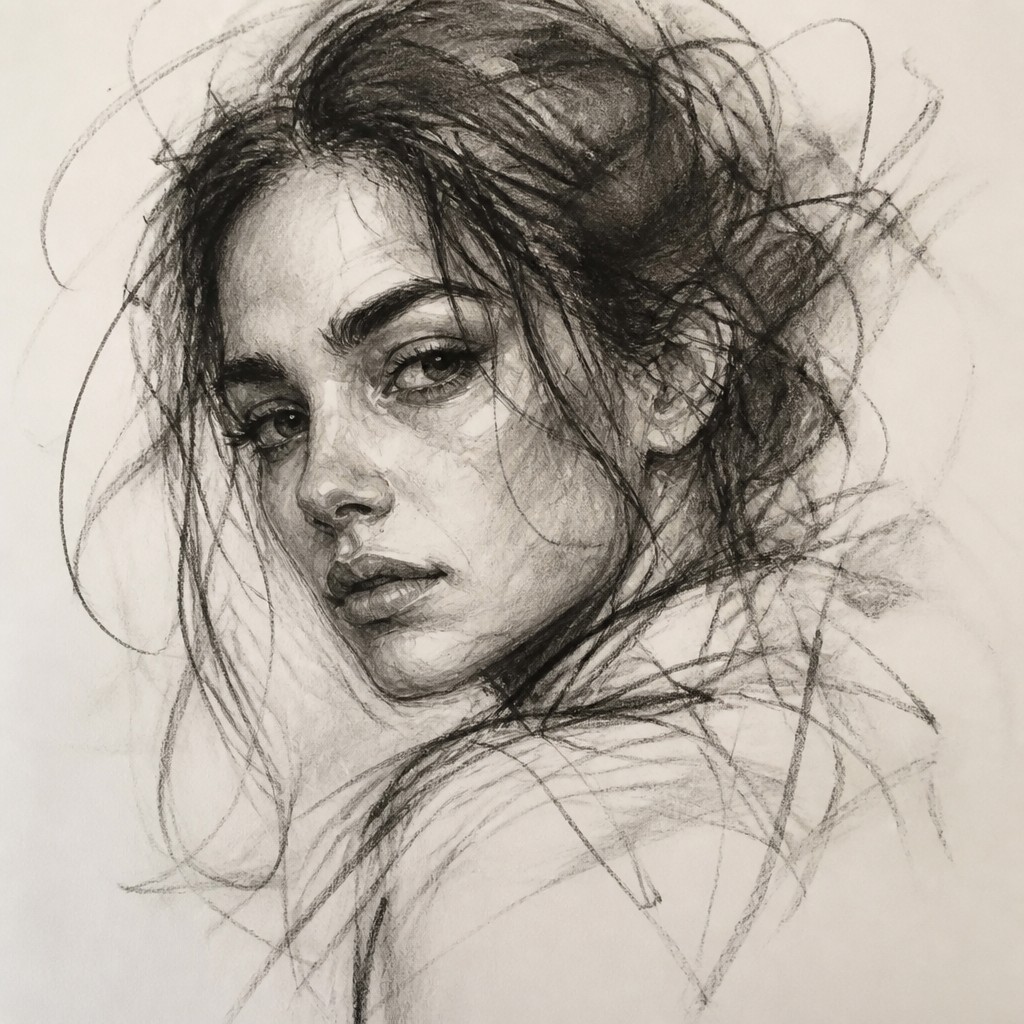
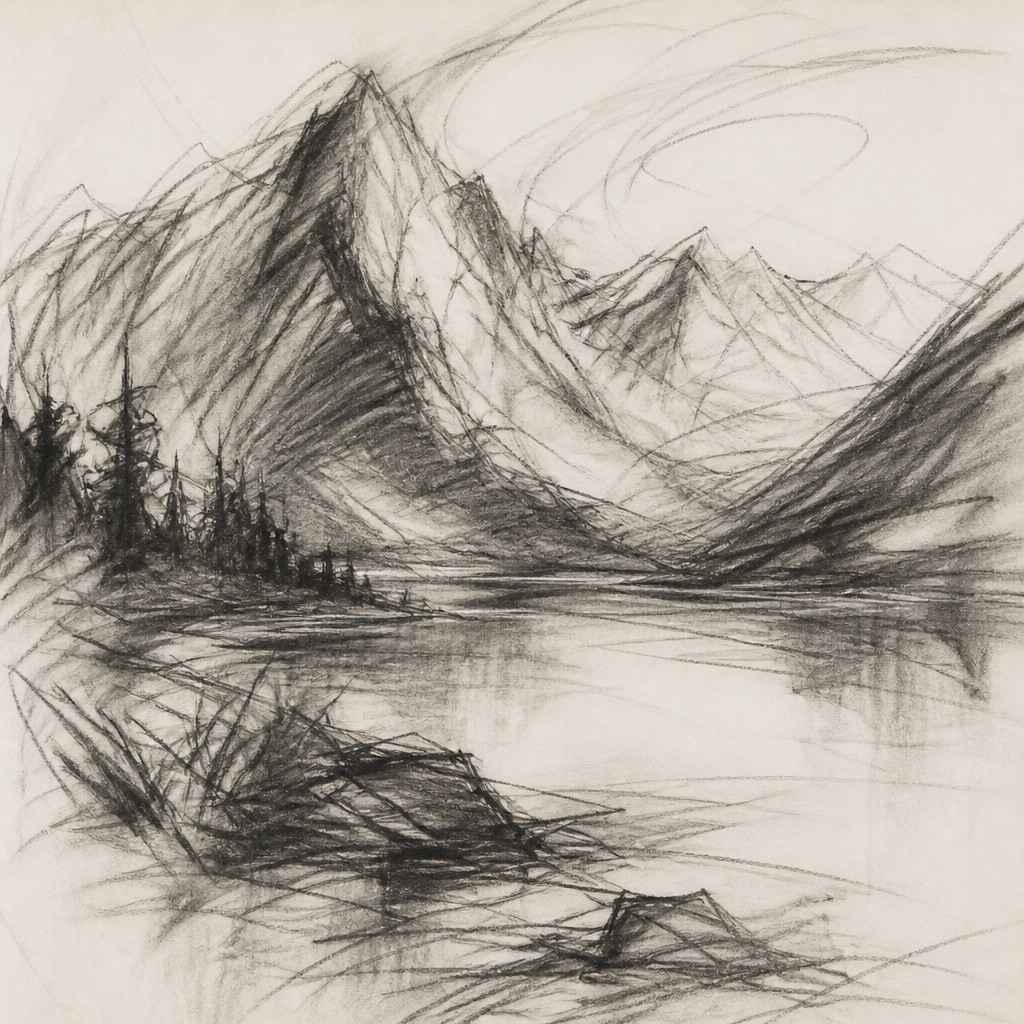
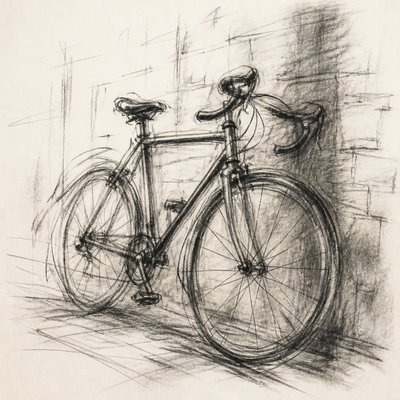
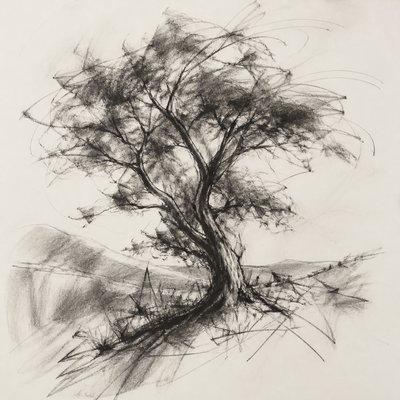
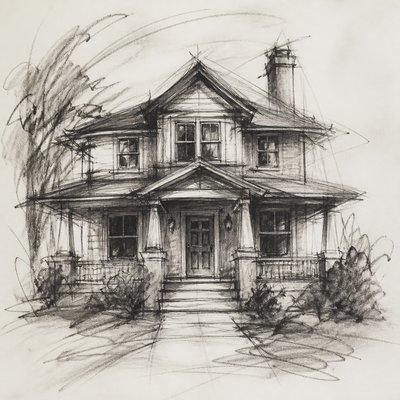
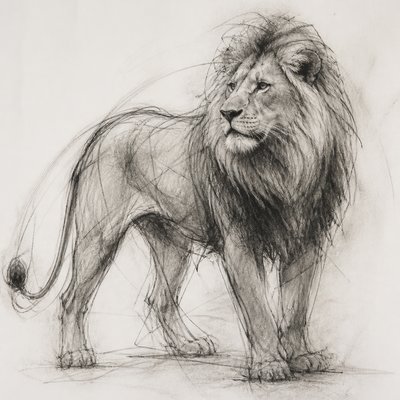
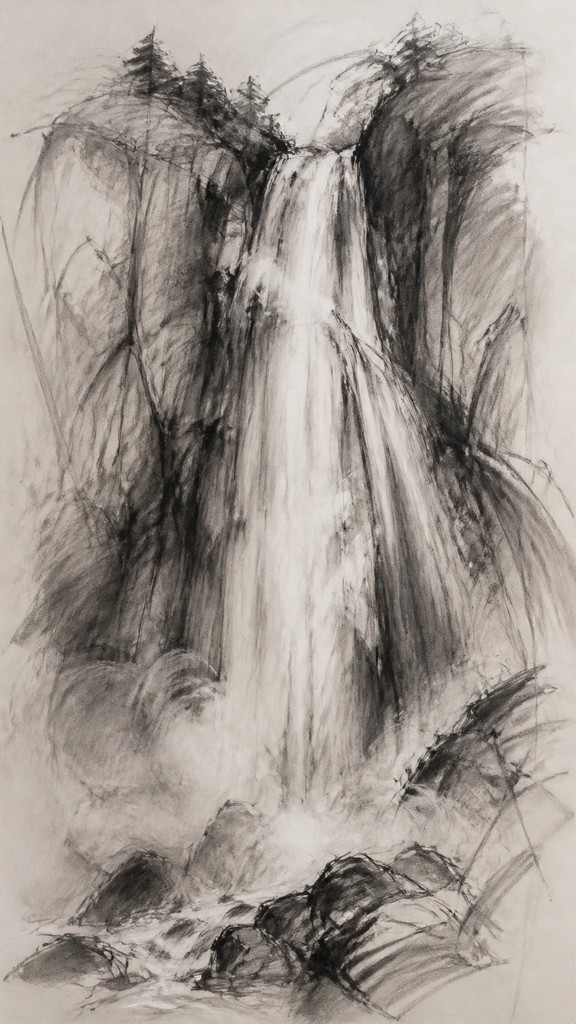
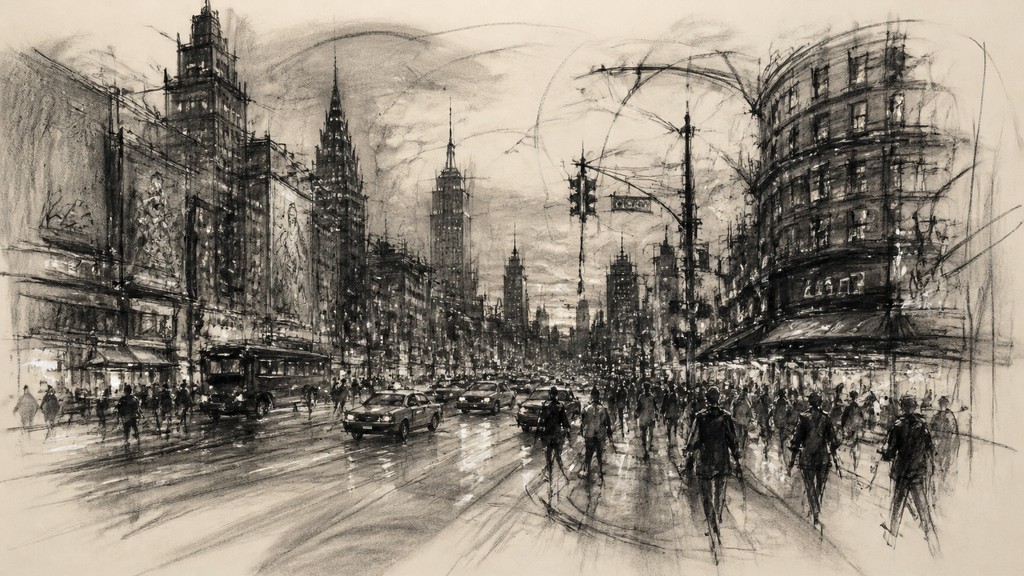
Gesture Sketch Drawing Style is a rapid, expressive approach built to record movement, posture, and visual rhythm rather than polished detail. Its images use loose, overlapping lines, sweeping arcs, abbreviated contours, and selective smudging to suggest a subject in motion. Figures, animals, dancers, athletes, and everyday actions may appear only partially resolved, with some edges fading into the surrounding paper.
The style looks immediate because it preserves the evidence of searching: repeated strokes, changes of direction, energetic marks, and unfinished passages remain visible instead of being erased. Charcoal, soft graphite, chalk, and digital brushes with a dry or textured response are especially effective, while restrained tonal accents clarify weight, balance, and the direction of movement.
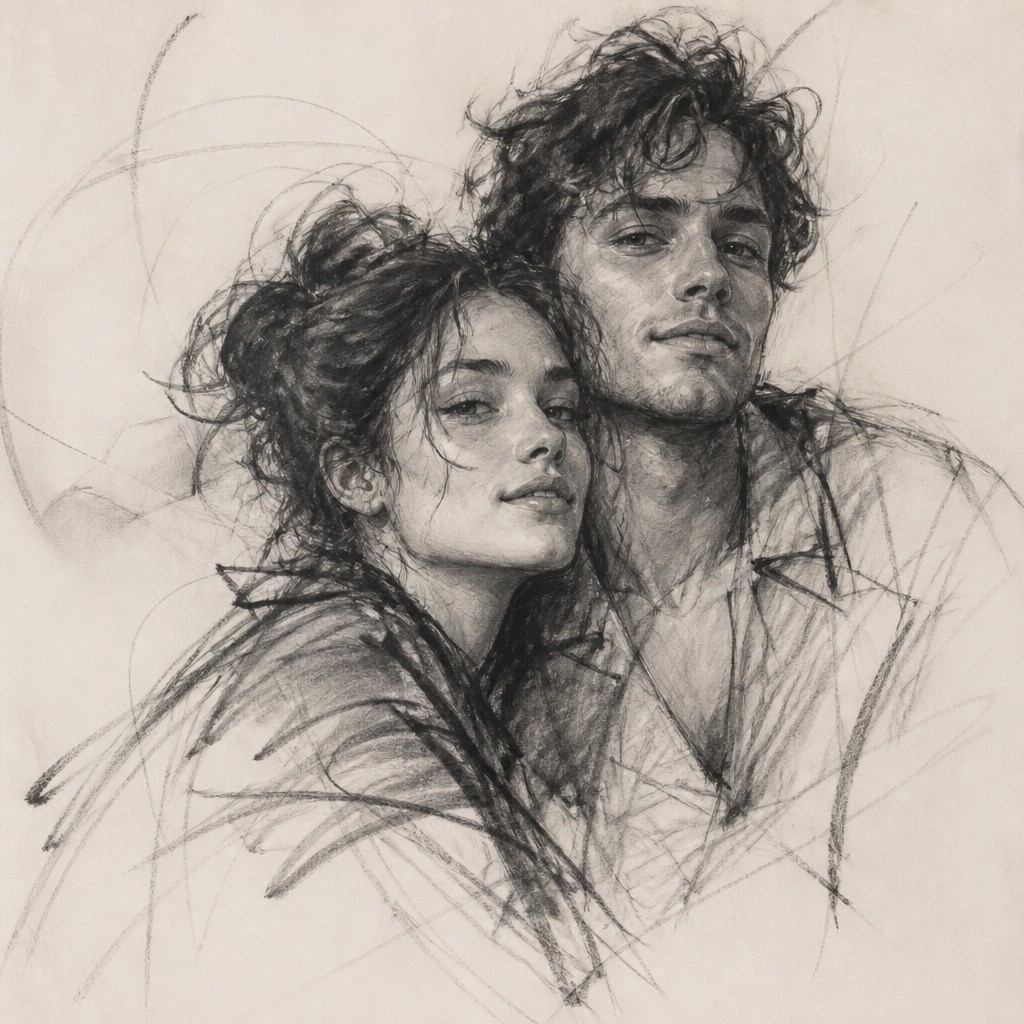
Try It On Your Photos
Upload any photo and convert it into Gesture Sketch Drawing Style — drag the sliders to compare before and after.
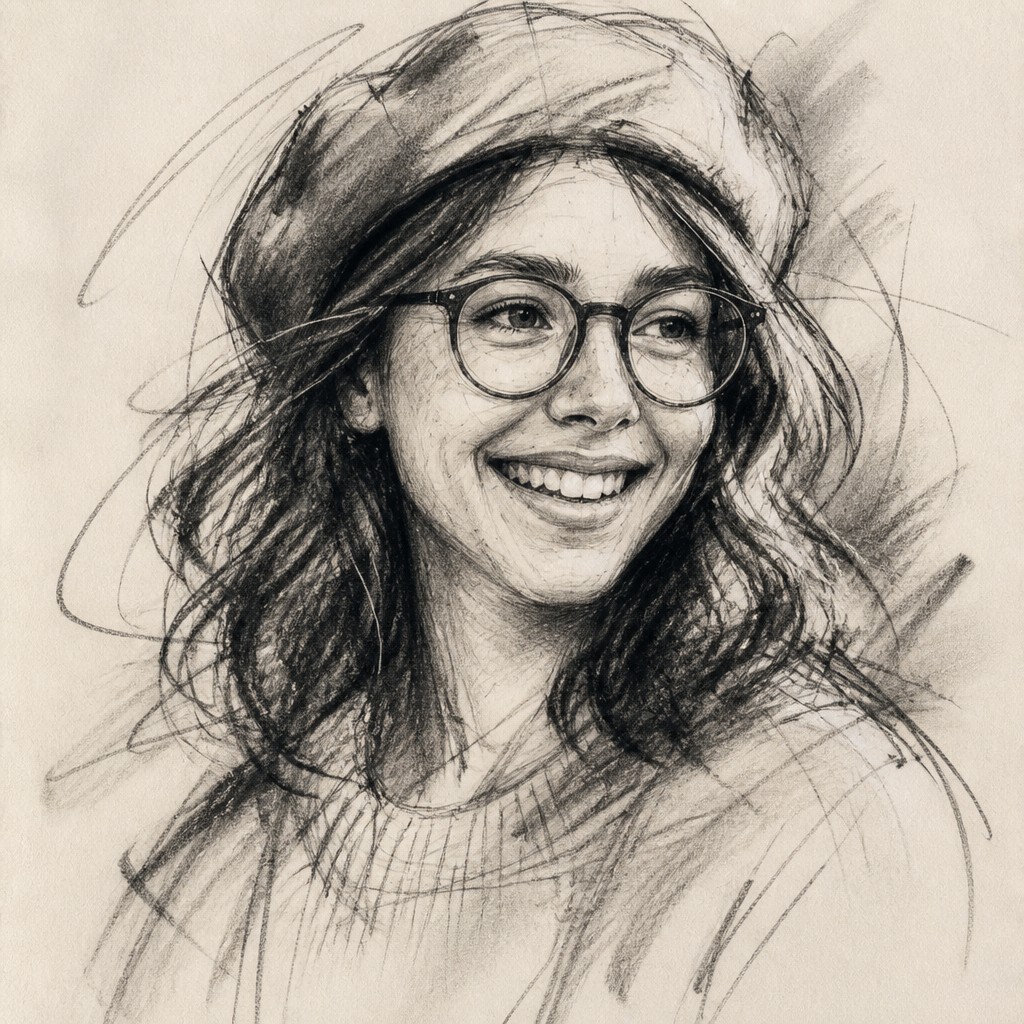

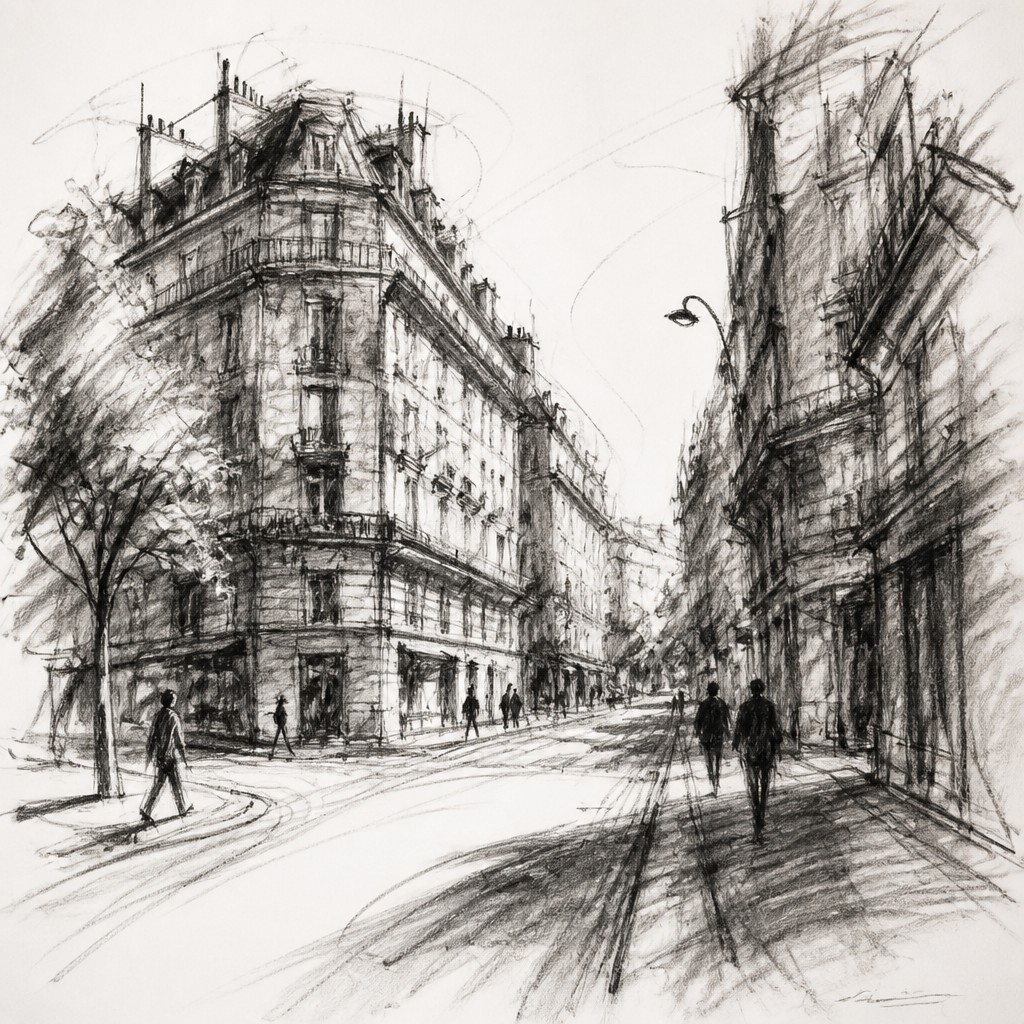

What Defines Gesture Sketch Drawing Style
The signature details, up close
Rapid contour lines
Contours are laid down quickly and may be repeated, broken, or redirected as the eye searches for the pose. Accuracy is suggested through rhythm rather than a single pristine outline.
Overlapping marks
Multiple lines occupy the same area to show revision, weight, and movement. These overlaps create a sense of time passing within the drawing.
Sweeping movement arcs
Long curved strokes indicate the spine, limbs, gaze, or path of an action. They organize the composition around gesture and directional flow.
Selective tonal smudging
Soft graphite or charcoal is rubbed into shadows and contact points, giving the subject volume without fully modeling every surface. Dark accents are concentrated where weight, overlap, or impact matters.
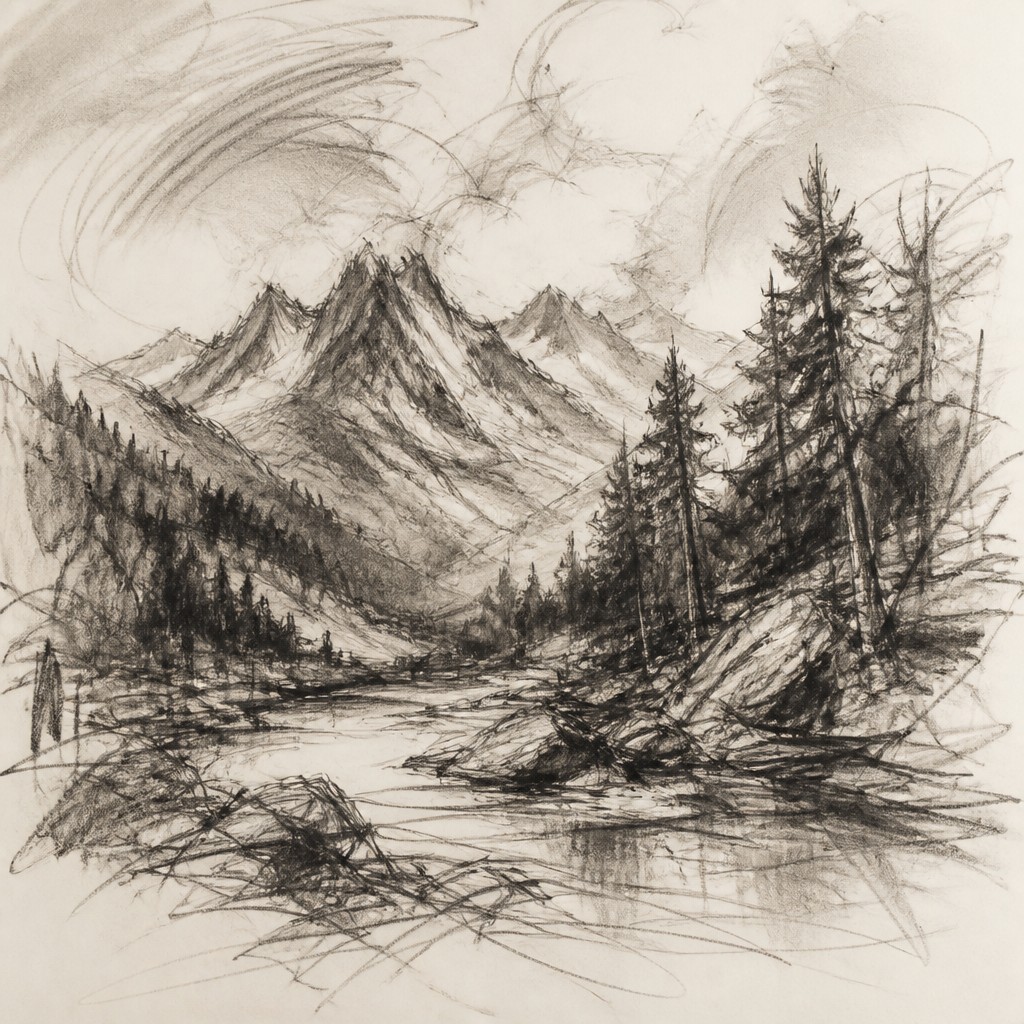
Unfinished edges
Parts of the subject dissolve into paper or empty space instead of receiving a complete boundary. This incompleteness keeps attention on action and prevents the image from feeling static.
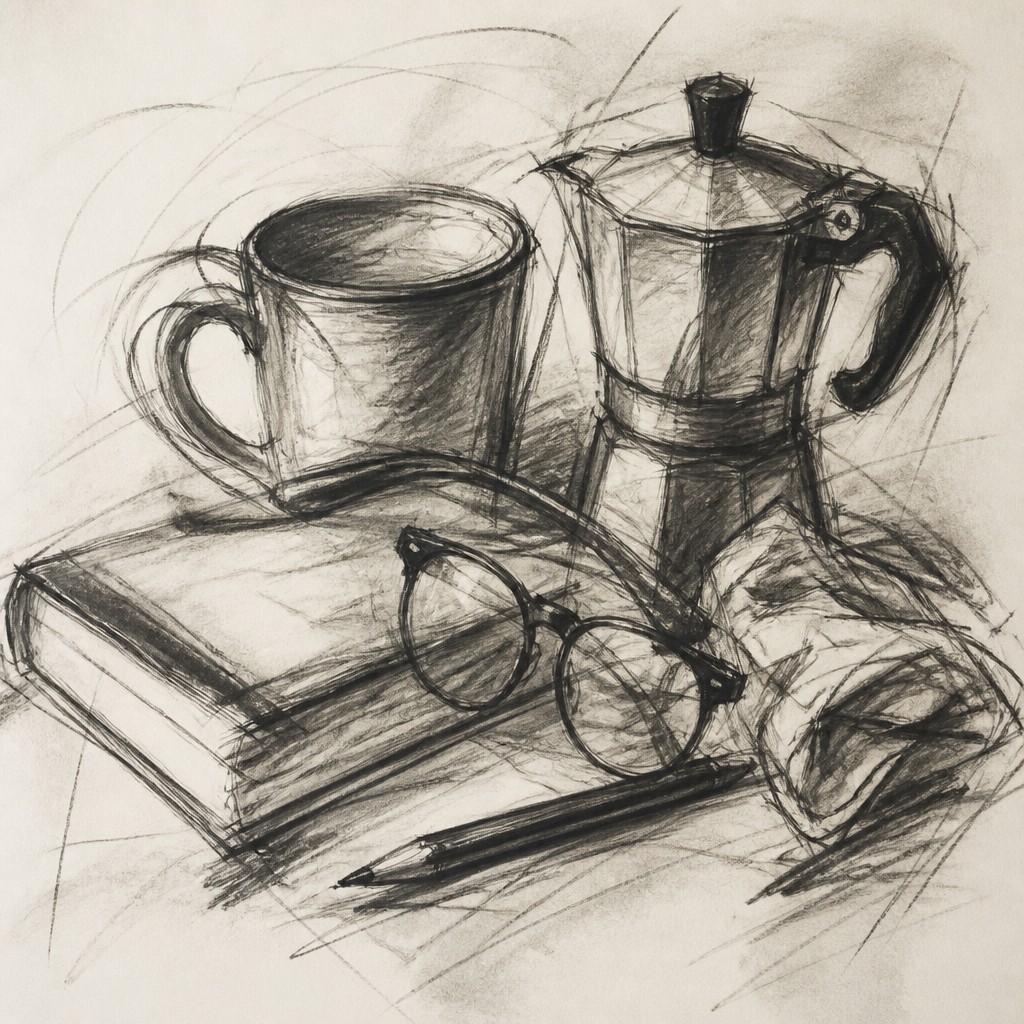
Visible paper atmosphere
Warm white, gray, or lightly textured grounds remain active in the composition. Negative space balances the dense marks and reinforces the impression of a quick studio study.
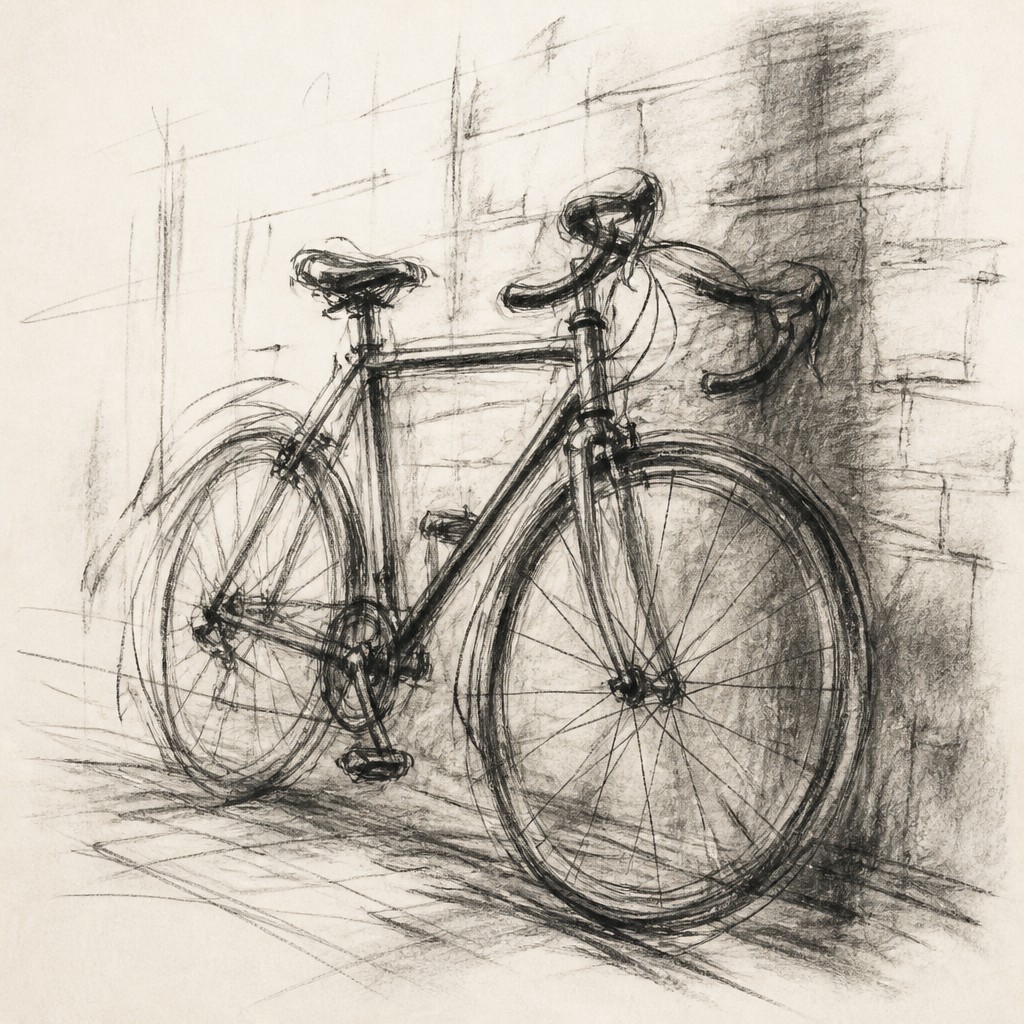
Compressed visual information
Details are reduced to the few marks needed to identify pose, expression, or direction. The style favors readable energy over anatomical or material description.
Try It
Create Videos in Gesture Sketch Drawing Style
Styles aren't just for stills — describe a scene or animate an image and get a short video rendered in Gesture Sketch Drawing. Press play to see this pond come to life.
Make a VideoGesture Sketch Drawing Prompt Ideas
Start from an idea — each one opens the generator with the style ready to go. See all 40 Gesture Sketch Drawing prompts →
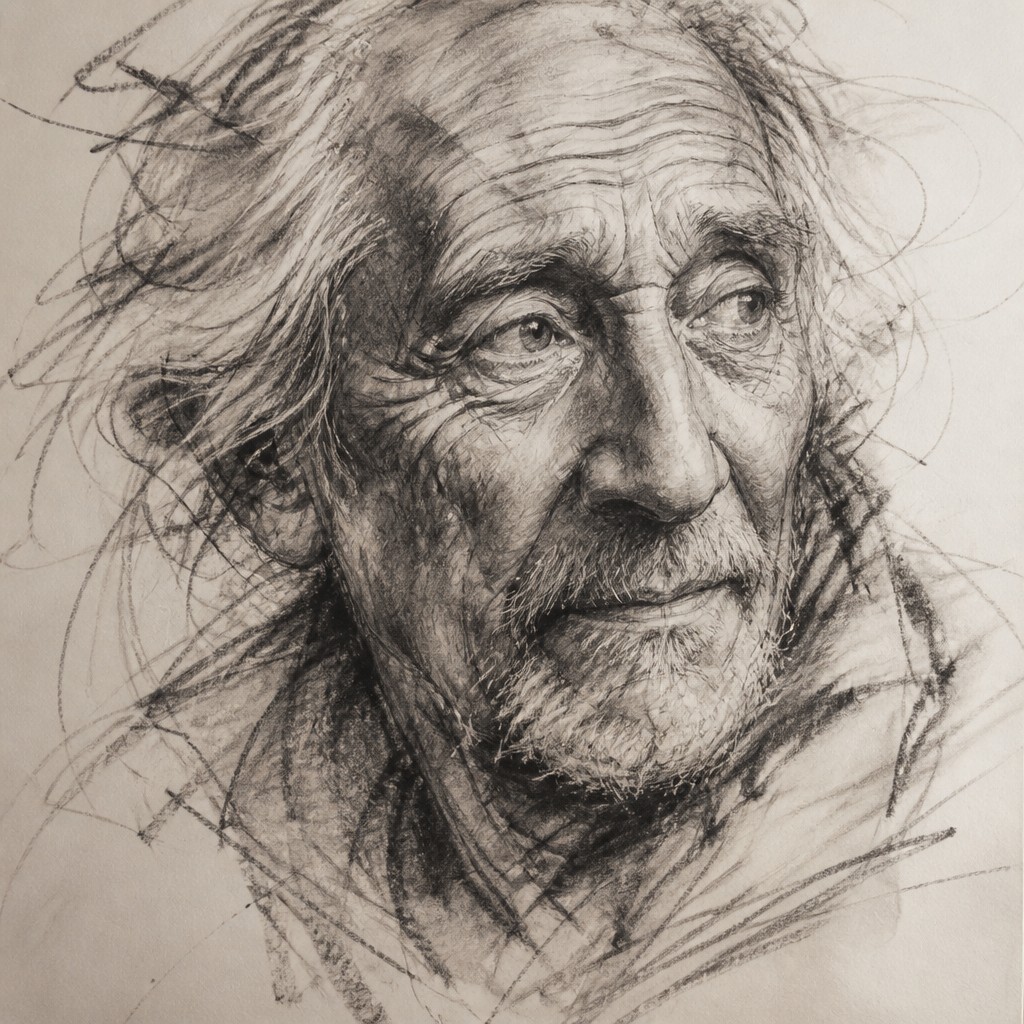
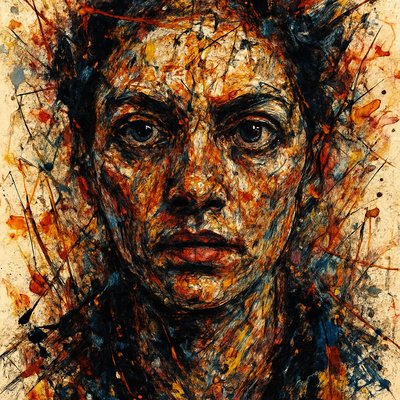
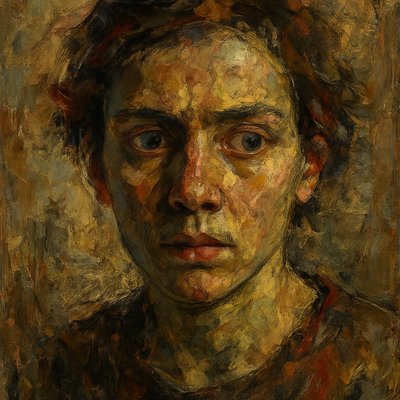
“close-up portrait of an elderly person with expressive weathered features”
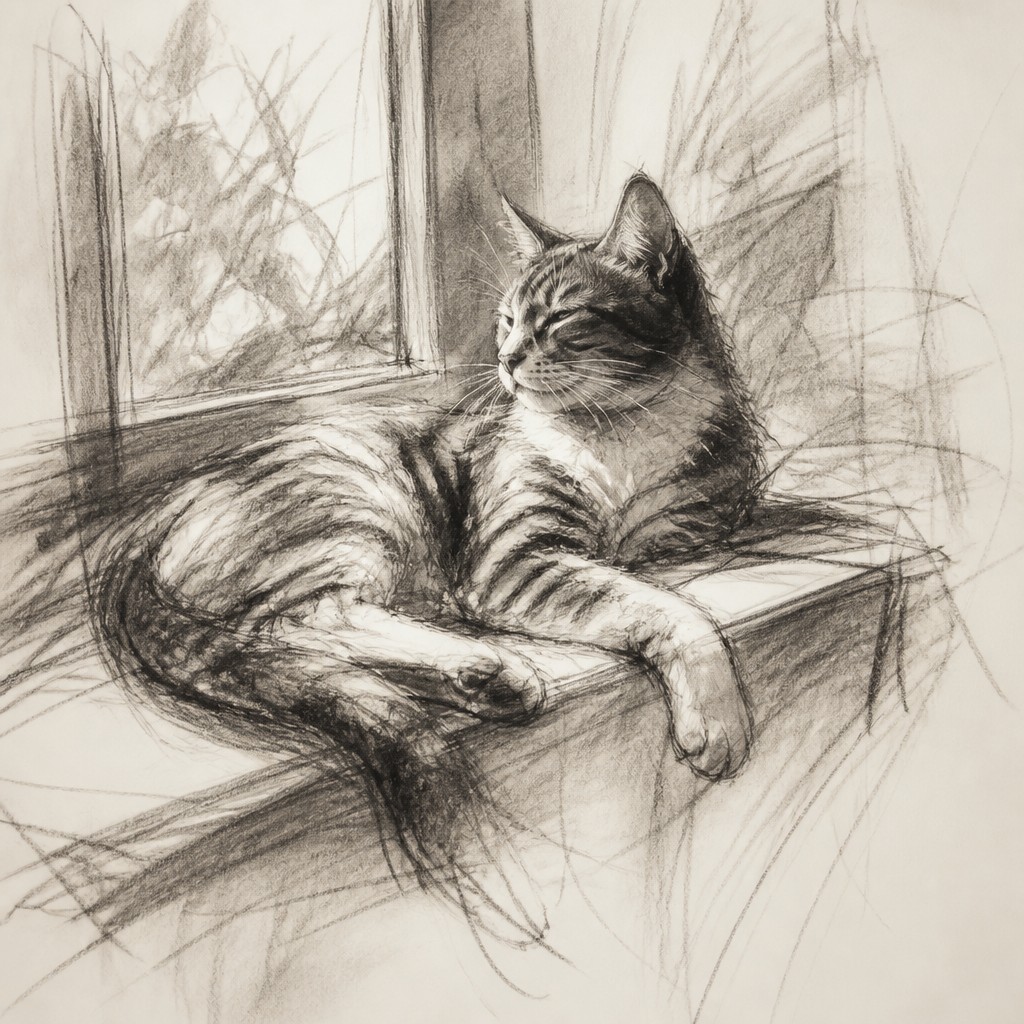
“a cat lounging in a sunlit window”
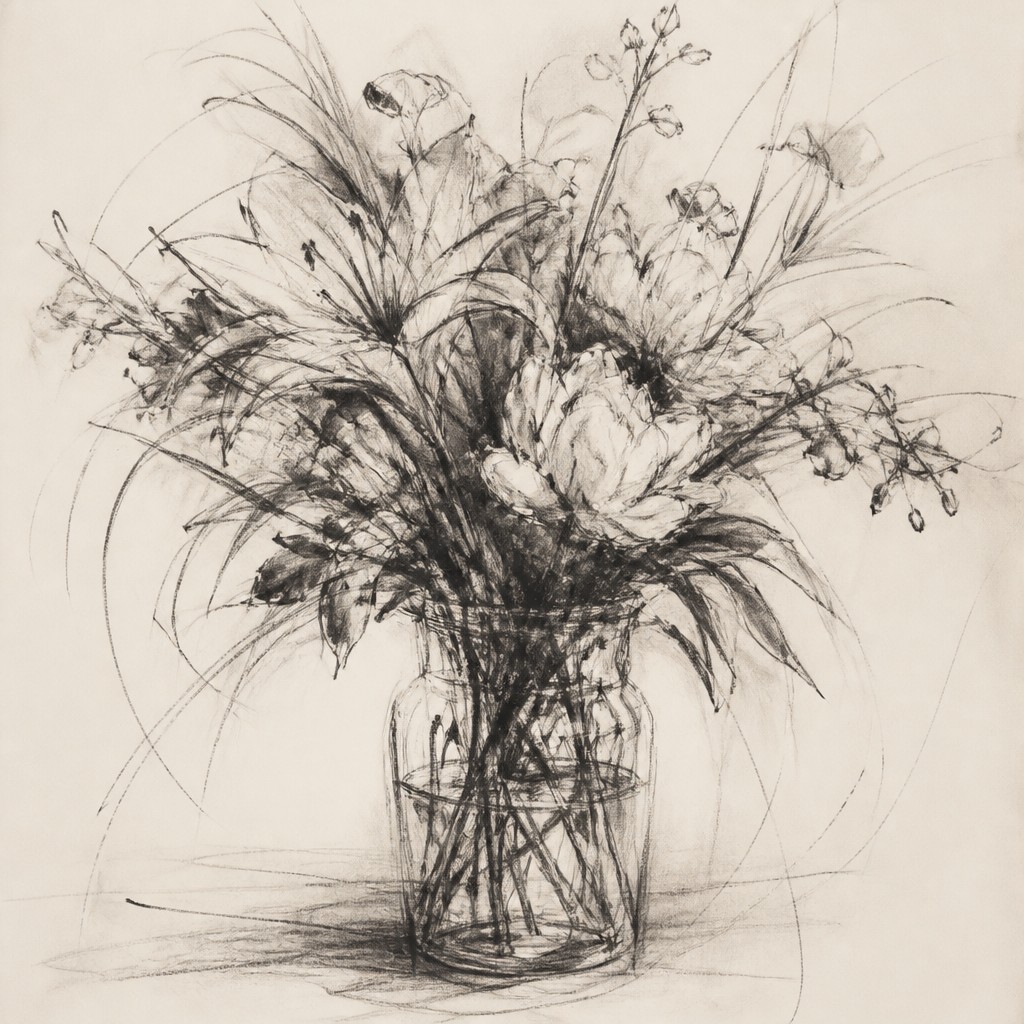
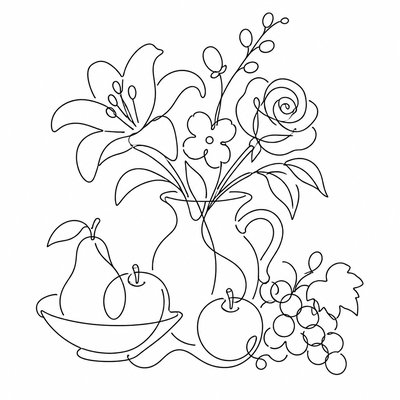
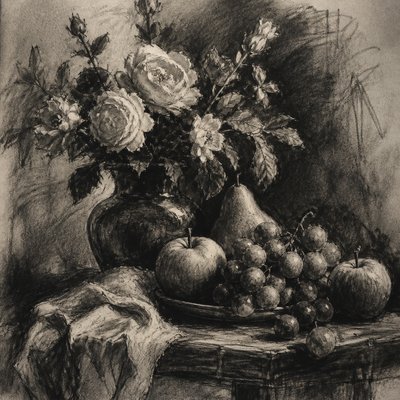
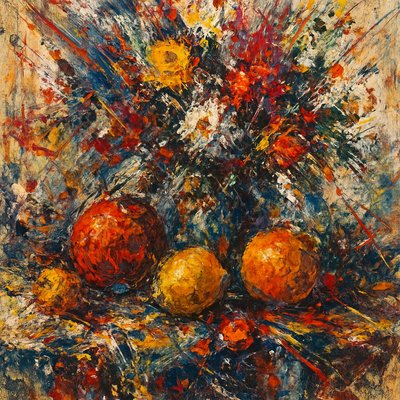
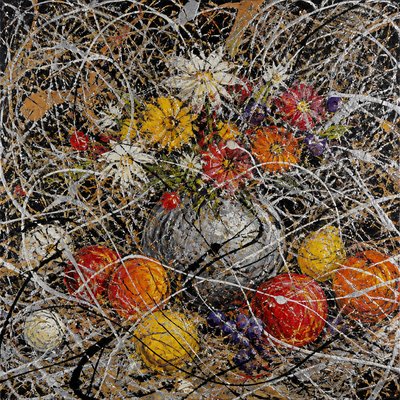
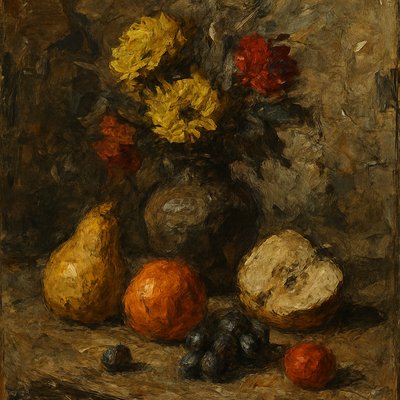
“bouquet of flowers in a glass vase”
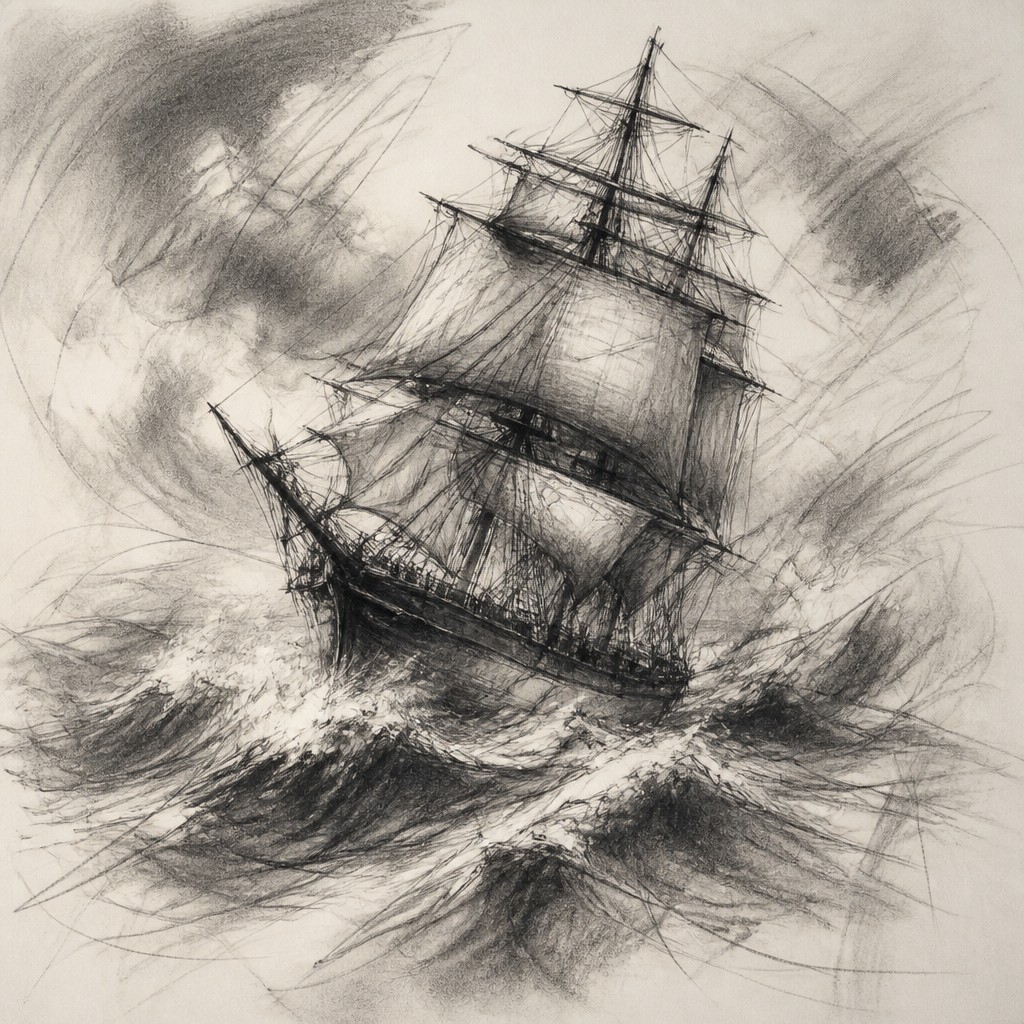
“sailing ship on a stormy sea”
How to Create Gesture Sketch Drawing Art
Master the craft step by step — or skip straight to creating. Read the full guide →
- 1
Begin with the action line
Before drawing details, establish a sweeping line that follows the subject's main motion, such as a dancer's spine or a runner's stride. Build the pose around this directional framework.
- 2
Use timed studies
Work in short intervals and stop before the drawing becomes overworked. A sequence of thirty-second to two-minute sketches helps preserve spontaneity and trains the eye to prioritize gesture.
- 3
Layer pressure and texture
Use light pressure for exploratory contours and heavier charcoal or graphite for weight-bearing areas, overlaps, and shadows. In digital work, combine a textured pencil brush with a soft blending brush rather than using a uniform line.
- 4
Preserve searching lines
Do not erase every correction; let secondary contours and abandoned marks remain visible. Reduce clutter by reserving the darkest accents for the most important structural points.
- 5
Control the background
Use a paper-toned ground with generous negative space, then add a few smudged or atmospheric marks around the subject. A clean white background can make the gesture feel sharper, while gray paper produces a more studio-like mood.
- 6
Write prompts around motion
For text-to-image creation, specify the subject, pose, action, medium, line behavior, paper surface, and degree of finish. Terms such as rapid overlapping contours, sweeping arcs, charcoal smudges, unfinished edges, and visible paper help direct the result toward gesture rather than polished illustration.
The Story
History & Origins of Gesture Sketch Drawing
Gesture Sketch Drawing Style is a contemporary descriptive style rather than a historically codified art movement. Its lineage comes from academic life-drawing exercises, where artists make brief studies to understand proportion, balance, and action; from observational sketching; and from animation practices that analyze poses and movement through rapid drawings.
It also draws on the expressive mark-making of modern drawing traditions, including Expressionism, gestural abstraction, and loose urban sketching. Digital drawing and text-to-image systems have broadened the style by combining traditional charcoal-like textures with layered, spontaneous-looking strokes, but the central principle remains the same: communicate action and vitality before finish.
Influences: The style is closely related to gesture drawing, life-drawing pedagogy, observational sketching, animation key-pose studies, and urban sketching. Its expressive handling also connects with Expressionism and gestural abstraction, while its charcoal textures recall studio figure studies and modernist exploratory drawings. It differs from polished academic rendering by treating revision, incompleteness, and speed as visible parts of the image.
Frequently Asked Questions
What defines Gesture Sketch Drawing Style?
It is defined by quick, energetic marks that communicate movement and structure before detail. Overlapping contours, sweeping directional lines, charcoal or graphite texture, selective smudging, and unfinished edges are central features.
Is this the same as a regular pencil sketch?
No. A regular pencil sketch may aim for careful description or finished shading, while gesture sketching prioritizes action, balance, and visual rhythm. It can be highly accurate in capturing a pose even when the anatomy and surface details remain incomplete.
How long should a gesture drawing take?
Traditional gesture studies often take from a few seconds to several minutes, depending on the subject and purpose. Thirty-second drawings emphasize the main action, while longer studies allow limited structure, weight, and tonal development.
What materials work best for this style?
Soft graphite, charcoal, conté-style sticks, chalk, and textured paper all produce suitable marks. A kneaded eraser can lift highlights, but excessive erasing tends to remove the spontaneous character that makes the style effective.
Can this style be made digitally or with text-to-image tools?
Yes. Digital artists can use pencil or charcoal brushes with pressure sensitivity, textured paper layers, and a limited grayscale palette. For prompt-based generation, describe the action first and then specify loose contours, overlapping strokes, smudged accents, unfinished edges, and a paper ground.
Where is Gesture Sketch Drawing Style commonly used?
It is useful for figure studies, character development, animation preproduction, editorial illustration, movement research, sports studies, concept art, and expressive visual journaling. It is especially effective when the subject's action matters more than a polished depiction of its surface.
Create your first Gesture Sketch Drawing artwork
Describe anything — or upload a photo — and see it in Gesture Sketch Drawing Style in seconds.
Related Styles
Discover similar art styles