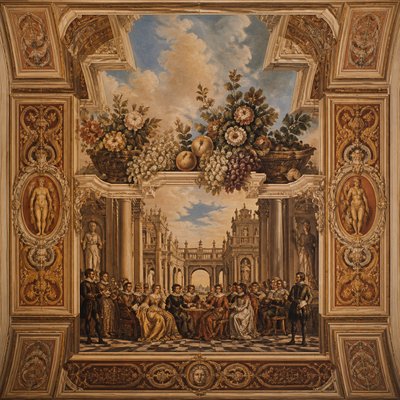
Classical Underpainting Style
Explore Classical Underpainting: warm monochrome studies, visible drawing, transparent shadows, and raw-canvas old-master restraint.
Instantly rendered in Classical Underpainting — or transform a photo
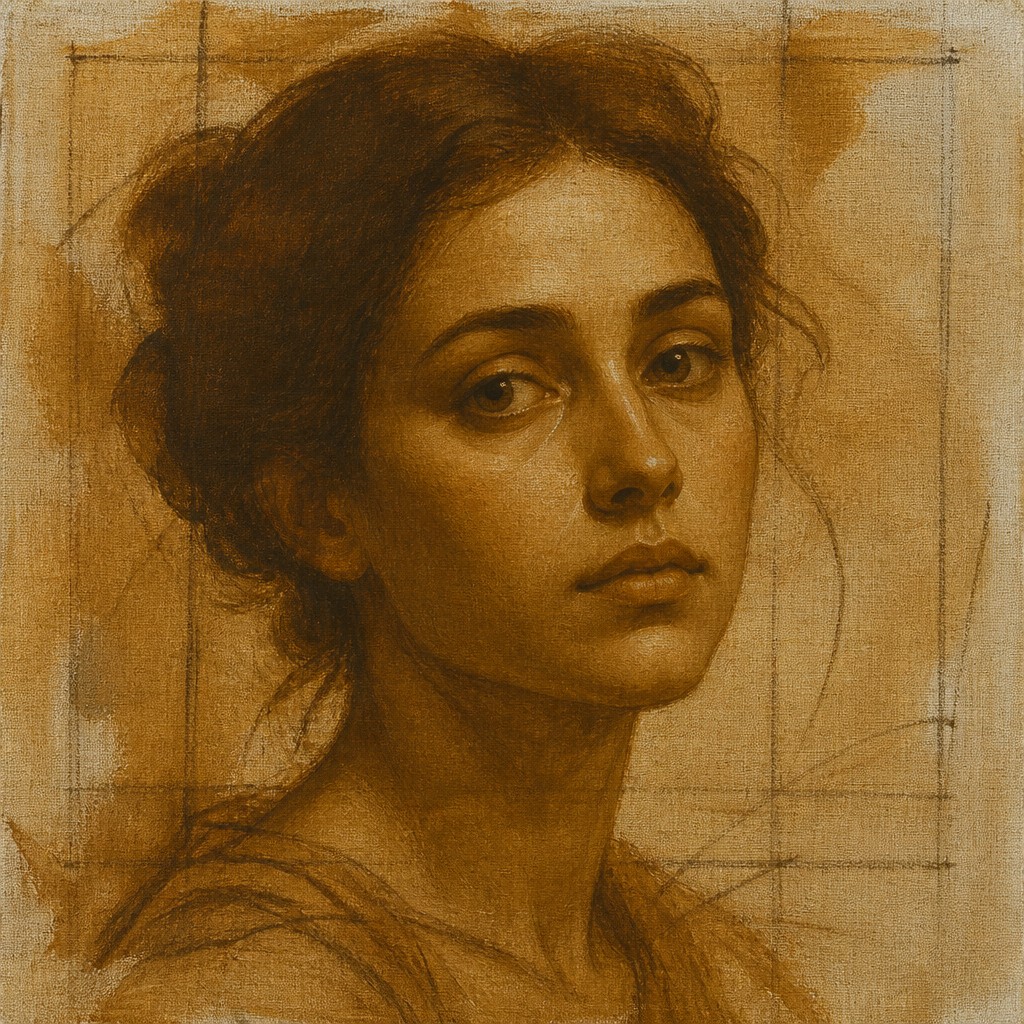
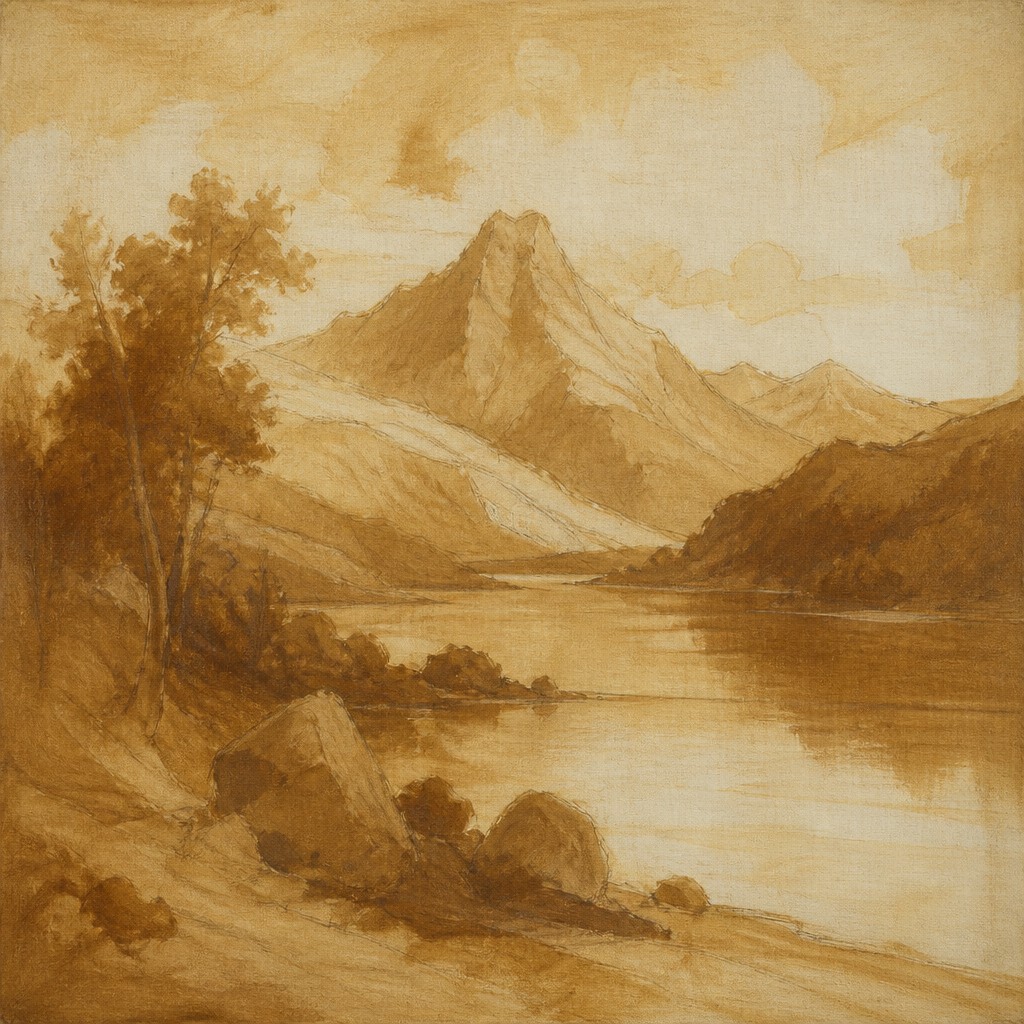
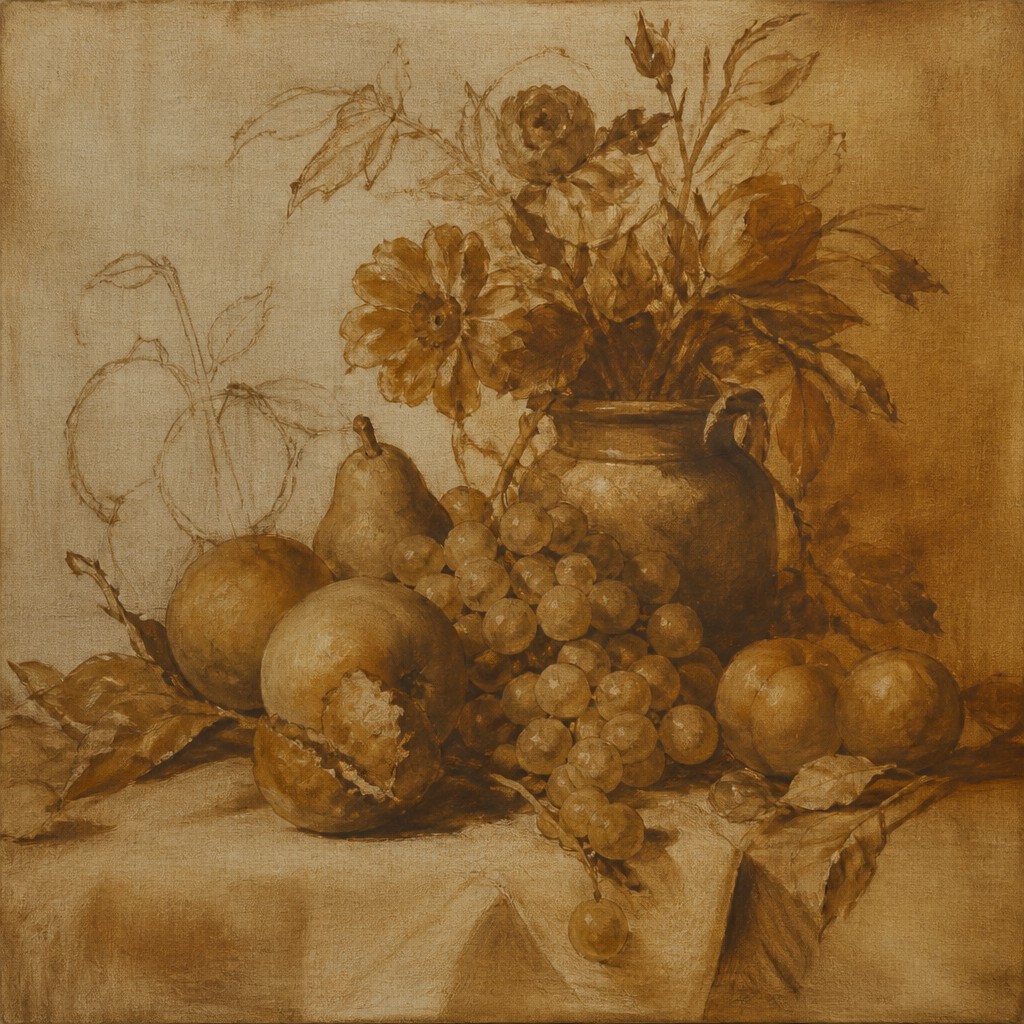
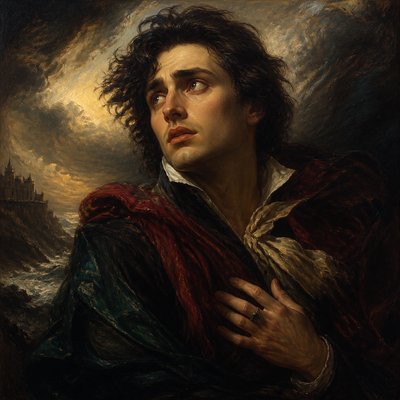
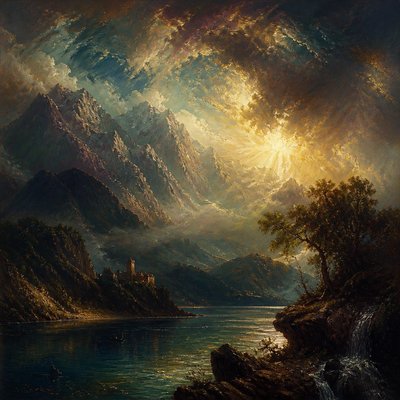
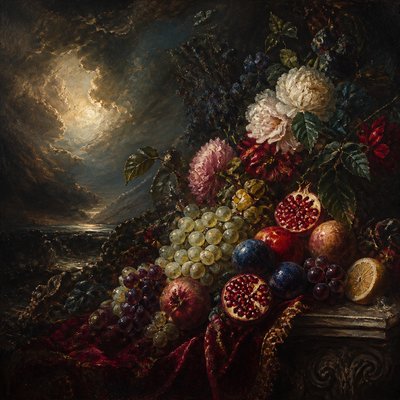
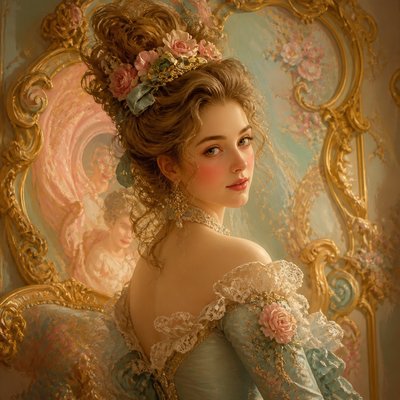
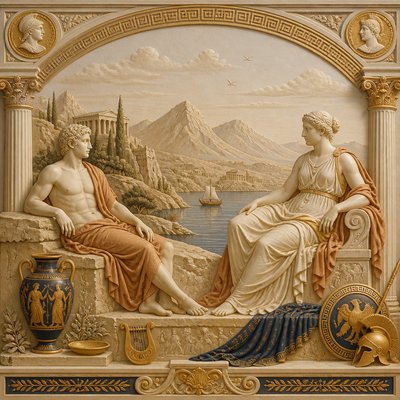
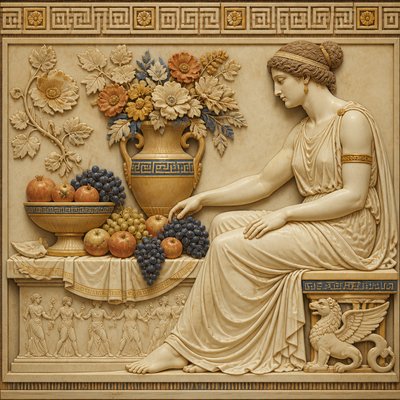
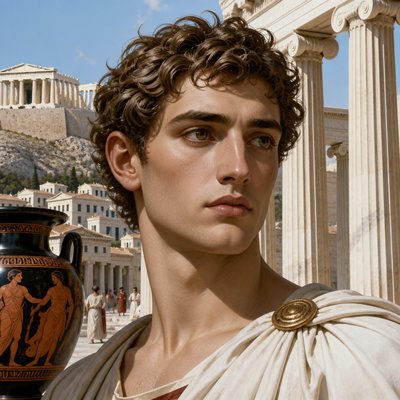
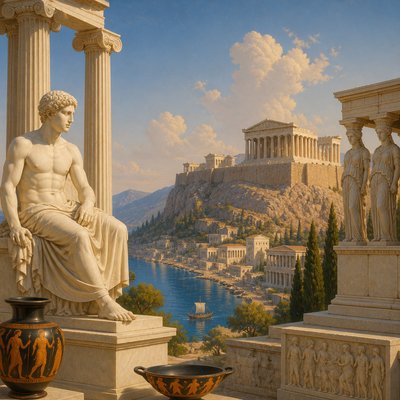
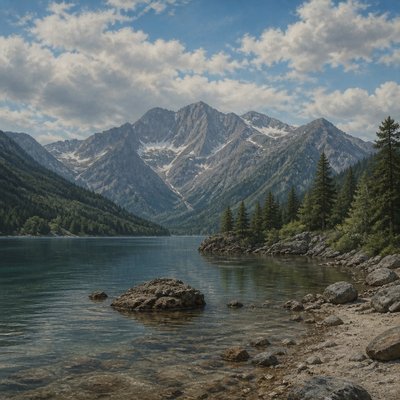
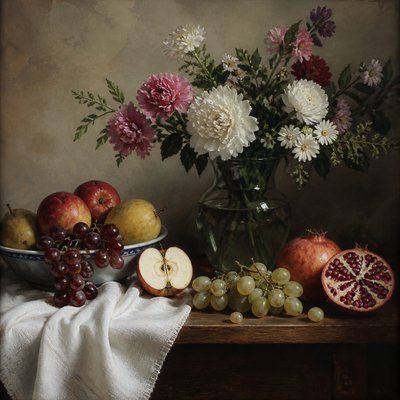
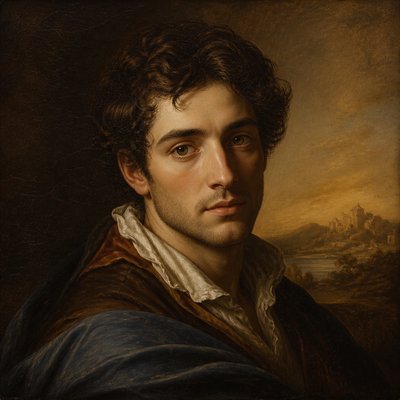
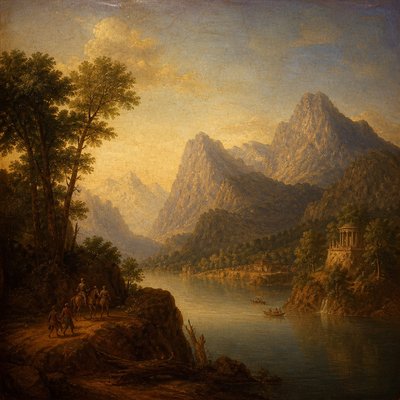
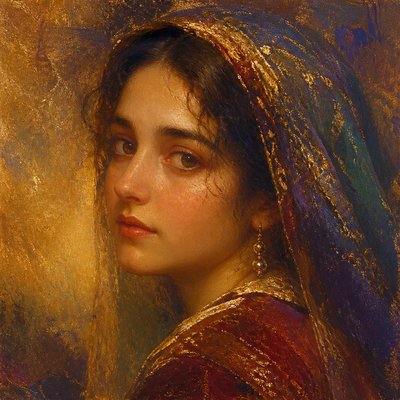
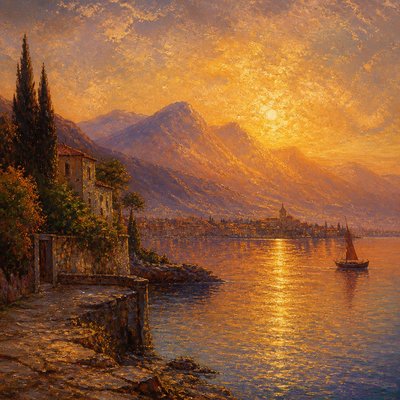
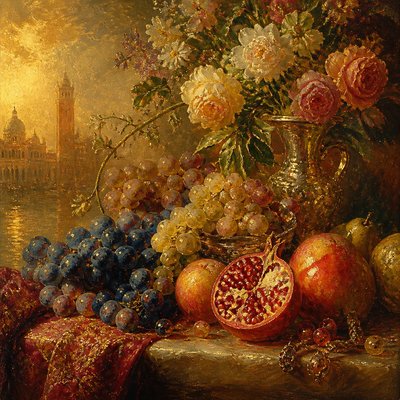
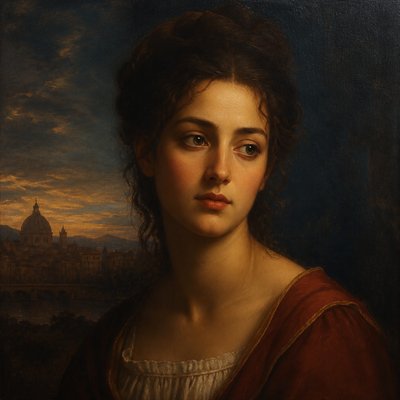
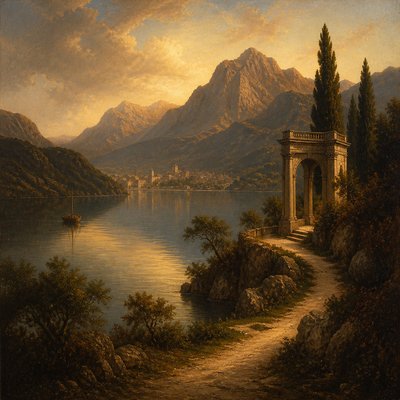
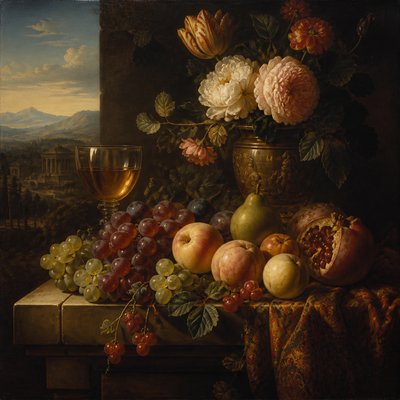
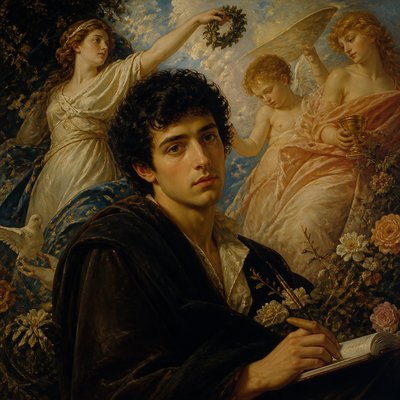
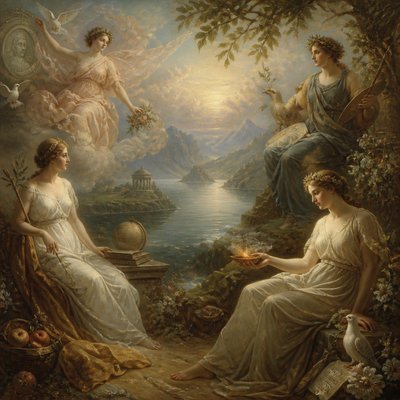
Classical Underpainting Gallery
Tap any artwork to explore it
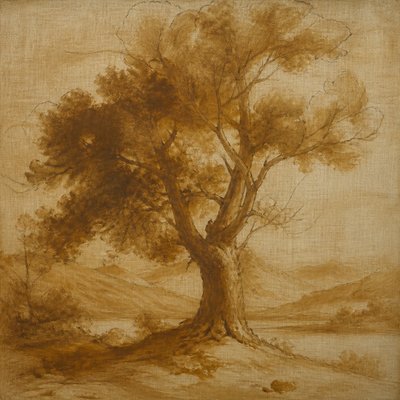
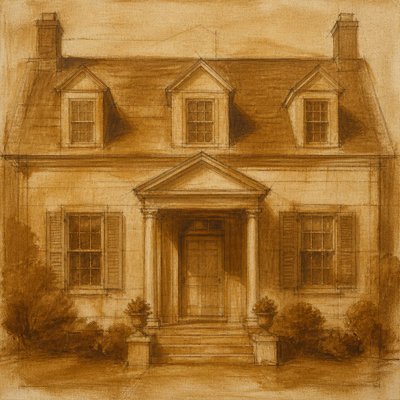
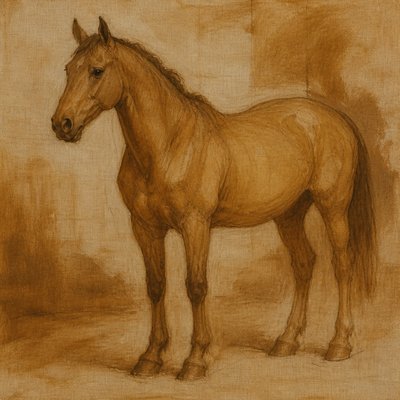
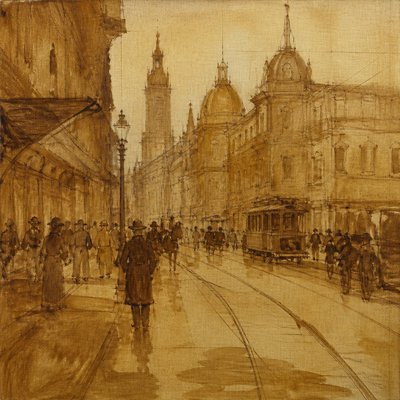
What is Classical Underpainting Style?
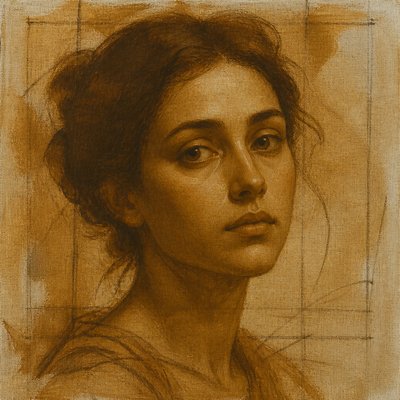
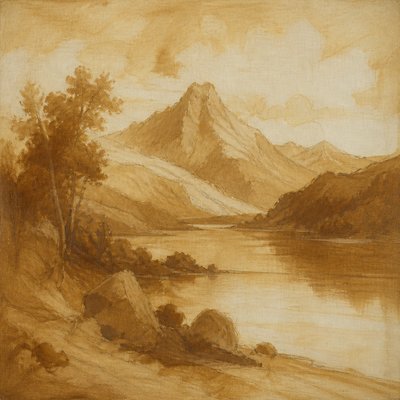
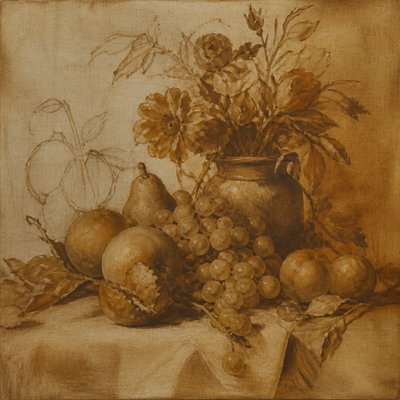
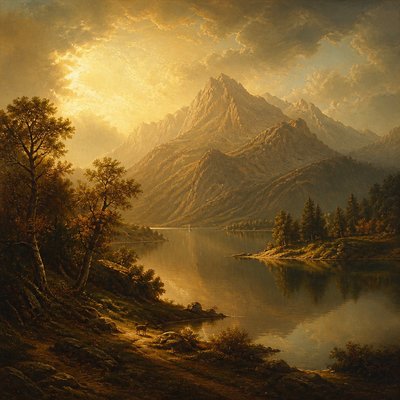
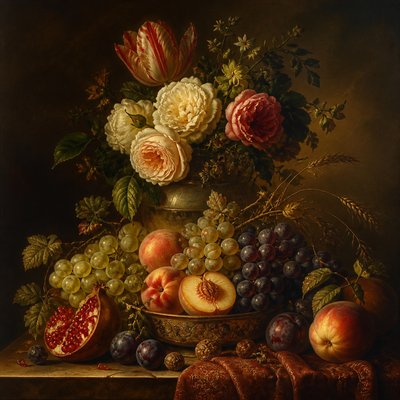
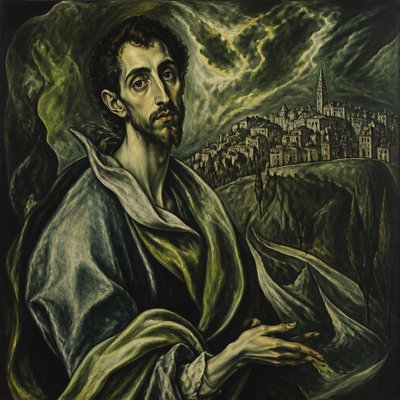
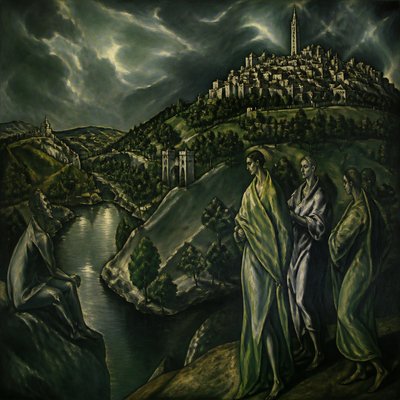
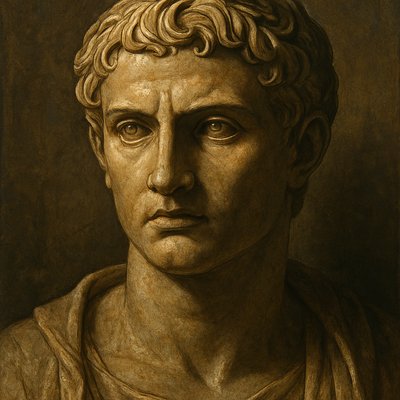
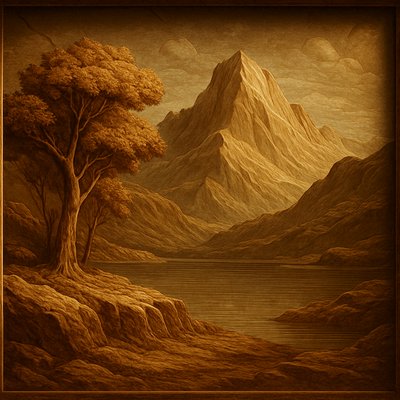
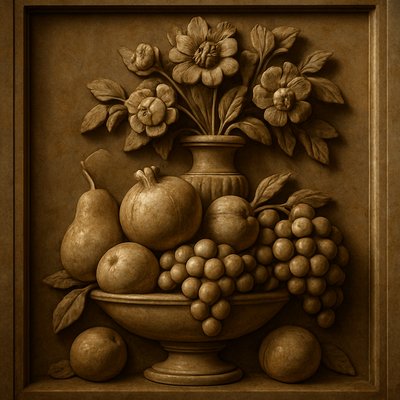
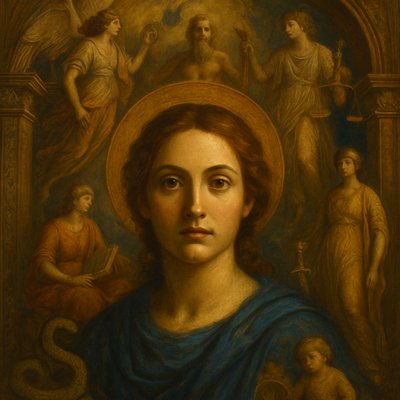
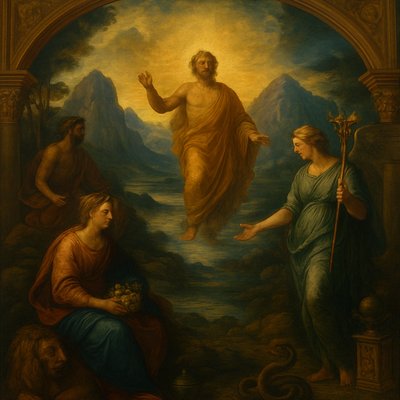
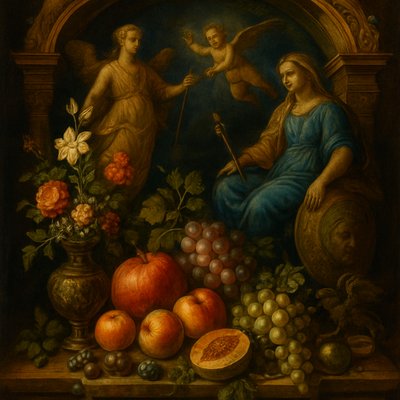
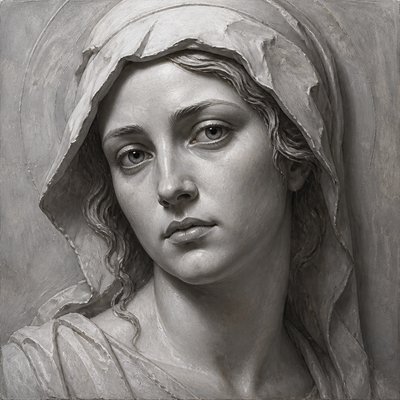
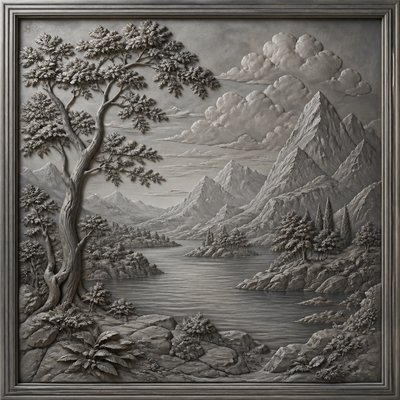
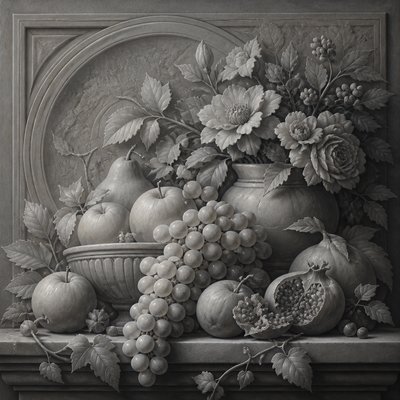
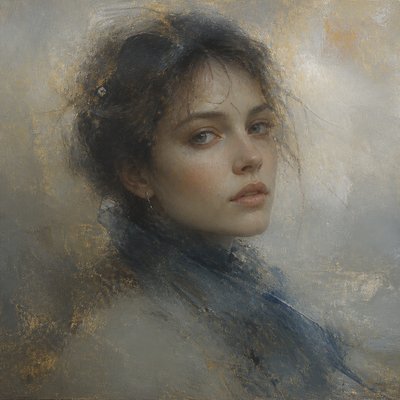
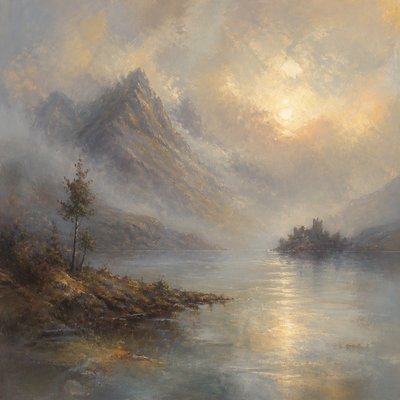
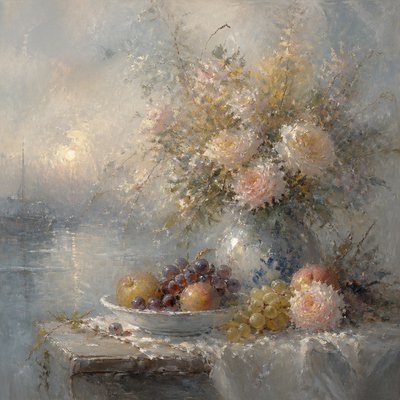
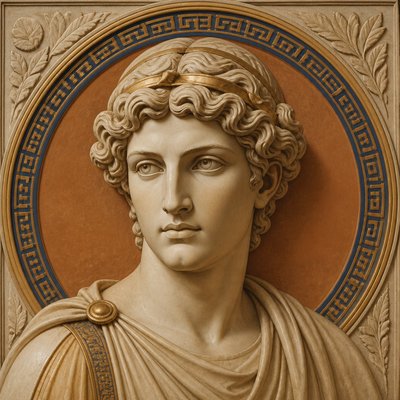
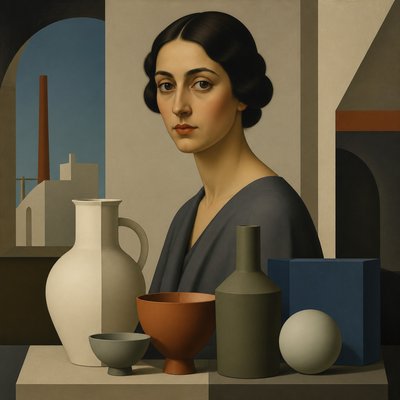
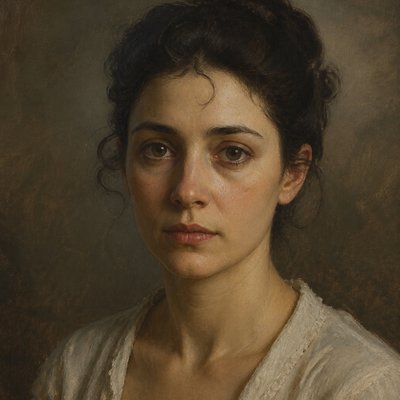
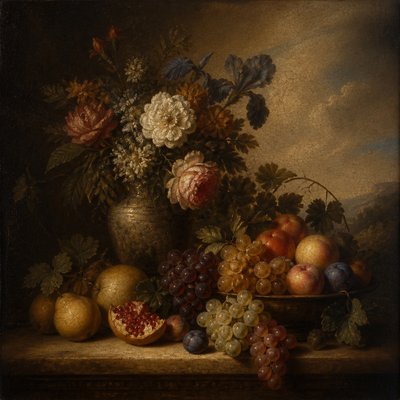
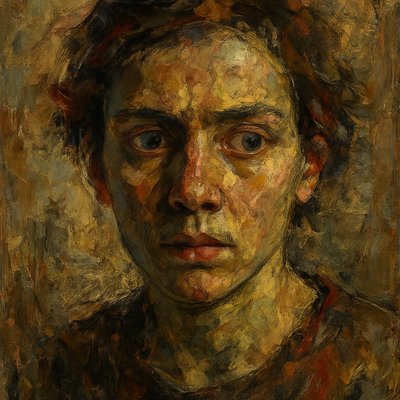
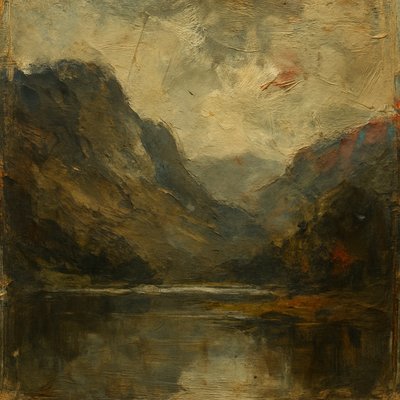
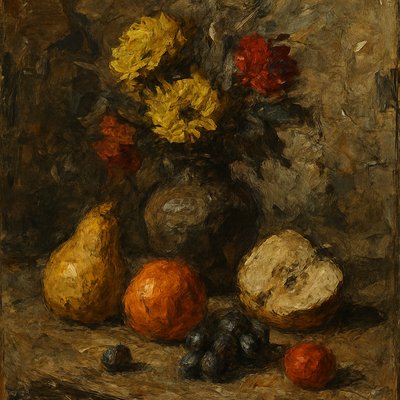
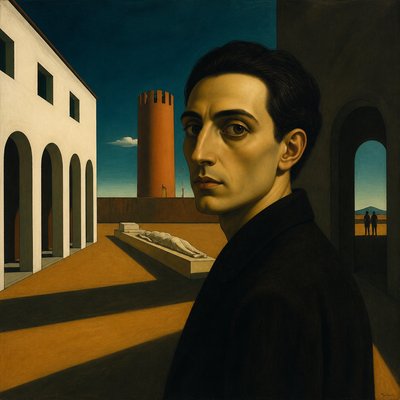
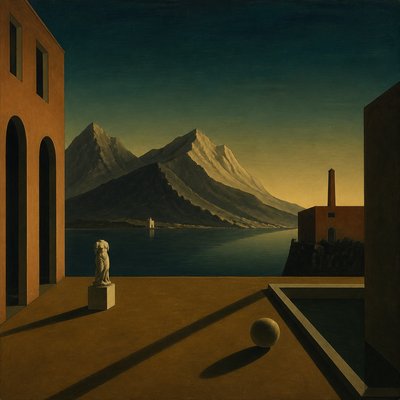
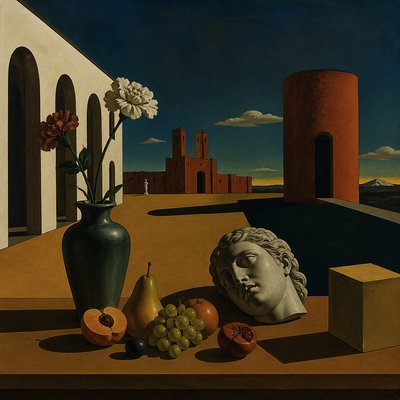
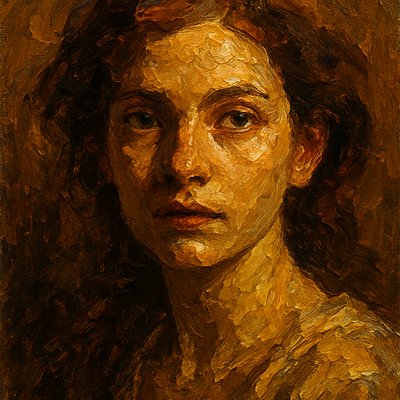
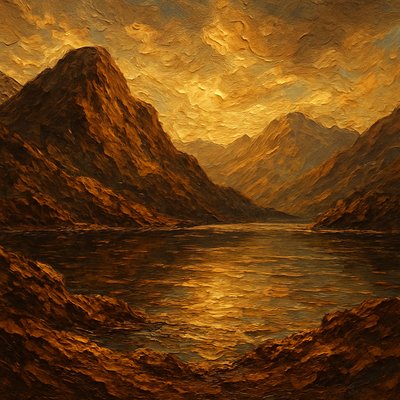
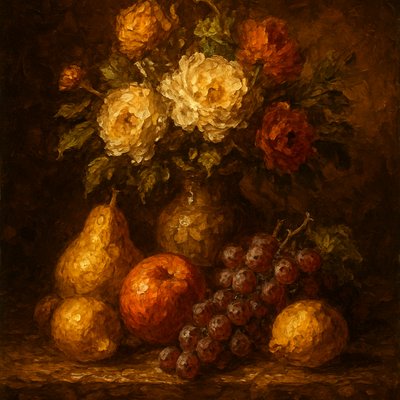
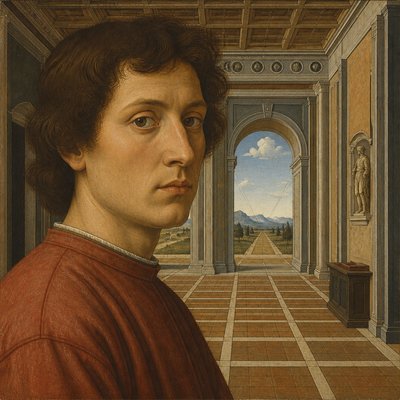
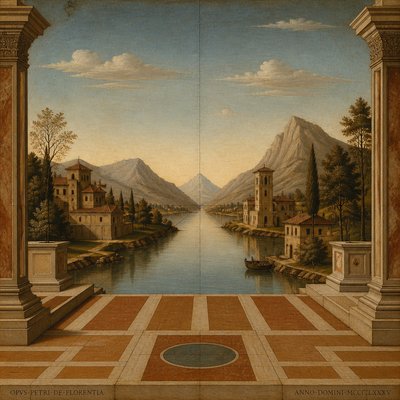
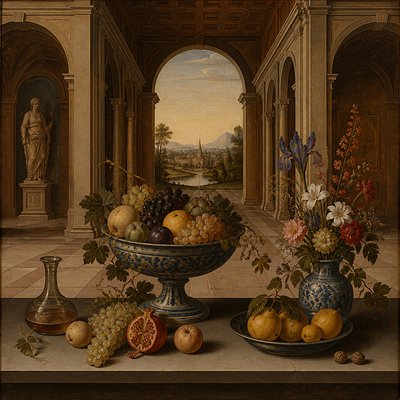
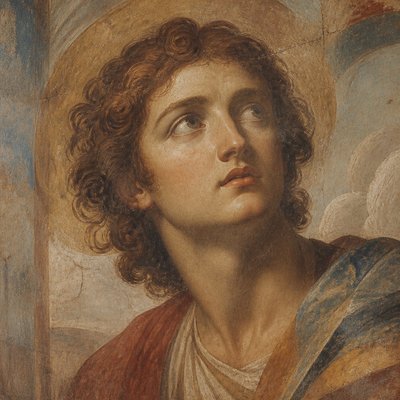
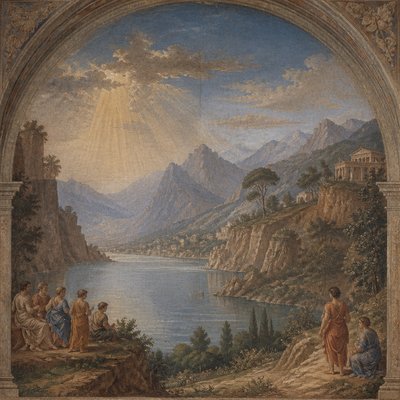
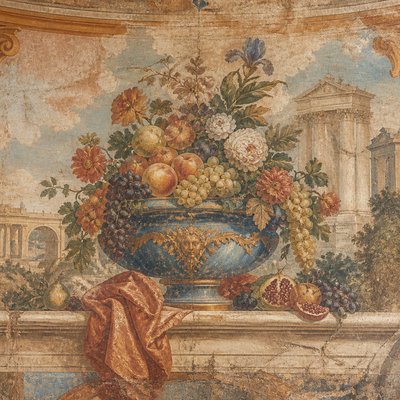
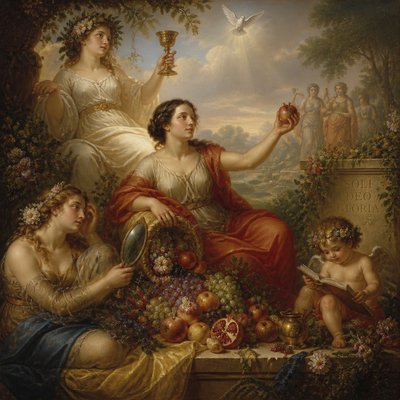
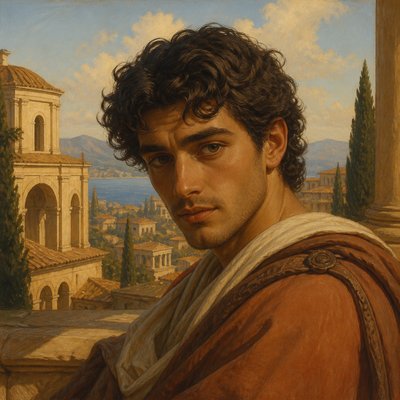
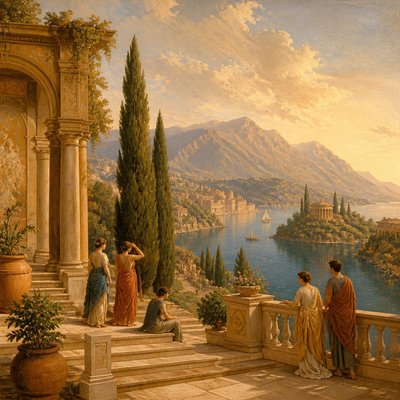
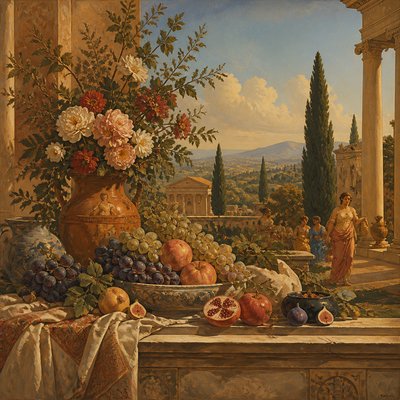
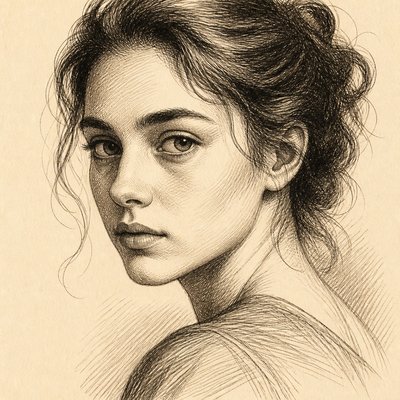
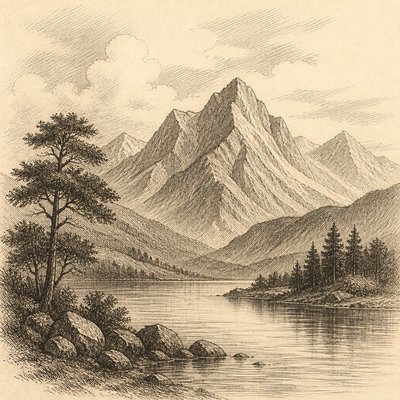
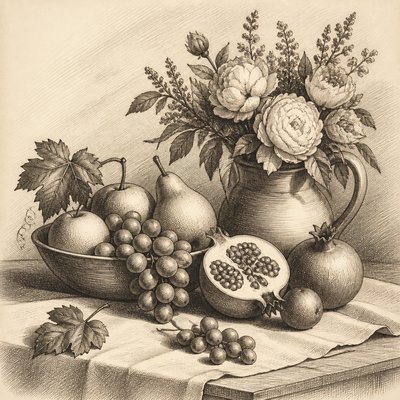
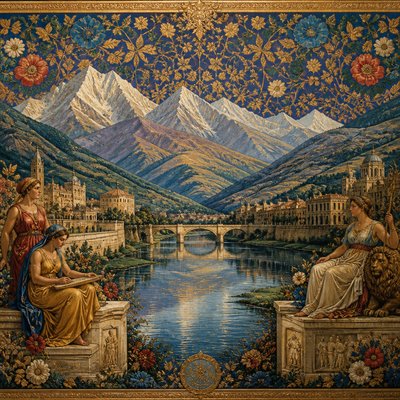
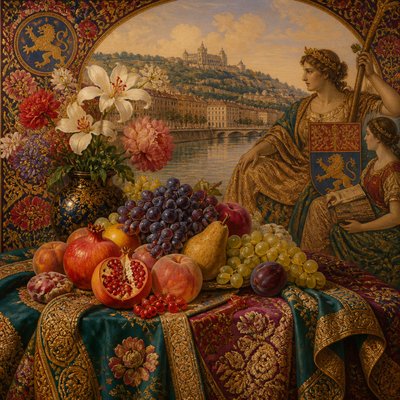
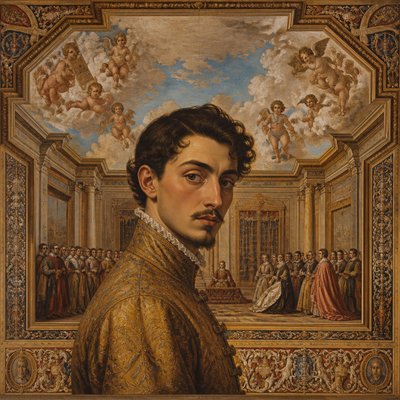
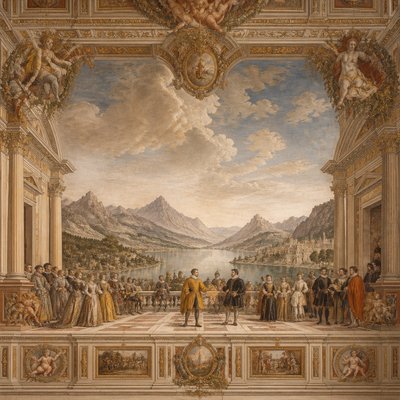
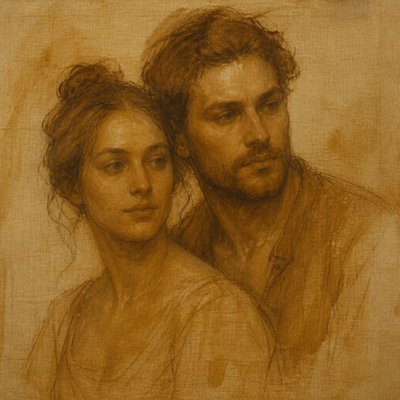
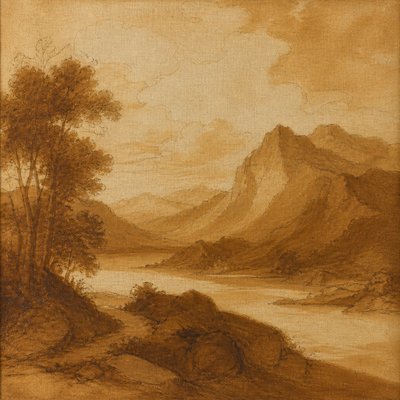
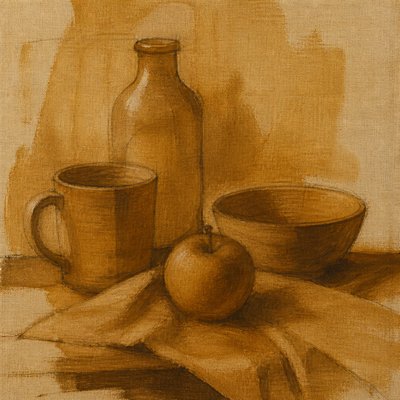
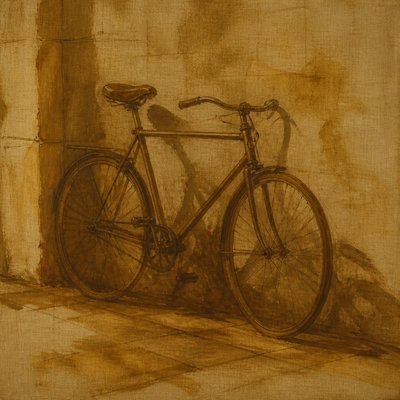
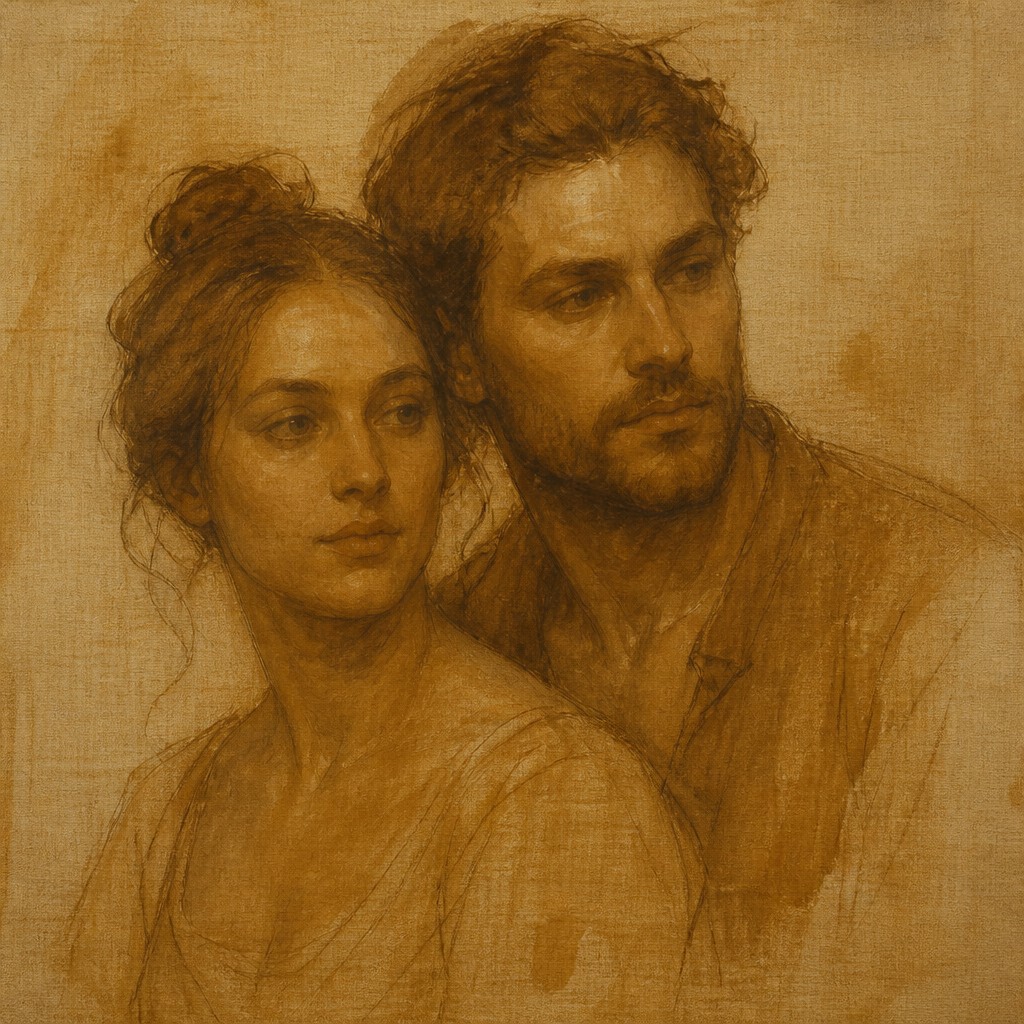
Classical Underpainting Style presents an image as an honest first layer rather than a fully concealed painting. Forms are blocked in with umber, ochre, and closely related earth colors; construction lines remain visible, while thin transparent washes establish the major divisions of light and shadow. The effect is restrained, tactile, and deliberately unfinished.
Its visual identity comes from the tension between structure and atmosphere. Raw canvas or a pale ground may show through the paint, edges can remain provisional, and details are subordinated to value, proportion, and mass. The result resembles an old-master preparatory stage: not a monochrome filter, but a developed tonal study in which the act of construction remains part of the image.
Try It On Your Photos
Upload any photo and convert it into Classical Underpainting Style — drag the sliders to compare before and after.


What Defines Classical Underpainting Style
The signature details, up close
Warm monochrome palette
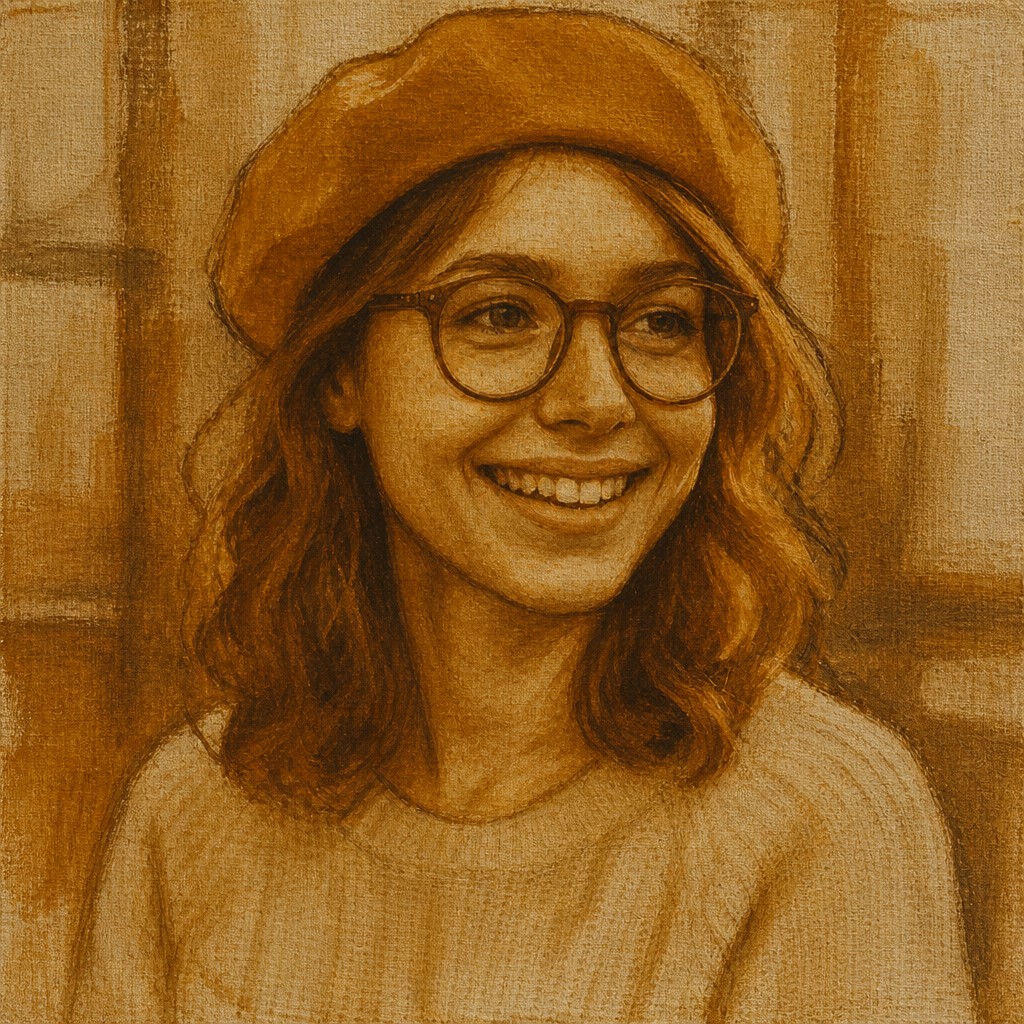
The dominant colors are umber, burnt sienna, ochre, sepia, and muted clay tones. Color variation is narrow, allowing value and temperature shifts to carry the image.
Visible construction drawing
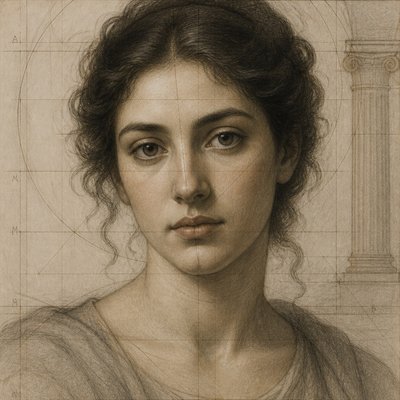
Contour searching, gesture lines, proportion marks, and lightly redrawn edges remain exposed beneath or beside the paint. These lines communicate how the subject was built rather than merely outlining it.
Transparent tonal washes
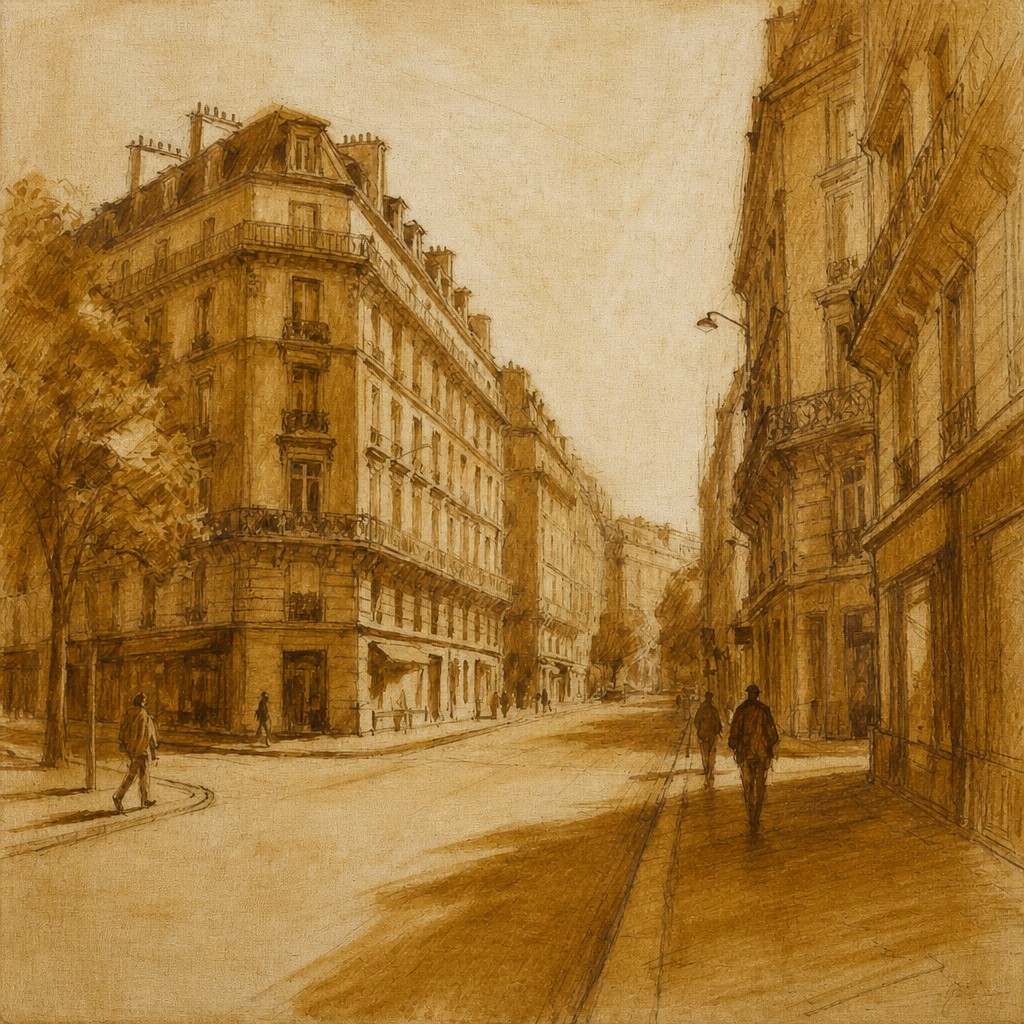
Thin layers map the light, half-tone, and shadow without fully covering the ground. Dark passages are often accumulated gradually instead of laid down as opaque blocks.
Raw ground showing through
Canvas, paper, or a warm neutral priming remains visible in selected areas. Breathing space around the marks prevents the surface from feeling mechanically filled.
Simplified modeling
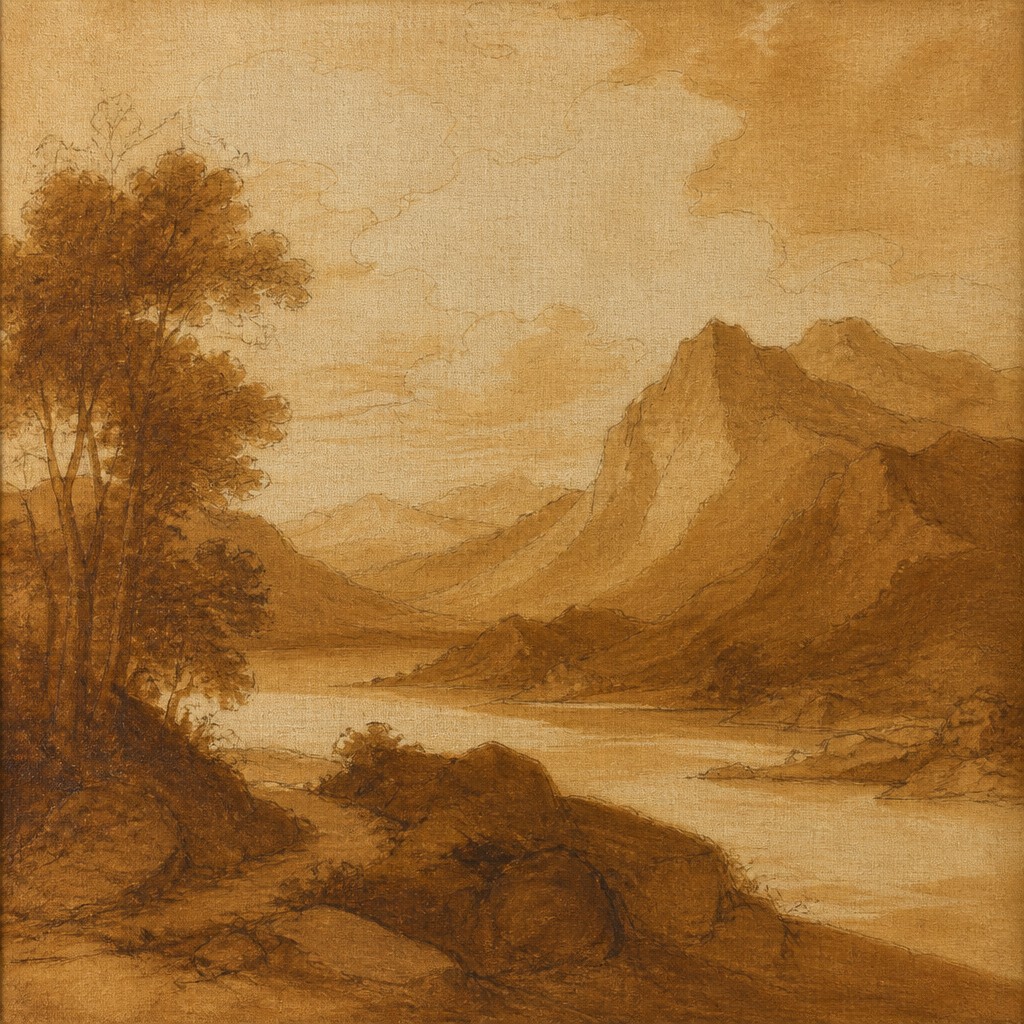
Volume is described through broad planes and restrained transitions rather than polished detail. The face, fabric, architecture, or landscape reads first as a structure of masses.
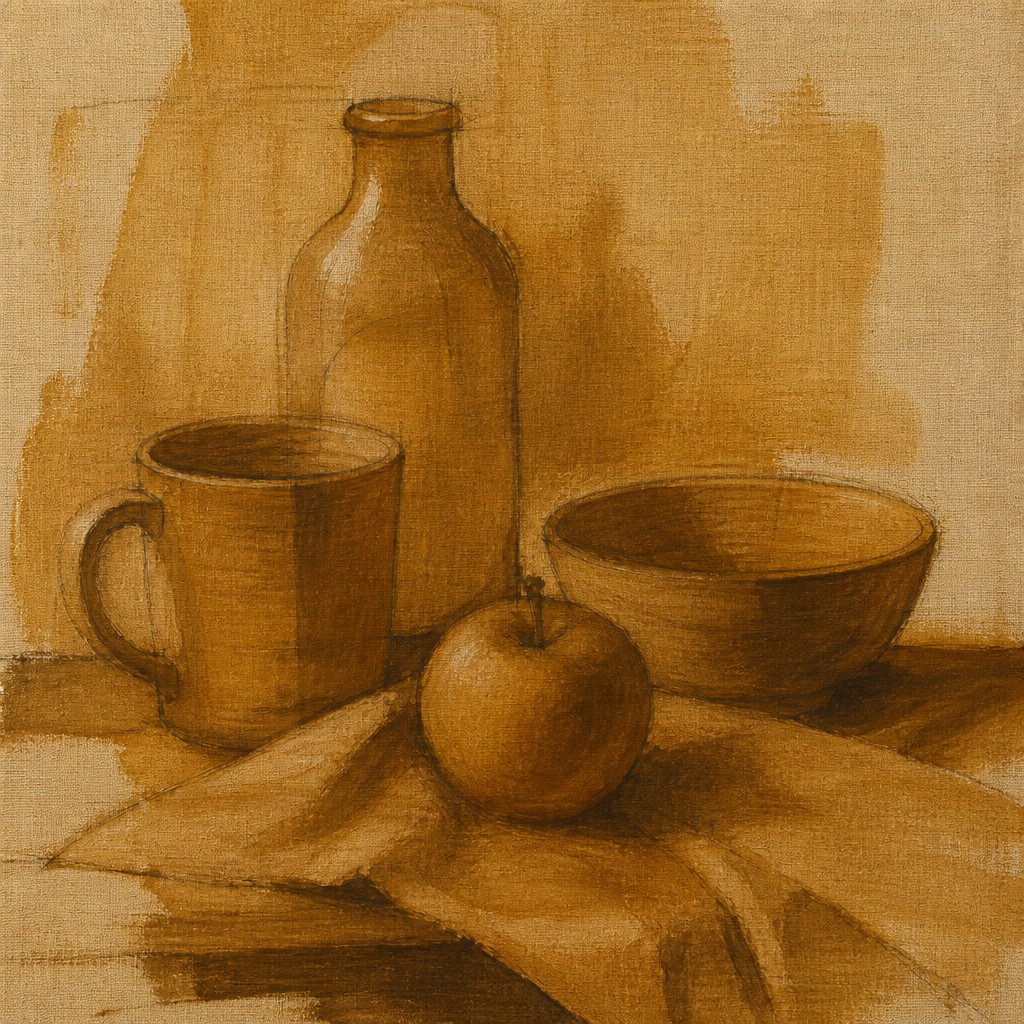
Unfinished old-master atmosphere
The image suggests an early studio stage, with provisional edges and incomplete passages treated as intentional visual information. Its quiet gravity comes from concentration on form, light, and material.
Try It
Create Videos in Classical Underpainting Style
Styles aren't just for stills — describe a scene or animate an image and get a short video rendered in Classical Underpainting. Press play to see this pond come to life.
Make a VideoClassical Underpainting Prompt Ideas
Start from an idea — each one opens the generator with the style ready to go. See all 40 Classical Underpainting prompts →
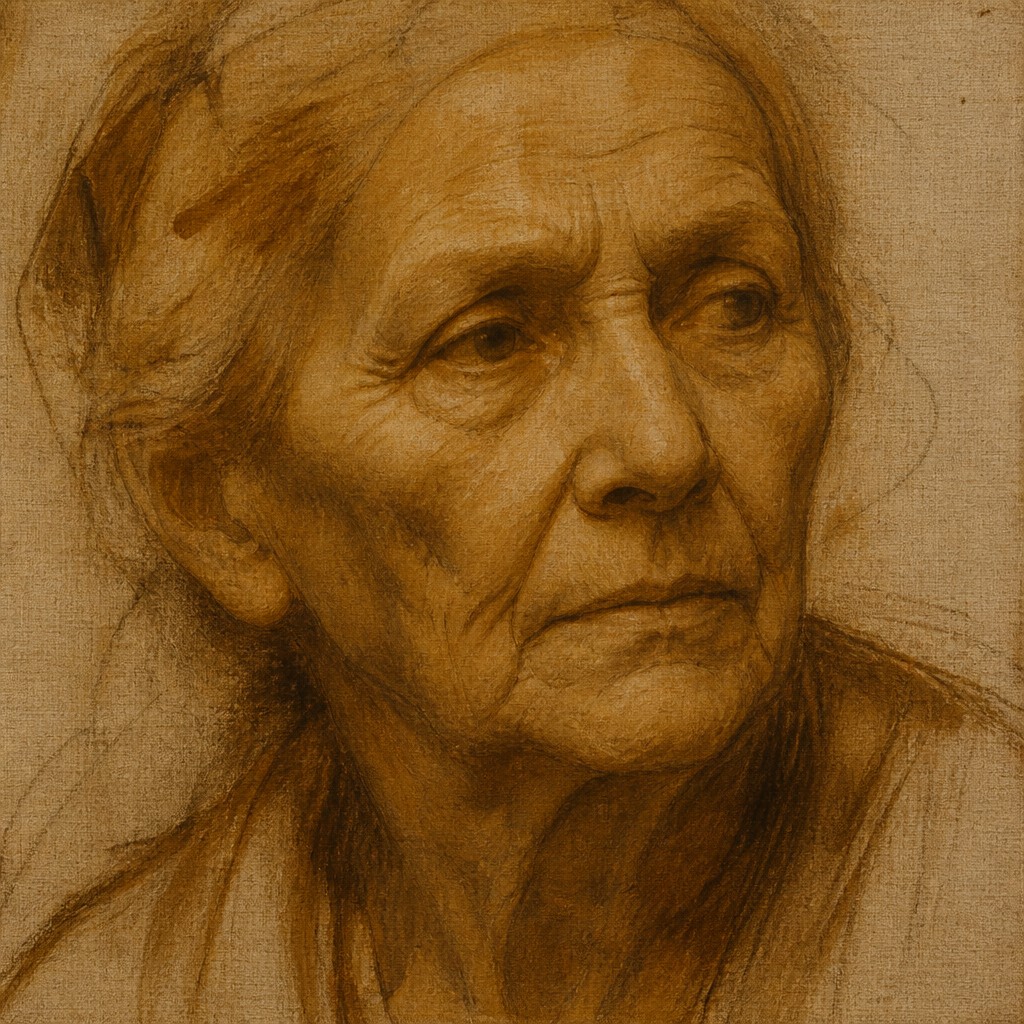
“close-up portrait of an elderly person with expressive weathered features”
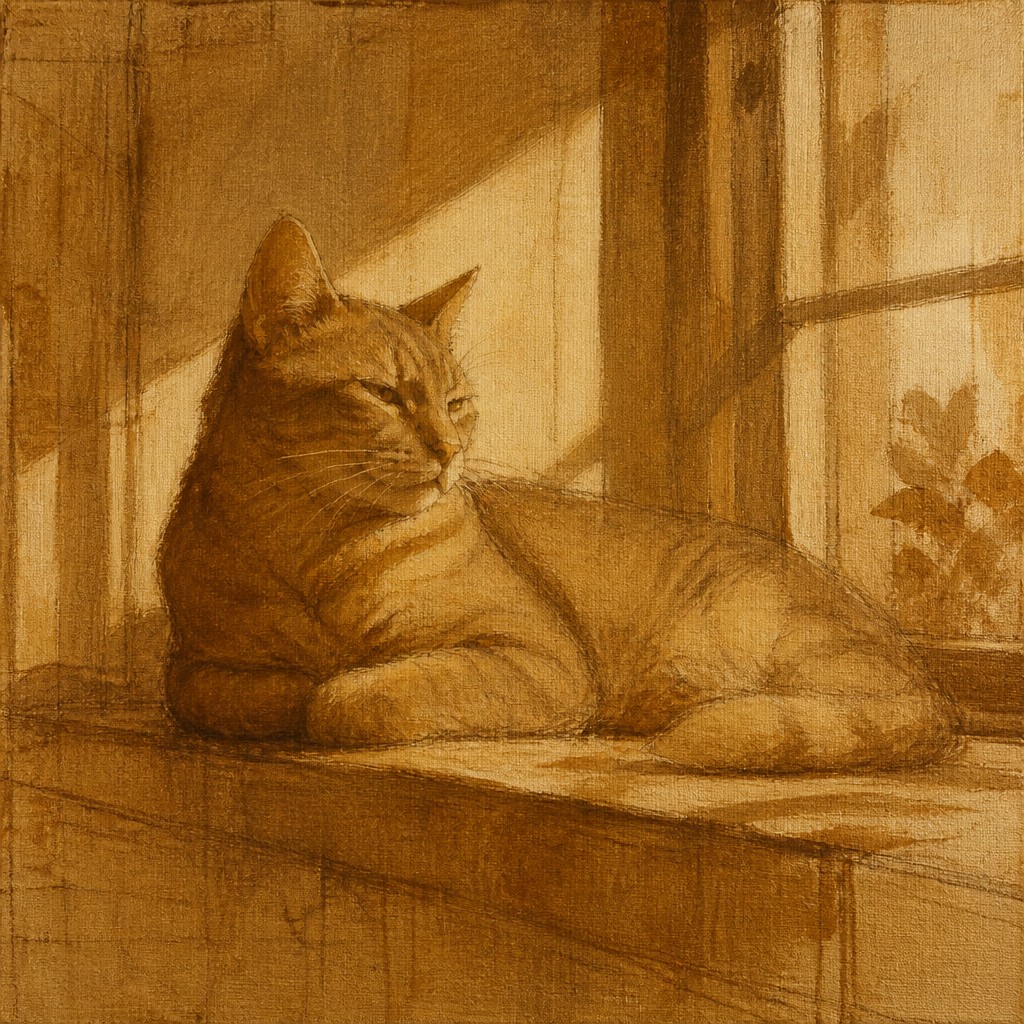
“a cat lounging in a sunlit window”
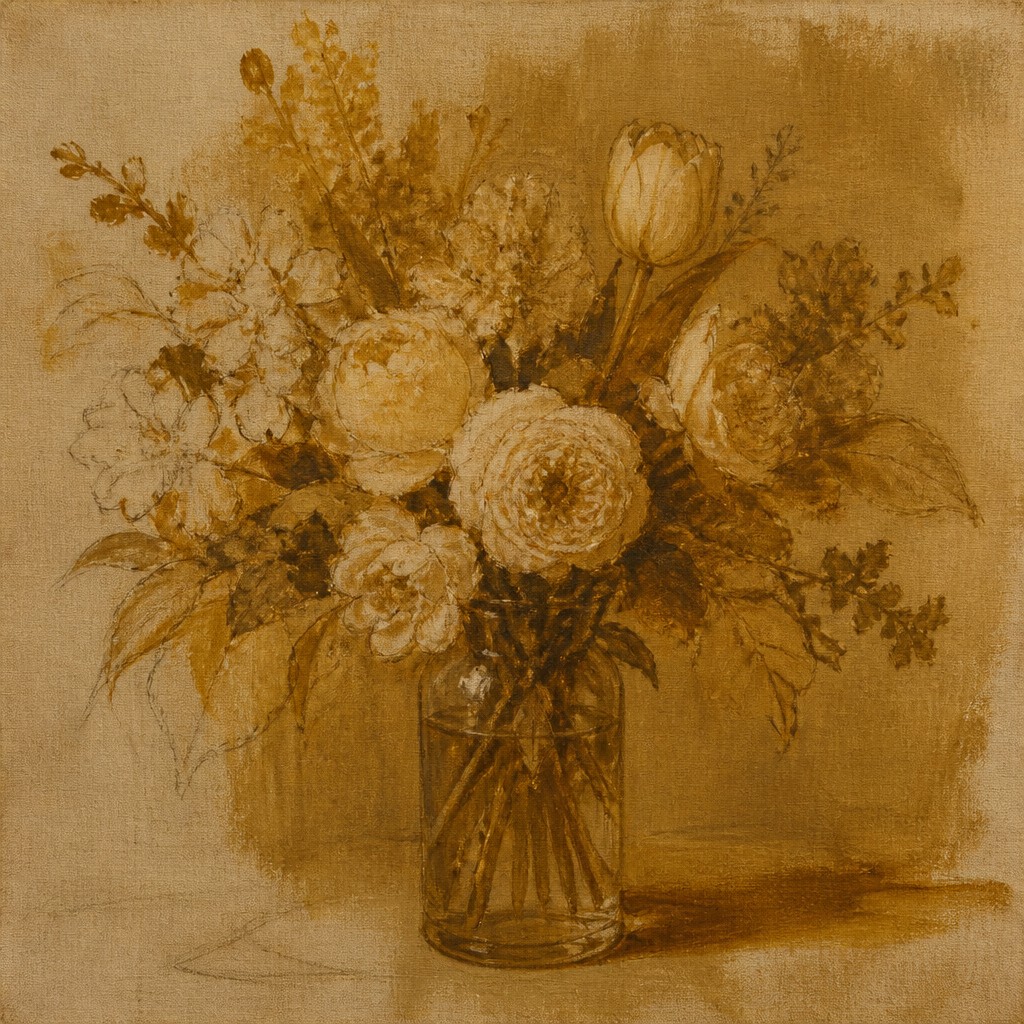
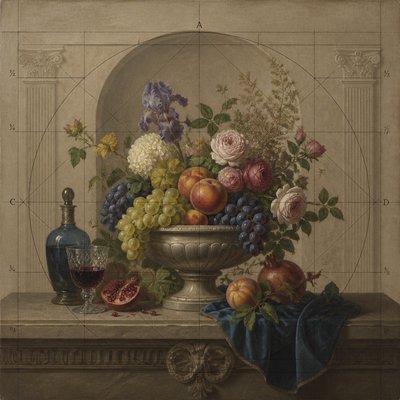
“bouquet of flowers in a glass vase”
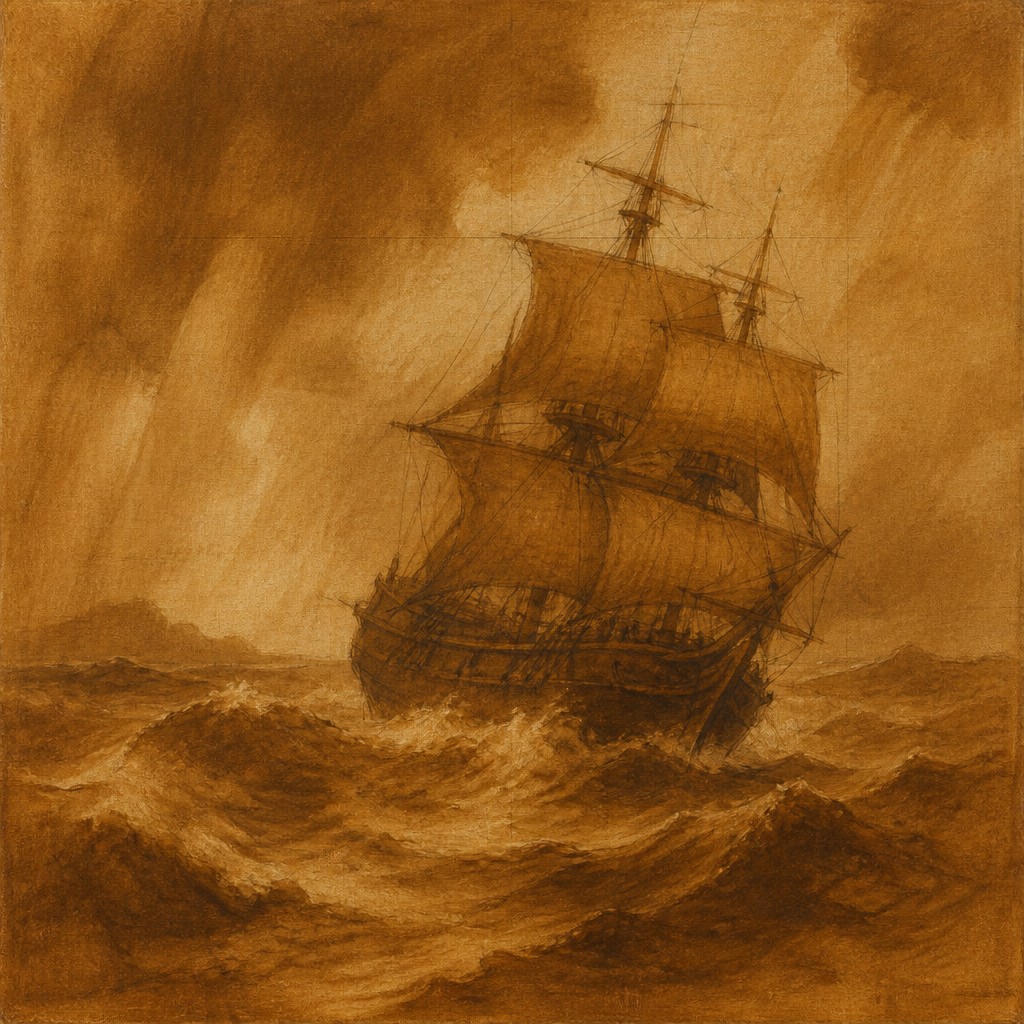
“sailing ship on a stormy sea”
How to Create Classical Underpainting Art
Master the craft step by step — or skip straight to creating. Read the full guide →
- 1
Establish a warm ground
Begin on beige, ochre, or lightly stained paper or canvas, then allow parts of that ground to remain visible. Digitally, use a warm textured base layer with low-opacity paper grain.
- 2
Draw before modeling
Make a proportionate line drawing and preserve selected searching marks instead of erasing every correction. Keep the contour hierarchy varied, with firmer lines in structural areas and lighter lines in uncertain ones.
- 3
Block the value structure
Reduce the subject to a few large light, middle, and shadow shapes using diluted umber or sepia. Build darks in successive transparent passes so the ground continues to influence the color.
- 4
Control detail and edges
Reserve sharper edges and stronger contrast for the focal area, while letting secondary forms dissolve into the ground. Avoid uniform rendering, glossy highlights, and saturated local color.
- 5
Use layered digital methods
Work with separate sketch, wash, texture, and correction layers, keeping opacity low and using textured brushes or scanned paper. For image-to-image workflows, preserve the subject's silhouette while reducing color complexity and adding visible underdrawing.
- 6
Write precise generation prompts
Specify the subject, warm umber-and-ochre monochrome, visible drawing lines, transparent value washes, exposed ground, and unfinished preparatory quality. Add exclusions such as saturated colors, polished photorealism, hard digital gradients, and fully finished detailing when needed.

The Story
History & Origins of Classical Underpainting
Classical Underpainting Style is a contemporary descriptive and AI-native label rather than a named historical movement. Its lineage lies in European workshop practices that used monochrome preparation layers, earth-pigment studies, and transparent glazes to organize a composition before fuller color was applied. Related methods include grisaille, brunaille, imprimatura, and tonal blocking-in, although the style does not reproduce any single historical process exactly.
The aesthetic also draws from unfinished paintings, preparatory studies, conservation views, and academic exercises in which the drawing and first paint layer remain legible. Contemporary artists and image-makers have adopted these qualities as an intentional finished language, valuing visible process, limited color, and the expressive irregularity of an image still close to its underlying design.
Influences: The style is related to grisaille and brunaille studies, Renaissance and Baroque underpainting practices, academic figure and cast drawing, imprimatura-based oil painting, and the visible-process qualities of unfinished works. It also shares concerns with tonal sketching, sepia illustration, conservation-revealed paint layers, and contemporary process-oriented painting. Its difference from strict historical reconstruction is that it treats the preparatory layer itself as the final aesthetic.

Frequently Asked Questions
What defines Classical Underpainting Style?
It is defined by warm earth monochrome, visible drawing, transparent washes, exposed ground, and simplified tonal modeling. The image should feel intentionally close to a painting's first substantial layer while still reading as a complete composition.
Is this the same as grisaille?
Not exactly. Grisaille traditionally uses gray or gray-brown monochrome to imitate sculpture or establish values, whereas this style generally favors warmer umbers and ochres and emphasizes visible construction lines and raw support.
How does it differ from a sepia photograph or filter?
A sepia filter changes the overall color of an already finished image. Classical Underpainting Style changes the image's implied making: forms are simplified, edges remain provisional, drawing shows through, and shadows appear as layered paint rather than photographic tone.
What materials work best for making it traditionally?
Oil, acrylic, casein, watercolor, and diluted ink can all support the look when applied over a warm ground. Choose earth pigments or their equivalents, use transparent mixtures, and avoid covering every area with opaque paint.
Can a finished photograph be transformed into this style?
Yes, but the strongest results usually preserve the original subject's major silhouette and lighting while simplifying surface detail. Ask for a visible underdrawing, a limited umber-and-ochre palette, transparent washes, and exposed paper or canvas rather than a generic vintage treatment.
Where is this style most effective?
It works especially well for portraits, figure studies, still lifes, historical or architectural scenes, botanical subjects, and landscapes with strong light-and-shadow structure. It is less suited to images whose identity depends on vivid local color, glossy surfaces, or highly polished finish.
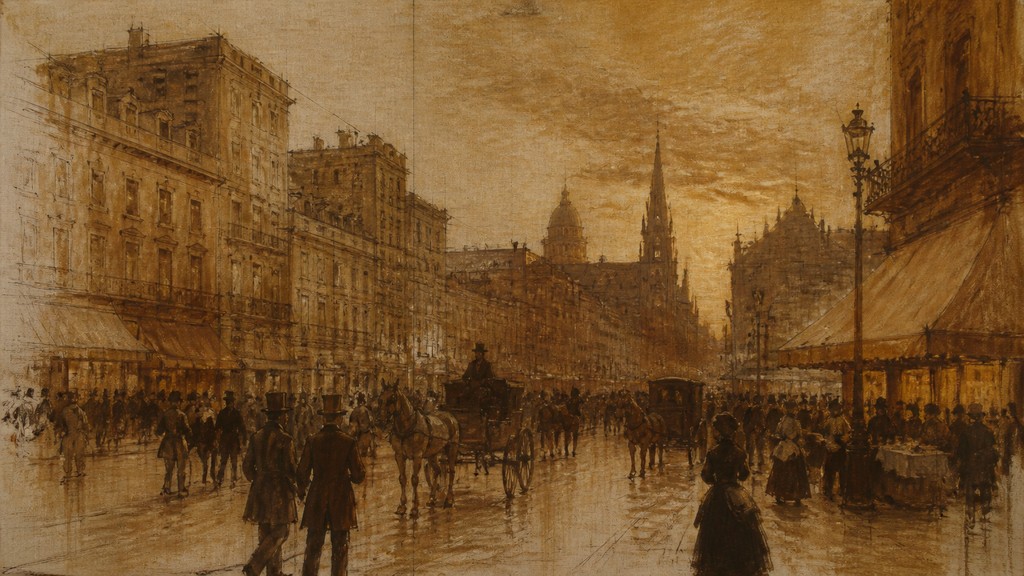
Create your first Classical Underpainting artwork
Describe anything — or upload a photo — and see it in Classical Underpainting Style in seconds.
Related Styles
Discover similar art styles