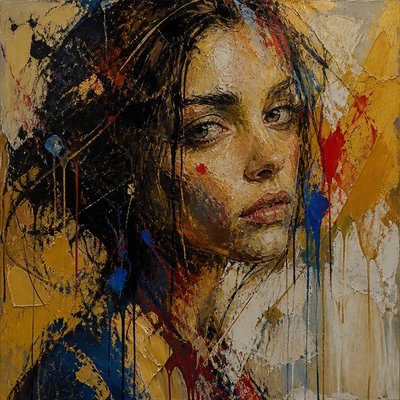
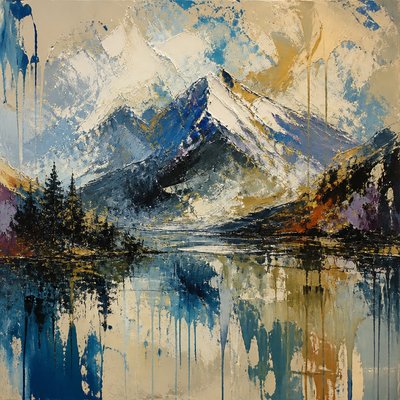
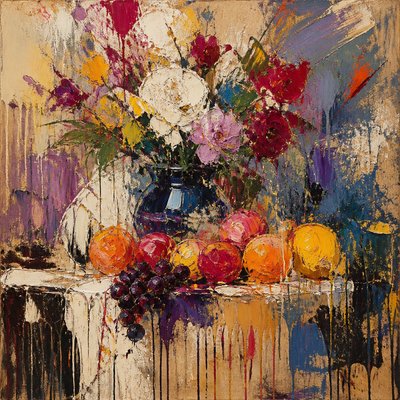
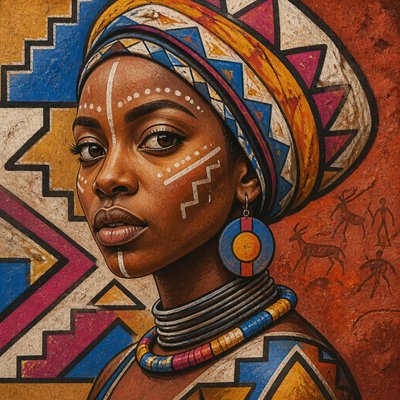
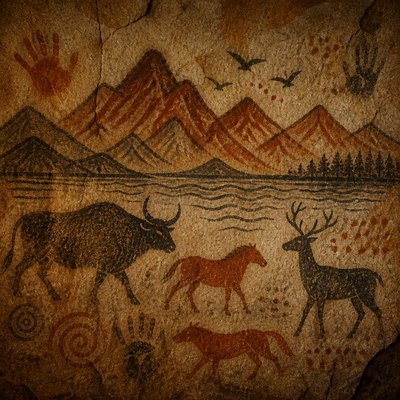
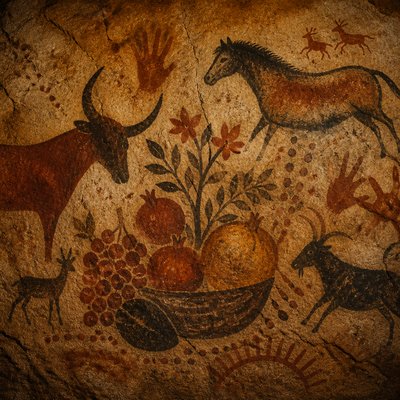
Allegorical Painting Art Style
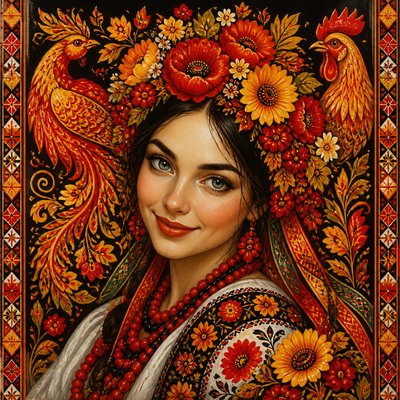
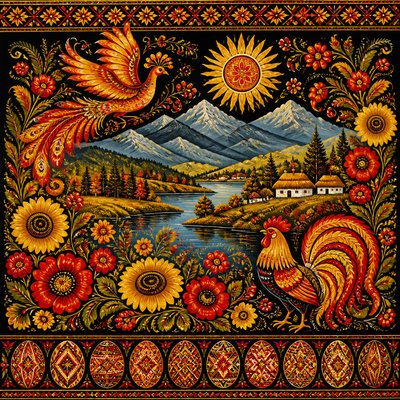
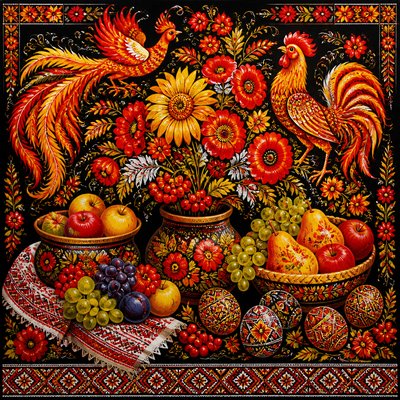
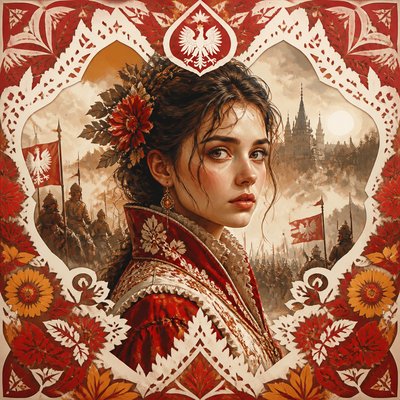
Explore Allegorical Painting: symbolic figures, classical drapery, and dreamlike scenes that turn virtues, seasons, and ideas into visual stories.
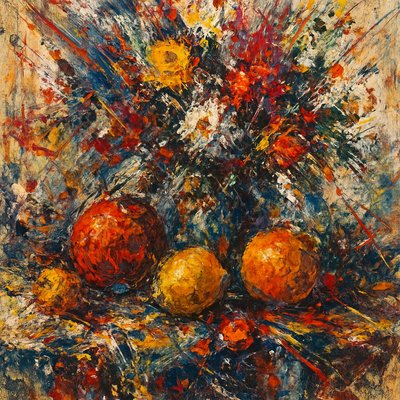
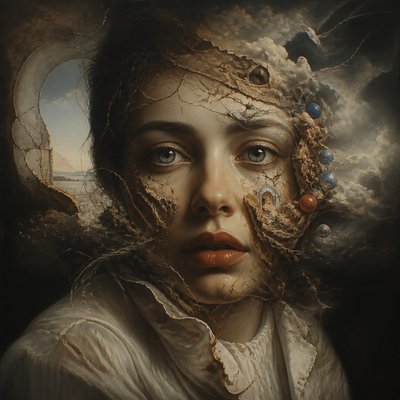
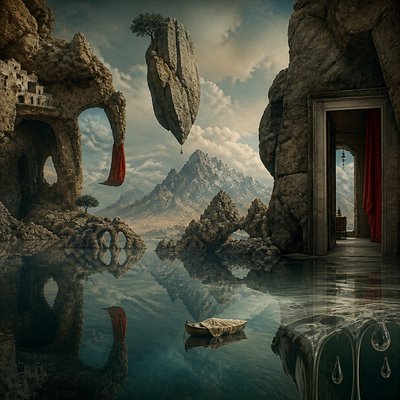
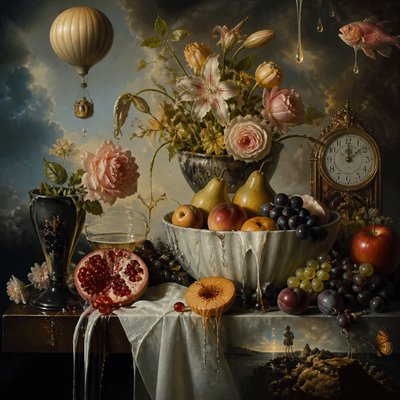
Instantly rendered in Allegorical Painting — or transform a photo
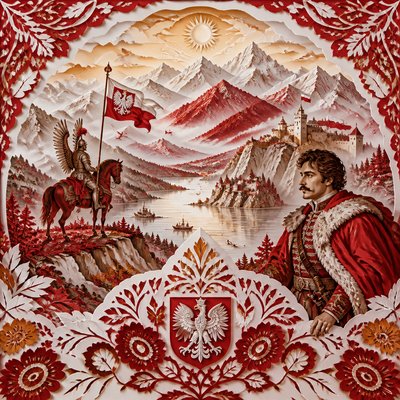
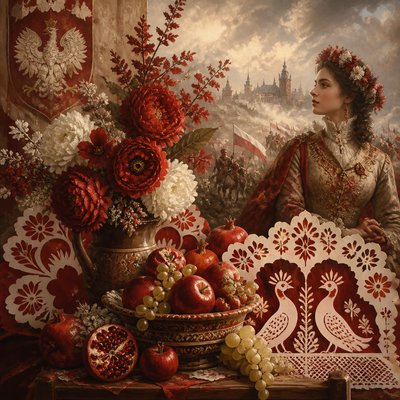
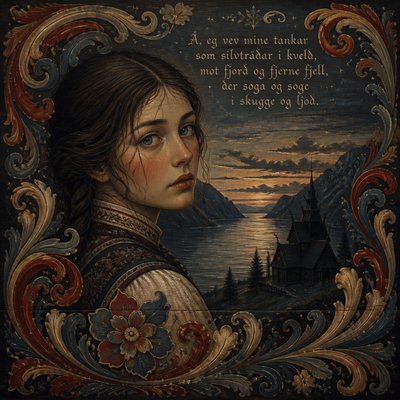
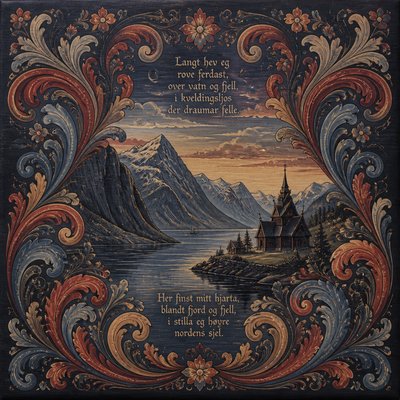
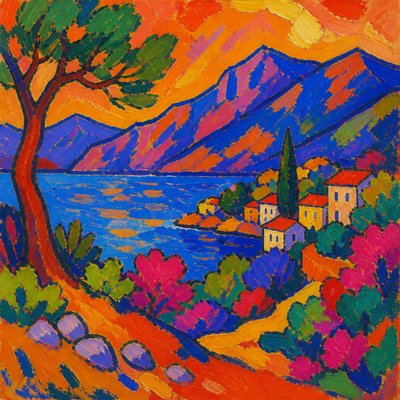
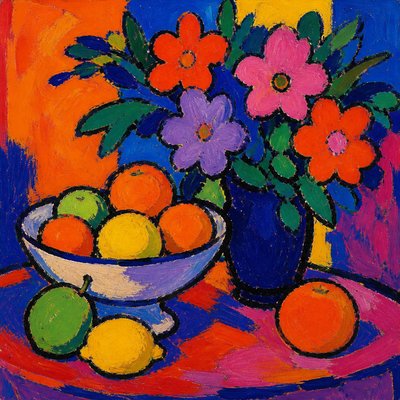
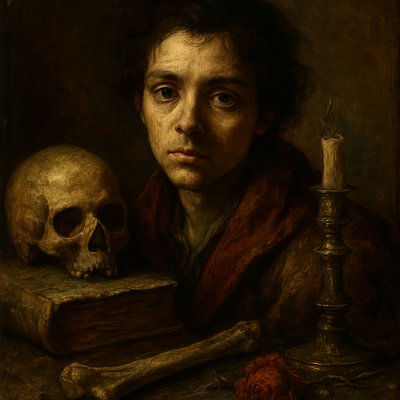
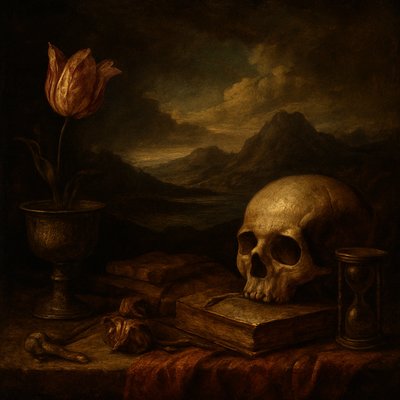
Allegorical Painting Gallery
Tap any artwork to explore it
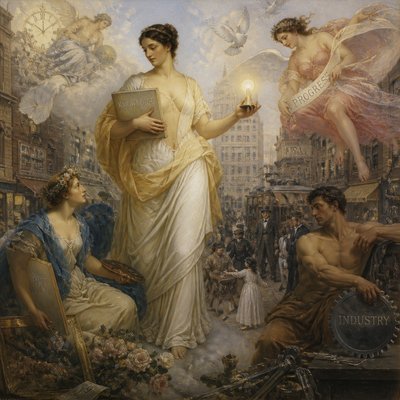
What is Allegorical Painting Art Style?
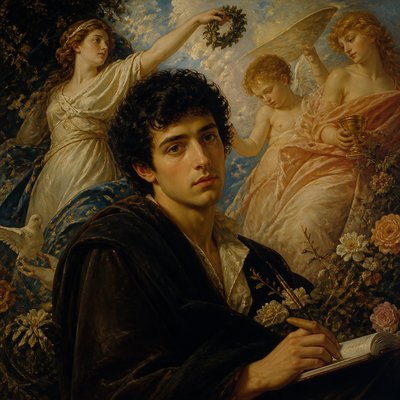
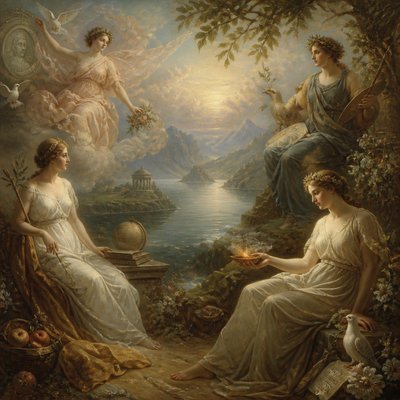
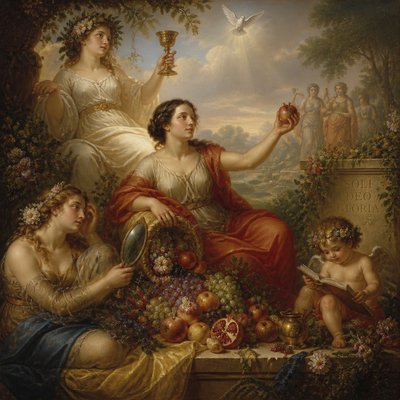
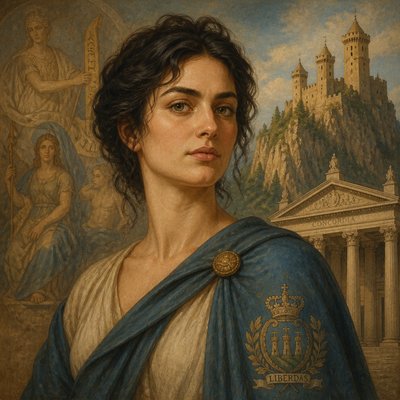
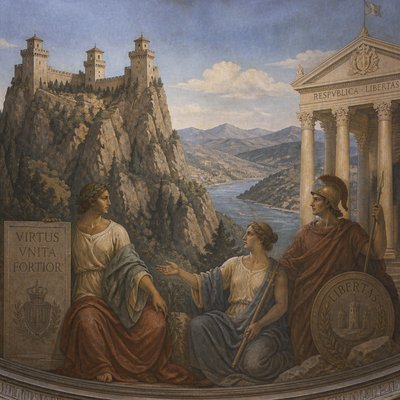
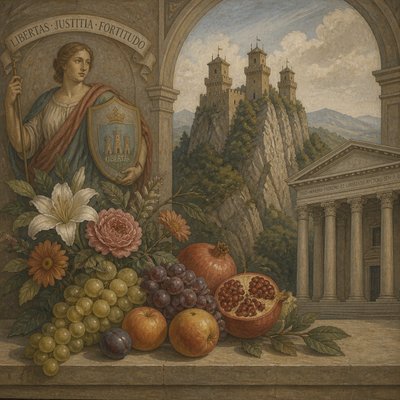
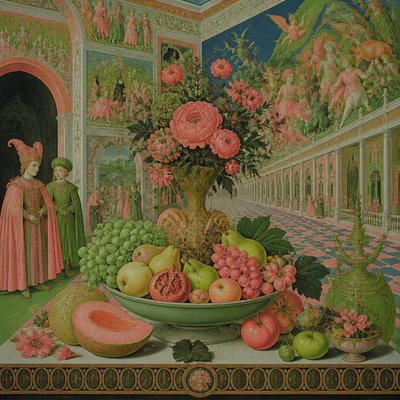
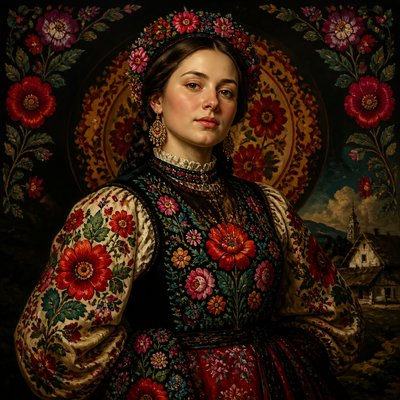
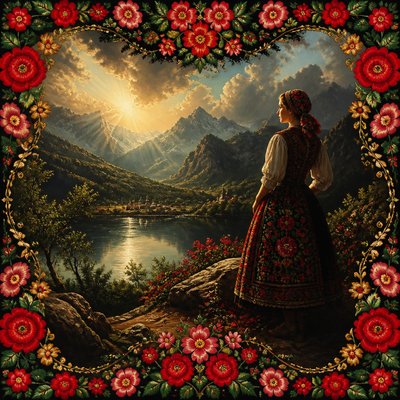
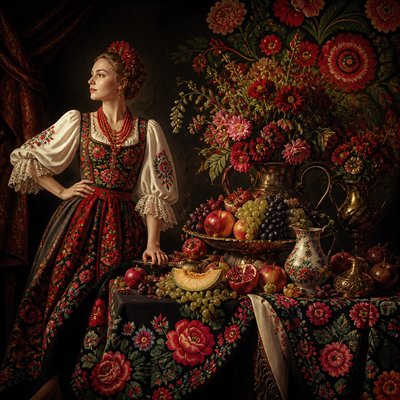
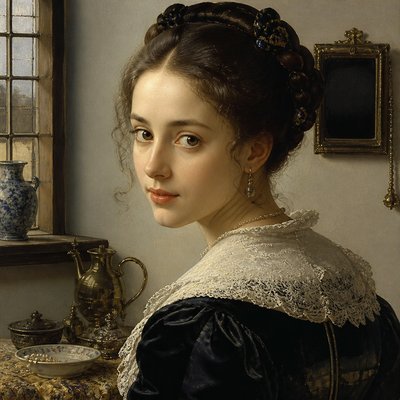
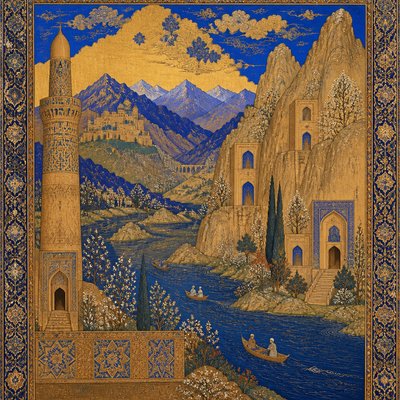
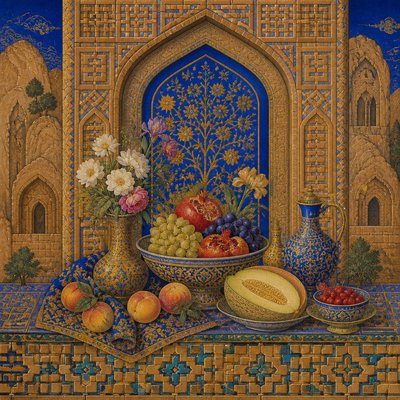
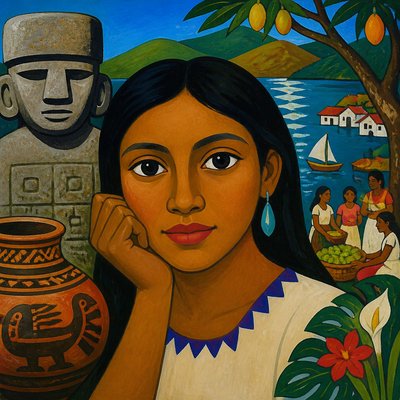
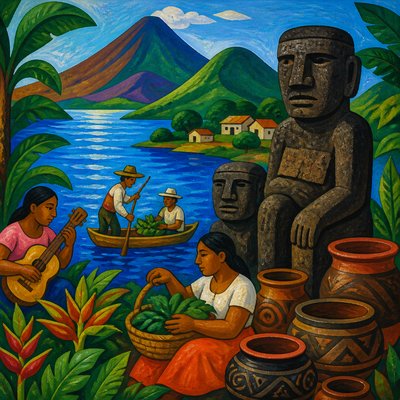
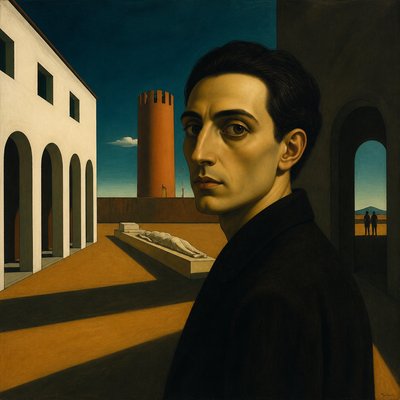
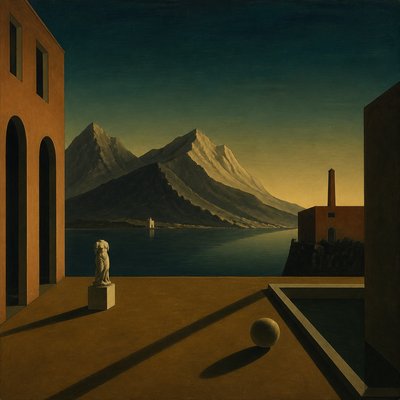
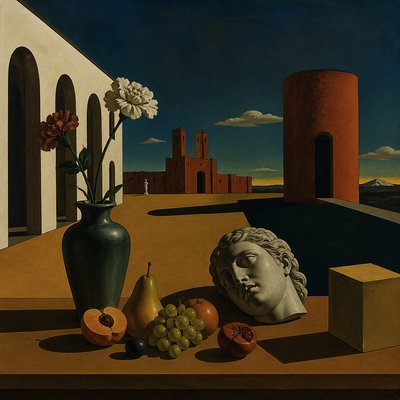
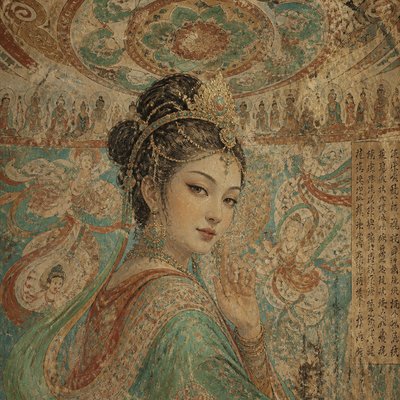
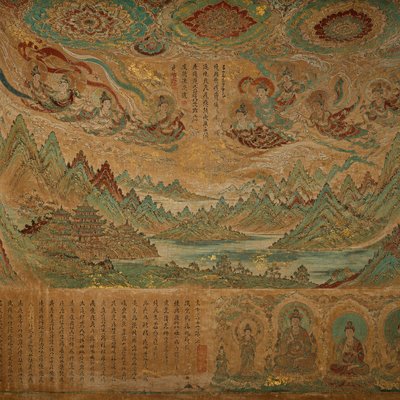
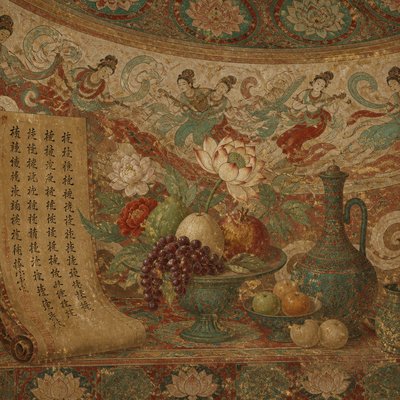
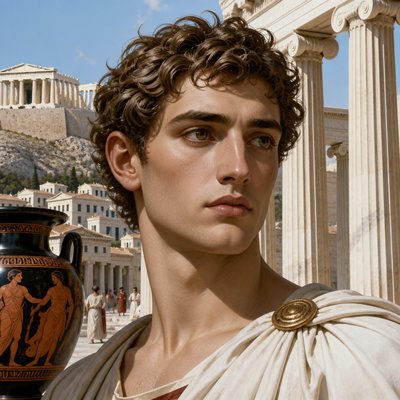
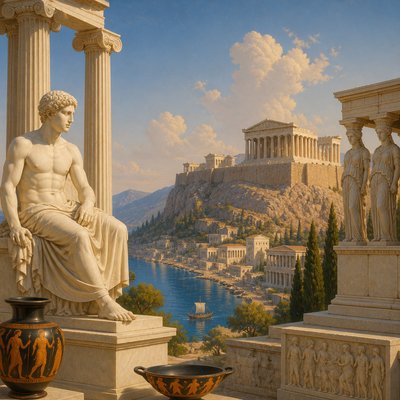
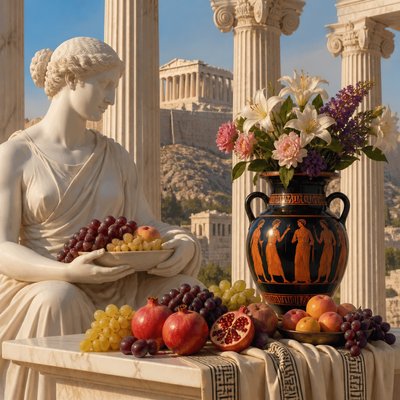
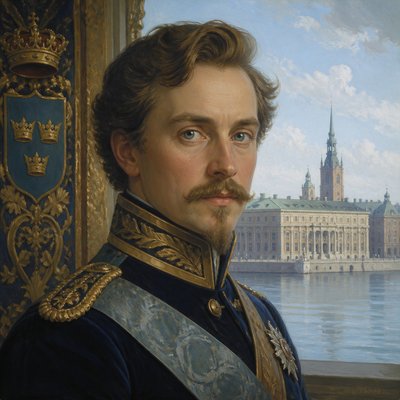
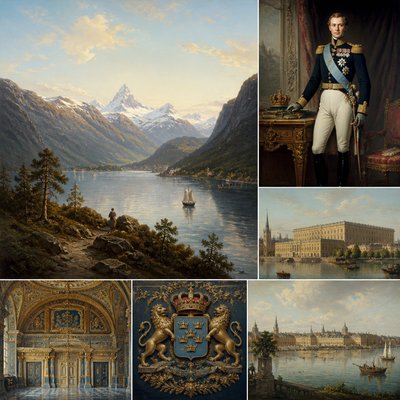
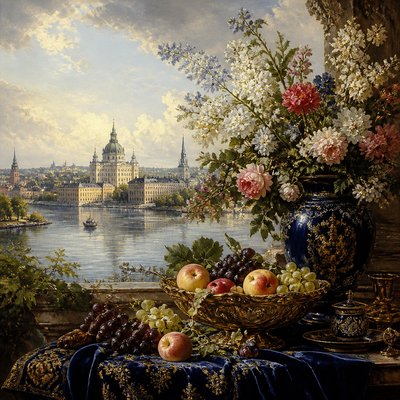
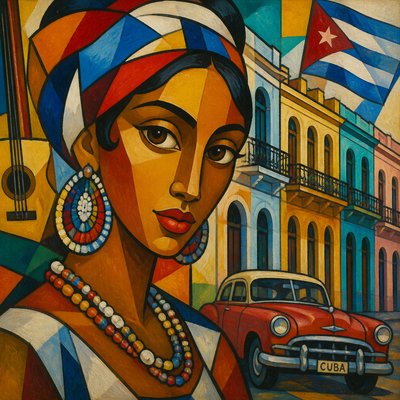
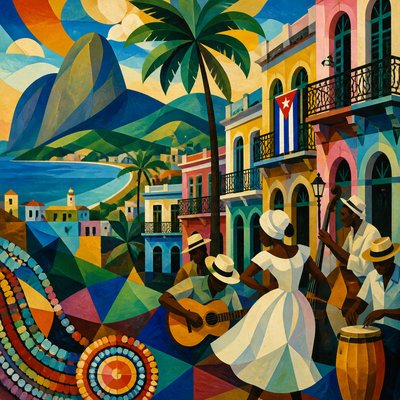
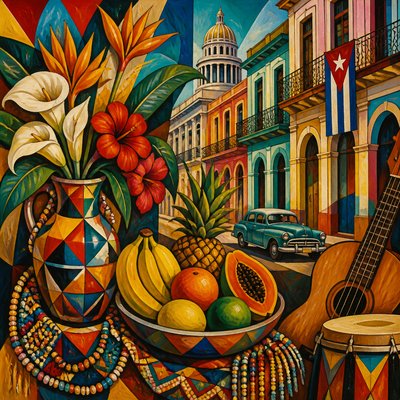
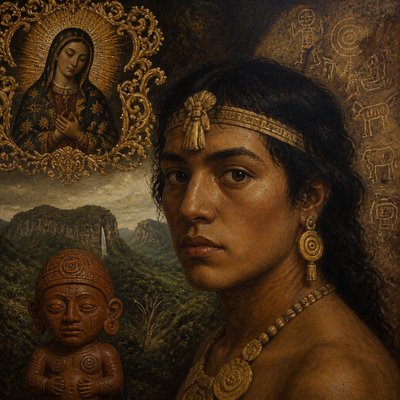
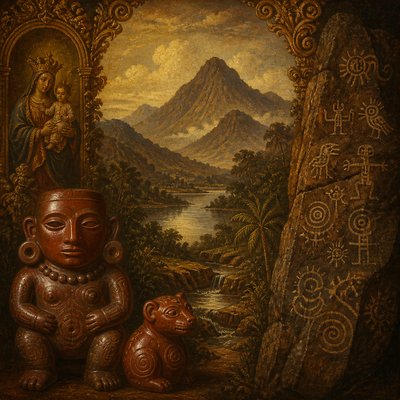
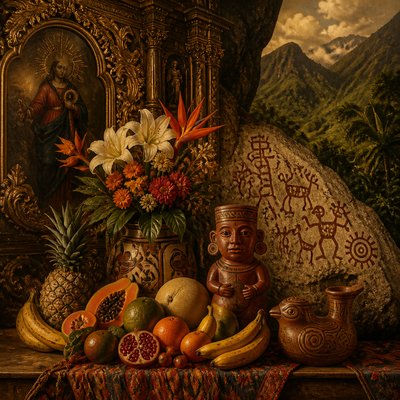
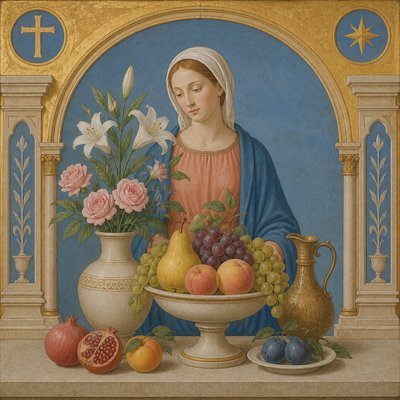
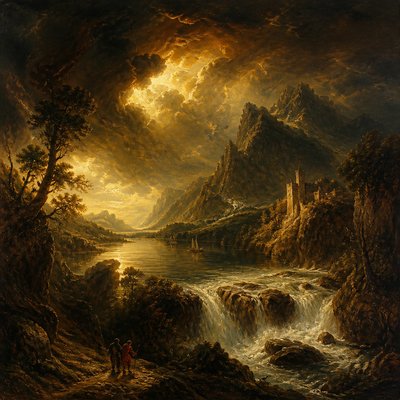
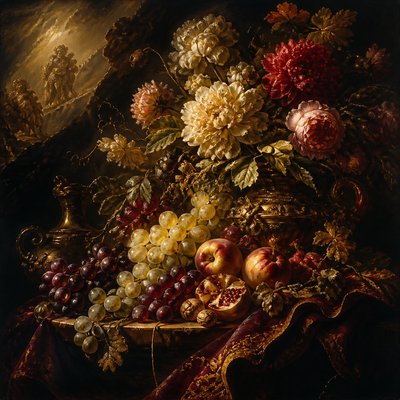
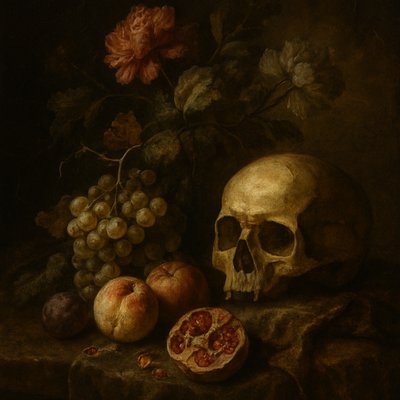
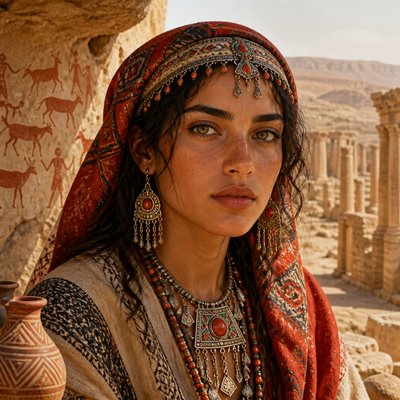
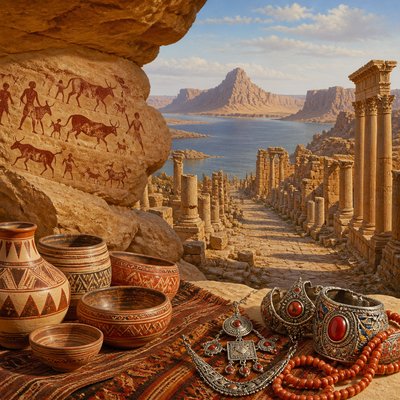
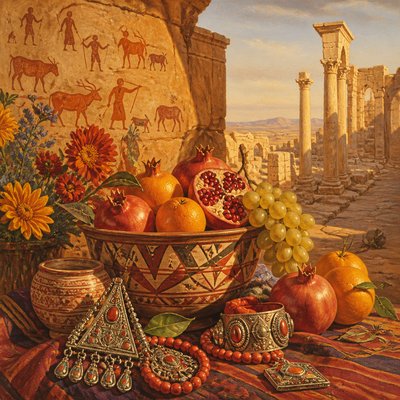
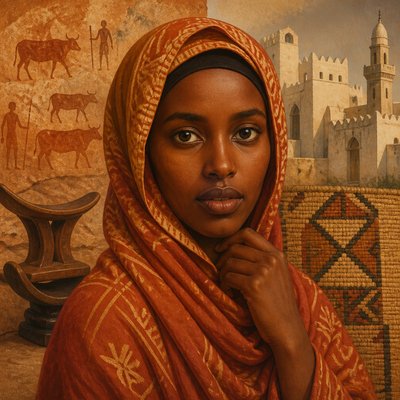
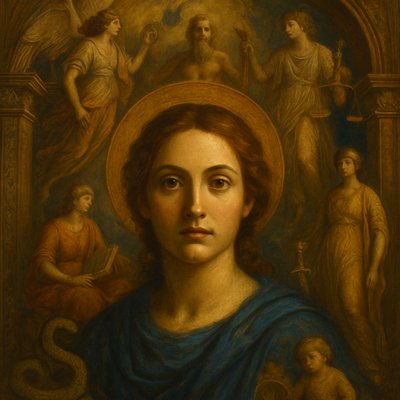
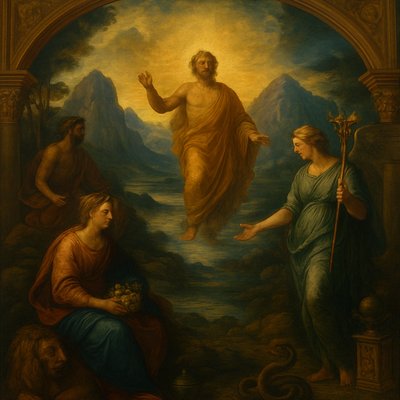
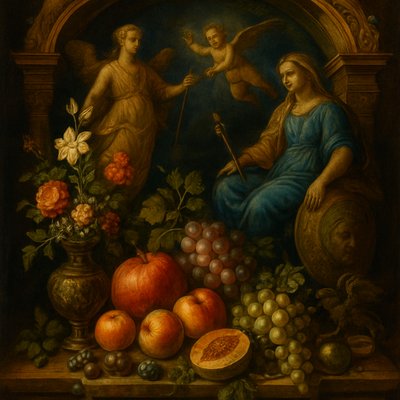
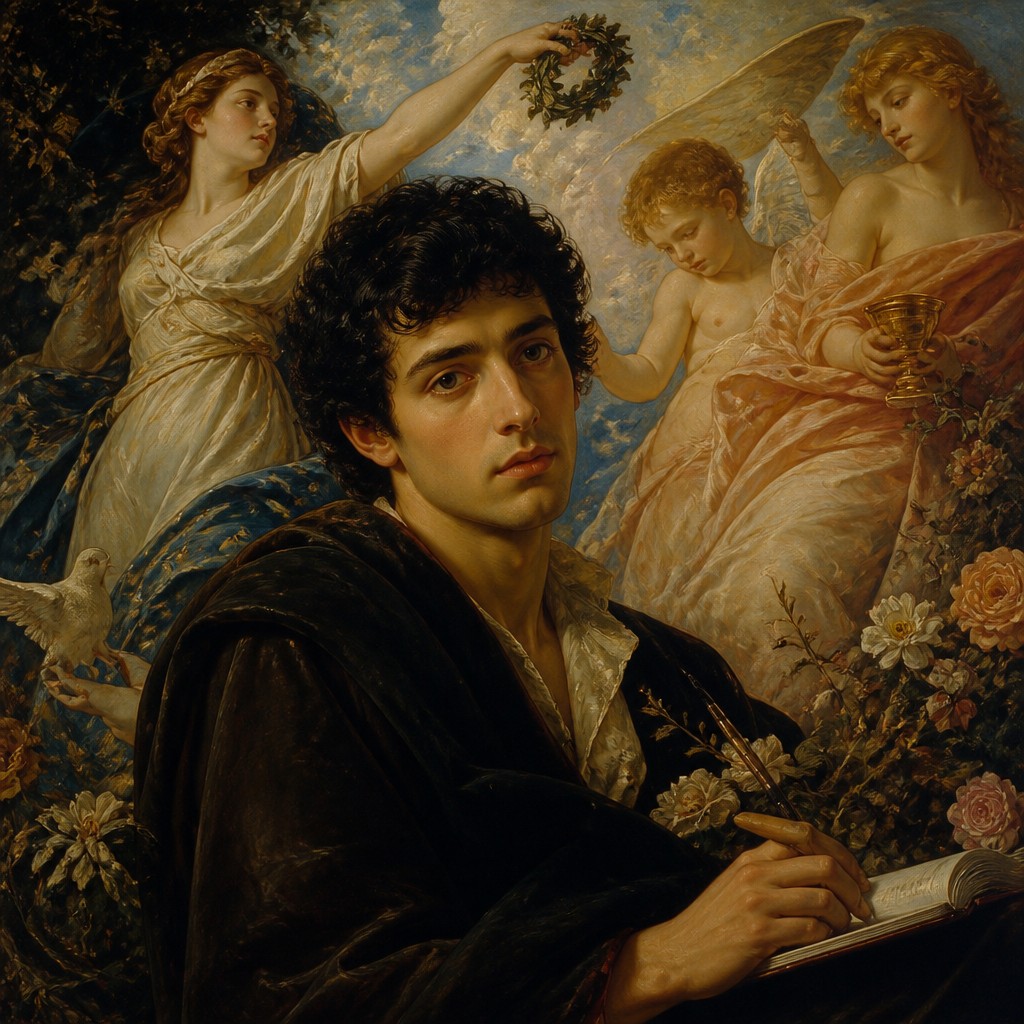
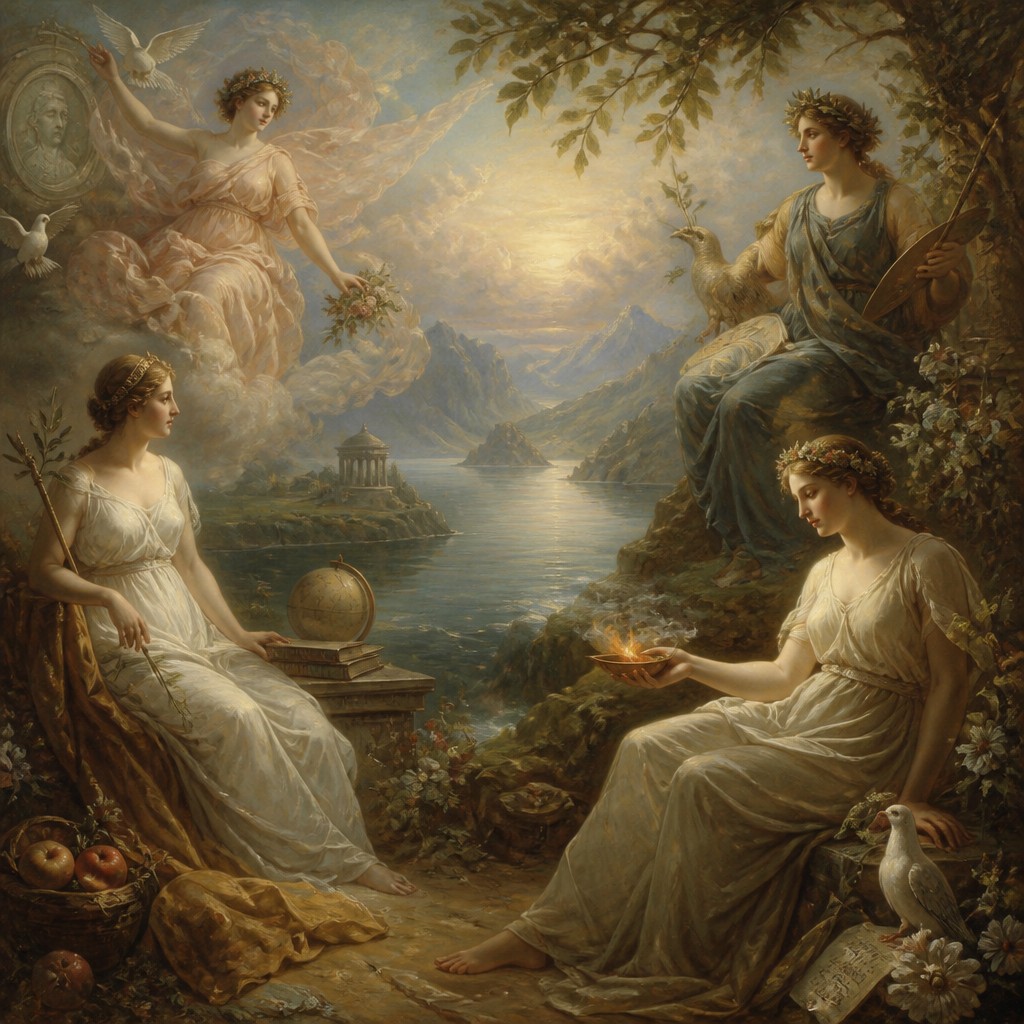
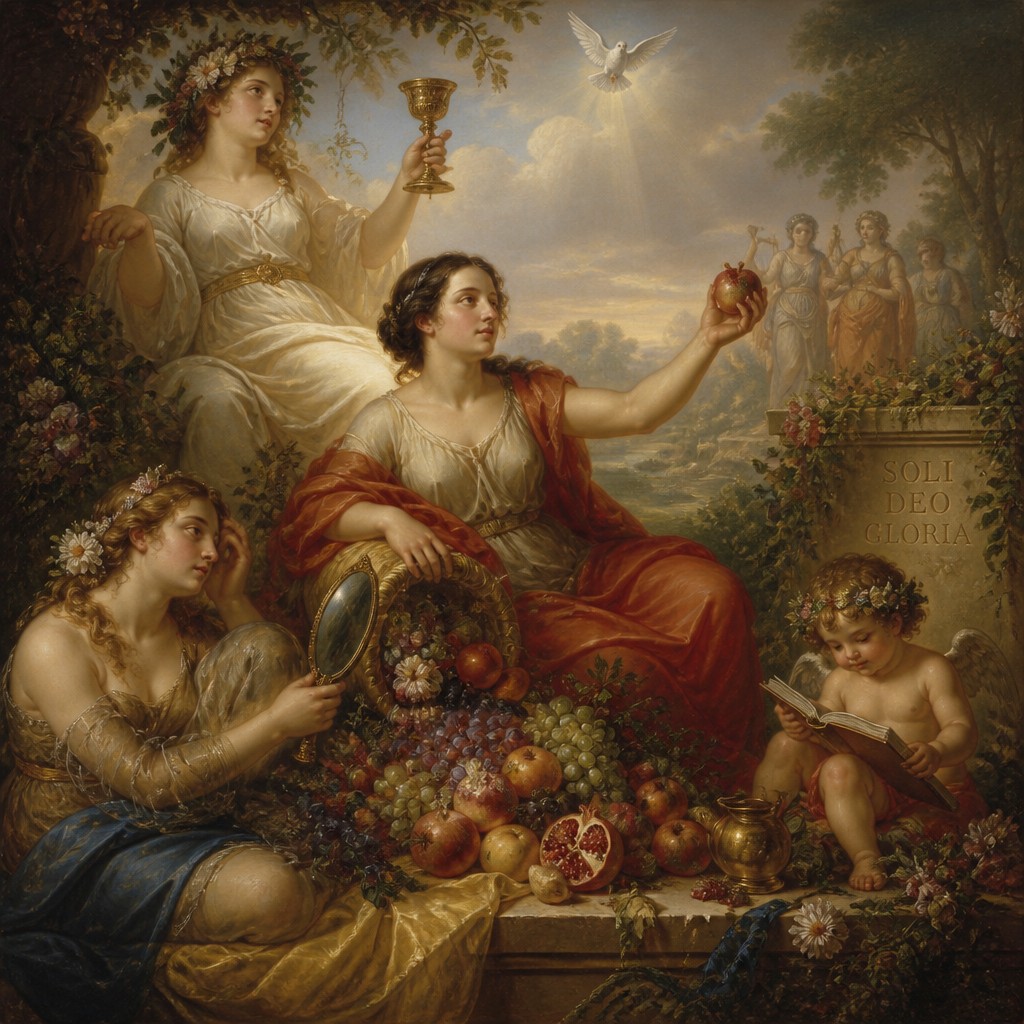
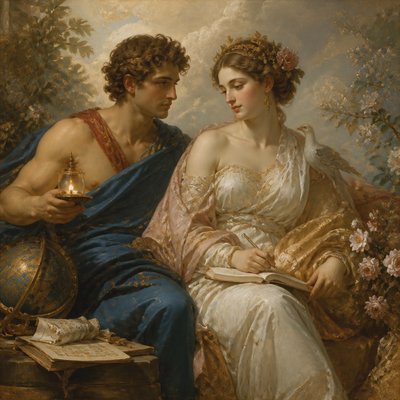
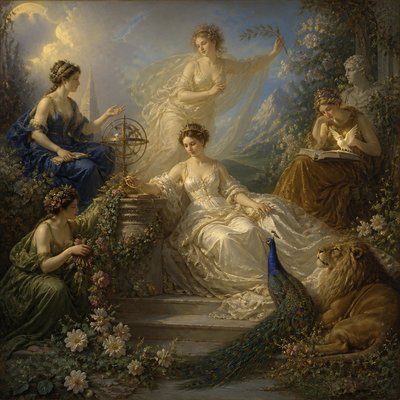
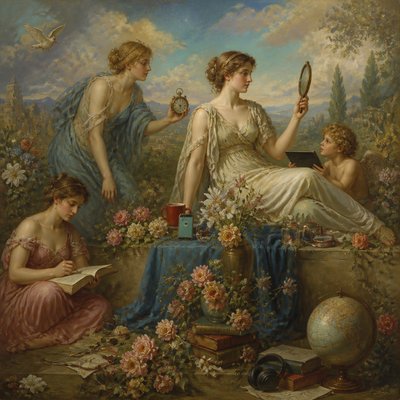
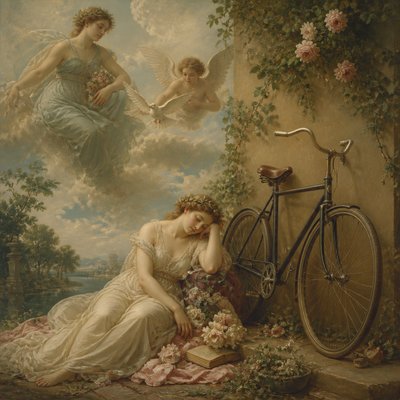
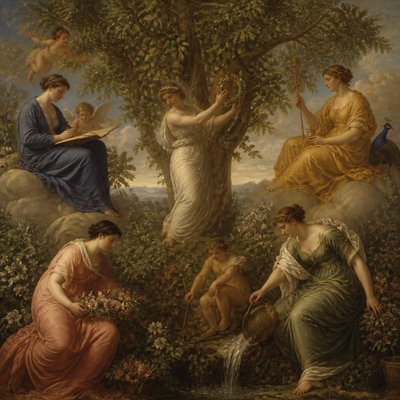
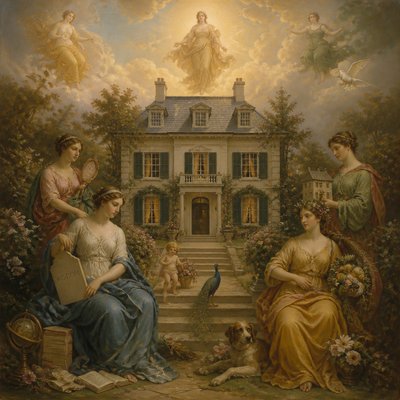
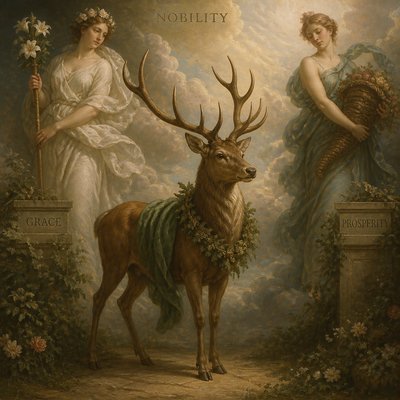
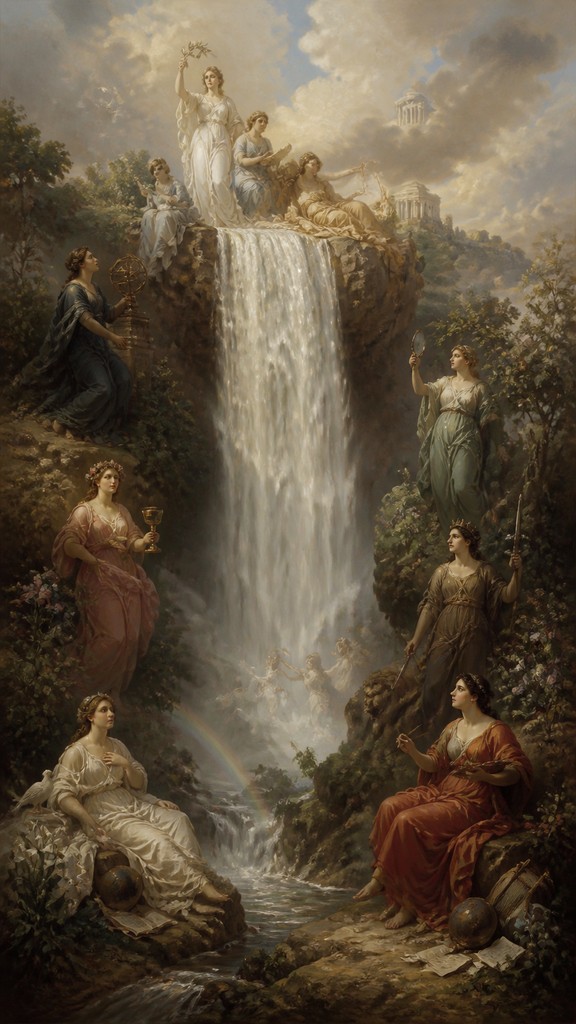
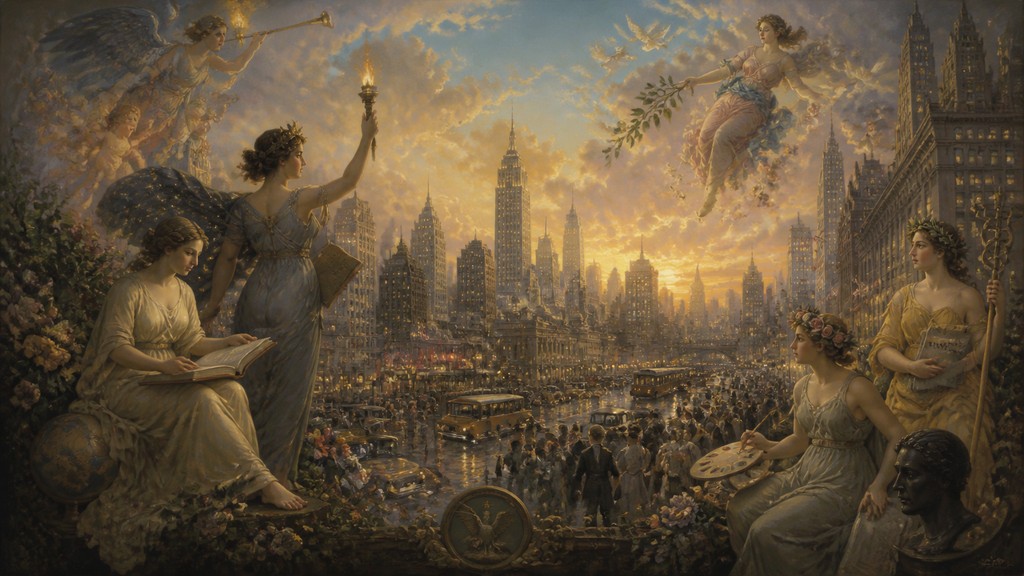
Allegorical Painting is a symbolic image-making tradition in which abstract ideas are represented as people, creatures, objects, or carefully arranged scenes. Justice may appear as a veiled figure with scales, Time as an elder carrying an hourglass, or Spring as a youthful presence surrounded by blossoms. Meaning is communicated through attributes, gestures, color, setting, and relationships between figures rather than through literal narrative alone.
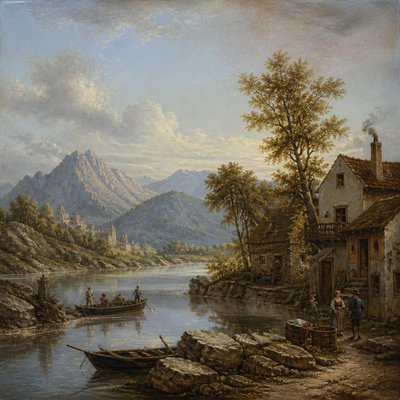
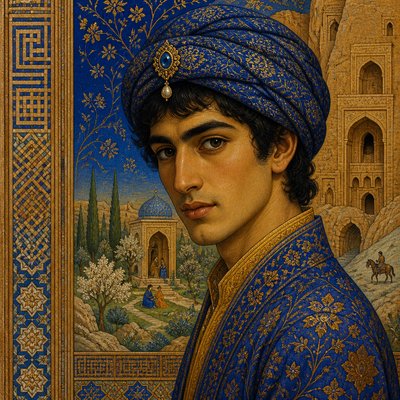
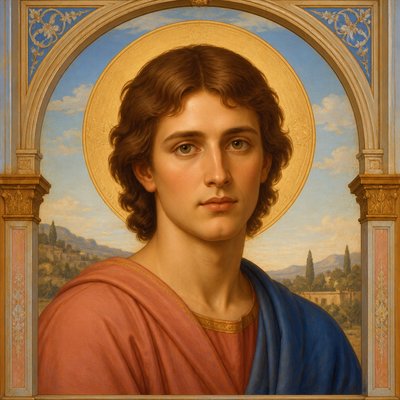
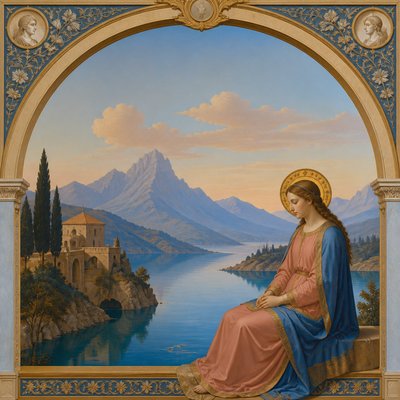
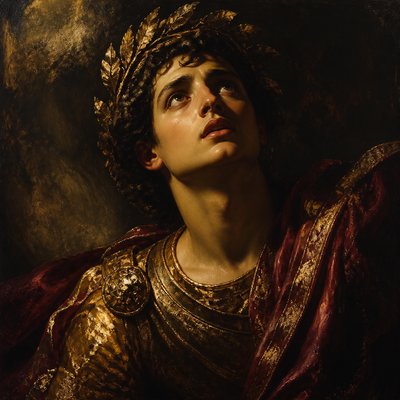
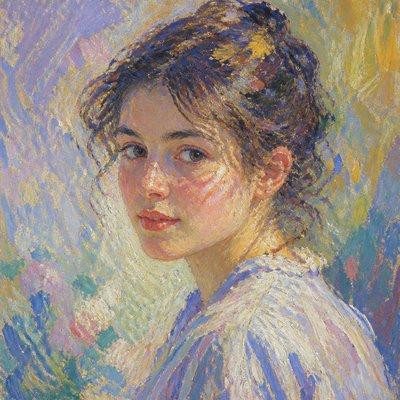
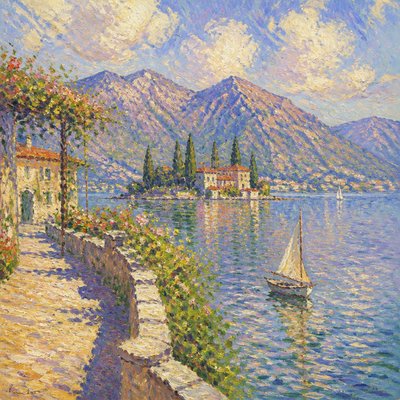
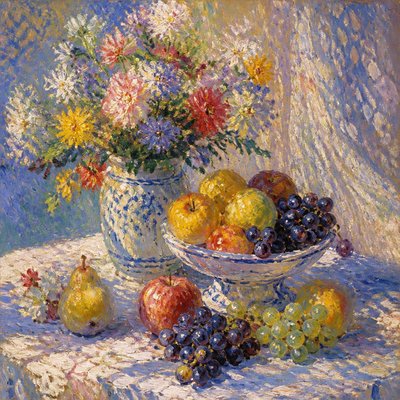
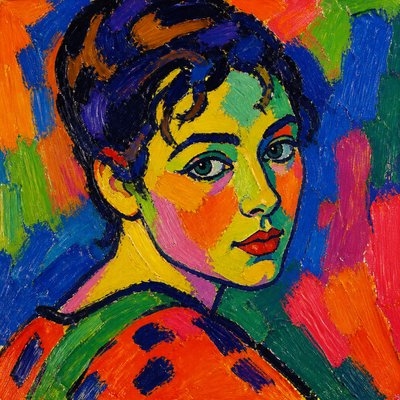
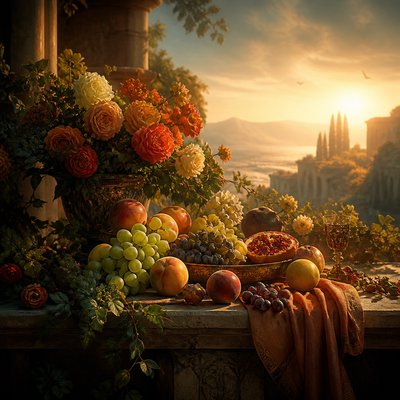
The style typically combines graceful human forms, soft classical drapery, composed gestures, and an atmosphere of elevated theatricality. Dreamlike gardens, clouds, temples, and pastoral landscapes provide an otherworldly stage, while refined old-master color, controlled light, and subtle mystery give the image a timeless character. Its visual richness comes from making every object function as both decoration and clue.
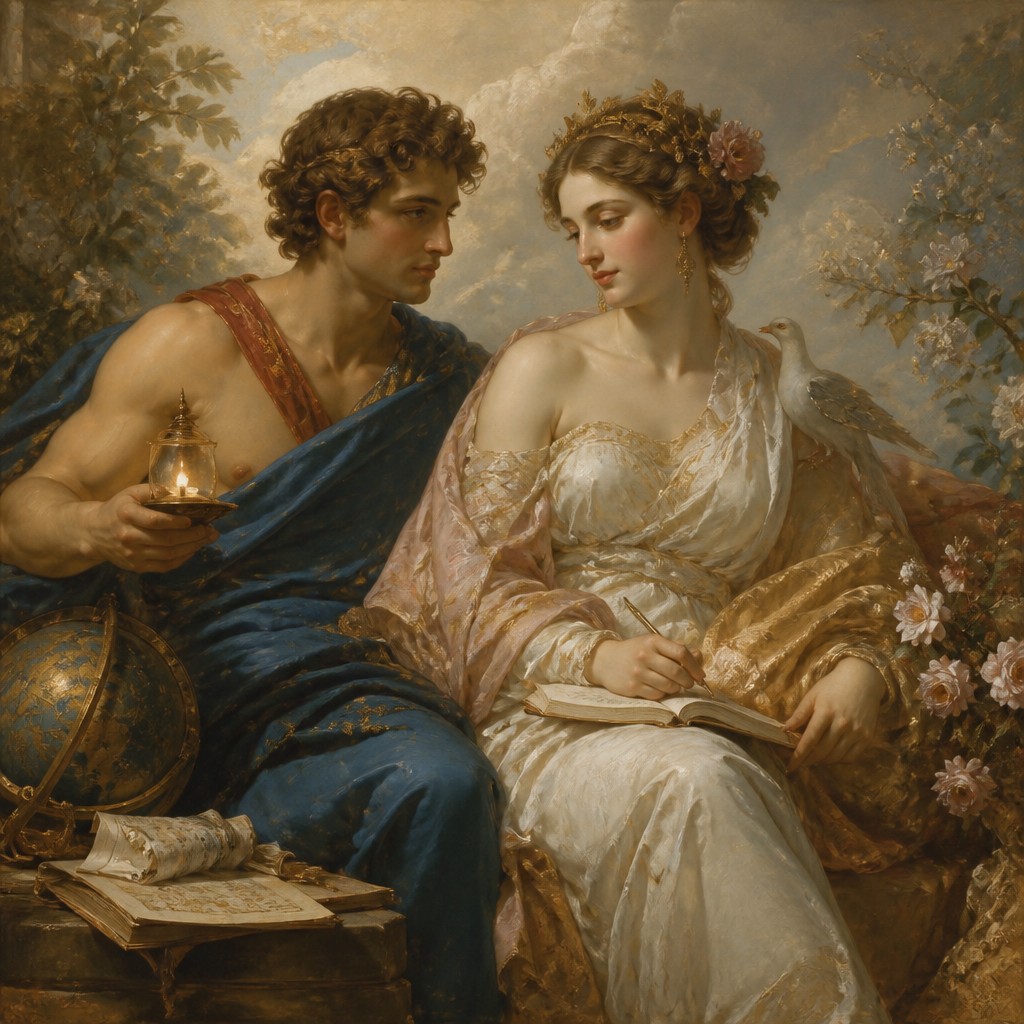
Try It On Your Photos
Upload any photo and convert it into Allegorical Painting Art Style — drag the sliders to compare before and after.
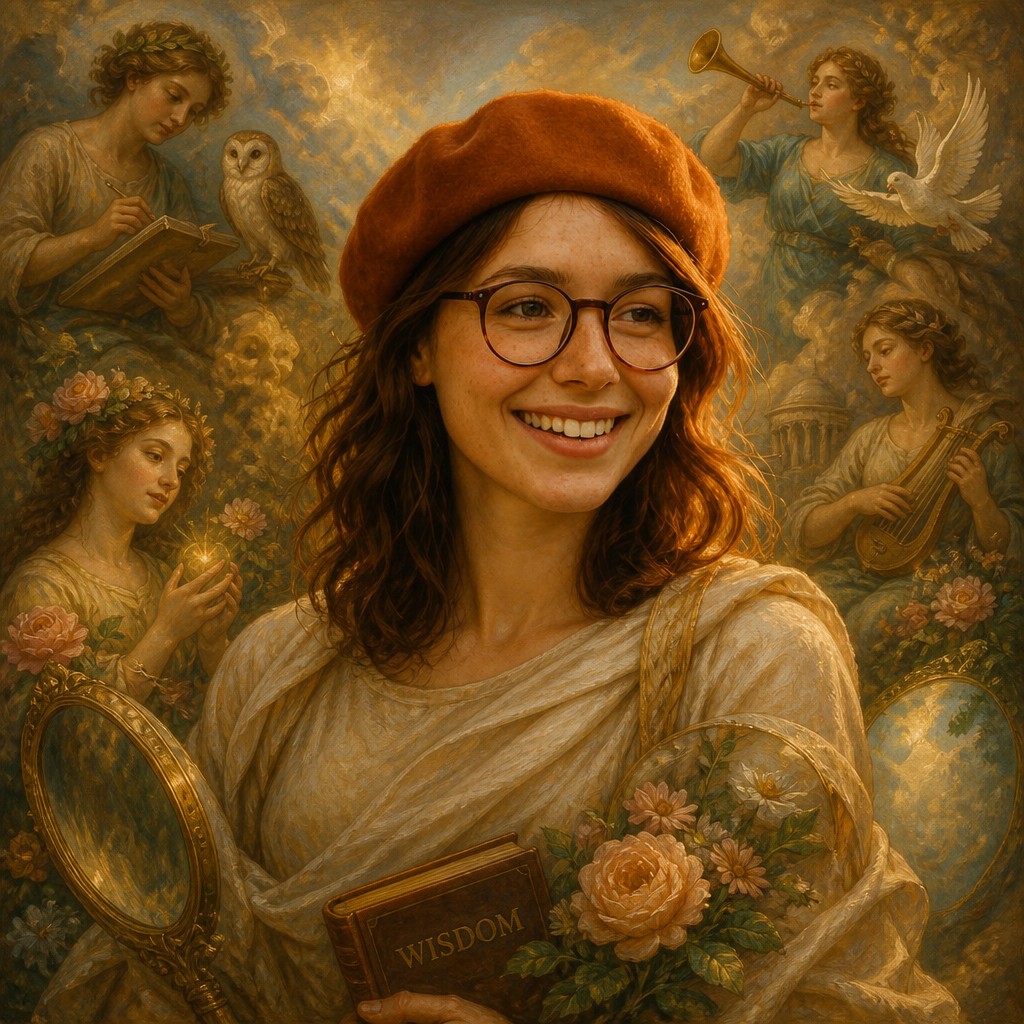

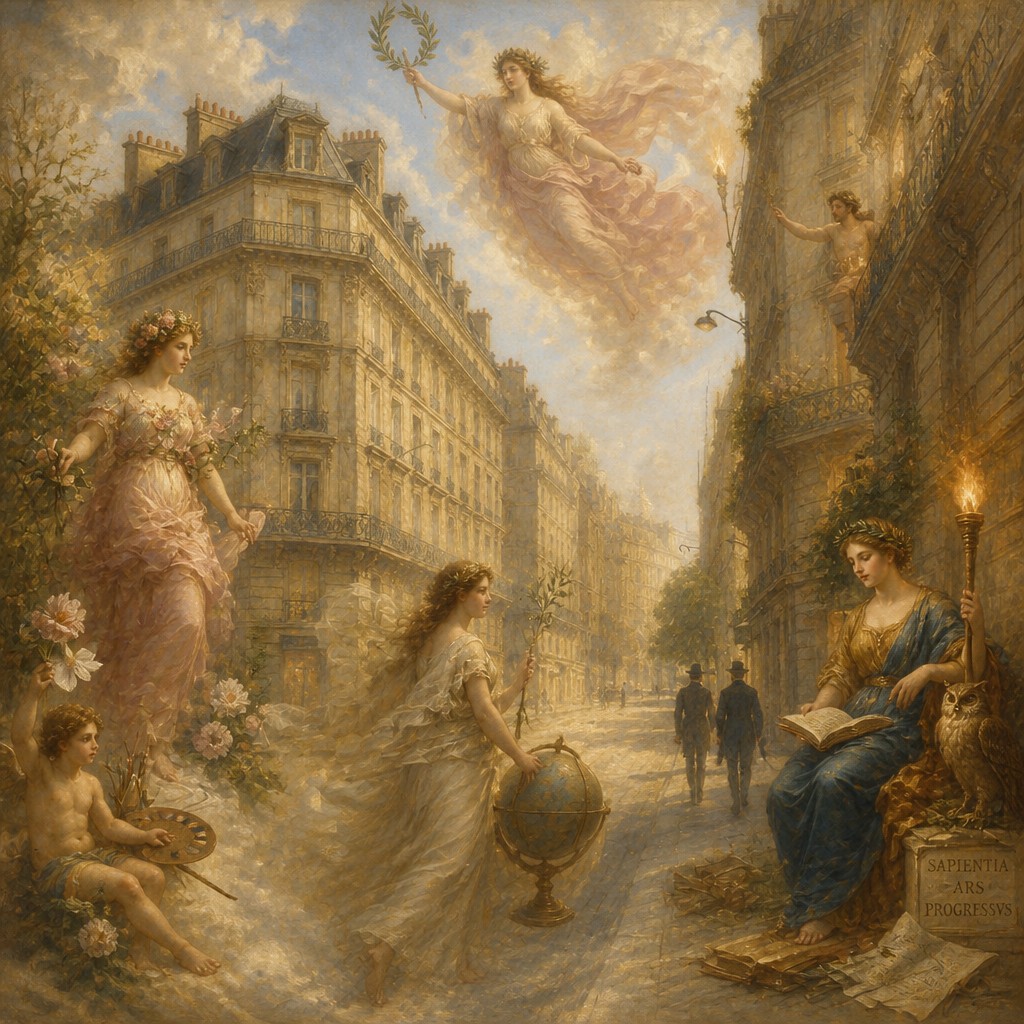

What Defines Allegorical Painting Art Style
The signature details, up close
Personified ideas
Virtues, emotions, seasons, planets, nations, and forces of nature appear as human or humanlike figures. Their posture, age, clothing, and expression help identify the concept they embody.
Symbolic attributes
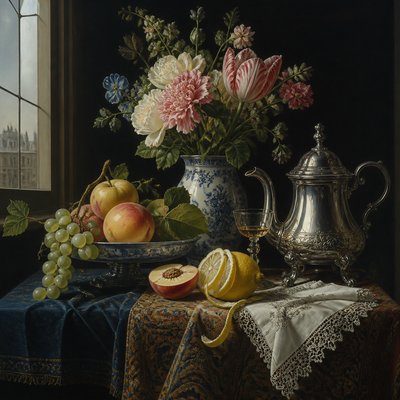
Objects such as scales, keys, mirrors, crowns, flowers, hourglasses, torches, and broken chains provide visual evidence of a figure’s meaning. These attributes are usually integrated into the composition rather than presented as isolated icons.
Classical drapery and gesture
Flowing garments, idealized anatomy, and restrained hand gestures create a sense of dignity and permanence. Drapery also supplies rhythm, movement, and color contrast across the scene.
Dreamlike settings
Gardens, clouds, marble terraces, celestial spaces, and pastoral landscapes act as symbolic stages. The setting often feels suspended between reality and imagination rather than tied to a precise location.
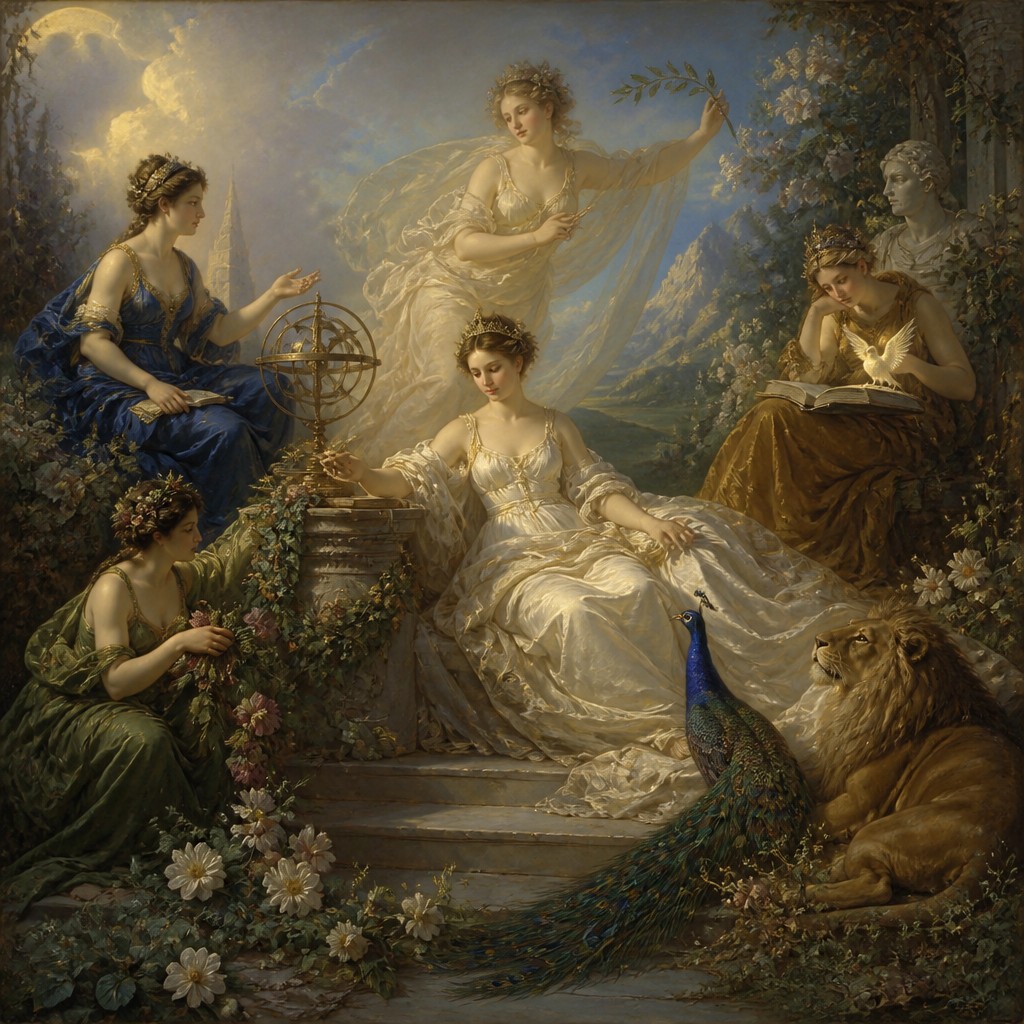
Old-master color and light
Muted reds, ochres, blue-greens, ivory, and warm shadow produce a patinated, painterly atmosphere. Soft illumination may isolate the central figure while allowing secondary symbols to emerge gradually.
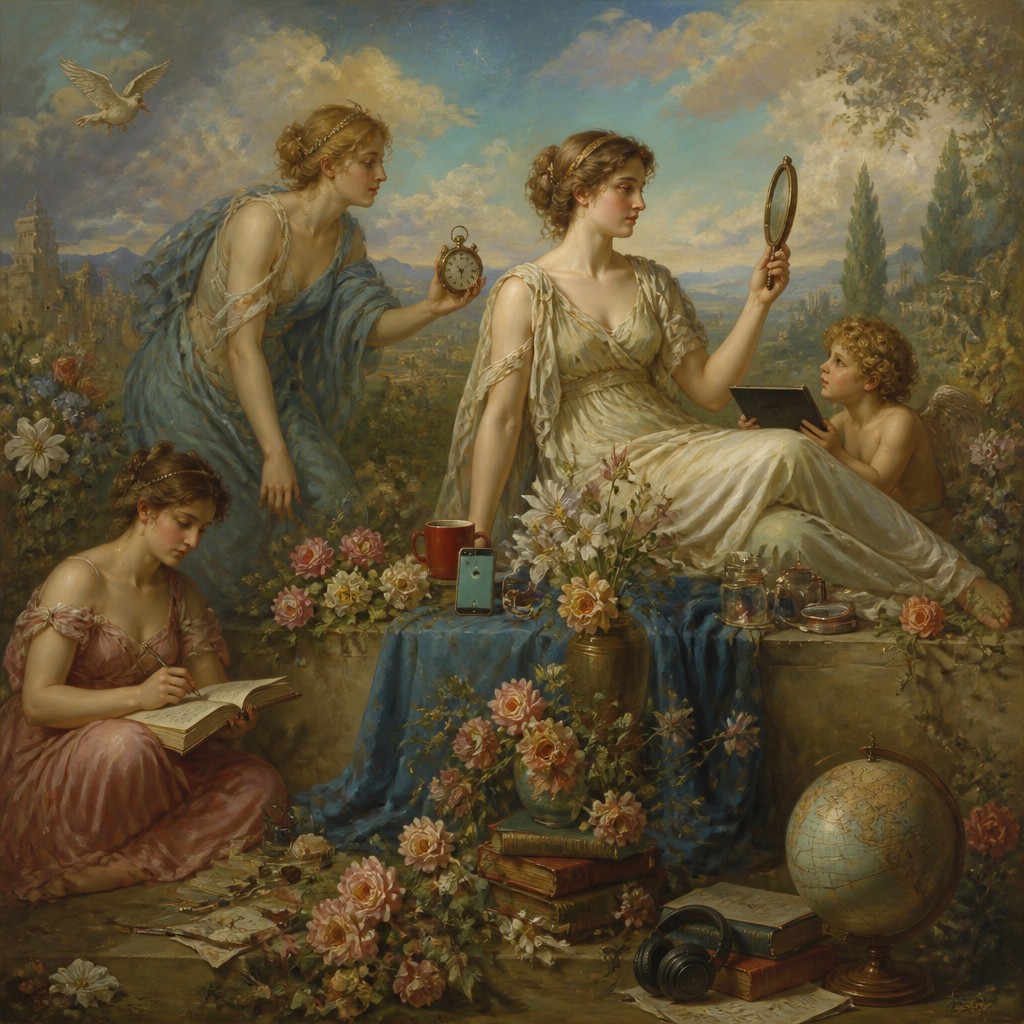
Composed narrative structure
Figures and objects are arranged so the viewer can read the image from one symbolic relationship to another. Balanced groups, diagonals, arches, and visual pathways give the scene ceremonial order.
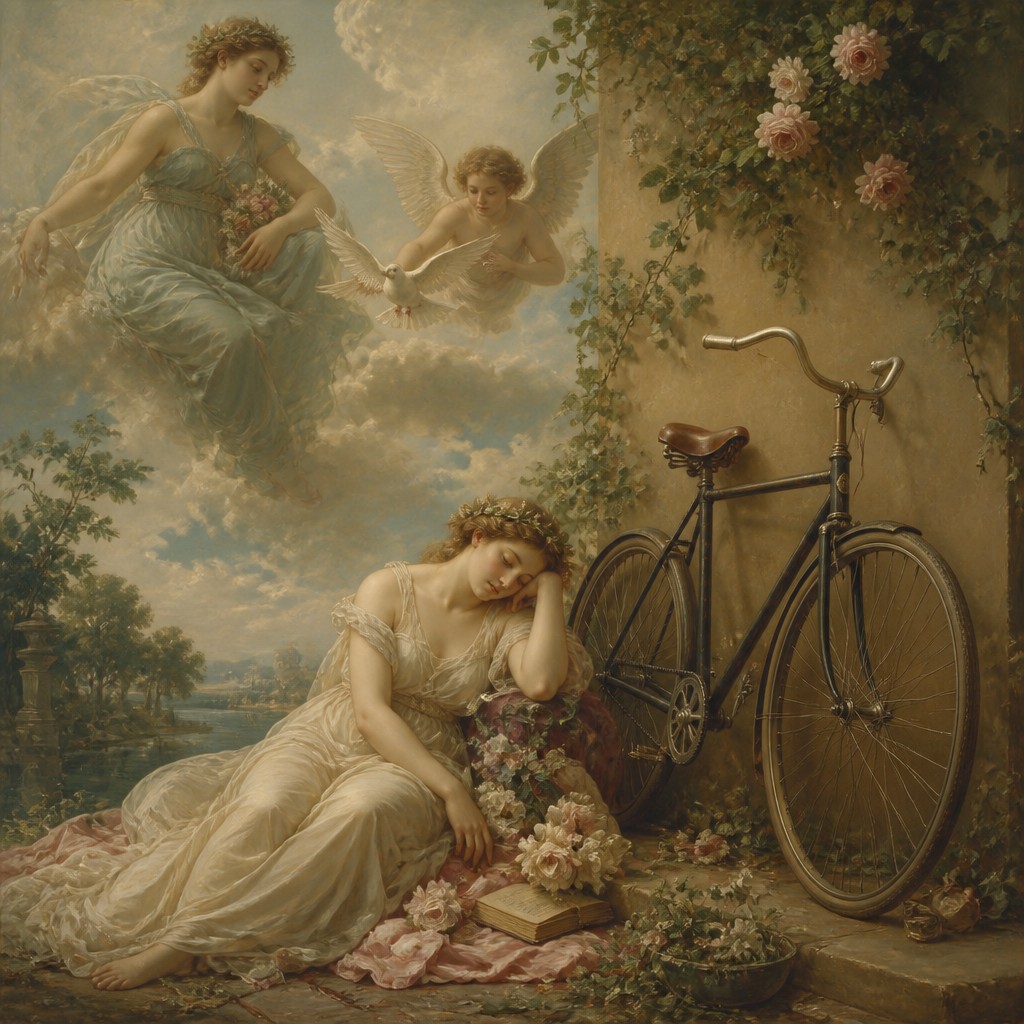
Gentle mystery
The meaning is suggestive rather than completely explicit, encouraging interpretation. Veils, distant horizons, ambiguous expressions, and layered symbols can make the image feel poetic and intellectually open.
Try It
Create Videos in Allegorical Painting Art Style
Styles aren't just for stills — describe a scene or animate an image and get a short video rendered in Allegorical Painting. Press play to see this pond come to life.
Make a VideoAllegorical Painting Prompt Ideas
Start from an idea — each one opens the generator with the style ready to go. See all 40 Allegorical Painting prompts →
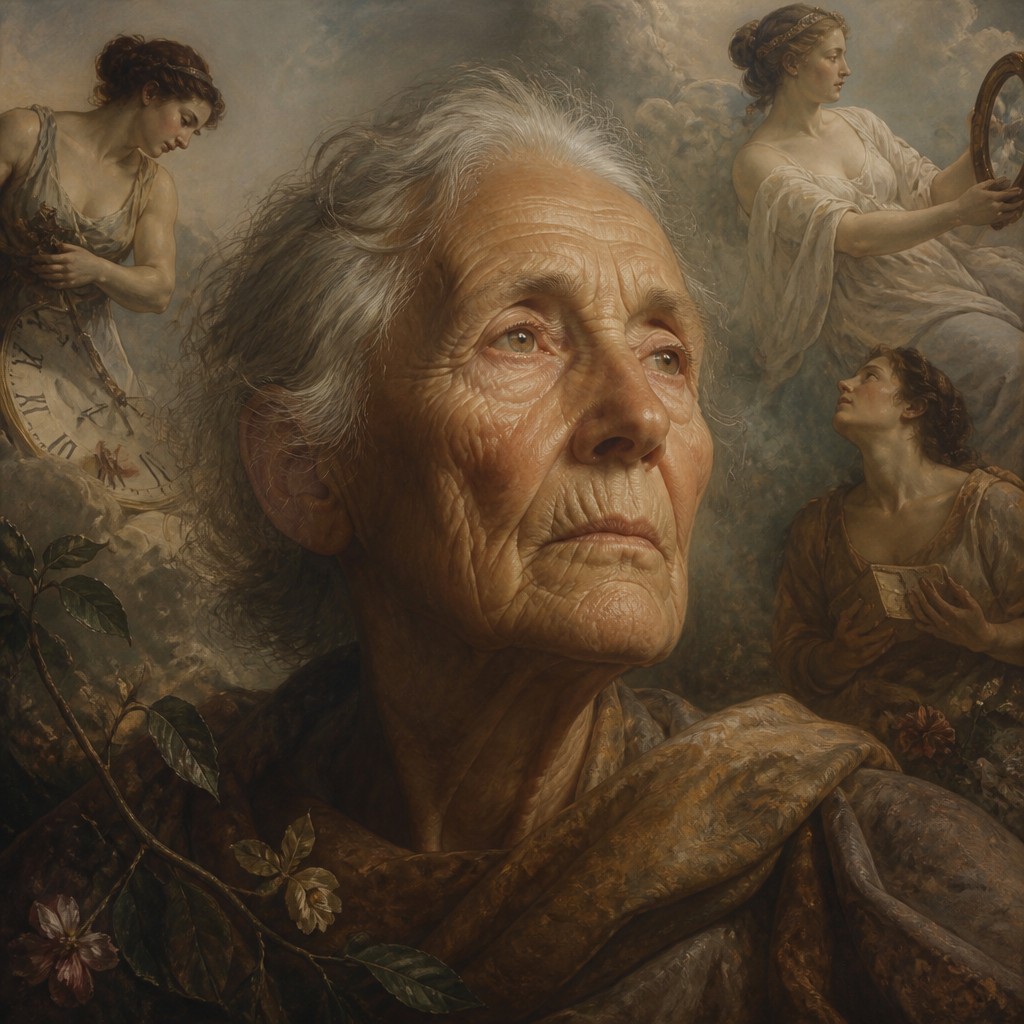
“close-up portrait of an elderly person with expressive weathered features”
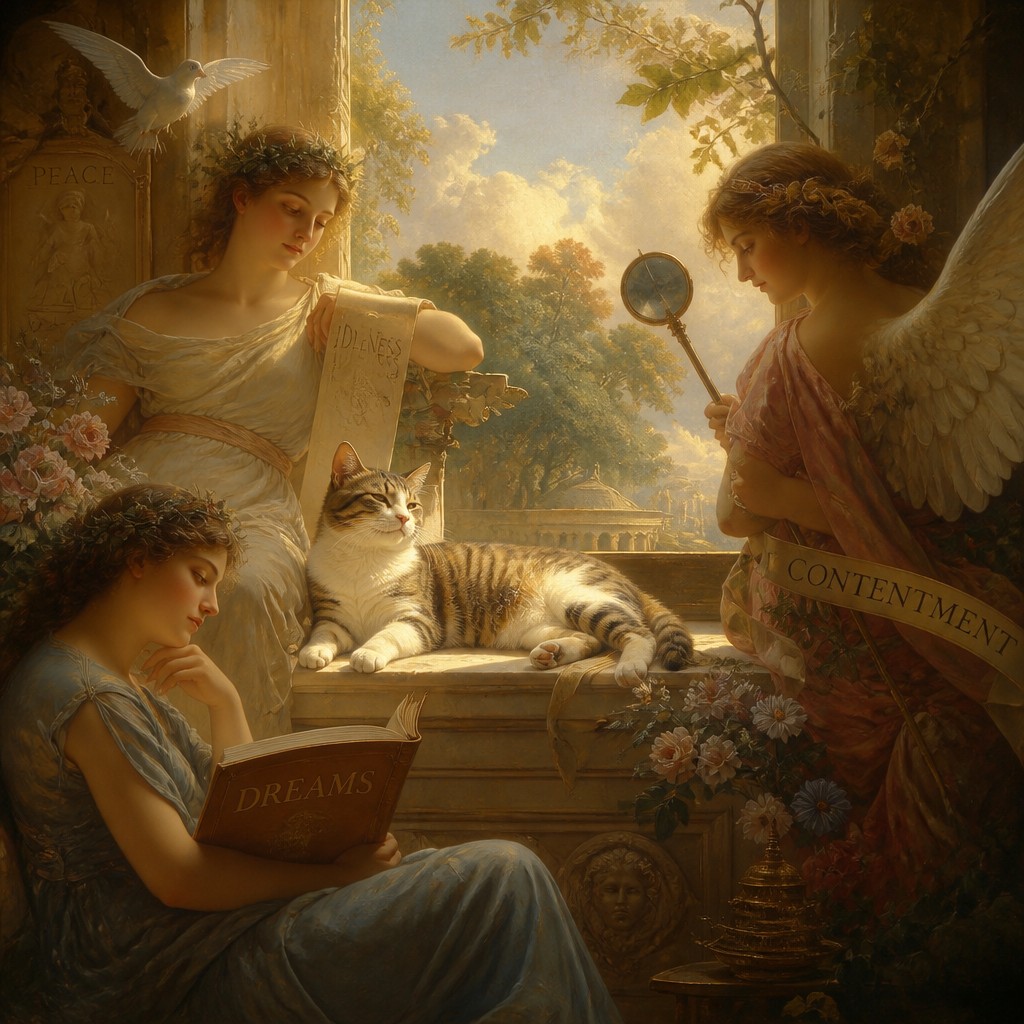
“a cat lounging in a sunlit window”
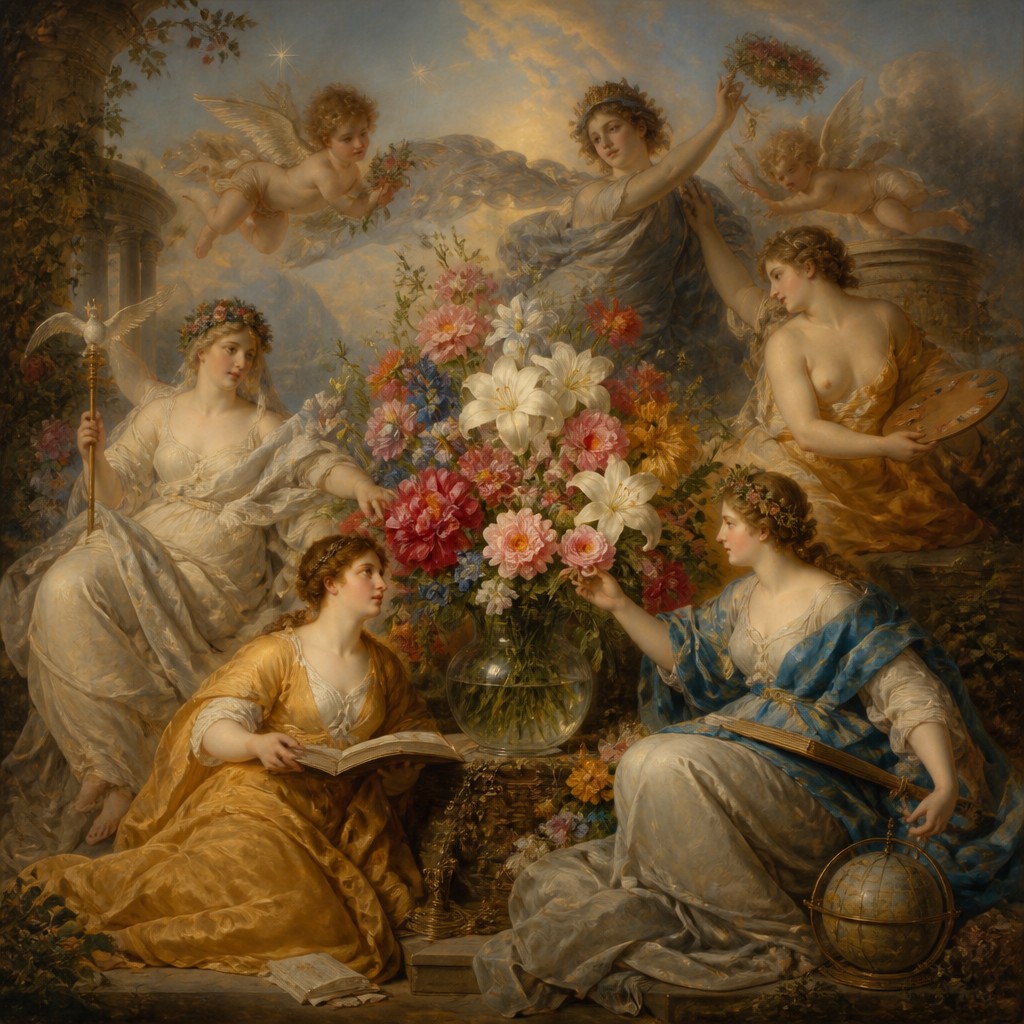
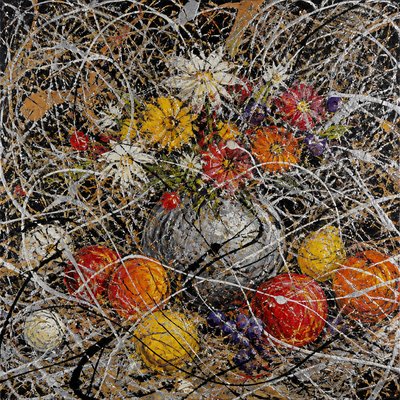
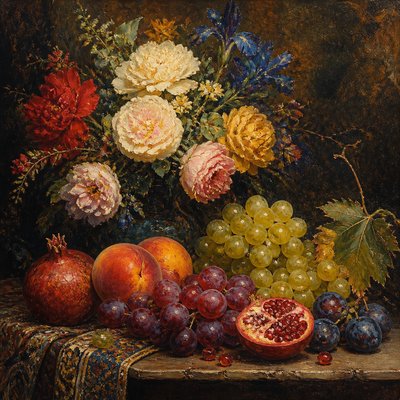
“bouquet of flowers in a glass vase”
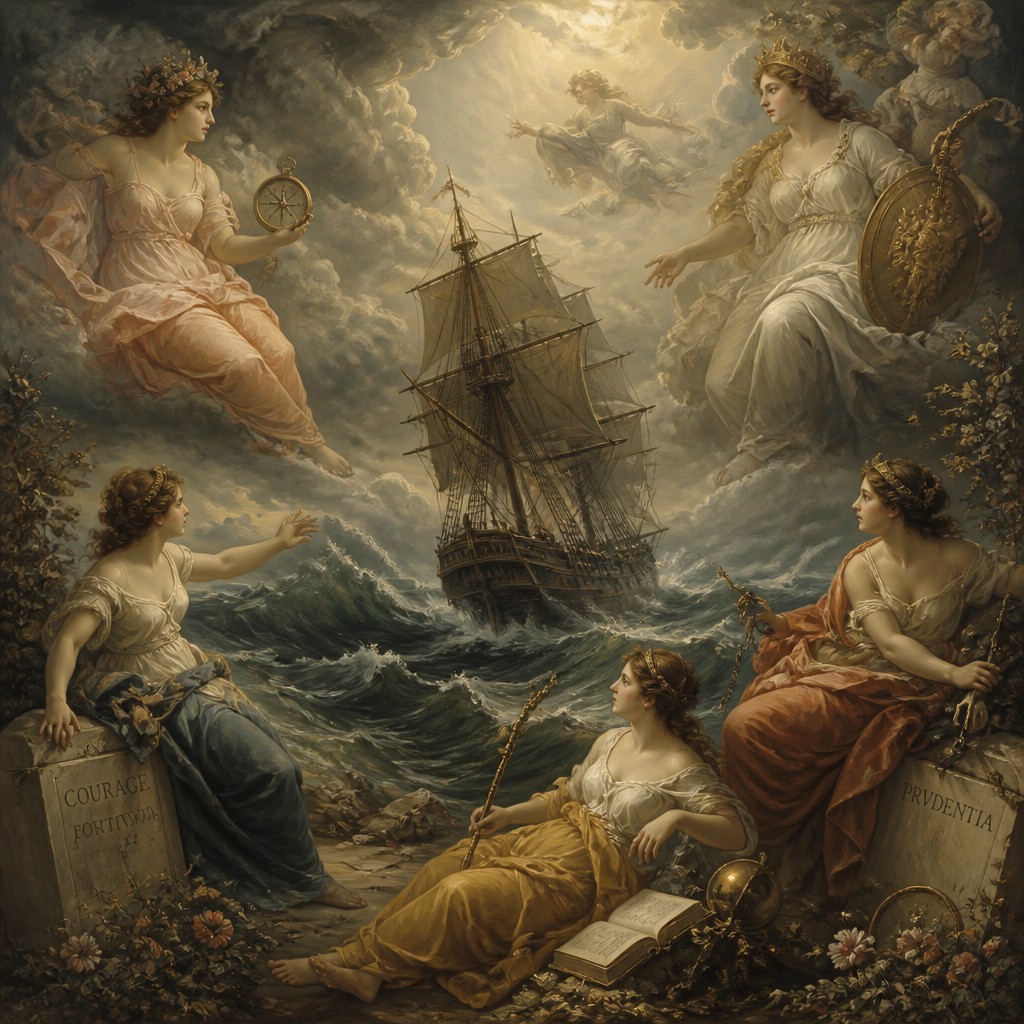
“sailing ship on a stormy sea”
How to Create Allegorical Painting Art
Master the craft step by step — or skip straight to creating. Read the full guide →
- 1
Define the central concept
Choose one primary idea, such as memory, justice, renewal, envy, or mortality, and assign it a clear figure, attribute, and gesture. Limit secondary symbols so the image remains legible.
- 2
Build a symbolic composition
Place the main personification at a visual center and arrange supporting figures or objects around it in a readable hierarchy. Use diagonals, arches, or a receding landscape to guide the eye through the story.
- 3
Use controlled painterly technique
For traditional work, begin with a tonal underpainting, establish large value masses, then layer opaque and translucent color to model faces, fabric, and atmospheric distance. In digital painting, textured brushes, low-opacity glazing, and selective edge softness can produce a comparable surface.
- 4
Make materials carry meaning
Give each object a symbolic role as well as a convincing physical texture: polished metal can suggest authority, wilted leaves can suggest decline, and translucent fabric can imply vulnerability or spirit.
- 5
Prompt for relationships, not just props
A strong text prompt should identify the personified idea, its attributes, the setting, the pose, the lighting, and the intended historical mood. Ask for a coherent symbolic scene rather than a random collection of mythic objects.
- 6
Refine the generated image
Check that hands, attributes, facial expressions, and symbolic objects remain readable and that the visual hierarchy is clear. Revise prompts or edit locally to remove duplicate symbols, modern distractions, and muddy background detail.
The Story
History & Origins of Allegorical Painting
Allegorical Painting is best understood as a recurring mode rather than a single historical movement. Its foundations lie in ancient personification, classical mythology, religious symbolism, emblems, and the tradition of representing virtues and vices as human figures. It became especially prominent in European Renaissance and Baroque art, when courts, churches, civic institutions, and scholars used complex symbolic scenes to express political power, moral principles, religious ideas, and the passage of time.
The language continued through Neoclassicism, academic history painting, decorative murals, illustrated books, and nineteenth-century Symbolist imagery. Contemporary versions often simplify or recombine these inherited symbols, drawing on fantasy illustration, surrealism, staged photography, and digital painting while retaining the central idea that an image can embody an invisible concept.
Influences: The style draws on classical mythology and personification, Renaissance and Baroque allegorical painting, religious iconography, emblem books, Neoclassical composition, academic history painting, and Symbolist dream imagery. It also relates to fantasy illustration, staged photography, surreal-conceptual art, and contemporary digital painting, especially where symbolic objects and invented worlds are used to express psychological or philosophical ideas.
Frequently Asked Questions
What defines Allegorical Painting?
Its defining feature is the representation of an abstract idea through a figure, object, action, or symbolic environment. A successful image provides enough visual clues to suggest a meaning while preserving some ambiguity and poetic interpretation.
Is Allegorical Painting a historical art movement?
No, it is more accurately a subject and compositional mode that appears across many periods and movements. Its visual language has strong roots in classical, Renaissance, Baroque, Neoclassical, and Symbolist traditions, but artists continue to adapt it today.
How is it different from mythological painting?
Mythological painting usually depicts stories and characters from a particular mythic tradition. Allegorical Painting may borrow mythic imagery, but its central purpose is to embody an abstract concept such as freedom, grief, knowledge, or change.
How can I make an allegorical image readable?
Start with one dominant idea and select a small set of recognizable attributes for it. Use pose, lighting, color, and composition to reinforce the concept, then remove decorative details that compete with the main symbolic message.
Does allegory need to look classical?
No. Classical drapery, idealized figures, and marble settings are common because they connect the image to established traditions of personification, but allegory can also use modern clothing, abstract forms, photography, collage, or graphic design.
Where is Allegorical Painting used today?
It appears in editorial illustration, book covers, posters, fantasy and game imagery, public murals, advertising concepts, gallery painting, and digital narrative art. It is particularly useful when a complex theme must be communicated through a single memorable scene.
Create your first Allegorical Painting artwork
Describe anything — or upload a photo — and see it in Allegorical Painting Art Style in seconds.
Related Styles
Discover similar art styles