Nicaraguan Art Style
Explore Nicaraguan art style: Solentiname color, volcanic stone figures, Chorotega pottery patterns, and vivid Lake Nicaragua island life.
Instantly rendered in Nicaraguan — or transform a photo
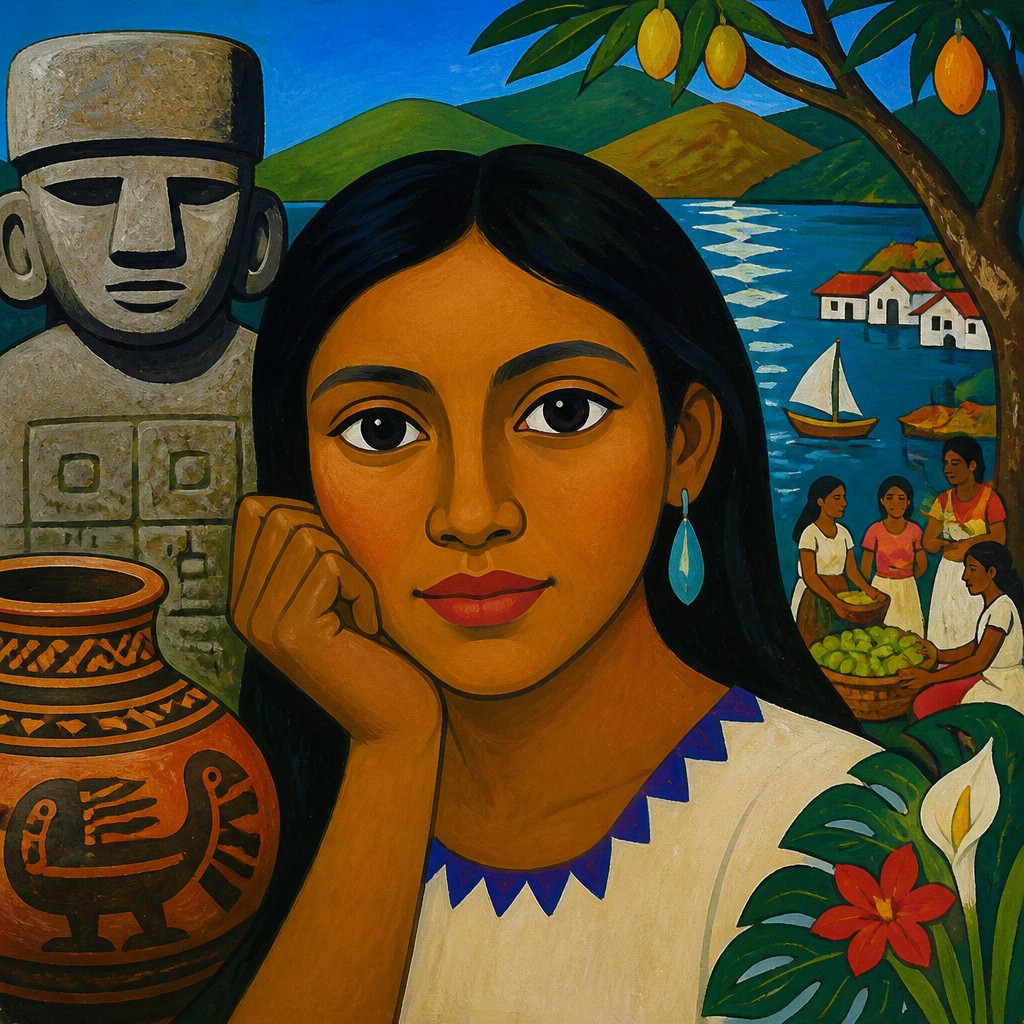
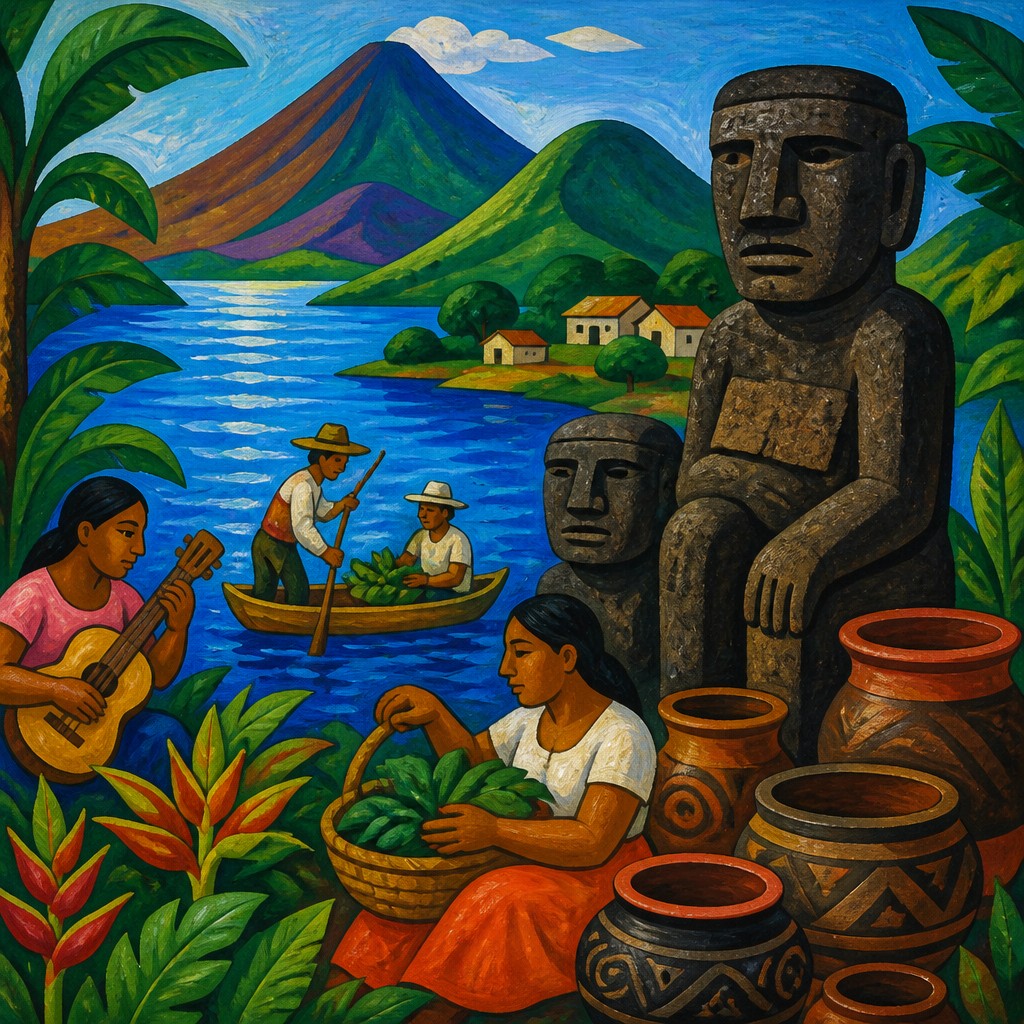
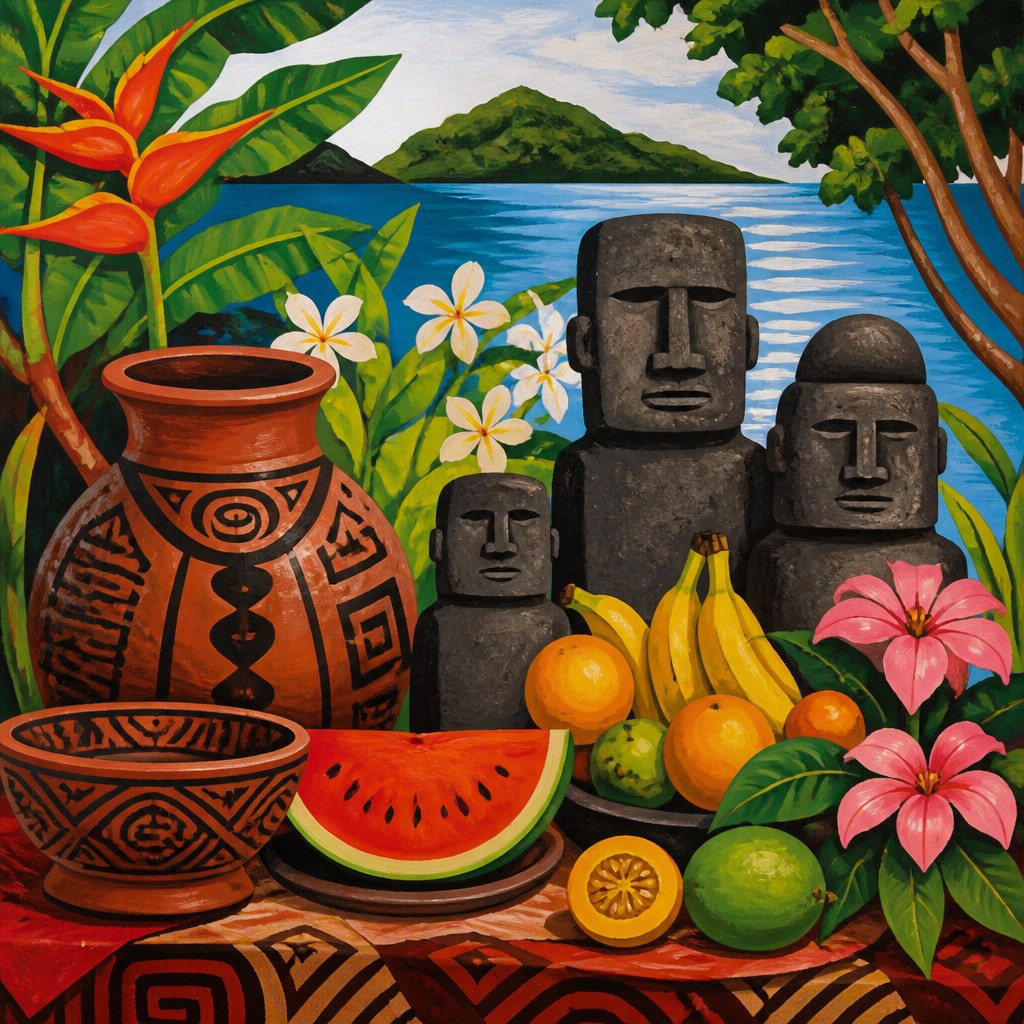
Nicaraguan Gallery
Tap any artwork to explore it
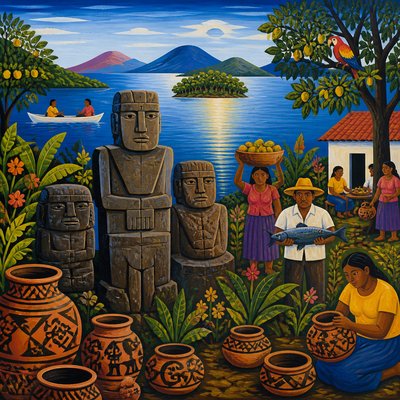
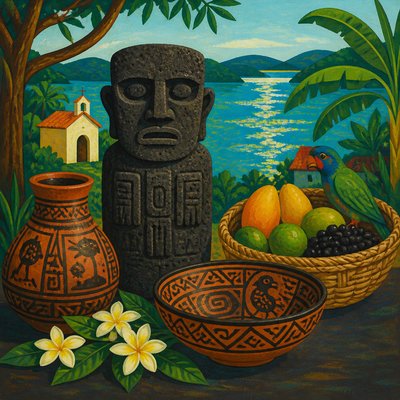
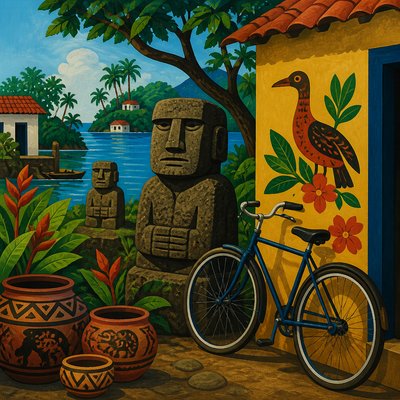
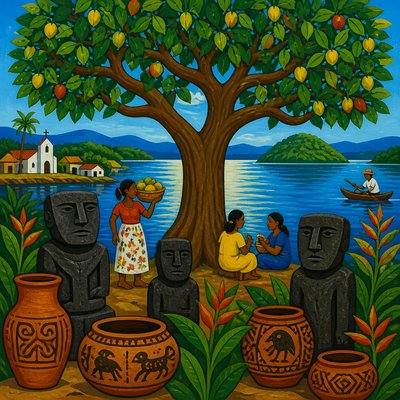
What is Nicaraguan Art Style?
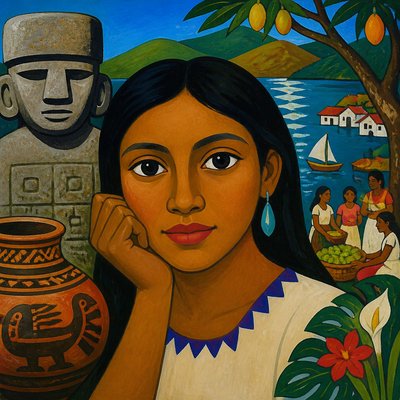
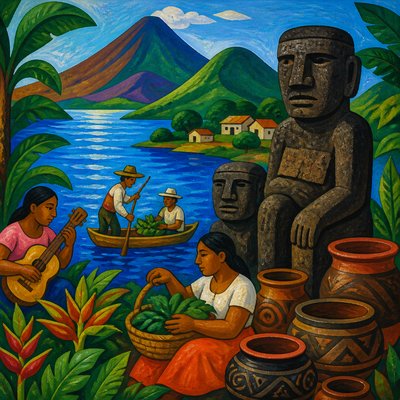
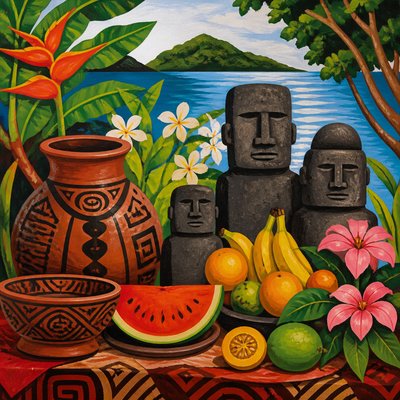
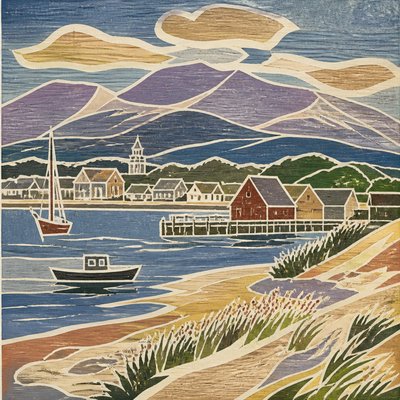
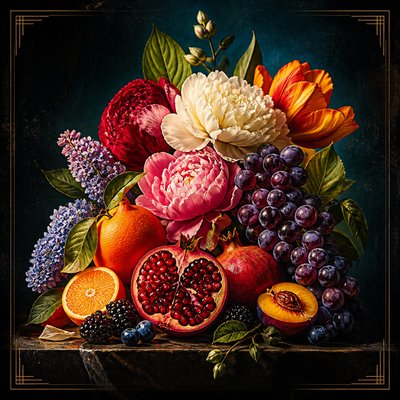
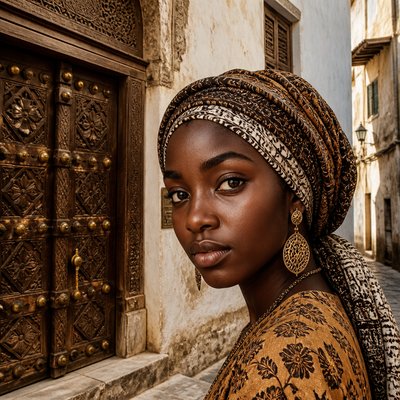
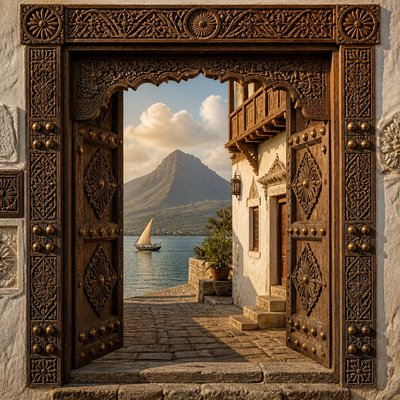
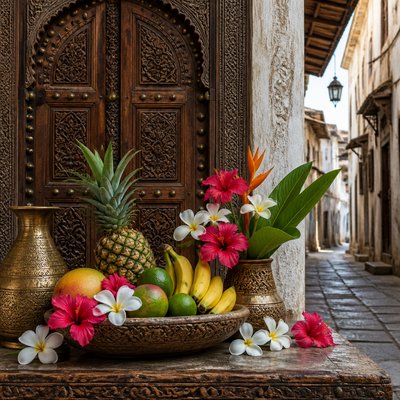
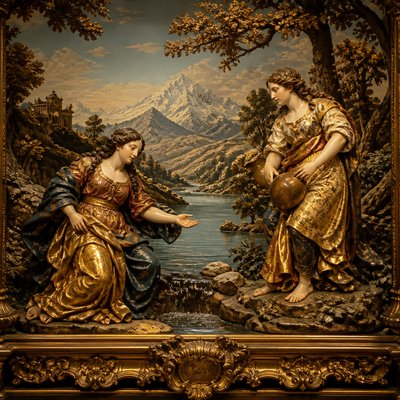
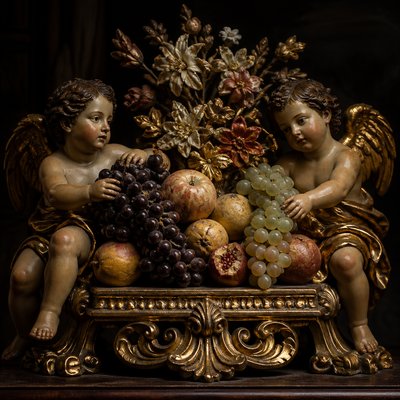
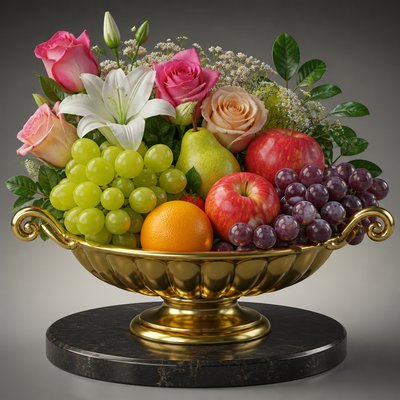
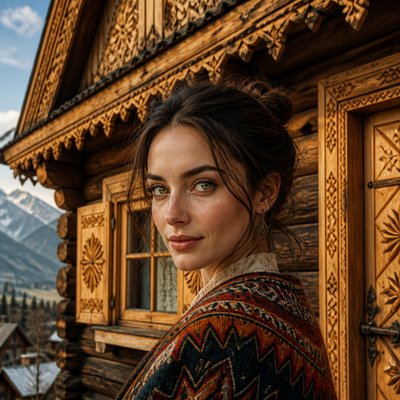
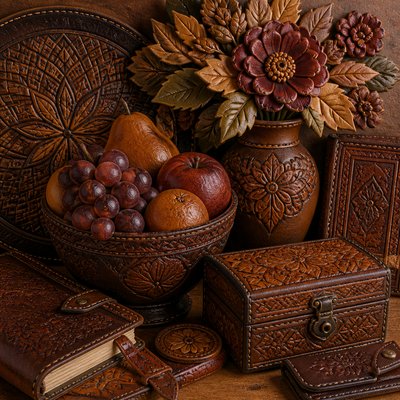
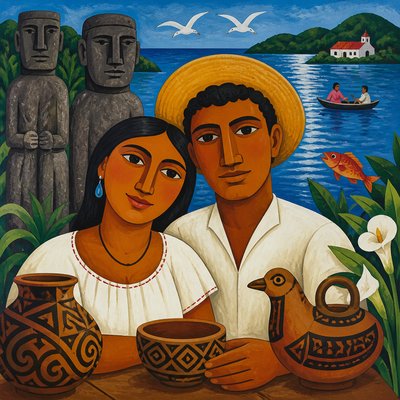
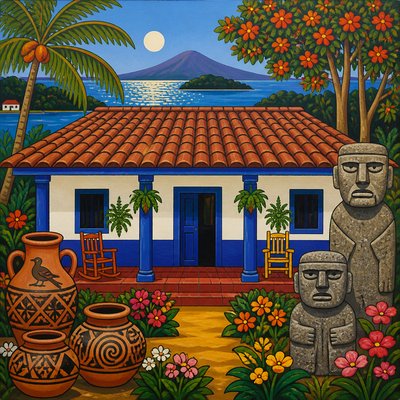
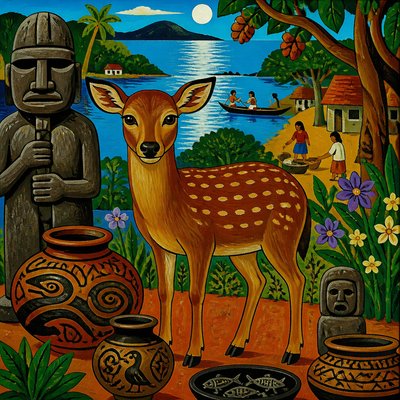
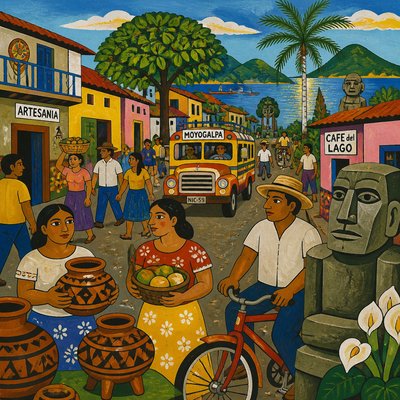
Nicaraguan art style is a contemporary descriptive blend of visual traditions associated with Nicaragua rather than a single, formally defined historical movement. Its most recognizable expression combines the bright, simplified island scenes of Solentiname primitivist painting with the stern geometric presence of monumental basalt sculpture from Zapatera Island and the patterned surfaces of Chorotega pottery.
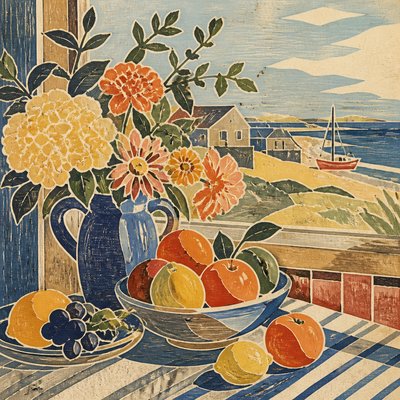
The style favors direct observation, flattened space, strong silhouettes, and saturated tropical color. Lake reflections, volcanic terrain, birds, fish, palms, village life, and communal labor are organized into clear, emblematic compositions. Warm terracotta, charcoal black, mineral gray, turquoise, leaf green, yellow, and coral create a visual language that feels both celebratory and materially grounded in Nicaragua's lakes, volcanic geology, and Indigenous artistic heritage.
Try It On Your Photos
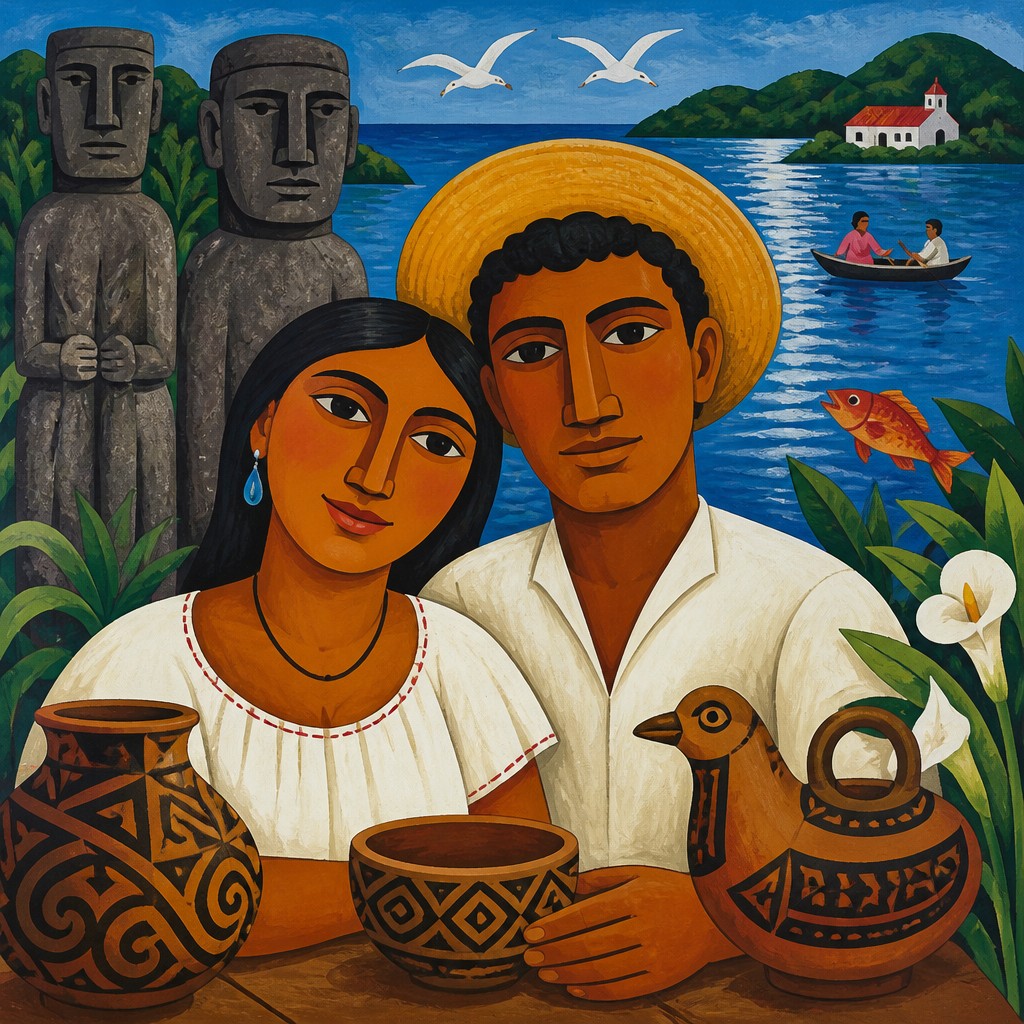
Upload any photo and convert it into Nicaraguan Art Style — drag the sliders to compare before and after.
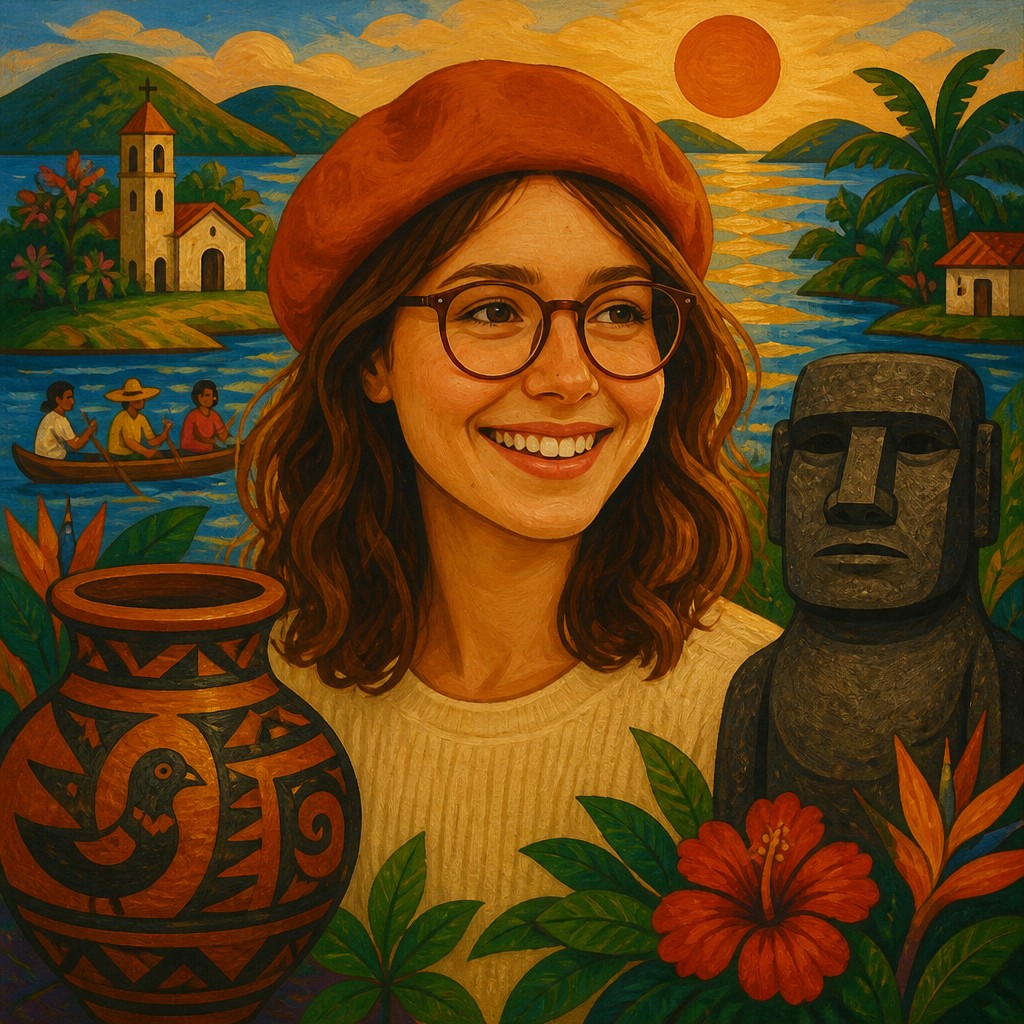

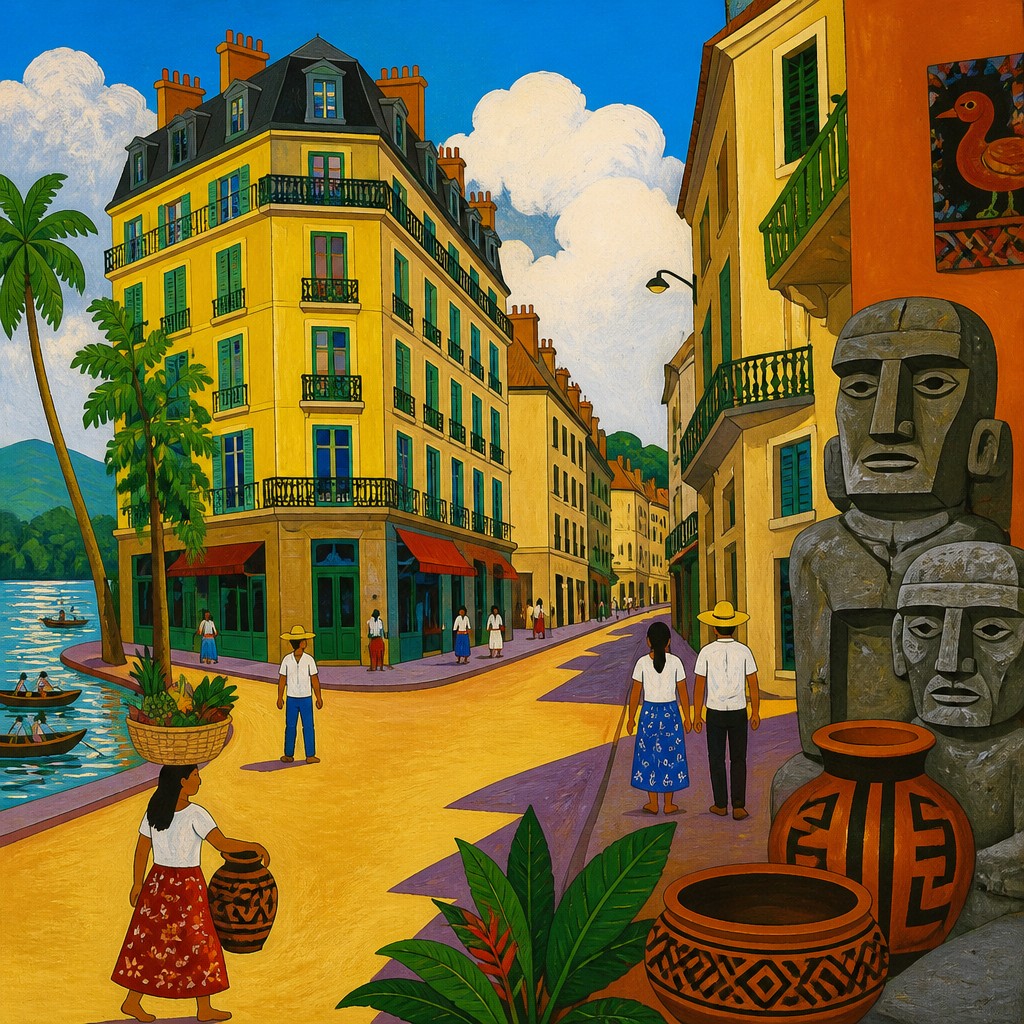

What Defines Nicaraguan Art Style
The signature details, up close
Flat tropical color
Large areas of saturated green, blue, yellow, coral, and terracotta establish mood without extensive tonal modeling. Color is often symbolic and decorative as well as descriptive.
Island and volcanic imagery
Lake shores, volcanic peaks, basalt outcrops, palms, tropical vegetation, birds, fish, boats, and small settlements provide recurring subject matter. Natural forms are simplified into sturdy, legible shapes.
Primitivist simplification
Figures and landscapes are reduced to expressive silhouettes, compact anatomy, and clear contours. Spatial depth is shallow or compressed, producing the intimate, storybook quality associated with Solentiname painting.
Basaltic monumentality
Sculptural forms suggest dark volcanic stone, with broad masses, rigid poses, frontal presentation, and geometric facial features. Even painted subjects may acquire a weighty, carved appearance.
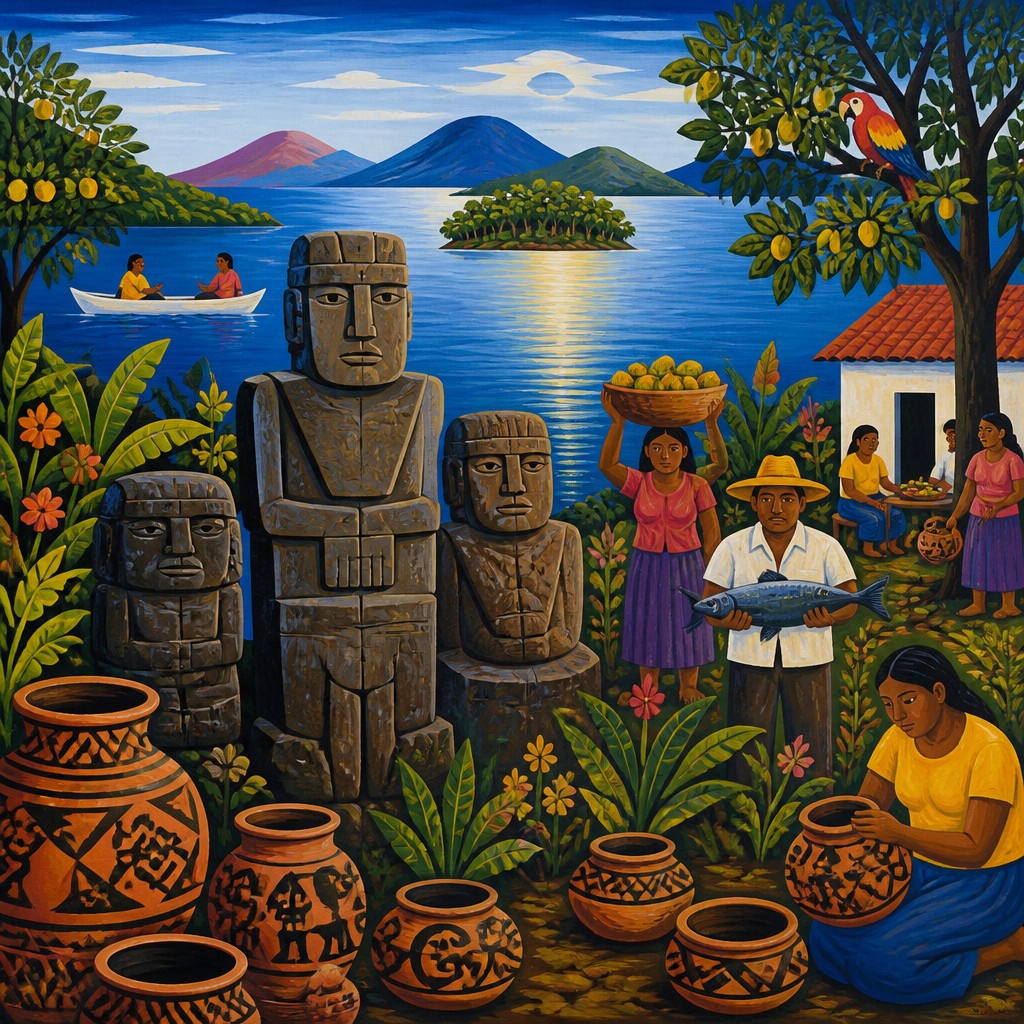
Chorotega-inspired pattern
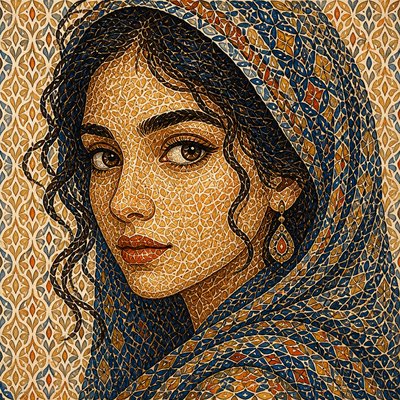
Terracotta grounds, black slip-like marks, stepped motifs, repeated bands, and animal or geometric symbols can structure pottery, clothing, borders, and background areas. These references should be treated as cultural design sources rather than copied archaeological objects without context.
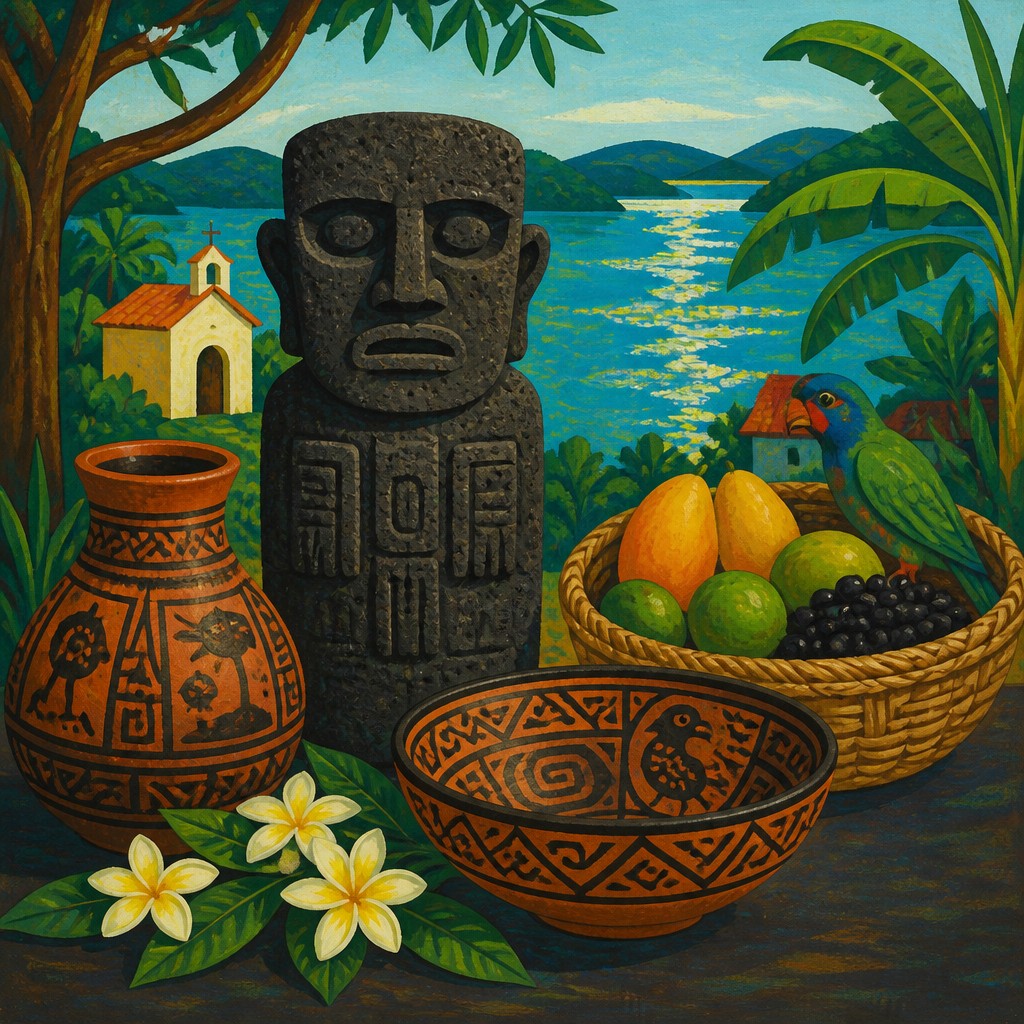
Decorative contour and pattern
Bold outlines, repeated leaves, rhythmic waves, patterned feathers, and ornamental borders unify the composition. Surface detail is selectively repeated to create visual rhythm instead of naturalistic texture.
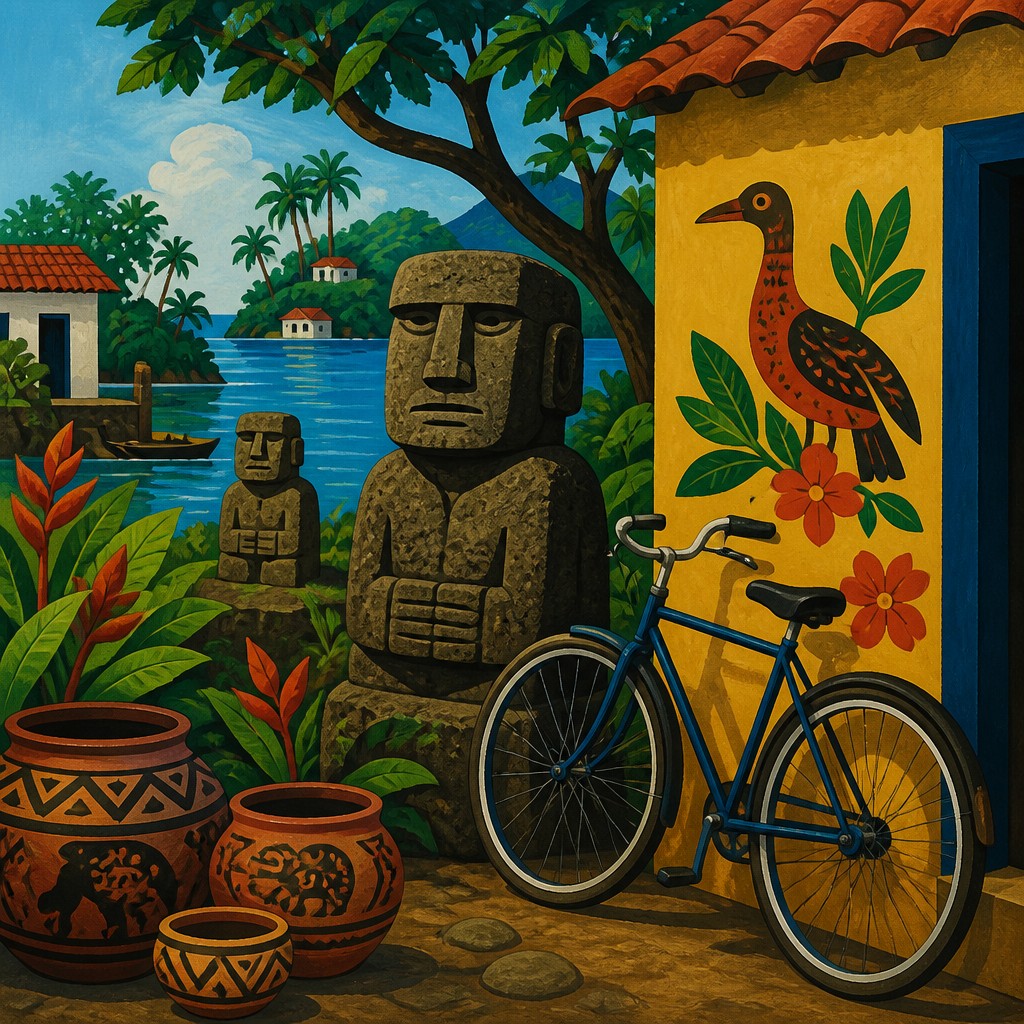
Communal folk narrative
Scenes often show farming, fishing, markets, festivals, family life, spiritual observance, or encounters with local wildlife. The emphasis is on shared place and lived experience rather than individual heroism.
Nicaraguan Prompt Ideas
Start from an idea — each one opens the generator with the style ready to go. See all 40 Nicaraguan prompts →
How to Create Nicaraguan Art
Master the craft step by step — or skip straight to creating. Read the full guide →
- 1
Build a flattened composition
Arrange the main subject in clear overlapping bands rather than relying on realistic perspective. Use a strong foreground silhouette, a middle-ground activity, and a simplified lake, mountain, or sky behind it.
- 2
Choose a volcanic palette
Begin with terracotta, charcoal, basalt gray, lake blue, tropical green, yellow, and coral. Keep shadows broad and graphic, reserving small highlights for water, eyes, pottery, or sunlit leaves.
- 3
Use sturdy contours
Work with opaque paint, gouache, acrylic, linocut, or digitally simulated painted layers. Establish decisive outlines and avoid excessive airbrushing so figures retain the weight and clarity of carved or hand-painted forms.
- 4
Add culturally informed pattern
Use geometric bands, black-slip-like marks, animal motifs, and repeated plant forms as accents on vessels, textiles, borders, or architecture. Research Chorotega and other Nicaraguan traditions when making specific historical or ceremonial references.
- 5
Suggest stone through mass
For figures or animals inspired by volcanic sculpture, simplify anatomy into compact geometric volumes and frontal poses. Use rough mineral texture sparingly, since silhouette and facial structure should carry most of the effect.
- 6
Write a focused generation prompt
Specify a Nicaraguan lake or volcanic setting, a simple narrative action, bright flat tropical colors, bold contours, terracotta-and-black pottery pattern, and monumental basalt-like forms. For image-to-image work, preserve the source pose while reducing perspective, simplifying details, and replacing photographic shading with opaque color blocks.
The Story
History & Origins of Nicaraguan
This style draws especially on the Solentiname art community, which developed in the Lake Nicaragua archipelago during the late twentieth century. Its paintings became associated with vivid depictions of rural island life, religious and communal subjects, local wildlife, and simplified forms that emphasize immediacy over academic perspective. The term "primitivist" is historical and should be used carefully, since the artists involved were modern practitioners whose work engaged deliberately with folk, popular, and local visual languages.
A second lineage comes from pre-Columbian sculpture and ceramics in Nicaragua, including basalt figures and other archaeological works from Zapatera Island and the patterned pottery traditions associated with Chorotega culture. Modern interpretations often merge these sources with contemporary illustration and folk painting, so the resulting label is best understood as an aesthetic synthesis rather than an uninterrupted ancient style or a standardized art-historical school.
Influences: The style relates to Solentiname primitivist painting, Latin American folk and popular art, Indigenous Central American ceramic traditions, pre-Columbian Nicaraguan sculpture, mural-like narrative composition, and modern naïve or self-taught painting. It also shares flattened color and emblematic contour with poster art, linocut, and contemporary illustration, while its dark geometric figures recall the mass and frontal stillness of volcanic stone sculpture.
Frequently Asked Questions
What defines the Nicaraguan art style?
It is defined by bright flat tropical color, simplified narrative scenes, volcanic and lake imagery, strong contours, and references to Nicaraguan pottery and stone sculpture. Solentiname-style island life is commonly combined with basaltic geometric forms and decorative pattern.
Is Nicaraguan art style a formal historical movement?
Not in the strict sense. The label is a contemporary umbrella for an aesthetic synthesis rooted in real Nicaraguan traditions, especially Solentiname painting, Zapatera archaeological sculpture, and Chorotega ceramic design.
How is it different from generic folk or naïve art?
Generic folk or naïve art may come from any region and often emphasizes simplified perspective and direct storytelling. This style is geographically specific, with a visual vocabulary tied to Lake Nicaragua, volcanic landscapes, Indigenous ceramic pattern, and the material presence of dark stone.
What materials work well for creating it?
Opaque gouache, acrylic, tempera, painted wood, ceramic, linocut, and relief sculpture are especially suitable. Digital painting can reproduce the flat color, rough mineral texture, patterned surfaces, and emphatic contours without imitating photographic shading.
How can I reference Indigenous Nicaraguan art respectfully?
Treat Chorotega and other Indigenous traditions as specific cultural sources rather than as a generic supply of motifs. Learn the context of patterns and archaeological forms, avoid presenting modern inventions as authentic artifacts, and distinguish historical references from contemporary stylistic interpretation.
What subjects work best in this style?
Lakeside villages, fishing, farming, tropical wildlife, volcanic terrain, community celebrations, boats, pottery, and family or spiritual scenes are well suited to its narrative character. Subjects become most convincing when organized around a clear local setting and a limited, rhythmic composition.
Create your first Nicaraguan artwork
Describe anything — or upload a photo — and see it in Nicaraguan Art Style in seconds.
Related Styles
Discover similar art styles