Mantua Art Style
Explore Mantua art style: illusionistic Renaissance court frescoes, painted skies, trompe-l'oeil architecture, and richly detailed Gonzaga interiors.
Instantly rendered in Mantua — or transform a photo
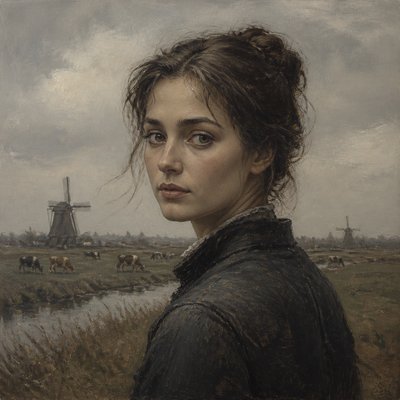
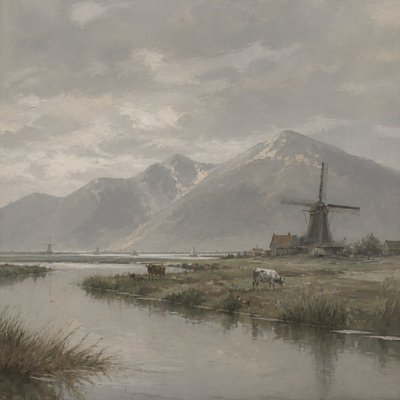
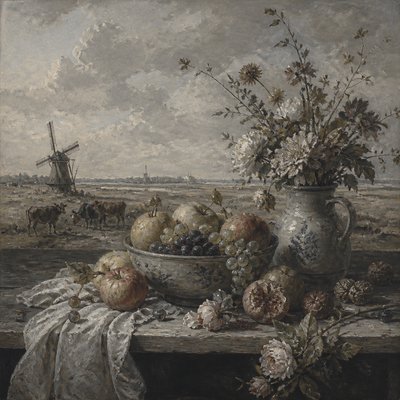
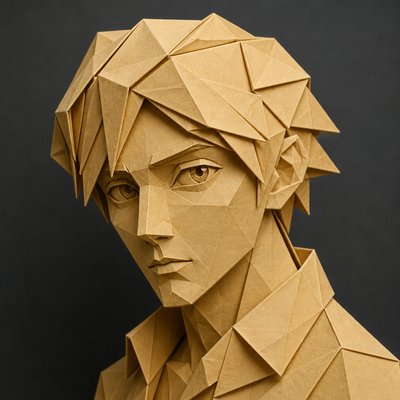
Mantua Gallery
Tap any artwork to explore it
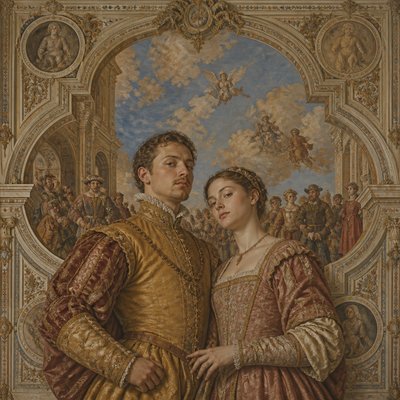
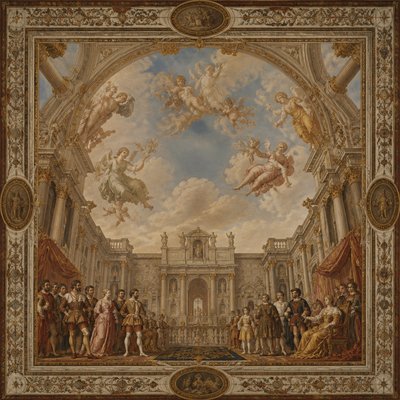
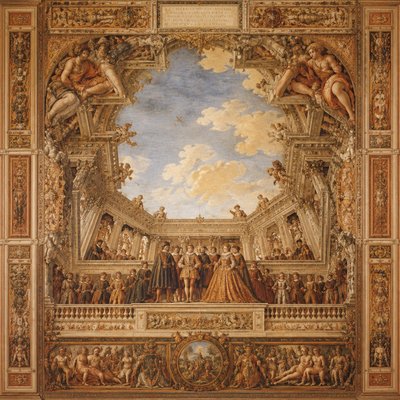
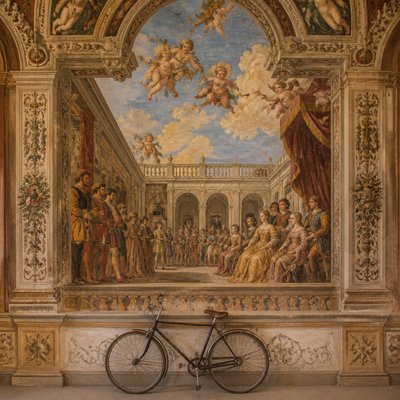
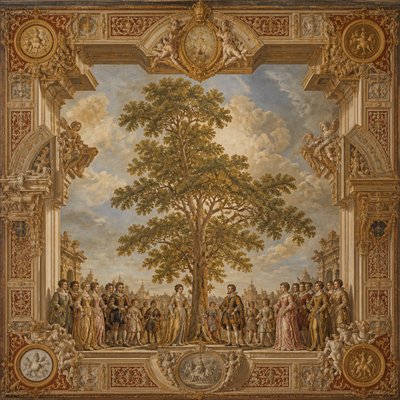
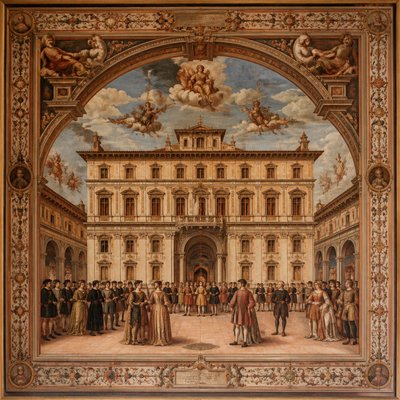
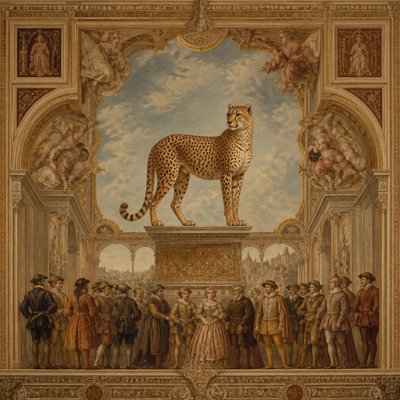
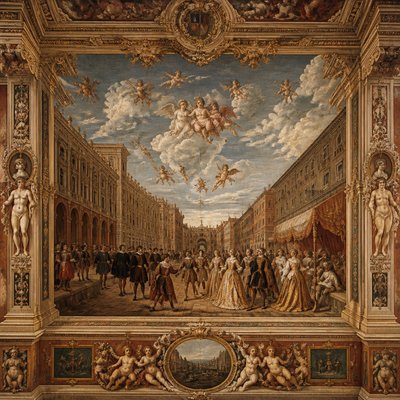
What is Mantua Art Style?
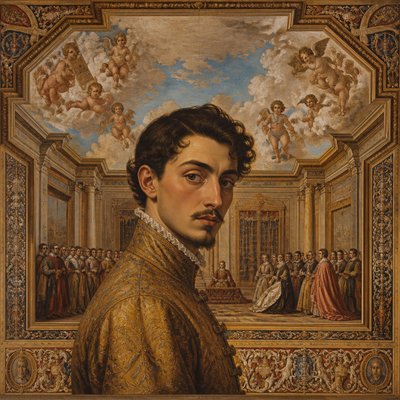
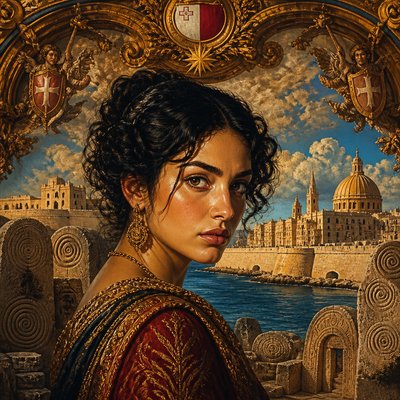
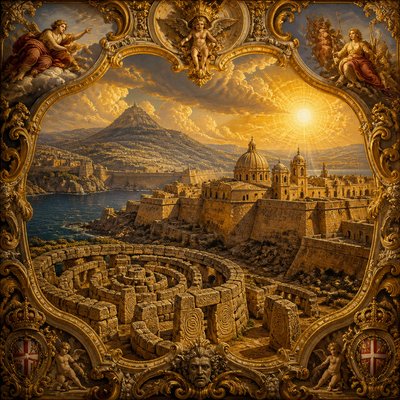
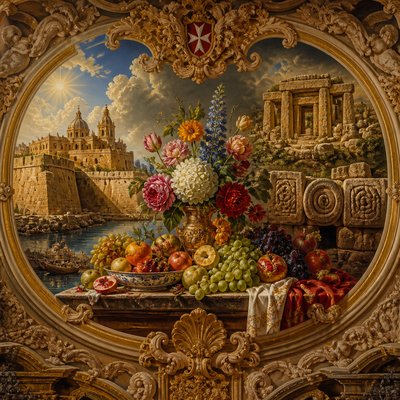
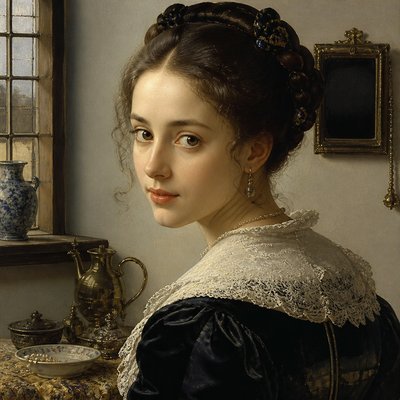
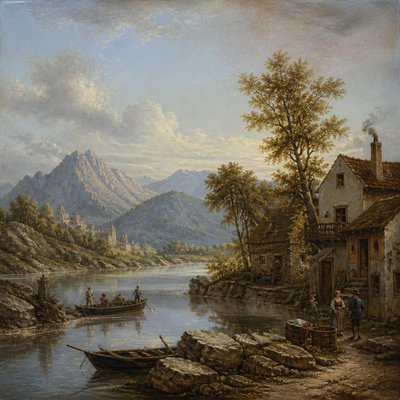
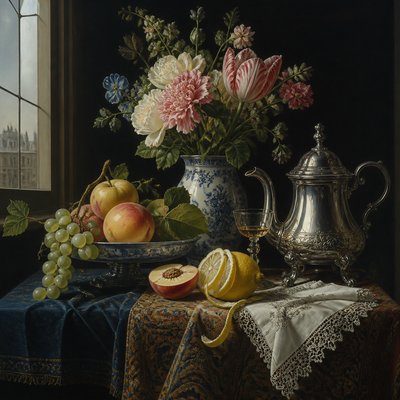
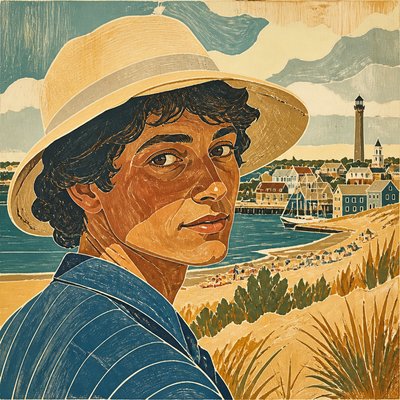
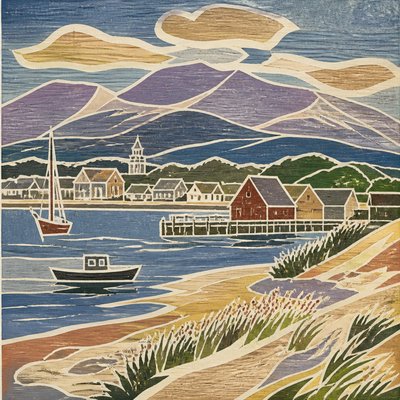
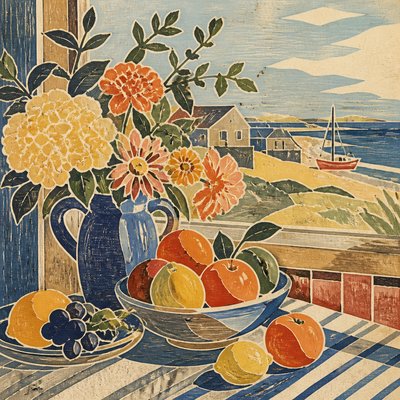
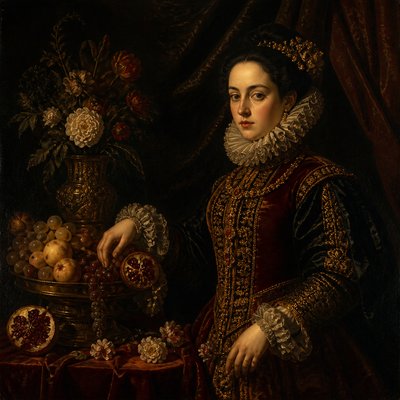
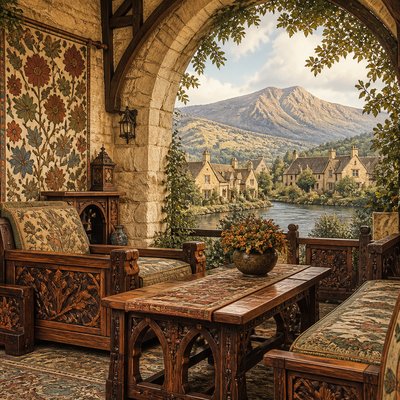
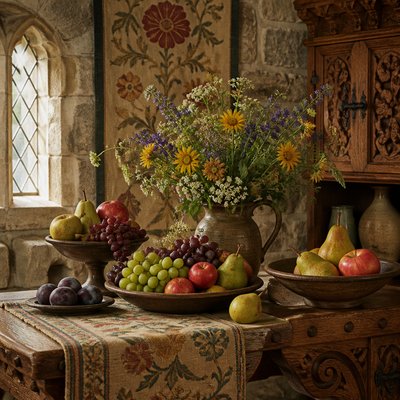
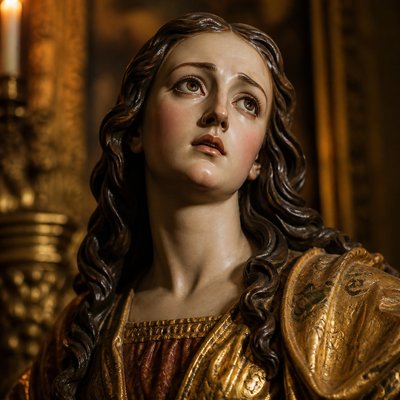
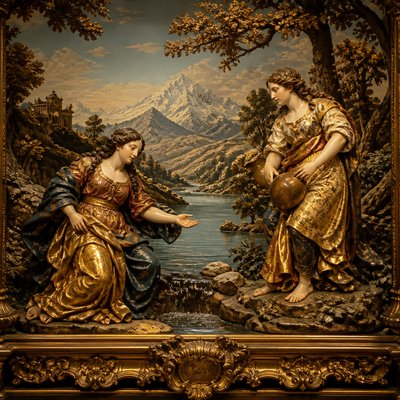
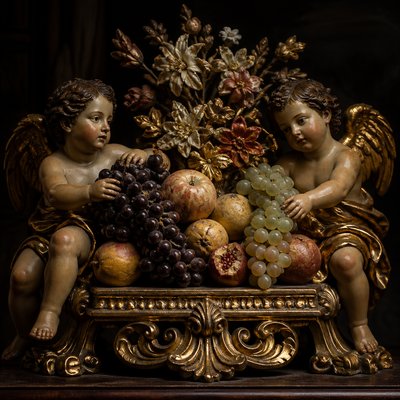
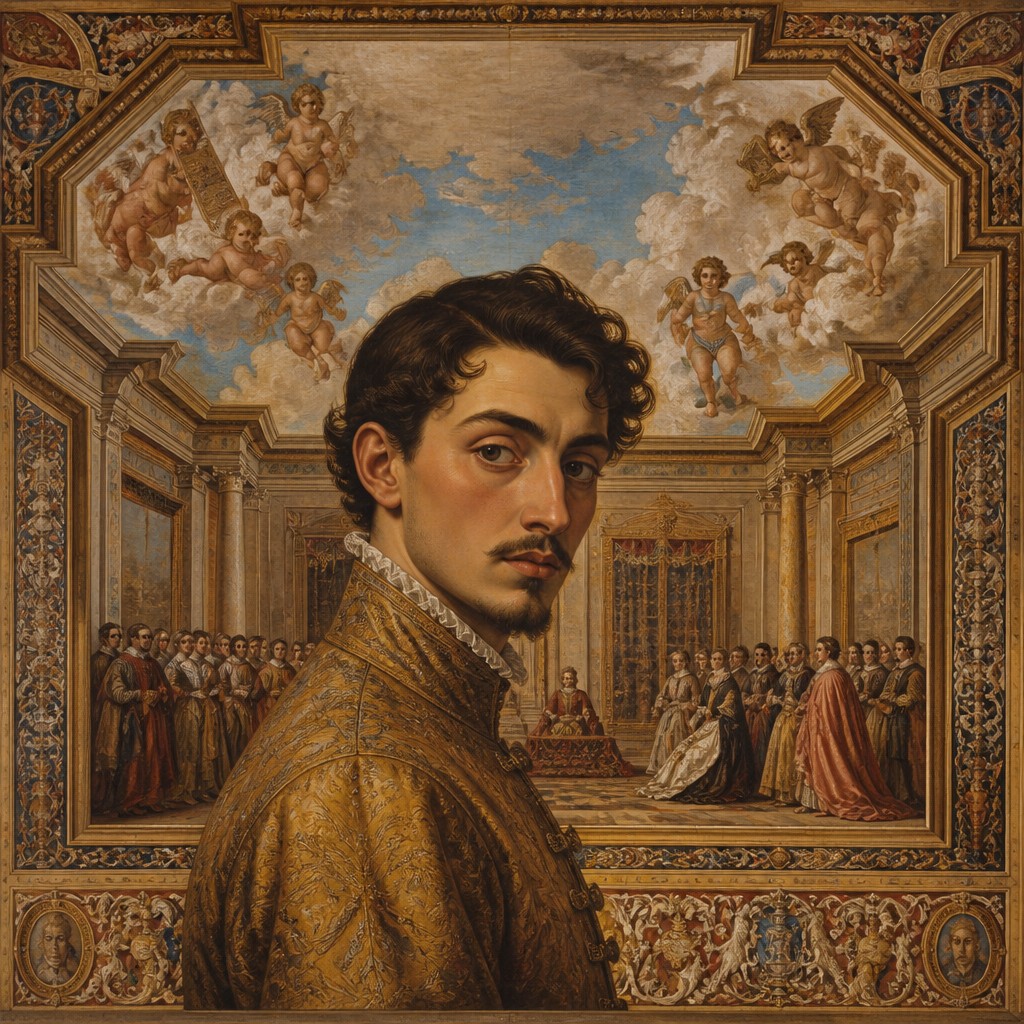
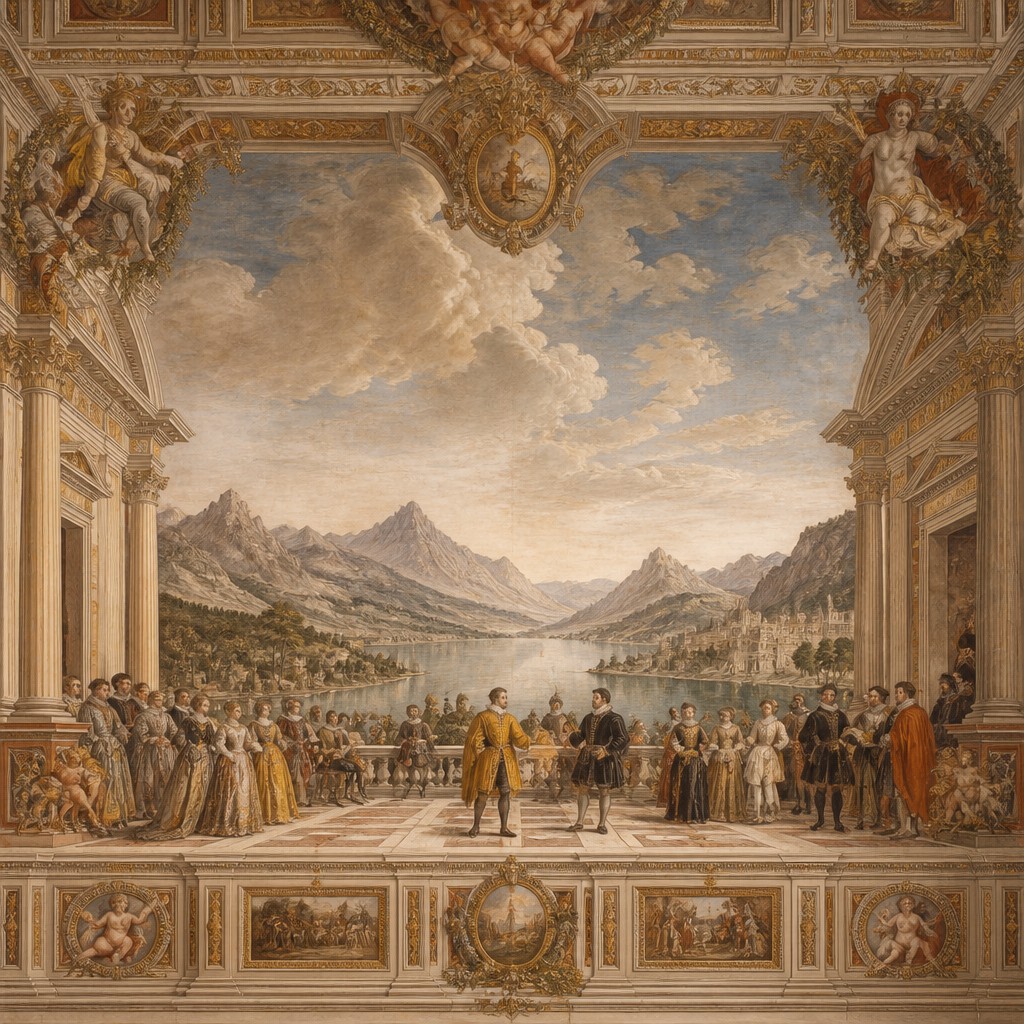
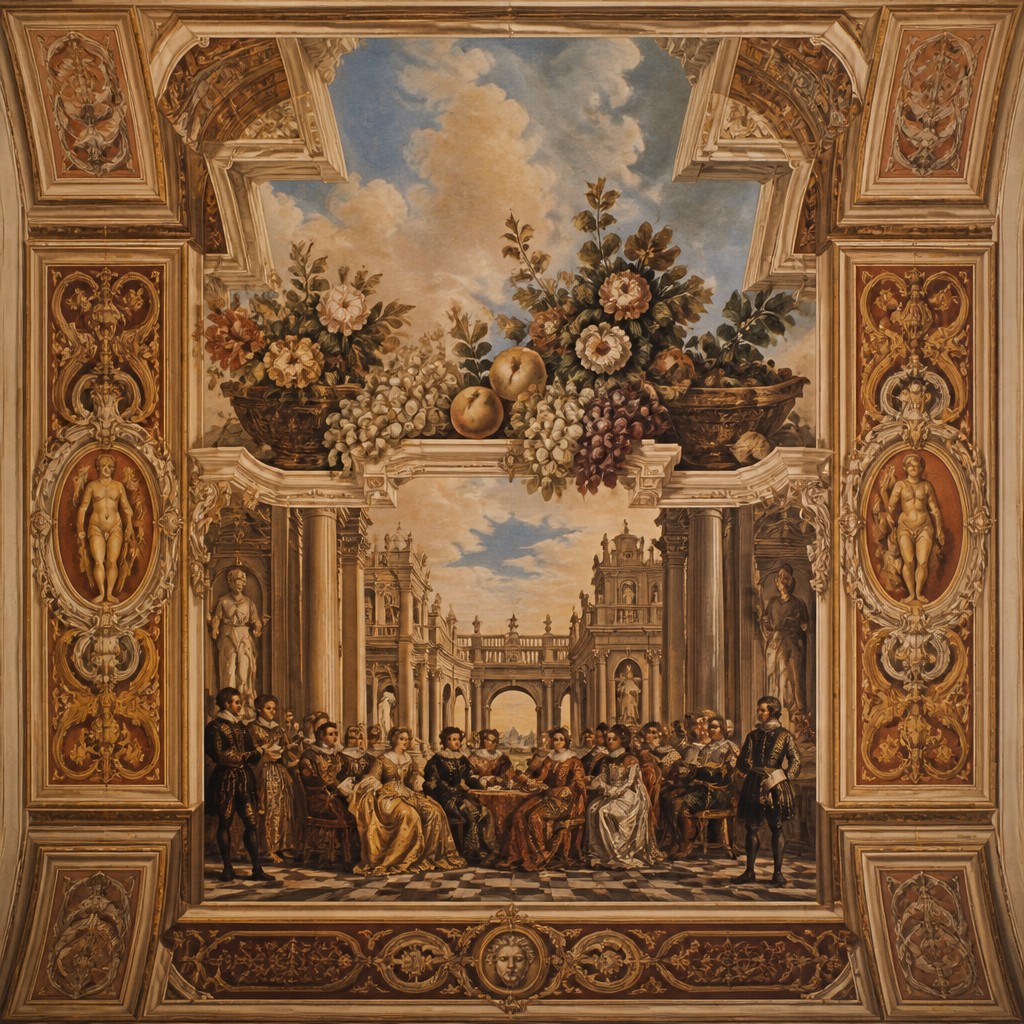
Mantua art style is a descriptive term for the illusionistic court art associated with Renaissance and early Mannerist Mantua in northern Italy. Its signature appearance combines frescoed architecture, painted openings to the sky, formal courtly gatherings, classical ornament, and meticulously observed costumes within grand palace interiors.
The style is built around visual deception. Painted columns, cornices, balustrades, niches, and oculi extend real architecture into imagined space, while sharply drawn figures occupy a theatrical courtly world. Warm ochre, terracotta, muted rose, cream, and weathered blue create the impression of aged plaster and refined ducal decoration rather than a purely naturalistic landscape.
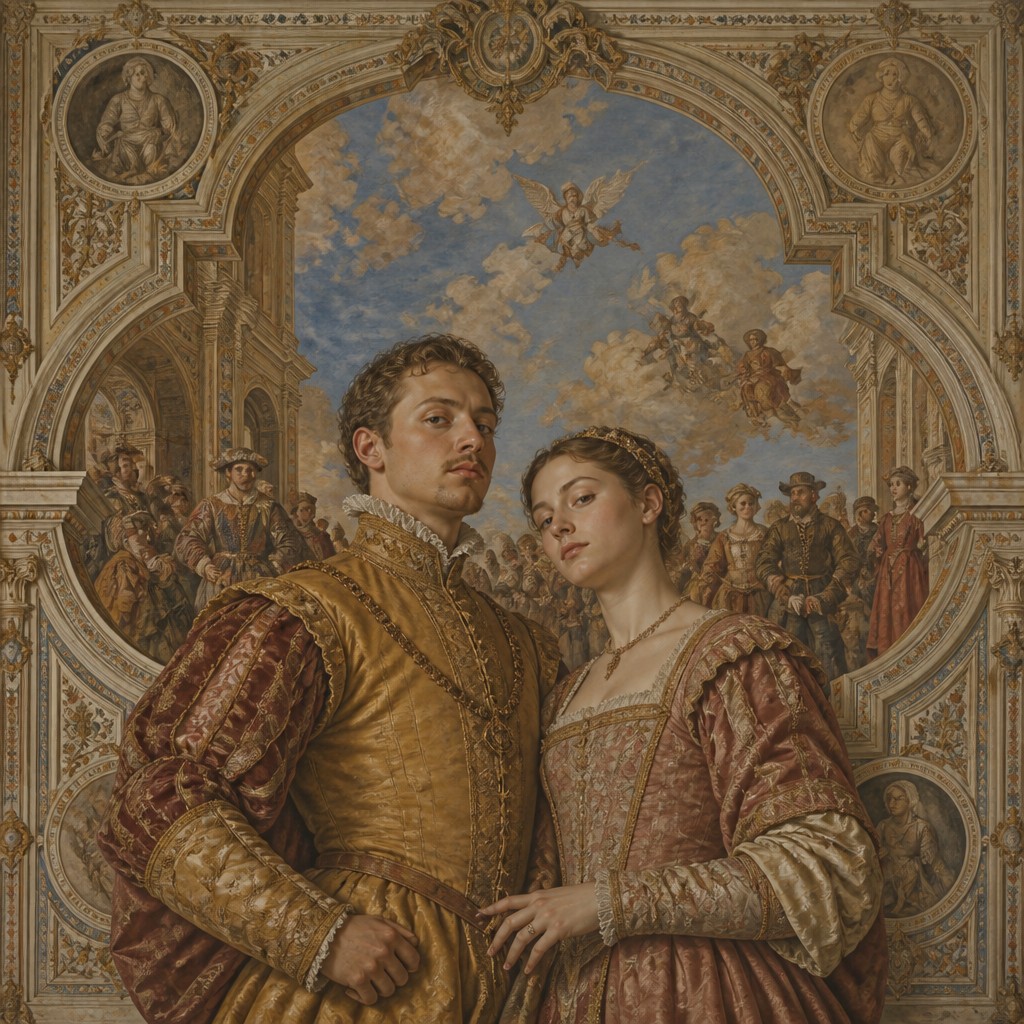
Try It On Your Photos
Upload any photo and convert it into Mantua Art Style — drag the sliders to compare before and after.
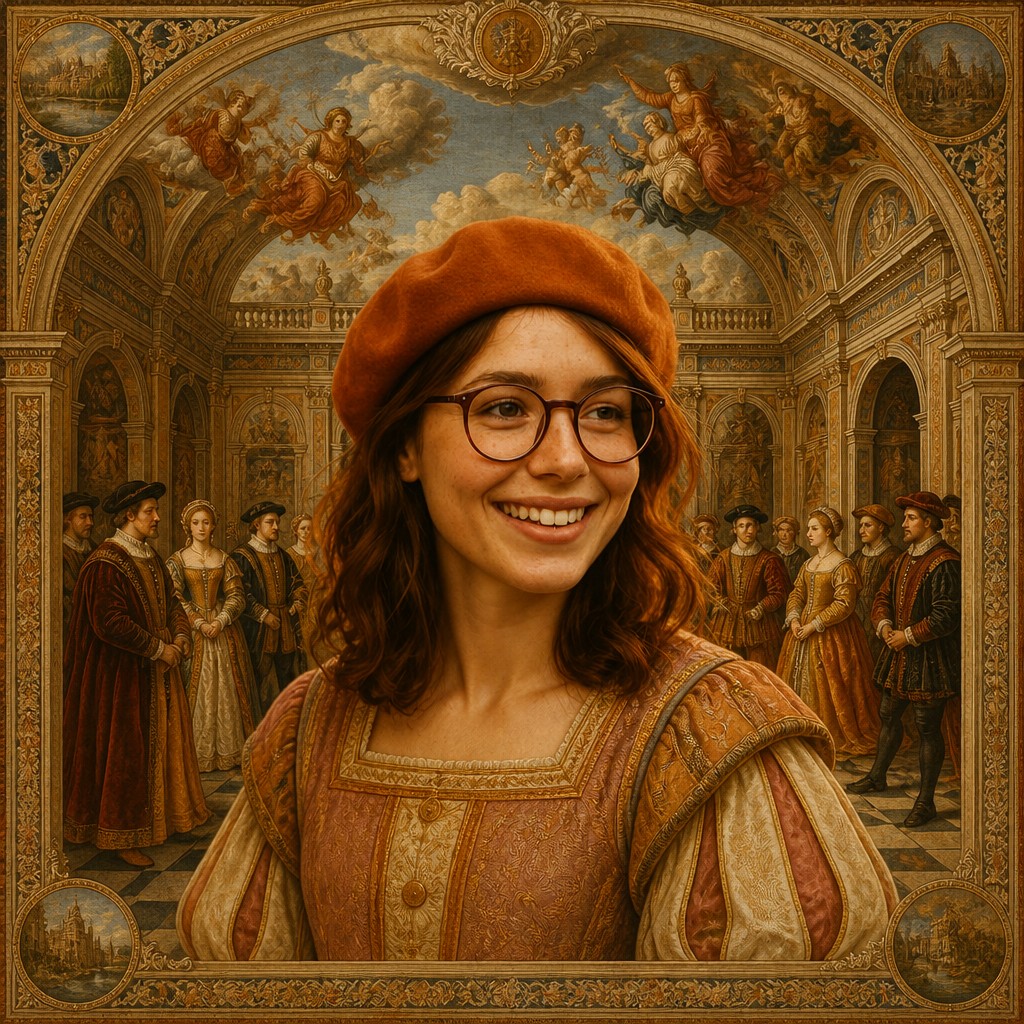

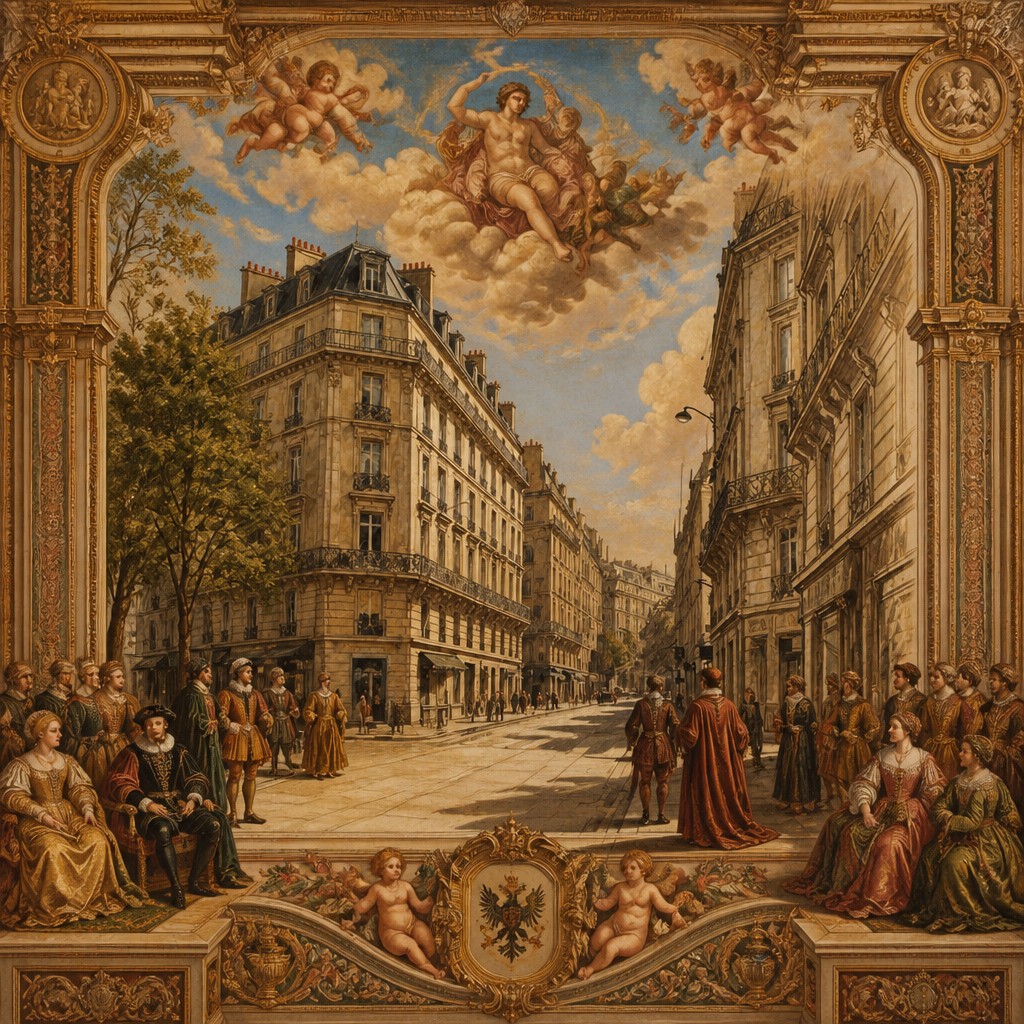

What Defines Mantua Art Style
The signature details, up close
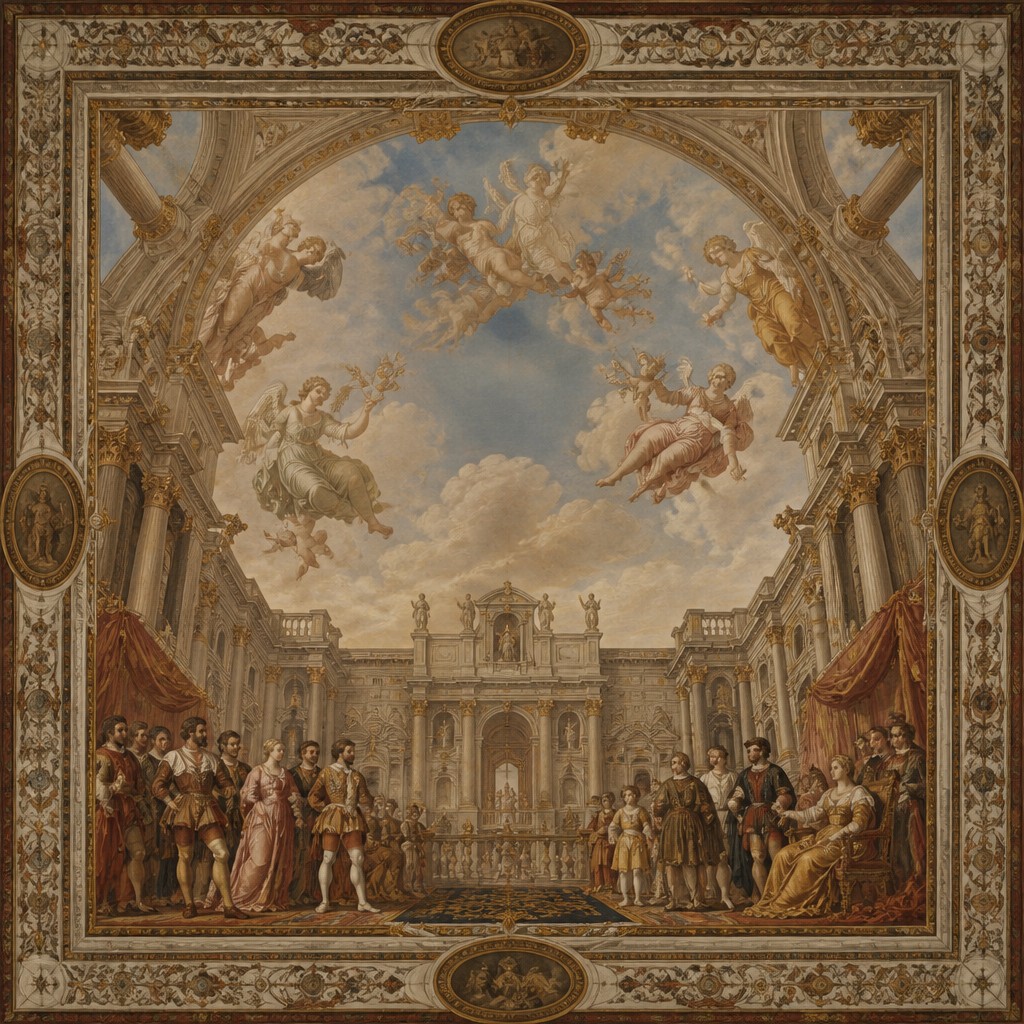
Illusionistic ceiling openings
Ceilings appear to open into luminous skies, balconies, or elevated architectural spaces. Painted foreshortening creates the sensation that the room continues beyond its physical boundaries.
Trompe-l'oeil architecture
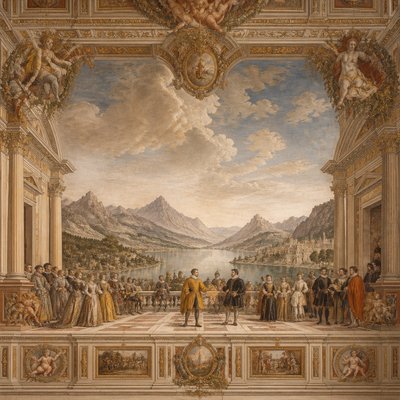
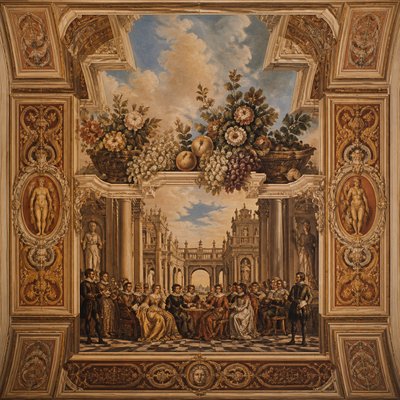
Columns, pilasters, cornices, arches, balustrades, and recessed niches are rendered with precise perspective and convincing shadows. These elements frame the painted narrative while confusing the boundary between architecture and image.
Courtly ceremonial figures
Nobles, attendants, musicians, messengers, and diplomats appear in carefully arranged gatherings. Their poses often communicate rank, etiquette, conversation, or dynastic ceremony.
Rich Renaissance costume
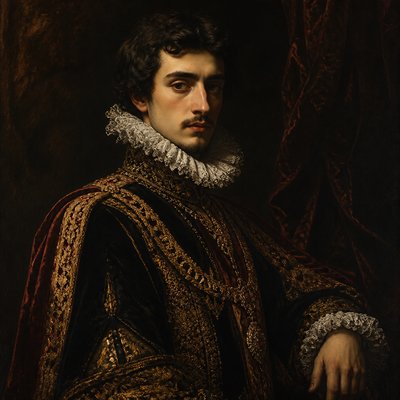
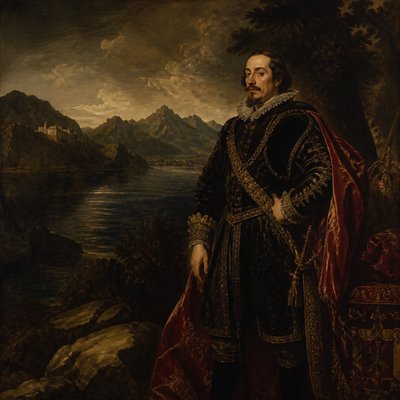
Velvet-like surfaces, brocade, fur, embroidery, jeweled accessories, elaborate headwear, and layered sleeves provide visual detail. Costume functions as a marker of social position as well as a source of color and texture.
Sharp linear precision
Contours are controlled and descriptive, giving faces, garments, architectural moldings, and ornamental details a crisp presence. Drawing and perspective remain visibly important even where the color is soft or weathered.
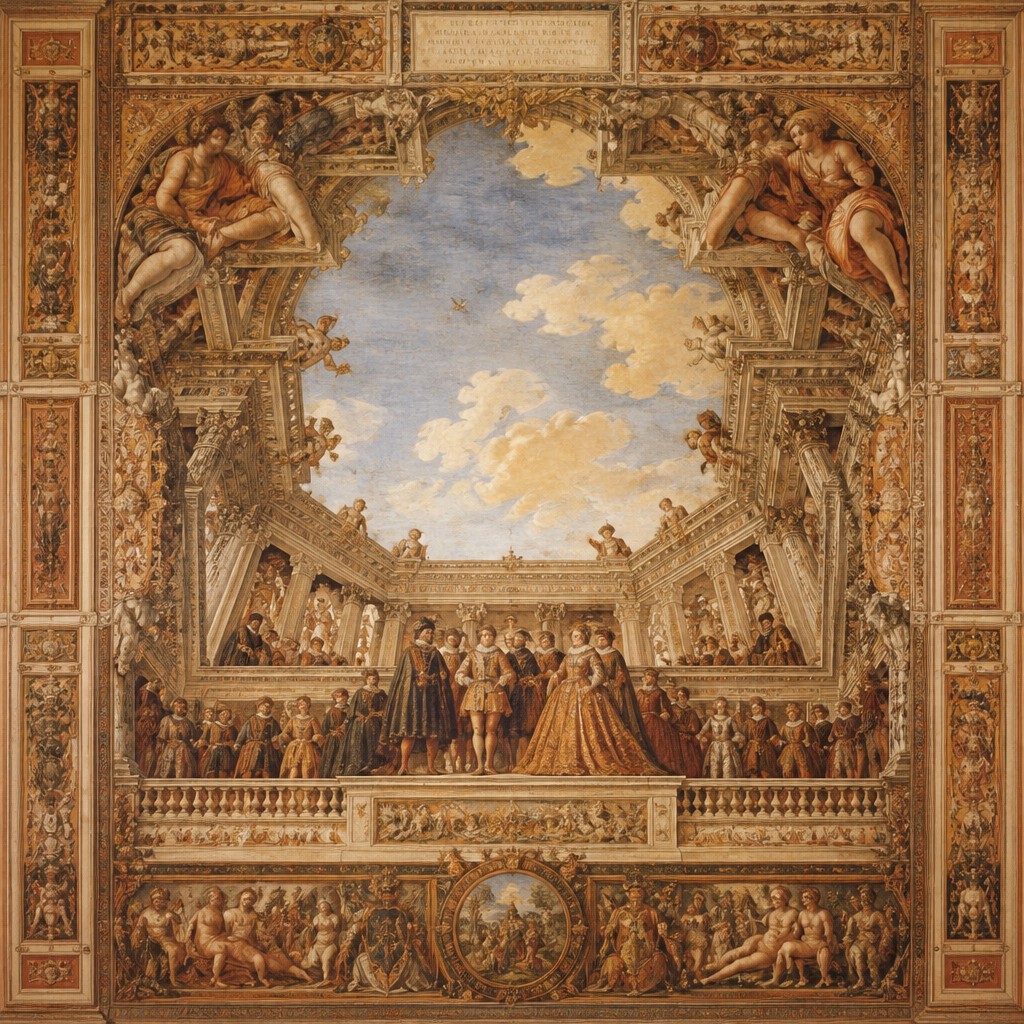
Classical decorative vocabulary
Roman-inspired columns, garlands, medallions, grotesque ornament, putti, friezes, and geometric borders organize the composition. Decoration is integrated into the architecture rather than applied as an unrelated surface pattern.
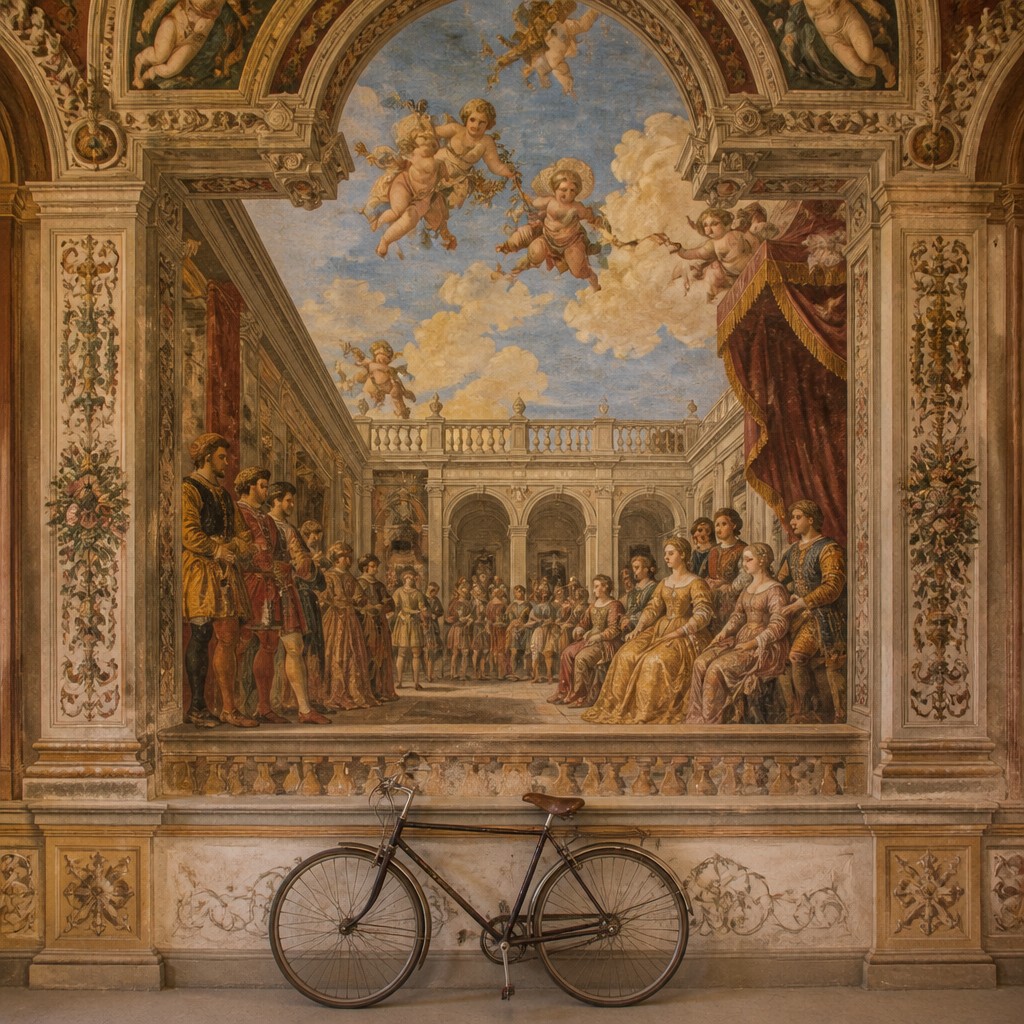
Warm restrained palette
Ochre, burnt sienna, muted rose, dusty green, cream, and subdued blue dominate the atmosphere. The palette suggests fresco, aged plaster, and courtly interiors while preserving clear figure-and-architecture separation.
Mantua Prompt Ideas
Start from an idea — each one opens the generator with the style ready to go. See all 40 Mantua prompts →
How to Create Mantua Art
Master the craft step by step — or skip straight to creating. Read the full guide →
- 1
Plan the architectural illusion
Begin with a believable room, then extend its cornices, columns, or balustrades into painted space. Establish a consistent vanishing point and decide whether the ceiling opens to sky, a balcony, or a fictional continuation of the hall.
- 2
Use a fresco-like surface
For traditional work, build up thin mineral or acrylic layers over a plaster-toned ground and keep edges firm but slightly softened. Digitally, add subtle limewash variation, hairline cracks, pigment wear, and uneven absorption without obscuring the drawing.
- 3
Arrange figures as a court ceremony
Place groups according to status, gesture, and interaction rather than scattering decorative characters randomly. Use repeated diagonals, linked glances, and architectural framing to guide the viewer through the gathering.
- 4
Render costume and ornament selectively
Detail the most important garments, jewelry, heraldic motifs, and borders while simplifying distant figures. This preserves the hierarchy and clarity typical of a designed palace fresco.
- 5
Control the palette and lighting
Start with ochre, muted rose, terracotta, cream, and dusty blue, then reserve stronger highlights for faces, metal, and painted sky. Keep shadows warm and architectural so the scene feels integrated with aged plaster.
- 6
Build an effective generation prompt
Describe the subject first, then specify illusionistic ceiling frescoes, trompe-l'oeil framing, Renaissance court costume, sharp linear drawing, warm fresco pigments, and a grand ducal interior. For image transformation, preserve the source subject while replacing its setting with painted architecture and carefully controlled fresco texture.
The Story
History & Origins of Mantua
Mantua became an important artistic center under the Gonzaga court during the late fifteenth and sixteenth centuries. Its palace interiors were decorated with fresco cycles that celebrated dynastic identity, ceremony, classical learning, and elite life. Illusionistic ceiling painting and integrated architectural decoration were especially important in rooms designed to make viewers feel surrounded by an expanded, idealized space.
This designation is not the name of a single standardized historical movement. It refers more broadly to the Mantuan court tradition as it developed from Northern Italian Renaissance experiments in perspective and antiquarian ornament toward the more artificial spatial effects, elegant elongation, and theatrical sophistication associated with Mannerism.
Influences: The style draws on Northern Italian Renaissance perspective, Roman architectural ornament, court portraiture, fresco painting, and the theatrical spatial inventions of early Mannerism. It is also related to Italian quadratura, in which painted architecture expands real rooms, and to European palace decoration that merges narrative scenes, heraldry, ceilings, and ornamental borders into a unified environment.
Frequently Asked Questions
What defines the Mantua art style?
It is defined by illusionistic palace frescoes, painted ceilings that open into sky, trompe-l'oeil architectural framing, and carefully arranged Gonzaga court figures. Sharp drawing, classical ornament, and a warm fresco palette are equally important.
Is Mantua art style an official historical movement?
No. The phrase is best understood as a descriptive label for the courtly visual tradition associated with Renaissance and early Mannerist Mantua. It groups related fresco, architectural, and decorative practices rather than identifying a single formal school.
How does it differ from Baroque ceiling painting?
Mantuan court frescoes generally emphasize Renaissance order, measured architectural design, aristocratic ceremony, and controlled illusion. Baroque ceilings more often pursue explosive motion, emotional drama, stronger diagonals, and expansive celestial visions.
How can I make a modern subject fit this style?
Place the subject within a grand architectural setting and organize it like a court ceremony, procession, audience, or allegorical tableau. Add painted borders, classical framing, carefully ranked figures, and a limited fresco palette rather than simply applying a decorative filter.
What materials are traditionally associated with this look?
The historical foundation is fresco on plaster, supported by preparatory drawing and architectural perspective studies. Modern artists can approximate it with casein, acrylic, mineral pigments, textured grounds, or digital painting that simulates absorbent plaster and aged color.
Where is this style most useful today?
It suits murals, editorial illustration, historical narratives, fantasy palace scenes, game environments, architectural visualization, and formal portrait transformations. It is especially effective when the composition needs both a convincing room and a theatrical sense of expanded space.
Create your first Mantua artwork
Describe anything — or upload a photo — and see it in Mantua Art Style in seconds.
Related Styles
Discover similar art styles