Lyon Art Style
Discover Lyon Art Style: jewel-toned silk-brocade detail, civic allegory, river landscapes, and polished academic history painting.
Instantly rendered in Lyon — or transform a photo
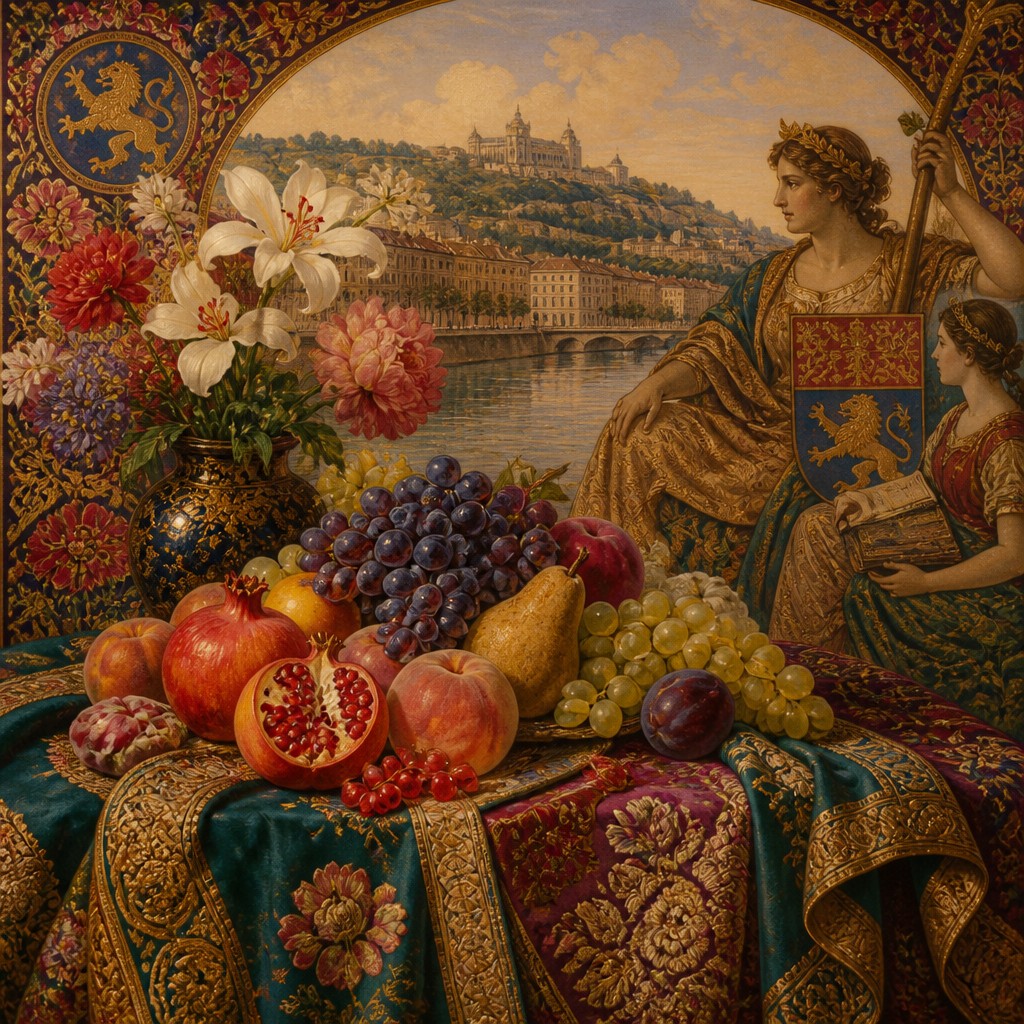
Lyon Gallery
Tap any artwork to explore it
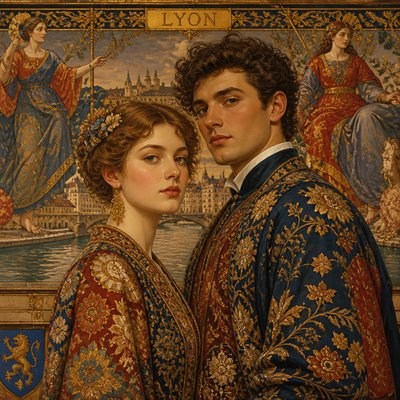
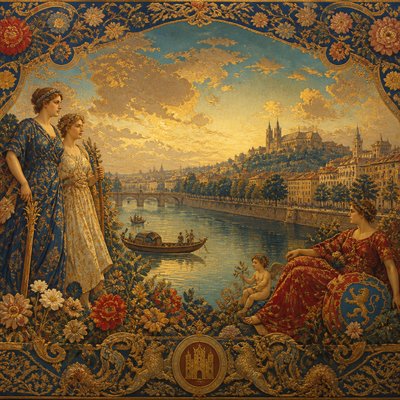
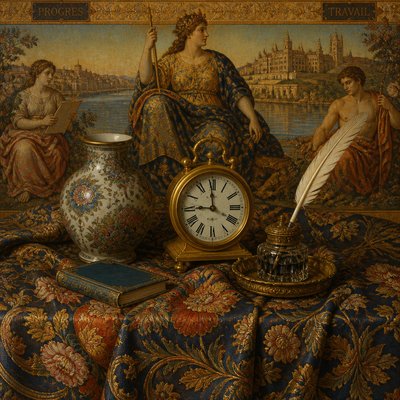
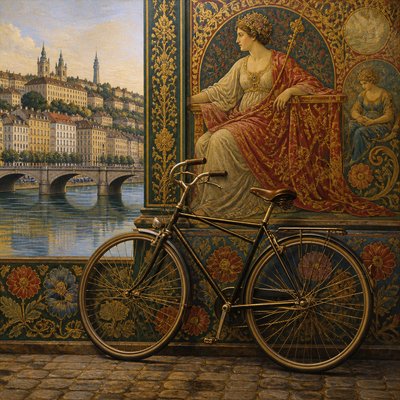
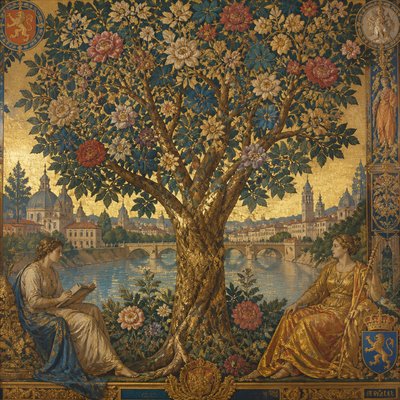
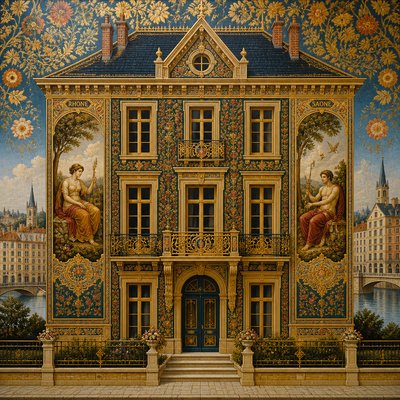
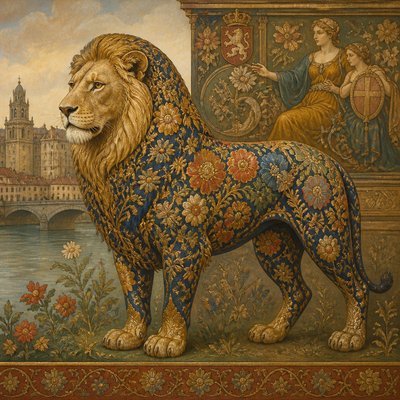
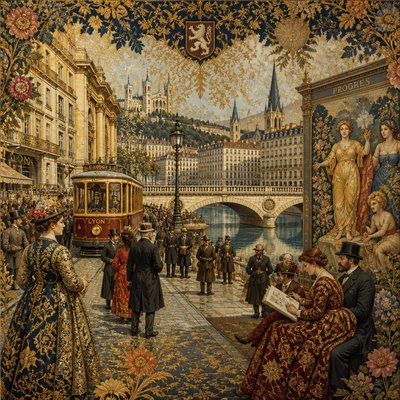
What is Lyon Art Style?
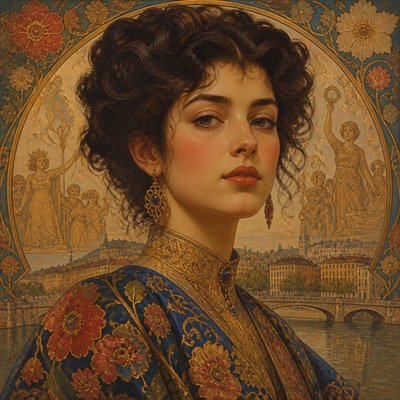
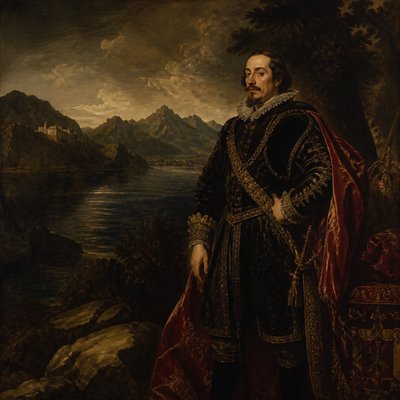
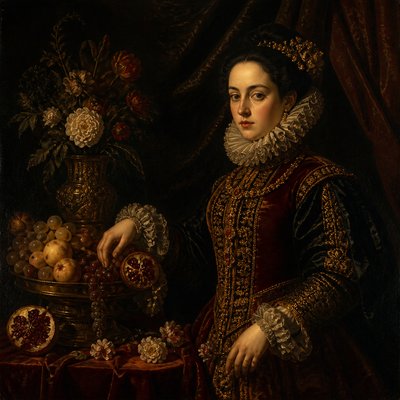
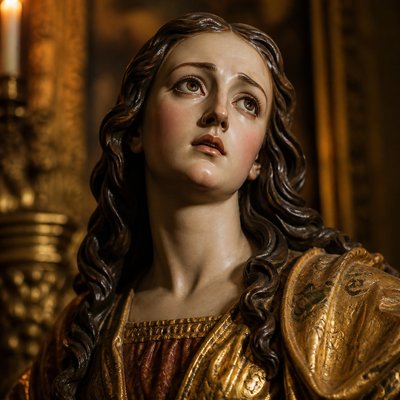
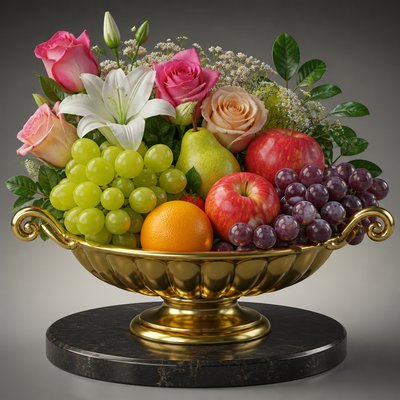
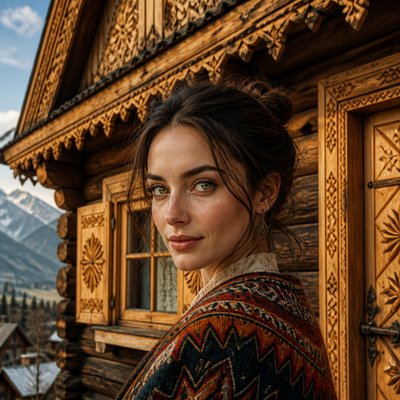
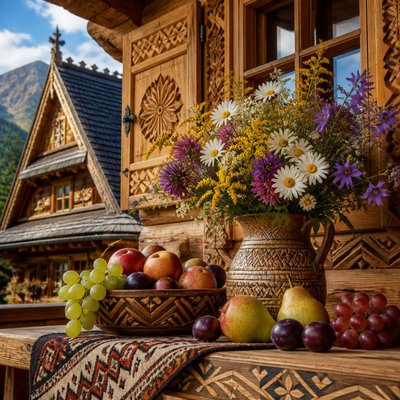
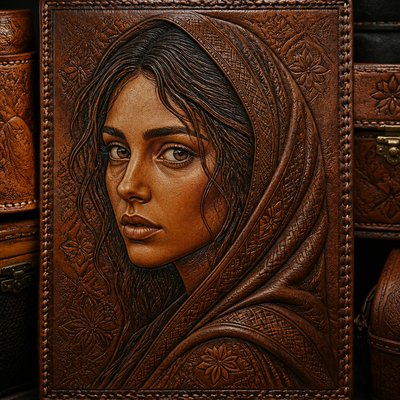
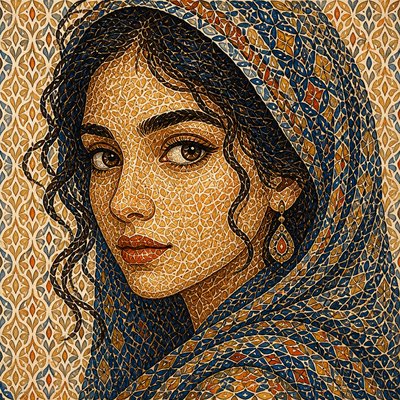
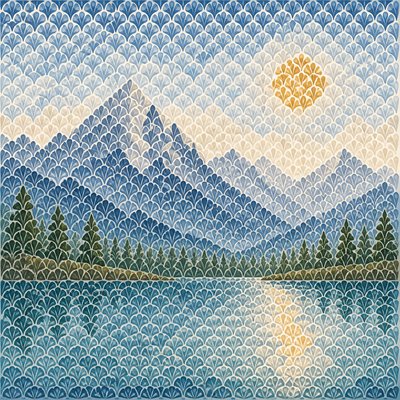
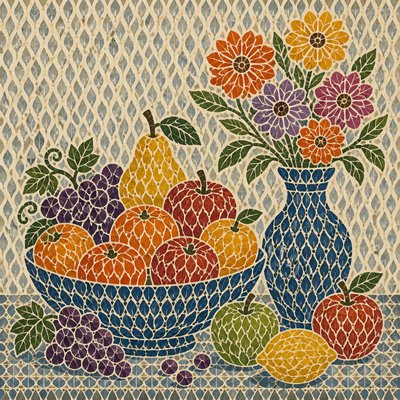
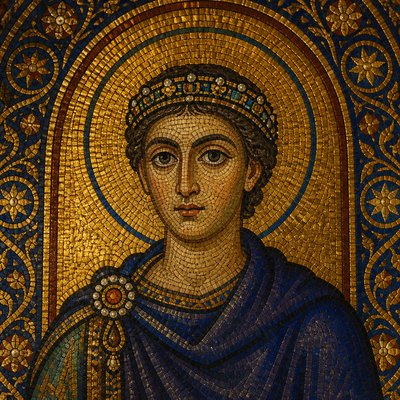
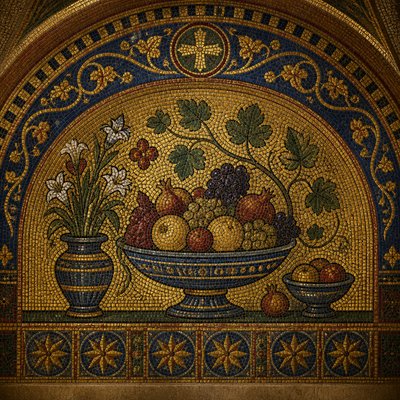
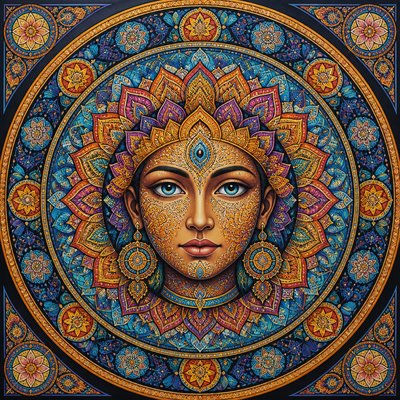
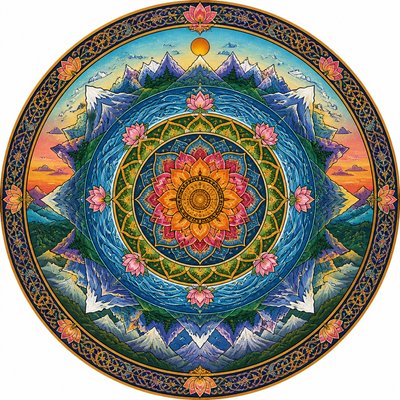
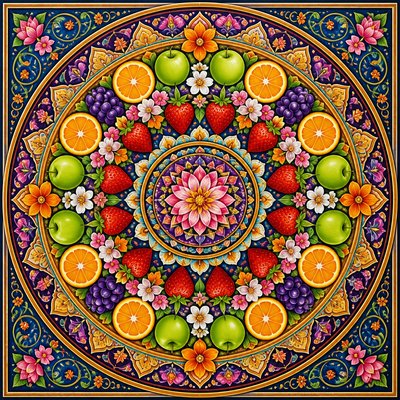
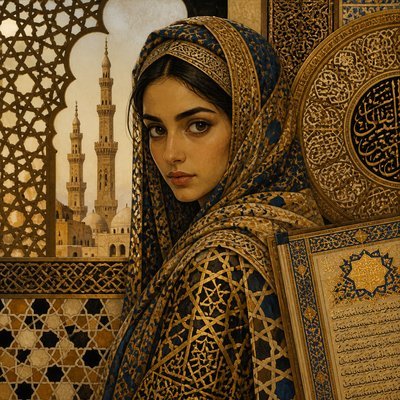
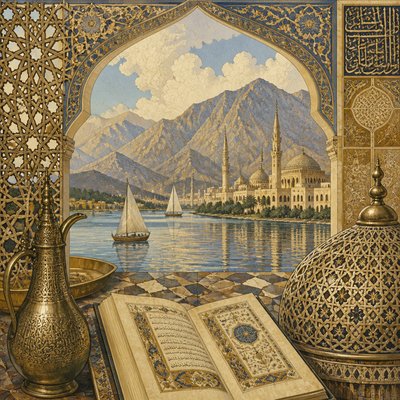
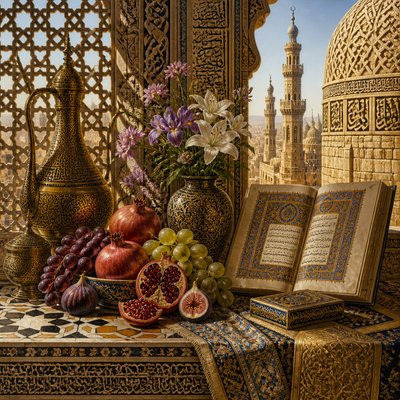
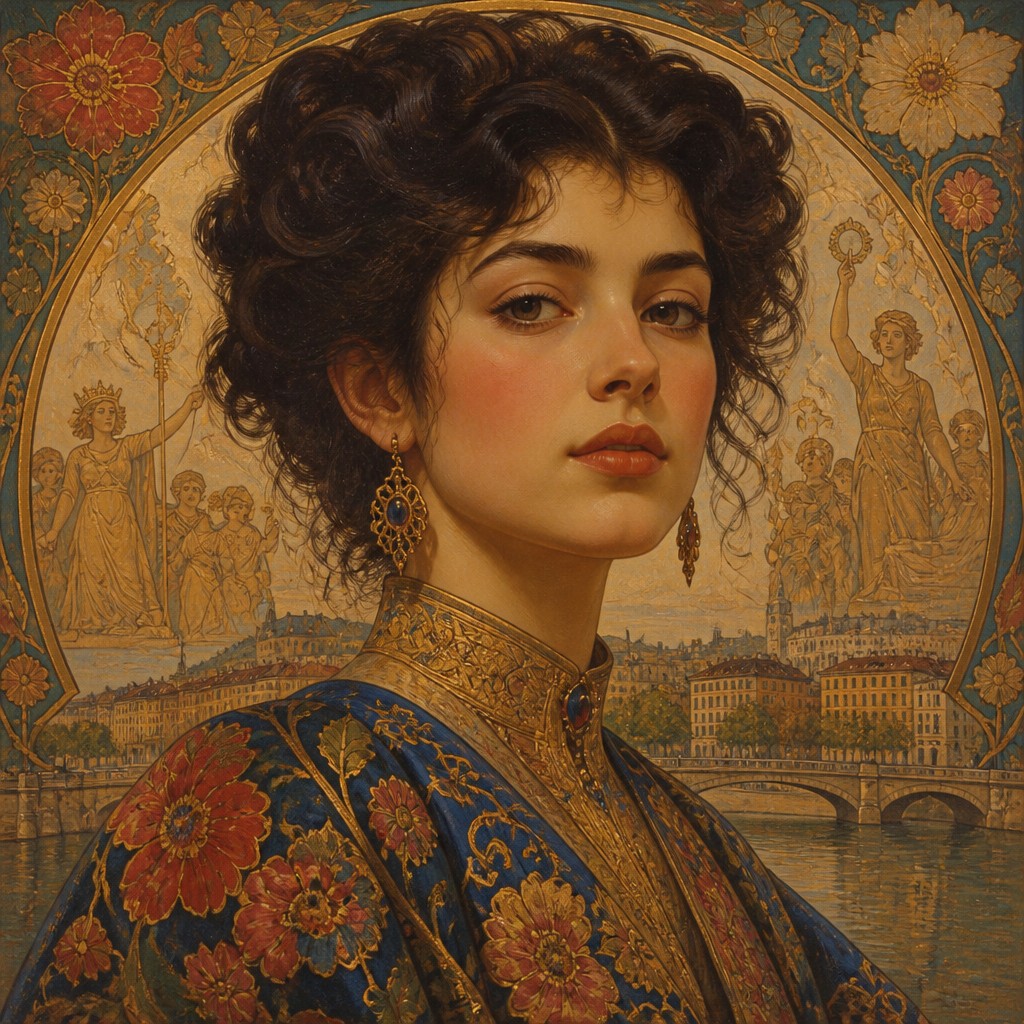
The style is recognizable through dense floral patterning, jewel-toned color, gold thread-like accents, and a smooth luminous surface. Textile ornament is treated as a structural part of the image rather than a simple decoration: brocade-like motifs may appear in garments, borders, drapery, architecture, or the surrounding atmosphere, creating a sense of woven visual richness.
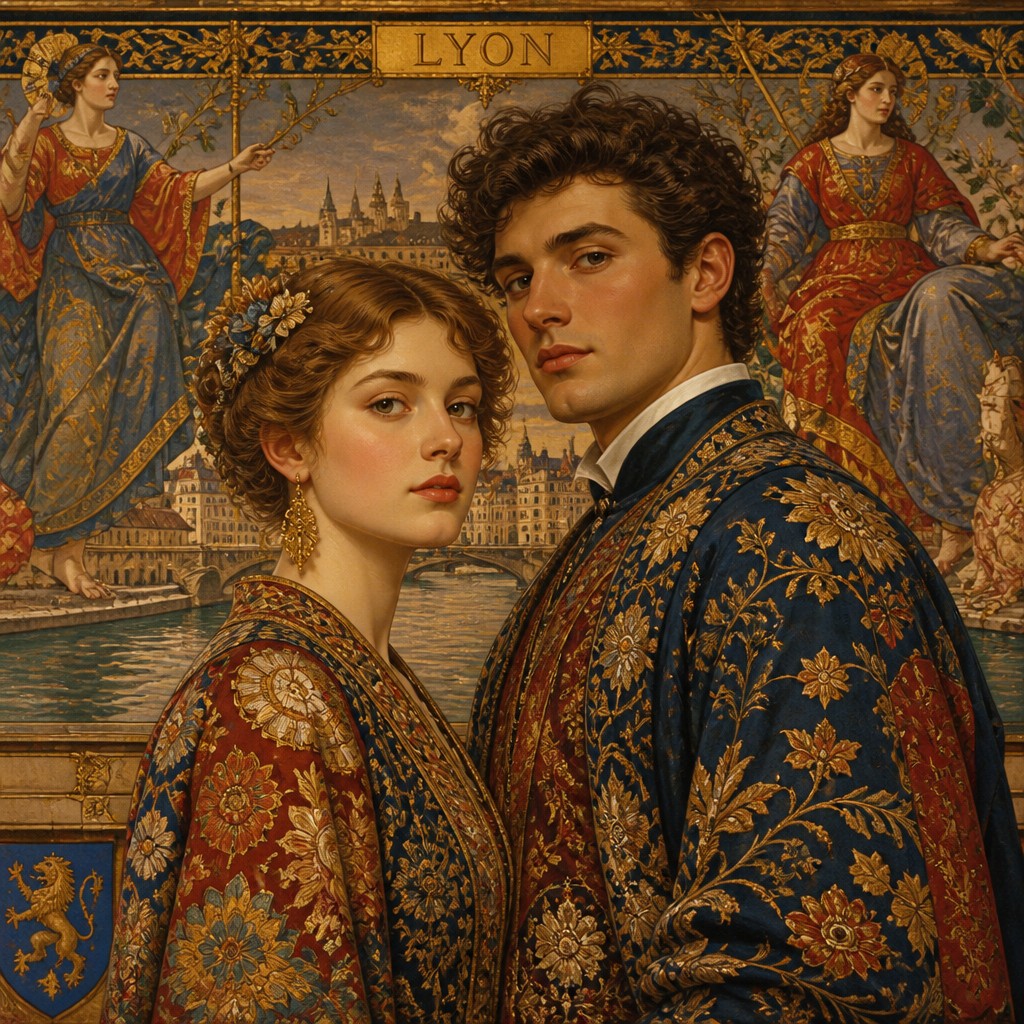
Try It On Your Photos
Upload any photo and convert it into Lyon Art Style — drag the sliders to compare before and after.
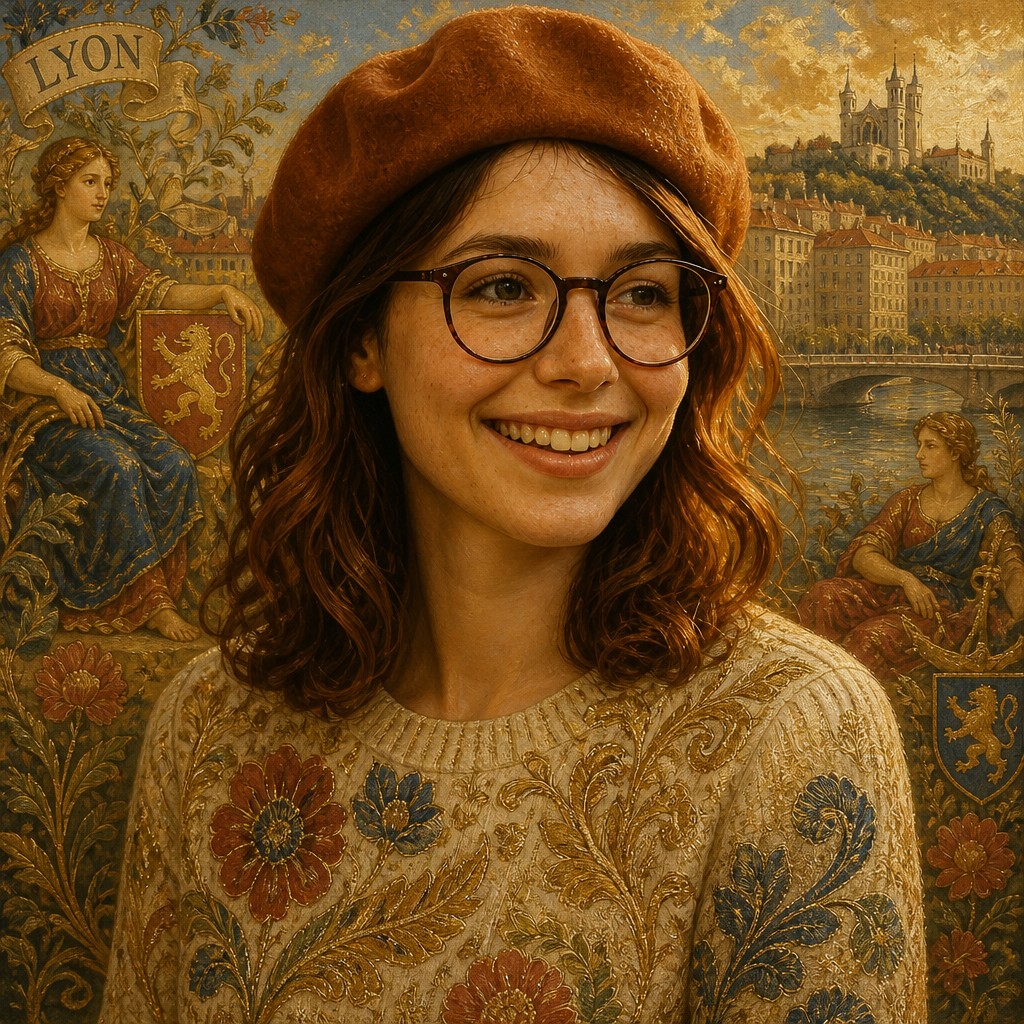

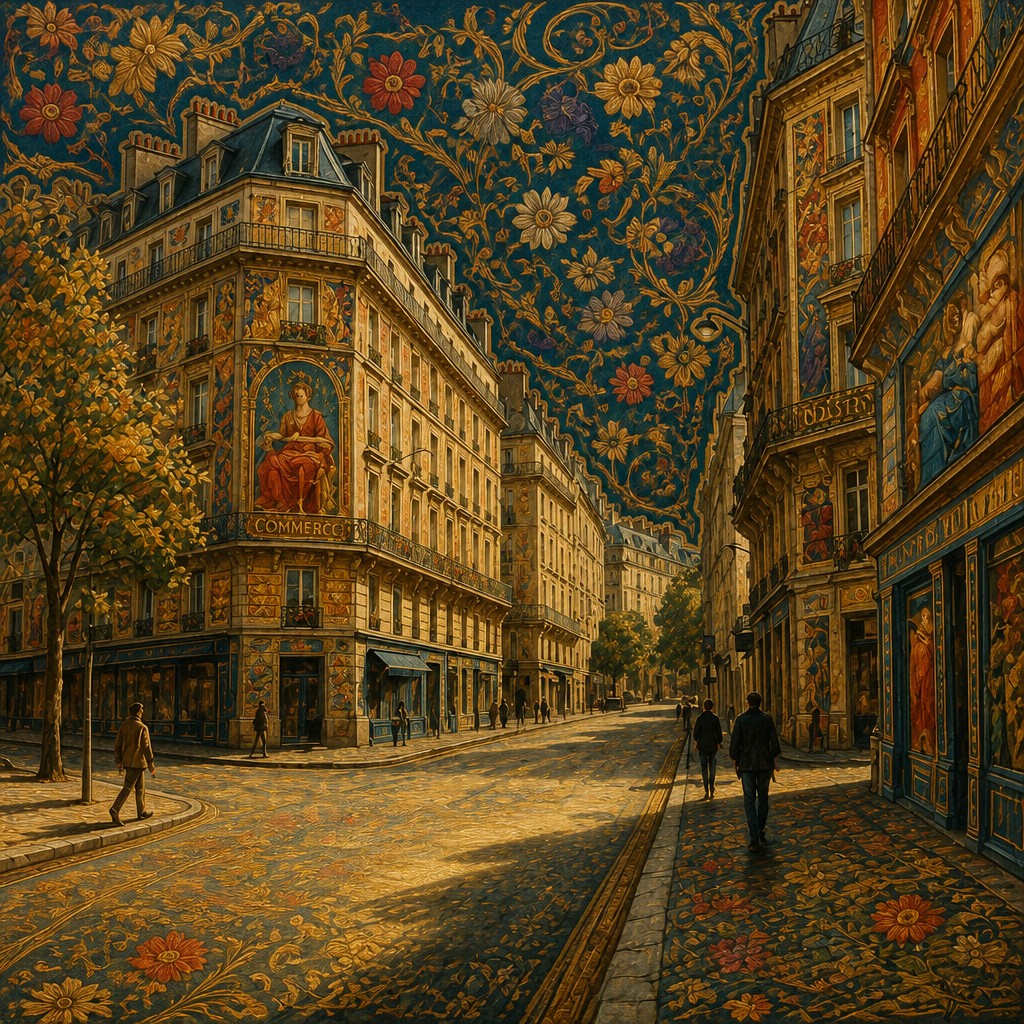

Or use the free Lyon photo filter
What Defines Lyon Art Style
The signature details, up close
Silk-brocade patterning
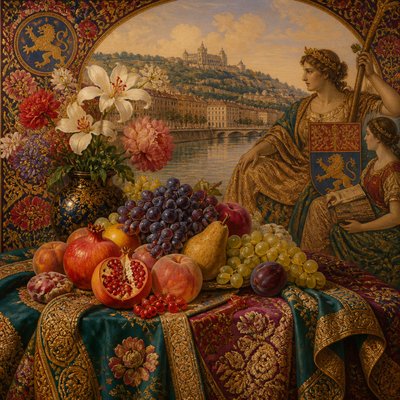
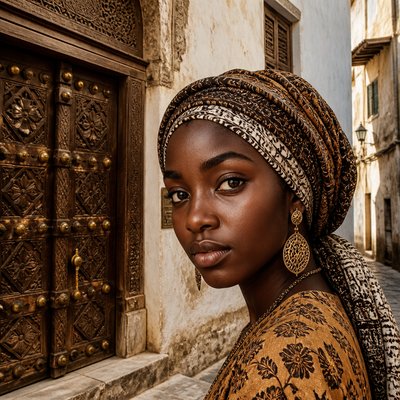
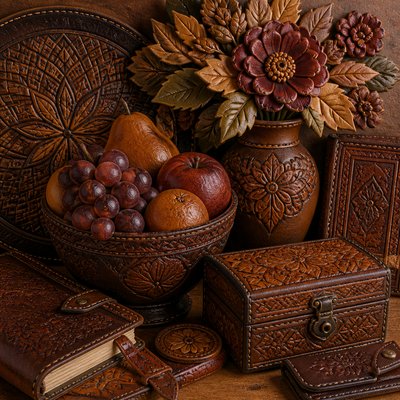
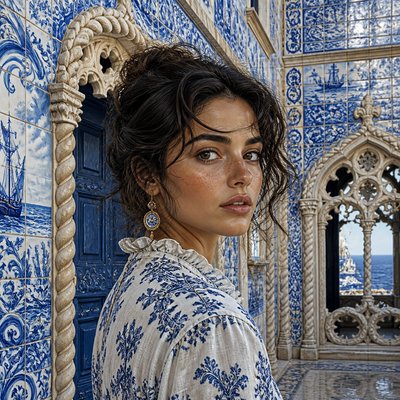
Surfaces are enriched with repeating floral, foliate, and ornamental motifs resembling woven silk, damask, or brocade. Pattern scale may shift across clothing, drapery, architectural details, and borders.
Jewel-toned palette
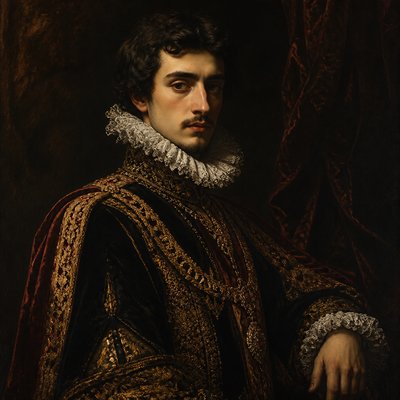
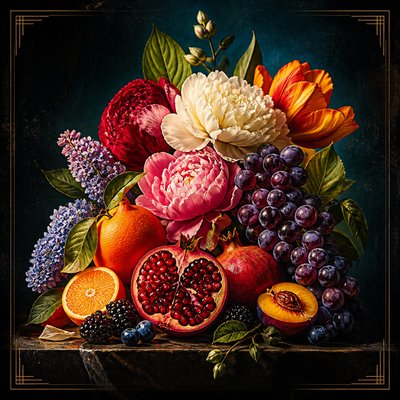
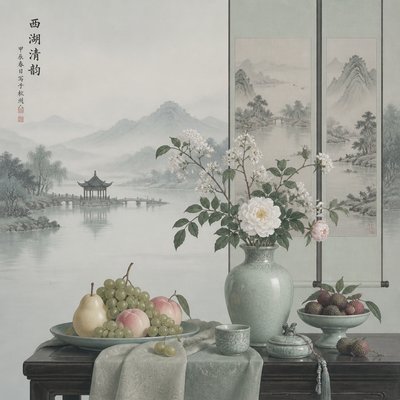
Saturated ruby, sapphire, emerald, amethyst, and deep teal are balanced with ivory, charcoal, and warm metallic accents. The colors suggest dyed silk while retaining the gravity of historical painting.
Civic allegory
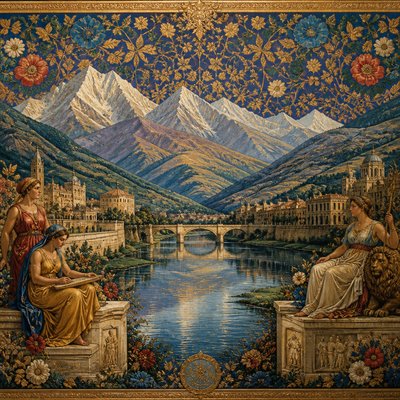
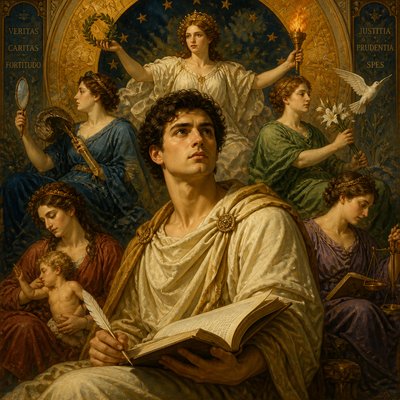
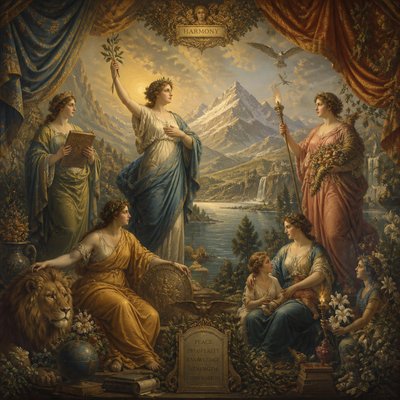
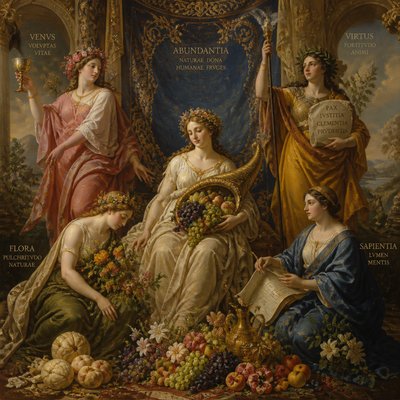
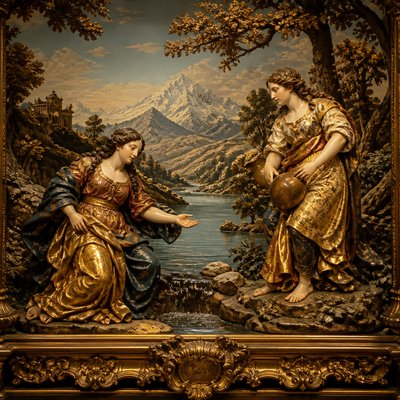
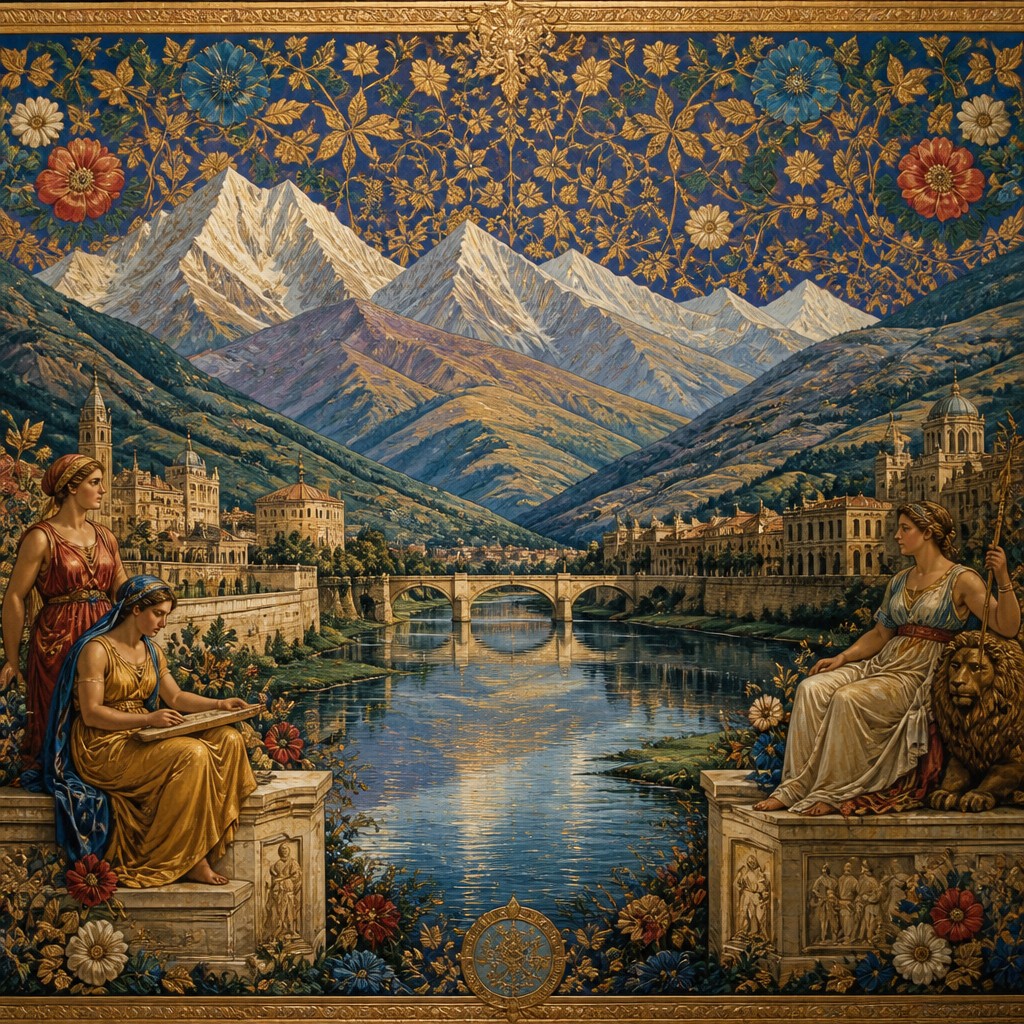
Figures may personify rivers, commerce, knowledge, industry, memory, or civic unity. Their gestures and attributes are arranged for symbolic legibility rather than casual realism.
Riverbank and urban settings
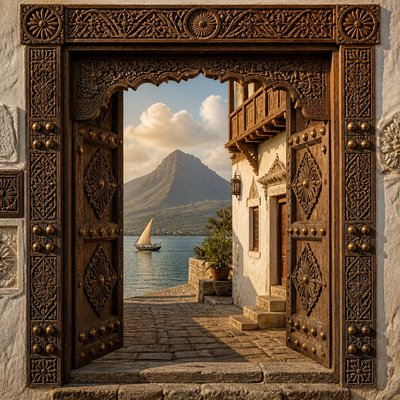
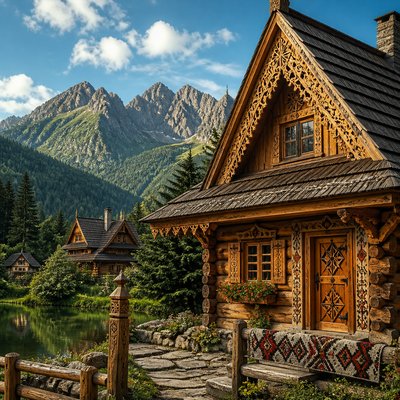
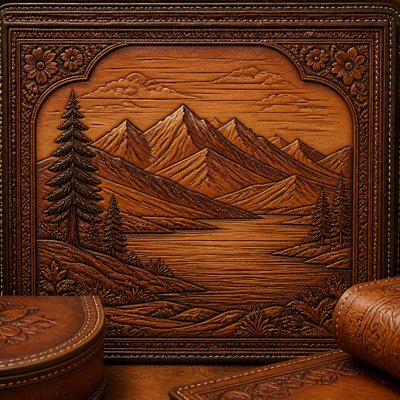
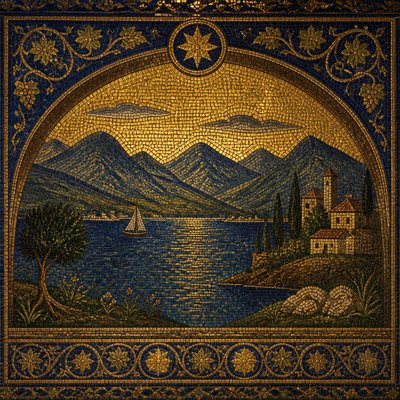
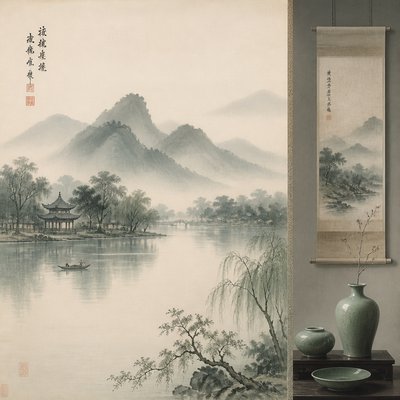
Quays, bridges, waterfront promenades, civic buildings, and broad river views provide recurring settings. These spaces connect the decorative richness of the foreground to a sense of public history.
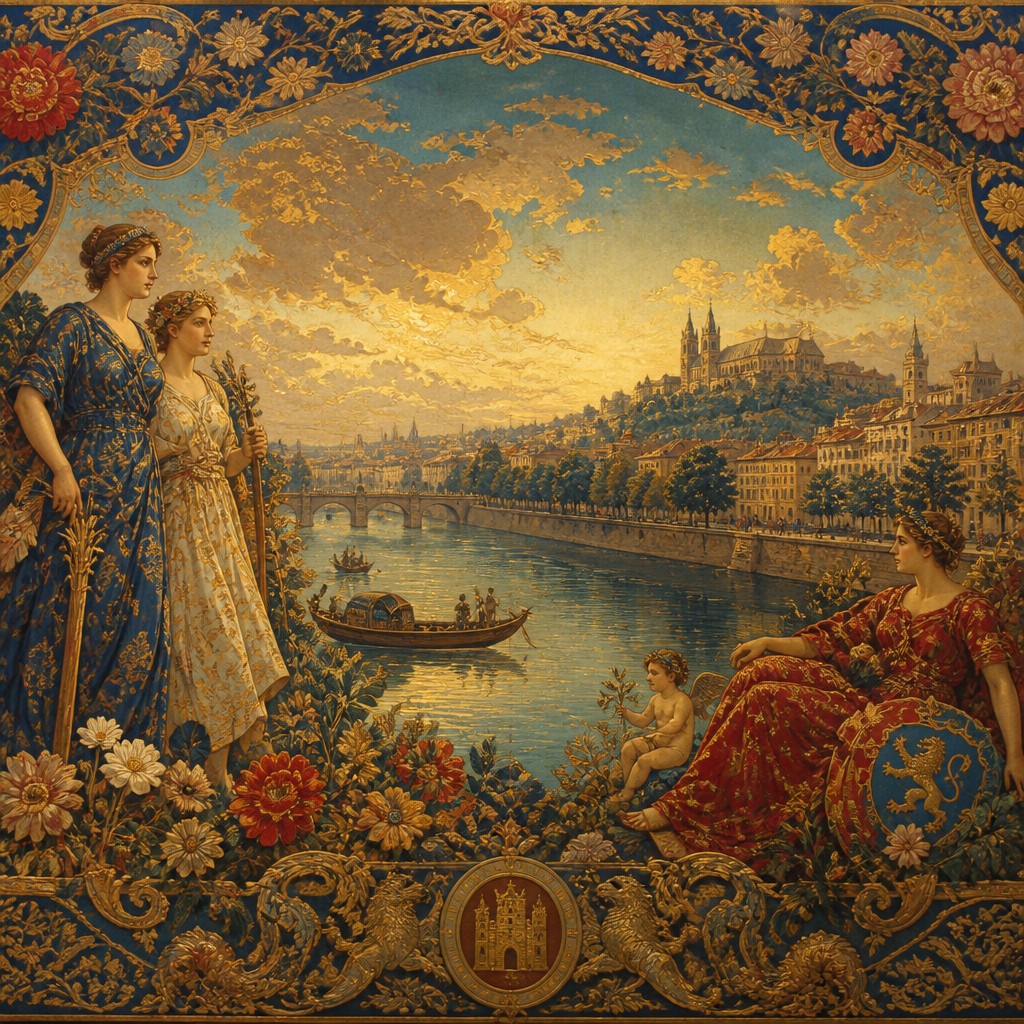
Classical composition
The style favors centered or carefully tiered arrangements, stable symmetry, repoussoir figures, and clear visual hierarchies. Groups are posed with the deliberate balance associated with monumental history painting.
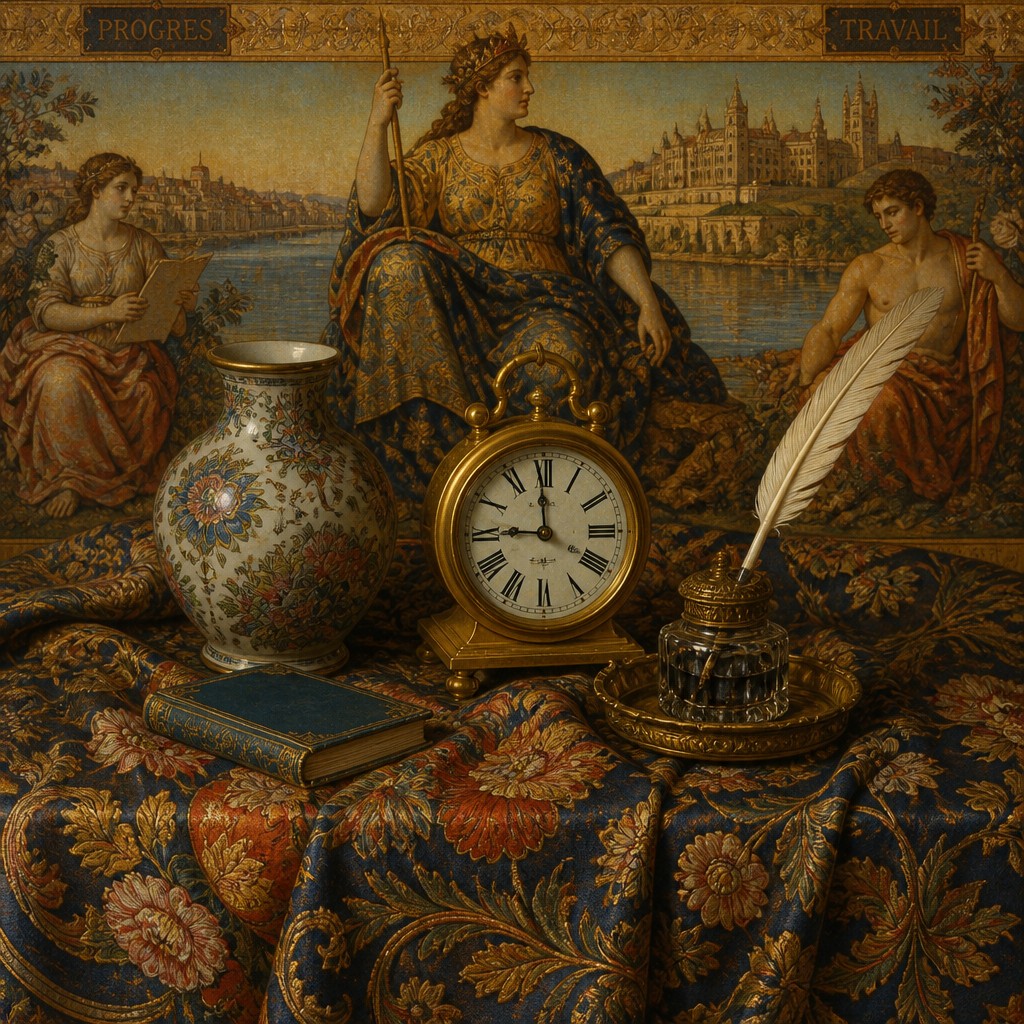
Gold-thread detailing
Fine luminous lines imitate metallic embroidery or woven gilt thread. They can outline garments, halos, architectural ornament, foliage, and patterned borders without turning the image into flat graphic design.
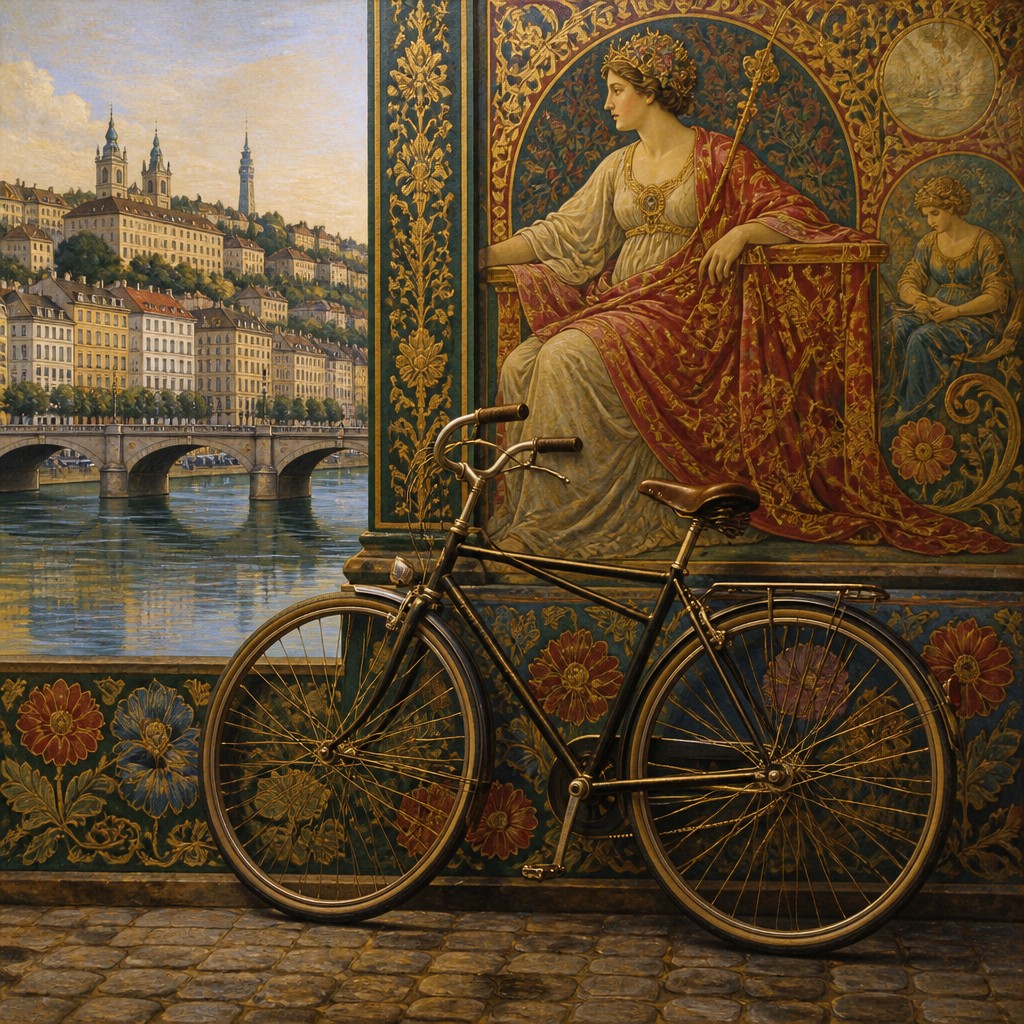
Polished luminous finish
Edges are generally controlled, surfaces smooth, and lighting softly radiant. The finish suppresses loose brushwork in favor of enamel-like clarity and the tactile illusion of richly finished fabric.
Lyon Prompt Ideas
Start from an idea — each one opens the generator with the style ready to go. See all 40 Lyon prompts →
How to Create Lyon Art
Master the craft step by step — or skip straight to creating. Read the full guide →
- 1
Build a classical composition
Start with a clear central subject, a stable horizon, and a foreground-middle-ground-background structure. Use symmetrical groupings or gently pyramidal arrangements to create the formal authority of a civic painting.
- 2
Treat textiles as architecture
Design floral motifs before applying them to garments, banners, curtains, or borders, and vary their scale to imply woven construction. In traditional media, layer transparent glazes and fine brushwork; digitally, use seamless pattern layers with controlled opacity.
- 3
Control the palette
Limit the dominant colors to two or three jewel tones, then add muted stone, cream, and antique gold for contrast. Reserve the brightest highlights for metallic lines, faces, water reflections, and symbolic objects.
- 4
Use allegorical details
Give each major figure a readable attribute such as a river vessel, book, cornucopia, bridge key, laurel, or woven cloth. Keep the symbolism integrated into the composition rather than scattering unrelated ornaments.
- 5
Finish with luminous surface work
Apply soft reflected light, refined edge control, and selective highlights to suggest polished paint and silk. Avoid excessive grain, sketchiness, or hard plastic rendering, which can weaken the historical and textile references.
- 6
Write focused generation prompts
Specify the subject, Lyon-inspired silk ornament, civic or river setting, jewel-toned palette, academic composition, and smooth luminous finish. Add constraints such as restrained anatomy, readable hands, coherent textile repetition, and no modern lettering when needed.
The Story
History & Origins of Lyon
Its second foundation is European academic history painting and civic mural design, traditions that use allegory, controlled perspective, idealized figures, and public symbolism to represent collective identity. The style also adapts the monumental clarity of riverfront murals and civic imagery, combining those references with digitally polished surfaces and textile-inspired pattern density.
Influences: The style relates to Lyon’s silk and textile heritage, European academic history painting, civic mural traditions, allegorical art, damask and brocade ornament, and decorative classicism. It also shares qualities with illuminated manuscript borders, theatrical pageantry, monumental public art, and digitally refined concept painting, while remaining distinct from any single historical movement.
Frequently Asked Questions
What defines Lyon Art Style?
It is defined by the fusion of silk-brocade ornament, jewel-toned color, civic allegory, riverfront settings, and polished academic composition. Gold thread-like detailing and a smooth luminous finish are especially characteristic.
Is Lyon Art Style a real historical art movement?
No. It is a contemporary invented style rather than a documented historical school. Its visual language is grounded in real references, especially Lyon’s textile heritage, European history painting, and civic mural traditions.
How is it different from Baroque painting?
Both may use allegory, theatrical figures, and rich ornament, but Lyon Art Style is generally more controlled and textile-focused. It favors balanced civic compositions, woven floral patterning, and smooth surfaces over Baroque dynamism, dramatic diagonals, and intense chiaroscuro.
What subjects work well in this style?
River landscapes, bridges, civic buildings, public ceremonies, symbolic portraits, historical scenes, and personifications of abstract ideas are particularly effective. Ordinary subjects can also work when framed as formal civic or textile-inspired tableaux.
How can I create this look with traditional materials?
Use a carefully planned underdrawing, limited jewel-toned palette, layered glazes, and fine brushes for pattern and metallic accents. Repeating motifs can be designed separately and transferred to fabric areas, borders, banners, or architectural ornament.
How should I describe the style in an image prompt?
Combine a specific subject with silk-brocade floral patterning, jewel tones, civic allegory, a riverbank or monumental setting, classical balance, and a polished luminous surface. Mention the desired symbolism and textile locations so the ornament supports rather than obscures the scene.
Create your first Lyon artwork
Describe anything — or upload a photo — and see it in Lyon Art Style in seconds.
Related Styles
Discover similar art styles