Suzhou Art Style
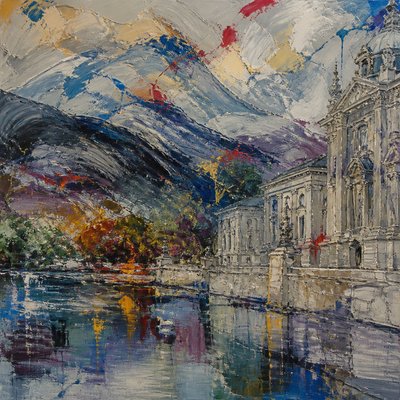
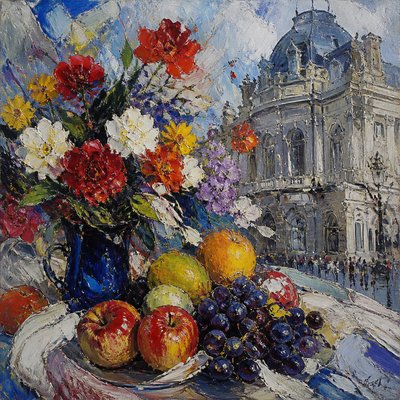
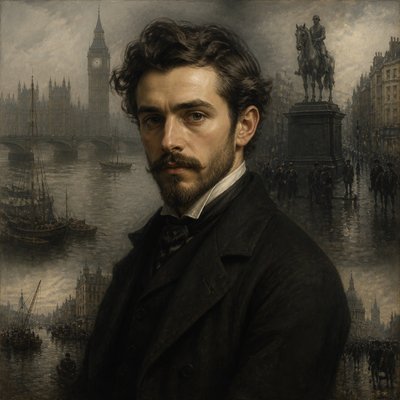
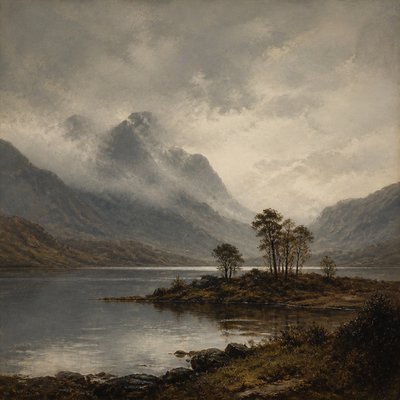
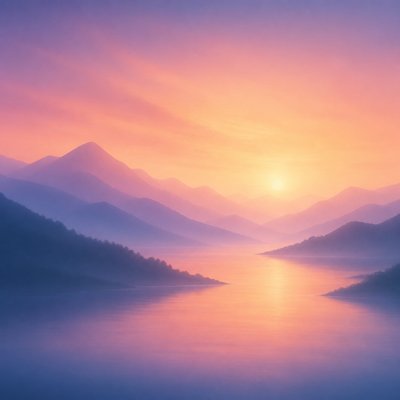
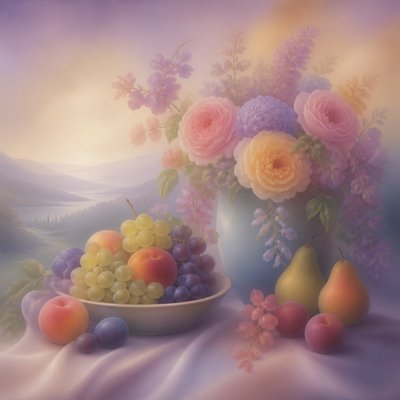
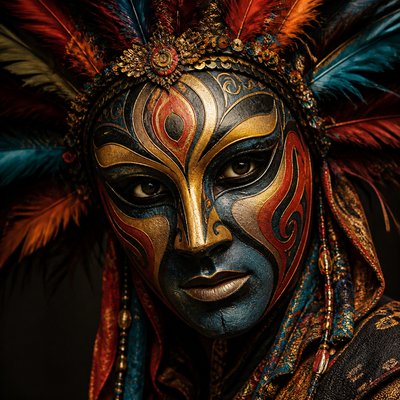
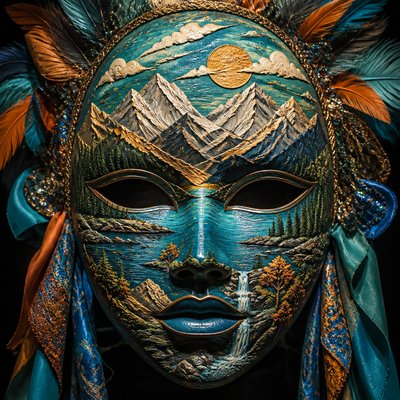
Explore Suzhou art style: classical gardens, literati ink landscapes, scholar rocks, bamboo, moon gates, and delicate silk embroidery.
Instantly rendered in Suzhou — or transform a photo
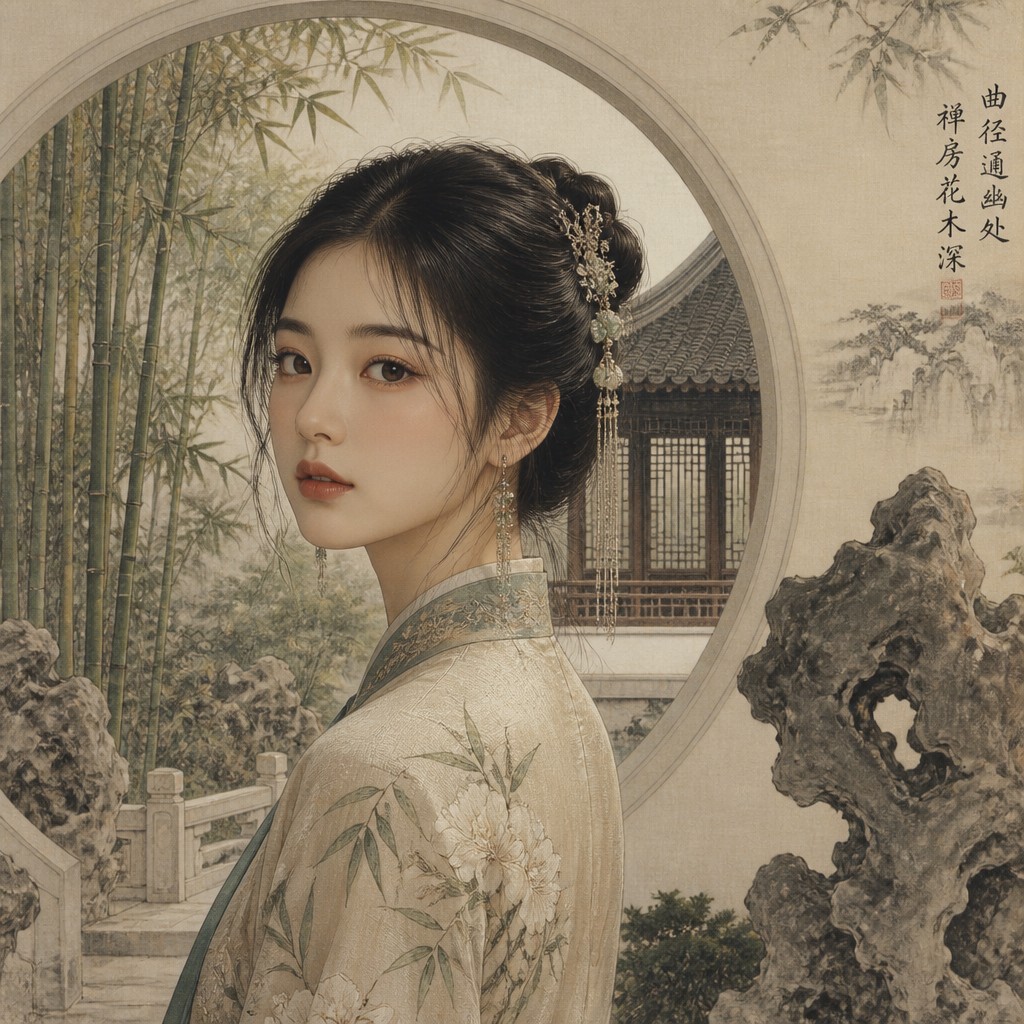
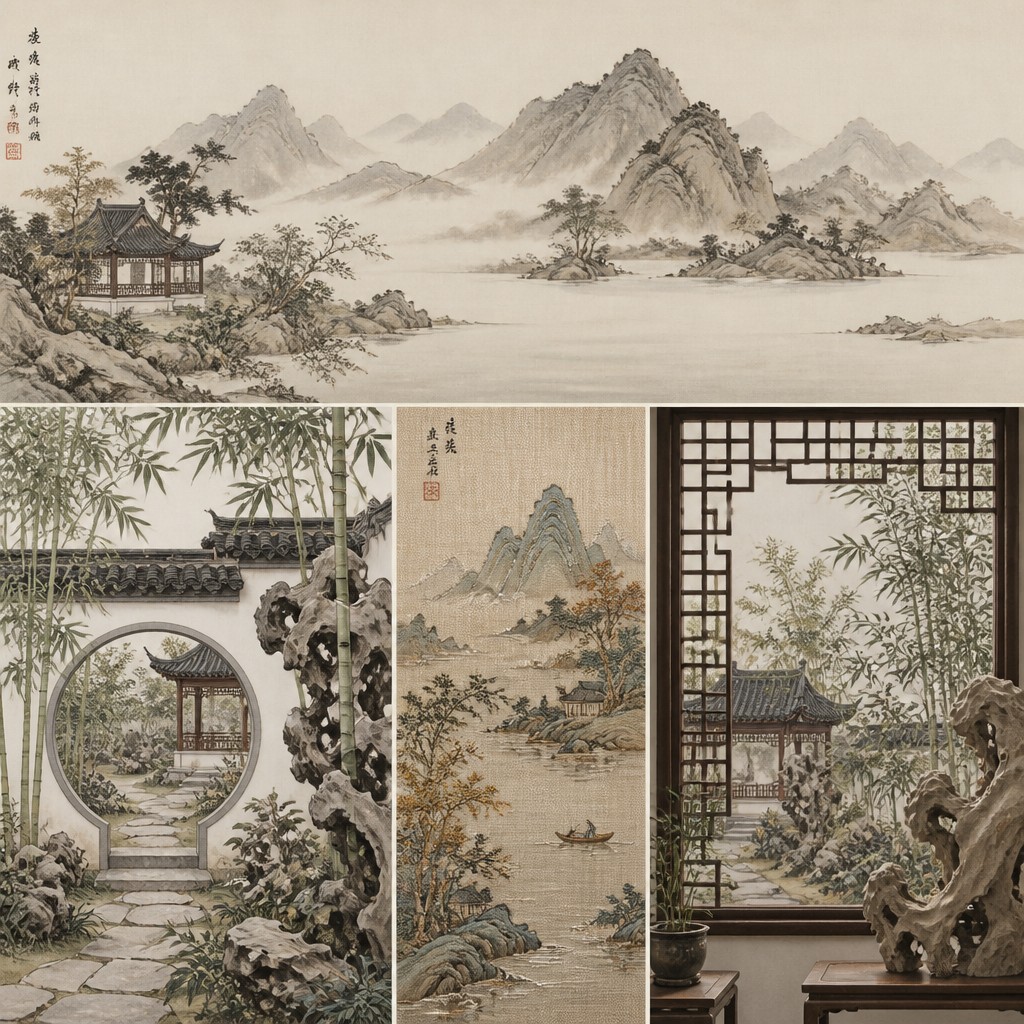
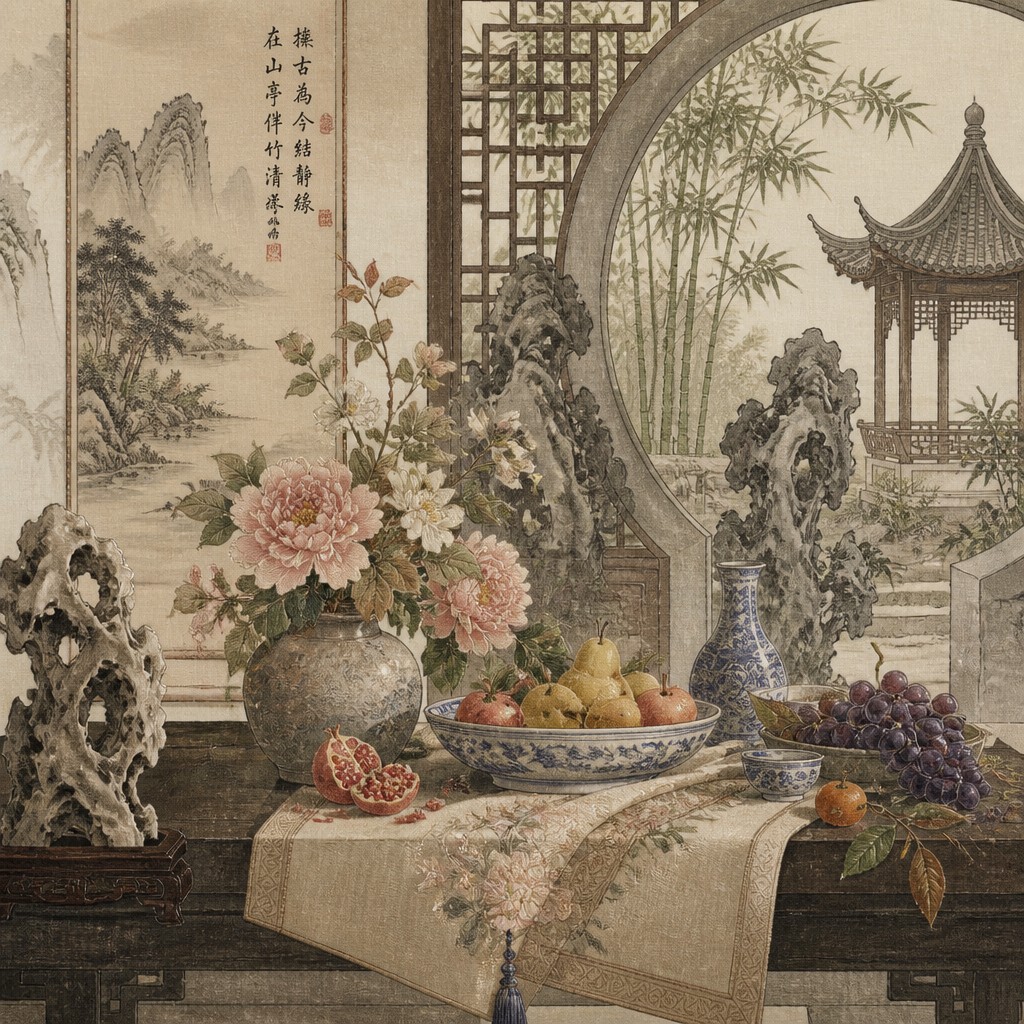
Suzhou Gallery
Tap any artwork to explore it
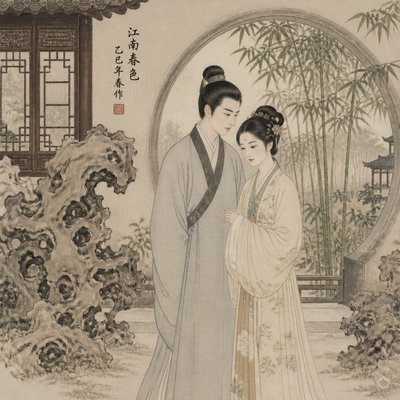
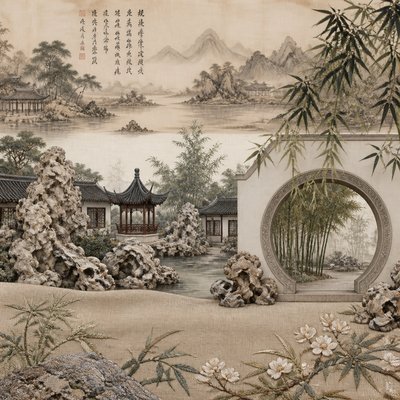
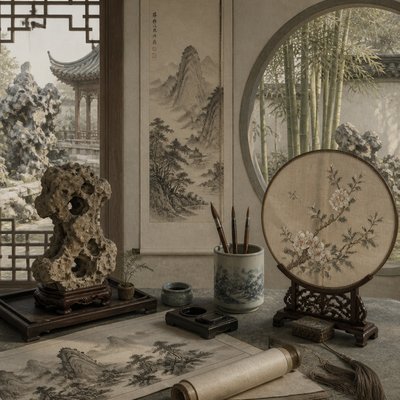
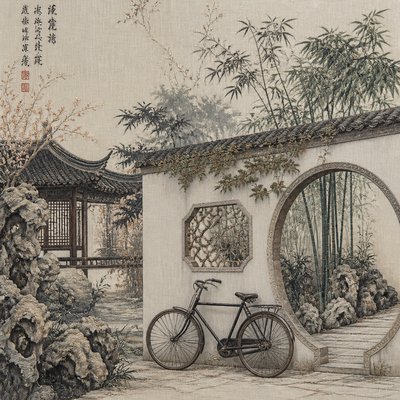
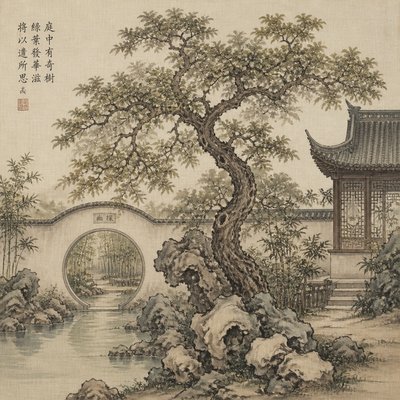
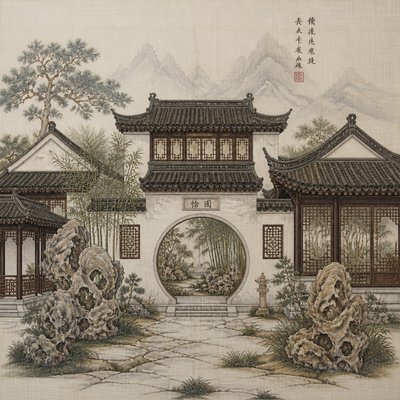
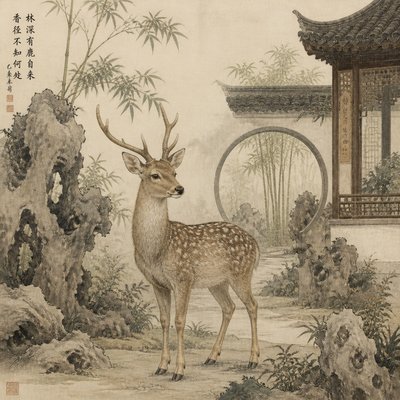
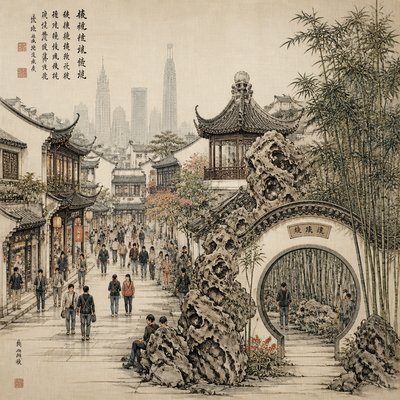
What is Suzhou Art Style?
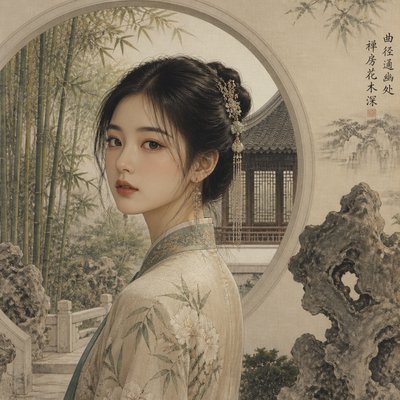
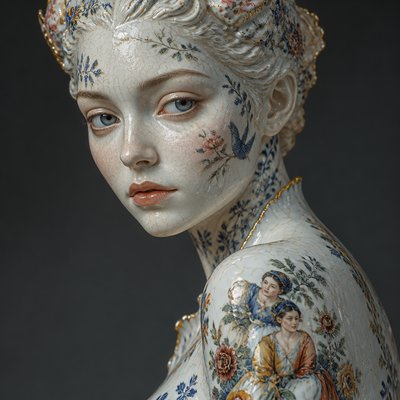
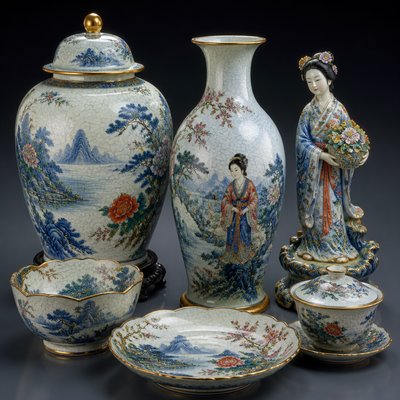
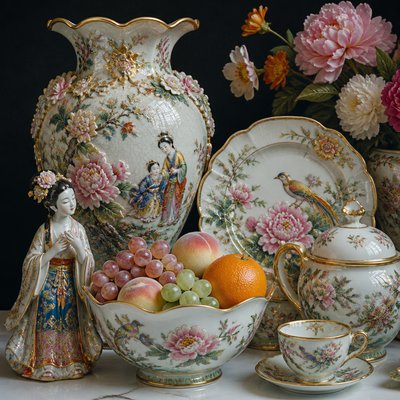
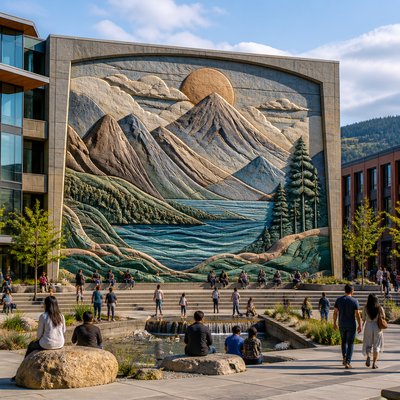
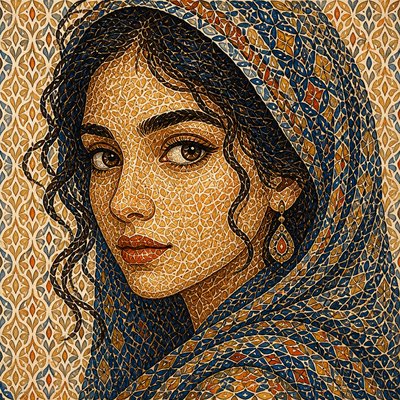
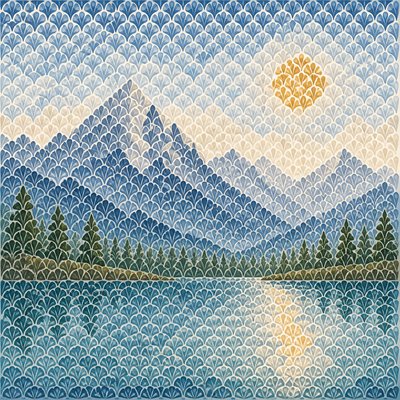
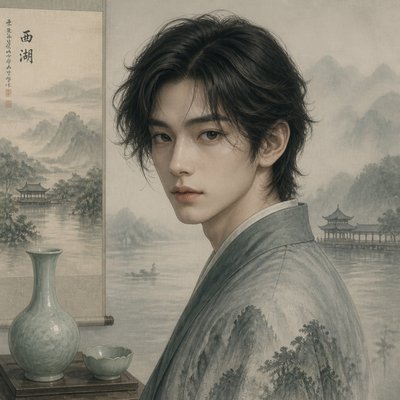
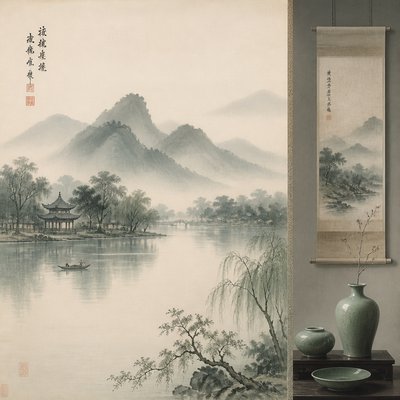
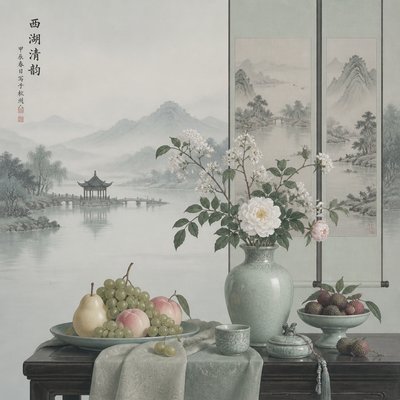
Suzhou art style is a contemporary descriptive synthesis of visual traditions associated with Suzhou and the Jiangnan region of China. It brings together the spatial poetry of classical scholar gardens, the restrained brushwork of Chinese literati landscape painting, and the minute craftsmanship of Suzhou silk embroidery. Its characteristic mood is quiet, cultivated, and contemplative rather than dramatic.
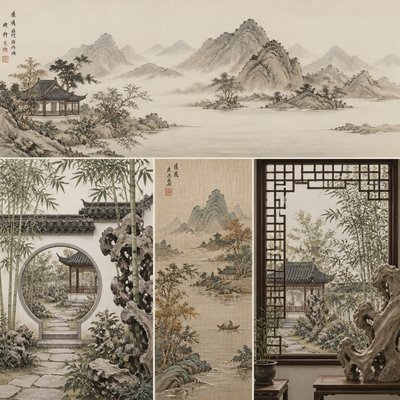
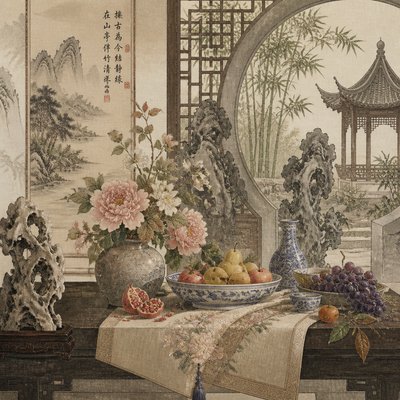
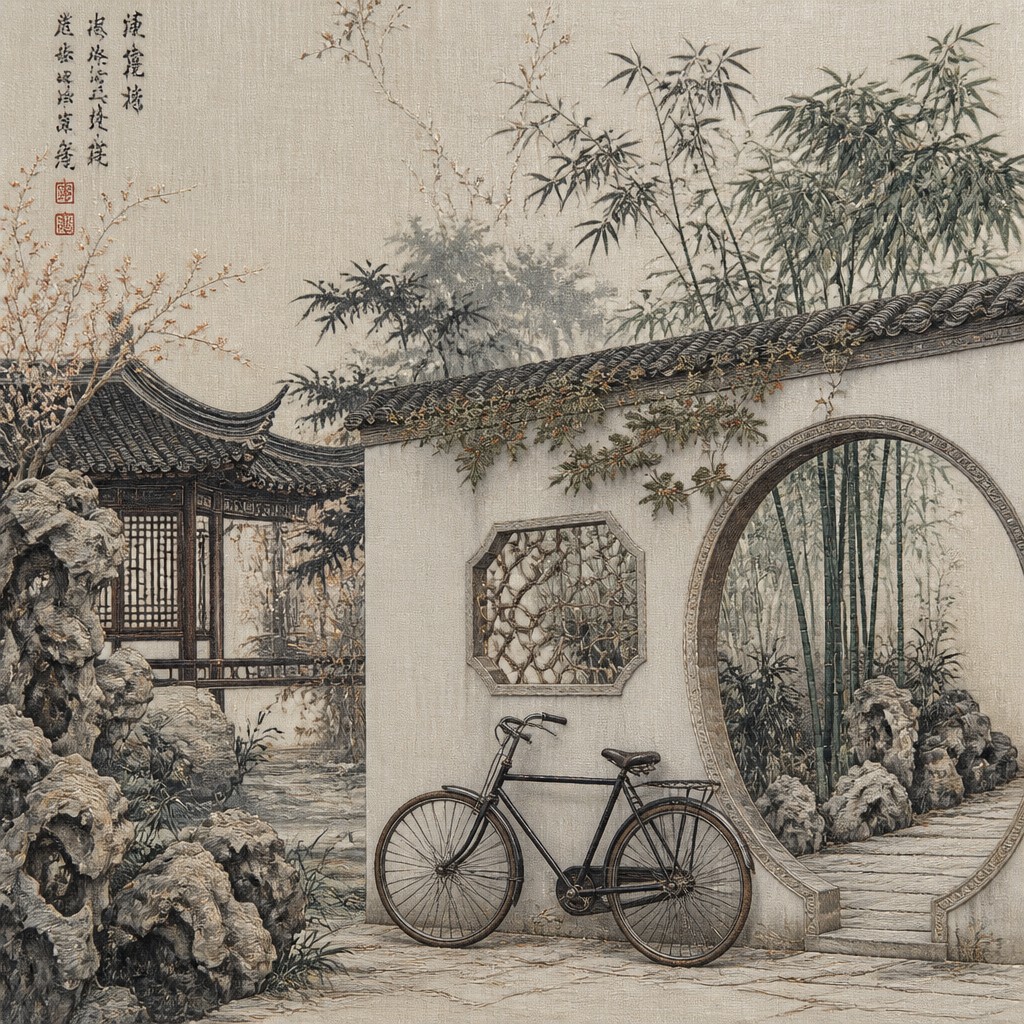
The style is defined by carefully composed asymmetry, veiled distance, and an interplay between solid structure and open space. Rockeries, moon gates, bamboo, ponds, pavilions, lattice windows, and scholar rocks are arranged as views within views, while ink washes, muted earth colors, and softly graduated silk threads create a sense of atmosphere and refinement. The result may appear as a painting, architectural study, embroidered textile, or hybrid digital image.
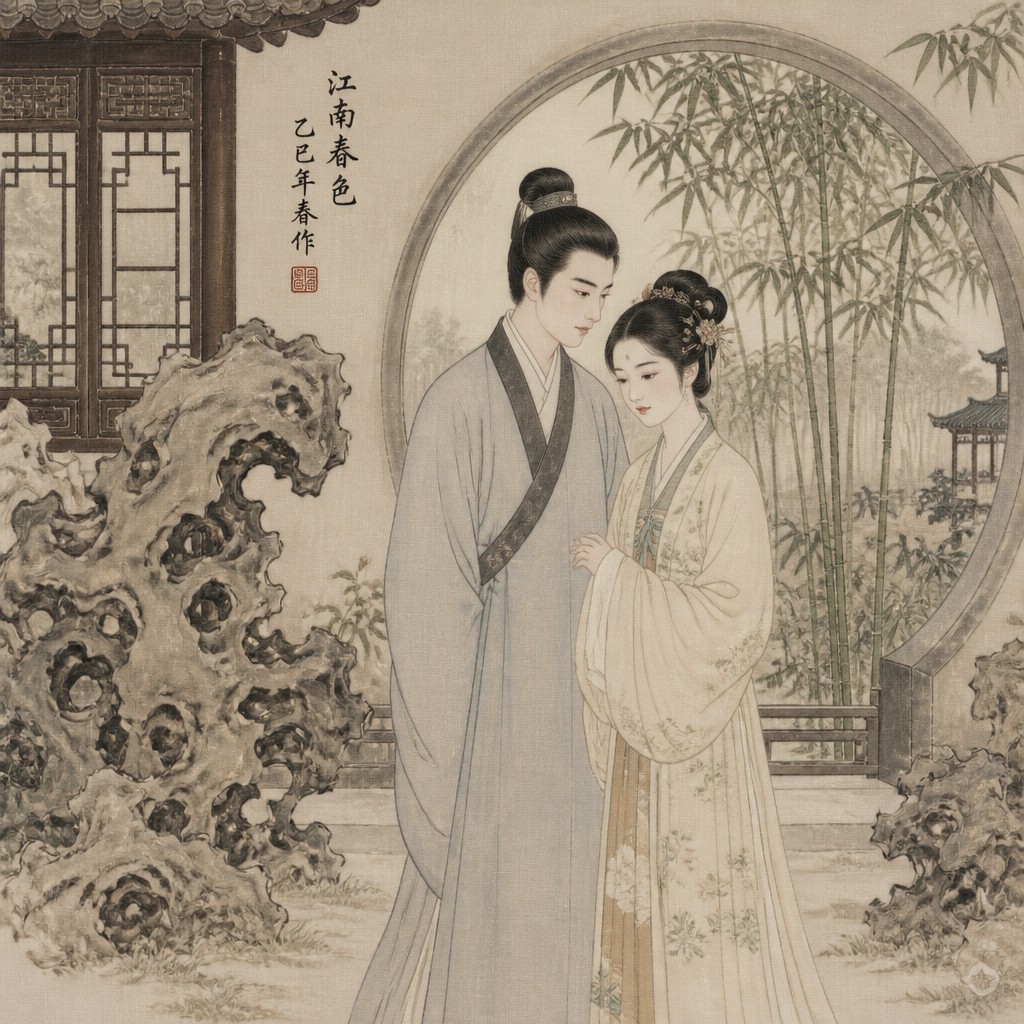
Try It On Your Photos
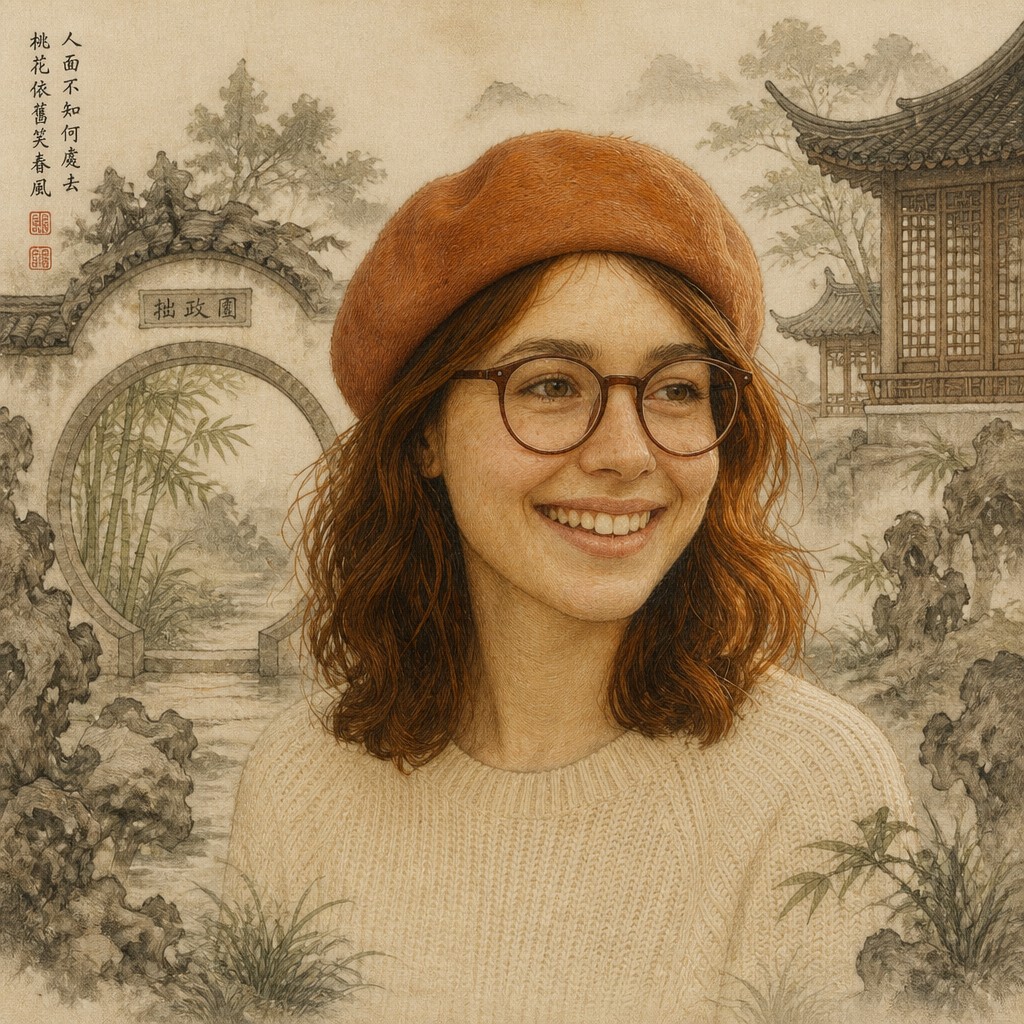
Upload any photo and convert it into Suzhou Art Style — drag the sliders to compare before and after.


What Defines Suzhou Art Style
The signature details, up close
Garden composition
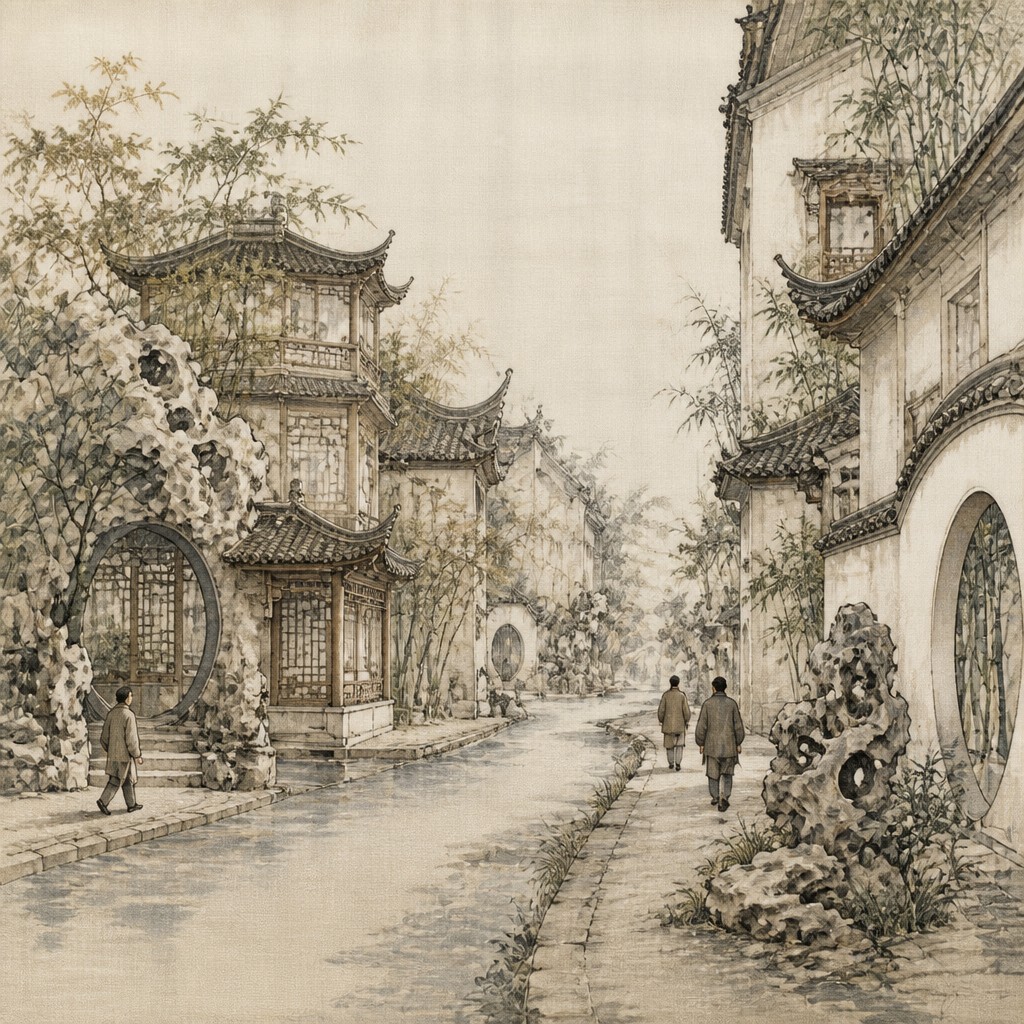
Winding paths, irregular scholar rocks, water surfaces, whitewashed walls, and lattice-windowed pavilions create layered scenes rather than straightforward views. Architectural elements often frame one another through moon gates or other apertures.
Literati ink language
Sparse, economical brushwork suggests mountains, foliage, and distant architecture with selective marks instead of exhaustive detail. Ink density, dry-brush texture, and atmospheric blank space carry much of the image's meaning.
Refined negative space
Unpainted or lightly tinted areas represent mist, water, sky, and silence. Open space balances dense rockeries, bamboo clusters, and architectural details.
Muted natural palette
Ink black, warm gray, stone beige, moss green, faded blue, and restrained ochre are favored over saturated color. Color is usually subordinate to tonal structure and material atmosphere.
Silk-like surface
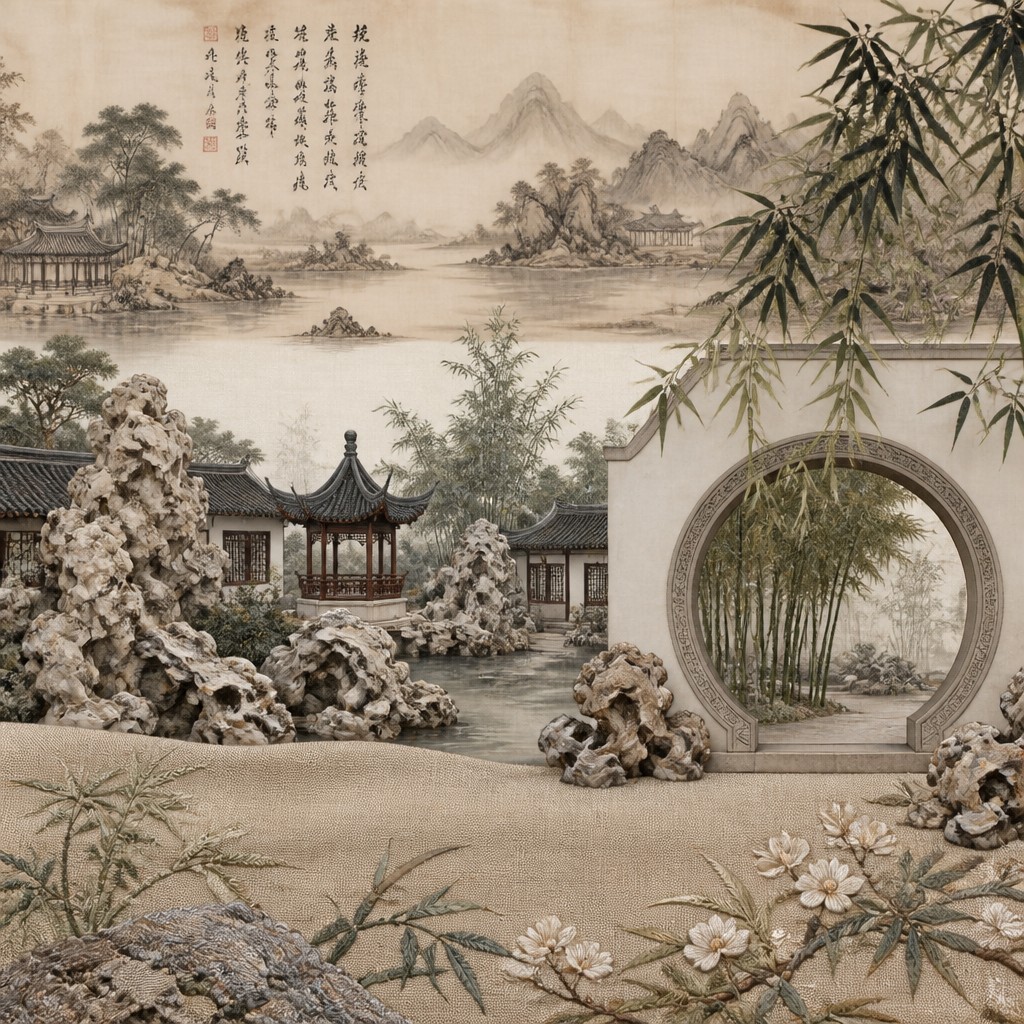
Fine parallel stitches, softly blended threads, and delicate tonal transitions evoke Suzhou embroidery. Surfaces may suggest woven silk even when the work is rendered as paint or digital imagery.
Framed viewpoints
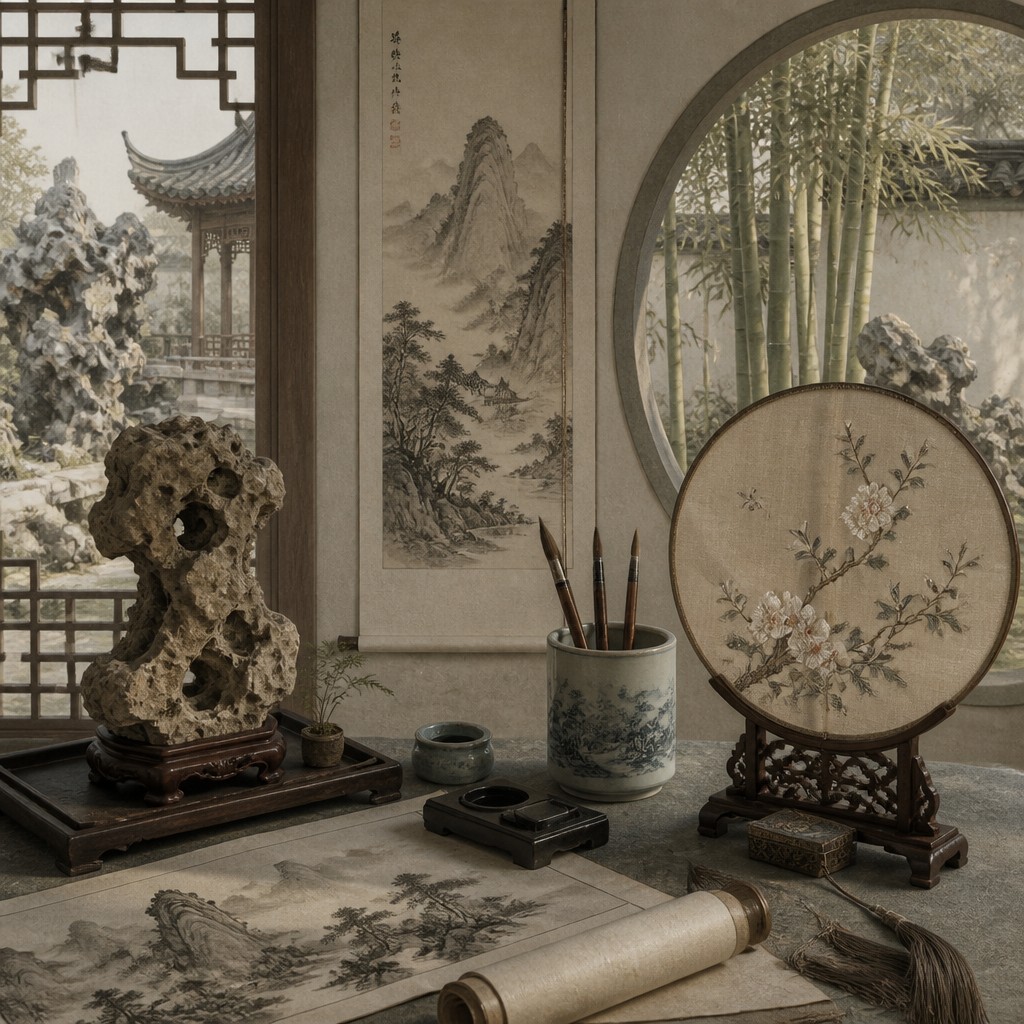
Moon gates, windows, screens, corridors, and garden openings act as pictorial frames. They establish a sequence of intimate discoveries and reinforce the relationship between architecture and landscape.
Cultivated naturalism
Bamboo, flowering plants, water, rocks, and mist appear arranged but not rigidly formal. The ideal is a believable, meditative landscape shaped by human cultivation while retaining organic irregularity.
Suzhou Prompt Ideas
Start from an idea — each one opens the generator with the style ready to go. See all 40 Suzhou prompts →
How to Create Suzhou Art
Master the craft step by step — or skip straight to creating. Read the full guide →
- 1
Build the composition in layers
Start with a quiet foreground, a middle-ground garden structure or rockery, and a softened background of water, mist, or distant vegetation. Use a moon gate, lattice window, or corridor to create a secondary frame within the image.
- 2
Control the brushwork
Use varied ink dilution, dry-brush marks, and deliberate gaps rather than evenly describing every surface. Reserve darker accents for rock contours, roof edges, bamboo joints, and selected architectural details.
- 3
Suggest embroidery through texture
For traditional textile work, use split silk threads, short directional stitches, and gradual color blending to model petals, feathers, rocks, or mist. In digital work, imitate this with fine parallel thread marks, low-contrast gradients, and a softly lustrous fabric grain.
- 4
Keep color restrained
Begin with a monochrome ink structure, then add muted greens, blue-grays, ochres, and warm stone tones sparingly. Avoid high-contrast neon color or heavy black outlines that disrupt the contemplative balance.
- 5
Use material-specific tools
Traditional results can be developed with ink, xuan paper, mineral or watercolor pigments, silk, and fine embroidery needles. Digital artists can combine textured brushes, opacity masks, paper grain, silk overlays, and subtle blur to keep the surfaces tactile.
- 6
Write precise generation prompts
Specify the subject, garden architecture, ink density, framing device, palette, atmospheric distance, and embroidery or silk texture. Ask for sparse brushwork and quiet negative space, and exclude glossy photorealism, saturated colors, and clutter when necessary.
The Story
History & Origins of Suzhou
Suzhou art style is not a single historical movement with a fixed period or manifesto. It is an aesthetic lineage drawn from the classical gardens of Suzhou, which developed over centuries and reached particular sophistication during the late imperial period, especially under the Ming and Qing dynasties. These gardens were designed as compact landscapes for contemplation, literary gathering, and movement through changing framed views, using ponds, rockeries, pavilions, plants, walls, and openings to create visual sequences.
Its pictorial language also draws on Chinese literati painting, a tradition that valued expressive brushwork, cultivated simplicity, poetic suggestion, and the spiritual interpretation of landscape over literal topographical description. Its textile dimension comes from Suzhou embroidery, known for split silk threads, subtle color transitions, extremely fine stitching, and imagery that can be viewed on one or both sides. The unified style seen today is best understood as a modern cross-media interpretation of these established traditions.
Influences: The style is related to Chinese literati painting, ink-wash landscape, gongbi and freehand brush traditions, Suzhou embroidery, Jiangnan garden design, and the broader aesthetics of scholar culture. It also shares qualities with Song and later landscape traditions, traditional Chinese architectural composition, ink-and-color scrolls, and East Asian appreciation of asymmetry, seasonal change, and meaningful empty space. Its modern hybrid form may additionally overlap with textile art, editorial illustration, concept art, and digitally simulated handmade craft.
Frequently Asked Questions
What defines the Suzhou art style?
It combines classical Suzhou garden imagery, Chinese literati ink aesthetics, and the fine surface language of silk embroidery. Key features include moon gates, pavilions, scholar rocks, bamboo, quiet water, sparse brushwork, negative space, and muted colors.
Is Suzhou art style a historical art movement?
No. The phrase is best treated as a contemporary umbrella description rather than the name of a single historical school. It refers to an aesthetic synthesis based on authentic regional traditions, including Suzhou gardens, Chinese ink painting, and Suzhou embroidery.
How does it differ from general Chinese ink wash painting?
Chinese ink wash painting is a broad medium and artistic tradition with many subjects and regional approaches. The Suzhou-oriented version places greater emphasis on Jiangnan garden architecture, framed views, pavilions, rockeries, lattice windows, and the refined domestic atmosphere associated with garden culture.
How can I make an image look more like silk embroidery?
Use fine directional marks, split-thread effects, gradual tonal transitions, and a slightly lustrous textile surface. Keep the palette controlled and describe the stitch direction or embroidered material explicitly rather than relying only on the word 'silk.'
What subjects work well in this style?
Classical gardens, bamboo groves, moon gates, scholar rocks, ponds, pavilions, bridges, flowering plants, and quiet interior garden scenes are especially suitable. Birds, distant mountains, seasonal branches, and small architectural details can add narrative without overwhelming the composition.
Where is this aesthetic used today?
It appears in painting, embroidery, textile design, book and editorial illustration, cultural interpretation, interior imagery, architectural visualization, and digital art. Contemporary works may combine scroll composition with simulated fabric, paper, or ink textures.
Create your first Suzhou artwork
Describe anything — or upload a photo — and see it in Suzhou Art Style in seconds.
Related Styles
Discover similar art styles