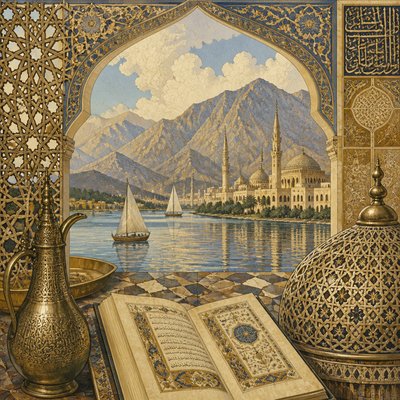
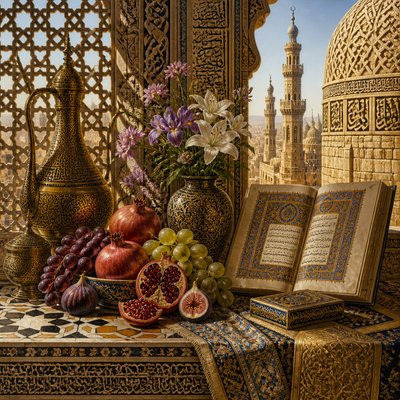
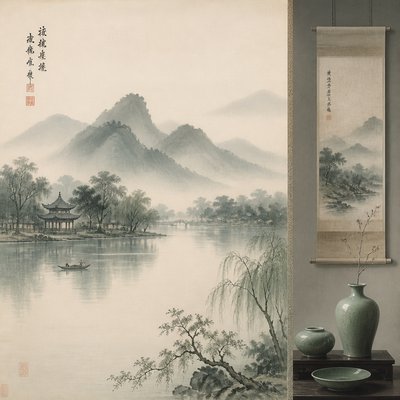
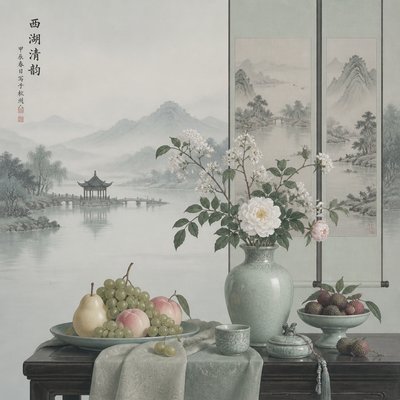
Dublin Art Style
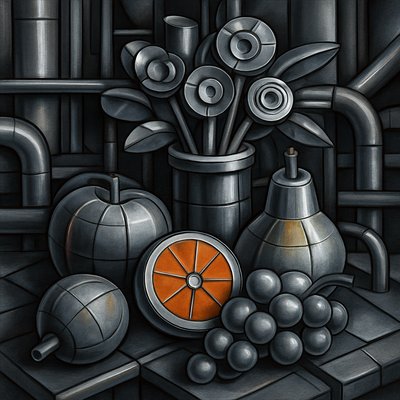
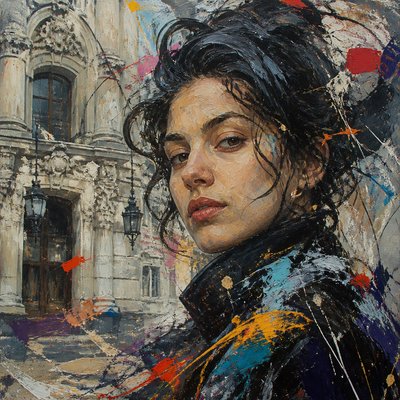
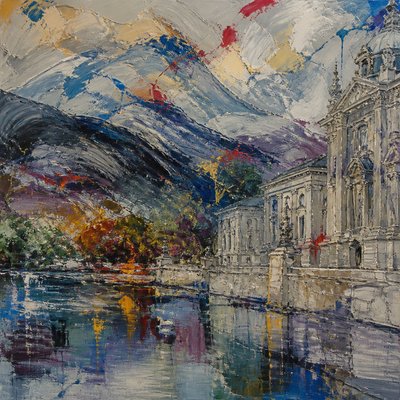
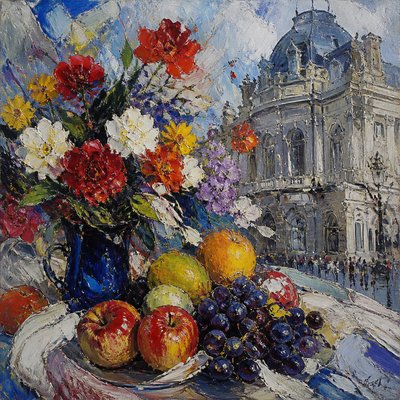
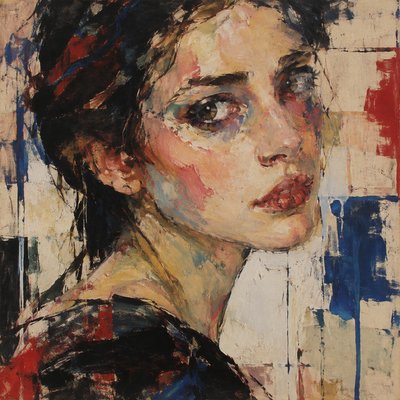
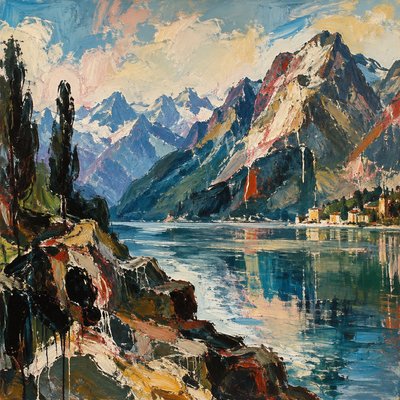
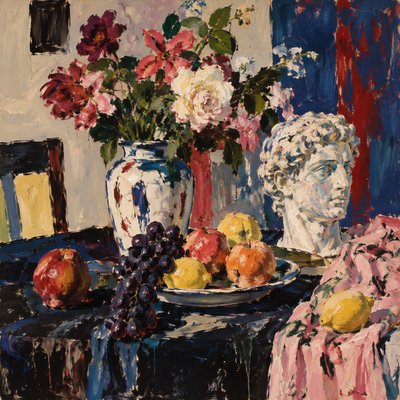
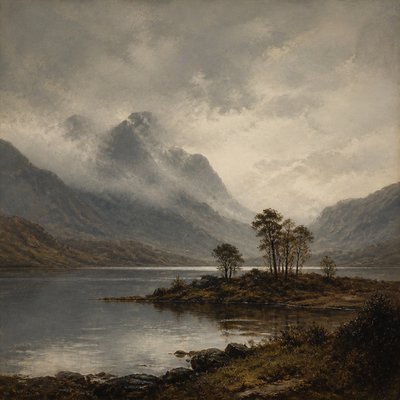
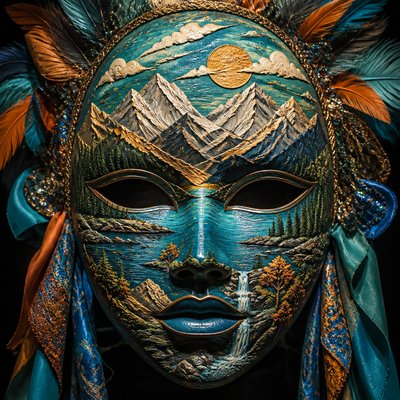
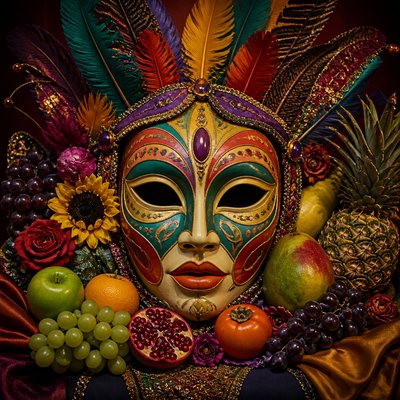
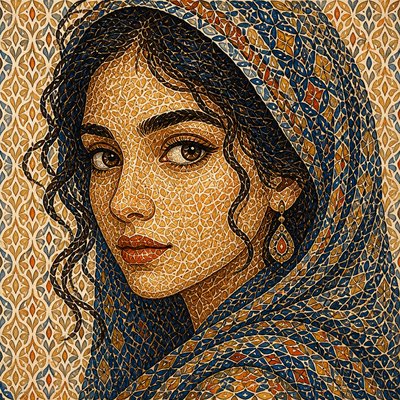
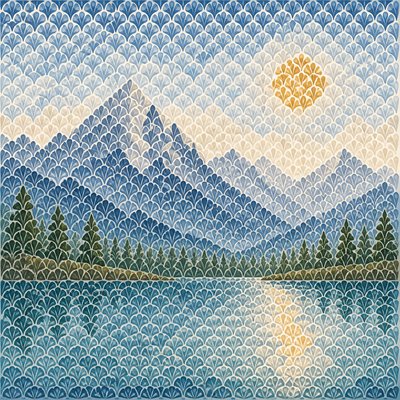
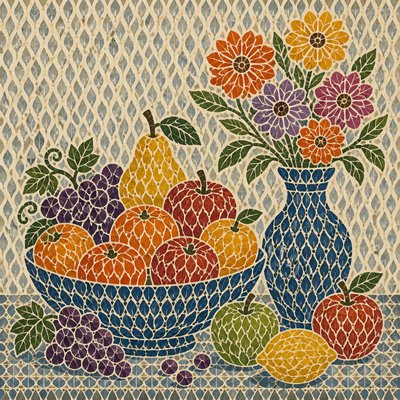
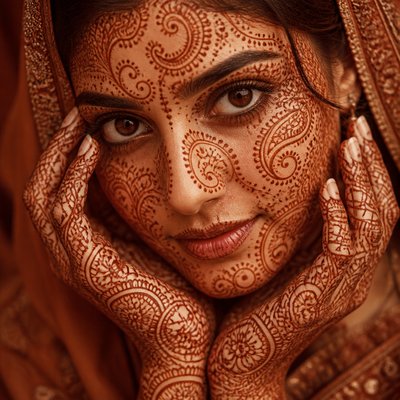
Explore Dublin Art Style: Celtic knotwork, Georgian architecture, illuminated color, and refined sepia portraiture in one decorative visual language.
Instantly rendered in Dublin — or transform a photo
Dublin Gallery
Tap any artwork to explore it
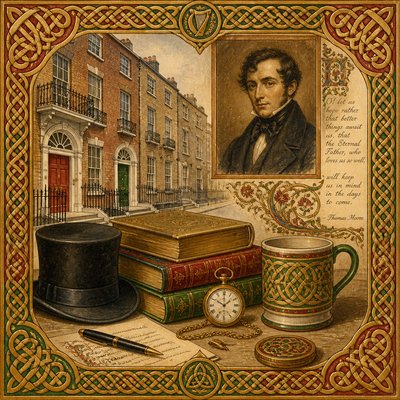
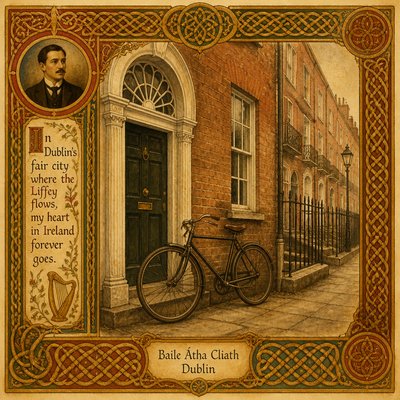
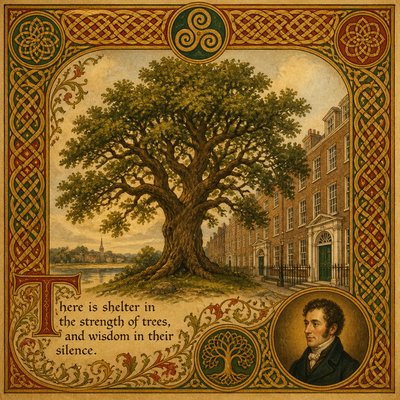
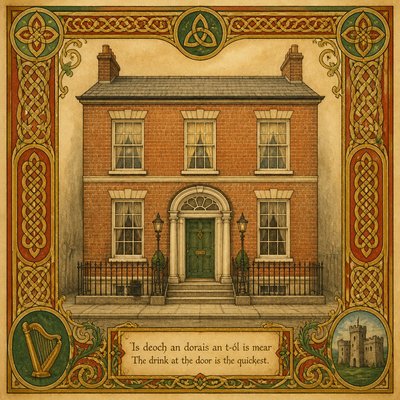
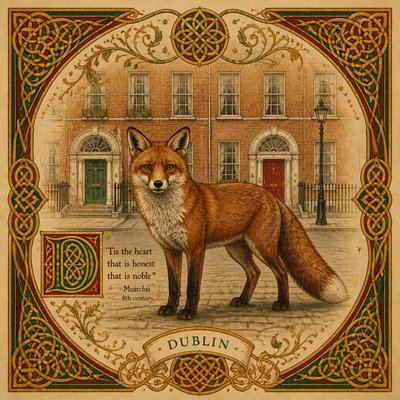
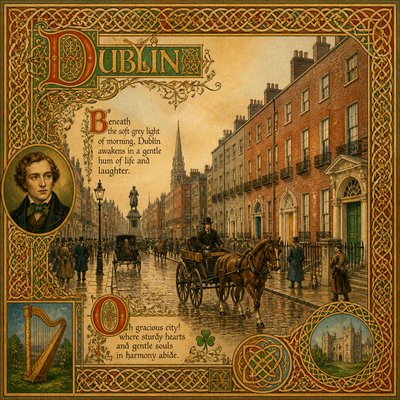
What is Dublin Art Style?
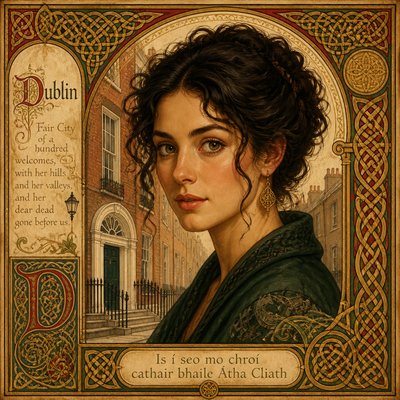
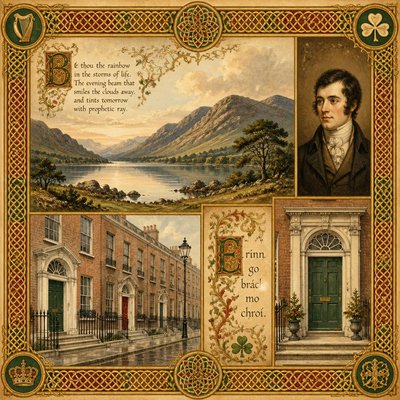
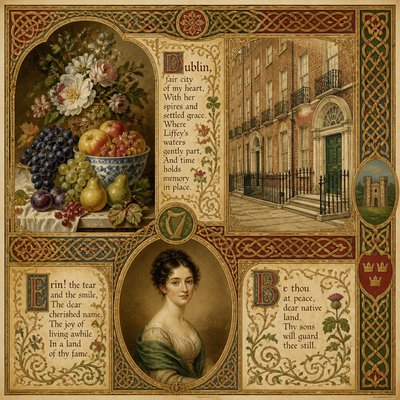
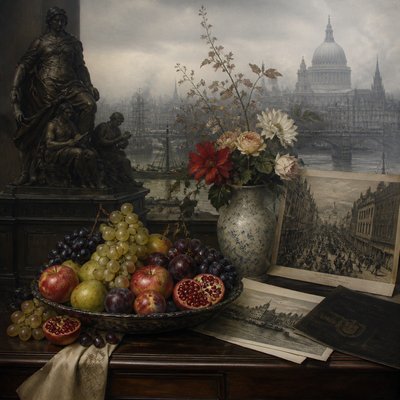
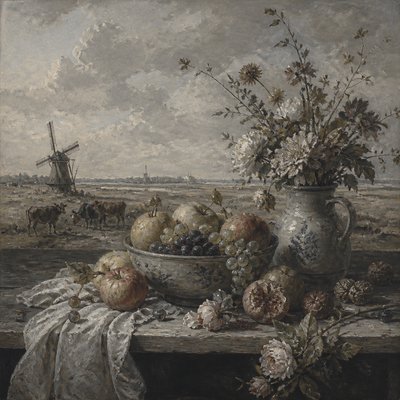
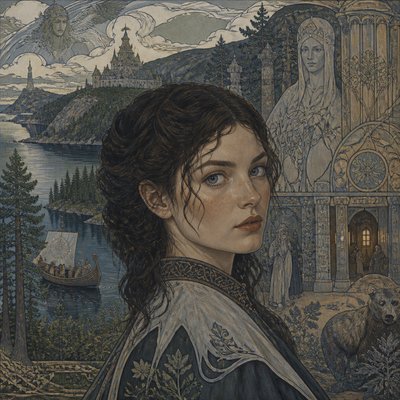
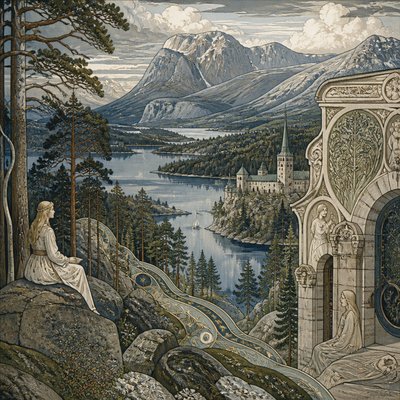
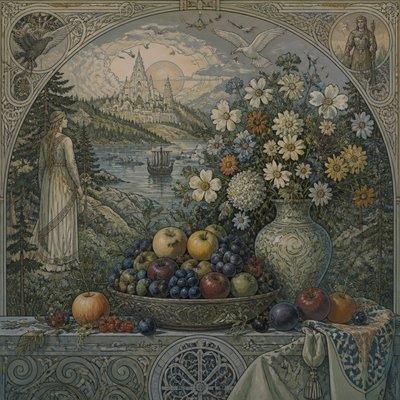
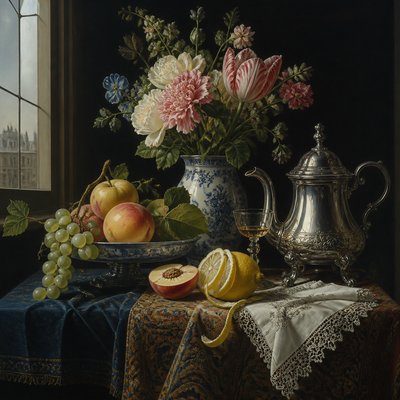
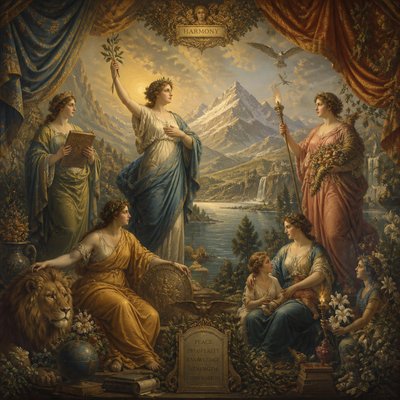
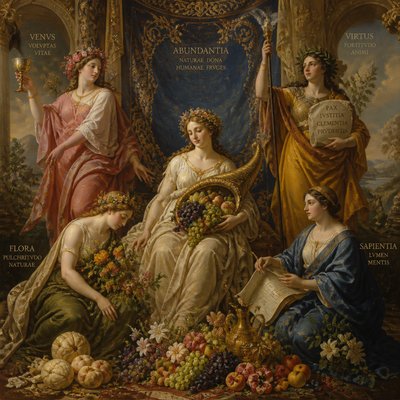
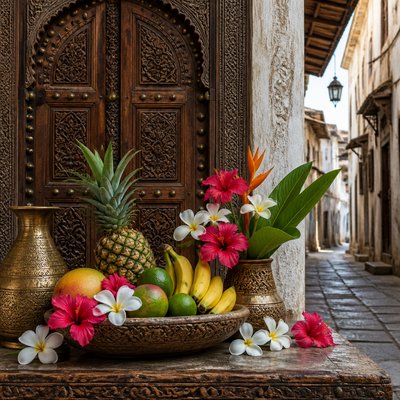
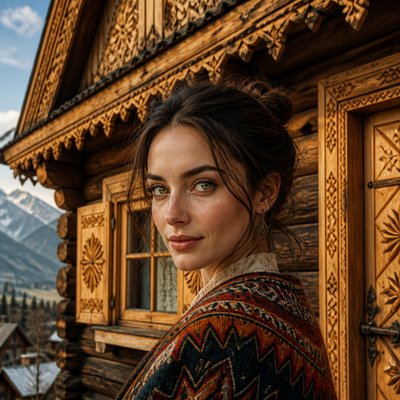
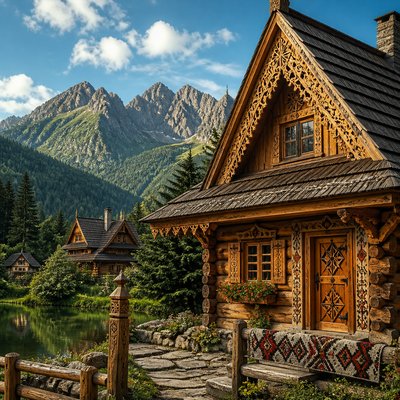
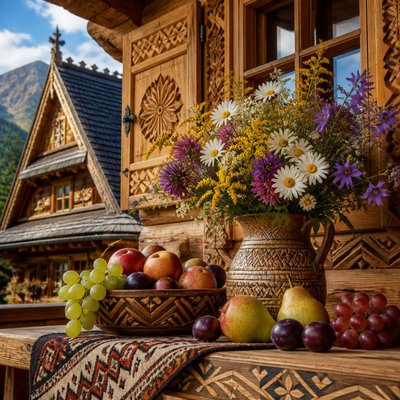
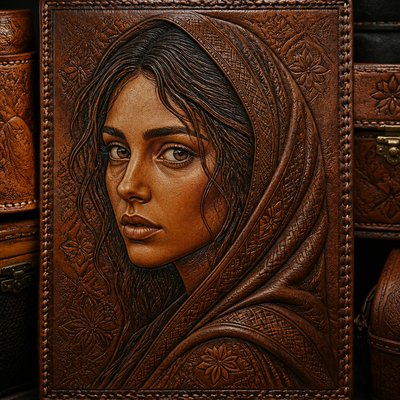
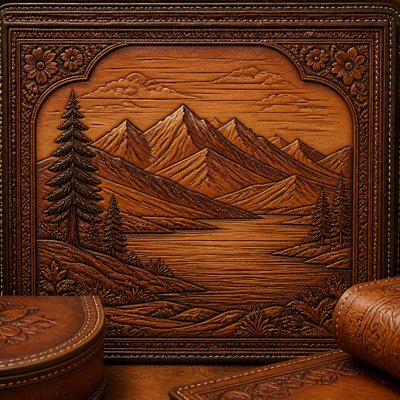
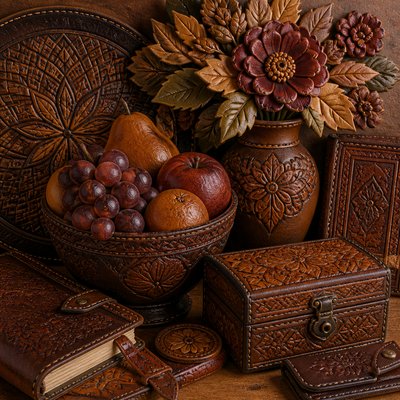
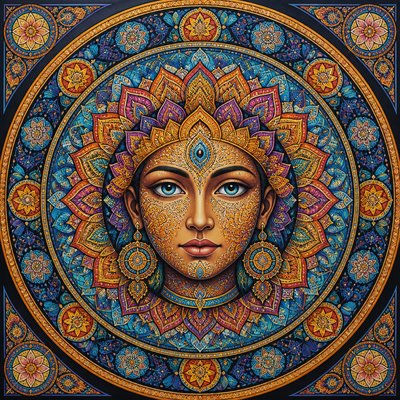
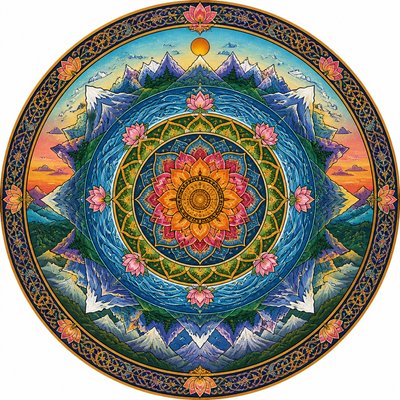
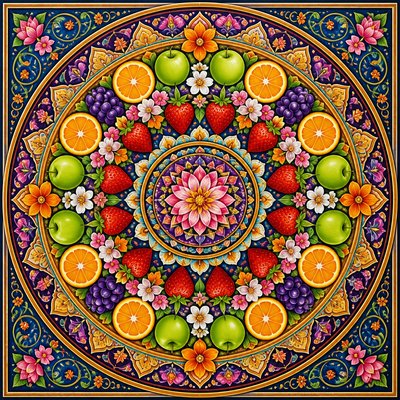
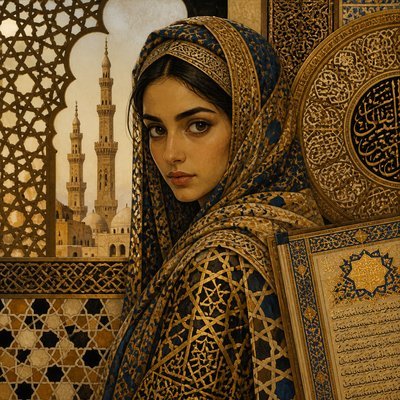
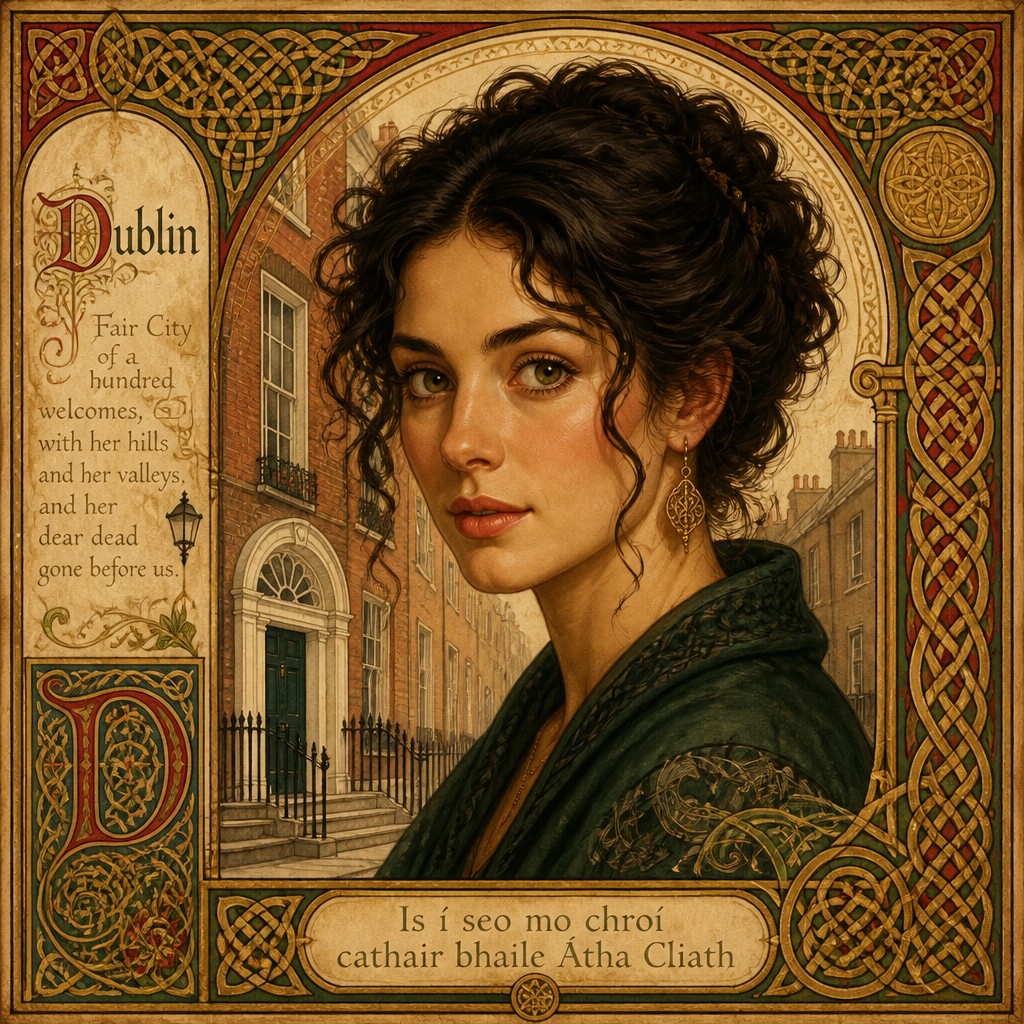
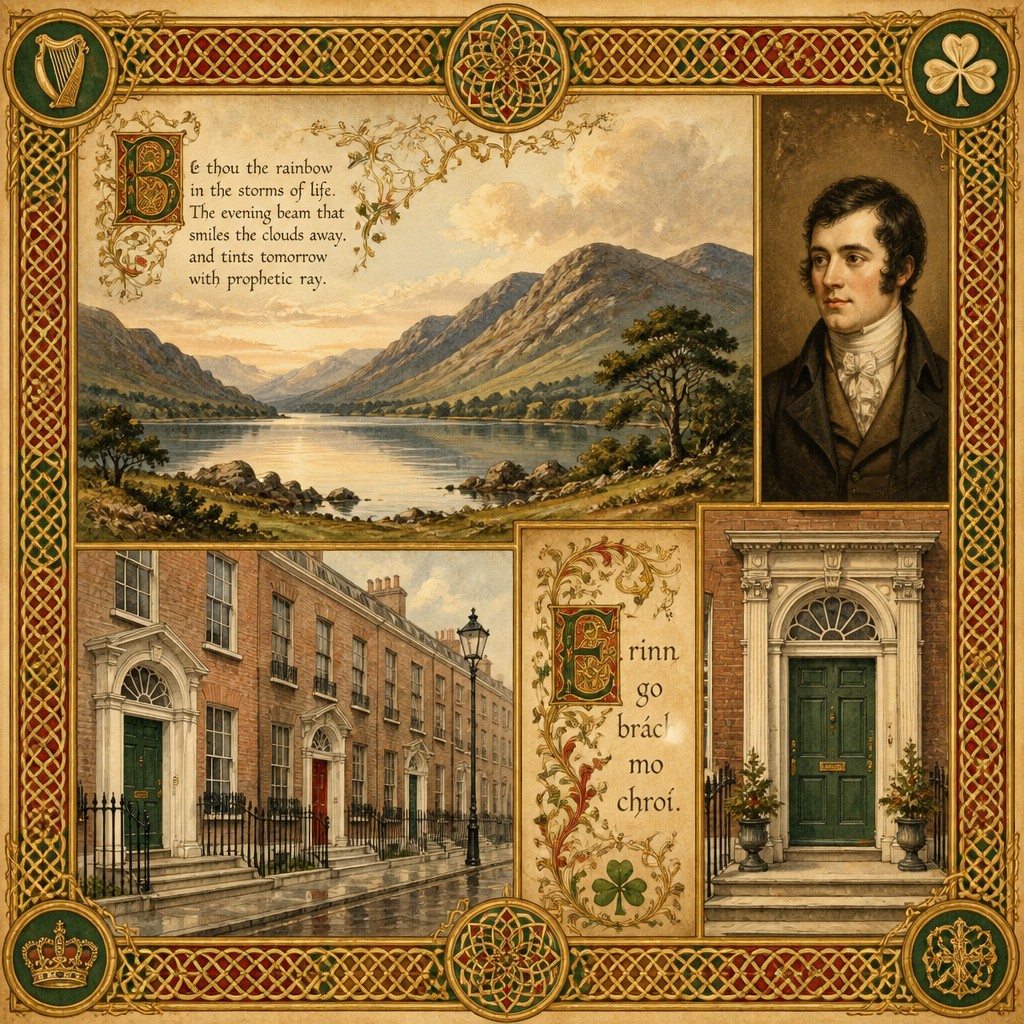
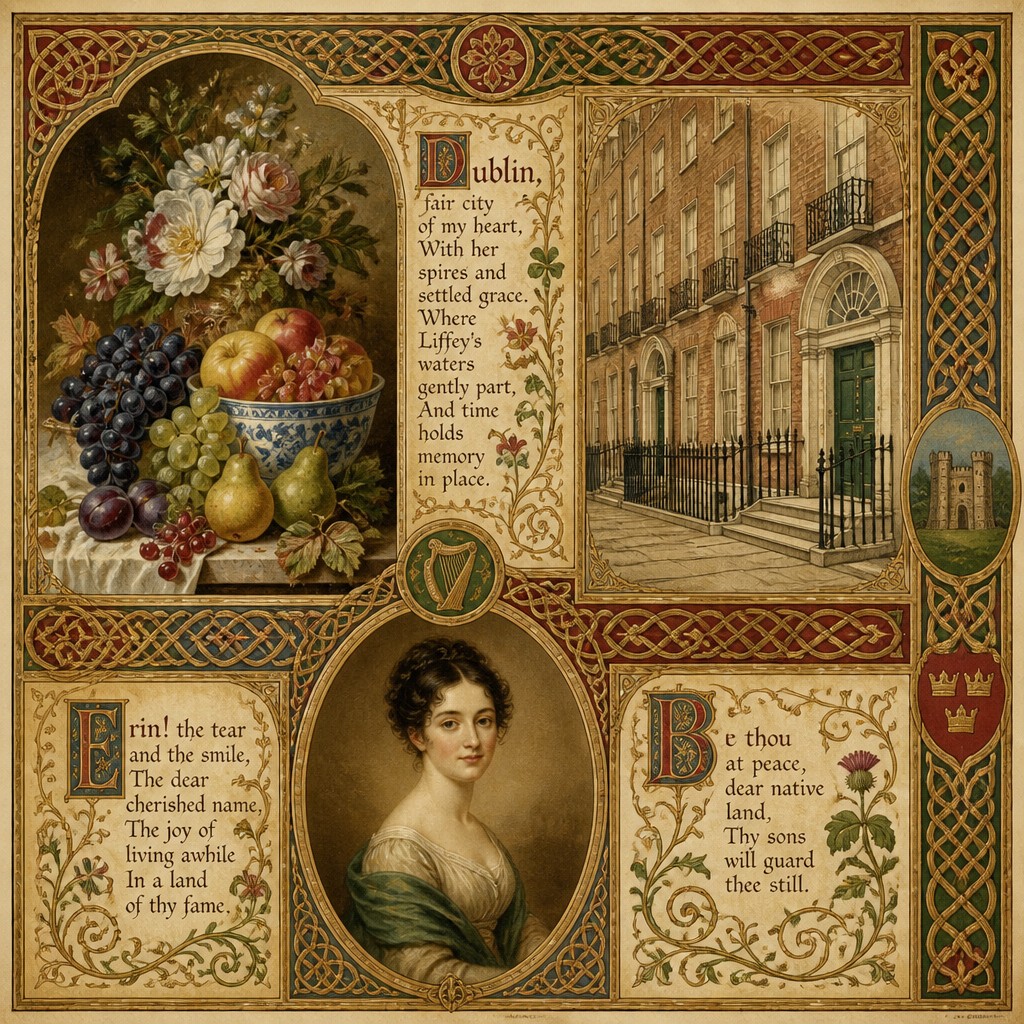
Dublin Art Style is a contemporary, hybrid aesthetic that combines the ornamental complexity of illuminated Celtic manuscript art with the measured symmetry of Georgian Dublin. Its visual vocabulary includes interlaced knotwork, gold and jewel-like red and green accents, washed brick façades, fanlight doorways, classical proportions, and softly modeled portraiture against warm sepia grounds.
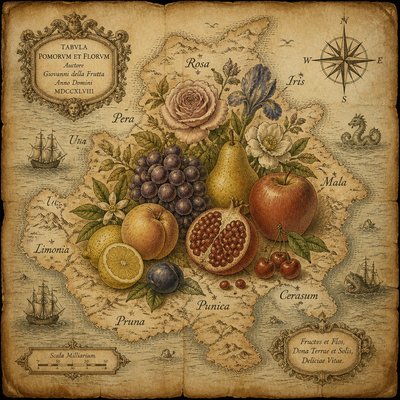
The style looks distinctive because it balances two contrasting systems: highly intricate linear decoration and restrained architectural order. Borders, flourishes, and repeated patterns supply rhythm and historical richness, while muted washes, balanced façades, and understated portrait tones prevent the image from becoming visually chaotic. It can be applied to portraits, streetscapes, interiors, botanical subjects, maps, and narrative scenes.
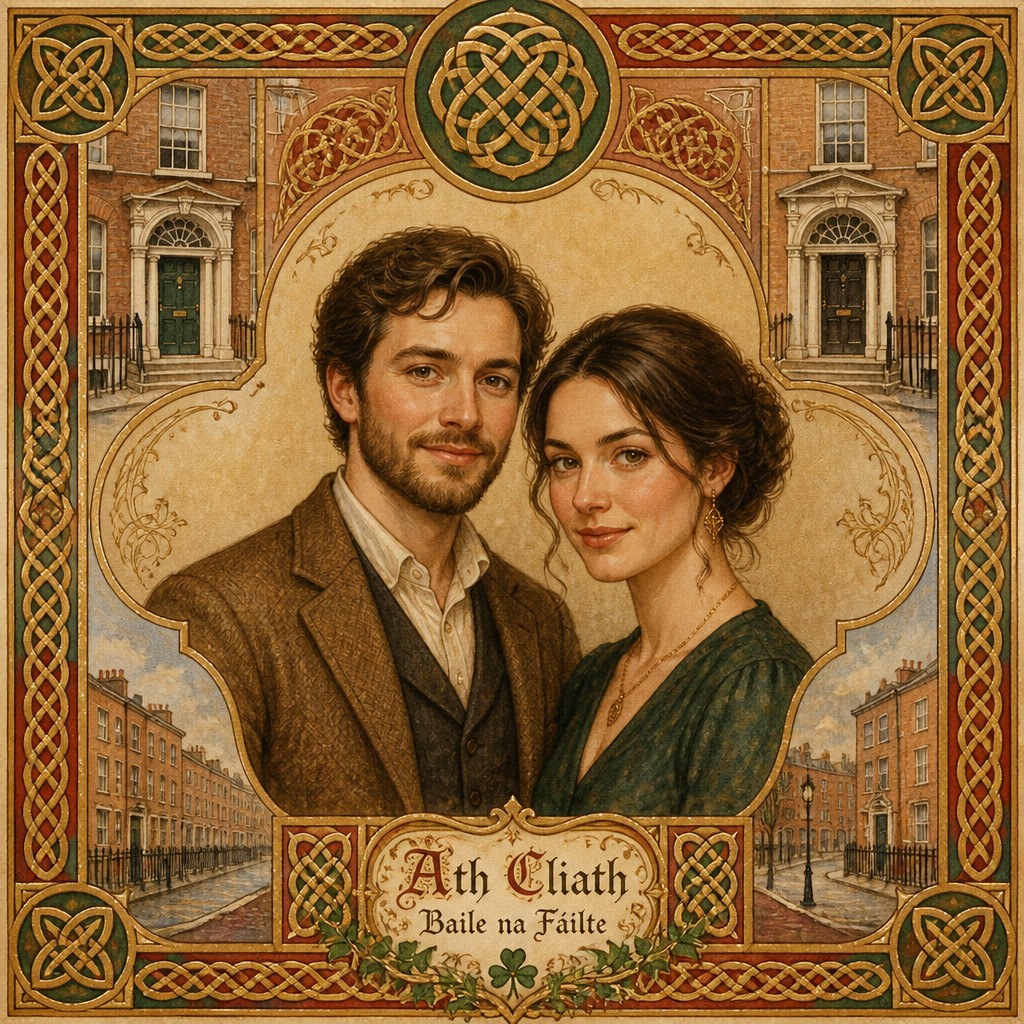
Try It On Your Photos
Upload any photo and convert it into Dublin Art Style — drag the sliders to compare before and after.
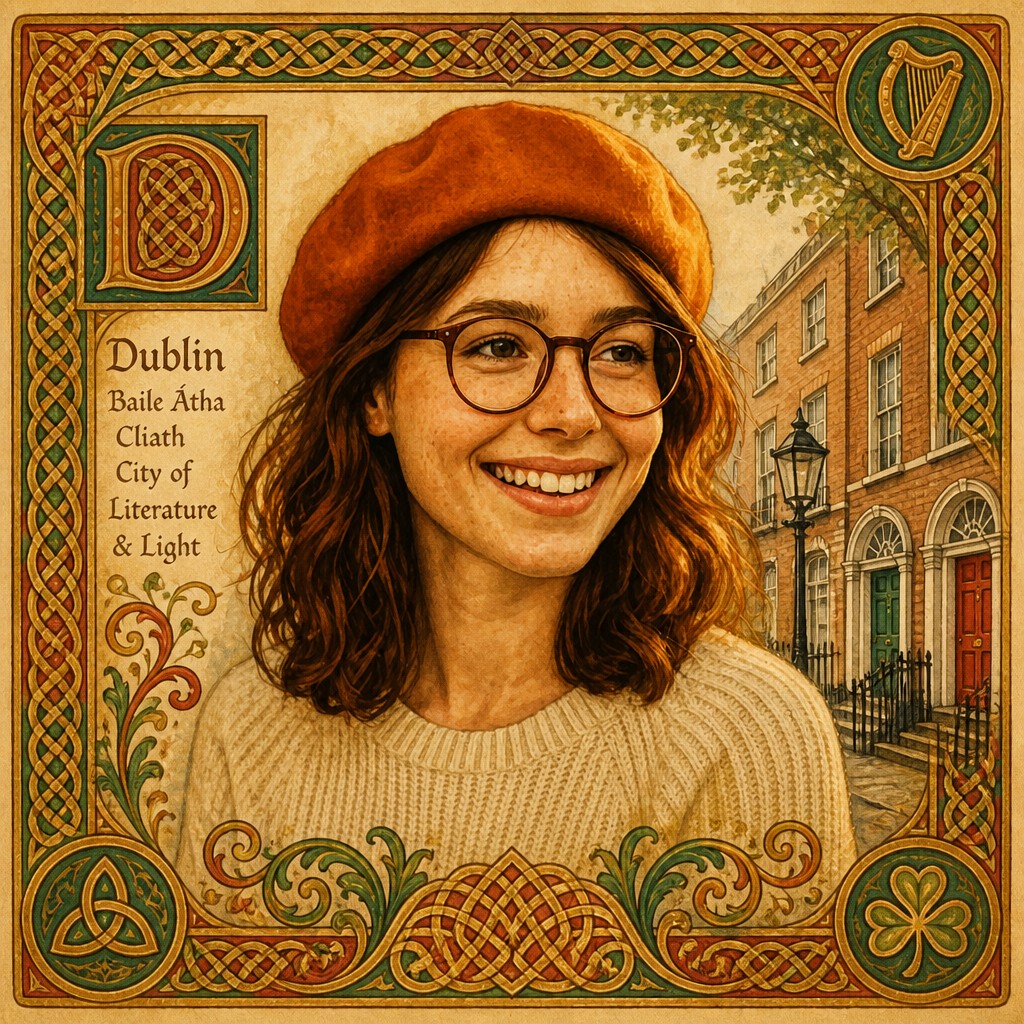

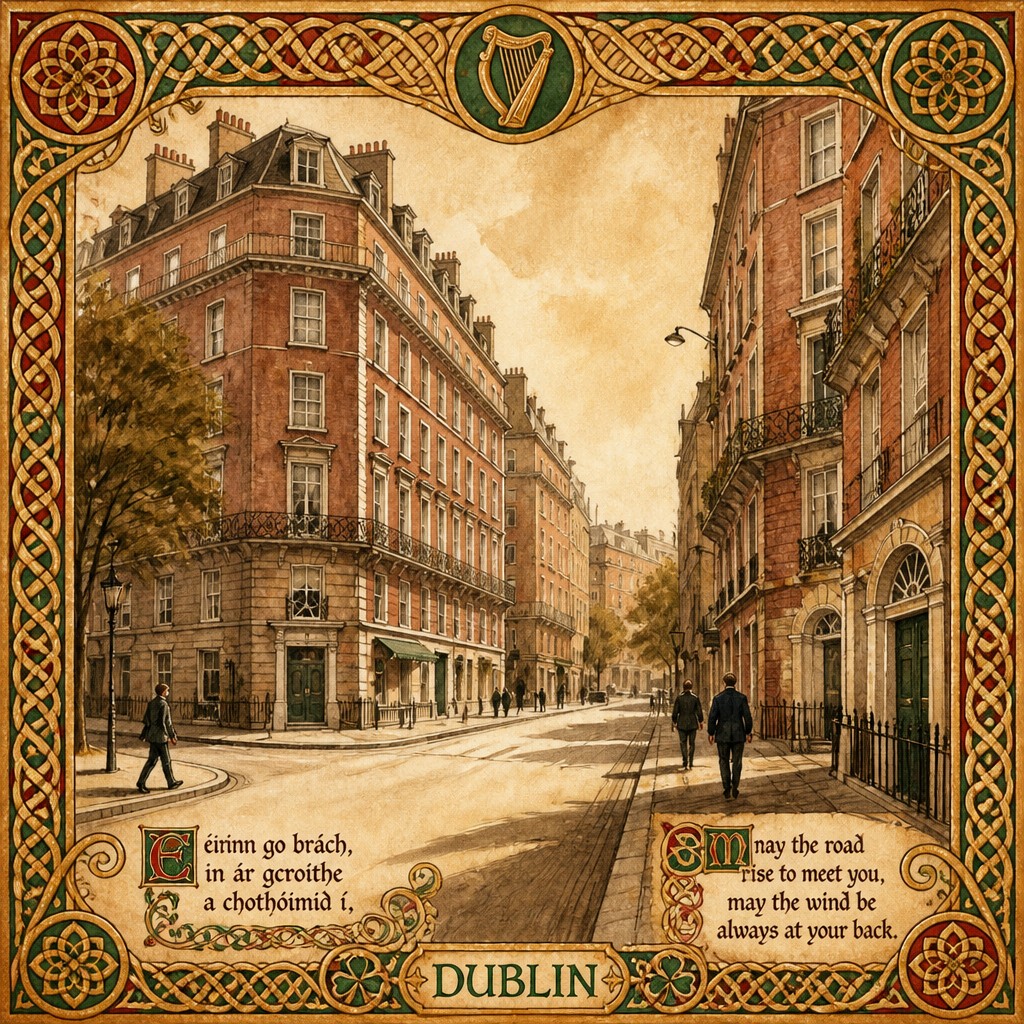

What Defines Dublin Art Style
The signature details, up close
Interlaced Celtic knotwork
Continuous woven lines form borders, medallions, frames, and surface patterns. The knotwork is usually carefully balanced, with few loose ends and a strong sense of rhythmic repetition.
Illuminated pigment accents
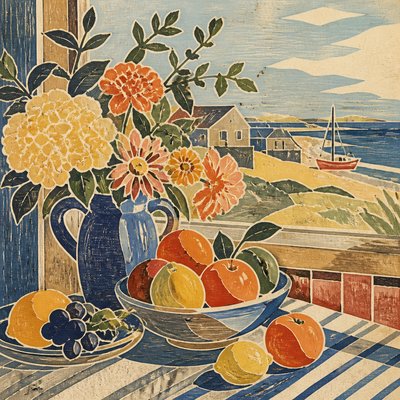
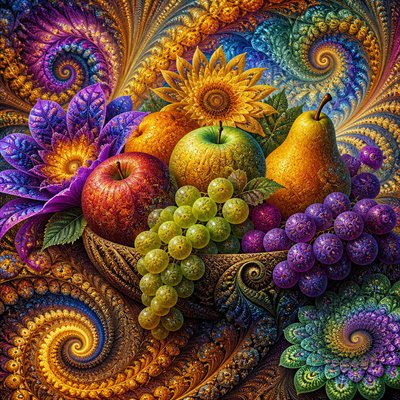
Gold, deep red, and green provide the principal decorative colors, often set against parchment, cream, brick, or muted stone. Metallic-looking highlights suggest the effect of gilded manuscript detail.
Georgian architectural order
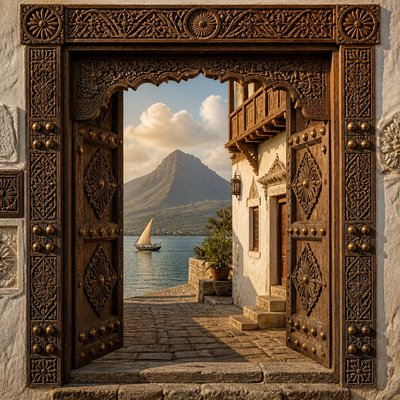
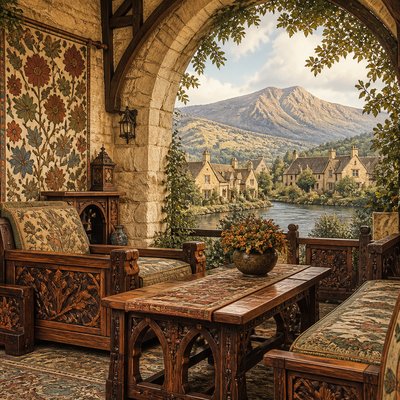
Brick terraces, sash windows, fanlight doorways, classical pilasters, and symmetrical façades establish a calm structural framework. Architectural lines are refined rather than dramatically distorted.
Soft washed surfaces
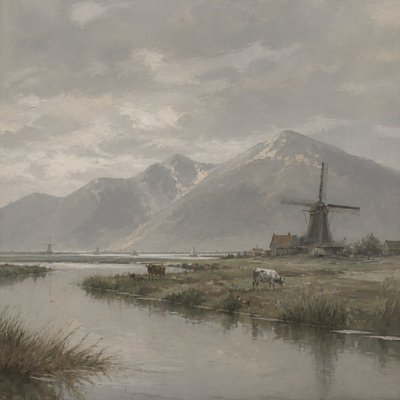
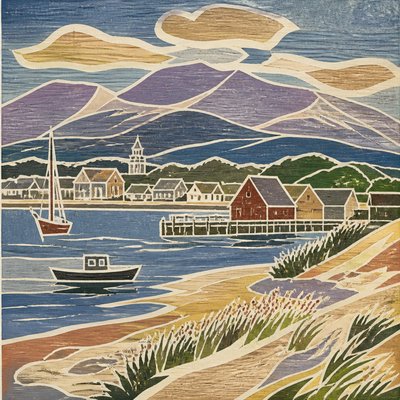
Buildings and backgrounds often use diluted watercolor-like tones, gentle edge transitions, and lightly weathered textures. This treatment gives the imagery a sense of age without requiring heavy distressing.
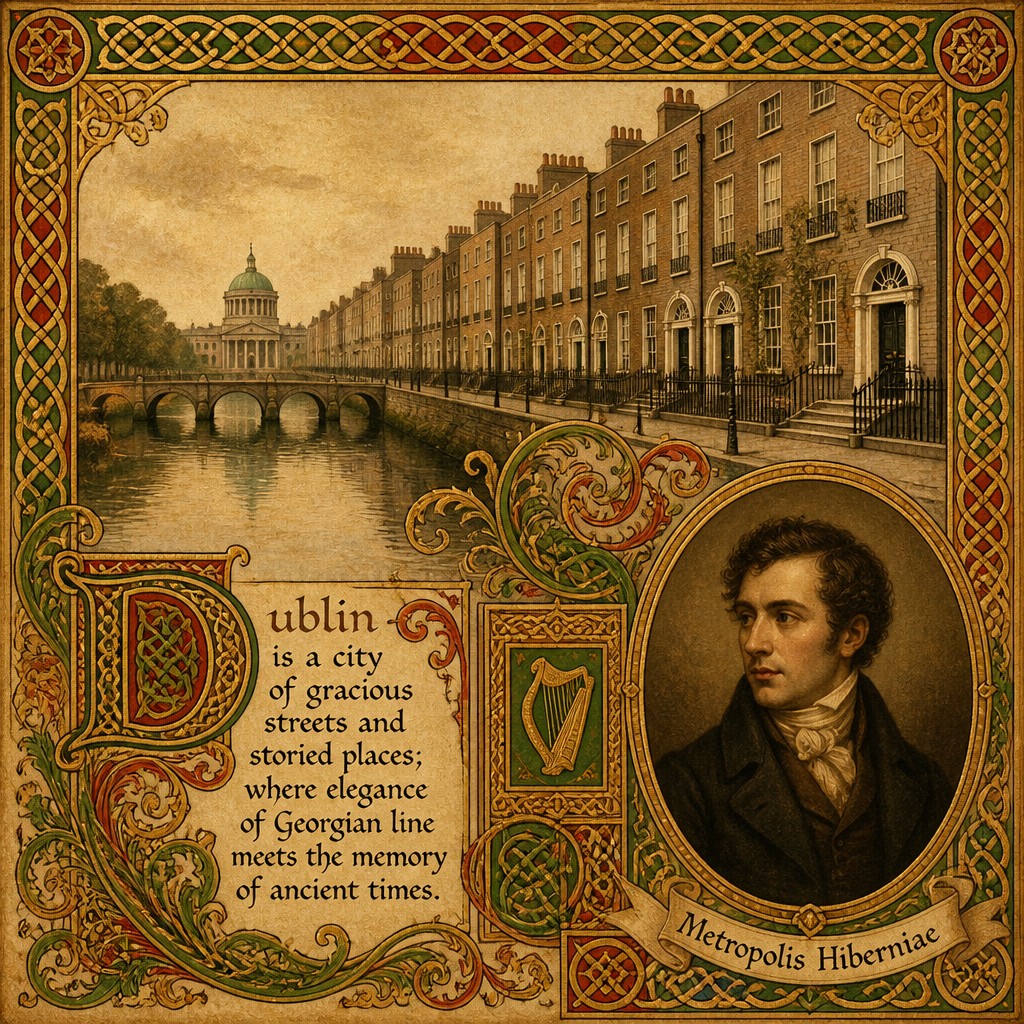
Sepia portraiture
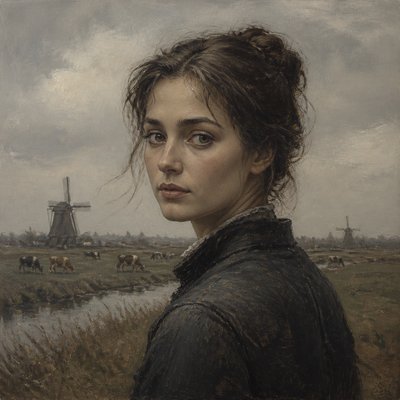
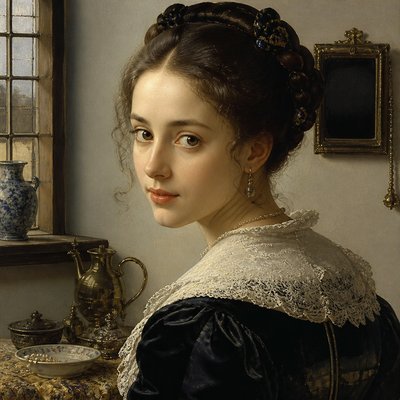
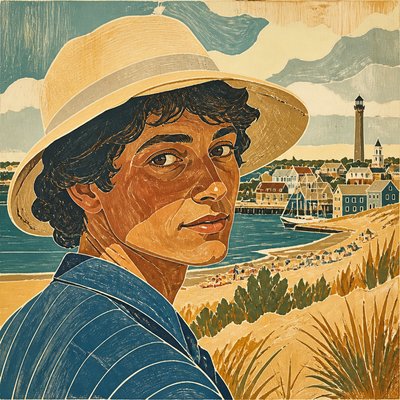
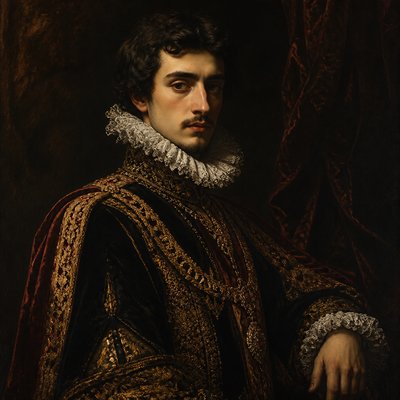
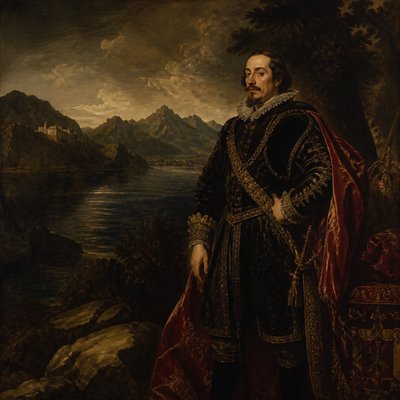
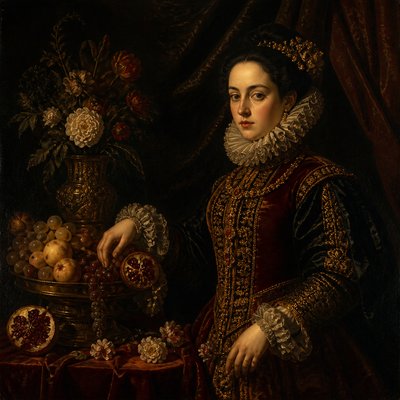
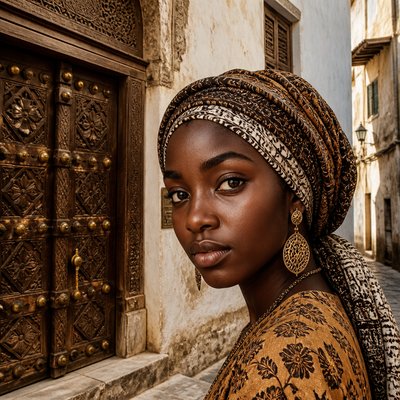
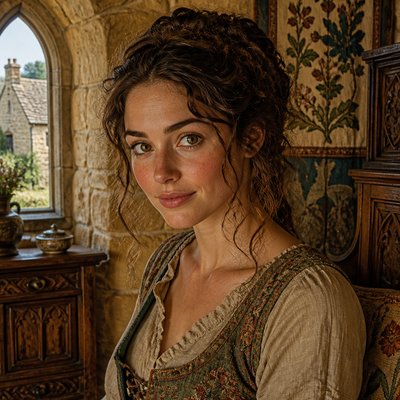
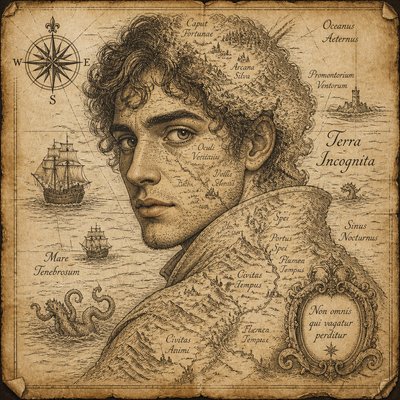
Figures are rendered with restrained modeling, warm brown backgrounds, and a composed, formal presence. Portrait details may be framed by ornamental borders or small manuscript flourishes.
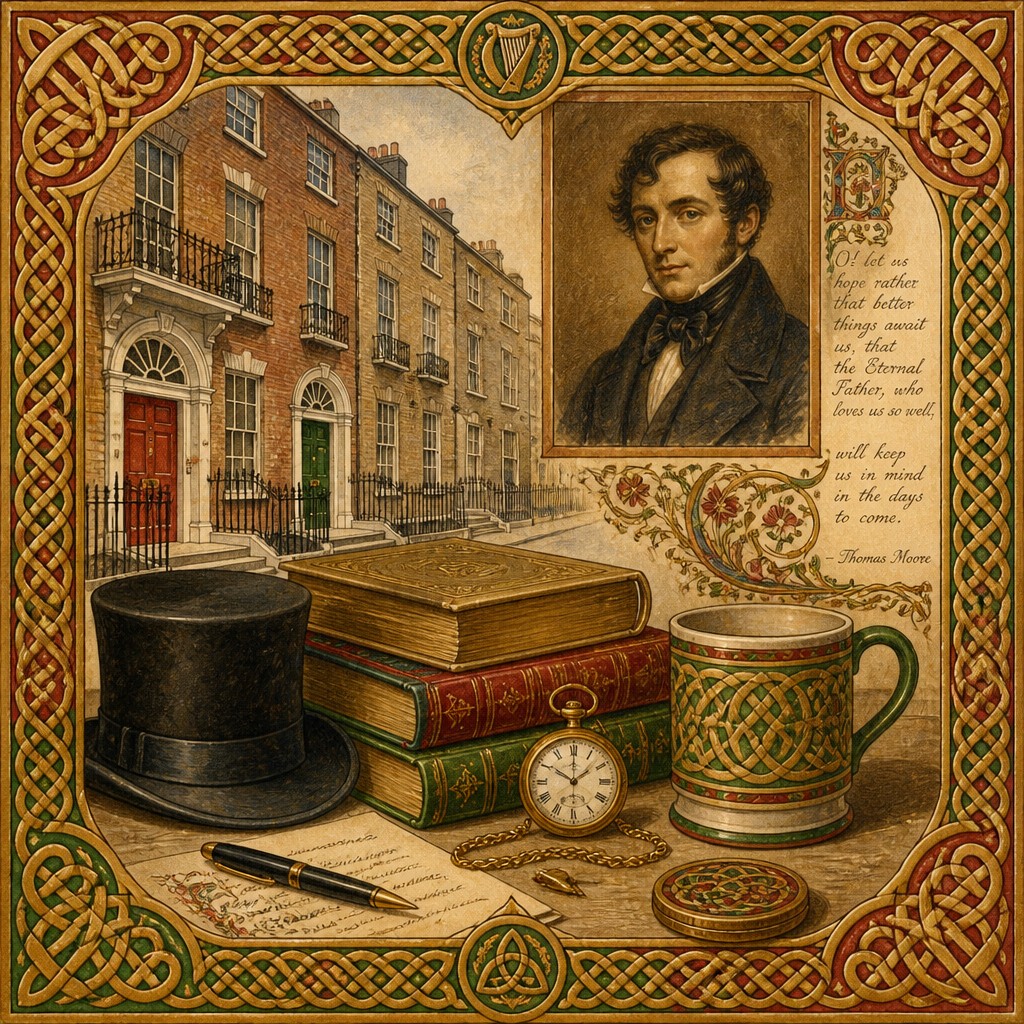
Decorative manuscript flourishes
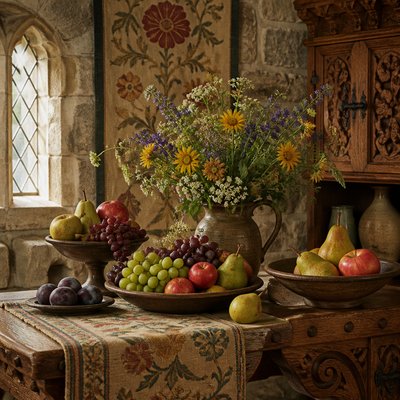
Initials, marginal vines, stylized leaves, heraldic motifs, and small symbolic forms enrich open areas. These details work as visual punctuation around the primary subject.
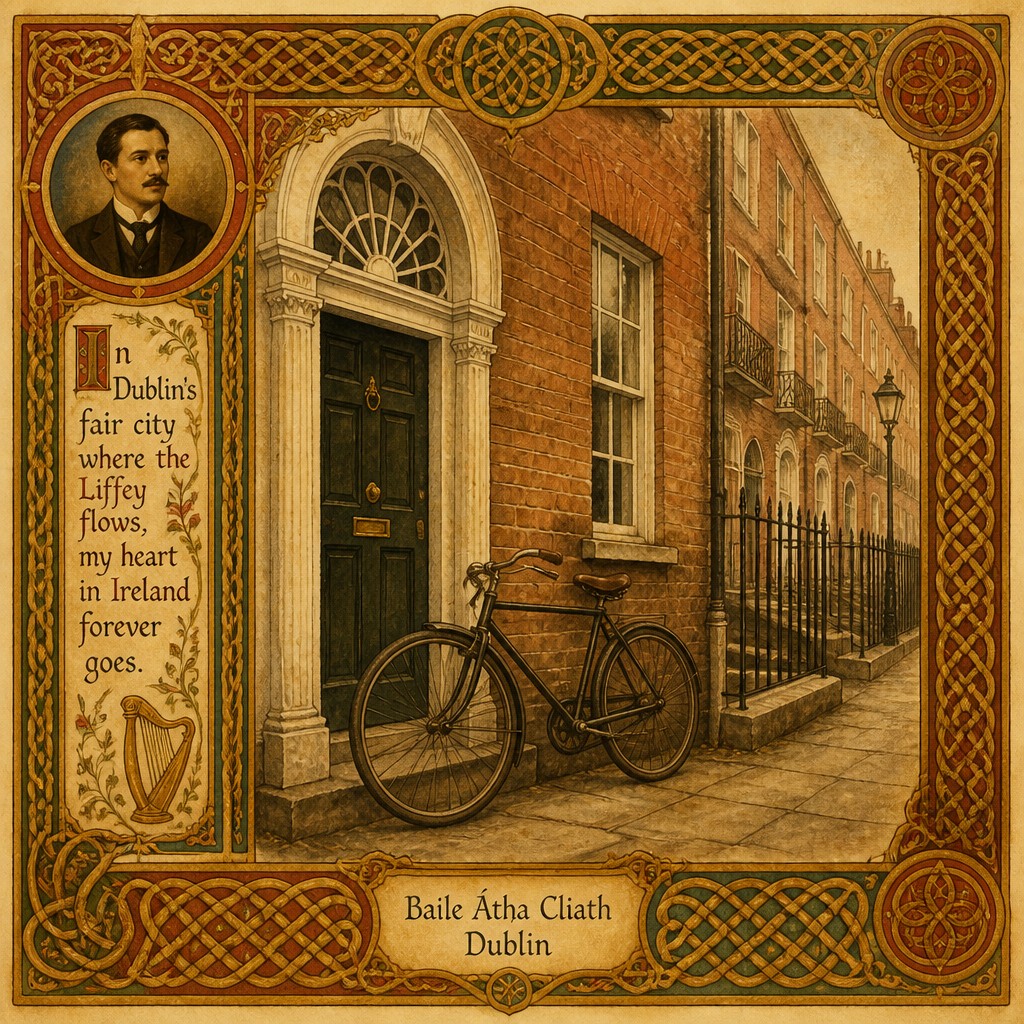
Balanced linear composition
The style favors centered arrangements, framed subjects, orderly façades, and deliberate symmetry. Dense ornament is typically concentrated at the edges or in selected focal areas.
Dublin Prompt Ideas
Start from an idea — each one opens the generator with the style ready to go. See all 40 Dublin prompts →
How to Create Dublin Art
Master the craft step by step — or skip straight to creating. Read the full guide →
- 1
Build a controlled composition
Start with a clear central subject and establish a symmetrical or gently axial layout. Reserve the borders, corners, and architectural details for the densest ornament so the image retains visual hierarchy.
- 2
Draw knotwork as a continuous system
Construct interlacing bands with consistent line weight, alternating over-under crossings, and repeated geometric spacing. For digital work, use vector paths, mirrored motifs, or a reusable knotwork grid before adding pigment texture.
- 3
Use a restrained historical palette
Combine parchment, warm sepia, washed brick, muted cream, dark green, oxblood red, and selective gold. Keep metallic color concentrated in borders and highlights rather than covering every surface.
- 4
Separate line and wash
In traditional media, draw precise outlines with ink and add transparent watercolor or diluted gouache in layers. Digitally, place crisp ornamental linework above softly textured color layers to preserve the contrast between structure and atmosphere.
- 5
Make architecture legible
Use straight perspective lines, repeated windows, fanlights, and classical proportions to evoke Georgian streetscapes. Add mild irregularity in brick, stone, and paint while avoiding excessive ruin or fantasy distortion.
- 6
Guide prompt-based generation
Specify the subject first, then request Celtic interlacing, gold-red-green illumination, Georgian brick architecture, sepia portrait treatment, washed tones, and balanced classical composition. For more reliable results, state where the knotwork belongs, such as a border, doorway, frame, or margin.
The Story
History & Origins of Dublin
Dublin Art Style is best understood as an invented or niche contemporary style rather than a documented historical art movement. Its lineage draws on the insular manuscript tradition of Ireland and Britain, particularly the dense interlacing, ornamental initials, stylized animals, and saturated pigments associated with medieval illuminated books.
It also references the Georgian architectural environment developed in Dublin during the eighteenth and early nineteenth centuries, characterized by orderly brick terraces, classical façades, fanlight entrances, and formal streetscapes. Modern illustration, heritage design, decorative painting, and digital image-making bring these sources together into a unified visual language without claiming that a historical school called Dublin Art Style existed.
Influences: The style is related to insular manuscript illumination, Celtic decorative art, medieval interlace design, watercolor and gouache illustration, Georgian architecture, heritage graphic design, and formal European portrait painting. It also shares methods with Arts and Crafts patterning through its emphasis on hand-drawn ornament, repeated motifs, and the integration of architecture, lettering, and decoration. Its combination of precise linear pattern and softened atmospheric color connects it to contemporary editorial illustration and digital neo-manuscript aesthetics.
Frequently Asked Questions
What defines Dublin Art Style?
It is defined by the combination of interlaced Celtic knotwork, illuminated gold with red and green accents, Georgian architectural symmetry, washed surfaces, and warm sepia portraiture. The style depends on the tension between dense decorative detail and calm classical structure.
Is Dublin Art Style a historical Irish art movement?
No. The term is best used for a contemporary hybrid aesthetic, not as the name of a documented historical movement. It draws from genuine Irish and European traditions, especially medieval manuscript illumination and Georgian Dublin architecture.
How is it different from traditional Celtic art?
Traditional Celtic or insular art is a broad historical category with many forms, periods, and regional variations. Dublin Art Style selectively borrows its interlace and illumination while adding Georgian façades, refined portrait conventions, sepia washes, and modern compositional control.
What materials work well for this style?
Fine ink, watercolor, gouache, colored pencil, and imitation gold leaf are suitable for a hand-rendered approach. Digital artists can combine vector knotwork, textured brushes, layered washes, and subtle paper or parchment grain.
What subjects suit Dublin Art Style?
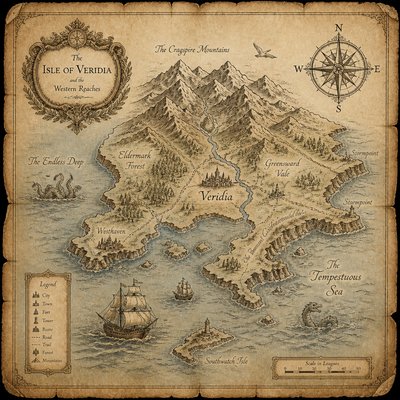
Portraits, Georgian streets, fanlight doors, maps, botanical studies, birds, historical interiors, and literary or folkloric scenes work particularly well. Subjects with clear silhouettes and room for a border or ornamental frame are especially effective.
How can I prompt an image in this style without making it too busy?
Specify a single focal subject and place the knotwork in defined locations such as the border, doorway, frame, or margins. Ask for balanced composition, restrained ornament, muted washes, and selective gold accents to keep the decorative elements subordinate to the subject.
Create your first Dublin artwork
Describe anything — or upload a photo — and see it in Dublin Art Style in seconds.
Related Styles
Discover similar art styles