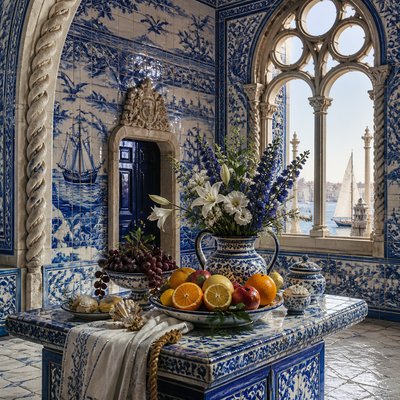
Italian Art Style
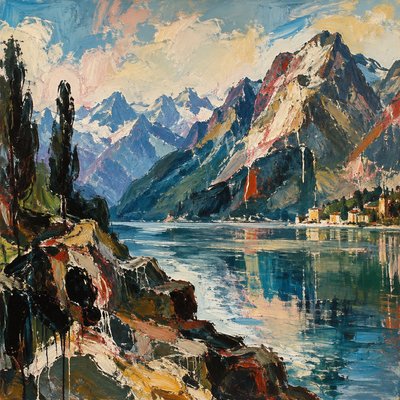
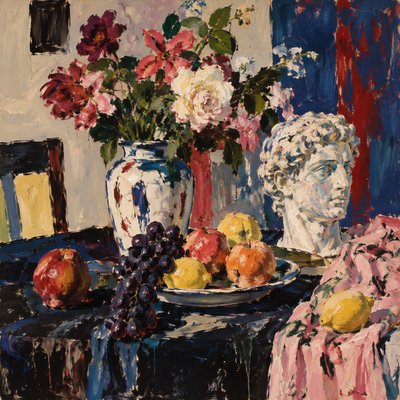
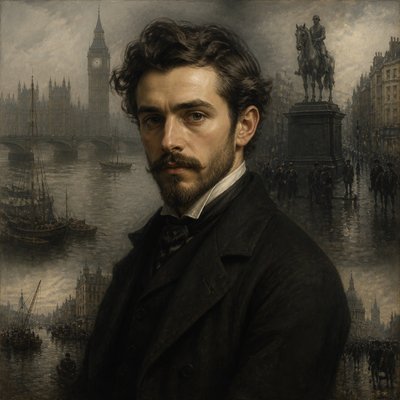
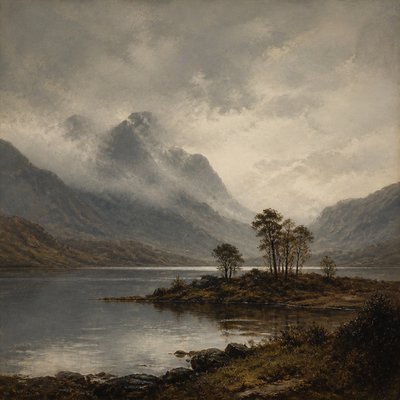
Explore Italian Art Style: Renaissance grace, ochre stone, cypress silhouettes, fresco-soft color, and timeless Mediterranean grandeur.
Instantly rendered in Italian — or transform a photo
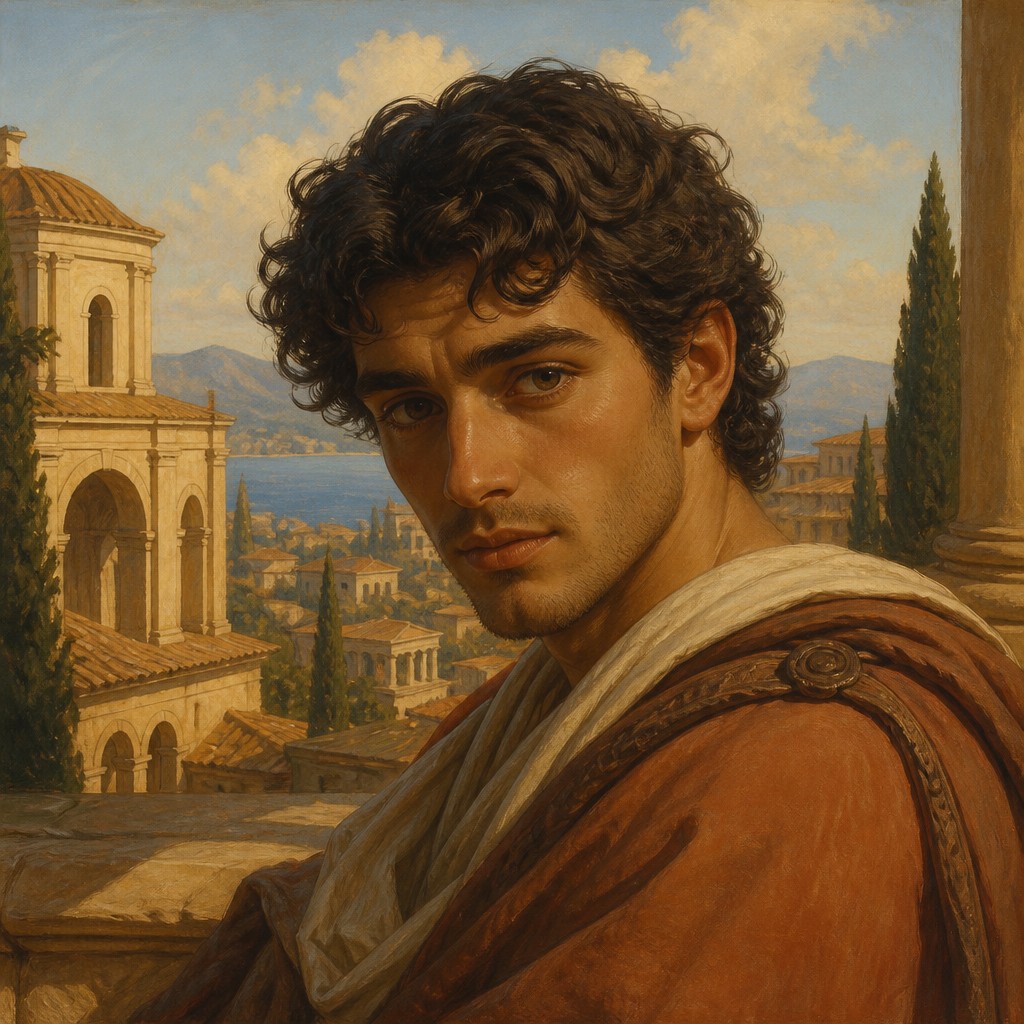
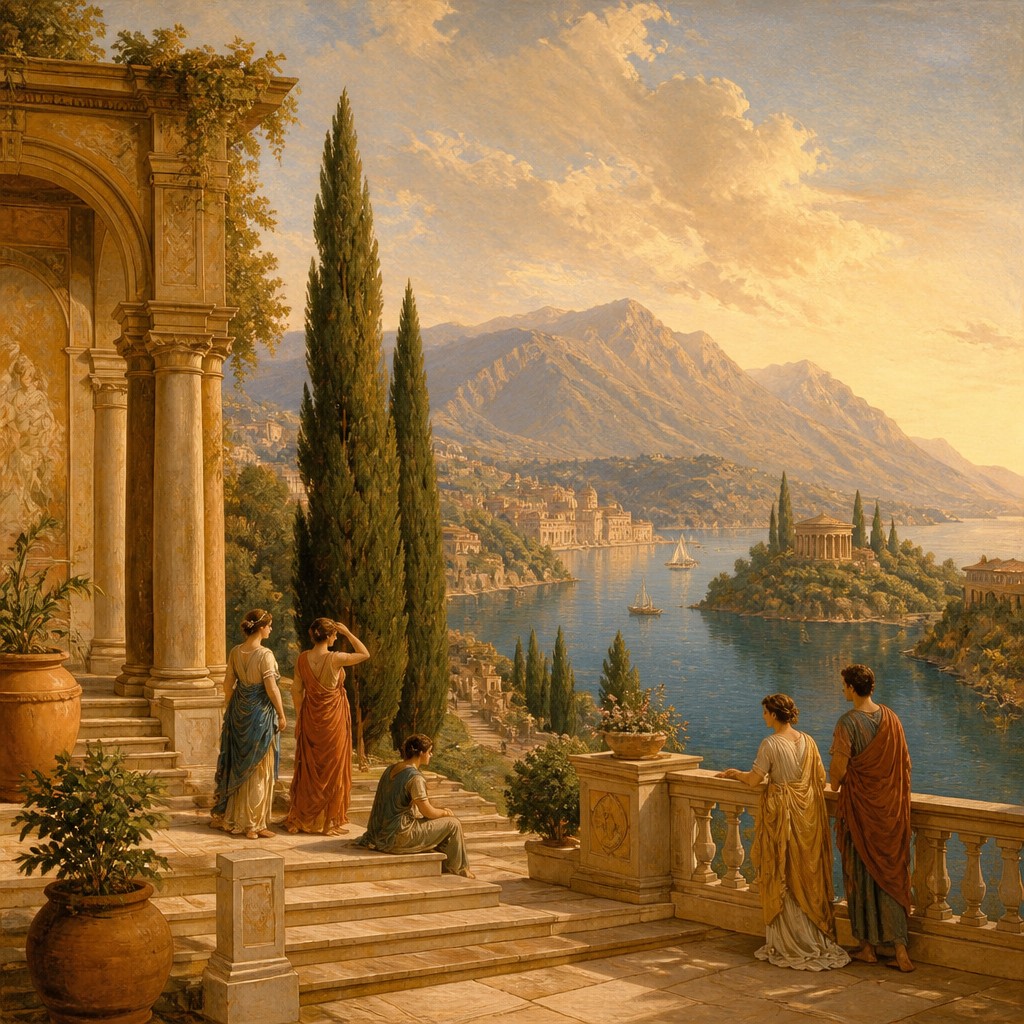
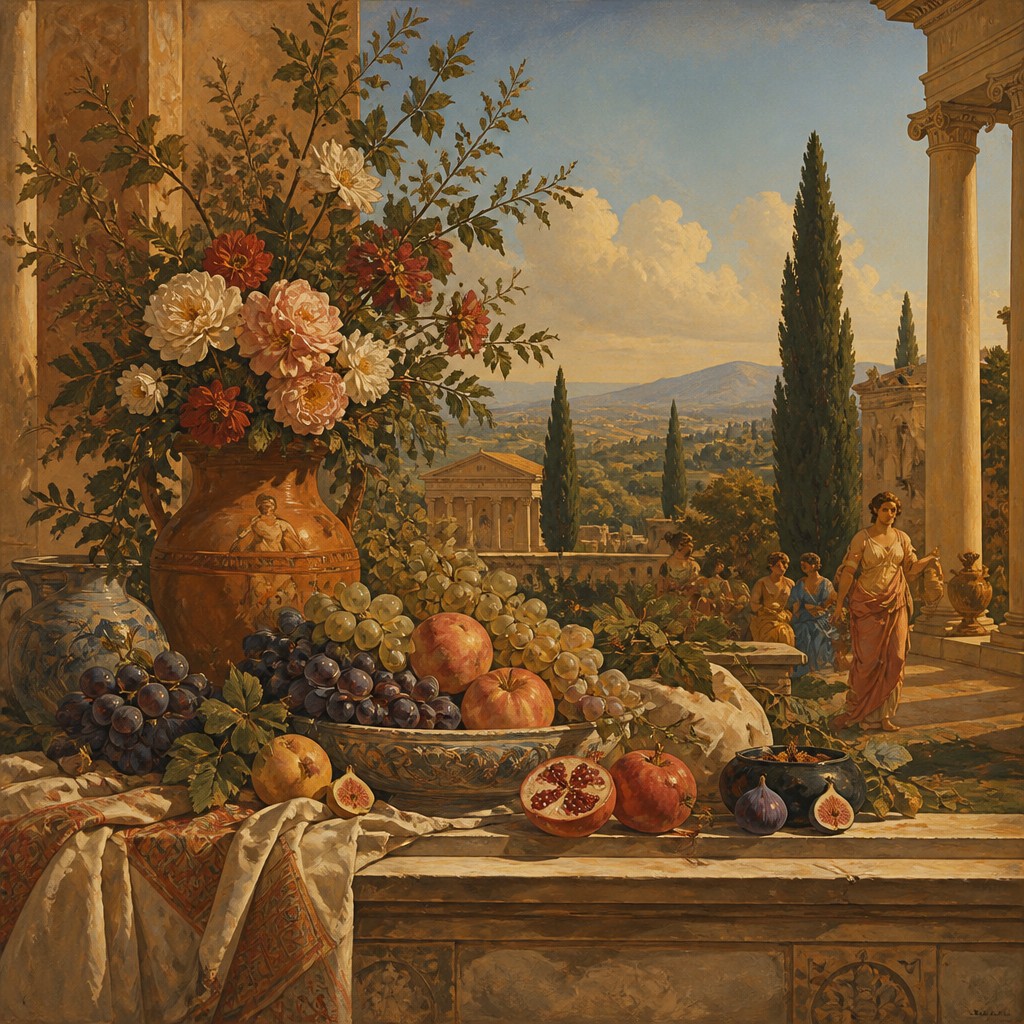
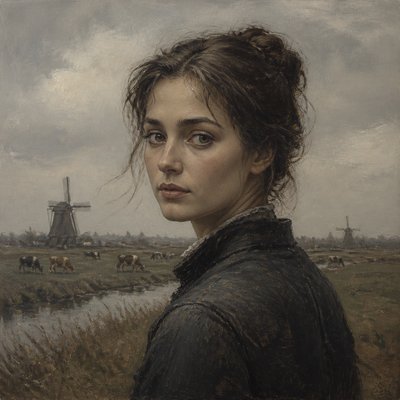
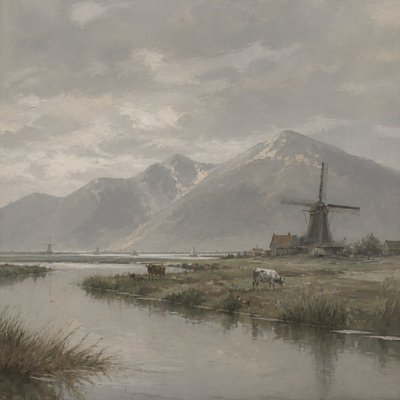
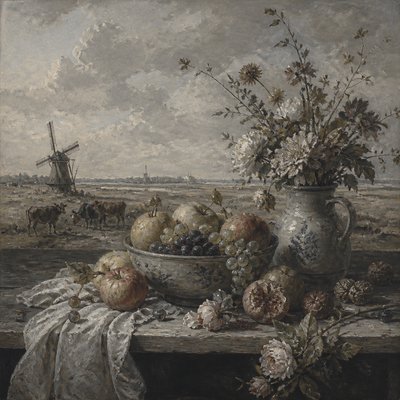
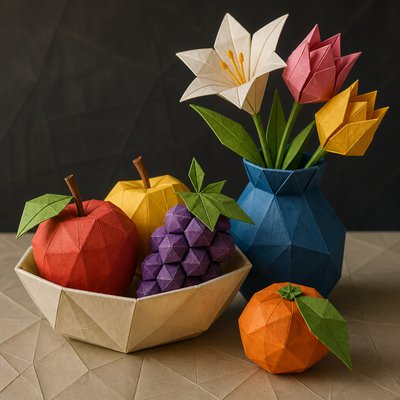
Italian Gallery
Tap any artwork to explore it
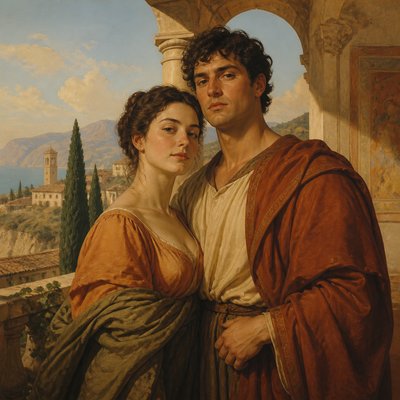
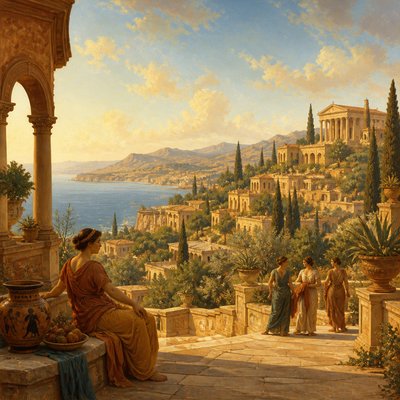
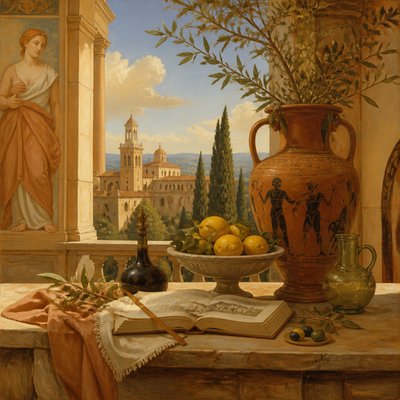
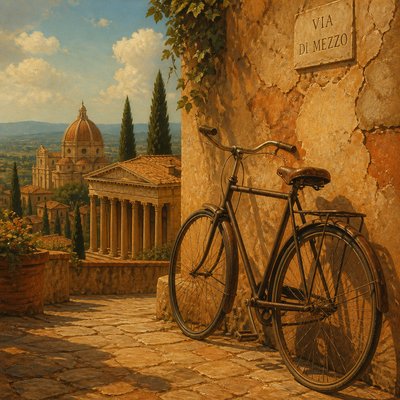
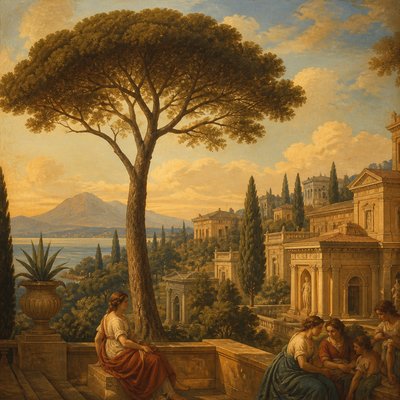
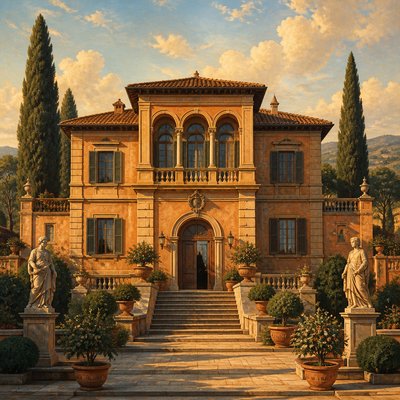
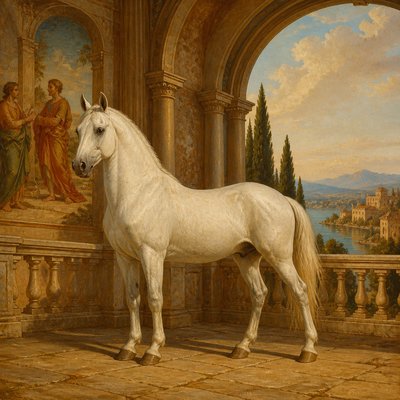
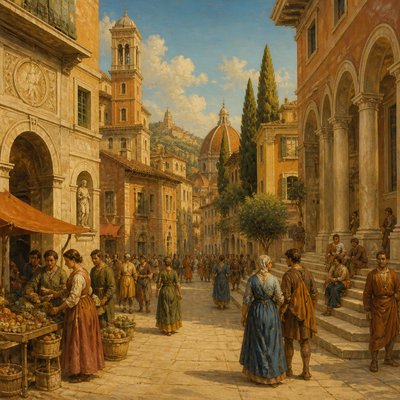
What is Italian Art Style?
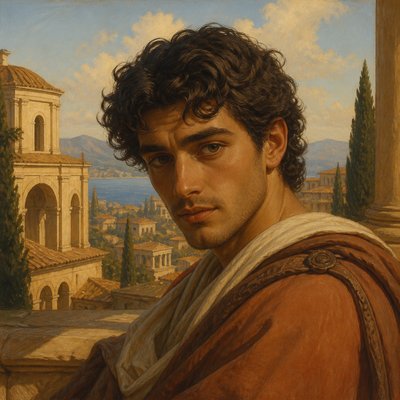
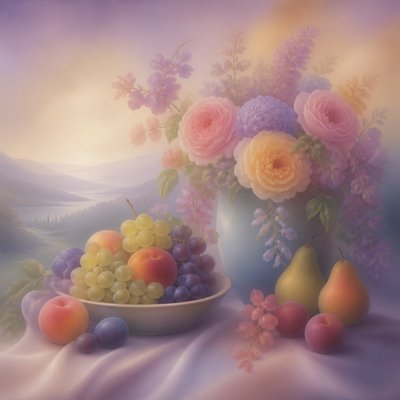
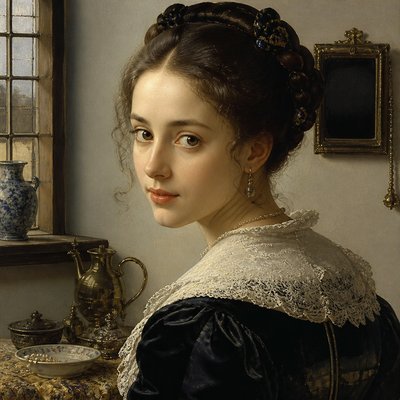
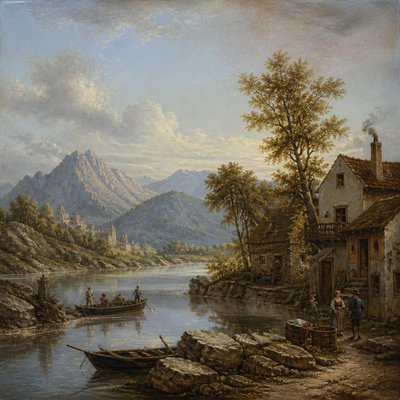
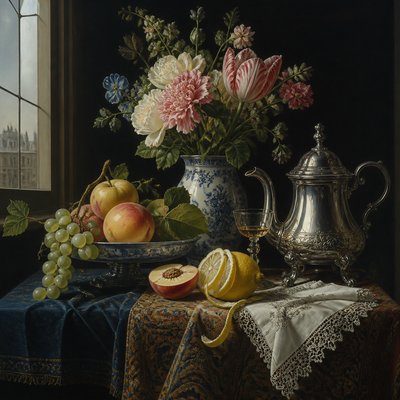
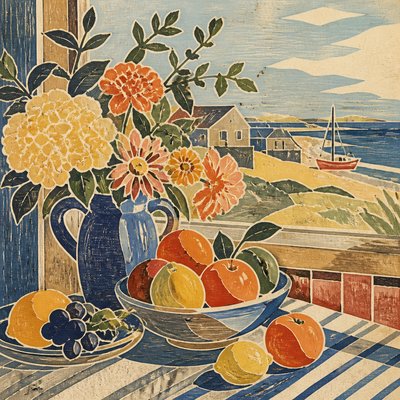
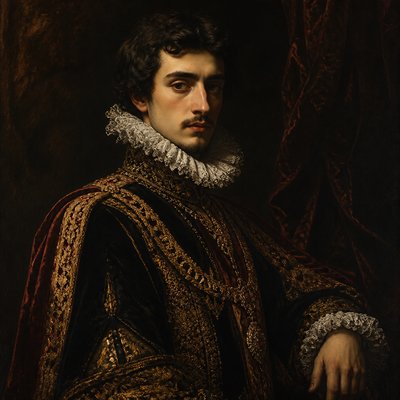
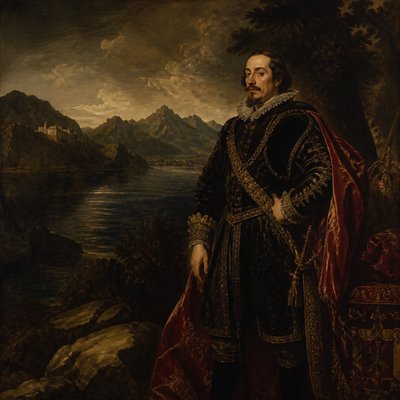
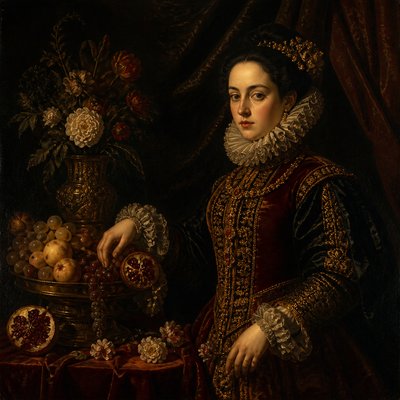
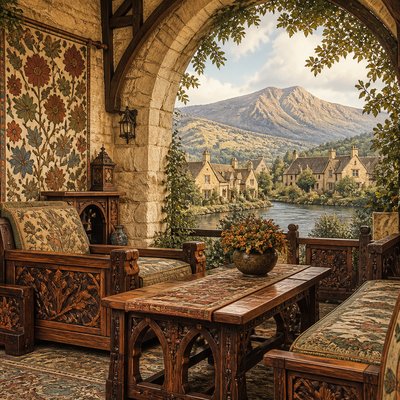
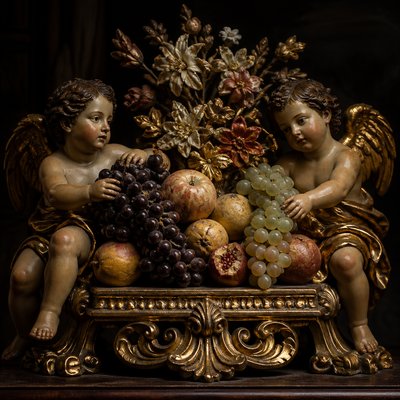
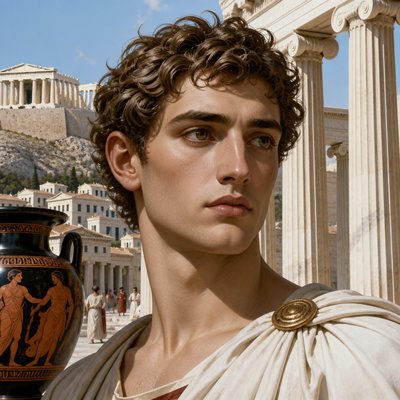
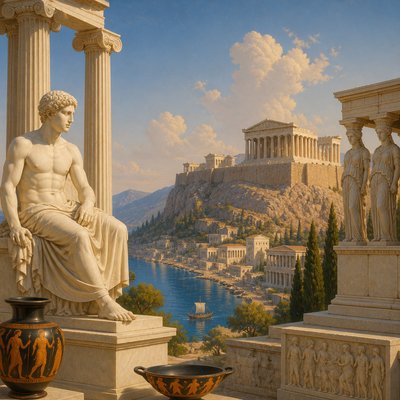
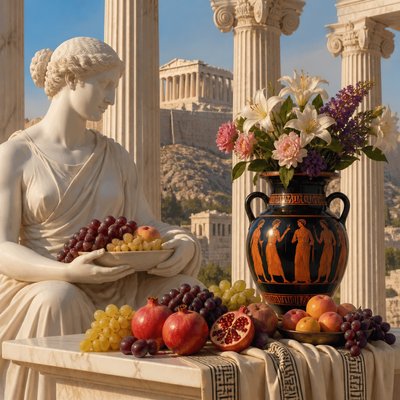
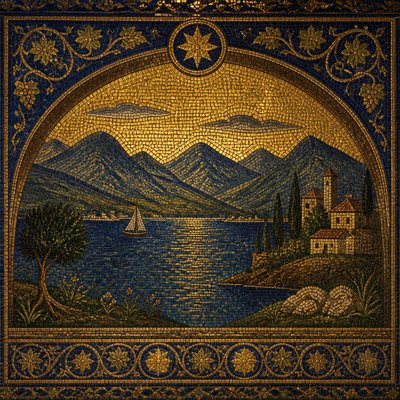
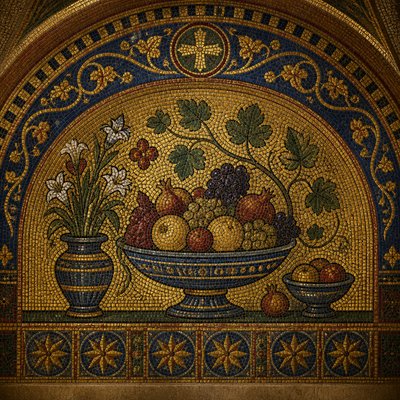
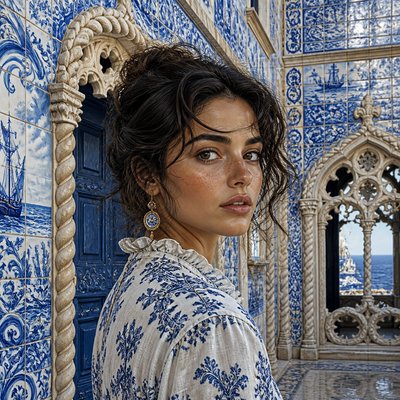
Italian Art Style is a broad, contemporary visual label for imagery shaped by the elegance of the Italian Renaissance, Mediterranean landscapes, classical architecture, and the warm tonal atmosphere of sunlit stone. It is not a single historical movement, but an aesthetic synthesis: graceful human figures, orderly compositions, fresco-like surfaces, cypress trees, terracotta roofs, and distant blue horizons are brought together in a mood of calm monumentality.
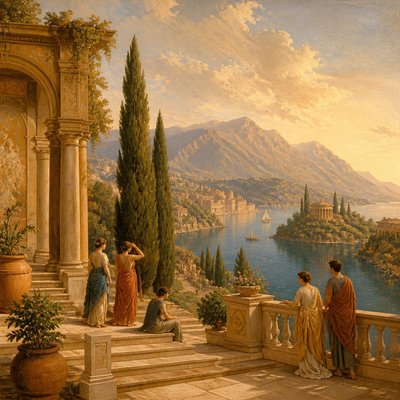
Its visual identity depends on balance between idealized form and natural atmosphere. Architectural elements create a stable framework, while golden-hour illumination softens edges and unifies ochre, terracotta, olive green, cream, and sky blue. The result suggests an imagined Italy of plazas, villas, hill towns, cloisters, gardens, and Mediterranean coastlines rather than a strictly period-specific reconstruction.
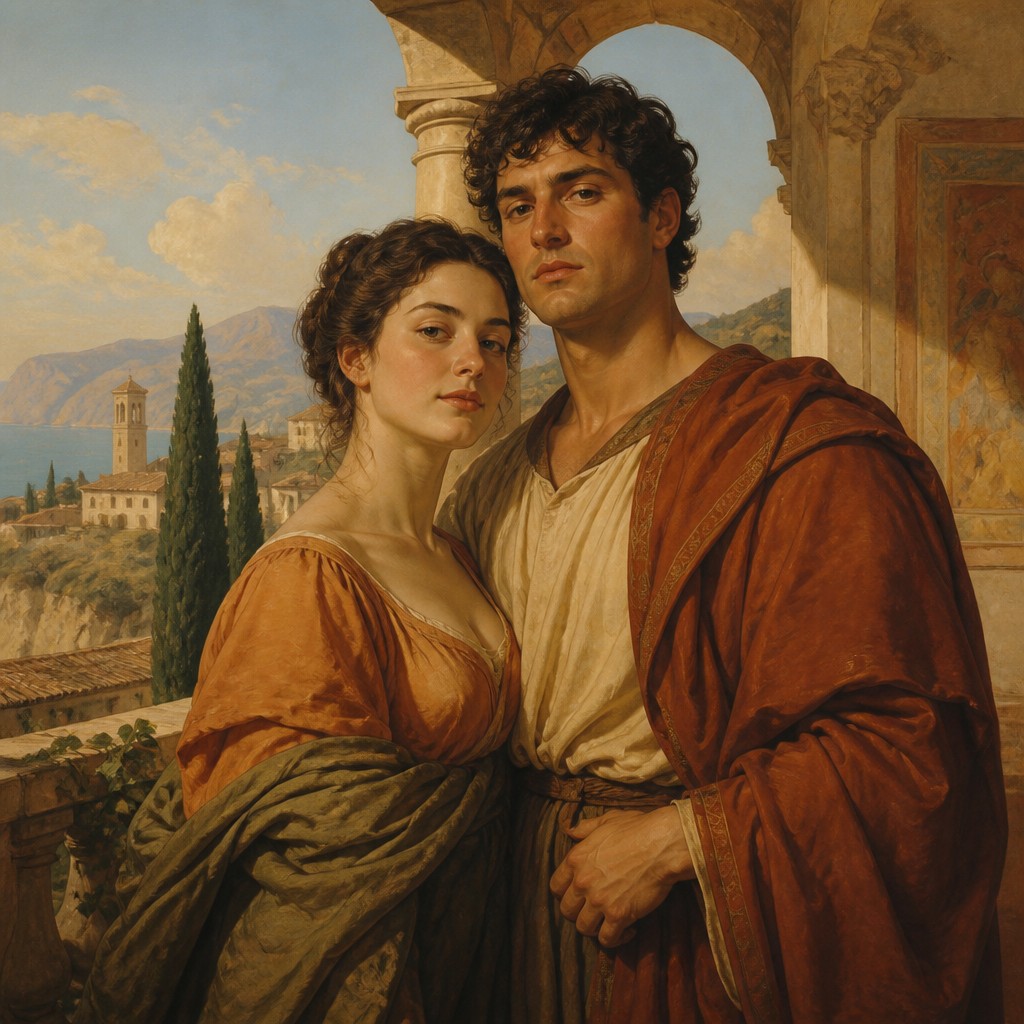
Try It On Your Photos
Upload any photo and convert it into Italian Art Style — drag the sliders to compare before and after.
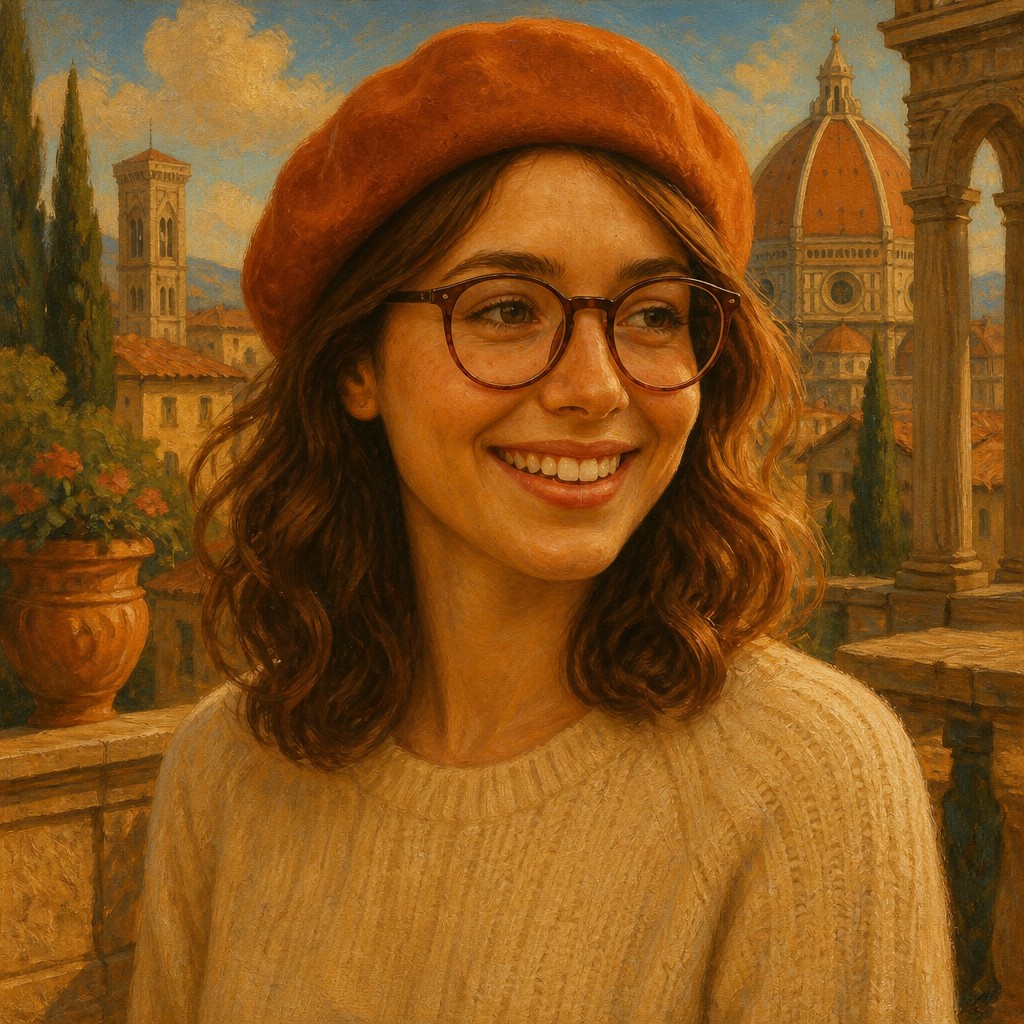

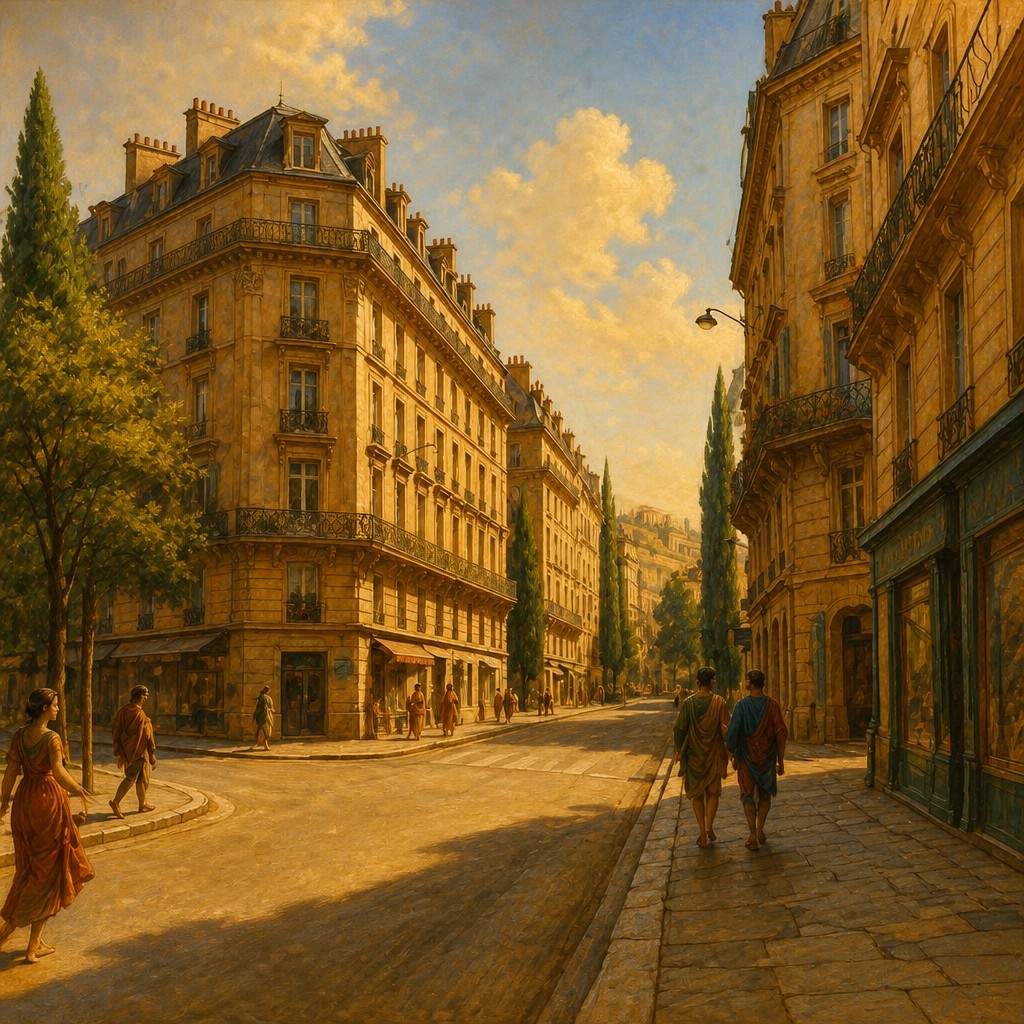

What Defines Italian Art Style
The signature details, up close
Renaissance proportion
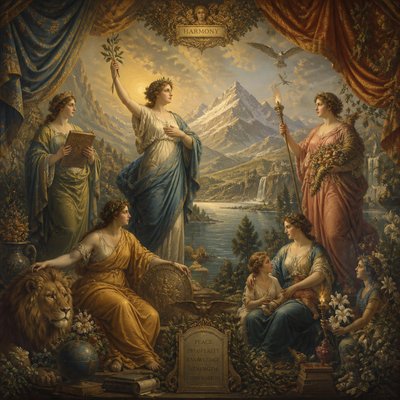
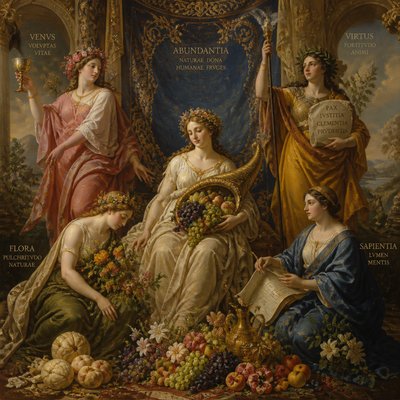
Figures, buildings, and landscape elements are arranged with measured spacing, graceful posture, and a strong sense of anatomical or architectural order. The composition often feels designed around a central focus.
Classical architecture
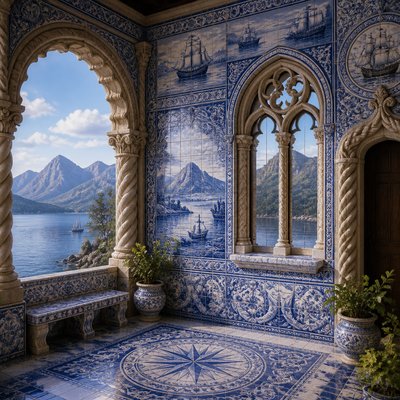
Columns, arches, arcades, domes, stairways, loggias, and balanced façades provide a monumental framework. Architectural details are usually simplified enough to support the overall harmony rather than overwhelm it.
Golden-hour illumination
Low, warm sunlight grazes walls and figures, producing long shadows and a quiet sense of radiance. Light is used to unify the scene with amber highlights rather than create harsh photographic contrast.
Fresco-soft surface
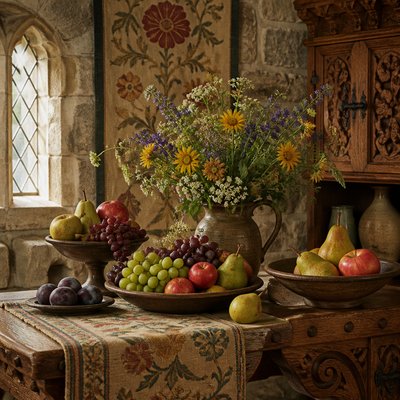
Edges remain gently softened, with a matte, mineral, or plaster-like finish. Subtle tonal transitions and restrained texture evoke pigment absorbed into a wall rather than glossy modern paint.
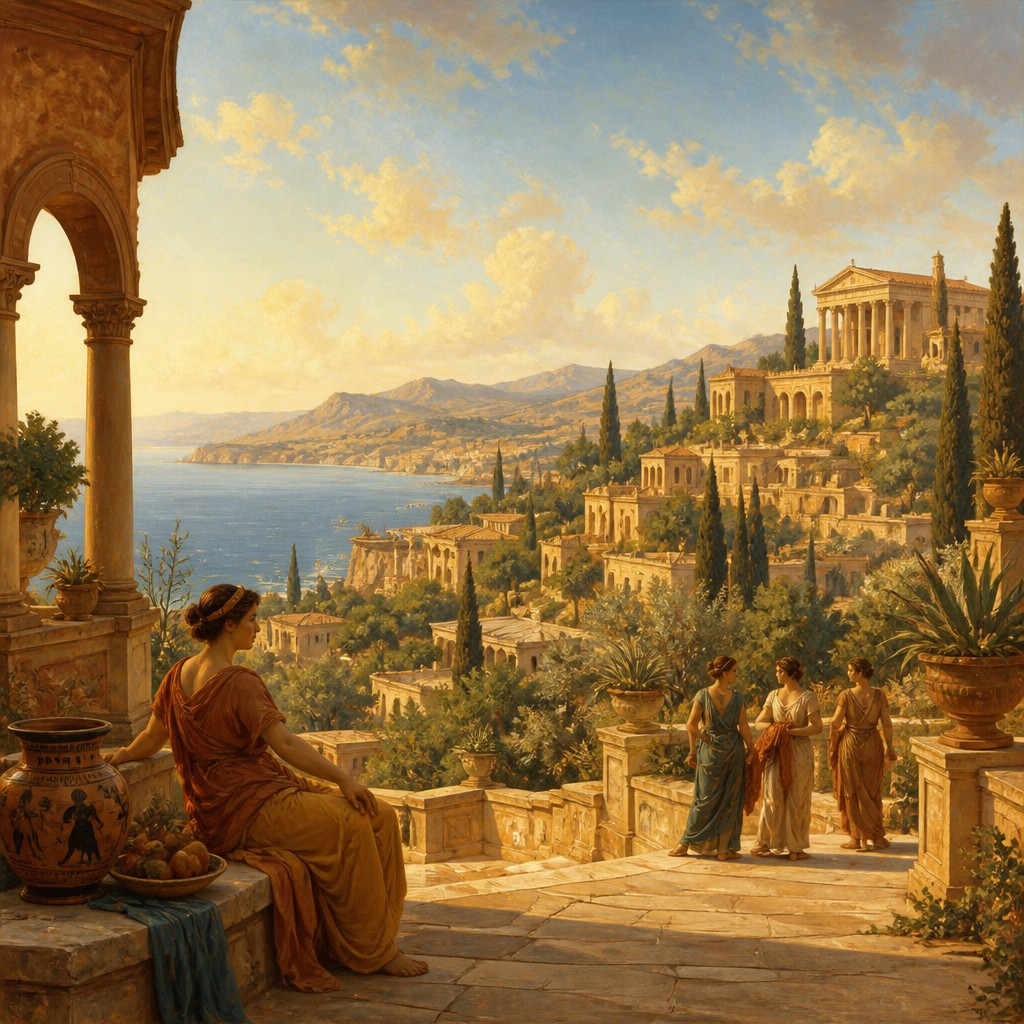
Mediterranean palette
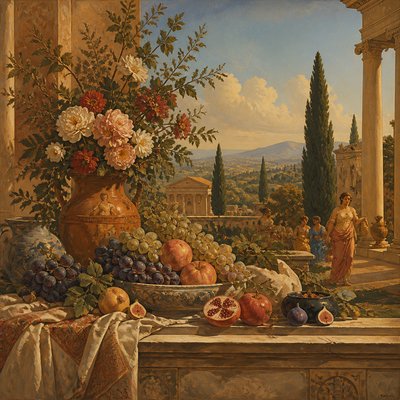
Ochre, burnt sienna, terracotta, olive, parchment, muted cream, and sky blue form the dominant color family. Saturation is controlled so that the image feels sun-aged and cohesive.
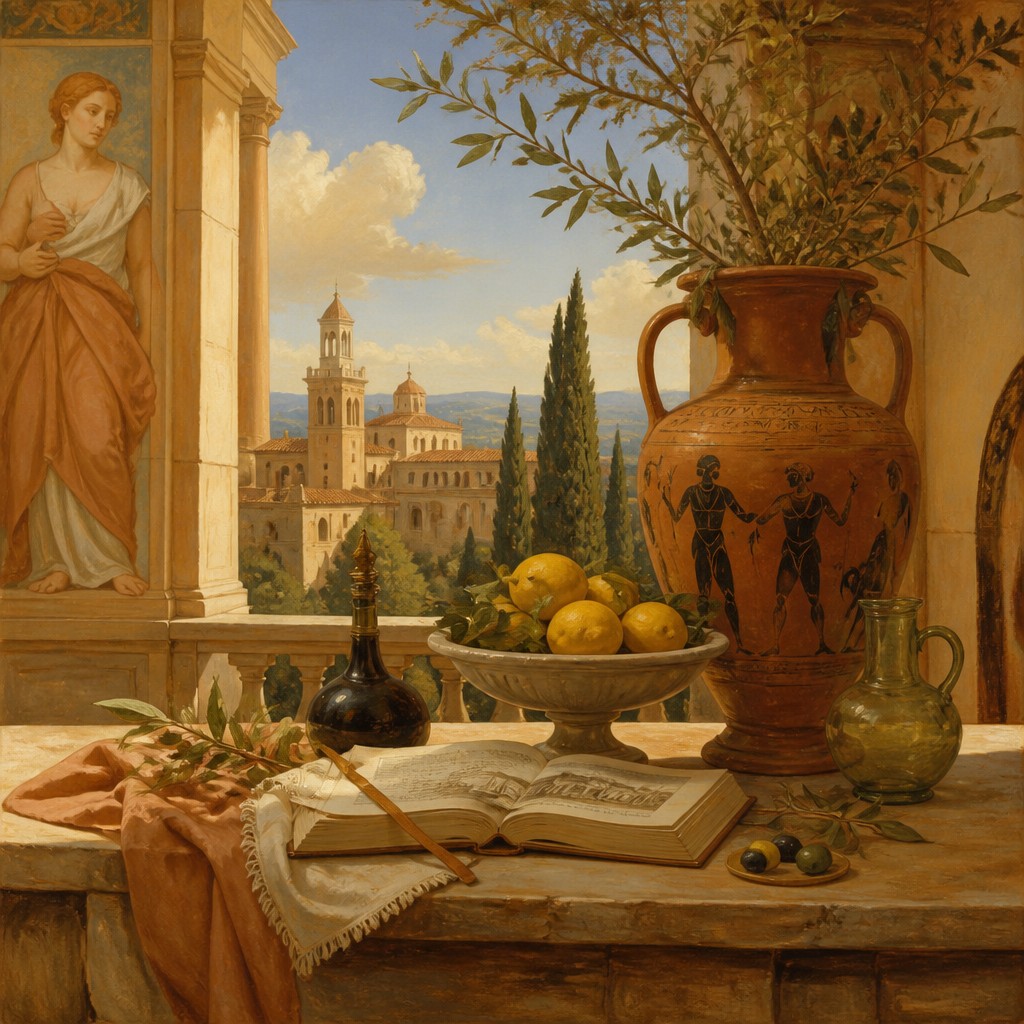
Graceful human presence
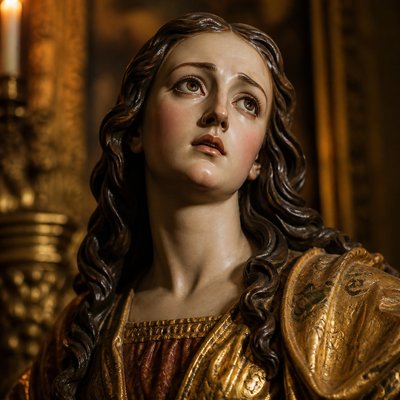
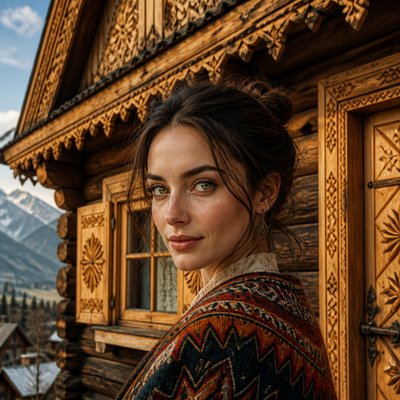
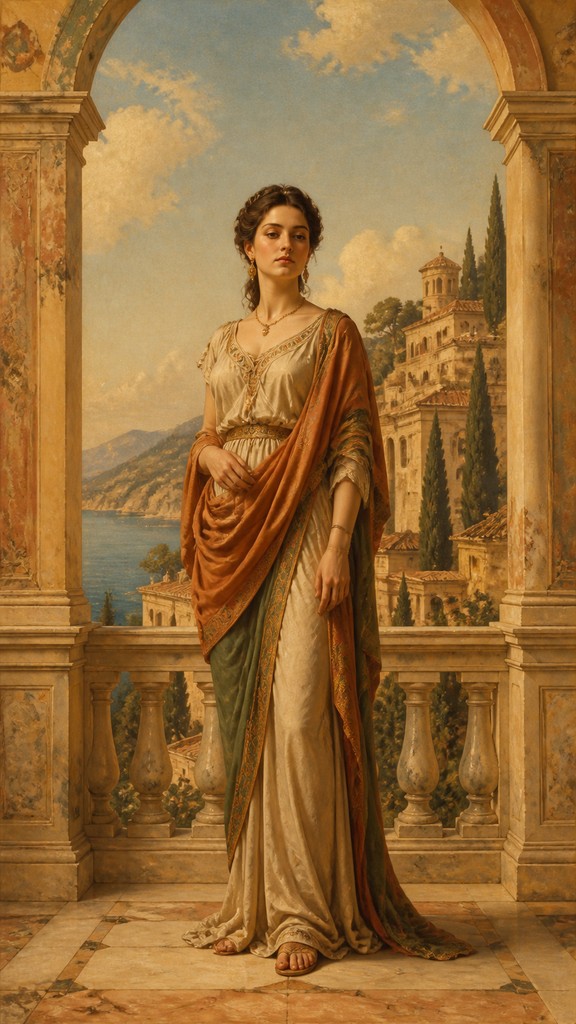
Figures tend to be poised, contemplative, and naturally integrated with their surroundings. Drapery, gestures, and profiles may be idealized without becoming excessively theatrical.
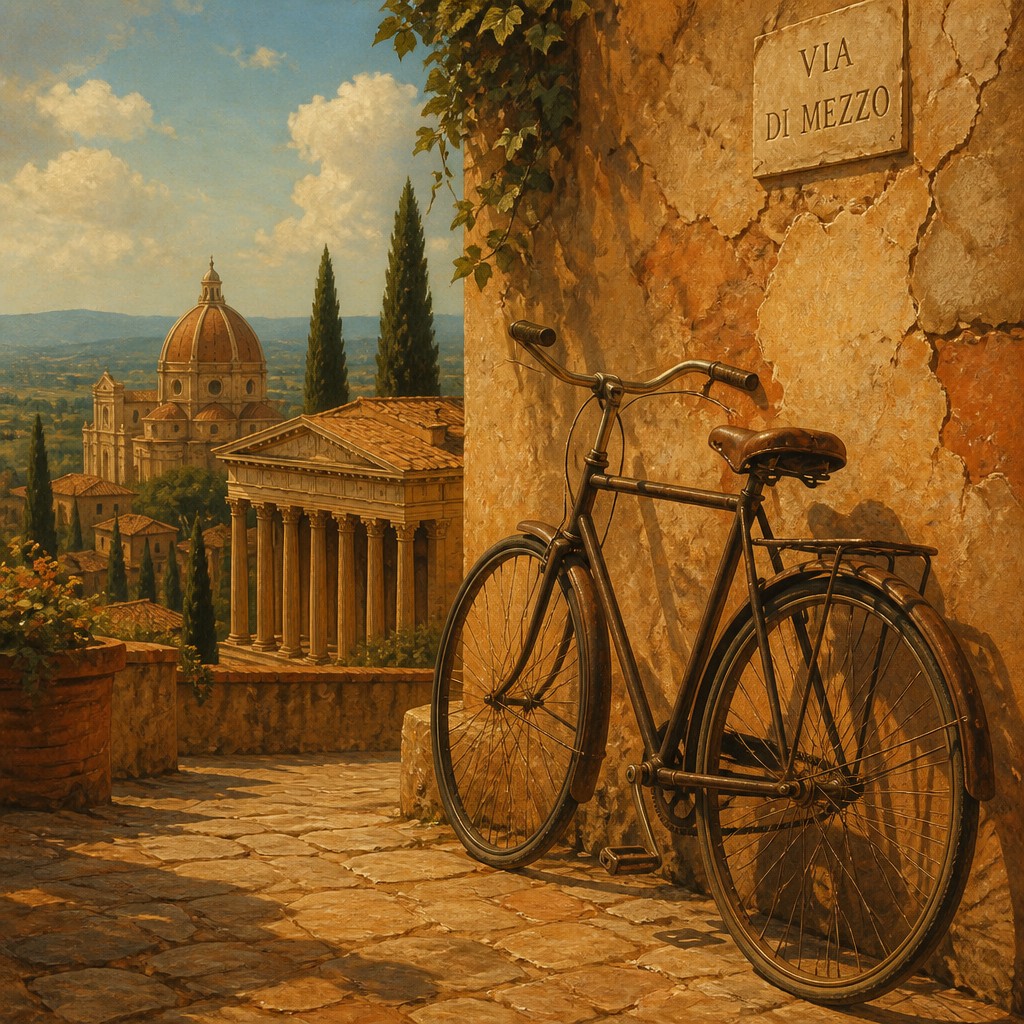
Timeless landscape
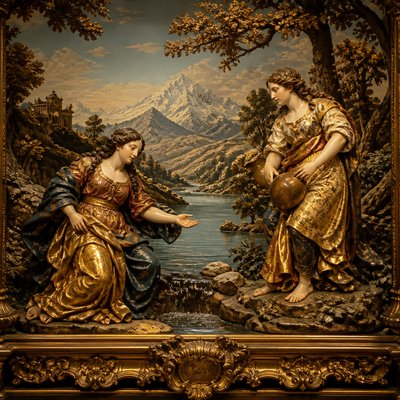
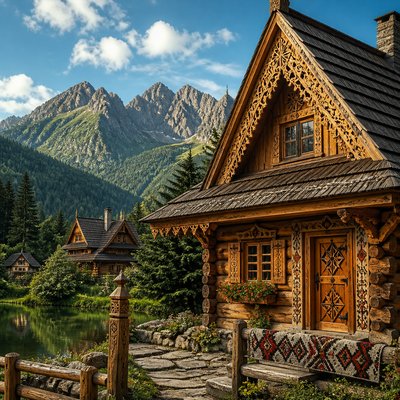
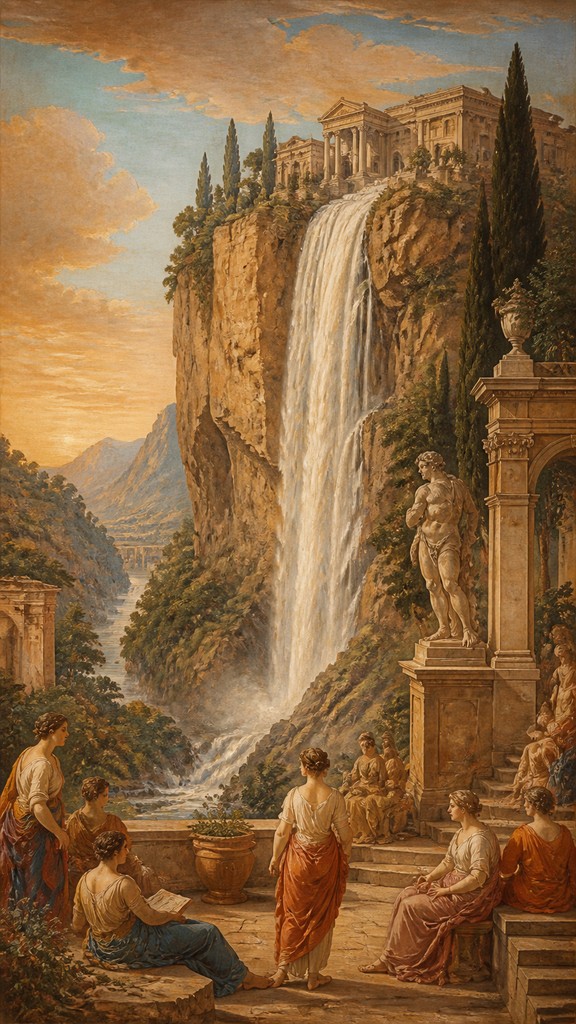
Cypress trees, vineyards, tiled roofs, rolling hills, stone paths, and distant water evoke a layered Mediterranean setting. The scenery is often selective and poetic rather than topographically exact.
Try It
Create Videos in Italian Art Style
Styles aren't just for stills — describe a scene or animate an image and get a short video rendered in Italian. Press play to see this pond come to life.
Make a VideoItalian Prompt Ideas
Start from an idea — each one opens the generator with the style ready to go. See all 40 Italian prompts →
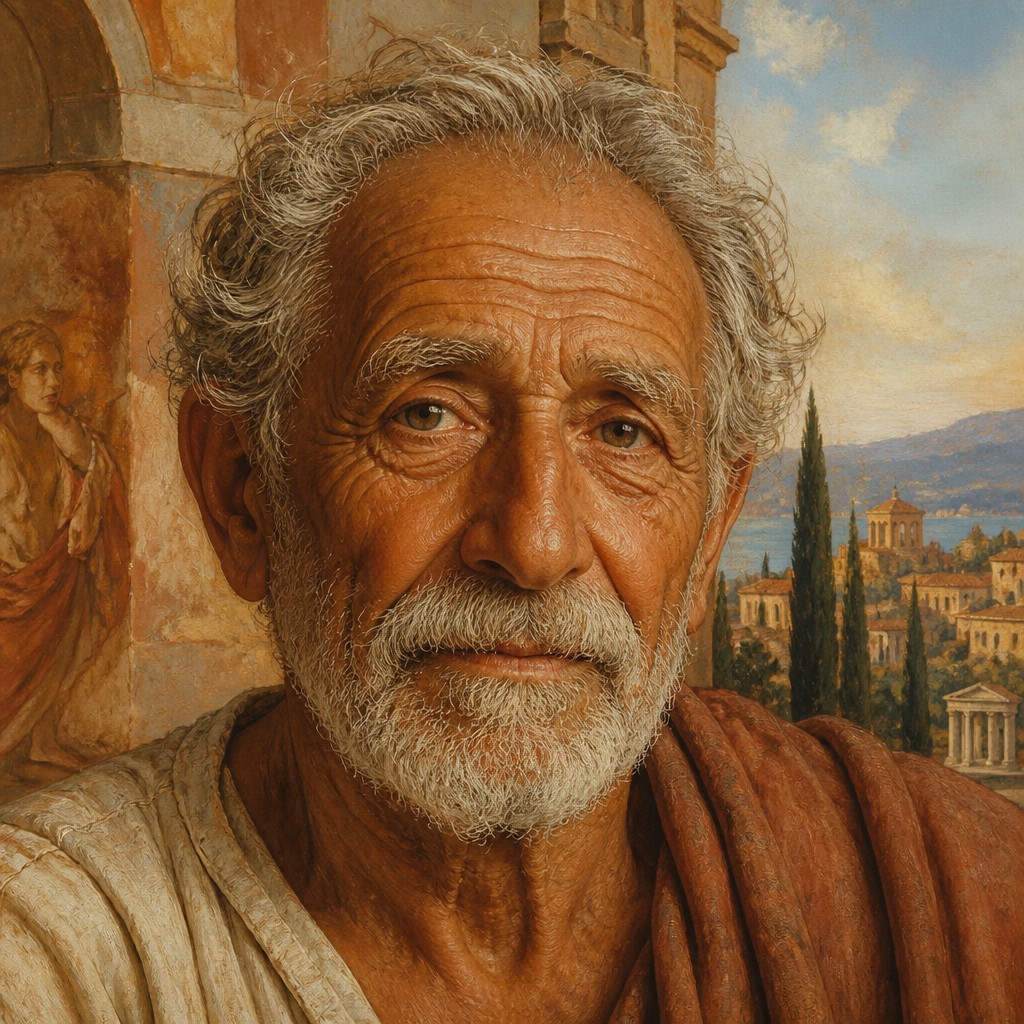
“close-up portrait of an elderly person with expressive weathered features”
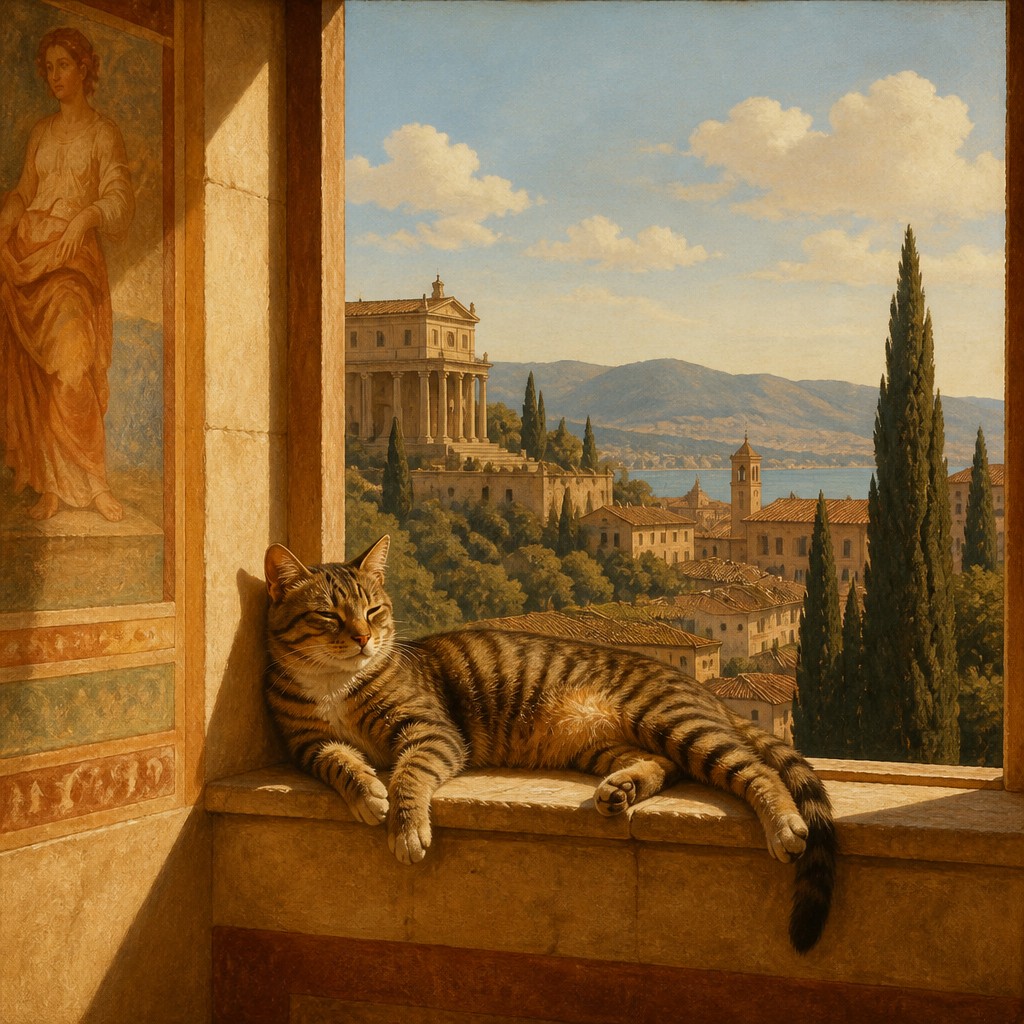
“a cat lounging in a sunlit window”
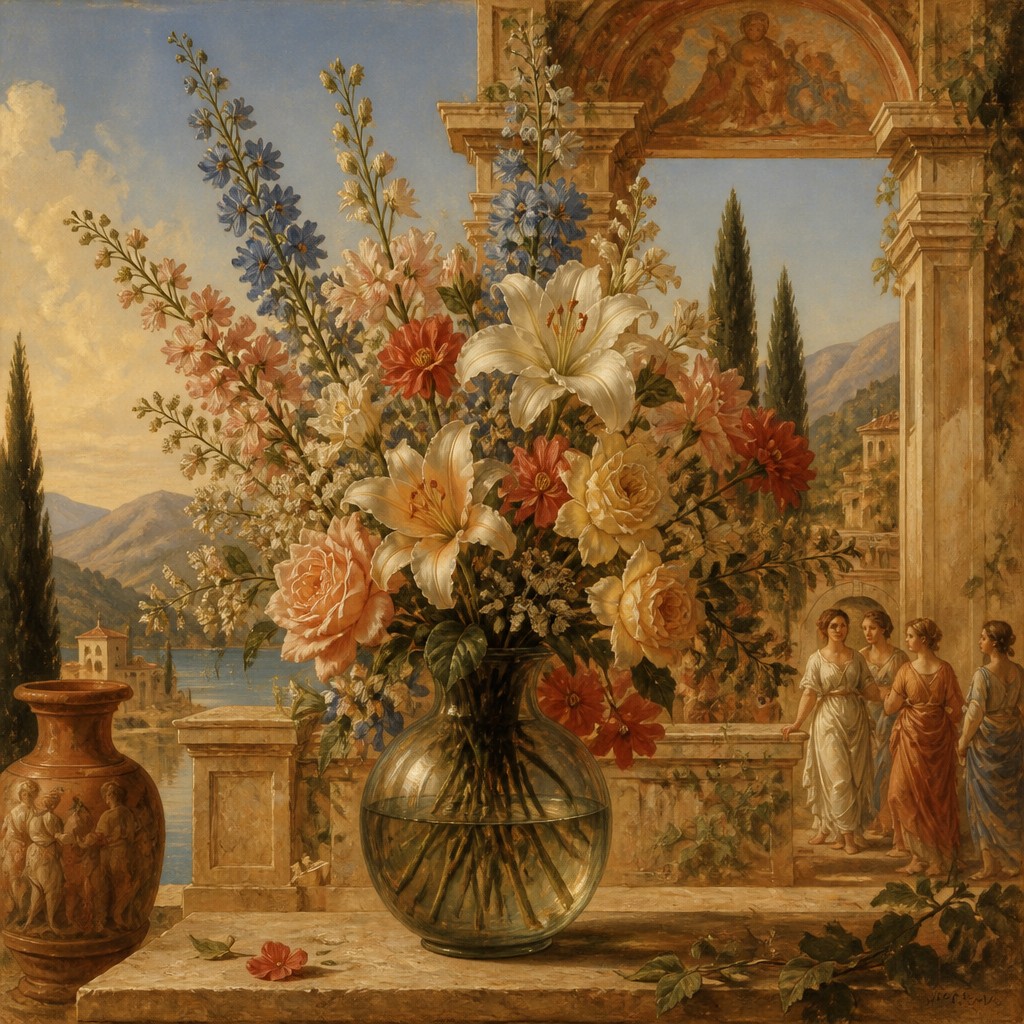
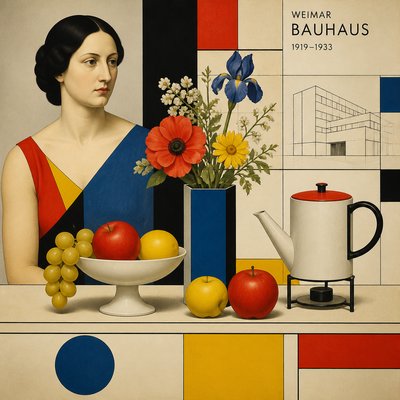
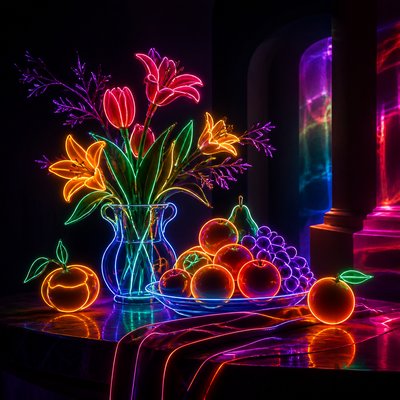
“bouquet of flowers in a glass vase”
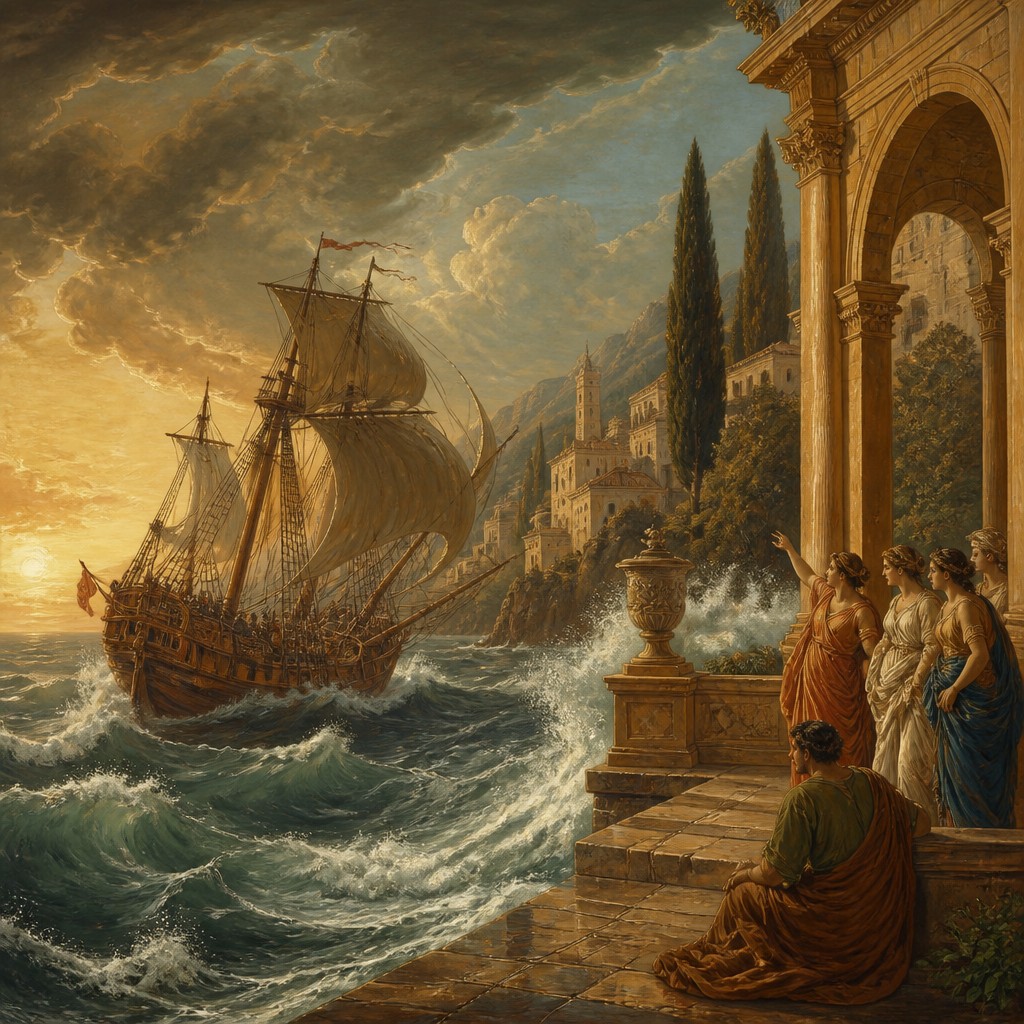
“sailing ship on a stormy sea”
How to Create Italian Art
Master the craft step by step — or skip straight to creating. Read the full guide →
- 1
Build a stable composition
Begin with a central axis, triangular arrangement, or clear foreground-middle-ground structure. Use architectural lines, paths, or colonnades to guide the eye toward the subject.
- 2
Model forms with warm light
For traditional or digital painting, establish a warm ochre underpainting, then place restrained highlights on stone, skin, and fabric. Keep shadows transparent and slightly cool so the golden light remains convincing.
- 3
Use fresco-inspired materials
Choose matte pigments, chalky brushes, subtle plaster grain, and softened edges instead of high-gloss rendering. In digital work, combine a low-contrast texture layer with gentle color variation to avoid a sterile finish.
- 4
Control the palette
Limit the image to a small family of terracotta, olive, cream, ochre, and blue tones, introducing stronger color only for a focal garment or architectural detail. Desaturation and warm-cool balance help create historical atmosphere.
- 5
Write focused generation prompts
Describe the subject first, then specify graceful figures or classical architecture, golden-hour illumination, ochre stone, cypress, balanced composition, and fresco-soft color. Add camera or rendering instructions only after the essential visual hierarchy is clear.
The Story
History & Origins of Italian
The style draws primarily on the Italian Renaissance, which developed in central and northern Italy from the fourteenth through the sixteenth centuries. Renaissance art emphasized proportion, linear perspective, classical architectural vocabulary, studied anatomy, idealized beauty, and narratives arranged with clear spatial logic. Wall painting and fresco traditions contributed matte, mineral-like color and broad, durable surfaces, while later Italian traditions added richer theatrical lighting, decorative landscape, and monumental scale.
The modern label combines these historical references with a generalized Mediterranean image shaped by travel photography, heritage architecture, cinema, editorial illustration, and digital image-making. Because it merges several periods and regions, it should be understood as a romanticized visual lineage rather than an exact representation of any one Italian school or century.
Influences: The aesthetic draws on Italian Renaissance painting and architecture, especially their use of linear perspective, classical proportion, idealized figures, fresco technique, and coherent spatial design. It also borrows from Mediterranean landscape painting, Italian Baroque light, Roman and Greek architectural traditions, heritage interiors, travel photography, historical cinema, and contemporary editorial illustration. These influences are blended selectively into a warm, generalized Mediterranean image rather than a strict period style.
Frequently Asked Questions
Is Italian Art Style a specific historical art movement?
No. The term is broad and informal rather than the name of a single recognized historical movement. In this context, it describes a contemporary synthesis of Italian Renaissance, Mediterranean, classical, and fresco-inspired visual traits.
What defines Italian Art Style visually?
Its main features are graceful figures, balanced monumental composition, classical architecture, golden-hour light, ochre stone, cypress trees, and a restrained Mediterranean palette. Soft, matte surfaces often suggest fresco or aged plaster.
How does it differ from Renaissance art?
Renaissance art refers to a historical period with specific regional schools, subjects, techniques, and dates, primarily from the fourteenth to sixteenth centuries. Italian Art Style is broader and more romanticized, combining Renaissance references with later landscape traditions and modern Mediterranean imagery.
How can I make a painting in this style by hand?
Start with a carefully structured perspective drawing and a limited palette of ochre, terracotta, olive, cream, and muted blue. Use thin underpainting, controlled modeling, and matte surface texture, keeping edges softer in the distance and around atmospheric light.
Can photographs be transformed with this aesthetic?
Yes, but the strongest results usually come from photographs with clear architecture, warm directional light, or a composed human subject. Preserve the main silhouette and perspective while introducing aged mineral color, softened transitions, and restrained Renaissance-like spatial order.
Where is this style commonly used?
It works well for historical or travel illustration, editorial art, book covers, architectural visualization, fantasy settings, hospitality interiors, portrait concepts, and Mediterranean landscape scenes. It is especially effective when a subject needs warmth, elegance, and a sense of permanence.

Create your first Italian artwork
Describe anything — or upload a photo — and see it in Italian Art Style in seconds.
Related Styles
Discover similar art styles