Drypoint Print Style
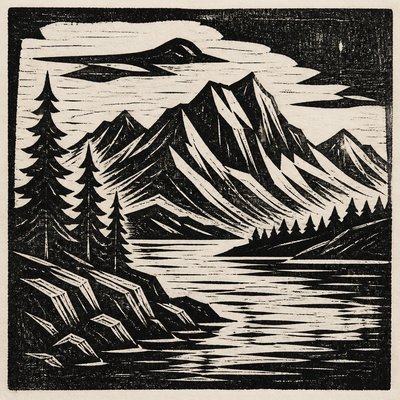
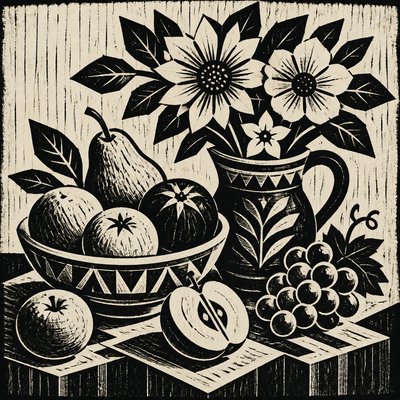
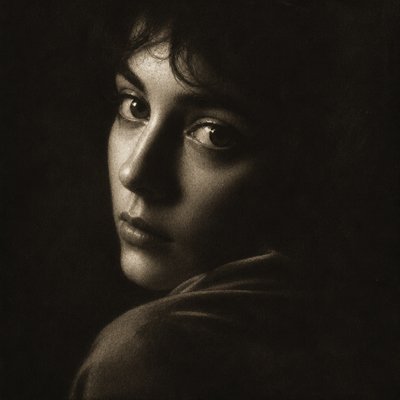
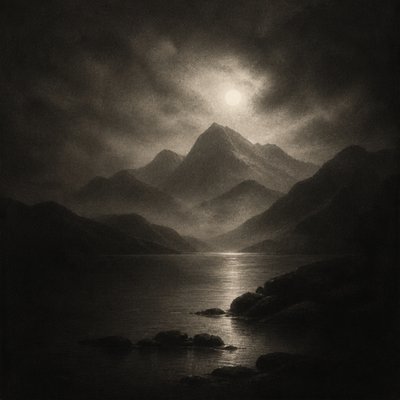
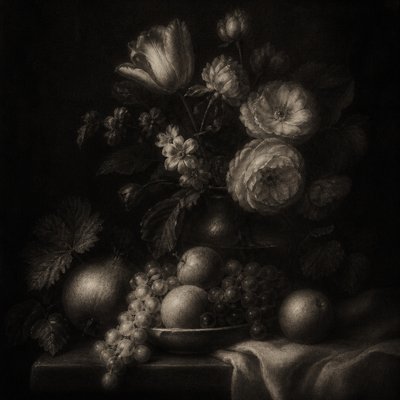
Explore drypoint print style: scratched lines, velvety burr, rich fuzzy blacks, and intimate ink textures on clean paper.
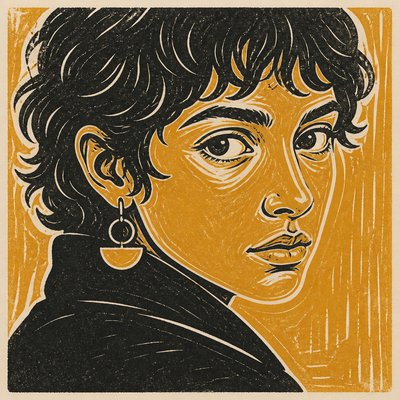
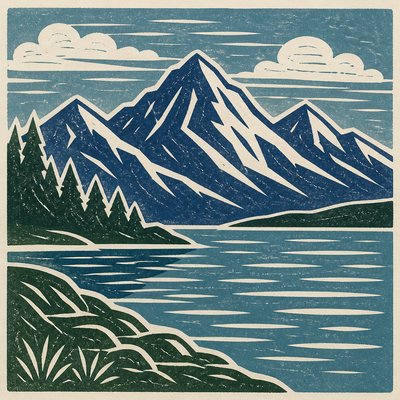
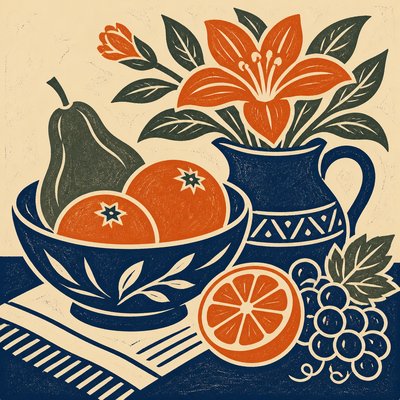
Instantly rendered in Drypoint Print — or transform a photo
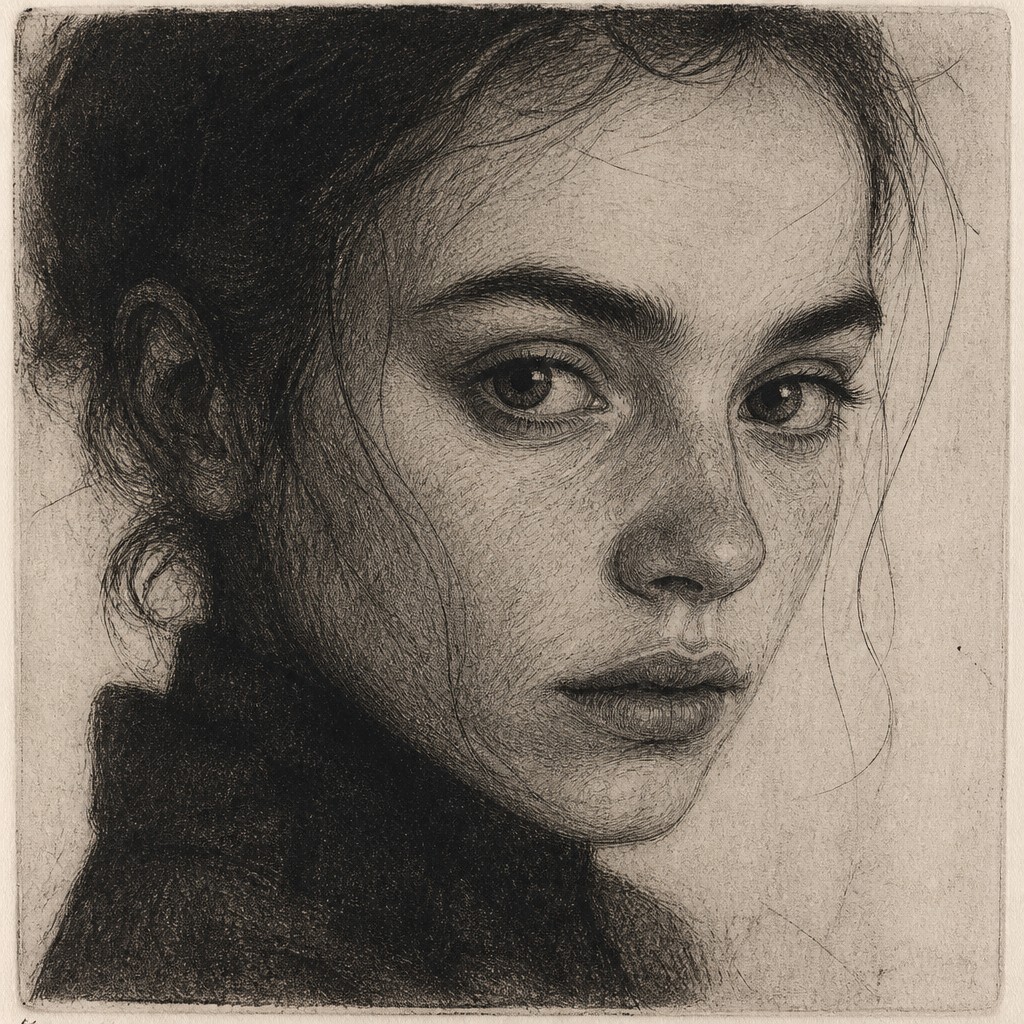
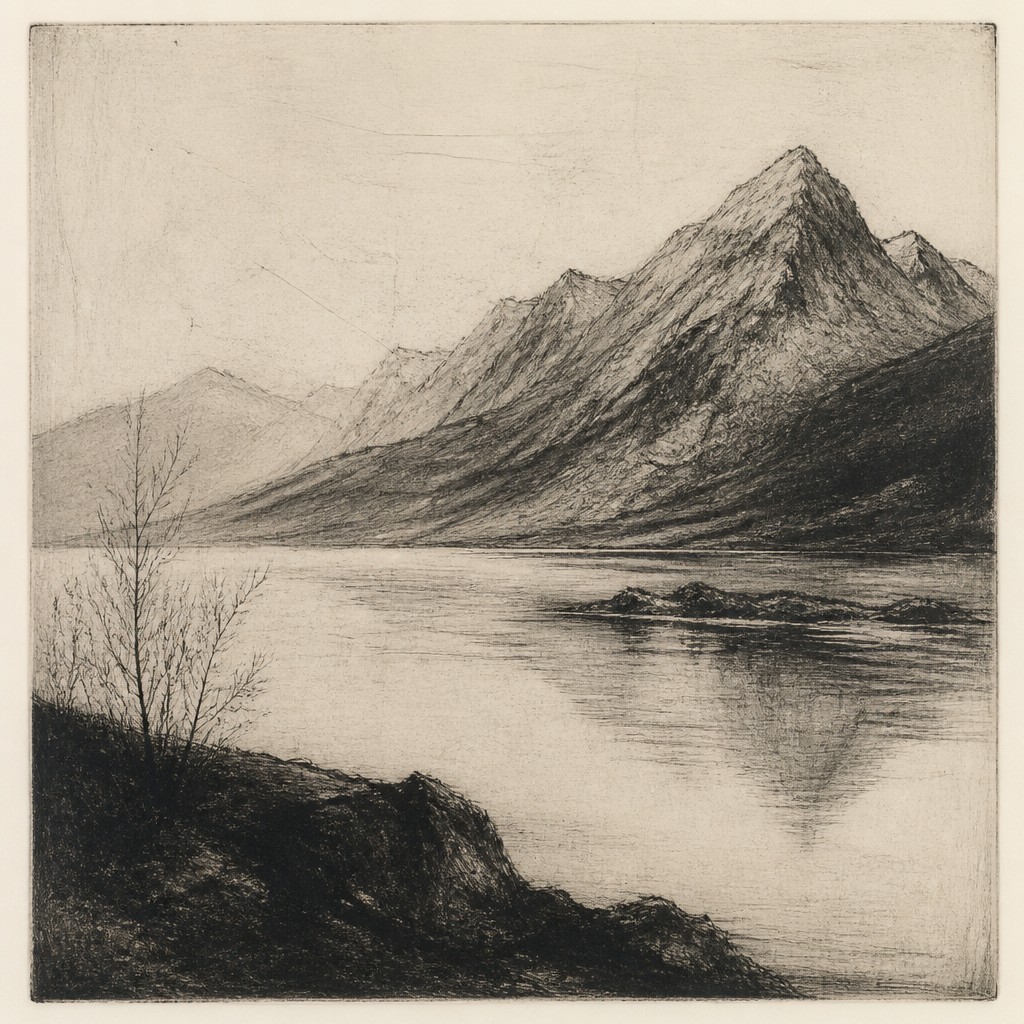
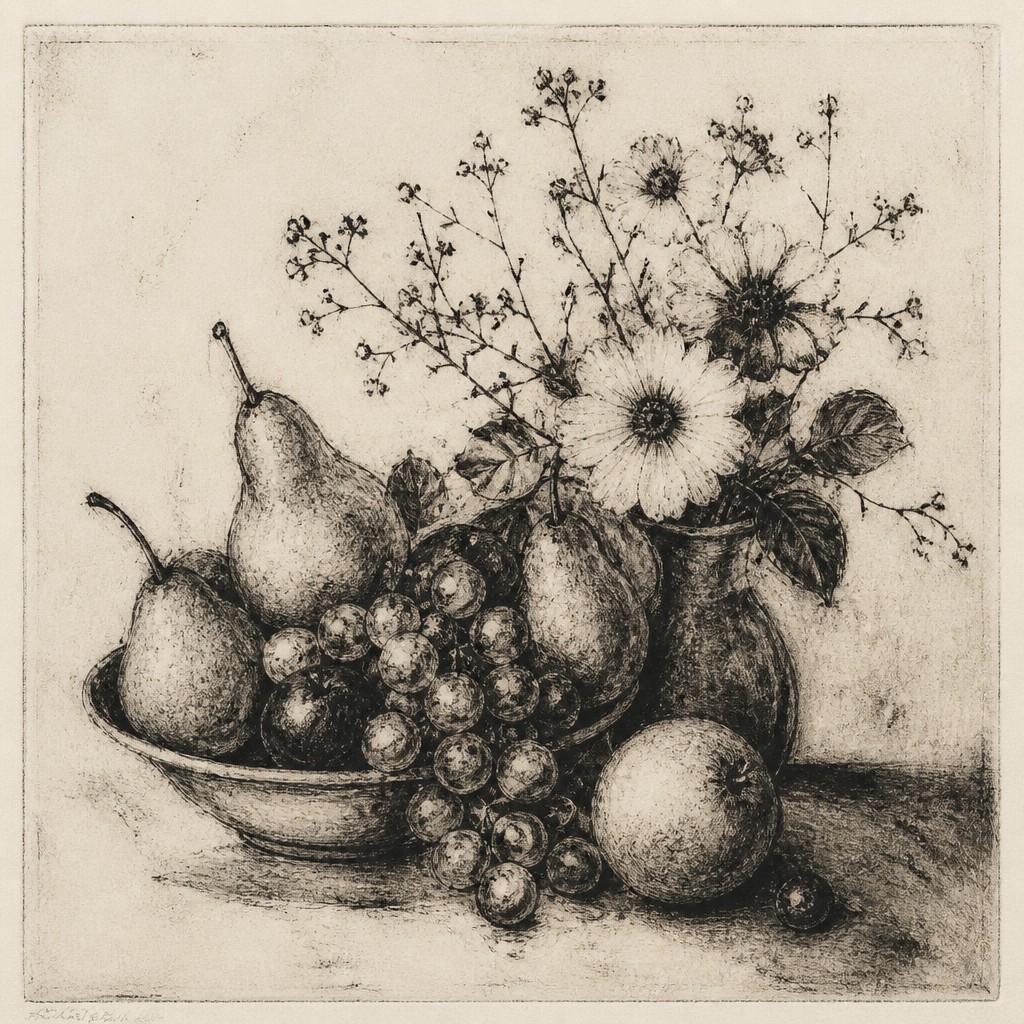
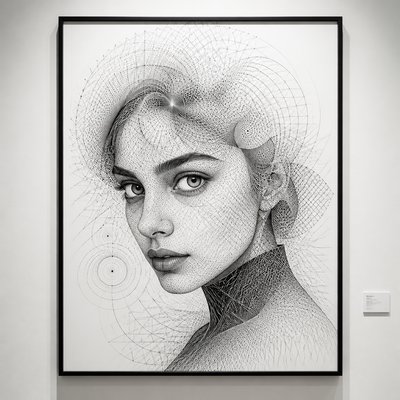
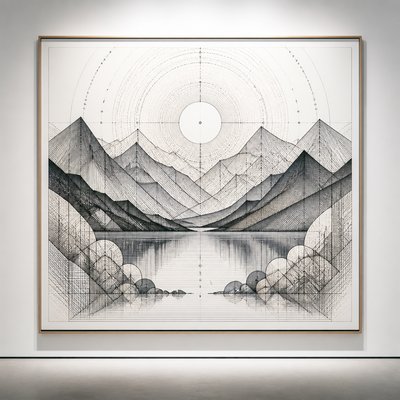
Drypoint Print Gallery
Tap any artwork to explore it
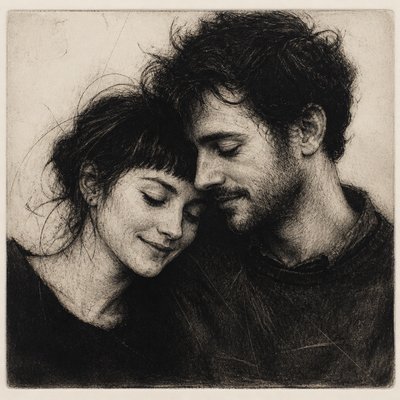
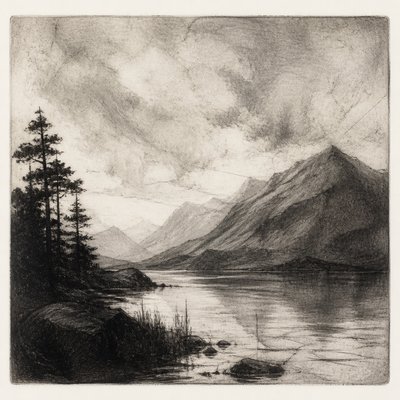
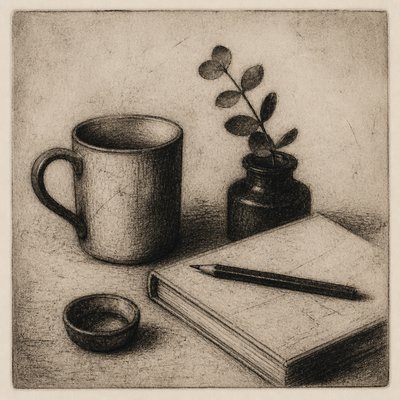
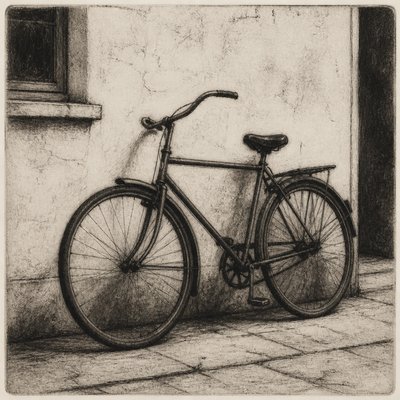
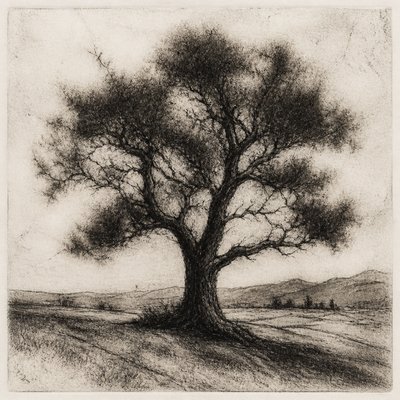
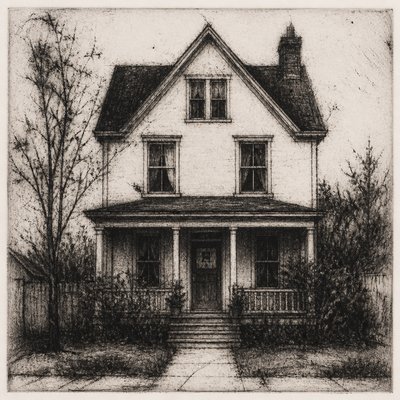
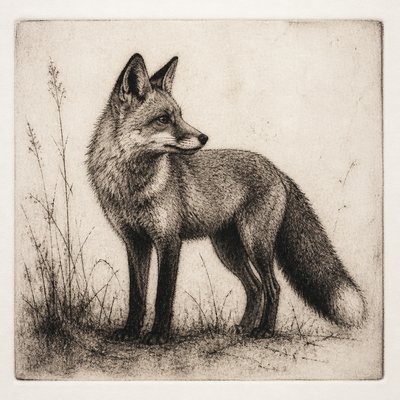
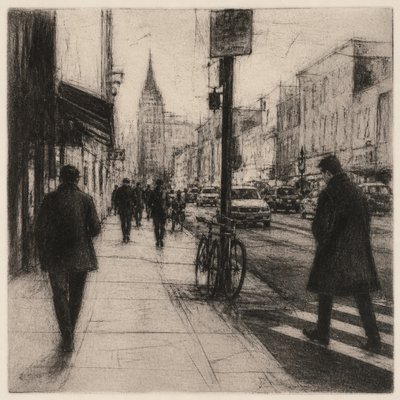
What is Drypoint Print Style?
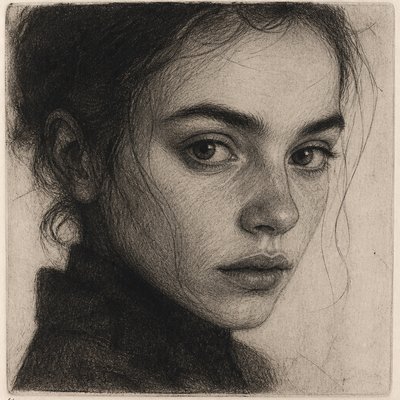
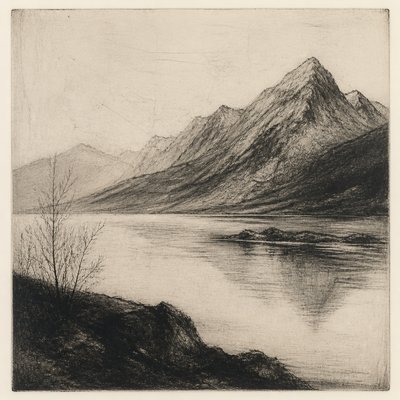
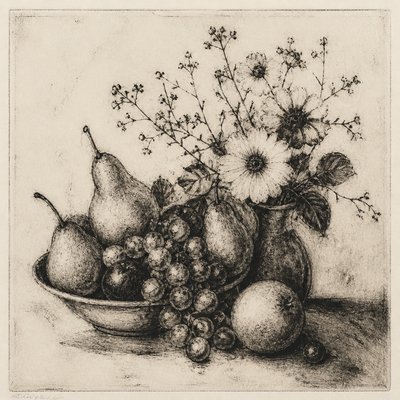
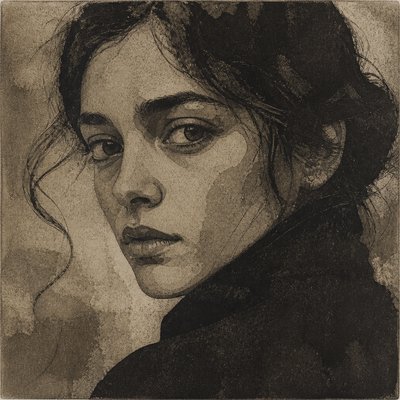
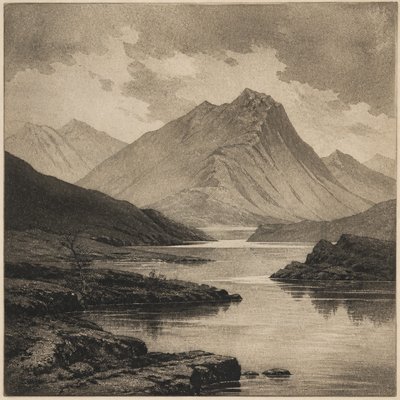
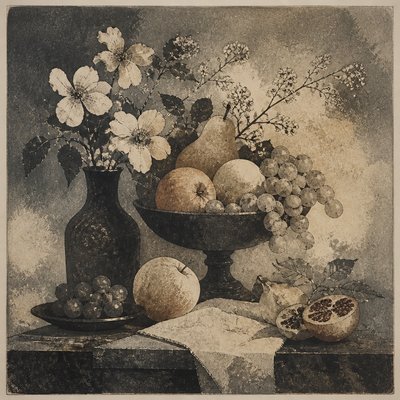
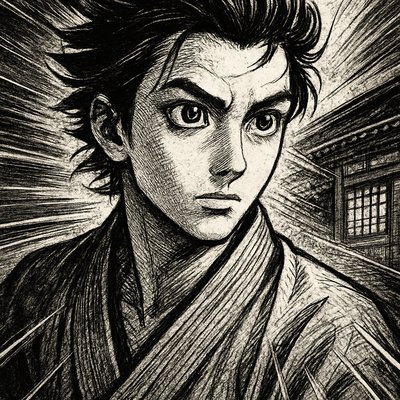
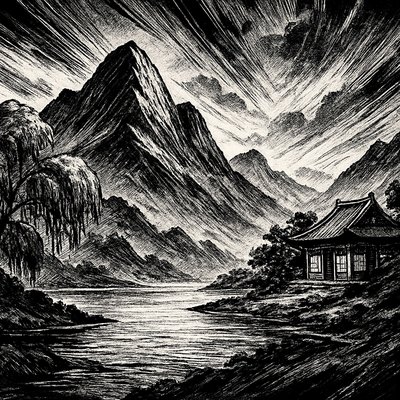
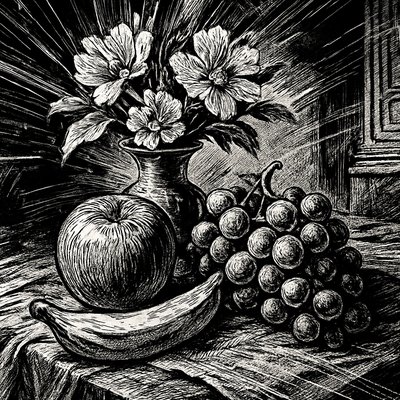
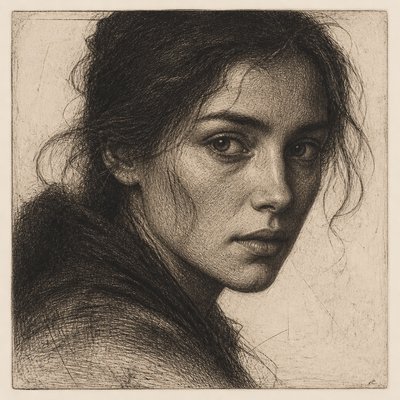
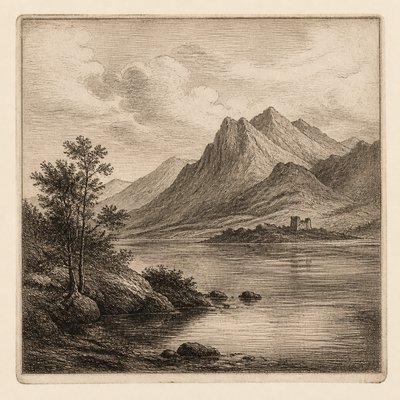
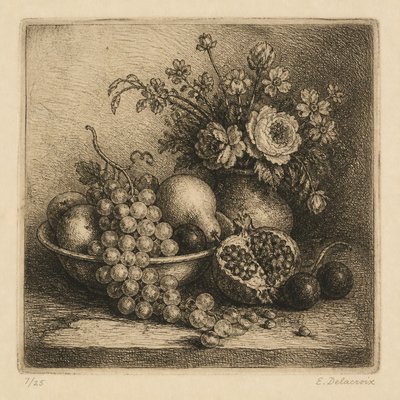
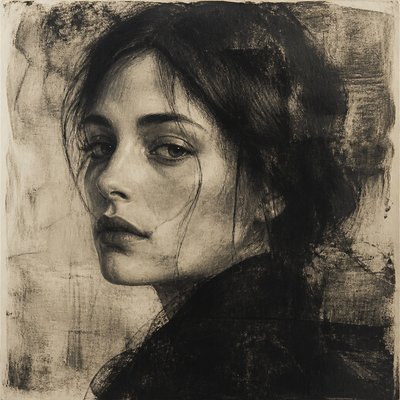
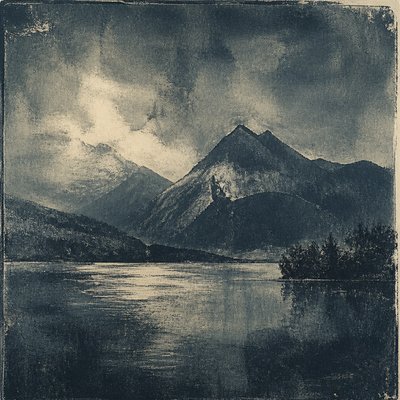
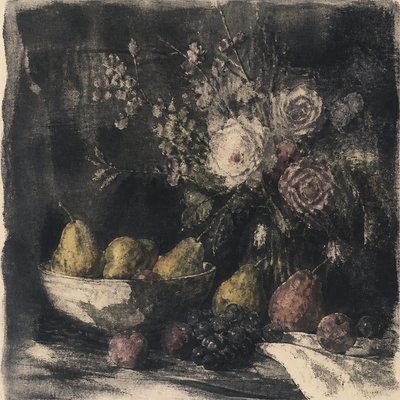
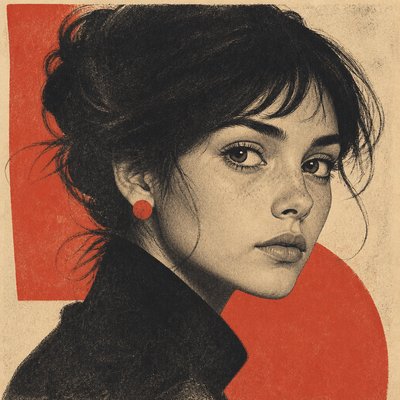
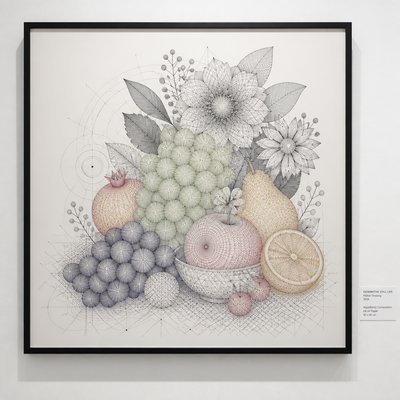
Drypoint print style is an intaglio-based visual language defined by lines scratched directly into a plate, traditionally copper or another smooth surface. The incision raises a ragged ridge called a burr, which catches extra ink and produces the medium’s characteristic soft, velvety edges, smoky halos, and dense, tactile blacks. Unlike an engraved line, which is cut cleanly with a specialized tool, a drypoint line often retains the irregular energy of the hand that made it.
The style combines sparse, confident drawing with the physical atmosphere of a printed impression. Clean paper, restrained tonal structure, and selective areas of rich black allow the burr to become the central expressive feature. Fine hatching, broken contours, rubbed plate tone, and slight variations between impressions contribute to its intimate, handmade appearance.
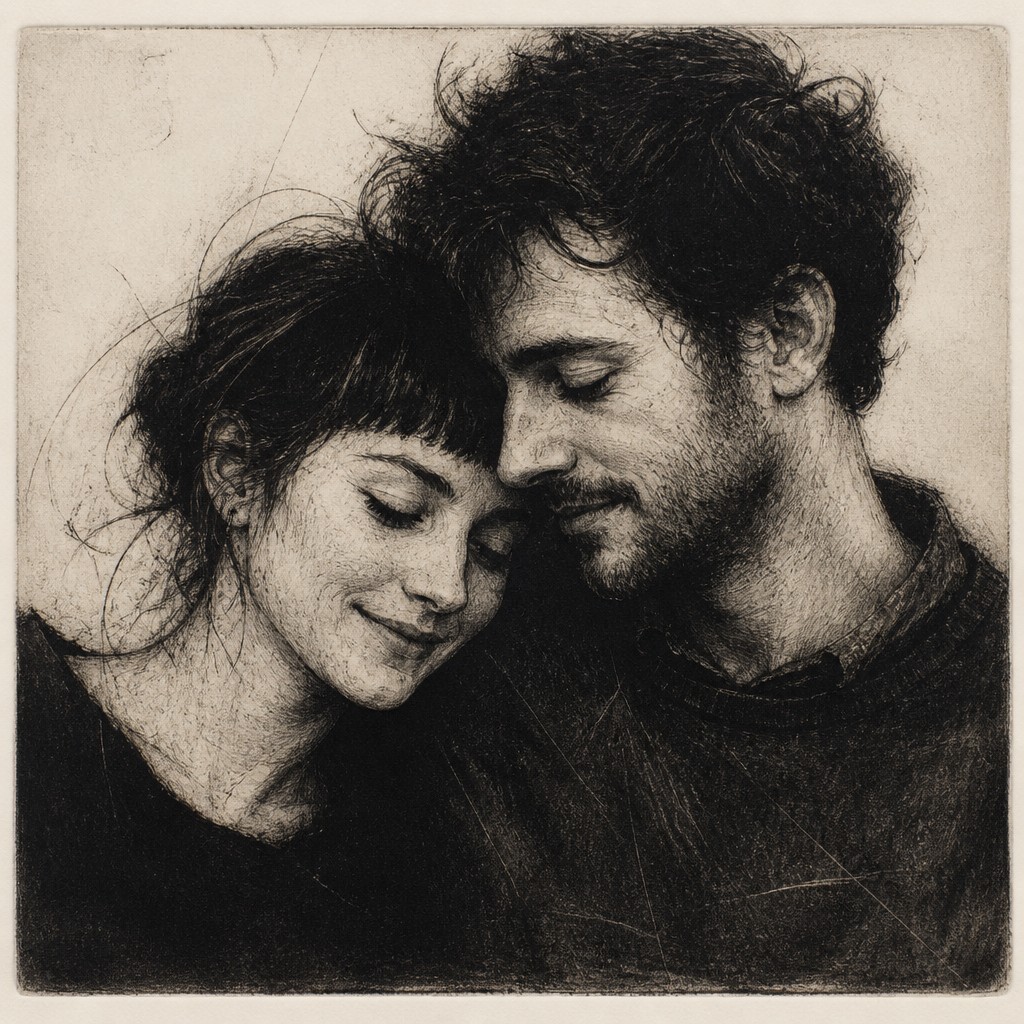
Try It On Your Photos
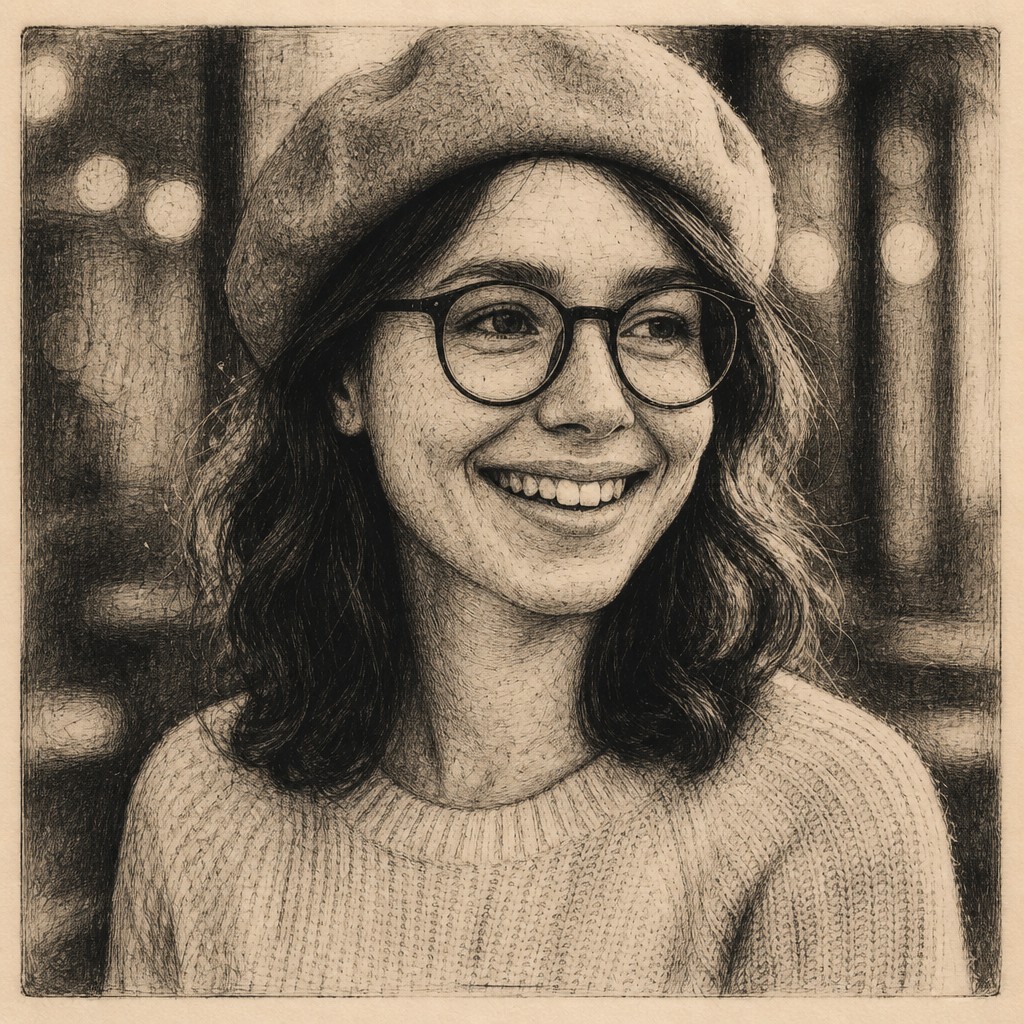
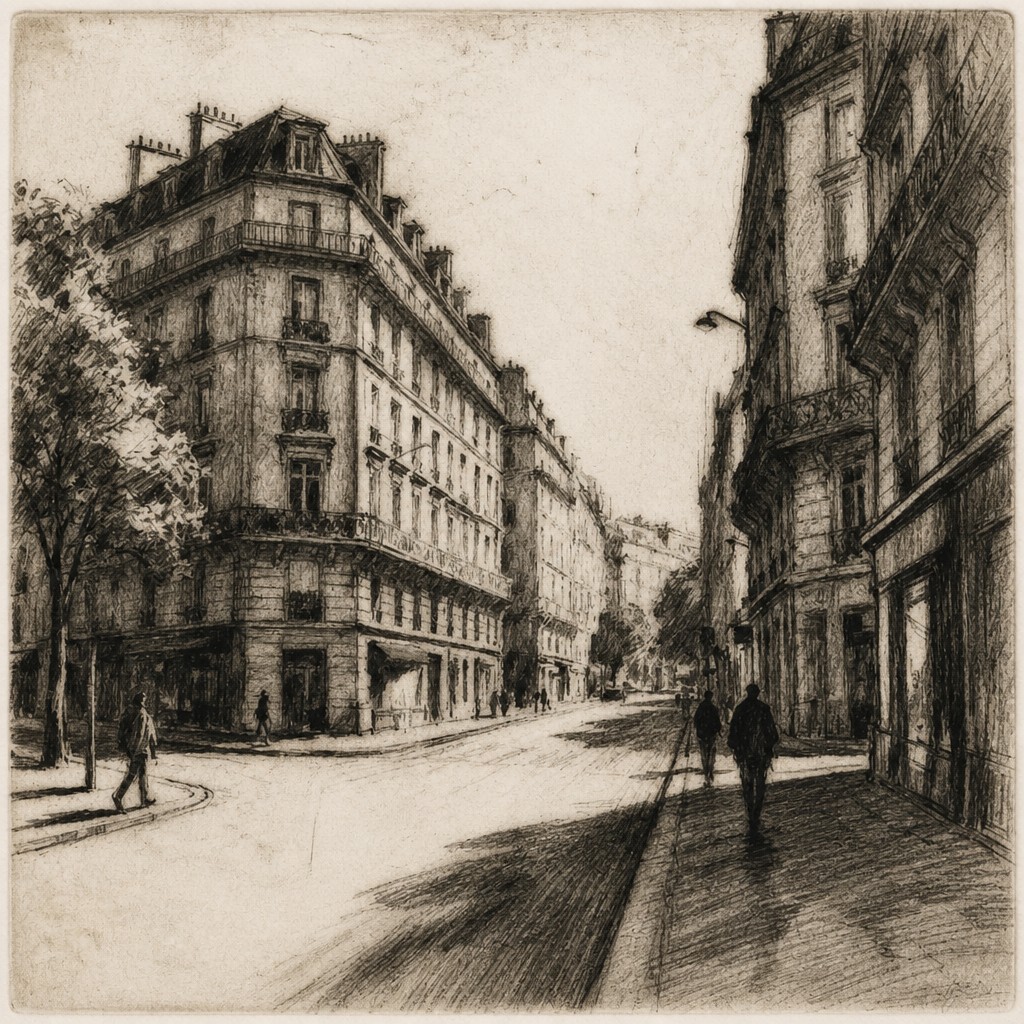
Upload any photo and convert it into Drypoint Print Style — drag the sliders to compare before and after.


What Defines Drypoint Print Style
The signature details, up close
Velvety burr
Each scratched line carries a raised burr that gathers ink along its edges. This creates soft, feathered contours rather than the crisp, mechanically clean marks associated with engraving.
Rich fuzzy blacks
Repeated strokes, crosshatching, and concentrated plate work build deep blacks with a fibrous or smoky appearance. Dark areas often feel pressed into the paper rather than painted onto it.
Sparse confident line work
Drypoint is especially effective when a small number of decisive lines describe form. Empty paper becomes an active part of the composition, balancing the dark marks.
Visible hand and irregularity
Variations in pressure, direction, ink wiping, and plate wear produce subtle inconsistencies. These irregularities are valued as evidence of process rather than treated as defects.
Intaglio tonal atmosphere
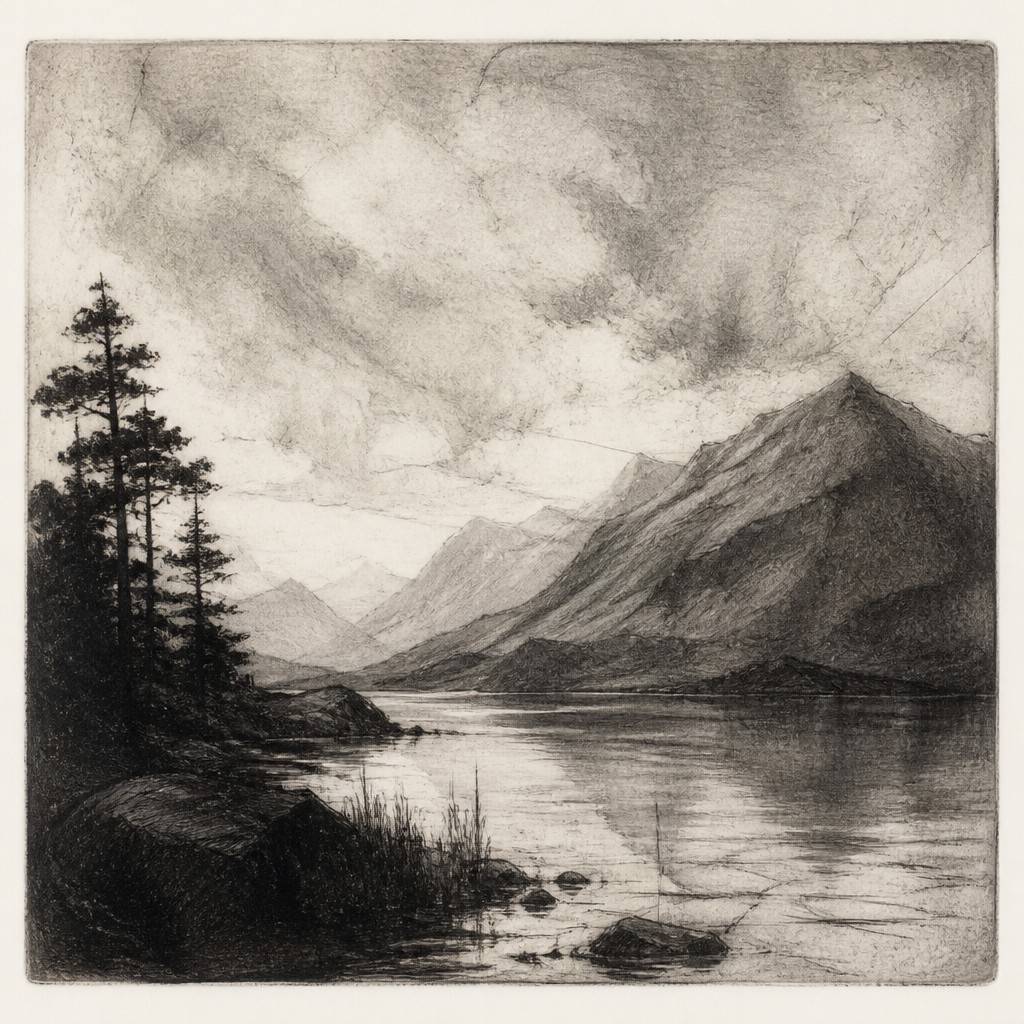
Soft plate tone, wiped shadows, and layered hatching can create mist, dusk, skin, fabric, or weather without relying on broad painted gradients. Tonal transitions remain connected to the drawn mark.
Paper-forward composition
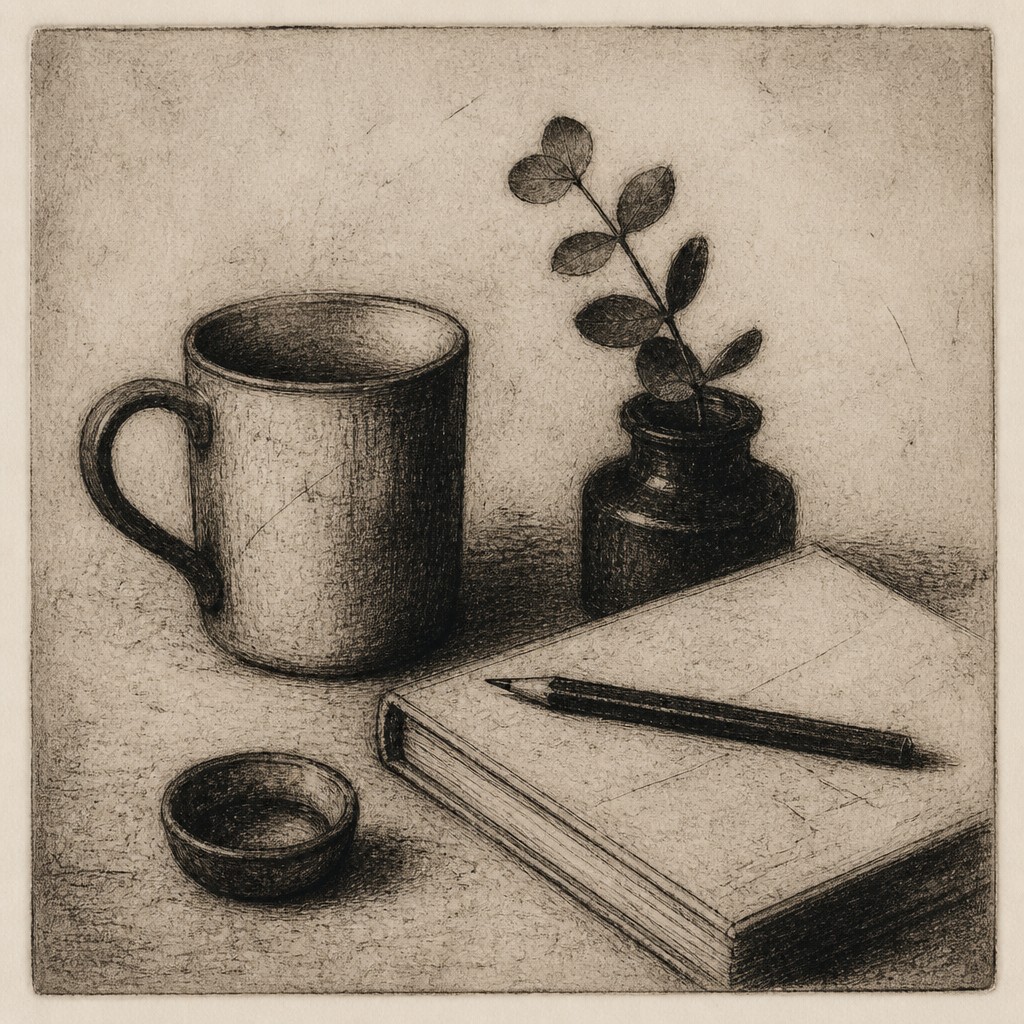
Warm white or cool white paper usually remains visible around and within the subject. The contrast between clean ground and ink-rich passages gives the image a quiet, tactile clarity.
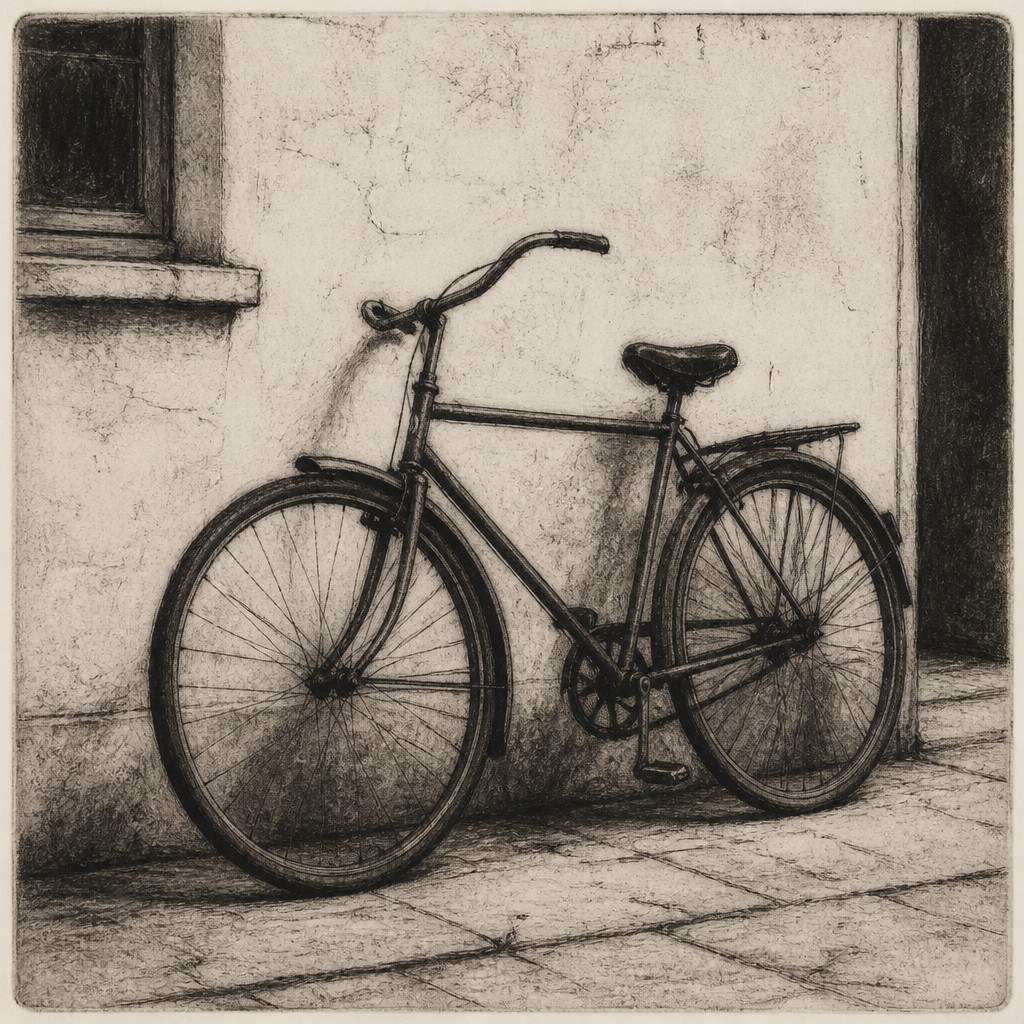
Close, intimate scale
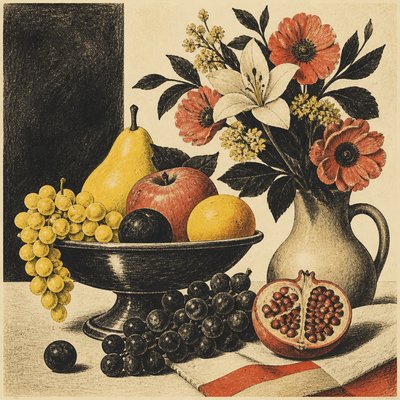
Portraits, still lifes, botanical studies, interiors, and small narrative scenes suit the technique because its delicate burr rewards close viewing. Even larger compositions often retain a concentrated, personal mood.
Try It
Create Videos in Drypoint Print Style
Styles aren't just for stills — describe a scene or animate an image and get a short video rendered in Drypoint Print. Press play to see this pond come to life.
Make a VideoDrypoint Print Prompt Ideas
Start from an idea — each one opens the generator with the style ready to go. See all 40 Drypoint Print prompts →
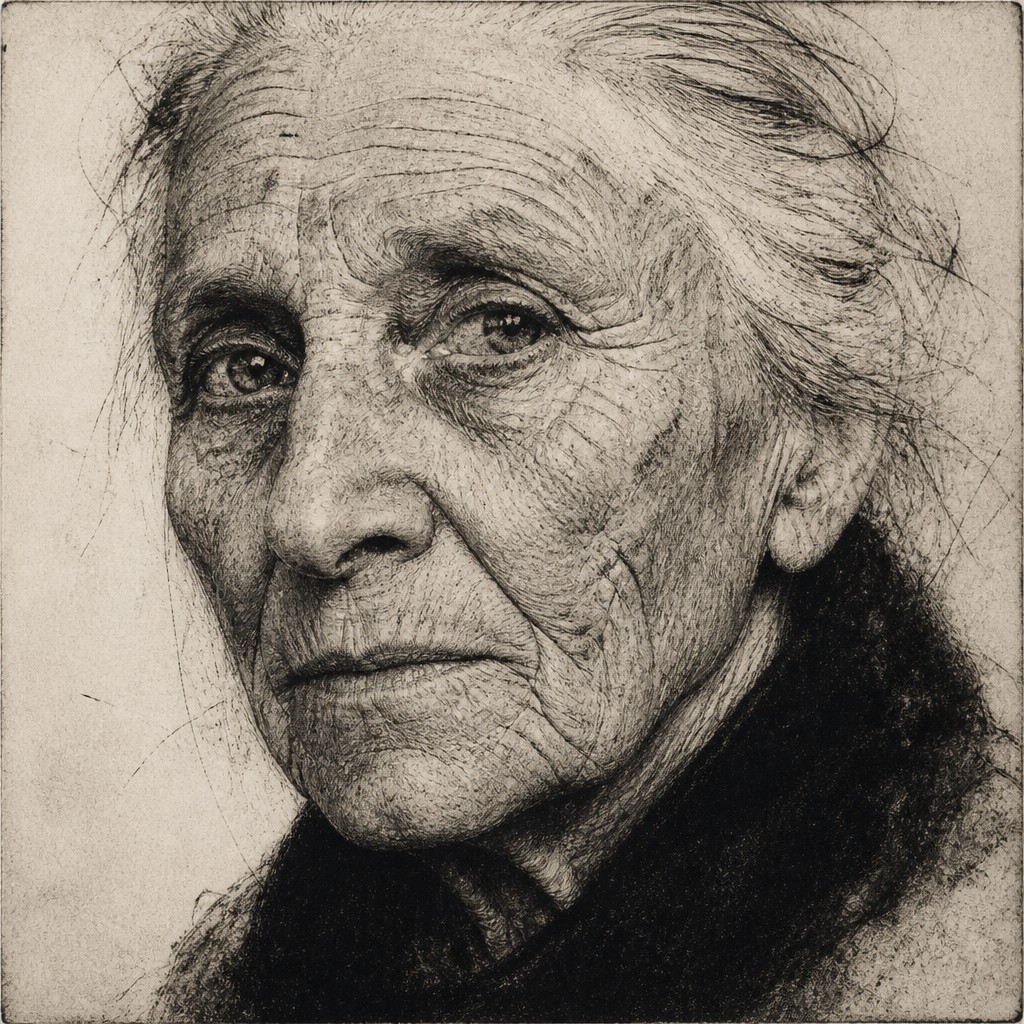
“close-up portrait of an elderly person with expressive weathered features”
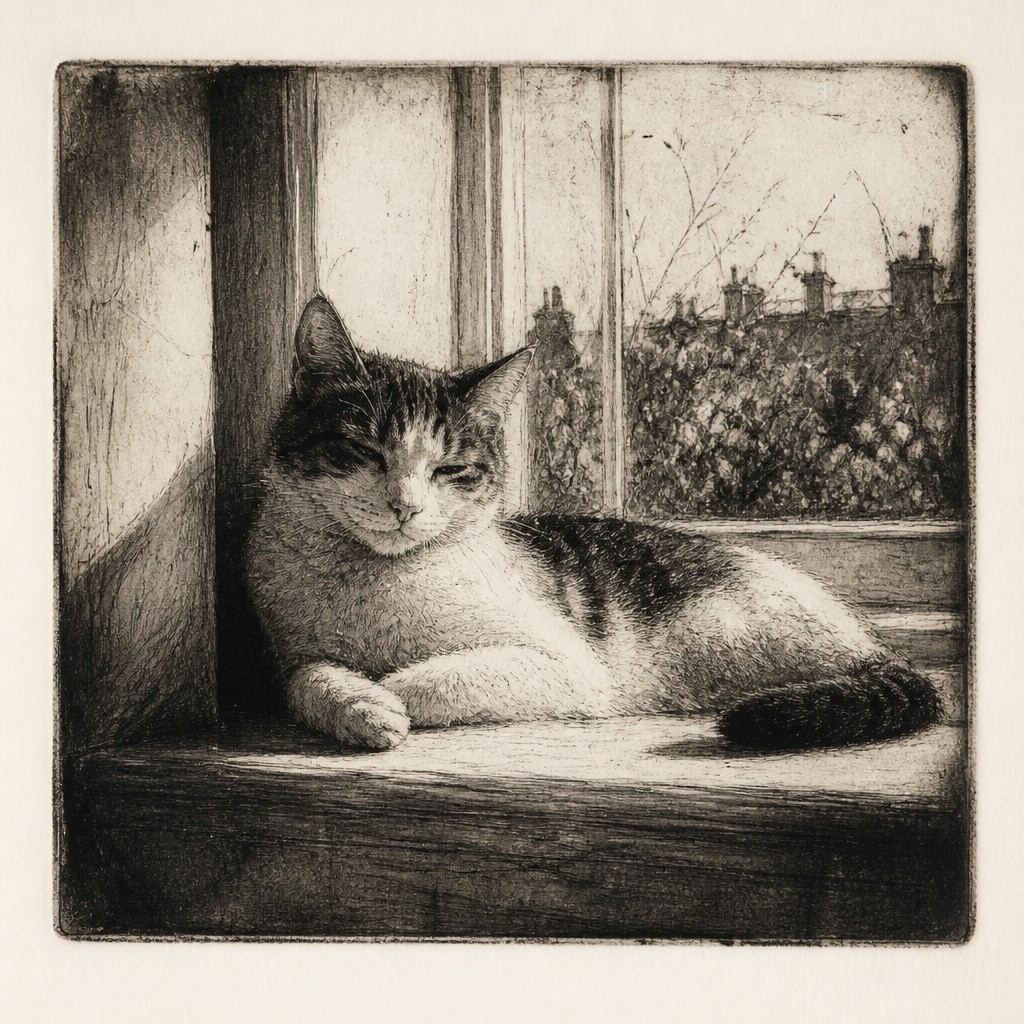
“a cat lounging in a sunlit window”
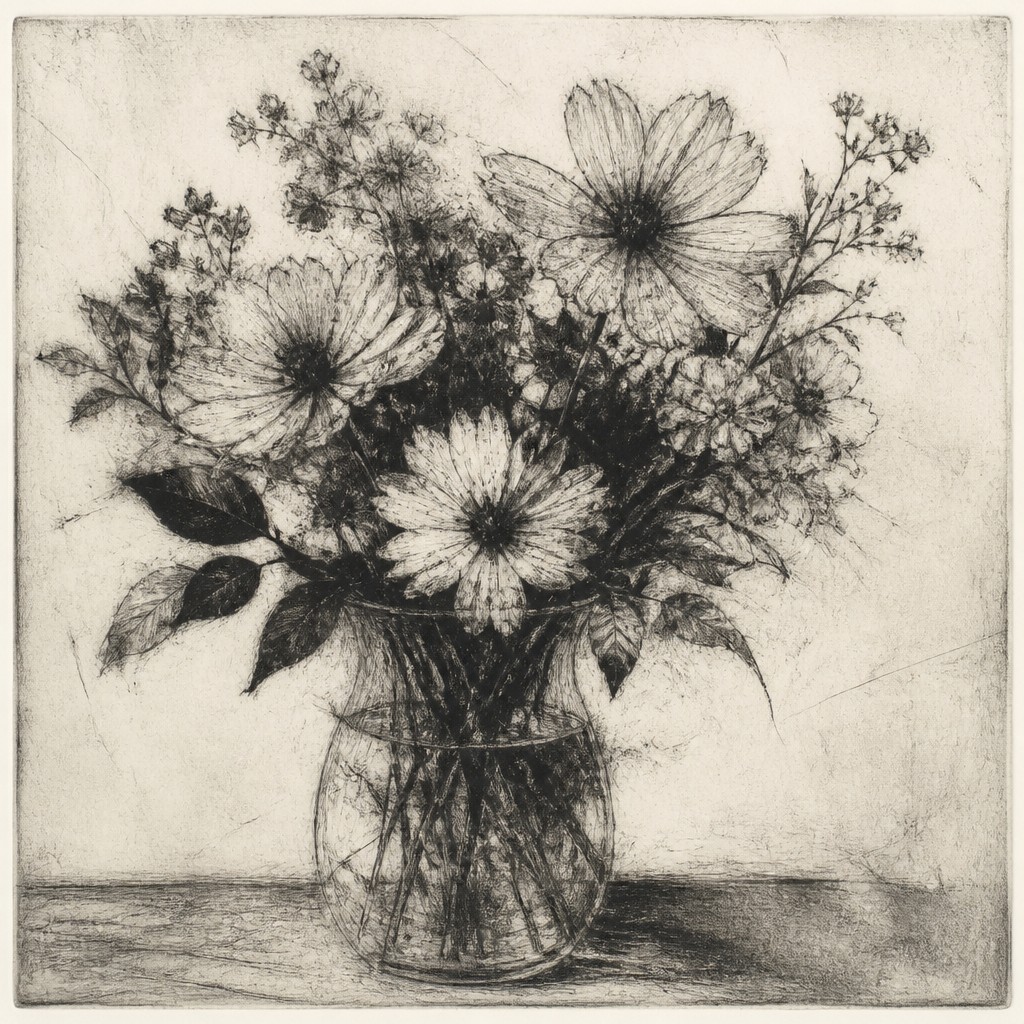
“bouquet of flowers in a glass vase”
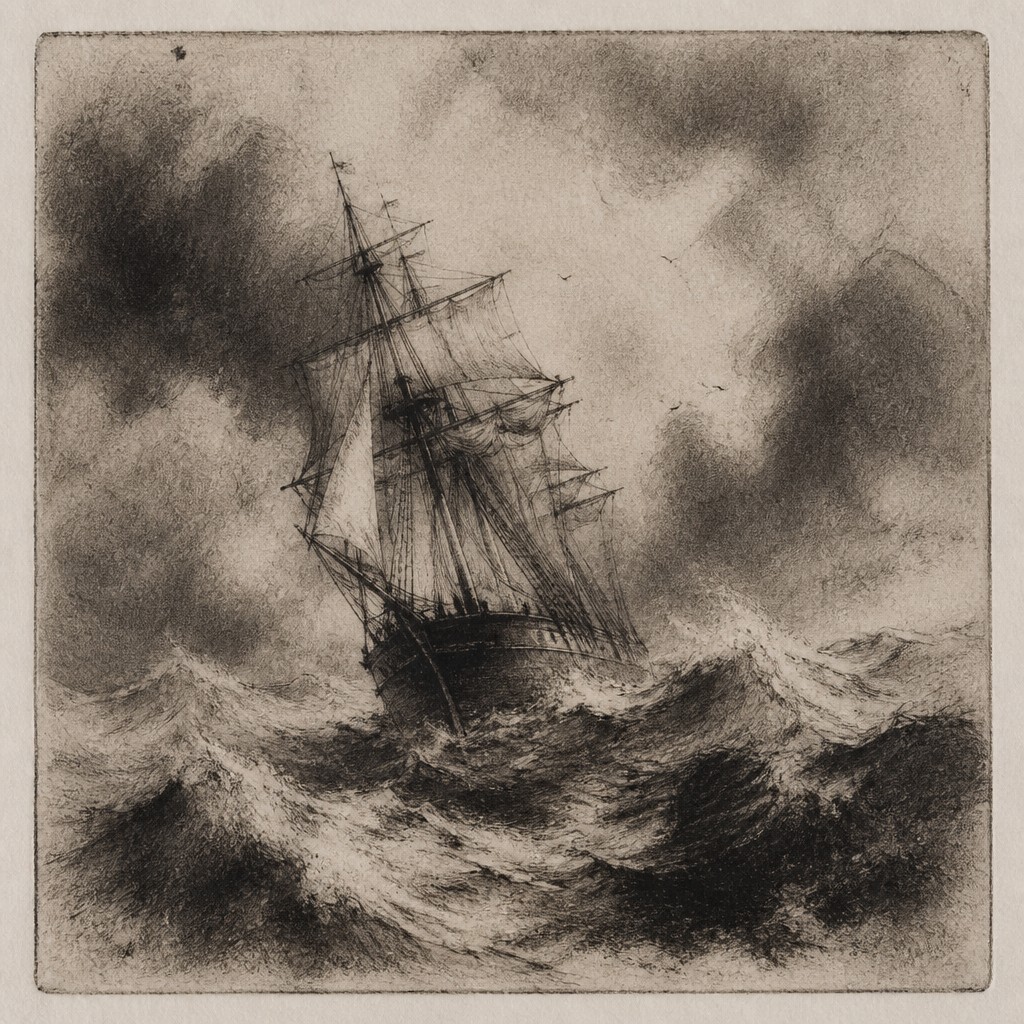
“sailing ship on a stormy sea”
How to Create Drypoint Print Art
Master the craft step by step — or skip straight to creating. Read the full guide →
- 1
Scratch the plate directly
For a traditional result, draw into copper, zinc, plexiglass, or another suitable plate with a drypoint needle or sharp point. Vary pressure to control line depth and burr, remembering that fragile burrs may soften after repeated printing.
- 2
Build tone with hatching
Use parallel, crossing, and broken lines instead of smooth painted shading. Reserve the darkest passages for overlapping strokes and selectively wiped plate tone so the paper remains visible.
- 3
Control the ink and paper
Apply intaglio ink, work it into the scratched lines, then wipe the plate selectively to preserve either clean highlights or atmospheric gray. Slightly textured, absorbent paper can reinforce the tactile impression.
- 4
Simulate the process digitally
Begin with a monochrome drawing, add directional scratches and irregular hatching, then introduce blurred ink buildup along one or both sides of the lines. Overlay subtle paper grain and vary opacity to avoid a sterile vector finish.
- 5
Compose for the medium
Choose subjects with readable silhouettes, expressive contours, and a few areas capable of carrying dense black. Avoid filling every region with detail; open paper is essential to the style’s rhythm.
- 6
Write process-specific prompts
Describe scratched intaglio lines, raised burr, velvety ink edges, clean paper, sparse hatching, and uneven plate tone alongside the subject. Specify monochrome or limited ink colors and ask for tactile print texture rather than generic line art.
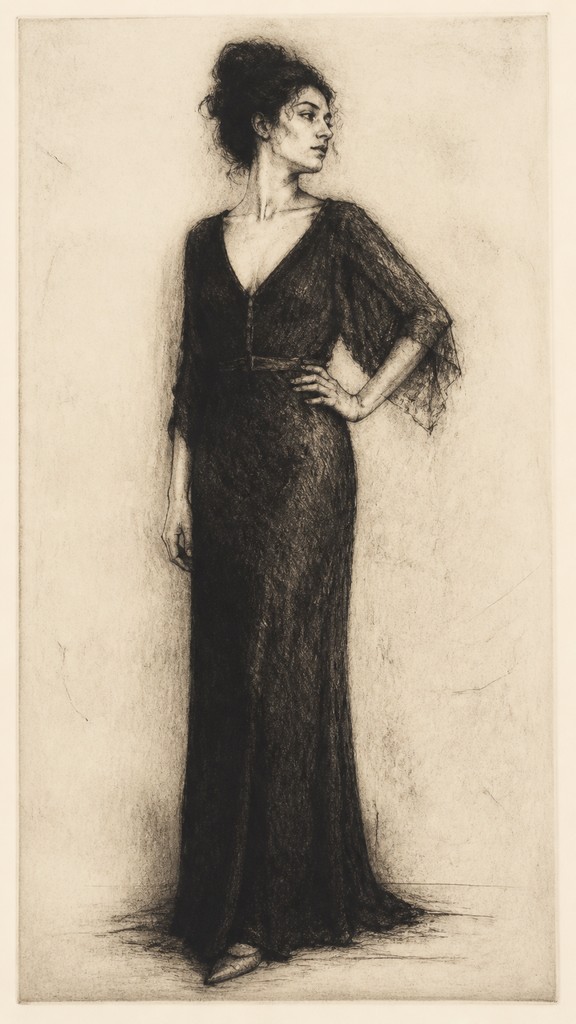
The Story
History & Origins of Drypoint Print
Drypoint is a direct intaglio technique that developed in European printmaking during the late fifteenth and early sixteenth centuries. Instead of using acid to etch a plate or a burin to carve a sharply controlled groove, the printmaker scratches into the surface with a pointed tool. The displaced metal forms a burr, which holds ink and gives the resulting impression its characteristic softness.
The technique became both an independent medium and a complement to engraving, etching, and other print processes. Its burr gradually wears down under repeated printing, so early impressions generally retain the strongest fuzzy line quality. Modern printmakers have extended drypoint to plexiglass, plastic, coated surfaces, and mixed intaglio methods, while contemporary digital work often imitates its tactile line, uneven ink density, and paper grain.
Influences: Drypoint print style is closely related to the broader European intaglio tradition, including engraving, etching, mezzotint, and aquatint. It also draws on Renaissance and early modern linear drawing, nineteenth-century revival printmaking, book illustration, and monochrome graphic arts. Contemporary interpretations may combine its burr-like marks with scratchboard, charcoal, monotype, risograph texture, or digitally simulated paper grain.
Frequently Asked Questions
What defines drypoint print style?
Its defining feature is the soft burr created when a pointed tool scratches directly into a plate. The burr holds extra ink, producing fuzzy, velvety lines, rich blacks, and a distinctly tactile impression on paper.
How is drypoint different from engraving?
Engraving uses a burin to remove material and create relatively clean, controlled grooves. Drypoint raises a burr beside the scratch, so its lines are generally softer, more irregular, and more vulnerable to wearing down during printing.
How is drypoint different from etching?
Etching uses acid to bite lines into a protected plate, while drypoint is drawn directly into the plate with a sharp tool. Etching can produce consistent, crisp lines; drypoint is recognized for its immediate hand-drawn quality and ink-catching burr.
Can drypoint be made without a traditional printing press?
Yes. Small plates can be inked and printed by hand with a baren, spoon, or similar pressure tool, although a press usually produces more even results. Plastic plates and plexiglass are accessible alternatives to metal for experimental work.
How can I make a digital image look like drypoint?
Use monochrome line work with directional hatching, uneven line weight, soft dark fringes, and visible paper grain. Avoid perfectly uniform outlines and smooth computer gradients; vary pressure, opacity, and ink density to suggest a scratched plate and hand-wiped impression.
What subjects work well in this style?
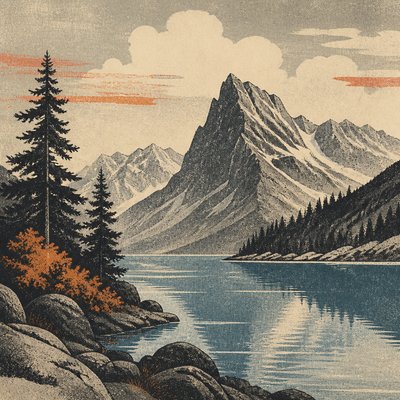
Portraits, plants, animals, still lifes, architectural studies, and quiet landscapes are particularly effective. Subjects with clear contours and selected shadow masses allow the burr and open paper to remain legible.
Create your first Drypoint Print artwork
Describe anything — or upload a photo — and see it in Drypoint Print Style in seconds.
Related Styles
Discover similar art styles