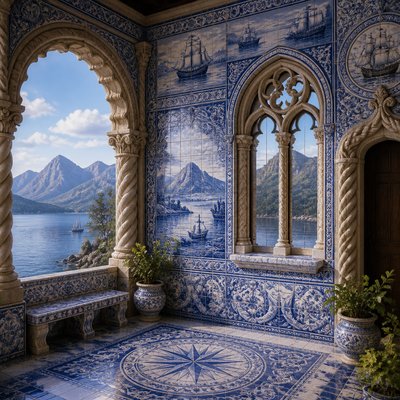
Caricature Art Style
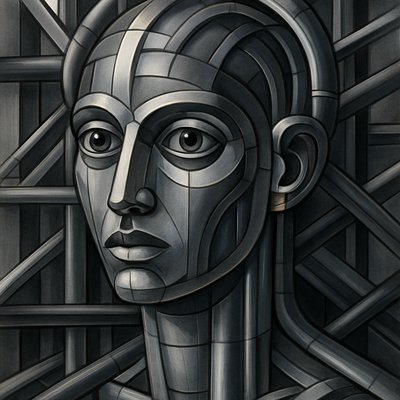
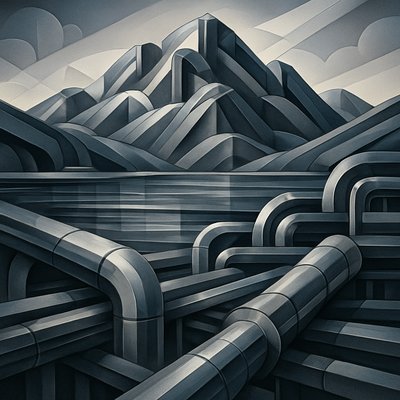
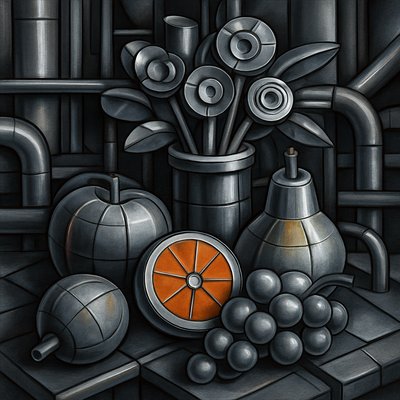
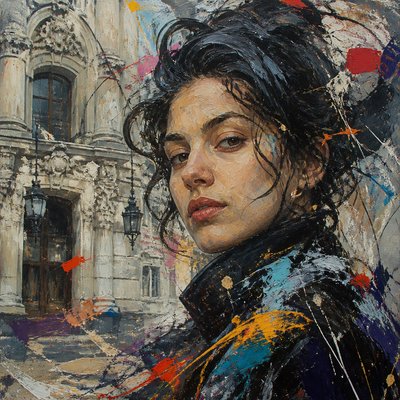
Explore caricature art: exaggerated likeness, expressive features, lively ink-and-wash lines, and visual humor shaped by satire and portraiture.
Instantly rendered in Caricature — or transform a photo
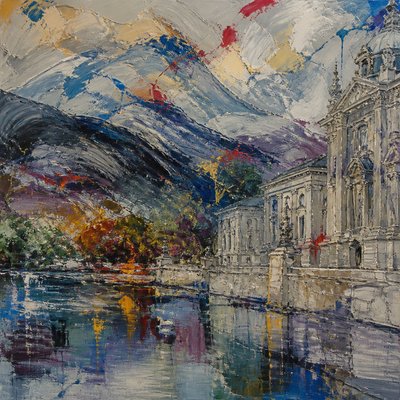
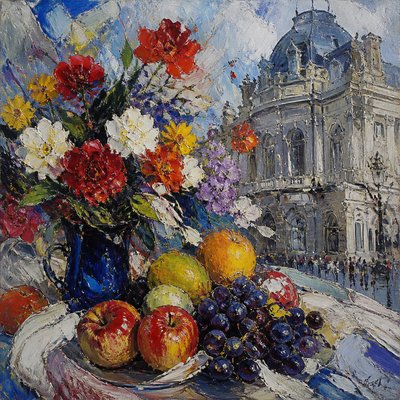
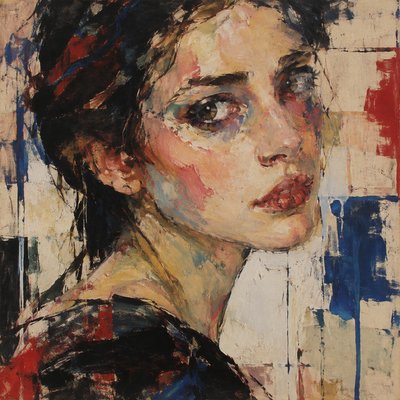
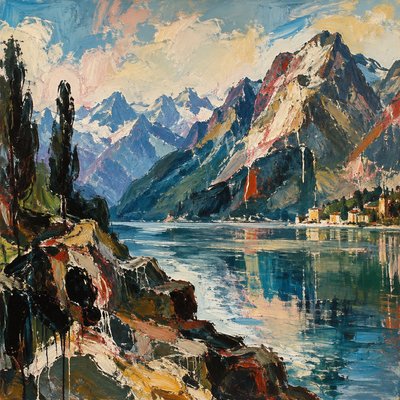
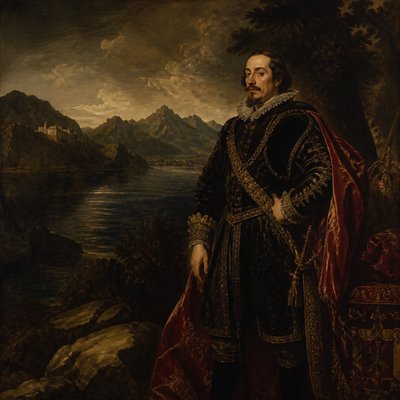
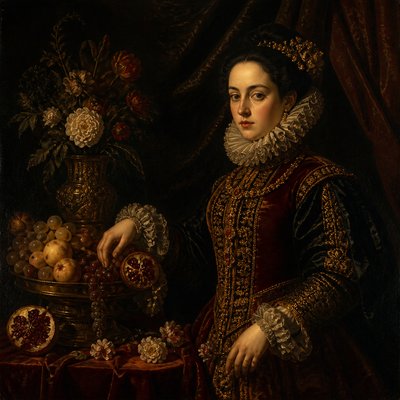
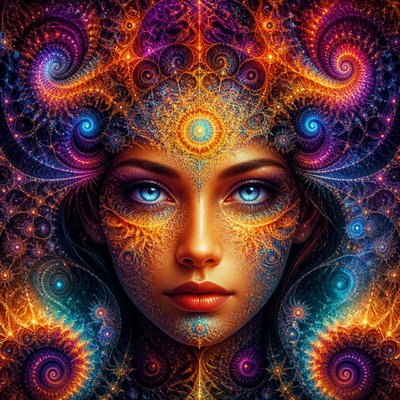
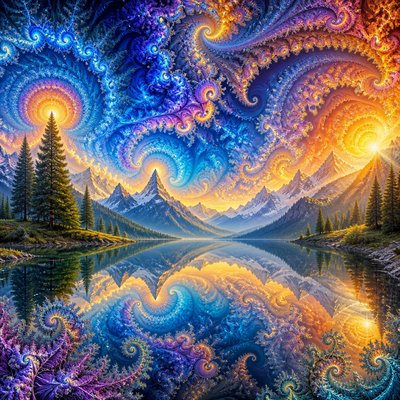
Caricature Gallery
Tap any artwork to explore it
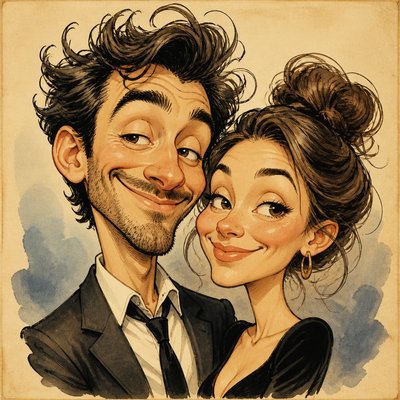
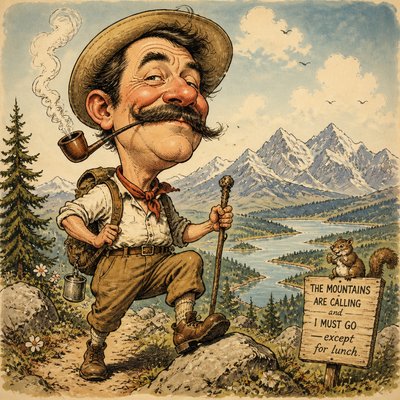
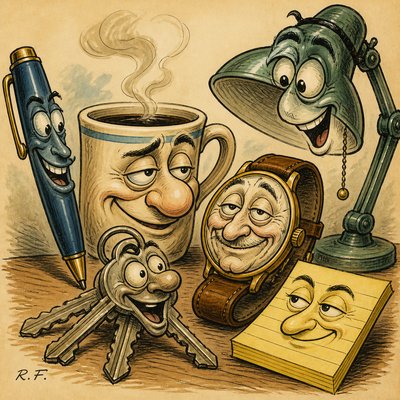
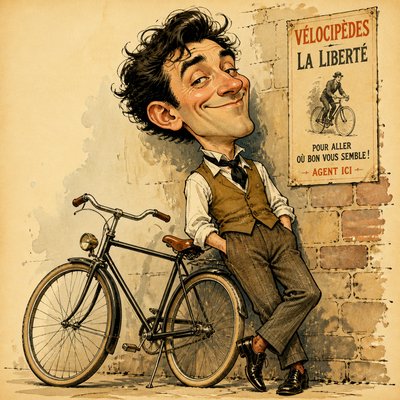
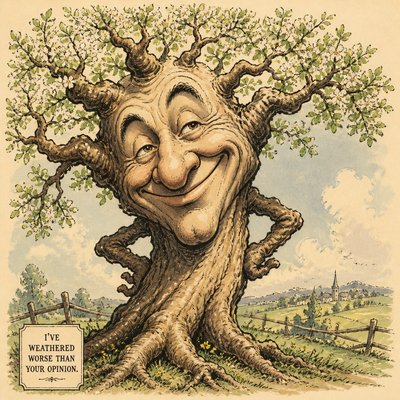
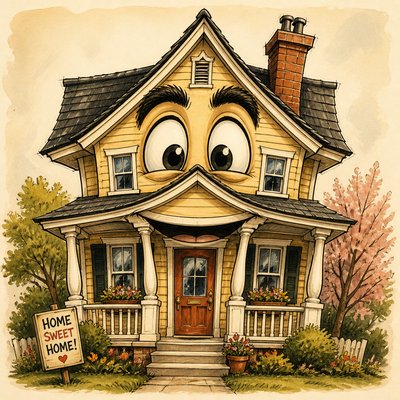
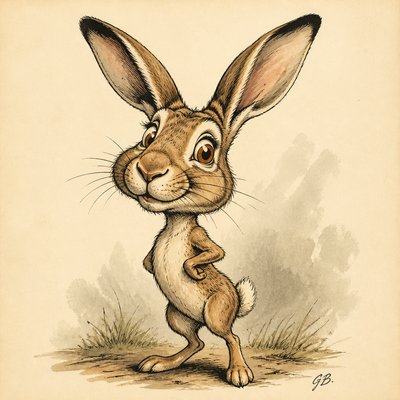
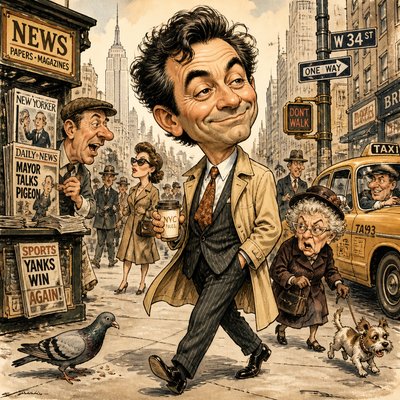
What is Caricature Art Style?
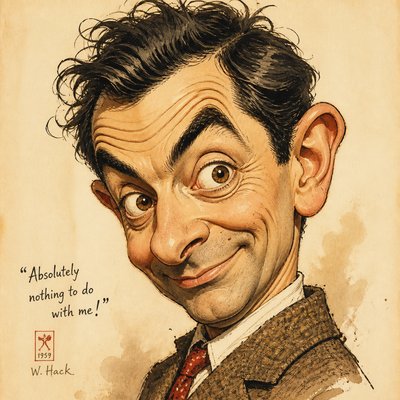
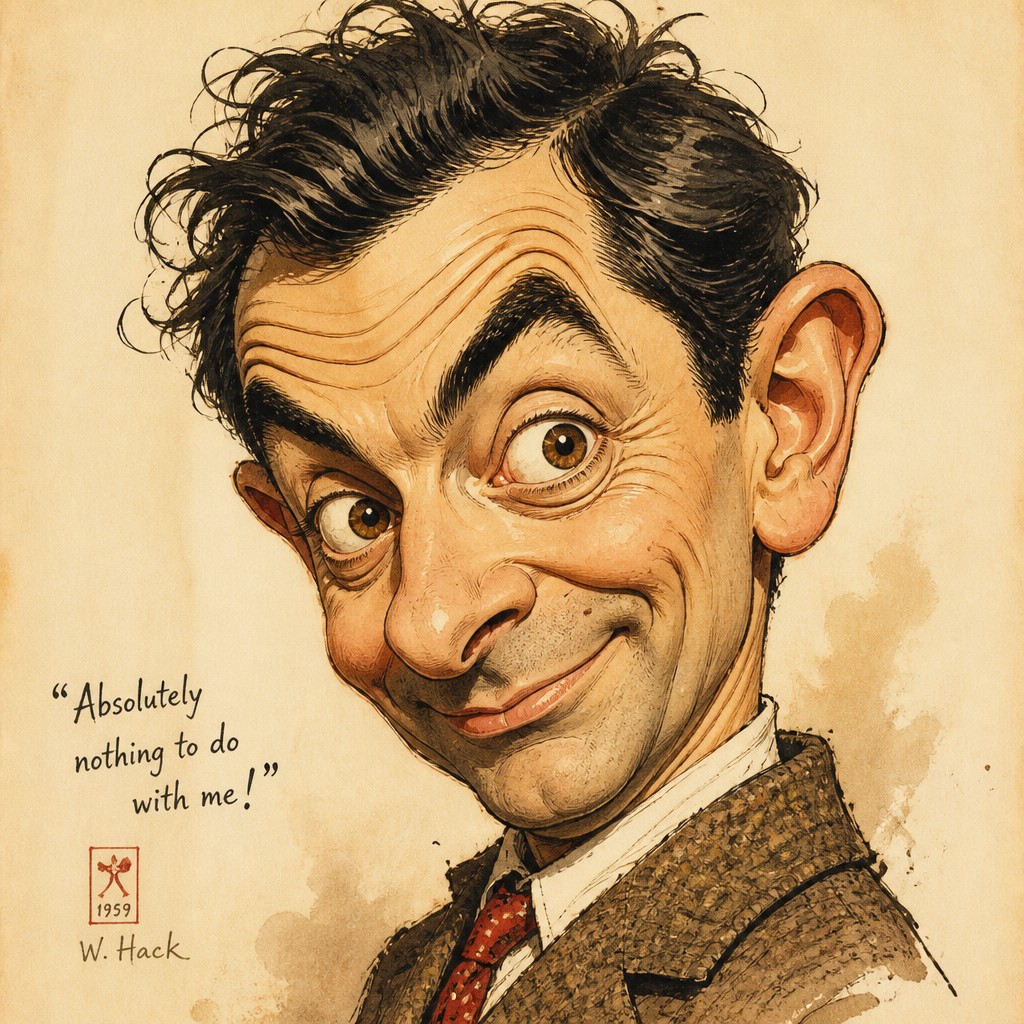
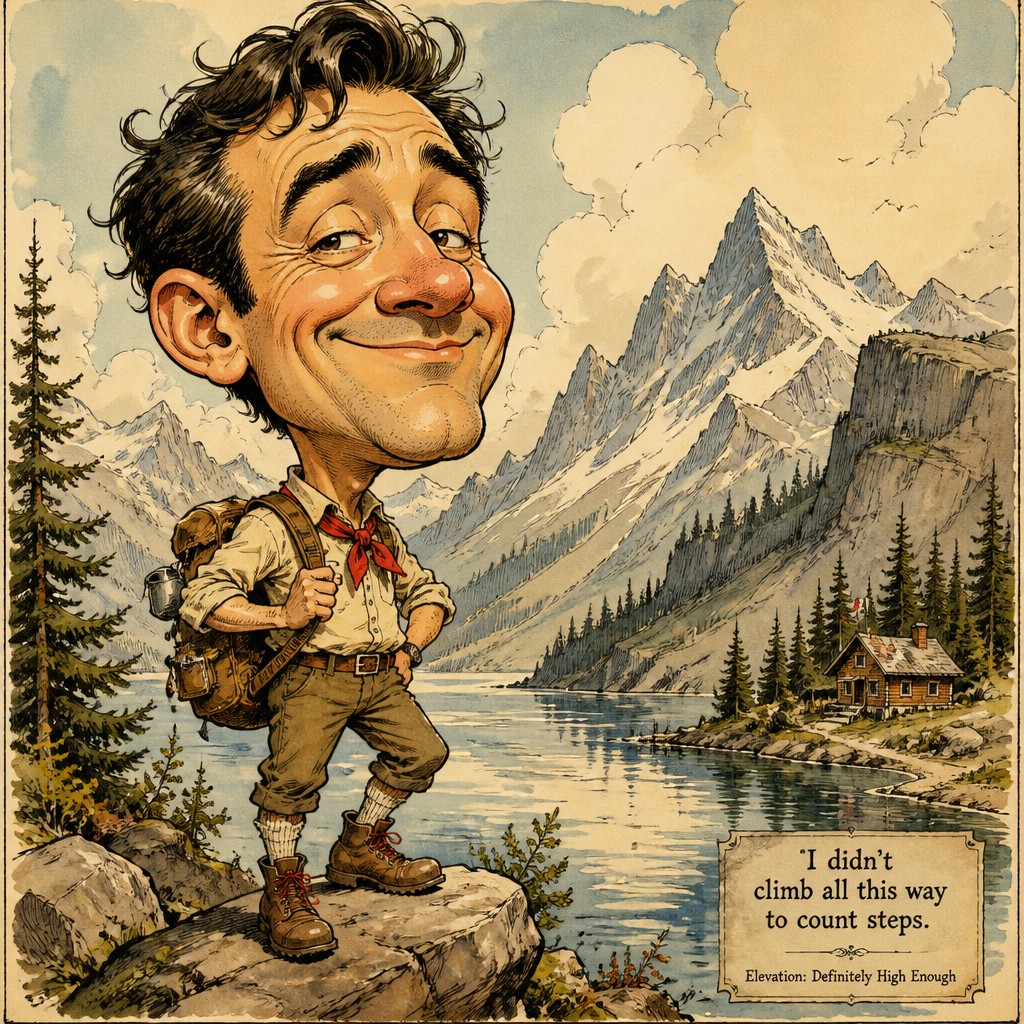
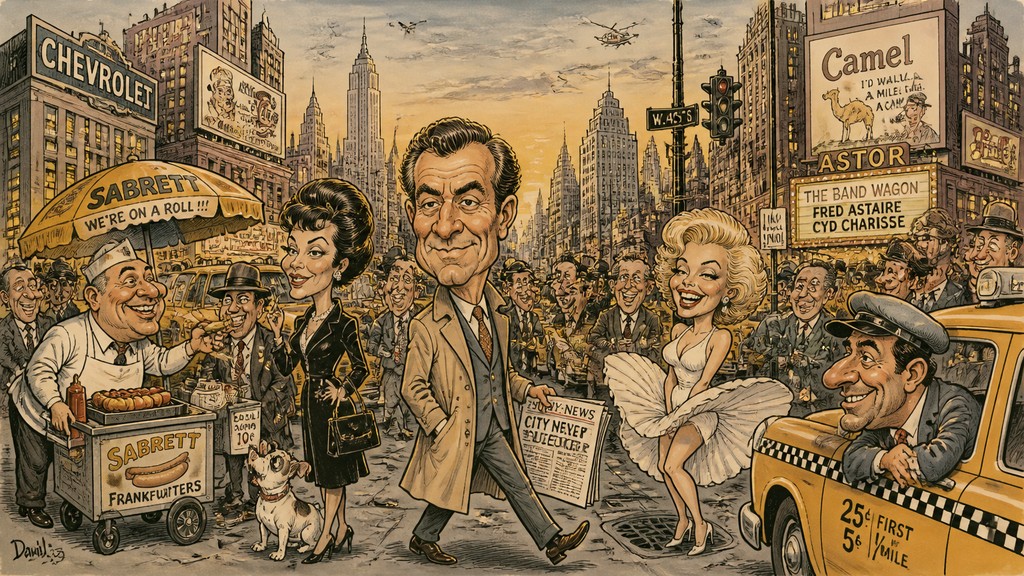
Caricature art is a form of portrait-based exaggeration that pushes recognizable features beyond natural proportions for comic, satirical, or expressive effect. A caricature may enlarge the head, sharpen the nose or jaw, amplify the eyes and mouth, or heighten posture and gesture while preserving enough likeness for the subject to remain identifiable. The result is not simply a distorted portrait, but a visual argument about personality, status, behavior, or public image.
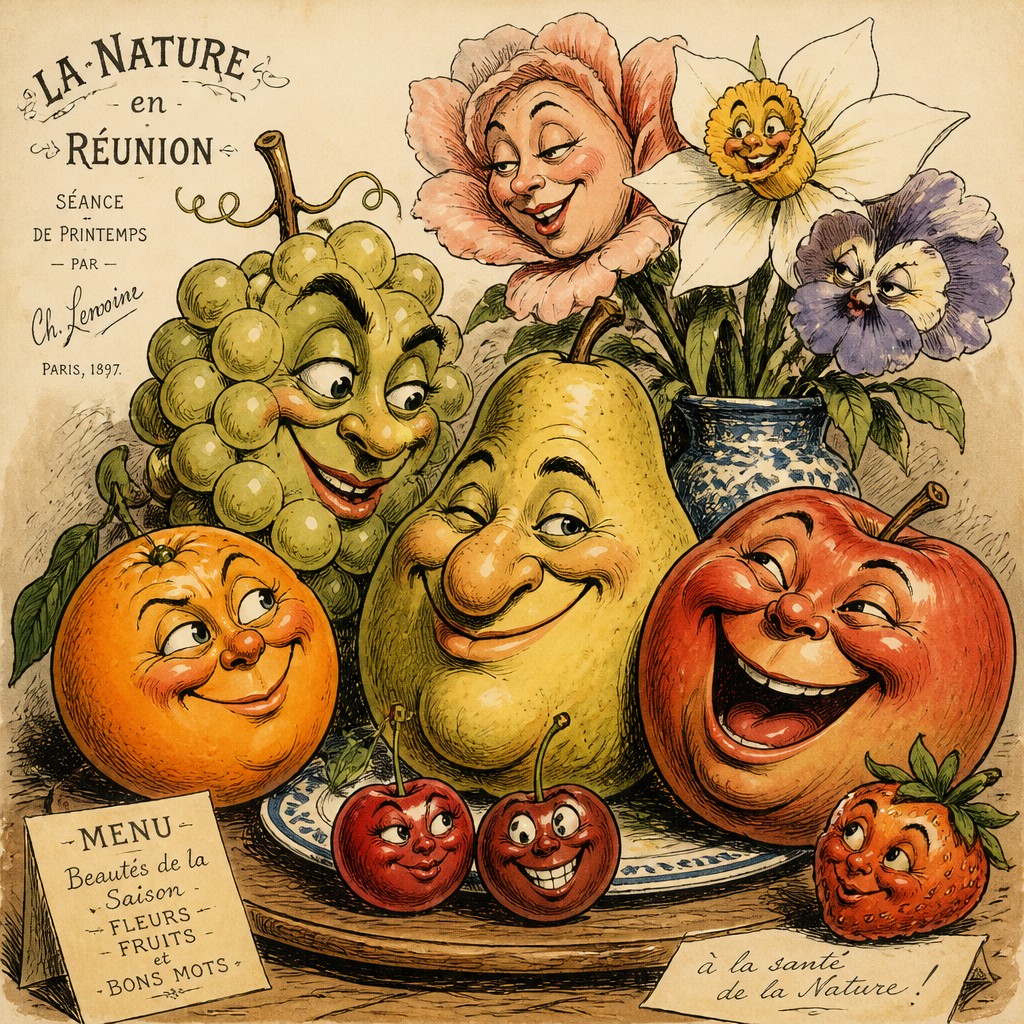
The style is commonly associated with confident contour drawing, elastic anatomy, expressive facial features, and economical visual storytelling. Ink outlines, brushy washes, limited color palettes, and vintage-print textures reinforce its graphic clarity, while asymmetry and deliberate imbalance create humor. Contemporary caricature can be affectionate, celebratory, political, editorial, theatrical, or purely playful, ranging from quick observational sketches to highly finished digital illustrations.
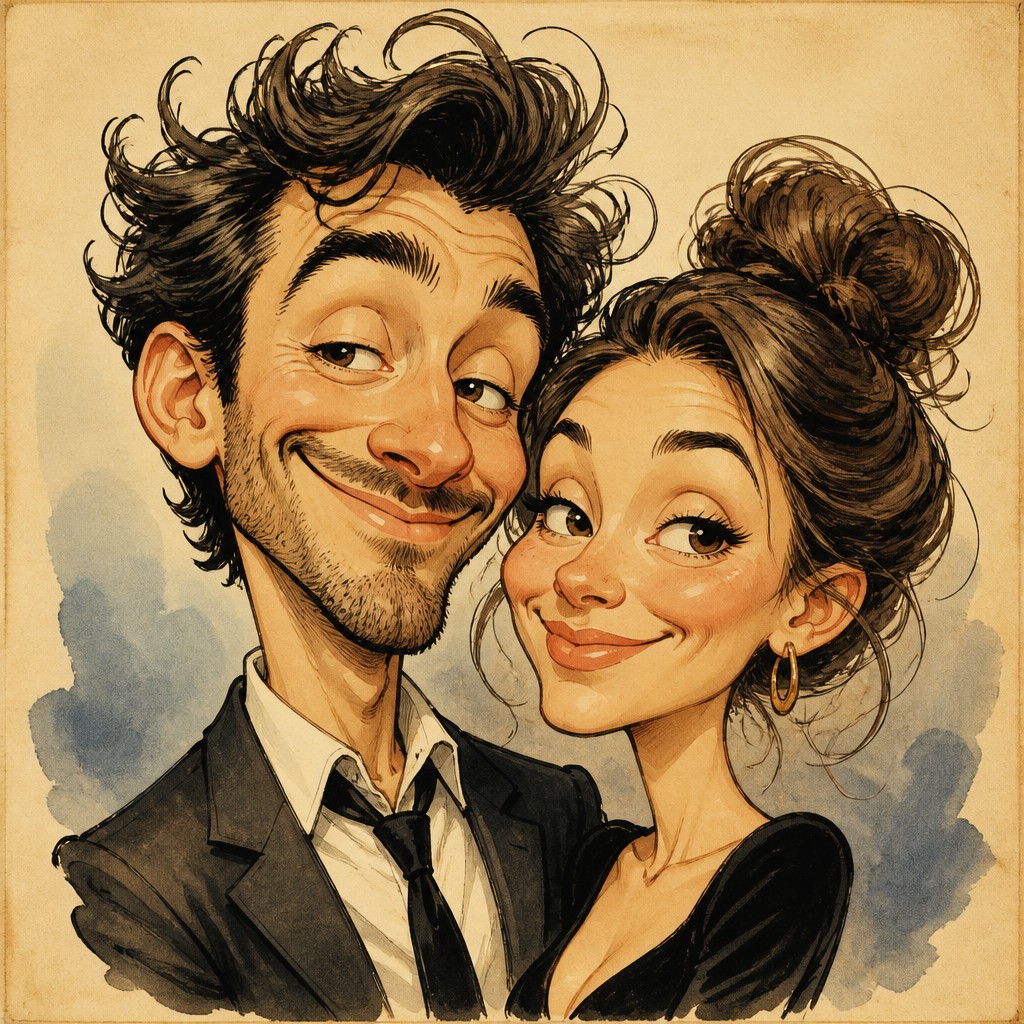
Try It On Your Photos
Upload any photo and convert it into Caricature Art Style — drag the sliders to compare before and after.
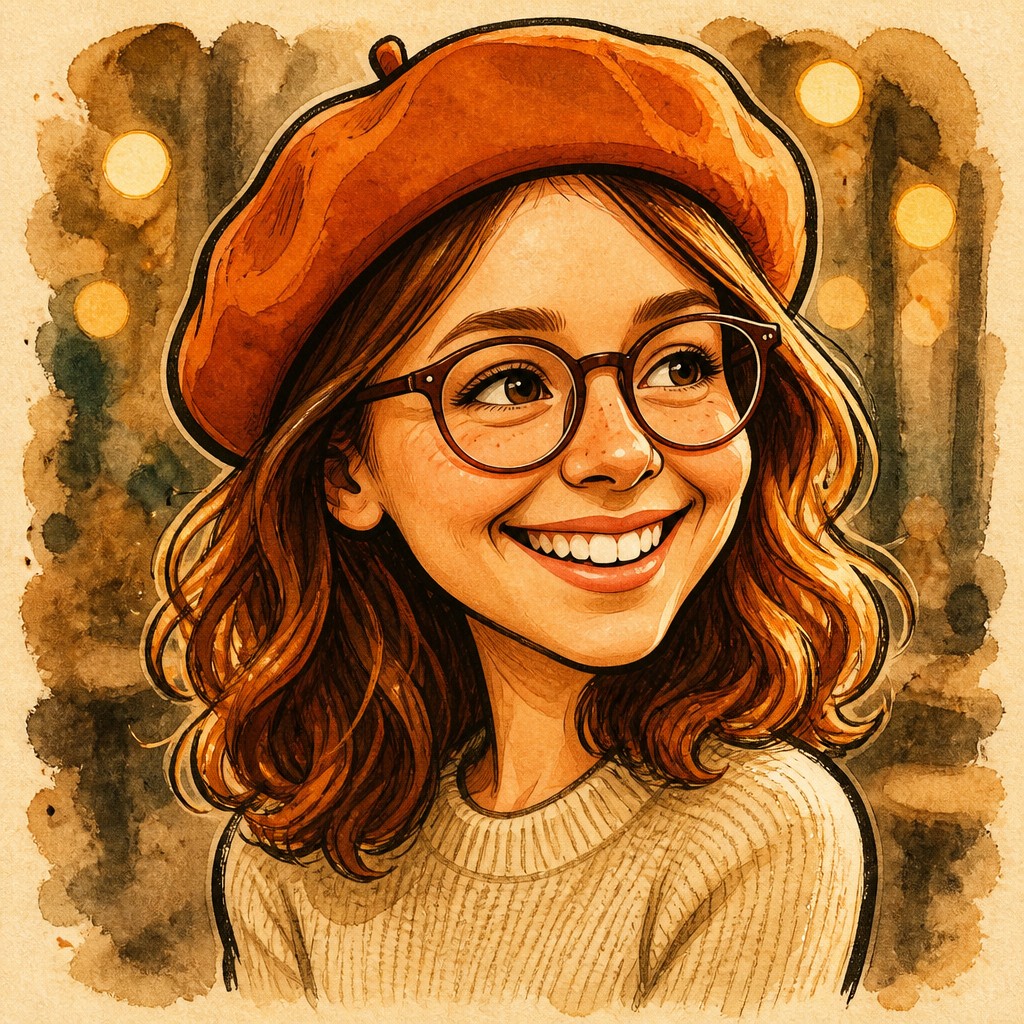

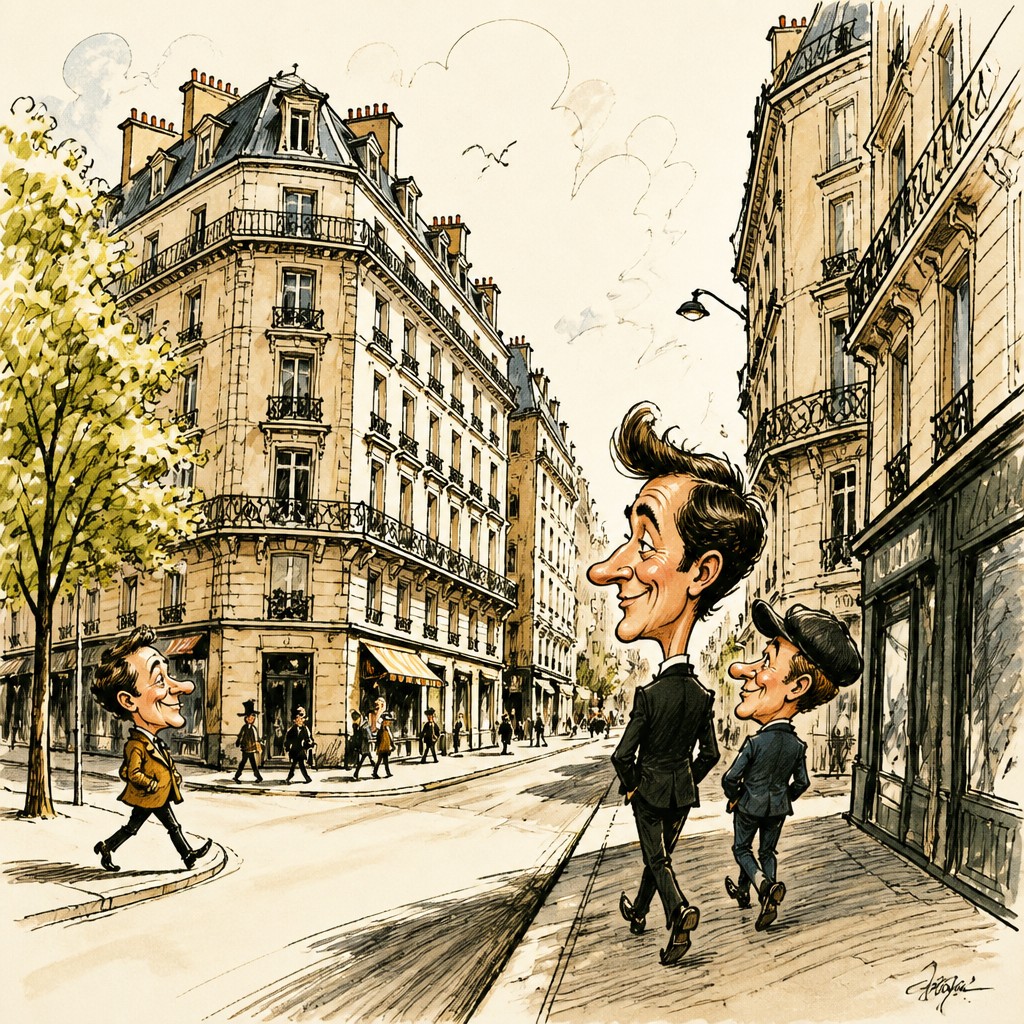

What Defines Caricature Art Style
The signature details, up close
Exaggerated likeness
Recognizable identity is preserved through selective distortion rather than realistic proportion. One or two dominant features are enlarged, narrowed, lengthened, or otherwise emphasized.
Oversized head and expressive anatomy
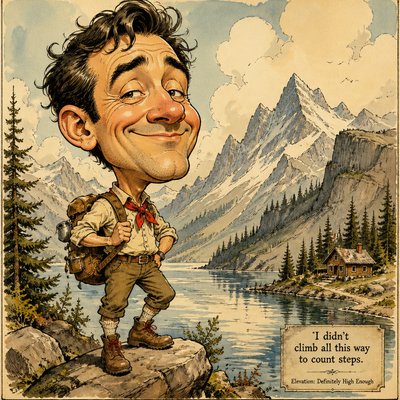
The head is often enlarged relative to the body, allowing facial expression to become the primary subject. Hands, shoulders, posture, and clothing may also be stretched to communicate personality.
Springy contour lines
Confident, varied line work describes form with speed and attitude. Thick-and-thin contours, broken outlines, and emphatic accents make the drawing feel animated rather than mechanically precise.
Facial expression as storytelling
Raised brows, compressed lips, widened eyes, asymmetrical smiles, and enlarged noses or ears carry much of the meaning. Expression often reveals temperament more effectively than anatomical detail.
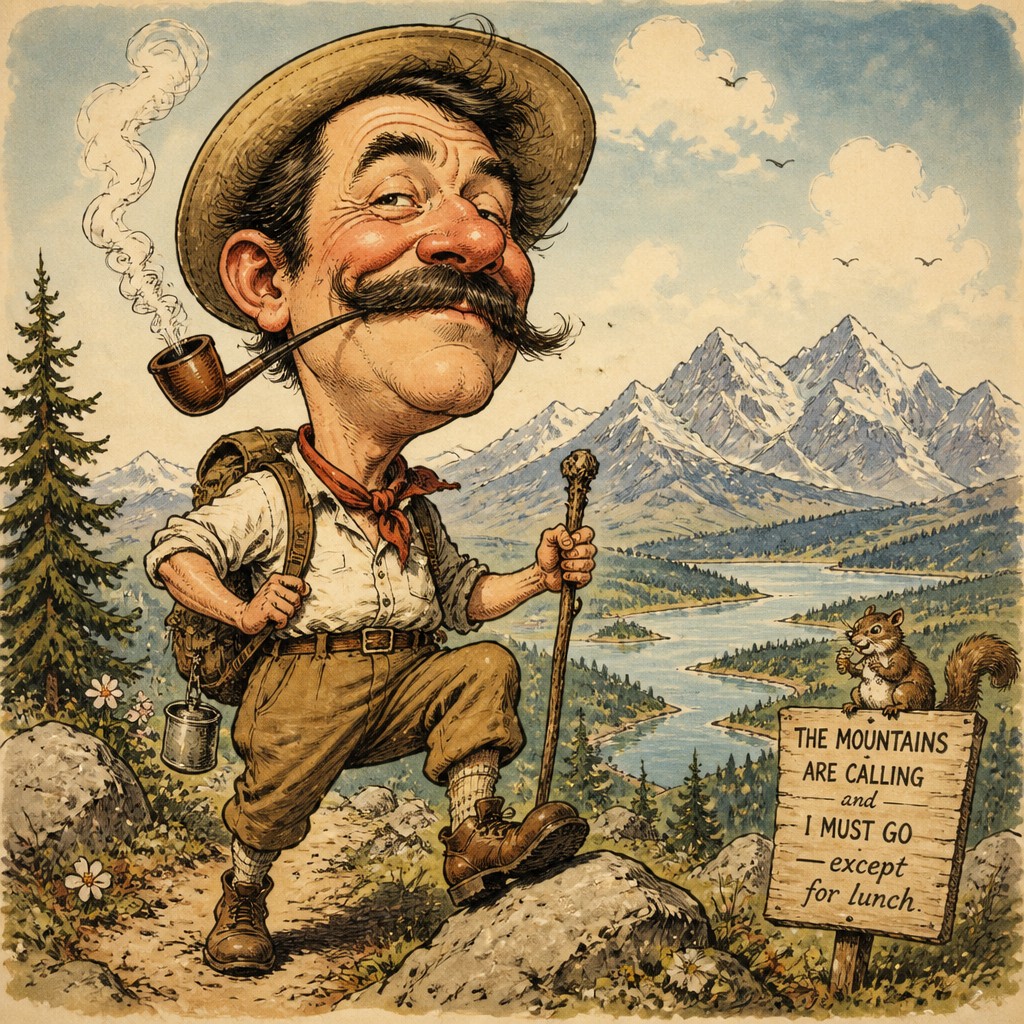
Ink-and-wash or limited color
Black ink, diluted washes, muted watercolor, and restrained accent colors keep attention on the face and silhouette. Strong value contrast helps the exaggerated features read immediately.
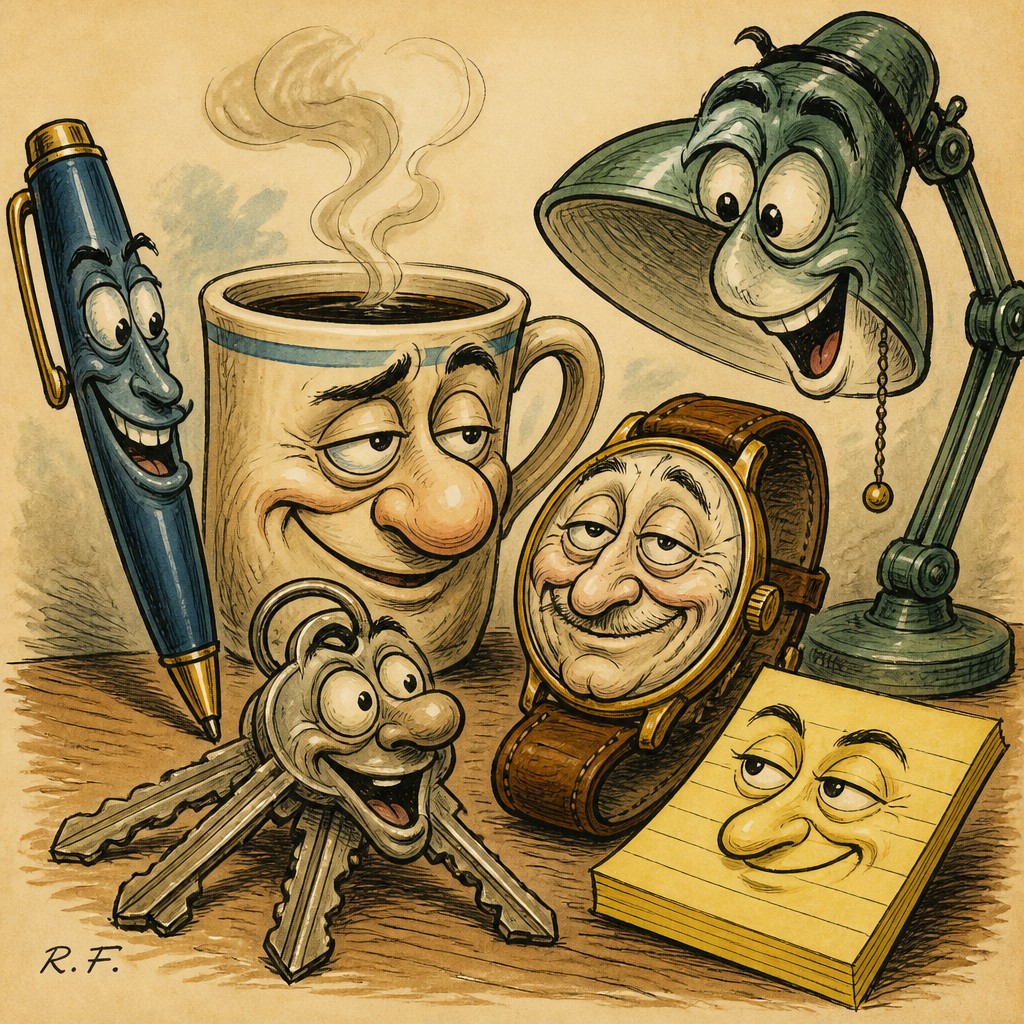
Satirical or affectionate humor
Distortion can criticize power, celebrate an individual, or create lighthearted amusement. The emotional tone depends on pose, costume, captioning, and which features are emphasized.
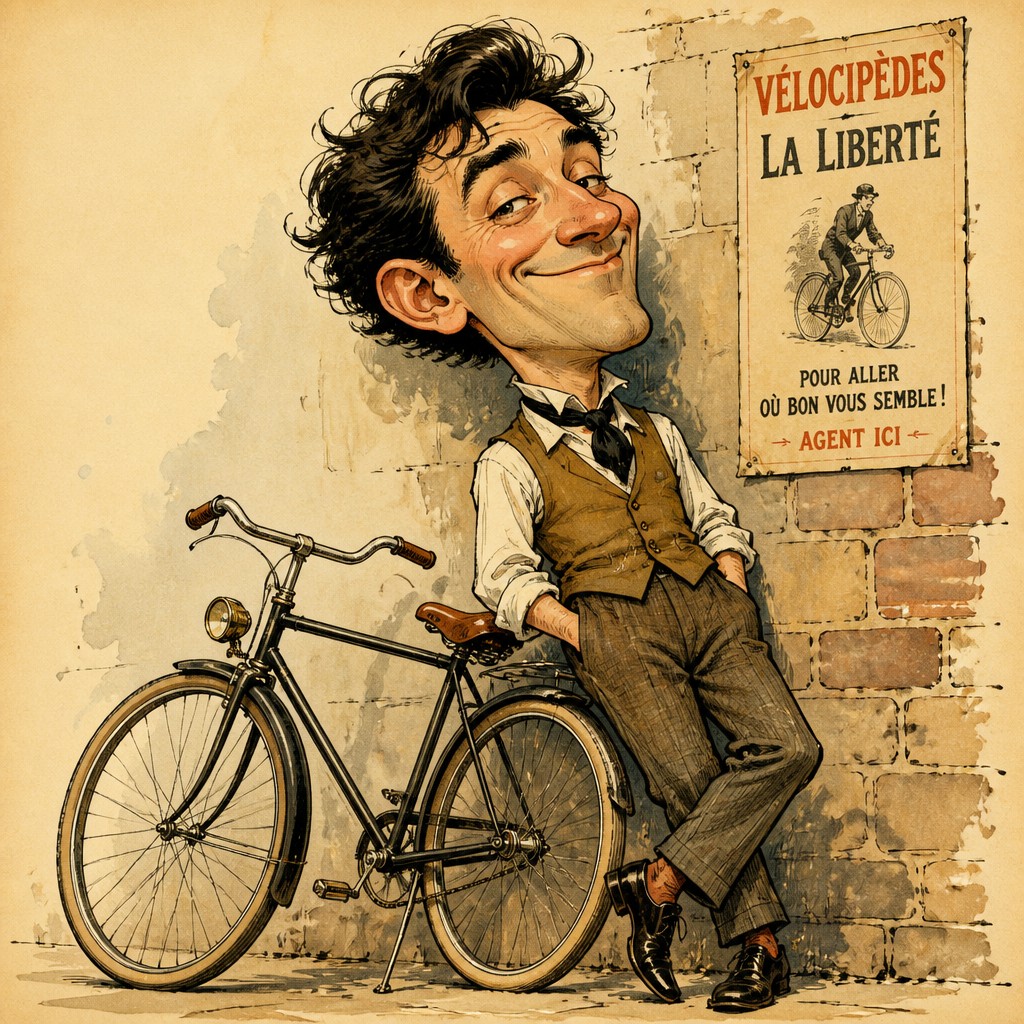
Graphic and vintage-print character
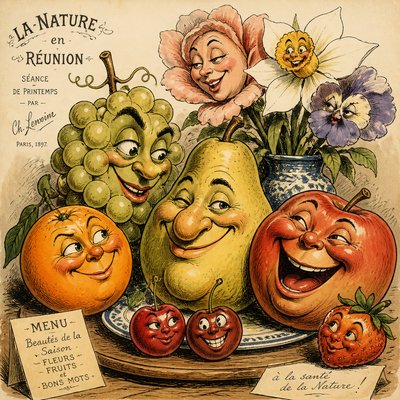
Hatching, paper grain, uneven ink coverage, and slightly faded pigments can evoke newspapers, poster art, and early illustrated publications. These textures add historical atmosphere without being essential to the form.
Try It
Create Videos in Caricature Art Style
Styles aren't just for stills — describe a scene or animate an image and get a short video rendered in Caricature. Press play to see this pond come to life.
Make a VideoCaricature Prompt Ideas
Start from an idea — each one opens the generator with the style ready to go. See all 40 Caricature prompts →
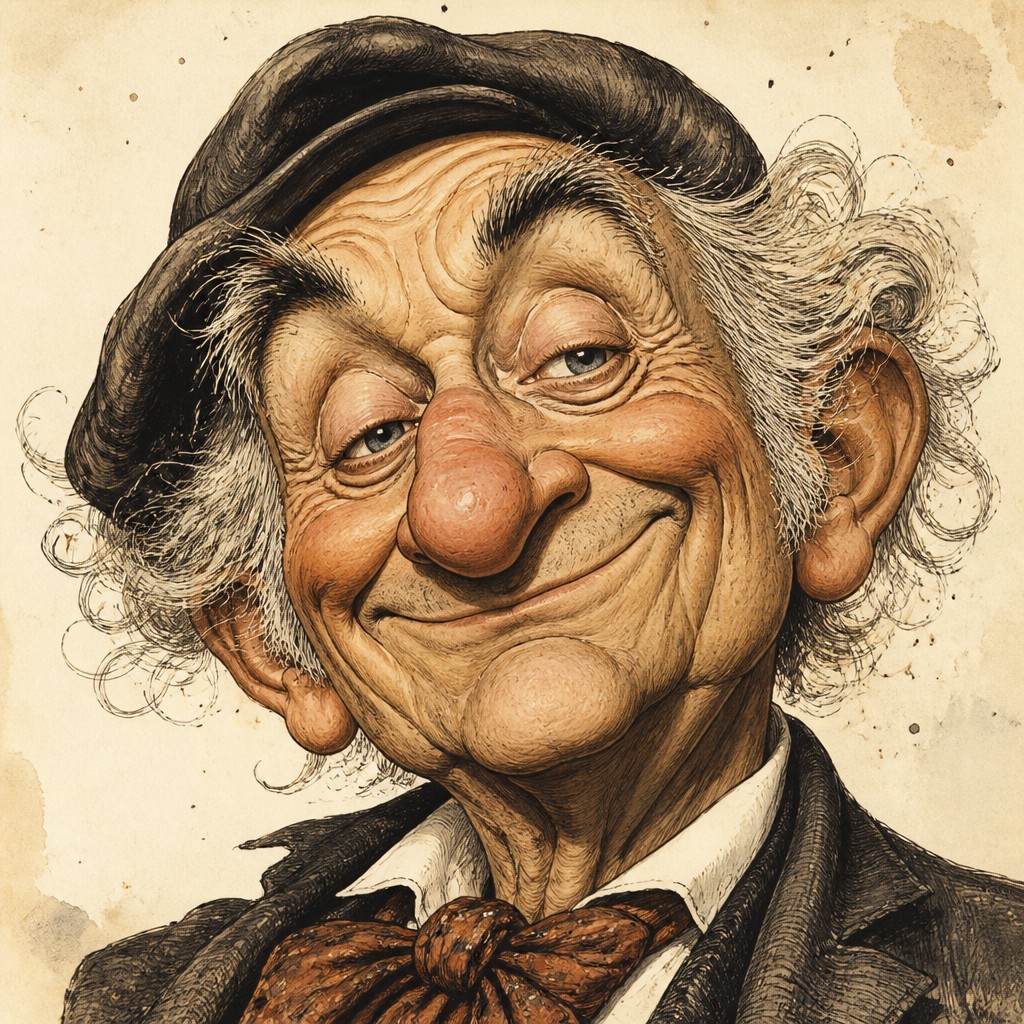
“close-up portrait of an elderly person with expressive weathered features”
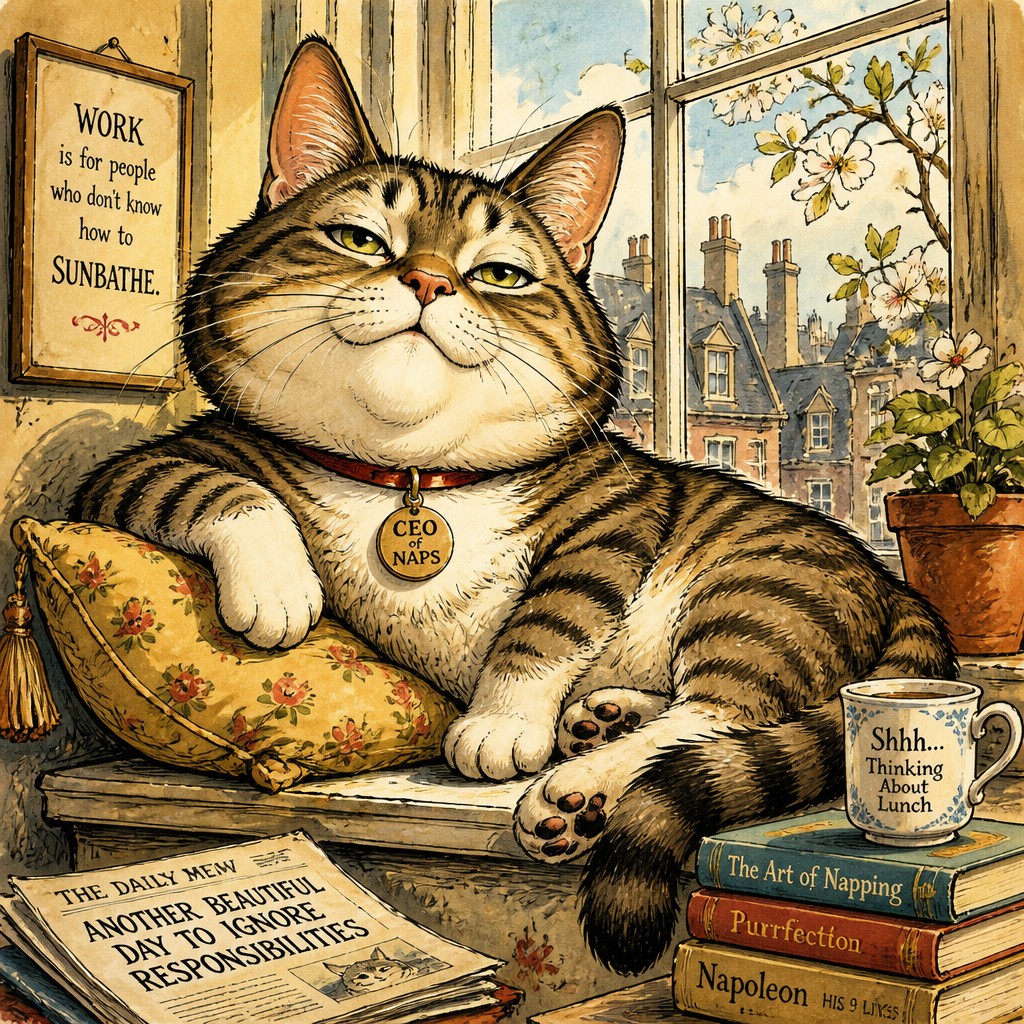
“a cat lounging in a sunlit window”
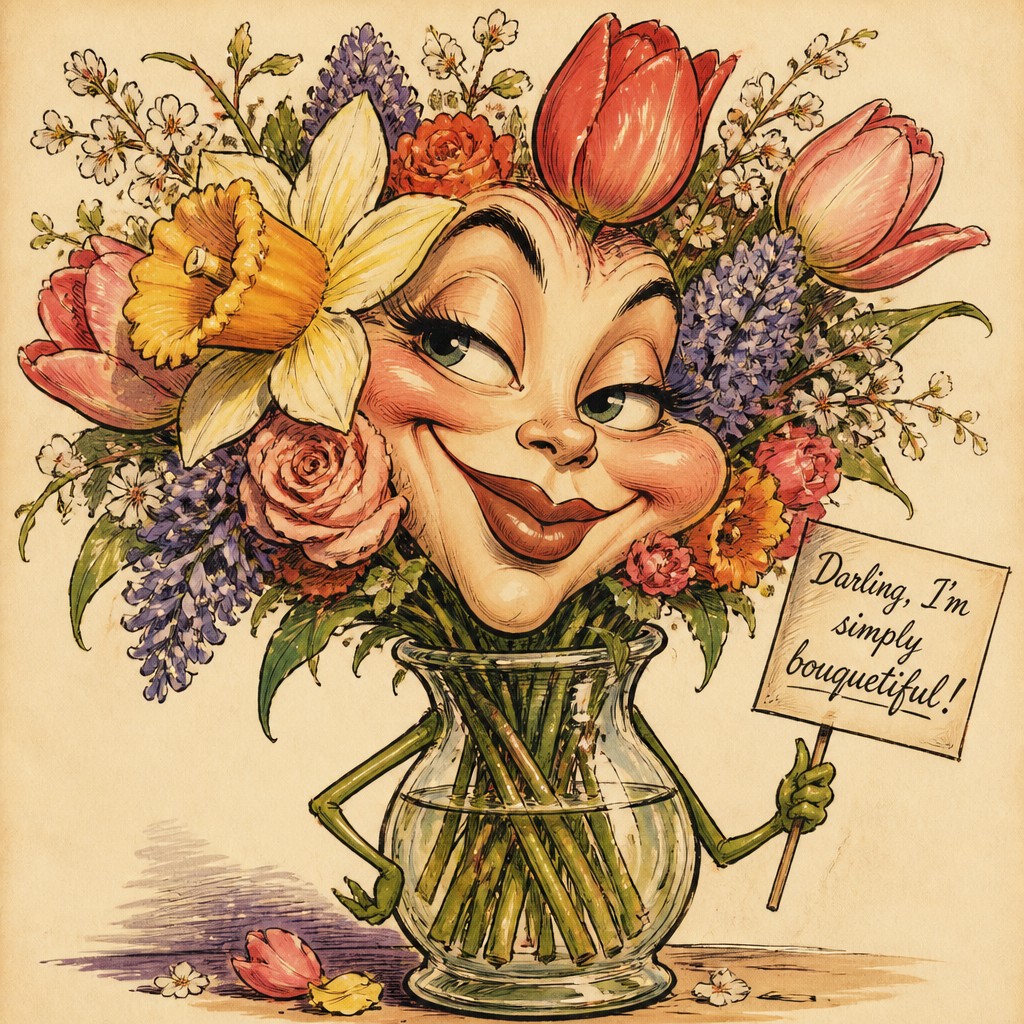
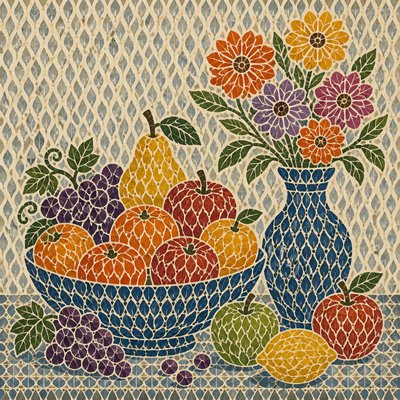
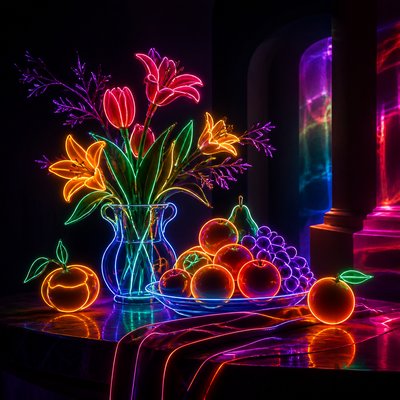
“bouquet of flowers in a glass vase”
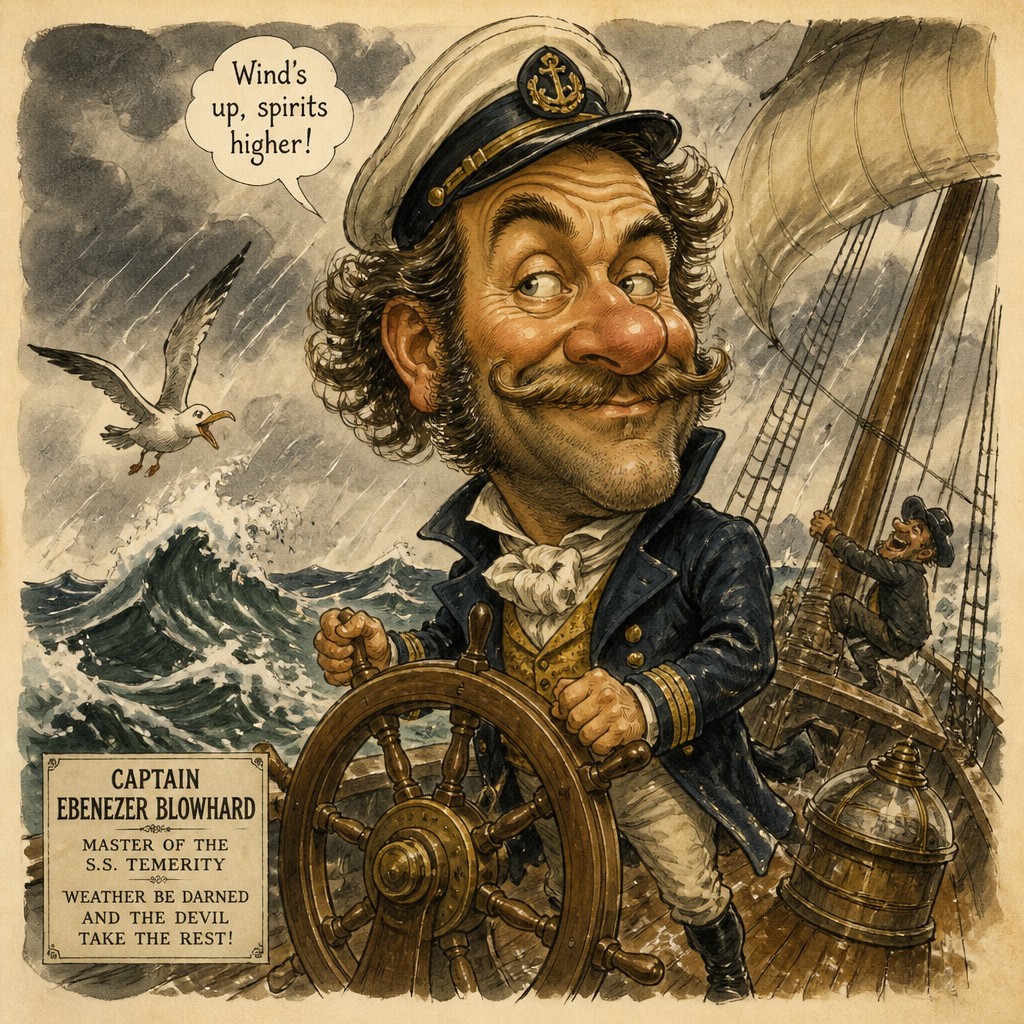
“sailing ship on a stormy sea”
How to Create Caricature Art
Master the craft step by step — or skip straight to creating. Read the full guide →
- 1
Identify the dominant features
Before drawing, study the subject for distinctive proportions, expression, hairstyle, posture, and accessories. Choose one to three features to exaggerate while keeping secondary forms relatively simple so the likeness remains readable.
- 2
Build from silhouette and planes
Start with a bold head-and-shoulder silhouette, then place the major facial planes and expression before adding detail. Vary the scale of the forehead, nose, jaw, eyes, or mouth deliberately rather than distorting every feature equally.
- 3
Use expressive line and value
Draw with a flexible pen, brush, marker, or pressure-sensitive digital brush, varying line weight around focal features. Add a small number of decisive shadows or diluted washes instead of rendering the face with uniform realism.
- 4
Control the comic direction
Use pose, clothing, props, and background symbols to reinforce the subject’s role or personality. A dignified posture can make exaggeration affectionate, while an awkward gesture or pointed prop can shift the image toward satire.
- 5
Add restrained surface texture
For a vintage illustrated finish, introduce paper grain, dry-brush edges, crosshatching, or slightly uneven pigment after the main drawing is established. Keep texture subordinate to the face and silhouette.
- 6
Write focused generation prompts
Specify the subject, exaggerated features, expression, pose, medium, line quality, palette, and background separately. For image-to-image work, preserve the reference likeness and identity while asking for controlled exaggeration, clear contours, and limited distortion.
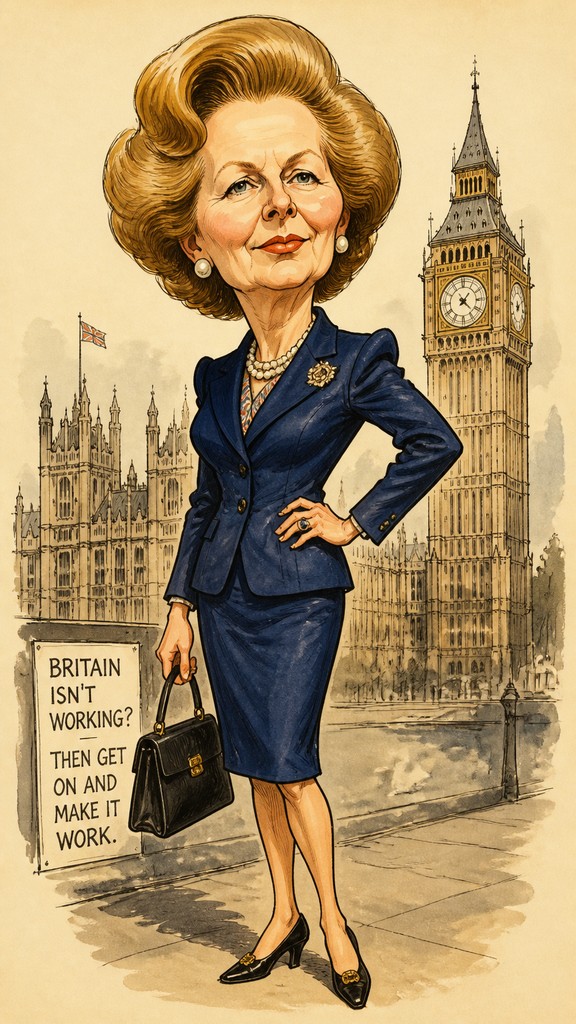
The Story
History & Origins of Caricature
The word caricature derives from the Italian verb caricare, meaning to load or exaggerate. The practice developed in European drawing culture during the late Renaissance and early modern periods, when artists explored distorted heads and composite facial features as studies of expression, character, and visual comedy. By the eighteenth and nineteenth centuries, caricature became closely linked to satirical prints, political commentary, popular portrait sheets, and illustrated newspapers.
Its later development was shaped by editorial cartooning, theater and entertainment publicity, amusement-park portrait booths, animation, comics, and commercial illustration. Modern caricature retains the traditional emphasis on likeness and exaggeration while adopting colored pencils, markers, vector graphics, digital painting, and image-based generative tools. Its aesthetic lineage therefore combines satirical printmaking, portrait drawing, cartooning, and expressive illustration rather than representing a single historical movement.
Influences: Caricature art draws from Renaissance and early modern studies of facial distortion, European satirical printmaking, editorial cartoons, newspaper illustration, comics, animation, theater posters, and observational portraiture. It also shares techniques with ink wash, watercolor sketching, woodcut and lithographic reproduction, and contemporary digital illustration. Related traditions include cartoon portraiture, political caricature, grotesque imagery, humorous illustration, and expressive character design.
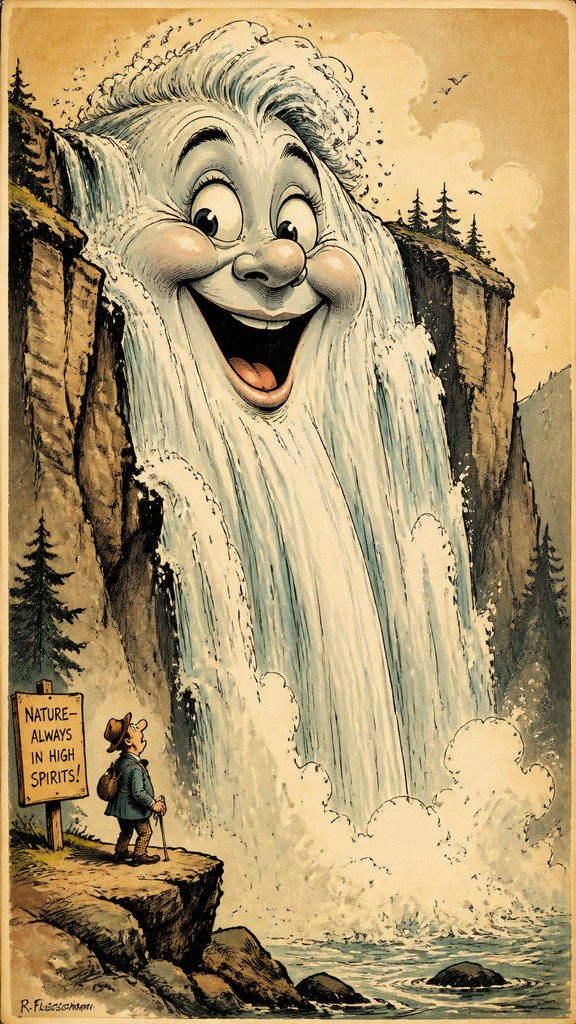
Frequently Asked Questions
What defines caricature art?
Caricature is defined by recognizable likeness combined with intentional exaggeration. The artist selects prominent physical or behavioral traits and amplifies them to communicate humor, personality, criticism, or affection.
How is caricature different from a cartoon?
Caricature usually begins with a specific identifiable person or subject and depends strongly on likeness. Cartooning is broader: it may use invented characters, simplified forms, narrative scenes, or symbolic humor without depicting a particular individual.
Does caricature always have to be funny?
Humor is common but not mandatory. Caricature can be affectionate, celebratory, political, dramatic, or unsettling when exaggeration is used to reveal character rather than produce a joke.
What materials are used for caricature drawing?
Traditional materials include graphite, dip pens, brush pens, India ink, markers, watercolor, gouache, and colored pencils. Digital artists often use pressure-sensitive ink brushes, textured watercolor tools, vector outlines, and scanned paper overlays.
How do I keep a caricature recognizable?
Compare the drawing with the reference at regular intervals and preserve the subject’s key spacing, silhouette, hairstyle, expression, or posture. Exaggerate selectively; if every feature is distorted equally, the image may become a generic cartoon rather than a likeness.
Where is caricature art commonly used?
It appears in editorial illustration, political commentary, entertainment publicity, live event sketching, advertising, comics, animation, posters, social media portraits, and personal gifts. Its quick readability also makes it effective for profiles, mascots, and character concepts.
Create your first Caricature artwork
Describe anything — or upload a photo — and see it in Caricature Art Style in seconds.
Related Styles
Discover similar art styles