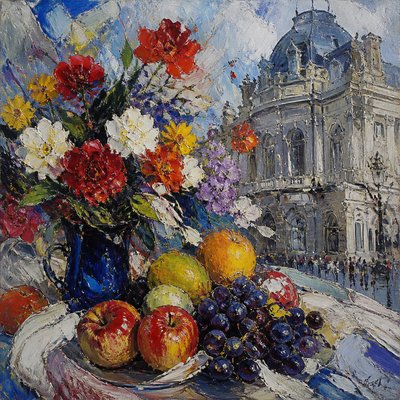
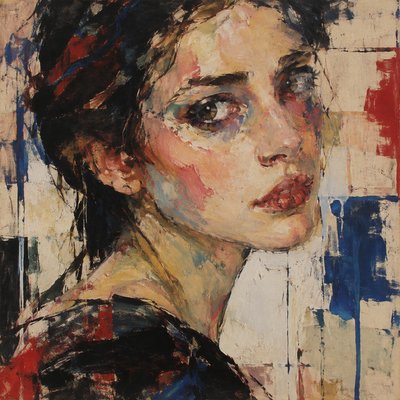
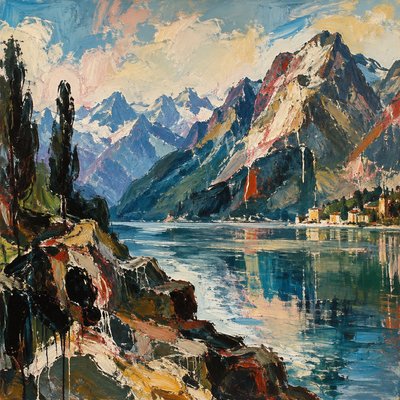
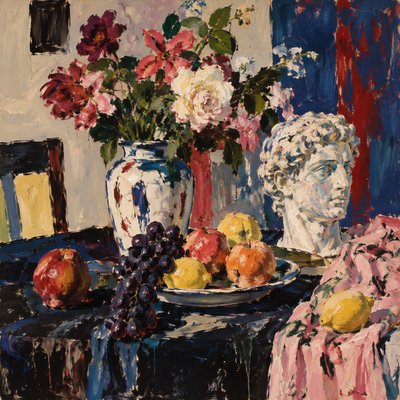
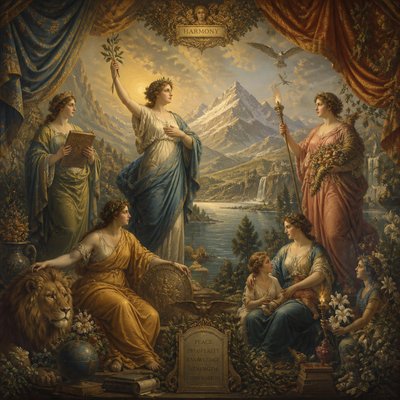
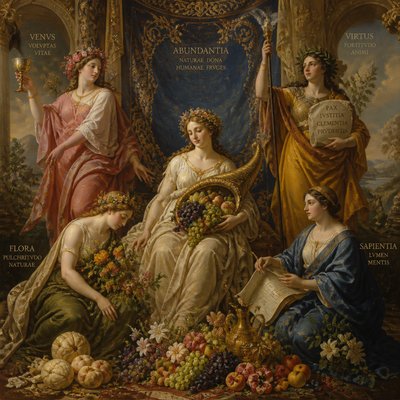
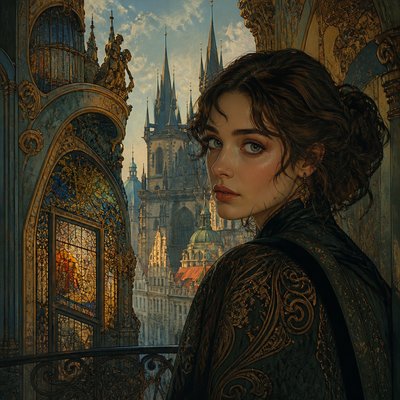
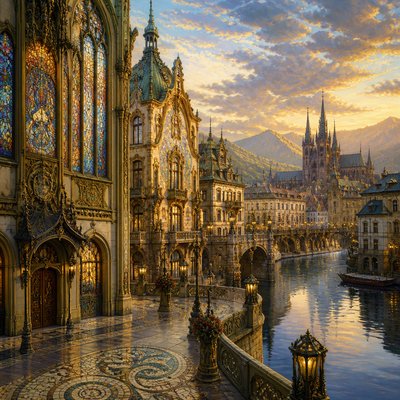
Photomontage Art Style
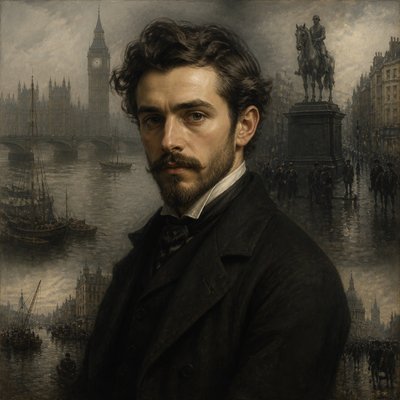
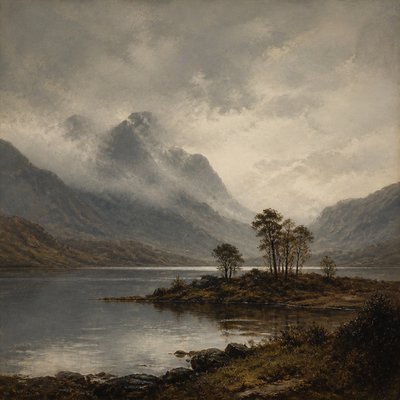
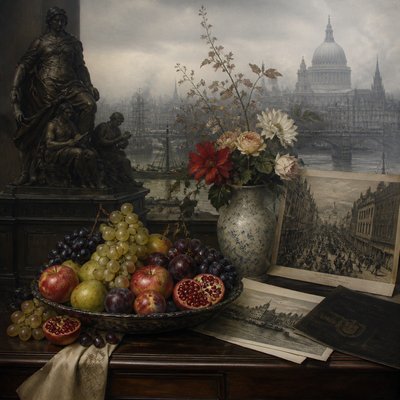
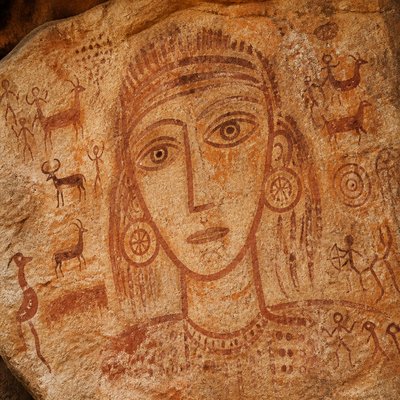
Explore photomontage art: surreal scenes built from spliced photographic fragments, visible seams, mismatched scale, and tactile print textures.
Instantly rendered in Photomontage — or transform a photo
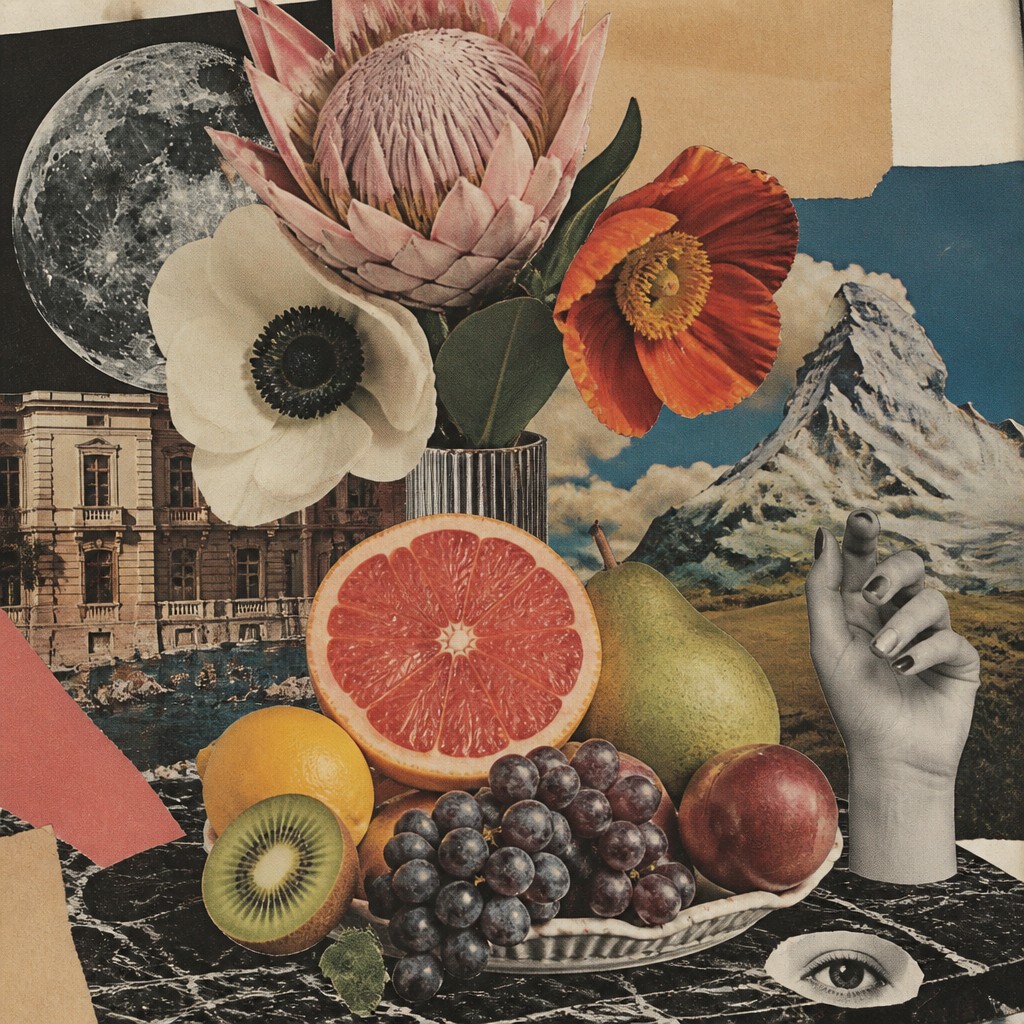
Photomontage Gallery
Tap any artwork to explore it
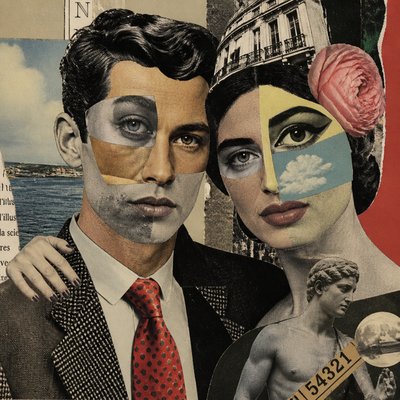
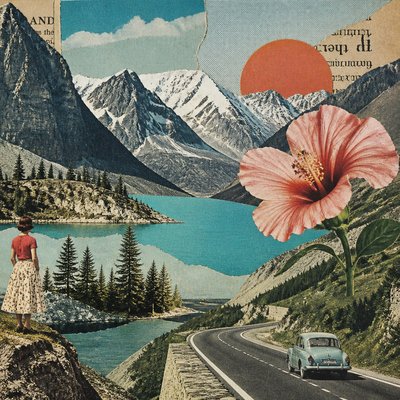
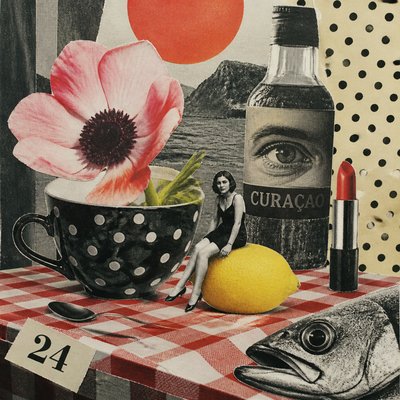
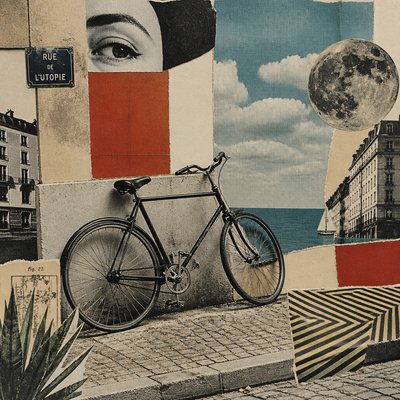
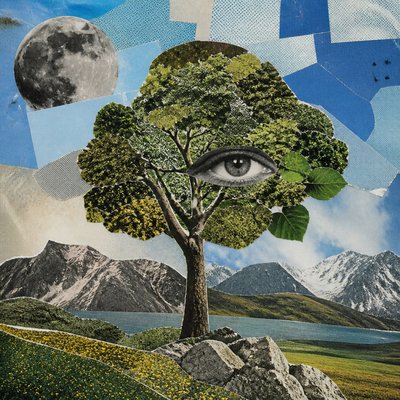
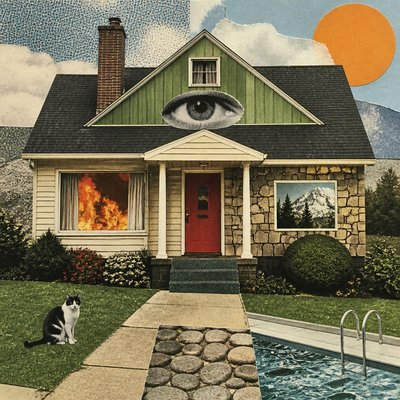
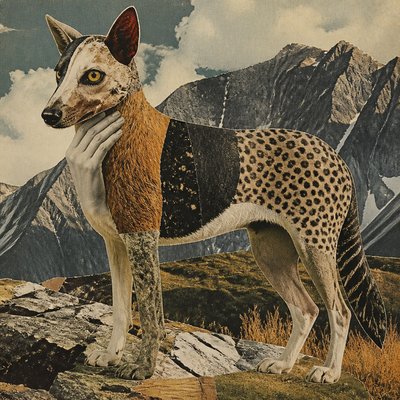
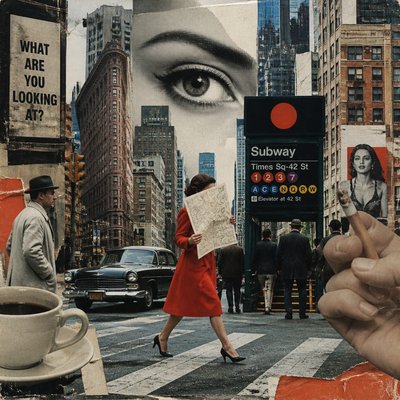
What is Photomontage Art Style?
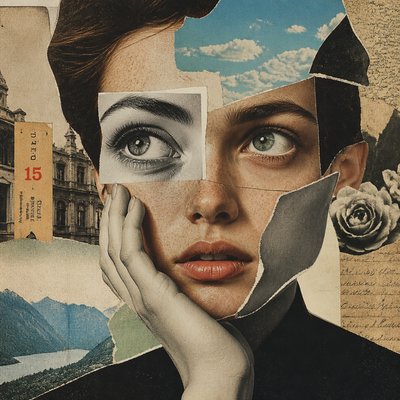
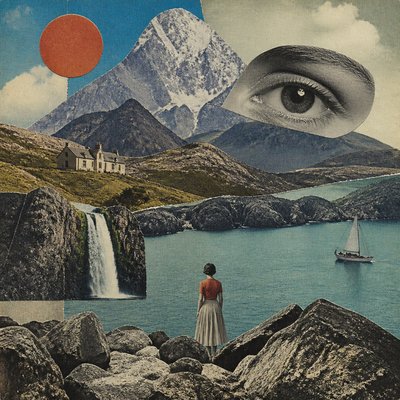
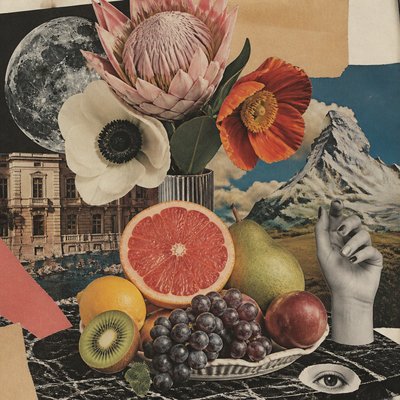
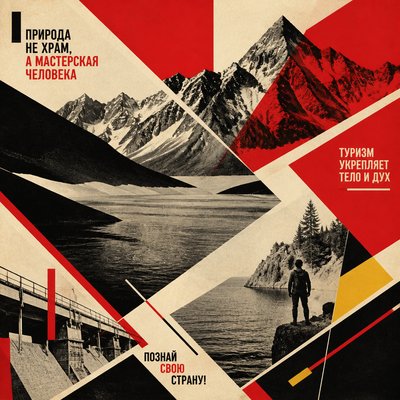
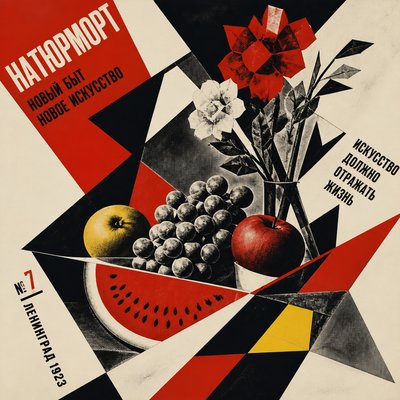
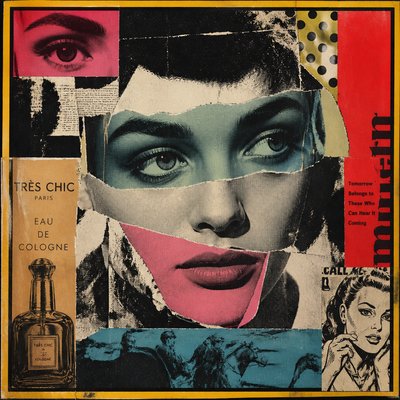
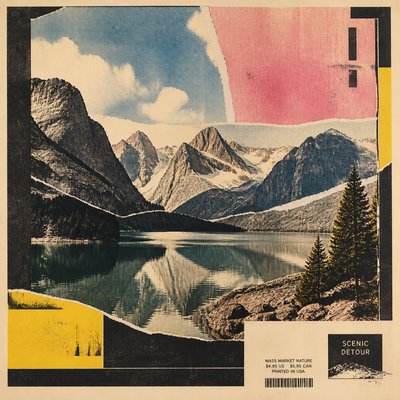
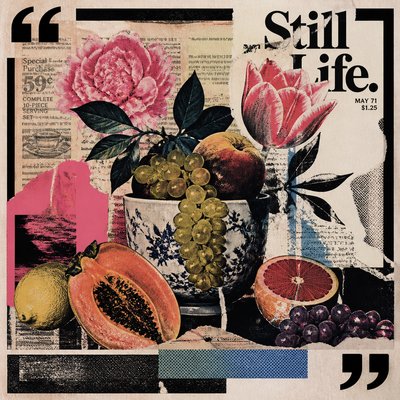
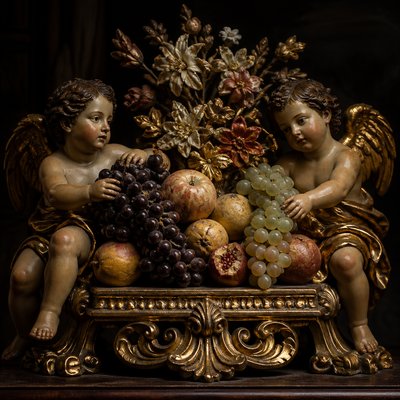
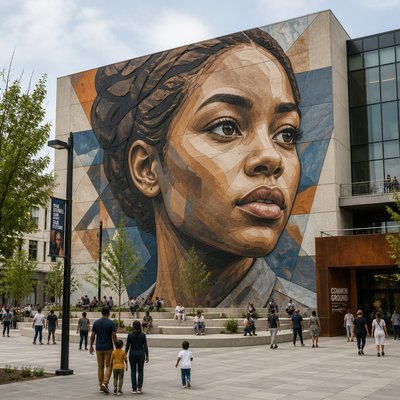
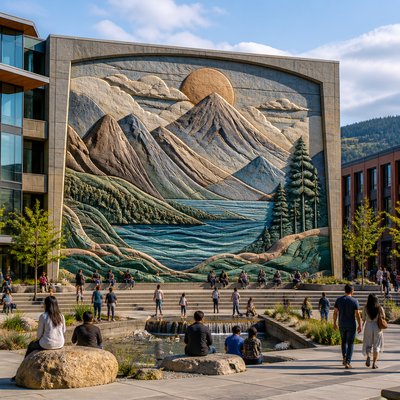
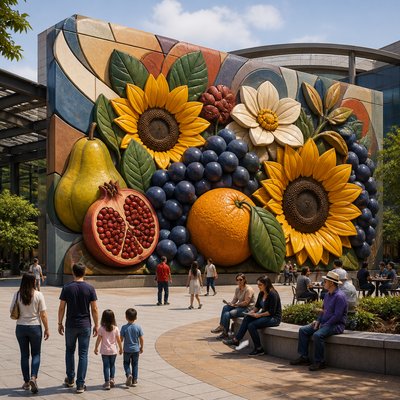
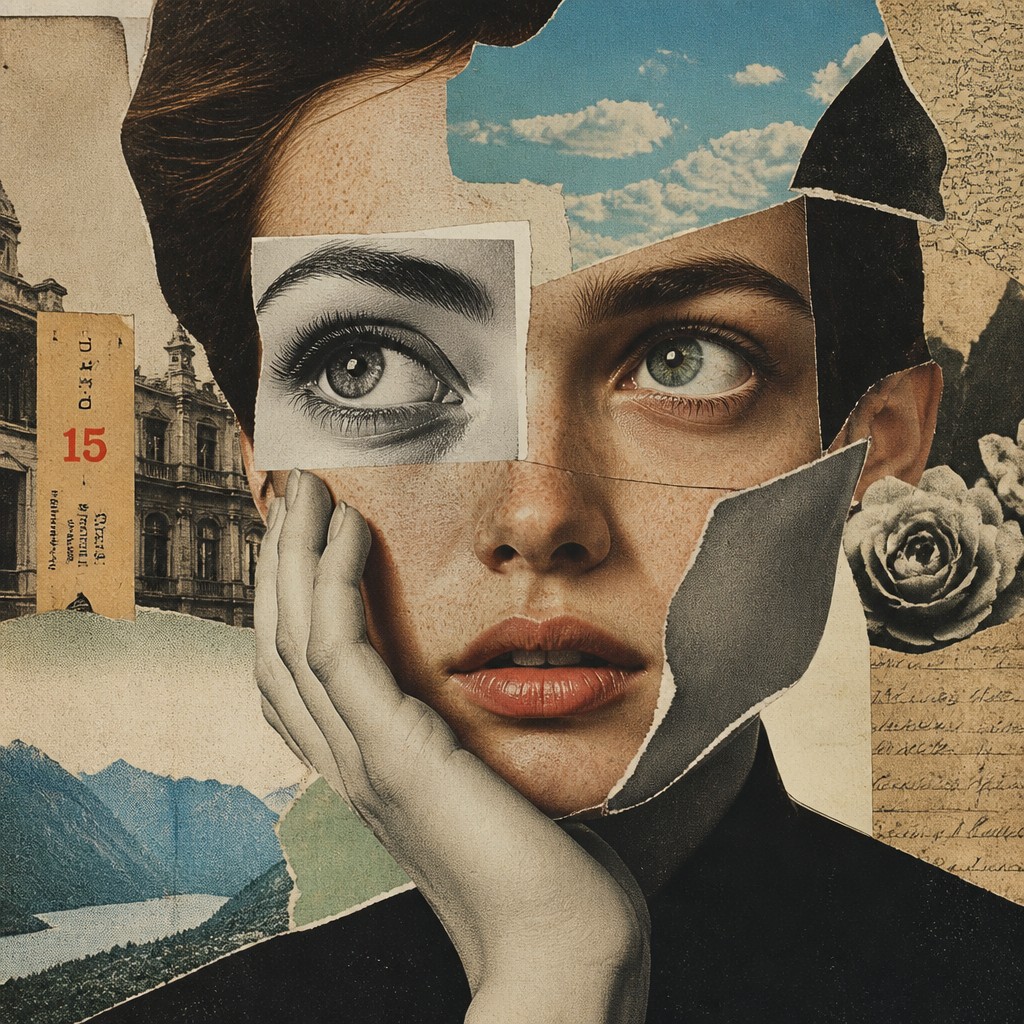
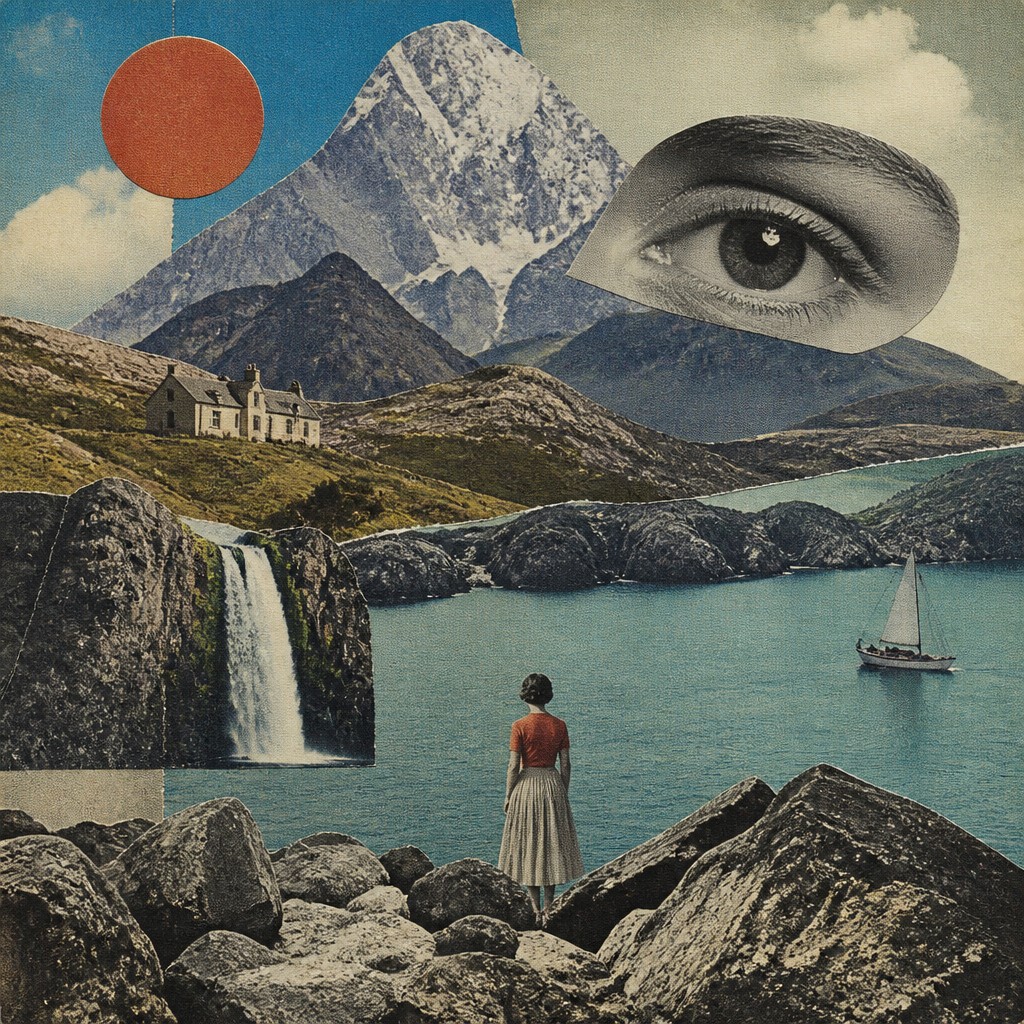
Photomontage art constructs a single image by combining photographic fragments that were captured, cut, rearranged, and layered rather than photographed as one continuous scene. Its visual identity comes from visible seams, abrupt changes in scale, conflicting perspectives, sharp cut edges, and the collision of unrelated subjects. A person may appear beside an oversized architectural detail, a landscape may open inside an interior, or an ordinary object may be displaced into an impossible setting.
The style preserves evidence of its assembly instead of disguising the composite. Grain, halftone dots, paper fibers, glue marks, scissor cuts, registration shifts, and uneven overlaps can make the image feel like a hand-built printed artifact. Surreal combinations create ambiguity and symbolic tension, while the photographic source material gives the impossible scene a documentary or editorial charge.
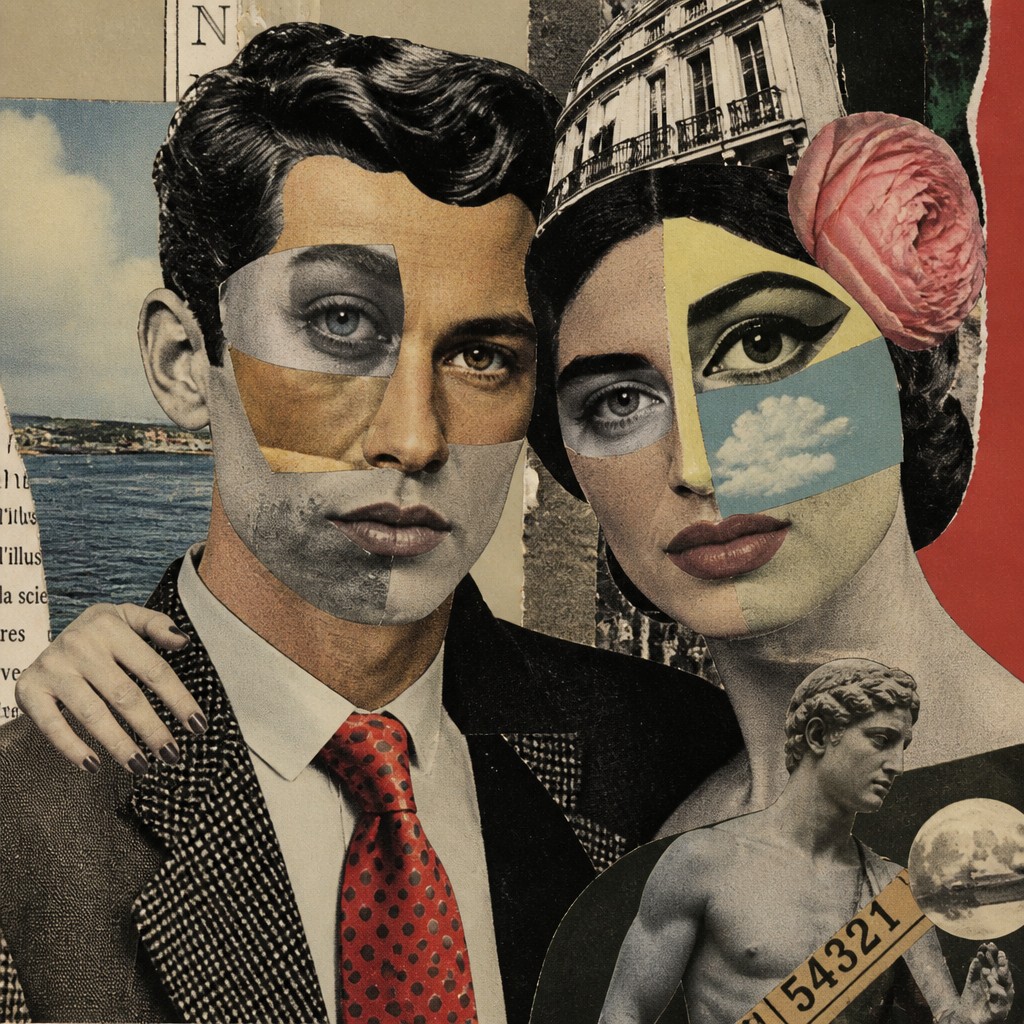
Try It On Your Photos
Upload any photo and convert it into Photomontage Art Style — drag the sliders to compare before and after.
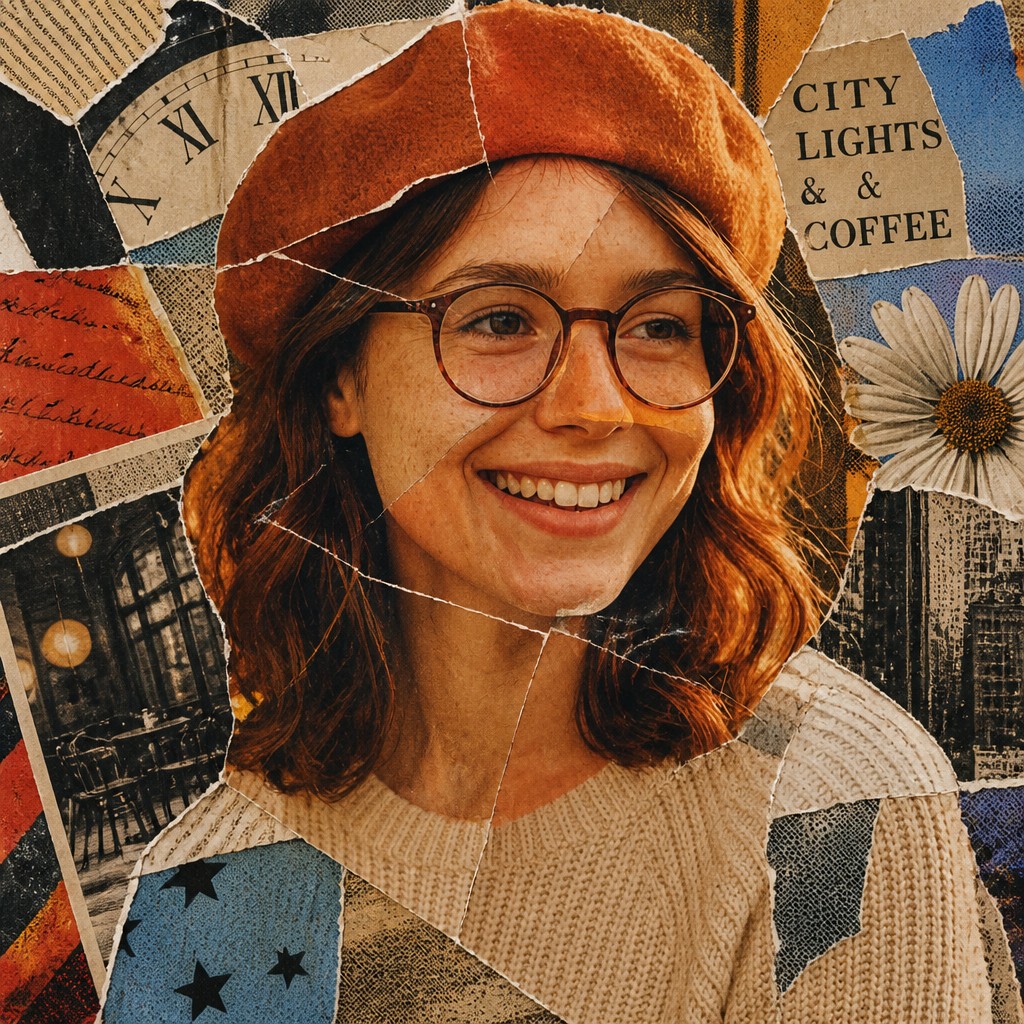

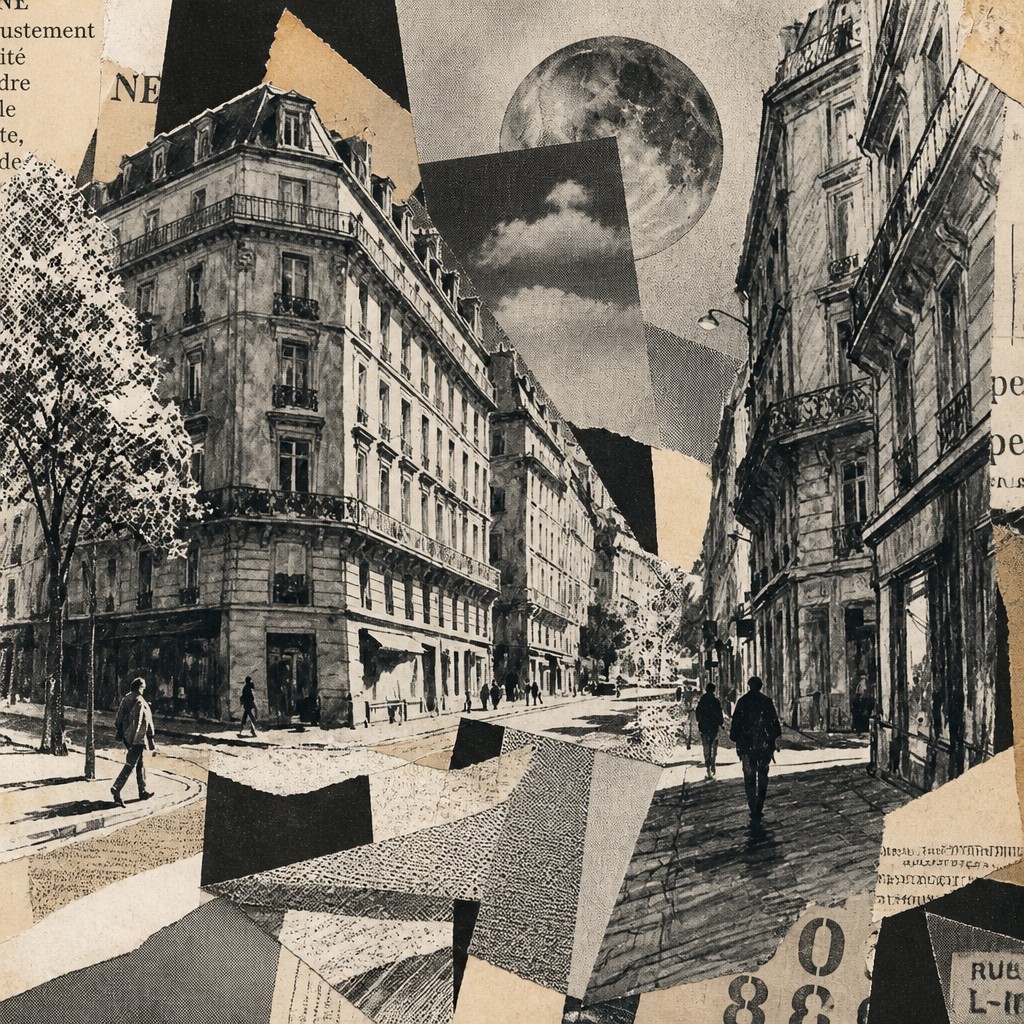

What Defines Photomontage Art Style
The signature details, up close
Spliced photographic fragments
The image is built from recognizable pieces of photographs rather than a uniformly rendered environment. Fragments may retain different lighting, focus, color, and photographic grain.
Visible seams and cut edges
Junctions are intentionally exposed through sharp contours, torn borders, overlaps, glue-like marks, or slight misalignment. The construction remains part of the subject.
Mismatched scale and perspective
Objects are enlarged, reduced, or inserted into spaces where their proportions do not belong. Conflicting viewpoints reinforce the dreamlike instability.
Surreal juxtaposition
Disparate imagery is combined to produce visual paradox, symbolic association, or narrative uncertainty. Familiar objects become strange through displacement.
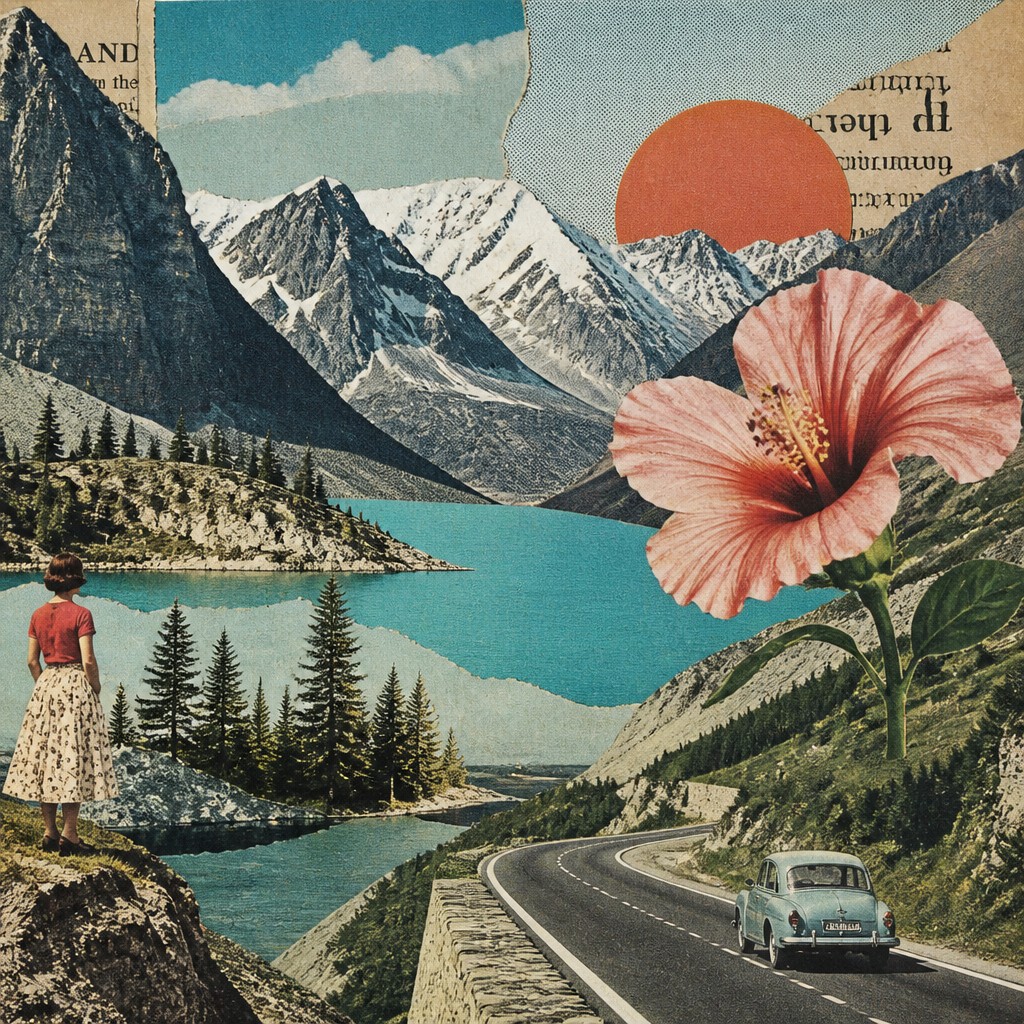
Printed photographic texture
Halftone dots, coarse grain, faded ink, paper wear, and limited color separation suggest newspapers, posters, magazines, or manually reproduced ephemera.
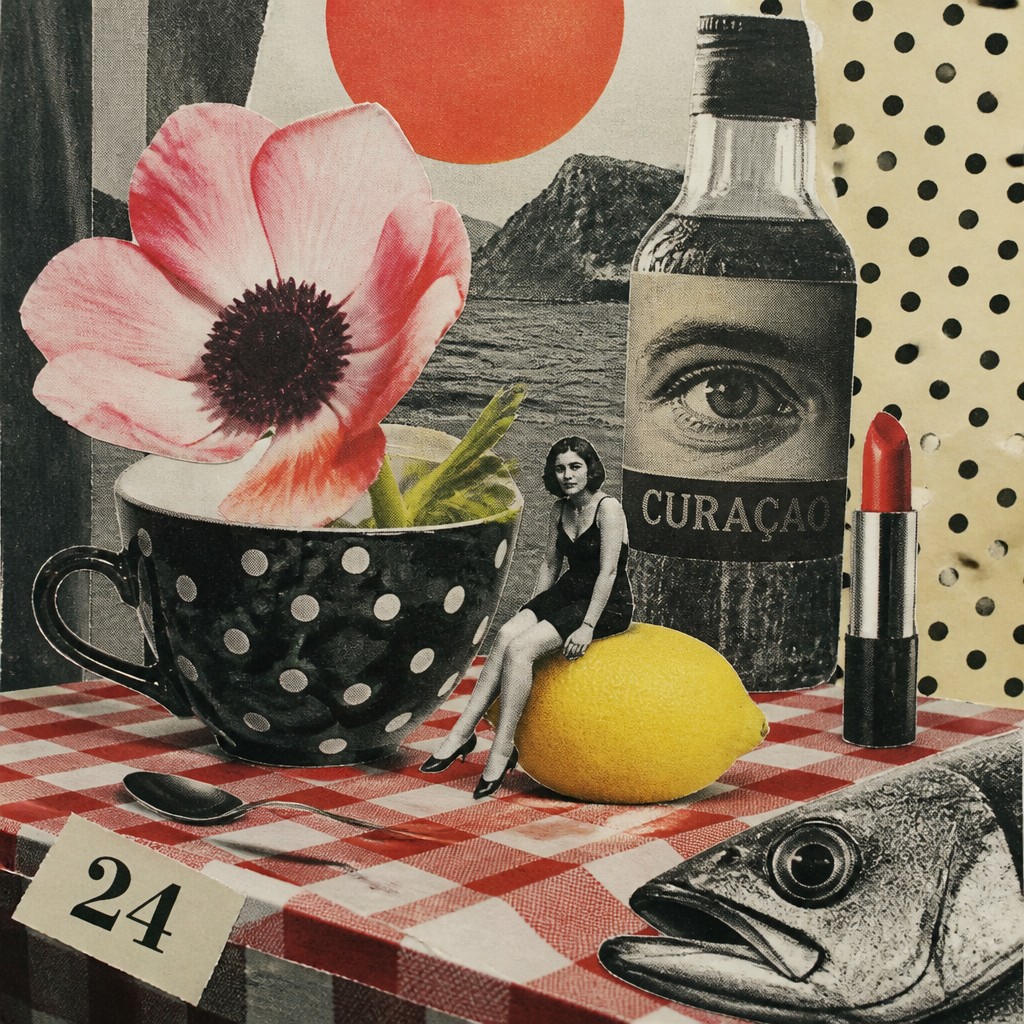
Layered depth
Foreground, middle-ground, and background elements overlap like stacked clippings. Flat pasted sections may coexist with fragments that retain convincing photographic depth.
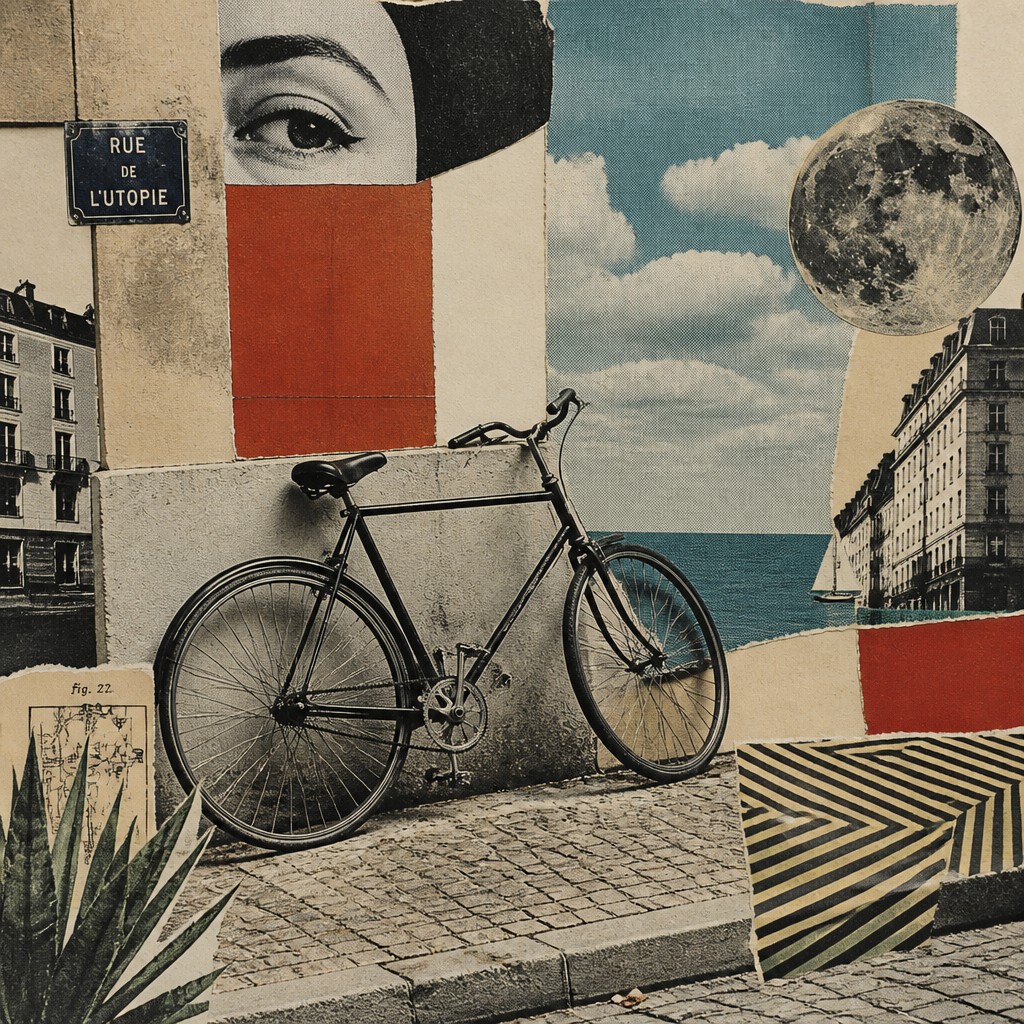
Documentary tension
Realistic photographic details lend credibility to impossible events. This contrast can make the image feel editorial, archival, political, theatrical, or psychologically charged.
Photomontage Prompt Ideas
Start from an idea — each one opens the generator with the style ready to go. See all 40 Photomontage prompts →
How to Create Photomontage Art
Master the craft step by step — or skip straight to creating. Read the full guide →
- 1
Collect contrasting source material
Gather photographs with different subjects, eras, viewpoints, and textures, such as architecture, botanical forms, machinery, portraits, and landscapes. Choose fragments whose visual incompatibility can create a deliberate tension.
- 2
Cut and arrange by hand
Print source images, cut them with scissors or a blade, and assemble them on paper before photographing or scanning the result. Preserve overlaps, rough edges, folds, and adhesive traces when a tactile finish is desired.
- 3
Build nonmatching digital layers
Use masks, selections, layer transforms, and blend modes to position each fragment independently. Avoid smoothing every transition: retain hard contours, scale discrepancies, and small registration errors.
- 4
Unify without erasing difference
Apply a restrained tonal or color treatment so the fragments coexist, then add grain, halftone screening, paper texture, or print misregistration. Keep some differences in focus, lighting, and color to preserve the assembled character.
- 5
Design the visual hierarchy
Give the composition a dominant focal fragment and use secondary pieces to create directional flow, depth, or symbolic contrast. Empty areas can make the inserted elements feel more startling.
- 6
Write a specific generation prompt
For text-to-image creation, describe the subject, the relationships between incompatible objects, the desired photographic sources, and the physical signs of assembly. For image-to-image work, specify which parts of the source image should remain recognizable and which should be replaced by layered fragments.
The Story
History & Origins of Photomontage
Photomontage is an invented stylistic label for a contemporary aesthetic lineage rather than a single historical movement. It draws primarily from early twentieth-century photographic collage and political montage, experimental surrealist collage, illustrated magazine layouts, found-image assemblage, and later digital compositing. These traditions treated photography as a material to be cut apart and reorganized, using discontinuity to question perception, mass media, identity, and reality.
Digital image editing expanded the process through layers, masks, blending modes, cloning, and precise scaling, while contemporary image-making often deliberately reintroduces the imperfections of handmade collage. The style described here combines those historical methods with a recognizable tactile vocabulary: grainy reproduction, halftone print surfaces, hard collage contours, mismatched photographic eras, and conspicuously assembled surreal scenes.
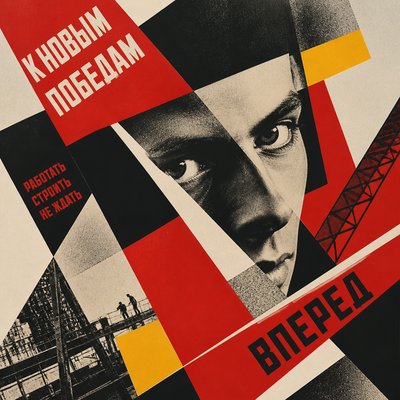
Influences: The style is related to early twentieth-century photographic montage, surrealist collage, Dada assemblage, constructivist graphic composition, avant-garde magazine design, political poster art, found-image collage, scrapbook aesthetics, and contemporary digital compositing. It also shares methods with experimental editorial photography and album-cover design, especially the use of scale disruption, juxtaposition, and reproduced print textures to make images feel both factual and impossible.
Frequently Asked Questions
What defines photomontage art?
It is defined by the combination of photographic fragments into one composite image, with the joining process often left visible. Mismatched scale, conflicting perspectives, surreal subject combinations, and printed or handmade textures are central features.
How is photomontage different from ordinary photo editing?
Ordinary photo editing often aims to make changes appear seamless and plausible. Photomontage generally emphasizes construction, allowing hard edges, inconsistent lighting, altered proportions, and visible layers to communicate that the image has been assembled.
Is photomontage a historical movement or a modern digital style?
Photomontage has a substantial historical lineage in photographic collage, avant-garde art, graphic design, and political print culture. The specific combination of tactile cut-paper imperfections, surreal composites, and digital image-making is a contemporary stylistic formulation rather than one unified historical movement.
How can I make a photomontage by hand?
Print or photocopy source photographs, cut out selected forms, and arrange them on a sheet while testing overlaps and scale. Glue the final arrangement, then scan or photograph it; preserving paper grain, torn edges, and uneven alignment will strengthen the handmade effect.
What makes a generated image look more convincing in this style?
Describe concrete relationships between the subjects instead of requesting only a general surreal image. Include layered photographic fragments, visible cut edges, mismatched scale, halftone or grain texture, and a clear focal subject, while asking that the composite remain visibly assembled.
Where is photomontage commonly used?
It appears in editorial illustration, posters, book and magazine covers, music artwork, advertising, experimental photography, social commentary, and conceptual fine art. Its ability to combine recognizable images makes it useful for communicating metaphor, contradiction, and cultural critique.
Create your first Photomontage artwork
Describe anything — or upload a photo — and see it in Photomontage Art Style in seconds.
Related Styles
Discover similar art styles