Flatness Art Style
Explore Flatness Art Style: bold unshaded shapes, black outlines, compressed space, and decorative surfaces inspired by prints and panel painting.
Instantly rendered in Flatness — or transform a photo
Flatness Gallery
Tap any artwork to explore it
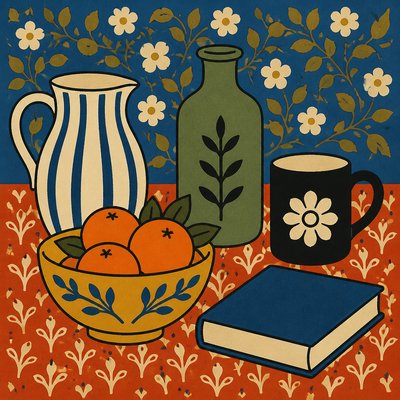
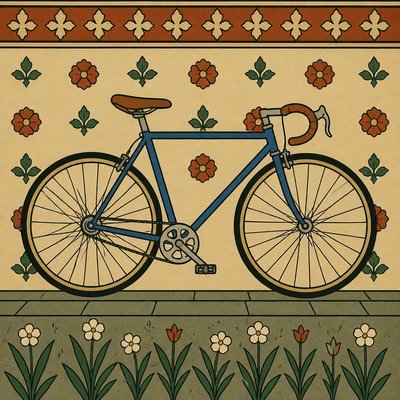
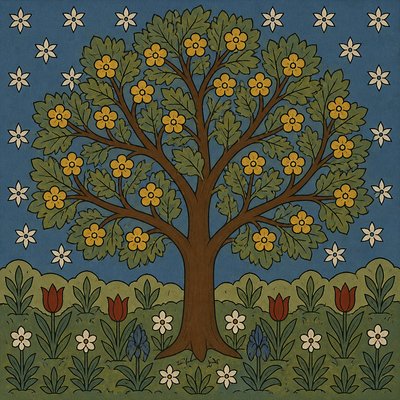
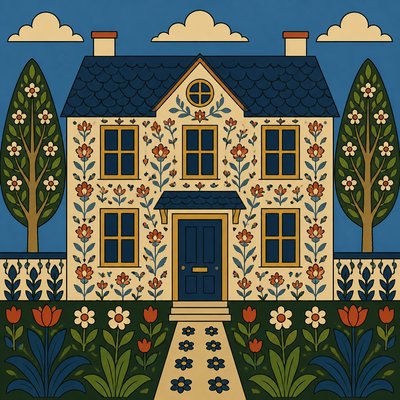

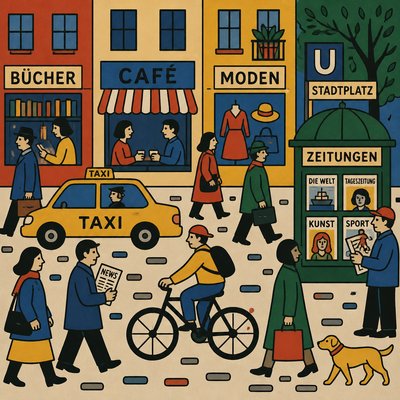
What is Flatness Art Style?
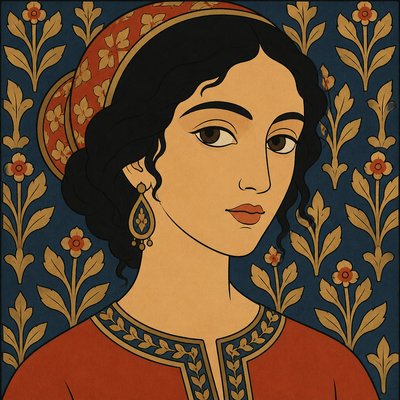
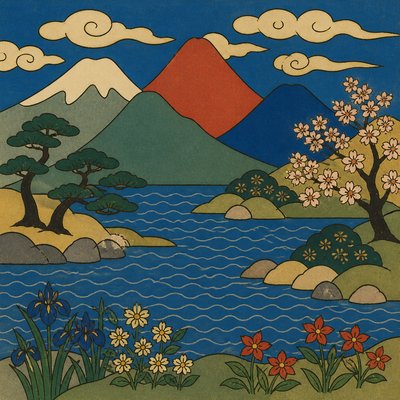
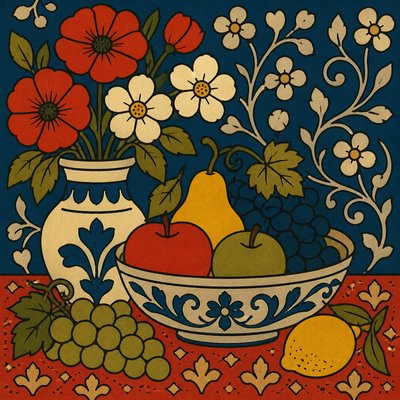
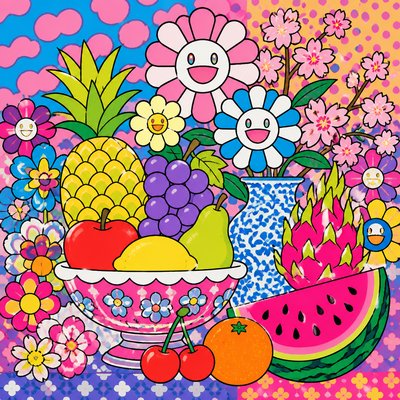
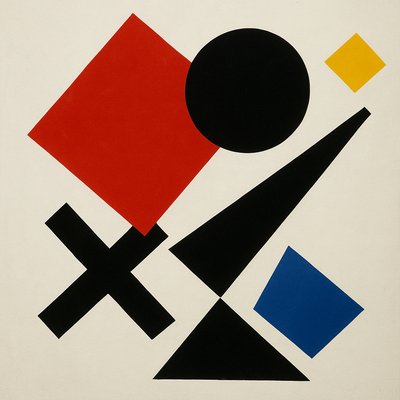
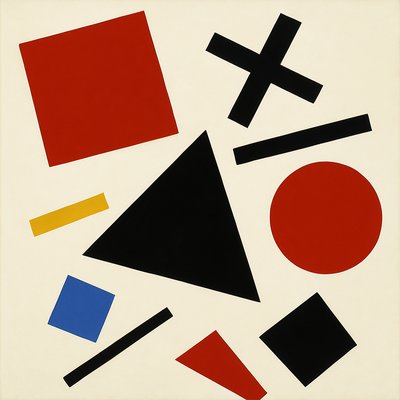
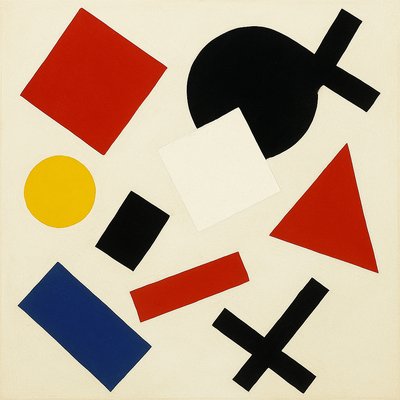
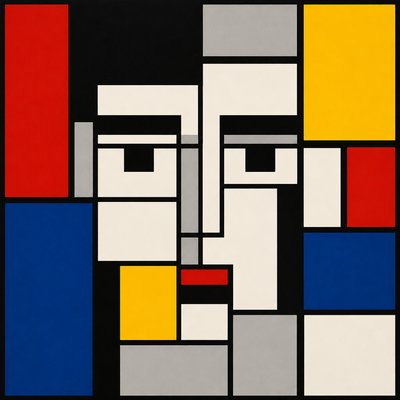
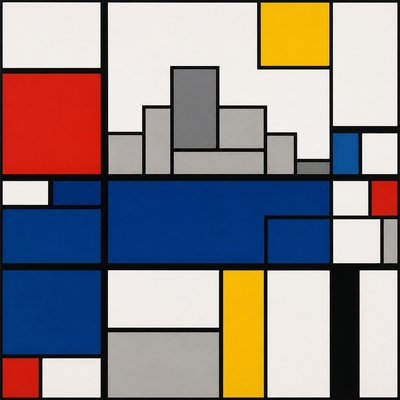
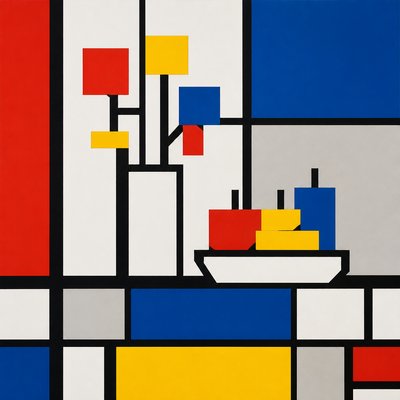
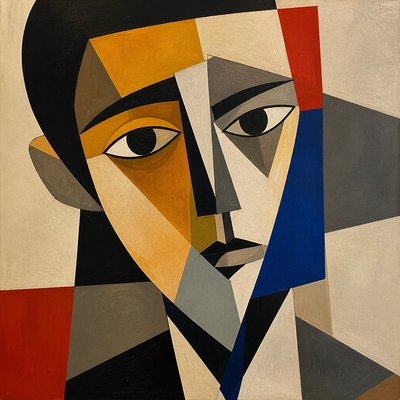
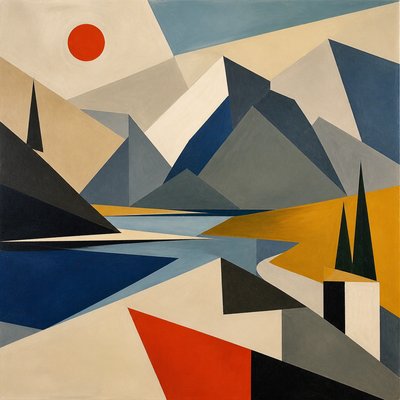
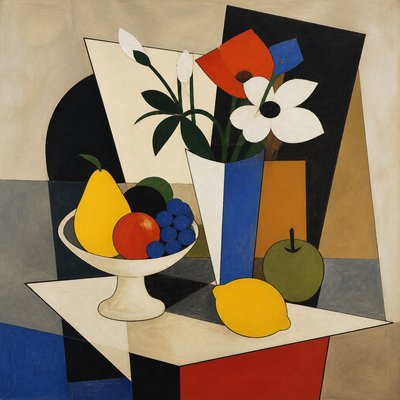
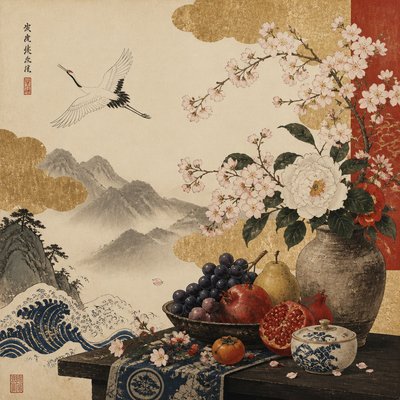
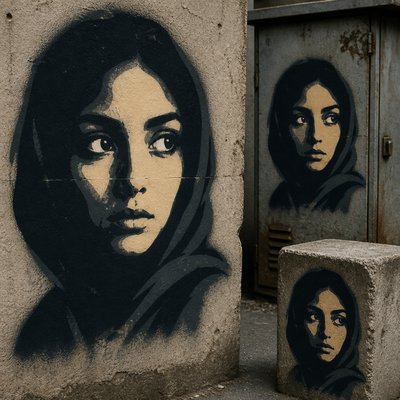
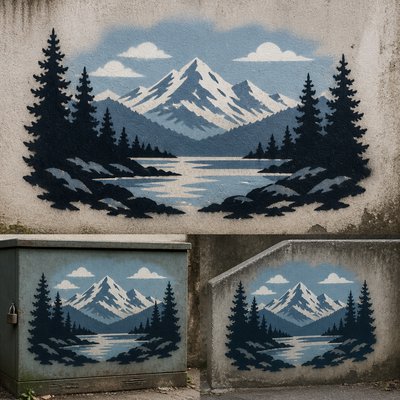
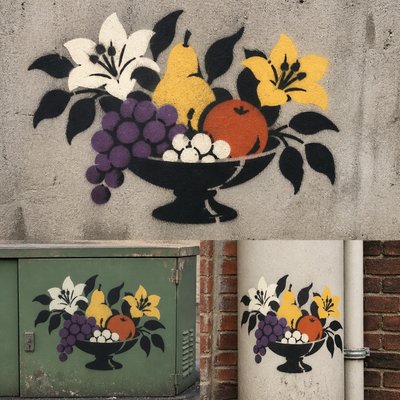
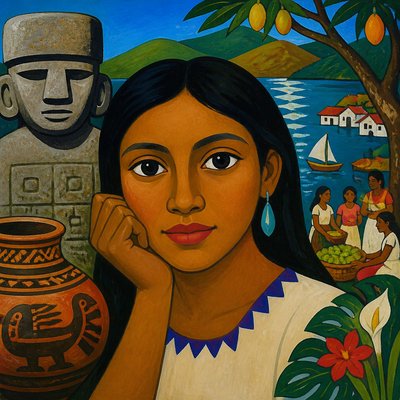
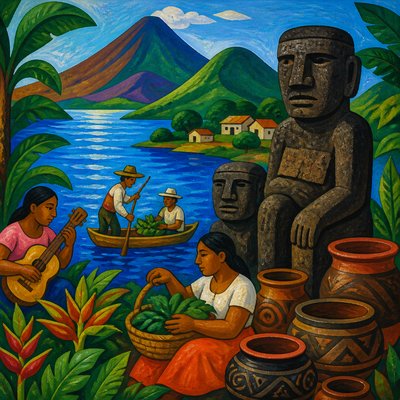
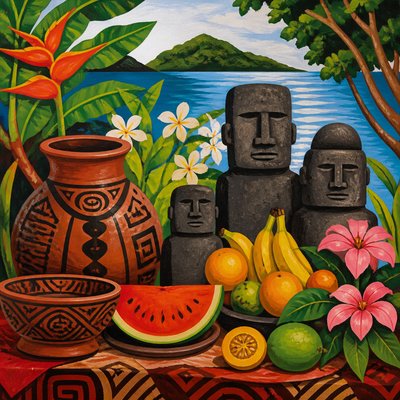
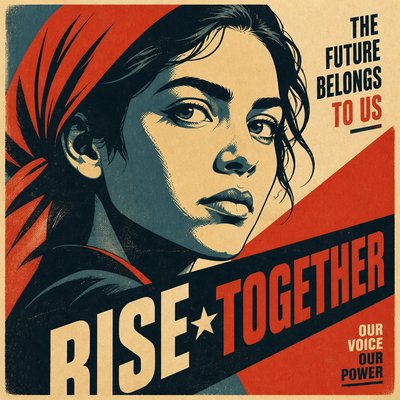
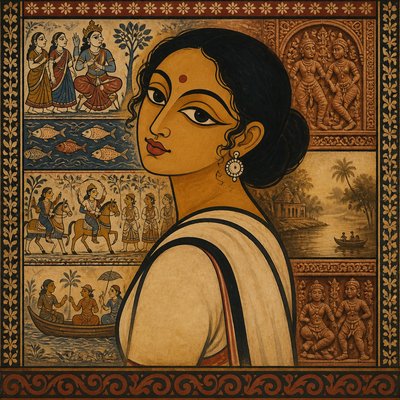
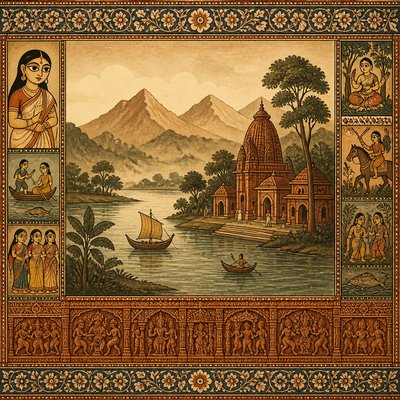
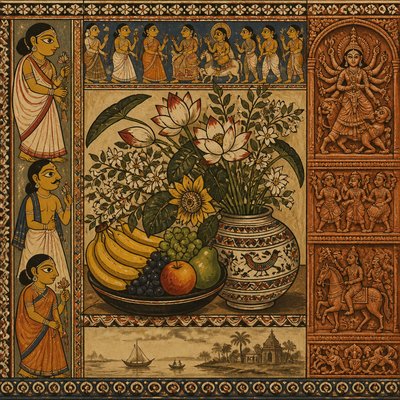
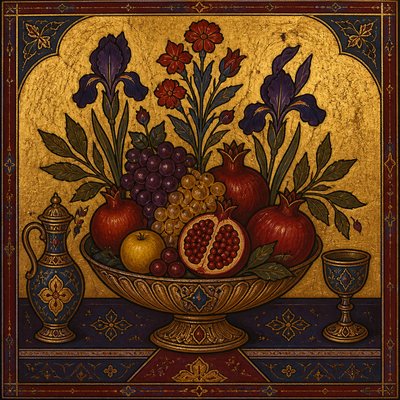
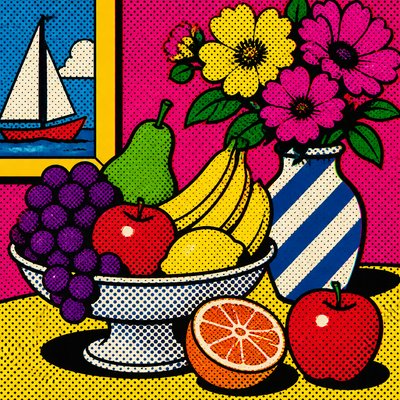
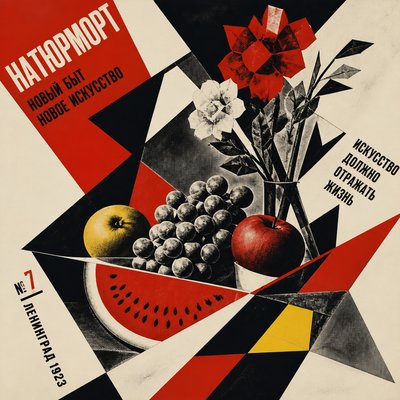
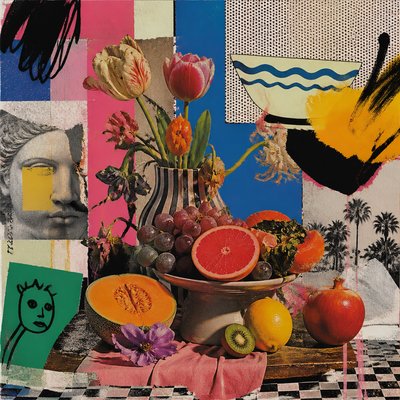
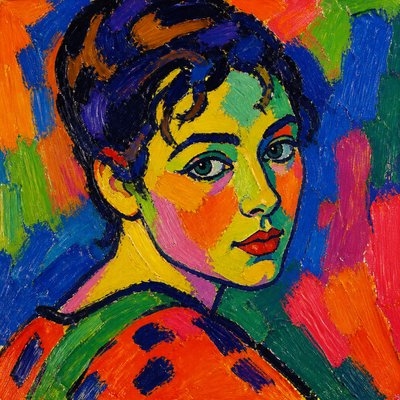
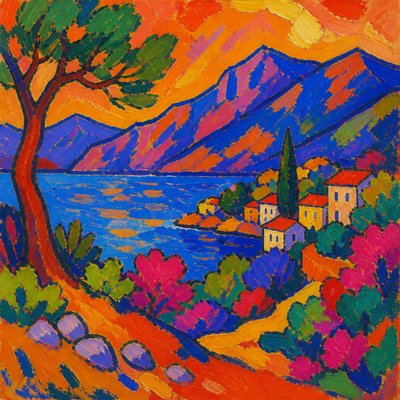
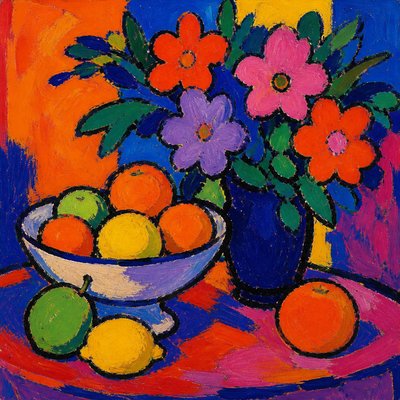
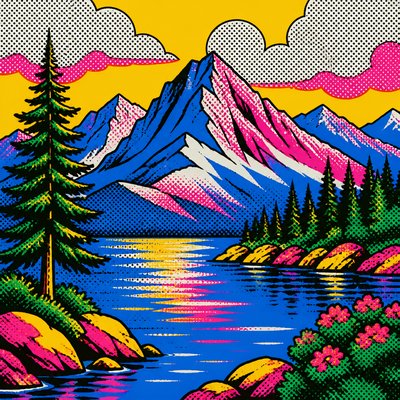
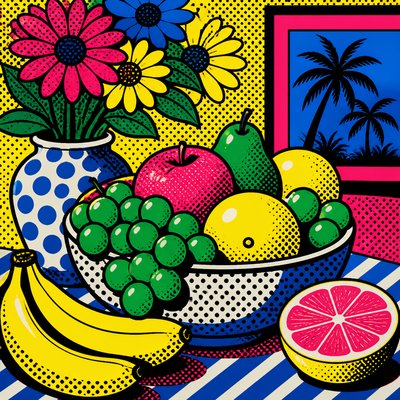
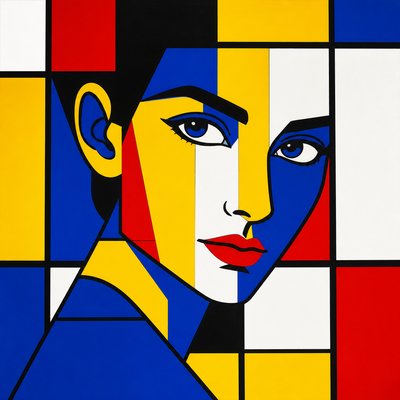
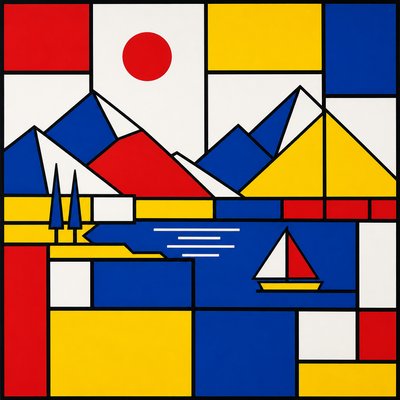
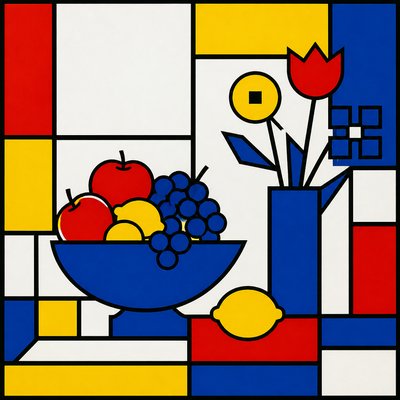
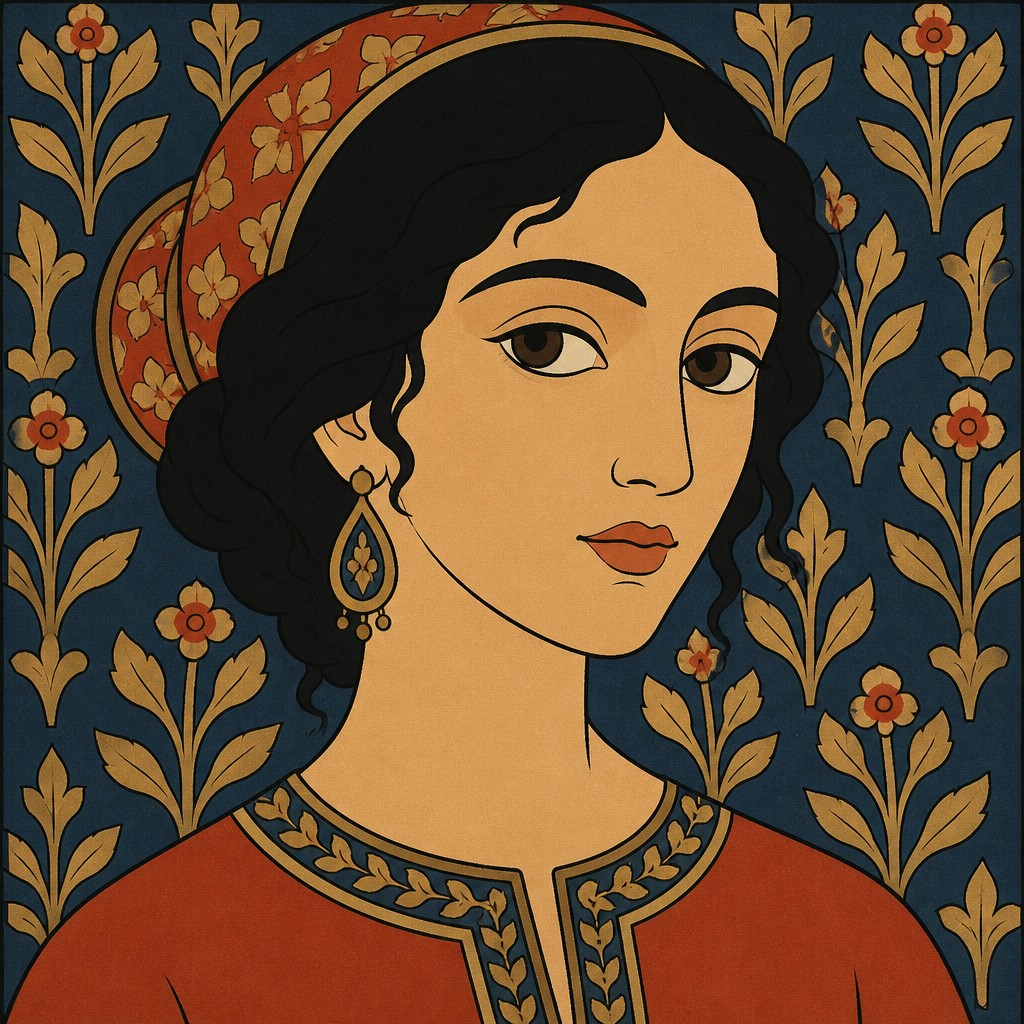
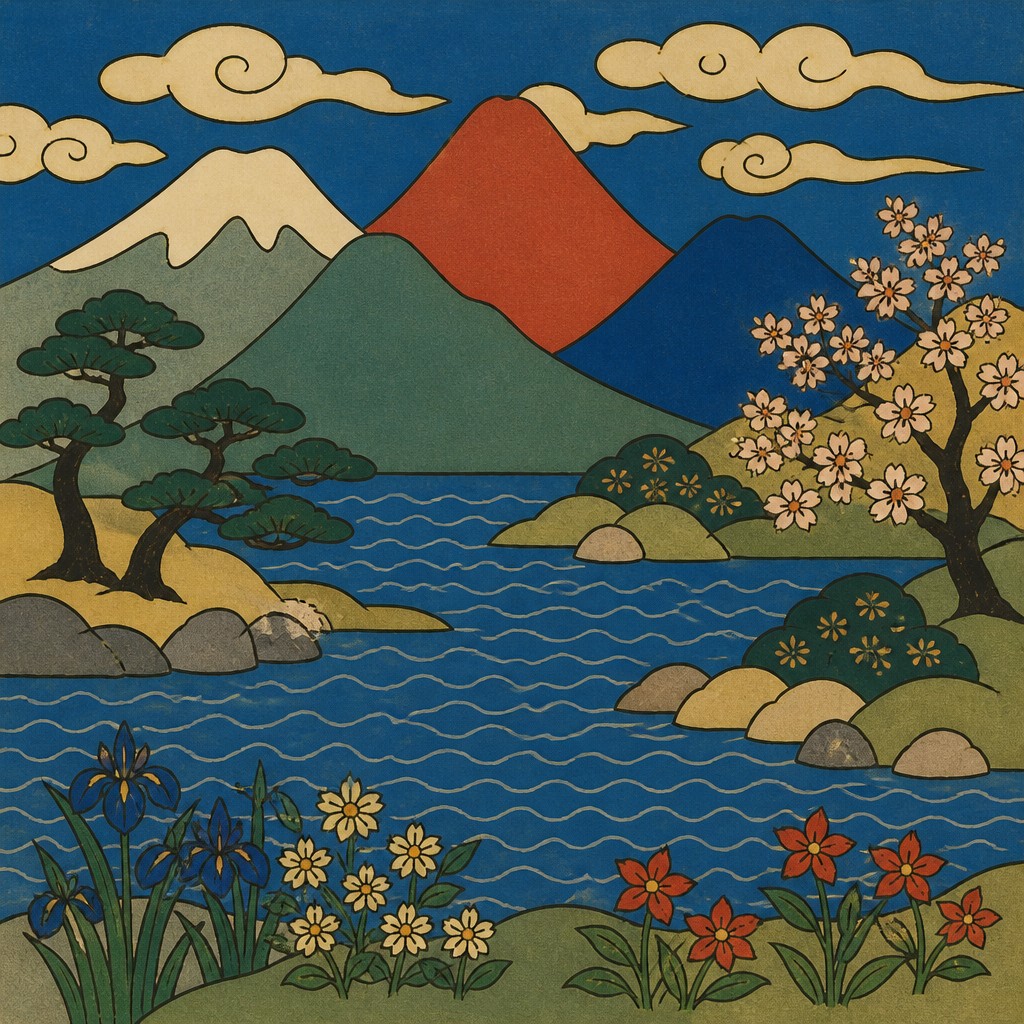
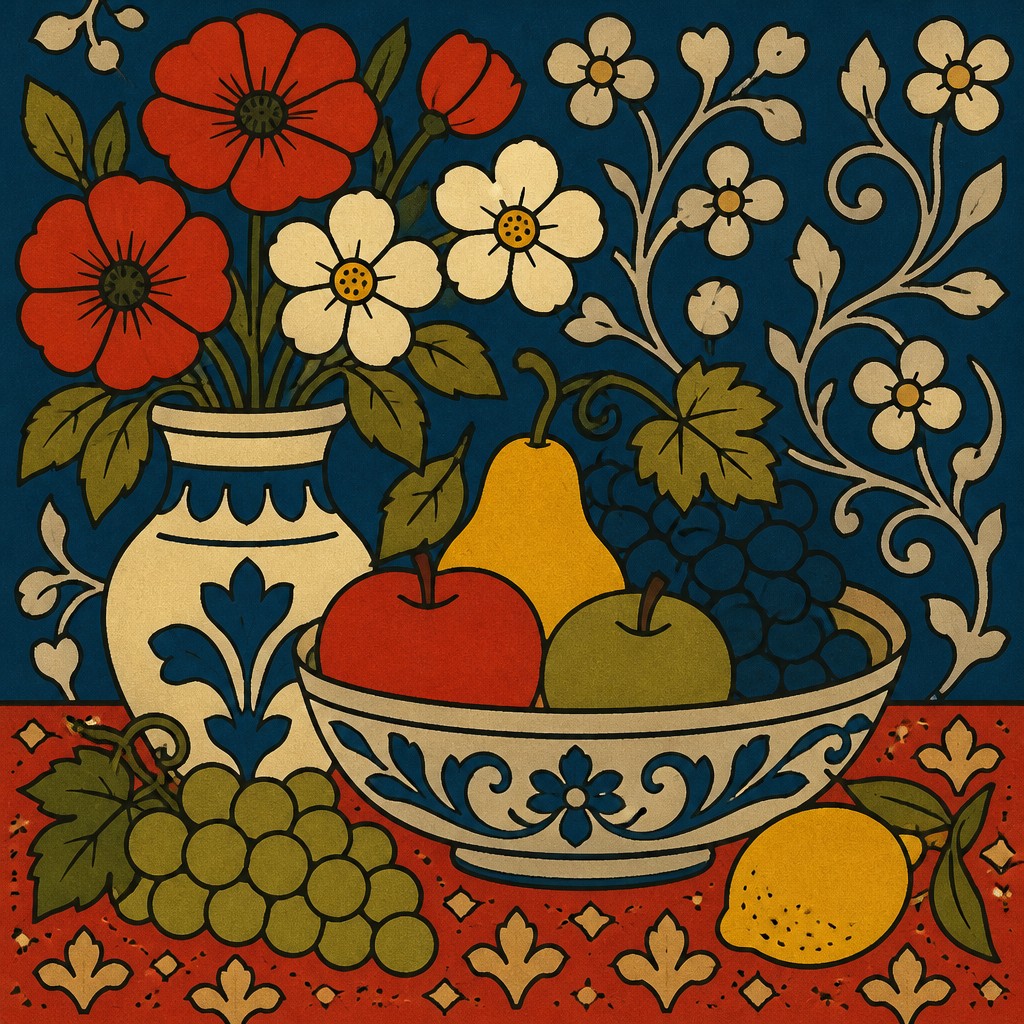
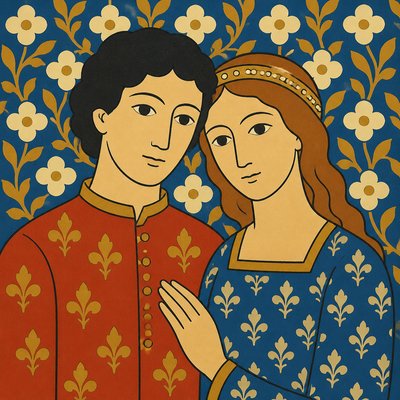
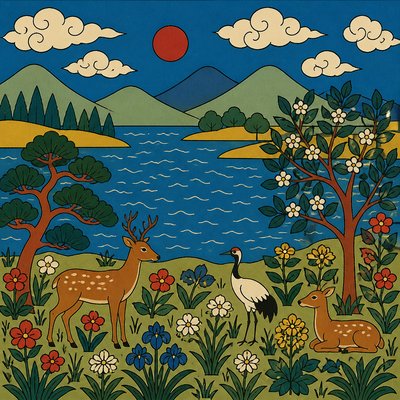
Flatness Art Style is a deliberately non-illusionistic visual language built from bold, unshaded color fields, crisp black contours, and shallow compressed space. Figures, objects, and backgrounds are simplified into graphic shapes rather than modeled with realistic volume, atmospheric perspective, cast shadows, or gradients.
The style looks cohesive because every element shares the same flattened treatment. Minimal overlapping, limited spatial recession, and repeated decorative patterns produce an image that reads more like a designed surface, emblem, print, or panel than a window onto three-dimensional space. Its clarity makes it effective for symbolic scenes, editorial illustration, posters, icons, narrative tableaux, and stylized portraits.
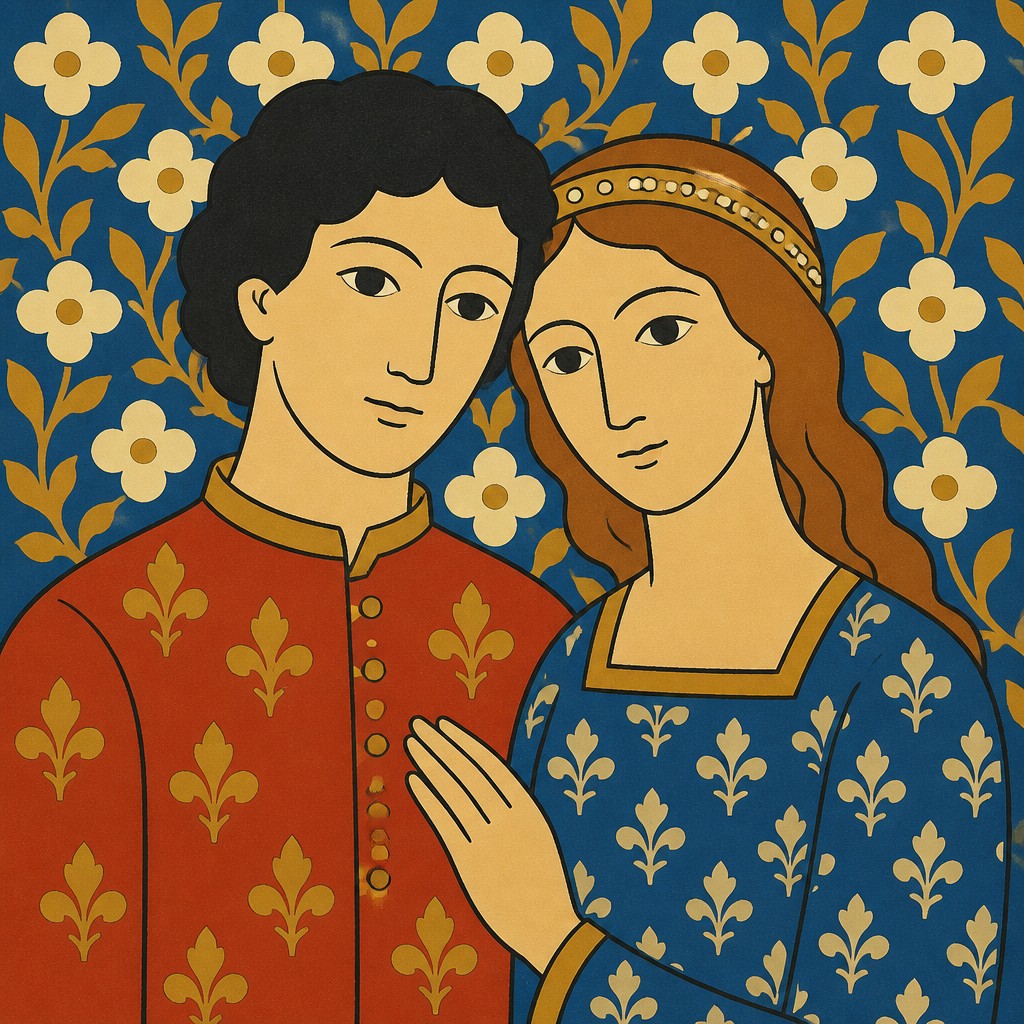
Try It On Your Photos
Upload any photo and convert it into Flatness Art Style — drag the sliders to compare before and after.


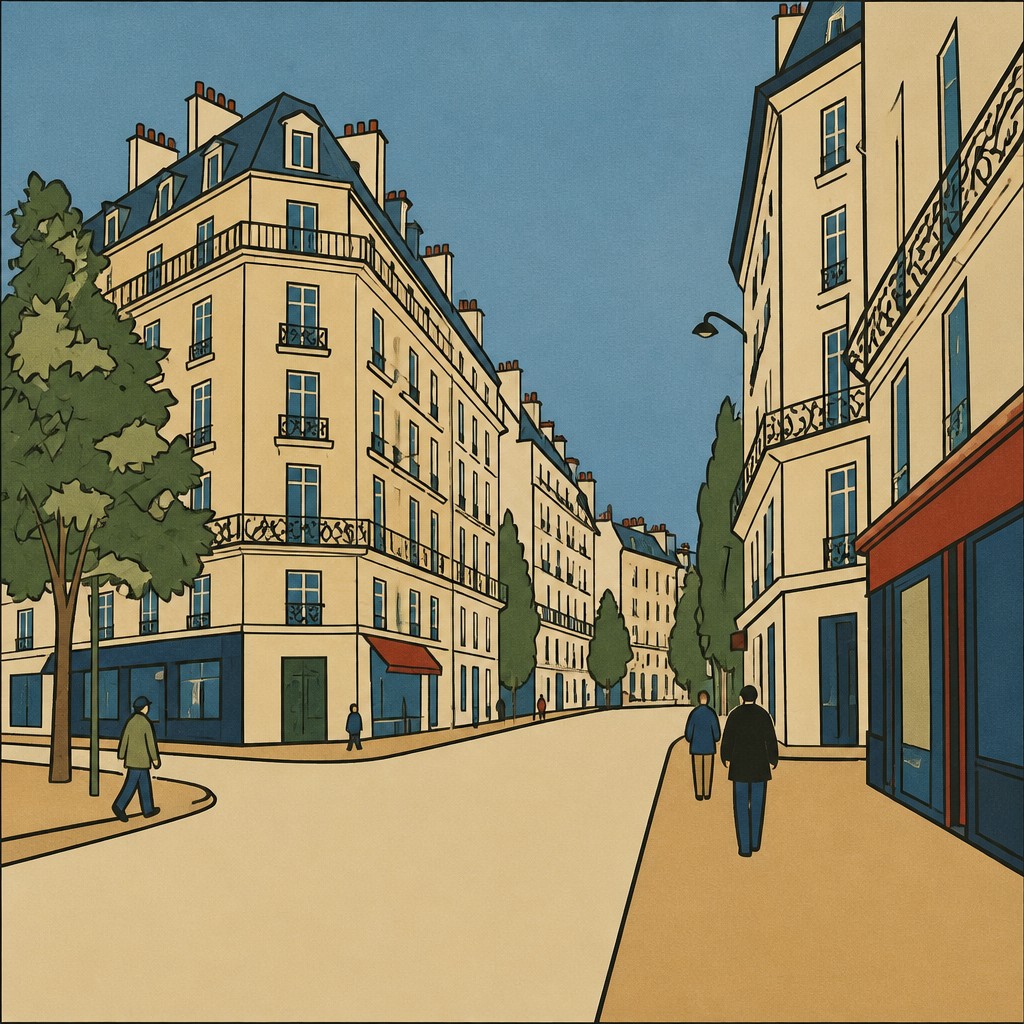

What Defines Flatness Art Style
The signature details, up close
Unshaded color fields
Large areas of saturated or restrained color remain visually even from edge to edge. Volume is suggested by silhouette, placement, and color contrast rather than gradients, reflected light, or tonal modeling.
Thin black contours
Consistent black outlines separate adjacent shapes and make the composition immediately legible. Line weight is usually uniform, with limited expressive variation.
Compressed shallow space
Foreground, middle ground, and background sit close together on a nearly planar surface. Conventional vanishing points and strong depth cues are minimized or omitted.
Simplified silhouettes
People, animals, architecture, and objects are reduced to recognizable graphic masses. Small details are selected for symbolic or decorative value rather than realistic description.
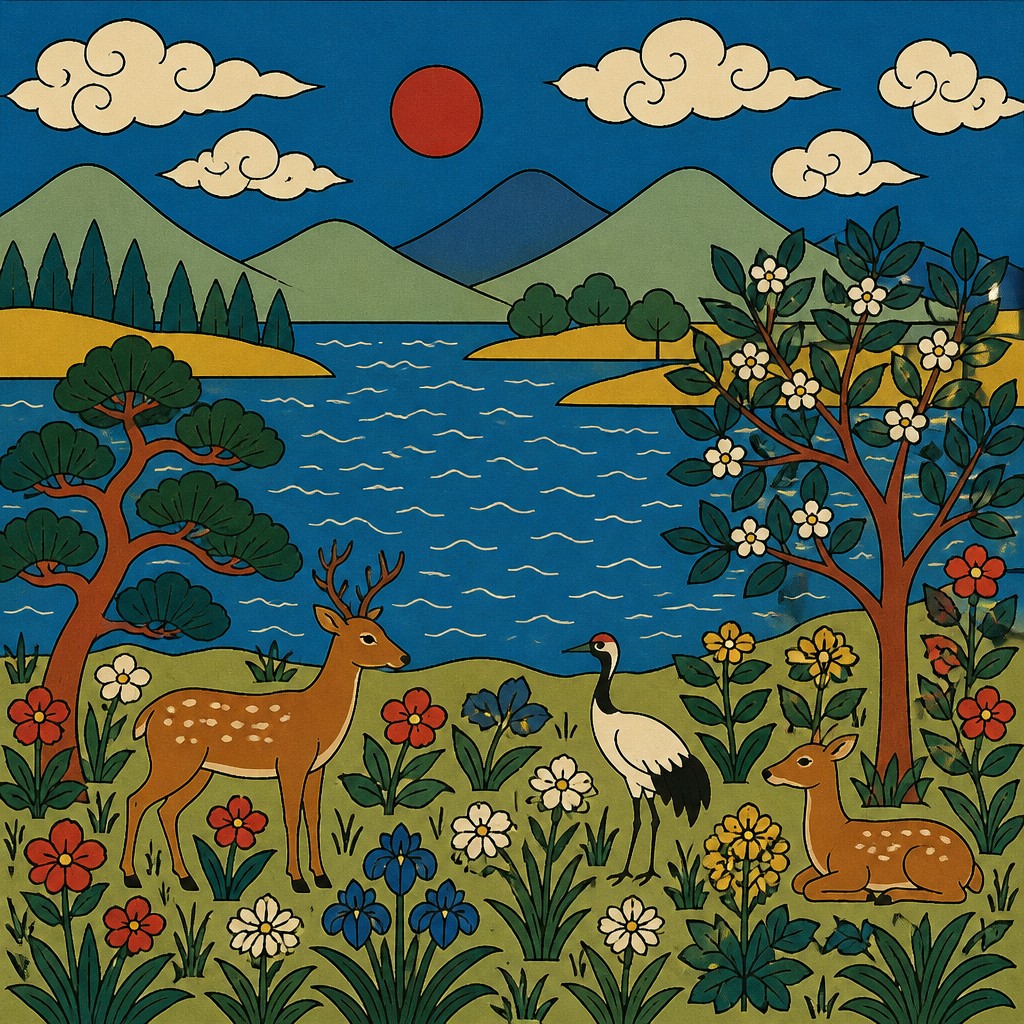
Decorative pattern
Repeated motifs, foliage, textile-like marks, geometric fills, or ornamental backgrounds unify the picture plane. Pattern often remains as visually important as the central subject.
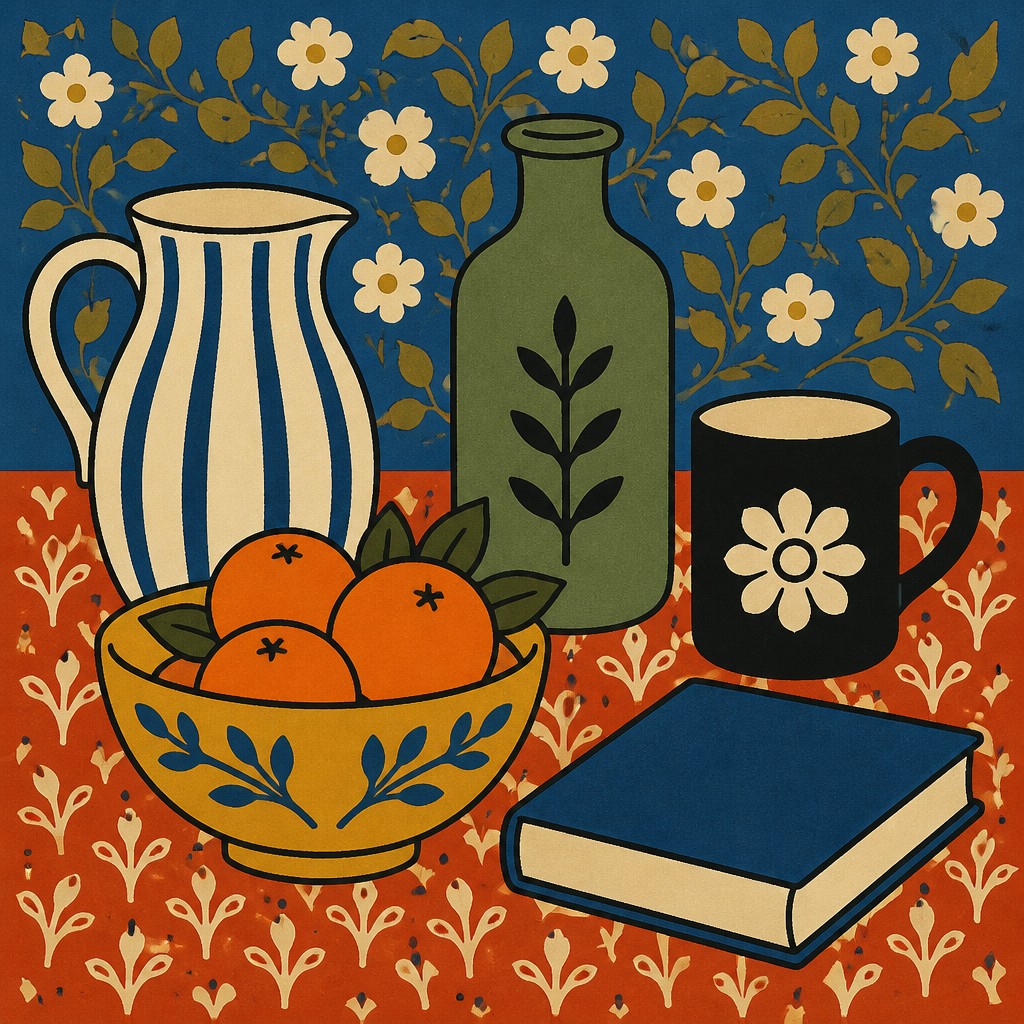
Limited spatial overlap
Shapes overlap sparingly and usually maintain clear boundaries. This prevents the layered scene from becoming volumetric and preserves a poster-like, emblematic clarity.
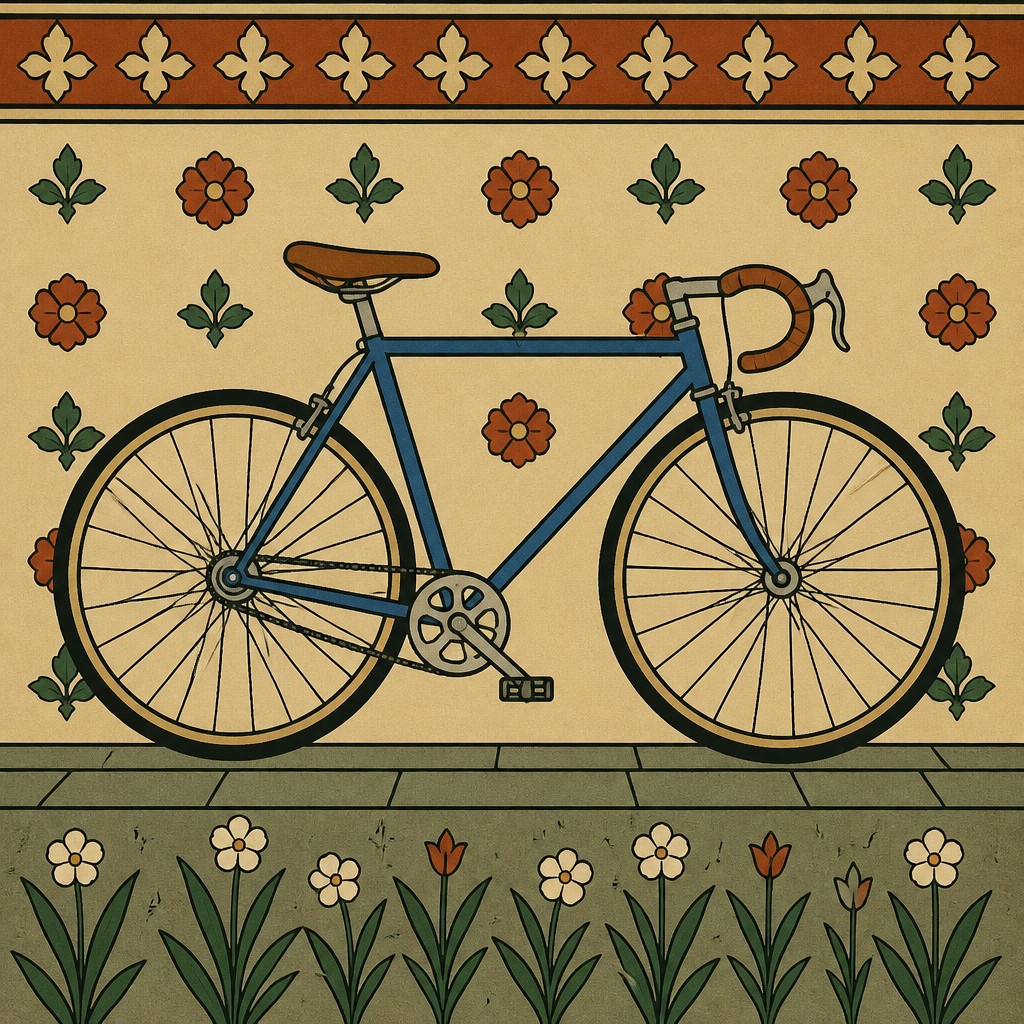
Narrative or symbolic composition
The arrangement often prioritizes meaning, rhythm, and visual balance over optical realism. Enlarged figures, frontal poses, and unusual scale relationships can communicate importance or mood.
Flatness Prompt Ideas
Start from an idea — each one opens the generator with the style ready to go. See all 40 Flatness prompts →
How to Create Flatness Art
Master the craft step by step — or skip straight to creating. Read the full guide →
- 1
Build from cut-paper shapes
Sketch the subject as a small set of clear silhouettes, then arrange colored paper or painted blocks on a flat support. Keep overlaps intentional and avoid modeling forms with blended tones.
- 2
Use a restricted palette
Choose a compact palette of flat hues and reserve black or a very dark color for contours. Test the image at thumbnail size so the major shapes remain readable without shading.
- 3
Flatten the composition
Arrange forms frontally or in stacked bands rather than relying on realistic perspective. Replace cast shadows and atmospheric recession with decorative borders, pattern, or color contrast.
- 4
Work with vector or digital layers
Create separate layers for silhouettes, outlines, background fields, and patterns, using hard-edged fills and consistent stroke settings. Disable soft brushes, blur, gradient fills, and accidental transparency.
- 5
Direct prompt-based generation precisely
Specify unshaded color blocks, thin black outlines, minimal overlap, no perspective lines, a shallow picture plane, and a uniform decorative pattern. Name the subject and composition clearly, then exclude gradients, photorealism, dramatic lighting, and deep perspective.
The Story
History & Origins of Flatness
Flatness Art Style is an invented contemporary label rather than a documented historical movement with a fixed period or founding group. Its aesthetic lineage draws on several traditions that intentionally reduce or reject naturalistic depth, including woodblock printing, medieval panel painting, illuminated manuscripts, folk art, modernist poster design, and twentieth-century flat graphic illustration.
Digital design further encouraged this approach through vector shapes, limited palettes, uniform outlines, and screen-friendly compositions. The style combines these precedents into a flexible image-making formula: a decorative, shallow picture plane with simplified forms and little evidence of conventional perspective.
Influences: The style is closely related to woodblock print traditions, medieval and Byzantine panel painting, illuminated manuscript art, folk and vernacular decoration, modernist poster design, stencil graphics, vector illustration, and selected forms of naive and primitivist composition. It also shares the rejection of naturalistic depth found in some modernist painting and the visual economy of comics, pictograms, and editorial graphics, while remaining more ornamental and panel-like than purely functional icon design.
Frequently Asked Questions
What defines Flatness Art Style?
Its defining features are unshaded color fields, thin dark outlines, simplified silhouettes, shallow space, limited overlap, and decorative pattern. The style intentionally treats the image as a surface rather than an illusionistic three-dimensional scene.
Is Flatness Art Style a historical art movement?
No. It is a contemporary descriptive label rather than a historically organized movement with a recognized founding date or membership. Its appearance is assembled from older print, painting, folk, modernist, and graphic-design traditions.
How is it different from flat design?
Both use simplified shapes and restrained depth, but flat design usually serves interface clarity and functional communication. Flatness Art Style is more pictorial and decorative, often using ornamental pattern, narrative staging, symbolic scale, and panel-like composition.
Does this style use perspective at all?
It can include very slight size changes or overlapping forms, but conventional perspective is strongly reduced. Parallel edges, vanishing points, deep shadows, and atmospheric recession are generally avoided so the image remains shallow.
How can I make a photograph look like this style?
Reduce the image to a few large silhouettes, simplify facial and object details, apply a limited flat palette, and add consistent contour lines. Remove gradients, realistic shadows, and background depth while introducing a restrained decorative pattern.
Where is this visual approach commonly used?
It suits posters, editorial illustration, book covers, packaging, murals, greeting cards, textile motifs, character art, and narrative scenes. Its strong silhouettes and limited tonal range also make it adaptable to screen graphics and print production.
Create your first Flatness artwork
Describe anything — or upload a photo — and see it in Flatness Art Style in seconds.
Related Styles
Discover similar art styles